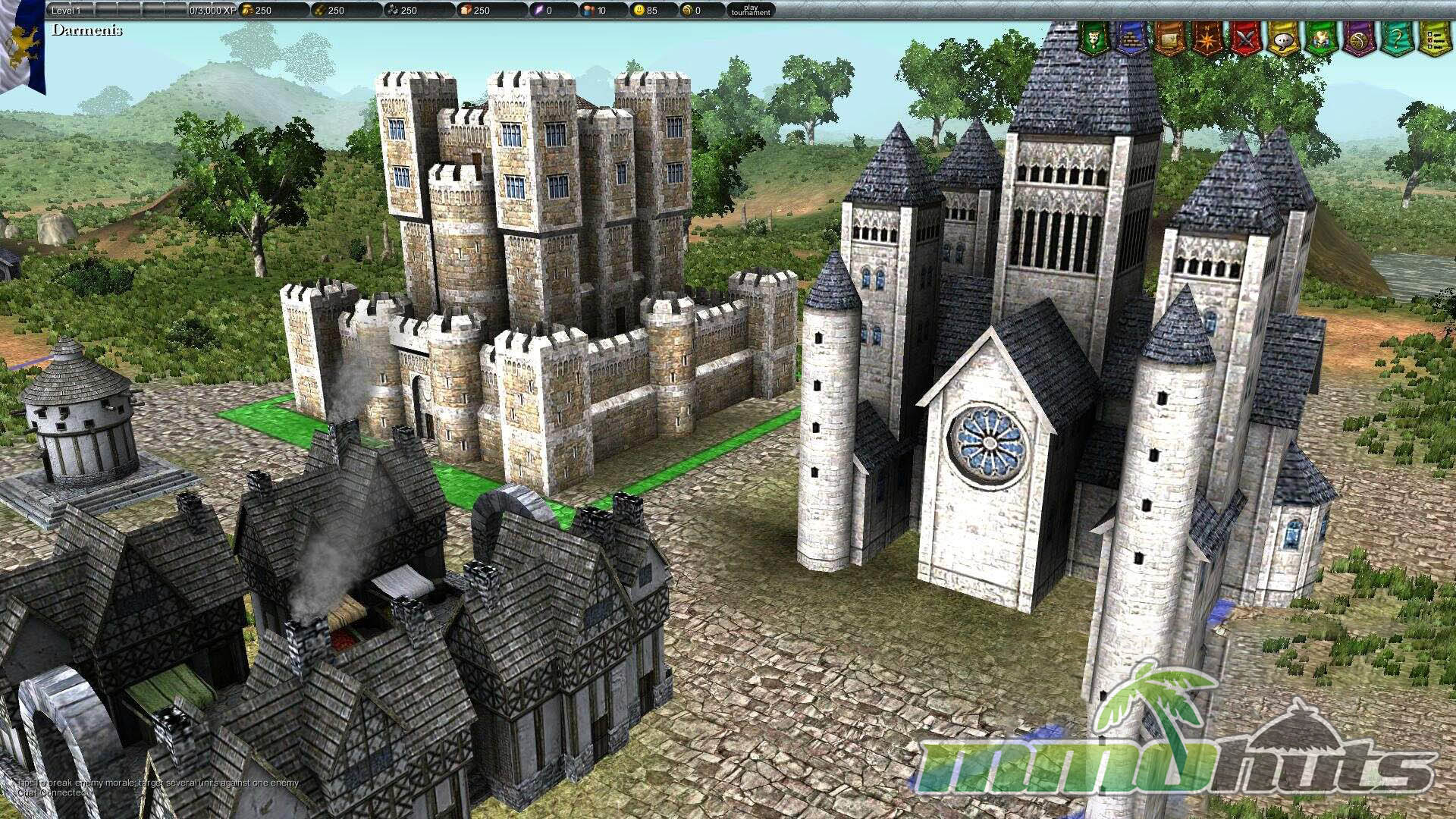
Saga is a free-to-play medieval fantasy MMORTS that blends nation management with RTS battles and a collectible card style recruitment system.
 | Publisher: Silverlode Interactive Playerbase: Low Type: MMORTS Release Date: February 26, 2008 PvP: RTS Battles/ Raids / Tournaments Pros: +Unusual hybrid of systems that feels different from typical MMORTS games. +Tactical, formation-focused combat. +A world that keeps progressing while you are away. +Team-friendly questing and battles. +Large supply of quests and repeatable content. Cons: -Cash shop presence is hard to ignore, especially for cards. -Progress can feel grind-heavy without spending. -A lot to learn upfront. -Visuals and presentation show their age. -Tutorial and onboarding take a long time. |

Saga Overview
Saga puts you in charge of a fledgling nation in a mythic medieval setting and asks you to grow it into a real empire through careful building, resource planning, and decisive battles. It is free-to-play and sits in an unusual space between city builders, classic RTS combat, and a trading card inspired system that controls what troops and spells you can bring into the field. Over time you expand across the Known World by claiming territories, completing quests, and challenging enemy forces ranging from AI threats to other players.
At the start you pledge allegiance to the Light or the Dark and pick one of three factions within that alliance. From there the game becomes a loop of developing your settlements, training and outfitting armies, and pushing outward for more land and better production. The “real-time” part also applies to the management layer, because construction and resource generation continue while you are offline, which makes long-term planning just as important as winning any single fight.
Saga Key Features:
- Strategic Battles – adjust formations and positioning on the fly to respond to different unit matchups.
- Persistent Game World – building timers and resource flow keep running even when you log out.
- Tons of Quests – quest chains provide resources and units, with replayable difficulties that improve rewards.
- Cooperative Play – bring in allies when a mission is too much to handle solo.
- Customizable Units – equip troops with looted weapons and armor to specialize them for different roles.
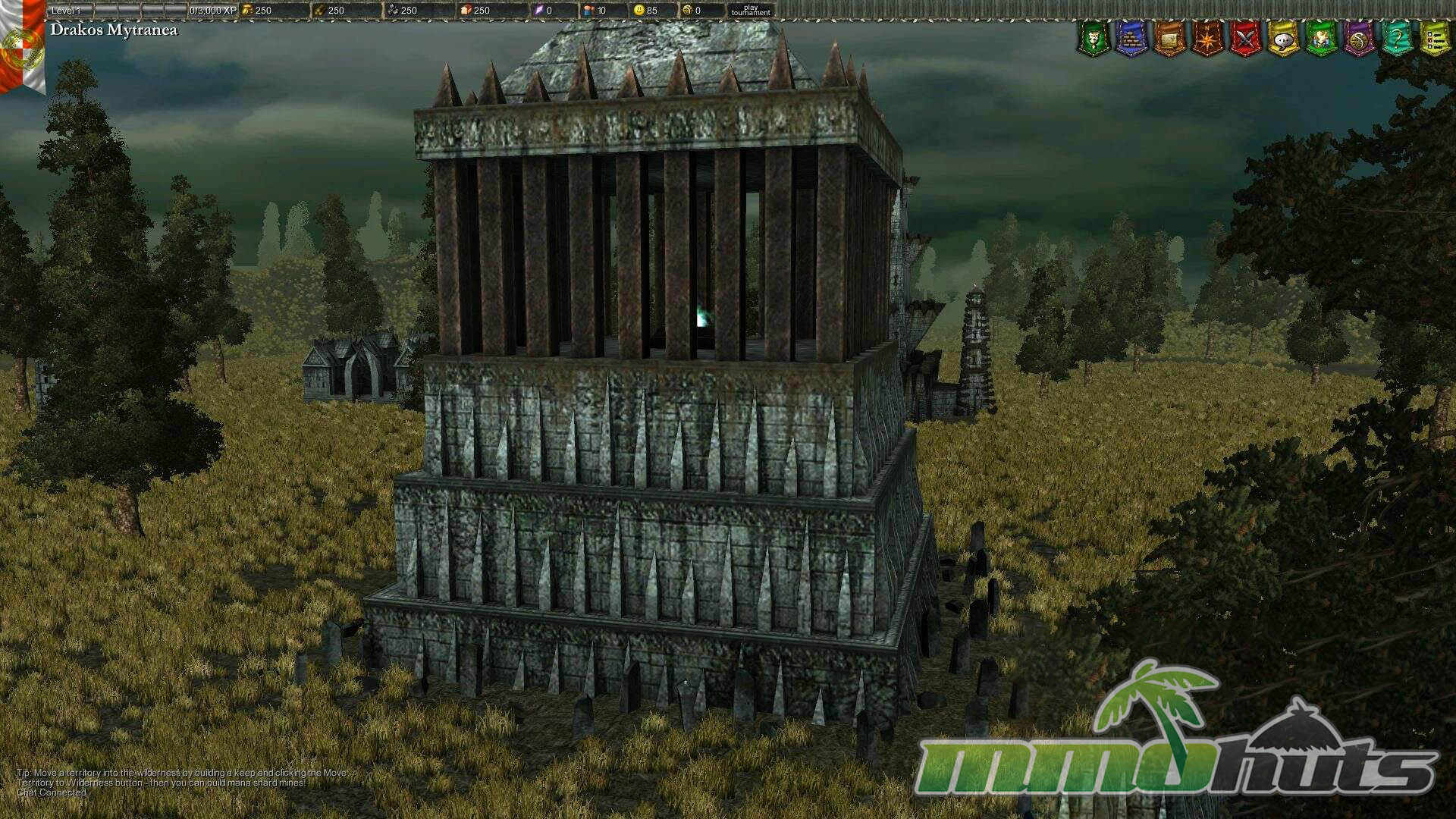
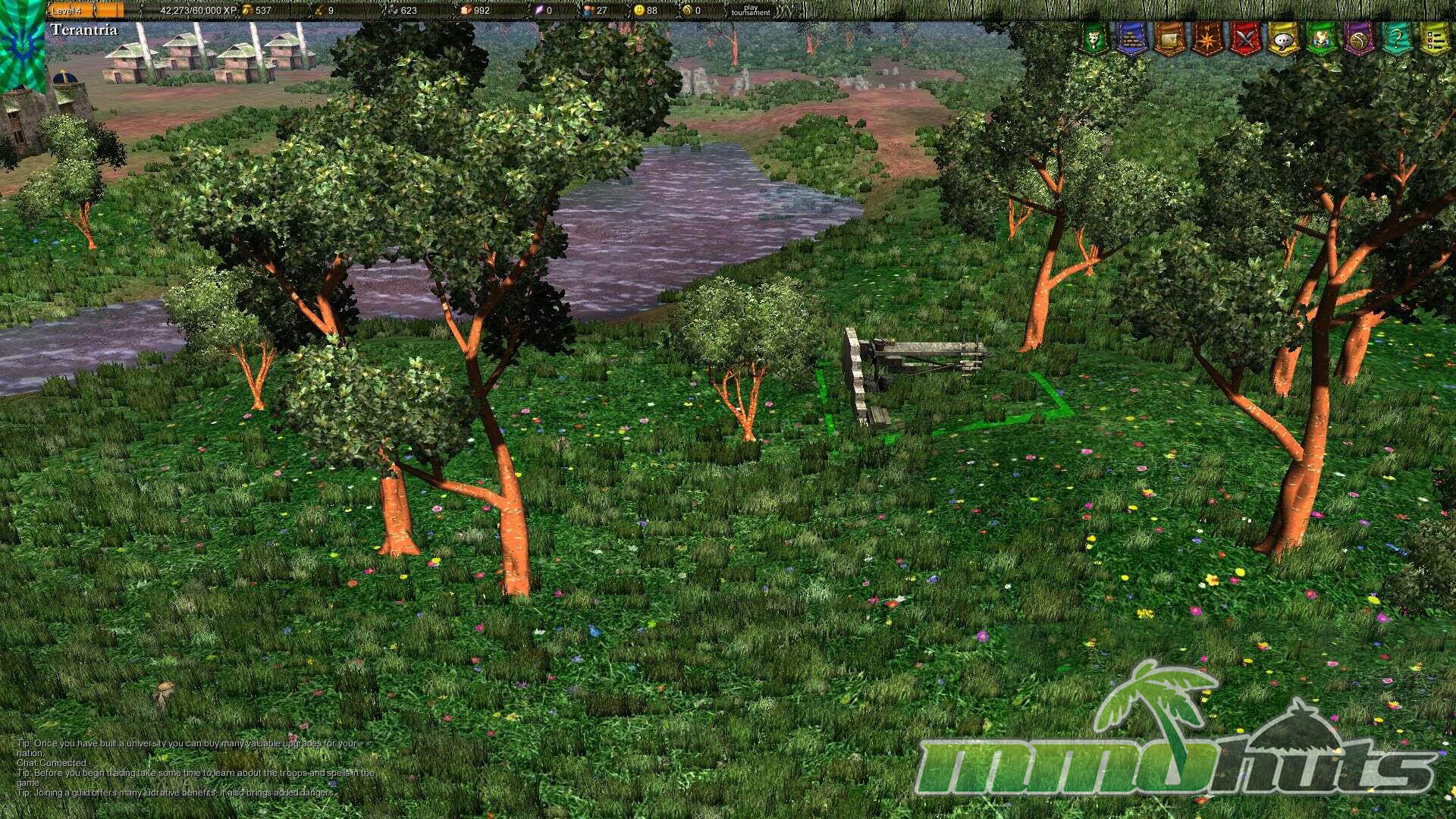
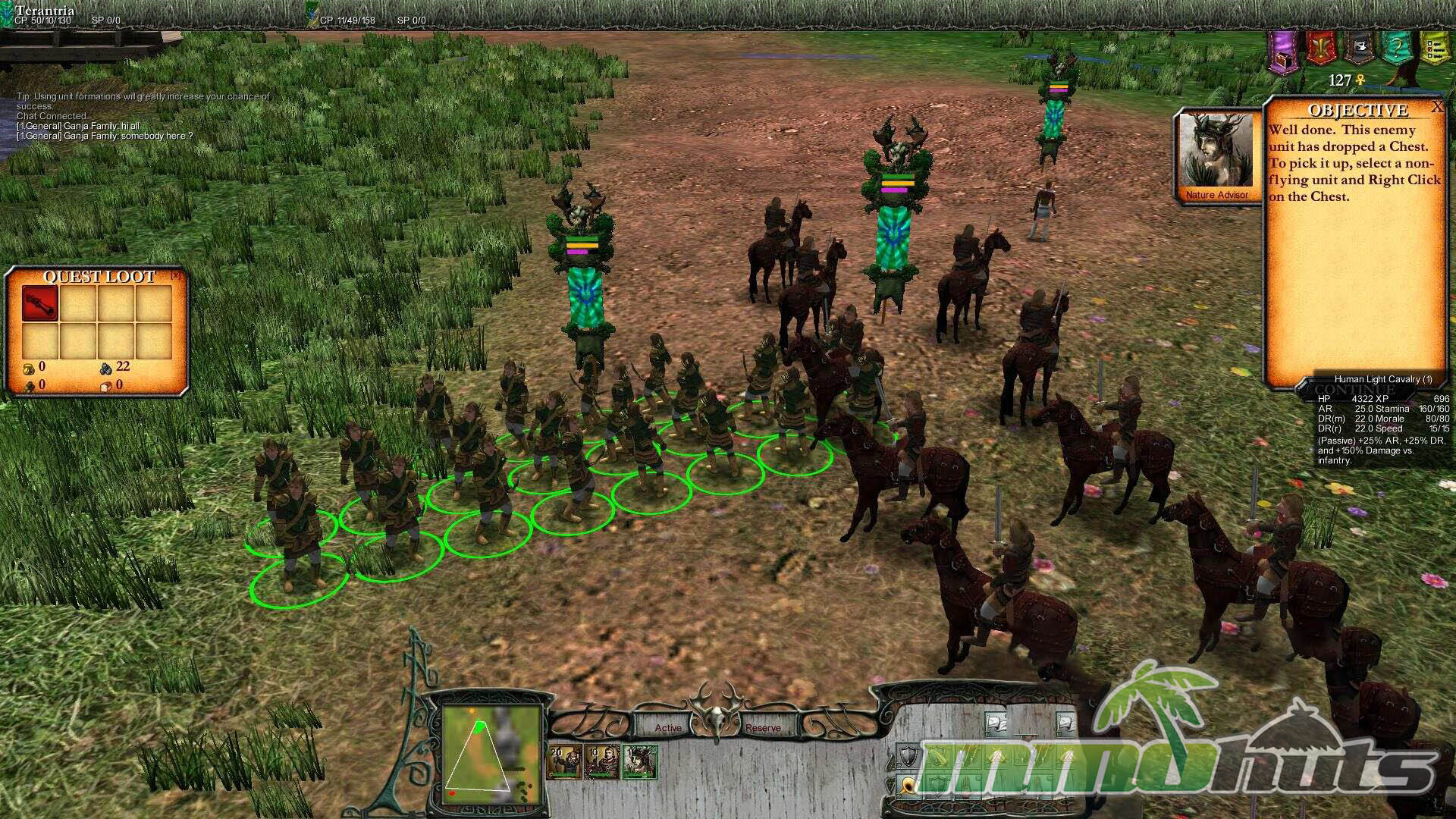
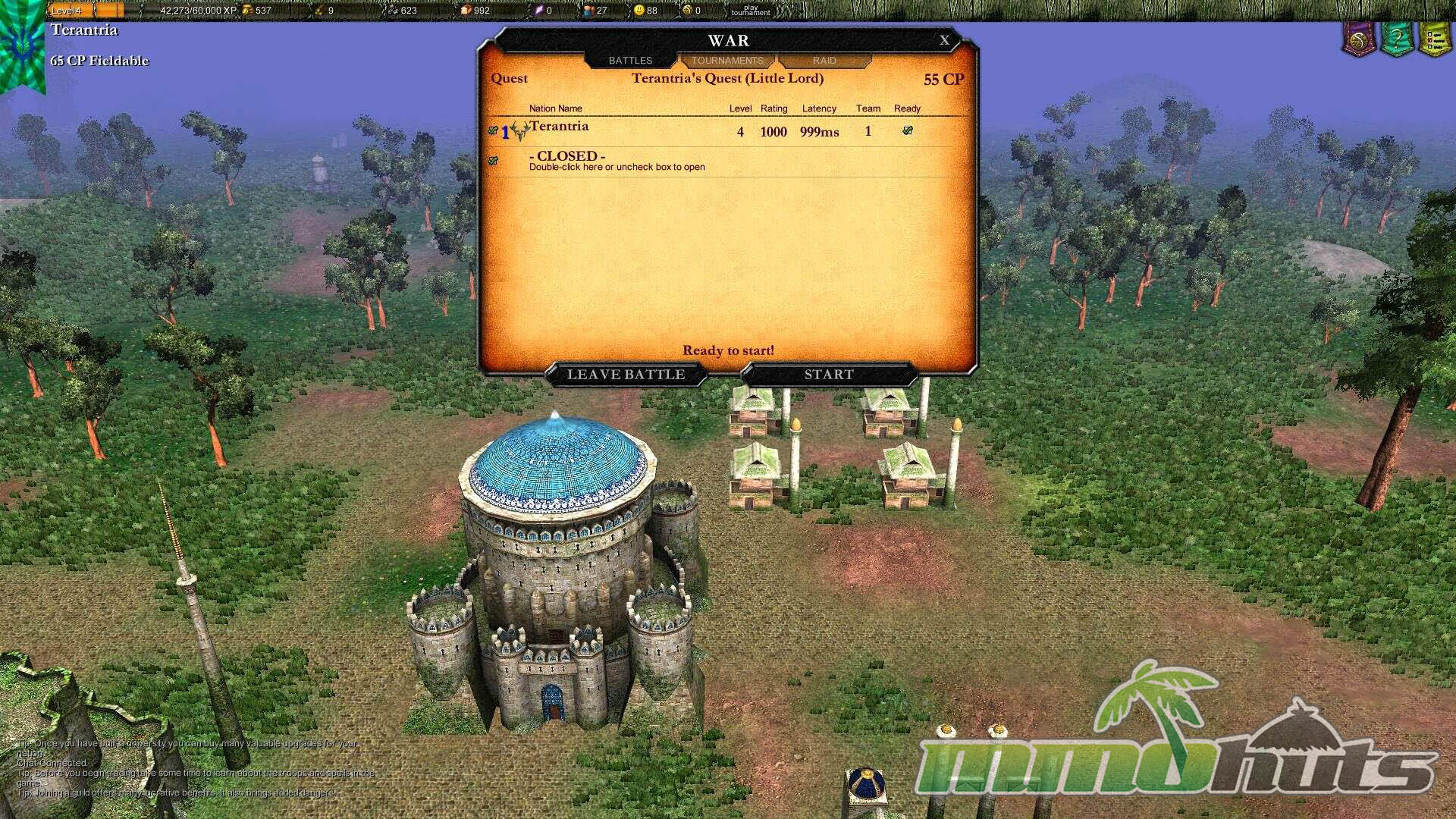
Saga Screenshots

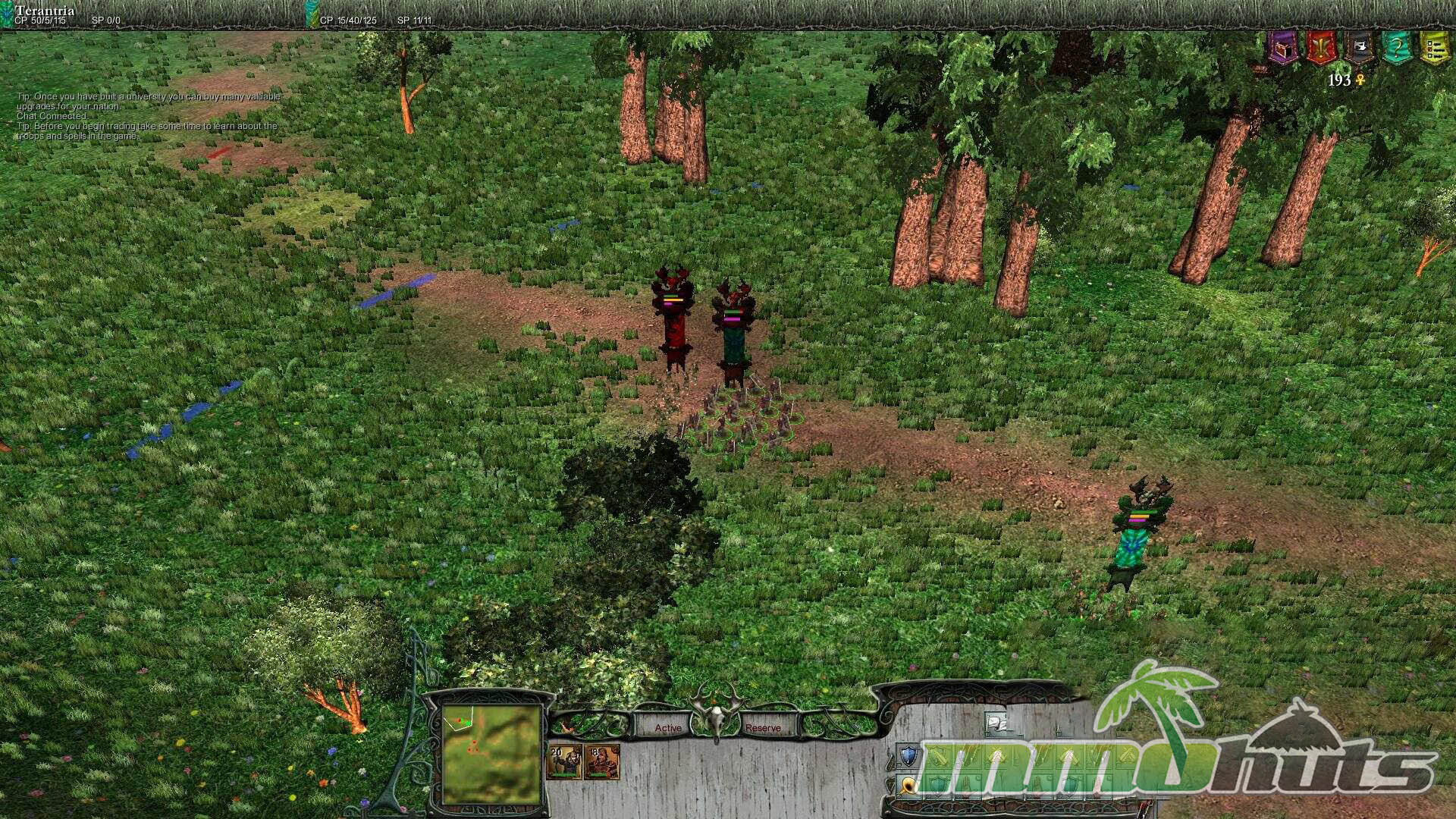
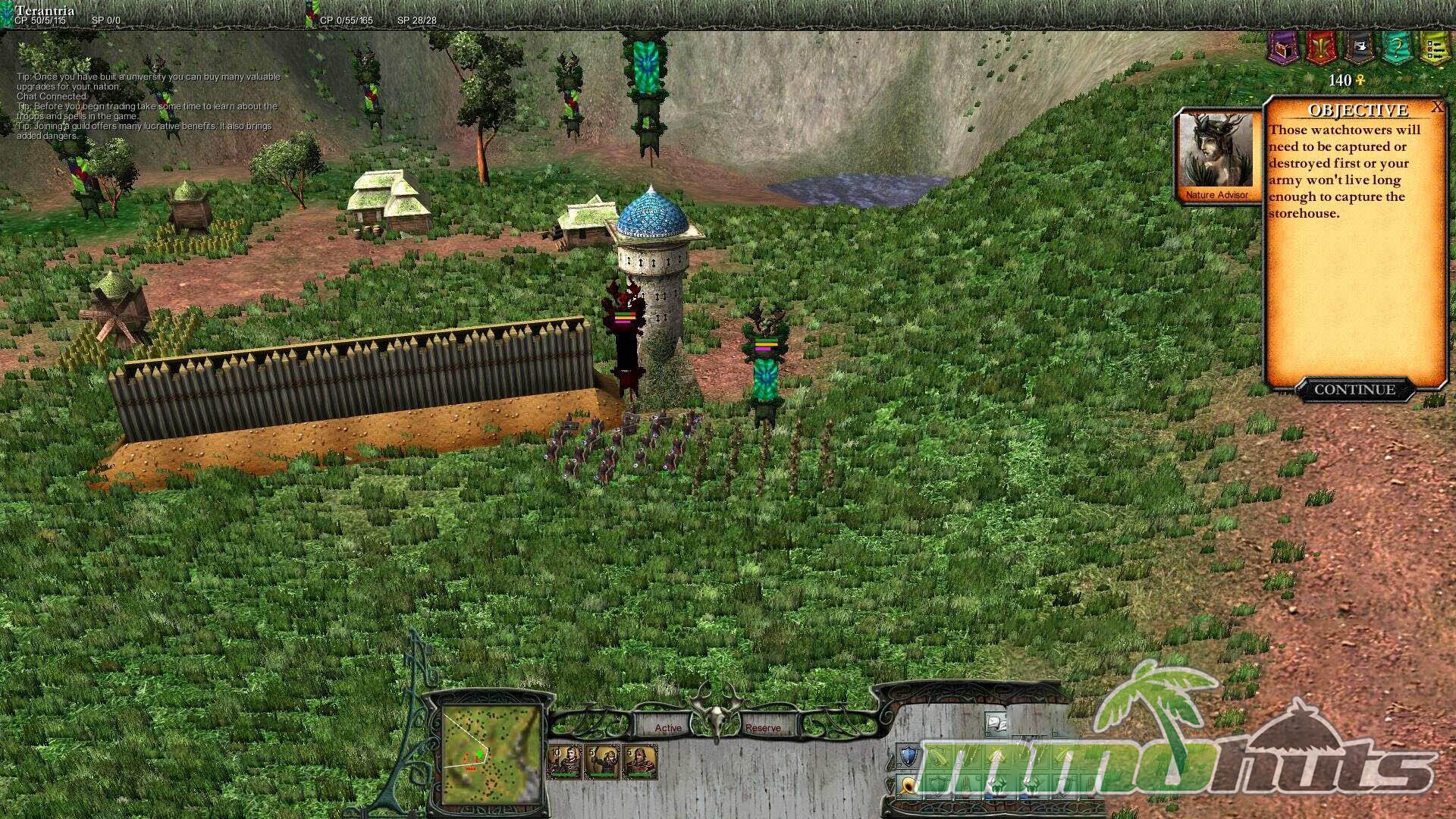
Saga Featured Video

Classes:
Order – a coalition that wants stability in the Known World and fights under the banner of the Light.
- Light – humans and giants built around discipline and martial strength, leaning on straightforward power when diplomacy fails.
- Nature – elves who channel the natural world for protection and punishment, known for strong defenses.
- Machines – dwarves with an engineering edge, bringing siege tools that can tear through city defenses.
Brotherhood – an opposing alliance aligned with the Dark and focused on domination through fear and force.
- Magic – dark elves who specialize in sinister spellcraft and calculated conquest.
- War – orcs who thrive on relentless aggression, benefiting from taking the fight directly to the enemy.
- Undead – servants of death with a mix of physical threat and supernatural power.
Saga Review
Saga is a free-to-play 3D MMORTS set in a medieval fantasy conflict where Light and Dark vie for control of the Known World. What makes it stand out is how it stitches together three different ideas, the long-term planning of a city builder, the battlefield decision-making of an RTS, and a card-driven collection layer that dictates your options in combat. It is a distinctive combination, even today, though it also carries the unmistakable feel of a title that first arrived in 2008. The visuals, character models, and effects are dated, but the audio work, from music to ambient sounds, holds up better than you might expect.
Creating Your Realm
Your first major decision is political alignment and faction choice, split between the three Order factions and the three Brotherhood factions. After that, you name your nation, which doubles as your identity in-game, and design a banner to represent it. The banner creator is a surprisingly strong feature, because it gives you a lot of control over colors and symbols, and it helps your nation feel like “yours” even before you have built much of anything. In a game so focused on ownership of territory and prestige, that little bit of customization goes a long way.
An Onboarding Wall You Should Not Skip
Saga asks more of the player than most free-to-play strategy games, especially early on. The tutorial is long and extremely information-dense, with frequent pop-ups and explanations tied to nearly every new interface element. If you rush through it, you will almost certainly end up confused once you start optimizing production or stepping into more complex battles.
Beyond the city and economy basics, there is also a multi-part tutorial quest sequence that walks you through combat fundamentals such as movement, formation changes, spell usage, capturing structures, and looting. If you miss something, the built-in help system is unusually extensive for the genre, including multiple PDF guides that read more like short manuals than quick tips. It is not the most modern approach, but it does match the game’s overall “deep systems first” personality.
Where the Card System Really Matters
Quests are central to progression, especially in the early game, because they supply resources and experience at a reliable pace. Many quests can be replayed at higher difficulty settings for better payouts, which helps keep older content relevant. The catch is that questing depends on fielding an army, and in Saga your army is limited by the cards you own.
Instead of freely recruiting any unit you have unlocked, you need the corresponding troop card before that unit can be trained. Spells follow the same logic, with cards granting access to abilities you can use during battles, in a way that feels inspired by trading card games. You start with basic troop and spell cards, but expanding that collection can be slow unless you engage with the game’s monetization. Booster packs provide random cards with rarities, so spending money does not guarantee the specific upgrades you want. The auction house offers a player-driven alternative through buying and trading, but earning enough currency and finding the right listings can turn into a grind.
Command Points, Reserves, and Battlefield Pressure
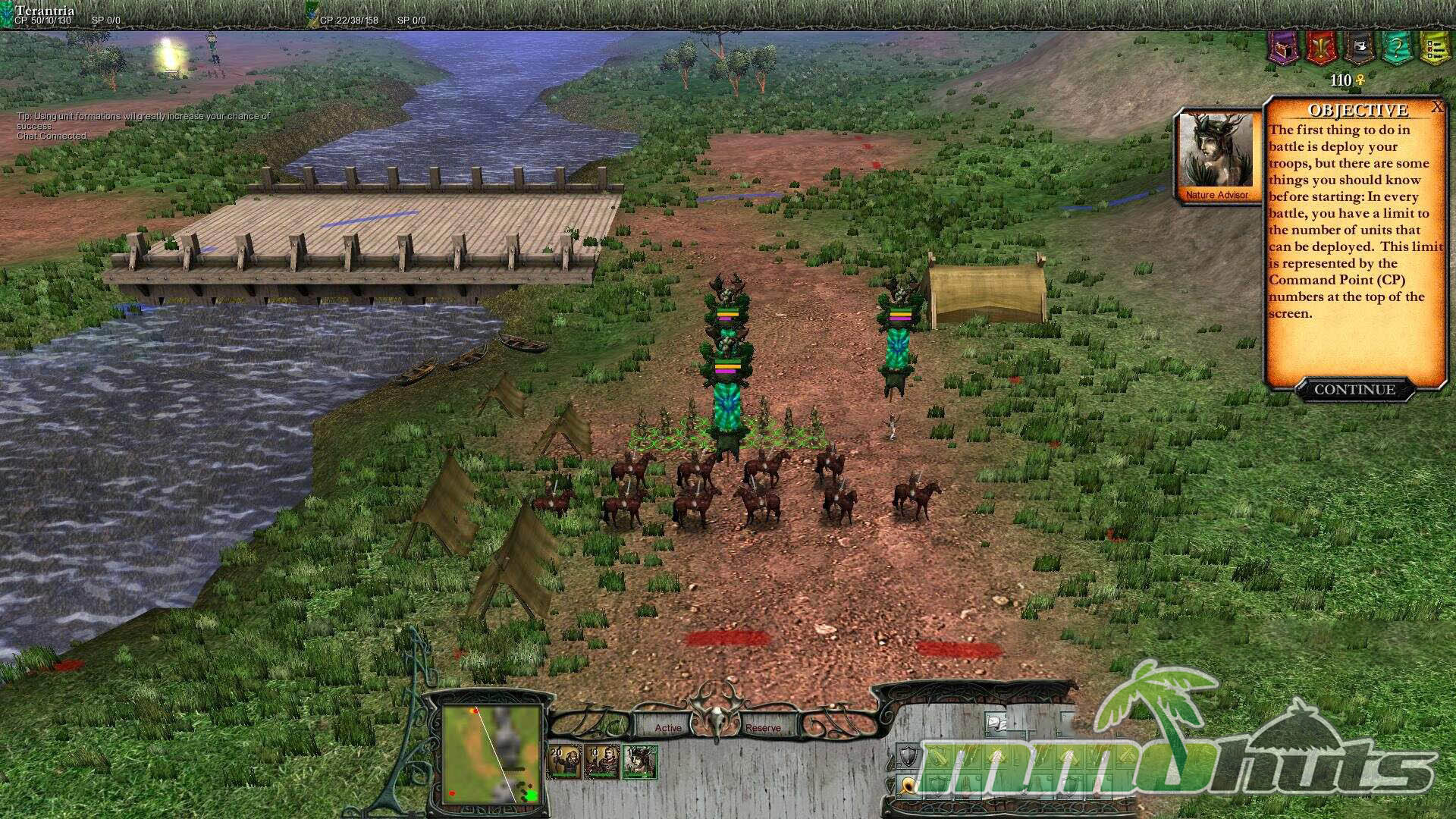
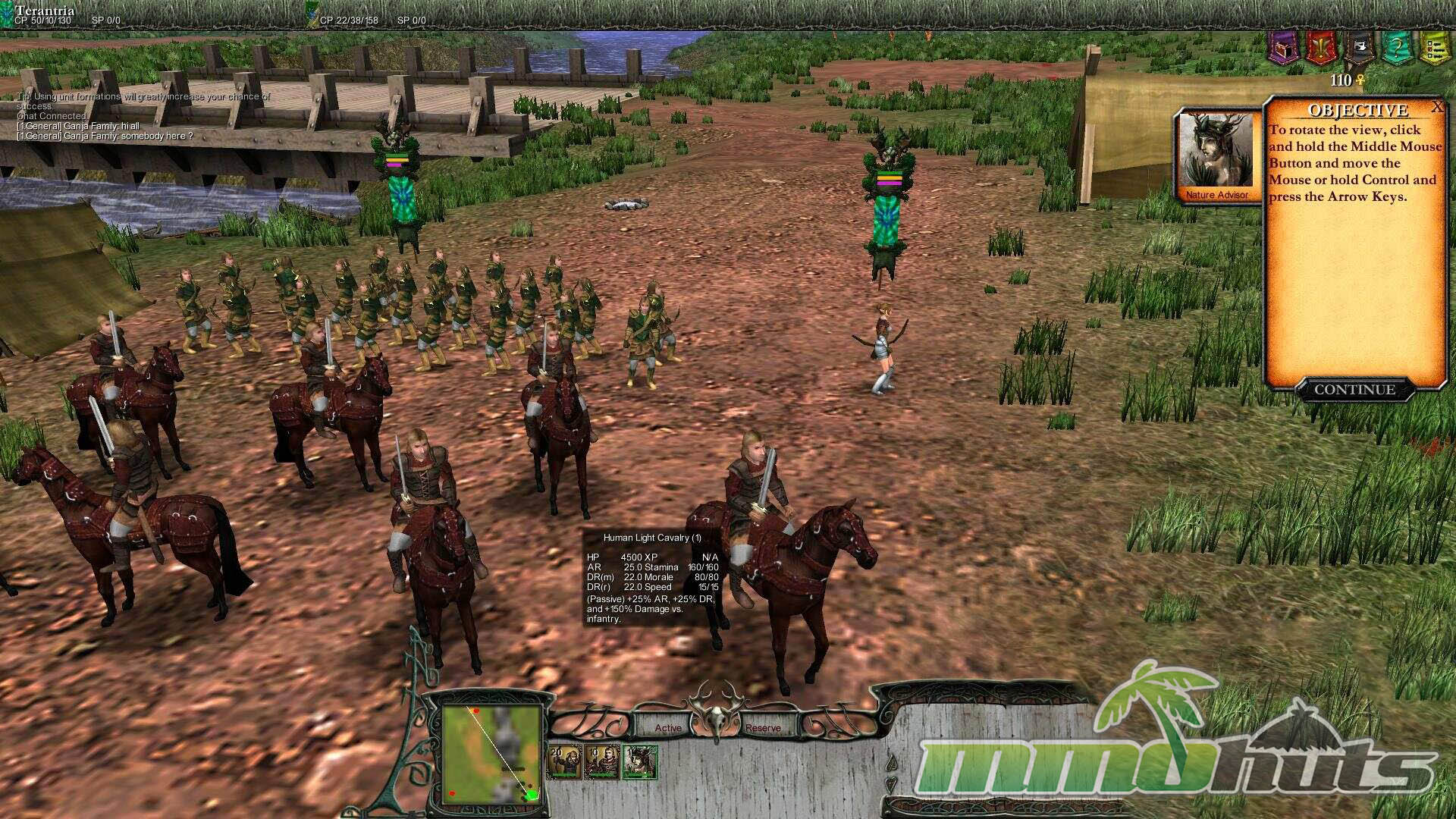
Cards are only one part of army building. Saga also enforces a Command Points (CP) system that limits how many troops you can train and how many you can actively deploy at once. CP availability scales with your nation’s level, and different troop types consume different amounts. Units are assembled by grouping troops of the same type up to a 30 CP cap per unit.
At the beginning, your overall recruitment ceiling is much higher than what you can actually field in battle, so you often operate with a frontline force and a reserve pool. CP becomes available again when units are destroyed or forced to flee. You can also swing CP pressure through objective play, because capturing and plundering structures can grant CP for you while reducing what the opponent can bring to the field. In PvP, that dynamic can be as important as raw unit matchups.
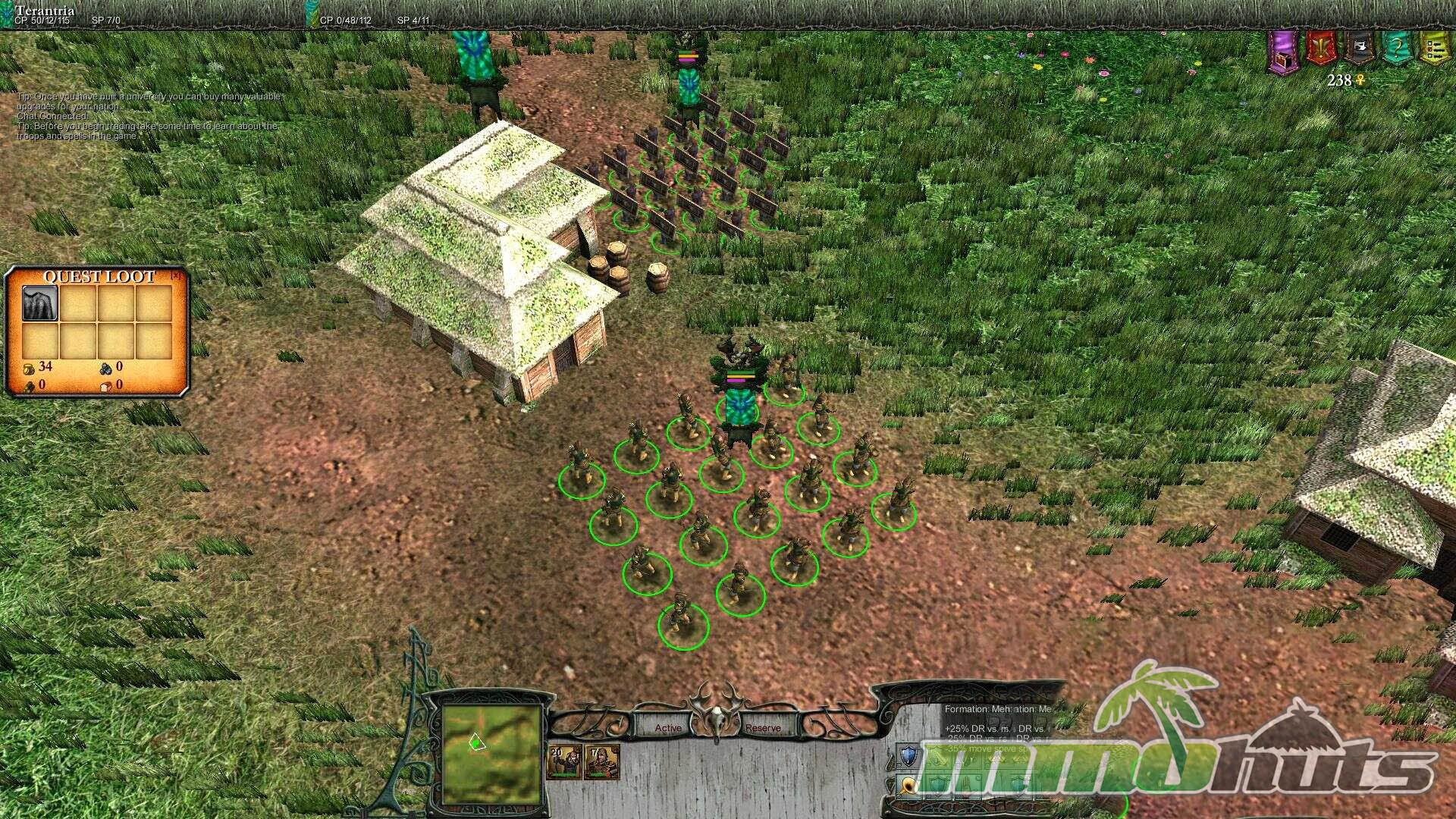
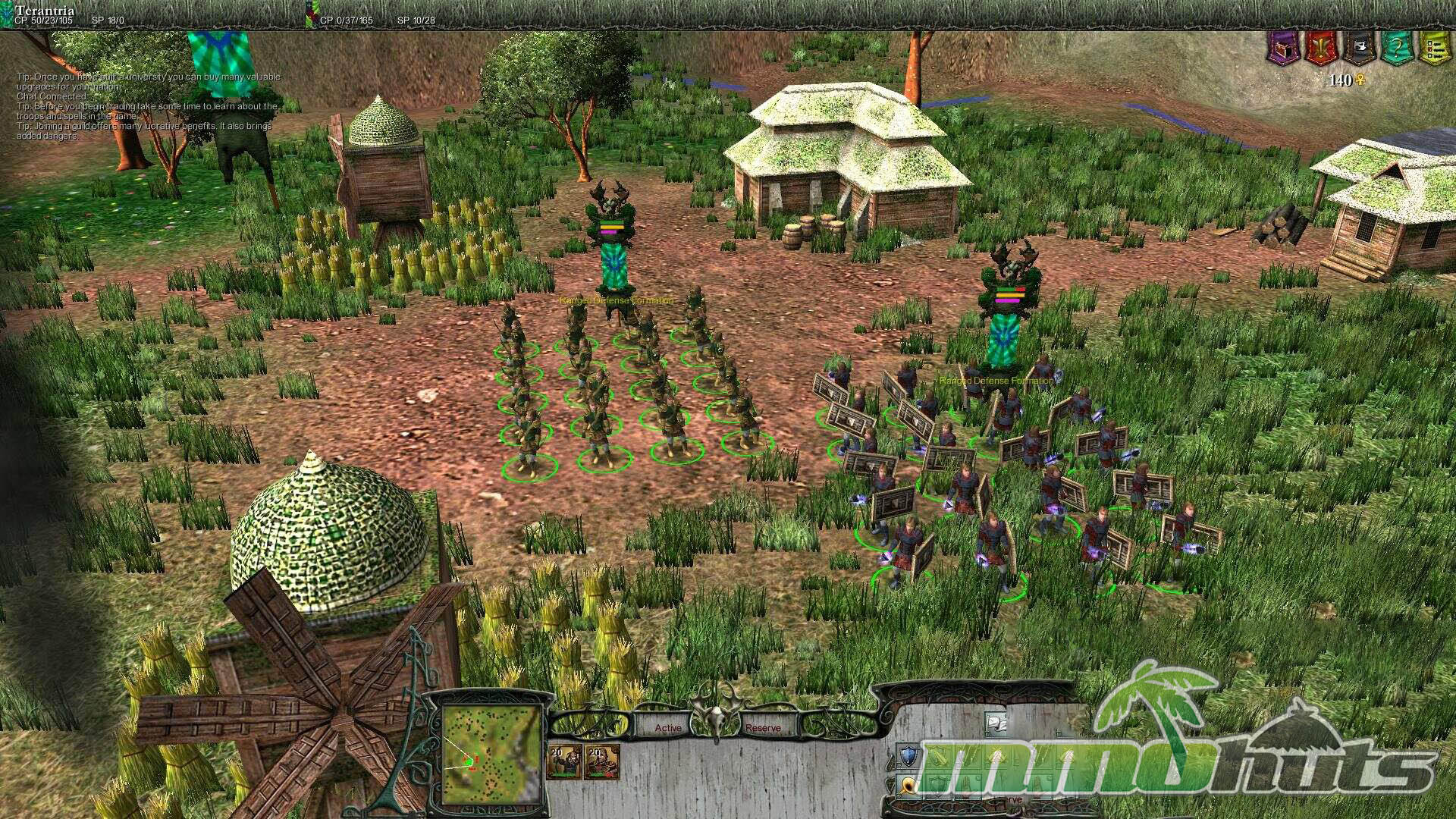
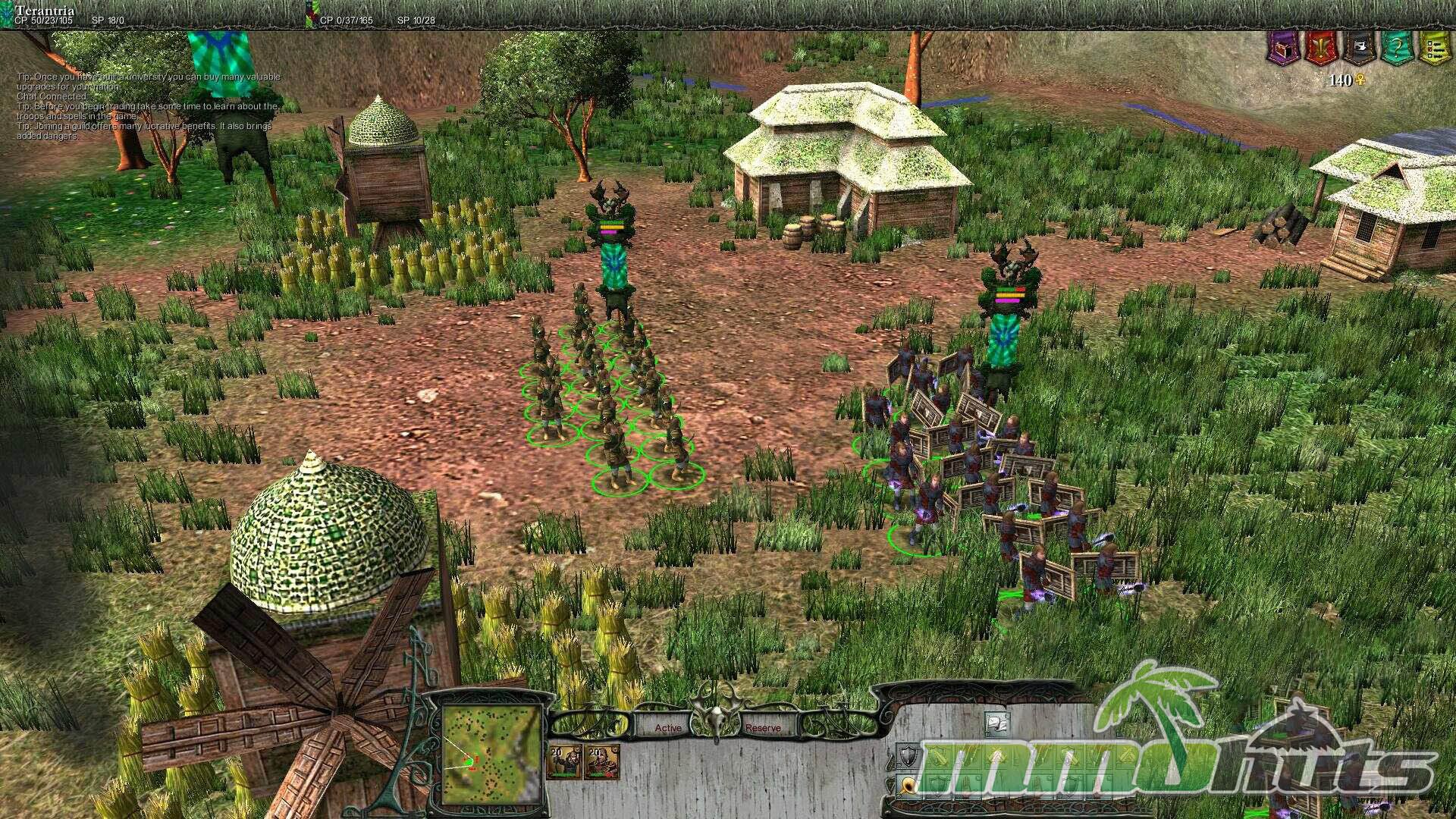
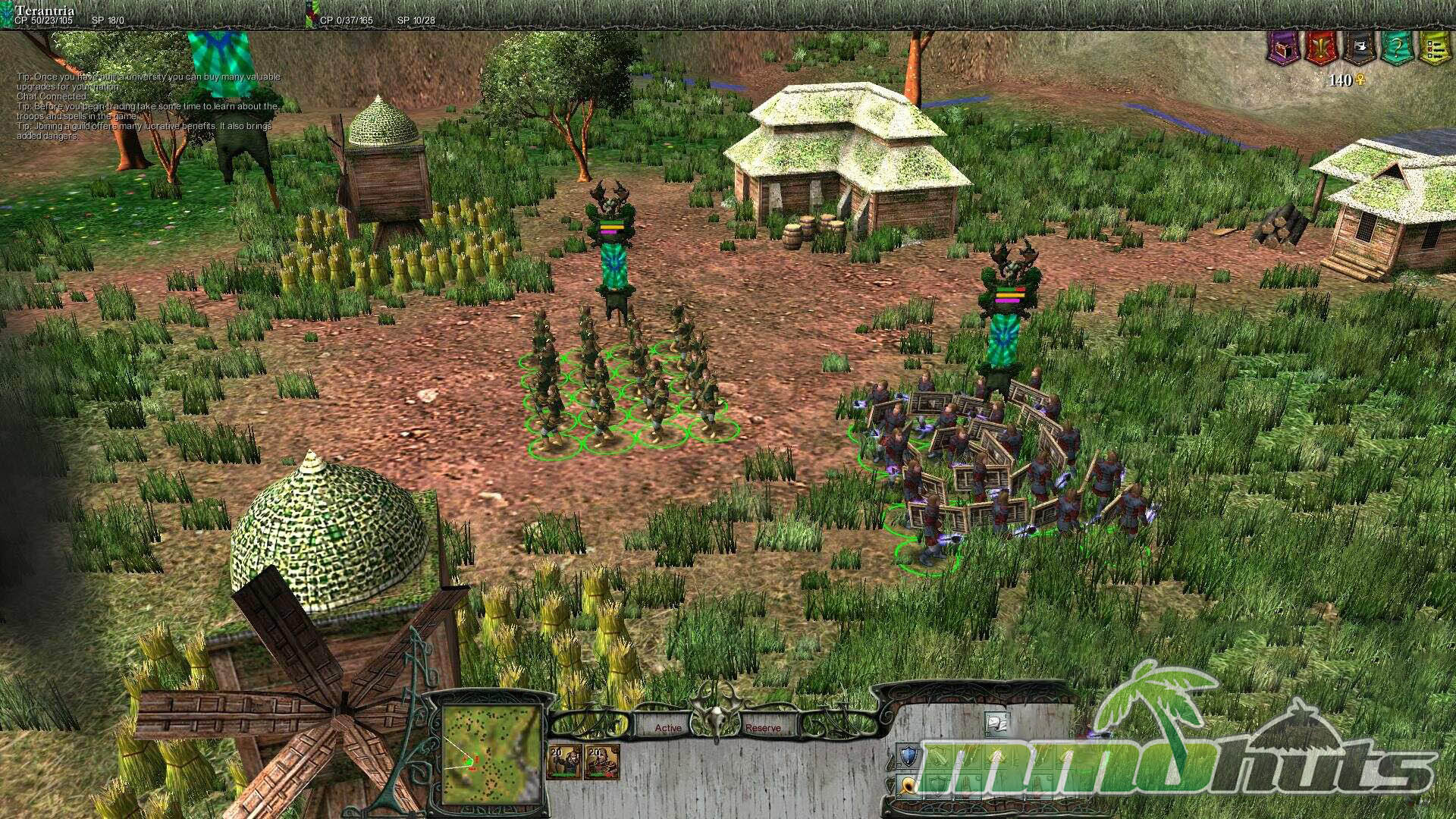
On the tactical side, combat plays like a classic RTS, but with a stronger emphasis on formation management than many games in the genre. Being able to swap formations quickly encourages you to react to archers, towers, or melee blobs with the right stance rather than simply A-moving into fights. Positioning and flanking also matter, which creates battles that reward attention and timing, not just preparation.
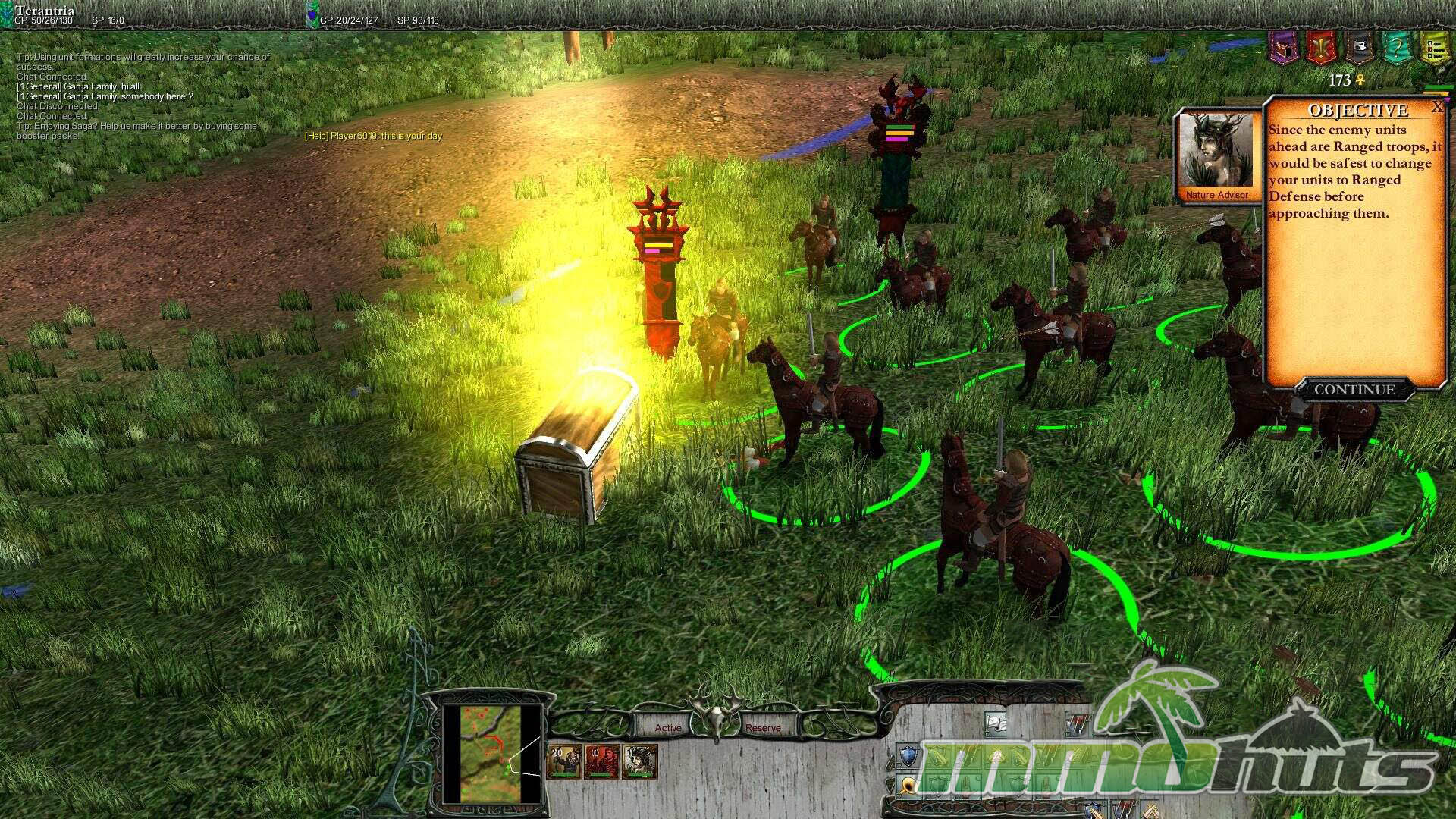
Units earn experience and improve through combat, and defeated enemies can drop chests that include gold and sometimes equipment. Looted weapons and armor can be assigned to units for bonuses, feeding back into the customization layer and giving you another reason to repeat content beyond simple resource farming.
Empire Management Is Not Optional
Even though the selling point is war, Saga’s nation management is not just background noise. Gold demands ramp up quickly, especially once you start buying better cards and investing in broader infrastructure. Quest rewards help, but they rarely cover everything you want to do at once.
Progression also pushes you into territory control. Certain advanced production options require owning territories, completing territory quests, and establishing key buildings like Keeps before you can access higher-value resources and production chains. Mana shards, for example, are tied to more advanced construction and are important for activities like raiding and enchanting. Defensive planning is equally critical, because walls and watchtowers are not cosmetic, they are the backbone of surviving PvP pressure.
Timers are real-time and continue while you are offline, so efficient play often looks like scheduling builds before logging out. Meanwhile, your peasant population does the work, from gathering to repairs, which makes happiness and stability a practical concern. Housing, food, and tax rates matter, because a productive population is a strategic advantage, not just a roleplay stat.
PVP
PvP comes in three formats: War, Raids, and Tournaments, each highlighting different parts of the game. War supports up to four players, with two nations per side, and merges the participating nations into a shared battlefield. Victory hinges on capturing shrines, so thoughtful city layout and defensive investment can decide matches before armies even clash.
Raids focus on plundering territories for mana shards. Starting a raid costs mana shards, and the amount you commit influences how long you can keep the raid going. Raids end when you run out of the shards you brought (not counting what you steal) or when you choose to withdraw, which makes them a risk-management mode as much as a combat test.
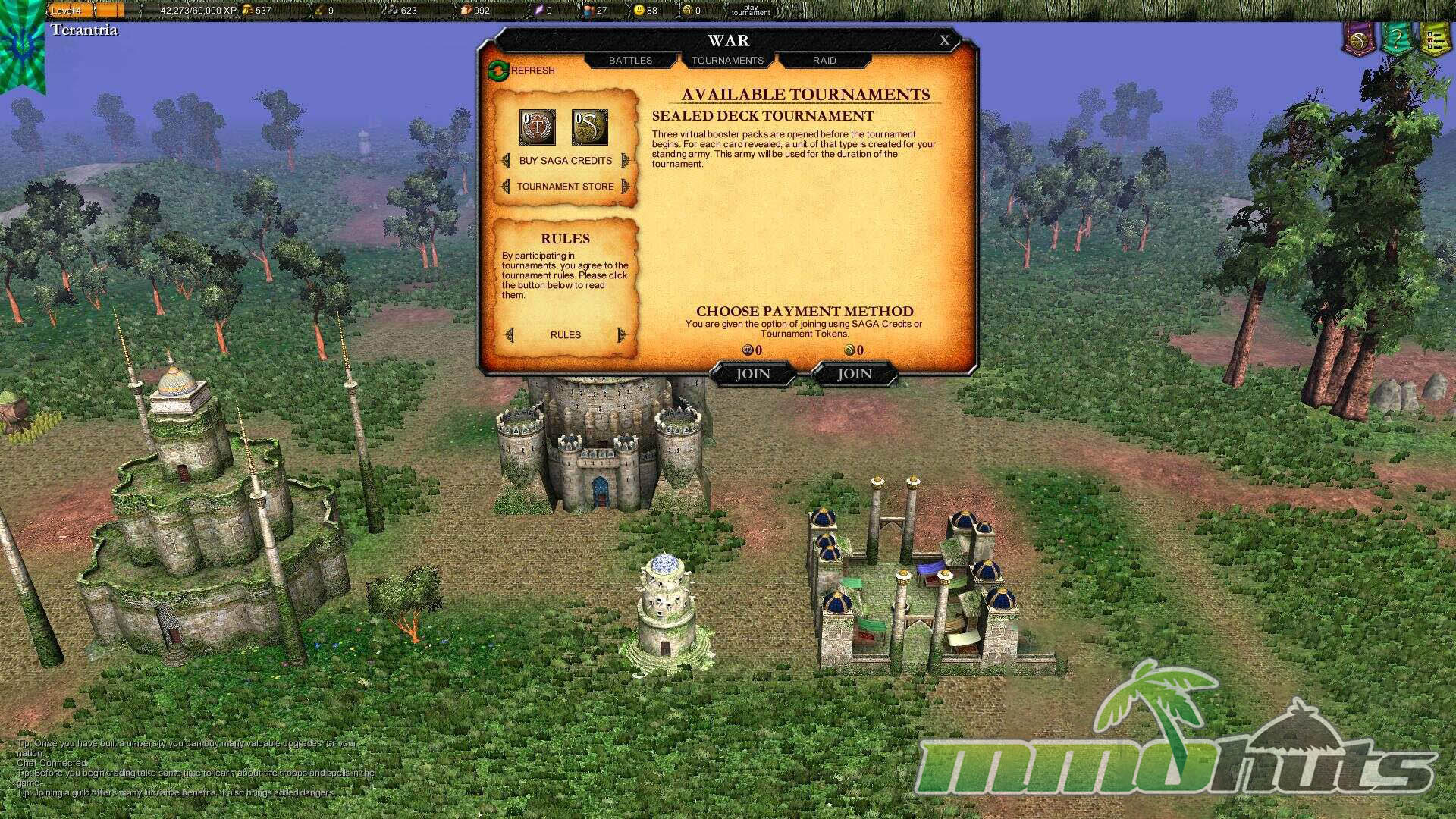
Tournaments are the most “card game” flavored option. Players are provided a deck and a fixed CP allowance, and they can pick which faction to represent during the event. Matches are decided by elimination or surrender, with winners advancing through brackets toward the final.
Cash Shop
Saga’s cash shop is expansive and touches many parts of progression, including cards, boosters, and gear. While strong tactics can still win fights, the ability to accelerate collection and power through purchases puts pressure on anyone trying to play purely for free. It is possible to progress without spending, but the tradeoff is time, repetition, and a willingness to grind for currency and cards through slower methods.
The Final Verdict – Good
Saga remains an intriguing MMORTS because it does not feel like a standard “build timers and auto-battle” strategy title. The combat has real tactical texture, the persistent world encourages long-term planning, and the card-based army building creates a different kind of progression curve than typical RTS hybrids. The downsides are just as clear: the presentation is old, the early learning phase is demanding, and the monetization is tightly intertwined with the card system, which can make free progression feel laborious.
For players who enjoy deep strategy games and do not mind reading systems and investing time, Saga can still be satisfying, especially if you like the idea of managing an empire and then personally directing battles. If you want modern visuals and streamlined onboarding, it will likely feel rough around the edges.
Saga System Requirements
Minimum Requirements:
Operating System: Windows 2000 SP3
CPU: Dual Core 2.0 GHz
RAM: 1 GB RAM
Video Card: GeForce 7600GT / Radeon 1650XT
Direct X: DirectX 9.0c version or higher
Hard Disk Space: 12 GB available space
Recommended Requirements:
Operating System: Windows XP SP3 / 7 / 8 / 8.1 / 10 (64 bit)
CPU: Quad Core 2.5 GHz
RAM: 2 GB RAM or more
Video Card: GeForce GTS 250 / Radeon HD 4850
Direct X: DirectX 10 version or higher
Hard Disk Space: 12 GB or more available space
Saga Music & Soundtrack
Coming Soon…
Saga Additional Information
Developer: Silverlode Interactive
Publisher: Silverlode Interactive
Game Engine: Wraith
Lead Programmer: Dallan Christensen
Open Beta: February 26, 2008
Official Launch Date: March 04, 2008
Development History / Background:
Saga is a free-to-play 3D MMORTS developed and published by Silverlode Interactive. The game entered open beta on February 26, 2008 and reached official launch on March 04, 2008. Today it is playable through Steam as well as the official website. The project’s lead programmer was Dallan Christensen, Lead Programmer for Starcraft: Brood War