Rune Story is a mobile online action RPG that mixes hero collection with real-time, stage-based combat and a bright, anime-styled presentation. It is built around quick missions you can clear in short sessions, simple portrait-mode controls designed for one-handed play, and a strong emphasis on co-op runs with other players. Although the global version is no longer available, it remains a good example of a polished, action-forward mobile RPG from its era.
 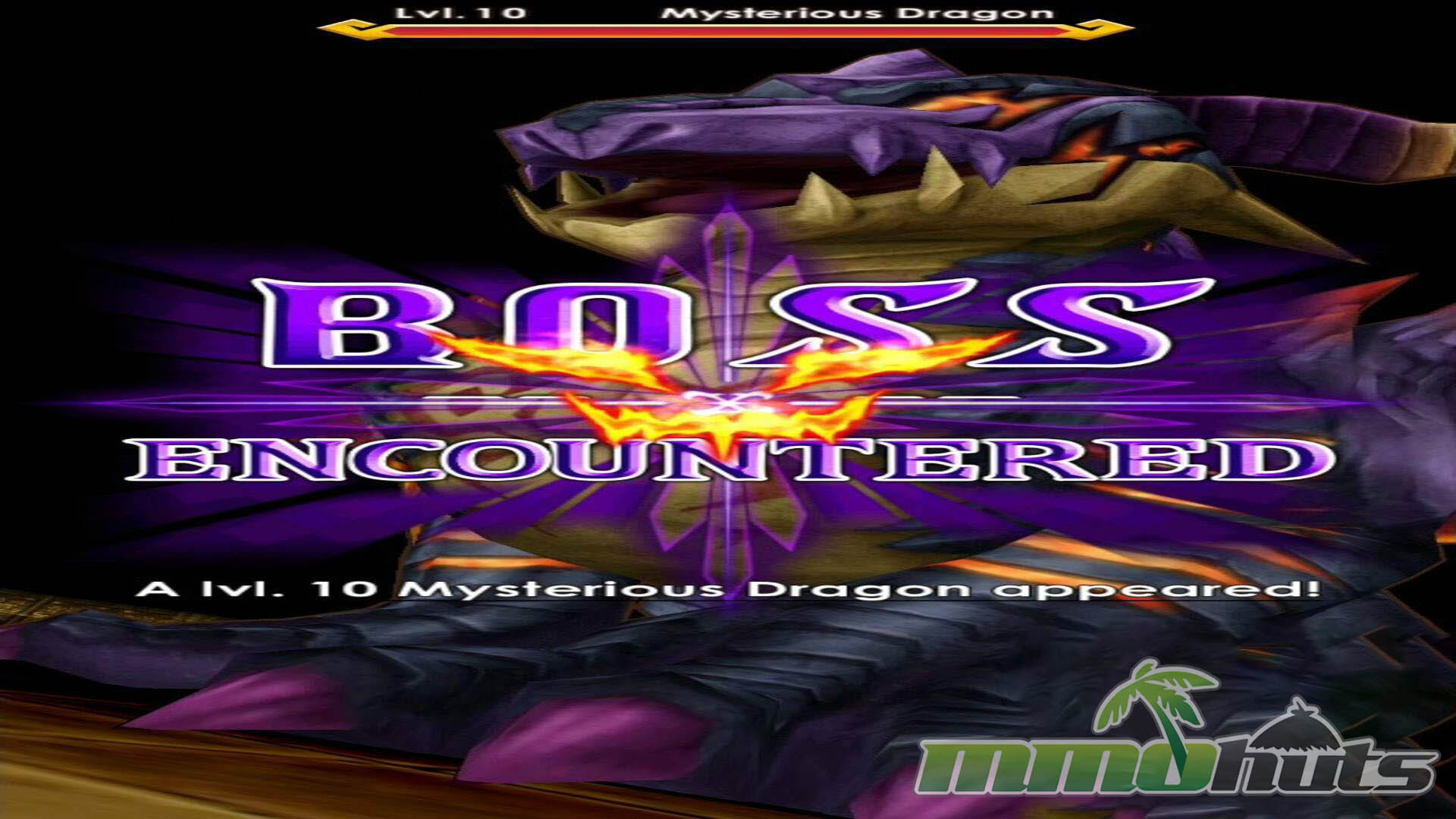 | Publisher: Colopl, Inc. Playerbase: High Type: Mobile RPG Release Date: October 21, 2015 Shut Down Date: October 28, 2016 Pros: +Adorable anime-inspired visuals. +Smooth, responsive action combat. +Large roster of Heroes to recruit. +Storyline that keeps stages moving. +No Energy system. Cons: -Mission flow can start to feel samey over time. –Voice work is inconsistent. |
Rune Story Shut Down in October 28, 2016
Rune Story Overview
Rune Story is a 3D, hero-collecting action RPG developed and published by Colopl, Inc., the Japanese studio known for titles such as Slingshot Braves and Battle Robots!. The game sends you across a large set of maps and instanced stages in search of the Great Runes, pairing light adventure storytelling with fast, hands-on combat. Instead of relying on auto-battle, Rune Story is designed around portrait-mode play and one-finger controls, letting you run, attack, dodge, and trigger skills with quick touch gestures.
Progression revolves around clearing stages solo or jumping into real-time co-op with other players. In addition to standard missions, Rune Story includes dedicated 2-player and 4-player multiplayer dungeons where coordination and class mix matter more, and where guild play becomes a major part of the experience. The collectible side is substantial as well, with over 100 Heroes to obtain, each bringing their own class identity and abilities. Between missions you can improve characters via the Soul Board, a branching upgrade system that encourages long-term investment and different build paths, while also letting you swap Heroes during combat for flexibility.
Rune Story Features:
- Stage-based Levels – Advance through a large set of missions featuring distinct layouts, enemy groups, and boss encounters, with story scenes that unlock as you progress.
- Cute Anime Graphics – A colorful 3D look with charming character designs, expressive monsters, and lively environments that stay readable on a phone screen.
- Action Combat – Real-time fights focused on movement, dodging, and skill timing, supported by streamlined one-handed controls built for portrait play.
- Many Heroes to Collect – Recruit over 100 Heroes spanning multiple classes, then rotate between them mid-battle to adapt to different enemies and bosses.
- Online Co-op – Run content with guildmates or match with other players in 2-player and 4-player dungeons to chase rewards and faster clears.
Rune Story Screenshots
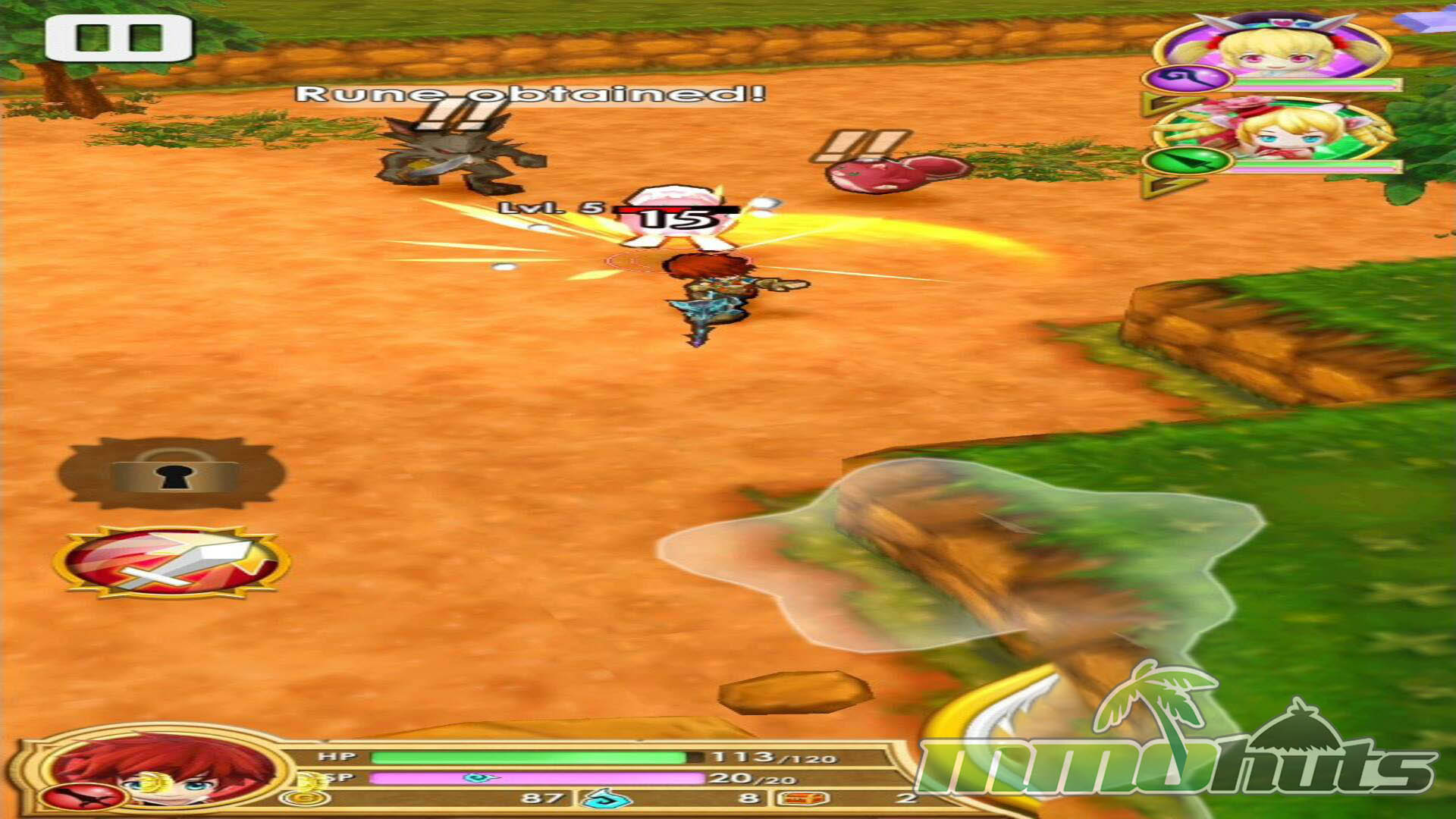
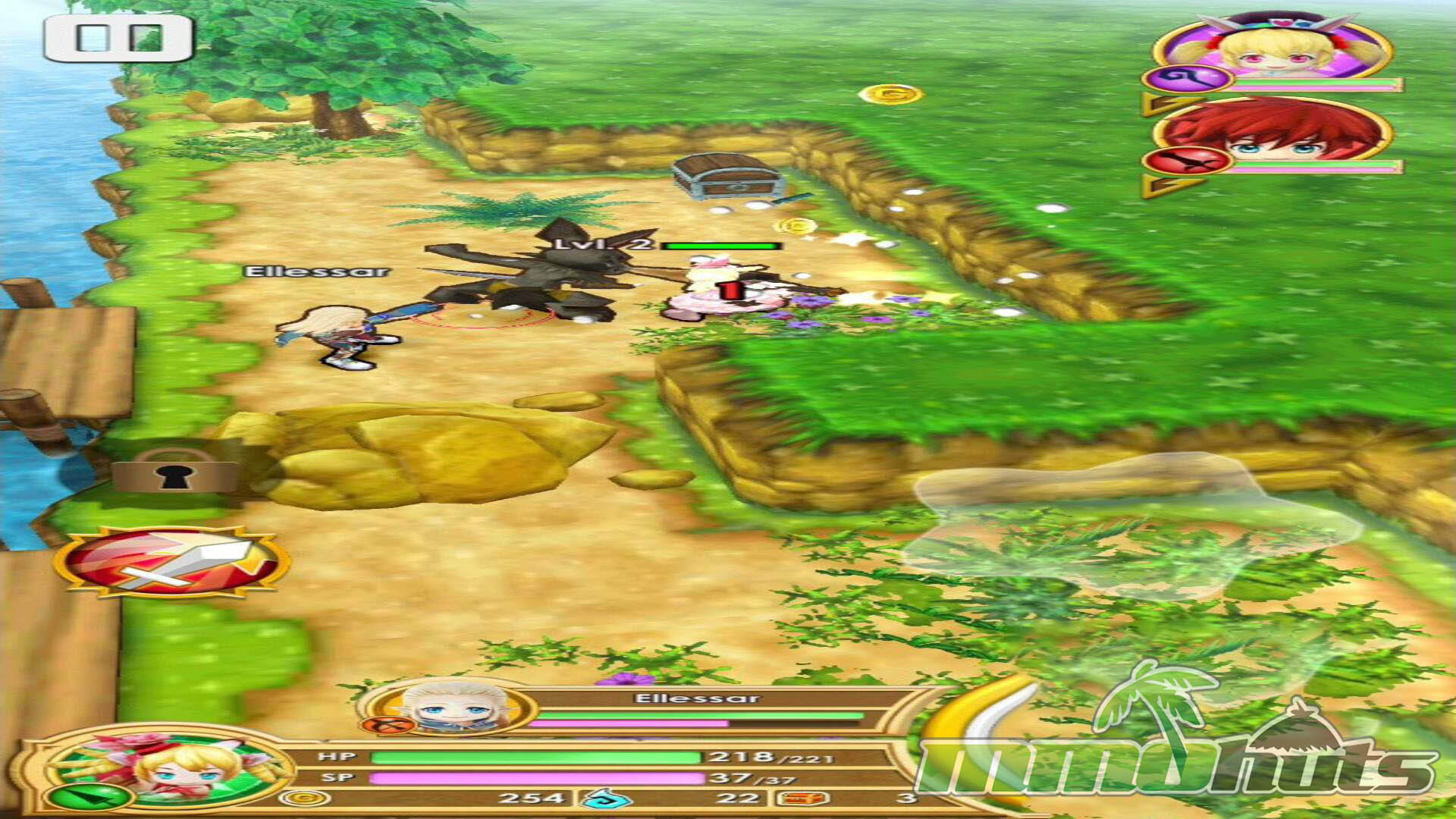
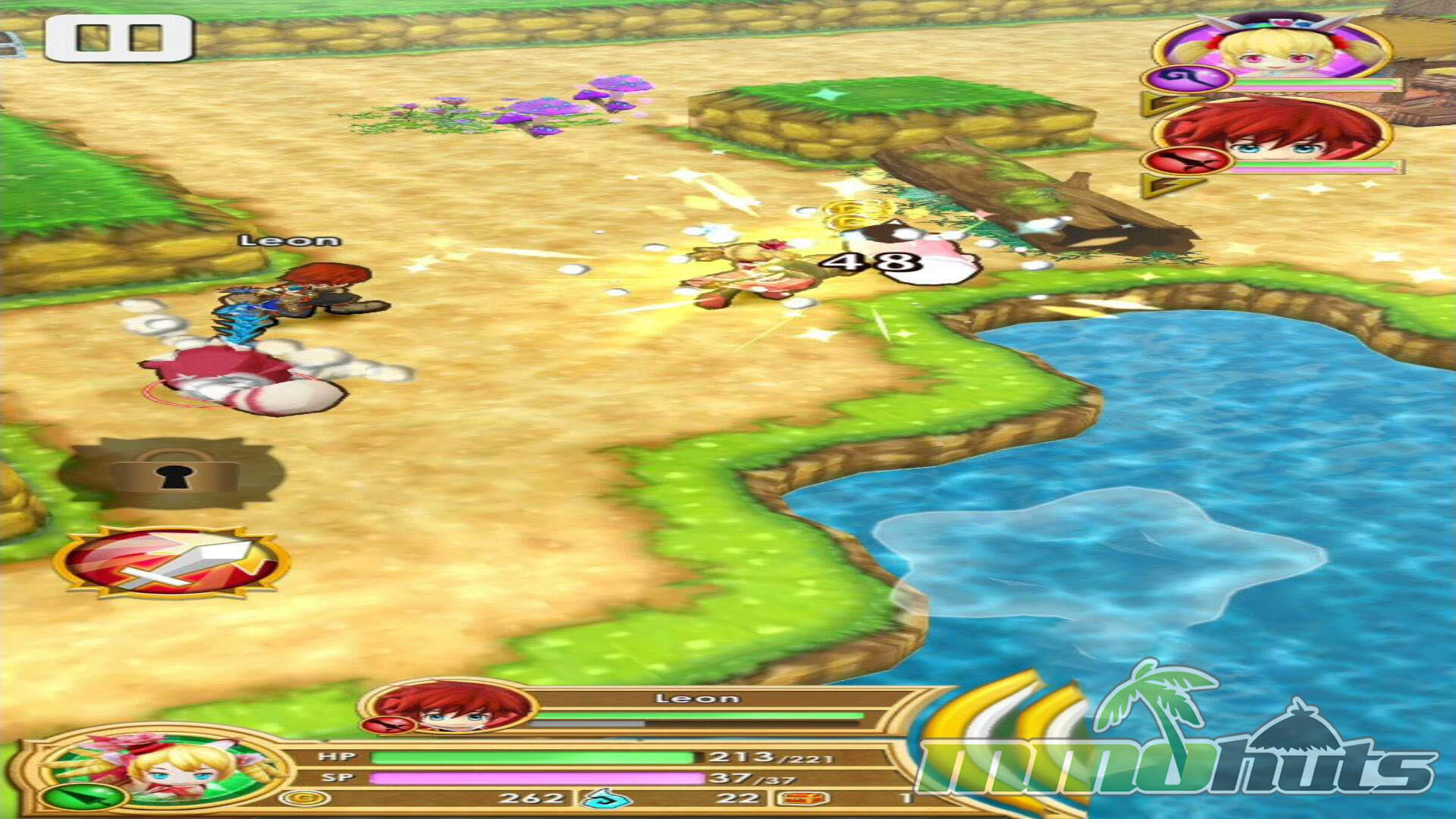
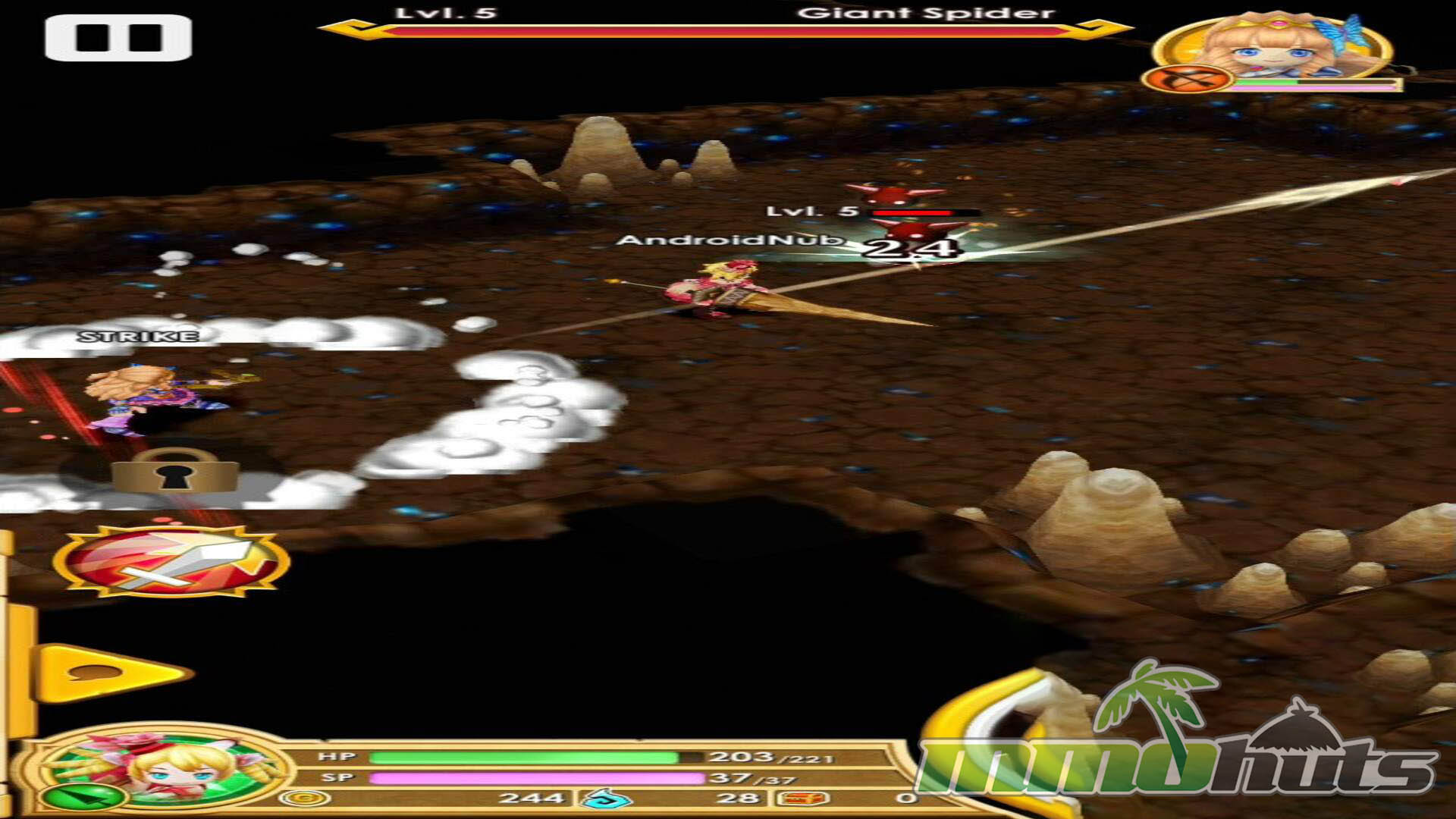
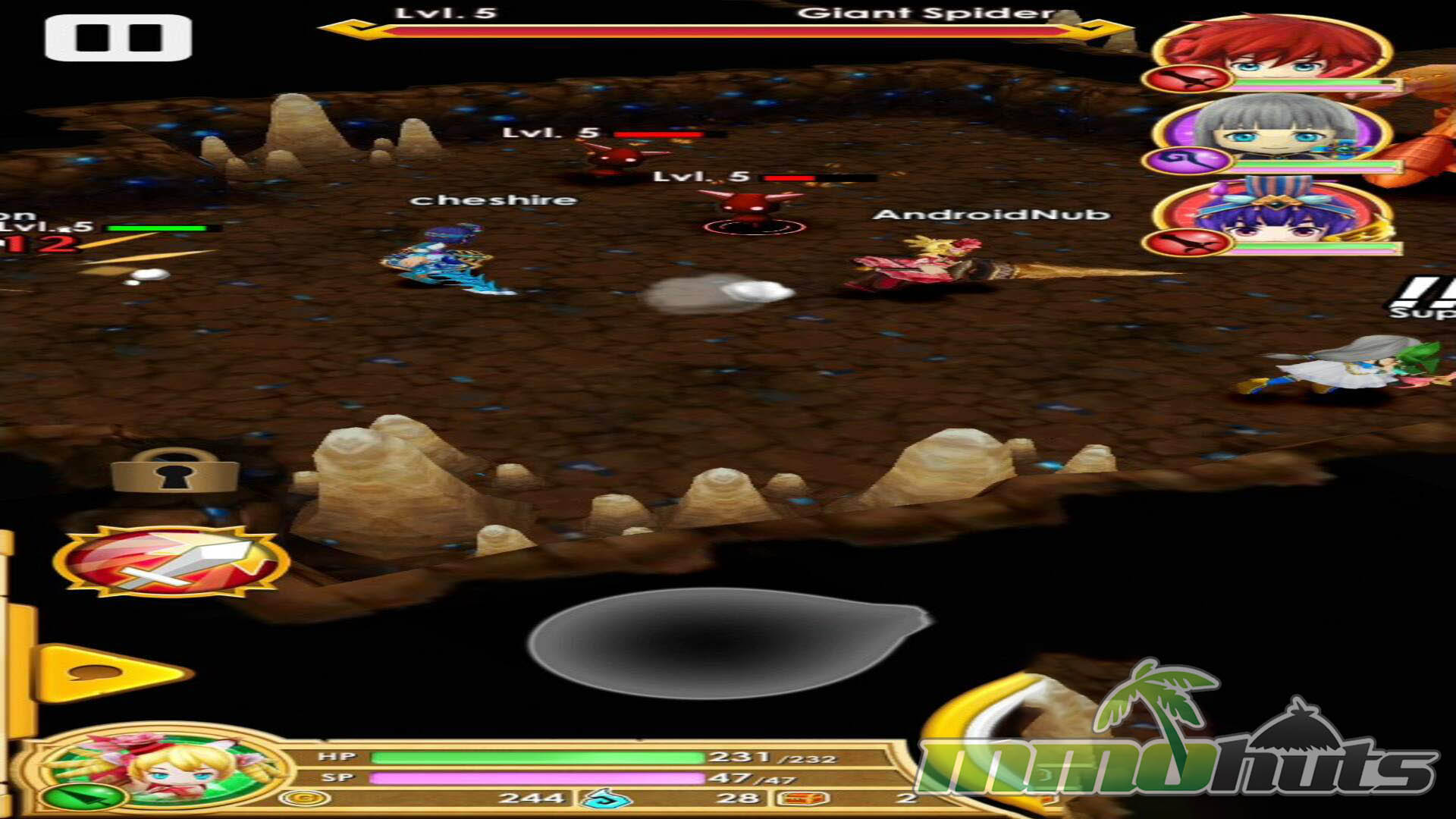
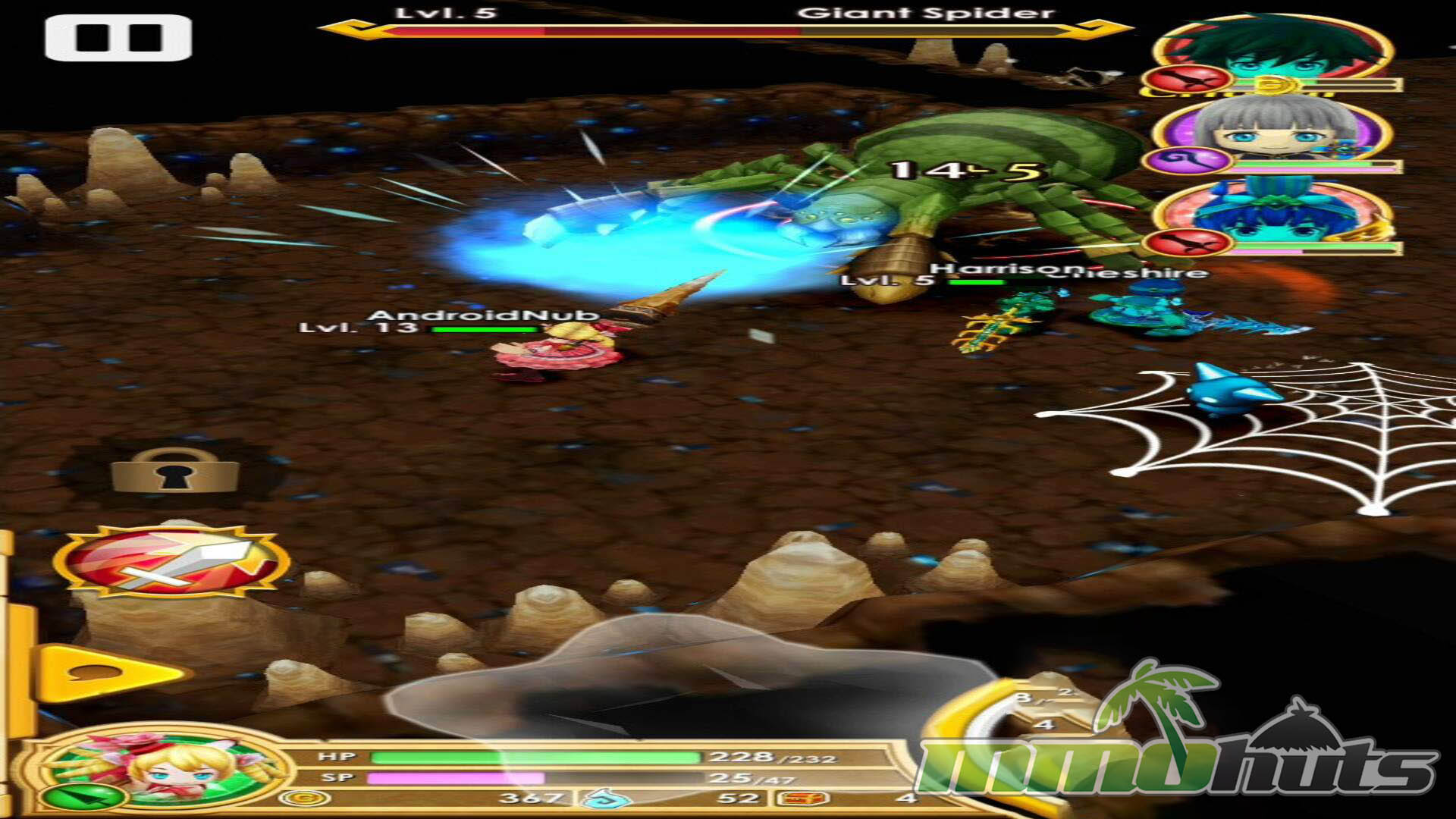
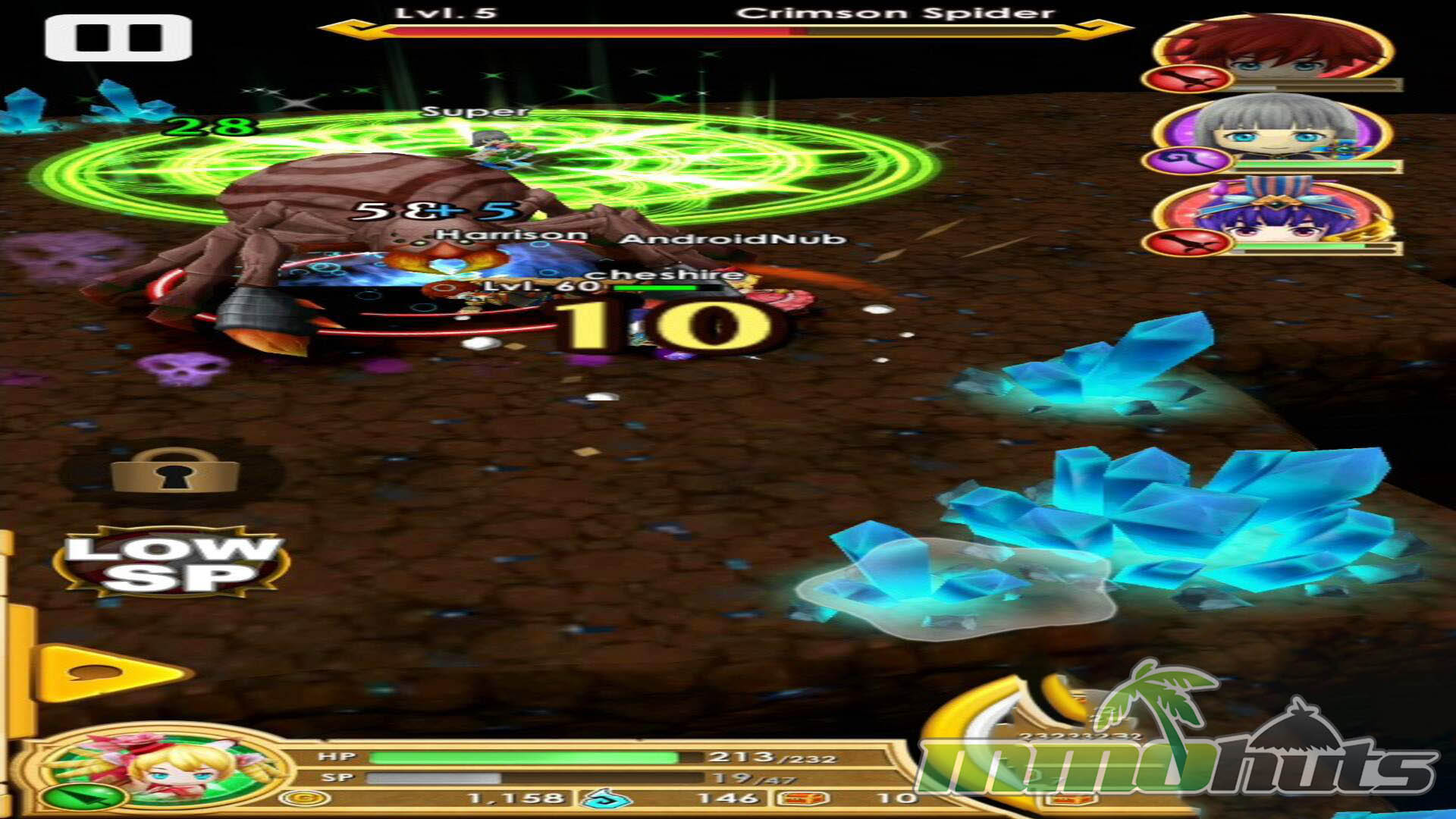
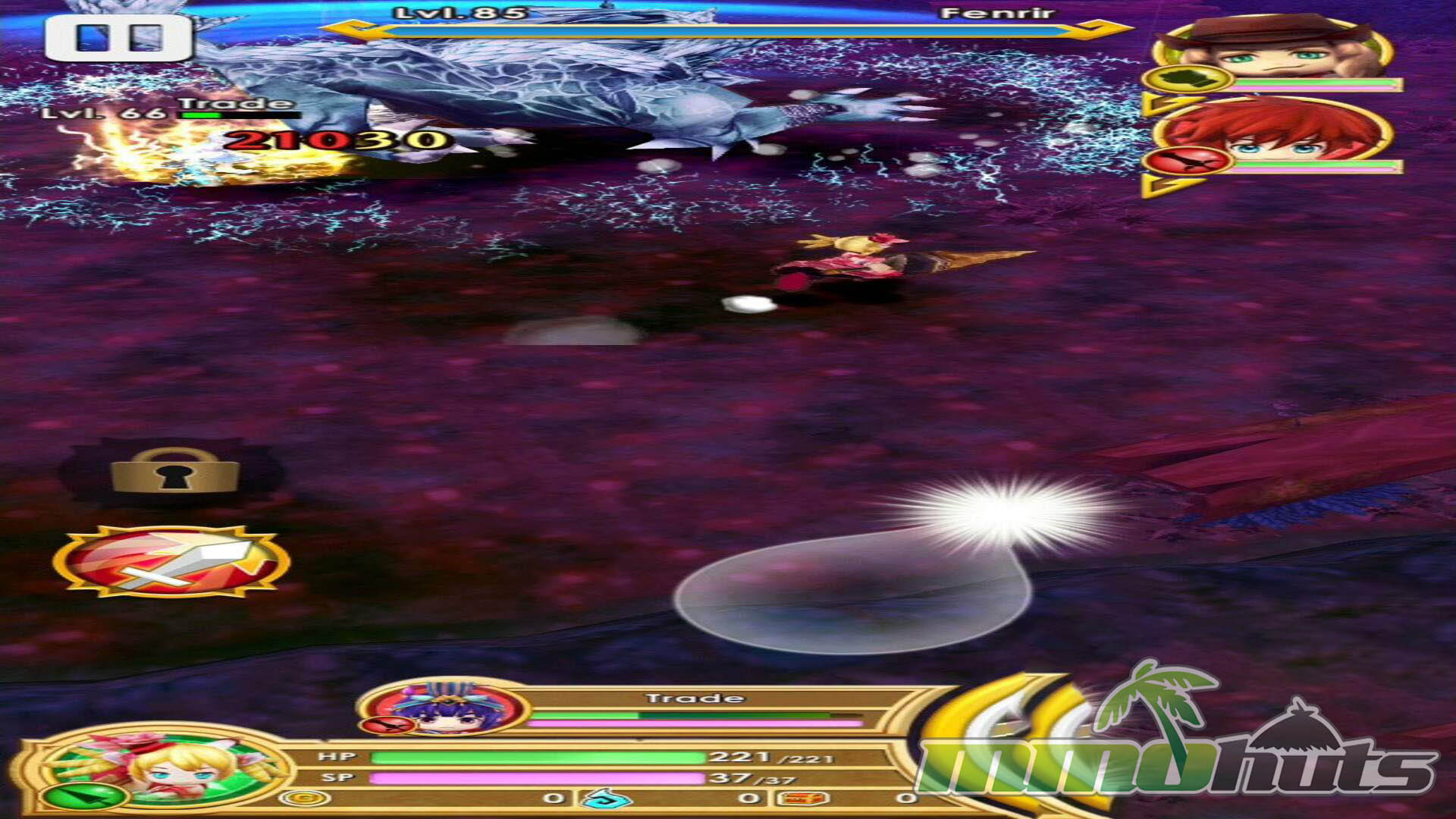
Rune Story Featured Video

Rune Story Review
Rune Story is a free-to-play social action RPG from Colopl, Inc. While the global release arrived on October 21, 2015, the game originally launched in Japan in mid-2014 under the name 白猫プロジェクト (Shironeko Project/White Cat Project). Its popularity in Japan led to a worldwide version, and the core appeal carried over well: responsive action combat, a large hero roster, and co-op play that feels central rather than tacked on.
What made Rune Story stand out among many mobile RPGs of its time is how actively it asks you to play. Missions are not just menus and numbers, they are small action levels with movement, spacing, and boss patterns. Combined with portrait orientation and a control scheme that works with a single thumb, the game feels designed around mobile convenience without sacrificing moment-to-moment input.
Stage Progression and Narrative Flow
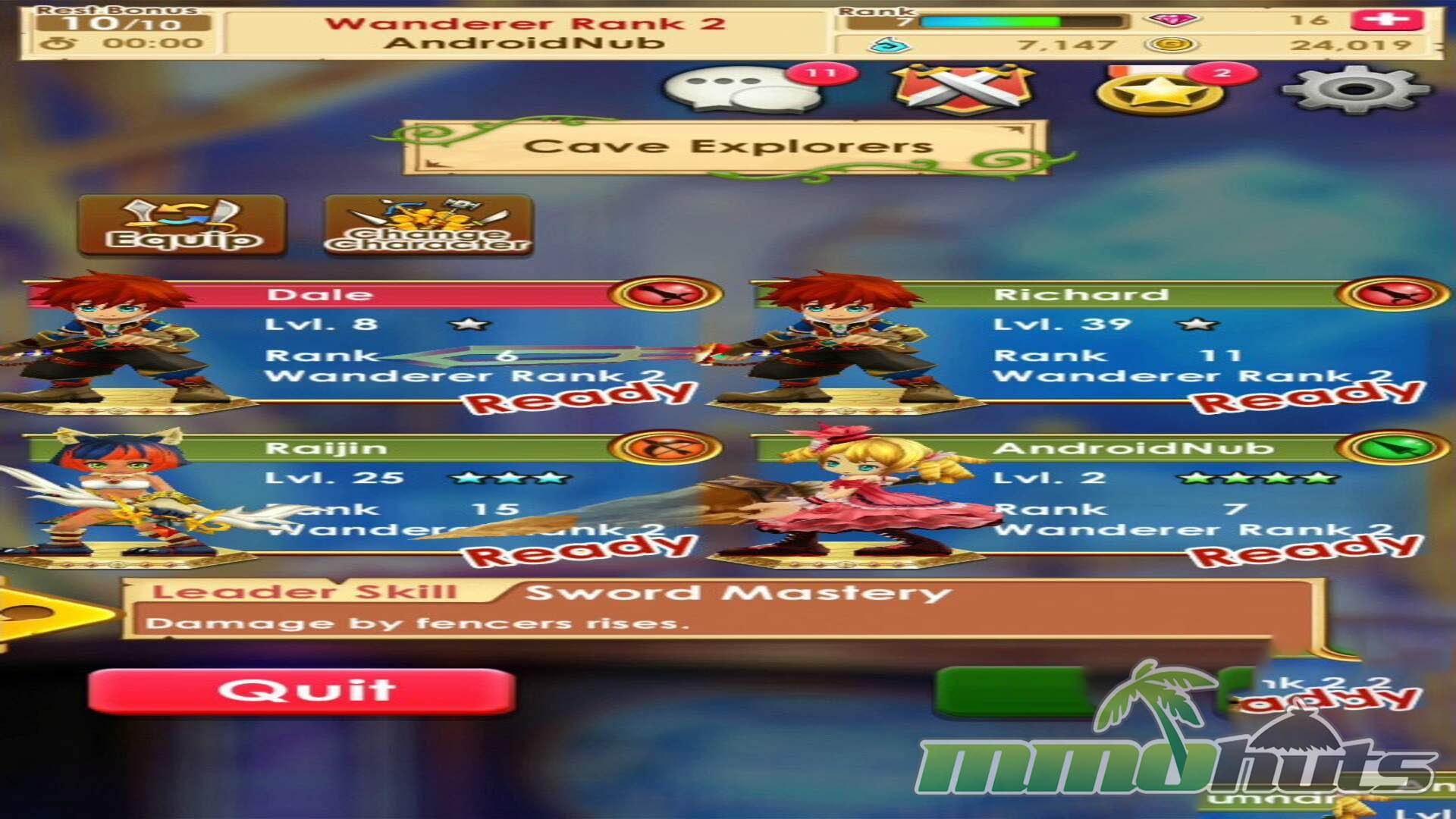
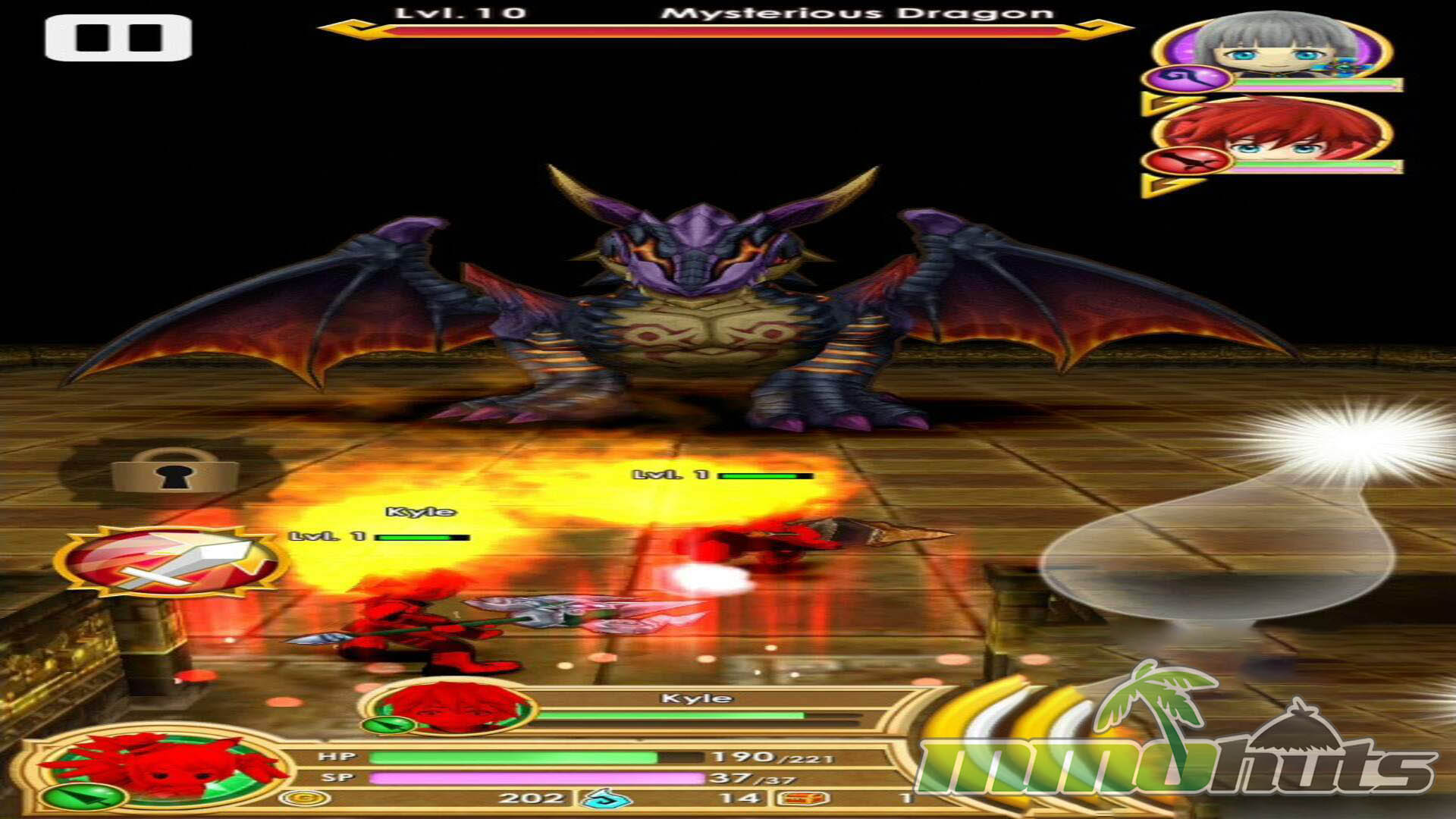
The campaign is structured around a broad world split into many maps and bite-sized stages. Levels typically play like compact mazes with branching paths, multiple enemy zones, and a boss fight to finish. Compared with many stage-based mobile RPGs, there is more actual traversal and combat per mission, so clearing a stage feels like playing a level rather than watching a short encounter.
Most runs land in the 2 to 5 minute range, which suits quick sessions, but tougher bosses can stretch longer and demand careful dodging and skill usage. Rewards include gold, experience, and Soul Crystals, and mission clears steadily move the story forward. A particularly player-friendly choice is the absence of an energy system, so you are not forced to stop playing because of stamina timers.
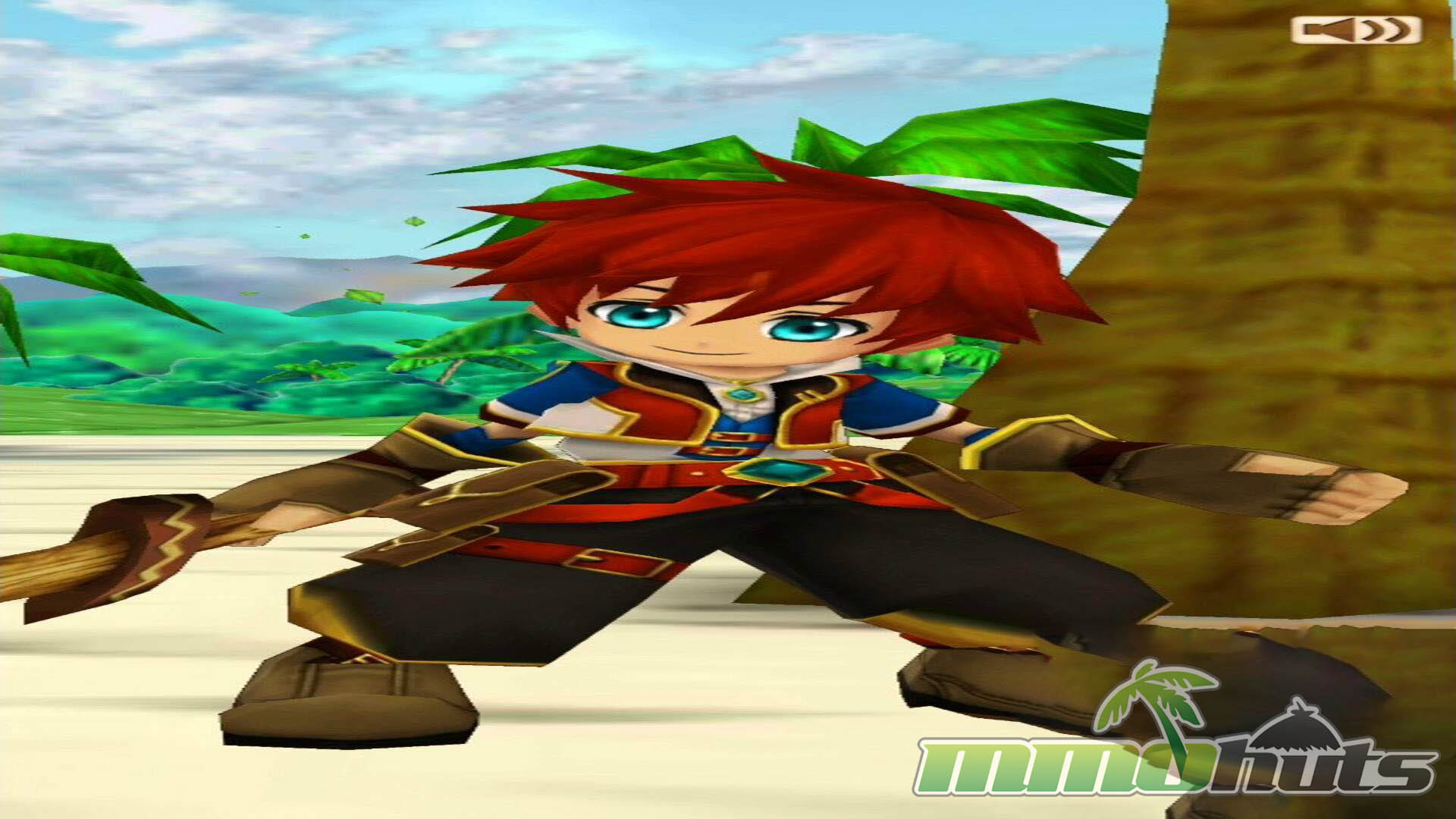
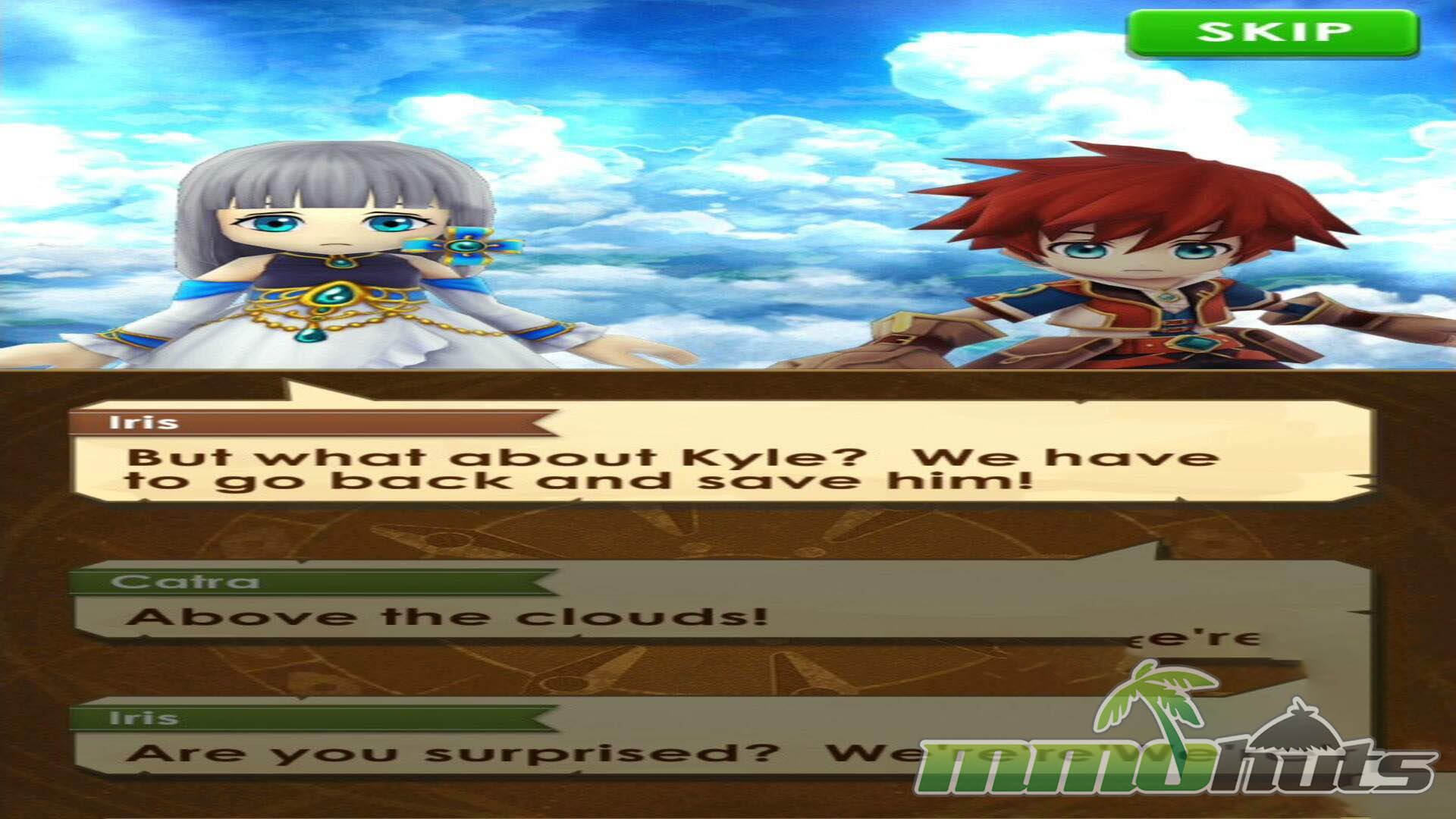
Story scenes appear as short, instanced dialogue moments around key stages. The tone is light and occasionally melodramatic, but it does a good job of giving purpose to the stage grind. The central plot follows a young red-haired protagonist pulled into a search for the Great Runes, meeting a rotating cast of companions along the way, including a priest, an Elf, and a talking cat. It is not a deep narrative epic, but it is engaging enough to make progression feel like more than a checklist.
Visual Style and Presentation
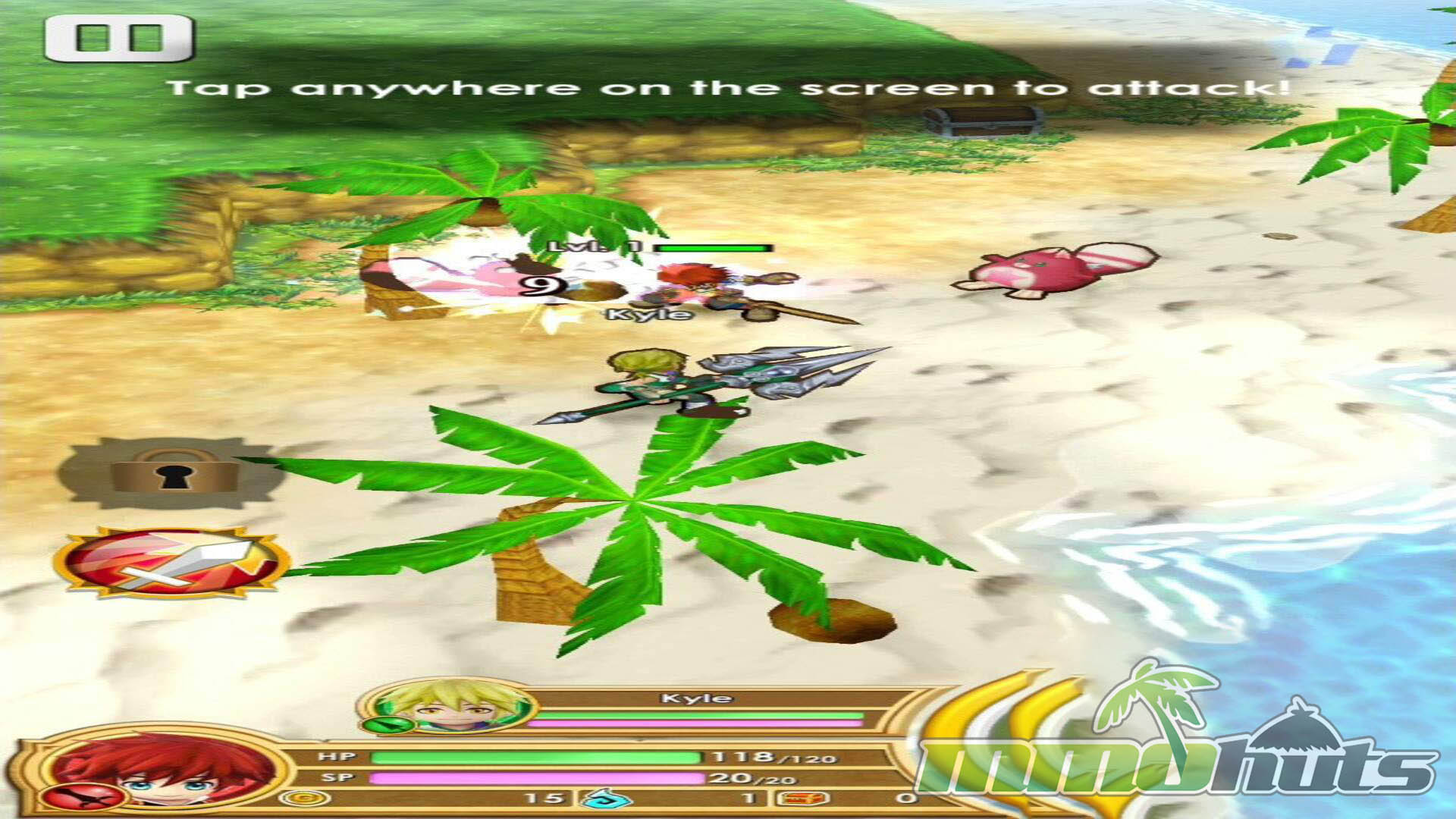
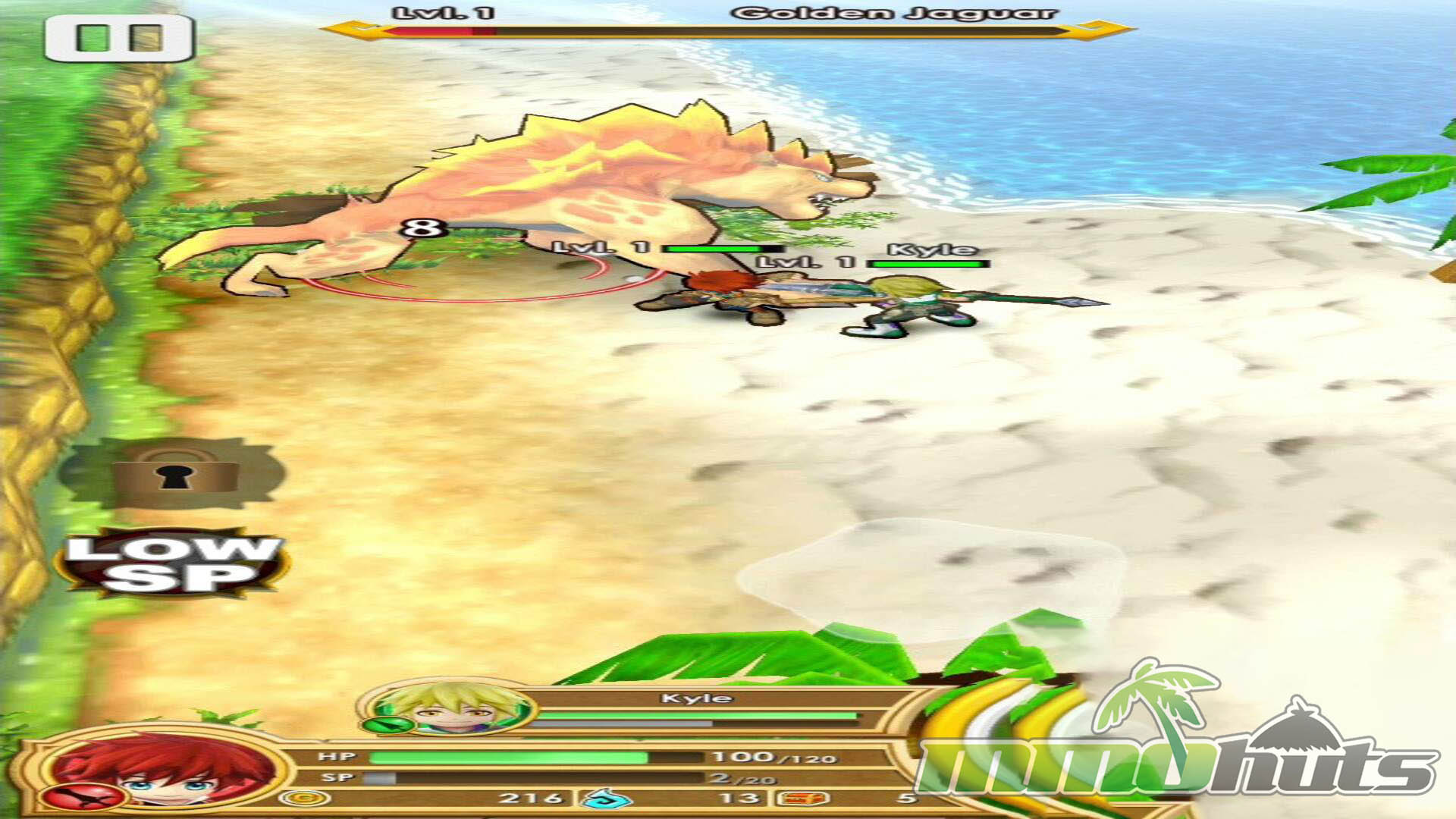
Rune Story leans hard into a cute, anime-inspired aesthetic, and it works. Heroes and enemies are distinct at a glance, animations are smooth, and combat readability stays high even when effects get flashy. The character models have a stylized look that resembles cel-shading, while environments are rendered more traditionally, giving maps a bright, toy-like feel.
Stages feature varied scenery, from open grassy areas with water and bridges to darker caves and ruin-like corridors. Treasure chests tucked into corners encourage a bit of exploration, which helps stages feel less like straight corridors. Audio presentation is a mixed bag, with plenty of character callouts and skill lines, but not every performance lands, especially compared with the strength of the visuals.
Portrait, One-Hand Combat
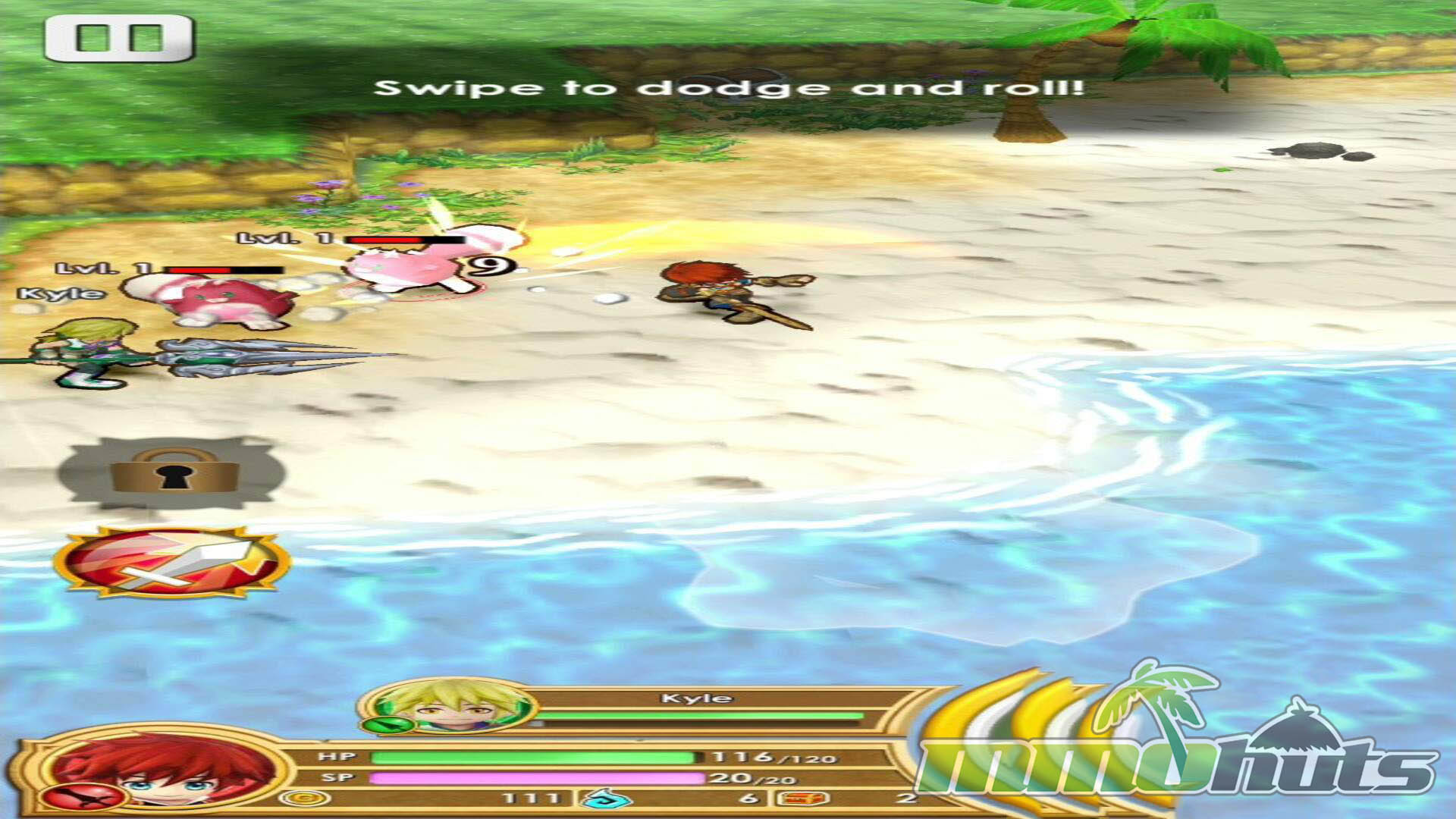
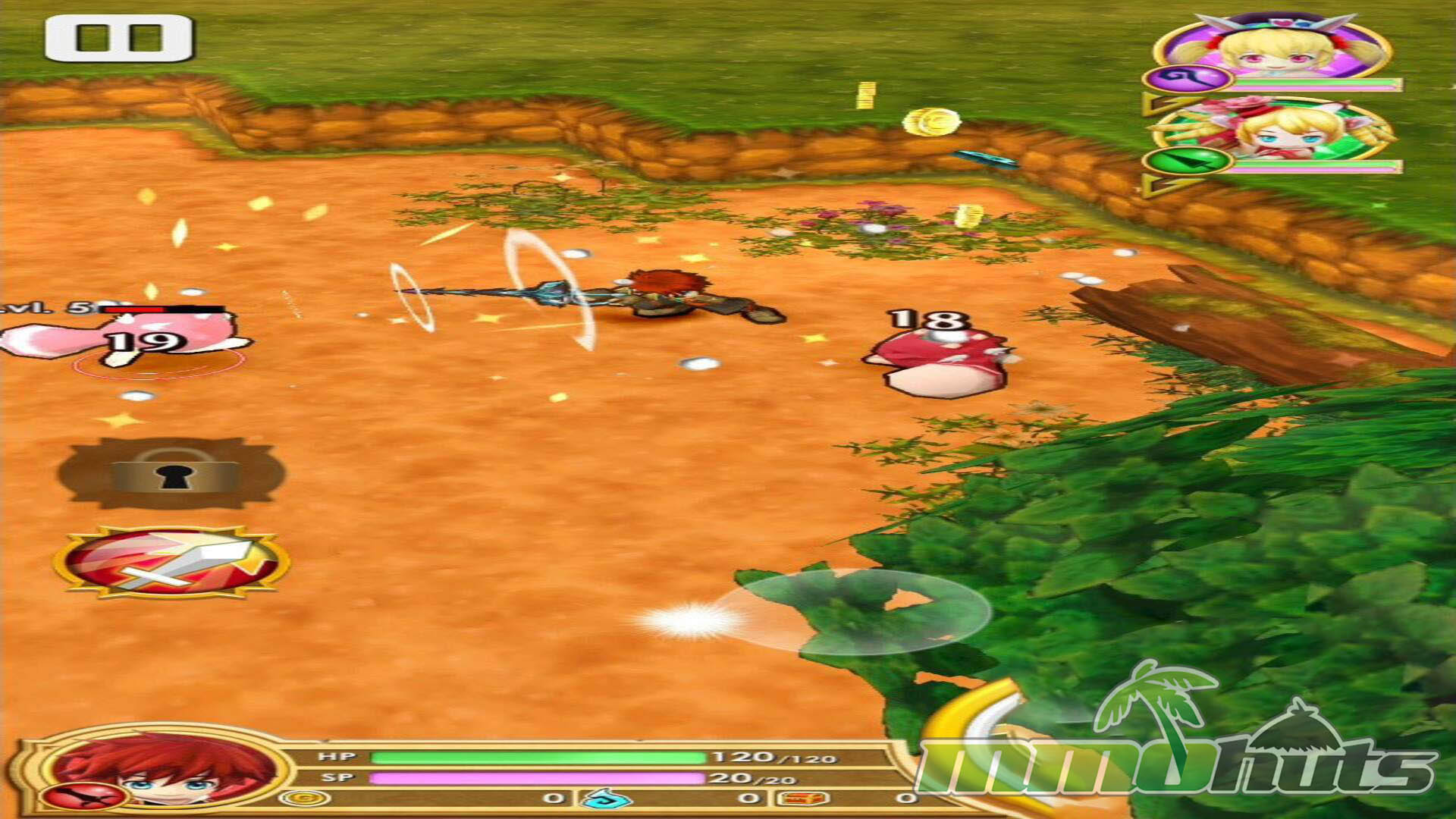
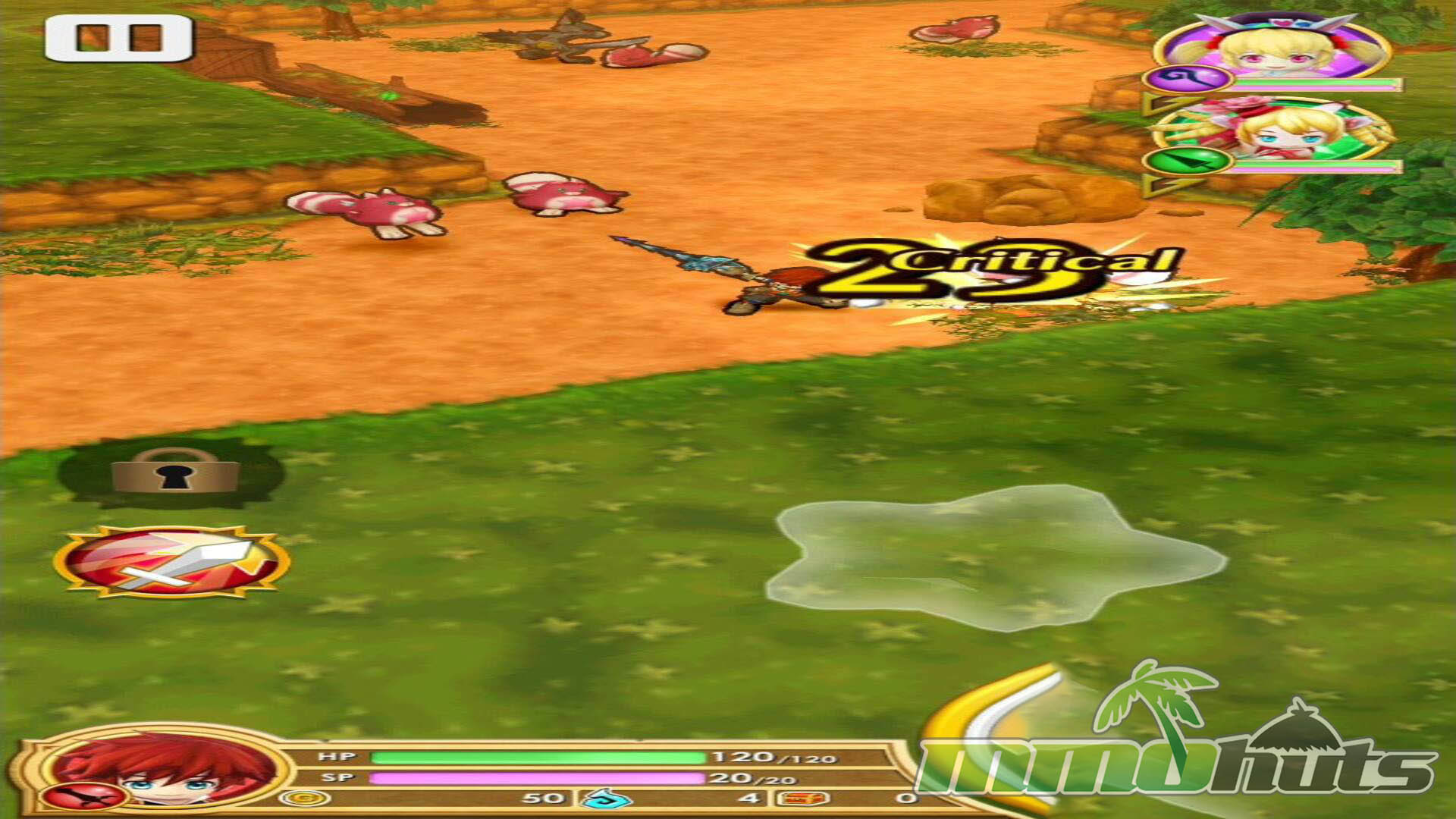
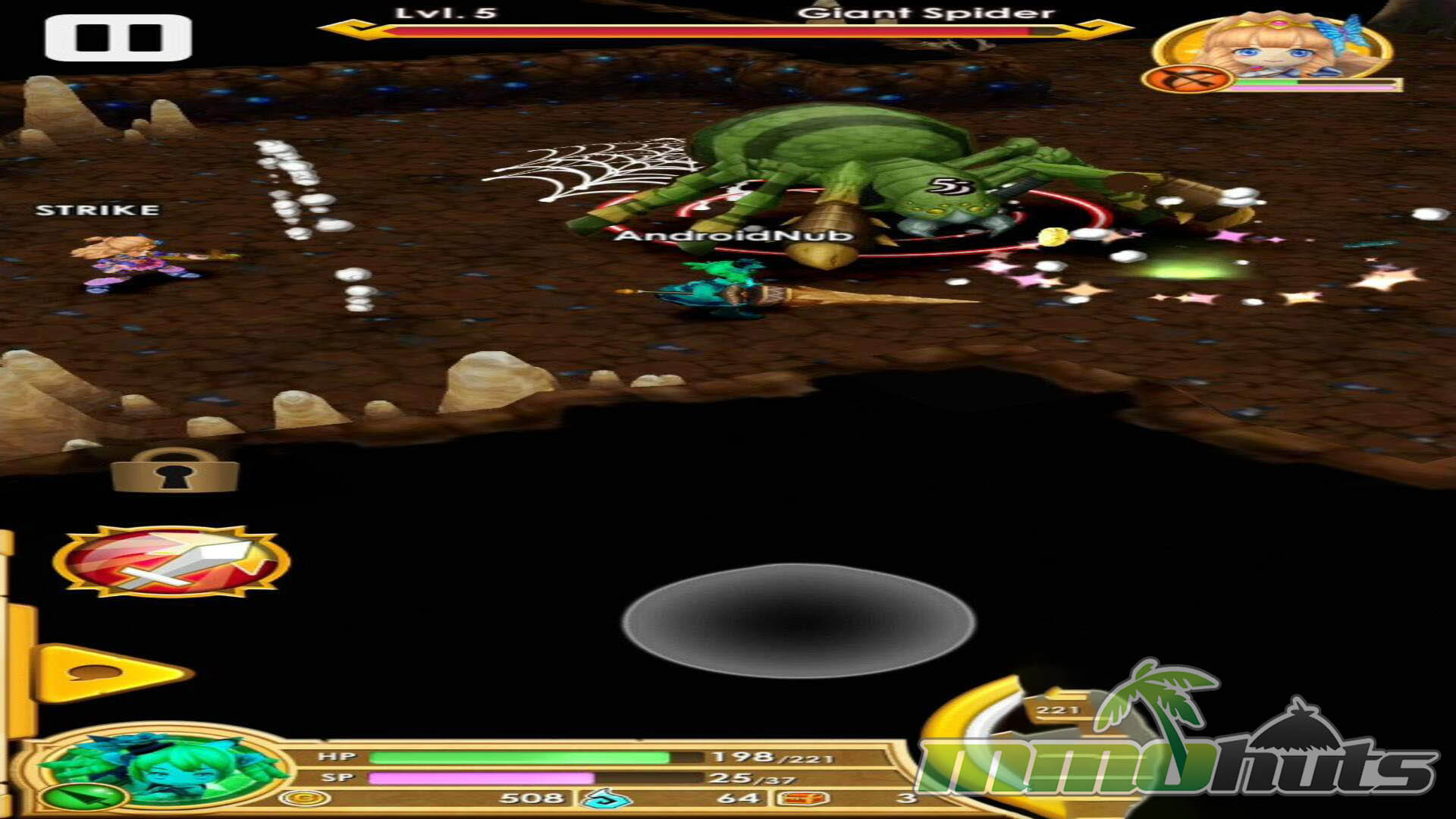
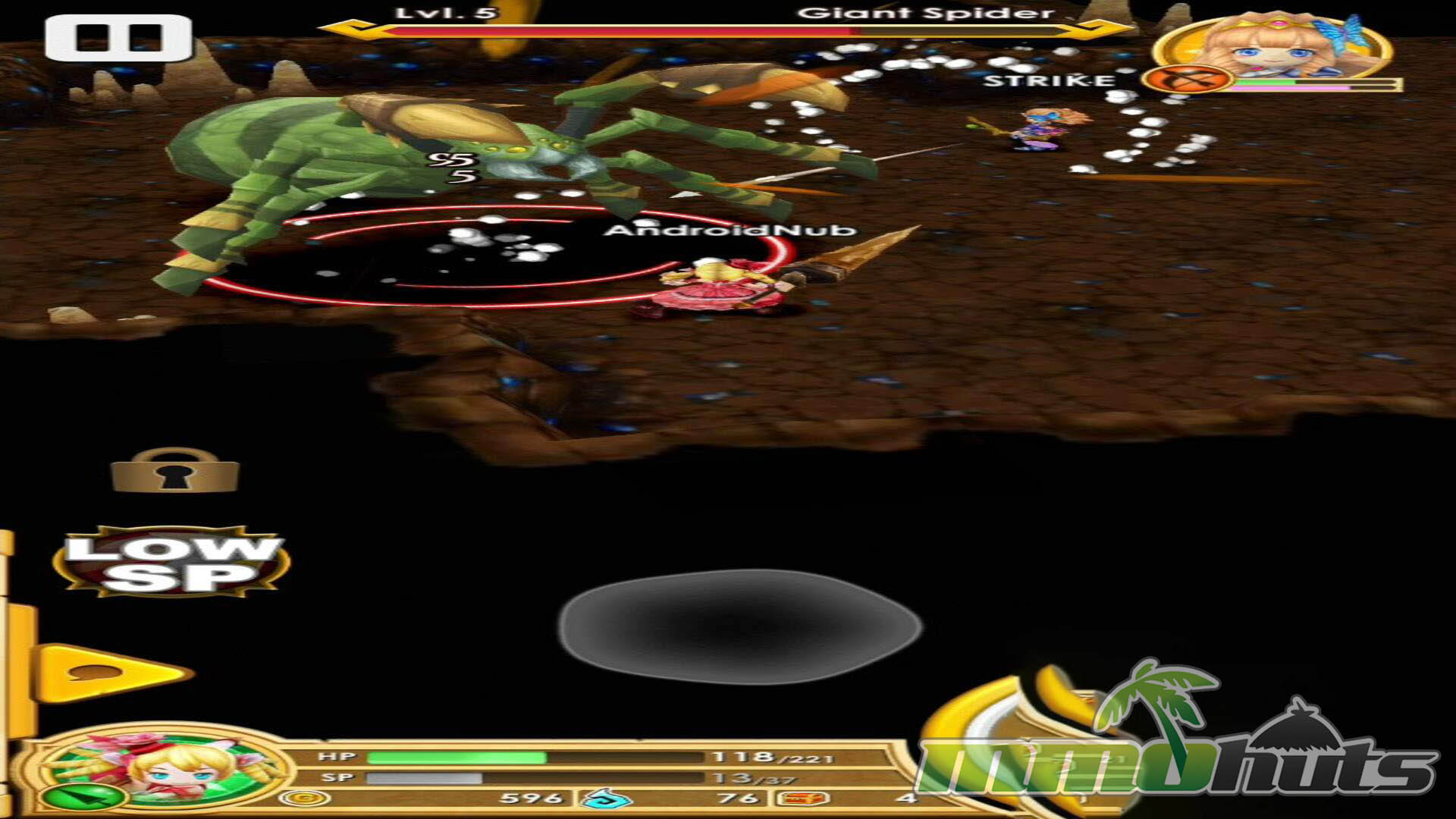
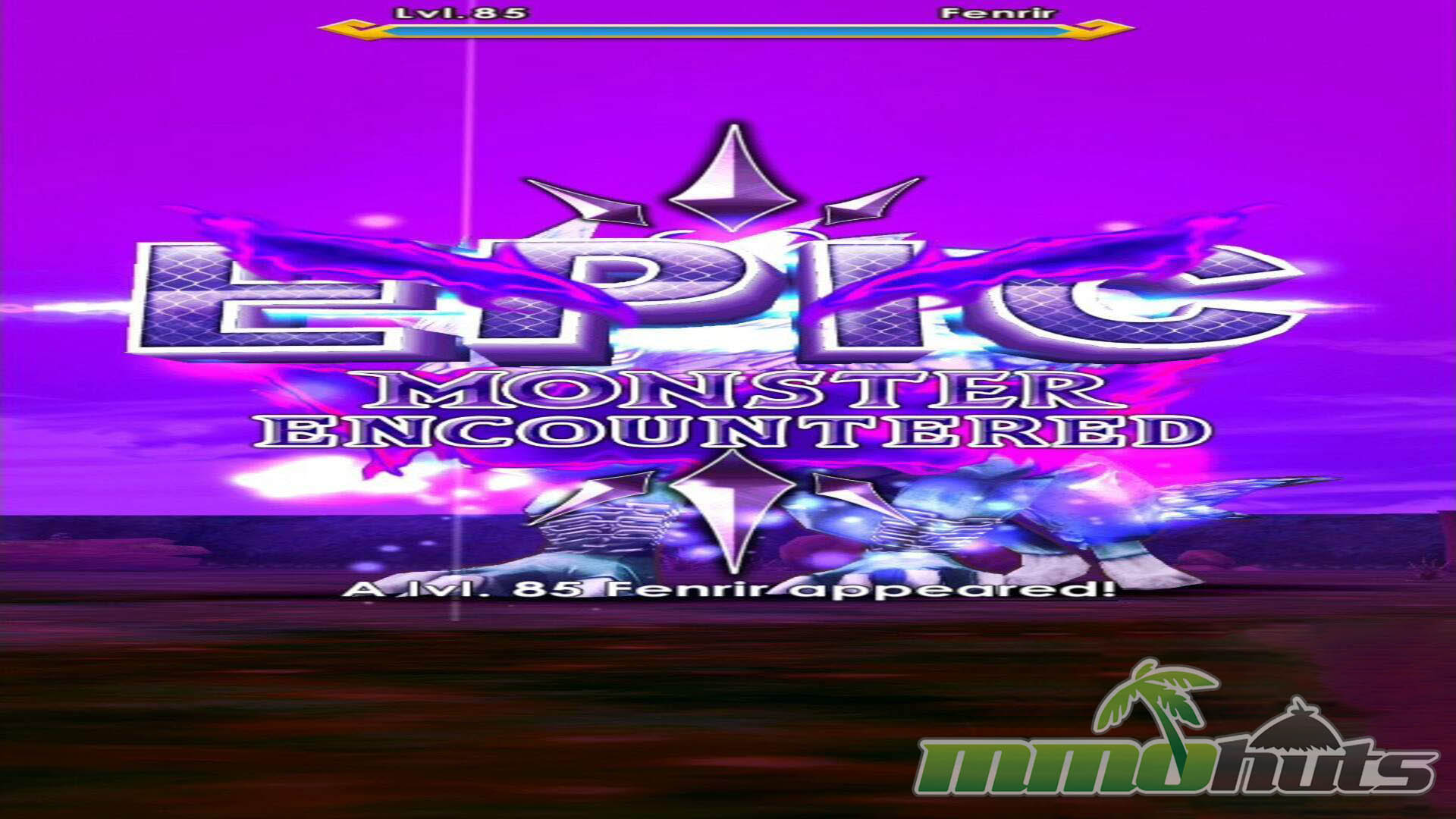
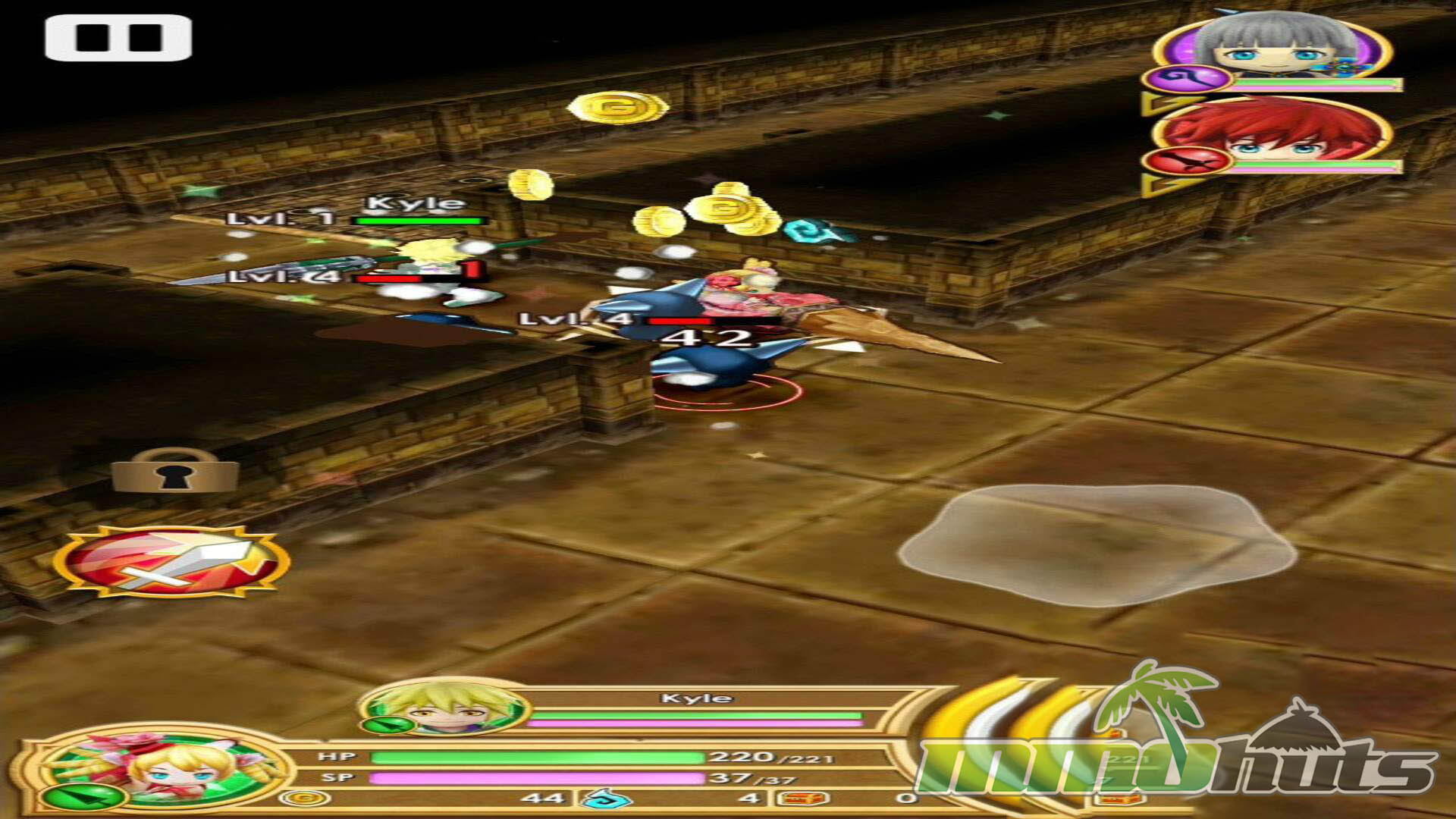
The defining mechanic is the one-handed control scheme paired with portrait mode. Movement is handled by dragging anywhere on the screen, attacks are triggered by taps, dodges by swipes, and skills via a dedicated button. You can also switch between party Heroes using the icons at the top right, letting you react to boss phases or enemy types on the fly.
In practice, it feels surprisingly precise. Despite lacking a virtual joystick and multiple face buttons, you still have meaningful control over positioning and timing. The result is combat that is faster and more satisfying than many auto-heavy mobile RPGs, particularly in boss fights where dodging and skill windows matter.
Heroes, Classes, and Growth
Collection is a major pillar, with over 100 Heroes and 6 classes: Fencer, Lancer, Warrior, Brawler, Sniper, and Mage. Each class fills a clear combat role. Fencers are quick with broad reach, Lancers hit hard with narrow range and slower swings, Warriors trade damage for sturdiness, Brawlers are high-risk melee bruisers, Snipers provide ranged pressure with low durability, and Mages deliver strong spells while also offering support healing.
This variety gives the roster more purpose than simply chasing higher rarity. Different stages and bosses can favor certain ranges or damage styles, and switching Heroes mid-fight makes class synergy more than a menu choice. Progression is handled through each Hero’s Soul Board, which offers branching upgrades to stats and combat traits. Soul Crystals earned through stages, quests, and achievements power these upgrades. Equipment is focused on class-restricted weapons, with no armor system, which keeps gearing simple and reduces inventory micromanagement.
Town Building as Long-Term Support
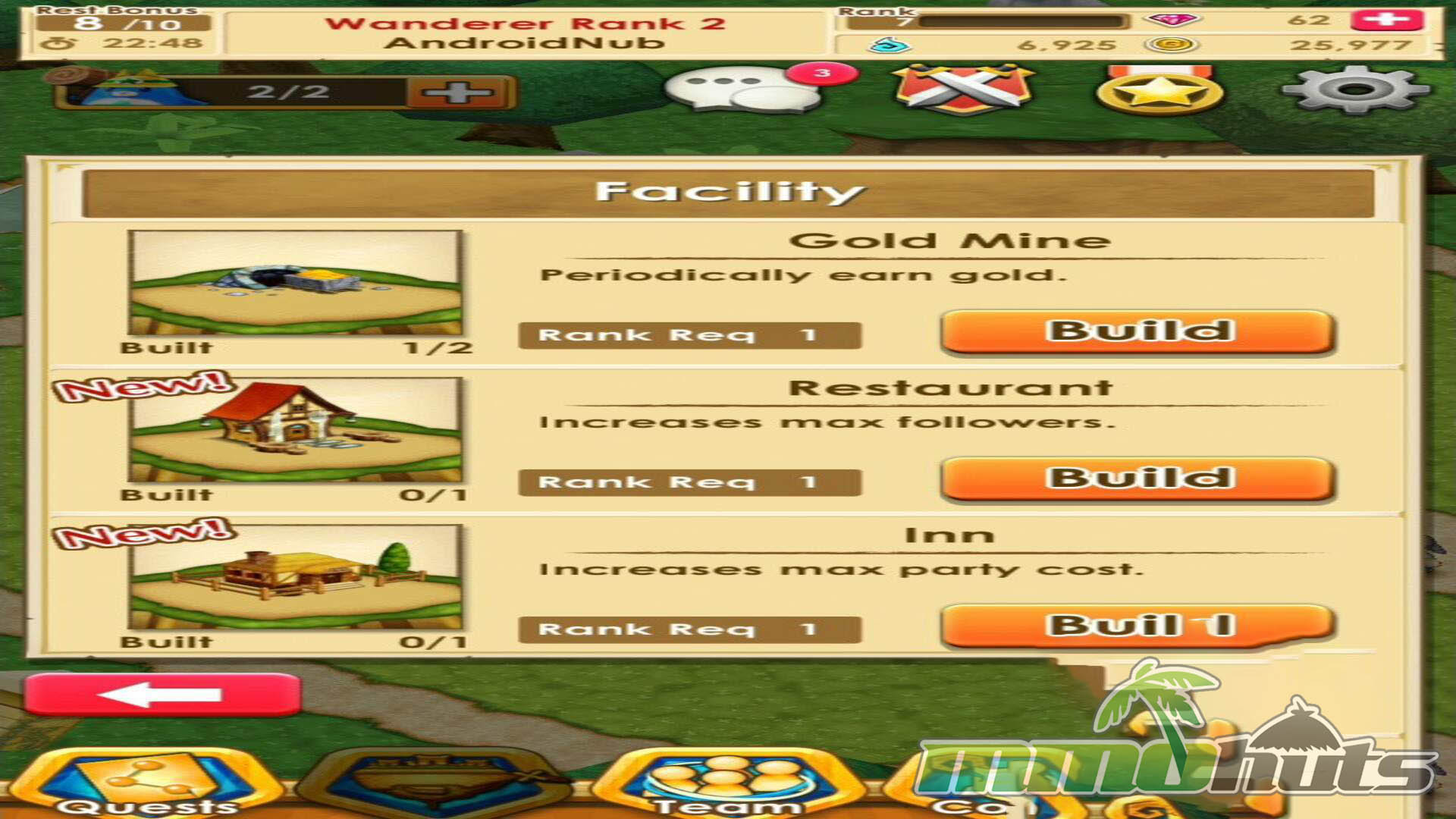
Outside combat, Rune Story gives each player a personal town to develop. This is not a competitive base-raiding system, it is more of a persistent upgrade hub that provides account-wide benefits. You can place and upgrade Facilities, Training Halls, decorations, and warehouses, and you will see Heroes wandering around the town between missions.
Facilities cover practical bonuses such as gold generation, party cost limits, weapon capacity, and follower limits. Training Halls include class headquarters that boost the corresponding class in combat, which encourages investing in the classes you use most. Decorations are mainly cosmetic, while the warehouse expands storage. The town ends up acting as a steady background progression layer that complements stage grinding without demanding constant attention.
Guild Play and Co-op Focus
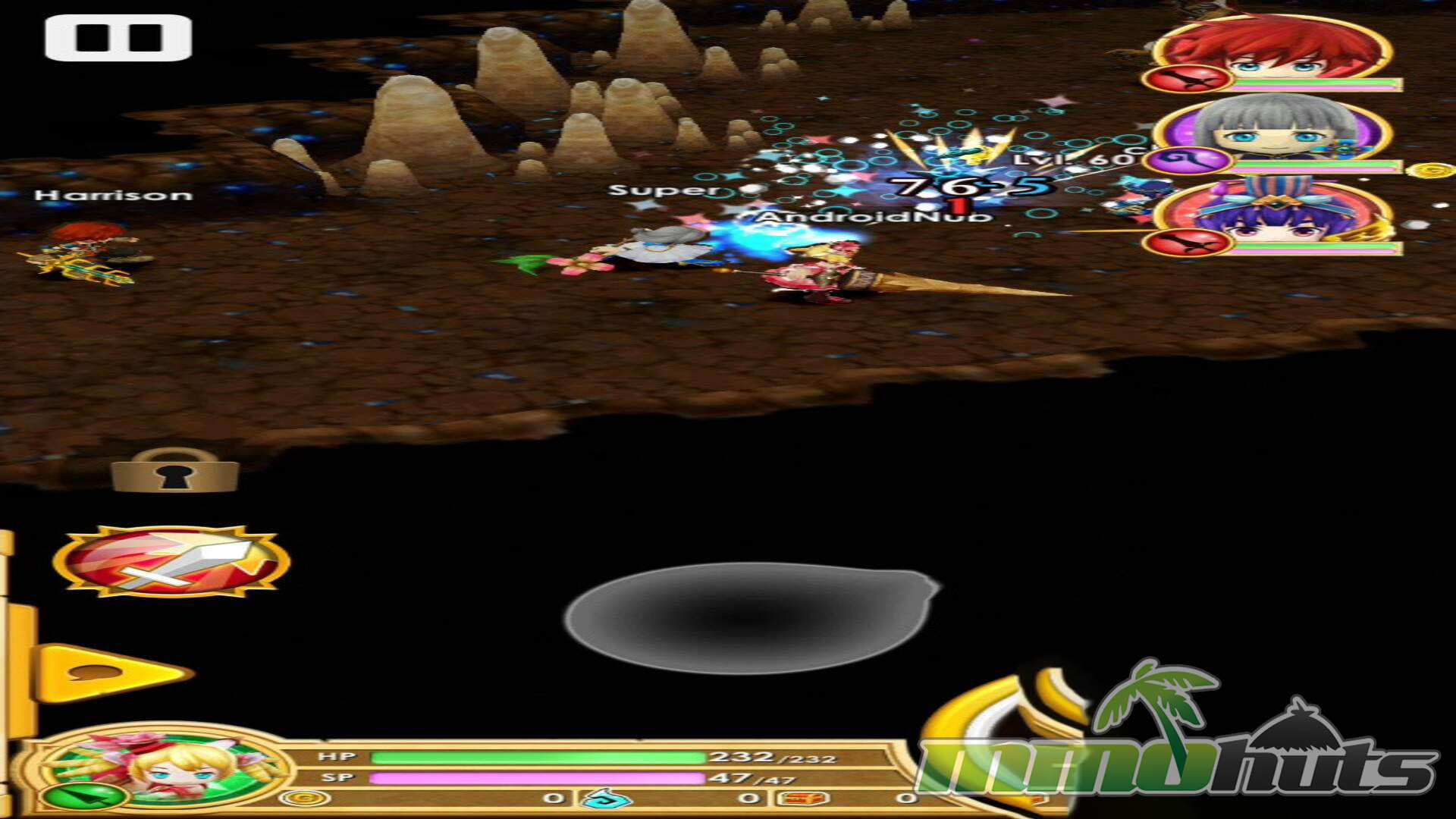
Guilds are not optional flavor here, they meaningfully improve the experience. Rune Story is built to be played socially, and guild membership makes it far easier to jump into co-op content. Stages can be tackled in real-time with guildmates, and if you prefer solo play you can still bring along a guild member’s AI-controlled Hero as backup.
This design helps create community, and it also gives the game longevity beyond the campaign. Many stage-based mobile RPGs limit co-op to specific modes, but Rune Story’s approach makes multiplayer feel like a core way to play rather than a separate activity.
Cash Shop and Summons
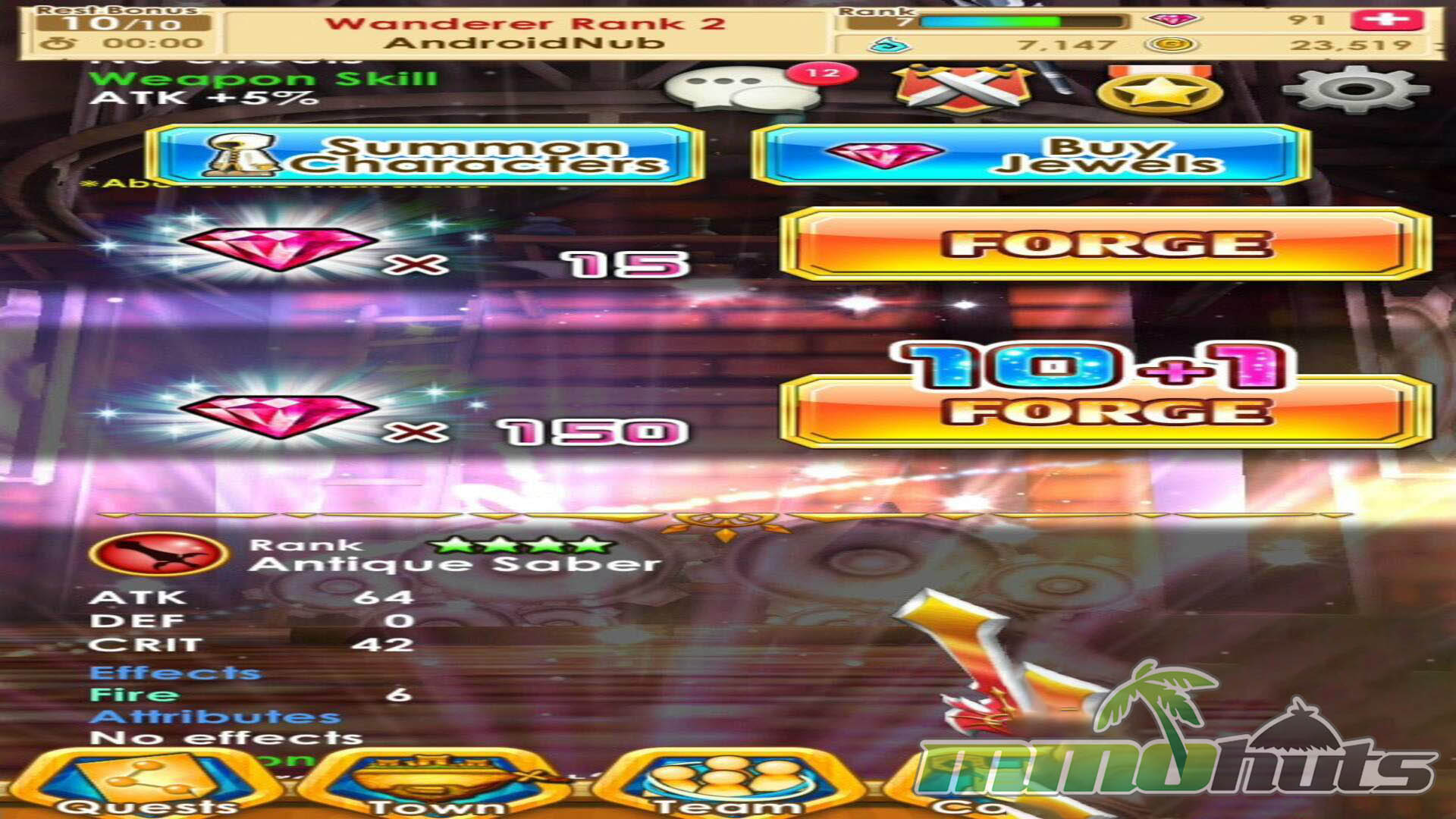
Rune Story’s monetization is relatively straightforward. The shop mainly revolves around summoning Heroes and weapons using Jewels, the premium currency. Summons can produce 2 to 4 star results, and there are no complicated bundles or mandatory stamina purchases since the game does not use an energy system.
The game is also fairly generous with free Jewels through quests, achievements, and login rewards, so regular players can summon without paying frequently. While the usual randomness of gacha systems still applies, Rune Story’s store design feels less pushy than many comparable hero-collecting RPGs.
Final Verdict – Great
Rune Story succeeds by making mobile action feel genuinely playable and responsive. Its portrait, one-handed controls are more than a novelty, they are the foundation for combat that stays engaging across dozens of stages. Add in a large Hero roster, meaningful class variety, co-op dungeons, and supportive systems like towns and guilds, and you get a mobile RPG that feels more hands-on and community-driven than most of its peers.
Rune Story Links
Rune Story Official Site
Rune Story iOS
Rune Story Google Play
Rune Story Official Facebook
Rune Story System Requirements
Minimum Requirements:
Android 4.0.3 and up / iOS 7.1 or later.
Rune Story Music & Soundtrack
Rune Story Additional Information
Developer: Colopl, Inc.
Publisher: Colopl, Inc.
Platforms: Android, iOS
Release Date: October 21, 2015
Rune Story was developed and published by Colopl, Inc., a Japan-based mobile studio also known for Slingshot Braves and Battle Robots!. The title first appeared in Japan in mid-2014 as 白猫プロジェクト (Shironeko Project/White Cat Project), later receiving a worldwide release on October 21, 2015. Shortly after the global launch, it reached over 100,000 downloads within its first week.
From a design perspective, Rune Story is notable for being one of the portrait-mode mobile action RPGs that commits fully to one-finger input, letting players handle movement, attacks, dodges, and skills without a traditional virtual stick. Colopl, Inc. has also released other popular mobile games, including Quiz RPG: World of Mystic Wiz and Meow Meow Star Acres.