RPG MO channels the spirit of classic RPGs with a simple pixel look and a surprisingly large world built around steady progression. You can develop a melee-focused fighter, lean into spellcasting for ranged damage, or largely ignore combat and play the economy by gathering materials and crafting gear to sell. It is a straightforward, grind-friendly MMORPG that rewards routine and long-term goals more than cinematic storytelling.
 | Publisher: Marxnet Playerbase: Low Type: MMORPG Release Date: July 18, 2012 Pros: +Classic retro presentation. +Flexible stance-based progression. +Deep gathering and crafting loop. Cons: -Minimal story direction. –Combat feels static. –Sparse animations. -Significant grind required to advance. |


RPG MO Overview
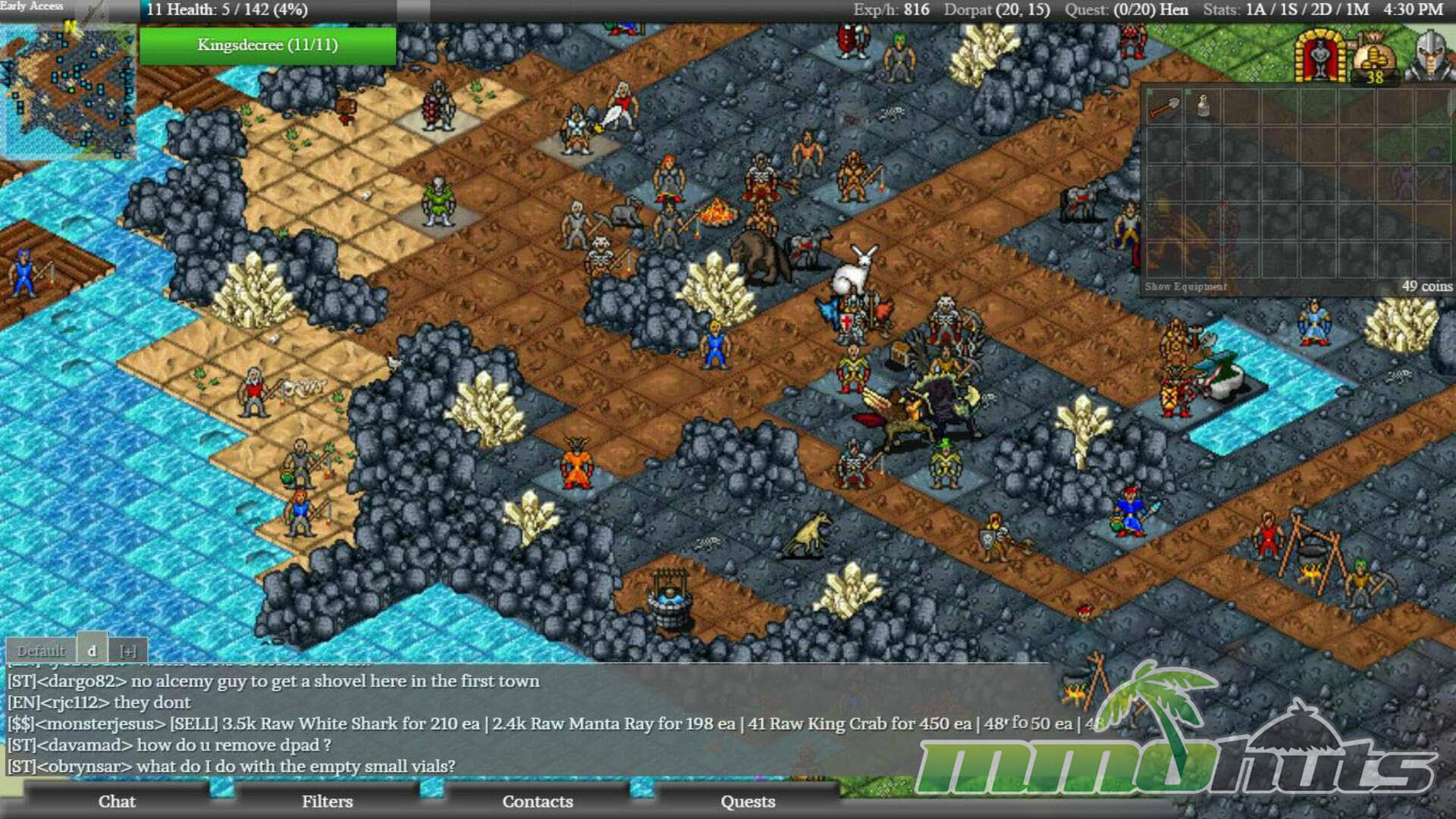
RPG MO is an indie MMORPG developed and published by Marxnet. It drops you into a bright, tile-based world where progress is mostly self-directed, you pick a goal and work toward it through fighting, gathering, and crafting. Combat revolves around swapping stances as you train different stats over time, letting you emphasize accuracy, damage, or defense, or advance everything more slowly with a balanced option. If you prefer ranged play, magic provides an alternative way to handle enemies without relying solely on melee weapons. Outside of battles, the game leans heavily into resource collection, you cut trees, mine ore, and turn raw materials into equipment and trade goods that can be sold to other players.
RPG MO Key Features:
- Expansive World – A large, colorful map packed with monsters, resources, and places to discover.
- Dynamic Leveling – Train specific combat stats through stances, or raise multiple stats together at a slower pace.
- Crafting System – A grid-based crafting interface that rewards correct item placement to unlock recipes.
- House Building – Create your own home and show it off to friends.
- Numerous Skills – Advance many skills across combat and trades, with no level caps.
RPG MO Screenshots






RPG MO Featured Video

RPG MO Review
RPG MO is clearly built from familiar MMORPG foundations, with a strong Runescape-like routine of skilling up and a crafting approach that nods to sandbox games. The result is functional and easy to understand, but it is also a game that asks you to create your own motivation. If you need quests, narrative payoffs, or flashy combat feedback to stay invested, it can feel thin. If you enjoy long grinds, market-minded crafting, and steady incremental gains, it has the right structure to keep you busy.
Retro Charm, With a Very Tight Budget
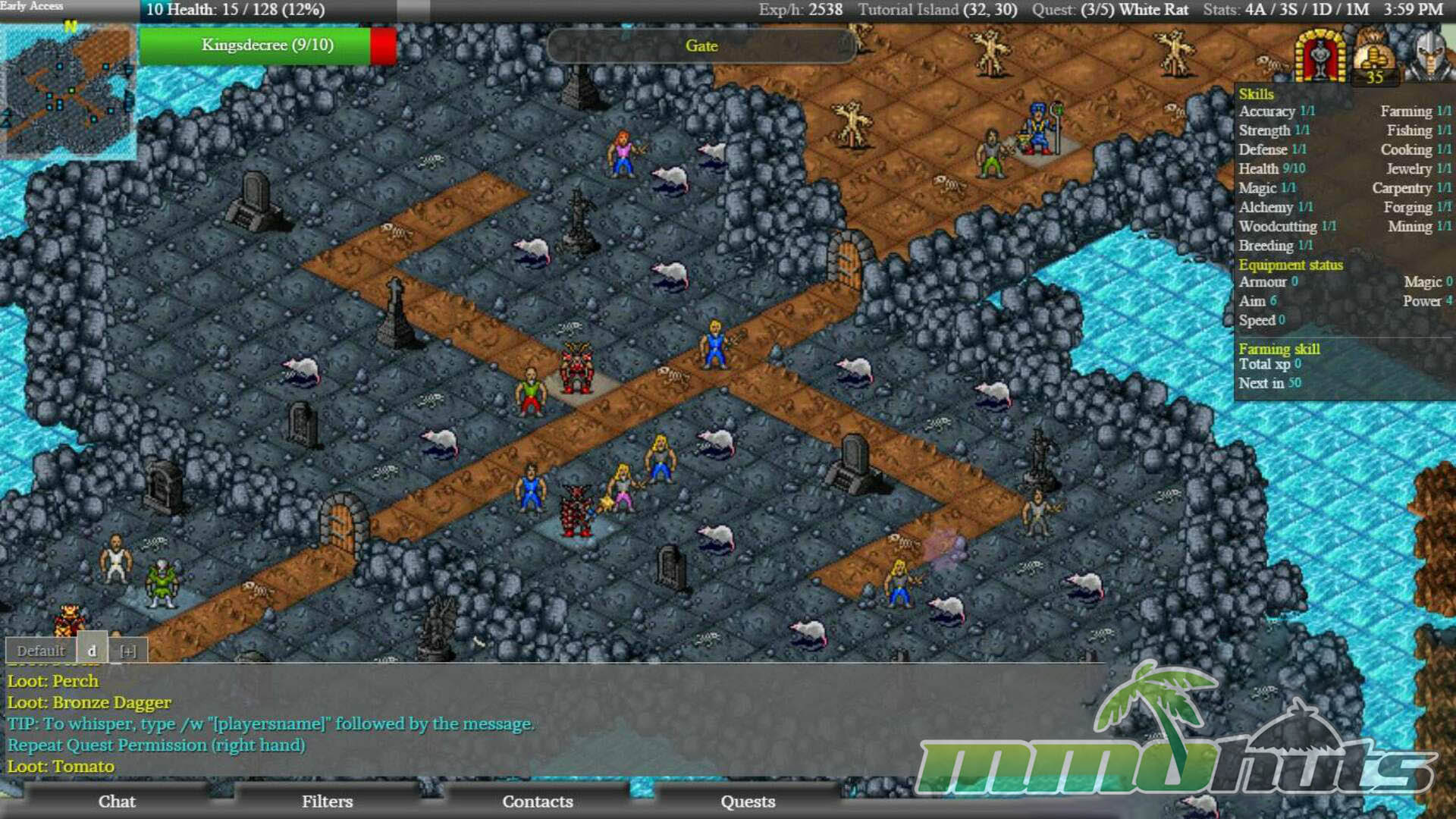
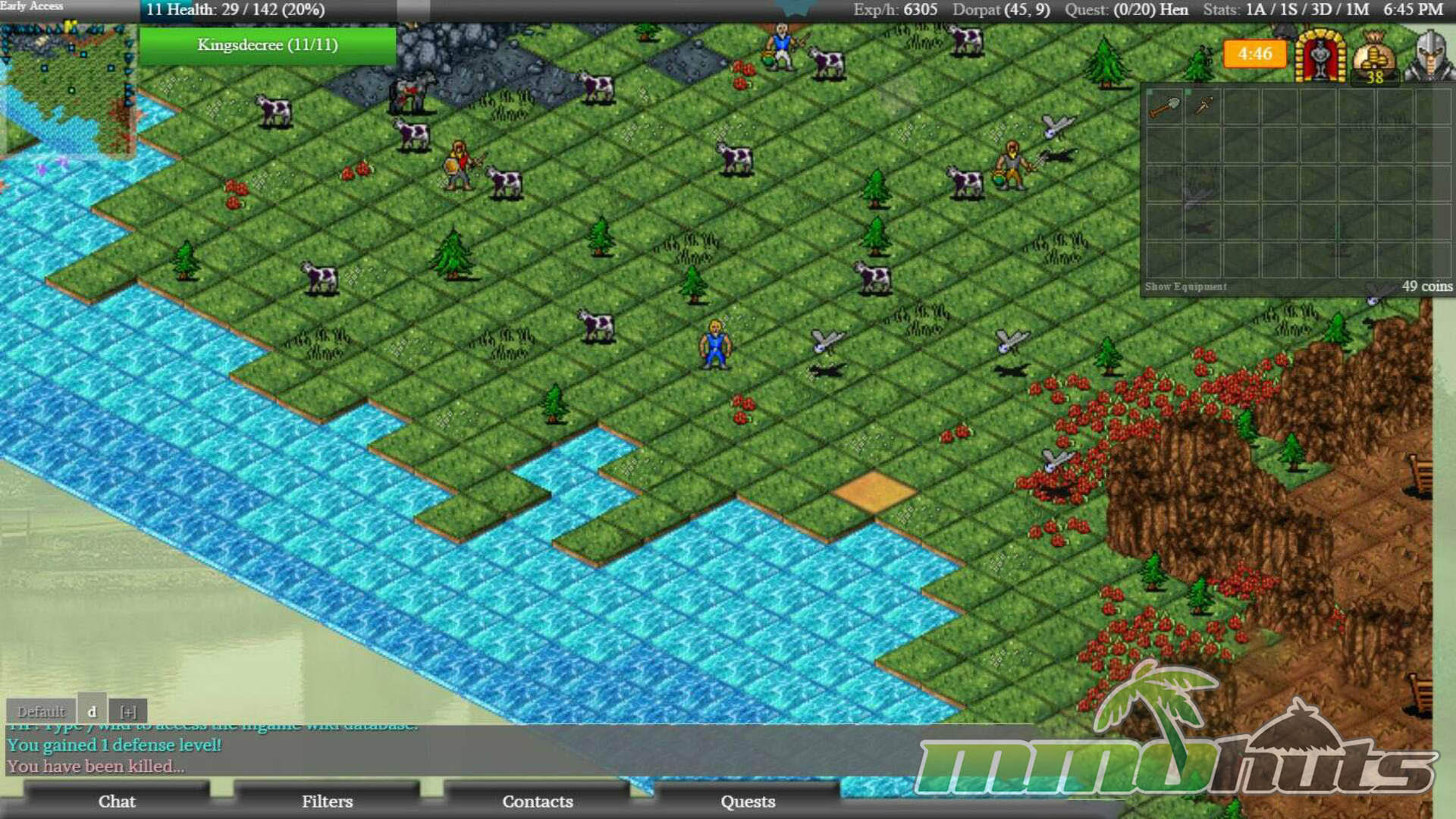
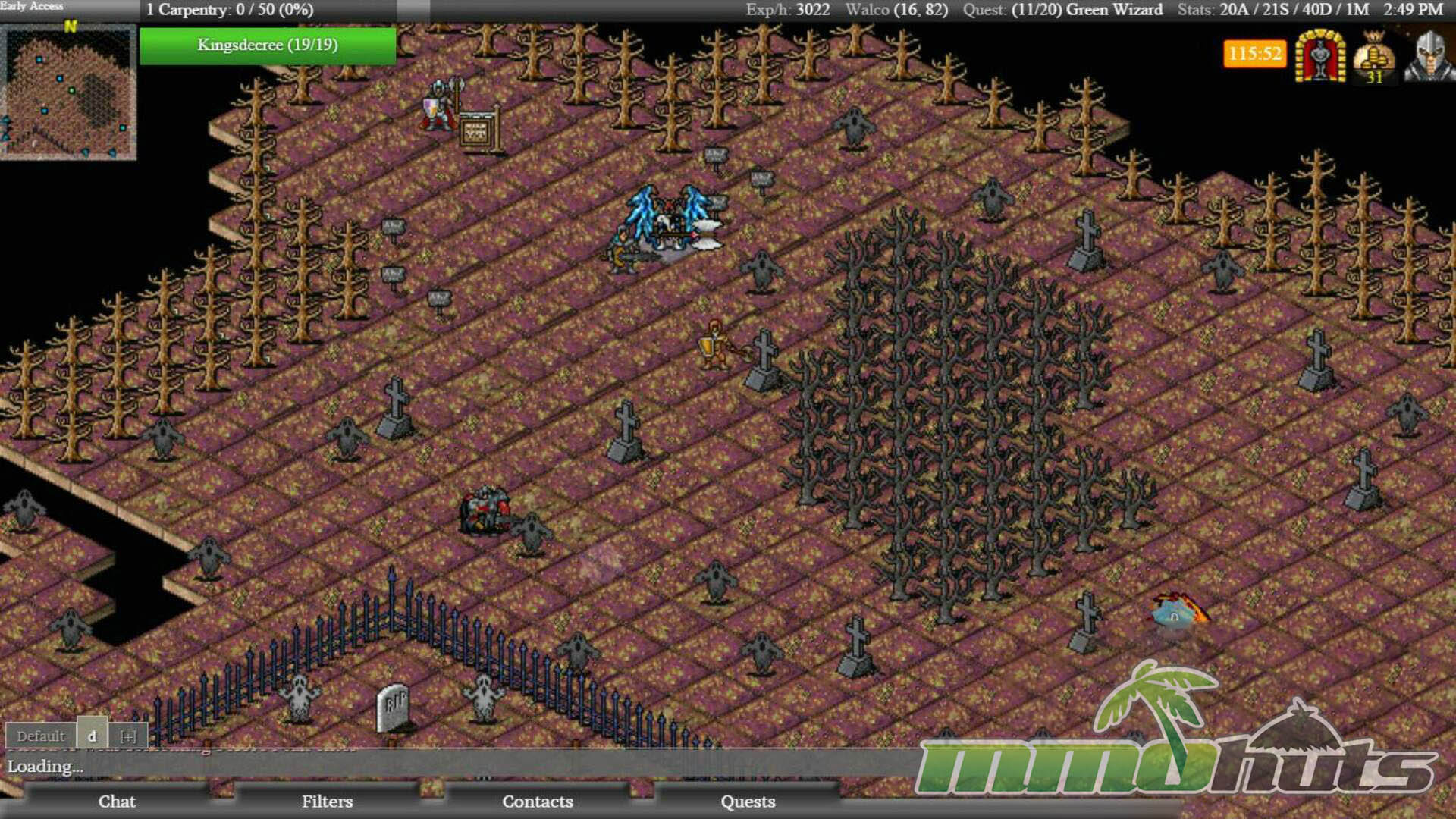
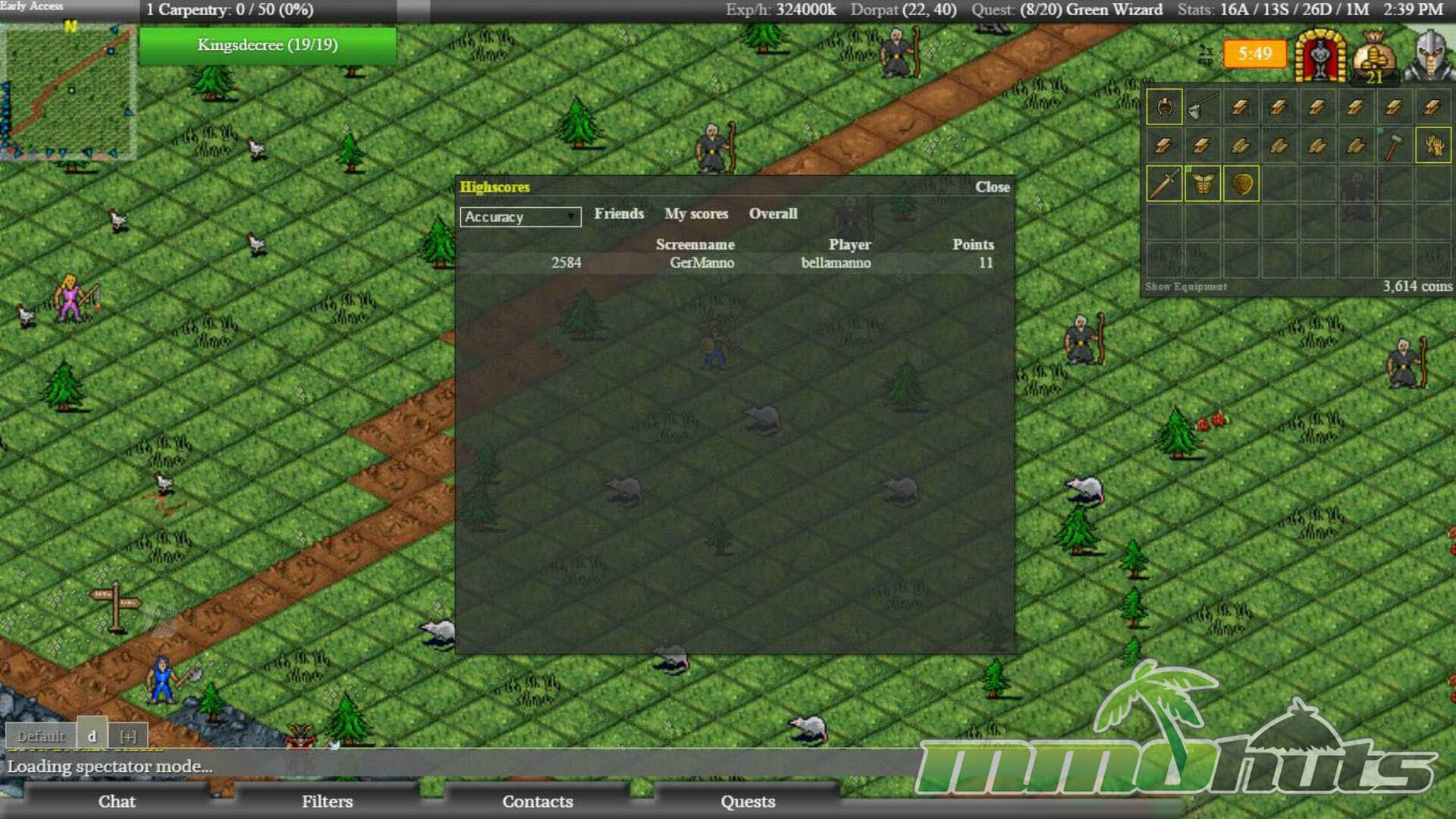
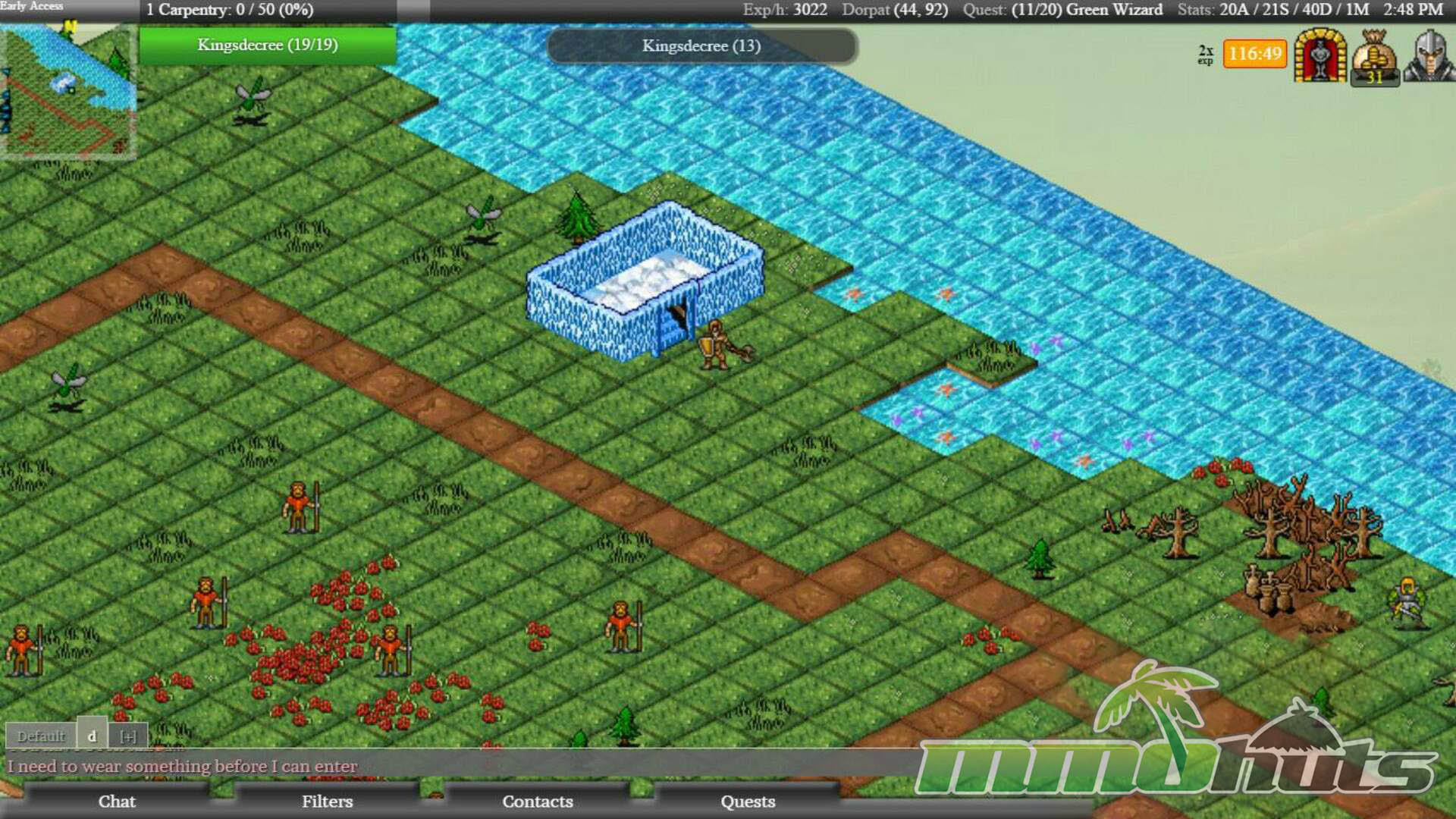
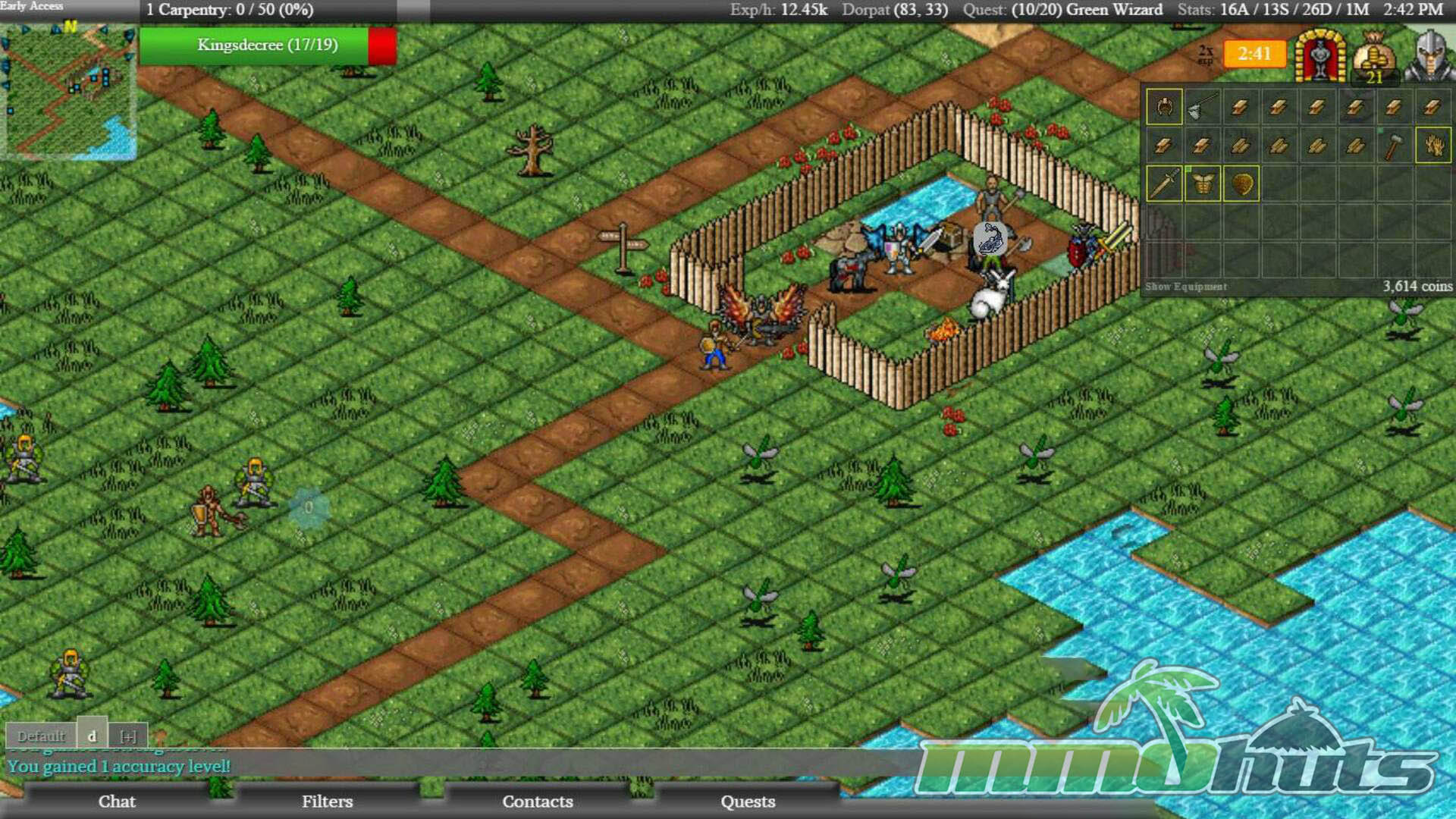
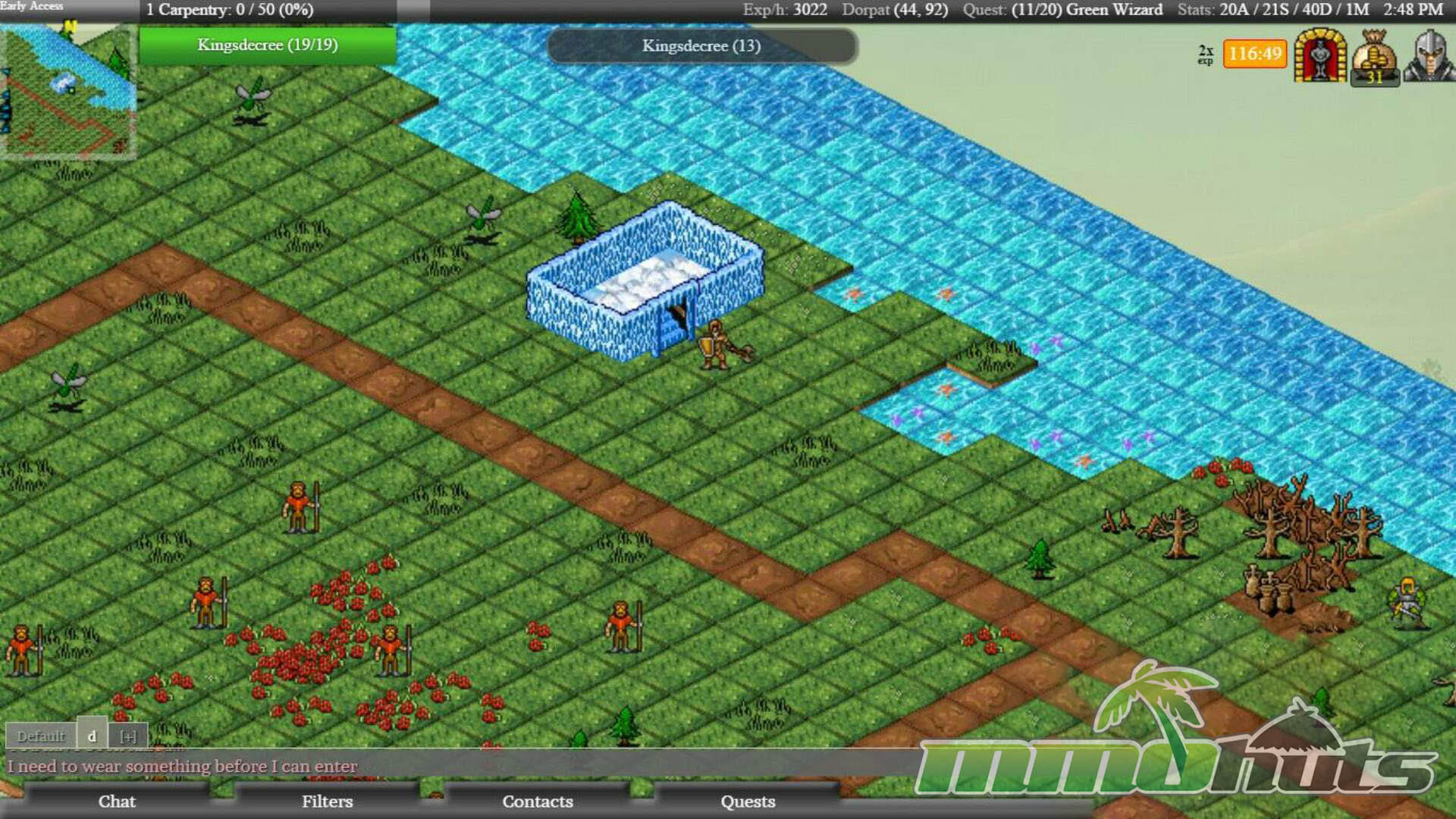
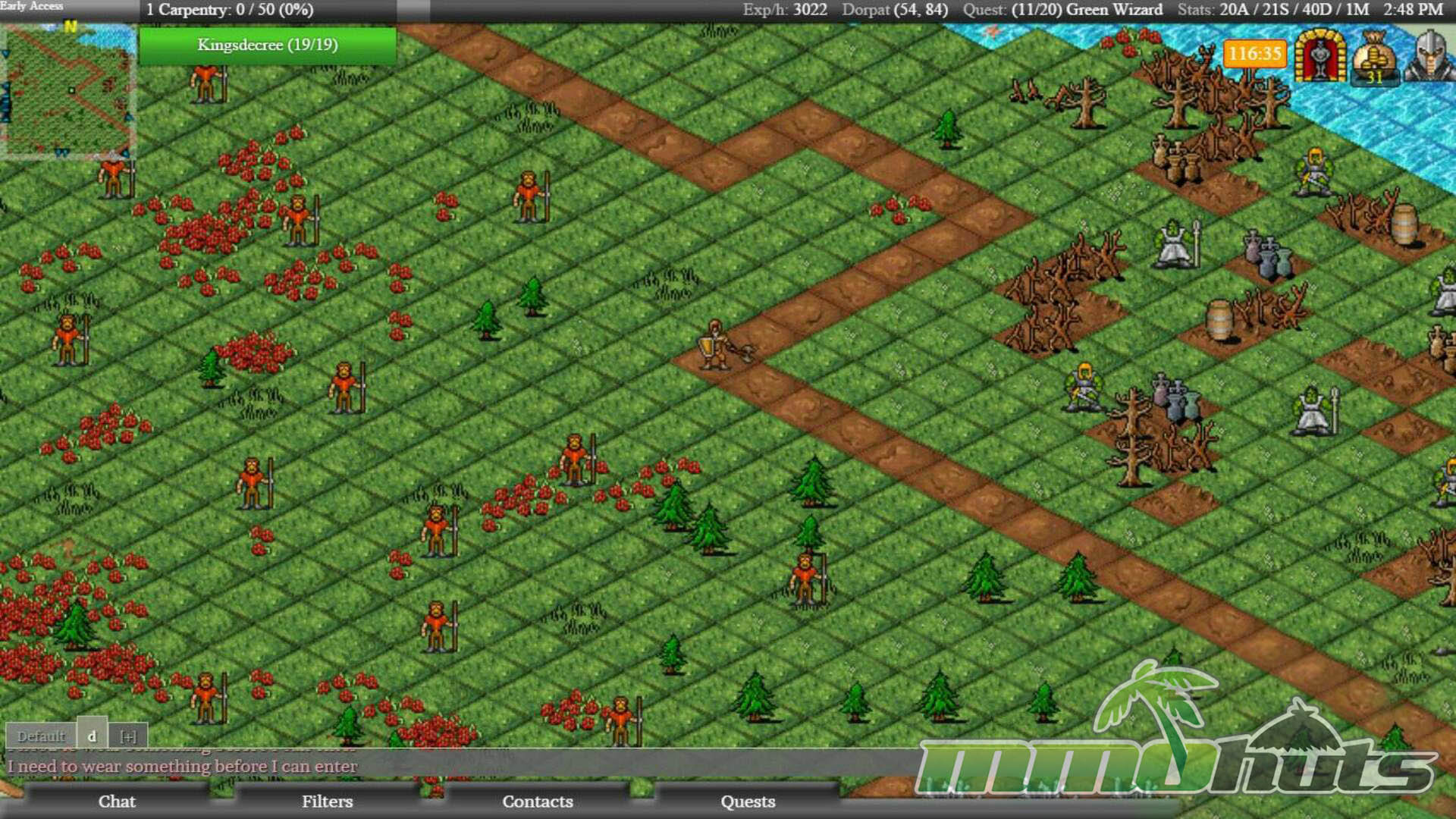
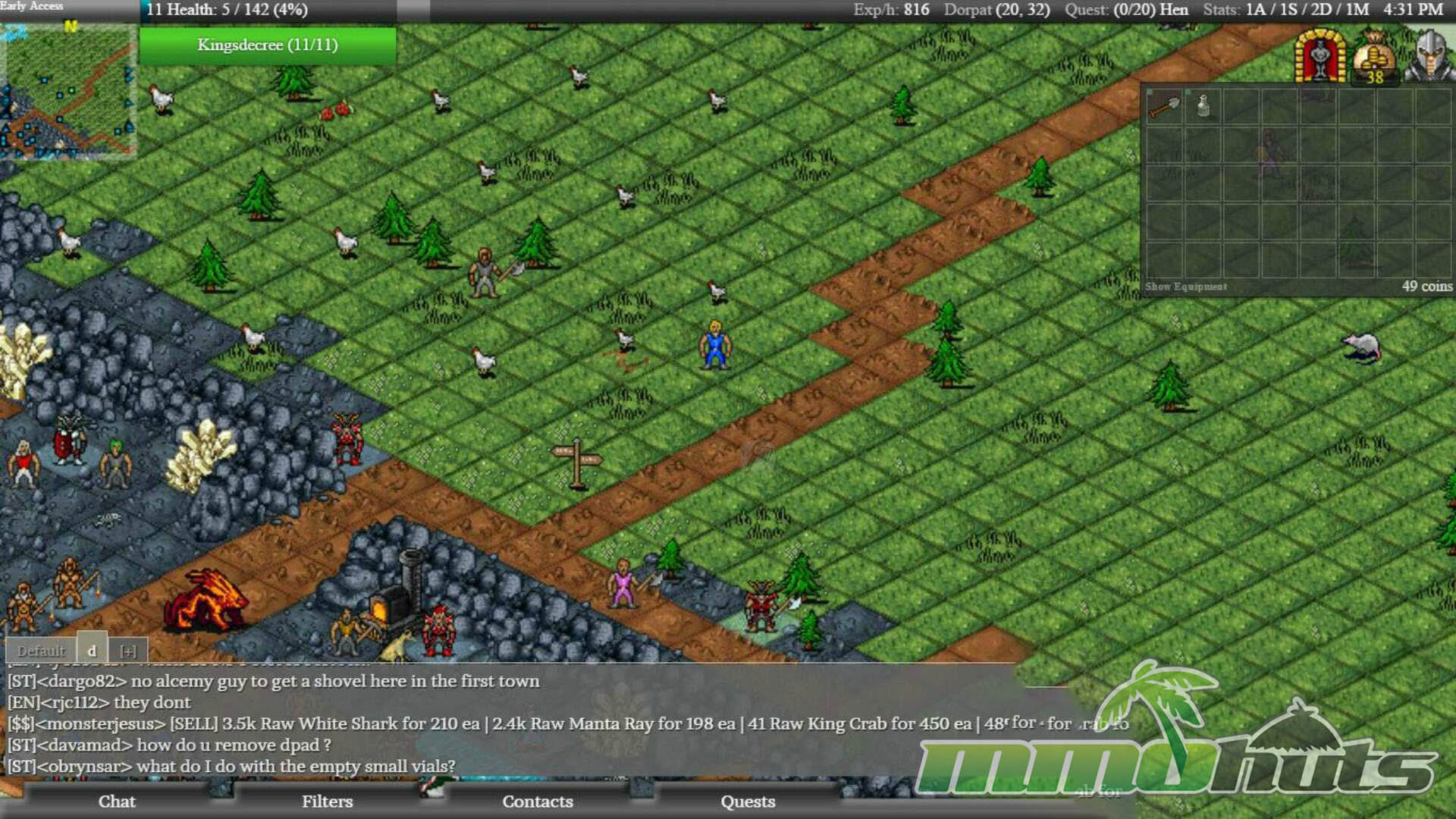
Visually, RPG MO sits somewhere between intentionally old-school and extremely minimalist. The pixel art is readable enough to navigate, but many sprites are so small and simplified that characters and enemies can blend together at a glance. In better retro-styled games, limited pixels are used with strong silhouettes and detail choices that convey personality. Here, a lot of models feel like basic placeholders, and recolors are used frequently to represent different enemies.
That said, the game does a decent job with its palette. Early zones are bright and inviting, and later areas shift toward darker themes with more dramatic color choices. Even when the art is plain, the world at least feels varied as you move between different environments.
The bigger issue is motion. Animation is extremely sparse, so movement and fighting often look like pieces sliding on a board rather than characters acting in a world. Hits are communicated through damage indicators more than through satisfying weapon swings or spell effects, which makes the moment-to-moment action feel flatter than it should.
Combat That Plays Like a Spreadsheet
RPG MO’s controls are straightforward, you interact by clicking on the grid, and the game handles pathing and engagement for you. Target an enemy and your character walks over and begins attacking. You have the expected fantasy gear choices (swords, axes, spears, and similar weapons), plus magic for players who want a different style of offense.
The problem is not clarity, it is engagement. Combat tends to be static, with limited feedback beyond numbers and health changes. Magic does offer variety, but it still lands with less impact than you might expect, partly because presentation and animation do not sell the action. Spells are also constrained by consumable scrolls, so you manage your resources rather than freely casting forever, which can be interesting strategically, but also adds friction if you want to play as a dedicated caster.
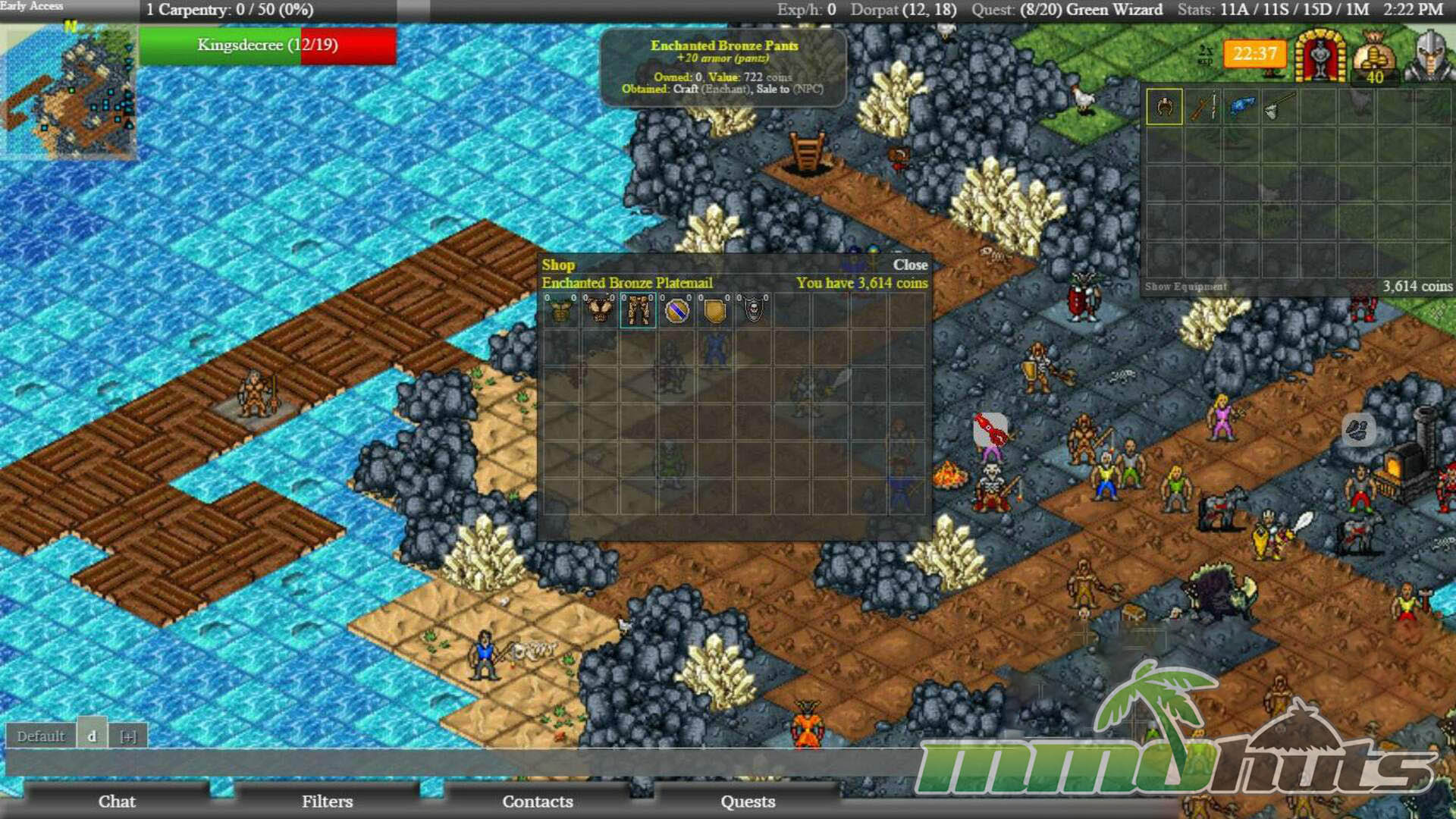
Stances Make Progression the Best Part
Where RPG MO shines most is its stance-driven progression. Each level increases your HP, but your chosen stance determines what combat stats you train. Aggressive pushes strength for higher damage, Accurate improves hit chance to reduce misses, Defense increases endurance and helps with equipment requirements, and Control advances multiple stats together at a reduced rate.
This system creates real build identity without locking you into a traditional class. You can lean into high-damage setups, smooth out accuracy to reduce whiffs, or build toward sturdier gear requirements, and you can change direction over time. It is a simple idea, but it gives grinding a sense of planning rather than pure repetition.
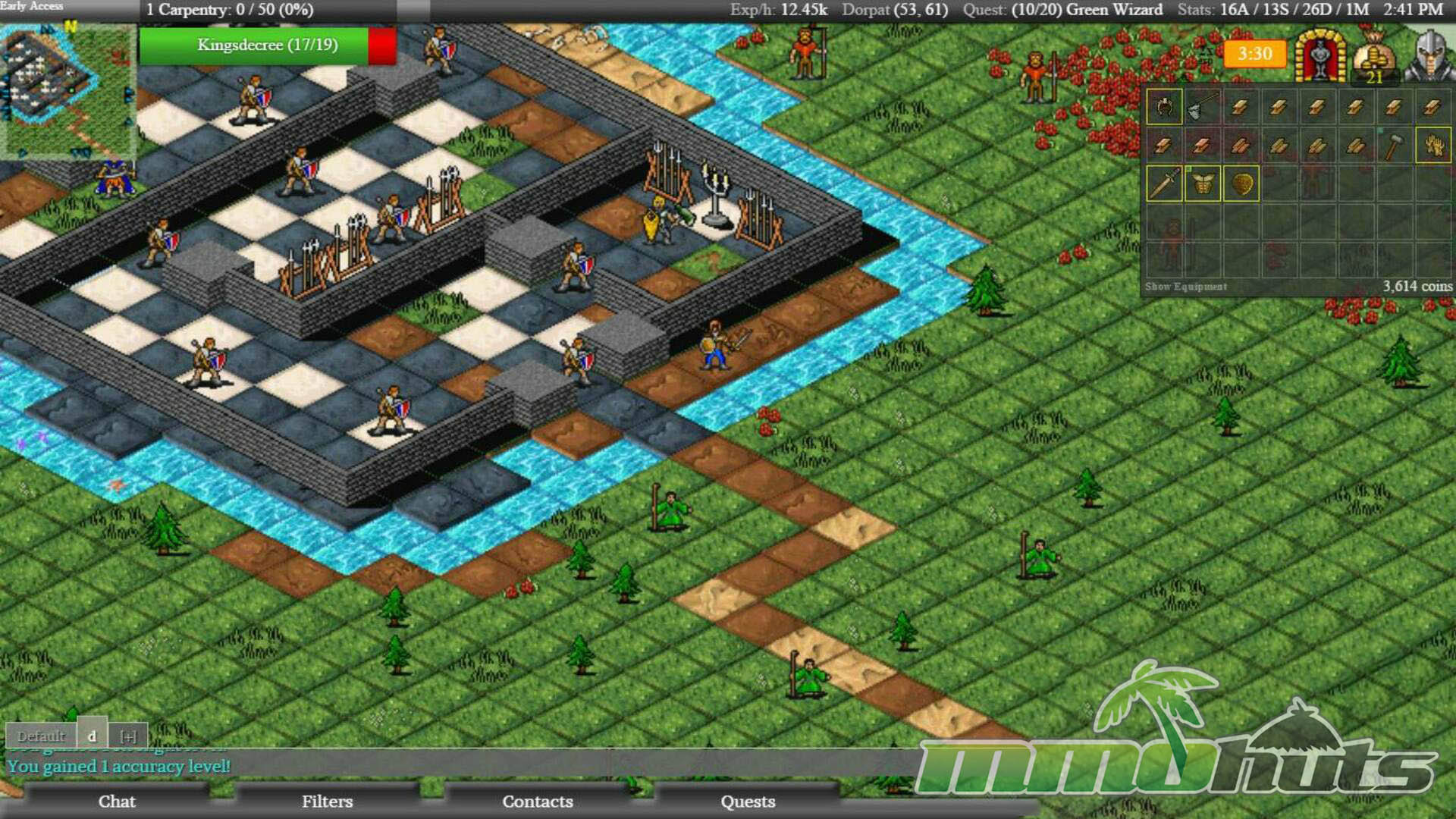
Gathering and Crafting Are the Main Event
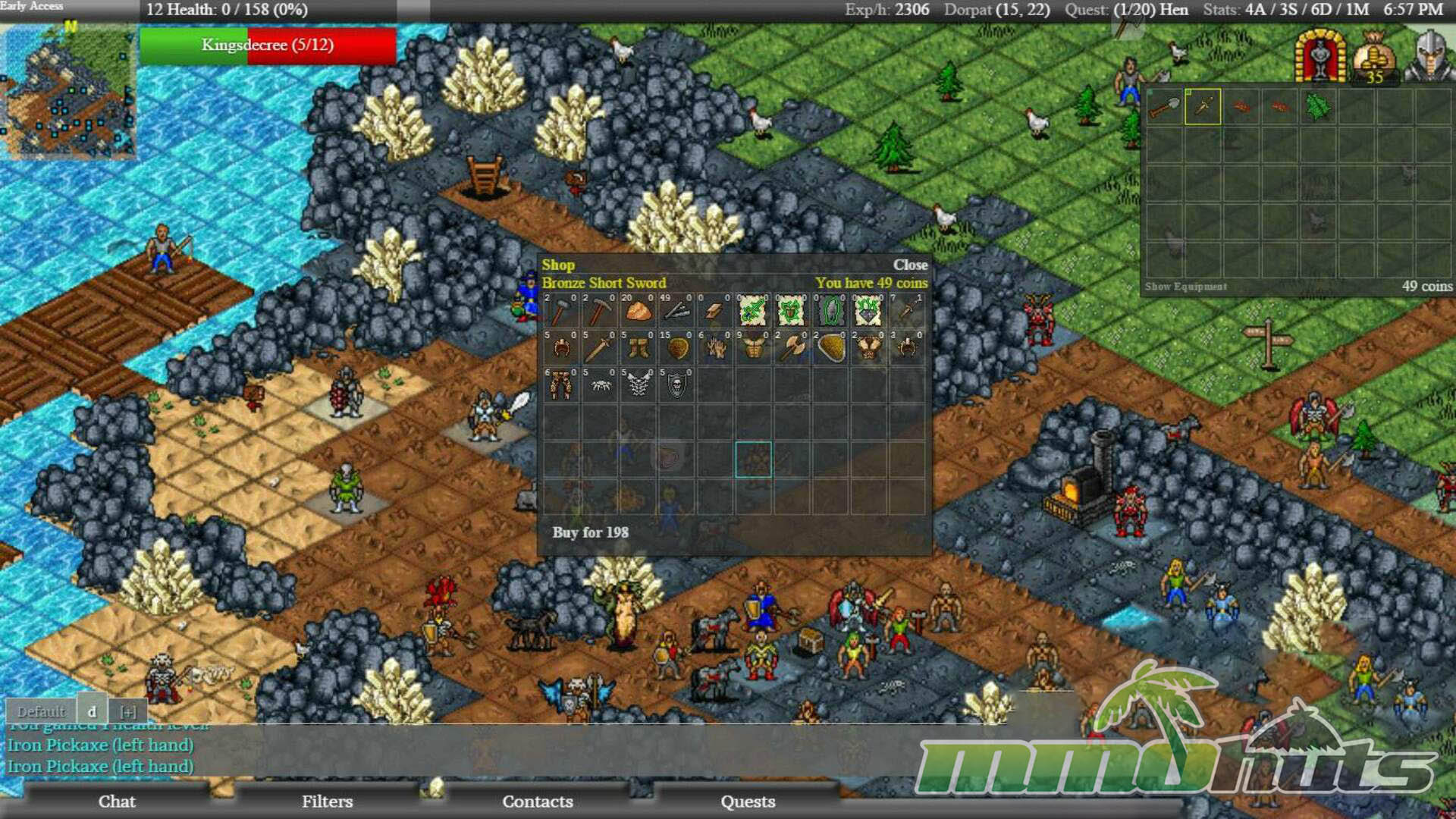
To balance out combat, RPG MO offers a broad skilling loop that covers mining, woodcutting, fishing, and more. You gather materials, then process them into usable goods, bars into weapons and armor, raw food into meals, and so on. This is also where the player economy comes into play, since crafted items can be equipped or sold.
Resource collection is designed to be low-friction. Nodes do not behave like limited, contested spawns, and you are generally restricted by inventory space rather than by how much the world will let you extract. In practice, this means gathering can become very passive, you can set up an action and let it run while you do something else. That accessibility is convenient and makes skilling approachable, but it can also raise questions about item value and how meaningful the gathering effort feels.
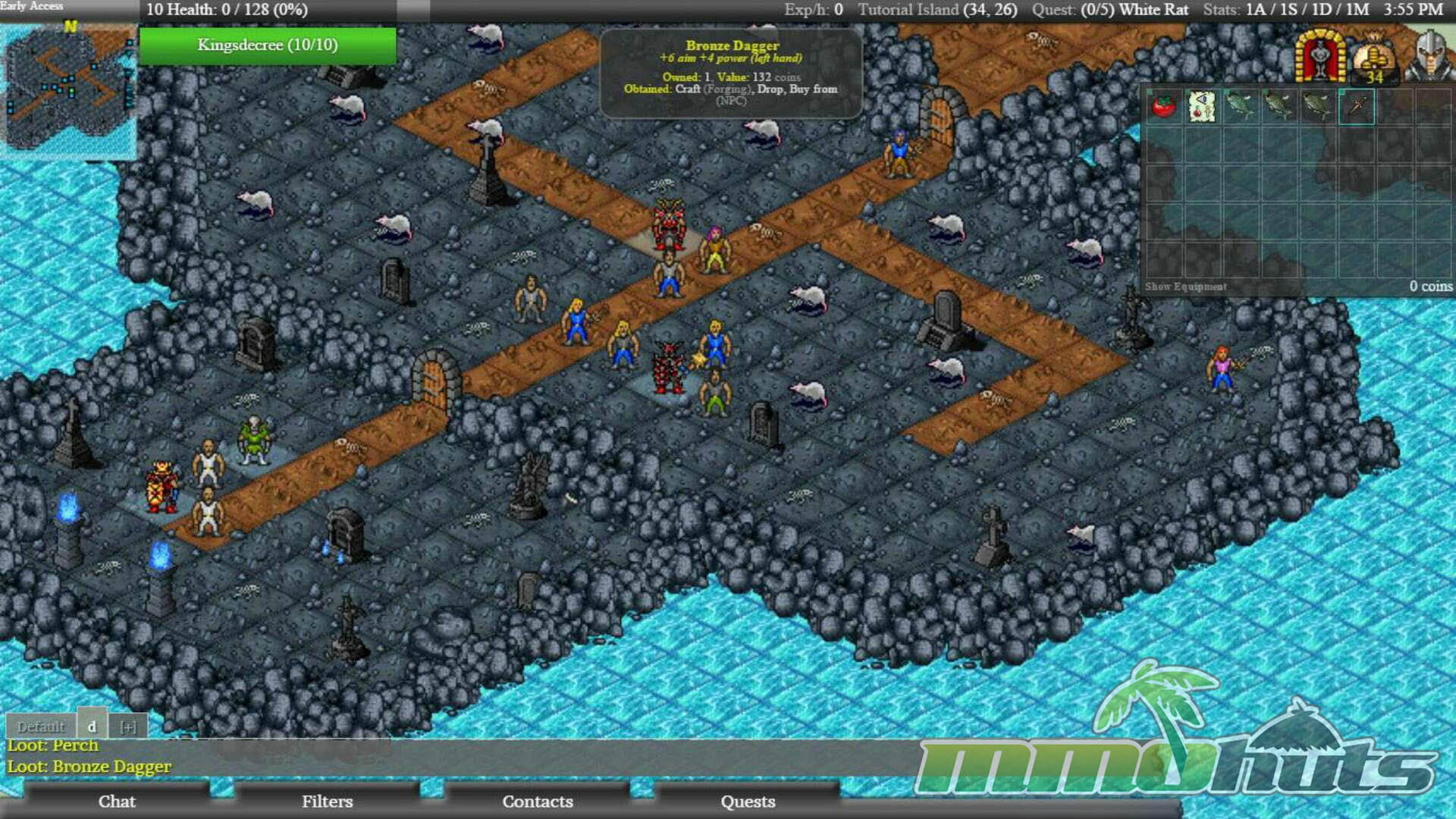
Borrowed Ideas, Plus One Clever Twist
Many of RPG MO’s systems will feel familiar to anyone who has spent time in older skill-based MMORPGs. The structure of gathering, crafting, and progression shares a lot of DNA with Runescape, and the stance approach to training combat stats reinforces that comparison.
Where it tries to separate itself is crafting presentation. Instead of selecting everything from a long menu, you use a grid and place components in specific patterns, which feels closer to a crafting puzzle. It is a small change, but it makes crafting more tactile and helps it stand out among similar indie MMOs.
Player housing is also present, and it is a nice long-term goal for social players. That said, the feature can feel more limited than expected, particularly if you are hoping for a highly interactive home space rather than a mostly representational one.
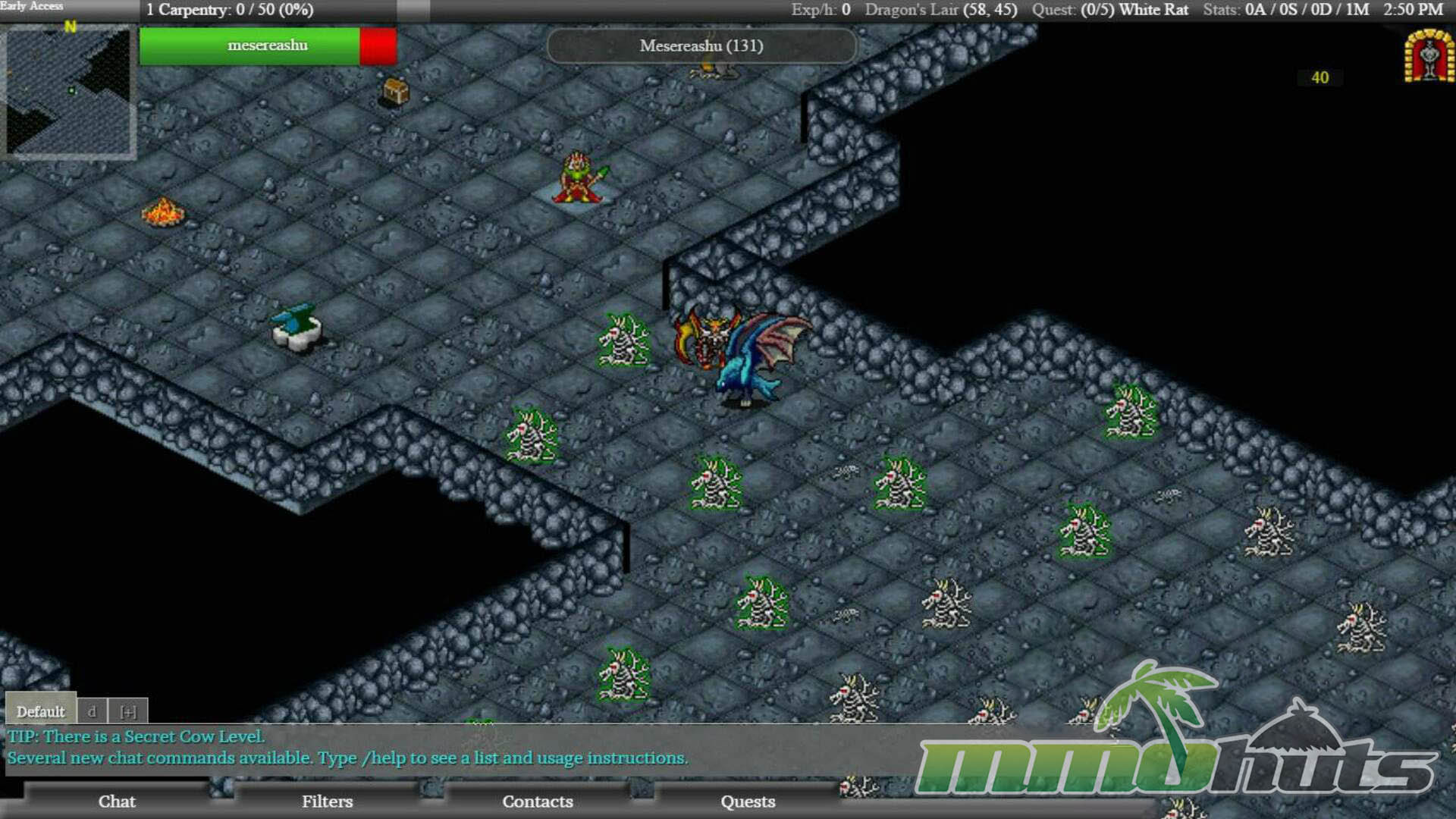
Daily Rewards, Captchas, and Premium Perks
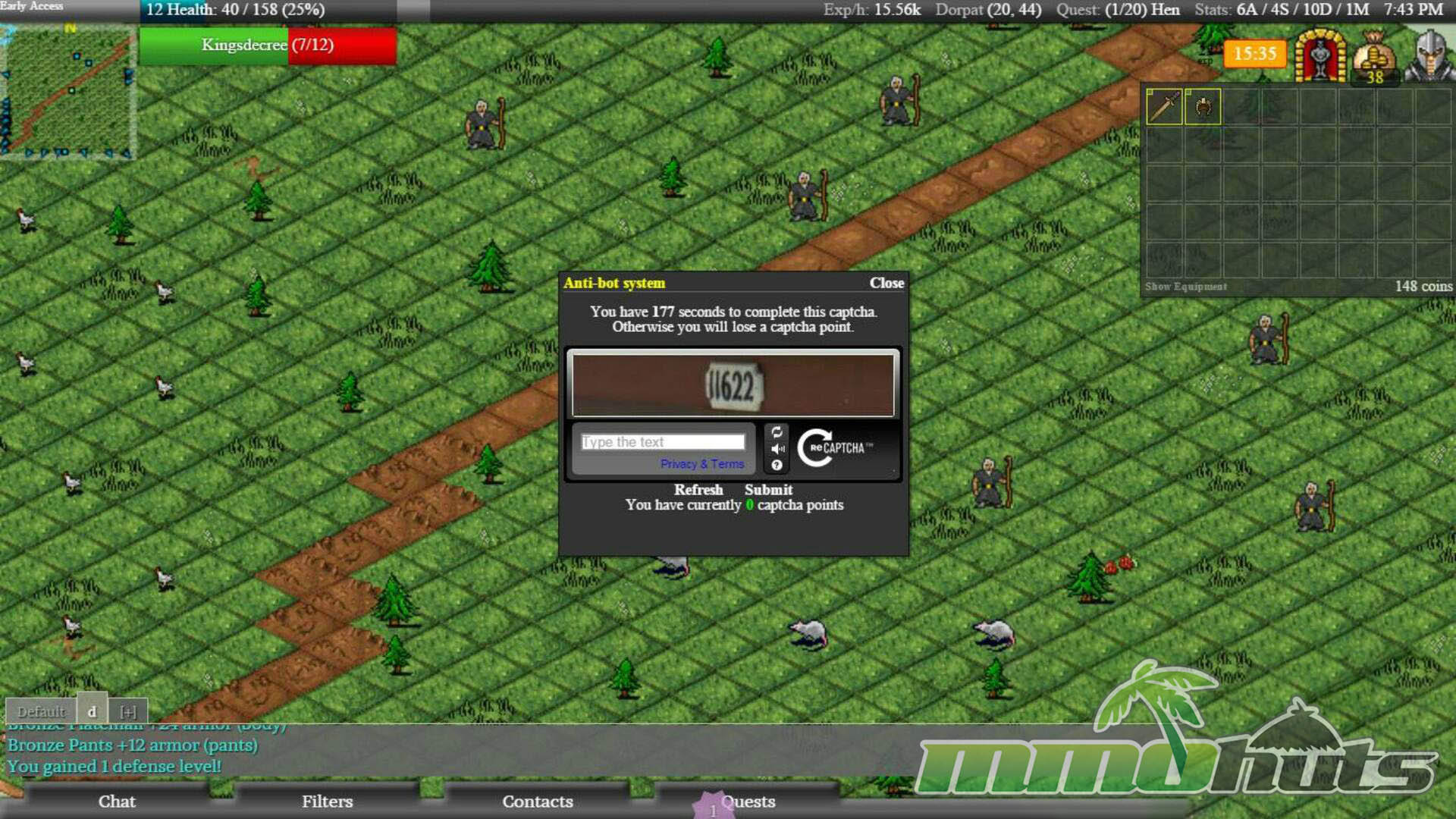
Outside the core loops, RPG MO includes a daily log-in system that encourages routine play. It also uses an anti-bot measure that occasionally asks for a simple captcha input, with an experience bonus attached. It is a practical approach for a grind-heavy MMO, but the enforcement is strict, repeated failures can lead to a ban, so you cannot ignore it.
As a free game, RPG MO also includes premium offerings. The shop largely focuses on cosmetics and convenience, with some items that speed progression or provide useful combat benefits such as damage-focused options and experience boosts. It is not unusual for the genre, but it does reinforce the game’s focus on efficiency and grinding.
Final Verdict: Fair
RPG MO is a small-scale MMORPG that prioritizes long-term skilling, crafting, and incremental character building over story and spectacle. Its colorful world has variety, but the lack of animation and the static feel of combat make it hard to recommend to players who want action-heavy gameplay. For grinders who enjoy planning a build, leveling many skills, and slowly building wealth through crafting, it can still be a satisfying time sink, provided you are comfortable making your own goals.
RPG MO Links
RPG MO Official Site
RPG MO Steam Page
RPG MO Desura Page
RPG MO Google Play
RPG MO Chrome Web Store
RPG MO Wikia [Database/Guides]
RPG MO Chrome Web Store
RPG MO System Requirements
Minimum Requirements:
Operating System: XP / Vista / 7 / 8
CPU: Intel Pentium 4 or AMD Equivalent
Video Card: Any Graphics Card (Integrated works well too)
RAM: 2GB (4GB Optimal)
Hard Disk Space: 250MB
RPG MO is available for Android devices.
RPG MO is also a browser based MMO and will run smoothly on practically any PC. The game was tested and works well on Internet Explorer, Opera, Firefox and Chrome. Any modern web-browser should run the game smoothly.
RPG MO Music & Soundtrack
Coming Soon…
RPG MO Additional Information
Developer(s): Marxnet
Publisher(s): Marxnet
Engine: In-house
Browser Release Date:July 21, 2012
Android Release Date: October 31, 2013
Desura Release Date: January 24, 2013
Steam Greenlight Posting: January 25, 2015
Steam Release Date: August 18, 2015
Development History / Background:
RPG MO is an indie MMORPG made and published by Estonian-based development company Marxnet. The game first launched as a browser title on July 21, 2012, then expanded to additional platforms over time. It arrived on Android devices on October 31, 2013, and later appeared on Desura on January 24, 2013. Marxnet submitted the project to Steam Greenlight on January 25, 2015, and the Steam version released on August 18, 2015. The studio has continued to support the game with ongoing updates.