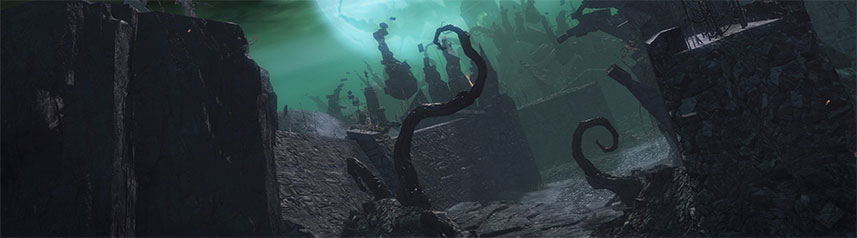
Romero’s Aftermath is a post-apocalyptic zombie survival game set across a harsh desert wasteland. You drop in with minimal gear, then scrape together weapons, food, and materials while avoiding both the infected and opportunistic bandits. Between scavenging runs you can craft equipment, put up a shelter, and push into dangerous towns to thin out the undead presence.
 | Publisher: Free Reign Entertainment Playerbase: Medium Type: Zombie Survival Game Release Date: September 24, 2015 Shut Down Date: December 24th, 2016 Pros: +Easy-to-learn base construction. +Deep crafting and dismantling loop. +City-clearing objectives with supply drops. Cons: -Crashes were common. -Melee felt inconsistent. -Performance and optimization problems. -Buggy overall. |
Romero’s Aftermath Overview
Romero’s Aftermath is an MMO-flavored zombie survival sandbox played across a huge, arid map of ruined settlements, outposts, and abandoned cities. You begin essentially empty-handed, then build your run around scavenging, breaking down found items into components, and crafting the tools that keep you alive. Zombies are a constant hazard while looting, but other players can be an even bigger threat, especially once firearms enter the picture.
Survival revolves around gathering from the environment, dismantling junk into usable parts, and deciding where to stash valuables. You can secure loot in a player-made shelter, or rely on a global inventory that becomes accessible in safe zones positioned around the world. On top of day-to-day scavenging, the game also encourages group play through town liberation, where players thin the horde, restore power, and trigger supply drops that can reward stronger gear.
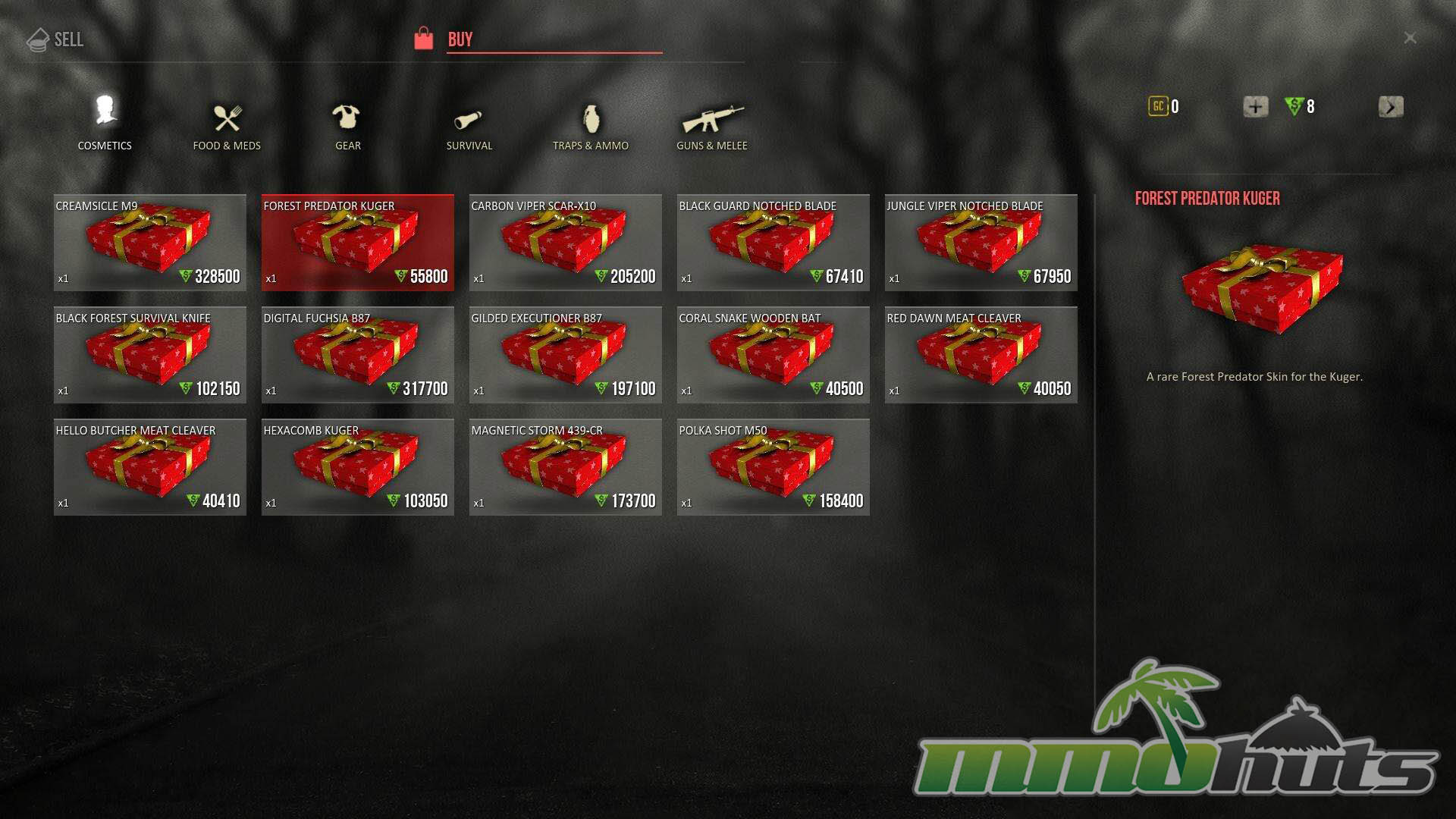
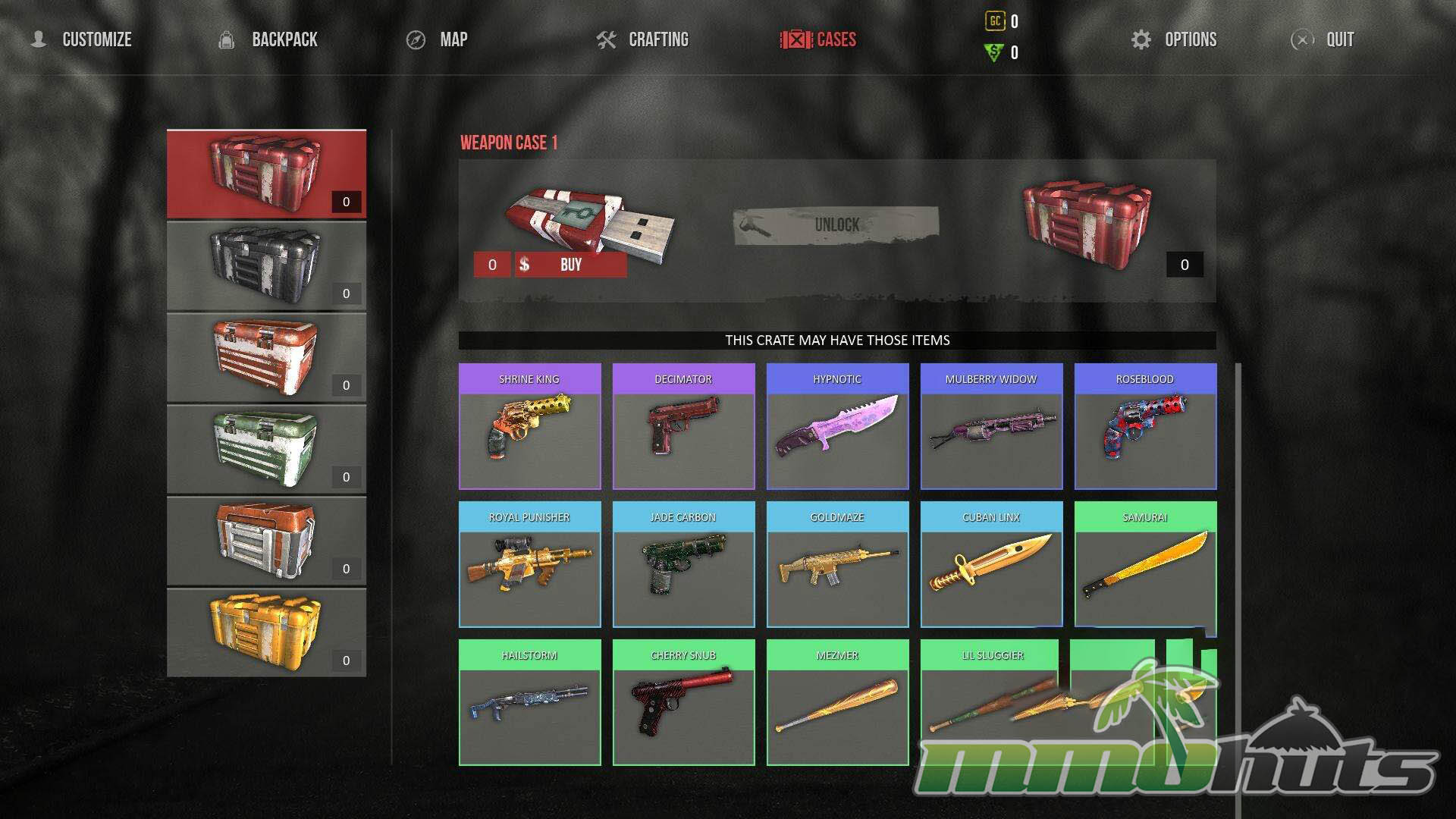
Character identity is also a major hook. Cosmetics are tied to collectible cases and matching keys found during exploration, letting players customize their look if they are willing to hunt for the right drops. With limited hand-holding, Romero’s Aftermath largely asks players to set their own goals, whether that means crafting, base-building, PvE cleanup, or taking the riskier PvP route.
Romero’s Aftermath Key Features:
- Cosmetics – personalize your survivor with a wide set of cosmetic options, earned primarily through weapon cases and the keys needed to open them.
- PvE Servers – team up on designated PvE realms where the focus is on surviving and reducing the undead threat rather than player ambushes.
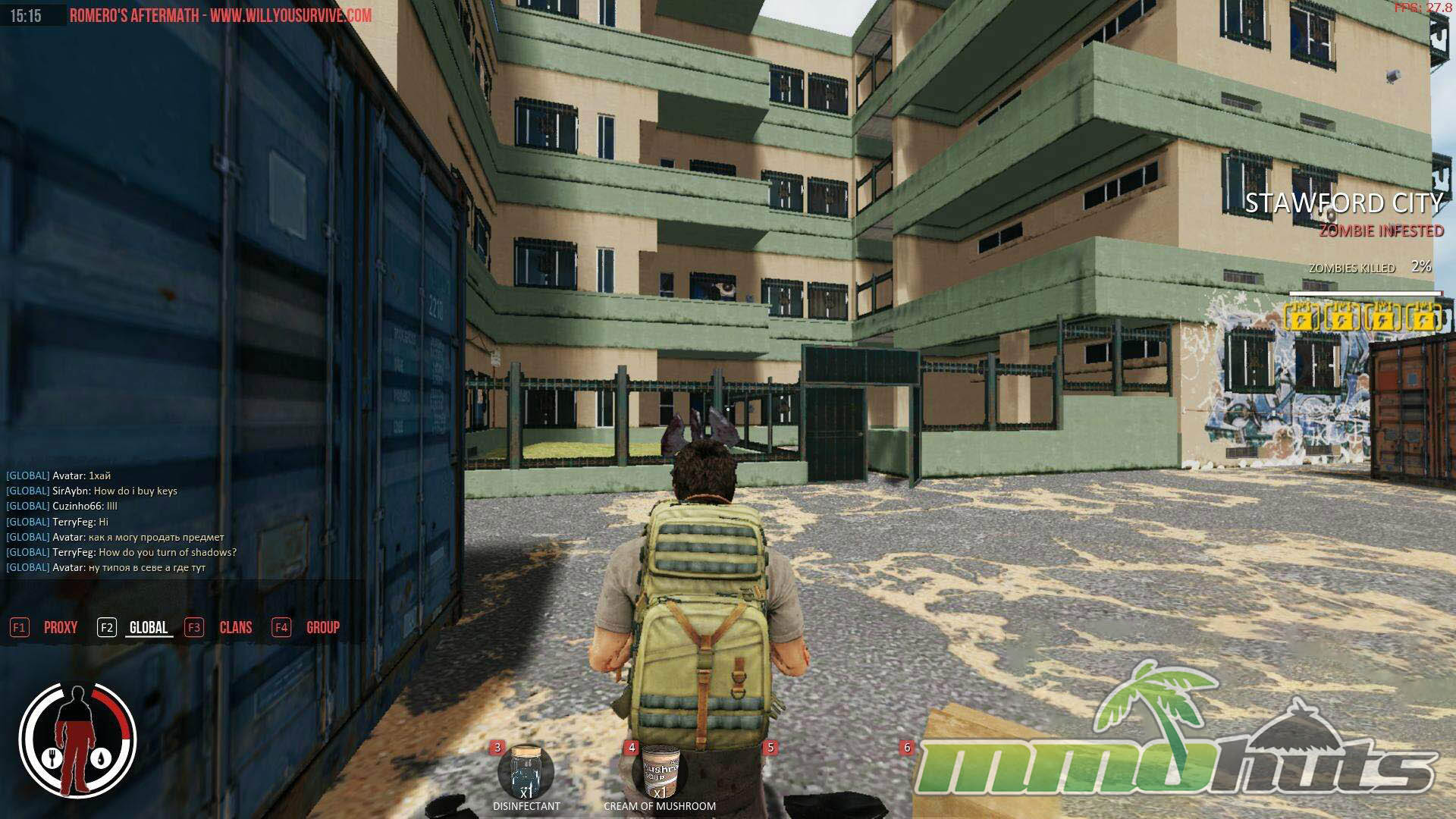
- Zombie Eradication – reclaim towns by getting generators running and eliminating enough infected to trigger valuable supply drops.
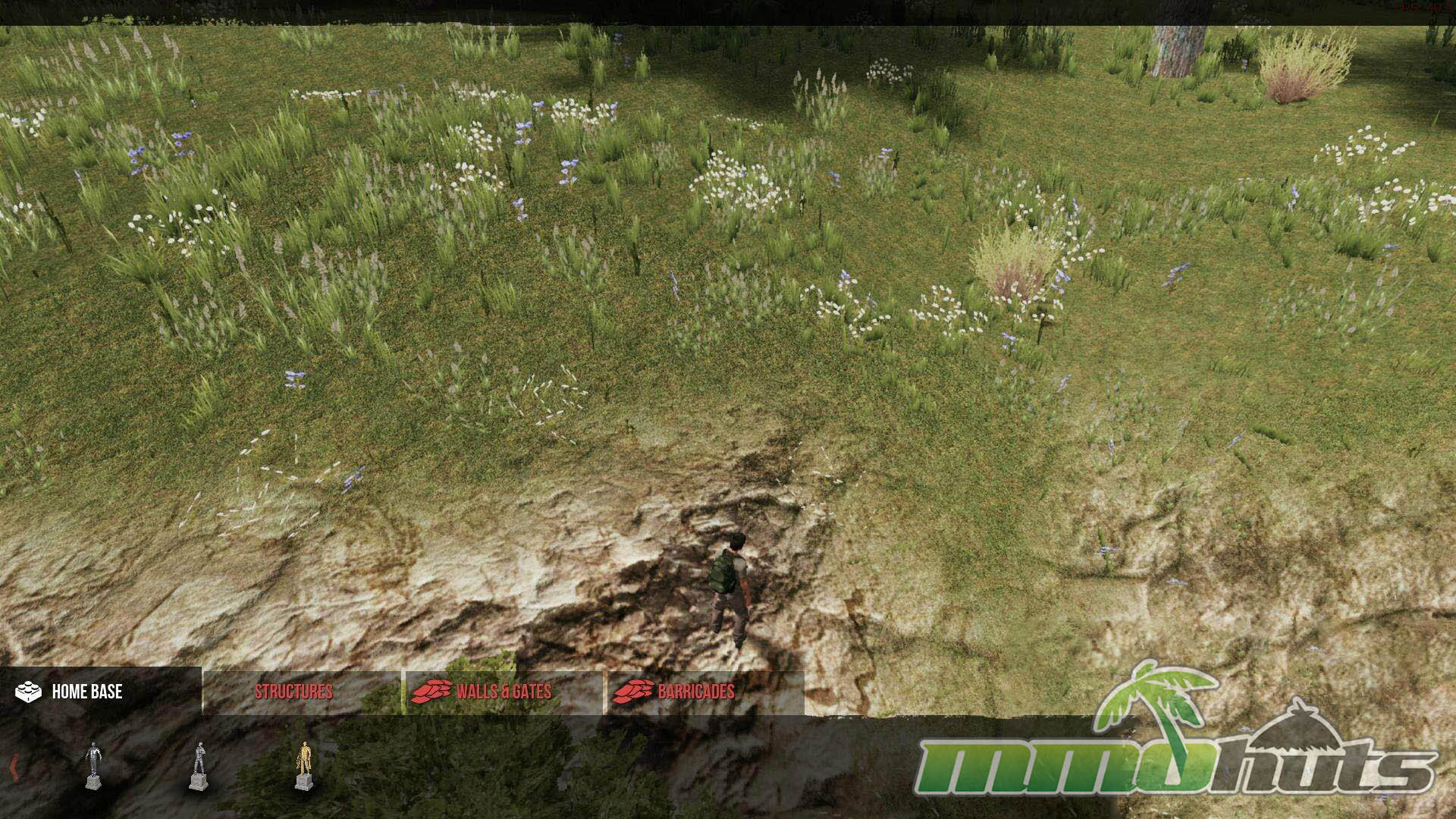
- Base Building – collect materials from the world and assemble a defensible shelter using a straightforward building interface.
- Crafting – salvage and dismantle items for parts, then craft upgrades, tools, healing supplies, and other essentials.
Romero’s Aftermath Screenshots


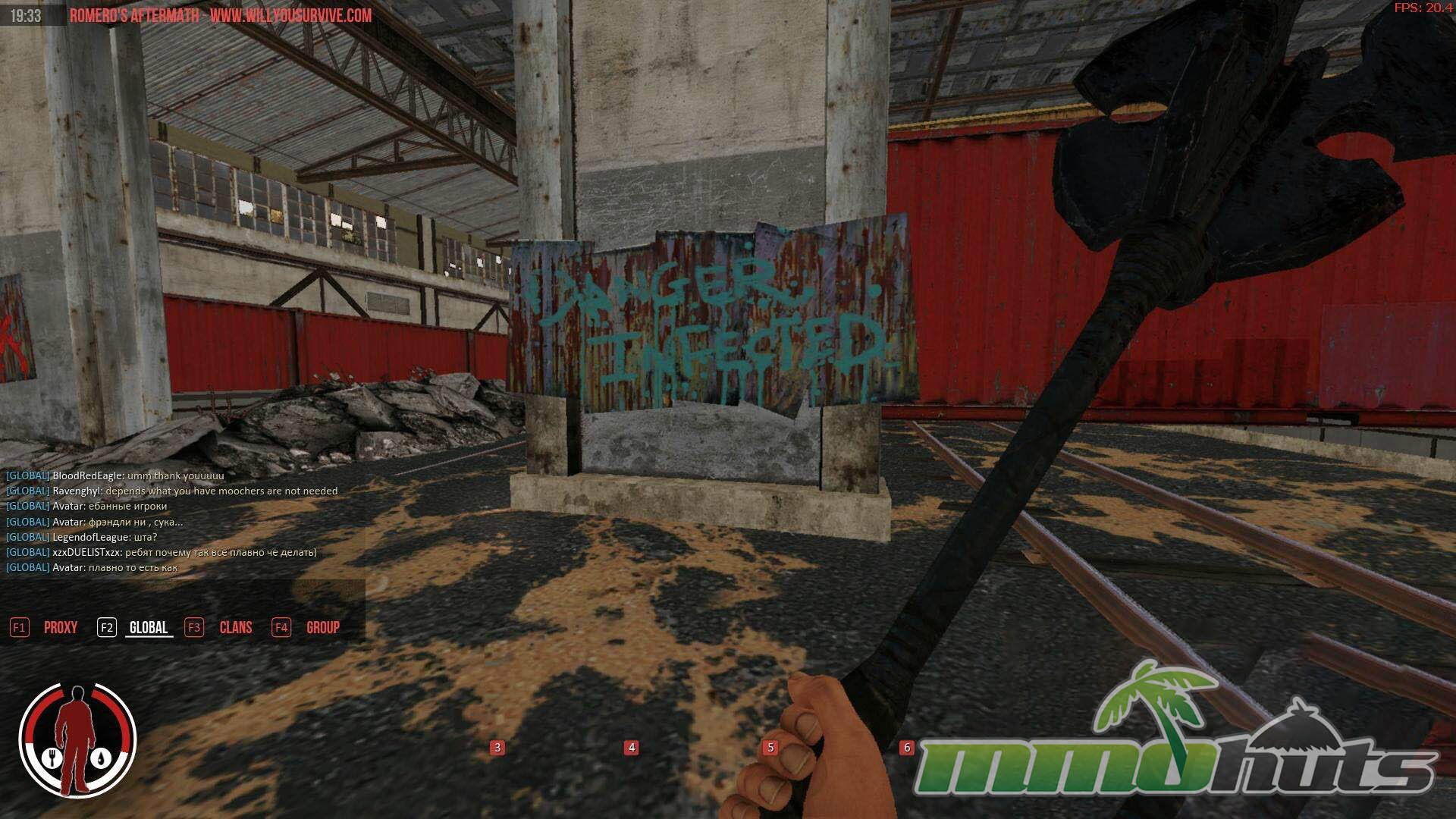
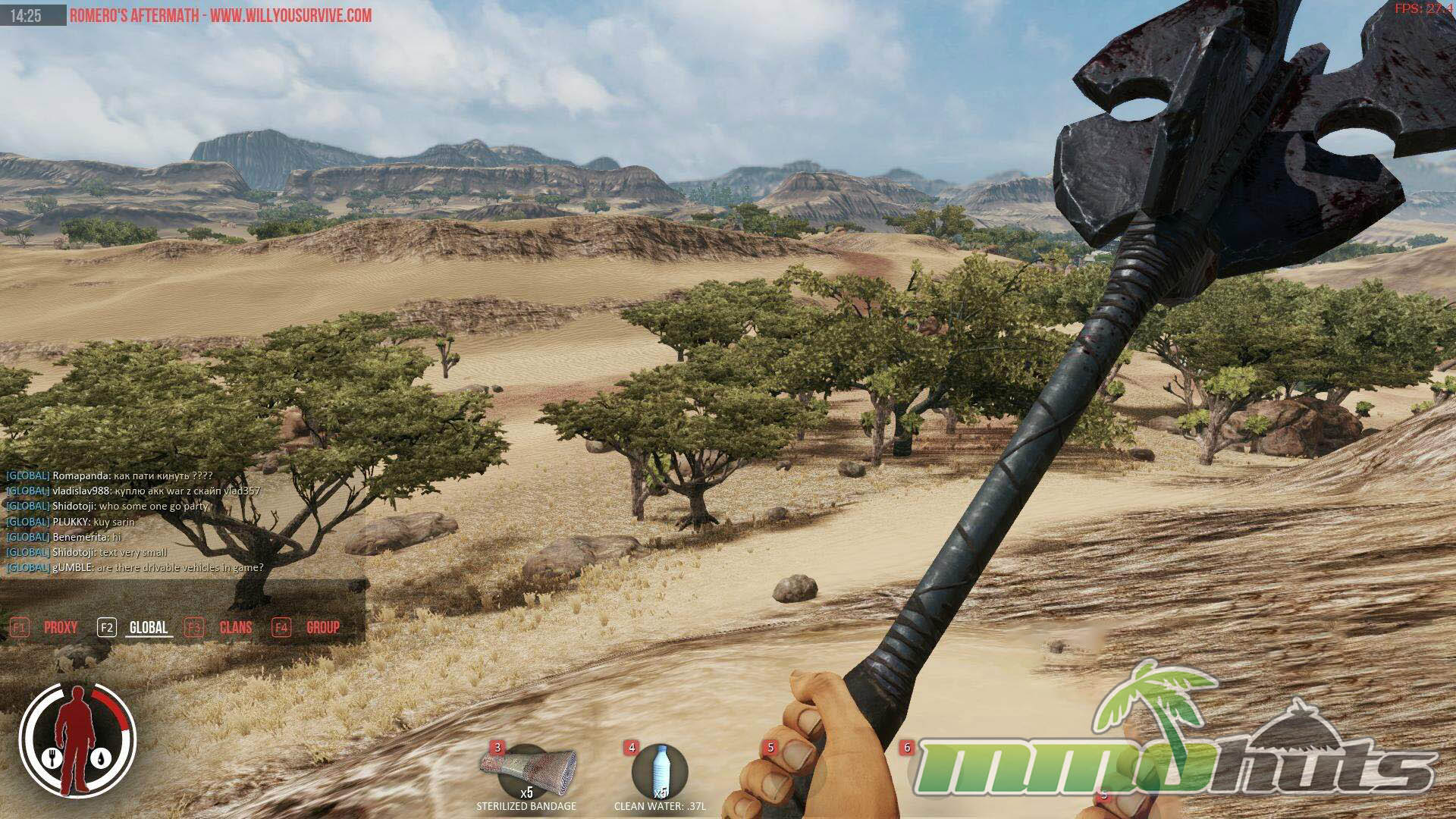
Romero’s Aftermath Featured Video

Romero’s Aftermath Review
Romero’s Aftermath arrived during the peak of the zombie-survival rush, and it wears its influences openly. It borrows familiar ideas from the genre and from the developer’s earlier work, which makes it easy to dismiss at a glance. Still, beneath the rough edges is a functional survival loop built around scavenging, crafting, and tense player encounters. The result is a game that can be engaging moment-to-moment, even if it struggles with polish, stability, and a sense of originality.
A Desert Map Built for Long Runs
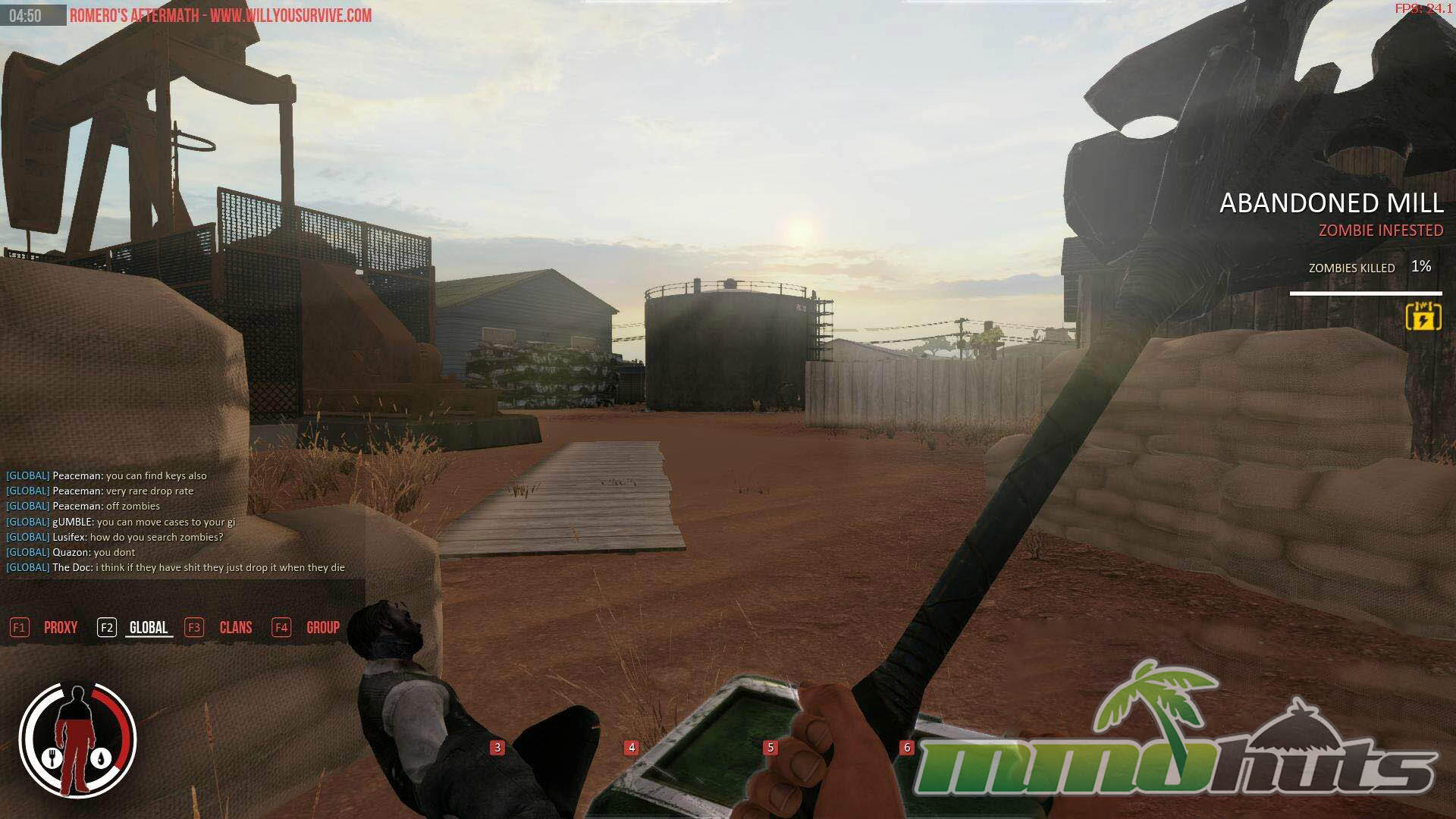
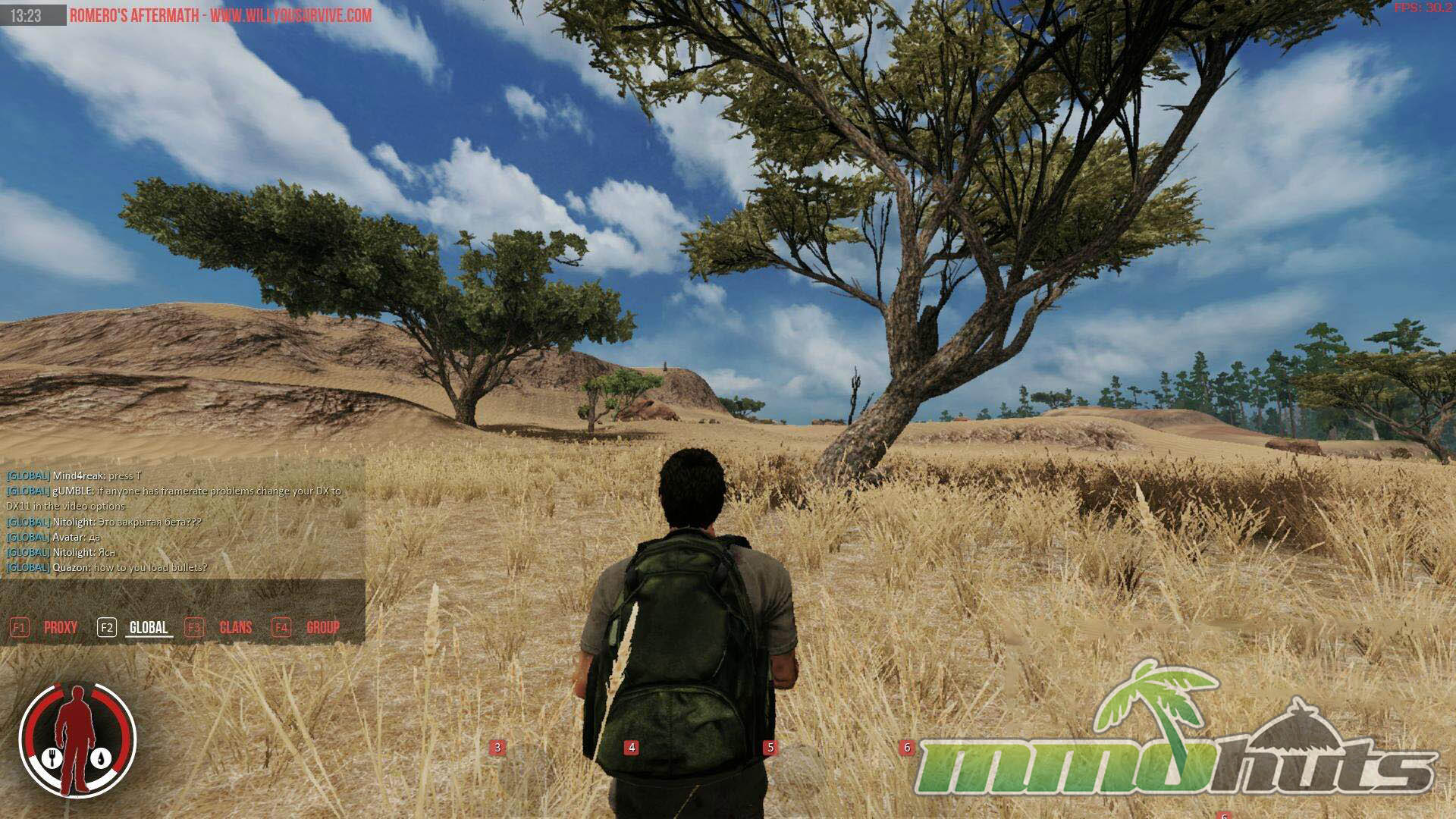
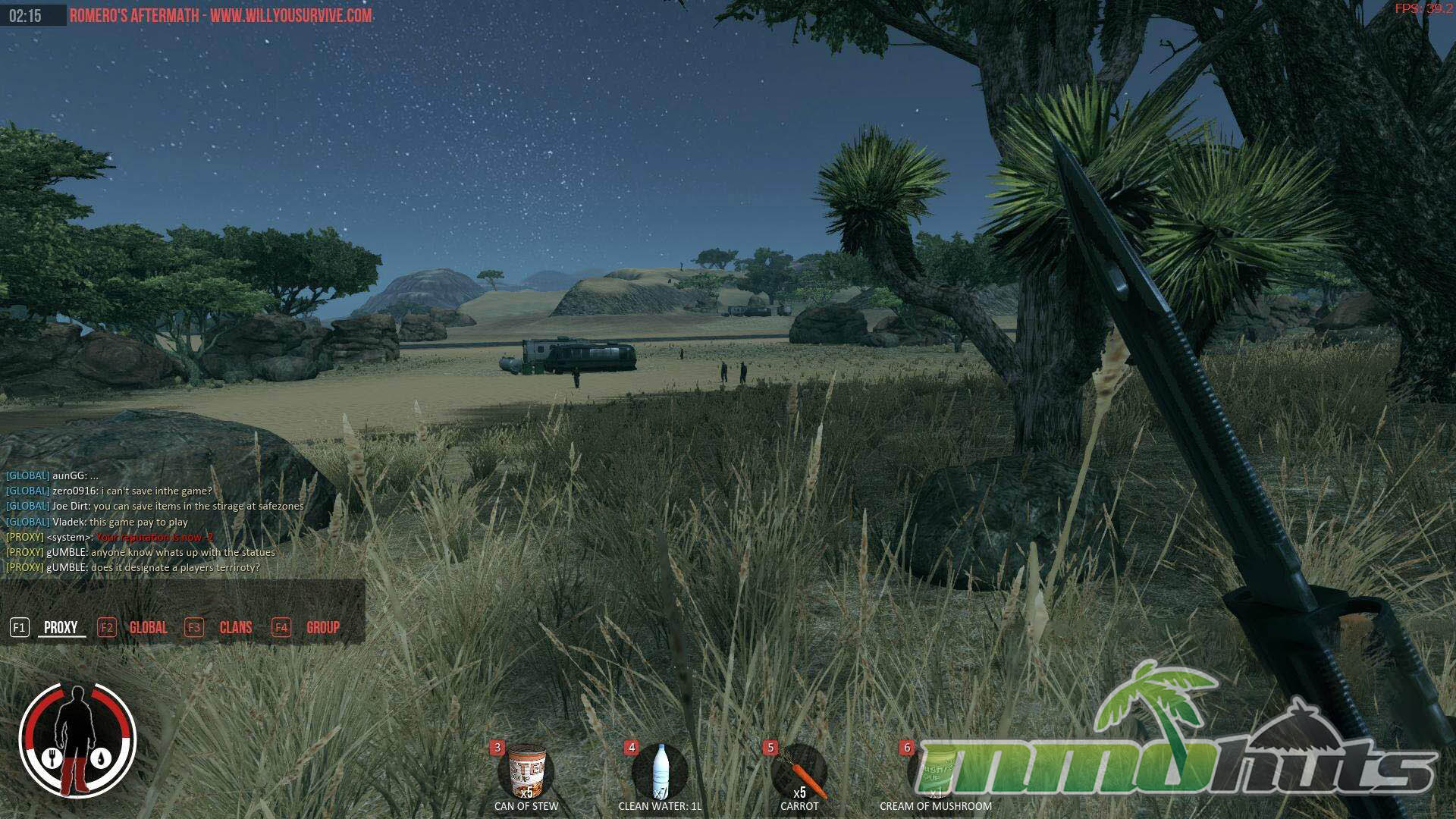
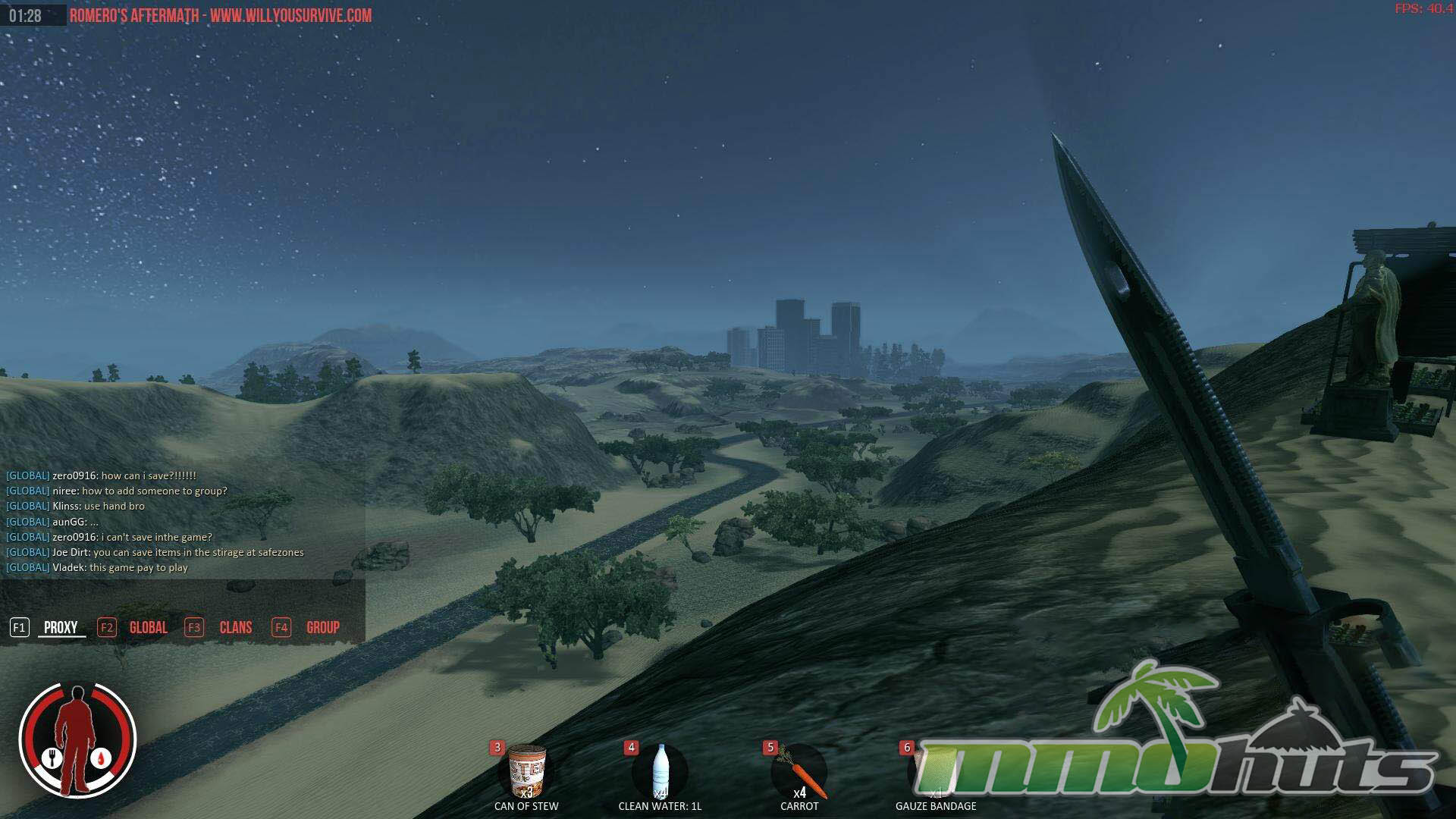
Rather than the usual green countryside, Aftermath places survivors in a dry, mountainous wasteland dotted with sparse trees, scrub, and pockets of thicker vegetation. The biggest draws are the urban areas, where taller buildings and tighter streets promise better loot and more danger. Outside the cities, smaller locations like farms and military checkpoints act as stepping stones, offering supplies without always pulling in the same concentration of hostile players.
The problem is what sits between points of interest. Large stretches of open sand and rock make travel feel exposed, and that exposure feeds the game’s constant tension. In wide-open terrain, you rarely feel safe, because a distant silhouette can become a gunfight in seconds. That vulnerability fits the survival theme, but it can also make movement feel like downtime when the landscape is mostly empty.
Visually, the world can look decent from a distance, with convincing silhouettes of mountains and a stark sense of place. Up close, textures and lighting often show their limits, and repeated assets can make different locations blur together. Performance also tends to swing unexpectedly, and the overall presentation reinforces the impression of an Early Access game that never fully settled into a stable, optimized state.
Combat That Gets the Job Done, Barely
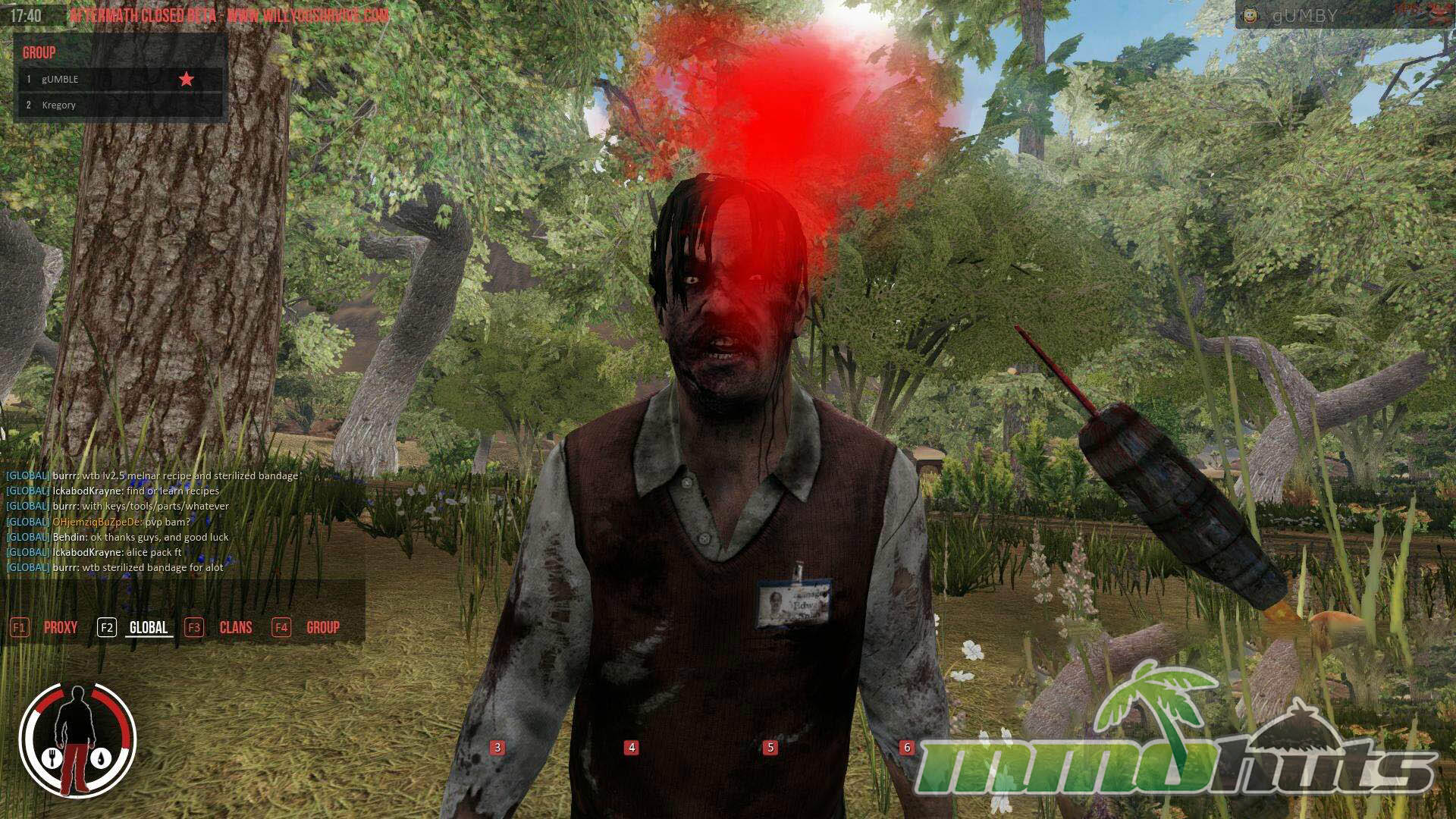
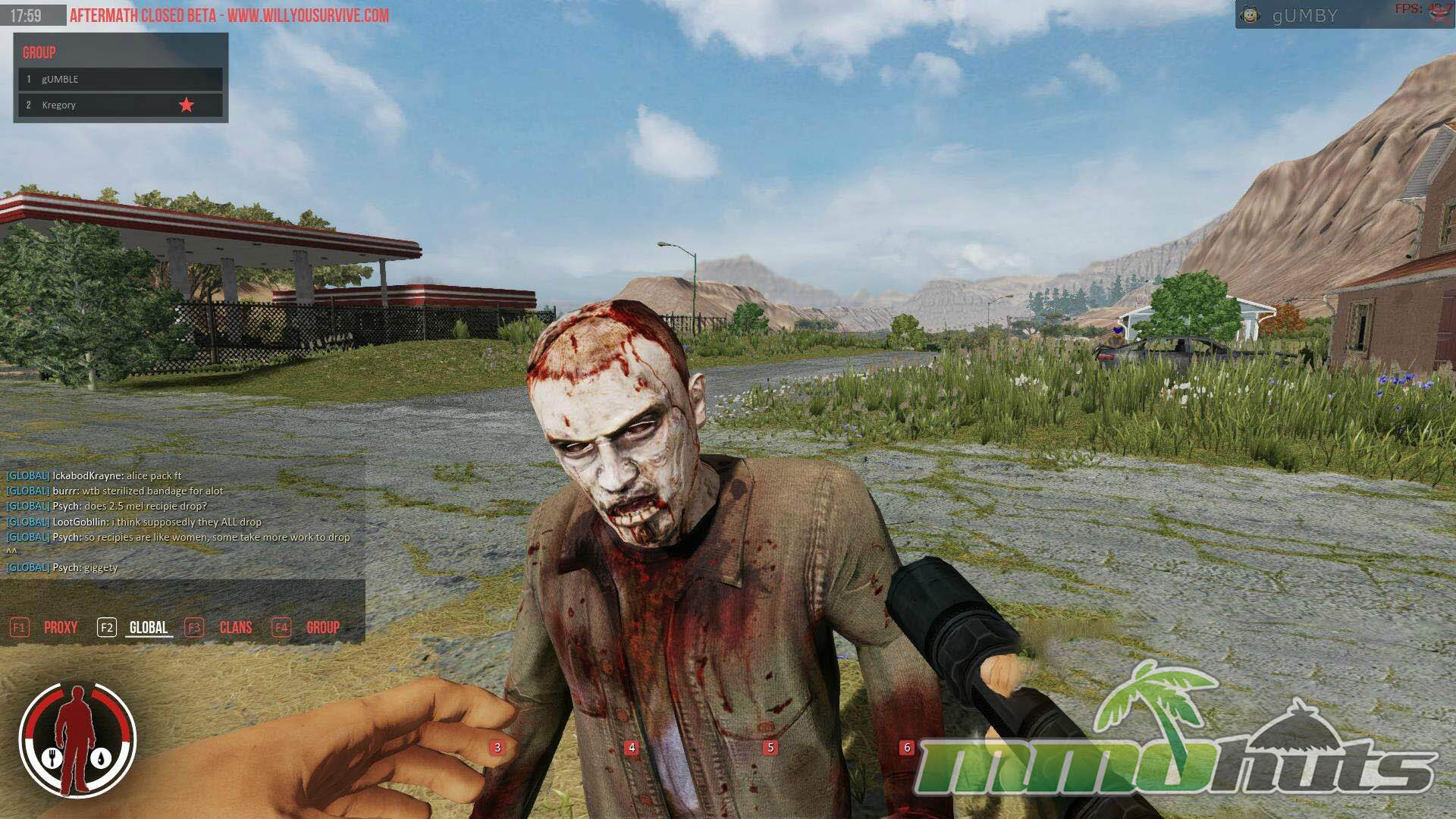
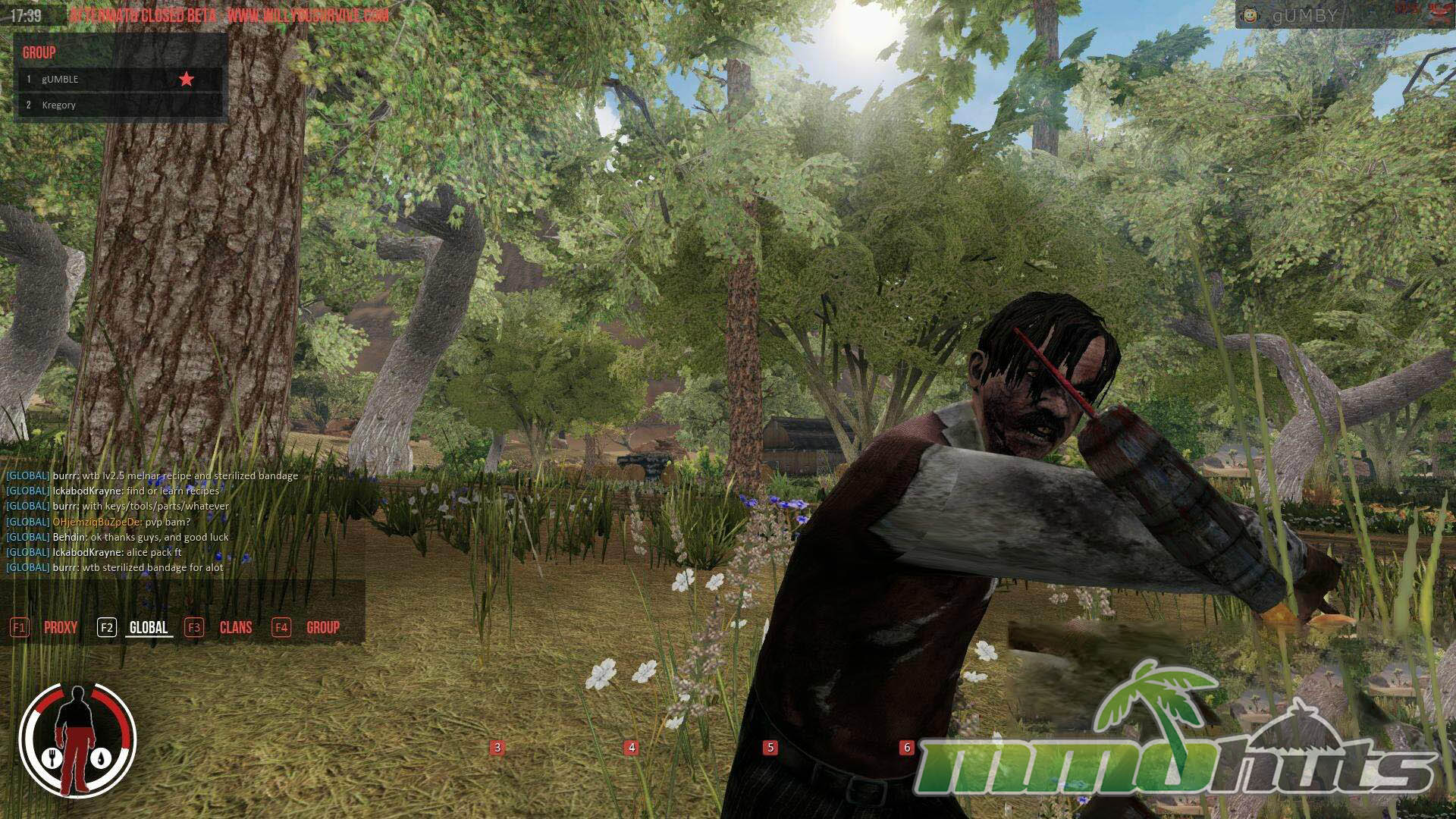
Early melee encounters highlight one of the game’s weakest areas. Striking zombies can feel like a repetitive exchange of hits rather than a satisfying fight, and the lack of meaningful options (such as varied attacks or defensive tools) makes close-range combat feel flat. Zombies eventually fall into ragdoll collapses, but getting there can be more tedious than thrilling.
The infected themselves are not especially complex. Their behavior tends to be predictable, and careful players can often pull them one-by-one to avoid being overwhelmed. In practice, zombies function more like environmental pressure while scavenging than the centerpiece threat. The true danger, most of the time, comes from other survivors.
On PvP servers, paranoia becomes part of the routine. Many players shoot first because the cost of trusting someone is usually higher than the cost of a missed opportunity. Encampments and buildings that should be “loot stops” can quickly turn into ambush sites. Gunfights can feel tense and decisive, especially when positioning and surprise decide the outcome before the other player even reacts.
Melee against players, however, is where things can become hard to read. Hits may register inconsistently, damage can feel erratic, and fights sometimes end in ways that do not match what you see on-screen. When survival stakes are high, that unpredictability undermines the otherwise compelling risk-reward of close encounters.
Looting, Salvaging, and Blueprint Chasing
The crafting system is one of the game’s more interesting ideas. Items that look like junk often have value because they can be dismantled into parts, which then feed into crafted supplies and equipment. This helps make scavenging feel purposeful, since nearly everything can become something else with the right recipe.
That said, the reliance on blueprints to unlock recipes can be a double-edged sword. Blueprint hunting adds a clear long-term goal and encourages repeated looting runs, but it also means new players may spend too much time unable to craft basic necessities. When fundamental recipes are gated behind luck, some players will treat crafting as optional rather than central, even though the system is designed to be a pillar of progression.
Building a Base Without the Headache
Base construction is refreshingly straightforward. The building menu is easy to navigate and placing structures follows a simple, readable process, assuming you have gathered the required materials. Logs, stone, and salvaged components form the backbone of building, which ties shelter creation naturally into exploration and dismantling.
Territory control is enforced through a statue-like marker that prevents others from building into your space. Functionally it does the job, but visually it becomes a strange constant across the landscape, with these markers appearing frequently as you travel. It is a system that communicates ownership clearly, yet it can also make the world feel cluttered, especially when the markers stand out more than the structures they represent.
Cosmetics, Cases, and a Slot-Machine Feel
Character customization exists largely through cosmetic drops tied to cases and matching keys. The loop is straightforward, find a case, find the right key, then open it for a randomized reward. It is a system that can be fun when you finally complete a pair, but it is also heavily luck-driven, and that randomness can push players toward spending money if they want a specific look quickly.
Cosmetics do help survivors stand out, and in a game where most characters would otherwise look similar, that matters. The downside is that the chase can feel disconnected from survival, because the “best” path to looking unique is often simply repeated RNG hunting rather than meaningful in-world accomplishment.
Studio Reputation and Rough Edges
A major challenge for Romero’s Aftermath is that it never existed in a vacuum. Many players approached it with strong opinions about the team’s history, and the game’s rough technical state did little to counter that skepticism. Stability problems, awkward presentation choices, and uneven quality control made it harder for the game to earn trust, even when its core survival loop worked.
In a genre where players already expect bugs, the issue is not that problems exist, it is how consistently they interrupt the experience. When crashes, performance drops, and odd behaviors become part of the routine, the tension that should come from survival starts coming from the client itself.
Final Verdict – Good
Romero’s Aftermath carries an unmistakable “seen this before” feeling, and it struggles to separate itself from similar zombie survival sandboxes. Yet it still manages to deliver the basics many players look for: a big map to explore, scavenging that feeds into crafting, simple base-building, and the ever-present threat of other survivors. When it works, it creates the kind of cautious, self-directed stories that define the genre.
The downside is that the experience is weighed down by inconsistent combat, technical issues, and a lack of refinement that makes the game feel perpetually unfinished. Taken on its own terms, it is a workable survival game with some strong systems, but it is also one that asks players to tolerate a lot of instability to reach its best moments.
Romero’s Aftermath Links
Romero’s Aftermath Official Site
Romero’s Aftermath Steam Store
Romero’s Aftermath Reddit
Romero’s Aftermath Gamepedia [Database / Guides]
Romero’s Aftermath Requirements
Minimum Requirements:
Operating System: Windows 7 64 bit, Windows 8.1 64 bit
CPU: i5 2.7ghz
RAM: 6 GB RAM
Video Card: NVIDIA Geforce 660
Hard Disk Space: 4 GB available space
Recommended Requirements:
Operating System: Windows 7 64 bit, Windows 8.1 64 bit
CPU: i7 2.4GHZ
RAM: 8 GB RAM
Video Card: NVIDIA Geforce 970
Hard Disk Space: 6 GB available space
Romero’s Aftermath Music
Coming Soon!
Romero’s Aftermath Additional Information
Developer: Free Reign Entertainment
Developer(s): Sergey Titov
Closed Alpha Release Date: March 26, 2015
Open Beta Release Date: September 24, 2015
Steam Release Date: September 24, 2015
Development History / Background:
Romero’s Aftermath is developed by Free Reign Entertainment, a studio formed with several developers who previously worked on Infestation: Survivor Stories (earlier known as WarZ). Those team members separated from publisher OP Productions LLC after disagreements about what changes they could realistically make to Infestation. Romero’s Aftermath was offered as an Early Access Alpha product for $14.99, and some owners of Infestation/WarZ were granted access to the Romero’s Aftermath alpha at no extra cost. George Cameron Romero, the son of Night of the Living Dead director George A. Romero, worked with Free Reign in a collaborative role on the project. The game later entered Early Access Open Beta on Steam on September 24, 2015.