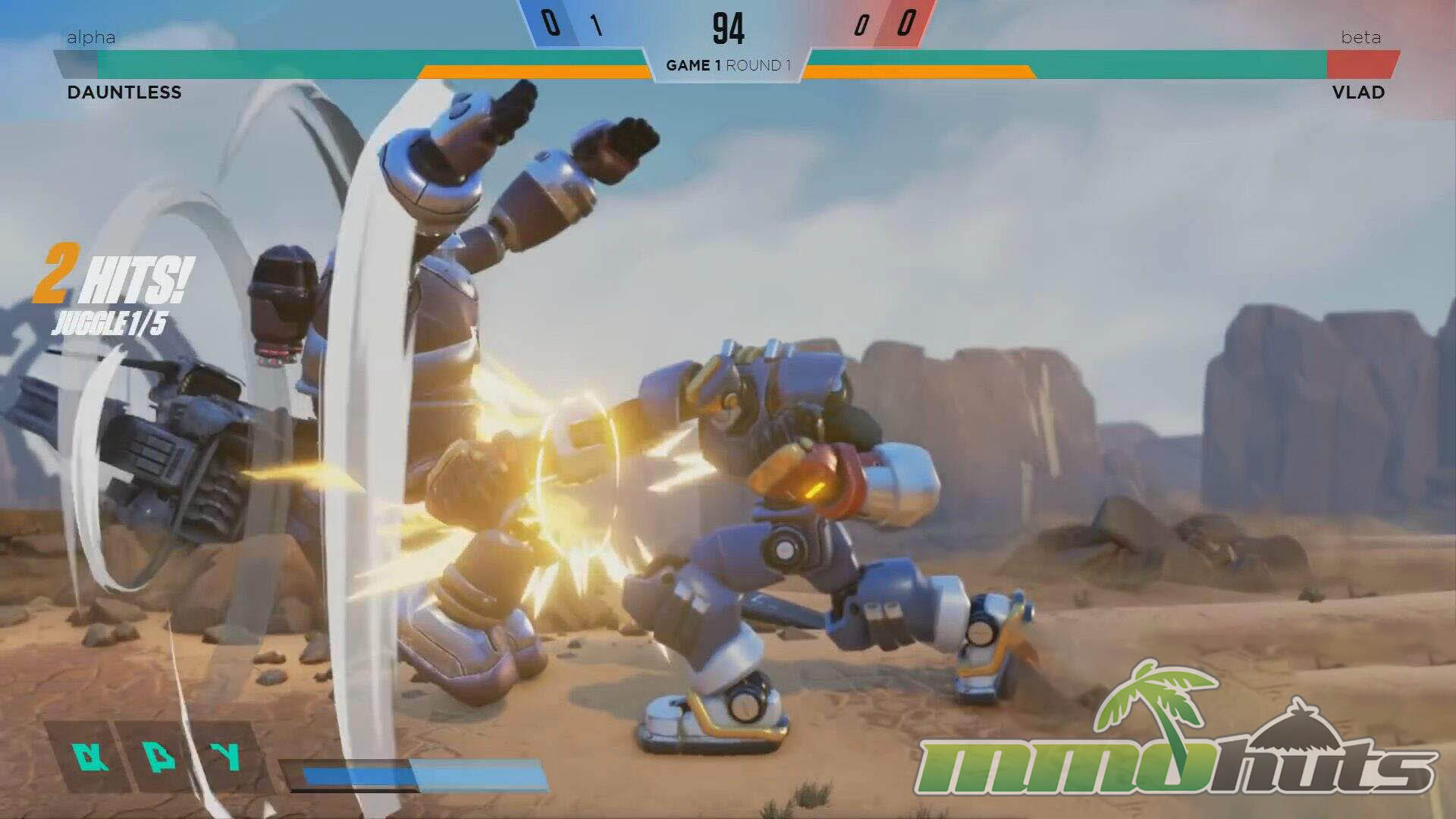
Rising Thunder is a PC-focused 2D fighting game presented with 3D character models, built around 1v1 matches where players pilot towering robots. Instead of demanding long command inputs and strict execution, it leans on simple, readable controls that work well on both keyboard and gamepad. The result is a fighter that aims to keep the mind games and spacing of the genre, while lowering the barrier to actually using your character’s tools.
 | Publisher: Radiant Entertainment Playerbase: TBD Type: F2P Fighter Release Date: Never Launched (Only Alpha) Shut Down: March 18, 2016 Modes: Ranked, Unranked Pros: +Beginner-friendly inputs. +Excellent native keyboard play. +Quick to pick up and understand. +Responsive on both keyboard and gamepad. Cons: -Not much official info remains due to shutdown. -Visual designs can feel a little plain. |
Rising Thunder Overview
Rising Thunder was conceived as an online-first fighting game for PC, with controls and matchmaking designed around how PC players actually play. It supports native keyboard input out of the box, and its biggest design swing is how special moves are handled. Rather than asking you to memorize motion inputs and tight timing, core abilities are mapped to straightforward buttons and governed by cooldowns. That shifts the challenge away from execution and toward decision-making, positioning, and knowing when to spend your tools.
Even with its streamlined approach, the foundation still resembles traditional competitive fighters. Matches are built for head-to-head play, the pace rewards reactions and reads, and learning a character is less about “can I do the combo” and more about “when should I use this option.” Between games, players can tweak loadouts, selecting different specials and cosmetic options to tailor how a character approaches a matchup. The project ultimately ended when Riot Games acquired Radiant Entertainment, and development on Rising Thunder was discontinued, leading to the game’s shutdown.
Rising Thunder Key Features
- PC First – Created with PC play as the priority, including smooth keyboard support and online matchmaking built for quick sets.
- Focus on the Matchup, Not the Motions- Special attacks are single-button actions, reducing execution barriers and emphasizing choices in neutral.
- Customize Before You Queue – Characters can be configured with different specials and cosmetic options between matches via the loadout menu.
- Designed for Newcomers – Simple controls paired with a free to play model make it an approachable entry point for competitive 1v1 fighters.
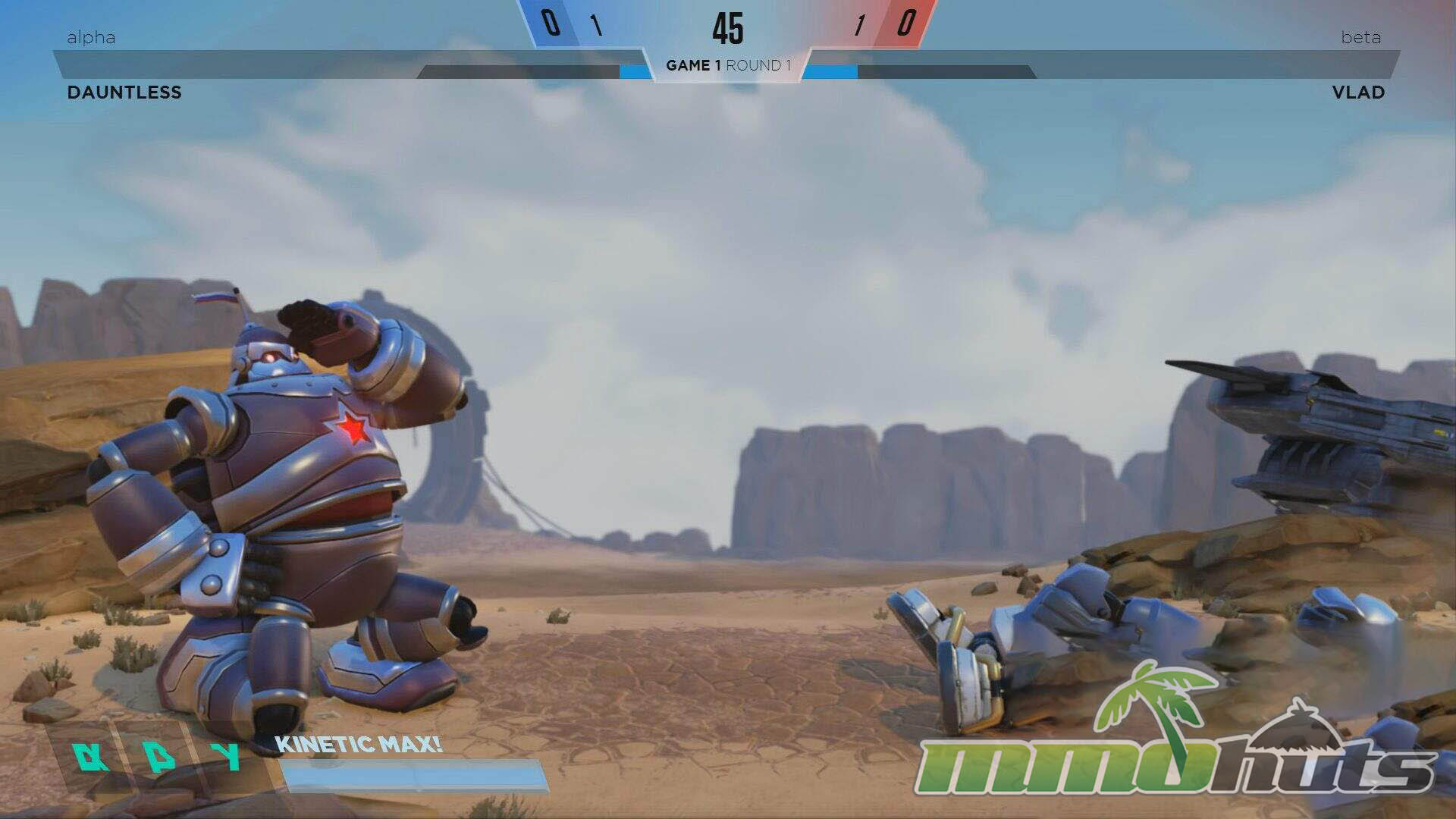
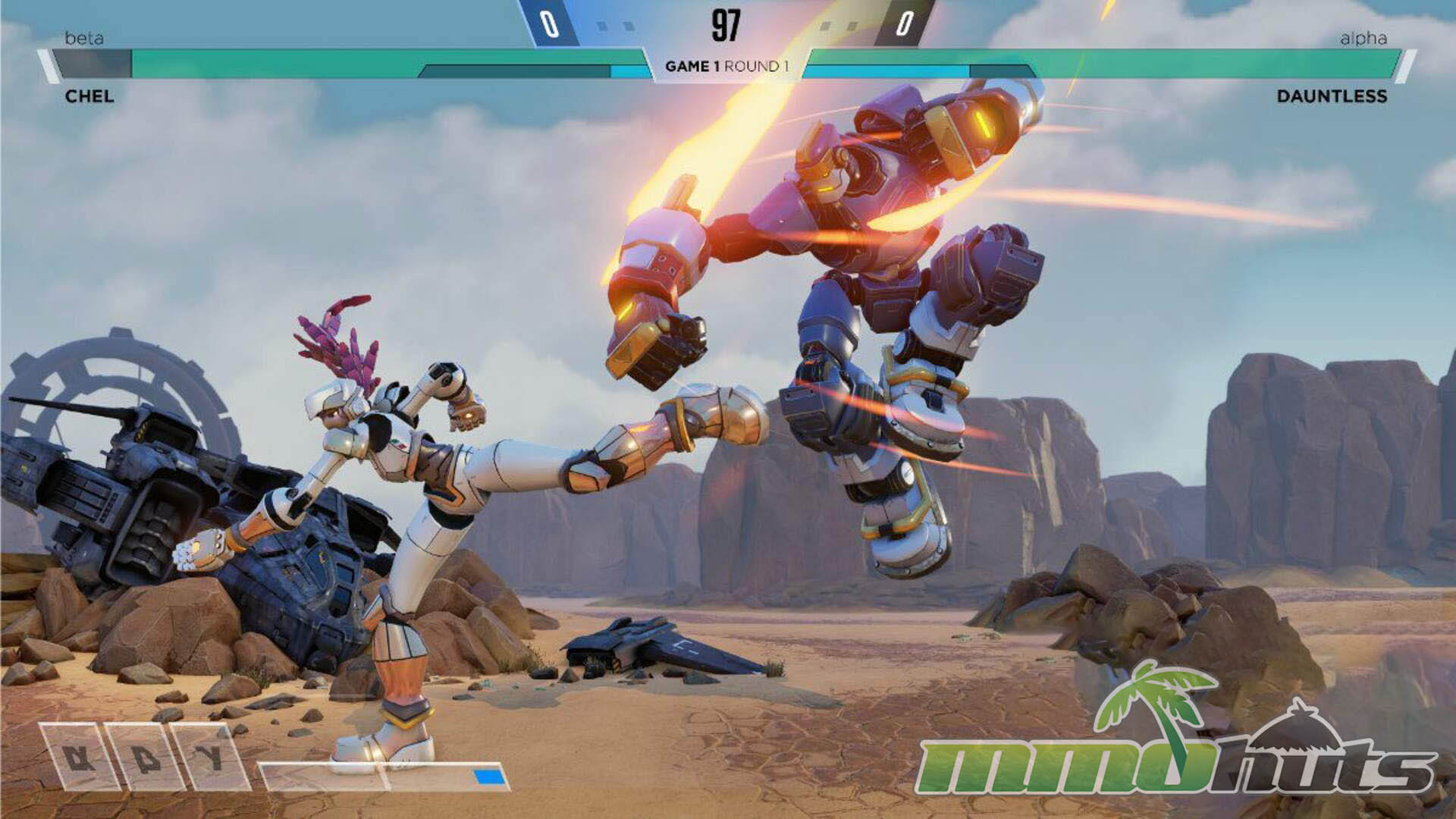
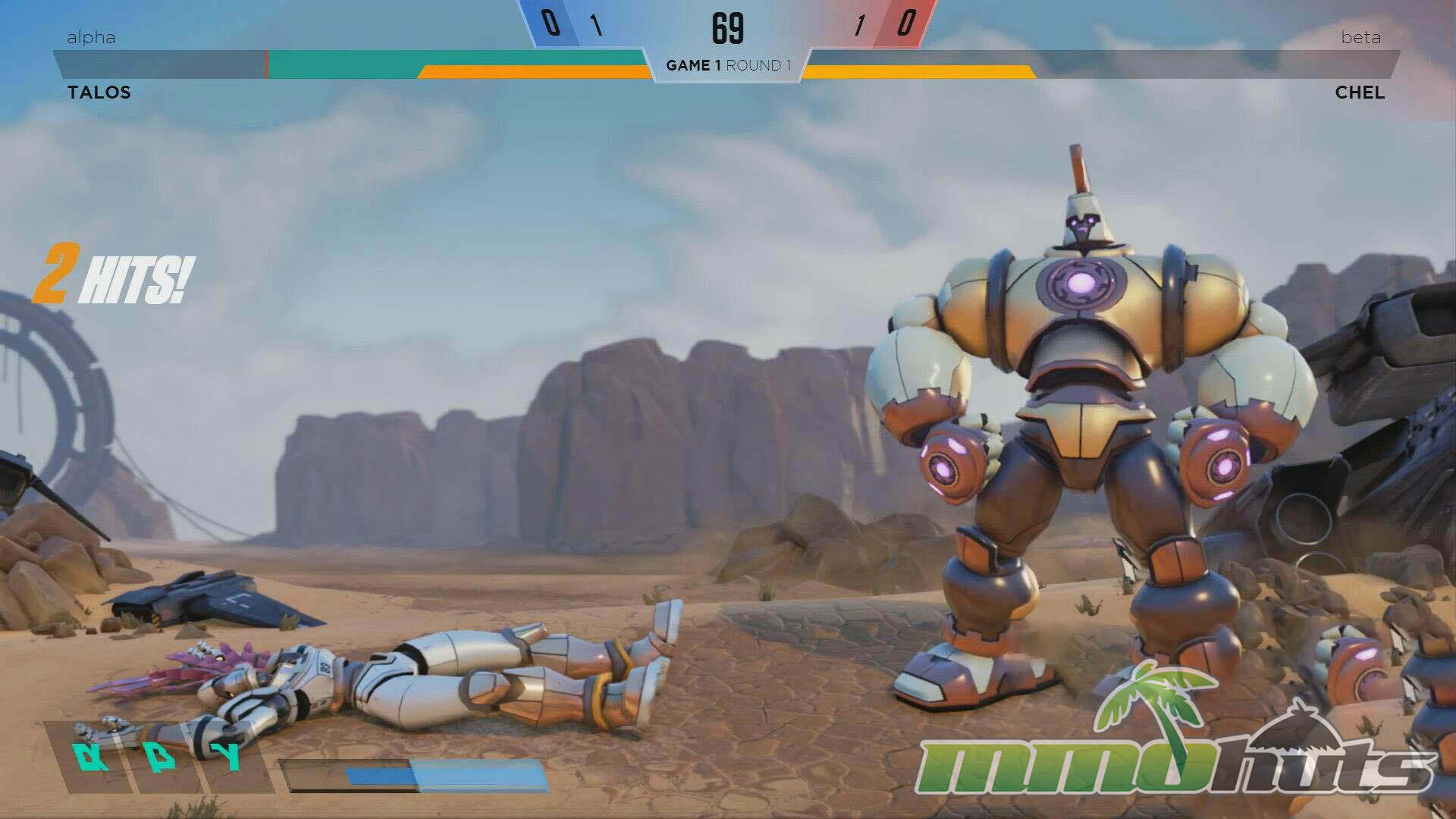
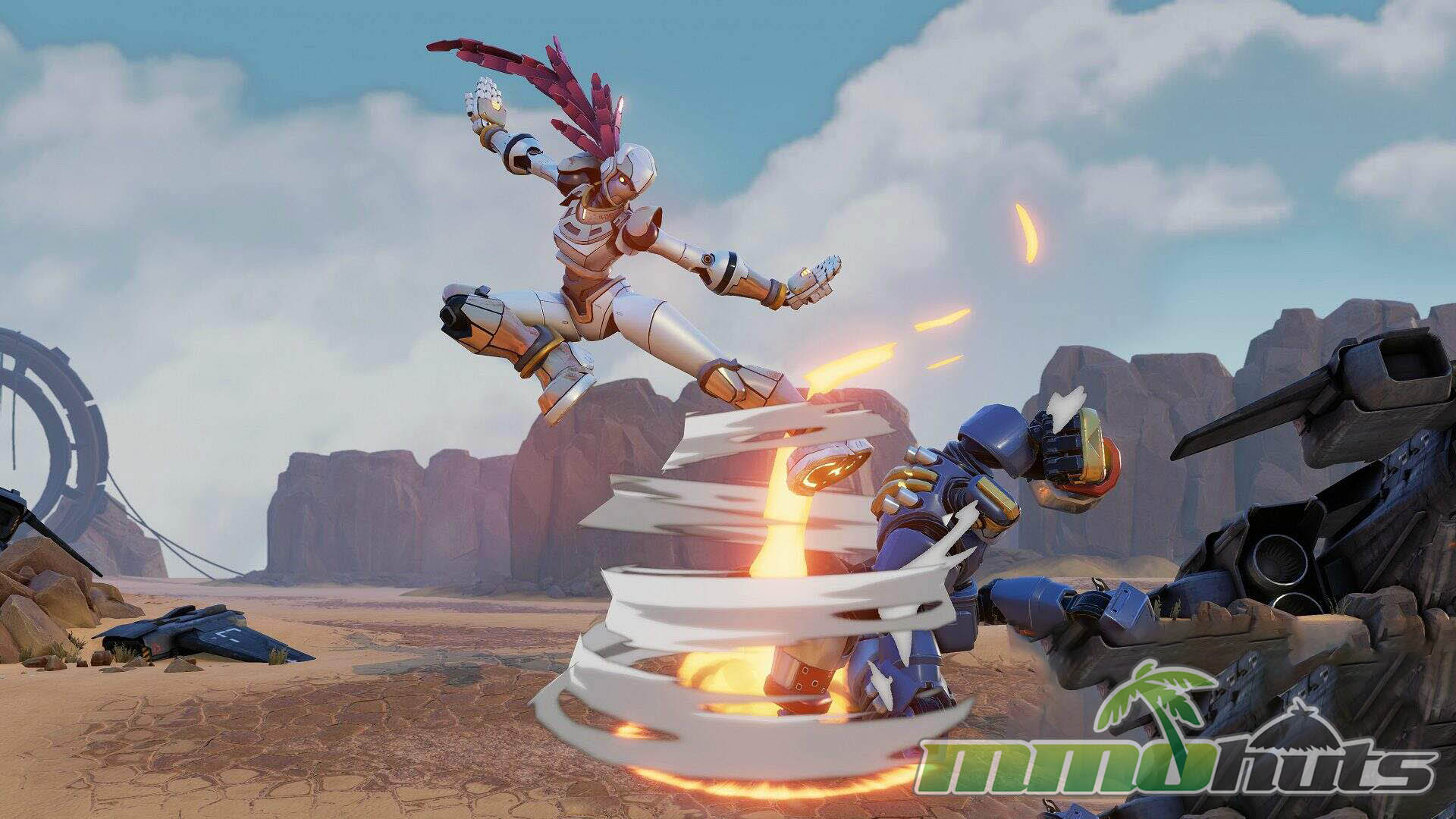
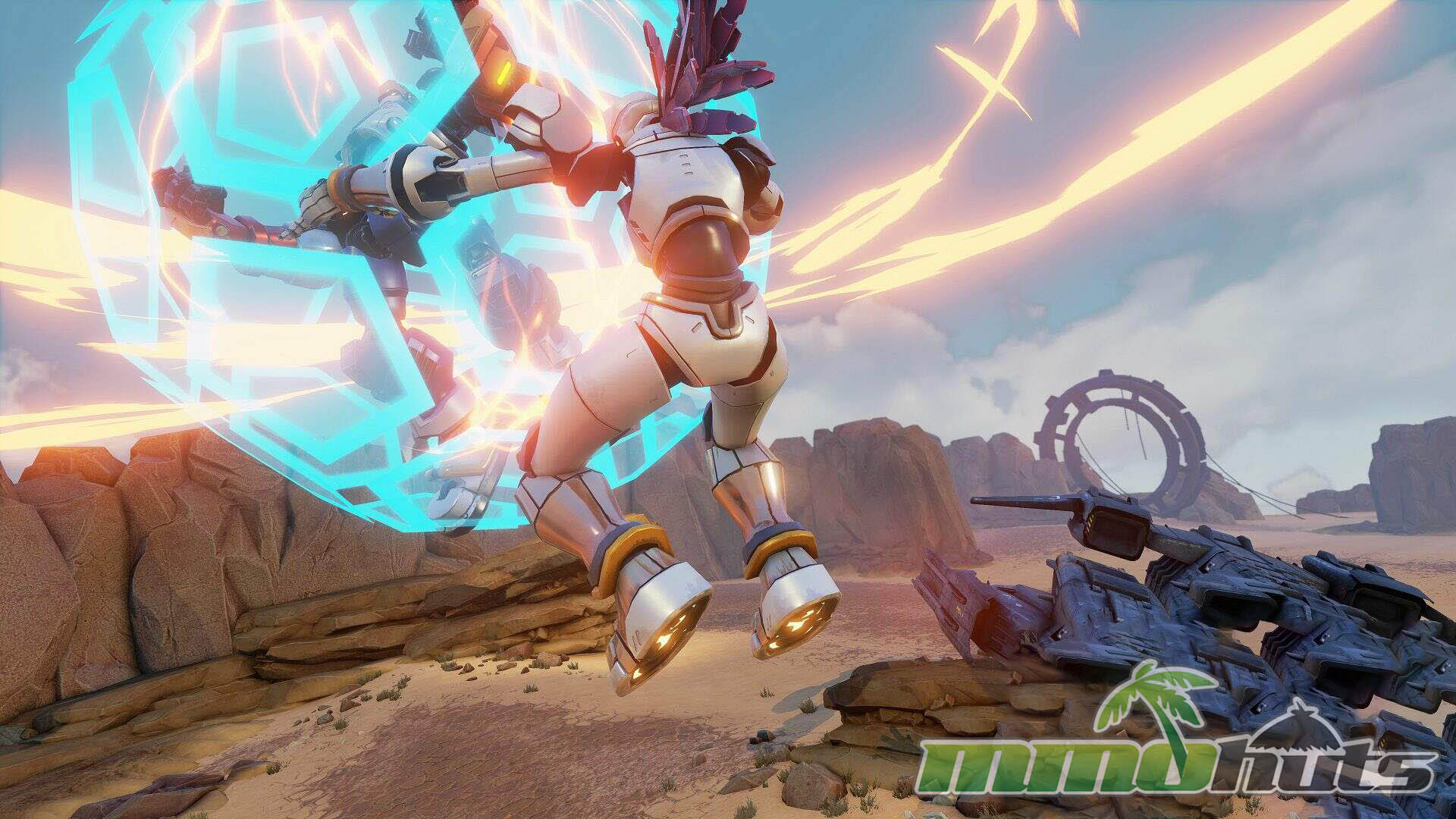
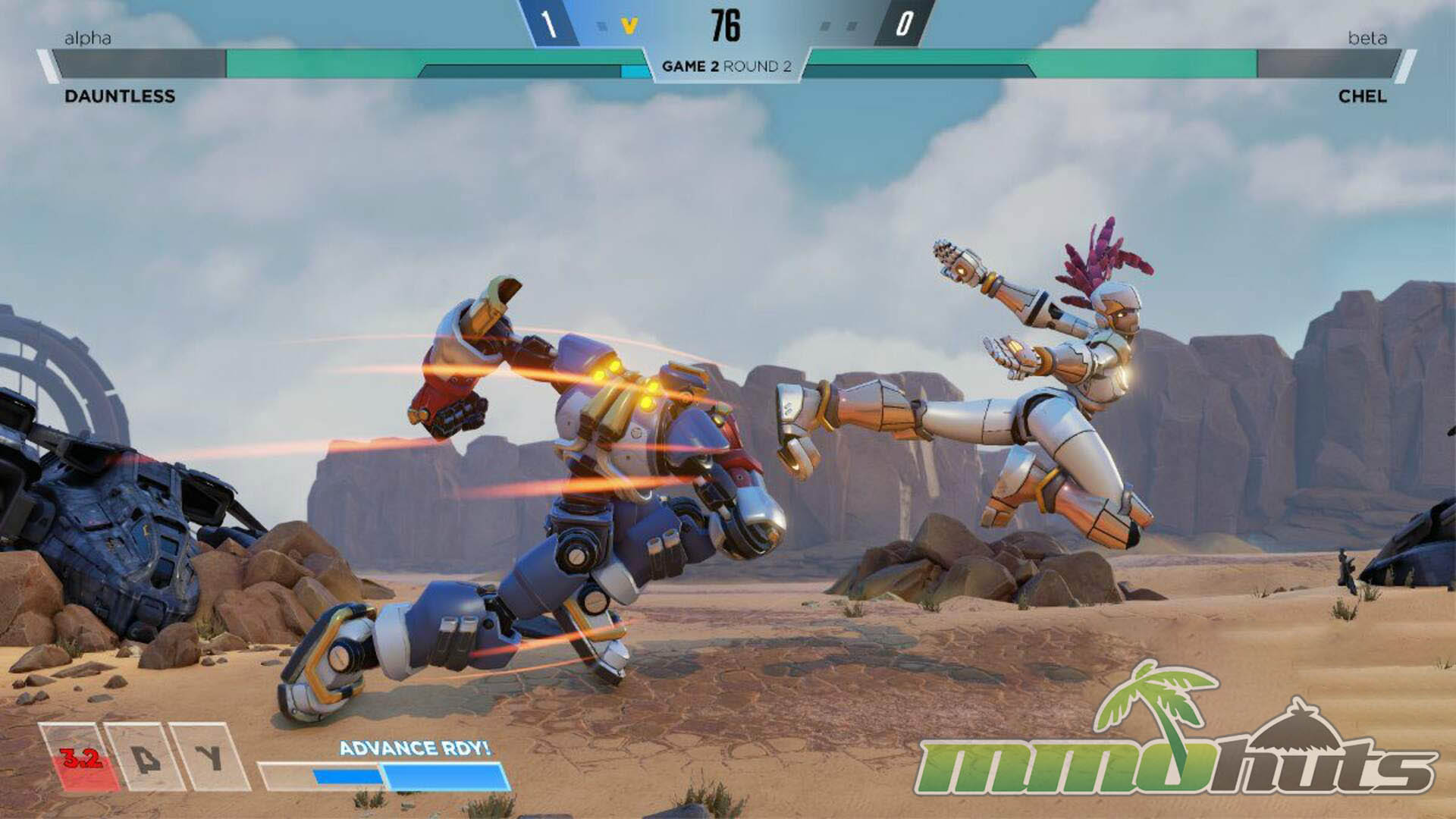
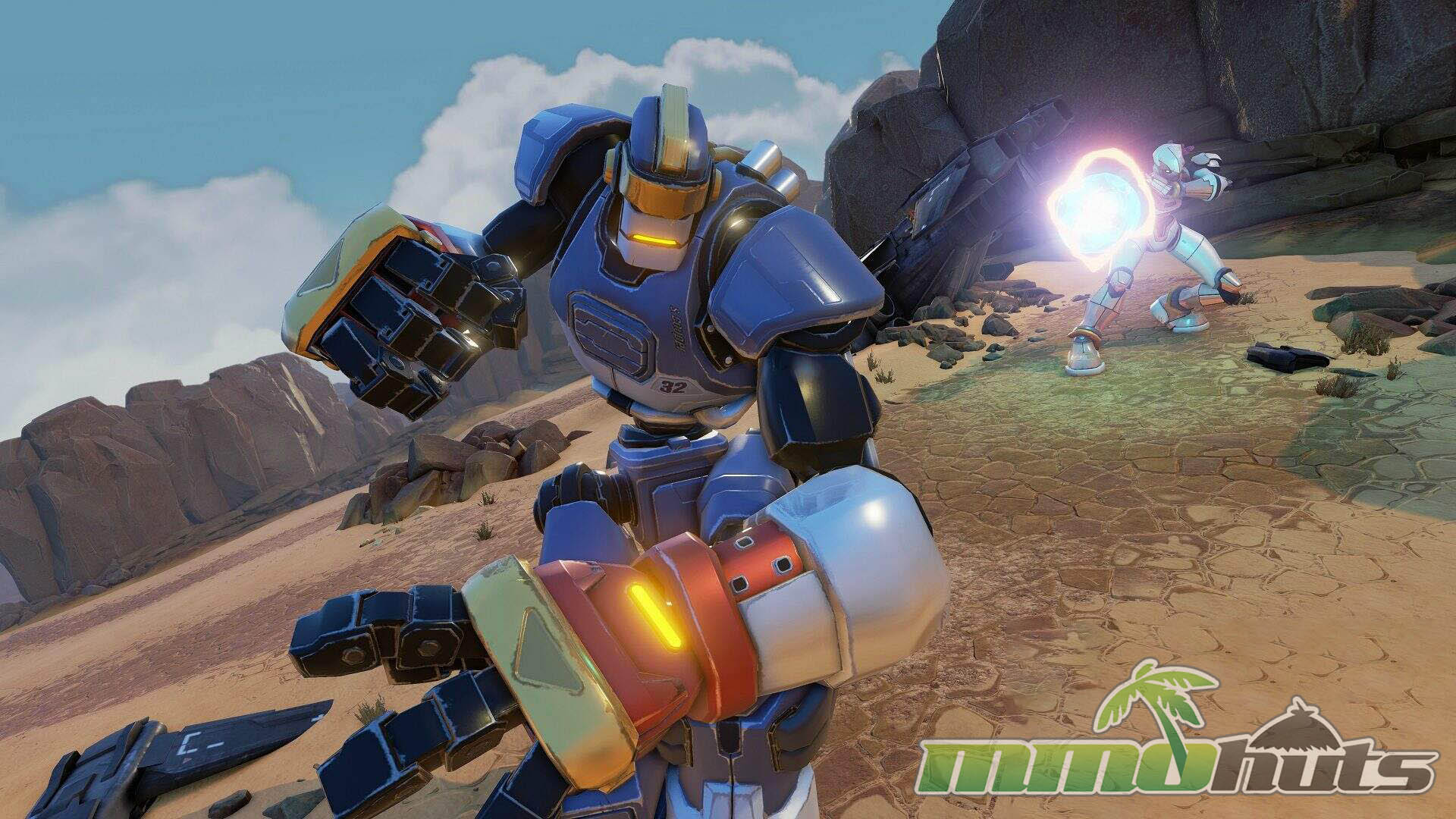
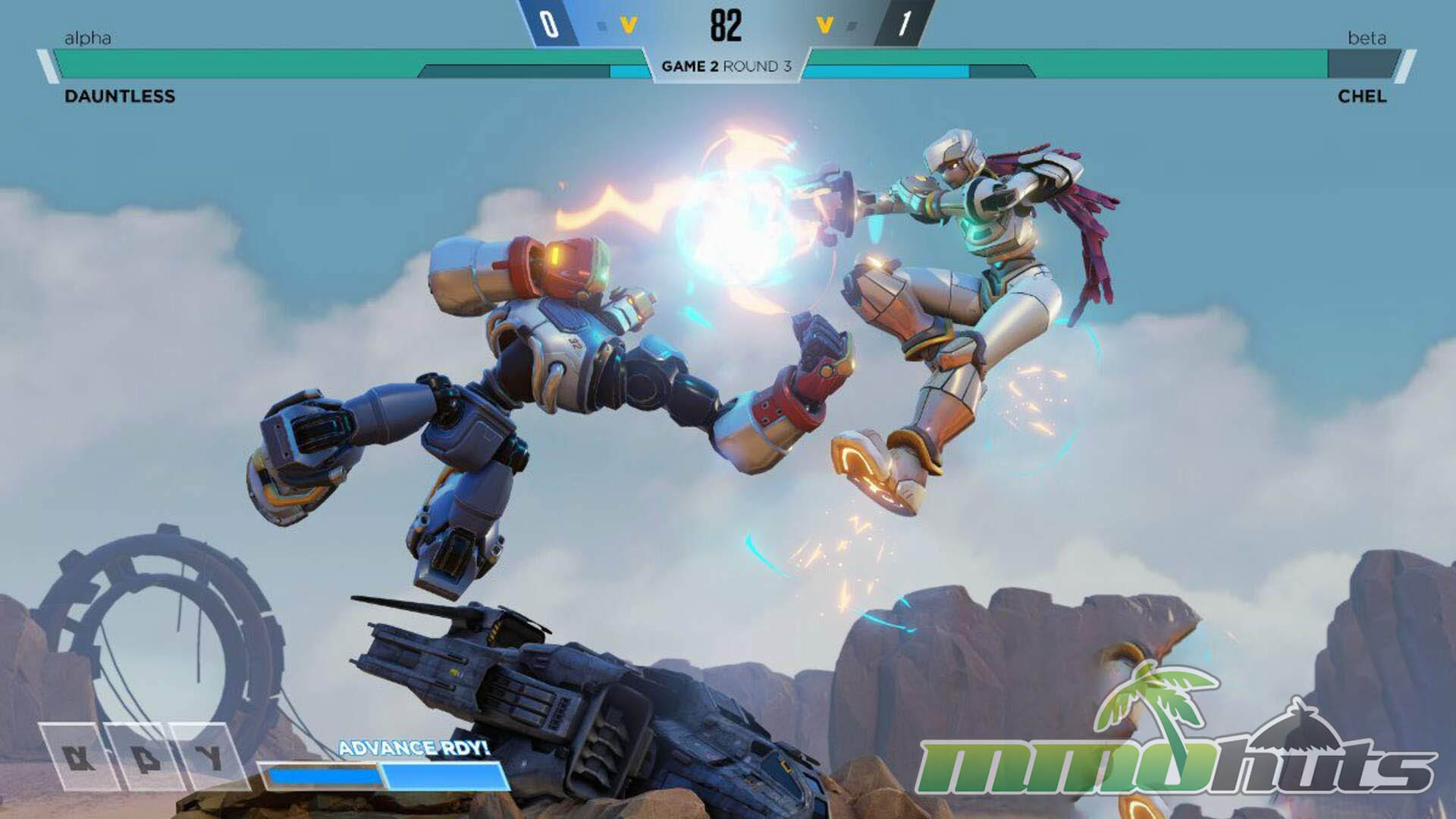
Rising Thunder Screenshots

Rising Thunder Featured Video

Rising Thunder Review
Rising Thunder never made it past its alpha period, so it is difficult to judge it as a complete product. What was playable, however, showed a clear and coherent direction: a competitive fighter that keeps the genre’s core tension while removing the traditional execution wall that stops many players from ever feeling “in control” of their character.
The best part of the design is how natural it feels on a keyboard. Movement and actions are responsive, and because specials are tied to dedicated buttons with cooldowns, you spend less time wrestling with inputs and more time thinking about tempo. Cooldowns also create a different kind of resource management than meter-only systems, encouraging players to plan rotations of threats, bait defensive responses, and punish overcommitments.
Loadouts add another strategic layer by letting you adjust a character’s toolkit between games. In a genre where matchup knowledge can be as important as mechanics, this kind of pre-match configuration can keep the mind games fresh, and it gives players a way to personalize their approach without demanding a huge execution investment. At the same time, it is also where balance can become tricky, because swapping specials can blur character identities if not tuned carefully.
As a spectator, Rising Thunder is readable. Single-button specials make it easier to understand why something happened, and the robot theme gives characters strong silhouettes, even if the overall visual style can come across as somewhat muted compared to flashier fighters. The larger issue is simply availability and completeness. With the project discontinued after the studio acquisition, there is limited remaining official support and information, and the game never reached the broader release it was built for.
If you are interested in fighting game design history, Rising Thunder is a notable example of a “modern controls” philosophy years before it became a mainstream talking point. As a game to play today, its legacy is more about the ideas it tested than a fully realized competitive platform.
Rising Thunder Links
Rising Thunder Official Site
Rising Thunder Developer Page
Rising Thunder Subreddit [Community]
Rising Thunder System Requirements
Minimum Requirements:
Operating System: Windows 7 64 bit
CPU: Intel Core 2 Quad 2.8 GHz / AMD Phenom X4
Video Card: Nvidia GeForce 550 Ti GTX / ATI Radeon 7700 HD
RAM: 4 GB
Hard Disk Space: 4 GB
Recommended Requirements:
Operating System: Windows 7 / 8 / 10
CPU: Intel Core i5 3.4 GHz / AMD FX-6300 or better
Video Card: Nvidia GeForce 760 GTX / ATI Radeon 7800 HD or better
RAM: 4 GB or more
Hard Disk Space: 4 GB
Rising Thunder Music & Soundtrack
Soundtrack details were never broadly published during the alpha, and official music resources are limited following the shutdown.
Rising Thunder Additional Information
Developer: Radiant Entertainment
Publisher: Radiant Entertainment
Lead Designer: Seth Killian
Technical Alpha Date: July 28, 2015
Development History / Background:
Rising Thunder was created by Radiant Entertainment, a studio based in Los Altos, California that was founded in 2013. It followed the team’s earlier project Stonehearth, a buy-to-play survival and sandbox title, and was positioned as the studio’s first free to play release. With former Capcom community manager Seth Killian involved in the design leadership, the goal was to build a competitive fighter that felt at home on PC and welcomed players who might otherwise bounce off traditional input complexity.
In terms of inspiration, Rising Thunder drew from classic 1v1 foundations associated with Street Fighter while also borrowing some of the broader accessibility ideas that helped series like Super Smash Bros. reach a wide audience. The end result was a clear attempt to translate the competitive fighting game experience to a PC-first, online-first format, even though the project ultimately ended when Riot Games acquired Radiant Entertainment and Rising Thunder was left behind.