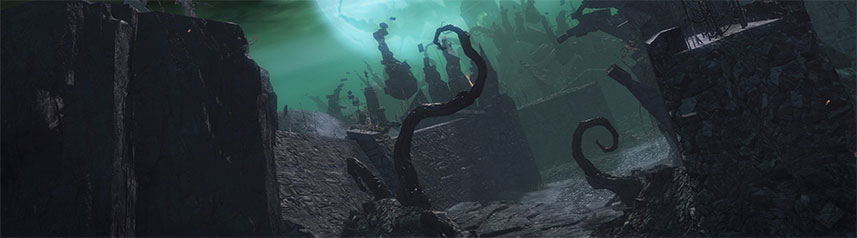
Phantom Chaser was a free-to-play mobile monster-collector RPG that blended team strategy with a surprisingly flexible build system. Its standout idea was “Mimic,” a possession-style mechanic that let you borrow abilities across roles, opening up creative hybrid setups instead of forcing every unit into a single lane. Along the way you could recruit and raise more than 130 Phantoms inspired by a mix of Eastern and Western mythology, including creatures like Phoenix and Baphomet.
 | Publisher: Glohow Type: Mobile RPG Release Date: October 19, 2017 Shut Down: October 4, 2020 PvP: World Pros: +Robust unit growth and build variety +Large amount of PvE (story and customization) +High-quality visuals Cons: -Stamina drains quickly -Pay-to-win pressure in places -Heavy grind for ascension materials |
Phantom Chaser Overview
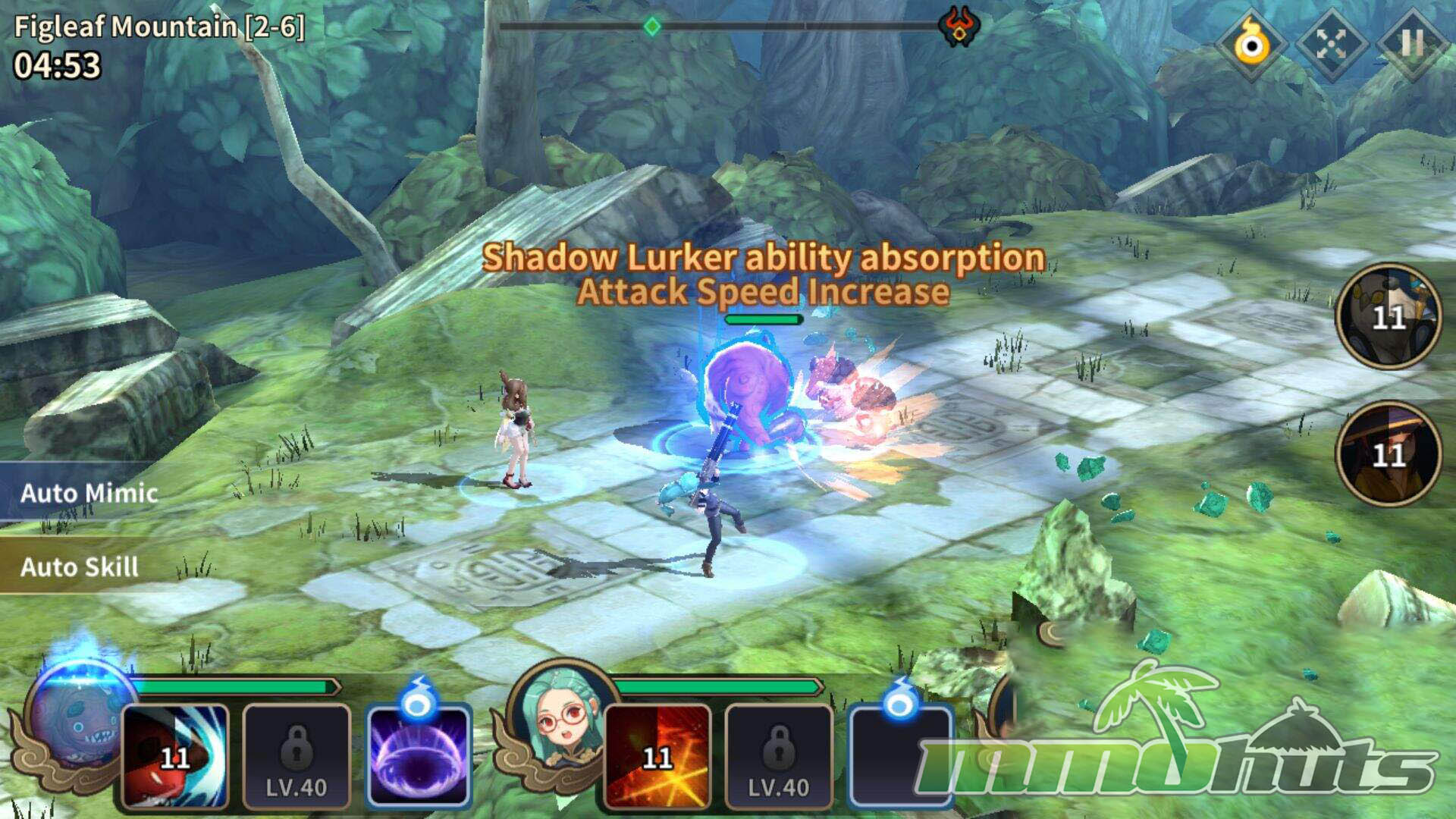
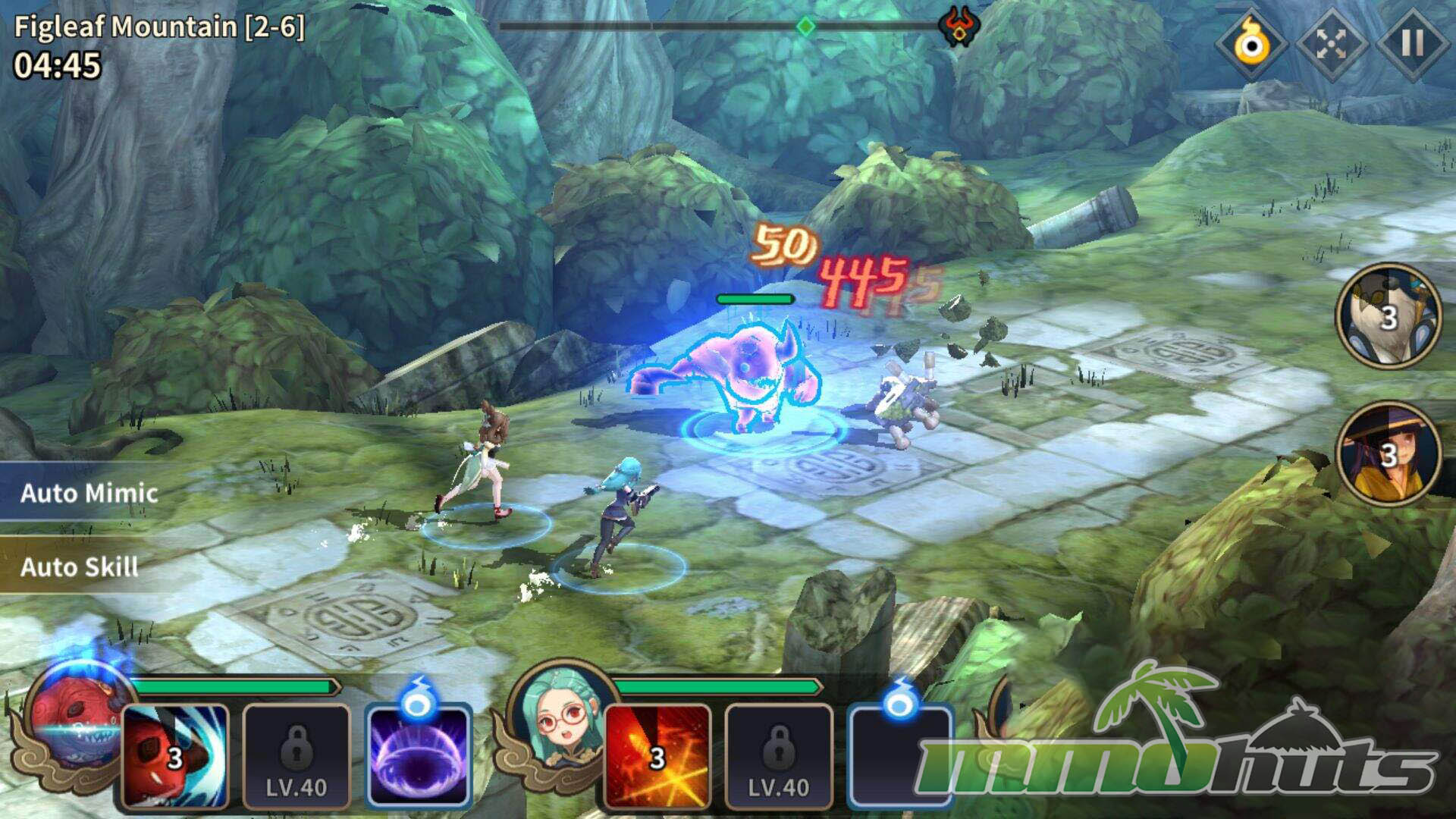
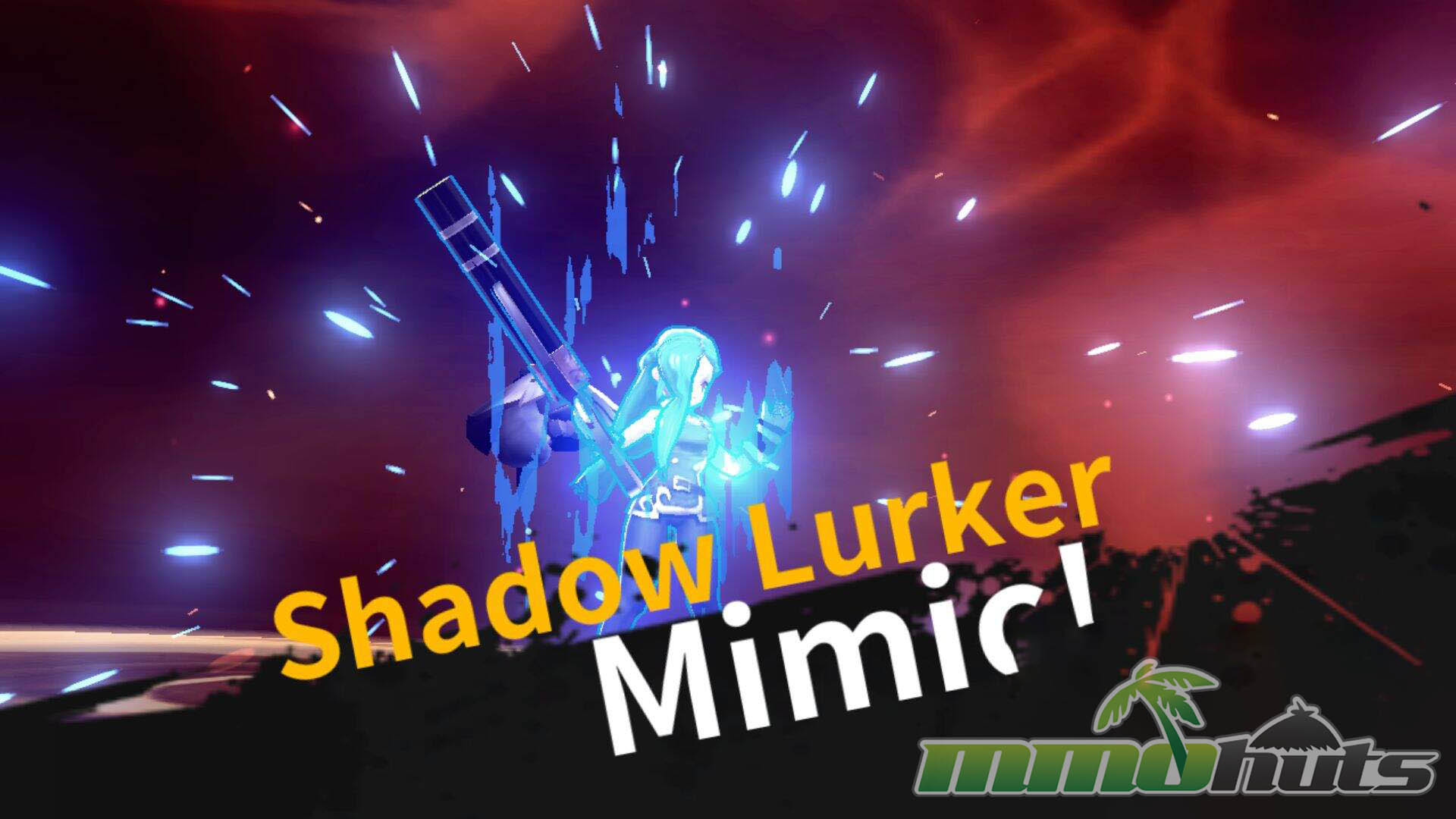
Phantom Chaser was a mobile, free-to-play, pseudo-3D RPG that mixed monster collecting with party-based strategy. At a glance it looked like a familiar “gather creatures, build a squad, clear stages” experience, but it earned its identity through how much control it gave players over role coverage and skill kits. The heart of that flexibility was the Mimic system, which effectively let a Phantom “possess” a character and grant access to a different set of abilities.
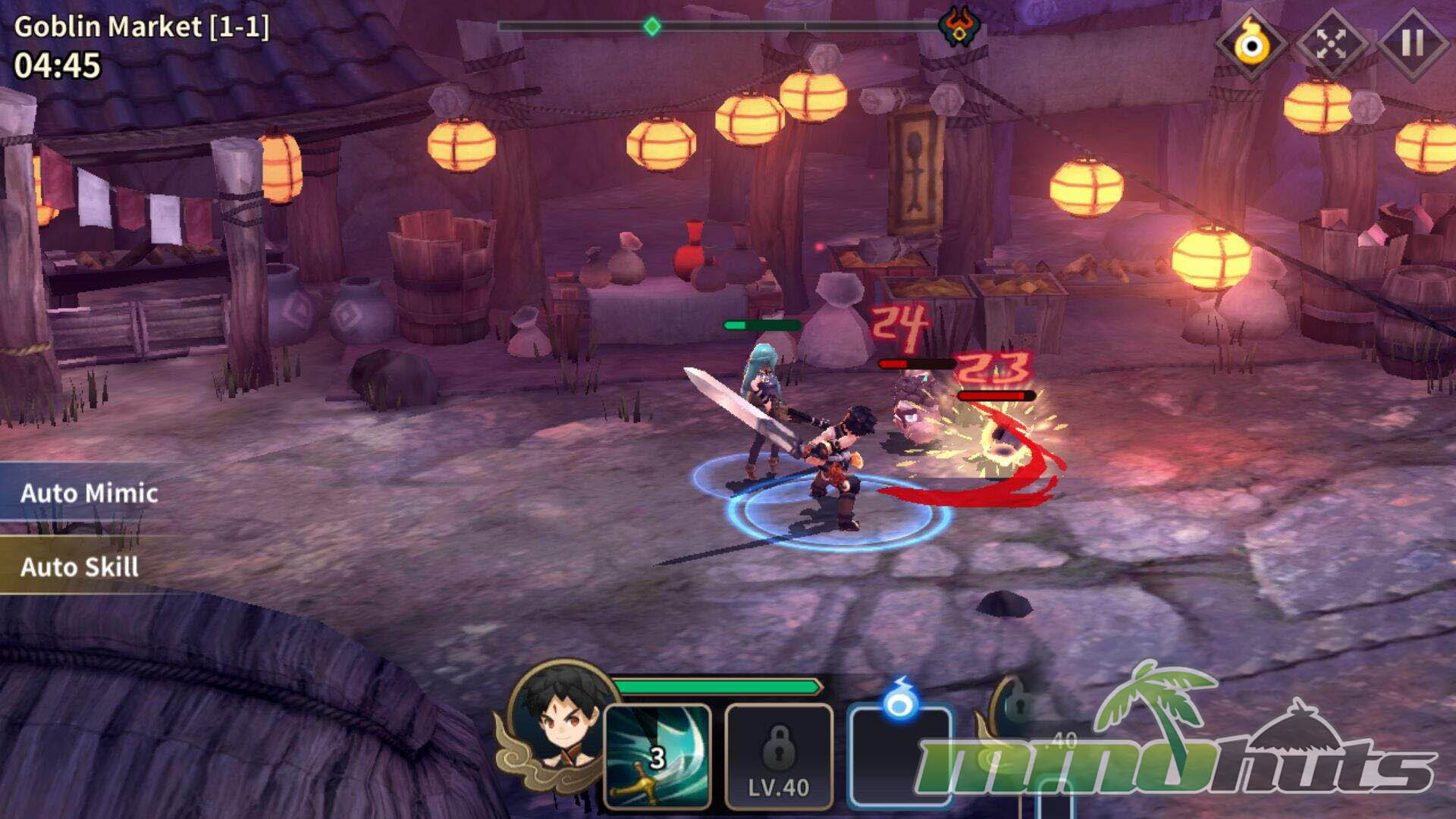
Party building went far beyond simply slotting in a tank, healer, and damage dealers. With six party slots and multiple unit archetypes, you could experiment with unconventional combinations, like turning a Strength-oriented frontliner into a pseudo-support via borrowed healing tools, or letting a Dexterity physical attacker lean into magical options when a stage demanded it. In practice, the system rewarded players who enjoyed tinkering, testing, and adjusting their roster to match boss mechanics or farming goals.
Phantom Chaser Key Features:
- Mimic System – Use a Phantom possession mechanic to grant characters additional powers and reshape their role in the team.
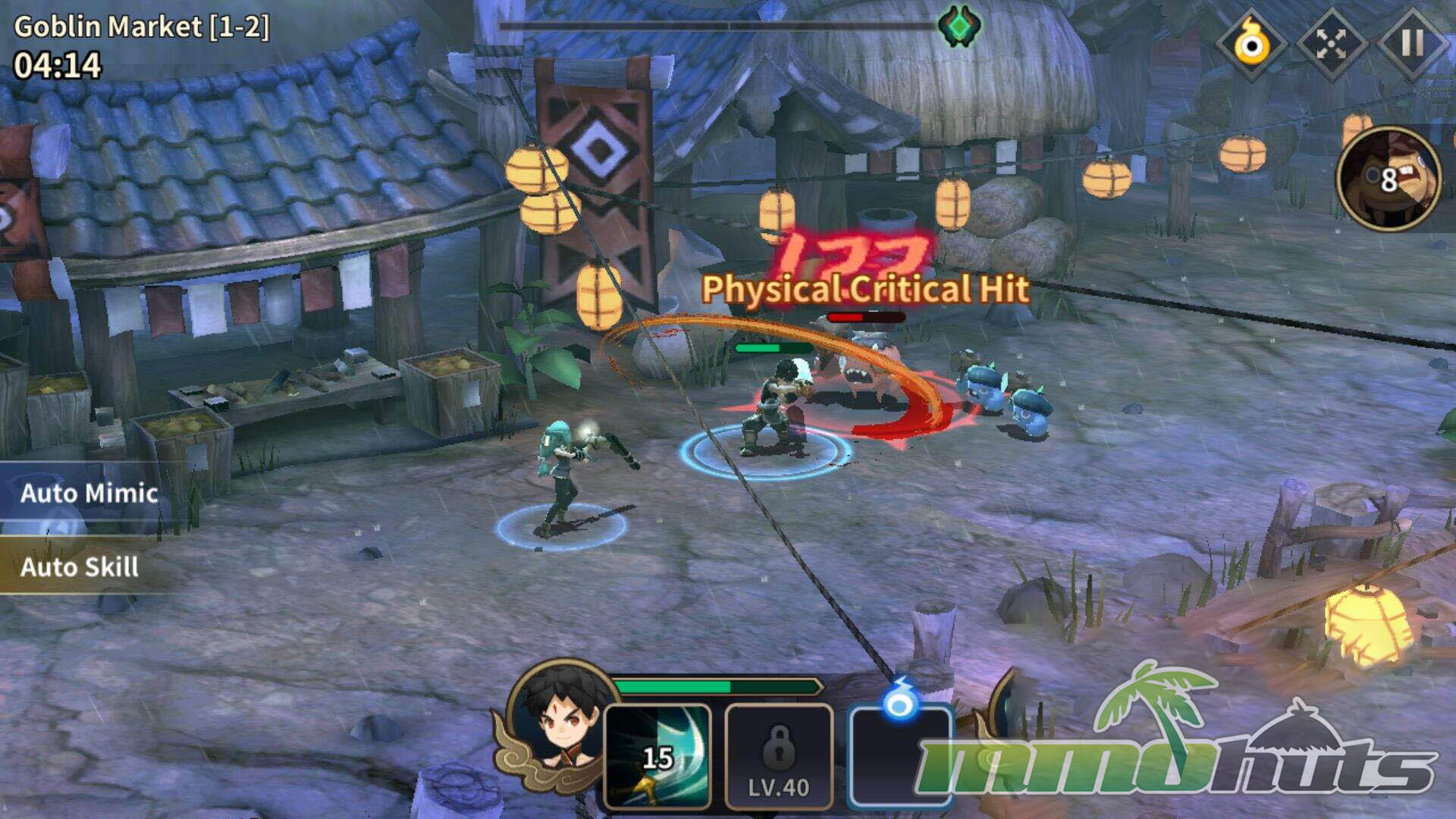
- Auto/Manual Combat – Run automated battles for routine material farming, or switch to manual play when timing and decision-making matter, especially in tougher encounters.
- Upgrade and Ascend Units – Gather resources to raise both characters and Phantoms up to level 100, then push further by breaking limits and ascending toward level 200.
- Strategic Party Building – Assemble teams around your preferred approach, from Strength-based tanks, Dexterity physical DPS, and Intelligence damage casters, to Intelligence support healers and utility-focused builds.
Phantom Chaser Screenshots




Phantom Chaser Featured Video

Phantom Chaser Review
Phantom Chaser’s biggest strength was how often it encouraged you to think about composition rather than just raw rarity. Many mobile RPGs lean heavily on straightforward power curves, but here the Mimic system created room for problem-solving. When content spiked in difficulty, the answer was not always “pull a stronger unit,” it was often “rebuild the team,” then fine-tune Mimic choices to cover weaknesses such as sustain, burst windows, or survivability.
The moment-to-moment flow was typical of the genre, with stage-based progression, resource farming, and a steady loop of upgrades. Auto combat made repeat runs manageable, which was important because the stamina cost could feel steep during longer sessions. Manual control mattered most when you were pushing bosses or attempting to clear content under-leveled, since efficient ability usage and the right Mimic timing could swing a fight.
Progression was deep and, depending on your tolerance for grinding, occasionally exhausting. Leveling and enhancing felt satisfying because it meaningfully changed what a unit could do, but the climb toward higher caps (especially when chasing ascension materials) could turn into a long-term farming commitment. On the monetization side, the game offered the familiar free-to-play structure where spending could accelerate growth and, in competitive contexts, create uncomfortable advantages. Players focused primarily on PvE had more room to play at their own pace, but the broader economy still nudged you toward either time investment or paid shortcuts.
Presentation was a consistent highlight. The game leaned into polished character and Phantom designs, and the pseudo-3D approach helped skills and battles read clearly on mobile screens. Even when the grind became routine, the visual quality and the fun of testing odd Mimic pairings helped keep the core loop engaging.
Overall, Phantom Chaser was best suited to players who enjoy roster experimentation and build crafting in a monster-collector format, and who do not mind a stamina-limited progression pace. Its closure in 2020 means it now stands as an interesting example of how a single strong system can elevate an otherwise familiar mobile RPG framework.
Phantom Chaser Links
Phantom Chaser Official Site
Phantom Chaser iOS
Phantom Chaser Android
Phantom Chaser Facebook
Phantom Chaser System Requirements
Minimum Requirements:
Operating System: iPhone/iPad/iPod with iOS 7.0 or later, Android 4.1 or later
Phantom Chaser Music & Soundtrack
Coming Soon!
Phantom Chaser Additional Information
Developer: Floppygames Inc.
Publisher: Glohow
Platforms: iOS, Android
Release Date (North America): November 21, 2017
Shut Down: October 4, 2020