Parabellum
 (No Ratings Yet)
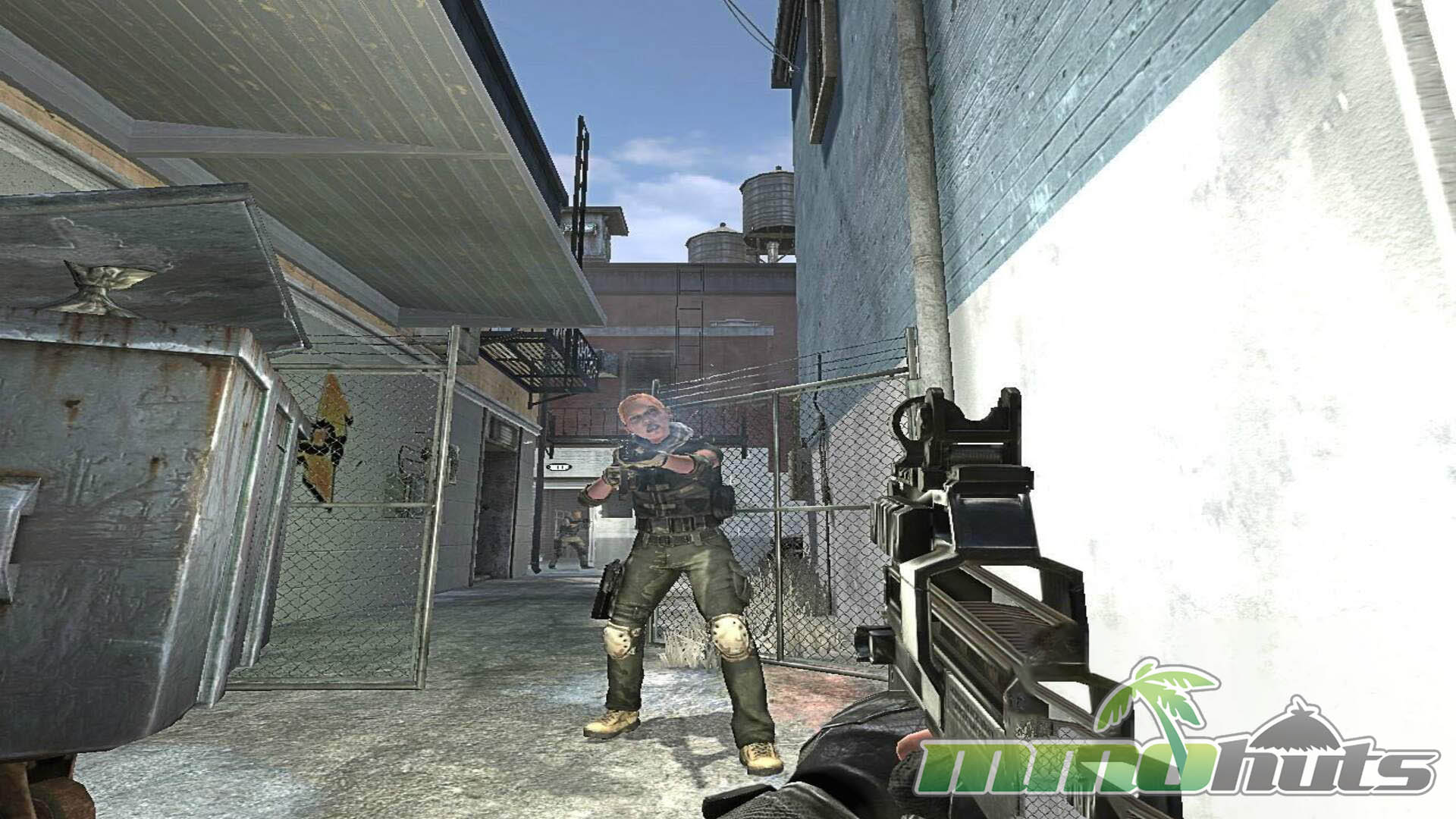
Parabellum was a free-to-play MMOFPS concept that aimed to blend competitive PvP with a more ambitious, choice-driven multiplayer campaign, backed by deep character and weapon personalization. Alongside its story-focused aspirations, it also included a standard matchmaking lobby for PvP with multiple maps and modes, but the project ultimately never made it to a full release.
 | Publisher: GamersFirst Type: Shooter MMO Closed Beta Date: May 28, 2009 Cancellation Date: 2010 PvP: Battlegrounds Pros: +Flexible character looks and gear options. +Ambitious multiplayer campaign concept. +Skill-tier server placement. Cons: -Cancelled before launch. -Limited selection of maps. |
Parabellum Overview
Parabellum was positioned as an online-first military shooter set in 2018, in a world where warfare has shifted toward privatized forces and paid contractors. Instead of playing as a traditional nation-state soldier, players were meant to step into the boots of a professional mercenary, taking jobs through a global contracting network and aligning with one of two rival organizations.
Those alignments were the CTF and the Syndicate, framed as opposing philosophies, with one side pushing control and stability and the other embracing disorder. Missions were issued via the C.I.N. Global Mercenary Network, and the game’s larger idea was that player actions would influence how the campaign played out for the community. The big hook was a planned non-linear multiplayer campaign that supported up to five players and was intended to deliver a cooperative story path shaped by faction choice and decisions. In practice, this campaign vision never reached a finished state, leaving Parabellum primarily remembered for its beta-era PvP foundations and its design pitch.
Outside the campaign concept, Parabellum leaned into familiar MMOFPS staples. Players could queue from a PvP lobby into various modes across a set of maps, customize loadouts with a broad selection of weapons, and adjust their character’s appearance for a more personalized presence in matches. It also experimented with matchmaking and progression ideas that were unusual for the time, especially around server tiers and how performance stats were tracked.
Parabellum Key Features:
- Two Opposing Factions – choose between the CTF and the Syndicate, with each side representing a different approach to the game’s conflict and contracts.
- Non-Linear Campaign Mode – a planned co-op story experience for up to five players, designed to branch based on faction choice and player decisions (but never fully completed).
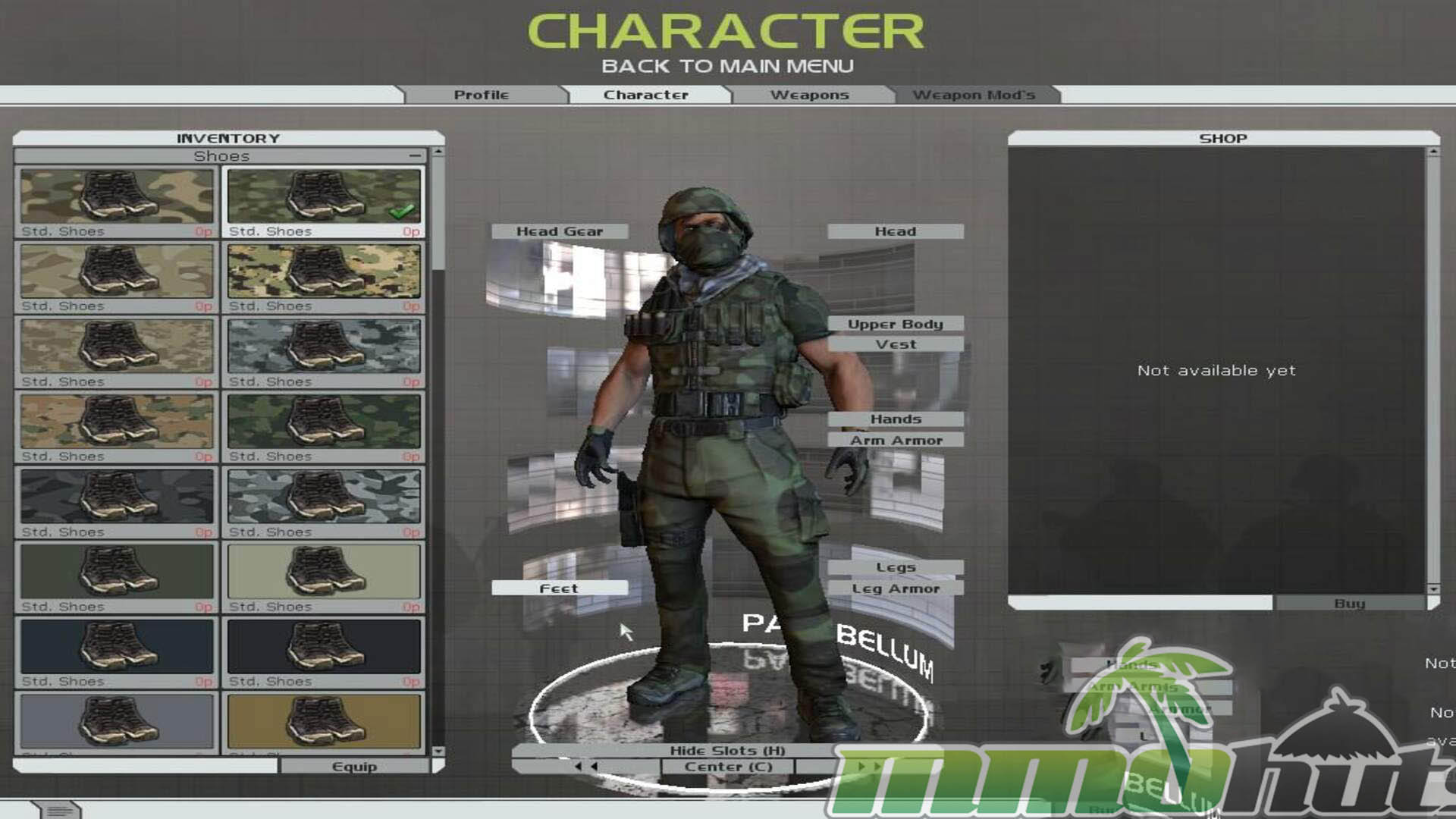
- Customizable Avatar – personalize your character’s look with items like clothing, hairstyles, and hats to stand out during PvP.
- Automatic Server Selection – matchmaking aimed to place players into tiered PvP environments based on skill and performance.
- Weapons Record Stats – performance tracking was tied to individual weapons (including measures like K/D ratio and headshots), letting players swap or reset their statistical history by changing gear.
Parabellum Screenshots
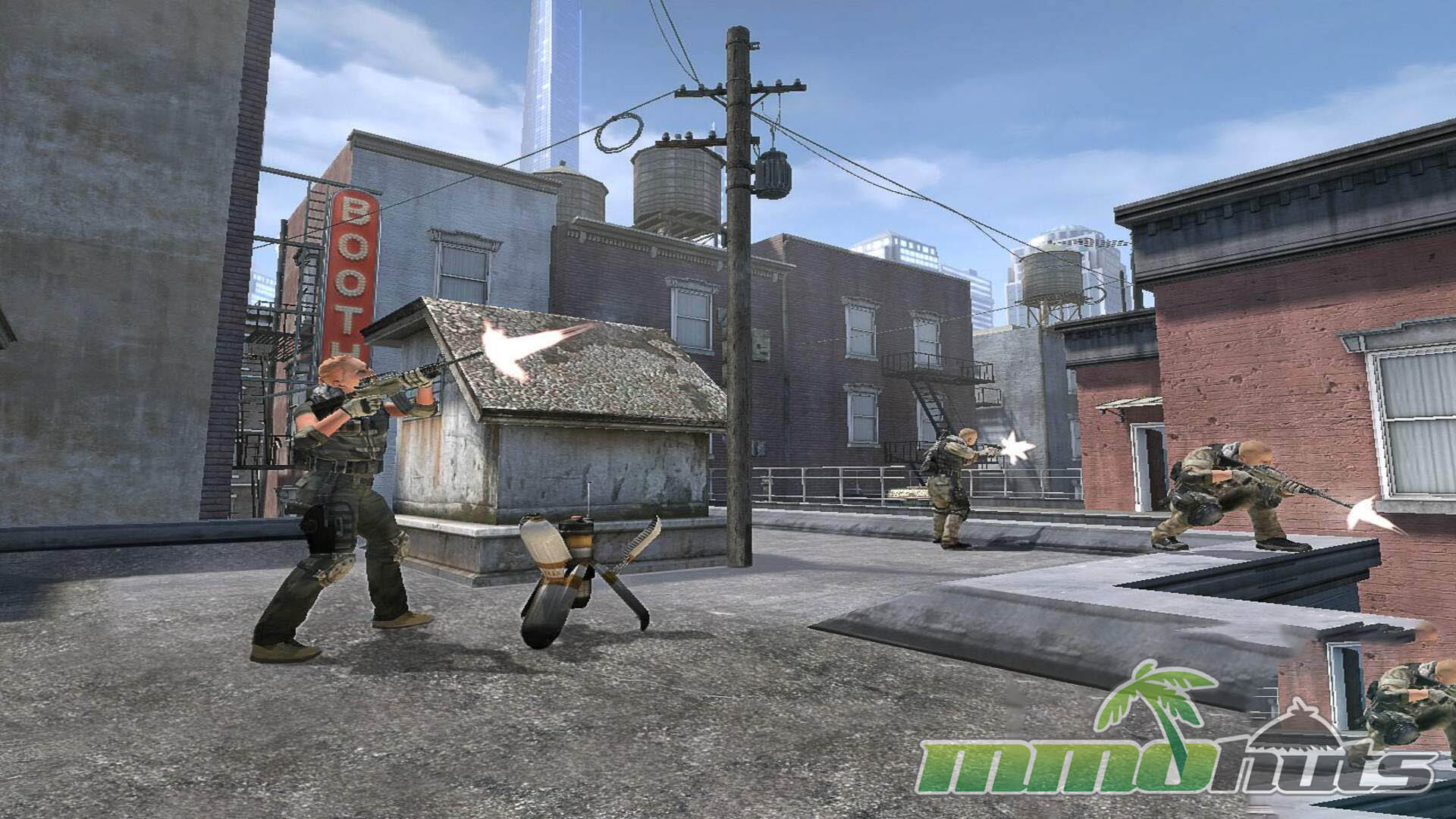
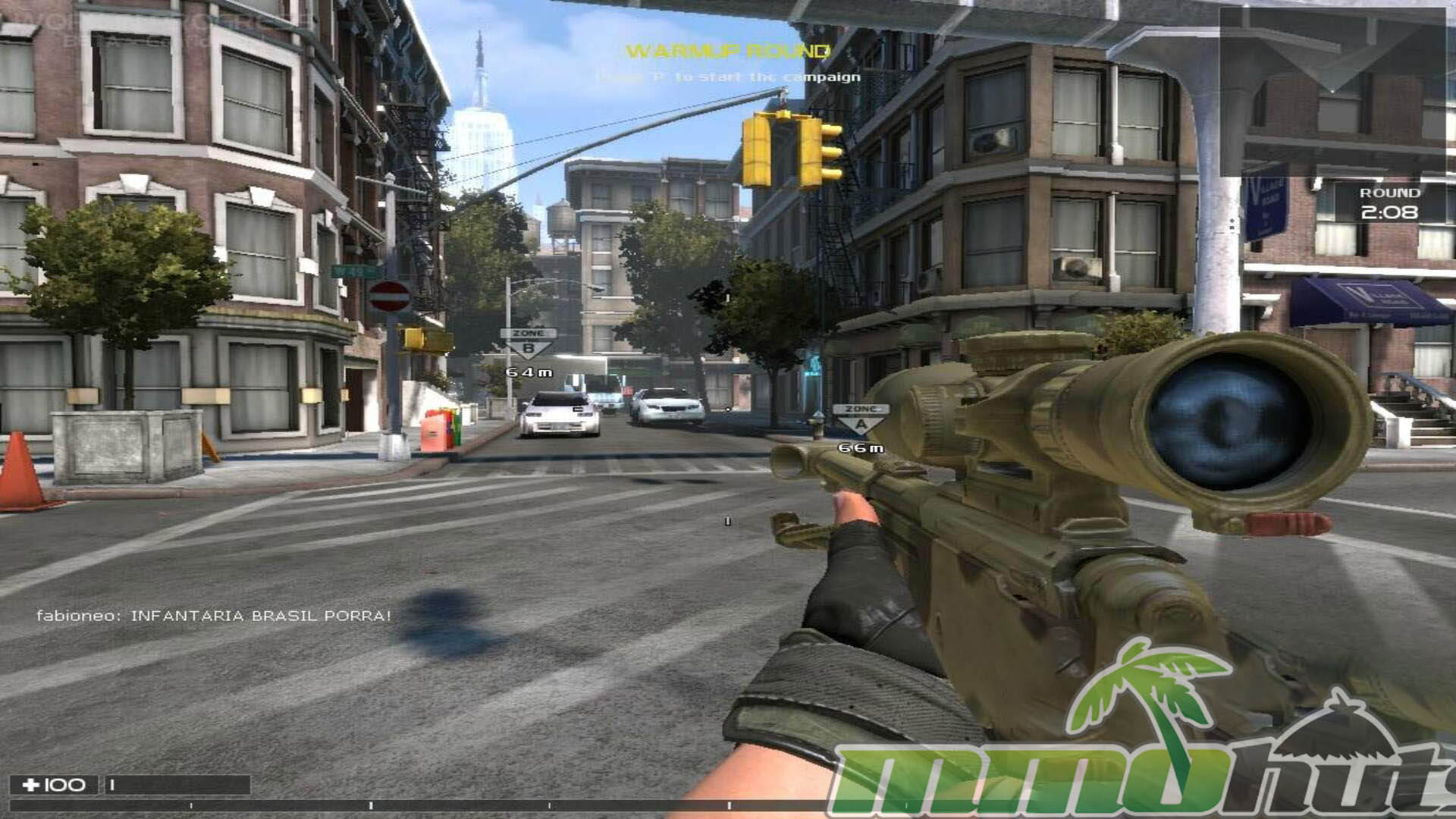


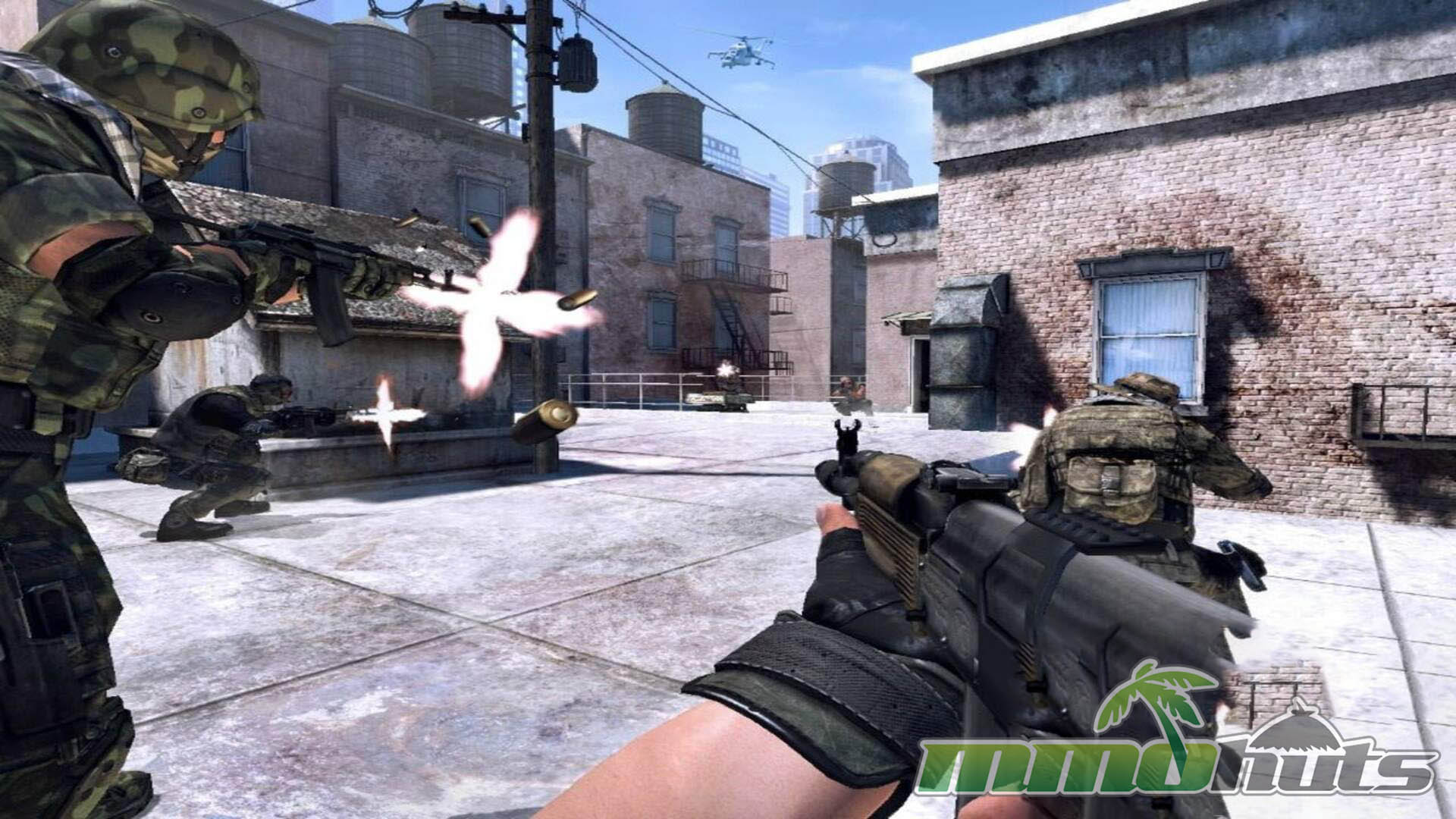
Parabellum Featured Video

Parabellum Music & Soundtrack
Coming soon!
Parabellum Additional Information
Developer: Acony Games
Publisher: GamersFirst
Game Engine: Unreal Engine 3
Closed Beta Date: May 28, 2009
Cancellation Date: 2010
Development History / Background:
Parabellum was created by Acony Games, a German studio established in 2004 with Parabellum as its central project. Acony later partnered with GamersFirst via a publishing agreement that brought the game onto the GamersFirst portal, where it entered closed beta around May 28, 2009. During that period, the team discussed moving toward an open beta in June or July of the same year, but the title remained in closed beta without a clear endpoint.
Eventually, Parabellum vanished from the GamersFirst portal without an accompanying public statement, and the publishing arrangement between Acony and GamersFirst concluded. Reports at the time suggested Acony sought another publisher and continued work independently for a while, but the project was ultimately cancelled in 2010. Elements of Parabellum later lived on through Acony’s follow-up project, Hedone, which served as the foundation for what became Bullet Run, published by Daybreak Game Company and released in July of 2012.