Orion pitches itself as a science-fiction multiplayer shooter set across a “New Solar System,” where you play as a Guardian scavenging resources, building gear, and taking on chaotic firefights that can involve everything from rival players to swarming dinosaurs. The hook is a mash-up of open-world exploration and wave-based PvE action, wrapped in a budget-friendly package that comes with big ambitions and equally big caveats.
 | Publisher: Trek Industries Playerbase: Low Type: Shooter Release Date: December 01, 2015 Pros: +Promising scope for a very low price. +Planet hopping and open-world style zones. +Over-the-top mix of guns, space tech, and dinosaurs. Cons: -Pay-to-win elements affect fairness. -Developer crowdfunding controversies raise trust concerns. -Update plans and contents can shift with little notice. |

Orion Overview
In Orion, the promise is a frontier-style Solar System where you drop in as a Guardian and push outward through different environments while improving your kit along the way. Character creation leans into cosmetic and identity choices, letting you shape basics like gender and ethnicity, alongside gameplay-affecting options such as abilities. From there, the game’s structure revolves around traveling to broad, open areas designed as distinct biomes, with weather and terrain meant to change how fights and traversal play out, whether you are moving through arid deserts, thick jungle spaces, or canyon-like corridors.
Progression is heavily tied to crafting and loot improvement. The loop encourages gathering materials in the field, turning them into upgrades, and using an economy layer to exchange items with NPCs and other players. Combat is built to be flexible in how you view it, with the option to play from a top-down angle or switch into first-person or third-person perspectives depending on preference and the situation. When you want something heavier, Mechs provide a power spike and a different set of tactics, and they are split into three weight classes that change mobility and combat options.
On the activity side, Orion supports multiple modes, including a survival-focused PvE setup built around repeated waves of dinosaurs and other hostile creatures. For players who like chasing goals beyond personal progression, the game also leans on competitive motivation via leaderboards, giving repeat runs a reason to keep climbing.
Orion Key Features:
- Create Your Guardian – build a character with customization that covers identity options and ability choices.
- Open-World Exploration – travel across large biomes and contend with changing weather and terrain variety.
- Three Different Perspectives – swap between top-down, first-person, and third-person views for combat.
- Control Mechs – pilot Mechs across three weight classes, each with its own feel and combat tools.
- Various Game Modes – take on different modes, including PvE survival where waves of dinosaurs and other enemies try to overwhelm your team.
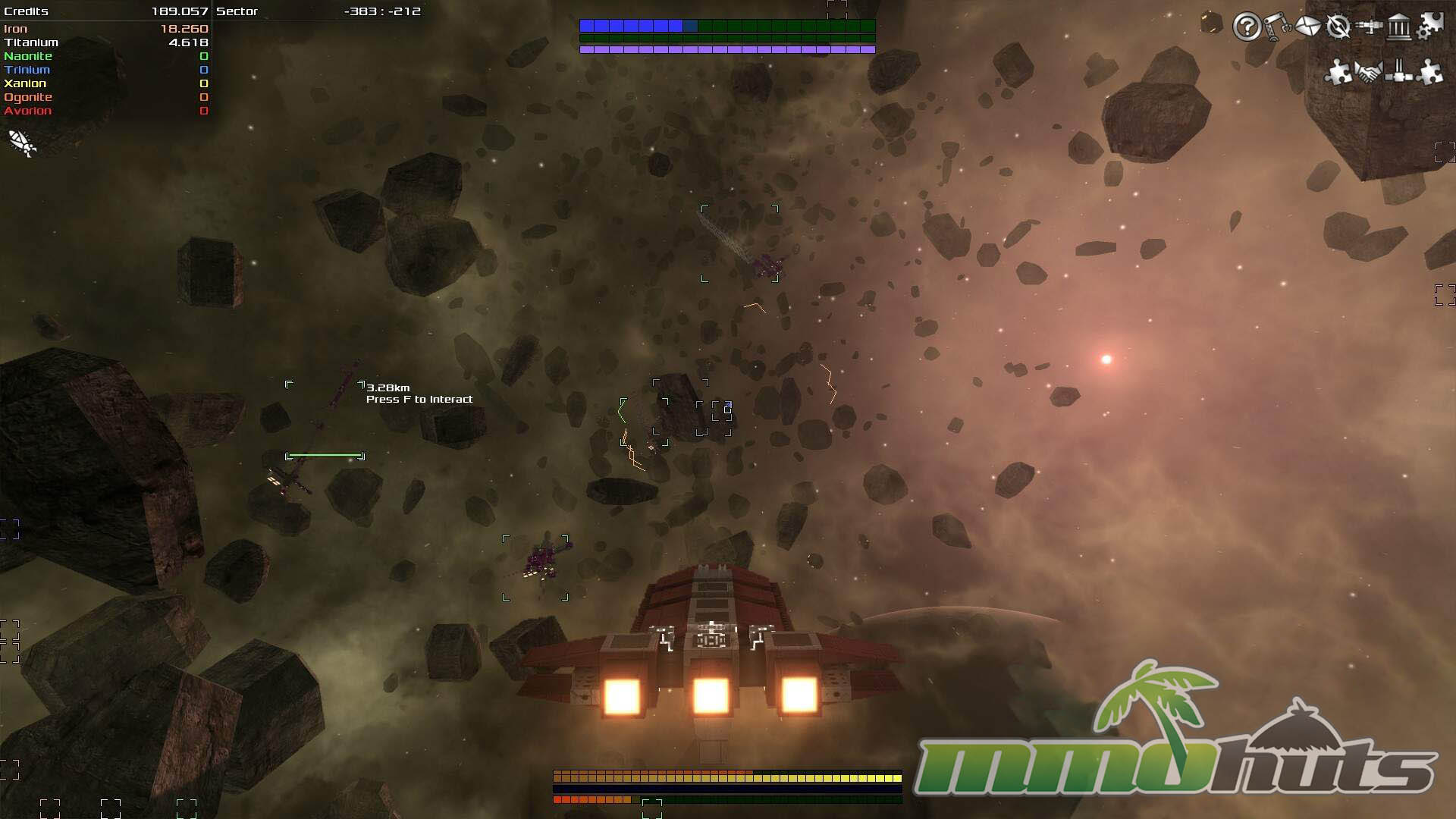
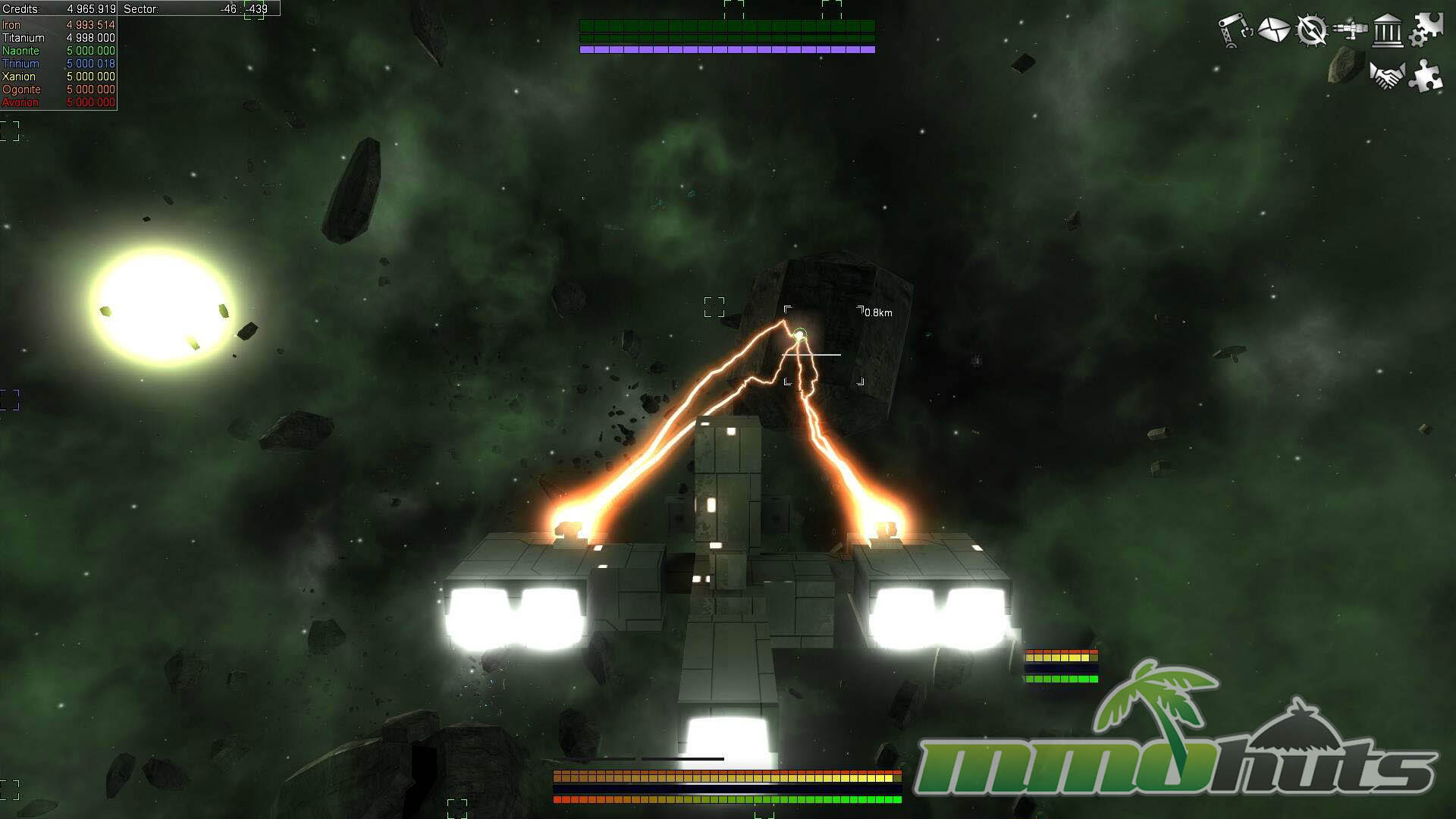
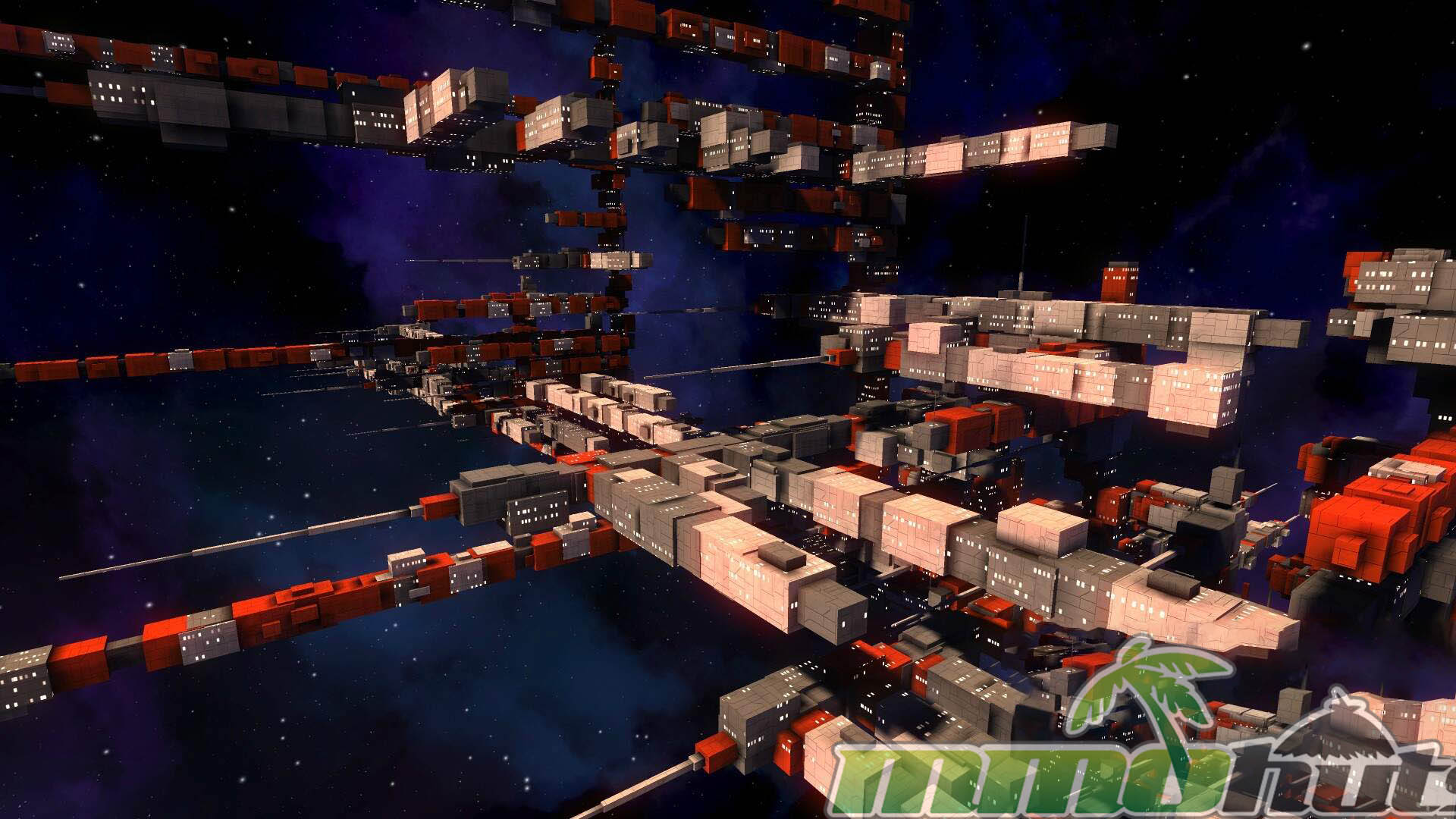
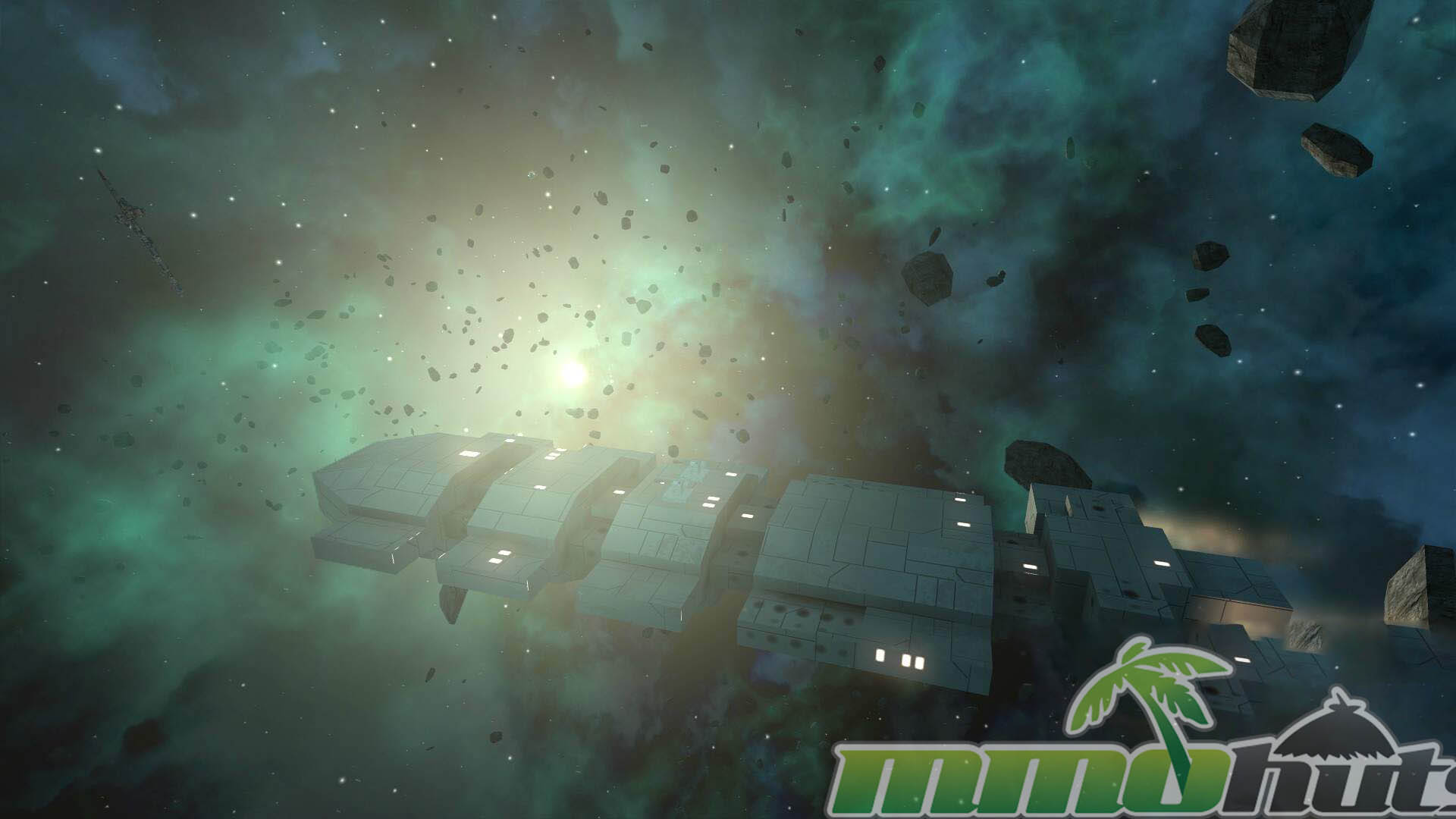
Orion Screenshots
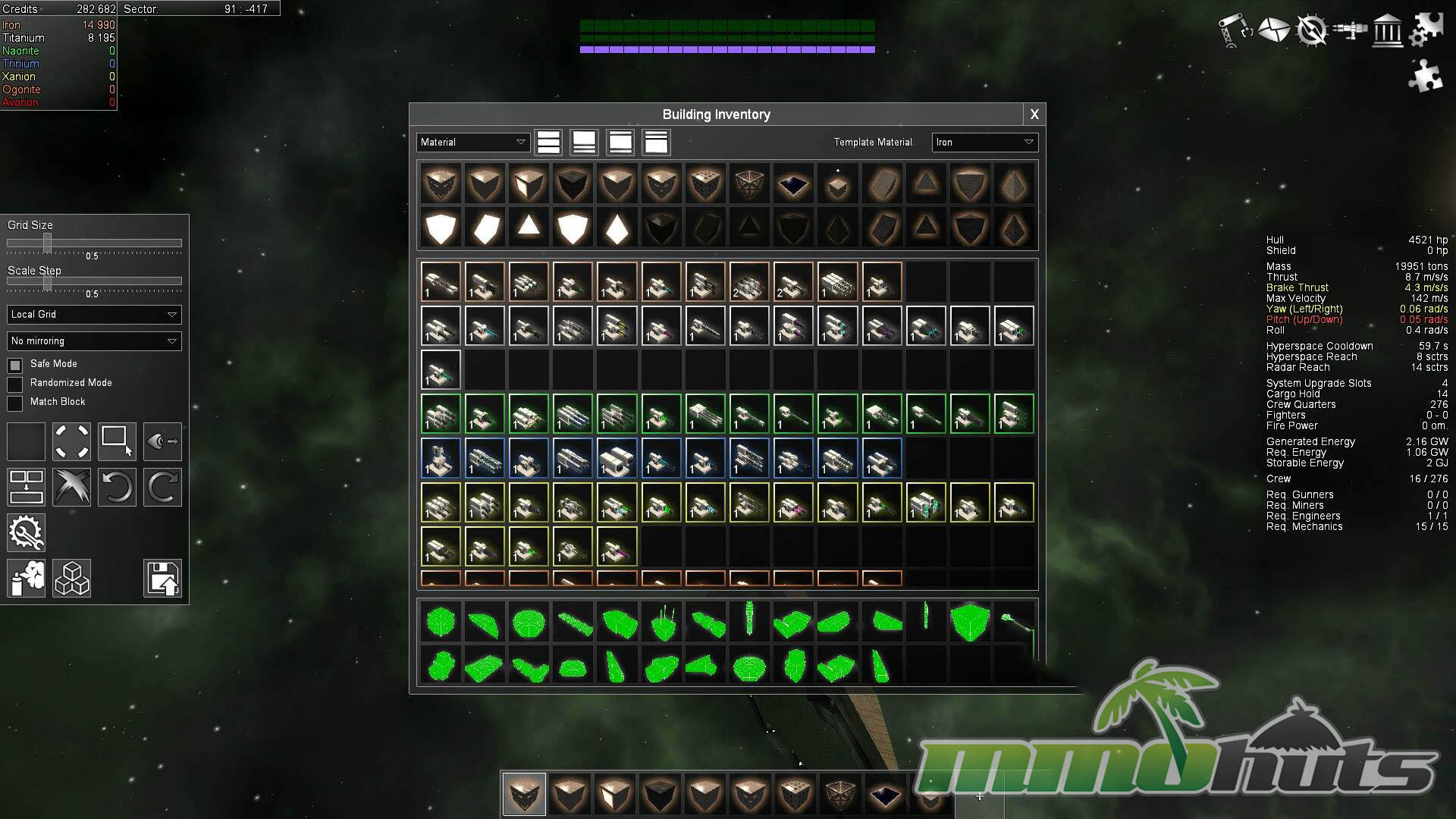

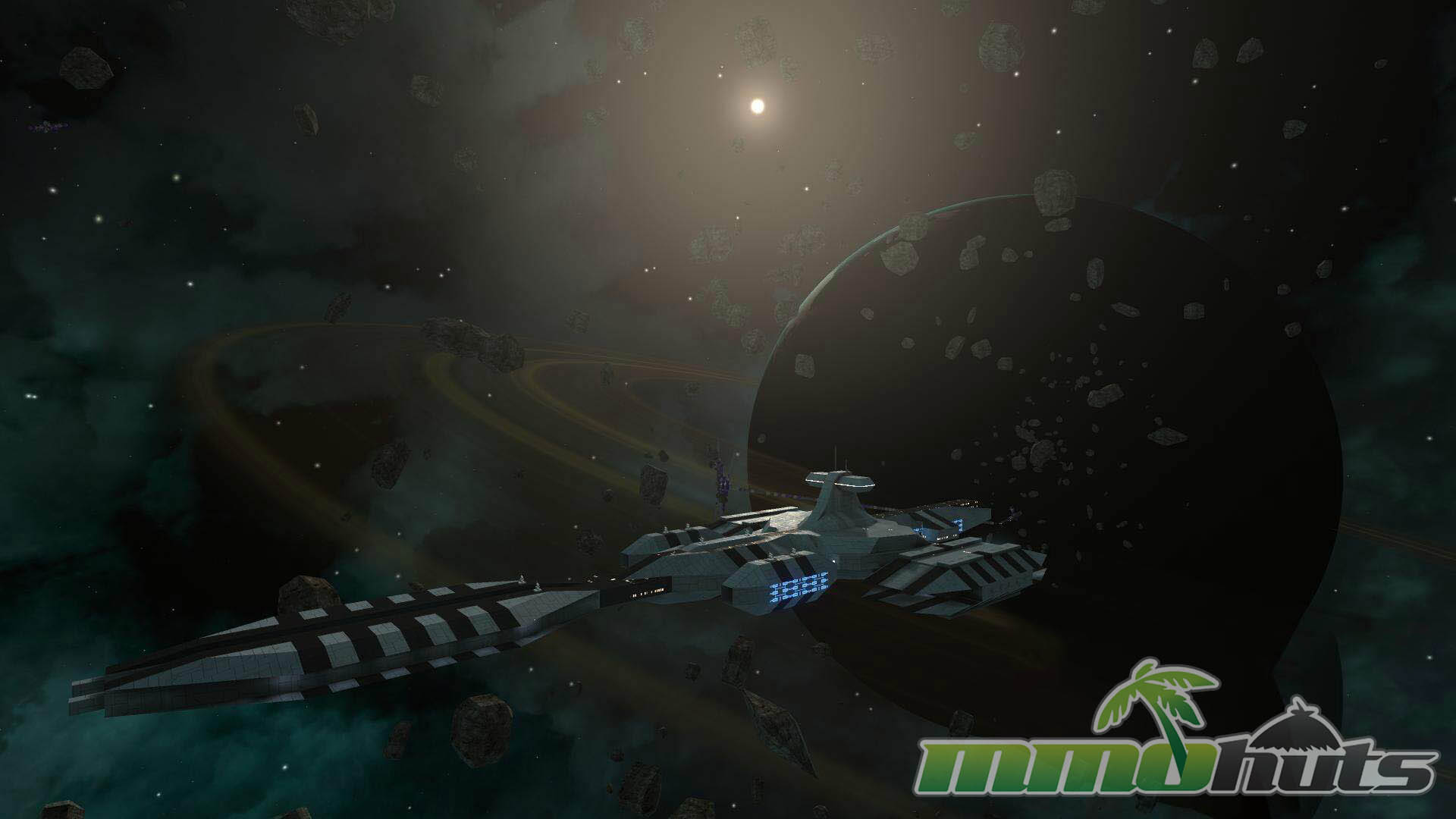
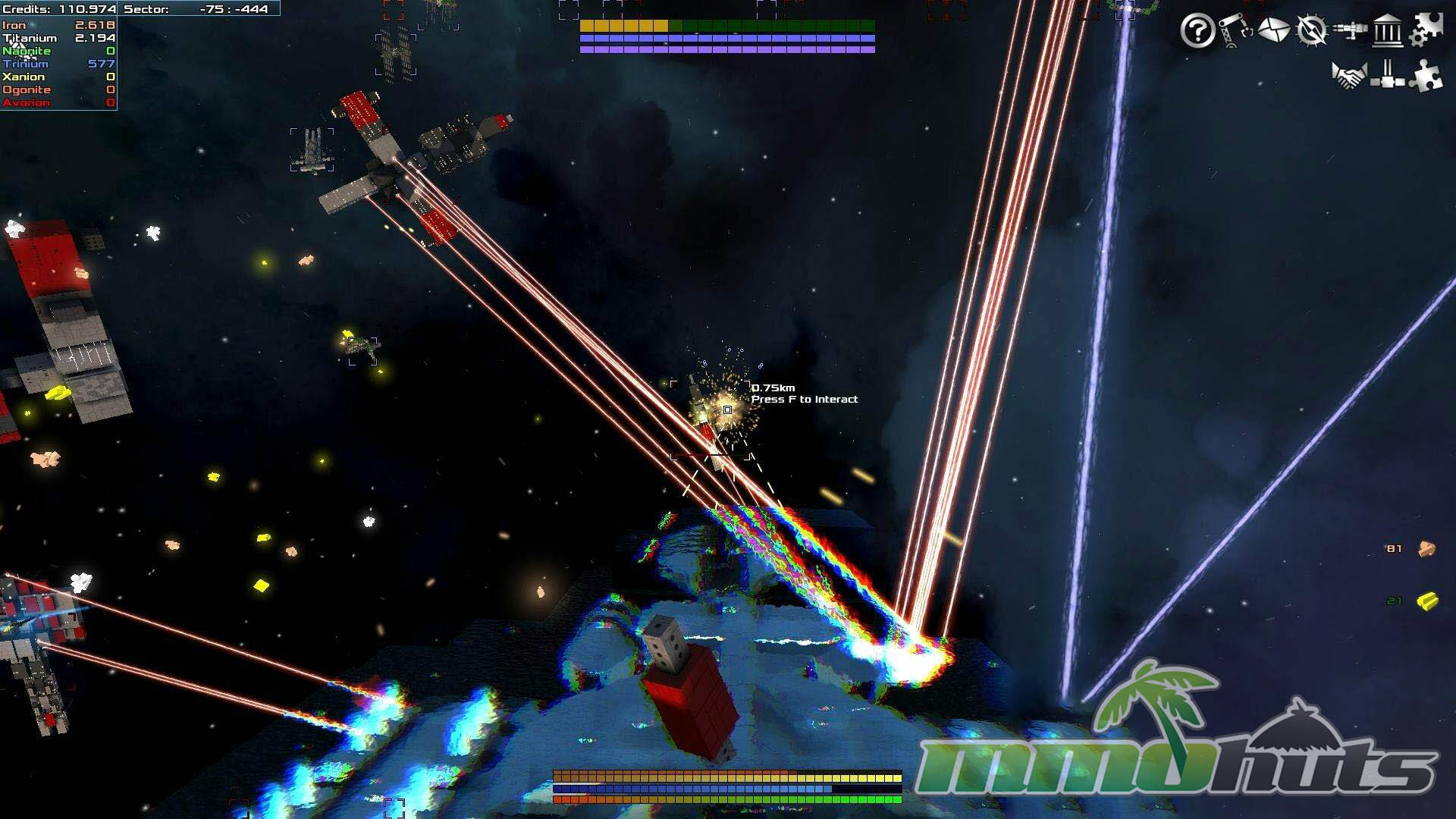
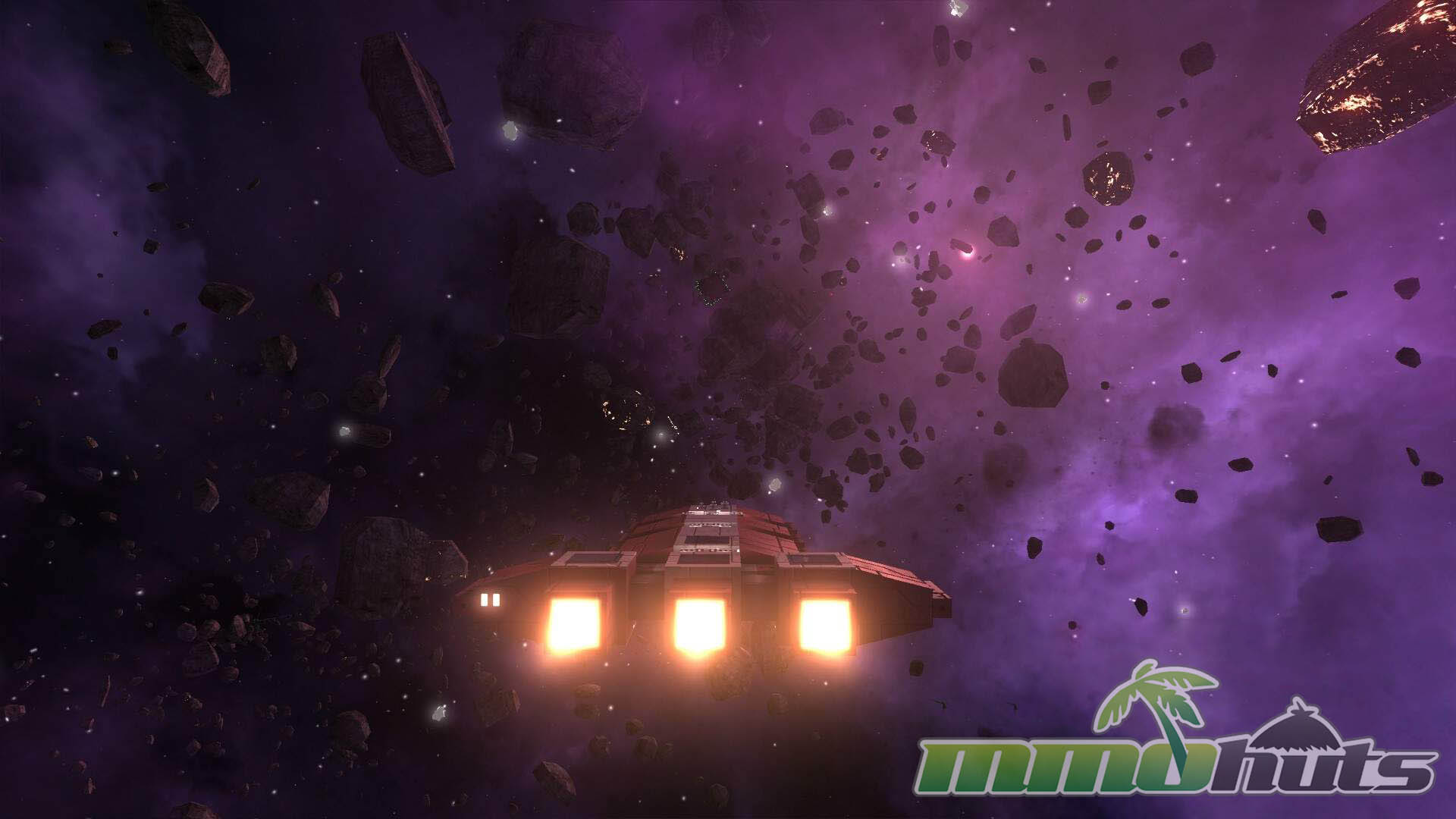
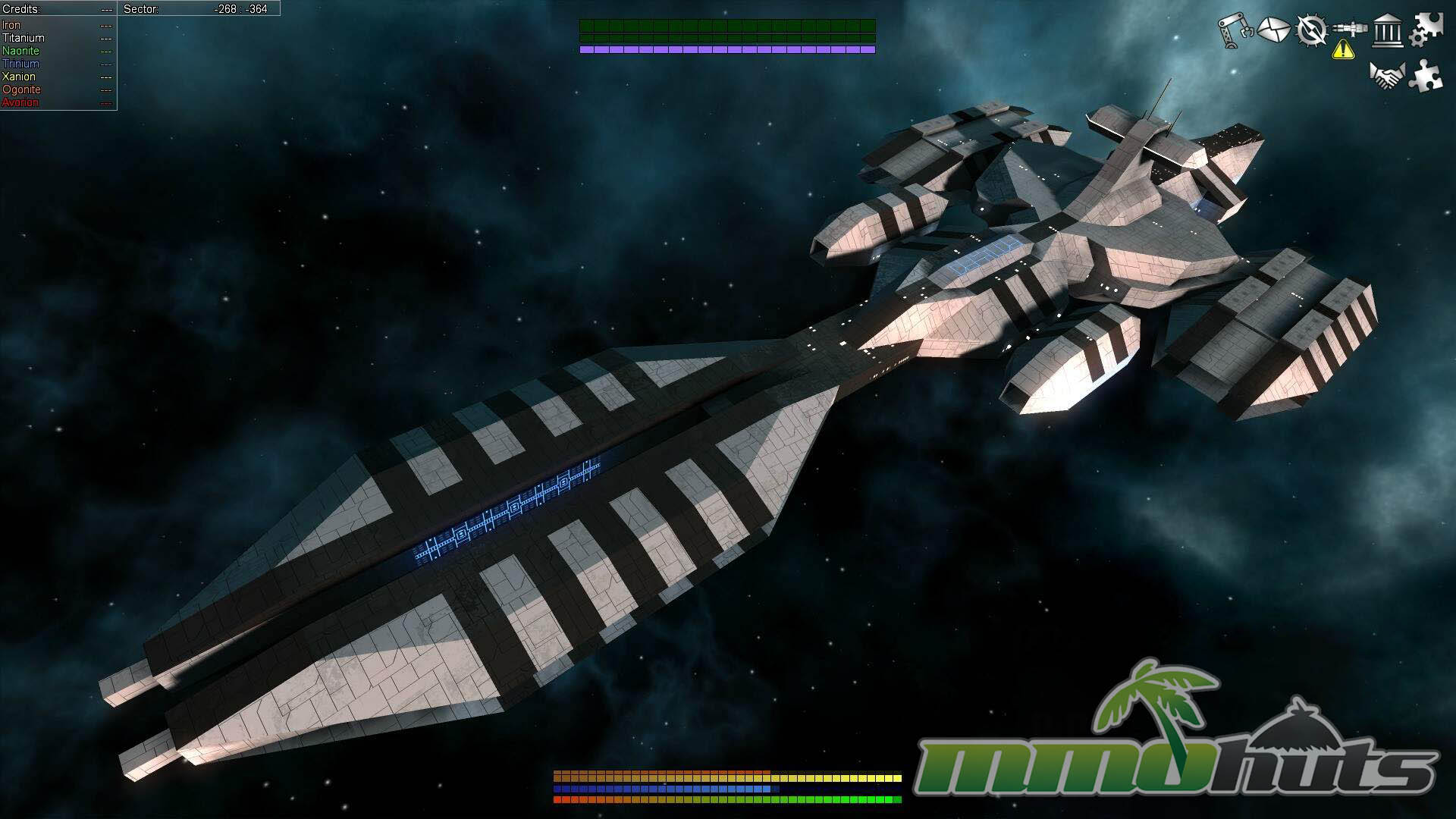
Orion Featured Video

Orion Review
Orion is the kind of project that grabs attention immediately because it combines several crowd-pleasing ideas, sci-fi gunplay, open-zone exploration, and dinosaurs as a primary enemy type. In practice, the experience is shaped as much by that ambitious pitch as it is by the realities of balance, expectations, and whether you are approaching it as a casual co-op shooter or hoping for something closer to a long-term online RPG. If you go in looking for a straightforward, lightly structured shooter sandbox, it can deliver bursts of fun, especially when you have a squad and a clear goal for a session.
Moment to moment, the best part of Orion is the flexibility of how you engage in combat. Having three camera perspectives is not just a novelty, it changes how you read the battlefield and how comfortable different players feel while aiming, moving, and tracking enemies. The survival-style content leans into satisfying spectacle, with rushing waves and the occasional scramble that comes from being outnumbered. When the pacing is right, that is where the game feels most coherent, you are improving gear, testing builds, and seeing whether your team can stabilize when the pressure spikes.
Mechs also add an enjoyable layer to the combat loop. The existence of weight classes helps them feel like more than a single “ultimate” button, because each class implies tradeoffs between durability, mobility, and the kinds of maneuvers you can pull off. Jumping into a mech can change the tone of a fight, giving you a short-term advantage and a different set of movement rhythms. It is a strong idea for variety, and it supports the game’s larger theme of escalating tech versus primal threats.
Where Orion stumbles is in the surrounding systems and trust factors. The presence of pay-to-win concerns can undercut the satisfaction of progression, since players may question whether outcomes are driven by skill and time investment or by spending. That matters even more in a game that promotes leaderboards and competitive comparison, because fairness is part of what keeps repeat attempts motivating. On top of that, the project has been linked to controversies about the developer’s integrity with crowdfunding money, and it is difficult to separate community perception from enjoyment when the game’s long-term promise depends on confidence in future support.
Content direction is another source of friction. Orion has historically been talked about in terms of what it plans to become, but when updates change in scope or arrive with altered priorities, it can leave players unsure what they are committing to. That uncertainty is especially tough for a multiplayer title with a low playerbase, since a smaller community means the game relies on consistency and clear development communication to keep matchmaking and social play healthy.
Overall, Orion is best approached as a niche sci-fi shooter with some creative ideas and a striking theme, rather than as a fully dependable online platform you can expect to grow steadily. If you are curious about open-biome sessions, crafting-driven upgrades, and dinosaur survival combat, there is entertainment to be found, provided you can accept the tradeoffs and the uneven edges that come with the game’s broader history and monetization concerns.
Orion Links
Orion Official Site
Orion Steam Page
Orion Kickstarter
Orion Forums [Official]
Orion Reddit
Orion System Requirements
Minimum Requirements:
Operating System: Windows 7 / 8 / 10
CPU: Quad-Core Intel/AMD Processor
RAM: 4 GB RAM
Video Card: NVIDIA GeForce 500 Series/AMD Radeon 5000 Series or higher (SM3)
Hard Disk Space: 8 GB available space
Recommended Requirements:
Operating System: Windows 7 /8 /10
CPU: Quad-Core Intel/AMD Processor
RAM: 8 GB RAM
Video Card: NVIDIA GeForce 700 Series/AMD Radeon 7000 Series or higher (SM3)
Hard Disk Space: 8 GB available space
Orion Music & Soundtrack
Coming soon!
Orion Additional Information
Developer(s): Trek Industries (including David Prassel), Spiral Game Studios
Publisher(s): Trek Industries
Platform(s): PC
Game Engine: Unreal Engine 4
Kickstarter Start: October 29, 2016
Kickstarter End: December 28, 2016
Early Access: December 1, 2015
Release Date: December 2017
Development History / Background:
Orion is a sci-fi multiplayer shooter created by Trek Industries in collaboration with Spiral Game Studios, with Trek Industries also handling publishing duties. The studio is based in Chicago, Illinois, and the project is positioned as a follow-up to Orion: Prelude, an indie sci-fi shooter that originally launched in April 2013. Built using Unreal Engine 4, Orion later ran a Kickstarter campaign during late 2016, spanning October through December, to secure additional funding. It previously entered Steam Early Access on December 1, 2015, and was discussed with an intended full release window of December 2017.