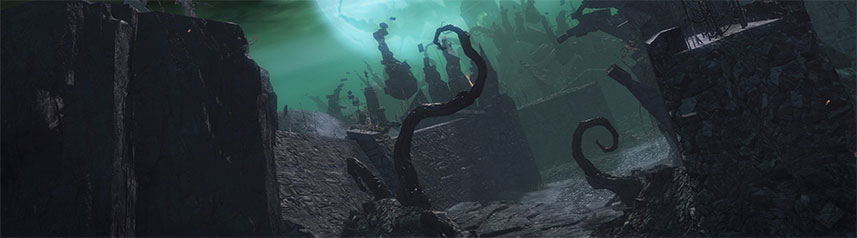
One Piece Online 2 (sometimes referred to as One Piece 2: Pirate King) is a 2D browser MMORPG inspired by the One Piece manga and its long-running anime popularity. Designed around reliving familiar arcs, it leans on character collecting and party-based battles, letting players assemble a crew of recognizable faces and progress from island to island through story-driven quests.
 | Publisher: JoyGames Playerbase: Medium Type: Browser MMORPG PvP: Arena Release Date: September 25, 2015 Pros: +Faithful One Piece flavor and characters. +Wide spread of skills across classes and recruits. Cons: -Monetization can heavily influence power. -Questing and fights can feel samey over time. |

One Piece Online 2 Overview
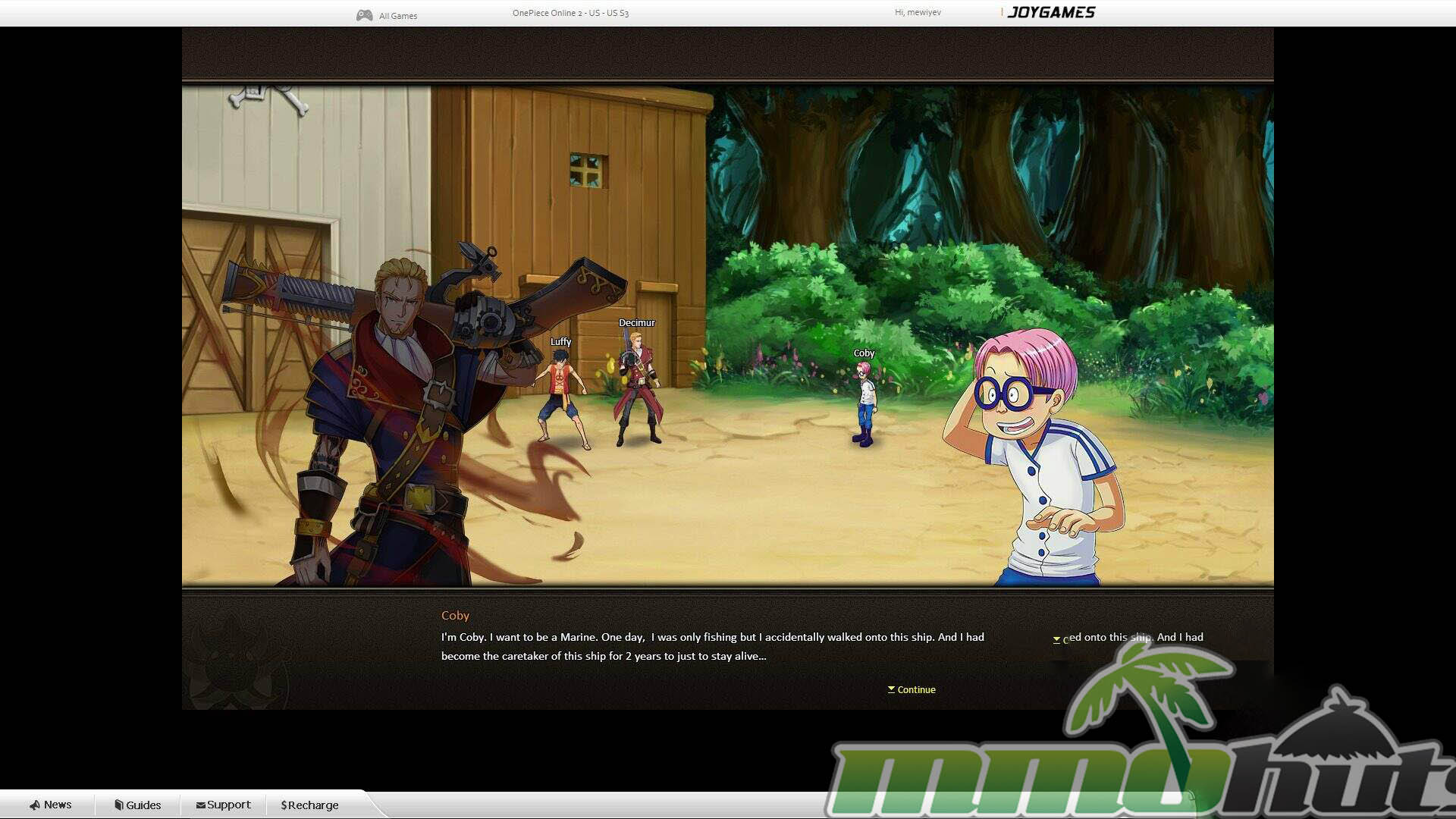
One Piece Online 2 is a free-to-play, unlicensed MMORPG that draws directly from the One Piece universe, following the familiar premise of a rising pirate and his allies pursuing the title of Pirate King and the legendary treasure. Play begins with choosing one of four classes, each locked to a specific gender and built for a defined combat role: Sailor, Dark Mage, Sniper, and Doctor. After the initial setup, the game quickly introduces well-known figures from the series as tutorial-style companions, then pushes you into early recruitment steps that bring Luffy into your lineup.
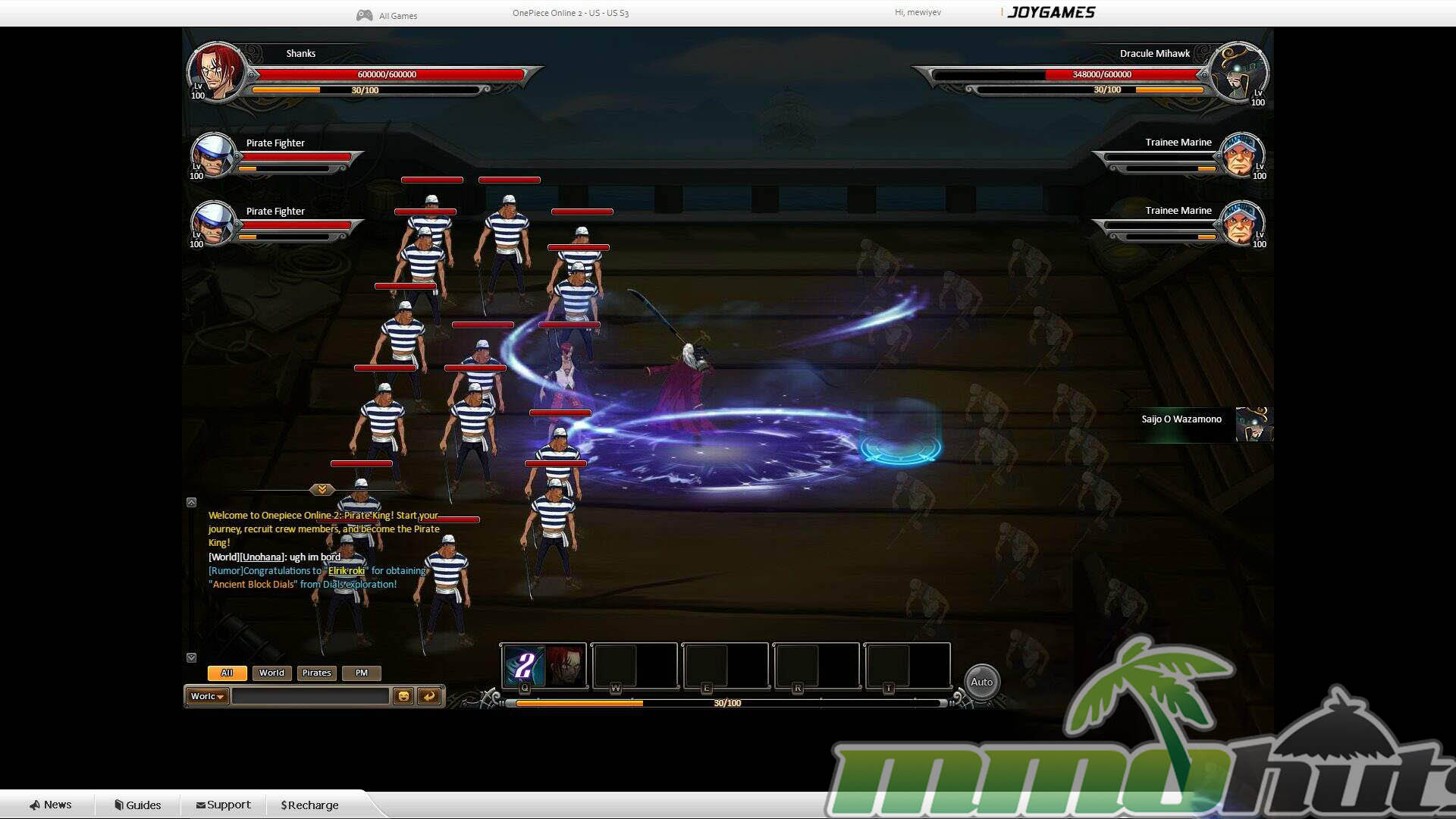
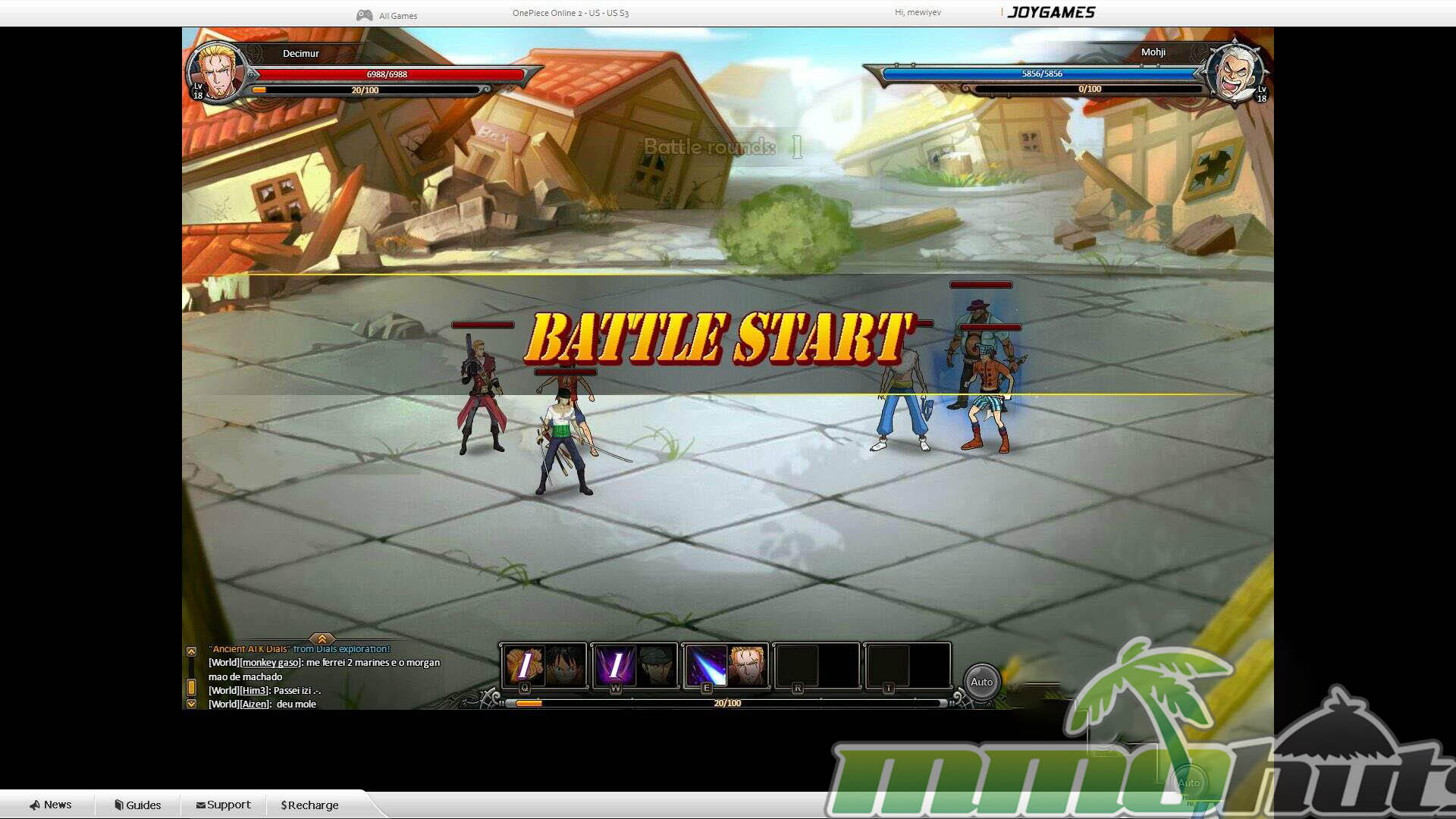
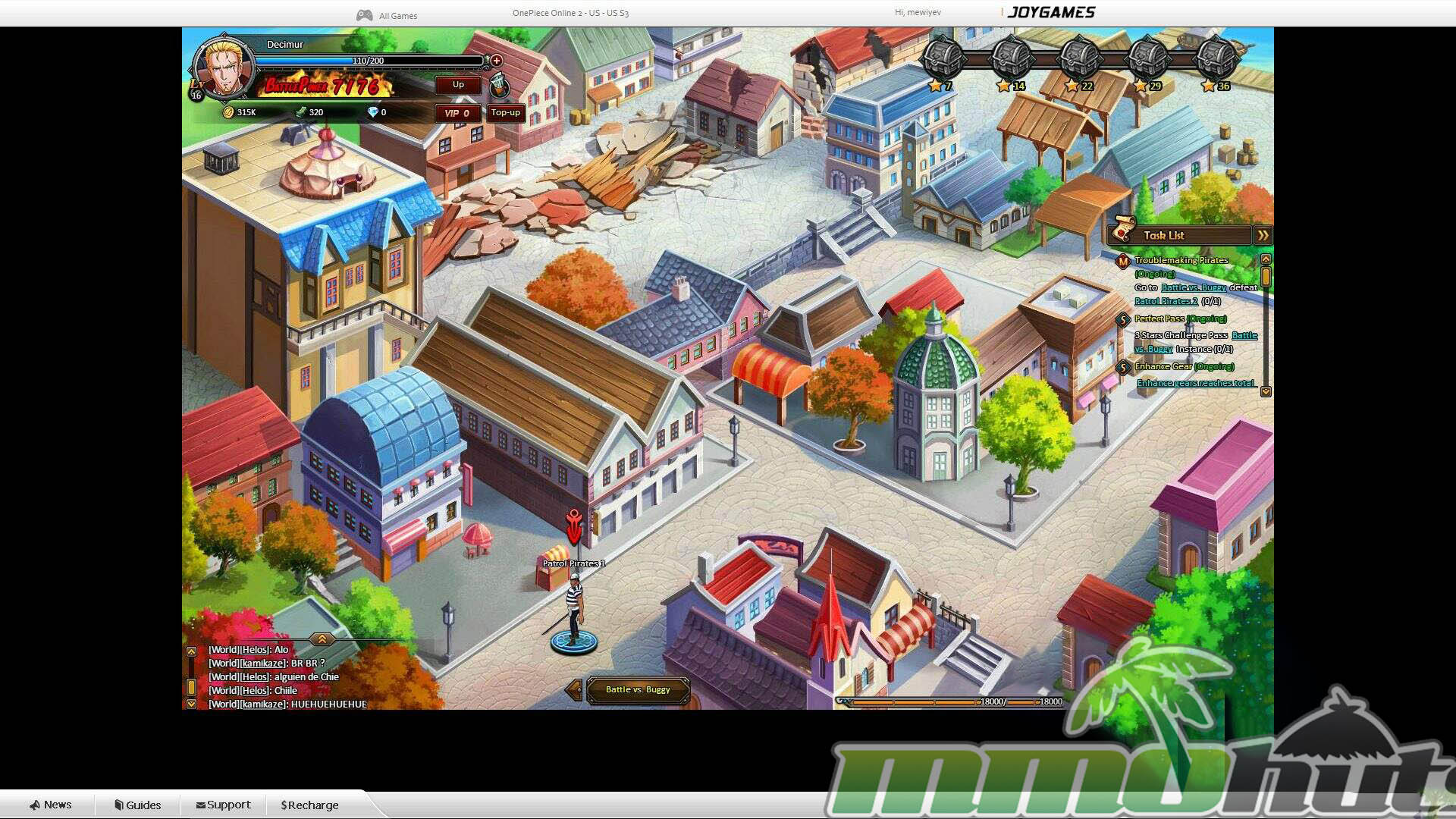
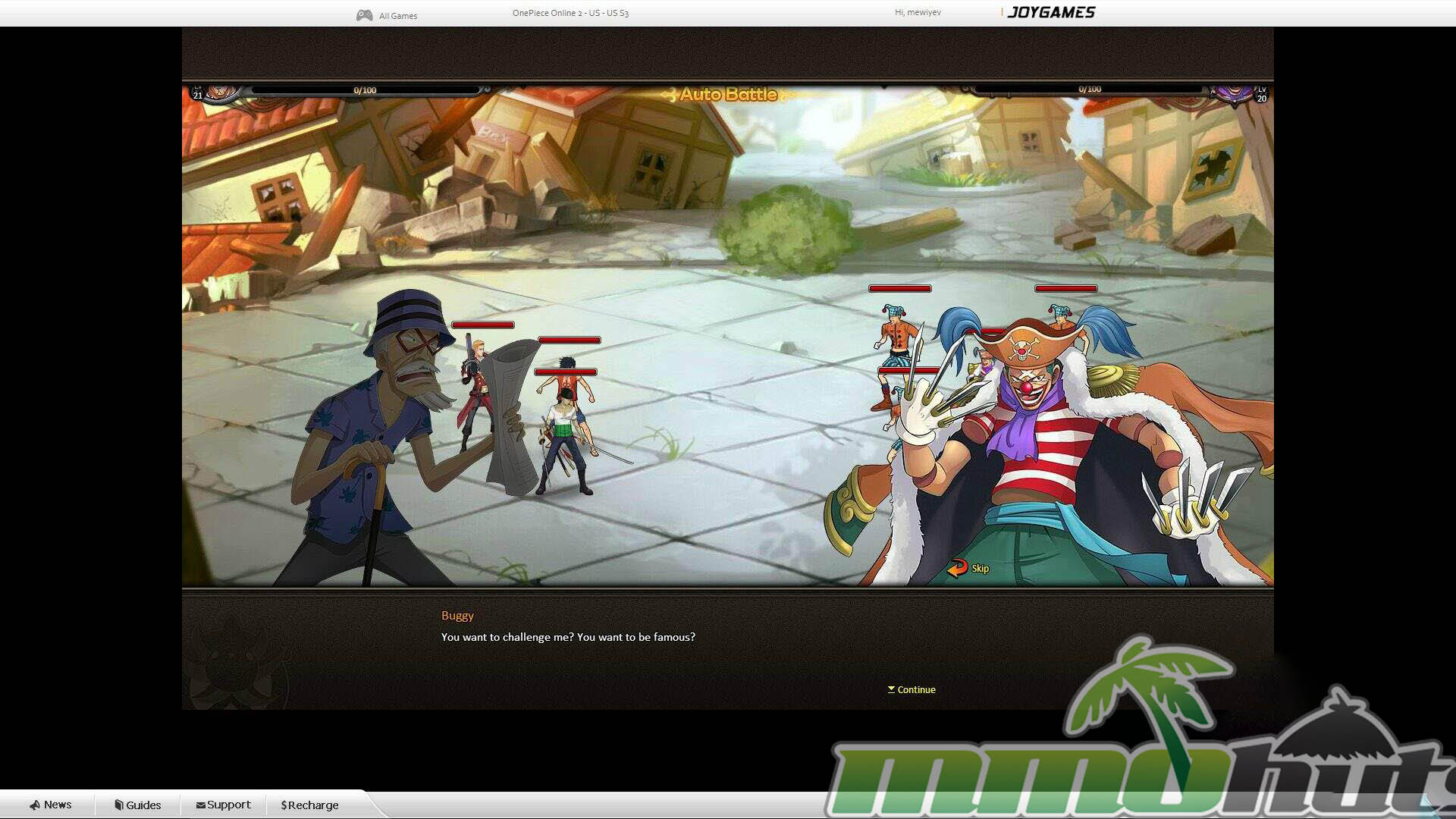
Progression is structured around building a team rather than developing a single avatar alone. New characters can be obtained from the Tavern using standard resources or premium currency, which is a central part of the game’s long-term loop. Battles are largely hands-off, with characters executing basic actions automatically while players trigger abilities, and later the game allows skills to be automated as well once you reach level 20. The quest chain is framed as a tour through key story beats, hopping between islands and confronting recognizable enemies while advancing through a steady stream of objectives and unlocks.
Outside the main story path, One Piece Online 2 offers multiple side activities meant to break up the routine. PvE options include modes such as Elite Battles and Devil Oars, while PvP is represented through arena-style formats like Pirate Battles and Team Battles. Overall, the experience is aimed at players who enjoy collecting characters, optimizing party setups, and letting the auto-combat handle much of the grinding while they manage upgrades and progression systems.
One Piece Online 2 Key Features:
- Four Classes – Choose Sailor, Dark Mage, Sniper, or Doctor, each bringing distinct tools and combat roles for team play.
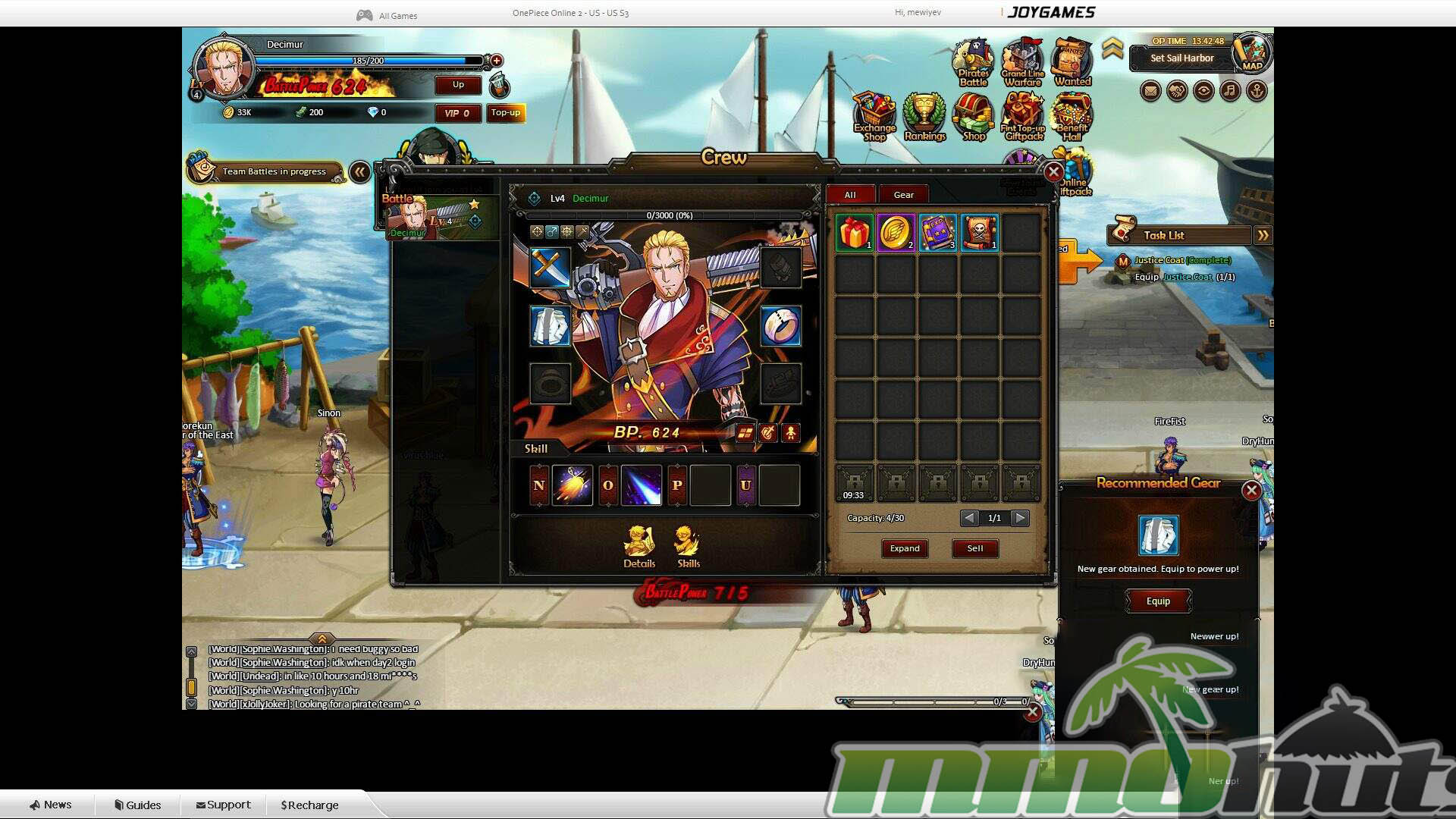
- Tons of Recruitable Characters – Use the Tavern to add two-star and three-star characters from across the One Piece cast.
- Variety of PvE Modes – Take on different PvE activities such as Grand Line Warfare, Team Battles, Devil Oars, Bounty Task, Skypiea Exploration, and additional modes.
- Pirate Battles – Compete in Pirate Battles from Monday through Wednesday and climb the rankings with your best team setups.
- Auto-play Mechanics – Rely on the Auto function to clear fights faster and keep progression moving during routine tasks.
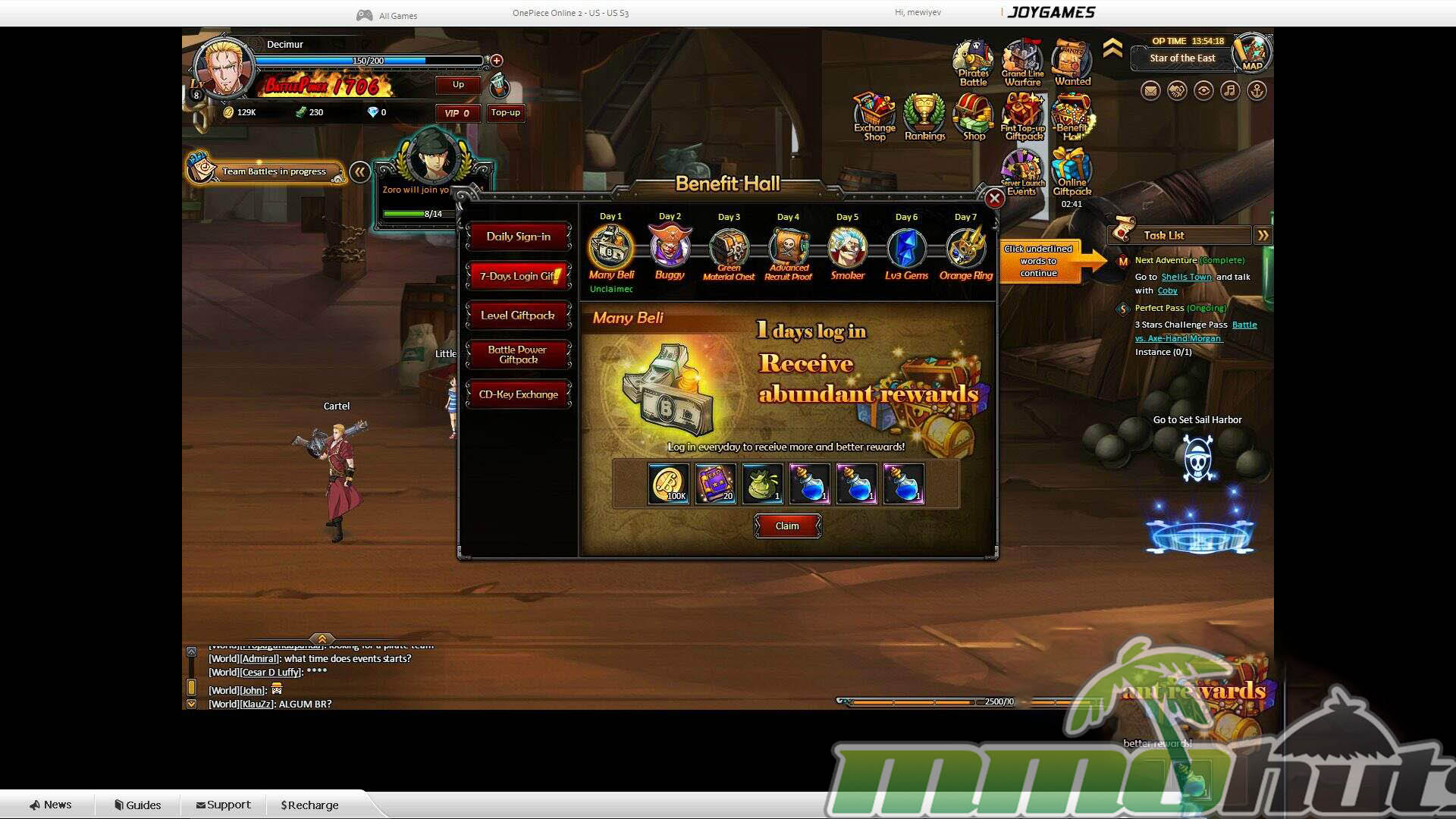
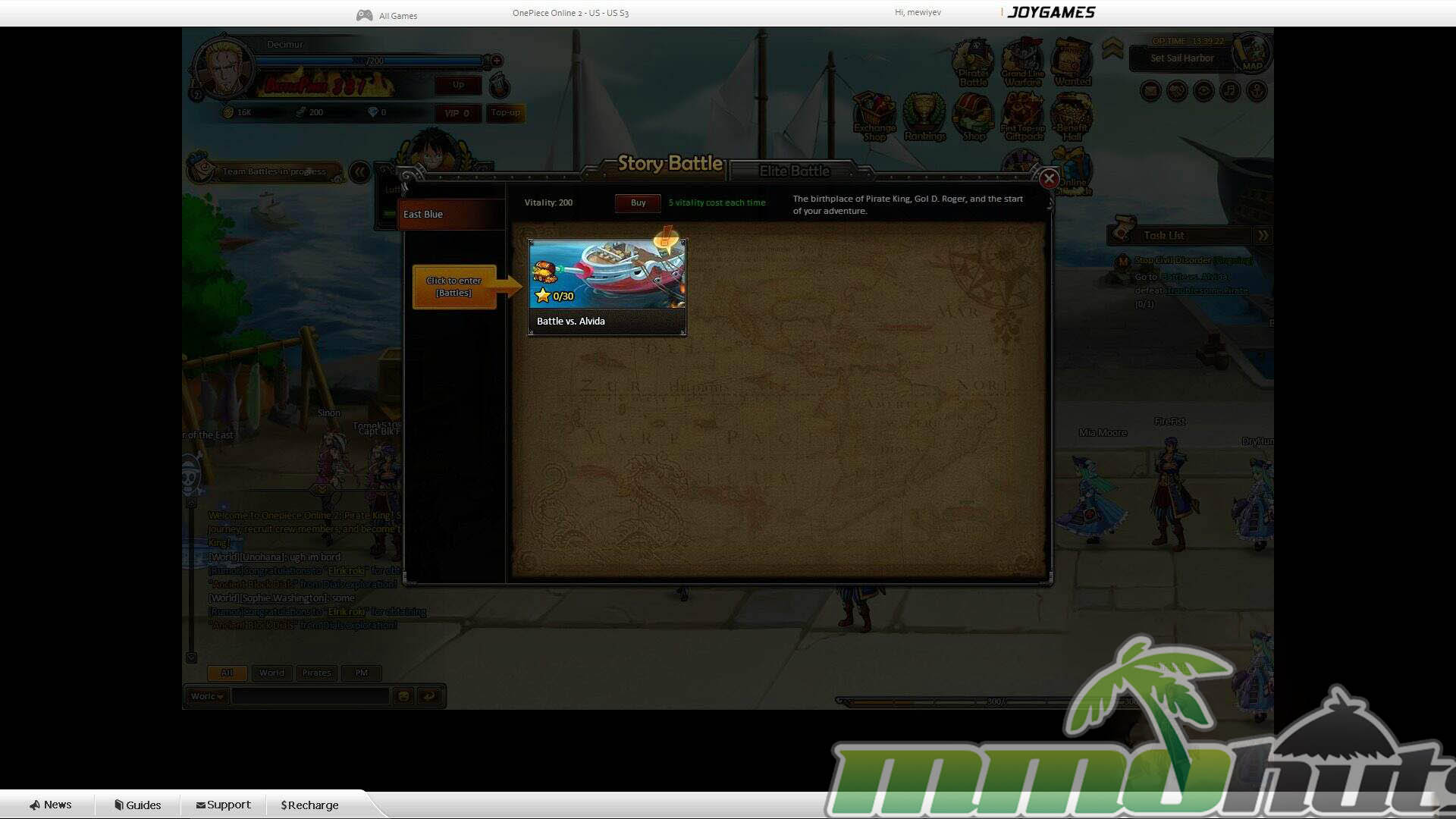
One Piece Online 2 Screenshots





One Piece Online 2 Featured Video

One Piece Online 2 Review
One Piece Online 2 fits neatly into the browser MMO niche built around party management, collectible heroes, and semi-automated combat. It is less about hands-on action and more about building a roster, arranging synergies, and steadily increasing power through upgrades and recruitment. If you have played other anime-themed browser titles in a similar style, the overall cadence will feel familiar, with story quests acting as the spine and side modes serving as the daily routine.
A familiar journey, presented as a guided campaign
The story track is essentially a greatest-hits route through One Piece arcs, using quest chains to move you from location to location. Progress tends to be rapid early on, with frequent rewards, new systems opening up, and constant prompts to strengthen your team. For fans, the biggest draw is seeing recognizable characters appear frequently as allies, enemies, or recruitment targets, even if the presentation is more functional than cinematic.
Combat is about timing skills, until it is not
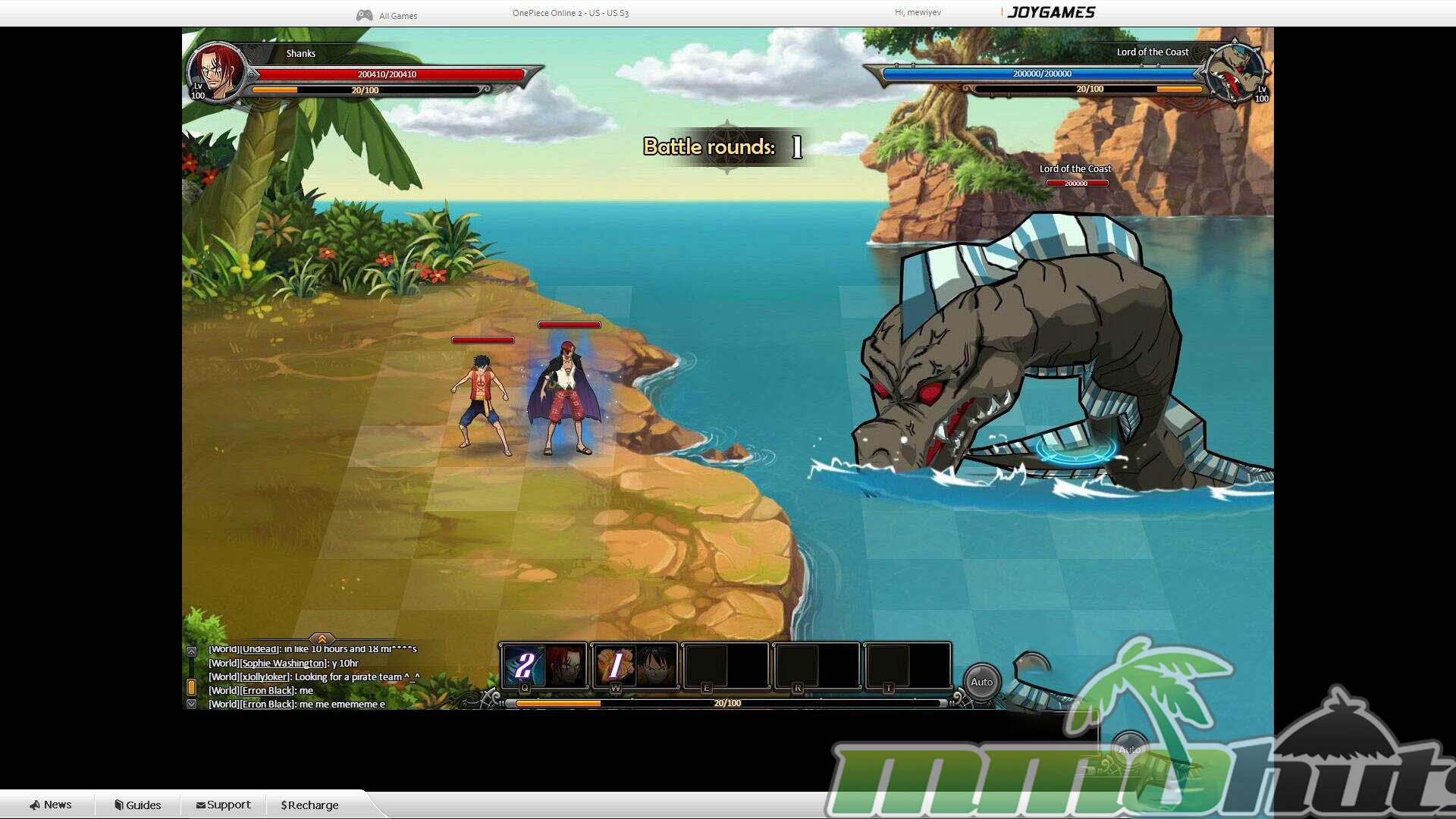
Fights play out with automatic basic attacks and a focus on skill activations. Early battles can feel slightly more interactive because you are deciding when to use key abilities, but the game’s eventual automation of skills (available after level 20) shifts the experience toward an idle-friendly rhythm. At that point, the moment-to-moment gameplay becomes less about execution and more about preparation, namely whether your lineup, levels, and upgrades are sufficient for the next difficulty step.
Classes and roles matter most when content gets tougher
The four starting classes are built around party roles, so team composition becomes more noticeable when enemies start punishing weak setups. Sniper-style damage, Doctor-style support, and other archetypal functions help define how you approach tougher PvE stages and arena matchups. Much of the strategy comes from combining your class kit with recruited characters, then improving the whole squad through the game’s progression systems.
Character recruitment is the core hook
The Tavern is where the game’s long-term engagement lives. Collecting two-star and three-star units adds variety, but it also reinforces the importance of currencies and repeated pulls. Over time, your power curve can become closely tied to how effectively you can recruit and improve stronger characters. This is fun for collectors, but it can also create frustration when progress depends more on roster luck or premium resources than on tactical play.
PvE and PvP modes provide structure, but repetition sets in
Modes like Elite Battles, Devil Oars, and other activities give players targets beyond the main quest line, and they help create a daily checklist that keeps progression moving. Pirate Battles and other PvP options offer competitive goals, though they often reflect raw team strength and optimization more than real-time decision-making. The downside is that many activities share the same combat flow and presentation, so the game can start to feel routine once you settle into the grind.
Monetization and power progression
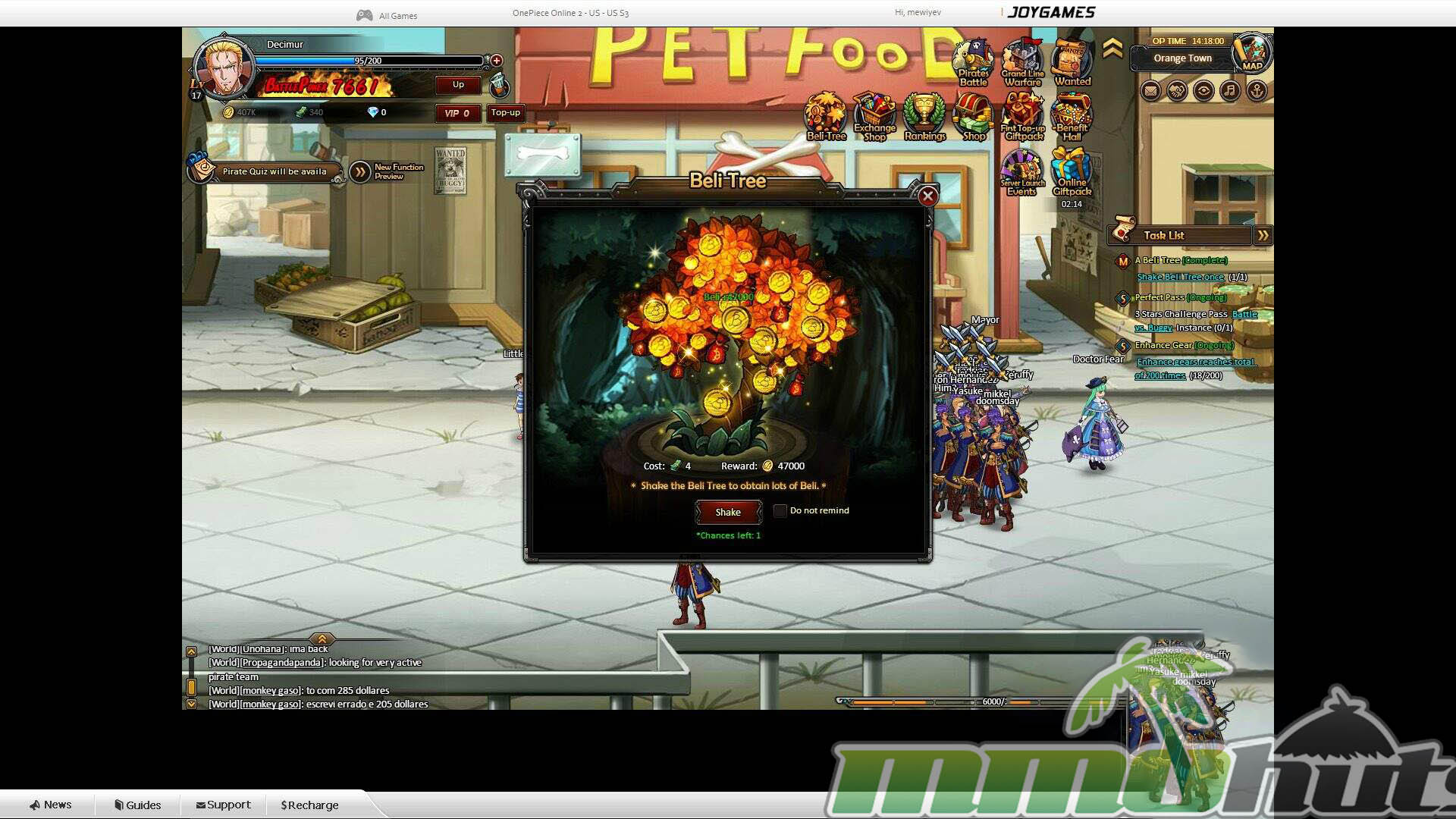
As with many free-to-play browser MMORPGs, there are pay-to-win pressures. Premium currency influences recruitment and can accelerate account growth, which is especially noticeable in PvP and in progression checkpoints where your team needs a sizable power bump. Players willing to treat the game as a long-term, slower grind can still enjoy it, but anyone seeking a more even competitive field may find the economy discouraging.
Overall, One Piece Online 2 is best suited to One Piece fans who like roster-building games and do not mind auto-combat. It is easy to jump into, offers a steady stream of unlocks, and leans heavily on the appeal of the franchise, but the repetition and monetization are hard to ignore once the early progression rush fades.
One Piece Online 2 Online Links
One Piece Online 2 Official Site
One Piece Online 2 Official Forums
One Piece Online 2 System Requirements
Minimum Requirements:
Operating System: XP / Vista / 7 / 8 / 10 / OSX
CPU: Intel Pentium 4 or AMD Equivalent
Video Card: Any Graphics Card (Integrated works well too)
RAM: 512 MB
Hard Disk Space: 100 MB (Cache)
Because One Piece Online 2 runs in the browser and is Flash-based, it is generally lightweight and should perform well on most systems. A current web browser on a typical PC setup is usually enough for stable play.
One Piece Online 2 Music & Soundtrack
Coming Soon…
One Piece Online 2 Additional Information
Publisher: JoyGames
Release Date: September 25, 2015
Release Date (Closed Beta): September 21, 2015
Development History / Background:
One Piece Online 2 was released internationally through JoyGames, a China-based publishing platform known for bringing unlicensed titles to a wider audience. Official details on the game’s production are limited on the public-facing site, but coverage and platform messaging have suggested links to the same broader network associated with the JoyFun and GoGames portals, which also host games like Bleach Online and Unlimited Ninja Online. In practice, the overlap is noticeable in shared design sensibilities, particularly the interface structure, character recruitment emphasis, and the general style of automated, party-based combat.
Positioned as a follow-up to JoyGames’ earlier One Piece Online (a tower defense ARPG), One Piece Online 2 shifts the focus toward a more traditional browser MMORPG loop built on quest progression, team growth, and repeatable modes. The game launched on September 25, 2015, following a closed beta that began on September 21, 2015.