Nosgoth is a third-person, arena-style MMO shooter from Psyonix built around asymmetrical PvP, Humans with lethal ranged tools versus Vampires that rely on mobility and brutal melee. Set in the Legacy of Kain universe, it leans hard into quick rounds, team coordination, and vertical map play.
 | Publisher: Square Enix Playerbase: Medium Type: MMO Shooter Release Date: Jan 21, 2015 Shut Down Date: May 31, 2016 Pros: +Rapid, satisfying PvP. +Strong asymmetrical balance. +Cash shop stays fair. +Plenty of distinct classes. Cons: -Limited mode selection. -Occasional technical roughness. -Matchmaking issues. |
Nosgoth Shut Down on May 31, 2016
Nosgoth Overview
Nosgoth delivers grim, high-energy player versus player combat in an asymmetrical format that pits disciplined Human hunters against predatory Vampires. Each side plays by different rules, Humans rely on ranged damage and crowd control to survive, while Vampires use speed, climbing, and sudden engages to isolate targets and finish them quickly. The result is a match flow that feels closer to a tactical hunt than a standard shooter mirror match.
As a Human, you are equipped with purpose-built anti-vampire hardware, crossbows, explosives, traps, and alchemical tools that reward positioning and team spacing. As a Vampire, the game shifts into a mobility fantasy, you scale walls, traverse rooftops, and strike when the enemy line breaks, then disengage before the counterfire arrives. Across its two main modes, the game pushes cooperation, callouts, and coordinated bursts of damage rather than lone-wolf hero plays. Nosgoth officially shut down on May 31, 2016.
Nosgoth Key Features:
- Intense PvP – a fast, asymmetric PvP setup where Humans and Vampires bring different kits and win conditions, making coordination and timing essential, especially for Human teams.
- Immerse Yourself in Kain’s World – set in the Legacy of Kain timeline after Raziel’s execution and Kain’s leap forward in time, framing a violent conflict between the two factions.
- No Need To Pay –monetization is designed to avoid pay-to-win power spikes, keeping combat outcomes tied to play and team execution rather than purchases.
- Class Variety –two races with multiple classes each, encouraging players to learn both sides to understand matchups, counters, and map control.
- Awesome Production Value – moody gothic environments, strong sound work, and a dark tone that sells the setting and keeps matches feeling tense and oppressive.
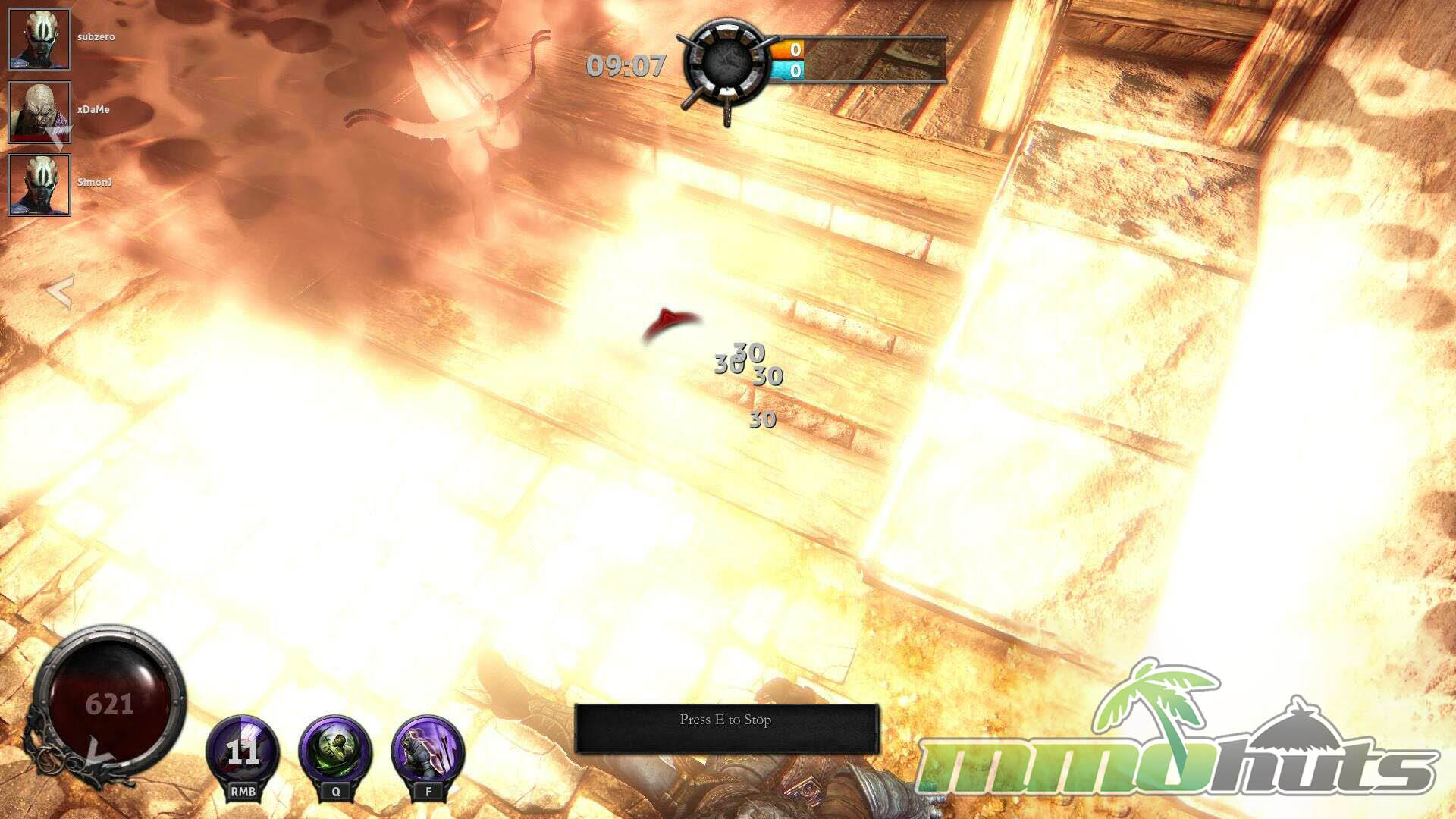
Nosgoth Screenshots






Nosgoth Featured Video

Nosgoth Classes
Humans:
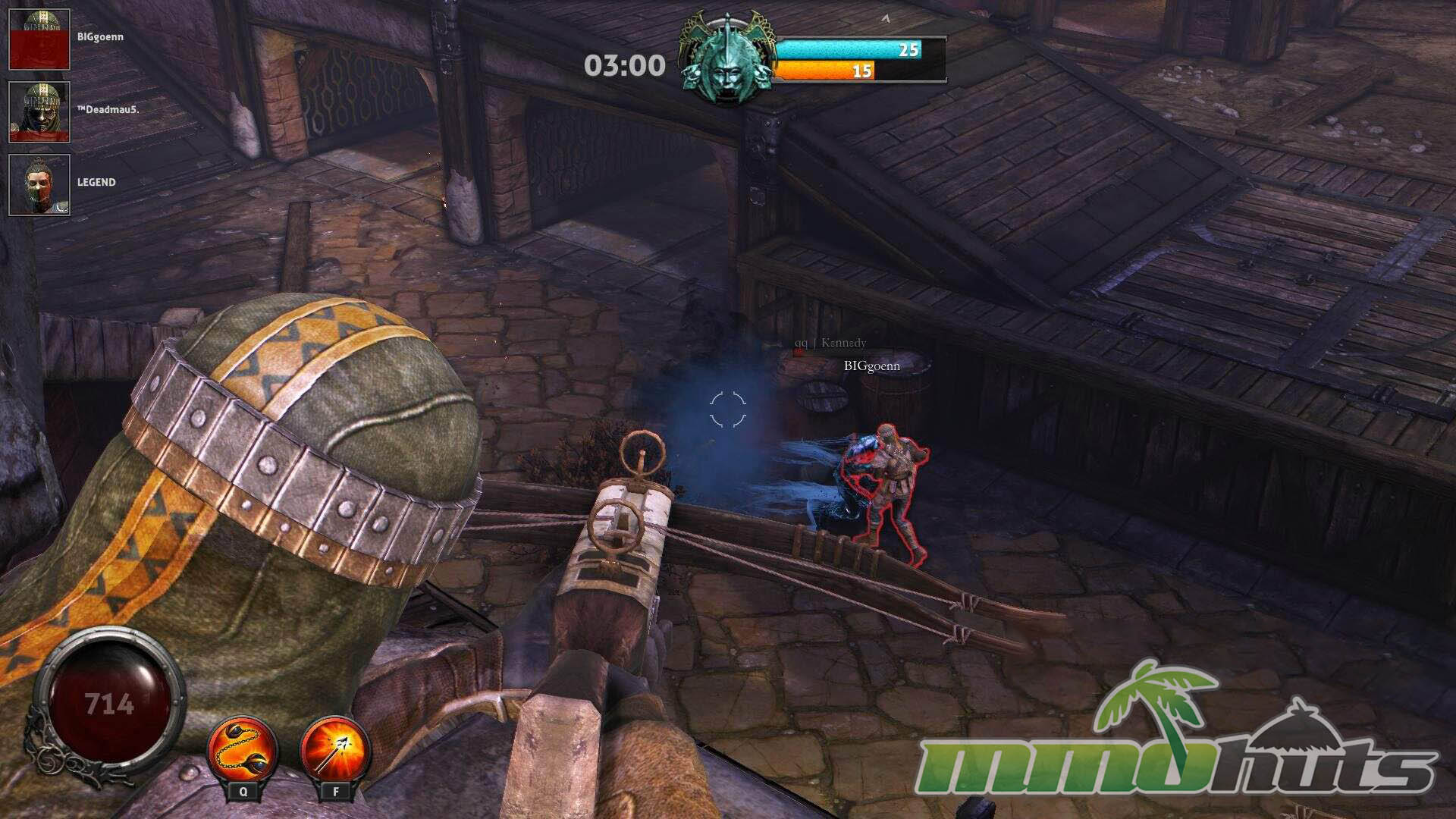
- Hunter –dedicated vampire slayers built around rapid-fire crossbows and anti-mobility control. Their Bolas can briefly hinder enemies, buying precious seconds for the team to focus fire.
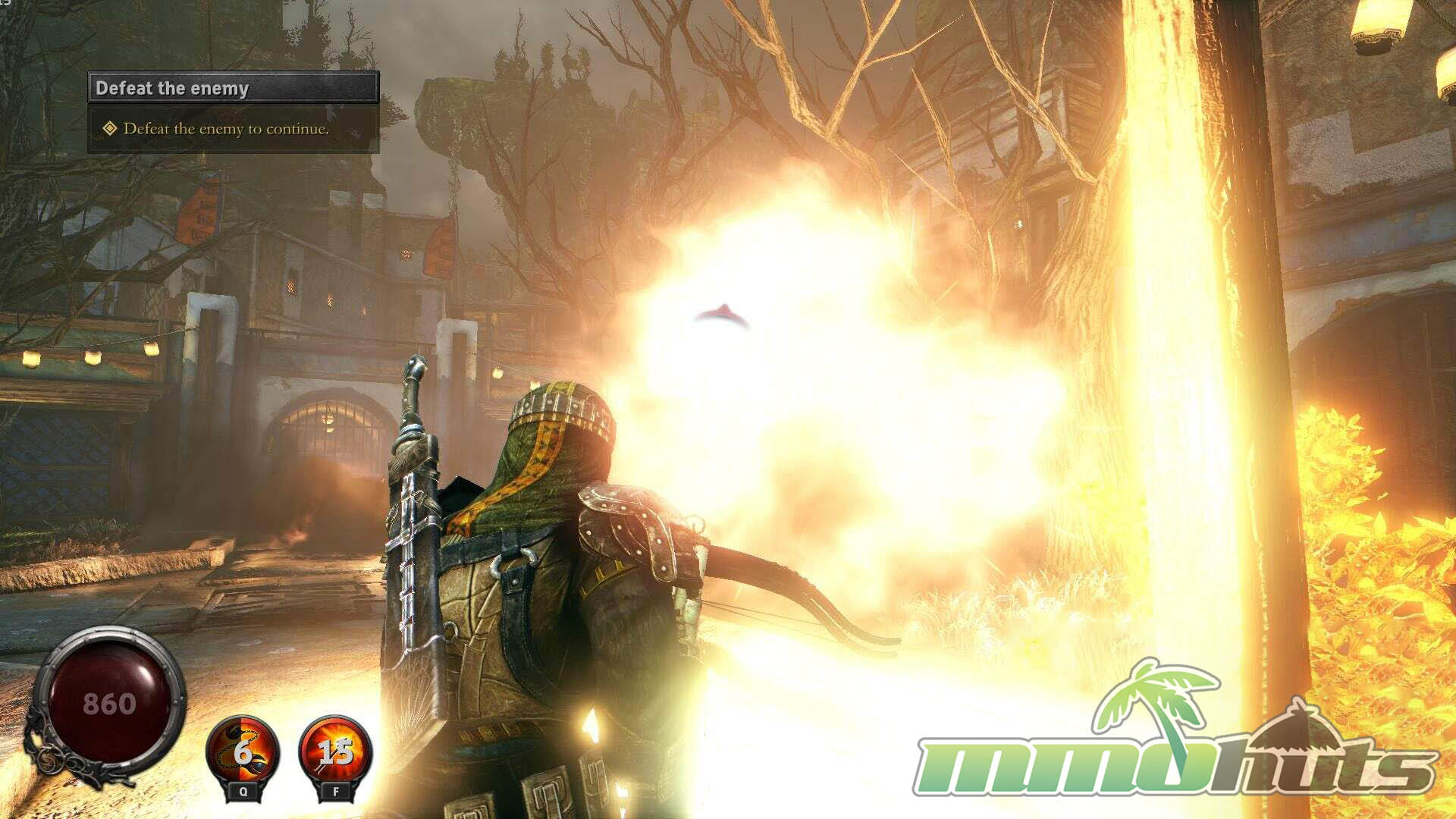
- Alchemist –an explosive-focused, female-only order that fights with impact-detonating hand cannons and a toolkit of thrown concoctions that can blind, poison, or create areas of flame.
- Scout –a long-range specialist that uses distance and terrain to chip targets down before they engage. They can also pressure close angles with throwing knives, zone areas with traps, or blanket positions with arrow volleys.
- Prophet –a blood-empowered sect that mixes debuffs and support with pistol fire. Their hexed shots can disrupt enemies by making targets incorporeal (shutting down attacks while reducing damage taken), and they can convert life force into healing for themselves or allies.
- Vanguard –a defensive front-liner that trades raw damage for protection and team utility. With shields capable of heavy damage reduction, they can hold angles, resist stagger, and provide buffs that improve ally movement and regeneration.
Vampires:
- Reaver –an initiator that thrives on surprise attacks and quick takedowns. Reavers use vertical routes to set up Pounce engages and carry bombs such as Shadow Bomb and Choking Haze for ambushes or escapes.
- Tyrant –a durable brawler designed to soak damage and crack open Human formations. With the highest health pool among Vampires, they can mitigate incoming damage with Ignore Pain and disrupt groups with a ground slam stun.
- Sentinel –a winged assassin tied to the remnants of Clan Razielim. Limited flight enables brutal picks and repositioning, with tools like Dive Bomb for heavy burst and Wing Flap to stagger and push enemies back.
- Deceiver –a stealth and misdirection specialist that punishes disorganized teams. They excel at slipping behind lines while disguised or invisible, then eliminating key targets with Backstab or spreading damage with Infect.
- Summoner –a caster-like Vampire using forbidden underworld magic for control and pressure. They deploy damage-over-time spheres that later detonate, call forth minions for added threat, and raise dark barriers that can block projectiles.
Nosgoth Review
Nosgoth was a free-to-play 3D MMOTPS developed by Psyonix and published by Square Enix. It entered open beta on January 21, 2015 and was available through Steam and Square Enix’s own site. While it carried the Legacy of Kain name, its focus was not a narrative campaign, it was built almost entirely around competitive multiplayer matches.
The setting is the war-torn world of Nosgoth, where Vampires dominate and Humans fight for survival and revenge. The premise draws from the Legacy of Kain timeline, placing the conflict after Raziel’s execution and Kain’s disappearance through the Chronoplast, events that spark upheaval among vampire clans and give humans room to rise as an organized resistance. It is essentially a lore backdrop for what the game does best, tense rounds of faction-versus-faction PvP.
Learning the Basics Without Wasting Time
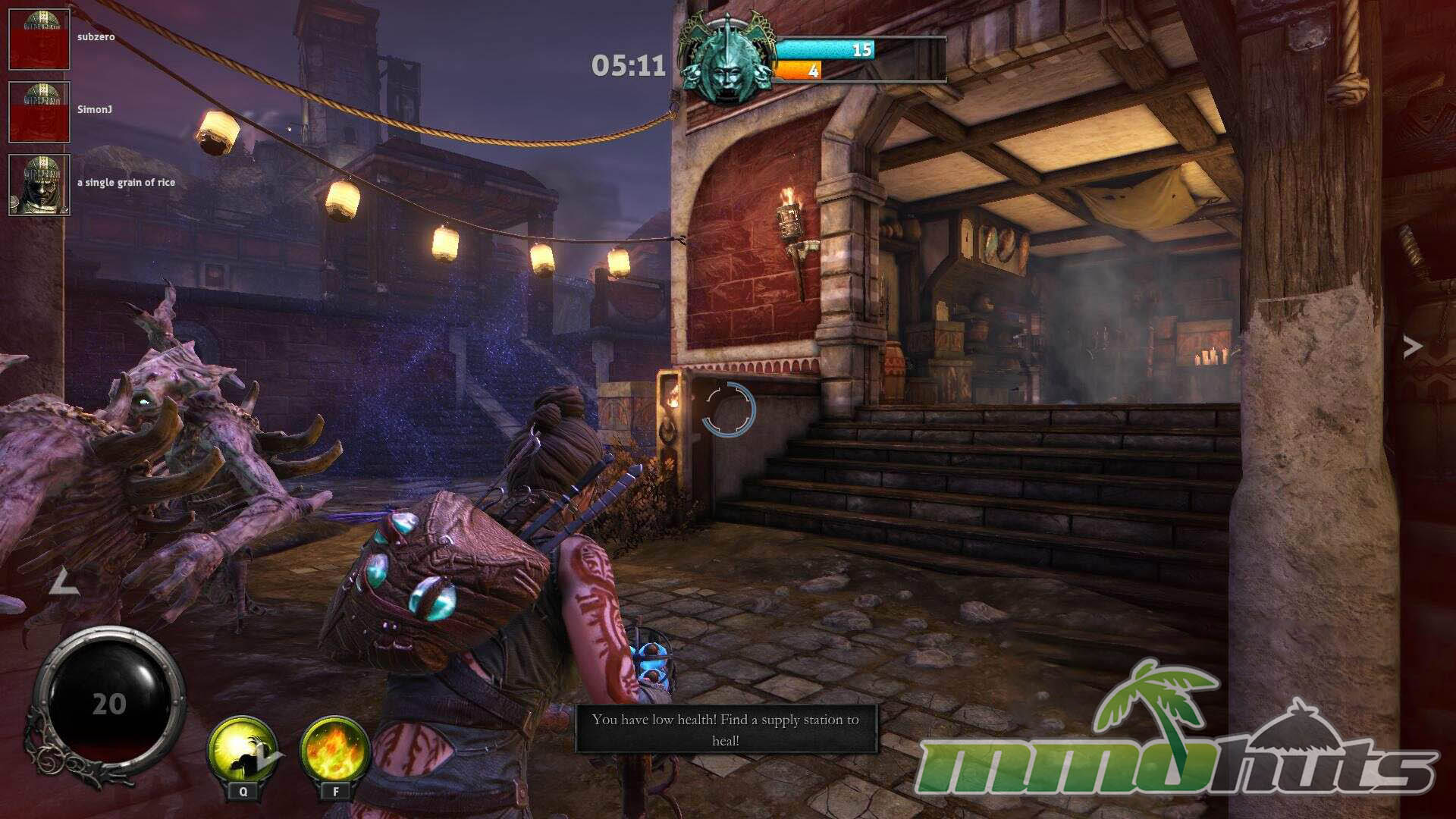
New players are offered a short tutorial that introduces movement, weapon handling, and the crucial faction differences, such as Human ability usage versus Vampire traversal and wall climbing. You can skip it and queue immediately, but completing it provides temporary abilities that help smooth out early matches. The game also includes a New Recruit queue for players under Level 15, which acts as a buffer zone where you can learn spacing, aim, and the rhythm of engagements before being thrown against experienced teams.
Asymmetrical Combat That Actually Feels Different
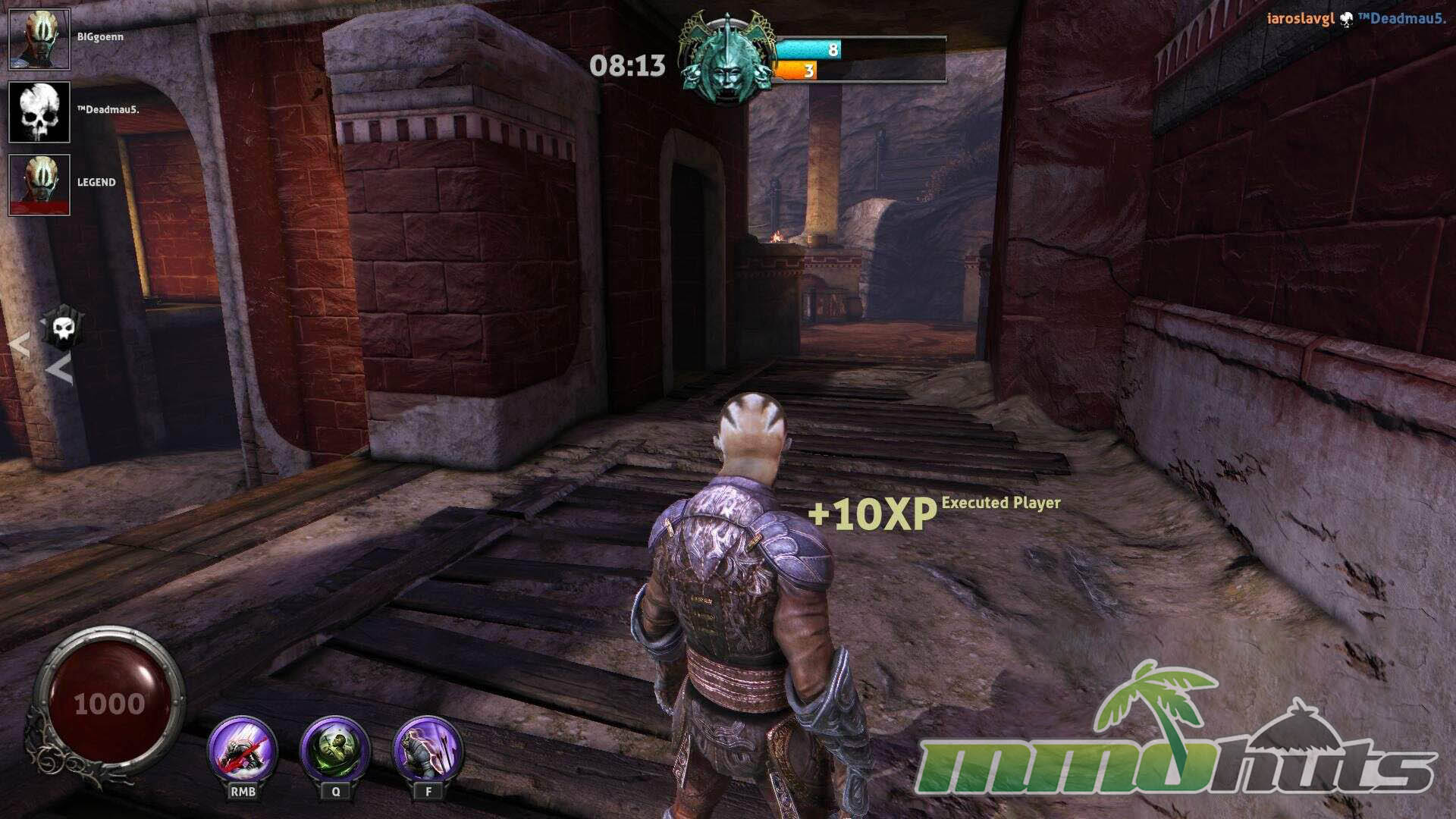
At its core, Nosgoth is built around 4v4 arena combat, but it avoids the usual mirrored shooter format. Humans fight with ranged weapons and utility, Vampires fight with melee plus movement and powers. That single design choice changes everything, Humans must manage sightlines and protect each other, while Vampires look for openings, flanks, and isolated targets. It is the same kind of tension you get in asymmetrical multiplayer modes where one side is the hunter and the other side is the prey, except here both teams rotate between those roles.
Early on, players begin with a small class selection (Hunter and Alchemist for Humans, Reaver and Tyrant for Vampires), while additional classes are unlocked using artifacts earned every five levels or purchased with Runestones. The moment-to-moment pace is quick, with frequent bursts of close-range chaos when Vampires breach a firing line, followed by resets as survivors reposition. The violence is explicit and the tone is unapologetically grim, the vampires are monsters, not romantic antiheroes.
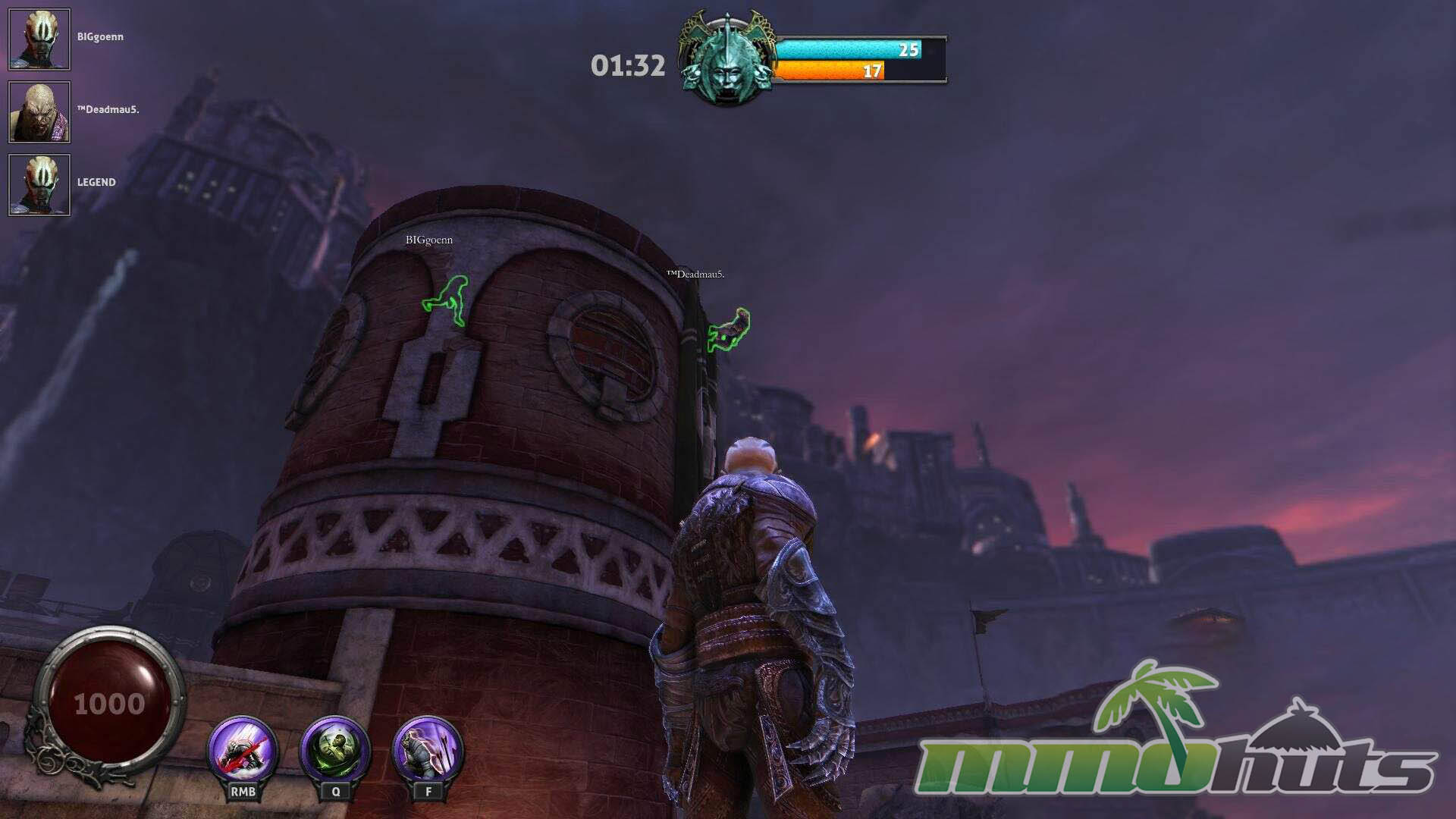
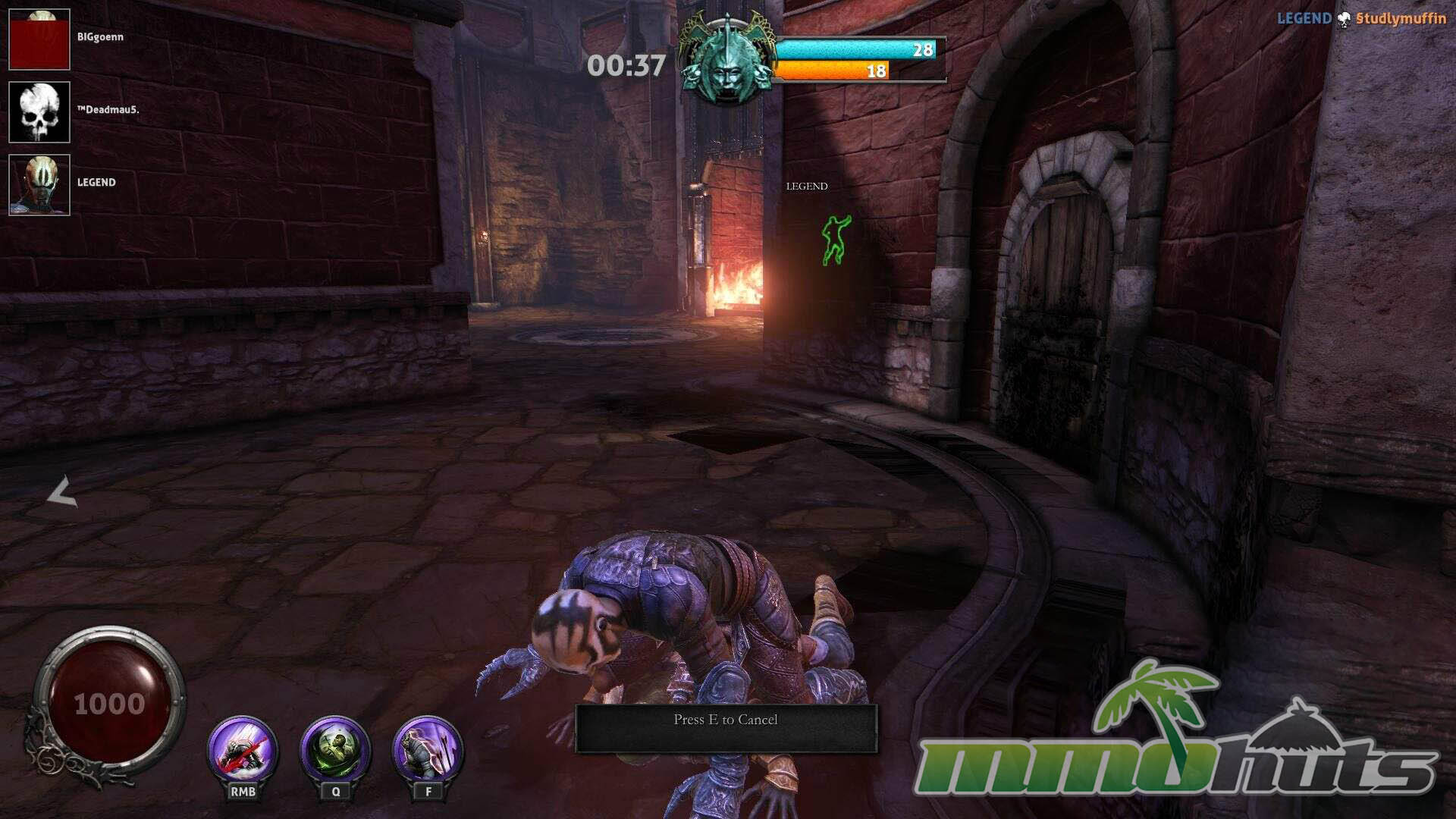
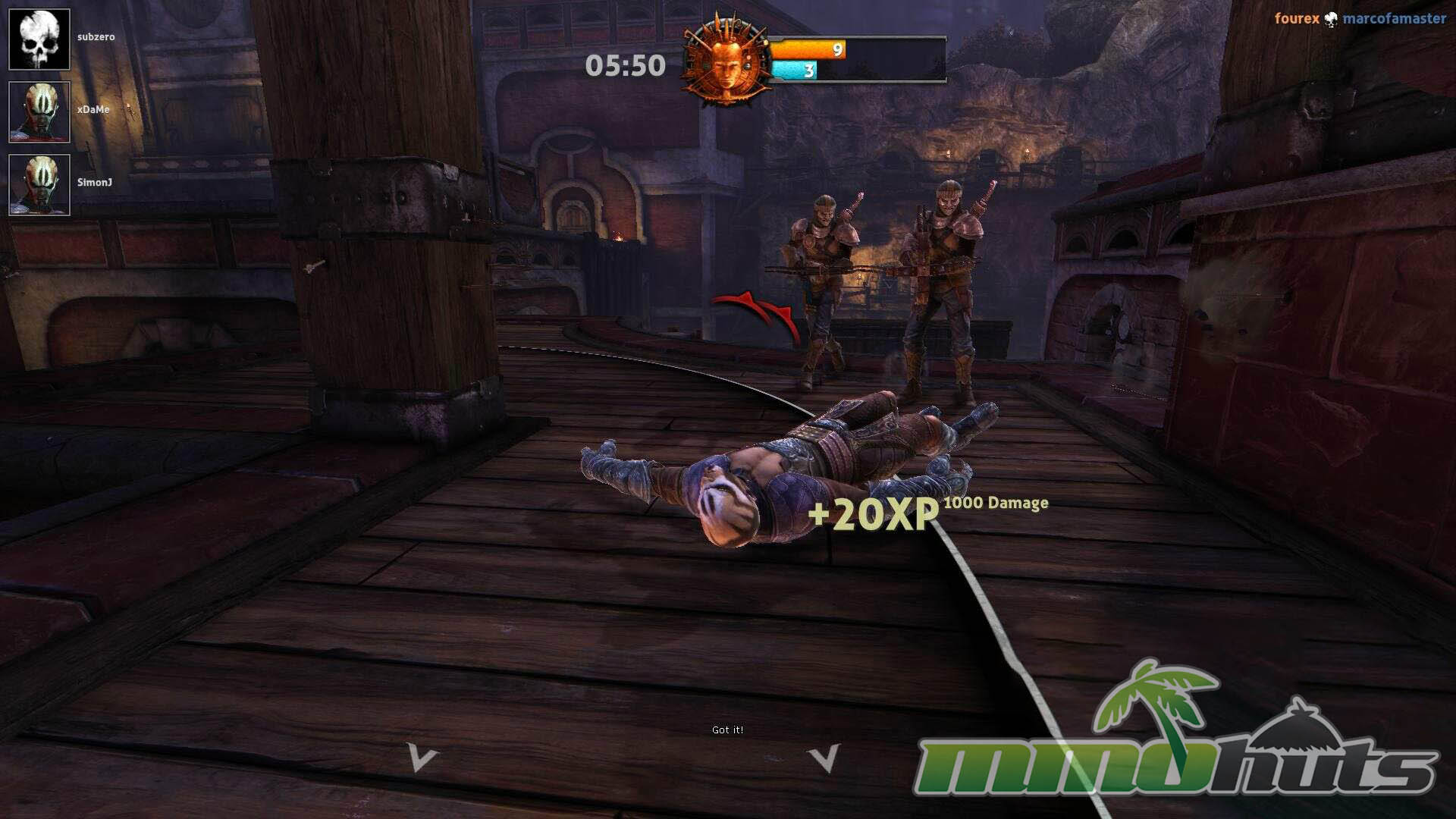
One of the most memorable mechanics is the Vampire execute, dragging a downed Human and finishing them to regain health. It is a flashy, brutal system that also has gameplay implications, it rewards successful dives, but it can punish greed if the Vampire commits to an animation in a dangerous spot. Map verticality matters as well, since Vampires can climb and perch on roofs and ledges, turning elevation into a constant threat Humans must account for.
Teamwork Is Not Optional
Nosgoth’s balance leans heavily on coordination, and that is most obvious when playing Humans. A lone Human caught out is usually a quick kill, even with strong aim, because Vampires are designed to punish isolation. Winning as Humans tends to look like disciplined spacing, overlapping fields of fire, and timely use of disables and area denial.
Vampires also benefit from playing together, especially against organized Human squads, but they can apply pressure in a more opportunistic way, stalking from above, forcing rotations, and collapsing when a target is tagged or separated. When both teams understand their jobs, matches become a constant tug-of-war of positioning, baiting, and timing, rather than simple aim duels.
Match Flow, Modes, and the Lobby Experience
The game uses a lobby-style matchmaking approach that quickly assembles teams and drops them into rounds. One of the more frustrating issues is how forgiving it is to players who leave mid-match, departures can swing a round immediately and the system does not do enough to discourage it. When matches are close, that lack of enforcement can undermine what should be a competitive, tactical experience.
Variety is another constraint. Nosgoth ships with only two main modes, Team Deathmatch and Flashpoint, and while both suit the game’s fundamentals, the limited selection makes the overall package feel thinner over time. In Team Deathmatch, teams race to a kill total (or lead at time expiration). In Flashpoint (unlocked at Level 10), Humans attempt to capture control points before the timer ends, while Vampires win by stalling long enough to prevent a full capture. Teams swap factions between rounds, which helps keep sessions from feeling one-sided, but it cannot fully offset the desire for more objectives and twists.
Progression, Loot, and Daily Rewards
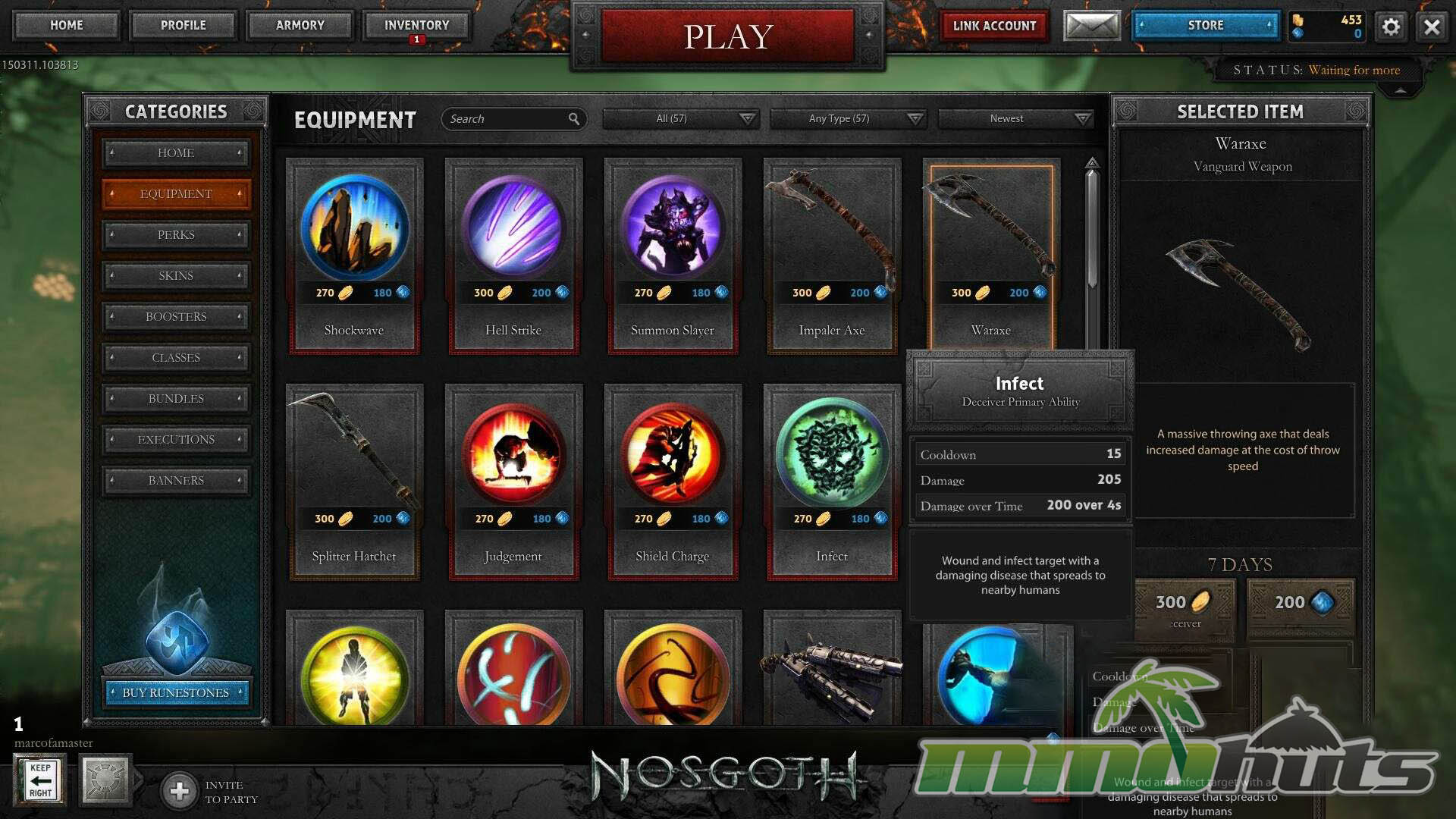
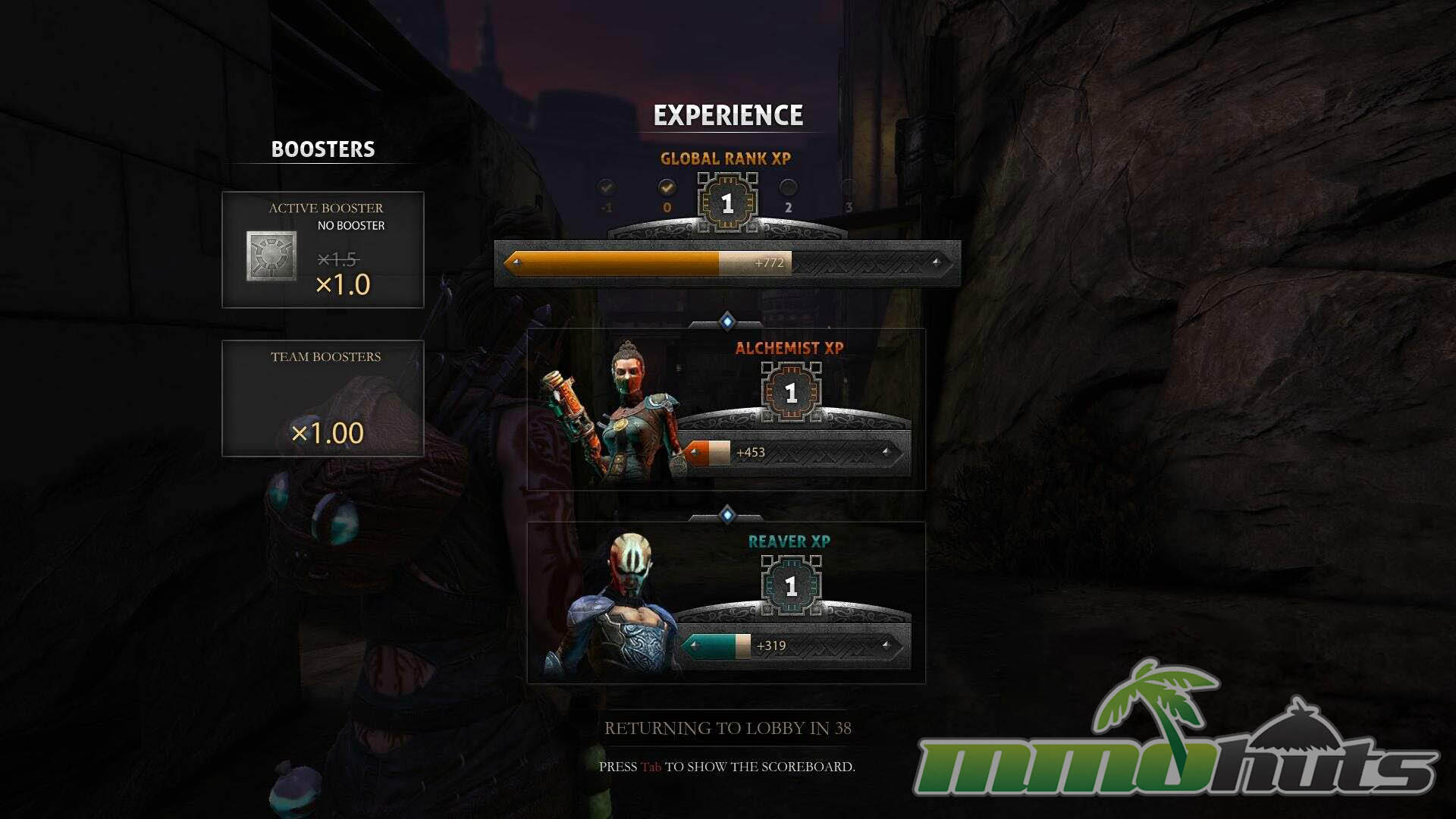
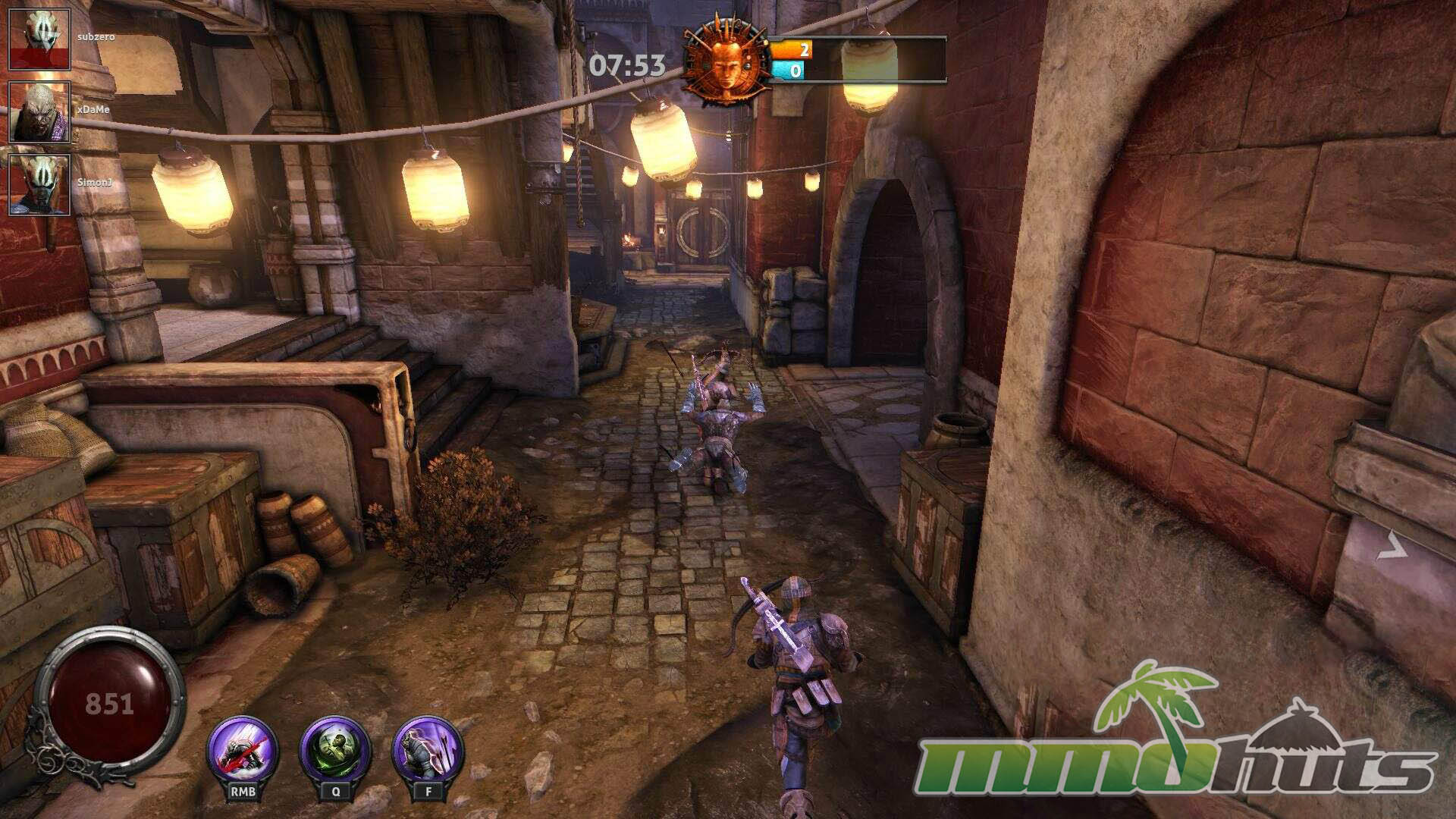
Progression comes through match participation, with random post-game rewards known as Match Loot. Drops include weapons, abilities, and perks that provide situational bonuses (for example, fall damage reduction or reduced fire damage). You also earn Gold and experience based on performance, and Gold can be spent in the store for gear and upgrades.
For players who want faster access, Runestones act as premium currency and can purchase many of the same functional items without the grind. On top of match rewards, daily login bonuses provide a steady drip of currency, boosts, and, at longer streak milestones, exclusive class skins. It is a familiar free-to-play loop, but it fits the game’s session-based structure well.
Presentation: Gothic Arenas With Strong Audio
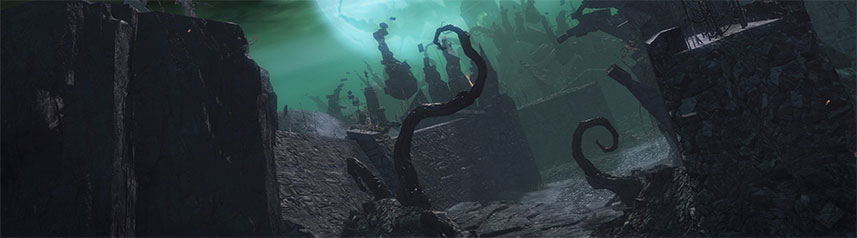
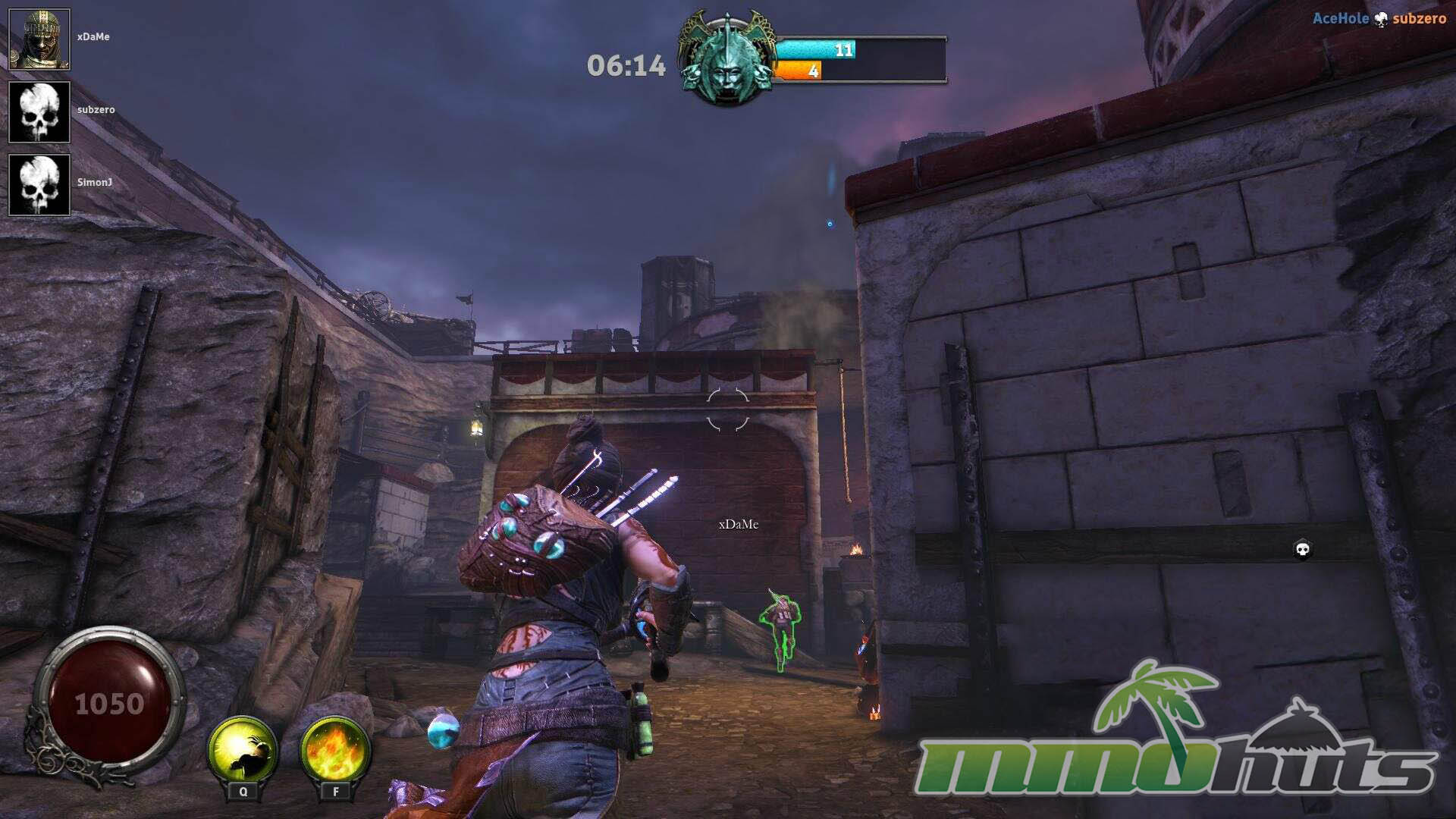
Built on Unreal Engine 3, Nosgoth looks sharp for its era even if it is not pushing cutting-edge visuals. The environments are drenched in dark fantasy style, ruined stone, sickly lighting, and oppressive architecture that suits the Legacy of Kain tone. Character models and skins are detailed enough to read clearly in motion, though some animations can appear stiff compared to more modern action games.
Sound is a standout. The mix of eerie music, ambient screams, and harsh combat effects reinforces the sense that every engagement is dangerous. Combined with the quick kill potential and constant flanking threats, the audio helps create a surprisingly immersive atmosphere for a PvP-first title.

Cash Shop Philosophy and Fairness
Nosgoth takes a comparatively restrained approach to monetization. Square Enix aimed to avoid direct pay-to-win advantages, and the store generally sells sidegrades and convenience rather than strictly superior power. A weapon might trade higher damage for a smaller clip, for example, which changes playstyle instead of invalidating starter equipment. Importantly, many gameplay-affecting items can also be purchased with Gold earned through play.
Runestones are primarily used for faster unlocking and for cosmetic-focused items like skins and packs, plus boosters. Even executions can be purchased as premium flair. Overall, the store design supports the idea that money accelerates access and customization, but does not guarantee match dominance.
Final Verdict – Great
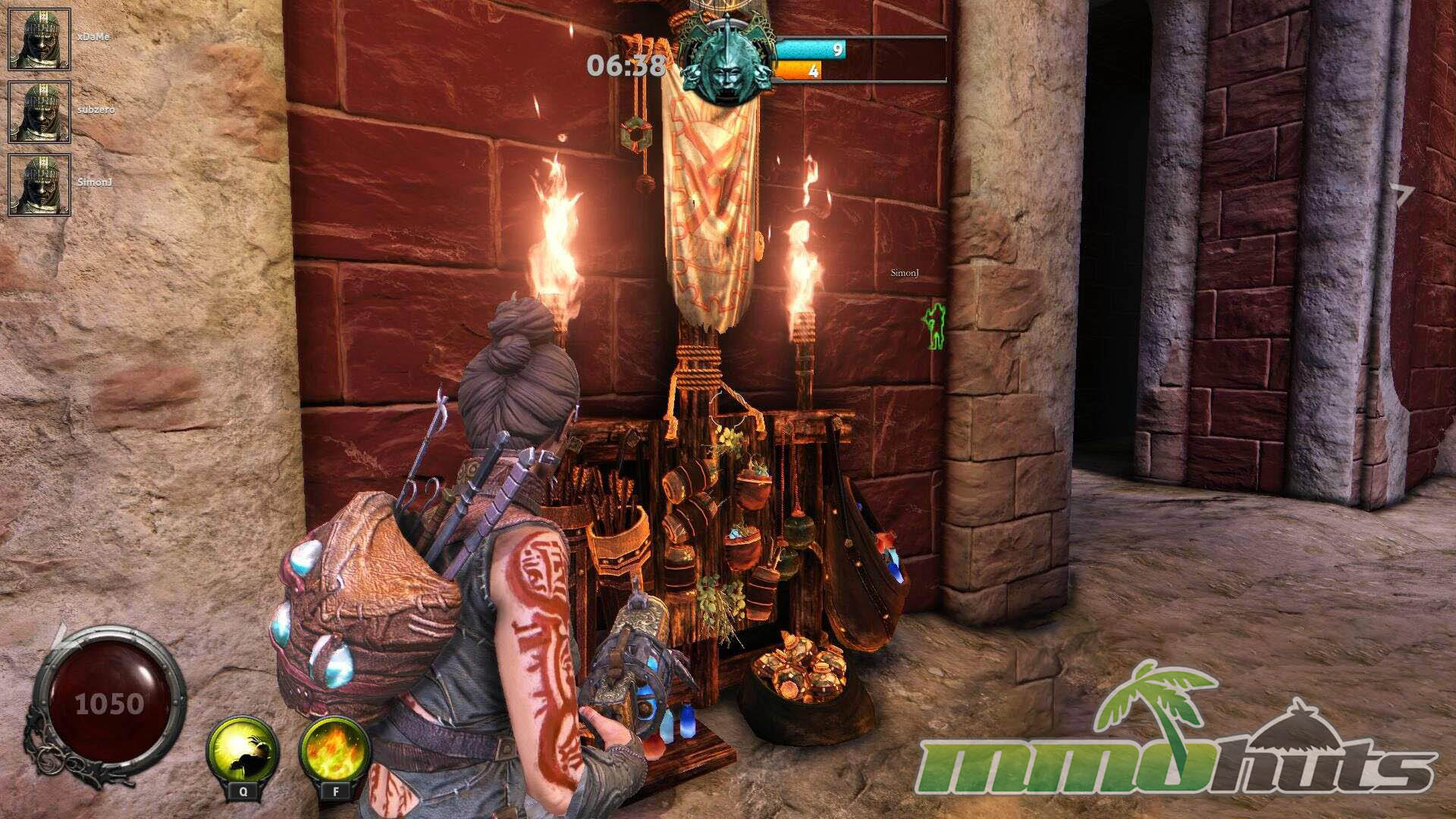
Nosgoth’s biggest weakness is not its core combat, it is the limited selection of modes and the rough edges around matchmaking and match stability. When the teams are full and players commit, the game’s asymmetrical design shines: Humans feel tense and tactical, Vampires feel mobile and lethal, and the maps create constant pressure through vertical routes and ambush angles.
For players who wanted a darker, more monstrous take on vampires paired with quick, team-focused PvP, Nosgoth delivered a distinctive arena shooter experience. Its presentation, sound, and faction identity helped it stand out in a crowded free-to-play space, even if the overall package needed more breadth to keep a wider audience long-term.
Nosgoth Links
Nosgoth Official Site
Nosgoth Wikipedia
Nosgoth Steam Page
Nosgoth Gamepedia Wiki [Database / Guides]
Nosgoth Subreddit
Nosgoth System Requirements
Minimum Requirements:
Operating System: XP / Vista / 7 / 8
CPU: Intel Dual Core 2 GHz or AMD Equivalent
Video Card: Nvidia GeForce 8800 or ATI 2900
RAM: 2 GB
Hard Disk Space: 6 GB
Recommended Requirements:
Operating System: XP / Vista / 7 / 8
CPU: Intel 2.5 GHz Quad Core / AMD Equivalent
Video Card: Nvidia GeForce 260 Series or ATI 5850
RAM: 8 GB
Hard Disk Space: 10 GB
Nosgoth Music & Soundtrack
Nosgoth Additional Information
Developer: Psyonix
Engine: Unreal 3
Composer(s): Kevin Riepl
Designer(s): Bill Beacham
Open Beta Date: January 21, 2015
Steam Release Date: January 21, 2015
Closure Date: May 31, 2016
Development History / Background:
Nosgoth was created by Psyonix, a studio based in San Diego, California, and built using Unreal Engine 3. Work on the project started in 2012, with the official announcement arriving in June 2013. Interest was high at reveal because it marked the first title connected to the Legacy of Kain franchise since 2003’s Legacy of Kain: Defiance. Rather than continuing the series’ traditional single-player, story-driven format, Nosgoth was designed as a free-to-play multiplayer PvP experience.
Earlier in its concept history, the project was tied to the name Legacy of Kain: Dead Sun for PlayStation 4. The single-player portion was ultimately cancelled, while the multiplayer component continued forward as its own standalone release. Despite being arena-based, Nosgoth is not a MOBA, it is structured as an arena third-person shooter with asymmetric faction design. On April 08, 2016 Square Enix Europe announced that Nosgoth would be shut down on May 31, 2016, citing stagnant audience growth: “[…] ultimately its audience hasn’t grown enough to sustain ongoing operations.” The Nosgoth forum remains online until June 14, 2016, after which it will be taken down.