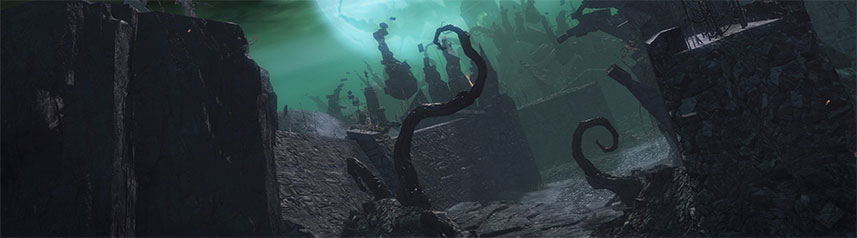
No More Room in Hell is a co-op, first-person survival experience built around tense decision-making and brutal zombie encounters. Instead of handing you an arsenal and letting you mow down the undead, it leans into scarcity, teamwork, and the constant pressure of being one mistake away from a bite that ends the run, whether you are holding out in survival waves or pushing through objective-driven scenarios that demand coordination.
 | Publisher: Lever Games Playerbase: Medium Type: First Person Survival Horror Release Date: October 31, 2011 Pros: +Oppressive, memorable atmosphere +Strong soundtrack +Large, interesting maps +Grounded survival mechanics Cons: -Melee and hit detection can feel awkward, -Loops can start to feel samey over time -Infinite ammo servers undermine the intended survival balance |

No More Room in Hell Overview
No More Room in Hell drops players into a grim, grounded zombie outbreak where survival is earned through careful play rather than raw firepower. Sessions are built around a set of maps that each come with their own flow and win conditions, ranging from simply outlasting escalating waves to completing objectives that gradually open the route to escape. Although the game broadly splits its content into “survival” and “objective” experiences, the map variety helps keep those categories from feeling identical, since layout, pacing, and resource availability change how every match plays out. No matter which mode you choose, the core loop remains the same: move smart, manage supplies, and rely on your squad when the situation turns ugly.
No More Room in Hell Key Features:
- ‘Of the Dead‘– The tone and design borrow heavily from George Romero’s ‘Of the Dead’ legacy.
- Unforgiving Combat – Small mistakes add up fast, and a single missed swing or bad shot can spiral into a death.
- Fight together, or die alone – Cooperation is not optional for most groups, getting separated is often a quick way to lose.
- Atmosphere – A bleak, realistic presentation that aims for dread over power fantasy, and it can genuinely feel unsettling.
- Various enemies – You will face multiple zombie types, from slow classics to faster threats that punish poor positioning.
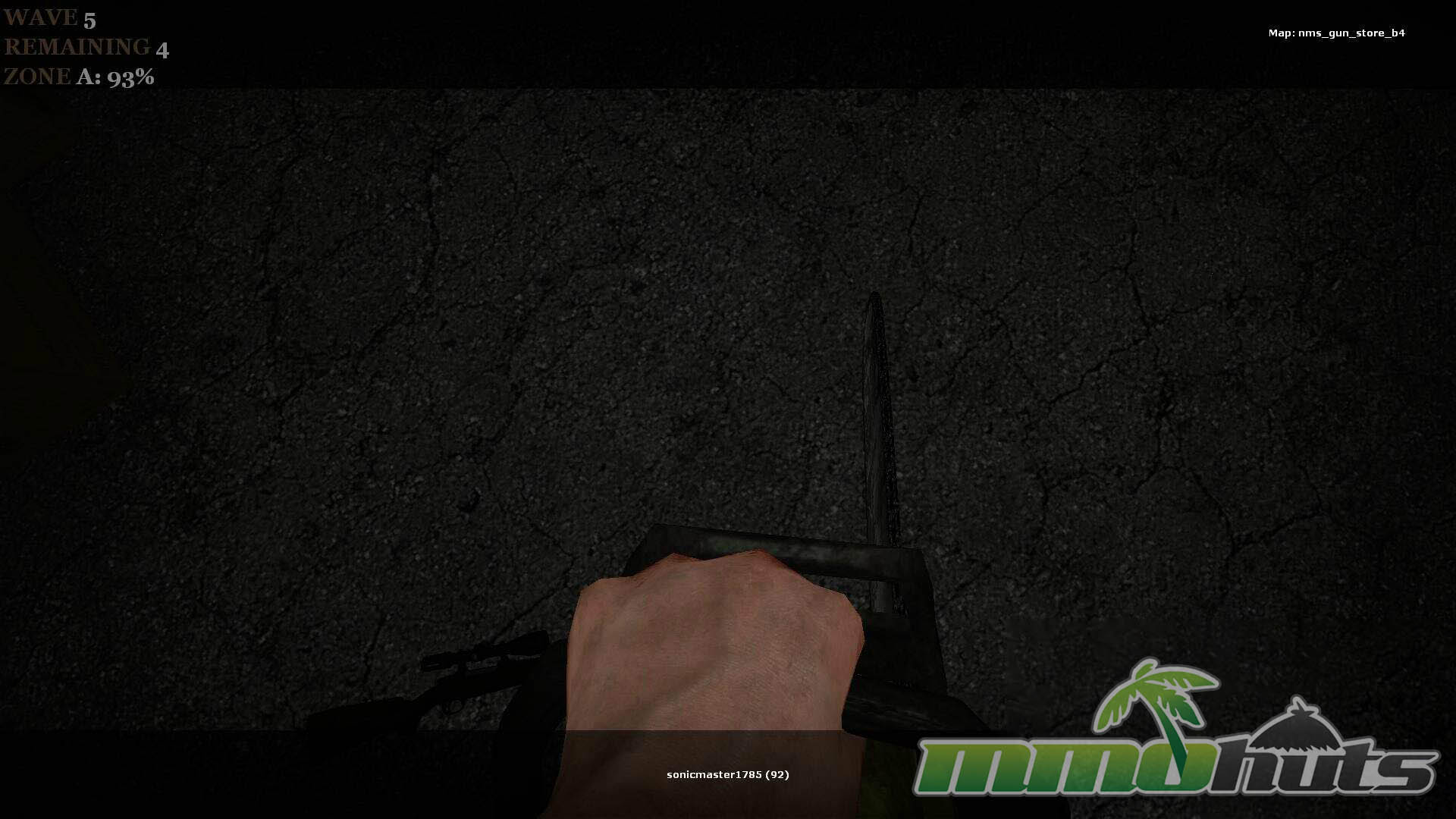
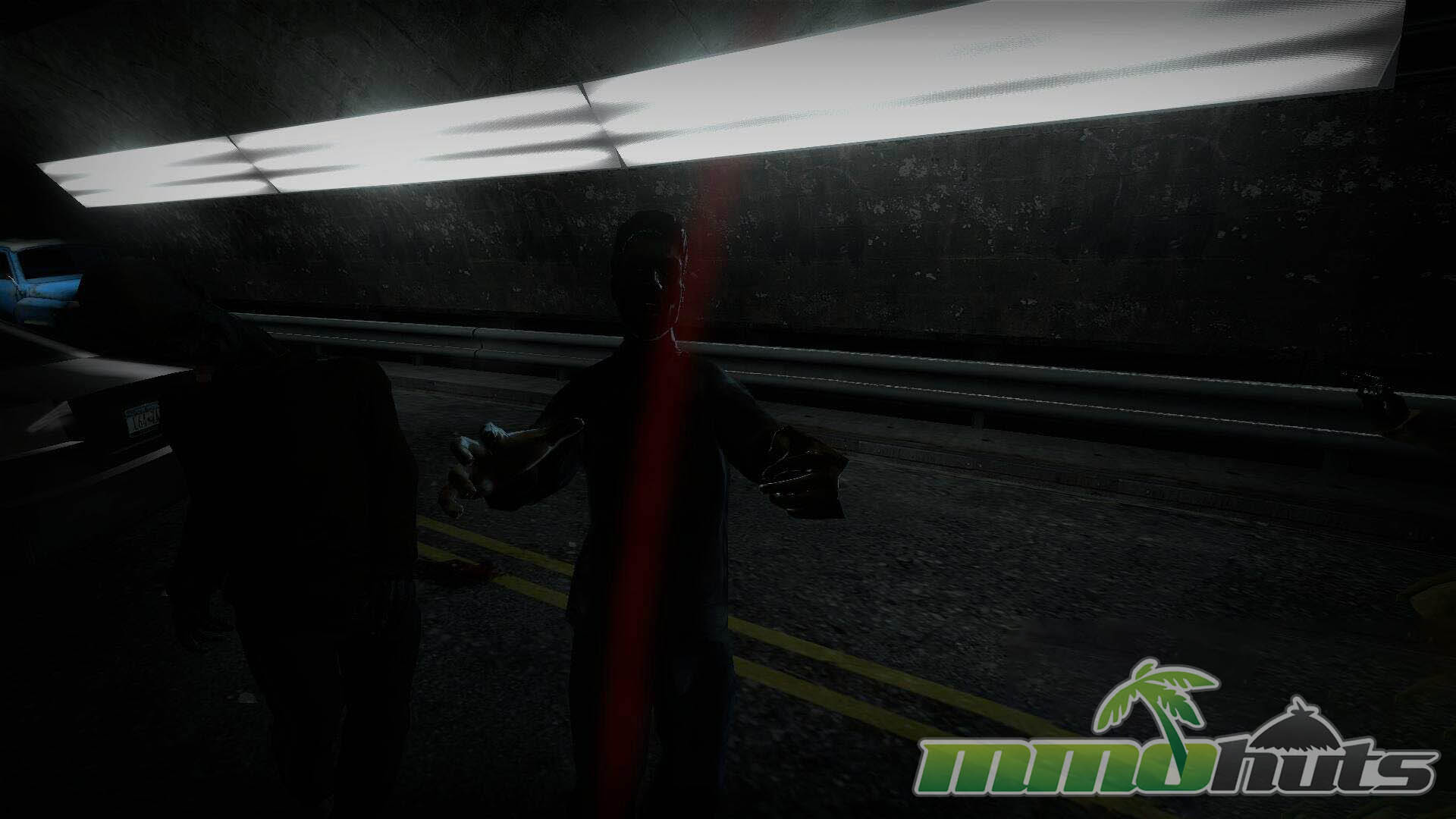
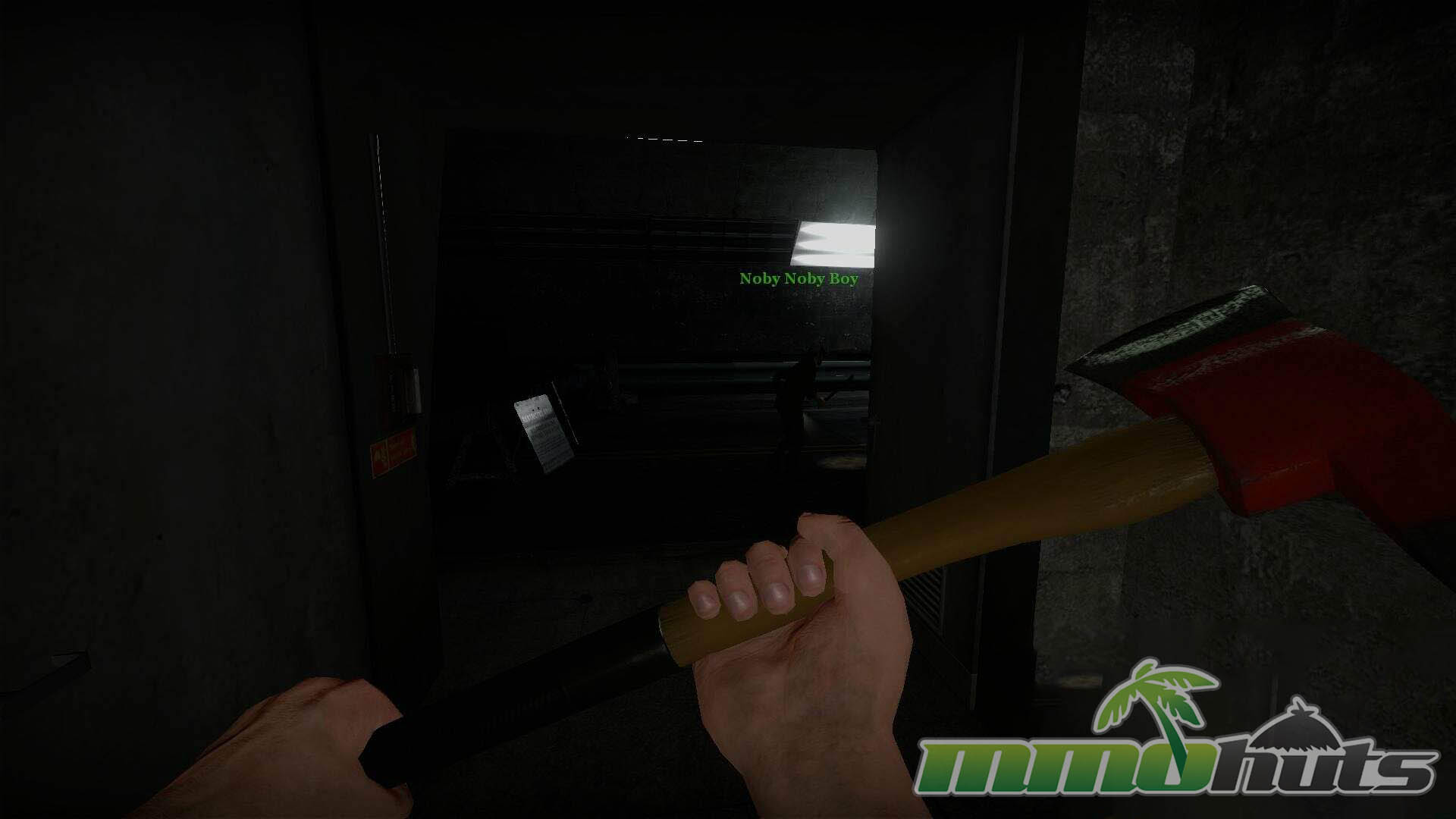
No More Room in Hell Screenshots

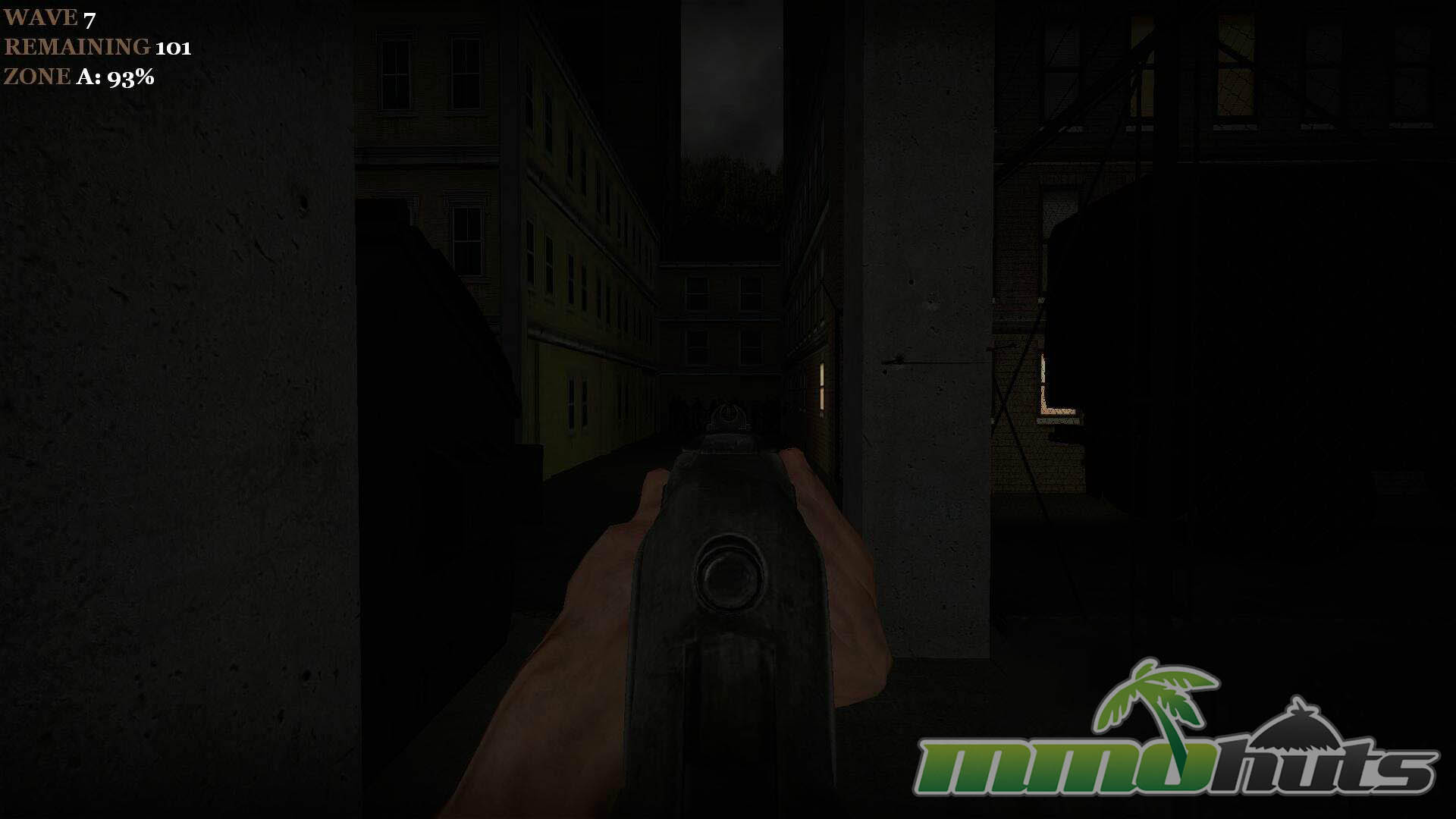
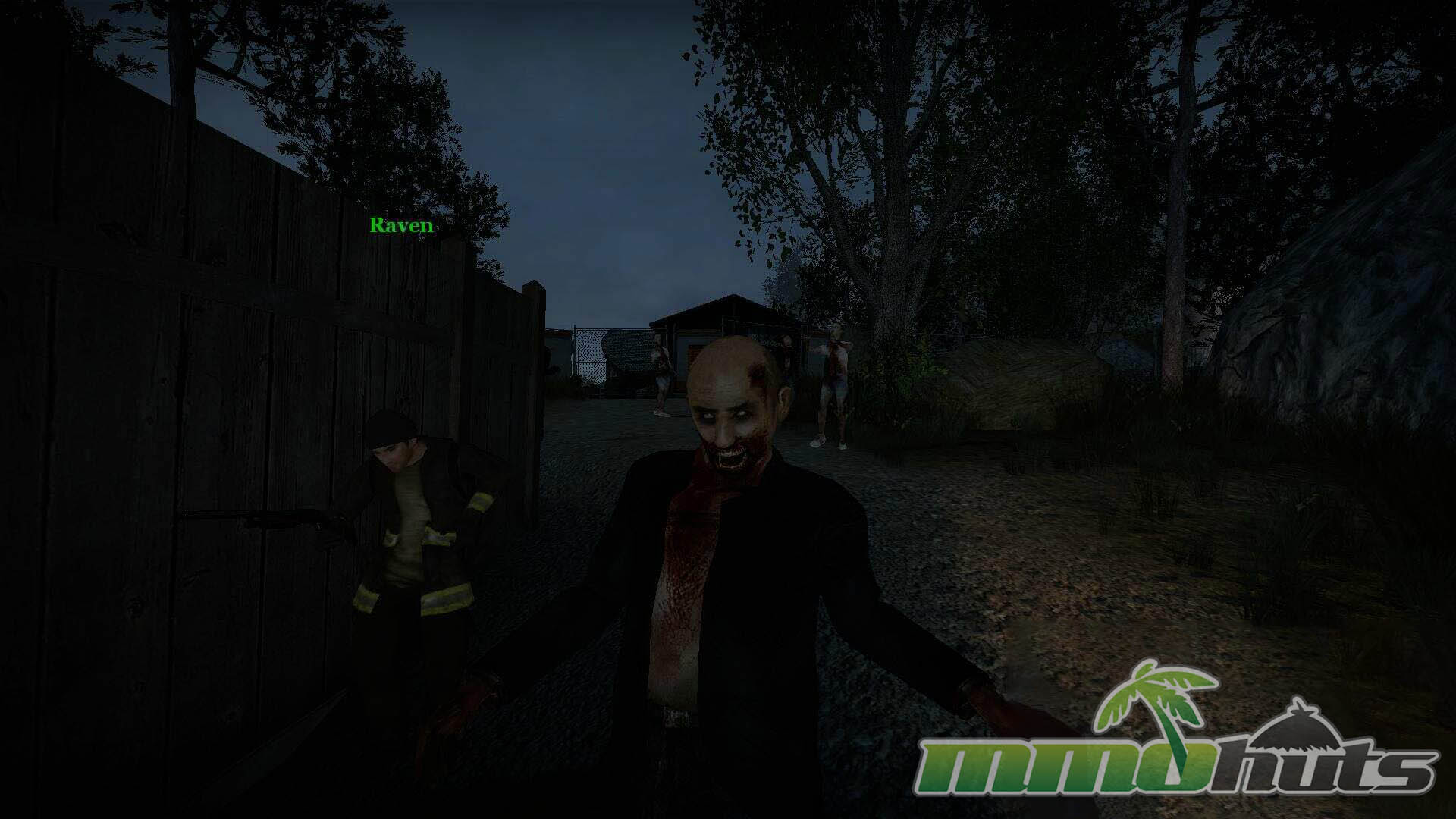
No More Room in Hell Featured Video

No More Room in Hell Review
No More Room in Hell (often shortened to NMRiH) stands out in a crowded zombie genre by refusing to make the player feel invincible. It is still about fighting the undead, but it approaches that idea through scarcity, fragility, and a constant sense that things can collapse in seconds. You are not meant to sprint through levels with endless ammo and perfect health, you are meant to scrape by, share what you find, and survive long enough to see the end of the scenario. The Romero influence is obvious in the oppressive mood and the feeling of a society that has already lost control, which gives the maps a weight that many zombie shooters never quite achieve.
Survival first, killing second
At a glance, NMRiH looks like another co-op shooter, but its best moments come from restraint rather than spectacle. Zombies are not just target practice, they are obstacles that drain time, stamina, space, and supplies. The roster is not enormous, yet it is varied enough to keep players from treating every encounter the same. Most matches are defined by the ever-present “shambler,” slow and numerous, the classic threat that becomes dangerous primarily when you underestimate how quickly a crowd can build.
The game then adds faster, more disruptive variants that punish players who assume every zombie will politely walk into a kill zone. “Runners” trade durability for speed, “children” function similarly while being harder to track in the chaos, and “burning zombies” raise the threat level by combining aggression with higher damage. There is also the risk of infection leading to a worse outcome if you take too many hits, which reinforces the idea that trading health for progress is rarely worth it. Even without a huge bestiary, the combination of speed differences and map pressure keeps you checking corners and listening closely.
The tools you use matter as much as the enemies. Weapons are split into unarmed, melee, and ranged options, and the game makes it clear early on that fists are a desperation play, not a style choice. Firearms are powerful but limited by ammunition and availability, so they tend to be saved for emergencies, chokepoints, or moments when the team needs breathing room immediately. The gun selection covers familiar FPS categories, including pistols, SMGs, assault rifles, sniper rifles, and shotguns, with a bow included for variety. Each weapon has its own handling quirks, recoil, and pacing, which helps them feel distinct even within the same category.
Melee weapons are where the game’s personality really shows, because they are often your most reliable option when ammo is low. The lineup ranges from practical tools like crowbars and hatchets to heavier, more satisfying choices like the fire axe, plus some less ideal options that exist mostly to remind you that not everything you pick up is a good idea. Reach, swing speed, and the ability to land consistent head hits all matter, so learning what your current weapon does well becomes a real survival skill.
That survival focus is reinforced by the inventory system. You cannot vacuum up every gun, every ammo box, and every healing item you see, because space is limited and item size generally matches what you would expect from its weight and bulk. Carrying several small sidearms might be possible, but lugging multiple long guns is not realistic. The same restriction applies to supplies like ammo and medical items, so teams that communicate and distribute gear efficiently have a clear advantage. The system encourages roles to emerge naturally, with one player prioritizing a solid ranged option, another leaning on melee, and everyone making decisions based on what the group actually needs rather than what looks cool.
Modes that change the pace
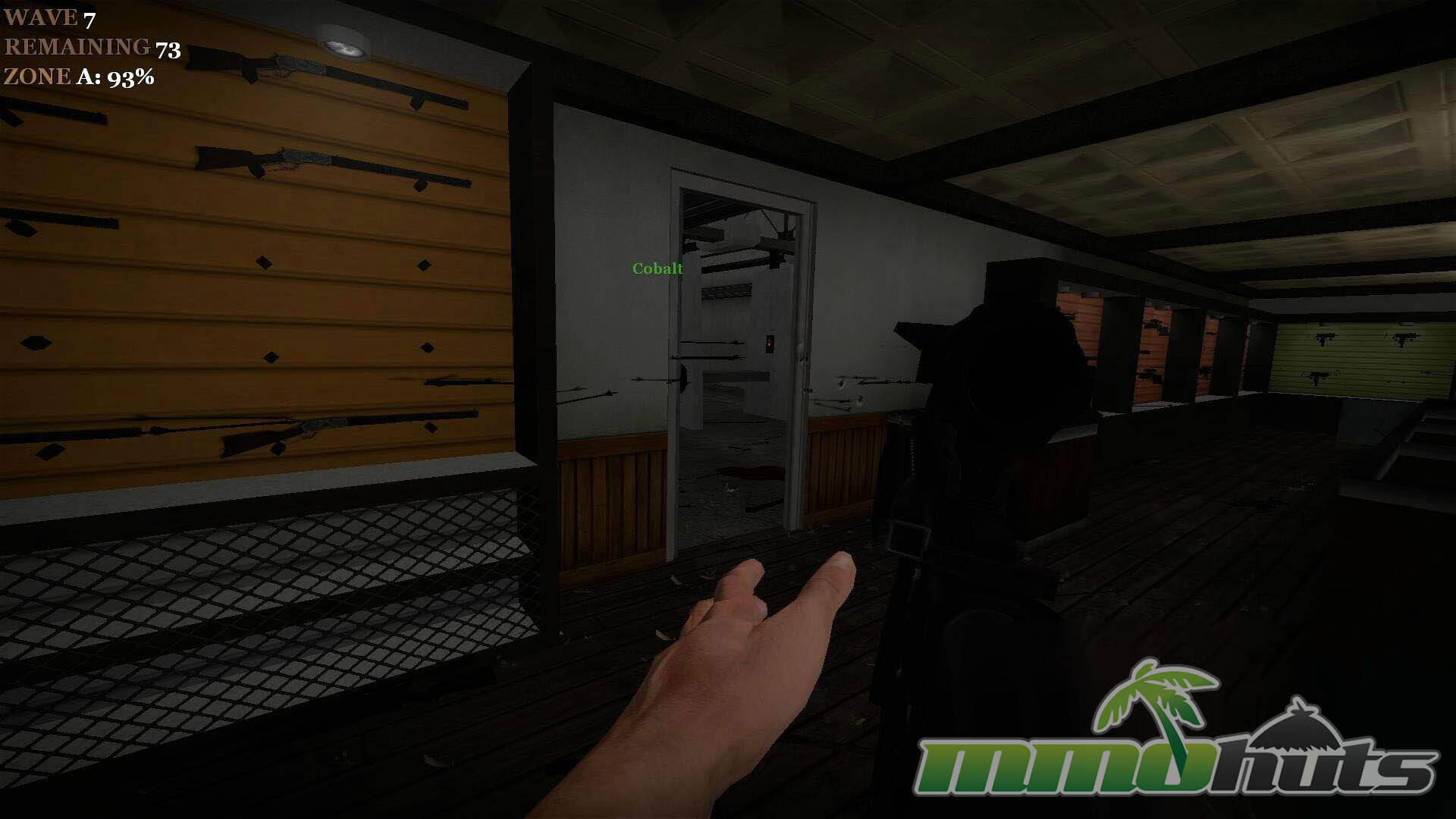
No More Room in Hell primarily offers two ways to play: survival and objective. Survival mode is built around enduring waves of increasing intensity, using the map to find defensible areas and rotating when a position becomes too dangerous. “Safe” zones are valuable because they offer structure in the chaos, and if the team can locate and deploy a health station, it can buy precious extra time. That said, those resources are not endless, so survival mode rewards patience and smart retreats more than hero plays.
As waves climb, so does the pressure. More zombies appear, stronger and faster variants become common, and mistakes that were recoverable early on become fatal. Exploration is also part of the survival loop since supplies are scattered, and leaving the group to loot alone is one of the easiest ways to get cornered. When the team manages to find a flare gun and call in extra supplies, it can swing a match, but it does not replace fundamentals. Survival success is mostly about staying together, pooling resources, and choosing when to hold ground and when to reposition.
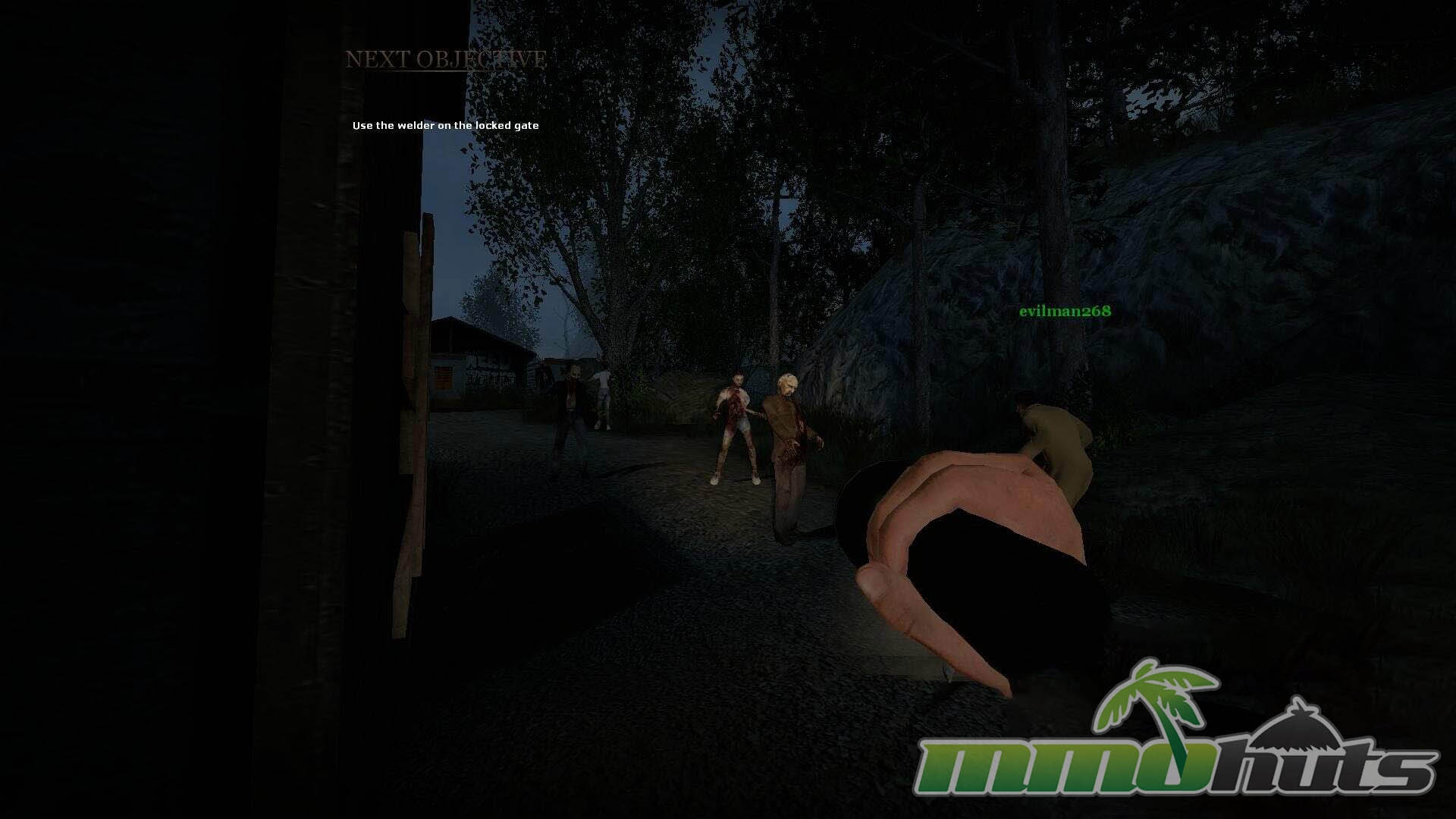
Objective mode shifts the focus from pure endurance to progression. Instead of “clear the waves,” you are given tasks that push you across the map, such as reaching key locations, activating mechanisms, or completing steps that eventually open an escape route. When players are unsure what comes next, the compass helps point the way, which keeps the mode from turning into aimless wandering. Compared to survival, objective maps tend to feel faster because you are not required to wipe every zombie, you are trying to get through, not necessarily clean up.
Teamwork still helps, but the emphasis is different. A coordinated group will breeze through objectives more smoothly, yet it is also possible for a knowledgeable player to carry progress while others struggle to keep up. The mode rewards map familiarity and calm decision-making under pressure, especially when the path forward forces the team into tight spaces or risky transitions.
If you die, the game often provides a path back into the match depending on the mode. In survival, respawns generally occur between waves, but you pay for death by losing the items you had. In objective, respawns are typically tied to the team reaching certain points. Either way, death is never convenient, and the difficulty curve makes it clear that keeping more players alive is one of the best “strategies” available.
Headshots matter, and melee is tense
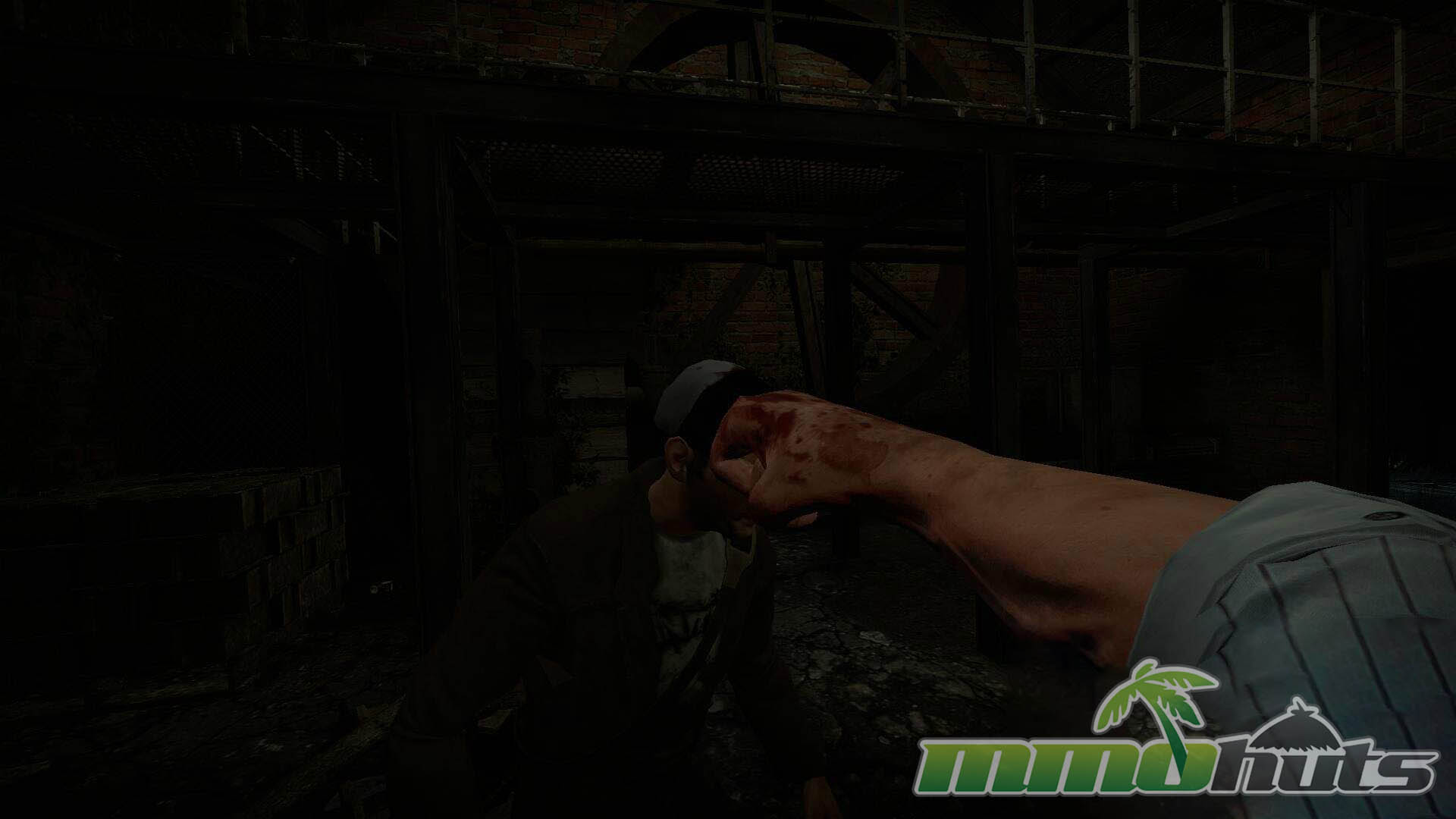
Combat is straightforward on paper, but demanding in practice. Melee attacks come in quick swings and charged hits, and the game expects you to aim for the head if you want fights to end cleanly. That pressure ramps up in realism-focused settings where headshots are essential. Because it is easy to get surrounded, the difference between a precise hit and a whiff is huge. Punching is technically possible, but it is slow, risky, and usually a sign that the match has already gone sideways.
Heavier melee weapons like sledgehammers and fire axes can be extremely effective, often rewarding patient timing with decisive kills. The tradeoff is that they ask you to commit, charging an attack at the wrong moment can leave you exposed. When the melee system clicks, it creates some of the game’s best moments, a clean strike that stops a threat just before it reaches you feels earned rather than automatic.
Firearms are powerful, but never “free”
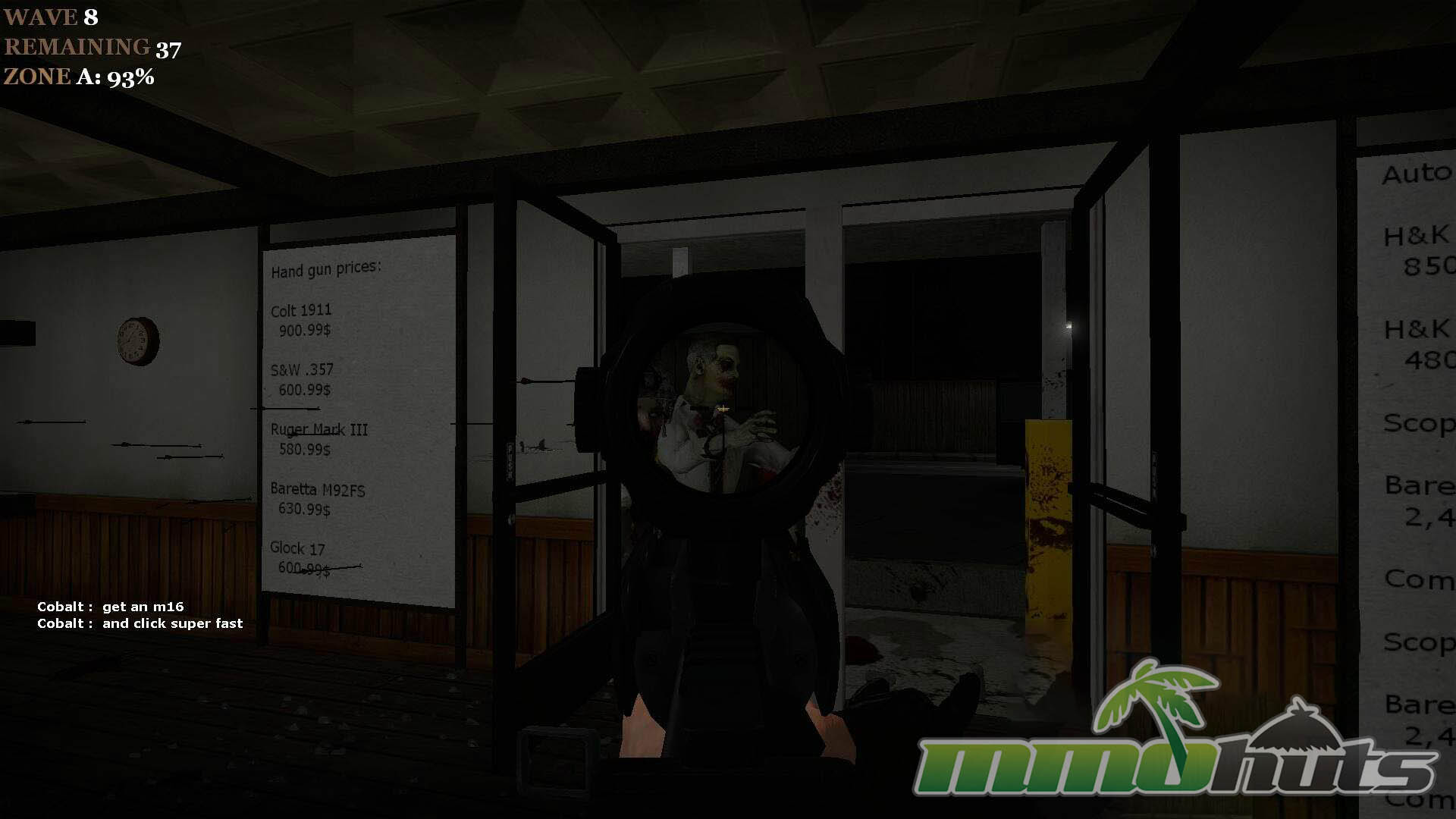
Guns provide safety at range, but NMRiH treats ammunition as a real constraint rather than a background detail. Many firearms will require careful shot placement to stay efficient, and pistols in particular can demand multiple headshots unless you make use of “Deadeye,” a mechanic that rewards holding still and aiming down sights for a moment to steady your shot. It is a small system, but it fits the theme well, you are trading mobility for precision and conservation.
Damage is tied to ammunition types, which reinforces the grounded approach. A light round will not perform like a heavier one, and that difference informs which guns feel like lifelines and which feel like stopgaps. The end result is that gunplay becomes a resource puzzle as much as a mechanical one, and players who treat bullets as precious tend to survive longer.
Co-op is the point
No More Room in Hell is at its best when played as intended, with a group that communicates and makes decisions together. Sharing a medkit with an injured teammate, handing off ammo to the player carrying the only rifle, or choosing to fall back as a unit instead of splitting up all create a sense of shared stakes that many co-op games aim for but do not always achieve.
Survival mode in particular amplifies this. Early waves can lull teams into sloppy habits, but later rounds punish separation immediately. Faster zombies can appear from unexpected angles, and if nobody is covering your blind spots, you can be overwhelmed before you even realize you are in trouble. Setting up a defensible area with pooled supplies and a clear plan for rotations makes the difference between a run that collapses suddenly and one that holds together under pressure.
Objective mode is slightly more forgiving in terms of teamwork requirements, especially if someone in the group knows the map well. A veteran can often push the objectives forward while newer players learn the routes and mechanics. Still, coordinated teams complete tasks faster, suffer fewer deaths, and avoid the slow grind of trying to force progress through constant attrition. Even when the mode does not demand perfect cooperation, it consistently rewards it.
Strengths and rough edges
The game’s biggest achievement is its mood. The bleak environments, the soundscape, and the overall pacing create a tension that feels closer to classic zombie horror than arcade action. It also succeeds mechanically in making you value your teammates, not through scripted moments, but through systems that naturally push players to share, cover each other, and plan around limitations like stamina and inventory capacity.
Where it can stumble is in feel. Melee can be awkward at times, and inconsistent hit detection can turn a well-aimed swing into an unfair bite, which is especially frustrating in a game that punishes mistakes so hard. The experience is also sensitive to group behavior. Players who ignore objectives, waste supplies, or refuse to coordinate can derail a session quickly, and that can be discouraging for teams trying to play carefully. Finally, servers that enable infinite ammo change the entire dynamic, turning a survival-focused design into something much closer to a standard zombie shooter, which undercuts what makes NMRiH distinct.
Final Verdict: Great
No More Room in Hell remains one of the more compelling Source-based zombie experiences because it commits to survival over spectacle. It is free to play and does not require Half-Life 2 or another paid title, which makes it easy to recommend to anyone curious about co-op horror. The visuals are serviceable rather than cutting-edge, but the atmosphere, map scale, and audio work carry the presentation. Regular updates over time have helped keep the package feeling alive with additional maps and weapons.
It can become repetitive if you play the same patterns too often, and the combat can feel clunky in spots, but with a friend or a coordinated group it delivers the kind of tense, hard-earned victories that many zombie games promise and few actually provide. If you want a grounded co-op apocalypse where resources matter and teamwork is the real weapon, No More Room in Hell is well worth your time.
No More Room in Hell Links
No More Room in Hell Official Site
No More Room In Hell Steam Page
No More Room in Hell Wikipedia
No More Room in Hell Wikia (Guides / Database)
No More Room in Hell System Requirements
Minimum Requirements:
Operating System: Windows XP / Vista / 7 / 8 / 10
CPU: Pentium 4 3.0GHz or equivalent
Video Card: ATI Radeon 9600 or nVidia GeForce 8 series
RAM: 1.5 GB Ram
Hard Disk Space: 5 GB
Recommended Requirements:
Operating System: Windows XP / Vista / 7 / 8 / 10
CPU: Intel Core 2 Duo 2.4GHz or better
Video Card: ATI X1600 or nVidia GeForce 9 or higher
RAM: 4 GB
Hard Disk Space: 8 GB
No More Room In Hell is compatible with Mac OSX and Linux.
No More Room in Hell Music & Soundtrack
No More Room in Hell Additional Information
Developer: No More Room In Hell Dev Team
Project Manager(s): Matt ‘Maxx’ Kazan
Production Assistant(s): David ‘Dman757’ Meade
Programmer(s): Andrew ‘ssba’ Orner, Brent “Brentonator” McAhren
Voice Actor(s): Joseph ‘Bingo Bango’ Bracken, Richard ‘Cleric’ Heller
Engine: Source Engine
Other Platforms: Mac OSX, Linux
Open Beta Release: October 31, 2011
Release Date: October 30, 2013
Steam Release Date: October 30, 2011
Development History / Background:
No More Room in Hell began as a mod project led by Matt Kazan on Valve’s Source Engine, later evolving into a standalone release. Its creative DNA clearly traces back to George Romero’s Living Dead films, with additional nods and character references drawn from other movies such as American Psycho and The Big Lebowski. The project received notable recognition in the modding scene, including PC Gamer’s ‘Mod of the Year’ in 2011, placement in Mod DB’s 2011 Mod of the Year top 100, and a Multiplayer Mod of the Year 2011 award.