Navy Field 2 is an MMORTS built around World War era naval combat, letting you command warships from WWI and WWII on wide-open ocean maps. From a tactical overhead camera, you steer, aim, and coordinate volleys of shells, torpedoes, and aircraft, then turn battle rewards into new ships, upgraded modules, and a stronger captain and crew.
 | Publisher: SDEnterNet Playerbase: Low Type: MMORTS Release Date: March 05, 2015 Shut Down Date: December, 27 2017 Pros: +RPG-style crew progression and stat growth. +Large roster of ships to unlock and command. +Four nations with distinct lines to pursue. Cons: -Few modes compared to competitors. -Match quality can be uneven. -Progression slows into a grind later on |
Navy Field 2 Overview
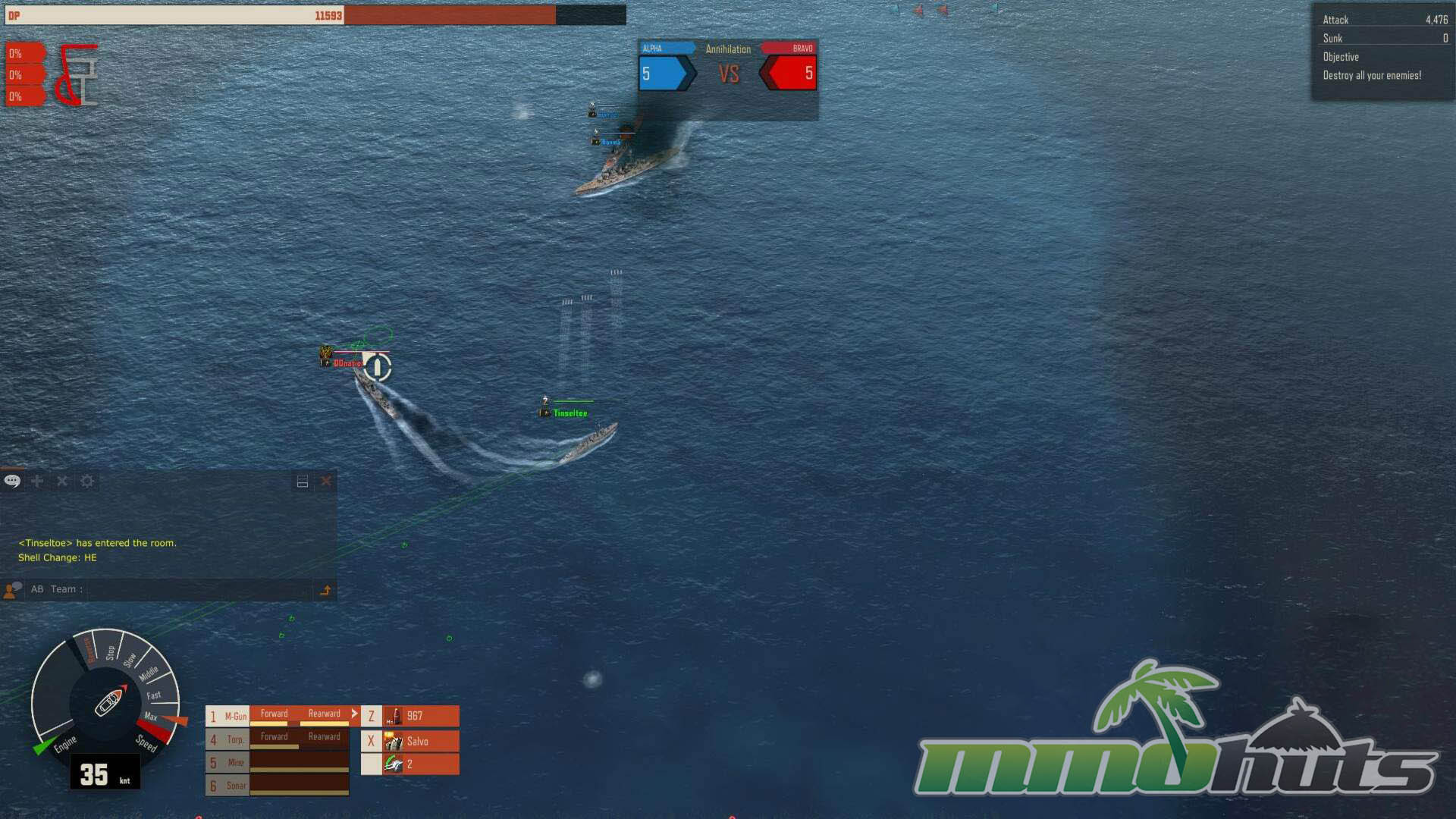
Navy Field 2 is an MMORTS that puts you in charge of a single ship (and eventually an entire hangar of them) across sprawling sea maps, where positioning and timing matter as much as raw firepower. The game uses an overhead viewpoint that leans into strategy rather than twitch shooting, asking you to read the battlefield, lead targets, and commit to movement choices before incoming salvos arrive. Combat can involve long-range artillery exchanges, torpedo ambushes, and air attacks, with the pace varying from tense duels to full-scale fleet brawls.
You select a nation and progress through a broad technology tree spanning four mid-20th century powers used in WWI and WWII. The roster includes many ship classes, from nimble destroyers and cruisers to heavy battleships, submarines, and aircraft carriers, with over 100 ships available to research and field. Advancement is tied to both your ship and your personnel. Modules can be researched and swapped to raise survivability and damage output, while your captain and crew gain experience that converts into practical bonuses, such as improved reload performance or stronger anti-air capability. The result is a loop that mixes match-to-match tactics with longer-term RPG-like growth.
Navy Field 2 Key Features:
- Tactical Combat – a top-down camera emphasizes planning, letting you plot movement and lead shots by anticipating where enemies will be when shells land.
- 4 Nations – play across four WWII-era naval lines, choosing between the United States, Great Britain, Japan, and Germany.
- Extensive Tech Tree – unlock and command 100+ ships, including battleships, cruisers, submarines, and aircraft carriers.
- Captain & Crew Leveling – your command staff improves over time, earning stat boosts that make your ship more efficient in combat.
- Module Upgrades – research and equip better components to increase durability, improve weapons, and fine-tune performance for your preferred role.
Navy Field 2 Screenshots


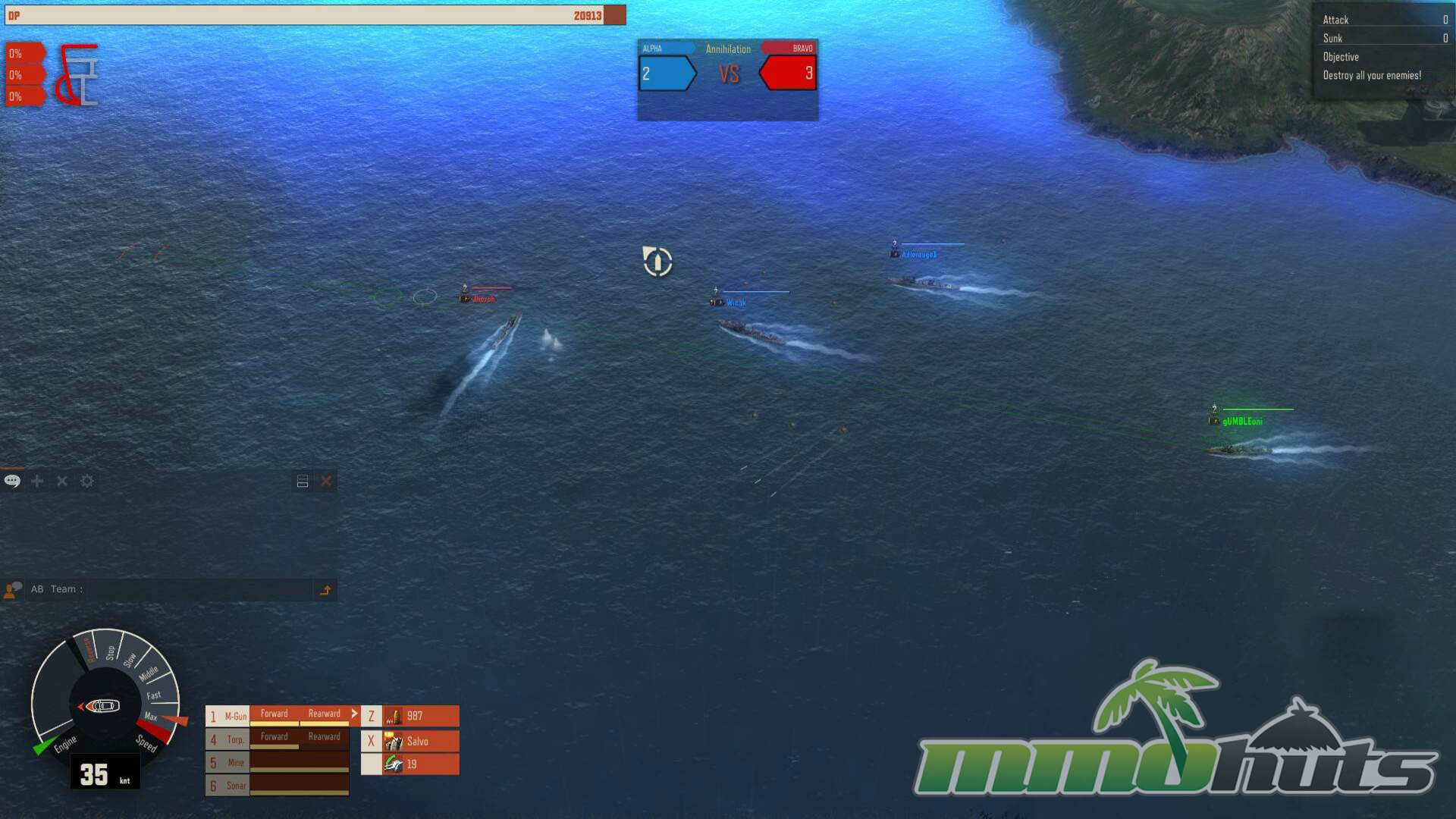
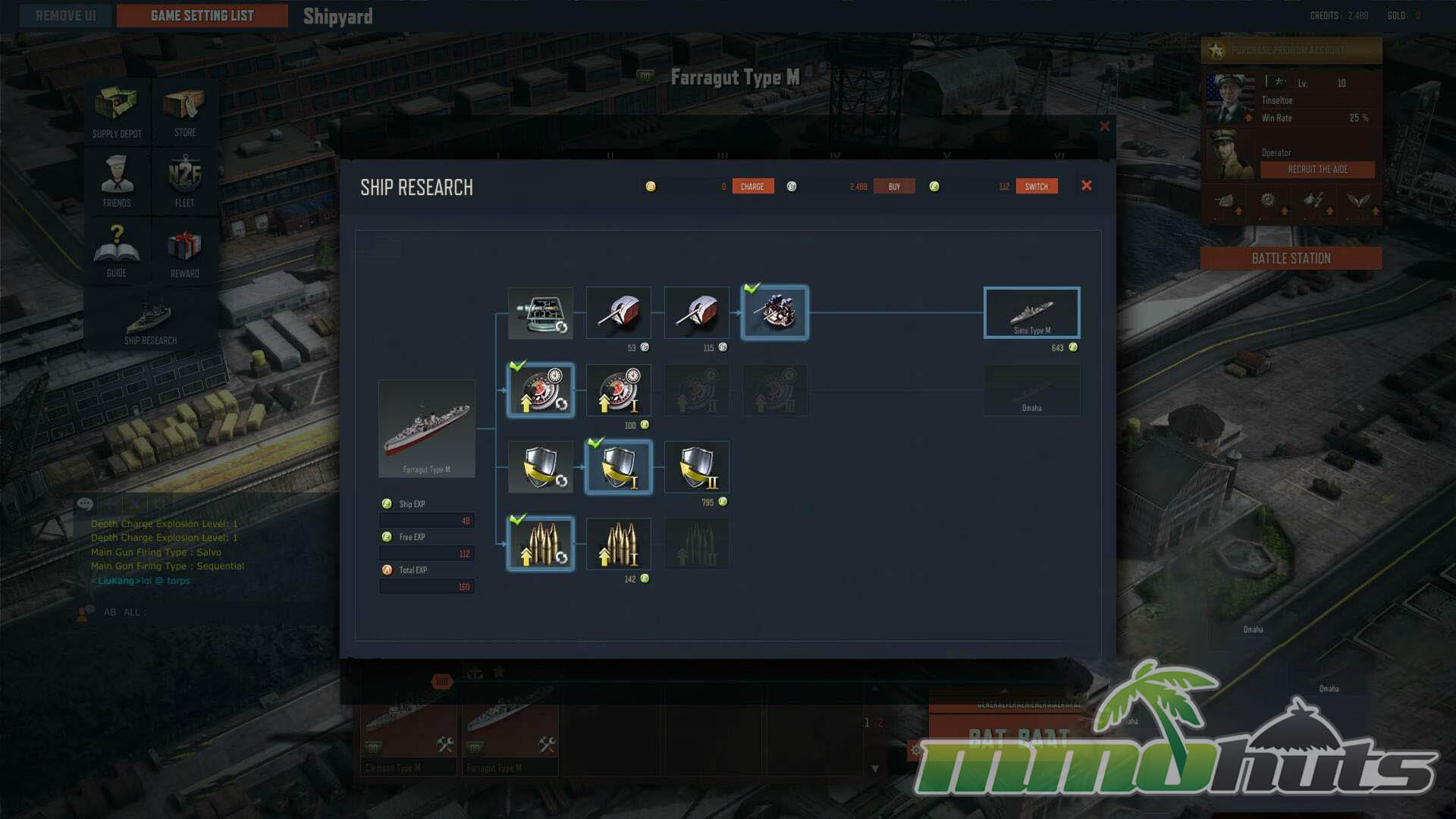
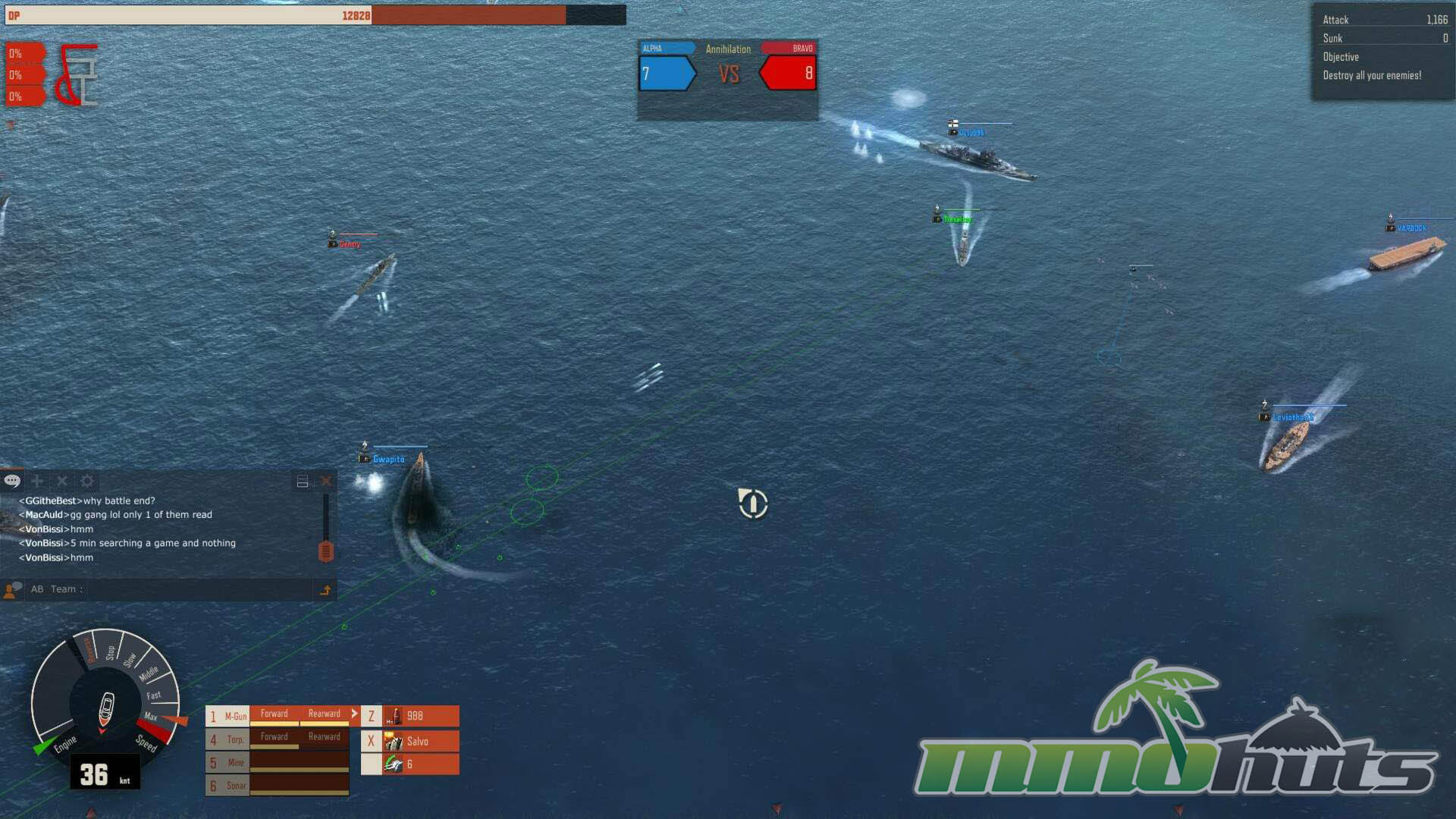

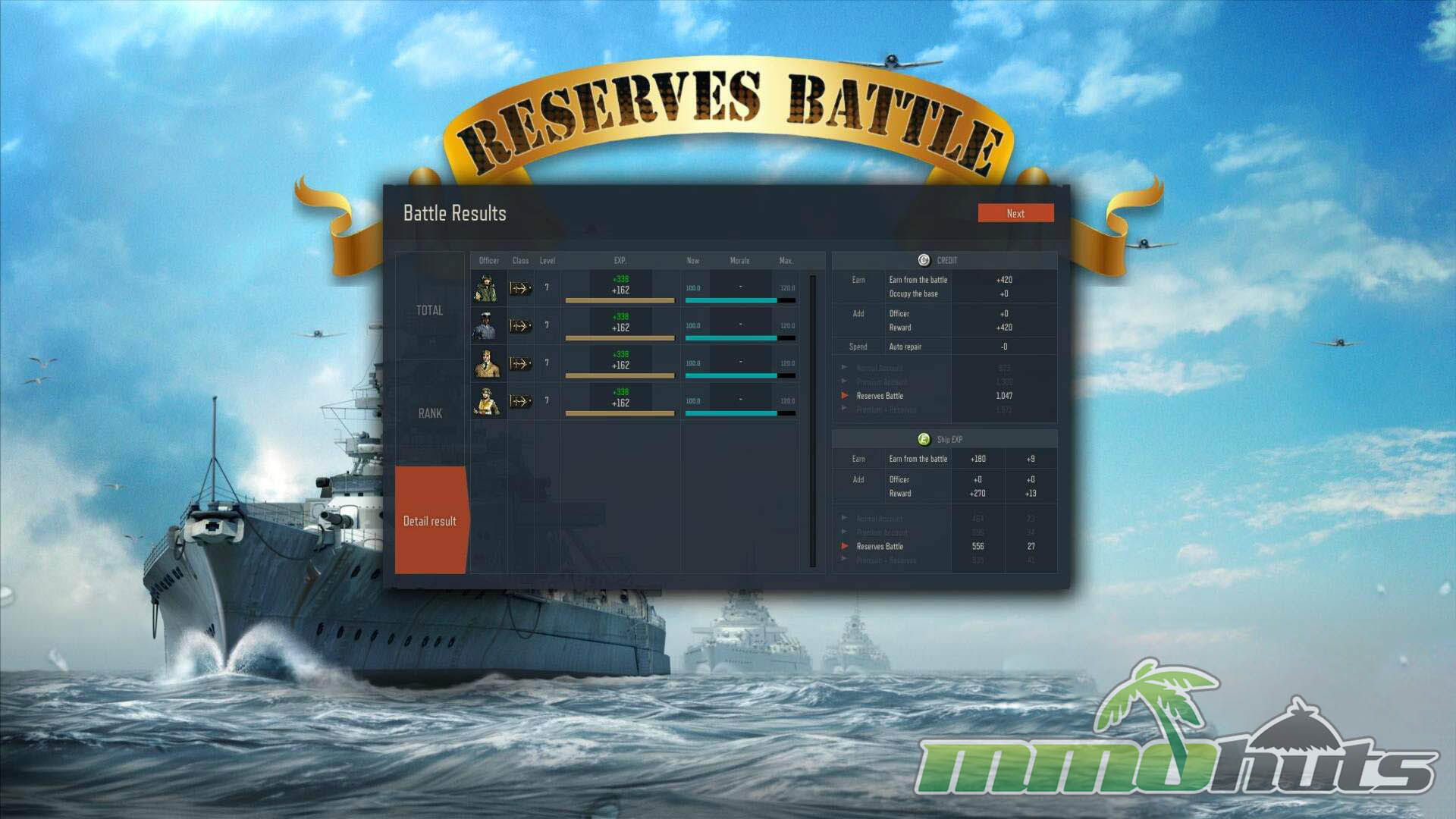

Navy Field 2 Featured Video

Navy Field 2 Review
Navy Field 2 lives in the same broad neighborhood as other free-to-play naval combat games, but it approaches battles from a different angle. Instead of putting you on the deck with a cinematic camera, it keeps you above the action like a commander, emphasizing map awareness, spacing, and predictive aiming. That choice makes the game feel more like a strategy title with real-time gunnery rather than an arcade shooter. When the matchmaking cooperates and the teams stay organized, the larger fleet fights can be genuinely satisfying, with overlapping salvos, torpedo screens, and ships collapsing under focused fire.
Visual presentation and atmosphere
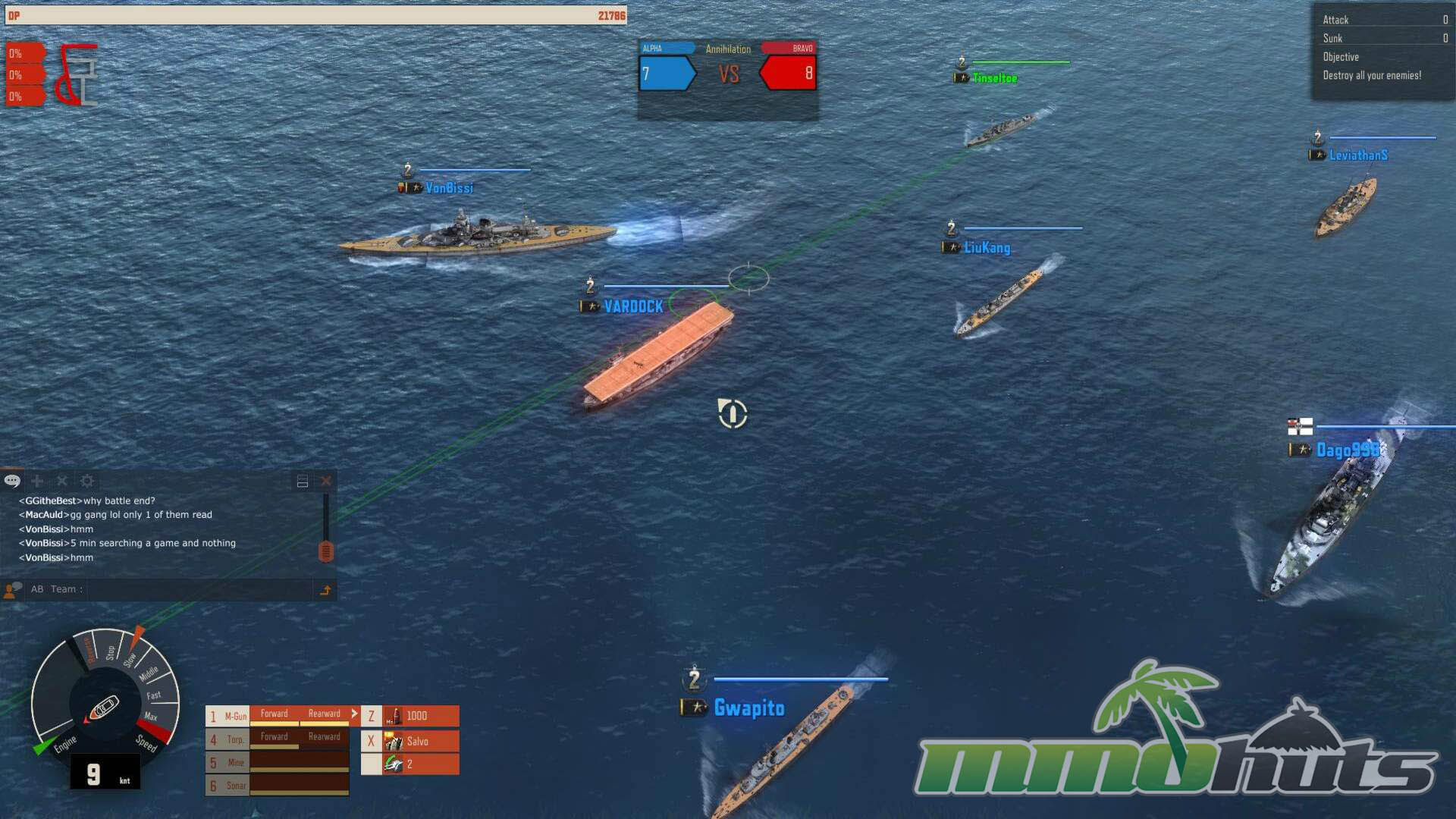
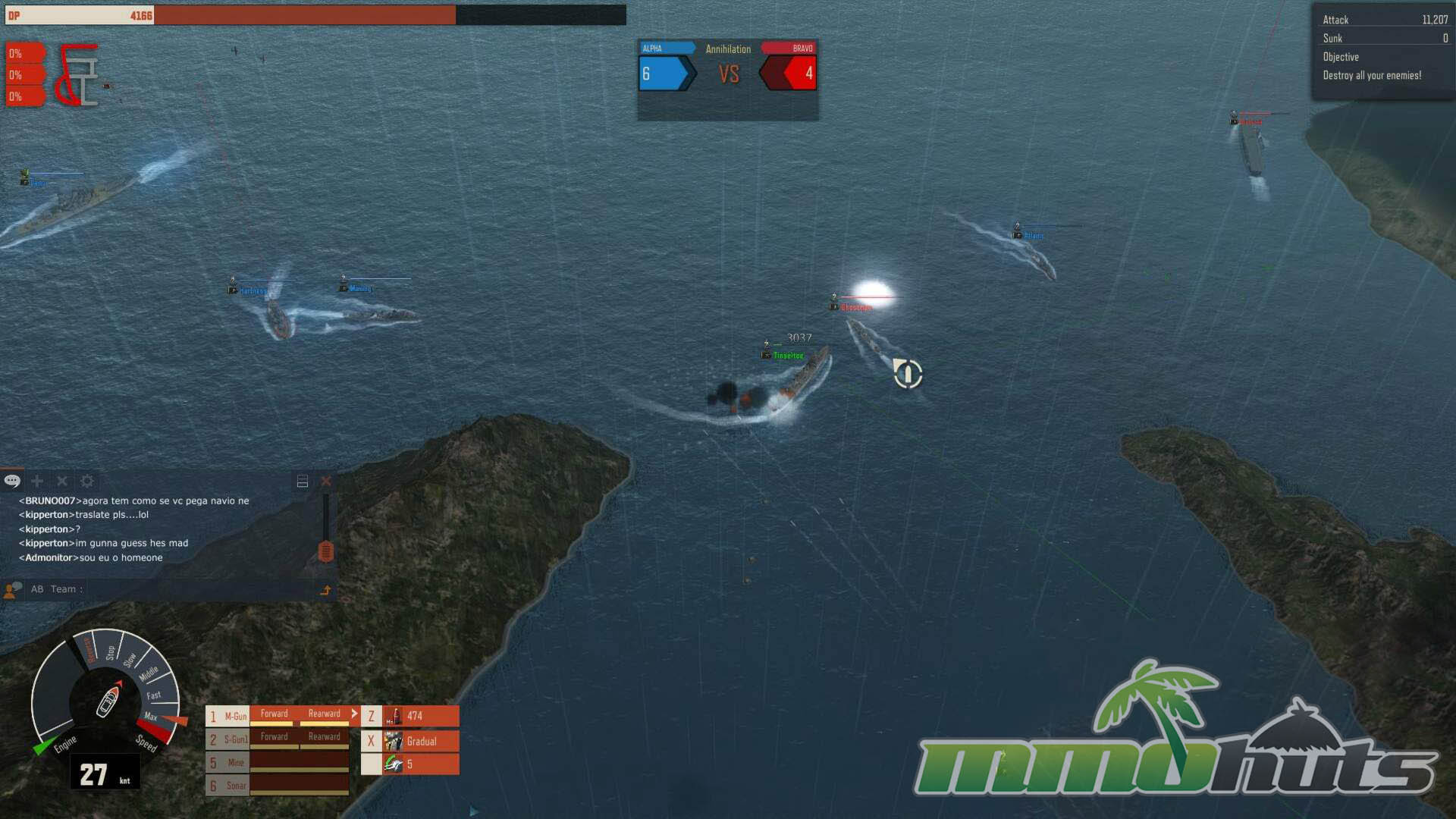
From a purely technical standpoint, the graphics are functional rather than impressive. Ships are clearly readable from the overhead view, effects are straightforward, and the ocean and weather do enough to sell the setting without demanding attention. The art direction fits the gameplay because clarity matters more than spectacle when you are tracking multiple targets and watching for threats at the edges of the screen. Stormy conditions and explosions can still create a dramatic mood, but Navy Field 2 is not trying to compete on visual fidelity, it is trying to keep the battlefield legible.
Controls, aiming, and moment-to-moment play
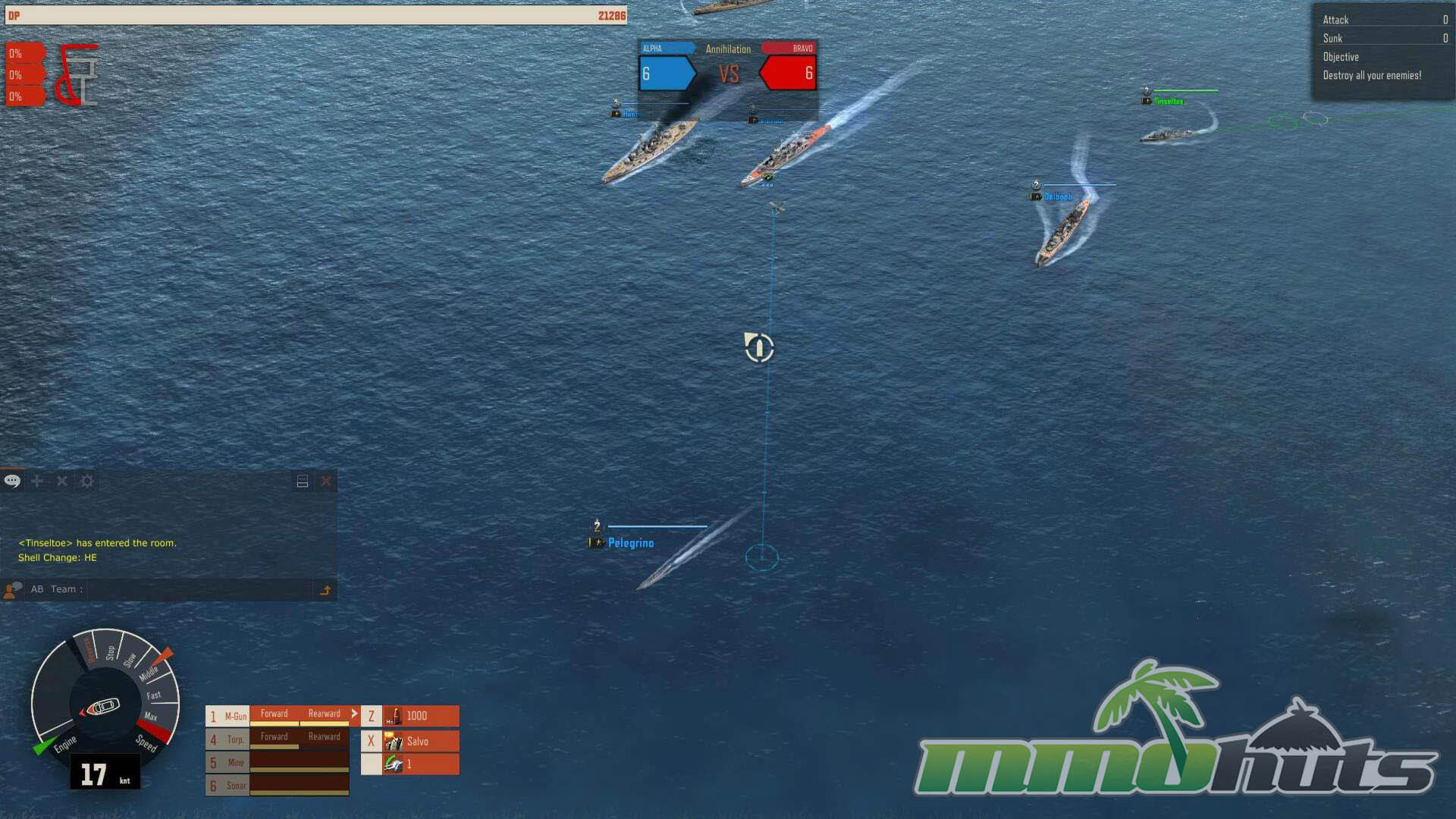
Early ships keep things simple, typically revolving around artillery. Weapons are selected via hotkeys, and aiming is about leading your target rather than clicking directly on it. The game shows guidance lines and aiming indicators, but hits are not guaranteed, and small deviations can happen, so you are rewarded for consistent positioning and good predictions rather than perfect precision. Movement can be handled with keyboard controls for throttle and turning, yet the waypoint style navigation is often the more practical approach during hectic fights because it frees you up to manage gunnery.
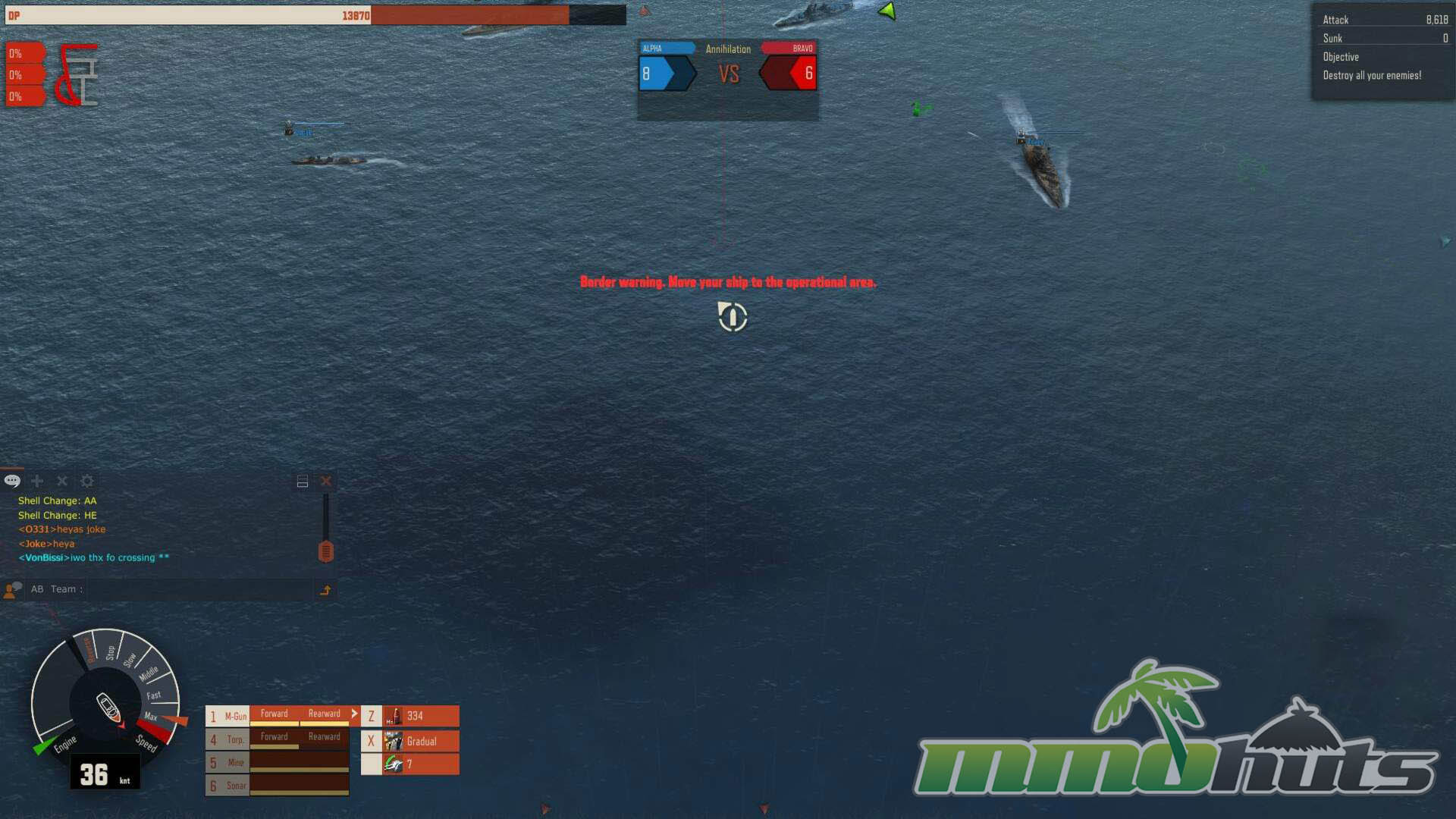
The camera is another core tool. You will frequently pan across the map to track enemy pushes, watch allied lines, and check for flanking plays. Submarines and torpedo-capable ships, in particular, encourage constant scanning because the threat is often detected late, and a single well-timed spread can end a fight quickly if you are caught out of position.
Match flow and population realities
With a low playerbase, queue times can vary, and match quality can be inconsistent. The game’s tiering tries to keep newer players together up through Rank IV, while higher ranks are grouped separately, but the practical outcome is that you can still end up in lobbies with very different ship types and power levels. In the best matches, that variety creates interesting tactical problems, such as protecting vulnerable ships from torpedo runs or coordinating focus fire to break a battleship line. In the worst matches, it can feel like you are outgunned before you have a chance to contribute.
Combat itself becomes chaotic quickly, especially in bigger battles. Shell arcs, explosions, and warning messages about incoming torpedoes can turn the screen into a busy information test. Teams that drift apart tend to lose ships one by one, while groups that hold formation and concentrate fire usually control the engagement. The predictive aiming model also means that movement discipline matters, small course changes can be the difference between taking a full salvo and watching it land harmlessly behind you.
Fleet battles are where Navy Field 2 shows its strongest side. When multiple ships are trading fire across long distances, the overhead view helps you understand the battle as a whole, not just your own duel. The downside is that imbalanced matchmaking becomes more noticeable later on, because veteran ships and crews can feel oppressive when your own tools are still developing. That issue is hard to fully solve in a small community, but it is still a real friction point for anyone trying to reach the upper tiers.
Progression, modules, and crew management
Outside the match, Navy Field 2 leans into RPG-style progression. Ships have multiple module categories you can improve, and those upgrades can meaningfully change how a vessel performs, whether you are trying to survive longer, hit harder, or refine handling. The module system encourages you to invest in a ship for a while, rather than immediately discarding it the moment a new hull becomes available.
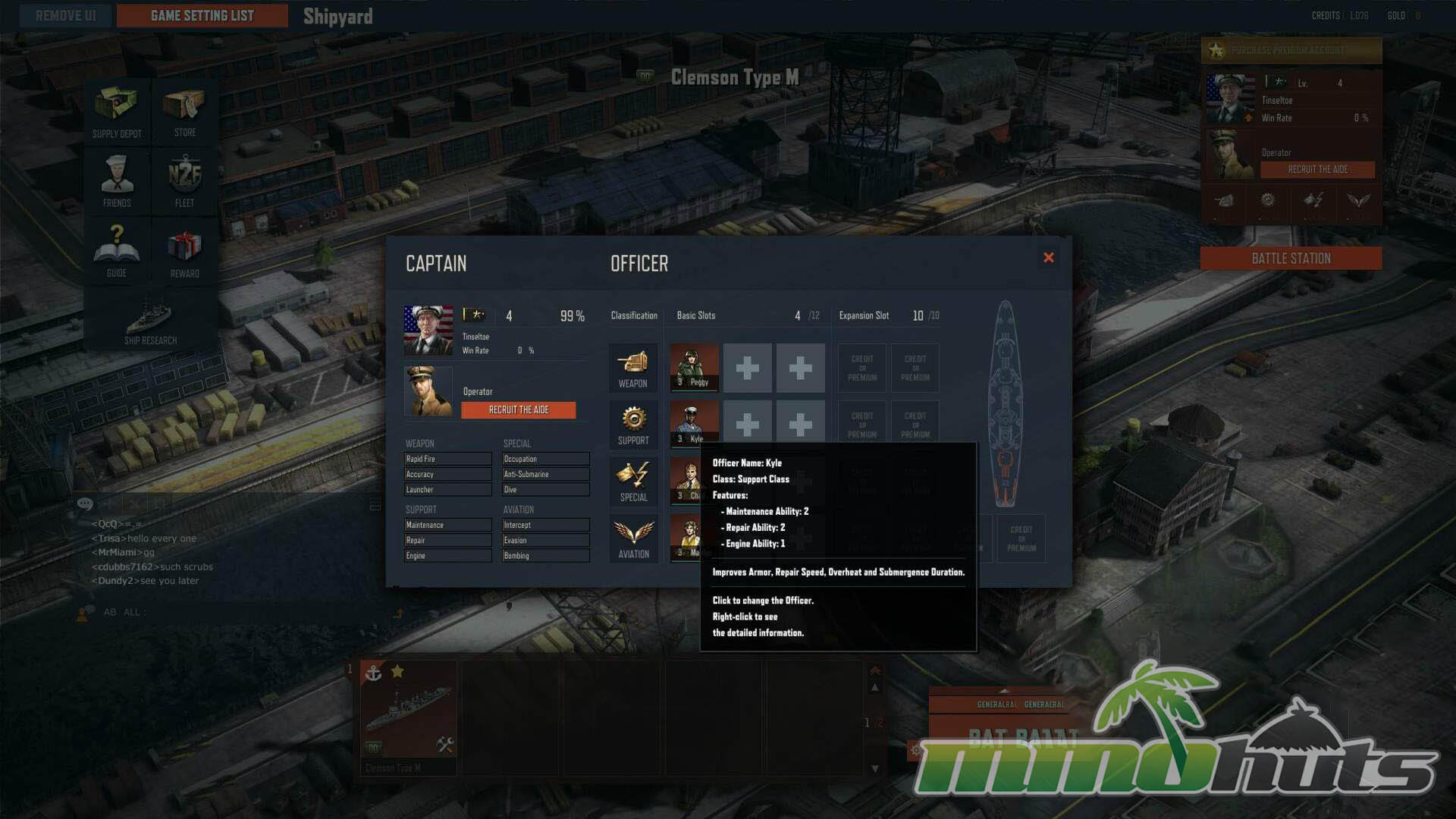
Crew and officer management adds another layer. Officers support different functions and develop their own stats over time, and the captain levels as well, earning points that can be allocated into areas that suit your playstyle. It is a satisfying form of long-term growth because it creates continuity between matches, your ship does not just get replaced, it evolves alongside your personnel. The drawback is that some officer acquisition is tied to gold, which introduces a monetization edge, even if it is not a straightforward “buy power and win” setup.
Tech trees and the leveling pace
As expected for a military vehicle progression game, the tech tree is central. You generally improve modules and performance within a tier, then use that progress to unlock the next ship. It is a familiar structure, but it works well here because it keeps your choices focused: do you refine your current ship to be more effective now, or rush toward the next hull?
One of the more approachable aspects of Navy Field 2 is how quickly early progression moves. Even in losses, experience gain tends to be noticeable, and it is common to see your captain, crew, or ship progress after a session. That steady stream of upgrades helps the game maintain momentum in its opening hours, especially compared to other grind-heavy free-to-play war games. Later on, the pace naturally slows, and the gap between new players and long-time veterans becomes more apparent.
Monetization and “gold” purchases
Navy Field 2 includes premium currency (gold), but its store design is not heavily built around selling exclusive ships or irreplaceable upgrades. Ships still need to be researched, and the core power curve comes from normal progression. Gold is more commonly tied to convenience options, time-limited bonuses, and cosmetics. That model feels more restrained than the worst examples in the genre, even though it can still create pressure if you want faster access to certain quality-of-life benefits.
Final Verdict – Great
Navy Field 2 may not have the visibility of larger naval competitors, but its overhead, tactical approach gives it a distinct identity. The best moments come from coordinated fleet battles where positioning, leading shots, and reading the map decide the outcome. Fast early progression, meaningful module upgrades, and RPG-like crew development provide strong reasons to keep playing. On the other hand, limited modes, uneven matchmaking, and a small community can make the experience feel inconsistent, especially deeper into the game. For players who prefer strategic naval combat over first-person spectacle, Navy Field 2 offers a satisfying, systems-driven take on the genre.
Navy Field 2 Links
Navy Field 2 Official Site
Navy Field 2 Steam Store
Navy Field 2 Wikipedia
Navy Field 2 Reddit
Navy Field 2 Wikia [Database/Guides]
Navy Field 2 System Requirements
Minimum Requirements:
Operating System: Windows XP (SP3)
CPU: Core2 Duo or AMD Phenom II X2
Video Card: NVIDIA GeForce 8600 GT or ATI Radeon HD3850
RAM: 2 GB
Hard Disk Space: 3 GB
Recommended Requirements:
Operating System: Windows XP (SP3)
CPU: Intel Core i5 or AMD Phenom II X4
Video Card: NVIDIA GeForce GTS 250 or ATE Radeon HD4850
RAM: 4 GB
Hard Disk Space: 3 GB
Navy Field 2 Music & Soundtrack
Coming Soon!
Navy Field 2 Additional Information
Developer(s): SDEnterNet
Closed Beta: January 01, 2014
Korean Release: June 25, 2014
NA Closed Beta: April 10, 2013
Steam Release: March 05, 2015
Shut Down Date: December 27, 2017
Development History / Background:
Navy Field 2 was created by the South Korean studio SDEnterNet as a follow-up to the well-regarded 2006 title Navy Field. The project entered closed beta in January 2014, then launched in Korea on June 25, 2014, before being localized and released on Steam on March 05, 2015. SDEnterNet’s other online projects include the flight shooter Bugs Rider Military casual game and the similarly styled Pearl Harbor. Navy Field 2 ultimately shut down on December 27, 2017.