Natural Selection 2
 (No Ratings Yet)
Natural Selection 2 blends tactical first-person shooting with real-time strategy decision-making in a gritty sci-fi setting. You can fight on the front line as a marine or alien lifeform, or step into the commander role to manage tech, place structures, and guide your team’s pushes and defenses across the map.
 | Publisher: Unknown Worlds Entertainment Playerbase: Low Type: Strategy FPS Release Date: October 31, 2012 Pros: +Snappy, high-stakes firefights. +Engaging RTS-style commander layer. +Aliens feel meaningfully different to play. Cons: -Extremely demanding for newcomers. -Occasional toxicity in public matches. -Tutorial does not prepare you well. |

Natural Selection 2 Overview
Natural Selection 2 is a hybrid FPS and RTS where two asymmetrical teams, Marines and Aliens, fight over territory and the resource economy that fuels their power spikes. Each round plays out on a contained map, with key rooms connected by corridors and multiple routes that encourage flanks, ambushes, and coordinated pushes. Teams expand by securing resource nodes, then spending that income on upgrades and equipment that change how fights play out minute to minute.
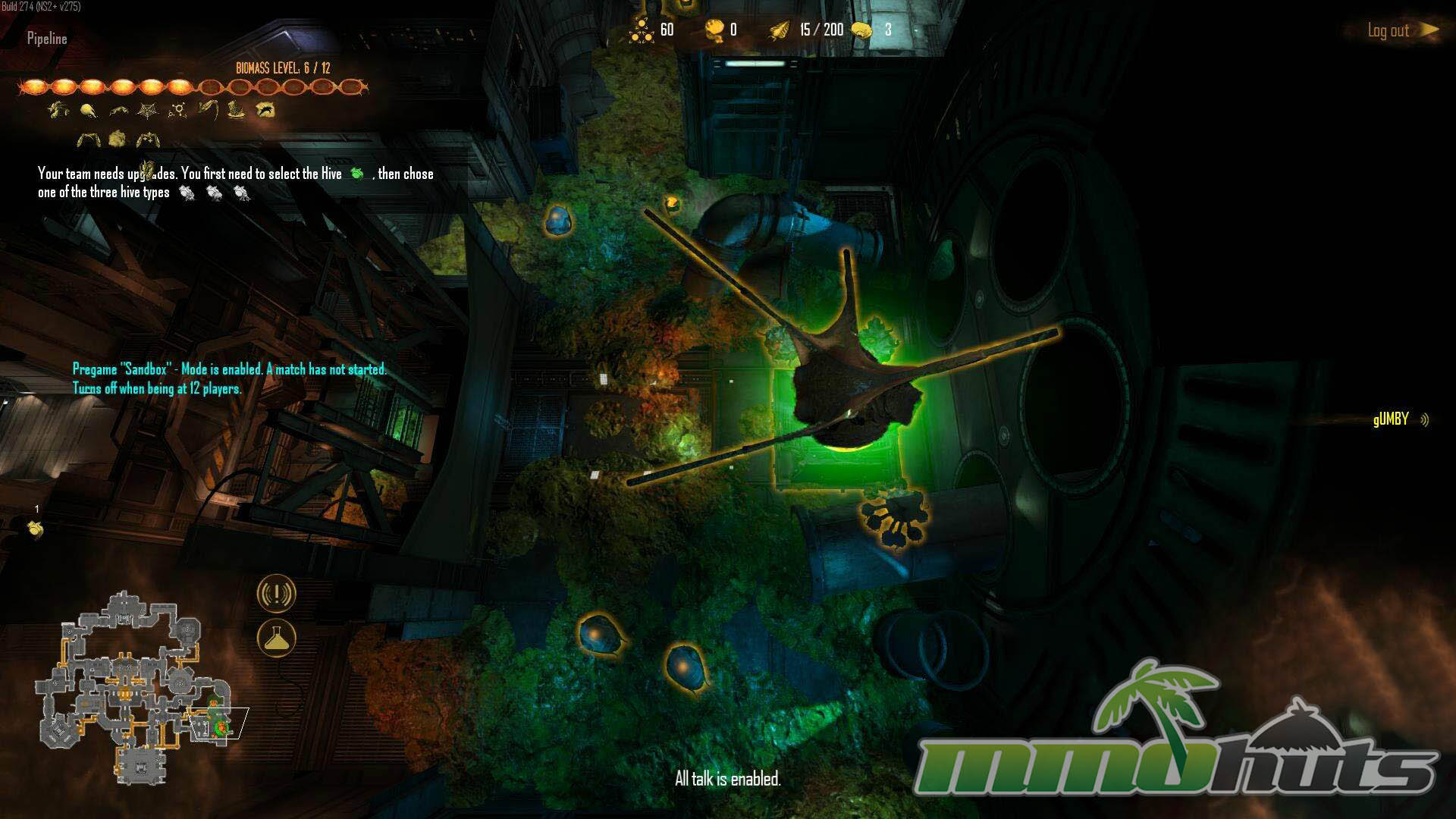
A defining feature is the commander layer. One player per side takes a strategic top-down role, placing structures, researching tech, and reacting to the flow of the match, while the rest of the team plays in first person. Resources are split between team tech and personal progression, so smart spending and timing matter just as much as mechanical aim.
Marines start with straightforward firearms and gradually unlock stronger tools and survivability options. As the tech tree advances, players can swap into specialized weapons like shotguns and flamethrowers, then later transition into high-impact gear such as jetpacks or the heavy Exo suit for late-game pushes. Aliens, by contrast, develop through evolutions and abilities that emphasize mobility, ambush angles, and close-range burst. With enough resources, they can shift into new lifeforms that dramatically alter their role, including heavyweight bruisers like the Onos or slippery hit-and-run threats like the Fade. Victory usually goes to the team that controls the map economy, follows the commander’s plan, and communicates consistently.
Natural Selection 2 Key Features:
- Real-Time Strategy – take the commander seat and coordinate teammates using a tactical overhead interface.
- Unique Xenomorph Mechanics – aliens move and fight in unusual ways, including wall movement, aerial play, charges, and evasive mobility.
- Cooperative Gameplay – success depends on teamwork, timing, and responding to calls, not individual stats alone.
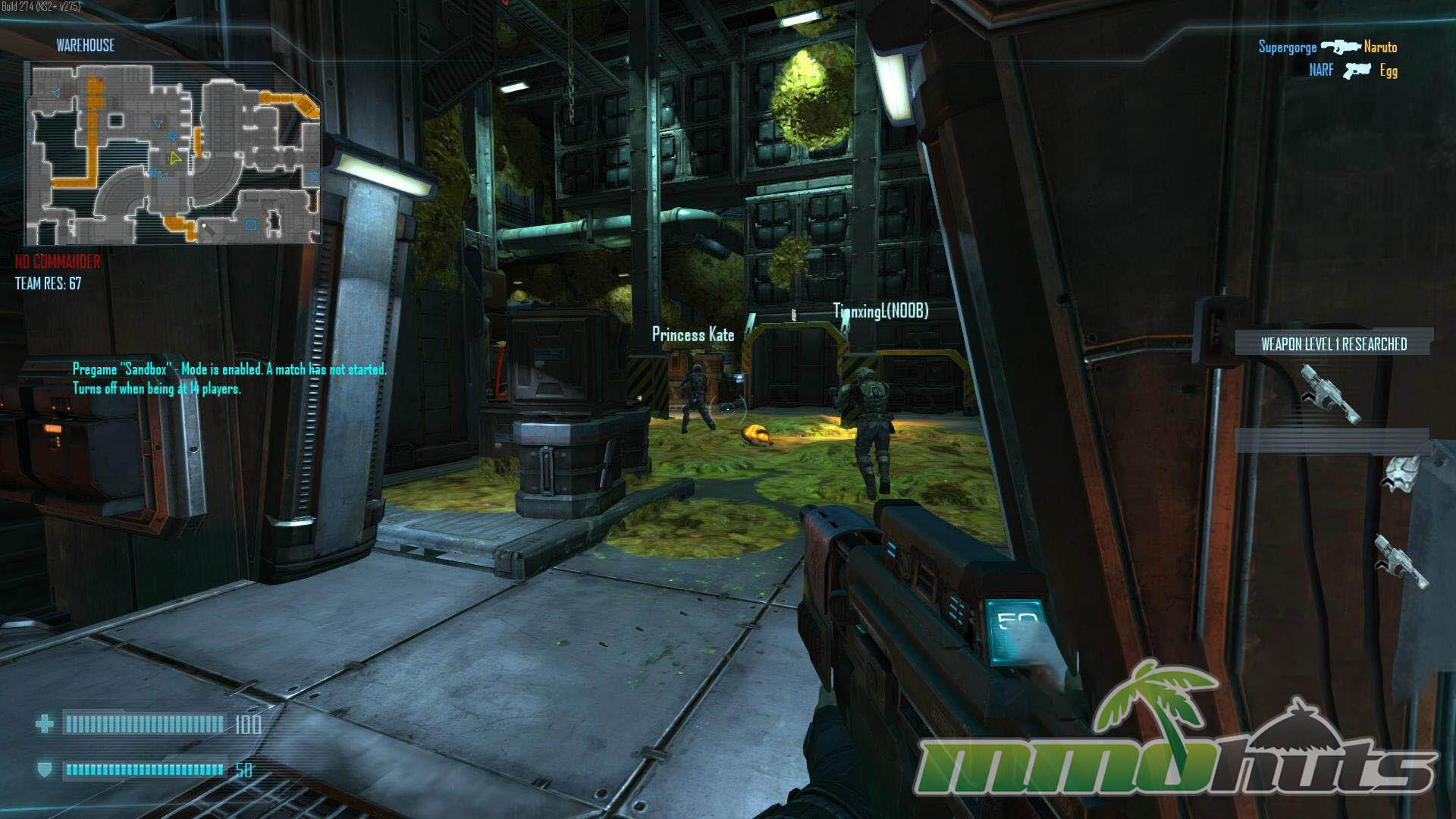
- Fast-Paced FPS Combat – short time-to-kill and constant pressure make positioning and awareness critical.
- Upgrade Trees – expand your options through researched tech, new equipment, and evolved lifeforms.
Natural Selection 2 Screenshots
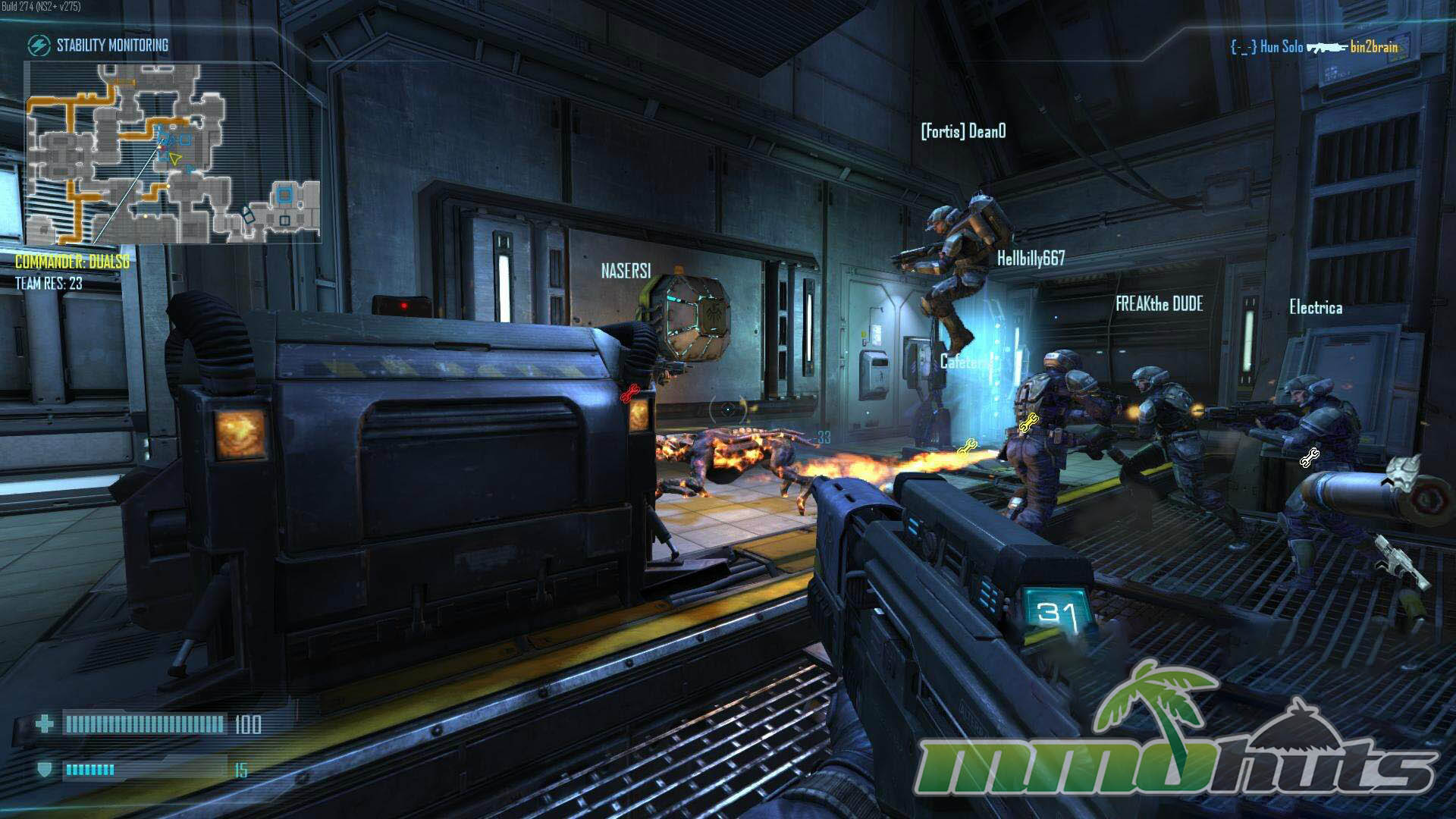
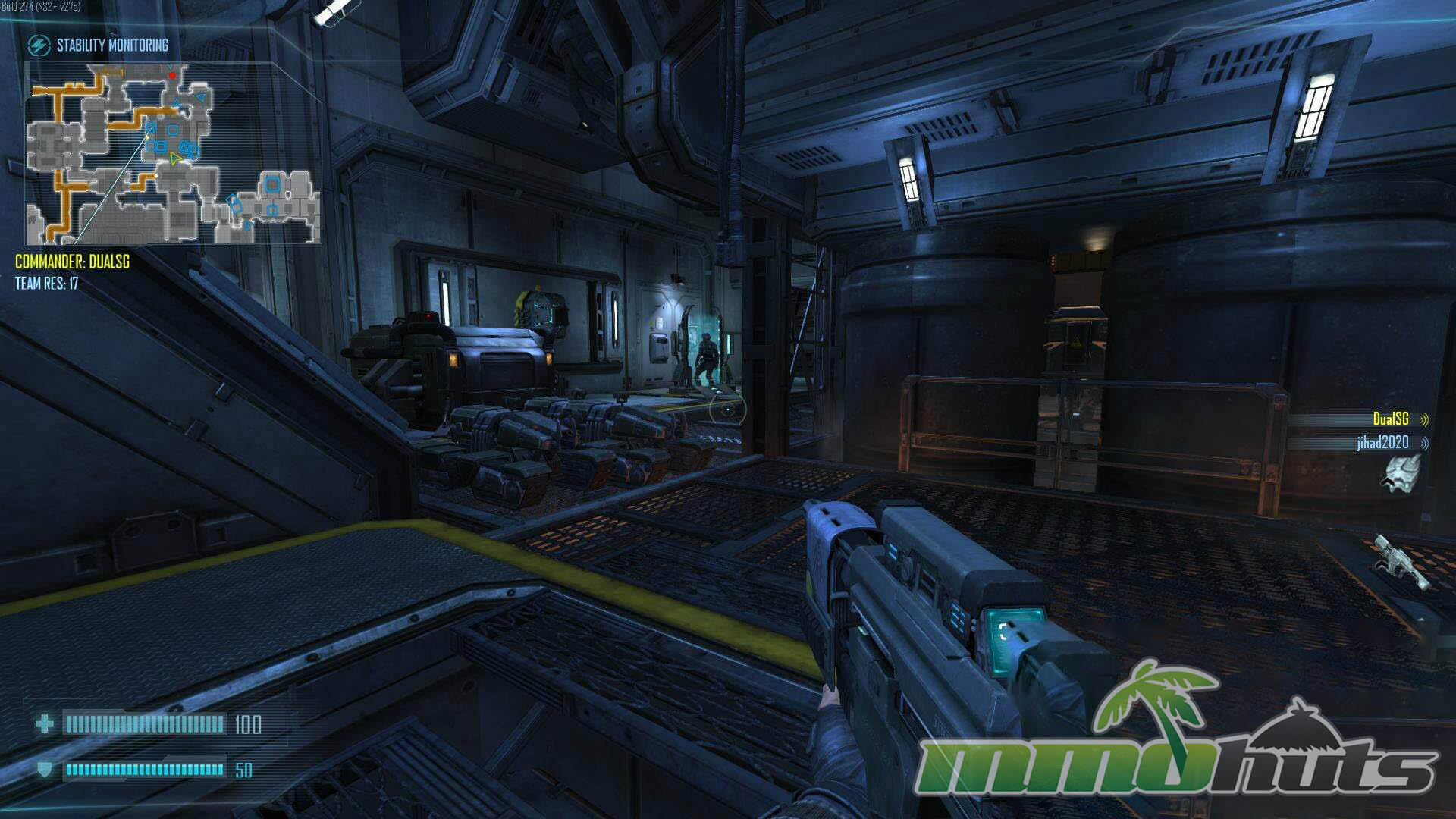

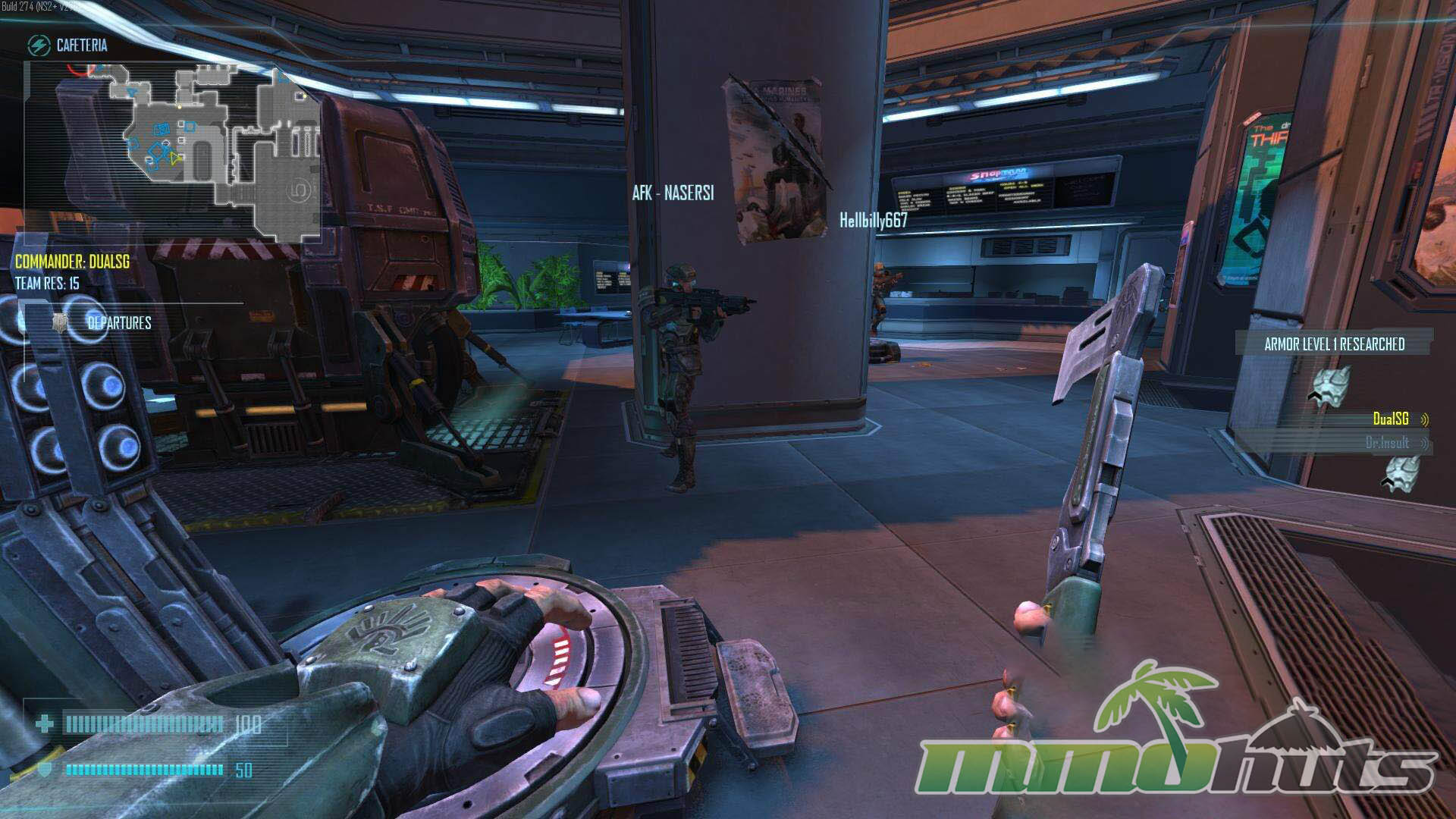
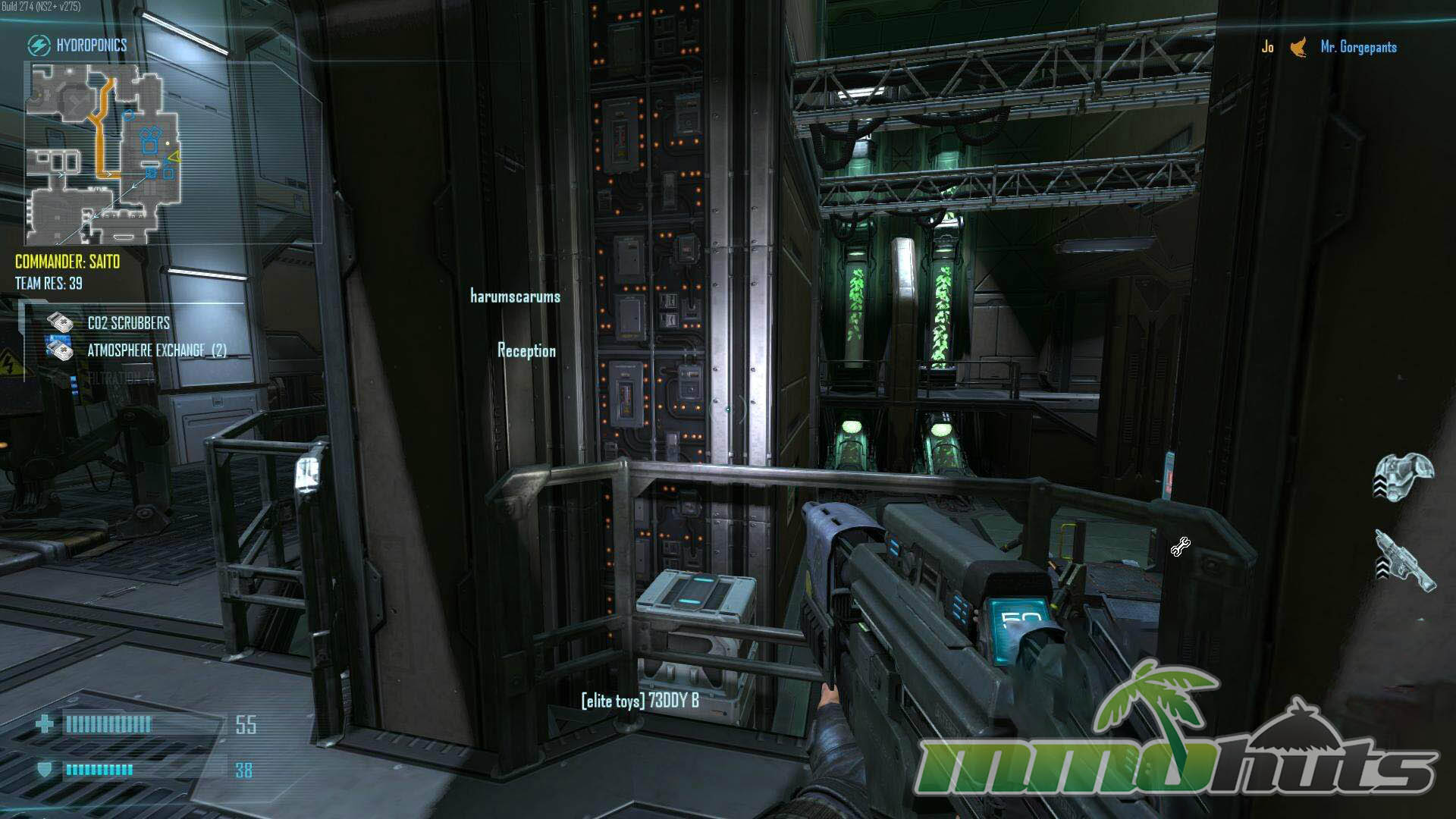

Natural Selection 2 Featured Video

Natural Selection 2 Review
Natural Selection 2 remains one of the clearest examples of FPS and RTS ideas truly sharing the same space, rather than simply borrowing a few mechanics from each other. It is also a game that demands patience. The basics are easy to describe, capture resources, tech up, destroy the enemy command structure, but the execution asks a lot from players on both sides. That barrier is part of what makes NS2 special, and part of why it has always been a bit niche.
At its best, NS2 produces tense rounds where every small win, a cleared room, a saved extractor, a successful beacon or hive defense, meaningfully shifts the economy. At its worst, one team collapses early due to weak leadership or poor coordination, and the round ends before either side gets to show off its late-game toys.
Sci-fi corridors built for ambushes
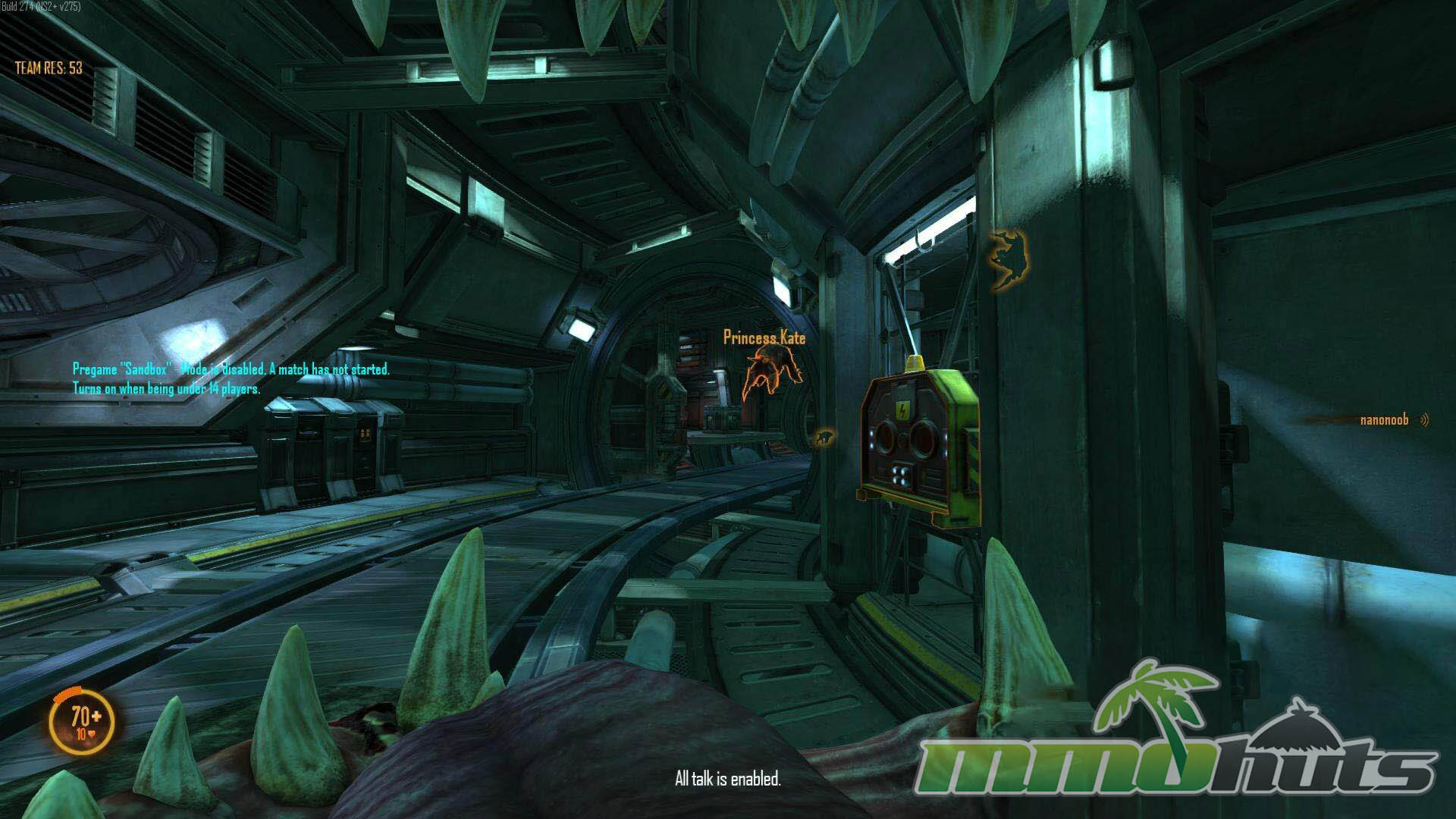
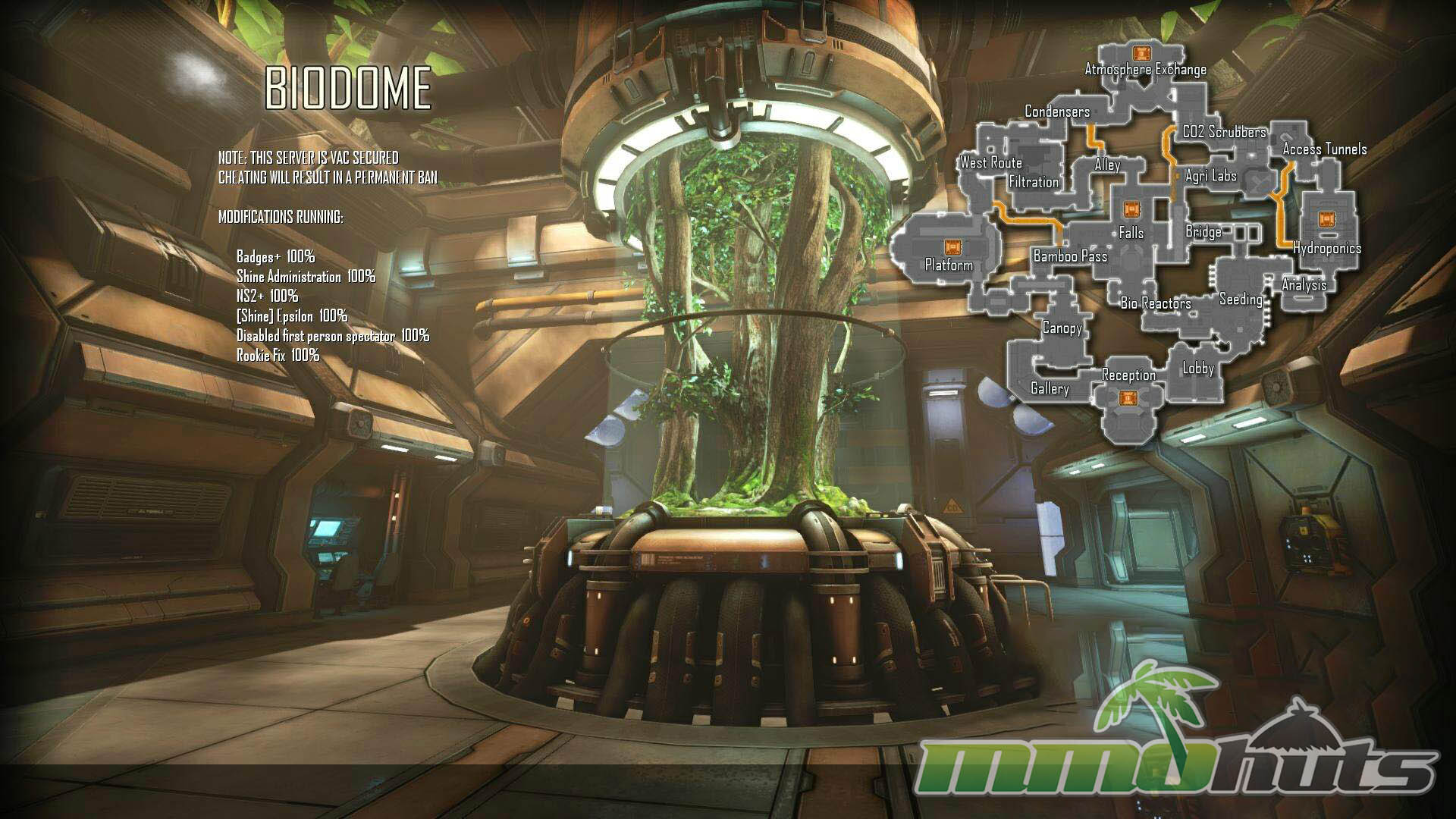
Matches take place on compact, purpose-built maps, more like classic competitive shooters than open battlefields. The layout typically funnels teams through a few main lanes with connectors, creating predictable conflict points around resource rooms and critical tech locations. The art direction leans into industrial sci-fi, with sterile labs, maintenance tunnels, and occasional strange set pieces that make each environment memorable without getting in the way of readability.
Both teams begin in their start room around their core structure (Command Chair for Marines, Hive for Aliens). From there, the early game becomes a race to claim resource nodes while denying the opponent’s expansion. The economy is the heartbeat of NS2. You can be a mediocre duelist and still be invaluable if you are taking nodes, building, rotating quickly, and keeping pressure on the right rooms. Conversely, top fragging does not matter much if your team is broke and stuck with inferior tech.
The commander role is the match’s backbone
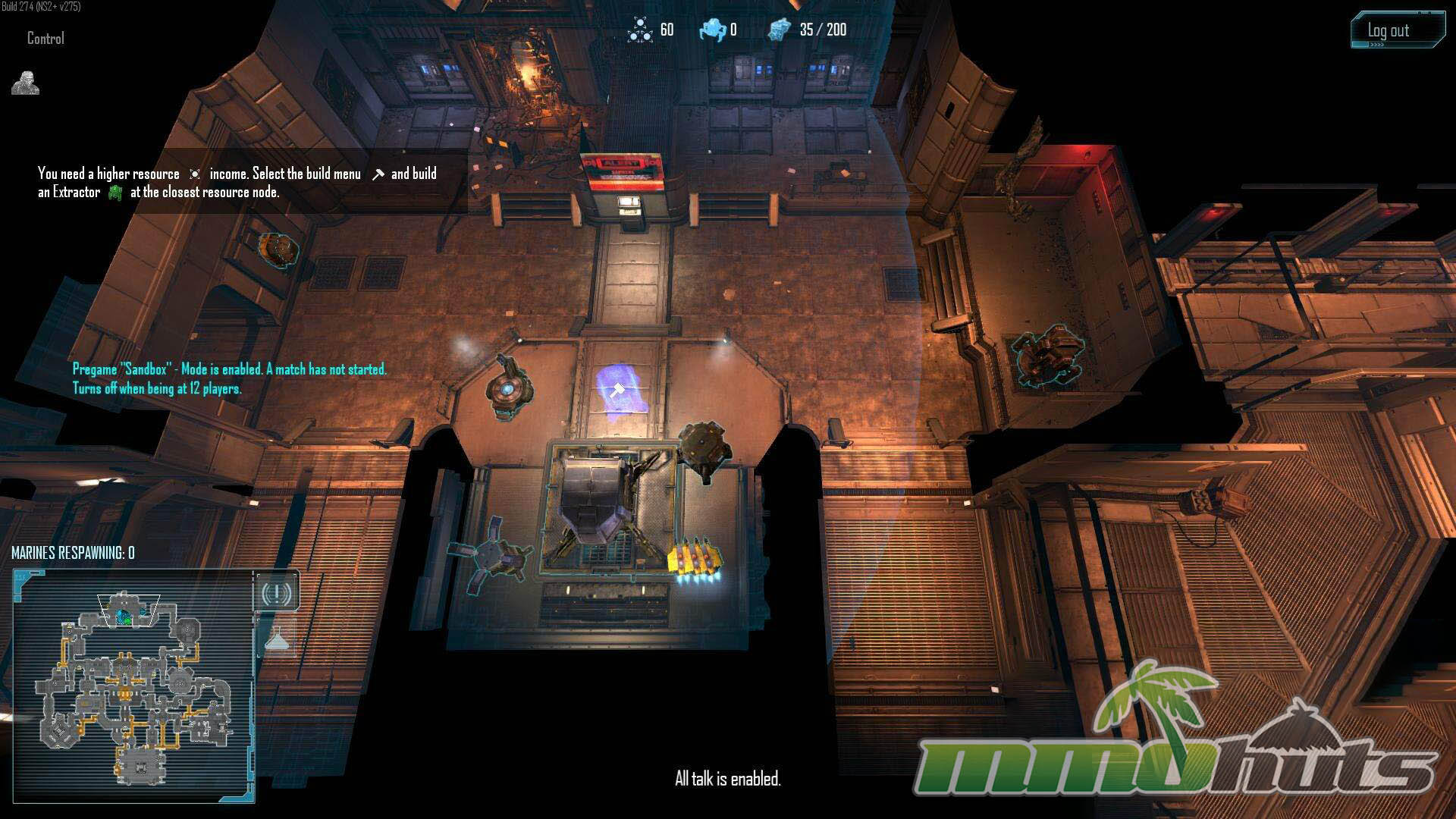
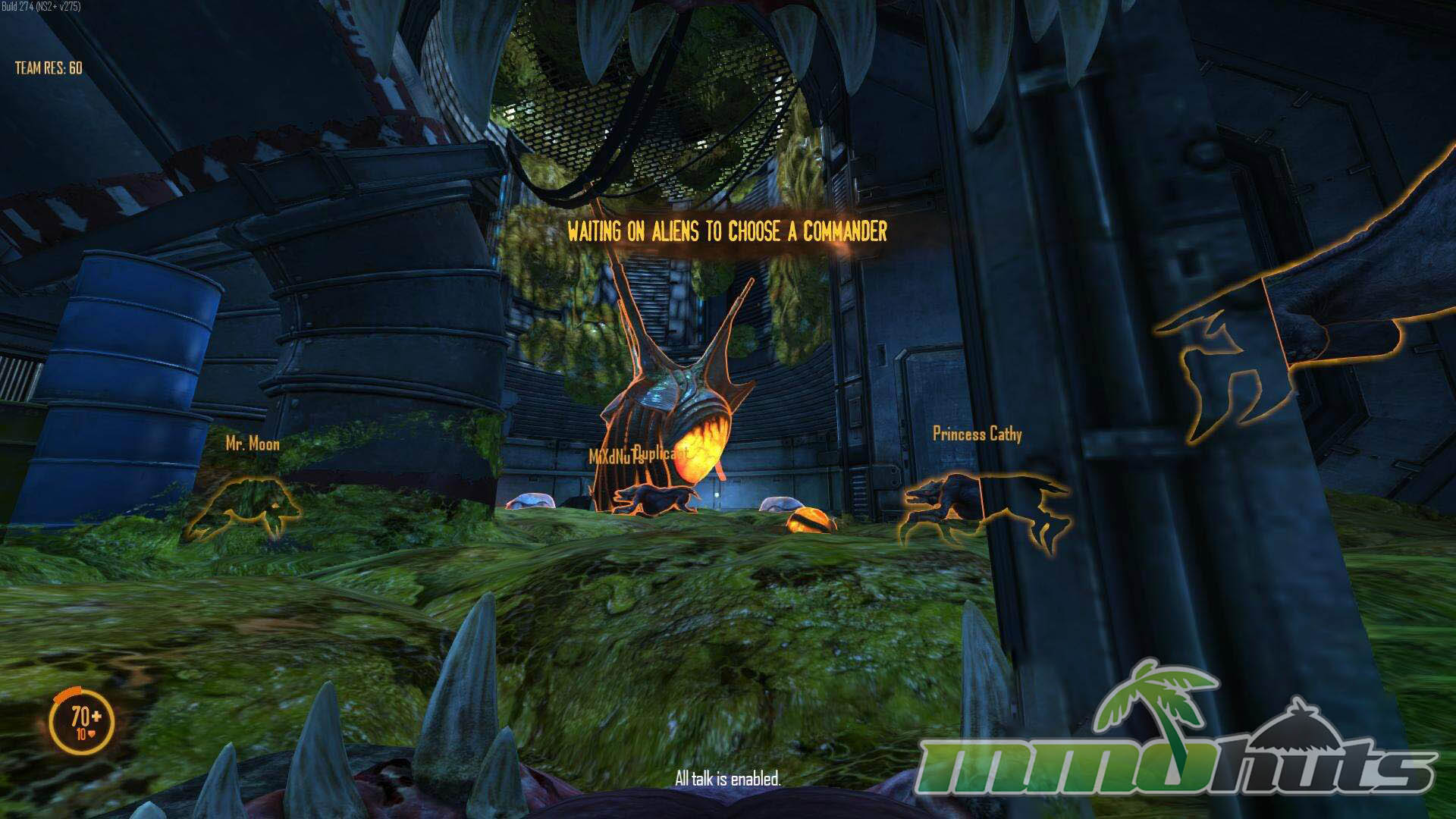
The commander is not a passive support role, it is the strategic engine that turns map control into upgrades and win conditions. From the chair (or hive), the perspective shifts to an RTS view with build menus, research options, and a minimap that demands constant attention. A good commander tracks threats, reinforces weak points, spends efficiently, and communicates priorities clearly.
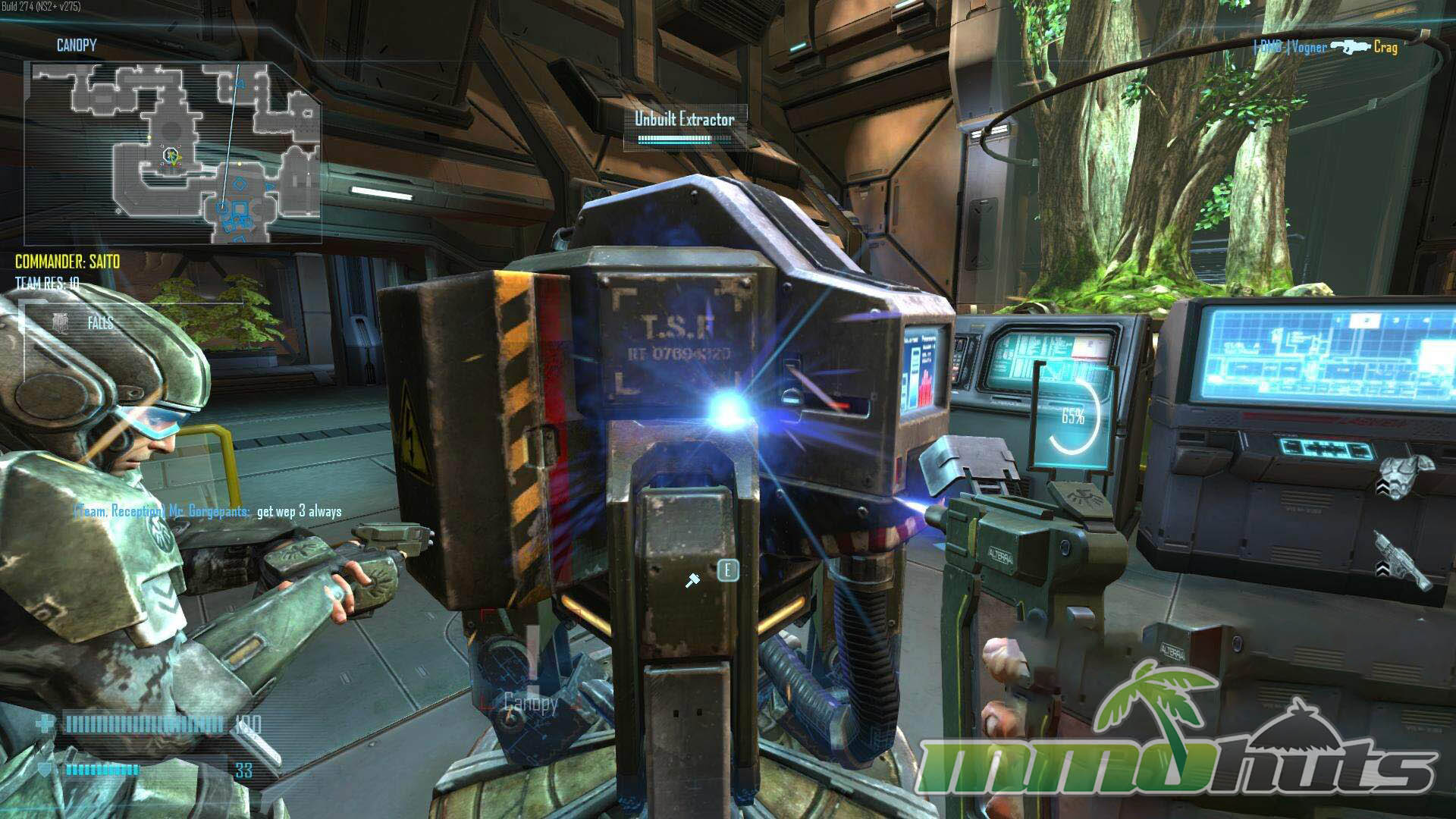
For Marines, the early game often revolves around establishing core infrastructure and securing extractors. Buildings must be physically constructed by marines on the ground, which creates a constant tension between expanding, defending, and not getting caught out during build phases. As resources come in, the marine tech path opens up stronger weapons and mobility options, letting the team pivot from holding territory to breaking alien positions with coordinated pushes.
Alien commanding has a different rhythm. Structures grow on infestation, and spreading that infestation becomes a strategic layer of its own. The chain of cysts is both your lifeline and a vulnerability, because marines can cut it and cause isolated alien structures to fail. Alien upgrades also matter hugely, since they shape what evolutions and combat options the team can bring online. Where marines “buy” new tools, aliens transform into roles, and each role changes movement, engagement ranges, and survivability. The commander’s research choices therefore influence not only power, but also how the alien team wants to take fights.
Gunplay vs. movement mastery
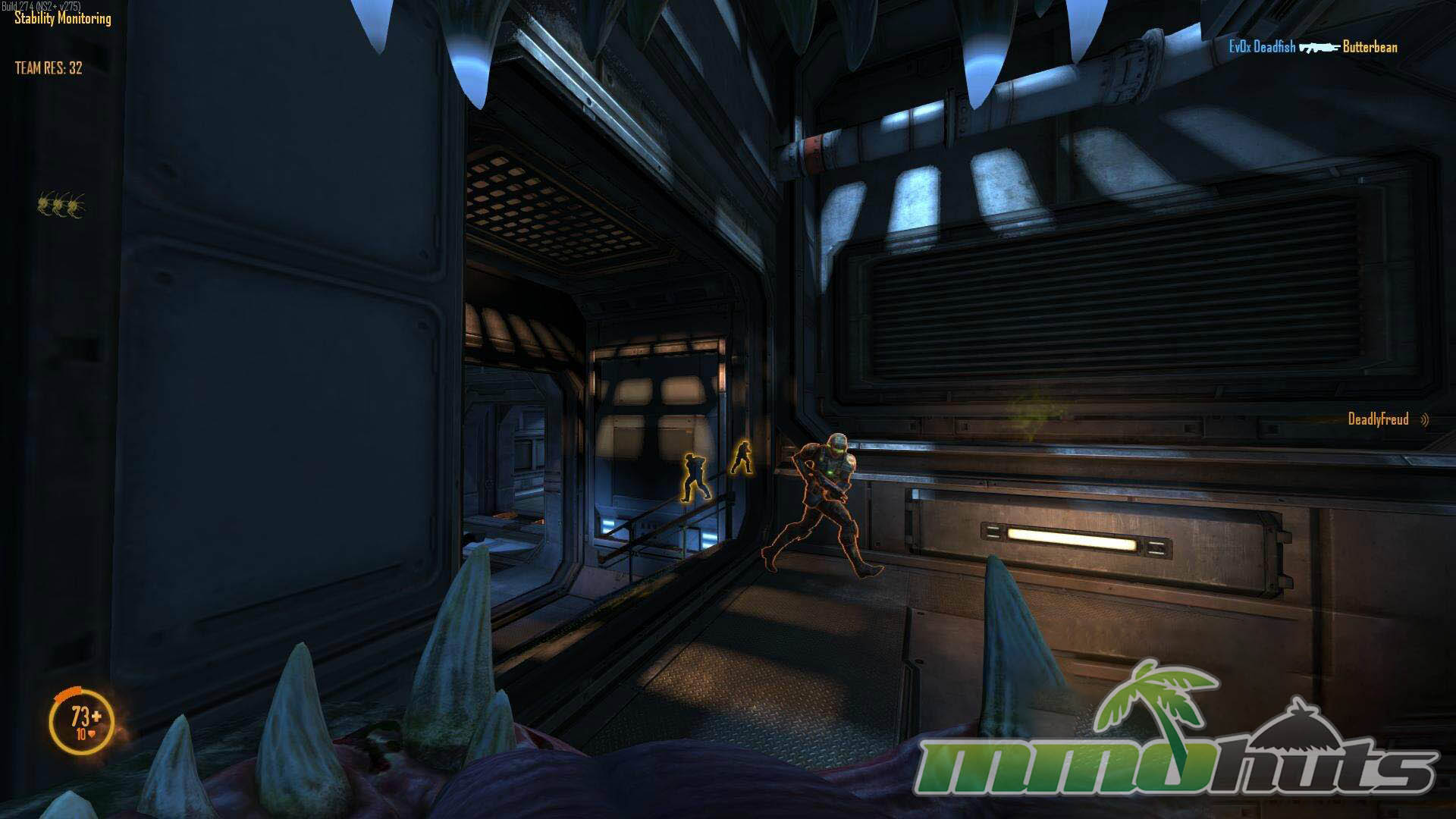
On the ground, Marines are the most familiar entry point. Their shooting feels direct and punishing, and strong aim absolutely pays off. The trap for new marine players is treating the match like a deathmatch. NS2 rewards marines who build quickly, rotate to defend extractors, and move as a group when pressuring alien territory. A single marine can win a duel, but a coordinated squad wins rooms and keeps the economy stable.
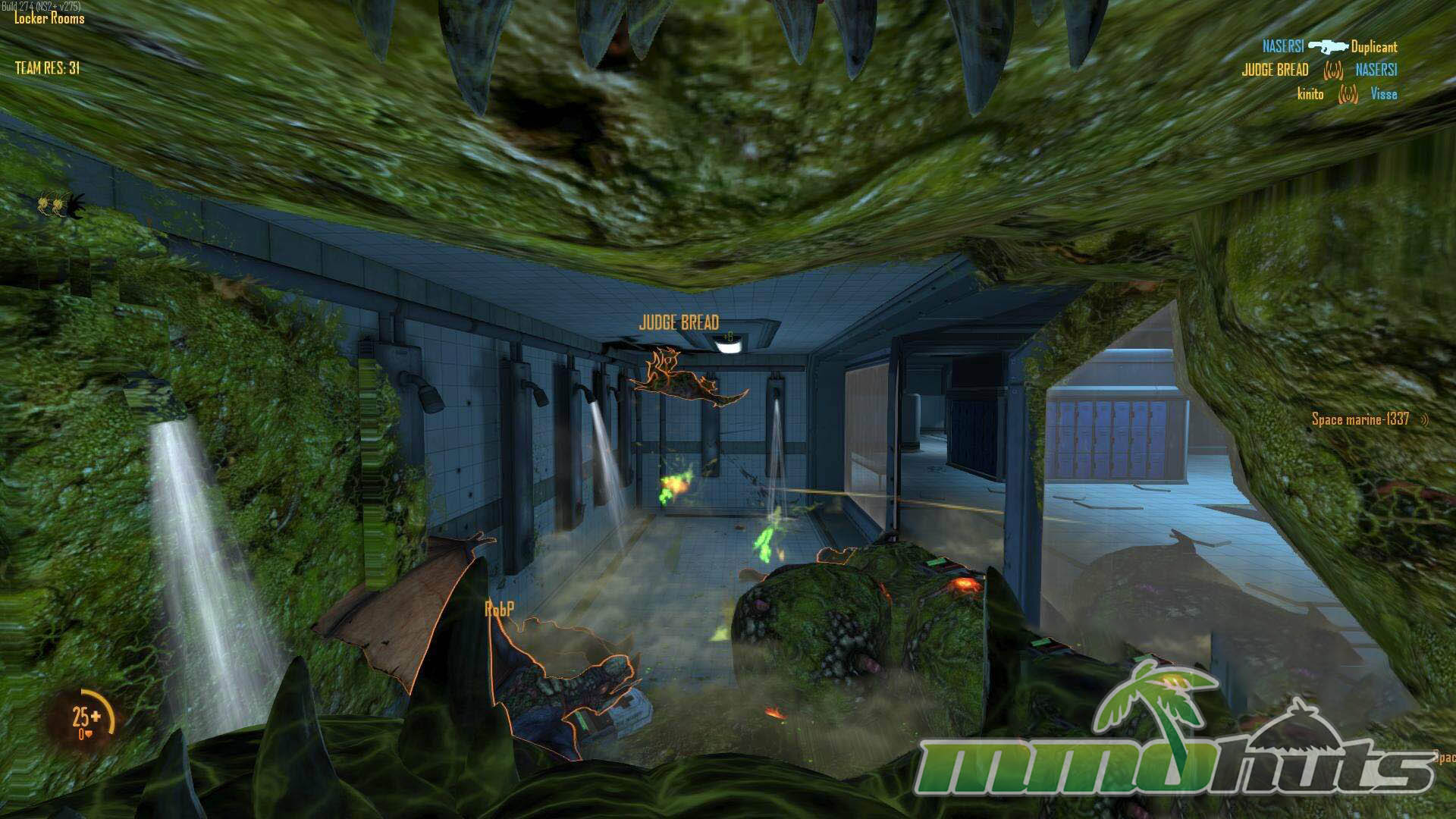
Aliens are where NS2’s personality really shows. Each lifeform has its own movement rules and combat patterns, and learning them takes time. Skulks thrive on angles, surprise, and using walls and ceilings as real routes, not gimmicks. Lerks introduce aerial harassment and spacing, while higher lifeforms demand better timing and positioning because their cost makes every death painful. When it clicks, alien play becomes a fast, fluid dance around marine sightlines, forcing mistakes and punishing overextensions.
Combat overall is quick and unforgiving. Fights resolve in seconds, and awareness is often more important than raw reaction time. Poor positioning, lack of backup, or ignoring sound cues can lead to instant deaths, especially for newer players who are still learning how the maps flow.
Leadership is both the magic and the weakness
NS2’s biggest strength is also its most common failure point, the commander dependency. When one side has a confident commander and the other does not, rounds can snowball hard. Early mistakes in tech timing, expansion priorities, or base defense can end a match long before it becomes a back-and-forth contest. This is not inherently unfair, it is the core design, but it does mean the game can be rough on public servers.
There is also social pressure attached to commanding. You are visible, you are judged, and your decisions affect everyone. That makes many players avoid the seat entirely, which can lead to awkward starts while teams wait for someone to step up. NS2 is at its smoothest when a server has a culture of teaching and rotating commanders rather than treating every match like a trial.
Information wins rounds
Communication is not optional in Natural Selection 2. Callouts about enemy movement, damaged structures, or incoming pressure are often the difference between holding a node and losing a lane. Commanders need concise updates to spend and react correctly, and field players need clear priorities so they do not drift into aimless roaming.
When players treat NS2 like a solo shooter, the match usually collapses into scattered deaths and lost economy. Even basic coordination, pairing up, responding to pings, rotating when asked, dramatically increases the quality of the round. The game rewards teams that share information consistently, even if their mechanical skill is average.
A steep skill curve that never really flattens
NS2 has a notorious learning curve, and it is not just about aim. It is about map knowledge, sound cues, timing, resource priorities, build habits, and movement tech, especially for aliens. New waves of players often struggle most on the alien side, because the movement and engagement rules feel unlike typical FPS conventions.
The community experience can vary. Many veterans are helpful and will explain concepts if asked, but public matches can also produce impatience and negativity, particularly when a team is missing a competent commander. The skill ceiling remains extremely high, and experienced players can feel untouchable through a mix of precision, positioning, and movement mastery.
Organized play shows the design at its best
In coordinated games, NS2 becomes far more structured and strategic. Teams move with purpose, lanes are covered, rotations happen quickly, and the resource game is managed tightly. The pacing feels sharper because every decision is punished, a lost extractor matters, a failed push costs momentum, and a mistimed tech choice can decide the late game.
This is where the hybrid design shines, because the commander’s plan and the field execution finally match. It can be intimidating to step into that environment, but it is also where many players discover why NS2 has maintained a dedicated following for so long.
A smaller population changes the feel
The current reality is that Natural Selection 2 is not bustling the way it once was, and the lower population impacts match consistency. You are more likely to recognize names, run into highly experienced regulars, and land in servers where the skill spread is wide. That can produce lopsided rounds, especially when one side has leadership and the other is improvising.
Still, when the teams are reasonably balanced and both commanders are engaged, NS2 can deliver the kind of tense, tactical round that few other shooters can replicate. The highs remain high, even if they are less frequent than in the game’s peak years.
Final Verdict – Great
Natural Selection 2 is a rare and ambitious strategy shooter that still feels distinctive years after release. Its best moments, coordinated pushes, desperate base defenses, and clever tech choices, are genuinely hard to find elsewhere. The downsides are real: the onboarding is weak, the commander role is intimidating, and public matches can be uneven depending on leadership and server culture. For players willing to learn and communicate, it remains a rewarding, high-skill multiplayer game that earns its reputation as a true FPS/RTS hybrid.
Natural Selection 2 Links
Natural Selection 2 Official Site
Natural Selection 2 Steam Store
Natural Selection 2 Wikipedia
Natural Selection 2 Reddit
Natural Selection 2 Community Wiki [Database/Guides]
Natural Selection 2 System Requirements
Minimum Requirements:
Operating System: Windows XP, Windows Vista, or Windows 7
CPU: Pentium D 805 2.67GHz or Athlon 64 4000+
Video Card: GeForce GT 530 or Radeon HD 4650 1GB
RAM: 2 GB
Hard Disk Space: 4.5 GB
Recommended Requirements:
Operating System: Windows XP, Windows Vista, or Windows 7
CPU: Core 2 Duo E7200 2.53GHz or Opteron 270
Video Card: GeForce GTS 240 or Radeon HD 6750M 512MB
RAM: 4 GB
Hard Disk Space: 4.5 GB
Natural Selection 2 Music & Soundtrack
Natural Selection 2 Additional Information
Developer(s): Unknown Worlds Entertainment
Publisher(s): Unknown Worlds Entertainment
Game Engine: Spark
Designer(s): Charlie Cleveland, Max McGuire
Concept Artist(s): Cory Strader, Brian Cummings
Programmer(s): Brian Cronin
Composer(s): David John, Simon Chylinski
Alpha Test: July 26, 2010
Closed Beta: November 18, 2010
Release Date: October 31, 2012
Steam Release Date: October 31, 2012
Development History / Background:
Natural Selection 2 was developed by American-owned game development company Unknown Worlds Entertainment. Revealed publicly in October 2006, the project was built on the studio’s internal Spark engine. The game launched on Steam on October 31, 2012, and sold 144,000 copies in its first week, generating over $1 million in revenue. Unknown Worlds later created Subnautica, an open world underwater exploration game that arrived on Steam on December 16, 2014. The studio also moved on to a game creation tool called Future Perfect, planned for release on Steam at a later date.