Monster Hunter: World is a third-person action RPG built around tracking, fighting, and either slaying or capturing huge creatures in sprawling hunting grounds. You can tackle quests alone or team up with up to four players for co-op hunts, which is where the series’ careful teamwork and role coverage really shines.
 | Publisher: Capcom Playerbase: High Type: Action RPG PvP: 4 Player co-op Release Date: January 26, 2018. Pros: +First mainline Monster Hunter on PC. +Large, detailed hunting areas. +Smart quality of life upgrades. +Satisfyingly long boss-style encounters. Cons: -Online grouping and matchmaking can be temperamental. |

Monster Hunter: World Overview
Monster Hunter: World is the fifth core entry in Capcom’s long-running hunting series, and it is the first mainline release built for PlayStation 4, Xbox One, and PC. It also pushes the franchise forward with region-free online co-op for up to four hunters, making it much easier to play with friends regardless of location. Visually, World is a major leap compared to earlier handheld-focused installments, and it comes packed with modern conveniences that reduce busywork without changing what Monster Hunter is at its heart.
That core is still about preparation and execution, choosing a weapon you understand, reading a monster’s tells, and earning upgrades by mastering fights rather than grinding levels. All 14 weapon types return (as seen in Monster Hunter 4 and Monster Hunter Generations), so whether you prefer slow, high-commitment hits or faster technical play, the full toolkit is here.
Monster Hunter: World Key Features:
- Monster Hunter Finally Lands on PC – World is the first mainline Monster Hunter title to launch on PC, opening the door to a much broader audience.
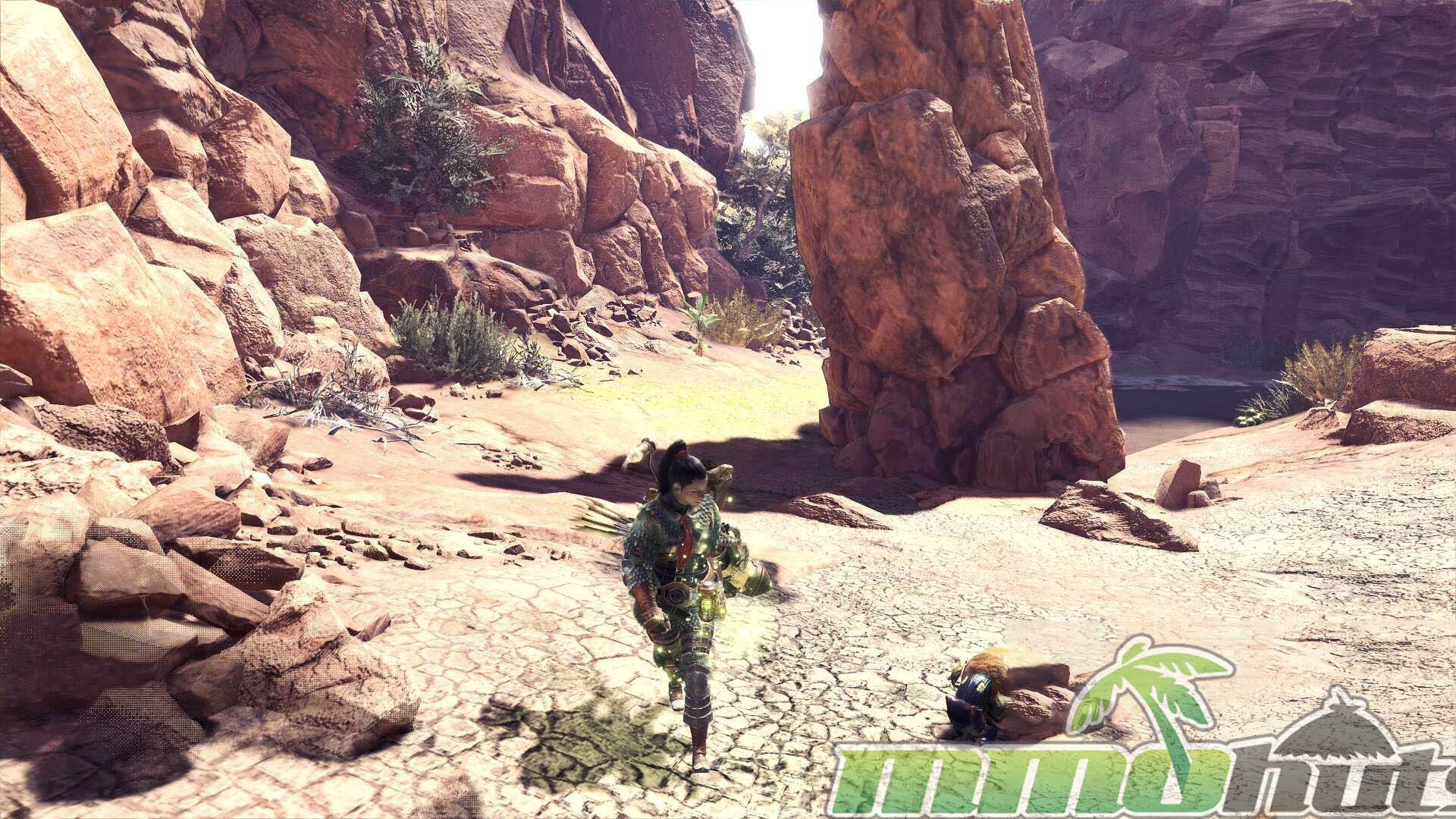
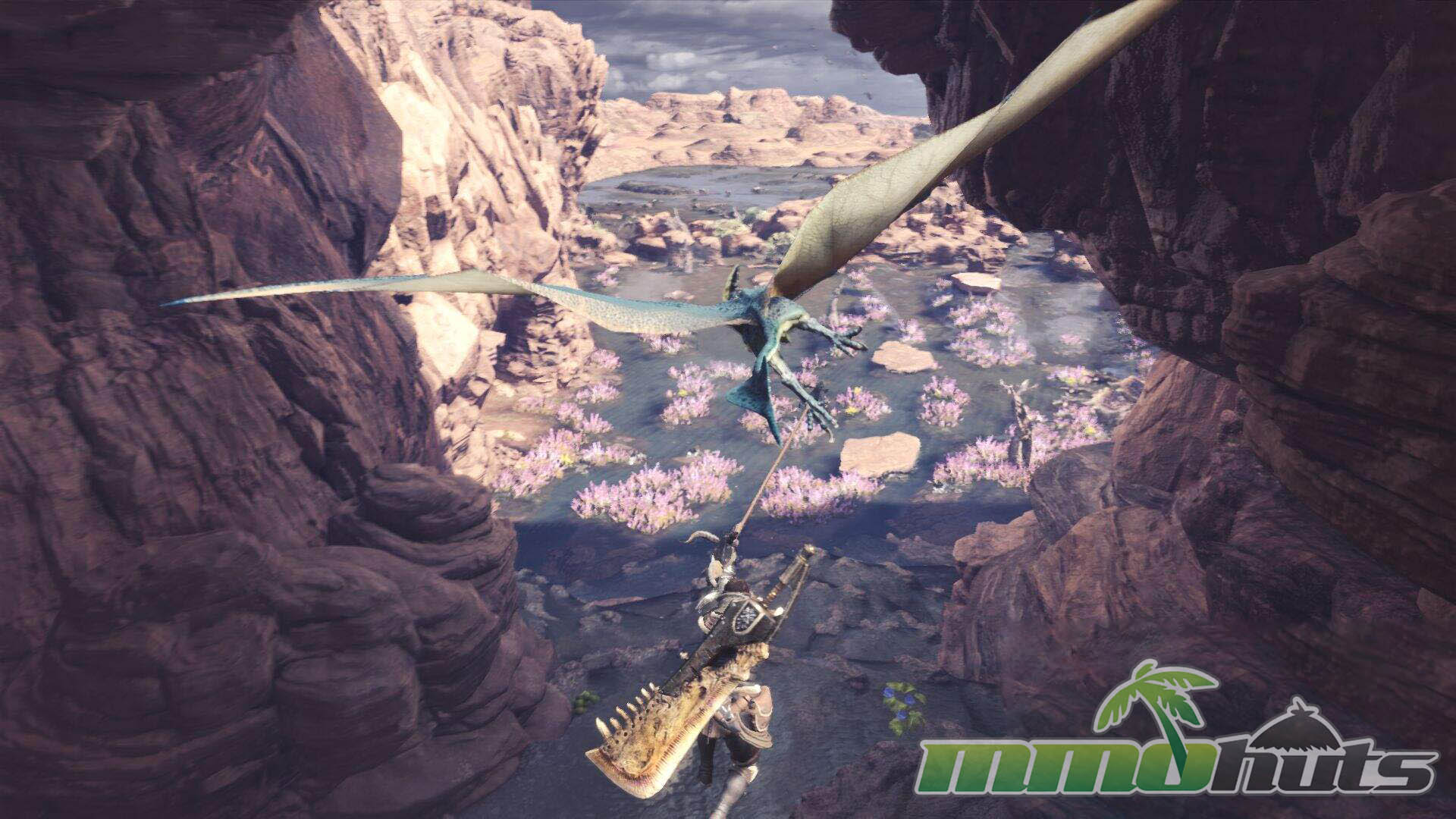
- Seamless Hunting Zones – Instead of being split into small, disconnected areas, maps flow naturally, letting you chase targets without constant transitions.
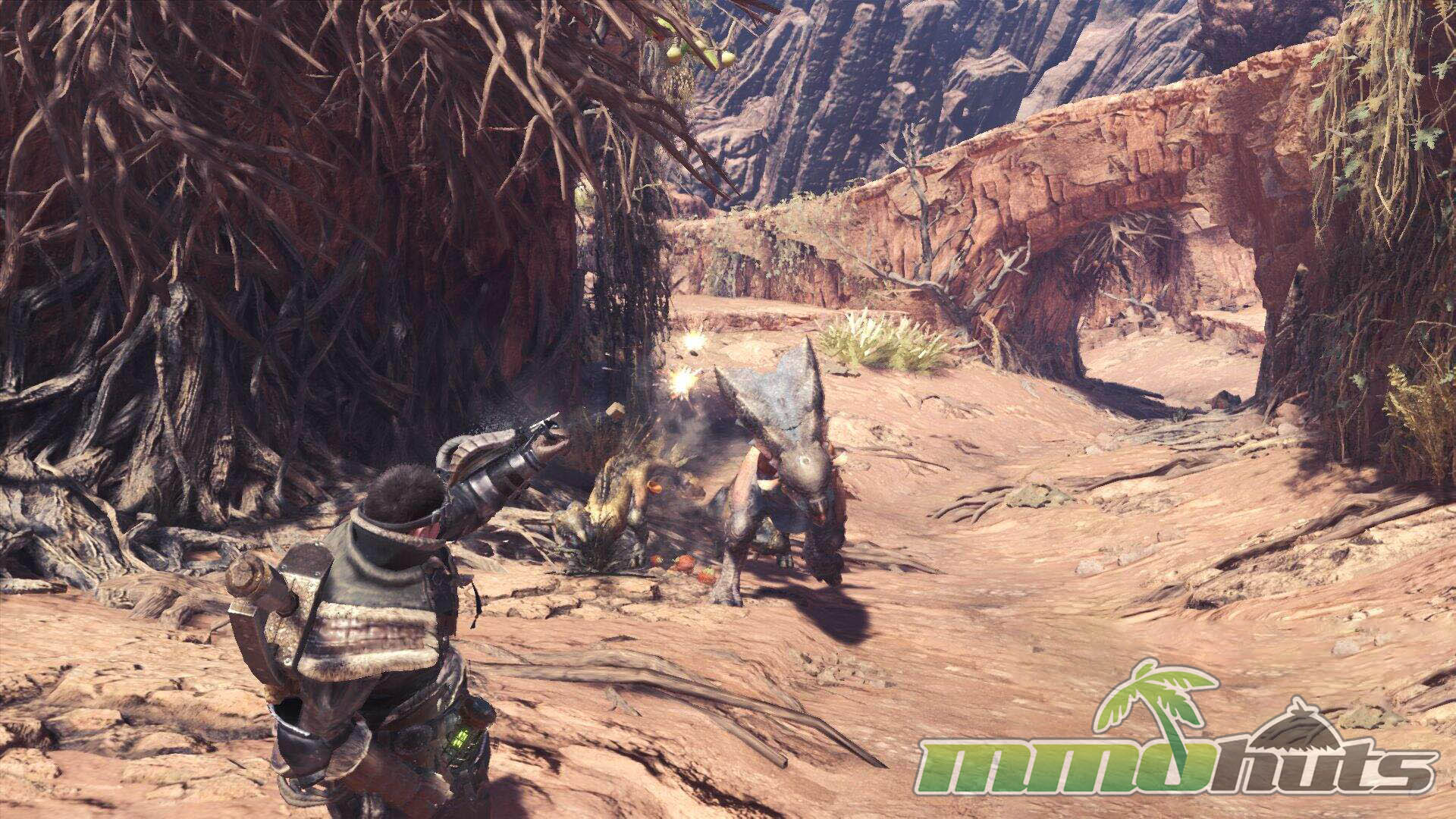
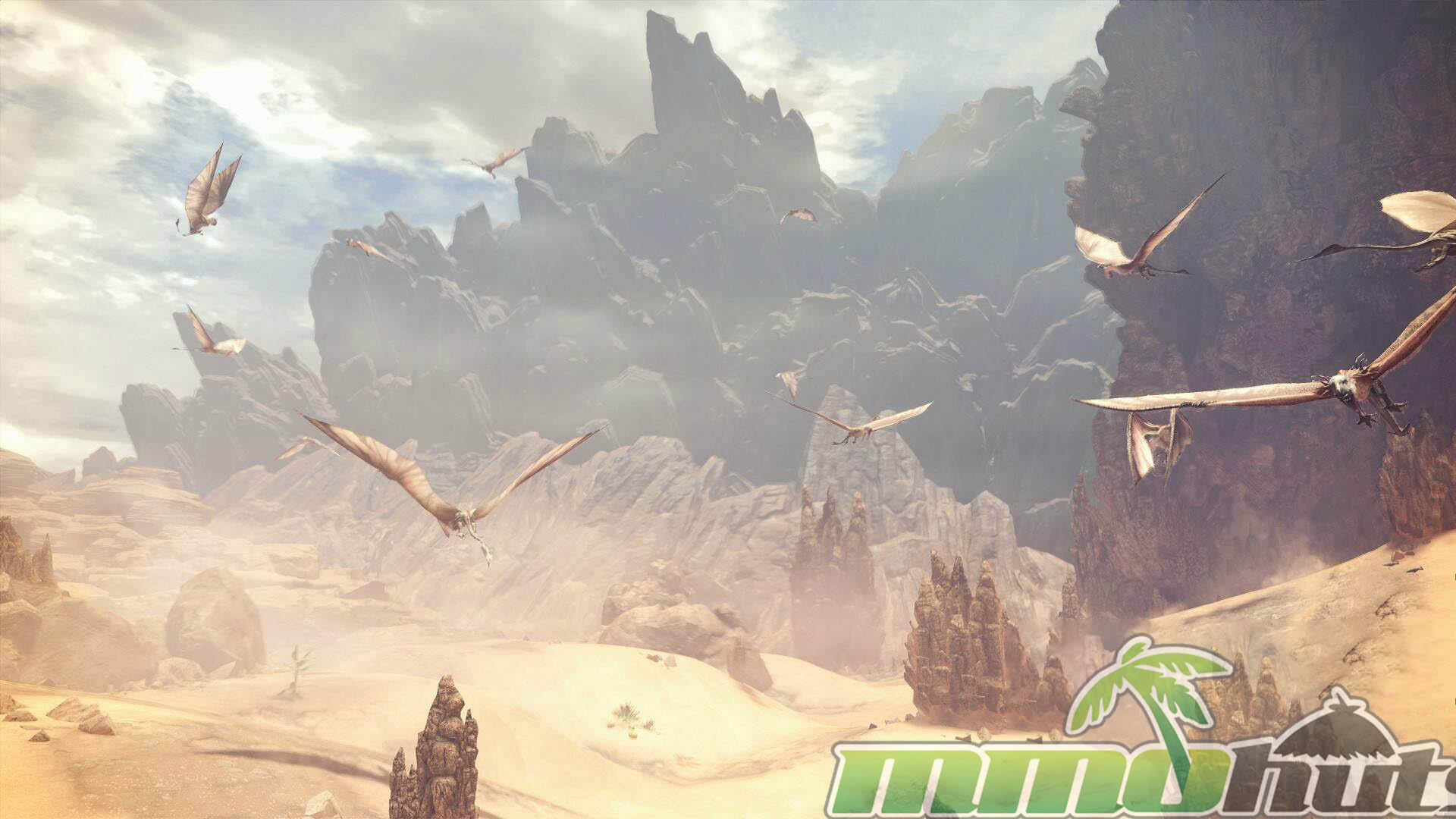
- An Active, Reactive Ecosystem – Wildlife routines, a day and night cycle, environmental hazards, and even monster turf wars help hunts feel less scripted.
- Streamlined Quality of Life – Faster gathering, the ability to use items while moving, clearer feedback like damage numbers, easier gear management, and global co-op all reduce friction between hunts.
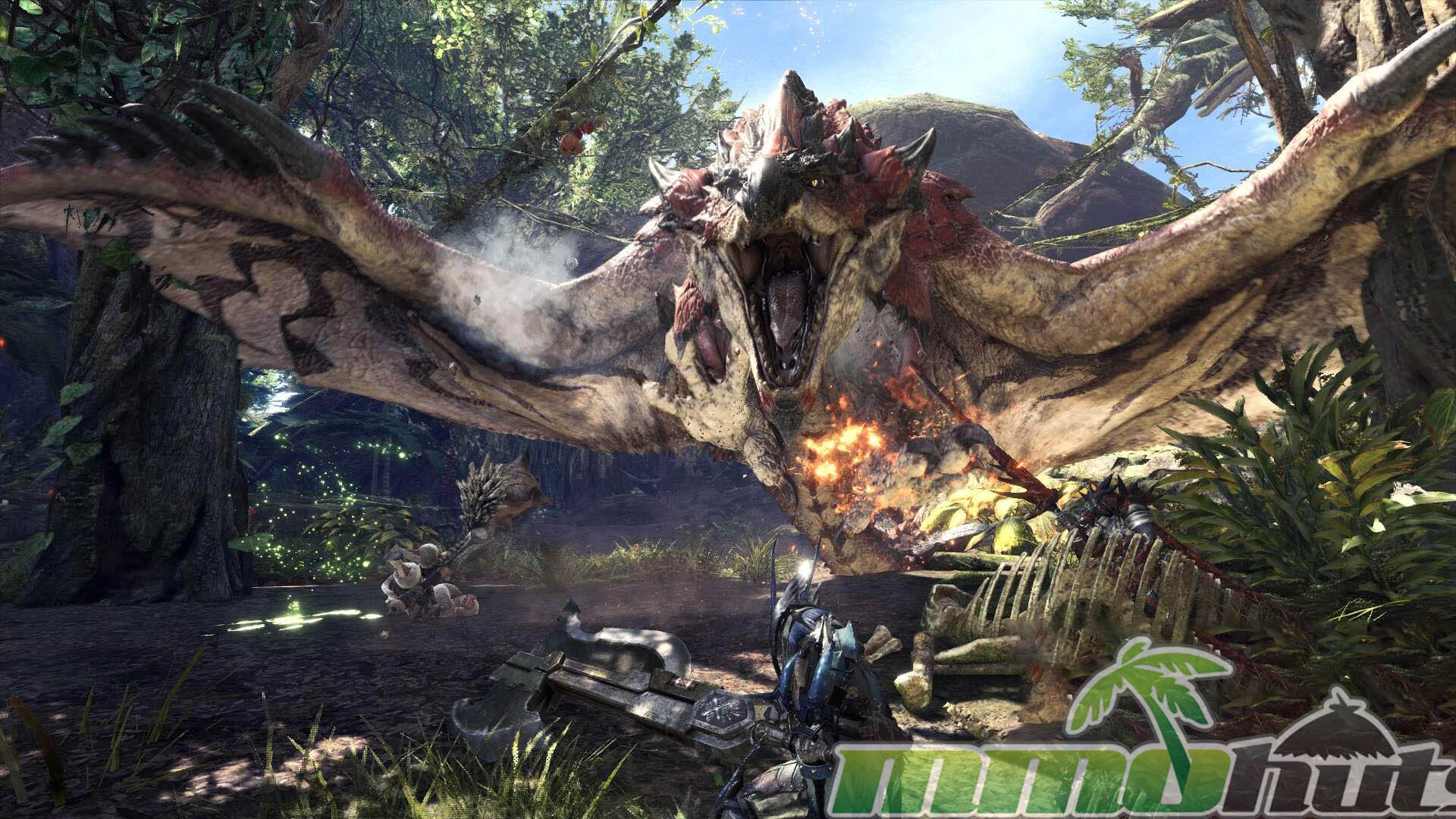
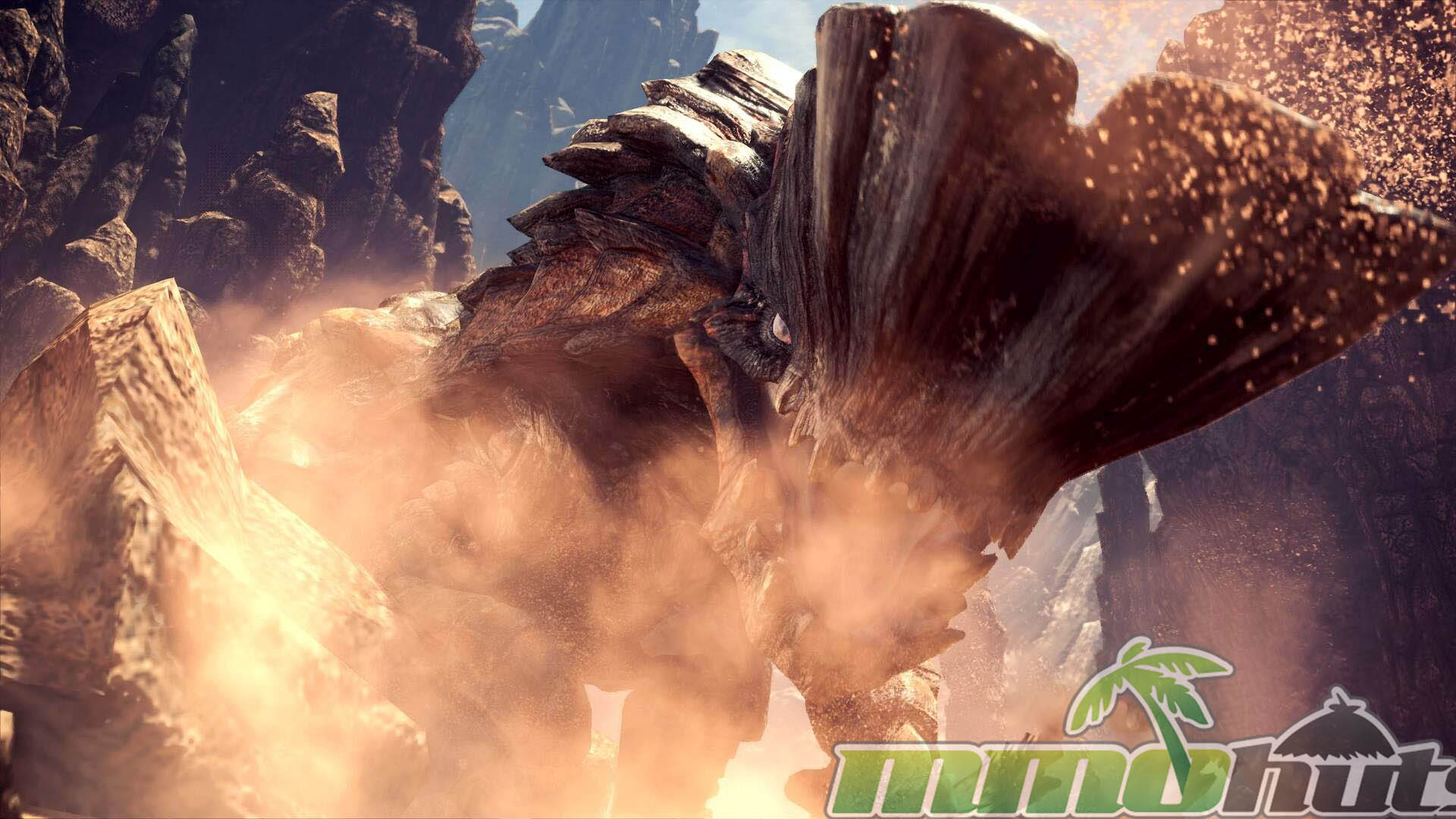
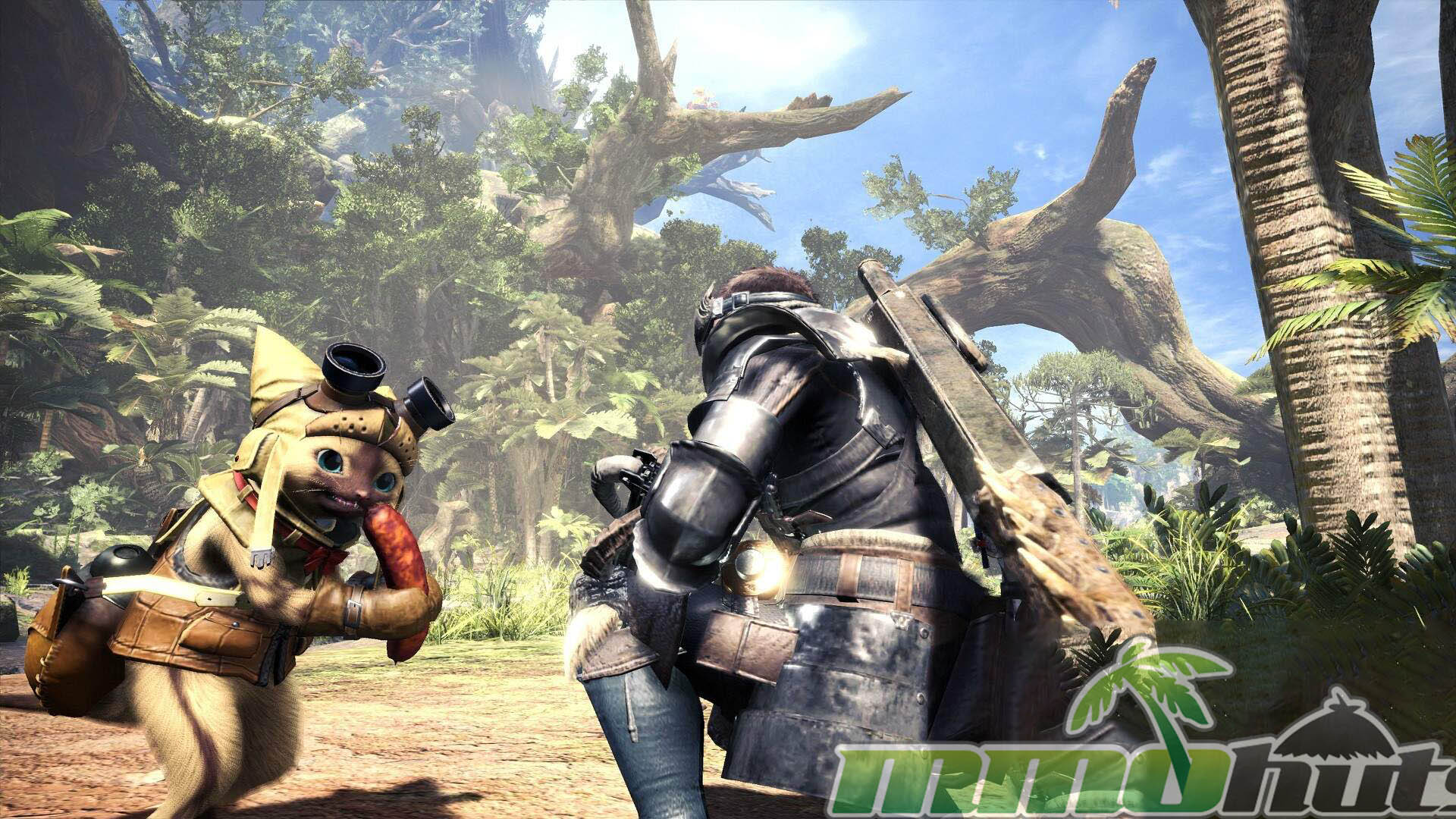
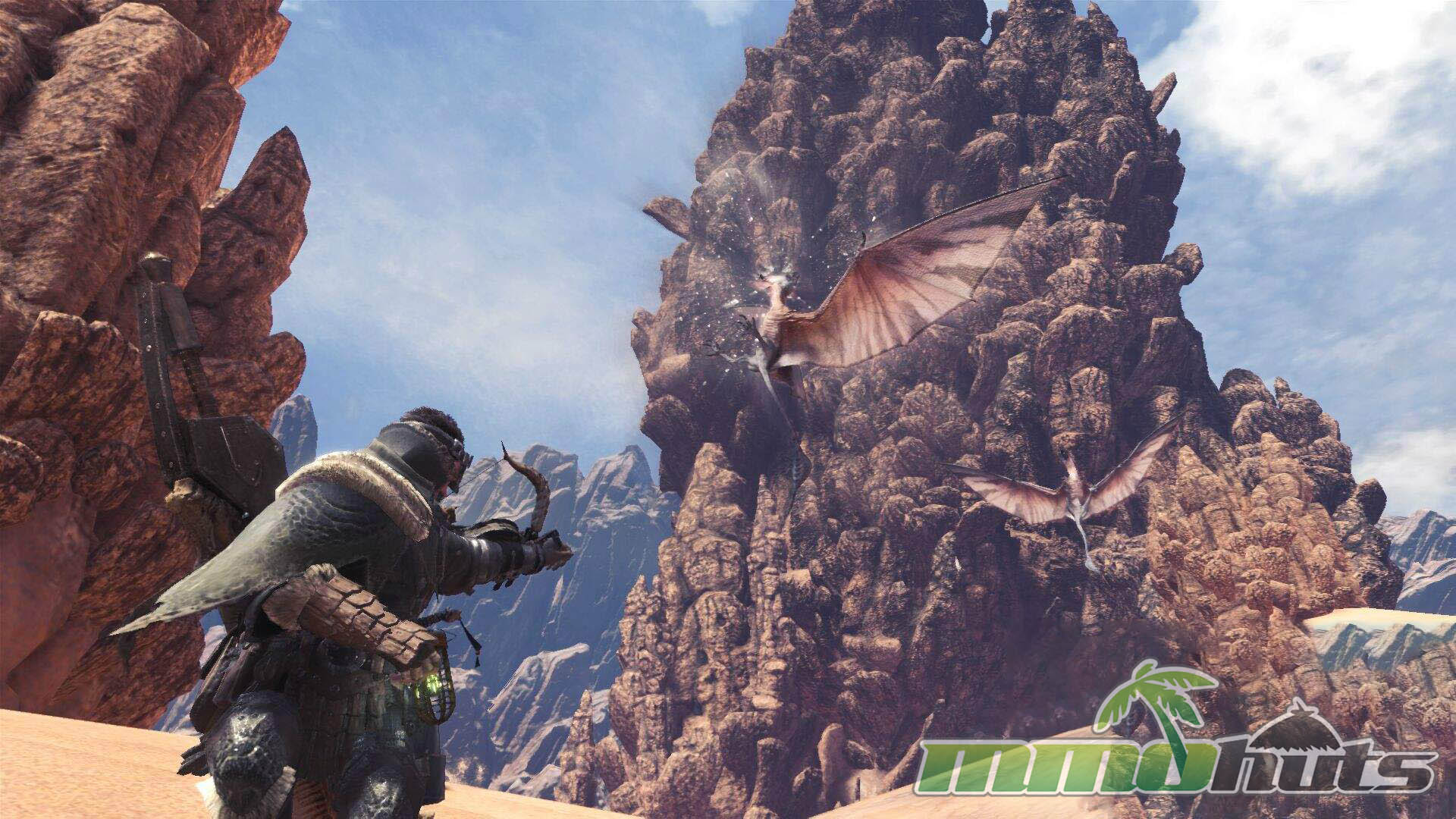
Monster Hunter: World Screenshots


Monster Hunter: World Featured Video

Monster Hunter: World Review
Monster Hunter: World is Capcom’s most approachable Monster Hunter, but it does not sacrifice the series’ identity to get there. The game is still built around deliberate combat, learning patterns, and improving through knowledge and better equipment, not character levels. What World changes is how cleanly it delivers that loop: less downtime, clearer guidance, and environments that feel like real places instead of arenas stitched together.
A familiar hunt, delivered with modern pacing
Every quest follows the same satisfying rhythm: gather information, track your target, then commit to a fight that can swing wildly if you get careless. World does a better job than older entries at guiding new players through that process. You are rarely left wondering where to go next, and the game’s interface communicates more clearly than past Monster Hunter titles, which historically could be intimidating.
The biggest improvement is flow. Being able to traverse maps seamlessly makes pursuit feel like part of the fantasy, not a technical limitation. It also helps the game sell the idea that monsters live in a space, they flee, feed, sleep, and sometimes run straight into other predators.
Combat that rewards patience and planning
The weapon roster is the real star. With 14 distinct weapon types, World offers wildly different “games within the game.” Some choices emphasize positioning and commitment, while others focus on mobility, counters, or team utility. The best weapon is not the one with the highest numbers, it is the one you can pilot under pressure while still watching a monster’s tells.
Monsters are designed like boss fights you learn over time. Early hunts teach fundamentals like stamina management, spacing, and when to disengage. Later encounters test whether you can keep calm while the arena becomes chaotic with hazards, multiple monsters, and the need to capitalize on small openings. Battles can be lengthy, but when the pacing clicks, those longer fights feel earned rather than padded.
Co-op is where World shines, when it behaves
Four-player co-op is the ideal way to play, especially once everyone understands their role. Coordinating heals, traps, part breaks, and status effects turns a difficult hunt into a satisfying plan executed in real time. The region-free approach also makes it easier to maintain a steady group.
That said, multiplayer can still feel awkward in practice, particularly when trying to sync story progress and get everyone into the same hunt quickly. When it works, it is excellent, but the friction is noticeable compared to more straightforward drop-in systems.
Presentation and immersion
World’s environments are dense with detail, and the improved visuals help every hunt feel more grounded. The ecosystem touches are not just cosmetic; terrain, hazards, and monster interactions can change how a fight unfolds. Even small upgrades like clearer feedback and smoother animations add up, making the game feel far less dated than earlier entries.
Who it is for
If you enjoy methodical action combat, boss-focused progression, and gearing up through earned materials, Monster Hunter: World is one of the best entries to start with. Players looking for quick matches or a traditional RPG power curve may bounce off its deliberate pacing, but those who stick with it typically find a deeply rewarding loop.
Monster Hunter: World Links
Monster Hunter: World Official Site
Monster Hunter: World Twitter Page
Monster Hunter: World Facebook Page
Monster Hunter: World Wikipedia Entry
Monster Hunter: World Subreddit
Monster Hunter: World System Requirements
Minimum Requirements:
Operating System: Windows 10 64 bit
CPU: Intel Core i5-4460 3.2 GHz | AMD FX-6300
RAM: 8 GB RAM
Video Card: GeForce GTX 760 | Radeon R7 260x
Hard Disk: 20 GB or more
Recommended Requirements:
Operating System: Windows 10 64 bit
CPU: Intel Core i7-3770 3.4 GHz | AMD Ryzen 5 1500x
RAM: 8 GB RAM
Video Card: GeForce 1060 | Radeon RX 570
Hard Disk: 20 GB or more
Monster Hunter: World Music
Coming soon!
Monster Hunter: World Additional Information
Developer: Capcom
Publisher: Capcom
Engine: MT Framework
Platforms: PlayStation 4, Xbox One, Microsoft Windows
Directors: Kaname Fujioka, Yuya Tokuda
Producers: Ryozo Tsujimoto
Announcement Date: June 12, 2017
Release Date: January 26, 2018.
PC Release Date: August 9, 2018
Development History / Background:
Monster Hunter: World was revealed at E3 2017 during Sony’s press conference on June 12, signaling a major shift for a franchise that had spent years thriving primarily on handheld platforms. For the series, World is a milestone release: it is the first mainline entry to arrive on PC, it adopts a more open and seamless map structure, and it supports global co-op servers rather than keeping online play separated by region.
Capcom has explained that the move toward broader, more connected environments and the many quality of life adjustments were intended to make Monster Hunter more accessible, particularly for Western audiences, while keeping the hunt-driven formula intact. The PC version later arrived on Steam on August 9, 2018, bringing the flagship entry to an even wider player base.