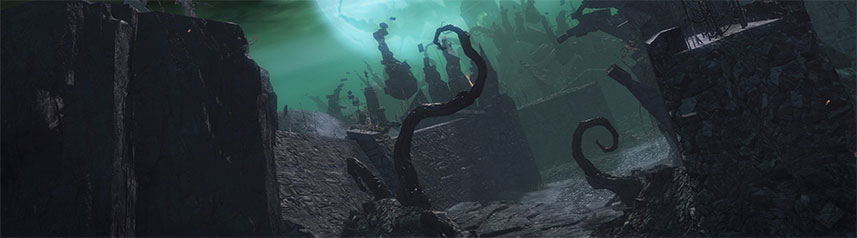
Mobius Final Fantasy
 (No Ratings Yet)
Mobius Final Fantasy is a free-to-play, 3D, cross-platform RPG that blends classic turn-based battles with deckbuilding through collectible ability cards. Set in the mysterious realm of Palamecia, it casts you as one of the “Blanks”, a warrior pulled from another world, tasked with proving yourself as the fabled Warrior of Light before the land falls to ruin.
 | Publisher: Square Enix Type: Mobile / PC RPG Release Date: August 3, 2016 Shut Down: June 30, 2020 Pros: +A flexible job system with multiple classes to master. +High-end presentation for a mobile-first title. +Large pool of cards to collect and upgrade. Cons: -Storytelling is fairly straightforward. -Progress can feel grindy and slow. -Updates arrive in an episode-by-episode format. |
Mobius Final Fantasy Shut Down on June 30, 2020
Mobius Final FantasyOverview
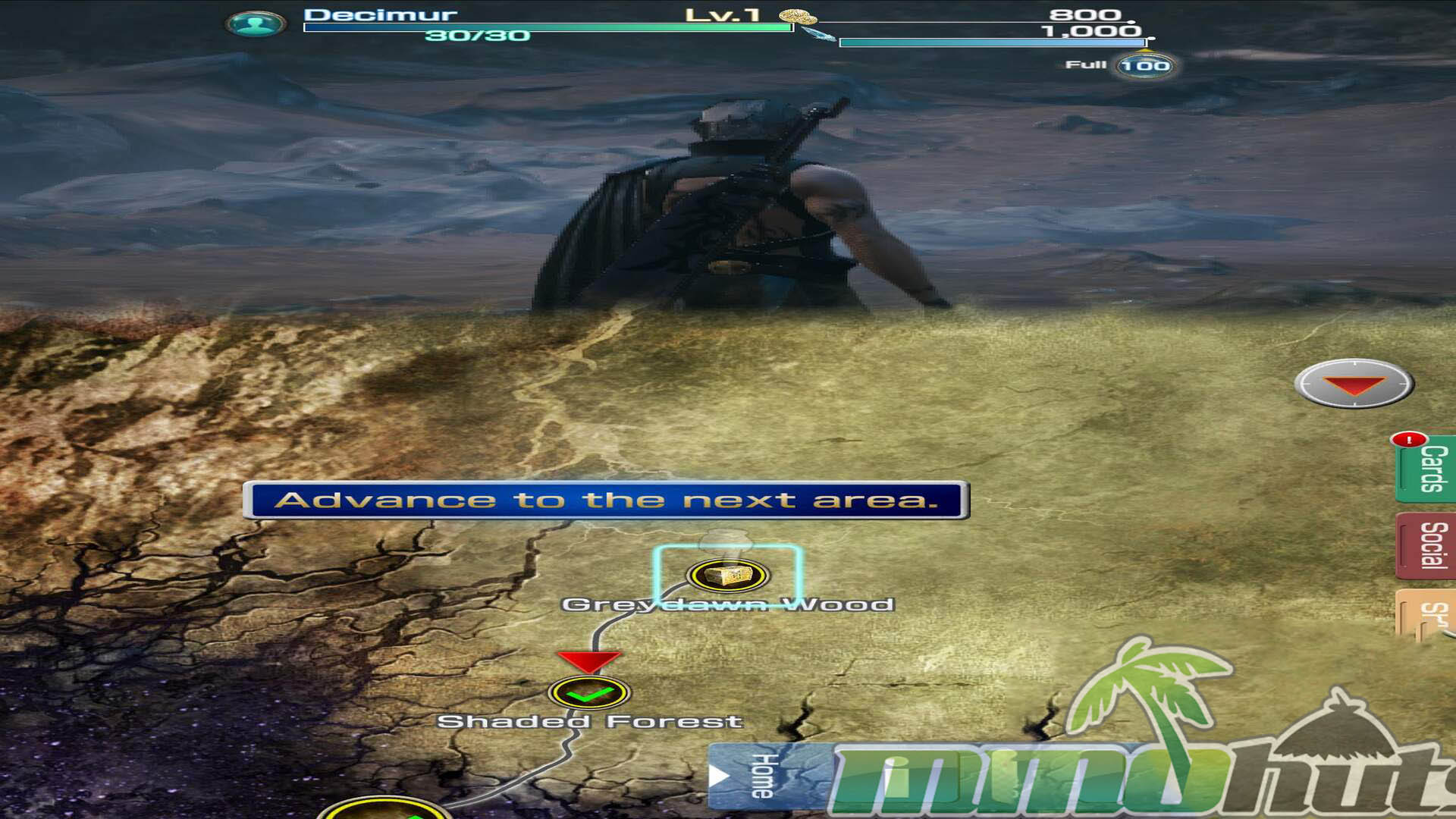
Mobius Final Fantasy takes the Final Fantasy job fantasy and repackages it into a mobile-friendly structure without abandoning the series’ signature spectacle. You explore Palamecia through story chapters and dungeons, swapping between three starter jobs, Onion Knight, Ranger, and Mage, then branching into advanced roles as you build out your account. Your power is defined less by traditional gear and more by the cards you equip, which represent spells, attacks, and utility skills tied to specific job types.
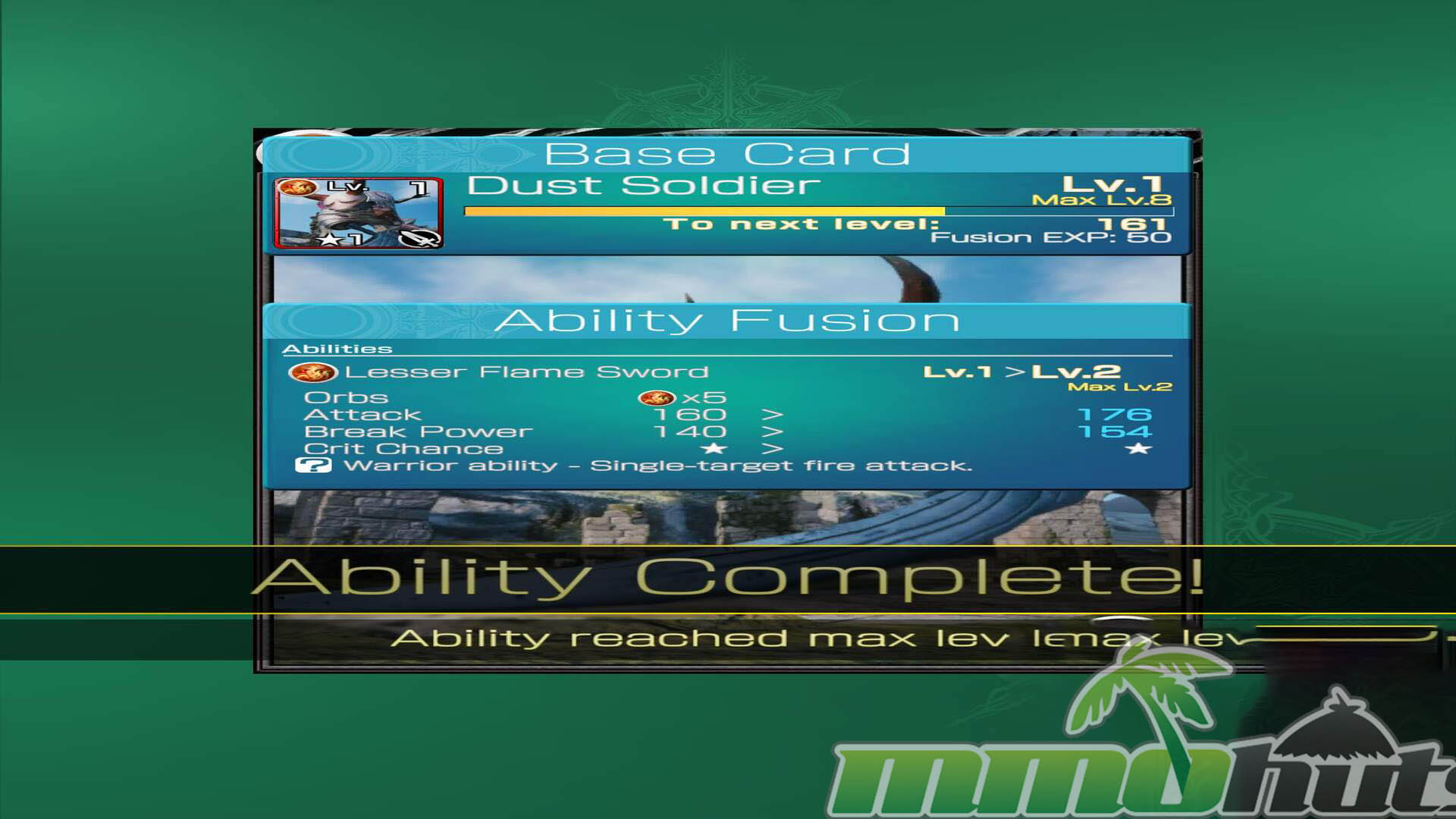
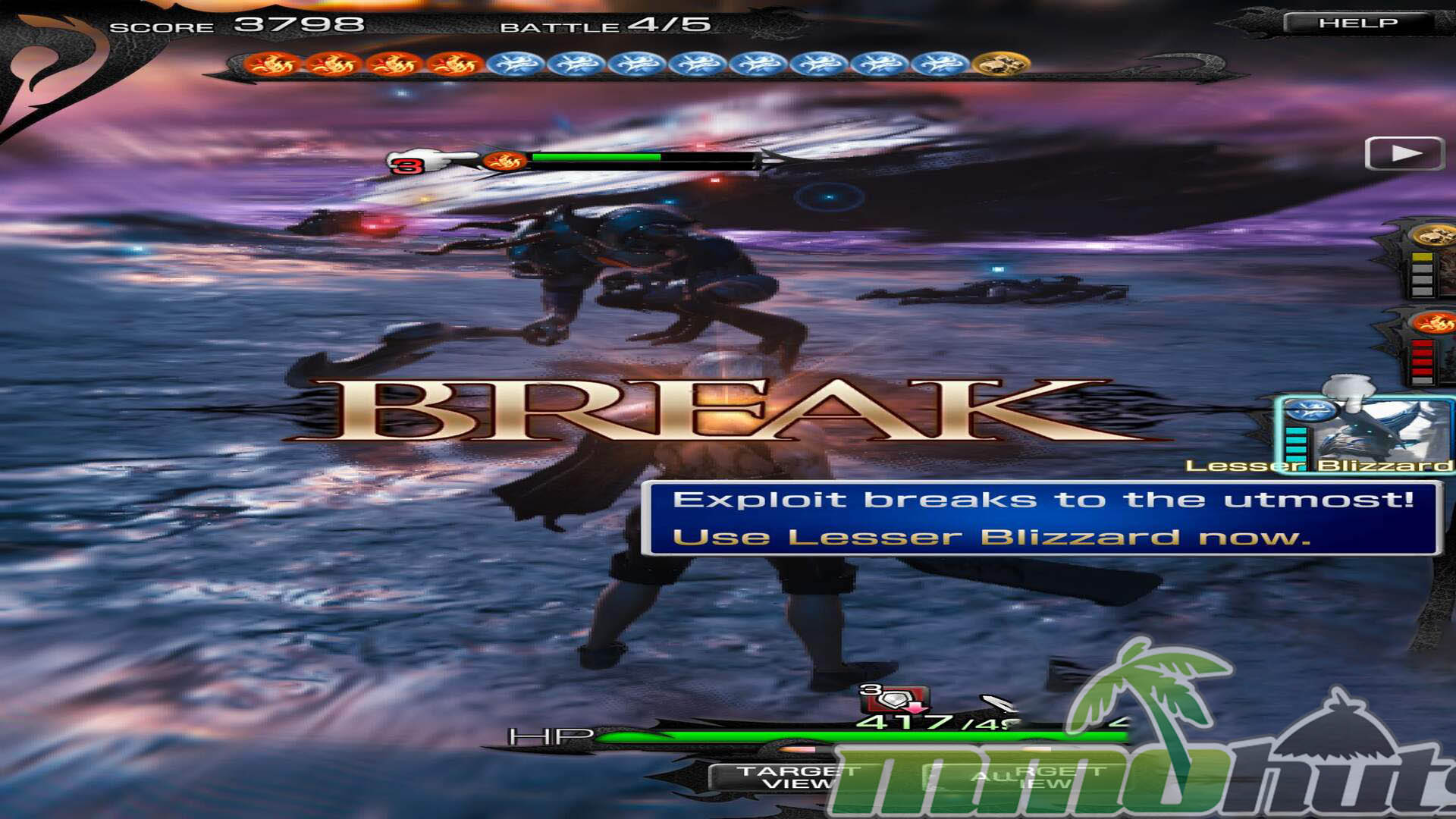
Progression revolves around strengthening both your jobs and your card collection. You improve cards through fusion, summoning, and augmentation, then fine-tune a deck that matches the elemental matchups and encounter demands. In combat, you mix basic attacks with card abilities, paying attention to timing windows and enemy weaknesses. The game leans into elemental planning, orb management, and knowing when to push damage versus setting up a Break for a safer, stronger burst.
Beyond the solo campaign, there are time-limited dungeons aimed at farming experience and rewards, plus multiplayer content where teams coordinate roles to bring down familiar Final Fantasy summons and bosses. Whether you are there for the narrative arc, the card optimization, or co-op fights, the game’s structure encourages short sessions that gradually snowball into deeper build crafting.
Mobius Final Fantasy Key Features:
- AAA-Quality Graphics – a polished presentation with high-resolution visuals (including 4K support on PC) that aims for a console-like feel.
- Turn-based RPG Combat– strategic battles built around chaining actions, exploiting affinities, and managing resources earned during the fight.
- Final Fantasy-inspired World–a familiar heroic framework centered on jobs, crystals, and a journey toward fulfilling the Warrior of Light legend.
- Job-based Deckbuilding–collect job and ability cards, then construct loadouts that complement your role and counter the enemies ahead.
- Multiplayer Dungeons – four-player co-op with defined party roles (Attacker, Defender, Breaker, Support) designed around coordinated boss clears.
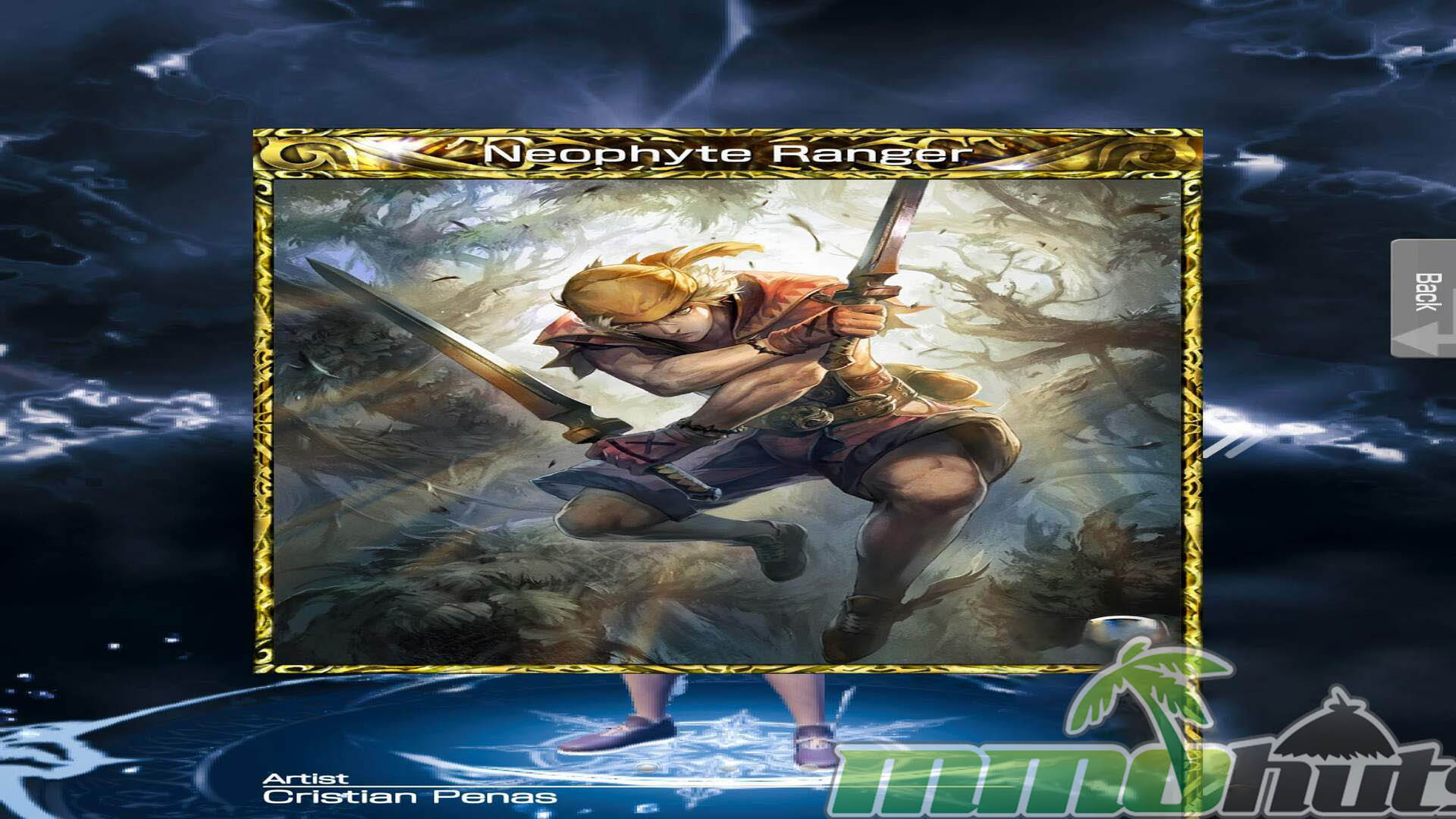
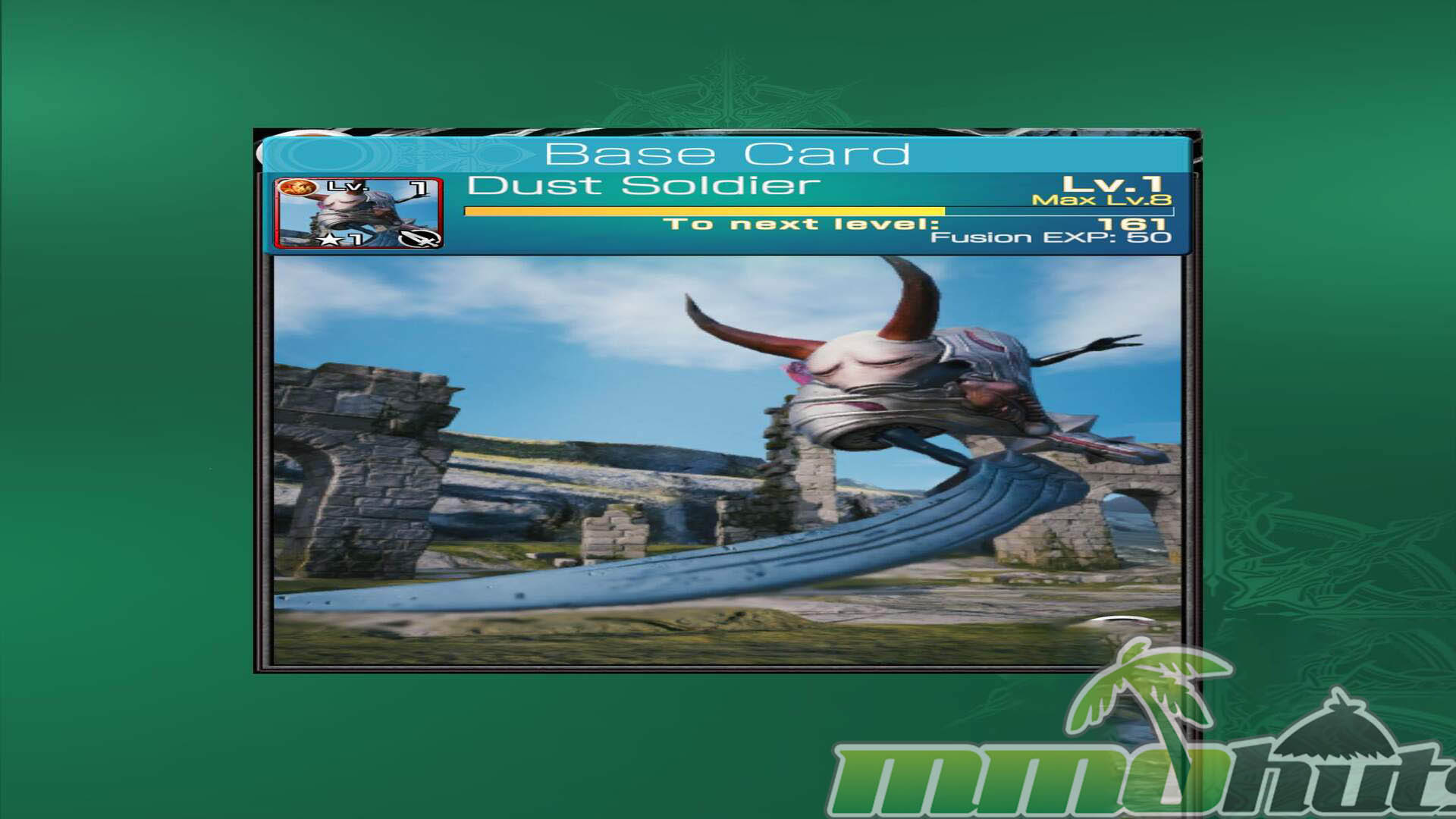
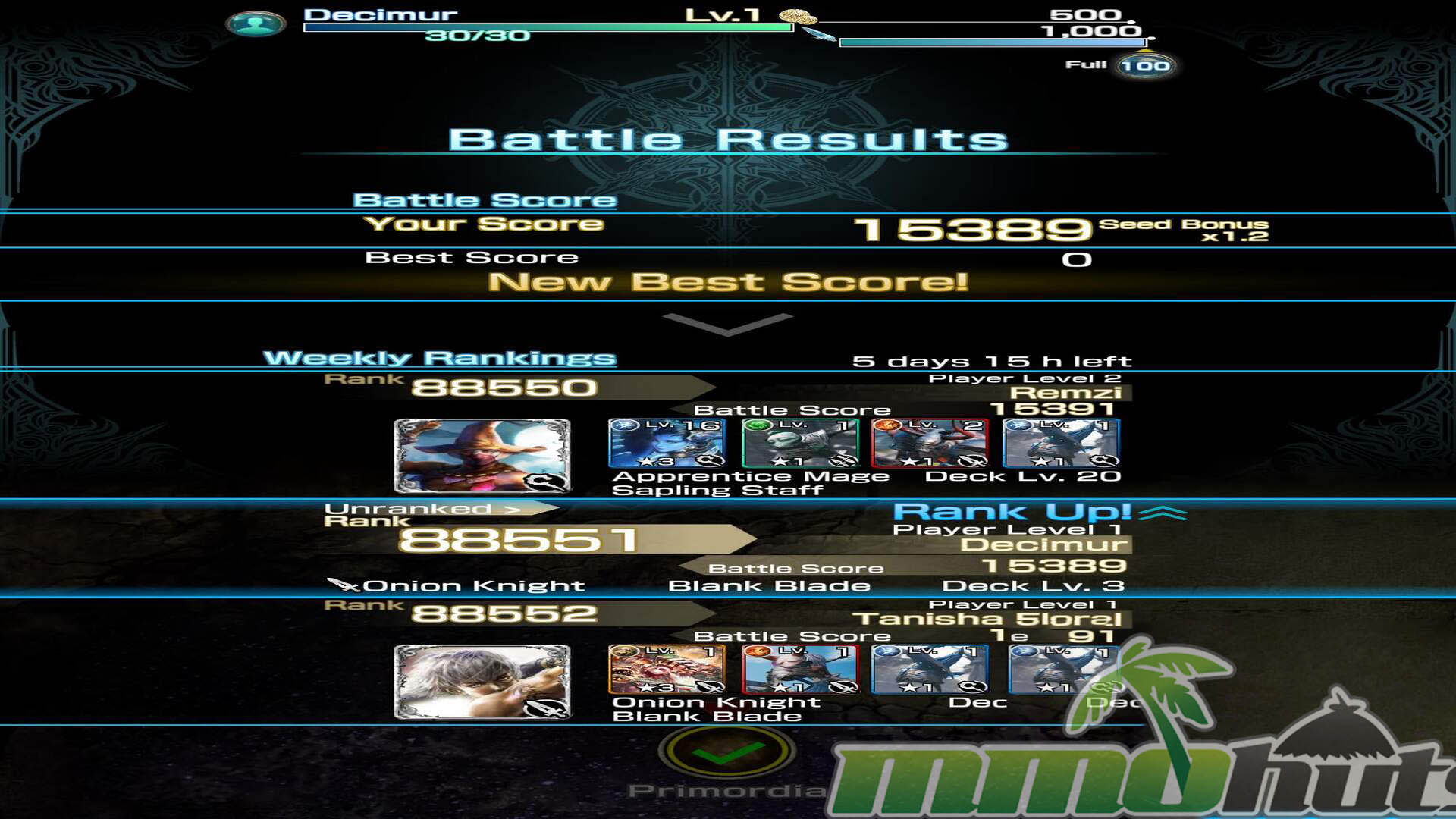
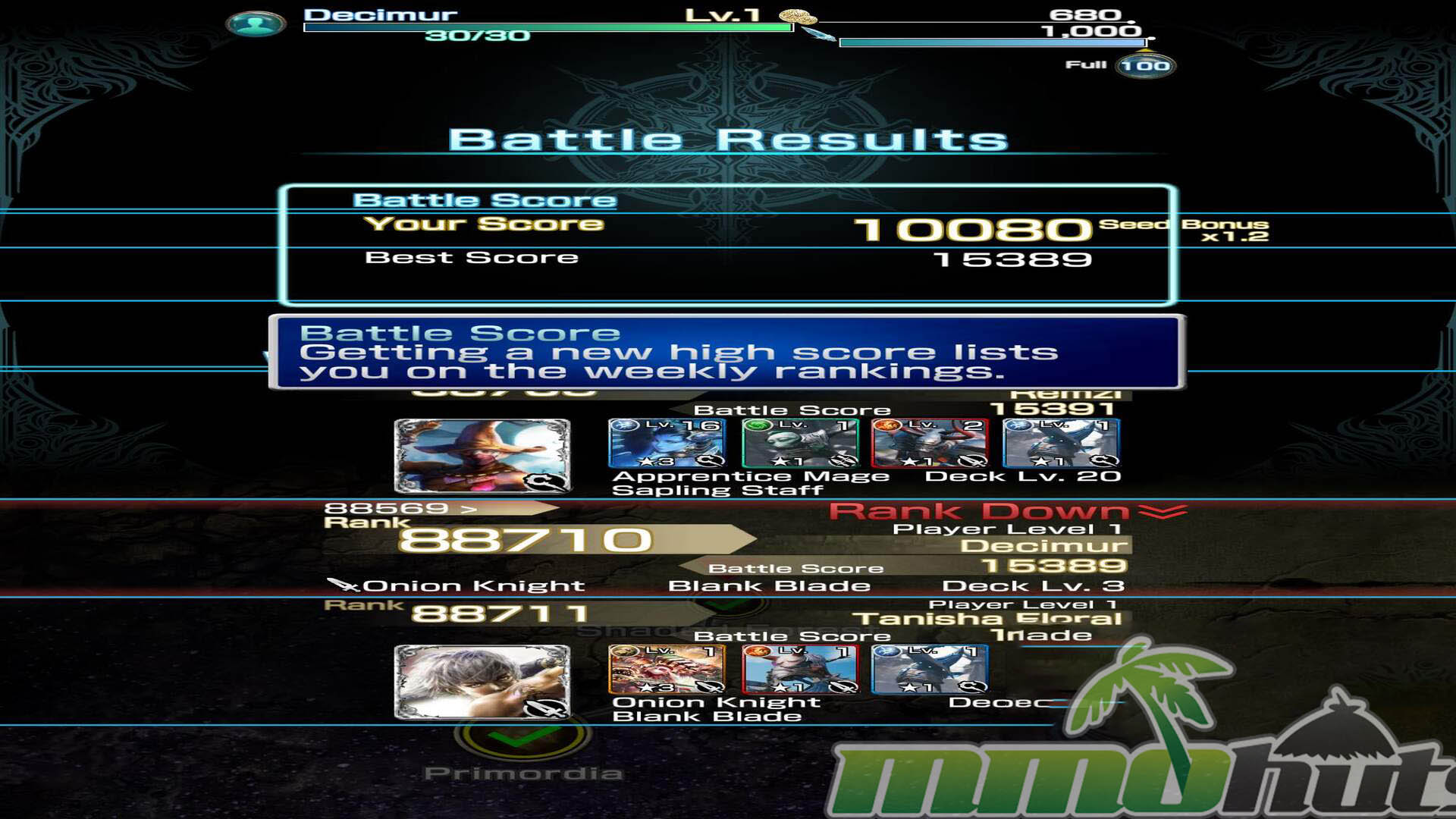
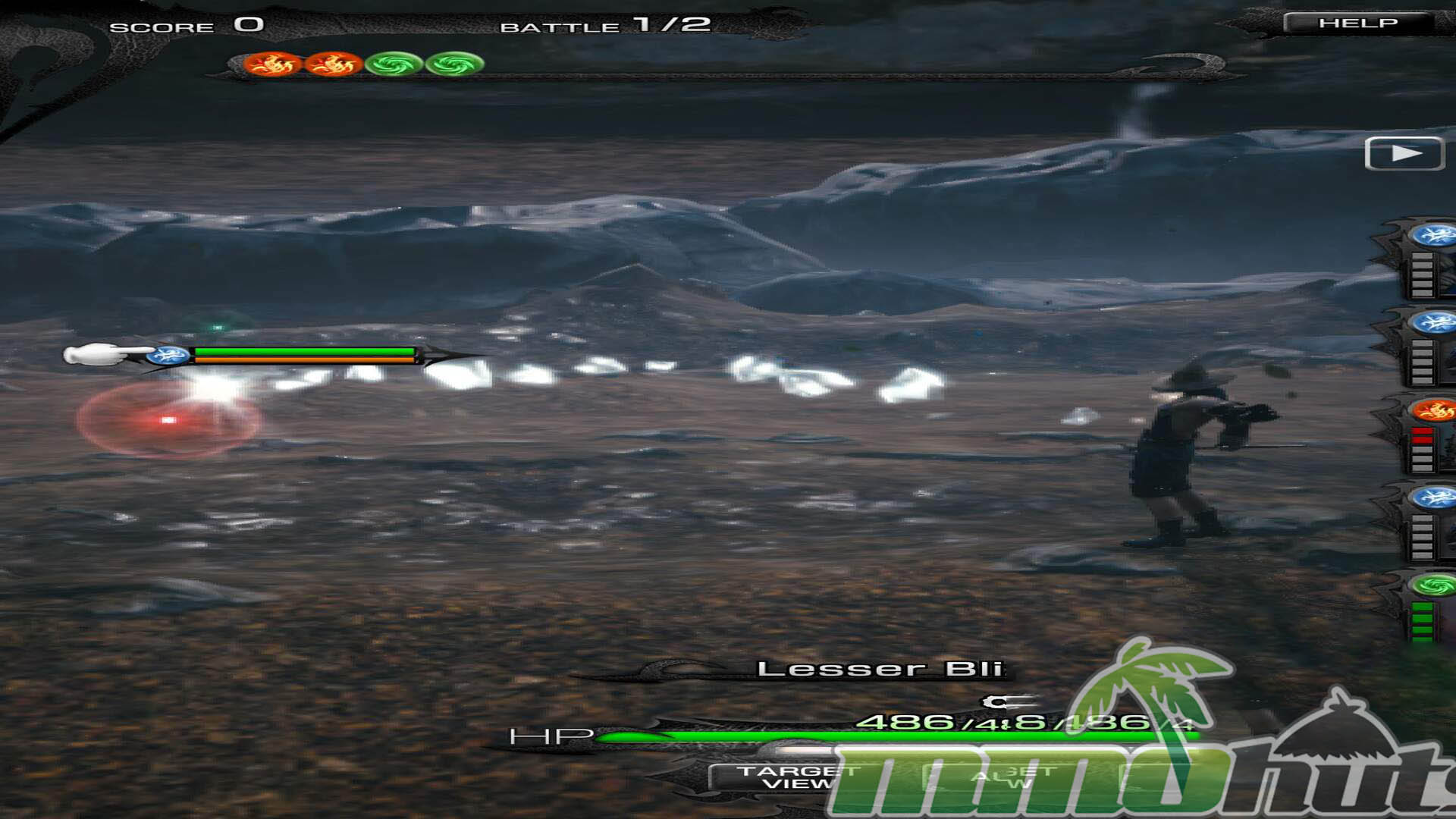
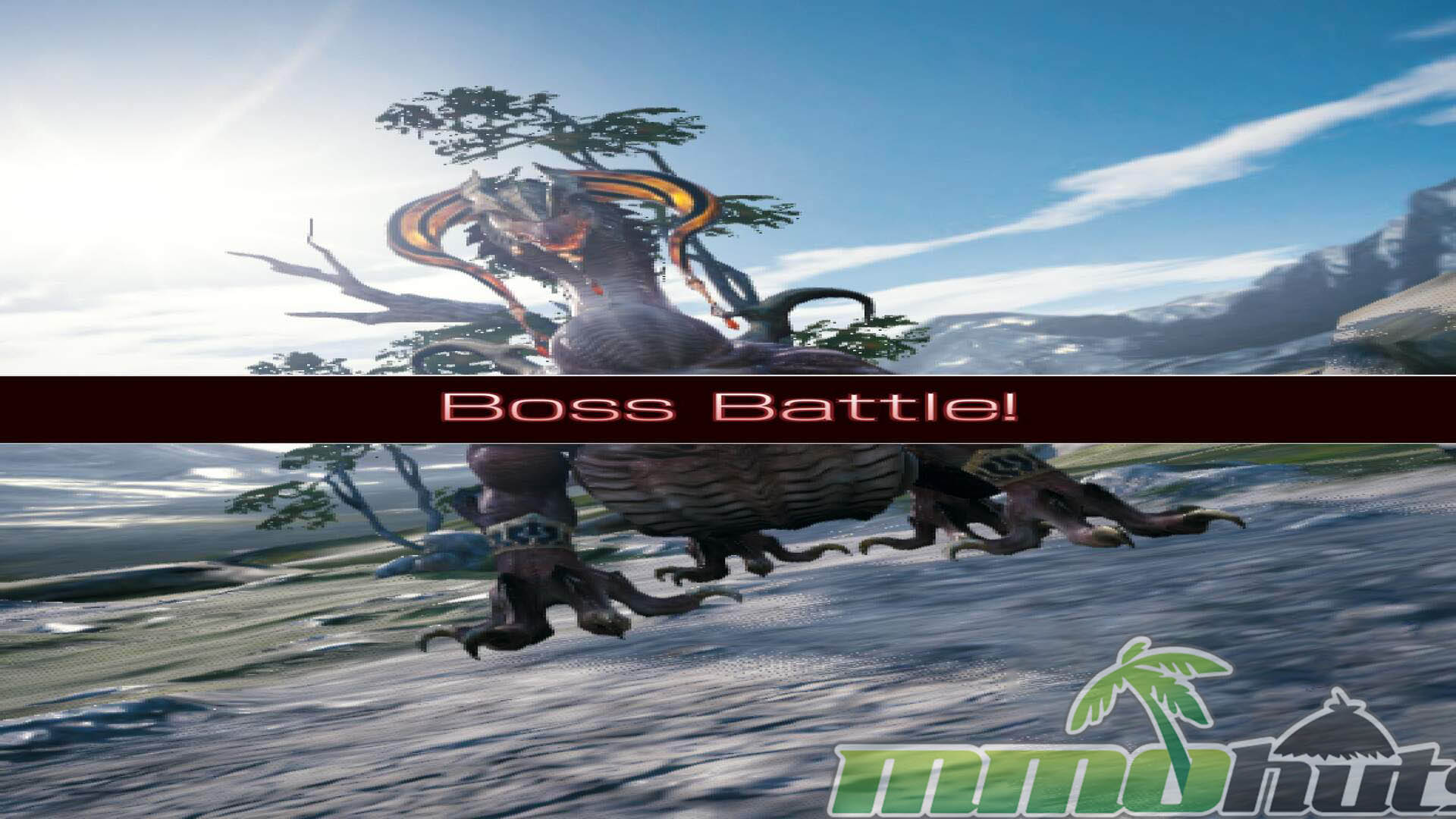
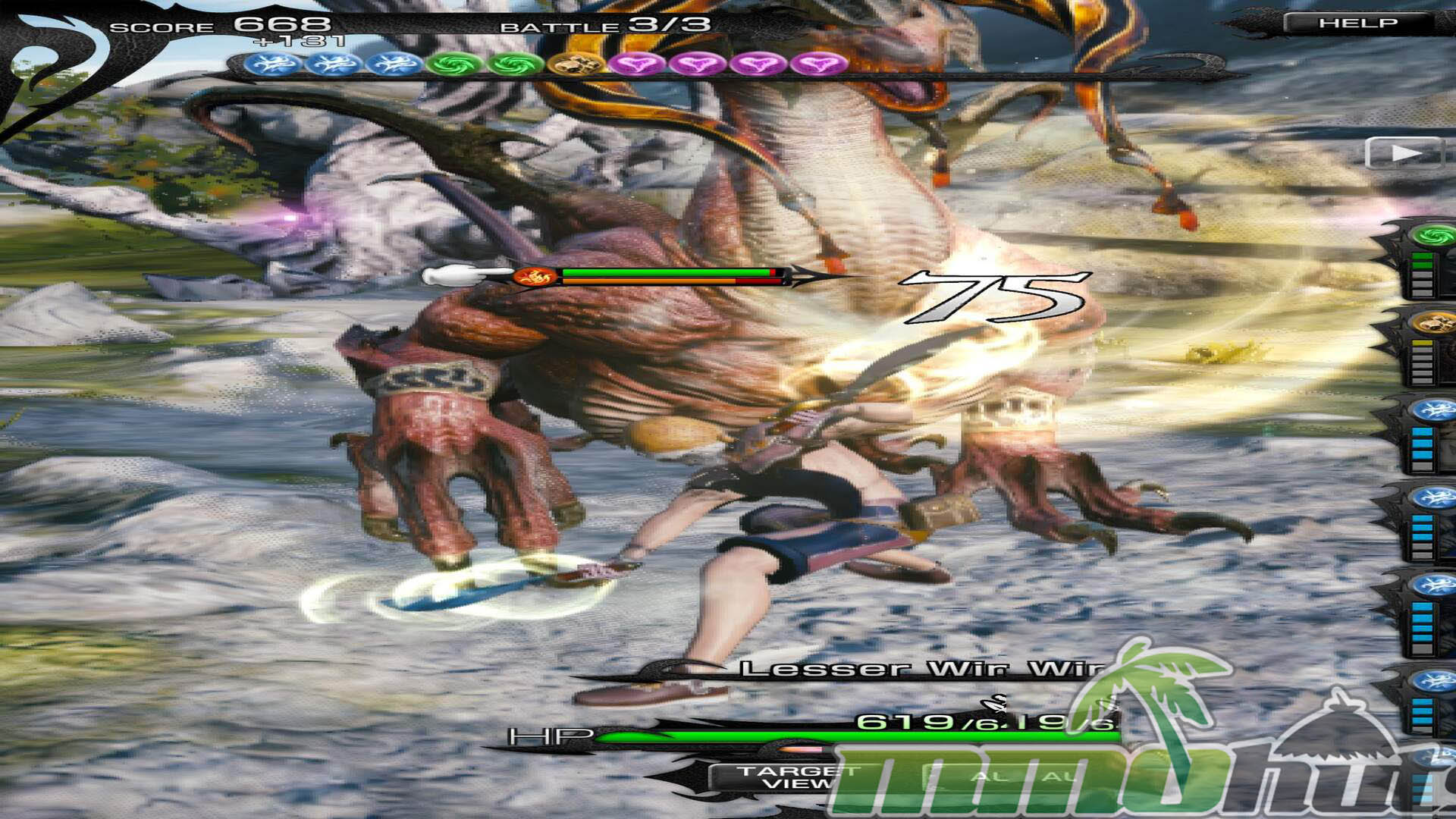
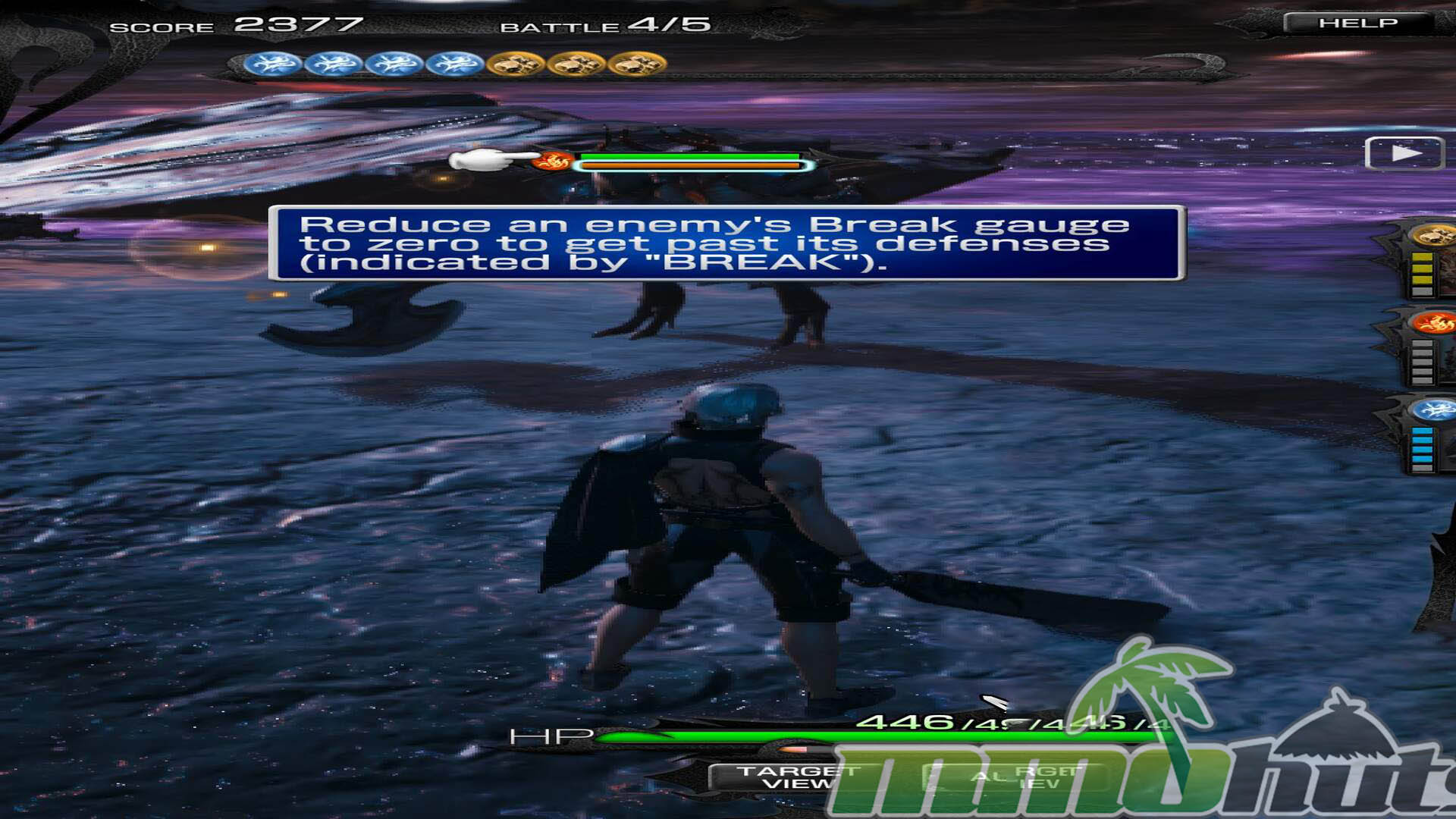
Mobius Final Fantasy Screenshots


Mobius Final Fantasy Featured Video

Mobius Final FantasyReview
Mobius Final Fantasy is a turn-based, card-driven RPG presented with full 3D visuals and a production style that clearly targets fans of the mainline series. The premise starts with the Blanks, outsiders summoned into Palamecia, each with the potential to become the Warrior of Light. It first arrived on mobile and later expanded to PC via Steam in February 2017, where higher fidelity options (including 4K visuals and 60 FPS) make the cinematic presentation land more cleanly.
A Final Fantasy mood, with a mobile structure underneath
The strongest immediate impression is how “Final Fantasy” it feels in sound and presentation. Cinematics are frequent, the voice work is solid, and the soundtrack carries that familiar Square Enix polish. Visual effects in battle are especially satisfying, with flashy spell animations that help sell the idea that this is more than a lightweight spin-off.
That said, the narrative itself is not especially complex. It functions well enough as a throughline that pushes you from dungeon to dungeon, but it rarely reaches the emotional peaks longtime fans may expect. The setting and tone do most of the heavy lifting, while plot beats often serve as a gateway to the next gameplay system or chapter.
Onboarding and menus: helpful tutorial, busy interface
New players are given the option to complete a tutorial or skip it. It is worth doing, not just to understand the game’s battle flow, but also because Mobius has a lot of layered menus and currencies that can be disorienting at first. Even with the tutorial, it takes a bit of time to internalize where upgrades happen, how card growth works, and which resources matter most early on.
Once you are comfortable, the overall loop becomes straightforward: clear stages, strengthen your job and cards, then tackle harder content for better rewards. The rough edge is that the UI still reflects its mobile-first roots, even on PC, so the experience can feel more like navigating a hub of panels than a traditional RPG menu system.
Combat feel: strategic when manual, weak when automated
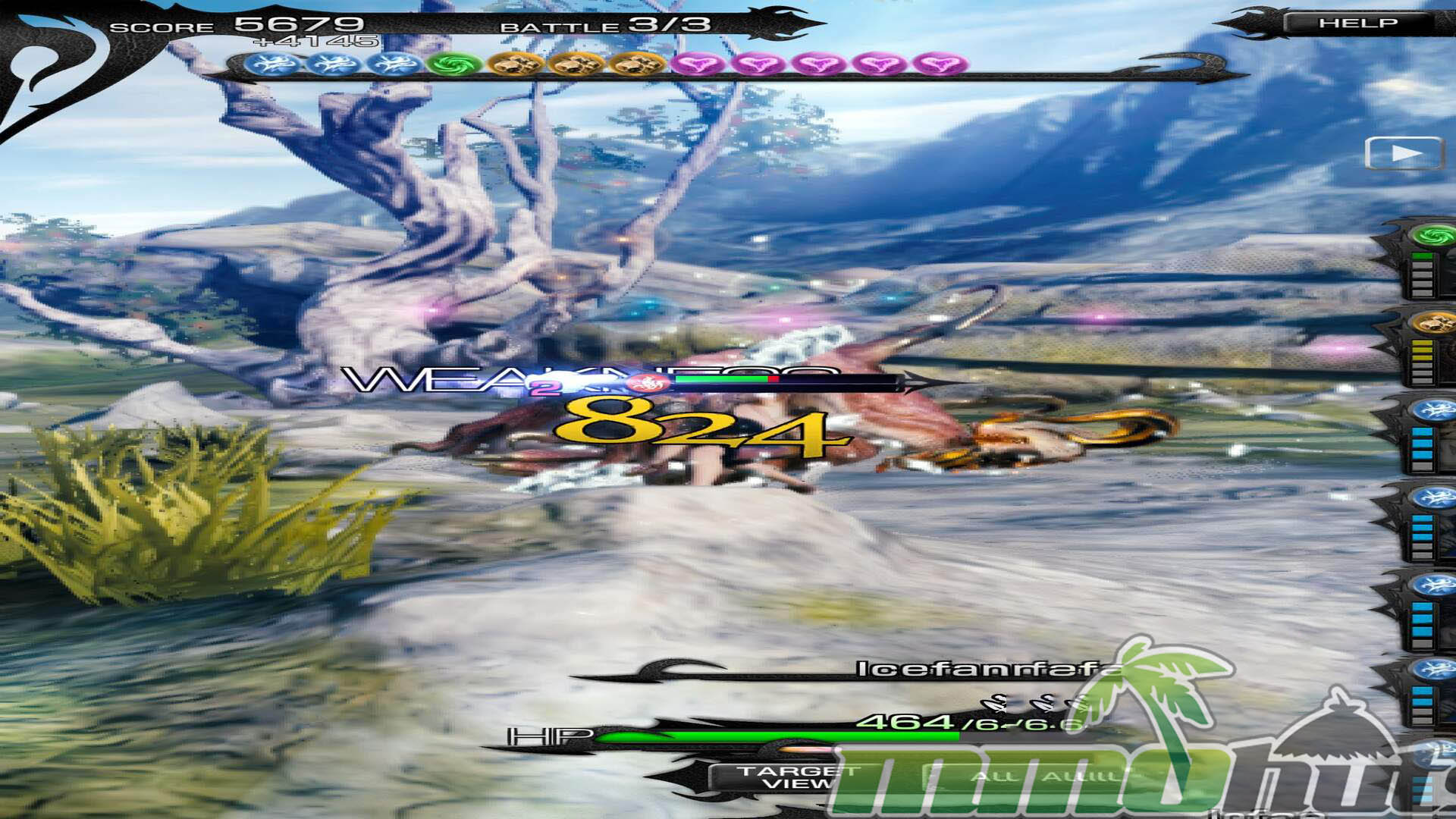
Moment-to-moment battles are built around tapping out actions and managing resources rather than free movement or action combat. Normal attacks generate elemental orbs, and card abilities consume those orbs. This creates a simple but effective rhythm: build resources, spend them at the right time, and use elemental knowledge to gain an advantage.
Auto-combat exists, but it is not where the game shines. For trivial encounters it can save time, yet it struggles with boss fights where correct timing and the Break mechanic matter. Manual play is noticeably more reliable when you need to line up damage, conserve resources, or respond to an enemy’s element. The best results come from treating Mobius like a turn-based puzzle, not a hands-off grinder.
Jobs, cards, and the orb economy
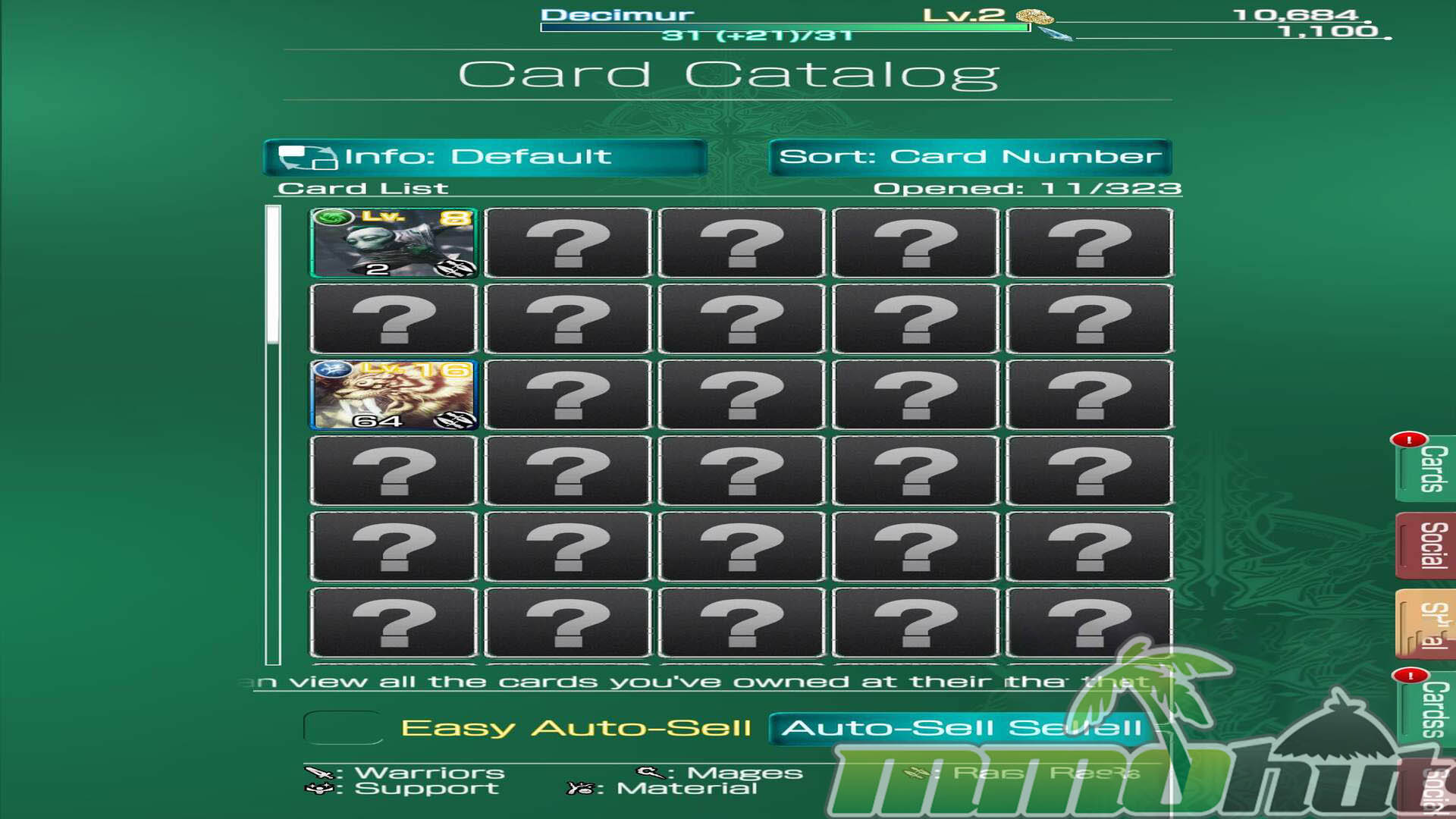
Mobius’ defining system is how it ties abilities to cards. Your deck is limited to four cards, plus a fifth “rented” card borrowed from another player’s setup before a fight. This rental mechanic can be a lifesaver early on, letting you bring a strong ability into content you might otherwise struggle with.
Your selected job determines what you can actually use in combat. You can equip off-class cards, but they are effectively there for progression benefits rather than active use. This design pushes you to build multiple job-aligned decks instead of leaning on a single universal loadout.
Skillseeds add another layer by acting as a progression currency that unlocks passives and helps advance jobs. Different jobs lean toward different Skillseed types, encouraging players to rotate roles and farm varied content rather than staying in one lane indefinitely.
Cards themselves are only half the story. The other half is how you generate and spend elemental orbs during combat. You start with none, then earn random orb types by attacking. Because abilities cost specific orb combinations, fights often become about adapting on the fly, setting up future turns, and choosing whether to spend or hold resources for a Break window.
Co-op: Ring of the Braves and iconic boss hunts
Multiplayer content is accessed through Ring of the Braves after you unlock the World Map, which typically happens a few hours in depending on pace. It is a PvE co-op mode for up to four players, built around classic Final Fantasy boss encounters. Familiar names like Ifrit, Shiva, and Odin show up as major targets, and the rewards feed back into card upgrades and long-term power growth.
The mode is turn-based like the rest of the game, and success tends to depend on party composition and overall account strength. When you land in a group with strong builds and clear role coverage, clears can feel smooth and efficient. When roles overlap poorly, the fights highlight how important Break control and support tools are in tougher encounters.
Monetization: pay-for-convenience, with some breathing room for free players
As a free-to-play title, Mobius Final Fantasy sells premium currency (Magicite), which can be exchanged for items, cards, and standard resources. The important point is that the game also hands out small amounts of Magicite on a timer (every 16 hours), giving dedicated free players a path to occasional premium purchases.
This structure lands closer to pay-for-convenience than outright pay-to-win. Spending can accelerate collection and reduce friction, especially when chasing stronger card setups, but the core gameplay remains accessible without opening your wallet. The tradeoff is time, since progression and optimization can become grind-heavy if you want to keep pace with the strongest builds.
The Final Verdict – Great
Mobius Final Fantasy succeeds by pairing high production values with a surprisingly engaging combat loop built around jobs, cards, and elemental planning. Its weaknesses are mostly tied to its mobile heritage: a busy interface, a stamina-driven structure, and a progression pace that can feel slow if you are aiming for top-tier performance.
Even with those drawbacks, it remains an impressive mobile-to-PC experience and an easy recommendation for Final Fantasy fans who enjoy tinkering with builds. If you like turn-based combat and deck-style loadout planning, it offers a satisfying long-form grind with standout presentation.
Mobius Final FantasyOnline Links
Mobius Final FantasyOfficial Website
Mobius Final Fantasy Steam Page
Mobius Final Fantasy Android
Mobius Final Fantasy iOS
Mobius Final FantasySystem Requirements
Minimum System Requirements (PC):
Operating System: Windows 7 (64 bit)
Processor: Intel / AMD Dual-Core 1.6 GHz
RAM: 2 GB
Video Card: NVIDIA GeForce 8800 GT series or GeForce GT 240 series or higher / ATI Radeon HD 4770 512MB
HDD Space: 10 GB
Recommended System Requirements (PC):
Operating System: Windows 7, 8.1, 10 (64 bit only)
Processor: Intel Core 2 Quad 2.66GHz or higher / Core i5 2.4GHz or higher
RAM: 3 GB
Video Card: NVIDIA GeForce GTX 460 series or GeForce GTX 750 series or higher / ATI Radeon HD 5770 512MB series or higher
HDD Space: 10 GB
Minimum Mobile Requirements:
Operating System: Android 2.3 or later / iOS 7.0or later
Mobius Final FantasyMusic& Soundtrack
Coming Soon…
Mobius Final FantasyAdditional Information
Developer:Square Enix
Publisher:Square Enix
Game Engine:Unity
Platforms:Android, iOS, PC
Release Date (Japan):June 4, 2015
Release Date:August 3, 2016
PC Release Date: February 5, 2017 (Steam HD Version)
Shut Down: June 30, 2020
Development History / Background:
Mobius Final Fantasy is a 3D multiplatform MMORPG developed and published by Square Enix. The project was built around the idea of delivering a mobile title that could still resemble a console experience in presentation and scope. Compared with other mobile Final Fantasy entries such as Final Fantasy Record Keeper and Final Fantasy Brave Exvius, Mobius aimed for a larger, more story-driven structure with a dedicated world and cinematic delivery. Development began in 2013 using the Unity game engine, produced by a relatively small team and with a budget lower than Square Enix’s console releases, and it launched in Japan on June 4, 2015. It quickly reached over two million registered players and earned recognition as part of iTunes Best of 2015 in Japan. The global release followed on August 3, 2016, and the game continued through episodic chapter updates that expanded the narrative over time.
Mobius Final Fantasy launched on PC via Steam on February 5, 2017. The PC version supports HD textures and up to 4K resolution with 60 FPS support.