Might and Magic Heroes Online was a free-to-play, browser-based strategy RPG that mixed light MMO trappings with city management and classic Heroes-style, turn-based battles. Built on the long-running Might and Magic name, it aimed to deliver that familiar “build an army, outthink your opponent” loop in a format that could be played in short sessions from a web browser.
 | Publisher: Ubisoft Playerbase: Medium Type: Strategy RPG Release Date: September 09, 2014 Shut Down Date: December 31, 2020 Pros: +Turn-based battles with clear tactical choices. +Army composition is flexible and fun to tinker with. +Co-op makes tough encounters more manageable. Cons: -Monetization can translate into power advantages. -Presentation and pacing feel old-fashioned. -Limited class variety. |
Might and Magic Heroes Online Shut Down on December 31, 2020
Might and Magic Heroes Online Overview
Might and Magic Heroes Online is a free-to-play browser title set in the Might and Magic universe, designed around province exploration, town development, and grid-based, turn-driven combat. The adventure takes place in Ashan, where players align with one of two warring factions, Haven or Necropolis, then grow from a small-time commander into a leader capable of fielding specialized stacks of units for PvE and PvP.
The core loop alternates between managing your territory and resources, expanding into new areas, and fighting battles that reward smart positioning and matchup knowledge. Instead of real-time chaos, encounters play out like a board game, you move units by tiles, choose targets carefully, and try to win trades while protecting key stacks. Over time you improve your hero with gear and expand your options by recruiting different unit types to build an army that fits your preferred tactics.
Might and Magic Heroes Online Key Features:
- Hero Customization – adjust your hero’s performance through equipment and other power-building choices.
- Vast Fantasy Environments – travel across Ashan’s provinces, with new areas opening up as you progress.
- Strategic Turn-Based Combat – win fights by positioning, timing, and unit selection rather than reflexes.
- Multiplayer Combat – team up with friends for cooperative battles and shared challenges.
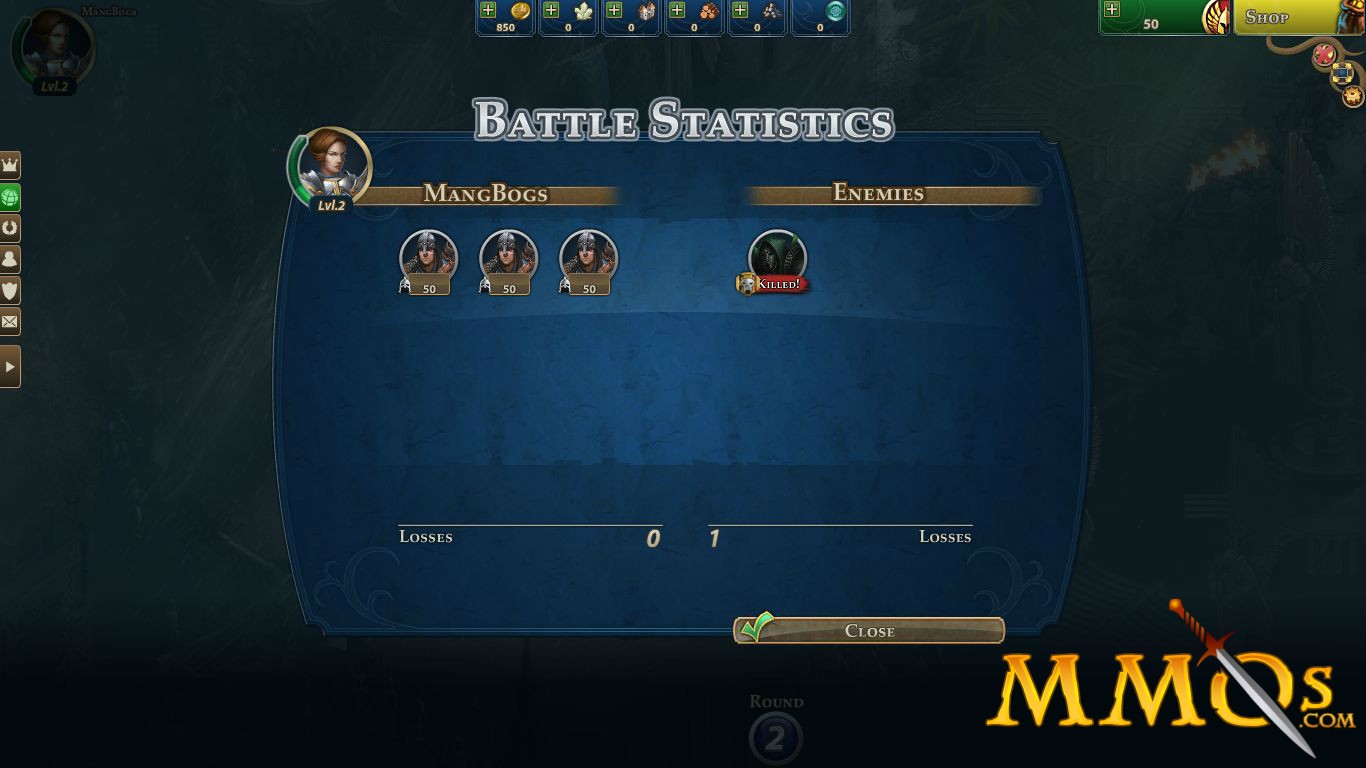
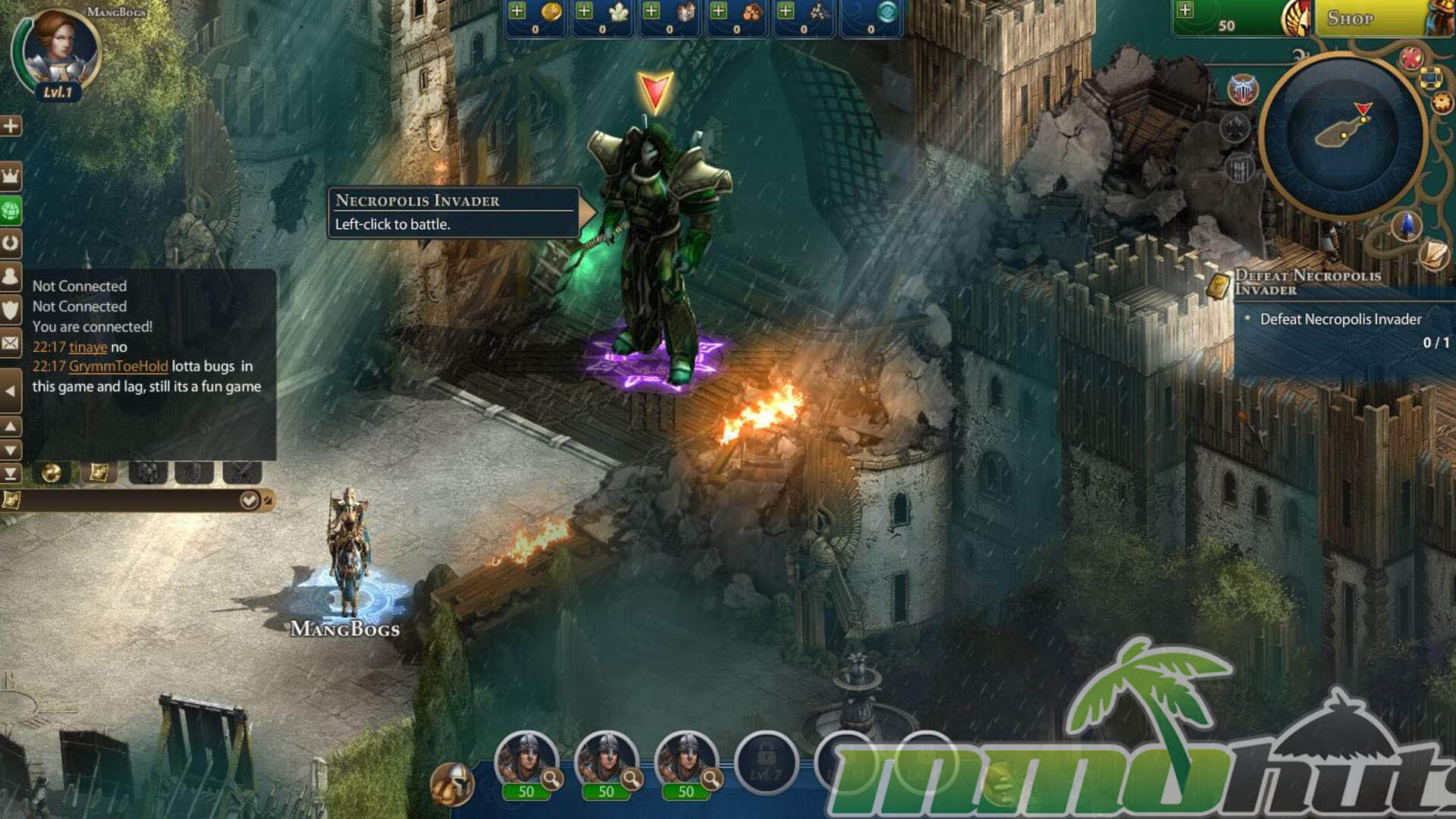
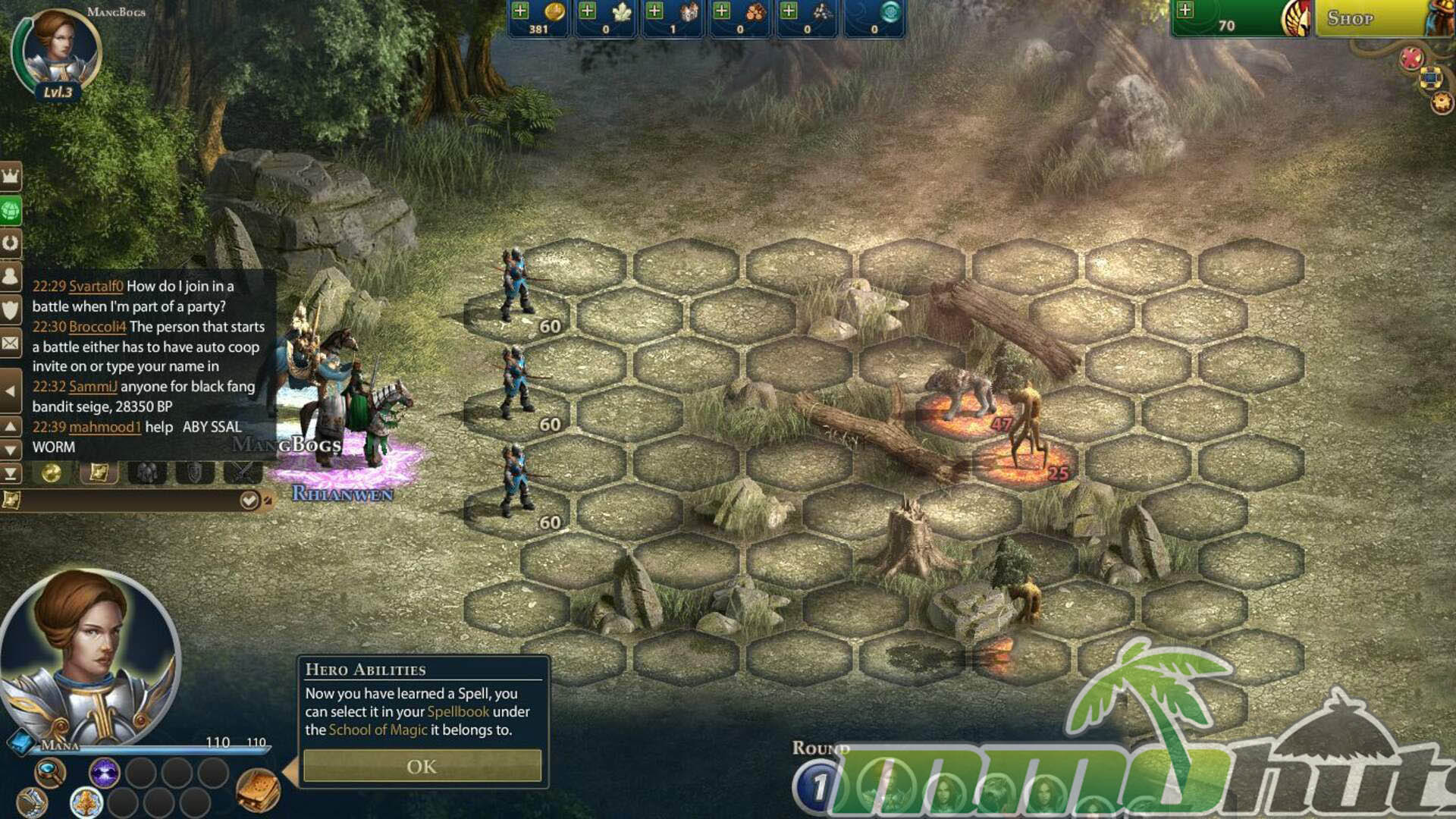
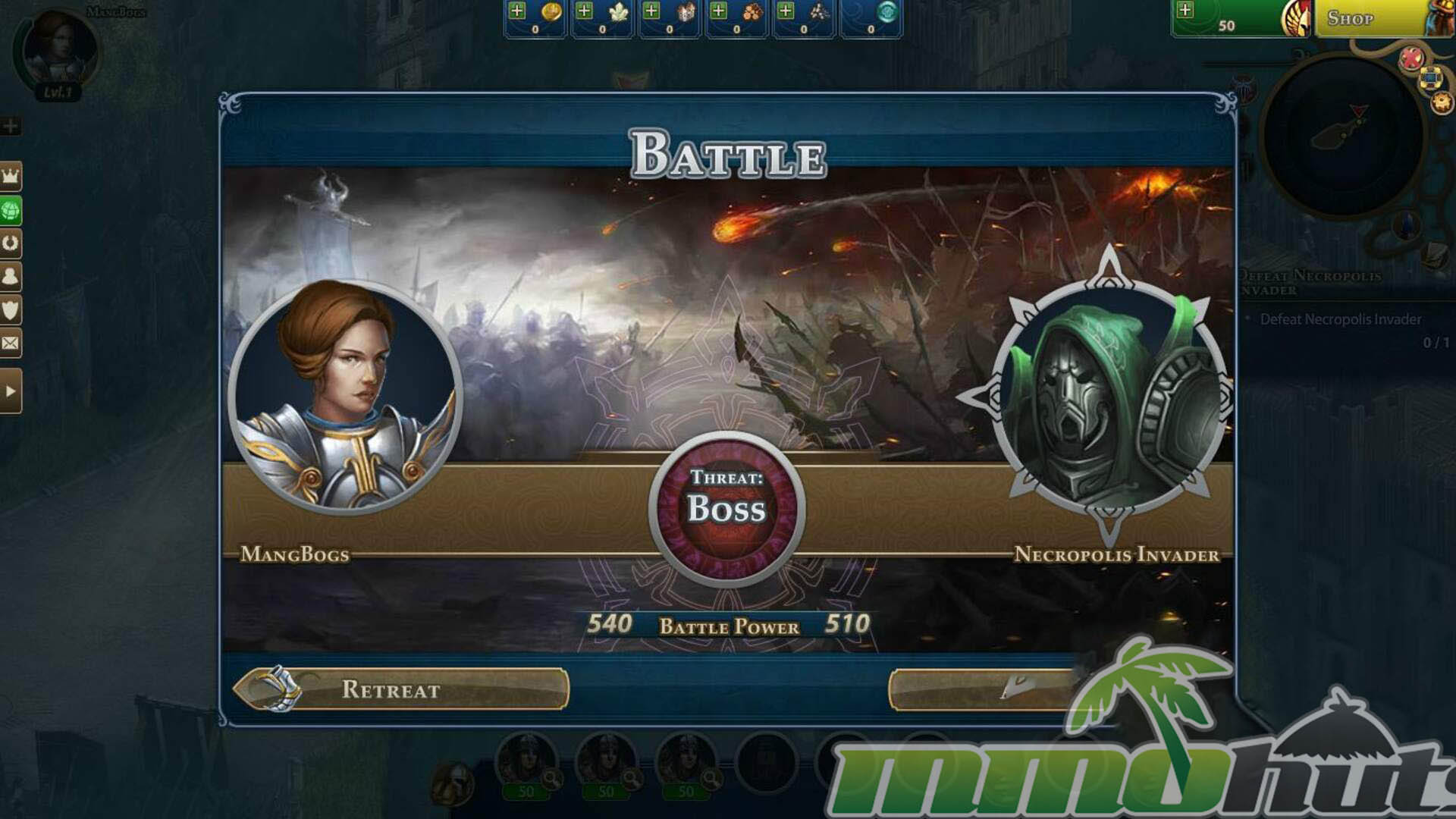
Might and Magic Heroes Online Screenshots
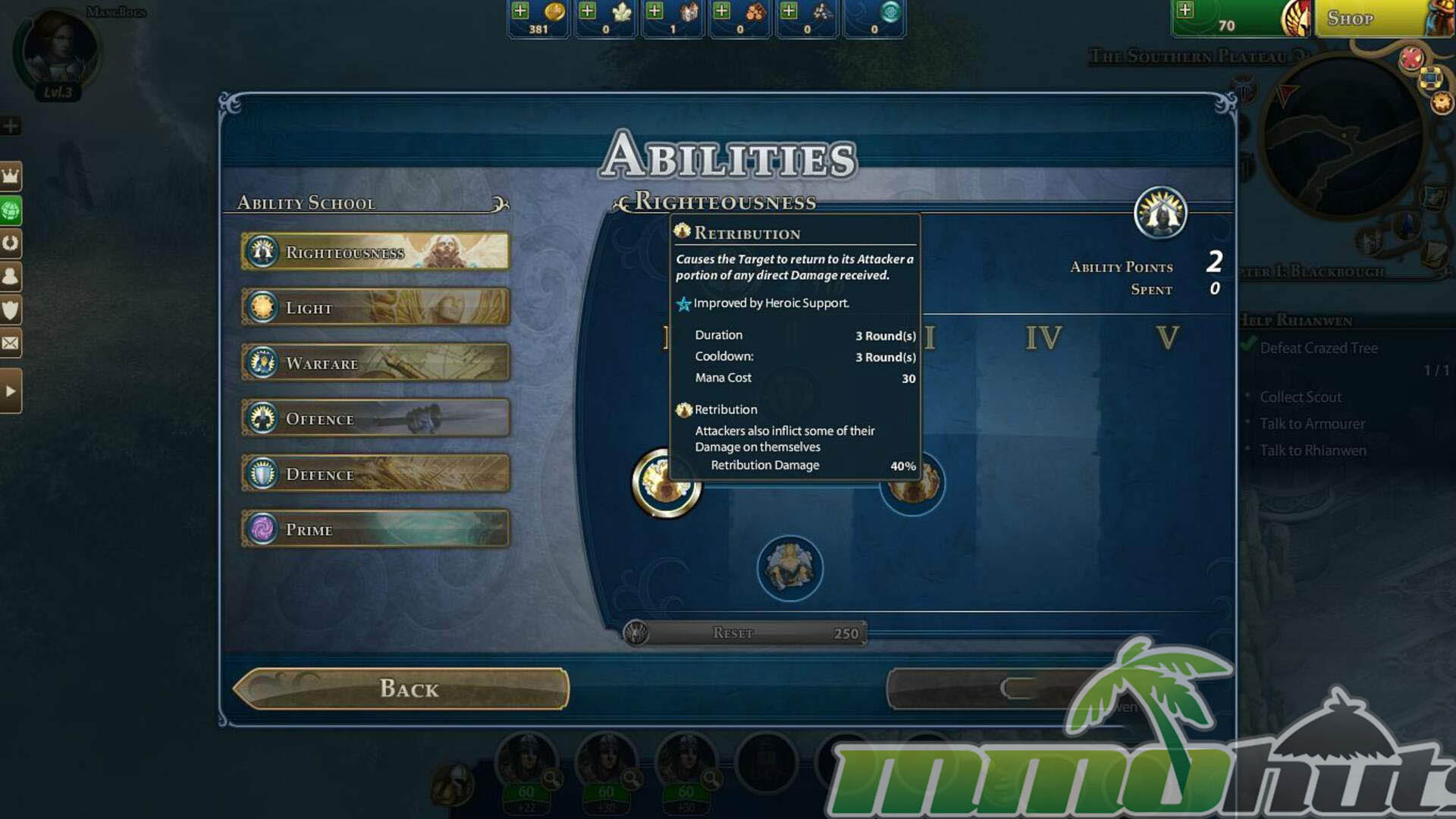
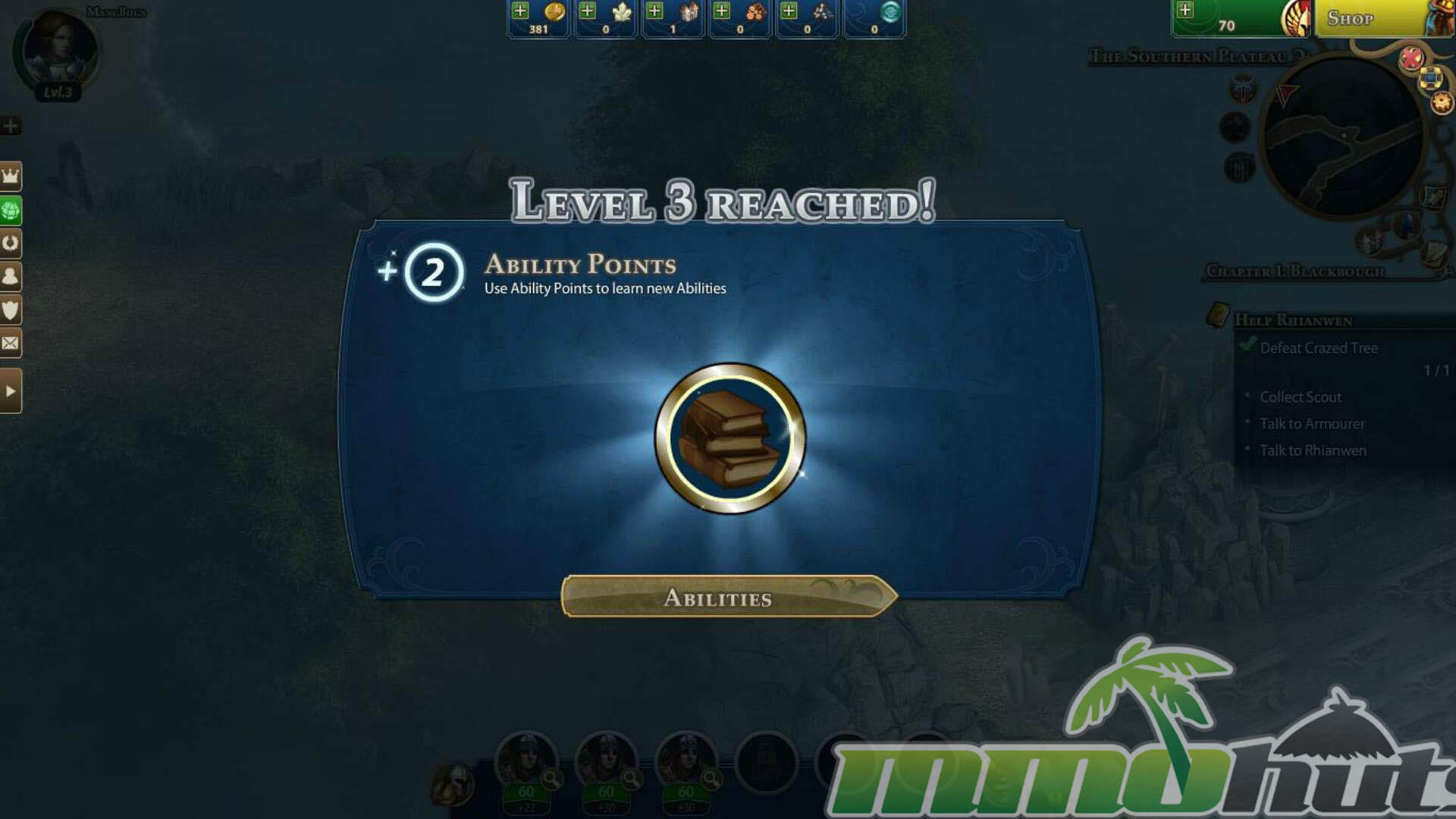
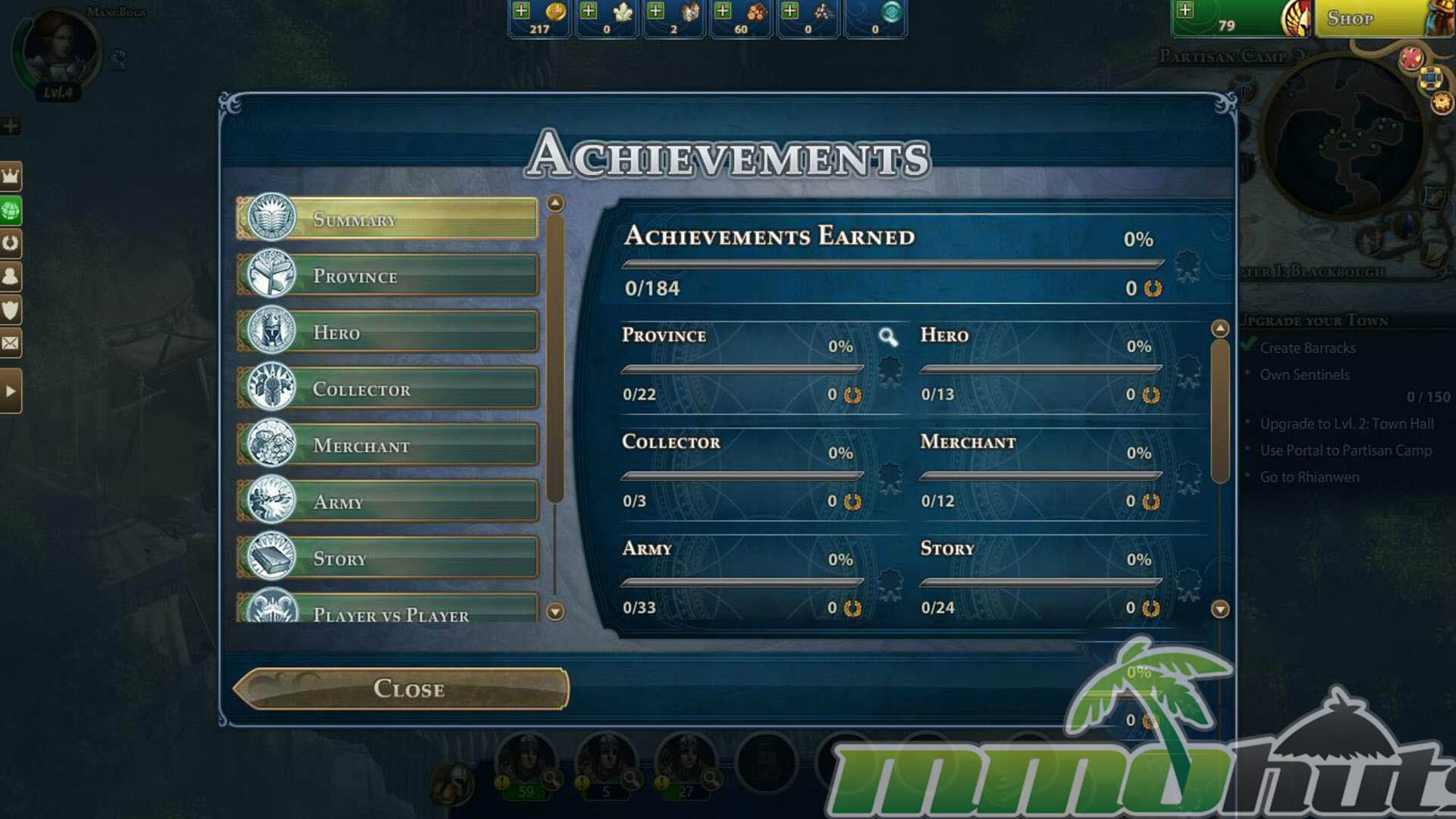
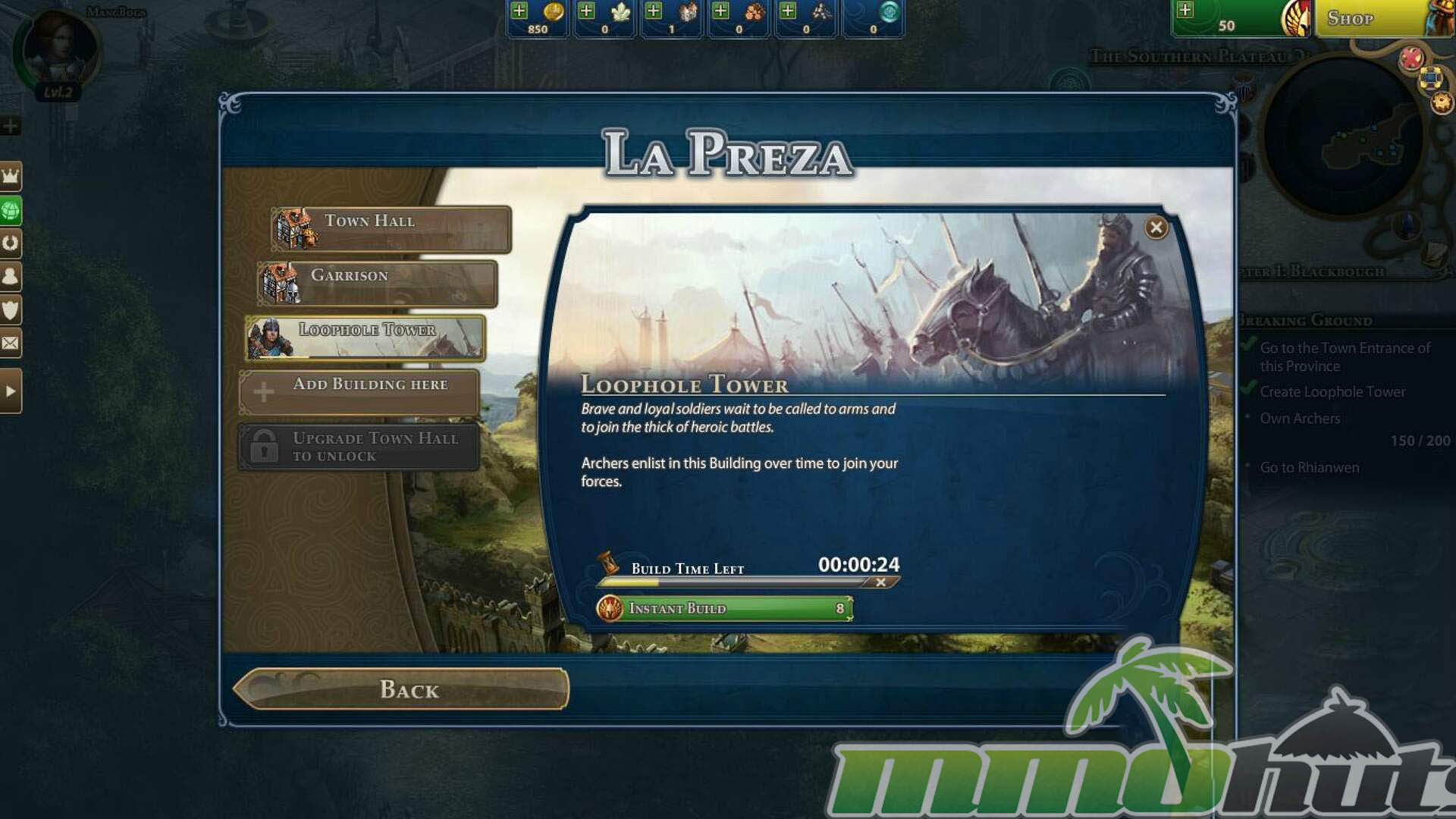
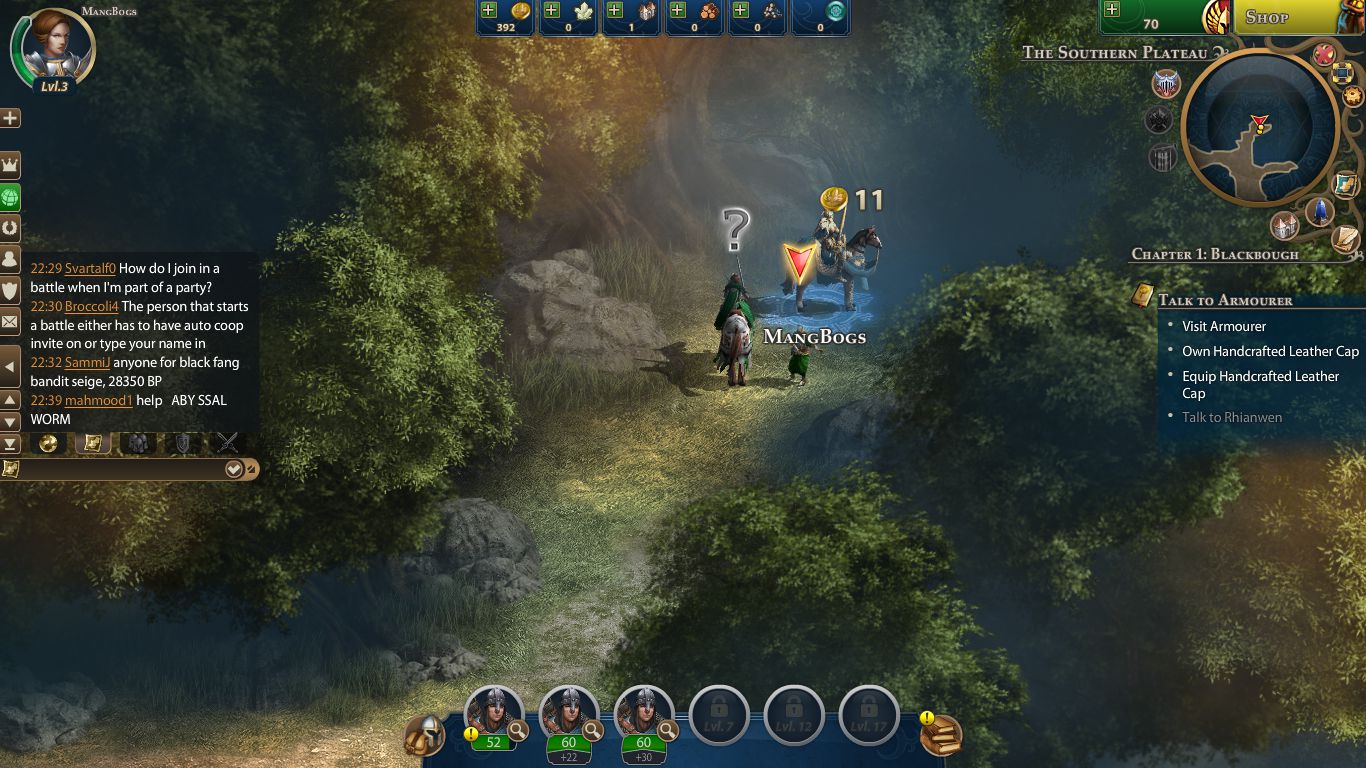
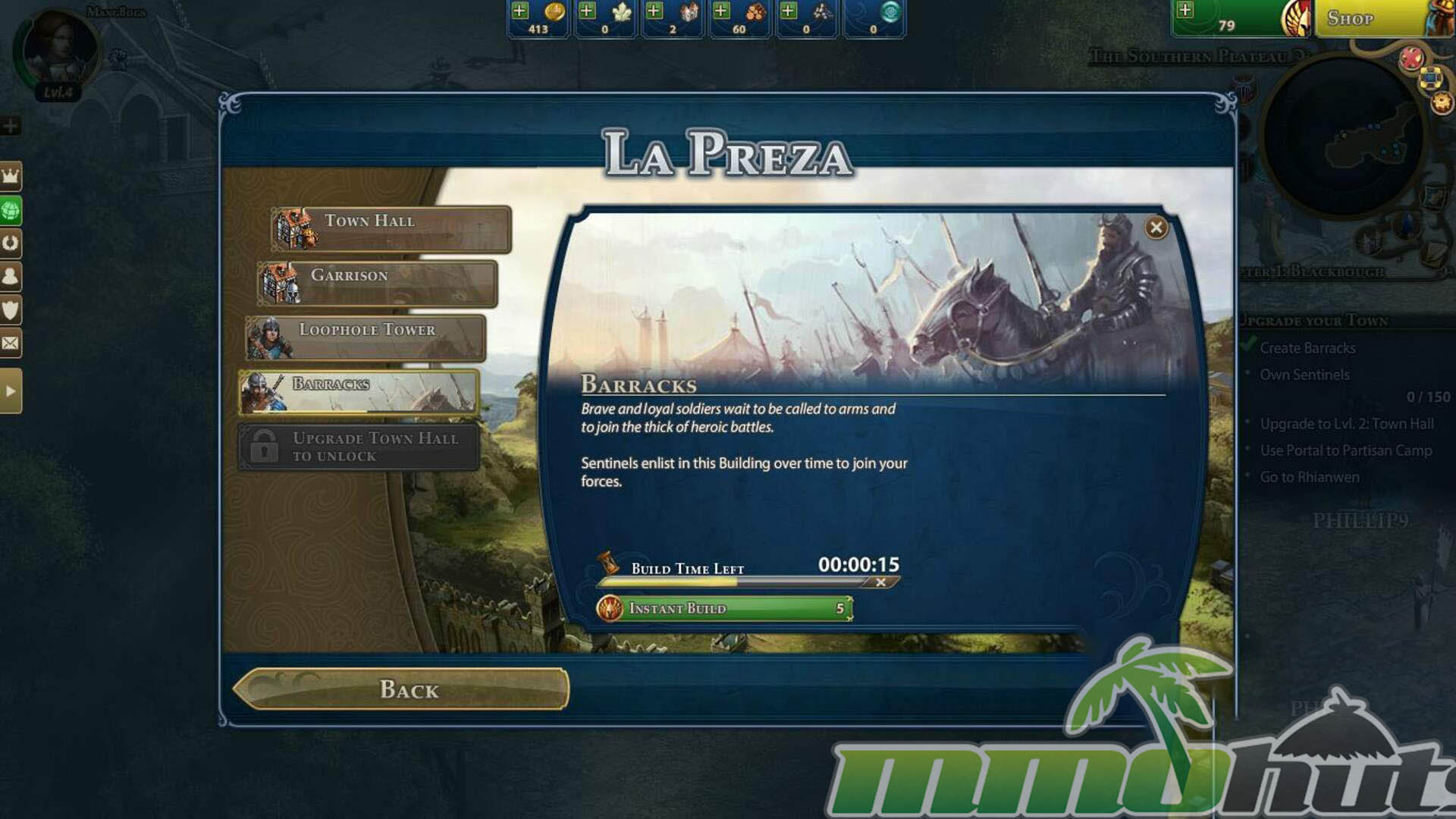
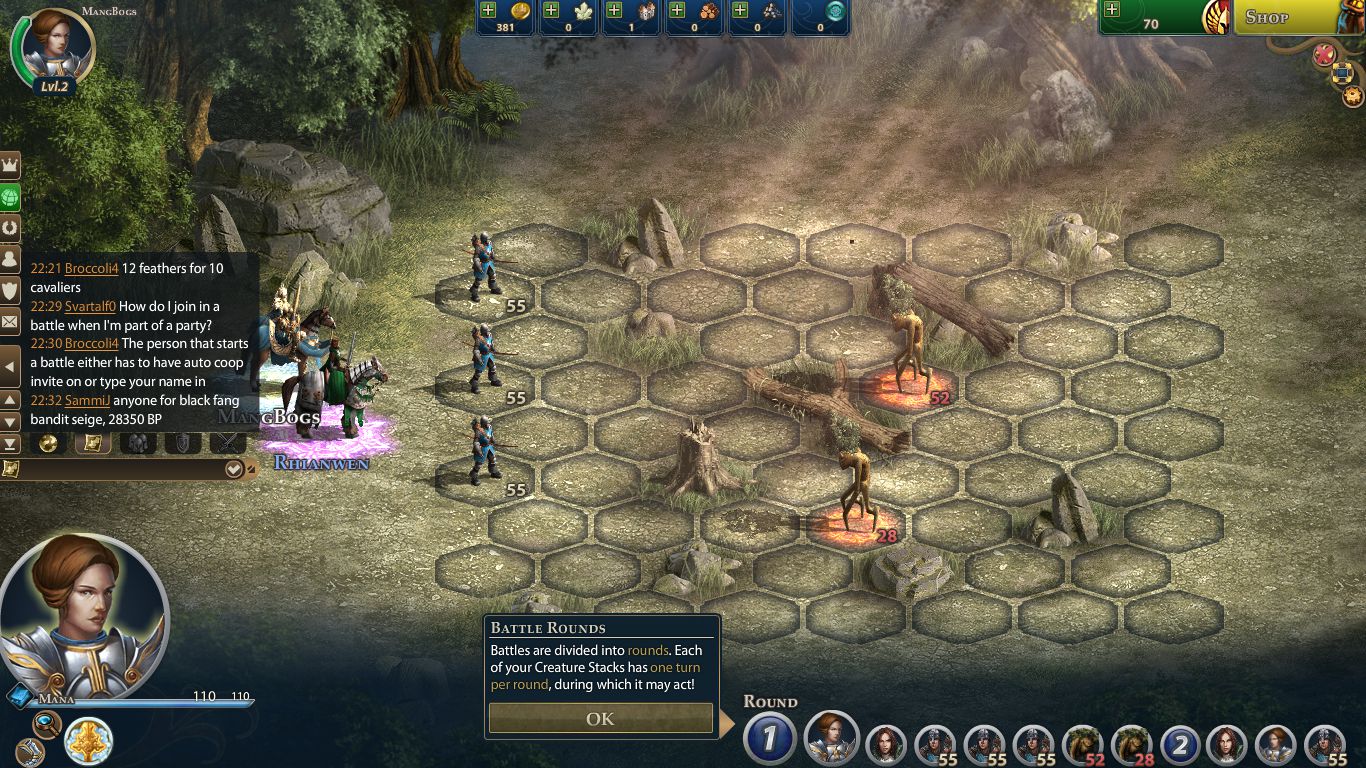
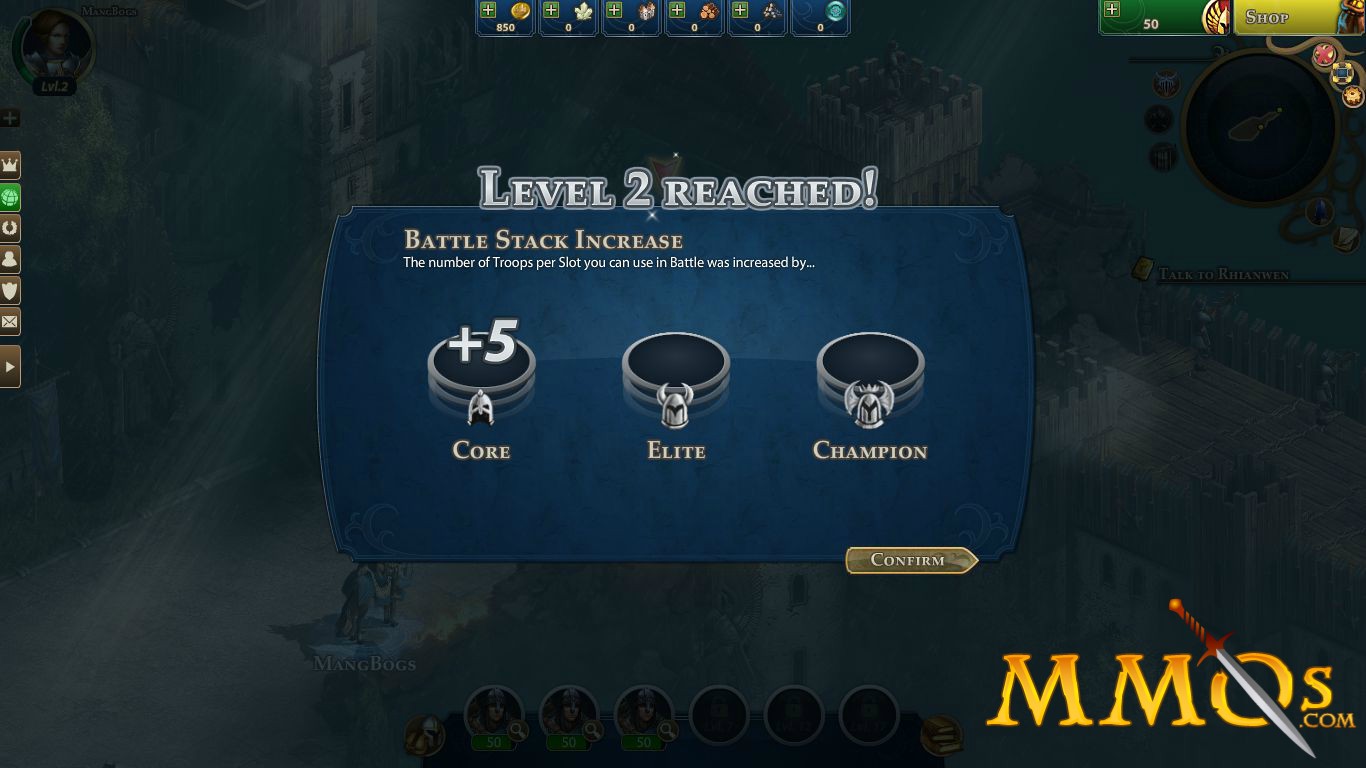
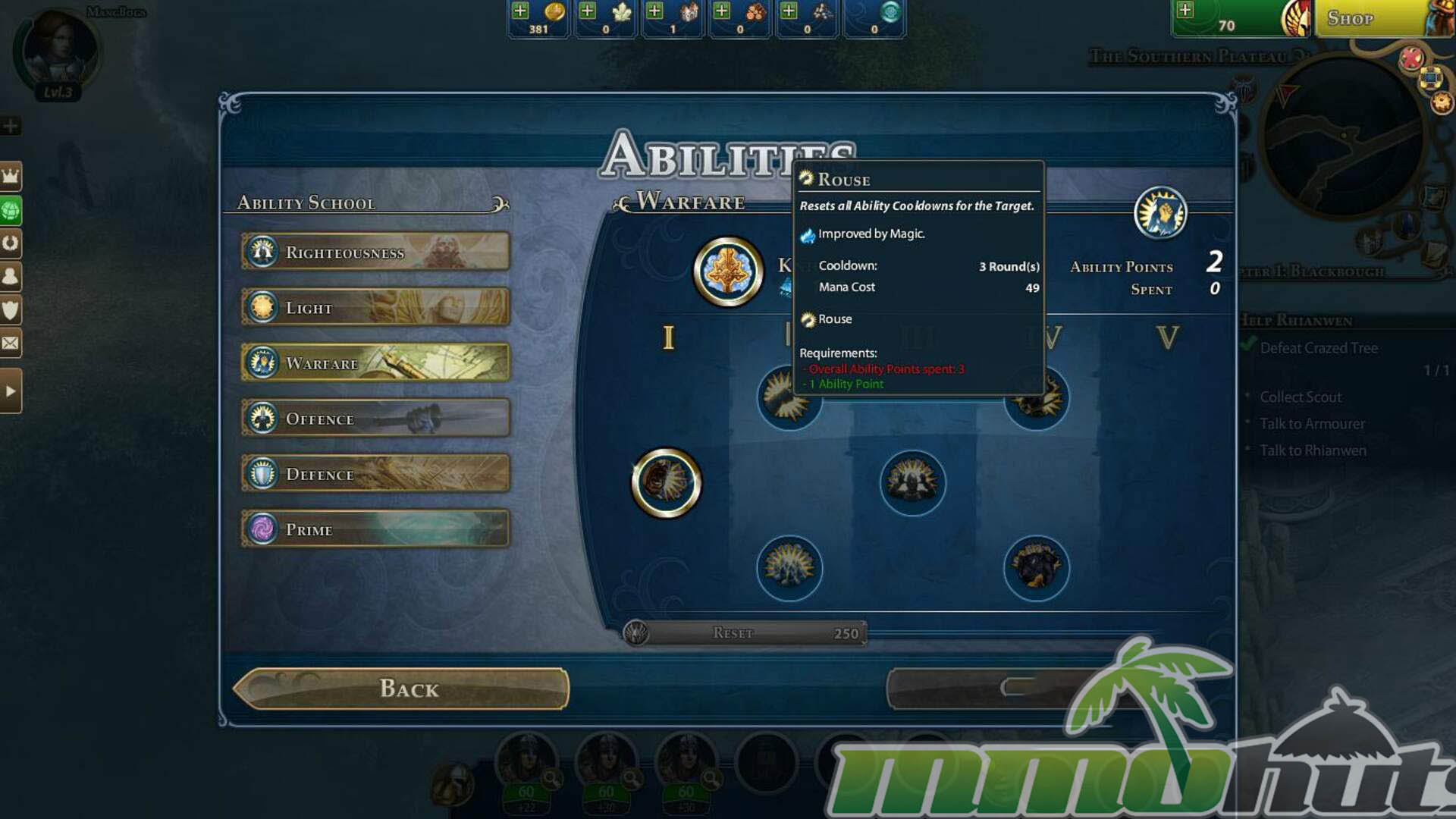
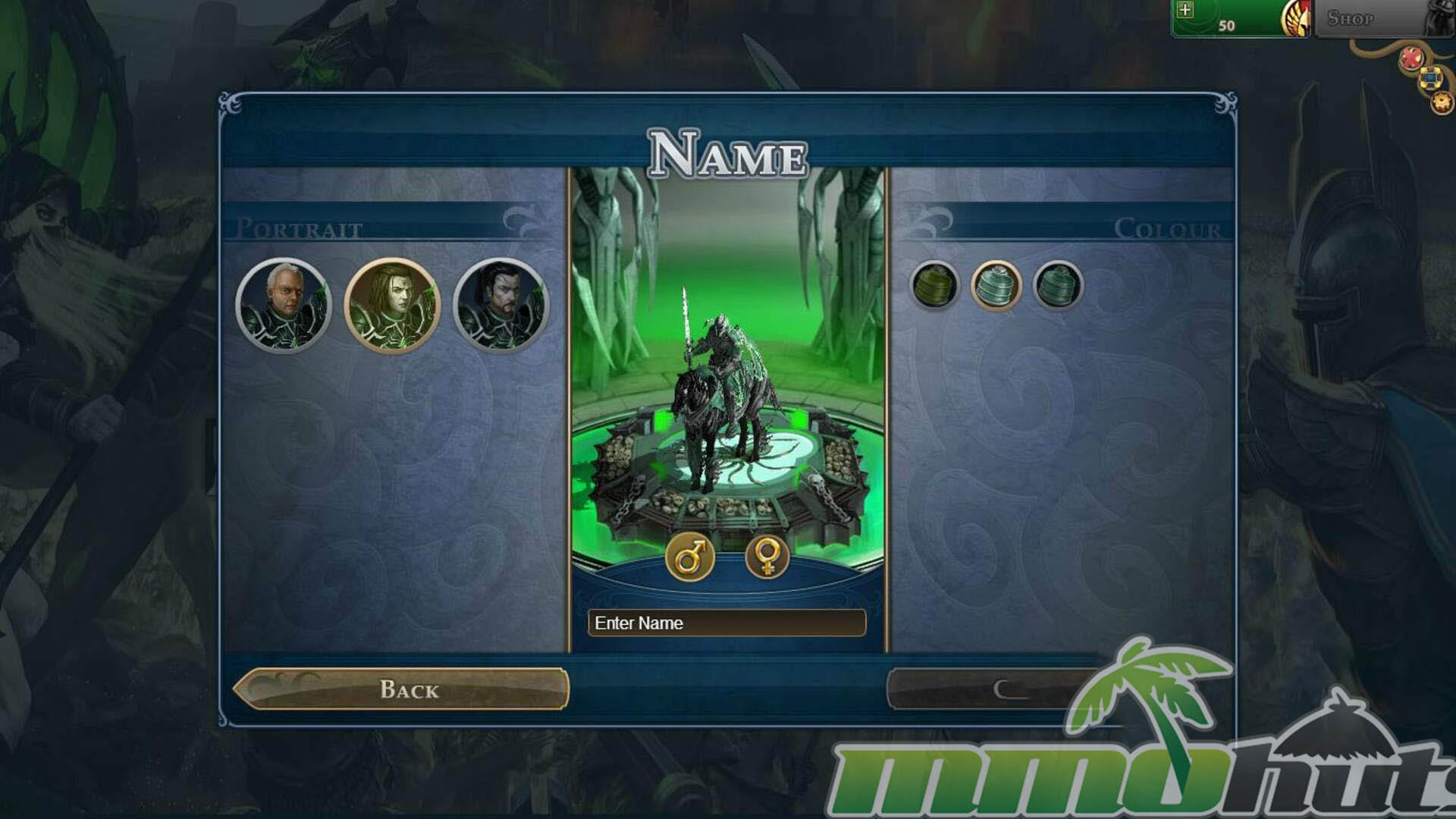
Might and Magic Heroes Online Featured Video

Might and Magic Heroes Online Classes
- Havens Knight/Necropolis Death Knight – Frontline-focused heroes built around physical offense and sturdiness, with the leadership to field sizeable armies.
- Haven Cleric/Necropolis Necromancer – Spell-oriented heroes that lean on magic damage and utility, with tools that can enable multiple actions within a round.
Might and Magic Heroes Online Review
Might and Magic Heroes Online (MMHO) was a free-to-play, fantasy 2.5D browser MMORPG developed and published by Ubisoft. It launched on September 09, 2014 and stood out largely because it tried to bring a Heroes-like tactical formula to a browser-based MMO framework, rather than copying the usual auto-combat and quest-hub routine common to the era.
At its best, MMHO delivered a satisfying blend of town growth, army building, and turn-based encounters that reward planning. You pick a side in the faction conflict, develop a personal network of towns and resource sites, and then take your customized stacks into fights against NPC armies or other players. The overall pace is more methodical than most browser MMOs, which is exactly why it appealed to strategy fans, even if it also came with the typical limitations of its platform and business model.
Ashan, factions, and first steps
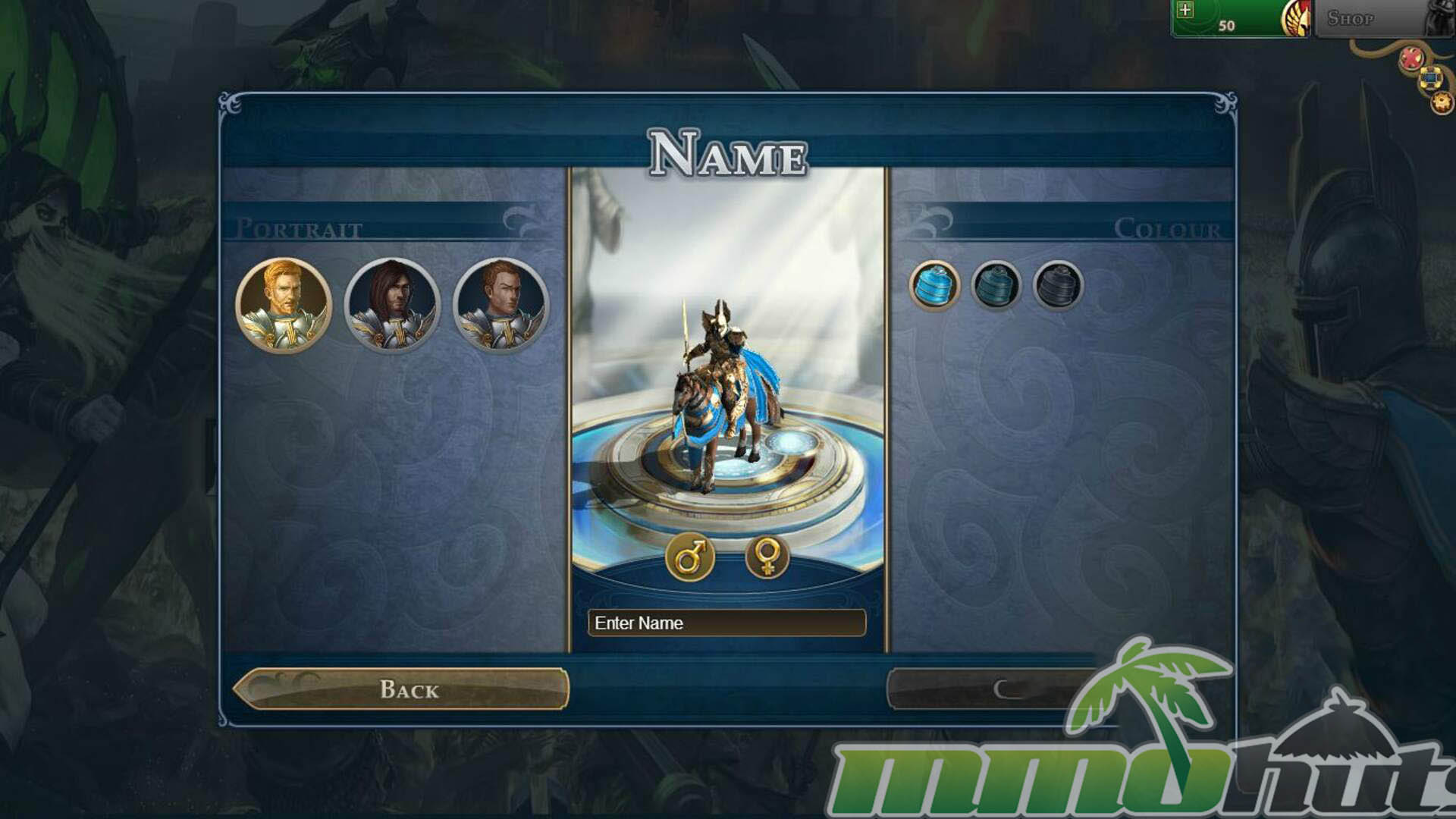
The opening hours are focused on onboarding. Before you do much else, you choose a faction and a hero type. Character creation is intentionally streamlined, you are selecting between the two main archetypes for each side rather than building a character from dozens of sliders and trees. Haven represents a “holy empire” style faction, while Necropolis leans into death-themed fantasy. Each offers a Might-leaning class and a Magic-leaning class, setting expectations for whether you want to play as a physical commander or a spellcaster.
From there, the game wastes little time putting you into your first turn-based battle. It acts as a practical tutorial, teaching movement on a grid, attack ranges, and the rhythm of alternating turns. After that initial fight, you are transported to your starting city and introduced to the other half of the game, building up towns, placing structures, and learning how recruitment and resources feed back into your combat strength.
Visually, MMHO goes for a classic strategy-RPG look that feels closer to older PC titles than modern 3D MMOs. It fits the grid combat well, although the presentation can feel dated, especially after longer sessions. Audio does its job, but like many browser games, repetition becomes noticeable once you have heard the same cues and music loops for hours.
Town management and long-term growth
Towns are the backbone of progression in MMHO. They are where you invest resources, unlock new options, and recruit the units you bring into battles. You can establish multiple towns over time, but the game limits you to one town per province, which ties expansion to exploration and conquest. Importantly, your towns are private spaces, other players cannot directly see or siege them. On the province map, they are represented by an access point you click to enter.
Your first settlement begins with the essentials already present, the Town Hall, Dwellings, and the Garrison. Later towns require more setup, which reinforces the sense of building an empire rather than simply upgrading a single base forever. The Town Hall is the main gatekeeper for development, it effectively sets the maximum level for other structures, and increasing it also opens more building slots and additional building types. It is also a steady source of gold, alongside income from mines.
Dwellings determine what you can recruit and how quickly you can rebuild losses. Each unit type is linked to a specific dwelling, and the “one dwelling per town” restriction creates meaningful choices, you cannot have every option everywhere. Upgrades increase capacity and cut down recruitment time, which matters once you are regularly fighting and replenishing.
The Garrison is where army planning happens. You swap stacks in and out depending on what you expect to face, and you can store units you are not currently fielding. Improving the garrison expands its storage, and the game’s six troop slots (with up to 150 units of a given type per slot) give you enough room to create focused compositions without becoming too unwieldy.
Resource production is supported by Worker’s Halls that send units to gather gold, metal, or wood across the province. Provinces are not static, NPC forces can capture parts of them, which interrupts your resource flow until you clear them out again. Unlike your towns, Worker’s Halls exist on the province map where other players can find and attack them. That PvP pressure creates a risk-reward loop, raiding can boost your income, but it also means you need to pay attention to your holdings if you want consistent production.
Quest structure and objectives
Questing is split into two broad categories. Story quests are the one-time progression track and differ depending on which faction you chose. Completing them advances the narrative, opens up additional provinces, and provides meaningful rewards such as gold, gear, and experience. Daily quests are the repeatable layer, scattered around Ashan, and designed to keep your economy and leveling moving forward. They are a reliable source of resources and experience, and they help fill the gaps when you are waiting on recruitment or building timers.
Building an army and winning battles
Troops are faction-themed, but broadly fall into three tiers: Core, Elite, and Champion. Core units are the early workhorses, accessible quickly and fielded in larger numbers. Elite troops are the mid-to-late upgrades that hit harder and often define your strategy once you can recruit them consistently. Champions are the heavy hitters, built to take punishment and deal it back, but you are restricted to bringing relatively few, which keeps them special and prevents every army from becoming an identical “all top tier” lineup.
Combat is turn-based on a grid, with clear movement limits and attack ranges that encourage careful positioning. You move a unit stack, choose whether to attack, and decide when to wait and when to commit. Victory comes from managing trades, protecting vulnerable stacks, and exploiting terrain and initiative. One interesting wrinkle is reinforcement training during PvE battles, you can keep training units while a fight is ongoing, which can swing longer encounters and makes preparation outside of combat still feel relevant inside it.
Co-op is supported for players who prefer teamwork. Friends can join battles to help clear difficult opponents, and the game adjusts hero and unit levels to account for different player progress, aiming to keep cooperative matches fair and functional rather than a simple carry.
Arena PvP and time pressure
For competitive players, the arena offered structured PvP duels tied to ranking leagues and seasonal rewards. Matchmaking considered factors such as hero level, equipment, army strength, and PvP performance, which helped avoid the most extreme mismatches, even if gearing and spending could still influence outcomes.
PvP battles differ from standard encounters in a key way, you cannot train units mid-match. That decision keeps arena games from dragging on indefinitely and makes the initial army setup more important. There is also a Sudden Death mechanic after a time limit, where the side with more remaining units is declared the winner, pushing players to play proactively rather than stalling.
Monetization and the cash shop
MMHO included a typical free-to-play shop selling convenience and progression items, including equipment, potions, gold, and Hero Seals. Hero Seals were used for features like additional character slots, reviving fallen units, scouting enemy forces, and other utility functions. As with many F2P strategy games, spending could speed up progress and smooth out friction points, and it could translate into competitive advantages in certain contexts.
That said, the game’s tactical foundation meant decision-making still mattered. Positioning, target selection, and understanding unit matchups could win fights that raw power alone would not automatically secure, particularly in PvE and in evenly matched PvP games.
The Final Verdict – Good
Might and Magic Heroes Online was a solid entry in the broader Might and Magic lineup, especially for players who wanted a slower, more tactical browser game rather than another action-heavy MMO. Its strongest feature was the turn-based combat, which captured the appeal of classic grid strategy and made army composition feel meaningful. While the presentation and monetization showed their age, the core gameplay offered enough depth to be genuinely entertaining for strategy fans.
Might and Magic Heroes Online Links
Might and Magic Heroes Online Official Site
Might and Magic Heroes Online Wikia [Database/Guides]
Might and Magic Heroes Online Steam
Might and Magic Heroes Online Requirements
Operating System: XP / Vista / 7 / 8
CPU: Intel Pentium 4 or AMD Equivalent
Video Card: Any Graphics Card (Integrated works well too)
RAM: 512 MB
Hard Disk Space: 100 MB (Cache)
Might and Magic Heroes Online is a browser based MMO and will run smoothly on practically any PC. The game was tested and works well on Internet Explorer, Opera, Firefox and Chrome. Any modern web-browser should run the game smoothly.
Might and Magic Heroes Online Additional Information
Developer: Ubisoft
Publisher: Blue Byte
Release Date: September 09, 2014
Shut Down Date: December 31, 2020
Development History / Background:
Might and Magic Heroes Online (MMHO) is a free-to-play fantasy-themed 2.5D browser-based MMORPG developed and published by Ubisoft, the third largest independent publisher of video games in the world. The game was officially released on September 09, 2014 and is the only browser-based game based on the Might and Magic franchise, a widely popular classic RPG game made for the PC.