MARVEL SNAP is a free-to-play, 2D online collectible card game that pulls from the Marvel Universe and focuses on rapid, bite-sized PvP matches. You build a compact deck of heroes and villains, then outthink your opponent across three shifting locations where the rules can change from game to game, forcing you to adapt on the fly.
 | Publisher: Nuverse Playerbase: High Type: F2P Online CCG Release Date: October 18, 2022 Pros: +Very approachable ruleset. +Matches are over fast. +Clever, compelling core loop. +Strong visuals and card art. +Progression is not built around buying random packs. Cons: -Not many modes beyond the core ladder. -Growing a deep collection takes time. |



MARVEL SNAP Overview
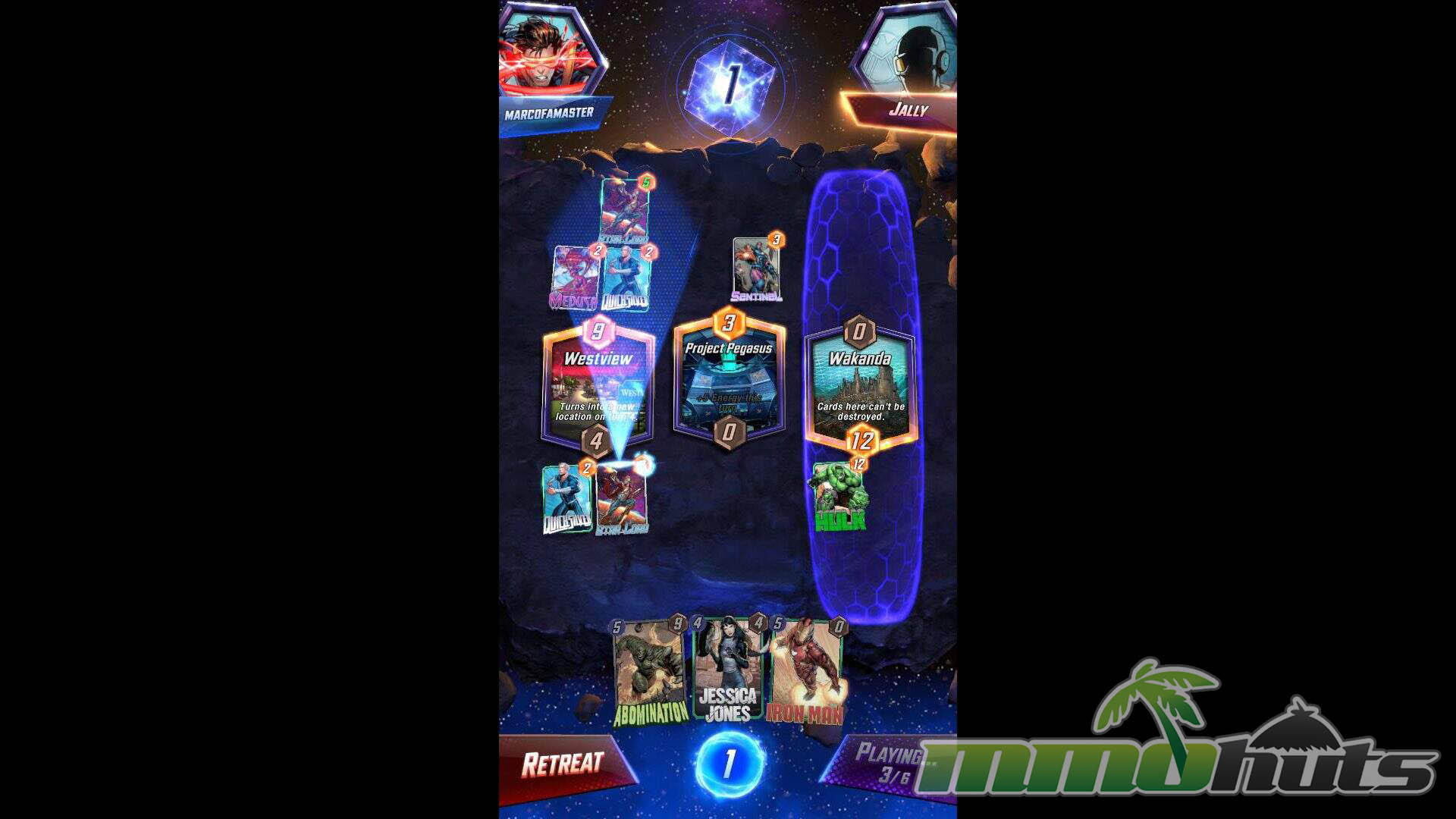
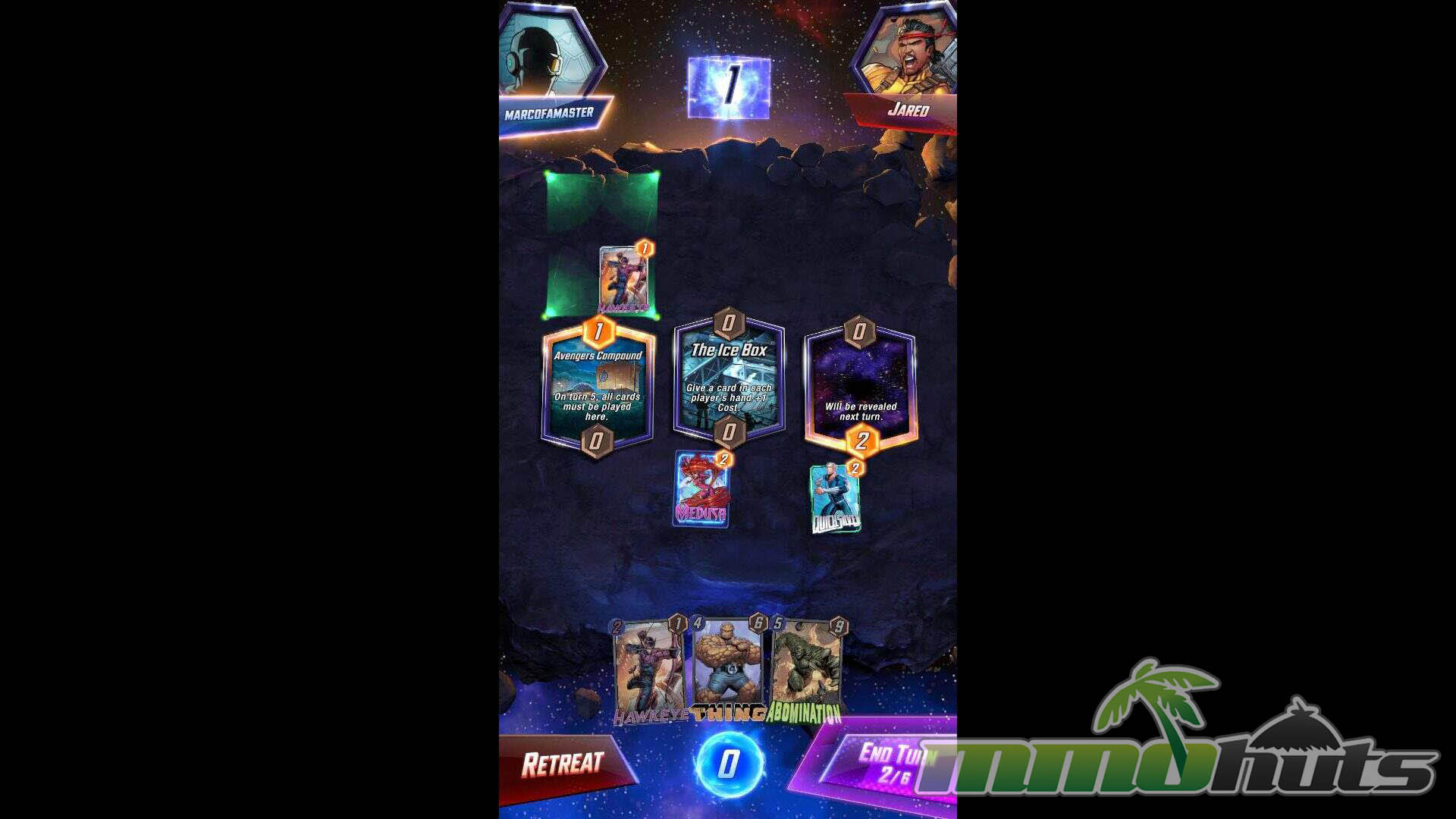
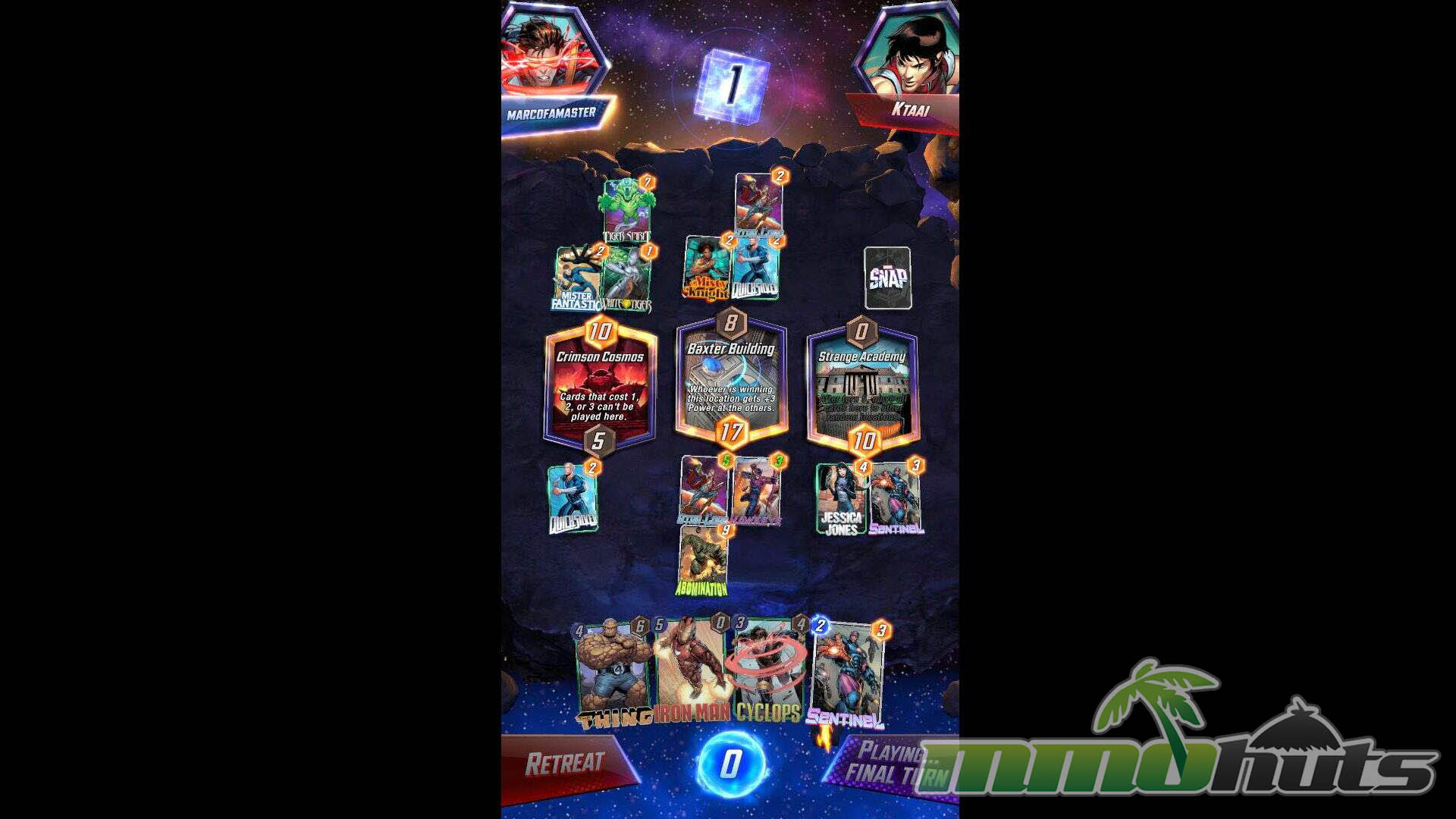
MARVEL SNAP is built around speed and constant variation. You assemble a deck from a large pool of Marvel characters, then jump into real-time matches that wrap up in a handful of turns. Each game takes place across three locations, and the goal is straightforward, end the match with more total power than your opponent in at least two of those three spaces.
What keeps that simple objective interesting is how the board fights back. Locations introduce special rules and one-off twists that can radically change how a match plays out, so even familiar decks need to stay flexible. You are not just playing your cards, you are also reading the board and timing your plays so you do not get caught by a location that flips expectations at the last second.
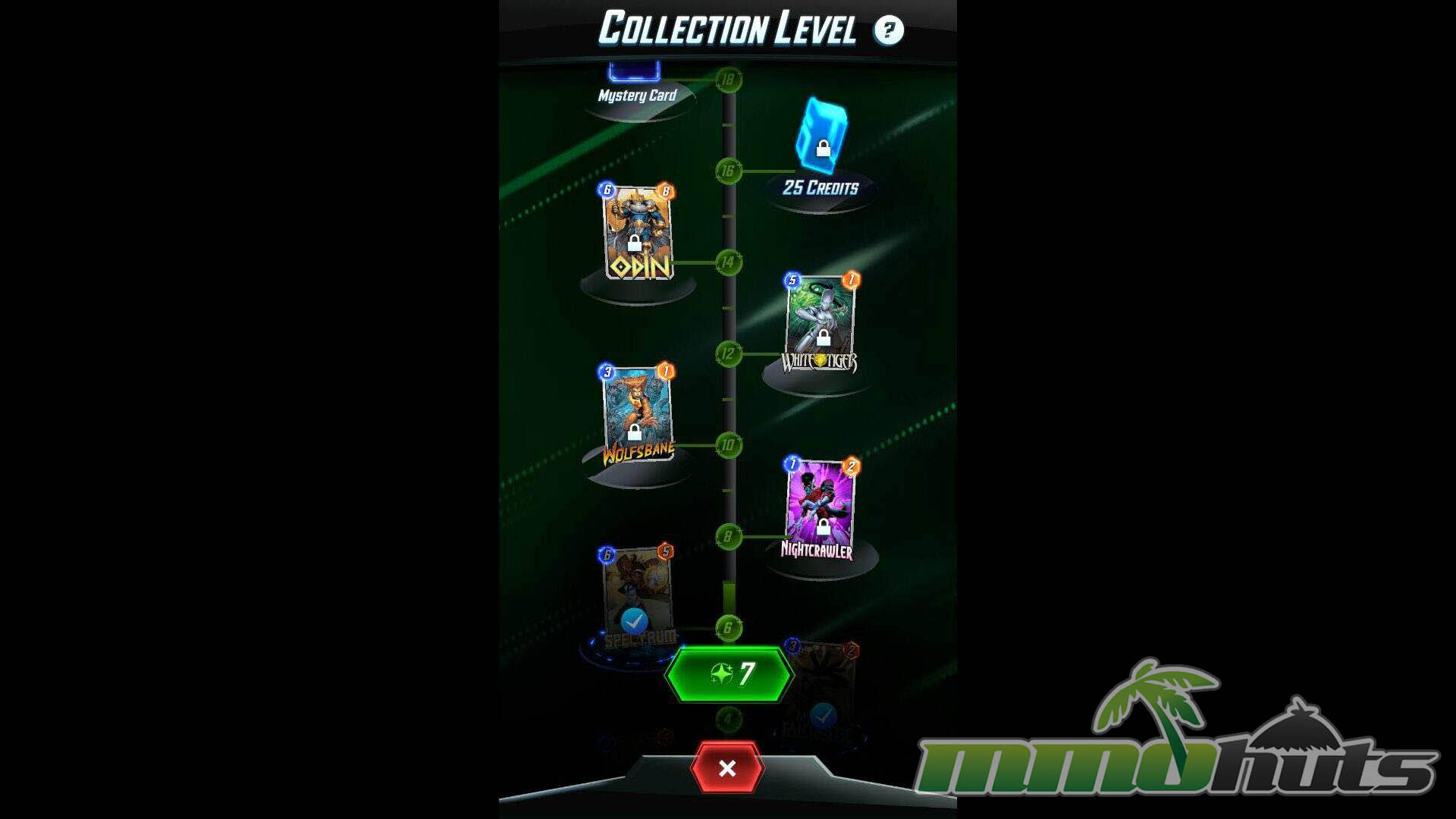
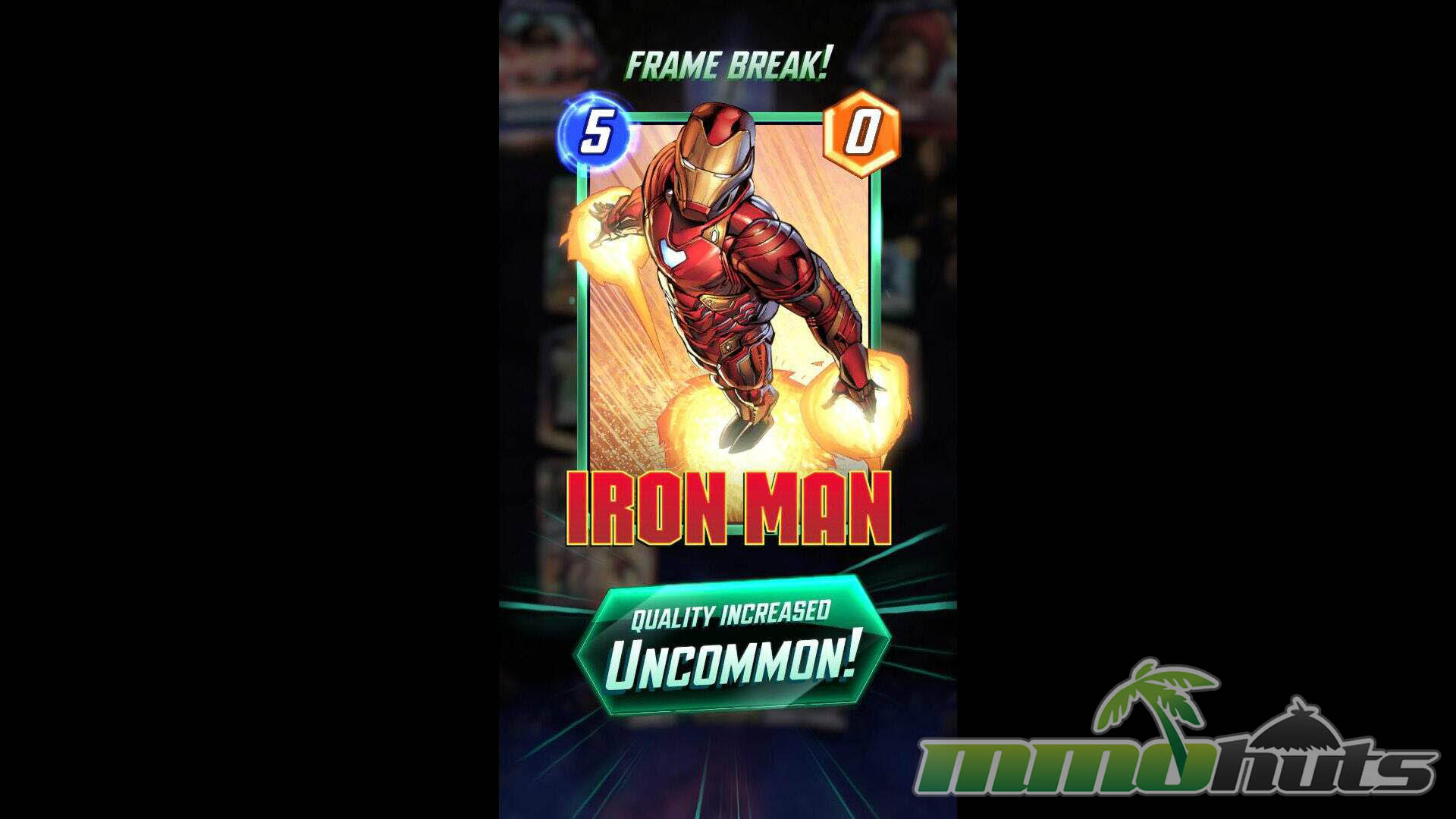
Winning games feeds into progression that focuses heavily on upgrading the look of your cards and increasing their rarity. As you continue to play, you earn currency and resources that push your collection forward and help you personalize decks through variants and visual upgrades, without requiring you to sit through long matches to feel like you made progress.
MARVEL SNAP Key Features:
- Power over complexity – the heart of each match is still about winning two locations, which keeps the game readable even when the board rules get strange.
- Short, decisive battles – matches are designed to finish quickly, with only a few turns to set up your plan and react to your opponent.
- Locations that remix every game – three different board spaces bring their own mechanics, and those mechanics rotate from match to match.
- High-stakes SNAP moments – you can raise the risk mid-game by snapping, which adds bluffing and pressure to otherwise clean, tactical play.
- Build a Marvel lineup – collect and combine a wide range of heroes and villains, then upgrade card cosmetics as you climb and experiment.
MARVEL SNAP Screenshots





MARVEL SNAP Featured Video

MARVEL SNAP Review
Second Dinner’s MARVEL SNAP takes the collectible card game formula and trims away the downtime. The result is a PvP card battler that is easy to pick up, surprisingly tense, and excellent for short sessions. It also comes with familiar free-to-play friction, mainly in how long it can take to assemble specific competitive decks, and in the perception that spending can accelerate access to higher-end options.
Match flow and core rules
At its best, SNAP feels like a tight strategy puzzle you can solve in minutes. The match structure encourages quick planning: you are trying to win two out of three locations by the end, and every card placement matters because there is not much time to recover from a mistake. Compared to many CCGs, there is less room for drawn-out control mirrors or marathon turns, which makes the game feel brisk and approachable.
The location system is the real identity of SNAP. Each match uses three locations with their own effects, and those effects can push you toward different lines of play. Some boards reward going wide, others punish certain costs or play patterns, and many demand that you sequence cards carefully. This constant remixing does a lot of heavy lifting, it keeps repeated matches from blending together, and it forces you to learn how your deck behaves under different constraints rather than memorizing one perfect script.
SNAP as a pressure tool
The Snap mechanic adds a second layer to every game: managing risk. Snapping is not just about confidence, it is also about reading your opponent, projecting strength, and deciding when a match is worth committing to. Even when the board state looks stable, a well-timed snap can change the psychology of a game and push players into mistakes, retreats, or desperate counterplays.
Because games are short, this system works particularly well. The moment you snap, the match immediately feels more meaningful, and it gives the game a ladder-friendly rhythm where you can climb through smart decisions, not only through raw win rate.
Collection, variants, and deck identity
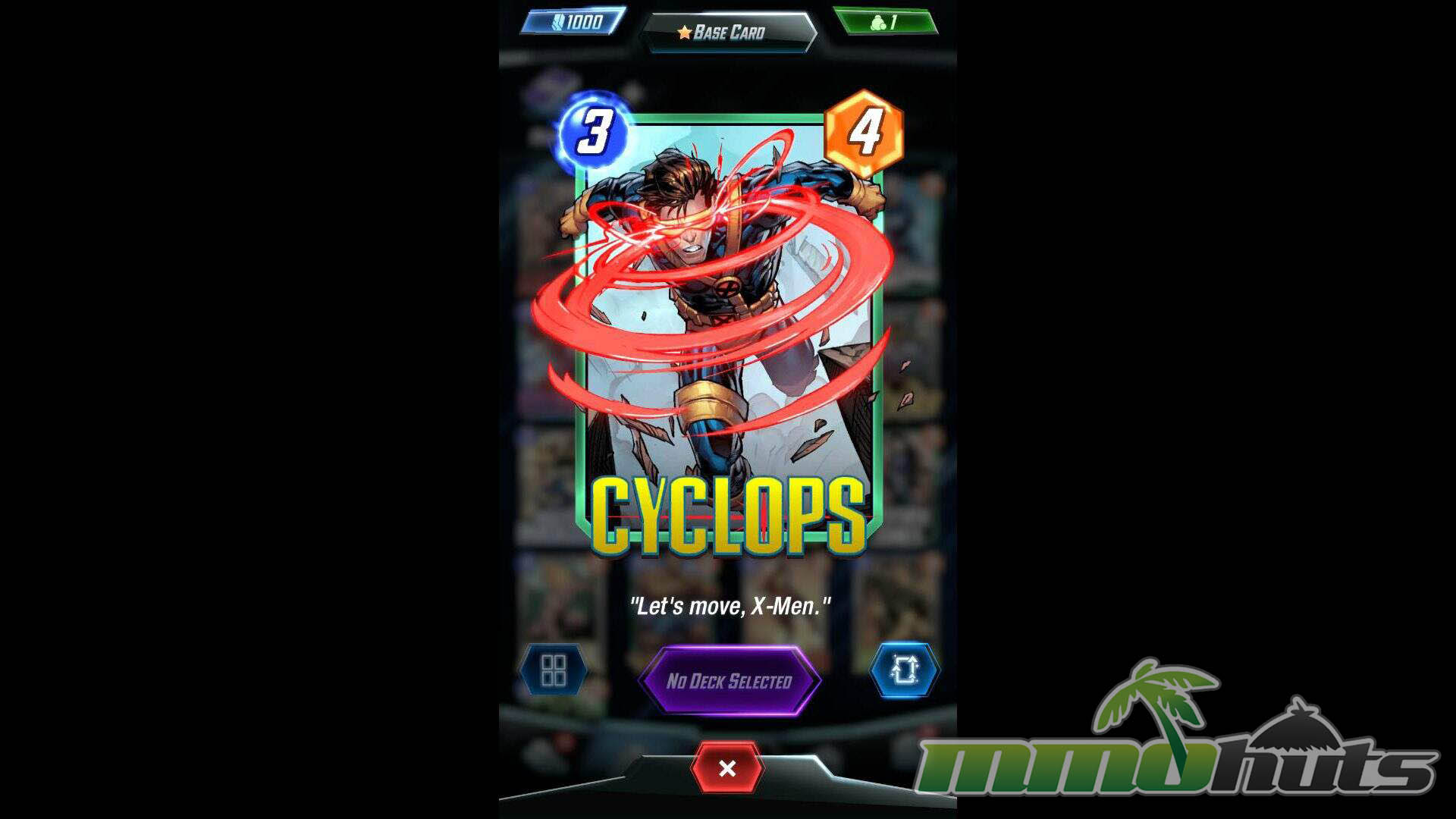
SNAP’s presentation is a major draw. Cards and variants look excellent, and upgrading a favorite card through visual tiers provides a steady sense of ownership. For Marvel fans, it is also fun to build themed lists or experiment with character synergies, even if you are not chasing the top meta decks.
Progression is also notable for what it does not emphasize: there is no direct reliance on buying randomized booster packs. Instead, playtime drives collection growth through ongoing progression systems, and spending tends to be about speeding that process up or focusing your rewards. That approach is refreshing compared to many CCGs, but it still means patience is required if you want very specific pieces for a particular strategy.
Fairness and spending concerns
Where the conversation gets complicated is competitiveness. Players who accelerate progression can reach stronger collection breakpoints sooner, and that can translate into an advantage when certain rarer cards are shaping the meta. For free players, the game can sometimes feel like it asks you to wait before you can fully participate in the most optimized archetypes, even if you are playing well.
It is not an immediate wall, you can enjoy SNAP and win plenty with modest collections, but long-term competitive goals can feel gated by time unless you spend.
Modes, balance cadence, and long-term variety
SNAP’s biggest structural weakness is that it leans heavily on its primary matchmaking experience. The core loop is strong enough to carry that for a while, but players who want broader formats, deeper alternate modes, or more ways to use niche cards may eventually feel constrained.
Balance and card dominance can also be a sore point when certain season releases or popular strategies sit on top for too long. Second Dinner does make changes, and adjustments can shift the landscape, but the health of the game depends on keeping the meta from becoming too narrow, especially for players without deep collections.
Technical performance and platform experience
On PC, some players encounter stability problems such as crashes or freezes, which is especially annoying in a game where a lost turn can decide the match. The upside is that progress carries across platforms, so switching to mobile is an option if you run into issues. Even so, a smooth and consistent client matters in a competitive card game, and technical hiccups can undermine otherwise great match design.
Matchmaking feel
Early matchmaking can also feel uneven. Newer players may see a noticeable number of bots, and later on, collection size and skill do not always line up cleanly. When you face opponents with broader collections, you can end up playing uphill more often than you would like, even if the match itself remains winnable through smart snaps and retreats.
Conclusion – Great
MARVEL SNAP succeeds because it knows exactly what it wants to be: a fast, location-driven card battler with constant variation and meaningful risk management. The art and presentation are strong, matches are consistently engaging, and the Snap mechanic gives the game a distinct identity in the CCG space. Its limited modes, occasional technical issues, and progression-related competitiveness concerns hold it back from being universally recommendable, but for players who want quick, tactical PvP and a steady stream of fresh match scenarios, it is an easy game to keep coming back to.
MARVEL SNAP Links
MARVEL SNAP Official Site
MARVEL SNAP Google Play
MARVEL SNAP App Store
MARVEL SNAP Steam Page
MARVEL SNAP Twitter
MARVEL SNAP Facebook
MARVEL SNAP Reddit
MARVEL SNAP System Requirements
PC Minimum Requirements:
Operating System: Windows 7 (SP1+)
CPU: Intel Core i5-650 | AMD Phenom II X4 965
Video Card: Nvidia GeForce GTX 650 / AMD Radeon HD HD 6950
RAM: 4 GB
Direct X: Version 10
Hard Disk: 4GB GB
PC Recommended Requirements:
Operating System: Windows 10
CPU: Intel Core i5-2300 | AMD FX-6300
Video Card: Nvidia GeForce GTX 660 / AMD Radeon HD 7970
RAM: 4 GB
Hard Disk: 4GB GB or more
Android System Requirements:
Operating System: Android 5.1 and up
iOS System Requirements:
Operating System: Requires iOS 11.0 or later.
MARVEL SNAP Music & Soundtrack
Coming soon!
MARVEL SNAP Additional Information
Developer: Second Dinner Studios
Publisher: Nuverse
Engine: Unity
Early Access Release Date: October 18, 2022
Platforms: Microsoft Windows (Steam), Android, iOS
Development History / Background:
MARVEL SNAP is a multi-platform, free-to-play 2D online collectible card game developed by Second Dinner Studios and published by Nuverse. The studio is led by Ben Brode, known for his work on Hearthstone, and SNAP was revealed in May 2022 before arriving a few months later in early access on Steam, alongside mobile releases on Android and iOS on October 18, 2022.