
Magic Duels: Origins brings Magic: The Gathering to screens as a free-to-play digital TCG. You can work through narrative-driven matches, learn the rules through structured training, or jump into duels against other players, earning coins for booster packs so you can grow your collection and build custom decks.
 | Publisher: Wizards of the Coast LLC Playerbase: Shut Down Type: TCG Release Date: July 29, 2015 PvP: Duels Pros: +A story campaign that teaches fundamentals. +Two-player co-op via Two-Headed Giant. +Daily objectives that feed steady progression. Cons: -Requires online connectivity. -Mandatory tutorial flow. -Presentation feels stiff, with weak board visuals and animations. -No Android support |
Magic Duels: Origins Overview
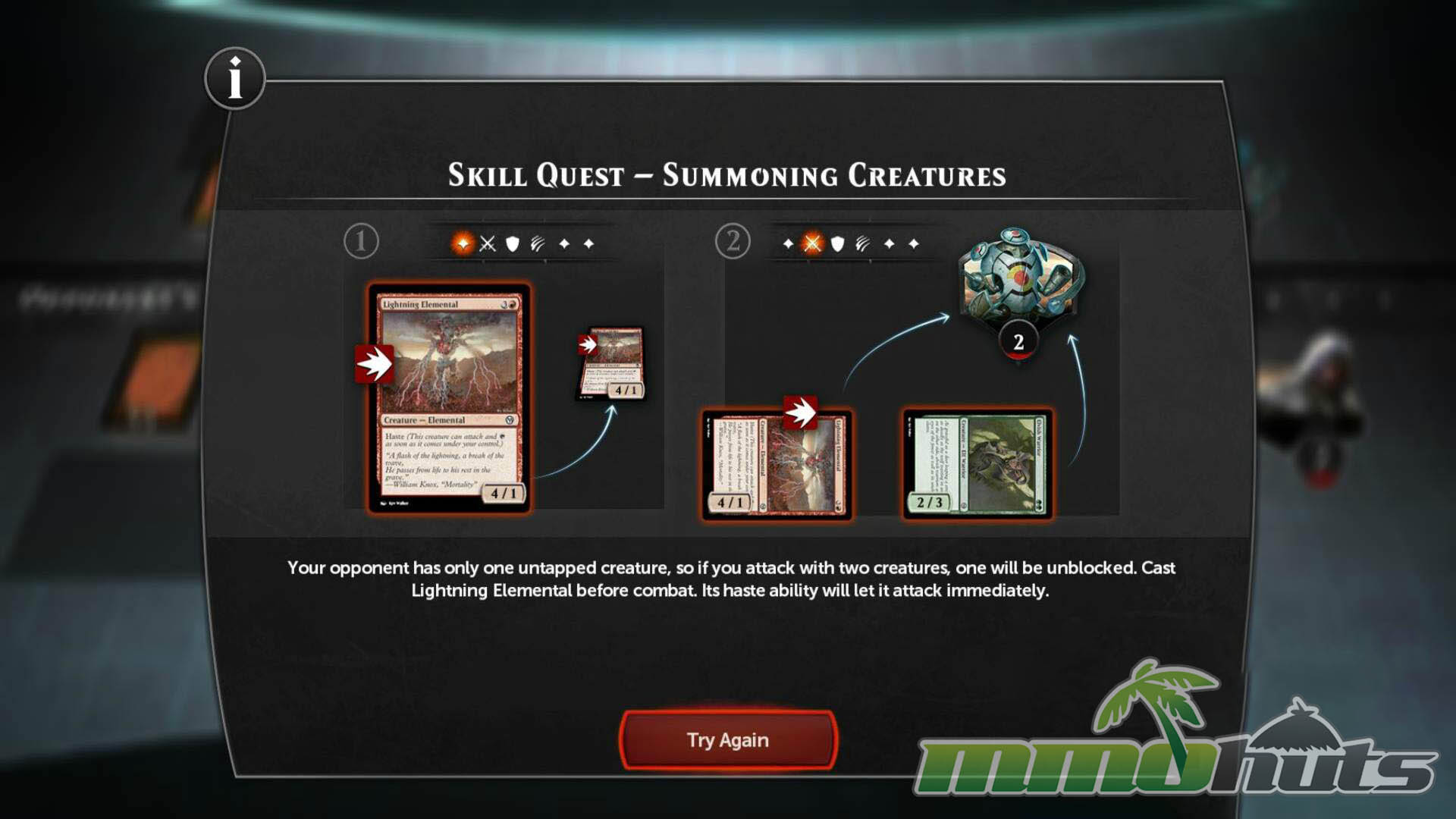
Magic Duels: Origins adapts the long-running Magic: The Gathering card game into a guided, approachable digital format. It includes story campaigns that introduce characters and settings from the Magic universe while also functioning as a practical learning path, rewarding coins as you complete encounters. Newcomers can lean on the Skill Quest training sequence to pick up concepts like phases, combat timing, and common keywords, while experienced players can focus on refining builds and testing matchups.
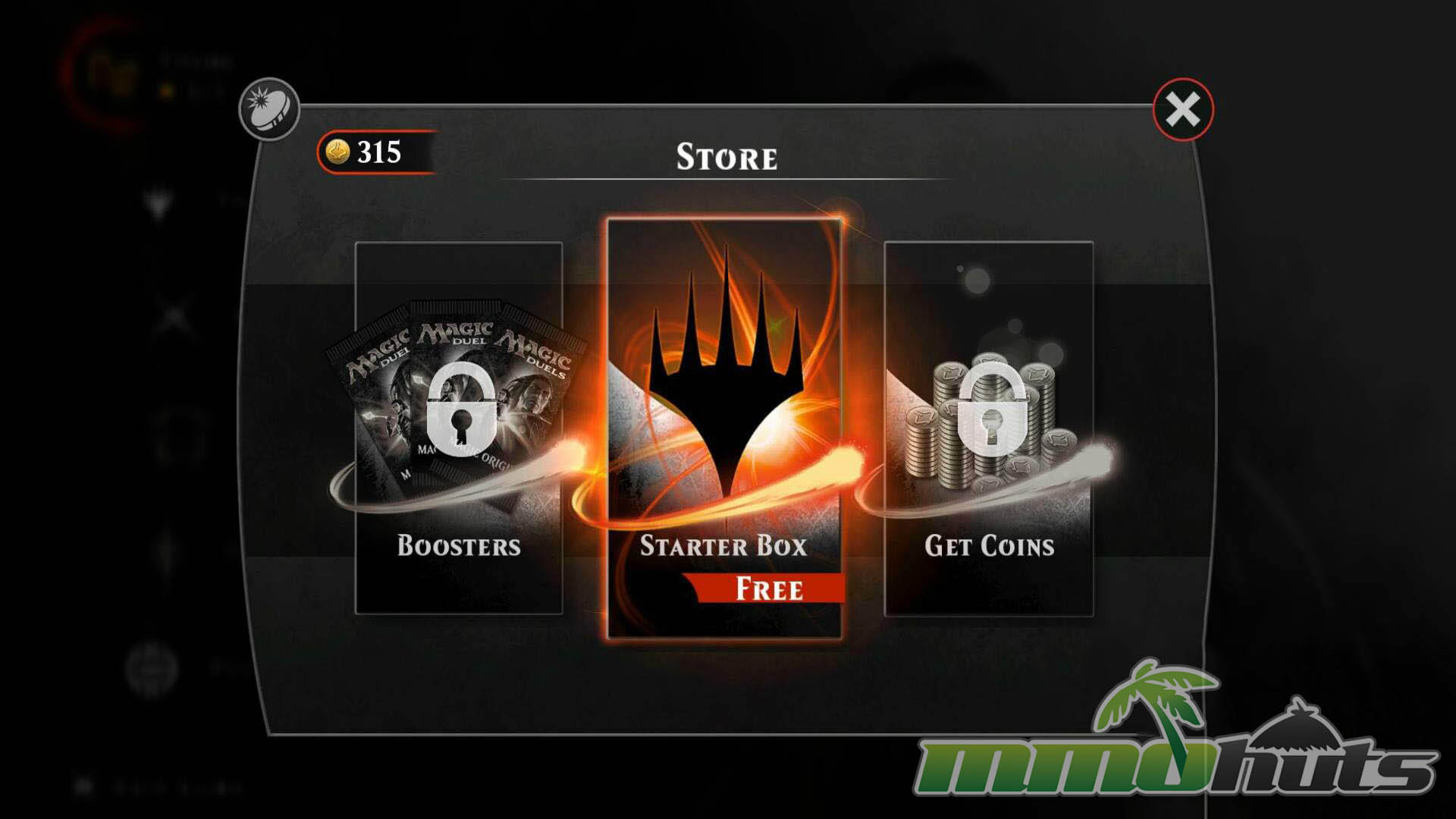
Progression revolves around growing your library. Wins and quests award currency that can be spent on booster packs, and you can also purchase packs with real money if you want to accelerate collection building. Once you have cards, the deck tools help you assemble something coherent, offering suggestions and structure so you can pursue a theme rather than throwing random cards together. For multiplayer, you can duel other players directly, or team up in the Two-Headed Giant mode for cooperative 2v2 matches. Overall, it is designed as an entry point to digital Magic with enough systems to keep deck tinkering interesting.
Magic Duels: Origins Key Features:
- Story Mode – learn Magic: The Gathering fundamentals while following campaign scenarios tied to the setting and characters.
- Two-Headed Giant – queue with a friend and play cooperative 2v2 duels.
- Booster Packs – use earned currency to buy packs containing six random cards to expand your options.
- Deck Customization – build and refine decks from your collection, shaping a plan that fits how you like to play.
- Daily Quests – rotate objectives that provide a consistent source of coins for continued card acquisition.
Magic Duels: Origins Screenshots

Magic Duels: Origins Featured Video

Magic Duels: Origins Review
Free-to-play digital card games have set a high bar for onboarding and presentation, so a modern Magic title naturally invites comparison. Magic Duels: Origins arrives as Wizards of the Coast’s accessible, no-upfront-cost way to play, with releases around 2014 and 2015 building toward this model. It launched across platforms including iOS and Xbox One (with no Android version), and it also landed on PC via Steam. The central question is not whether Magic’s rules can support a video game, they already do, but whether this particular adaptation delivers the pace, polish, and long-term incentives that a free-to-play audience expects.
Learning the rules, one step at a time
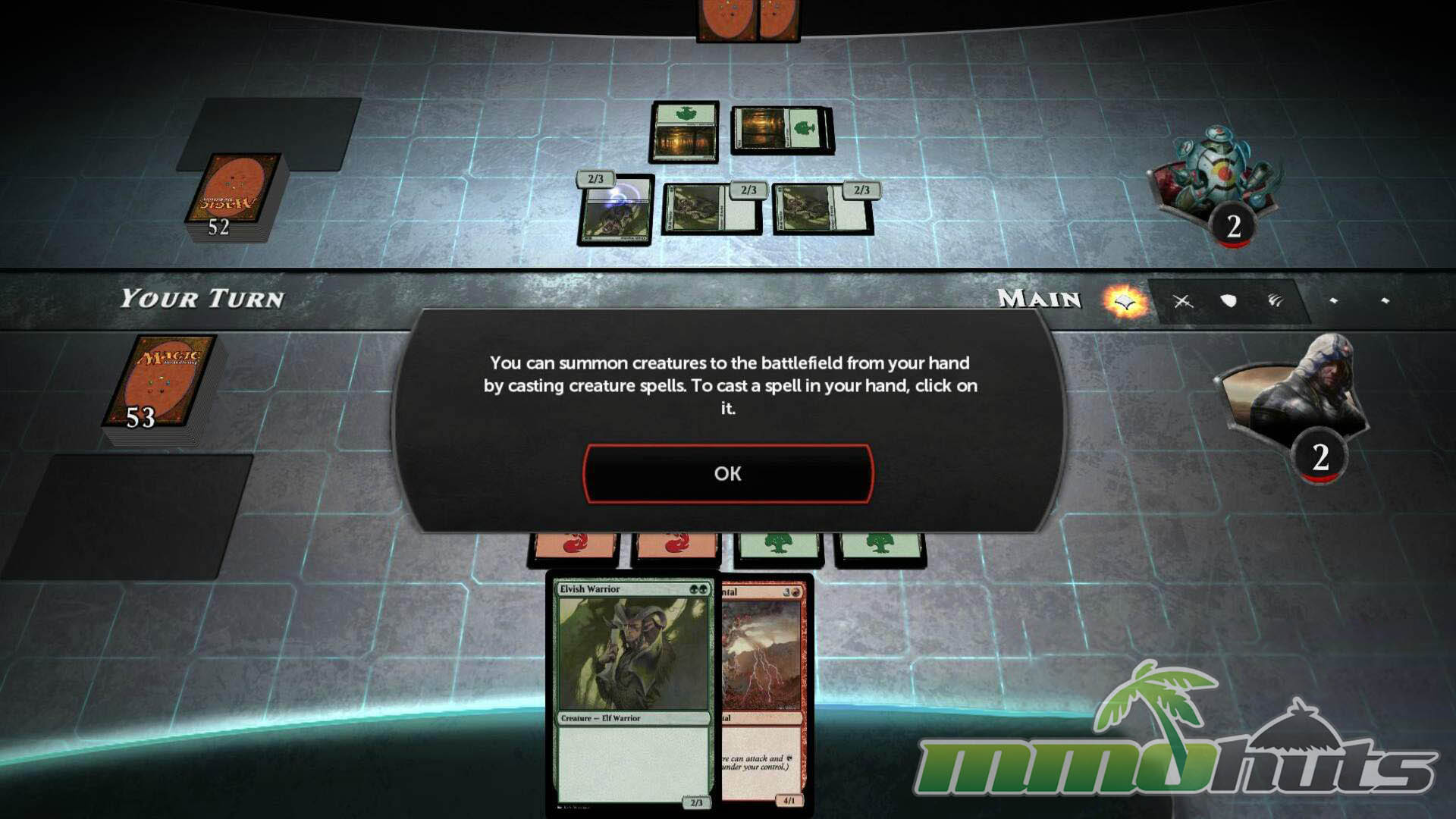
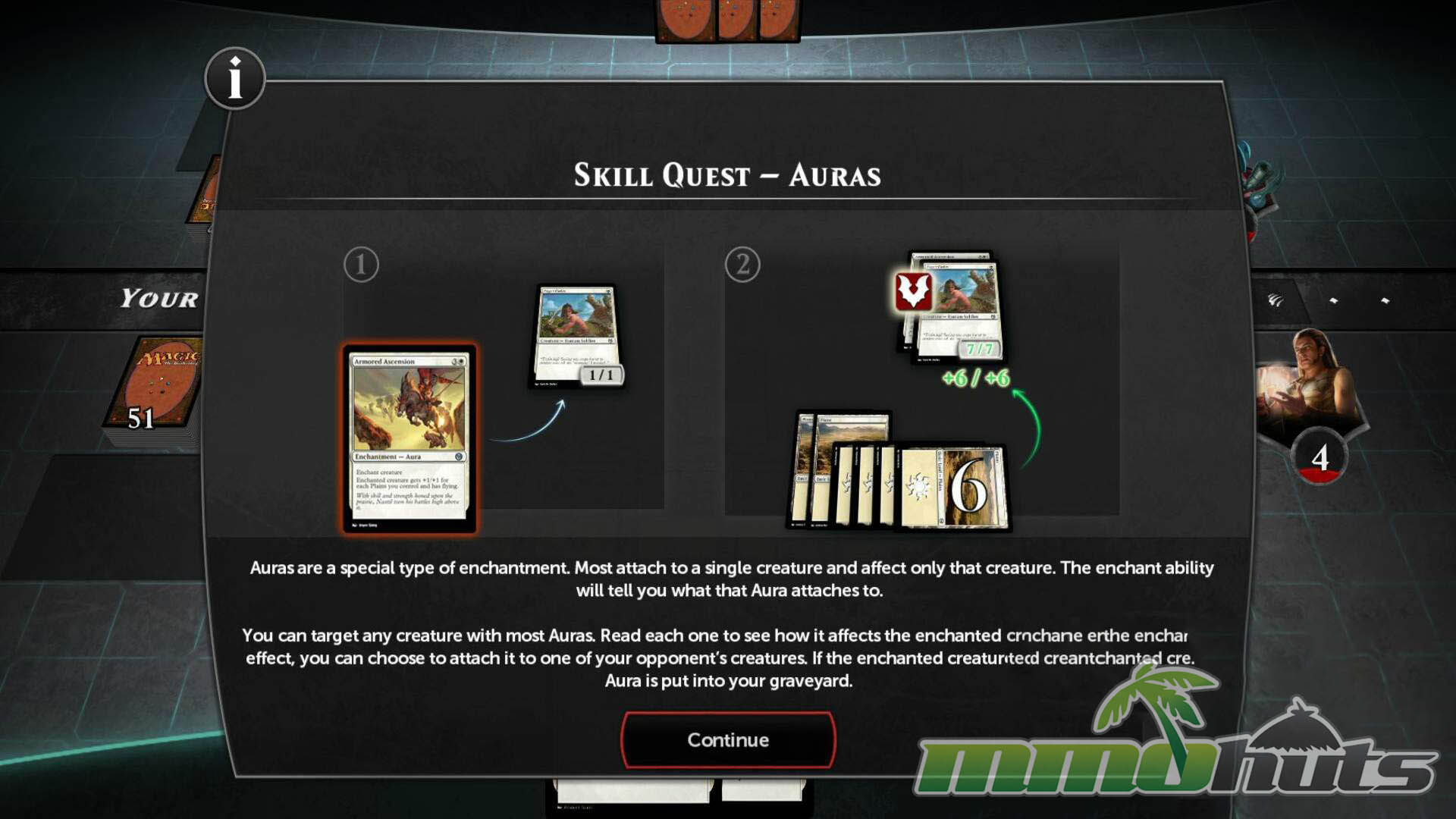
The game strongly funnels you into its learning content first, and it is easy to see why. Magic has a lot of moving parts: phases, priority windows, keyword abilities, and a stack of interactions that can overwhelm first-timers. Skill Quests function as a structured tutorial track, slowly introducing concepts and prompting you to perform the correct actions at the right time.
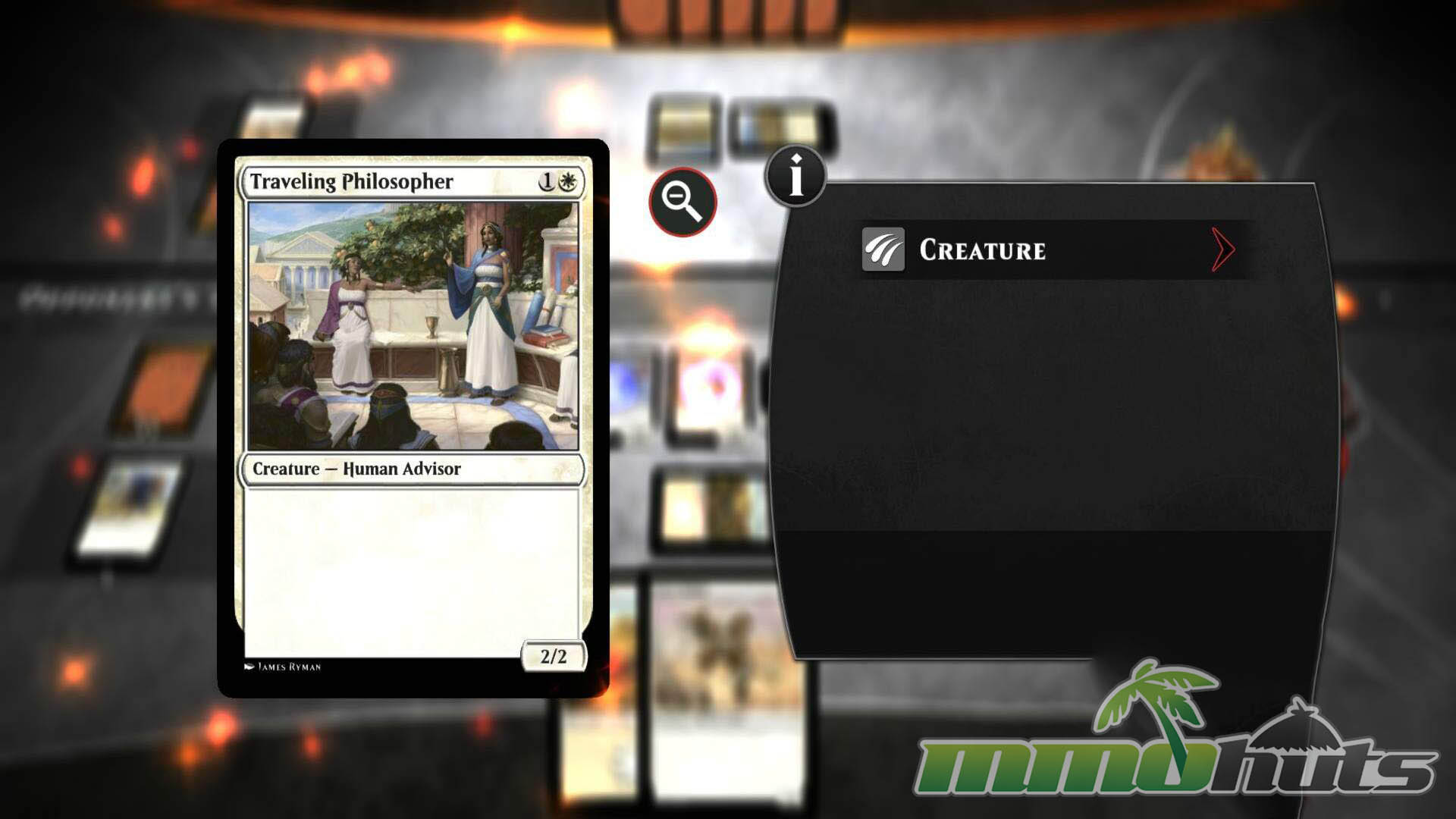
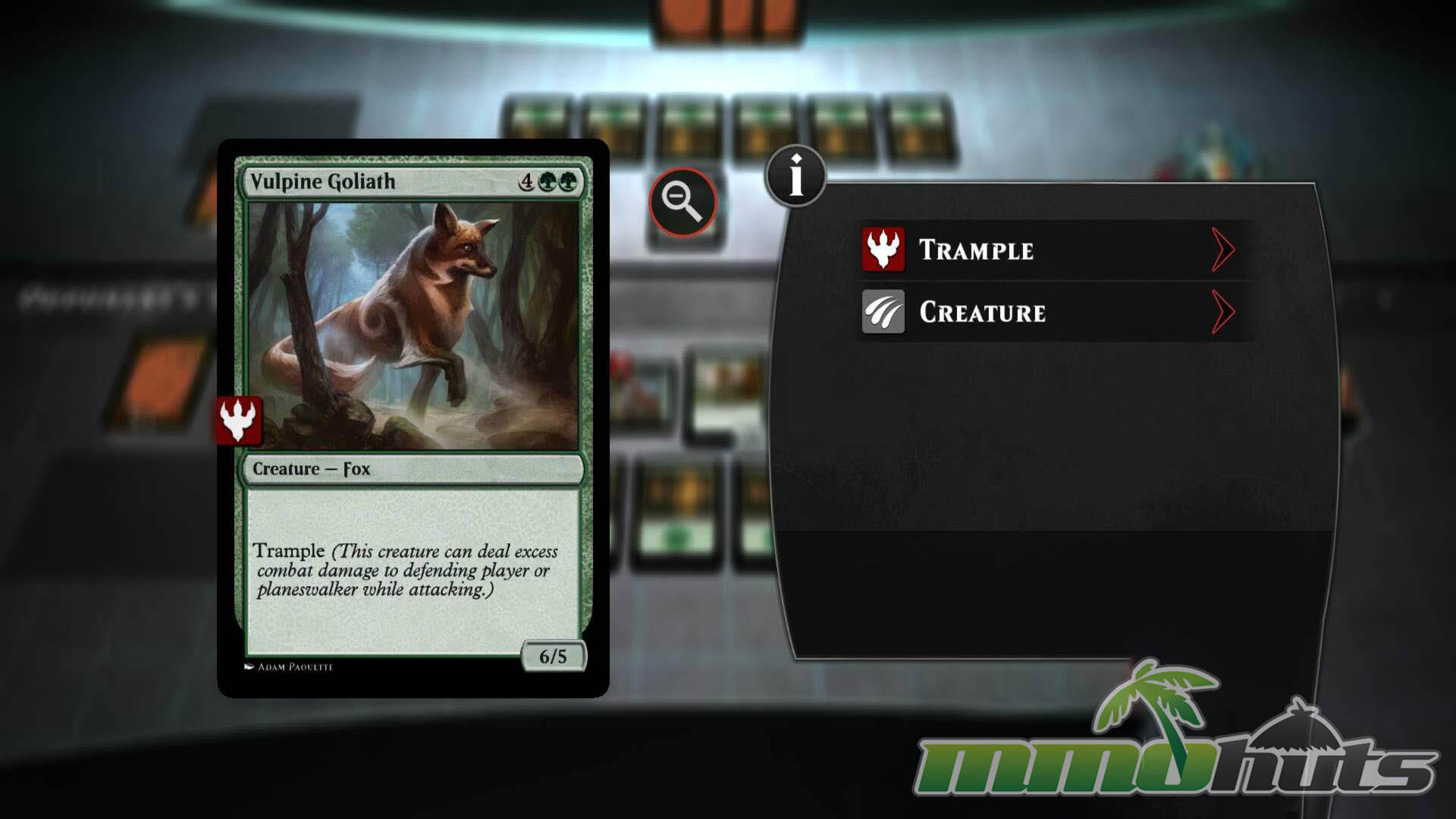
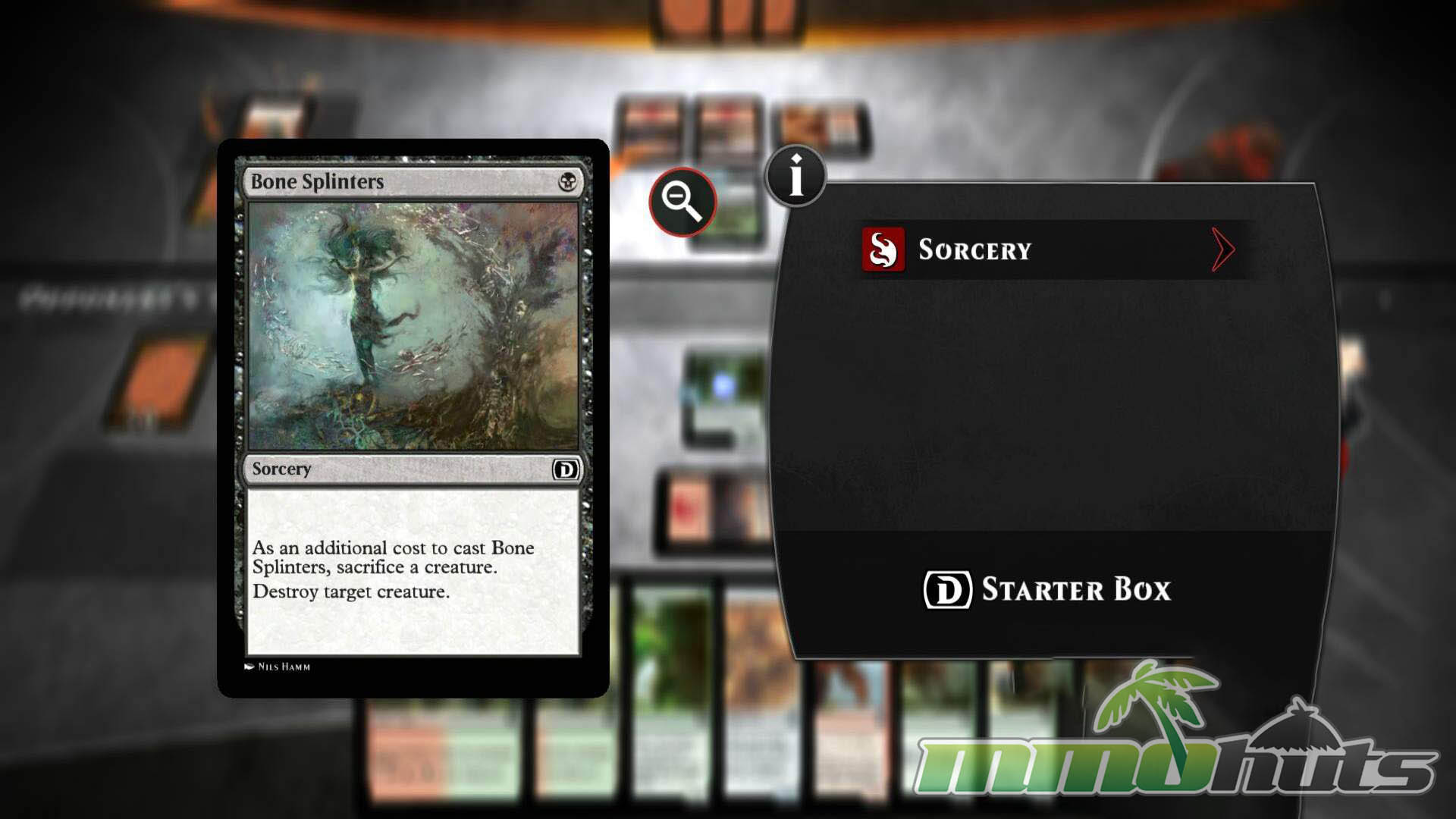
On the usability side, the client does a good job explaining what cards do. You can zoom in to see clearer text and details, and keywords can be clicked for definitions. That said, some interactions feel less natural than they should. Triggering certain creature abilities, for example, can require an extra step that is not immediately obvious, and the iconography does not always communicate intent cleanly. The tutorial does teach these quirks, but it also highlights that the interface could be more intuitive.
The bigger issue is that the tutorial sequence is not optional. If you already understand Magic, being required to go through slow, segmented lessons can feel like unnecessary friction. It is also discouraging that leaving mid-way can force you to repeat earlier steps rather than resuming smoothly.
Pacing that can feel heavier than it should
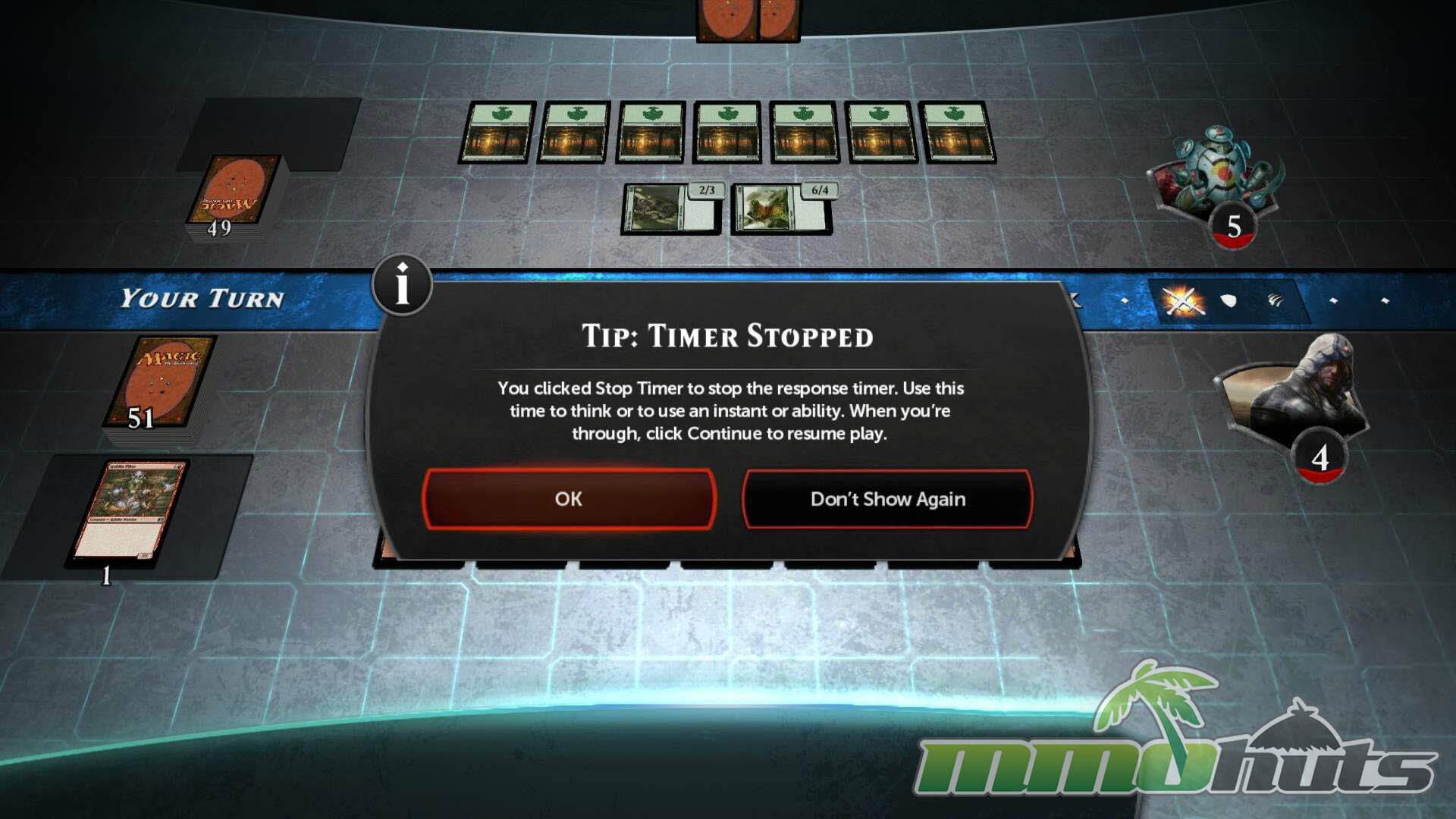
Magic is at its best when both players are making meaningful decisions, often during the opponent’s turn, and the game needs enough time to allow reactions without turning every match into a crawl. Magic Duels uses timers for turn segments and reaction windows, and it also lets you pause to think through plays, which is helpful for newer players.
However, the overall tempo can drag. Animations and transitions are not especially snappy, and when you combine that with frequent priority stops, matches can stretch longer than many players expect from a quick digital card game session. It is not unusual for a duel to run up toward the half-hour mark. For a PC audience that may be fine, but on mobile it can make the game feel less convenient than faster alternatives.
Campaigns add context, even if card-game storytelling is odd
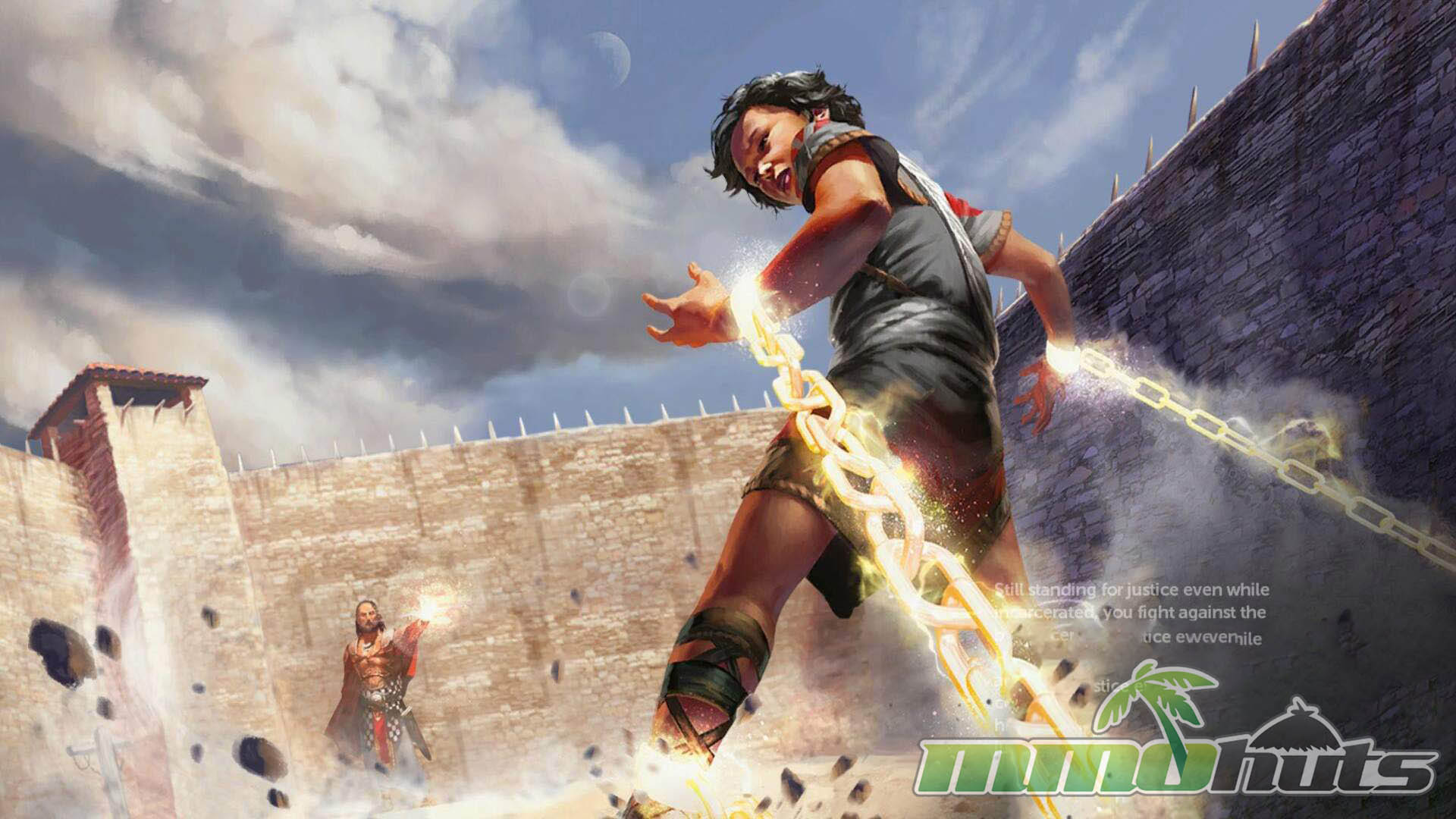
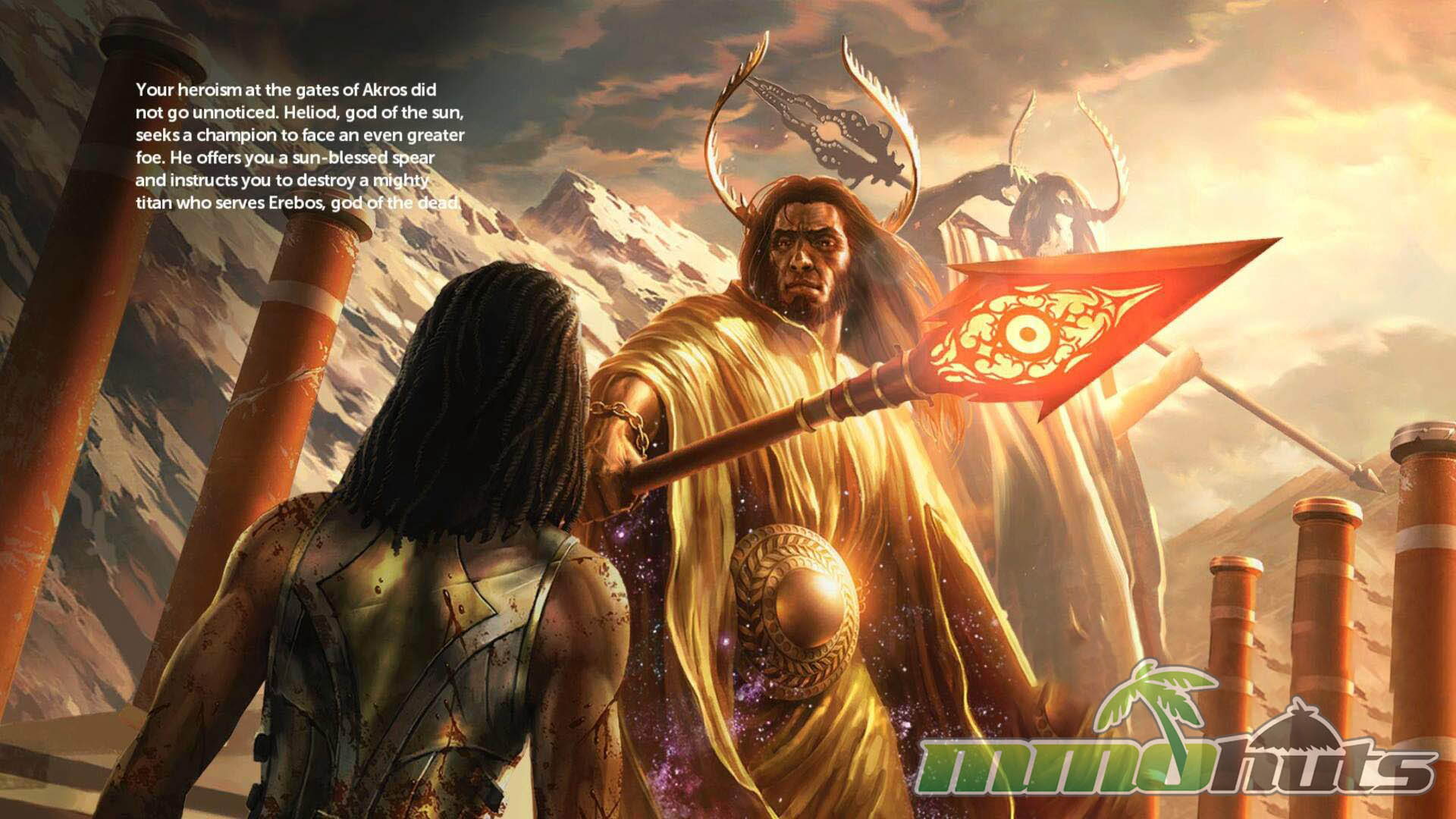
After the learning track, Story mode is the main “structured” content. You play through themed encounters that frame duels with a bit of narrative dressing, using familiar Magic concepts and characters to give your matches context. As with any card game, there is an inherent silliness to resolving a dramatic conflict through a stack of spells and creatures, but the campaigns still serve a purpose: they teach mechanics through curated scenarios and provide clear goals.
The practical incentive is the reward loop. Story fights pay out coins, and those coins feed into the pack economy, giving you a reason to keep pushing through campaigns even if you are not deeply invested in the lore.
Booster economy: fair in theory, slow in practice
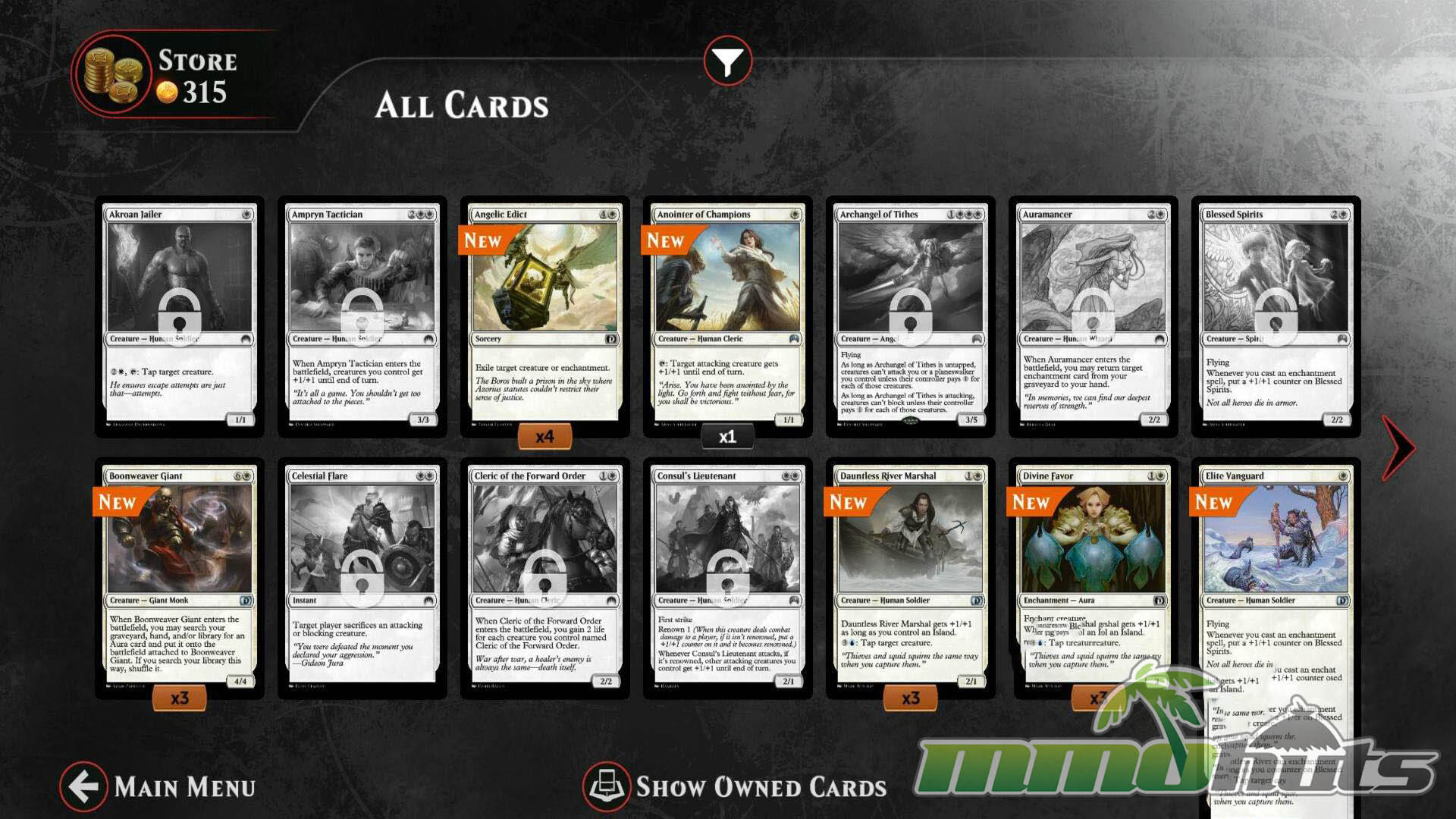
Like most digital TCGs, your ability to experiment is tied to how quickly you can expand your collection. Magic Duels centers that progression on booster packs, each containing six random cards. Early on you will scrape together enough currency for a couple of packs, but randomness means those pulls may or may not strengthen the decks you want to build.
The store also allows direct purchase of coins. Pricing is straightforward: 500 coins (one booster pack) costs $4.99, while 3750 coins (12 packs) is $24.99. The game is not strictly pay-to-win because you can earn currency through play, but it can feel grindy. Matches often award small amounts of gold (commonly in the 5 to 20 range), and tougher opponents can pay more, yet the time investment per duel makes the pace of collection growth feel slow unless you are committed to playing frequently.
Audio effort, visual simplicity
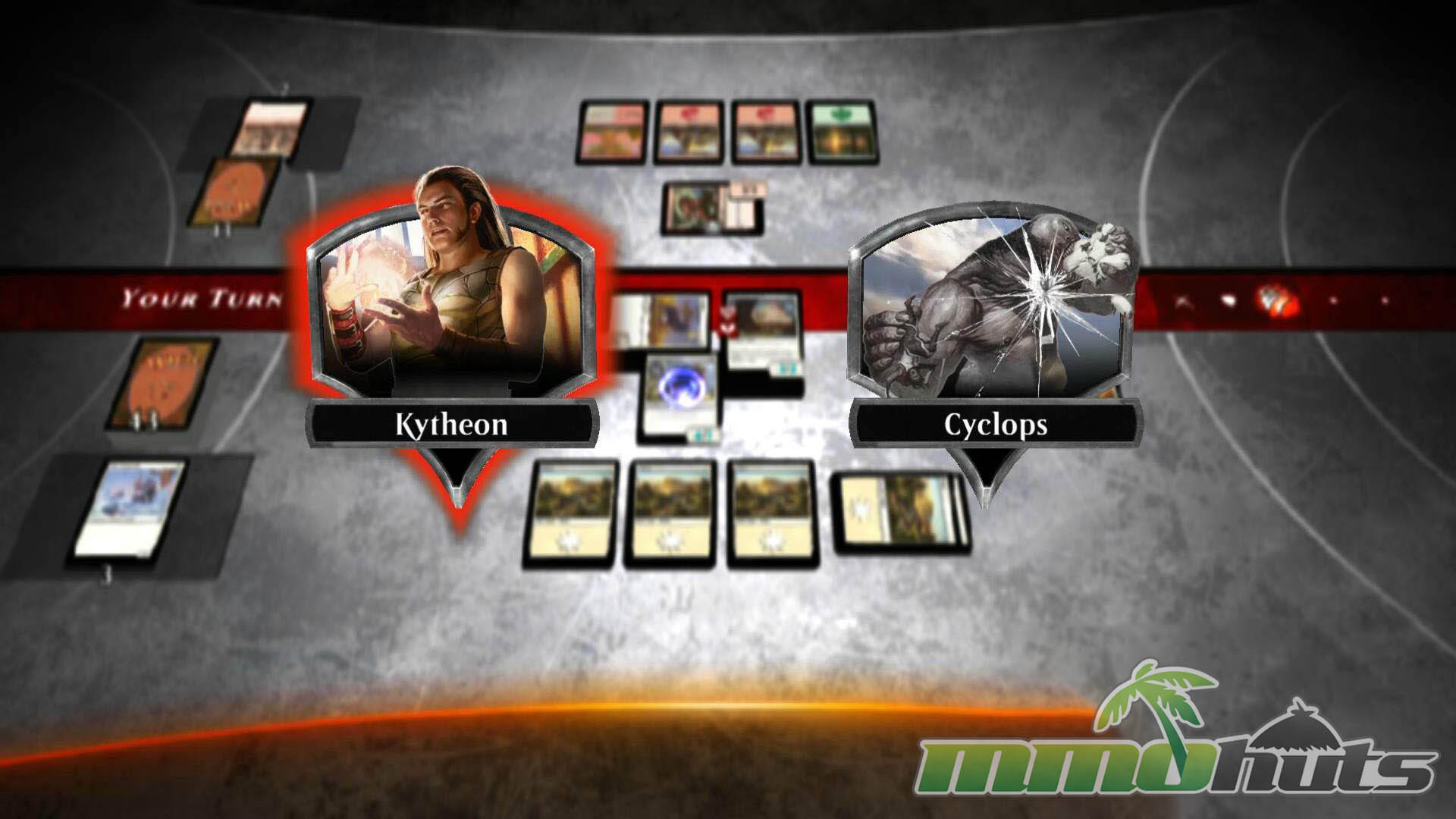
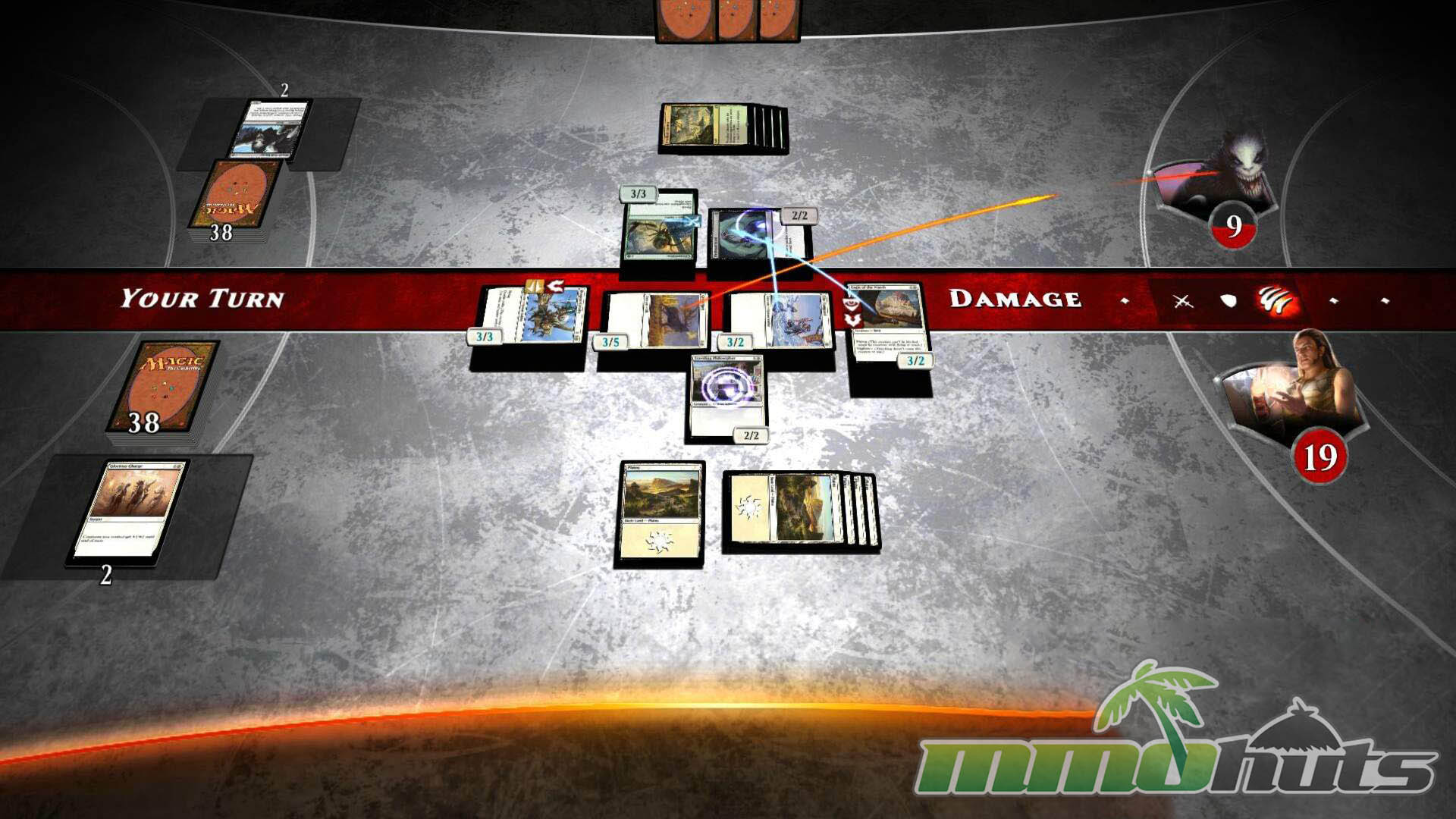
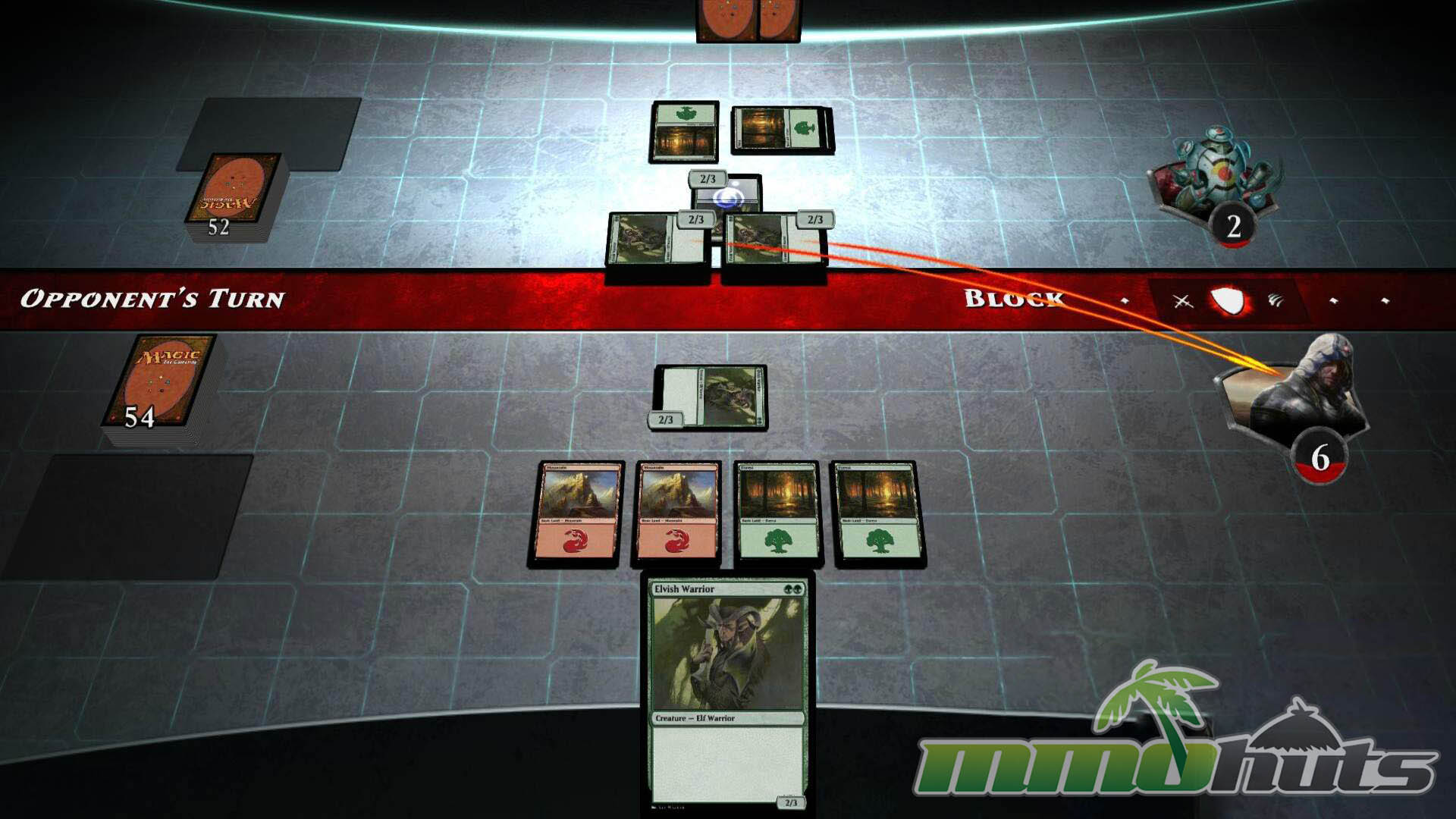
In some areas, the production values clearly received attention. A large amount of text is voiced, and the narration adds clarity and flavor, especially for campaign content. Unfortunately, the visuals do not always match that effort. Creature attacks and spell effects tend to be basic and repetitive, and the board itself can look flat and uninviting.
This is not a game where the playfield sells the fantasy. Compared to other digital card games with lively tables and reactive set dressing, Magic Duels can feel sterile. Even in Story mode, where environments could help reinforce the theme of an encounter, the presentation rarely does much to set a scene beyond the cards themselves.
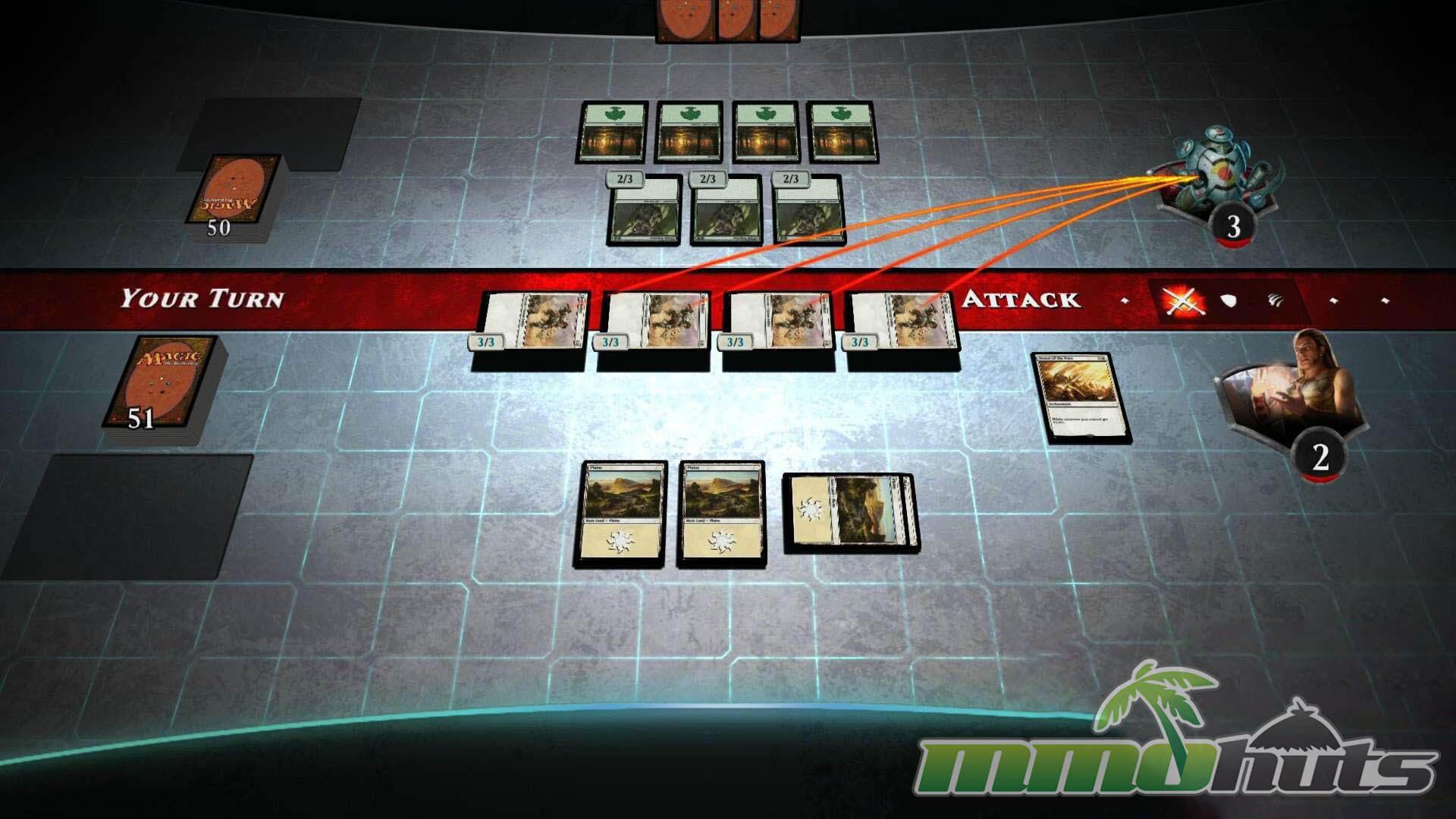
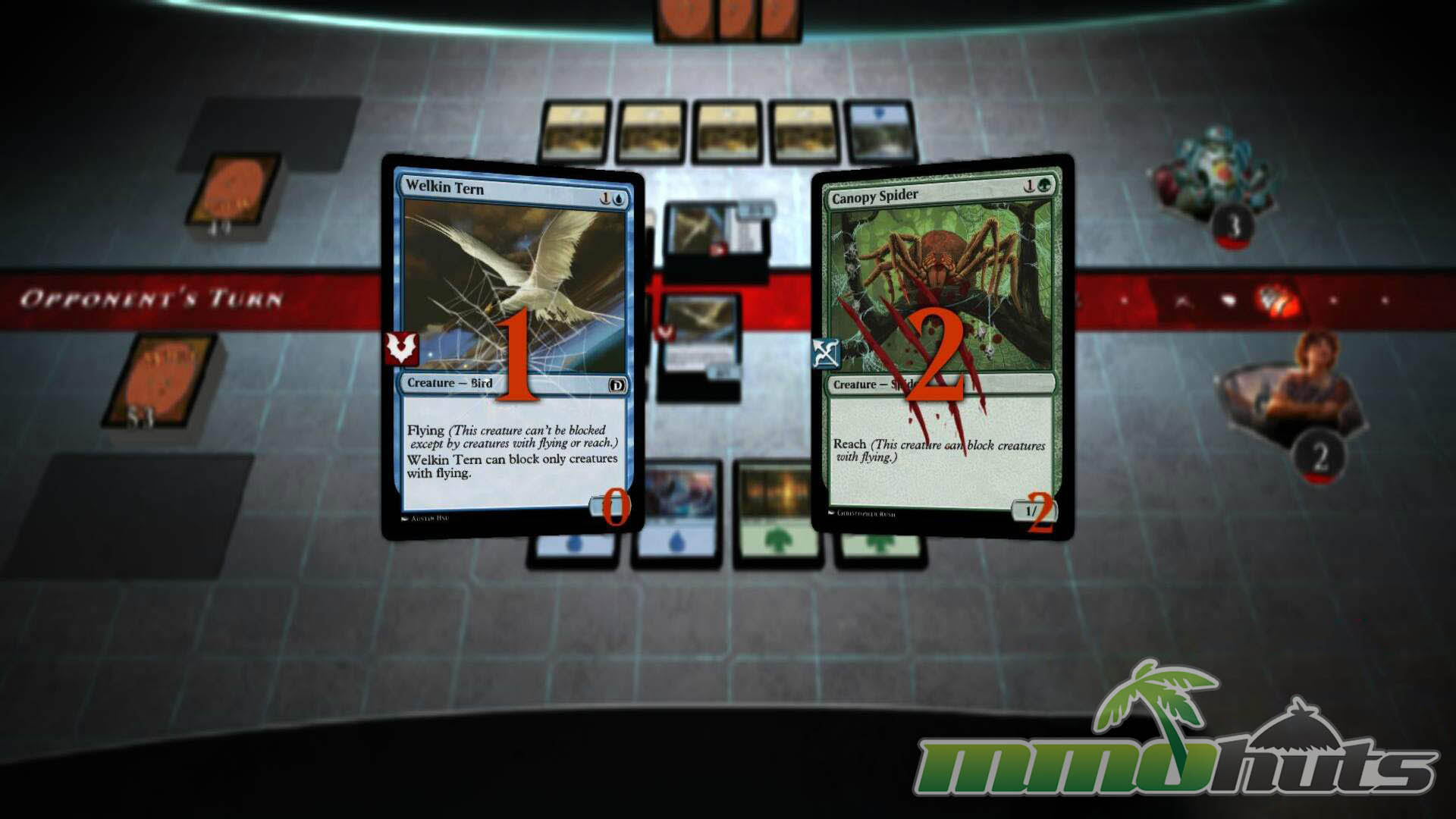
Camera angle and readability also create friction. The slightly angled field can make it harder to parse the opponent’s side at a glance, and if you disable card zoom, you may struggle to keep track of what is being played. A clearer top-down viewing option would have gone a long way toward making matches easier to follow.
Deckbuilding help that lowers the barrier
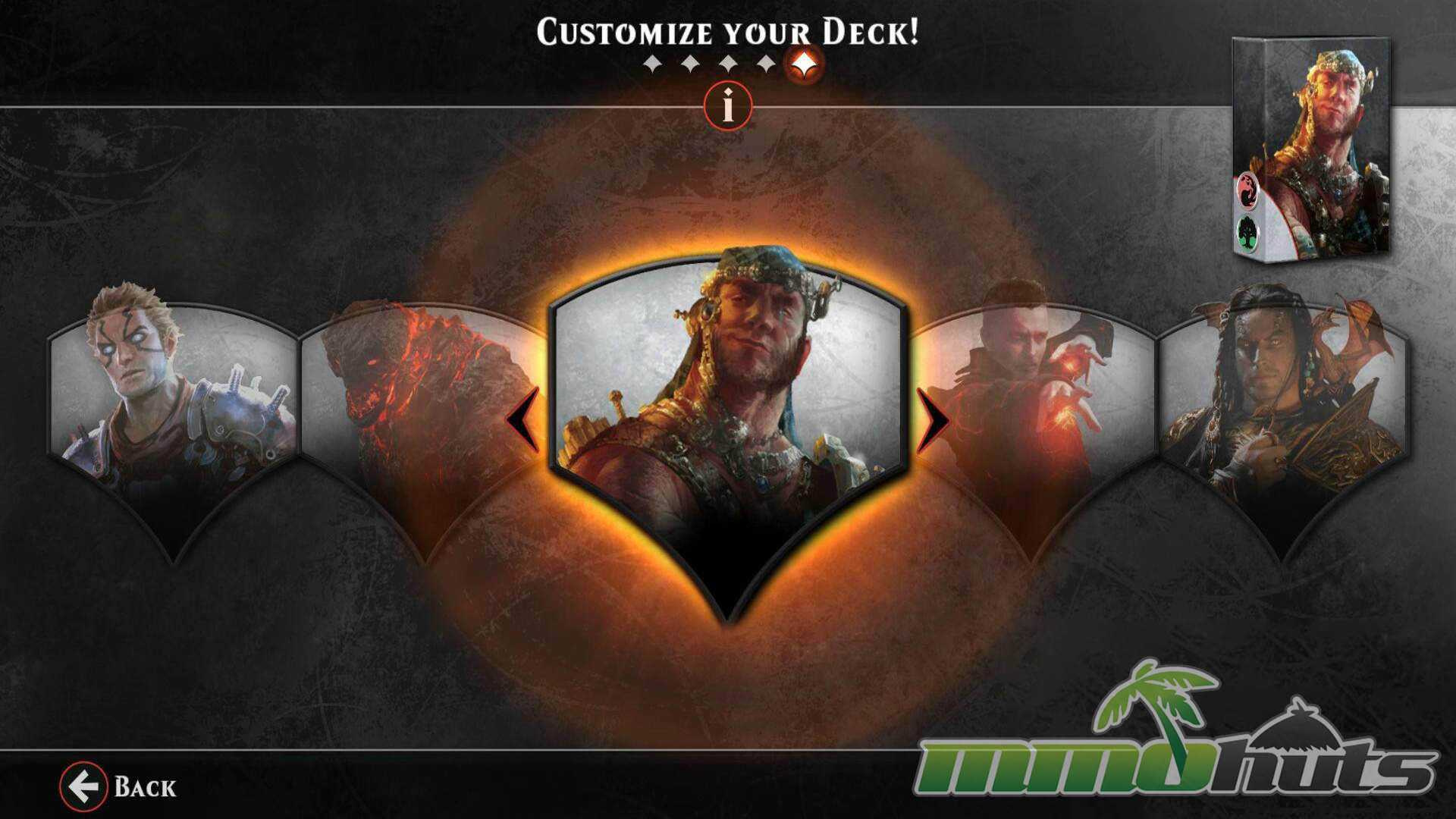
Deck construction is where Magic lives or dies, and this client makes a real attempt to support players who have never built a deck from scratch. The Deck Wizard walks you through archetype choices and offers a guided, step-based approach, with options to autocomplete sections if you just want something functional quickly. Archetypes range from evasive creature plans to artifact-focused strategies, and it is easy to end up with a coherent list even if your collection is still limited.
That said, the wizard is best viewed as training wheels. If you plan to stick with the game, learning why certain mana curves, removal suites, and win conditions work will matter more than clicking through suggestions. Still, as an onboarding tool, it is effective.
Once you have a deck you like, standard duels provide the competitive outlet. Winning PvP matches awards coins, which is a simple but meaningful motivation to keep queueing, and the presence of seasonal rankings gives competitive players something to chase.
Final Verdict – Good
Magic Duels: Origins succeeds most as an introduction to Magic in a free-to-play wrapper. The campaigns, Skill Quests, and deckbuilding assistance do a solid job teaching the fundamentals and giving new players a path from “I do not know the rules” to “I can build a plan and execute it.” Where it stumbles is in friction points that matter more over time: mandatory tutorials for veterans, a client that can feel sluggish due to animations and pacing, and a presentation that does not do much to make matches visually exciting.
For long-time Magic players, the biggest limitation is that it can feel like a stepping stone rather than a complete destination, especially if you are looking for more advanced formats and less reliance on grinding packs for cards you already own physically. Even with those caveats, it remains a competent digital take on Magic’s core gameplay, and it offers enough depth to justify time spent if you want a guided, approachable way to play.
Magic Duels: Origins Links
Magic Duels: Origins Official Site
Magic Duels: Origins Developer Site
Magic Duels: Origins Steam Page
Magic Duels: Origins Apple Store
Magic Duels: Origins Reddit
Magic Duels: Origins Gamepedia [Database/Guides]
Magic Duels: Origins Wikia [Database/Guides]
Magic Duels: Origins System Requirements
Minimum Requirements:
Operating System: Windows XP, Windows Vista, or Windows 7
CPU: 2GHz CPU (Pentium 4 or equivalent)
Video Card: 512MB DirectX 11.0 compatible video card with Pixelshader 3.0 support
RAM: 1 GB
Hard Disk Space: 1 GB
Magic Duels: Origins is also available for IOS and Xbox One.
Magic Duels: Origins Music & Soundtrack
Coming Soon…
Magic Duels: Origins Additional Information
Developer: Stainless Games Ltd.
Head Designer: Drew Nolosco
Lead Developer: Sam Stoddard
Development Representative: Ian Duke
Developer(s): Dan Emmons, Ethan Fleischer
Creative Designer: Ari Levitch
Release Date: July 29, 2015
Steam Release Date: July 29, 2015
Discontinued: November 2019
Development History / Background:
Magic Duels: Origins was created by the UK-based studio Stainless Games, a team with experience building digital entries in the Magic lineup dating back to 2009’s Magic: The Gathering, Duels of the Planeswalkers. A notable milestone for this release is its support for free-form deck construction, letting players assemble decks directly from their owned cards rather than relying strictly on prebuilt lists. The game did not run a closed or open beta period prior to launch. It arrived on Steam on July 29, 2015, with additional content and updates added afterward. Support ultimately ended when the game was discontinued in November 2019, and while existing owners can still play, the title is no longer available for new players to claim.