MachineCraft is a 3D building and crafting sandbox focused on designing functional vehicles and combat machines out of modular parts. It mixes open-ended construction with multiplayer test arenas, plus a challenge-driven mode that pushes you to solve objectives using your own engineering ideas.
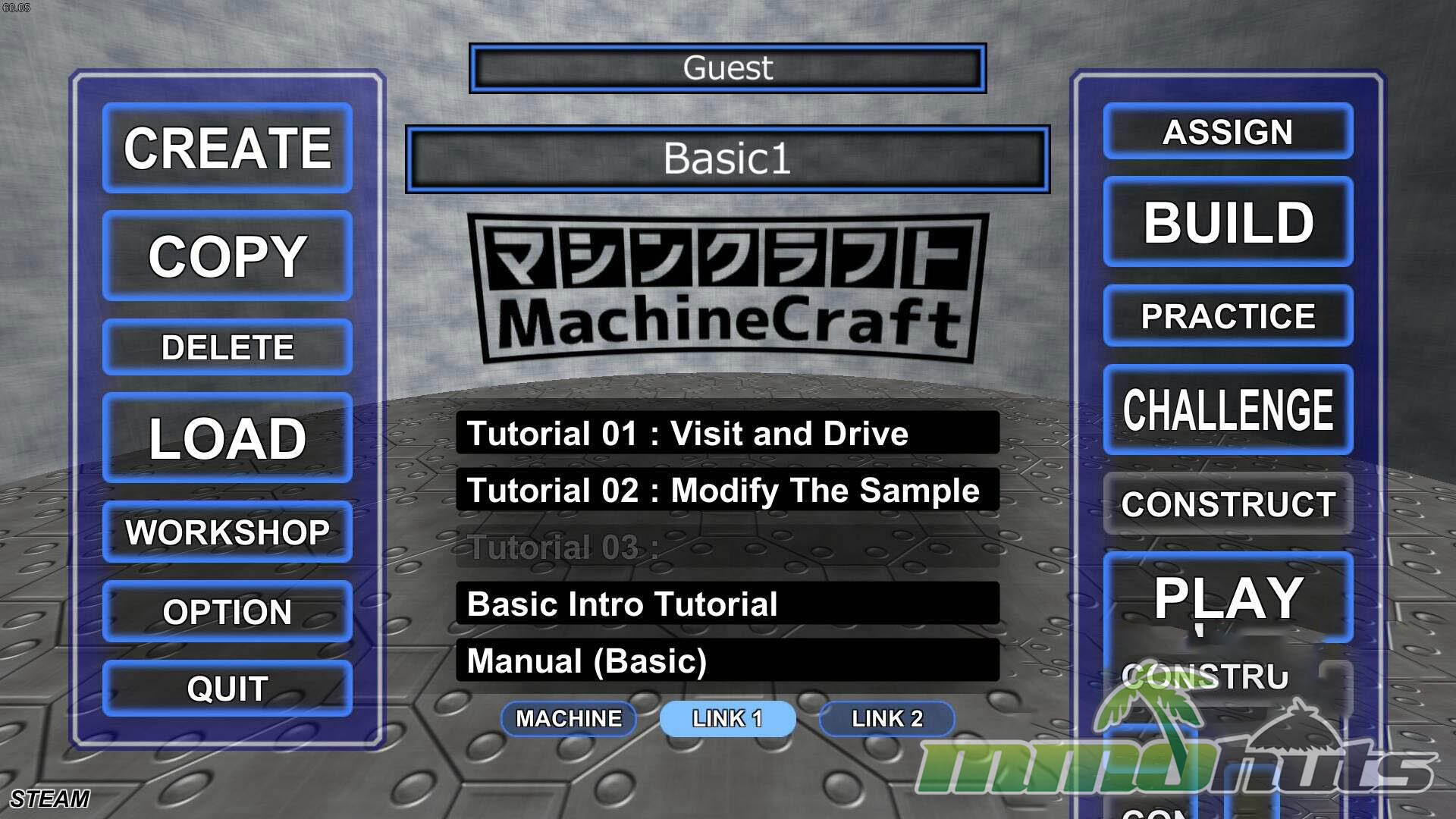 | Publisher: G2Crew Playerbase: Low Type: Sandbox Crafting Release Date: March 25, 2016 Pros: +Extremely open-ended building potential. +Huge variety of creations possible. +Creative mechanical parts and weapons. Cons: -No proper in-game tutorial to teach parts and systems. -Tough learning curve for new builders. -Very low playerbase. |

MachineCraft Overview
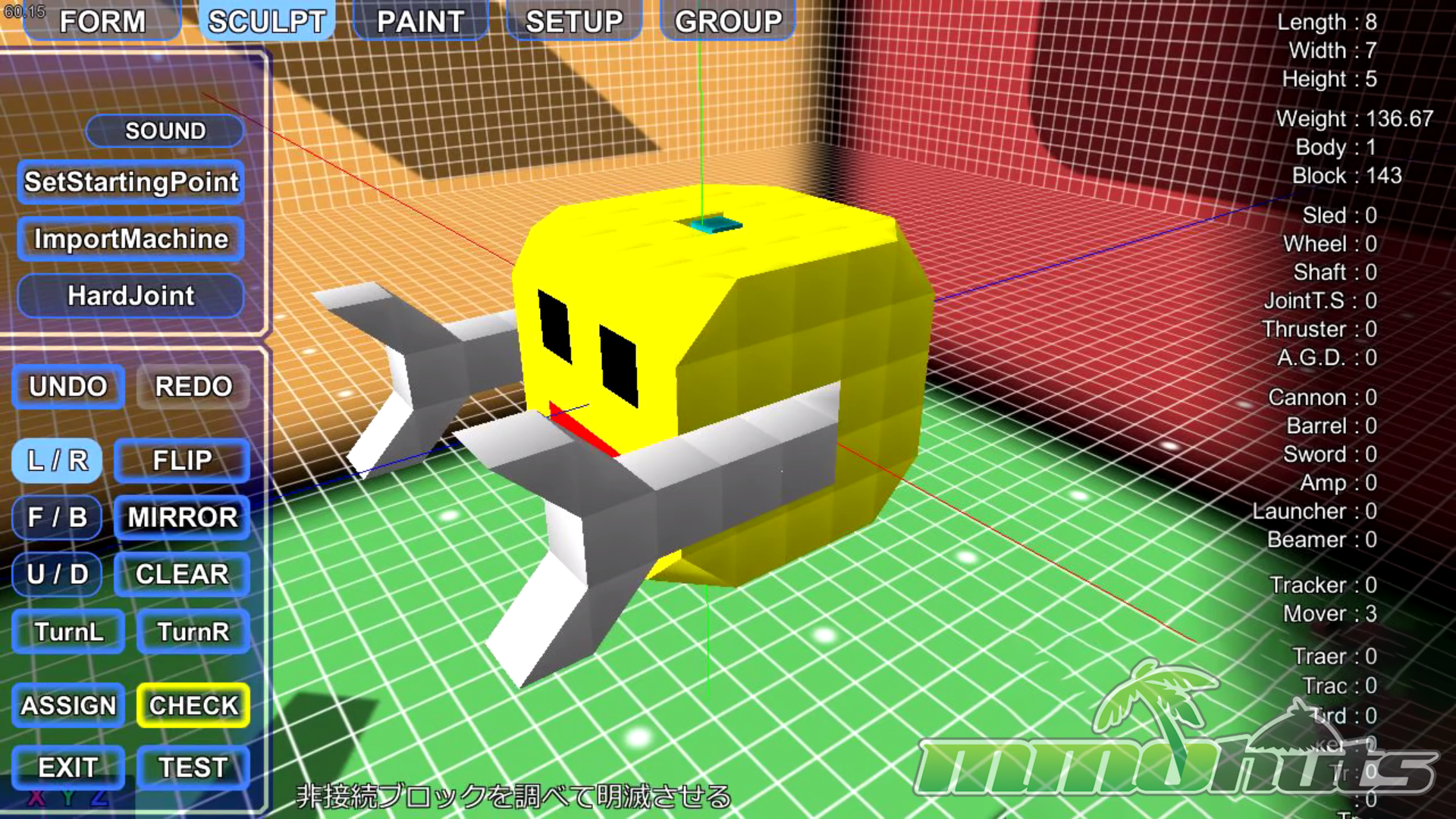
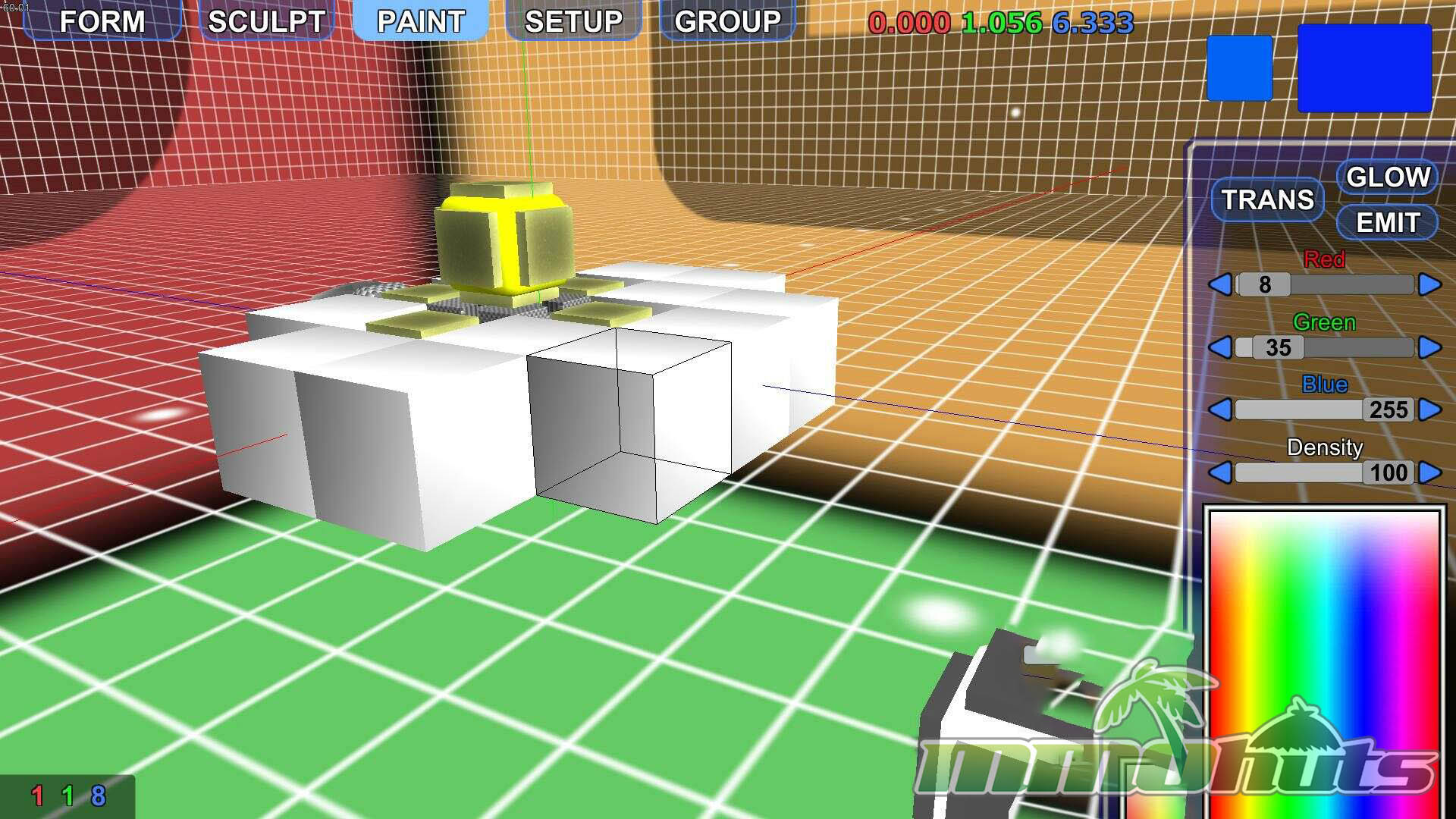
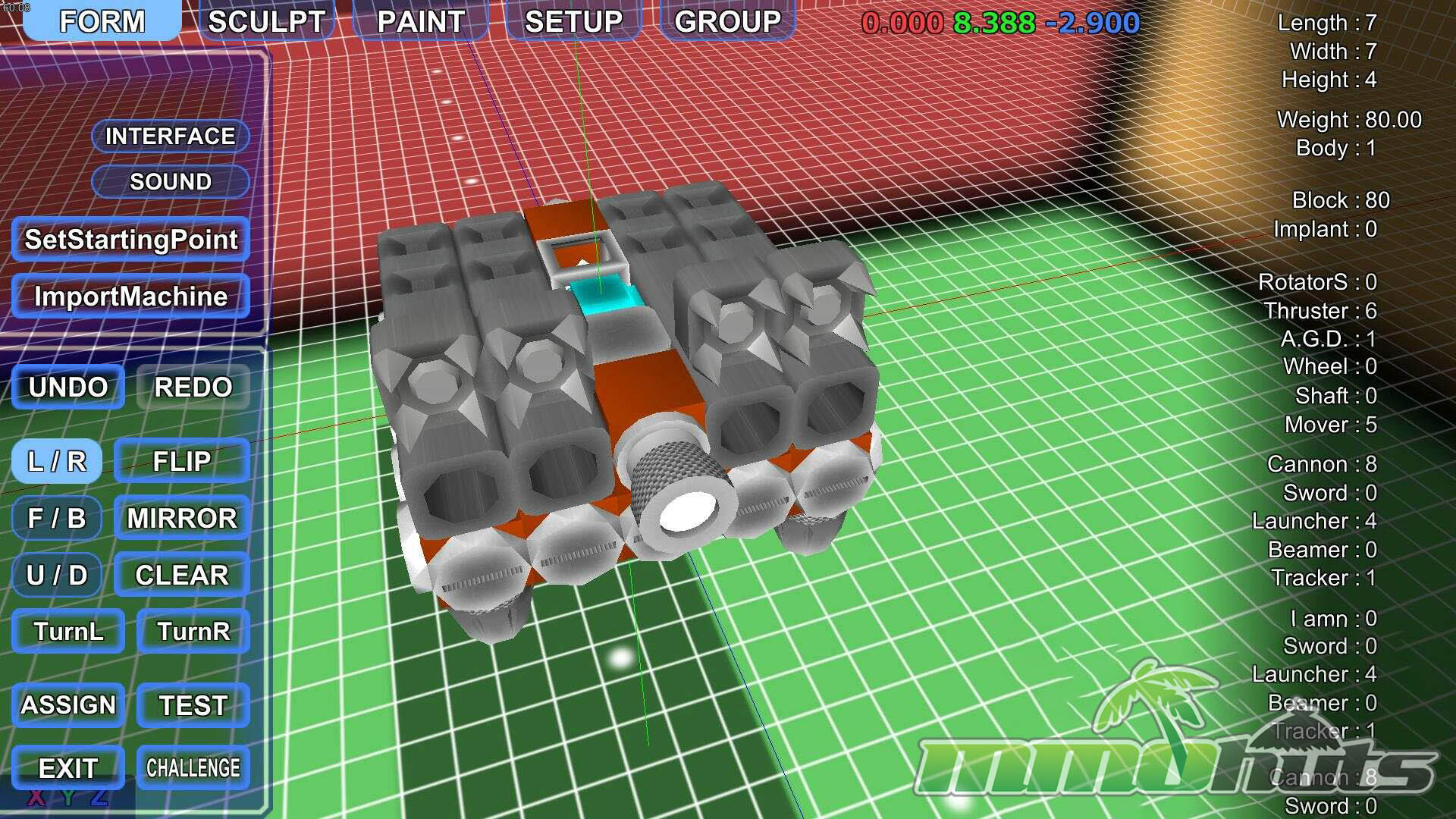
MachineCraft leans hard into player creativity, giving you a 3D workspace and a collection of functional components that let you assemble machines that actually move, steer, and fight. You can start with something simple, like a wheeled buggy or a hovering platform, then gradually work up to elaborate builds with rotating shafts, rotor assemblies, and mounted weapons. The end result is less about mining and survival and more about tinkering, iteration, and seeing whether your design holds together once it hits the ground at speed.
Once you have something worth showing off, you can take it into test fields and sandbox maps to see how it handles, or bring it online and run builds alongside other players in user-hosted rooms. There is also a challenge-focused mode that swaps pure experimentation for objectives and constraints, which is useful for learning how parts behave when you are forced to build with limitations.
MachineCraft Key Features:
- Craft Anything – design a wide range of machines using assorted parts, from practical cars and aircraft to more absurd creations built purely for experimentation.
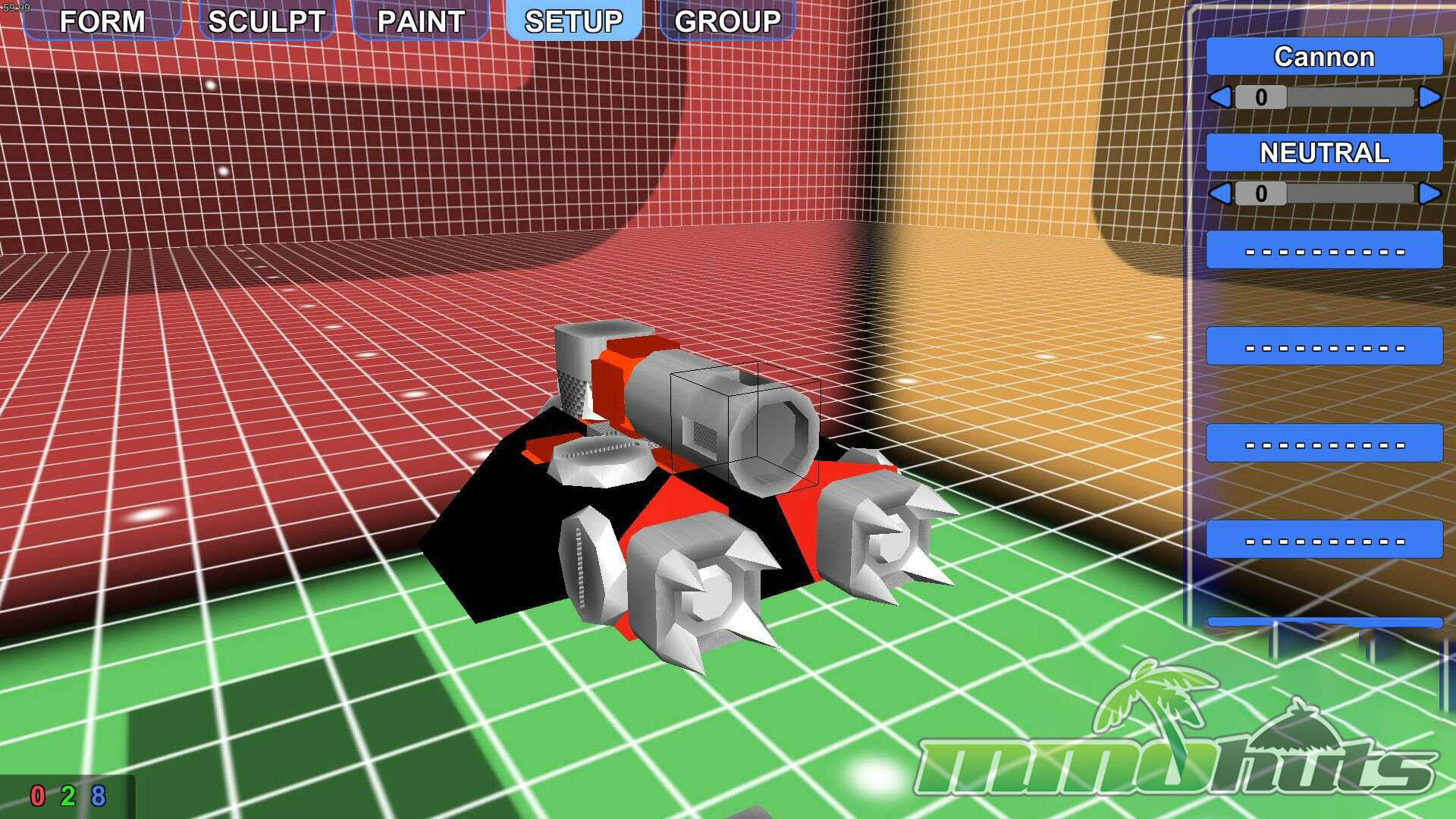
- Functional Moving Parts – incorporate working mechanics like rotors and shafts, plus offensive options such as cannons and missile launchers.
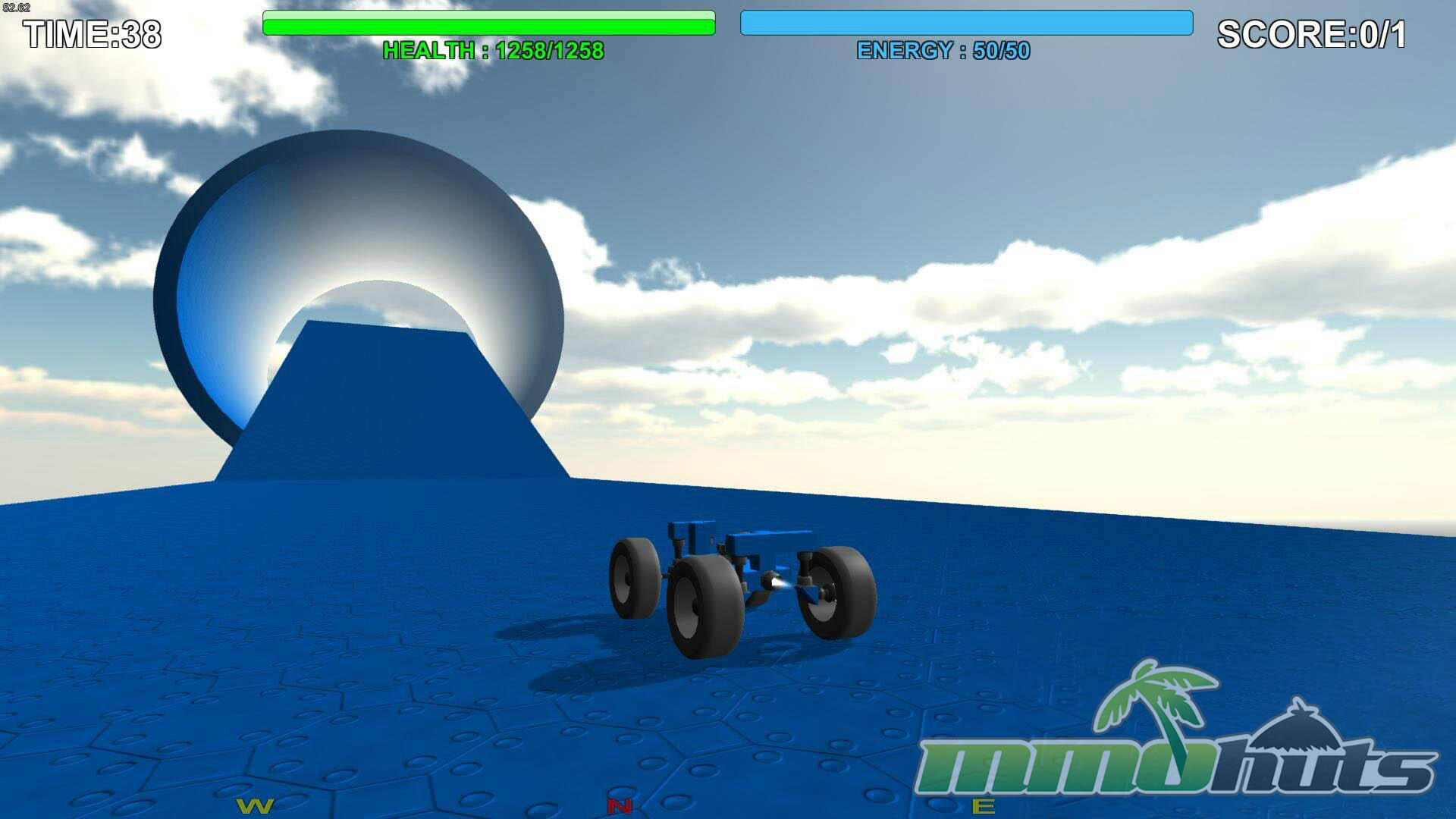
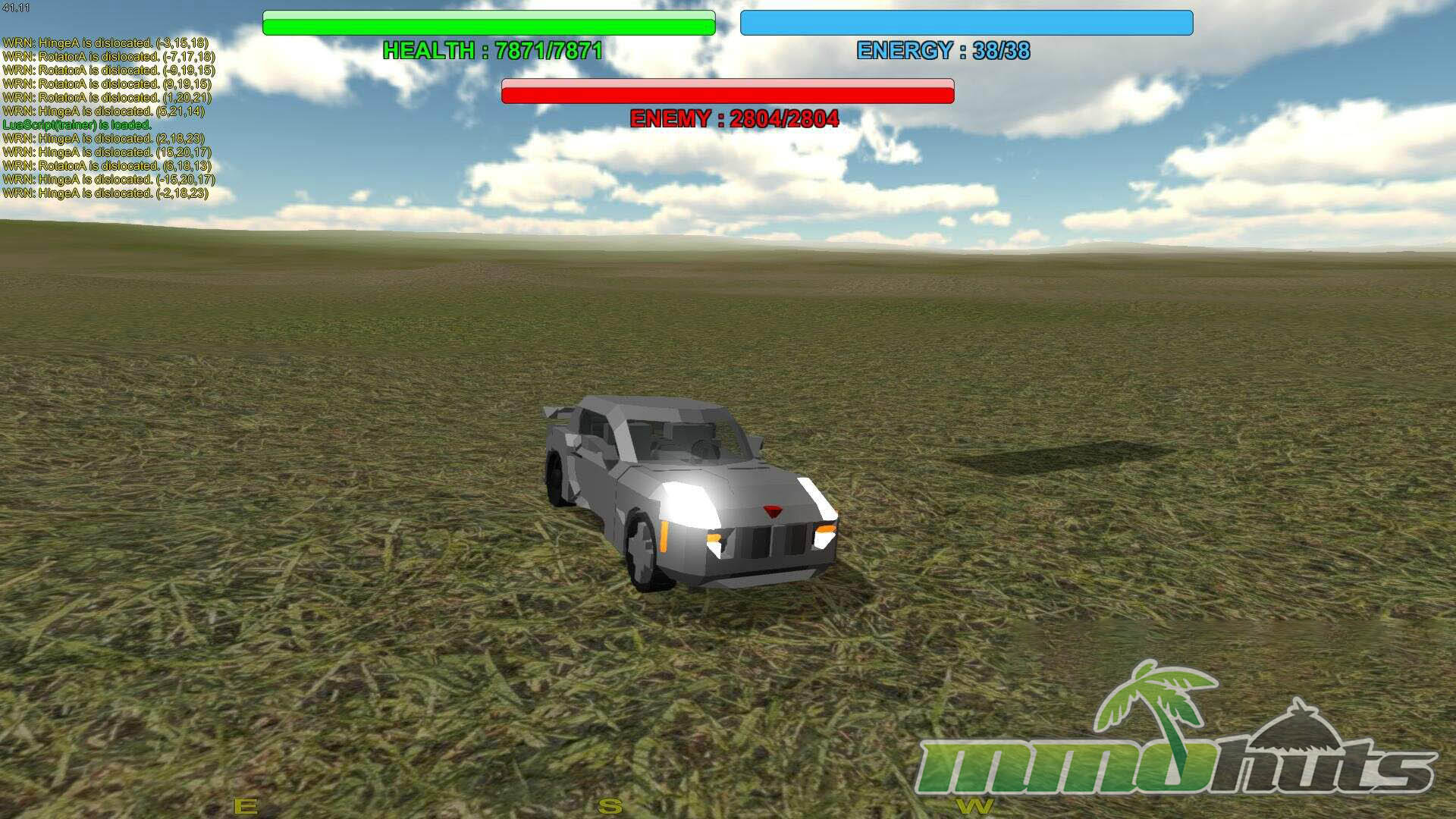
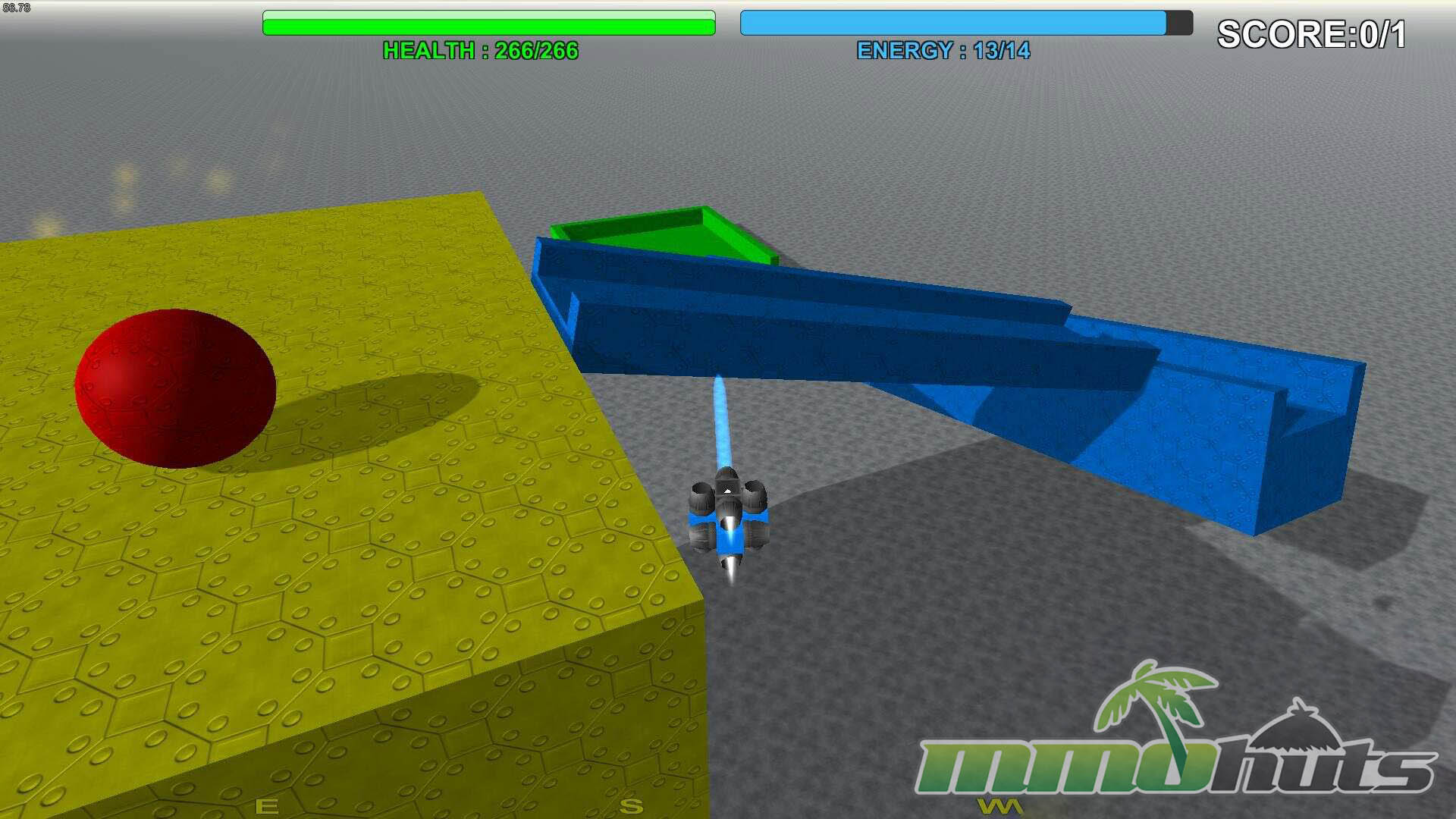
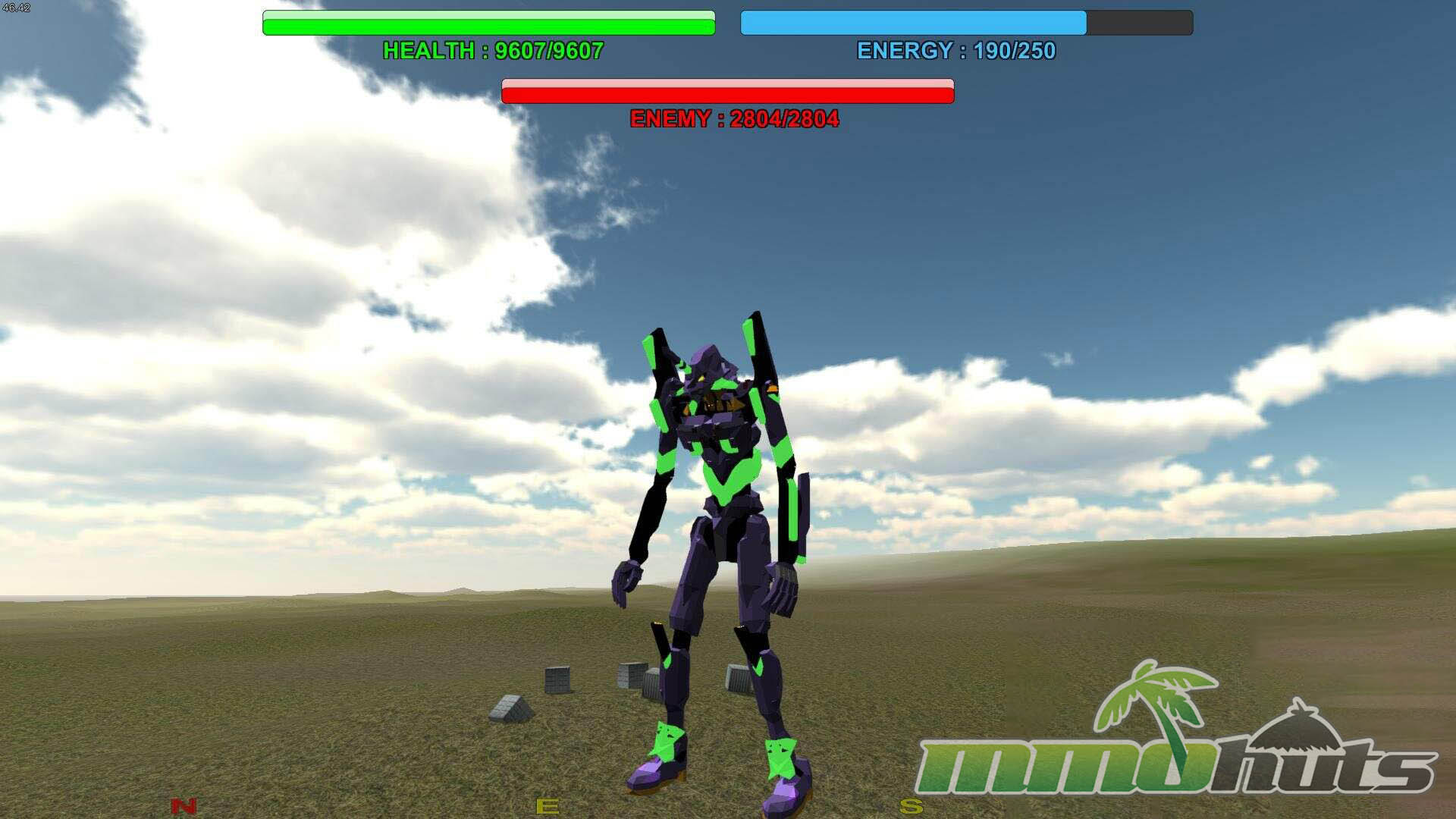
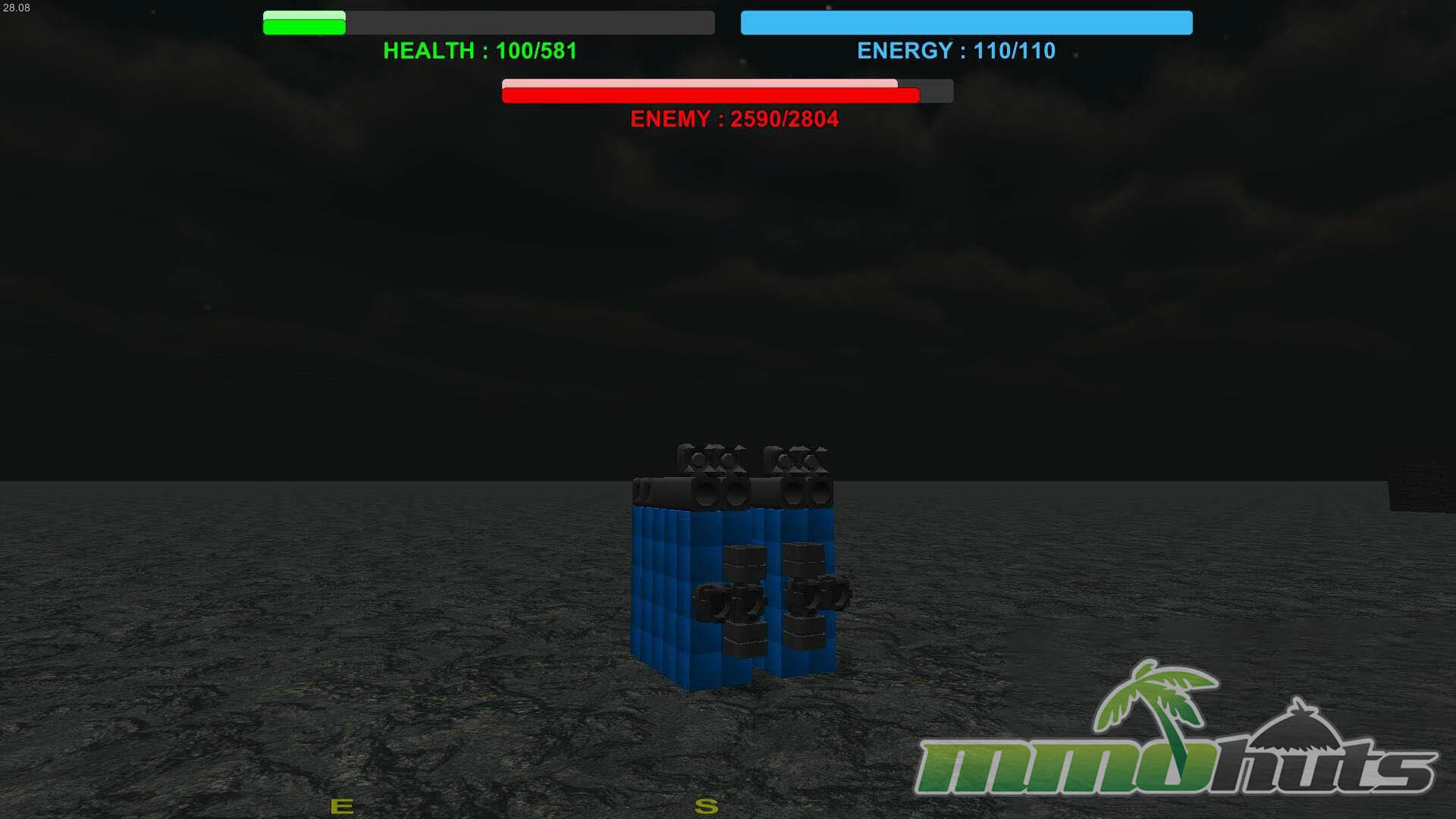
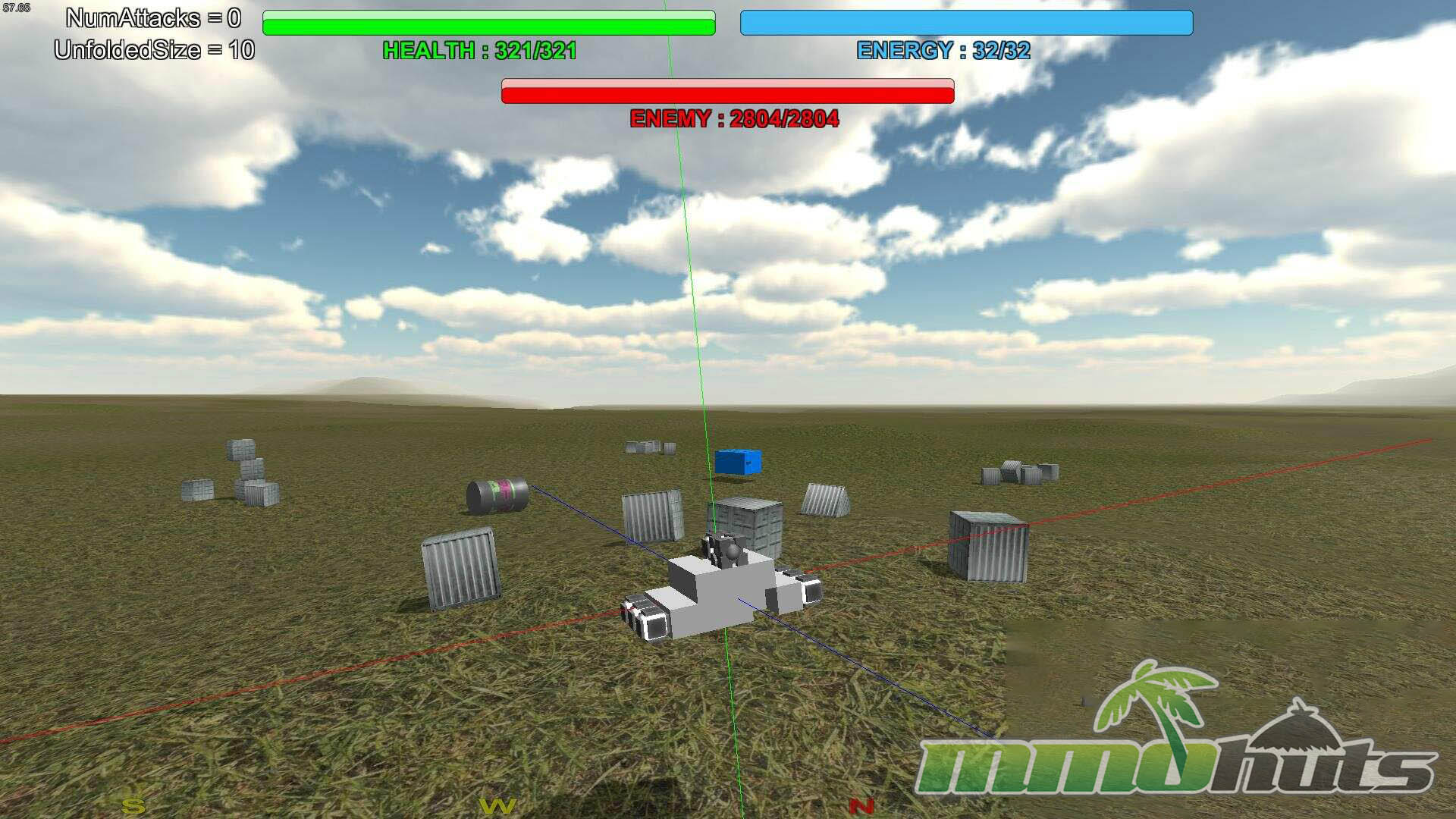
- Test Mode – bring creations into open environments for handling tests, and use an AI bot as a target for weapon trials.
- Challenge Mode – tackle objective-based stages using provided machines or your own designs, with puzzles that reward smart engineering.
- Multiplay – host custom rooms with rules you choose, supporting up to 30 players.
MachineCraft Screenshots


MachineCraft Featured Video

MachineCraft Review
MachineCraft sits in the same general space as other build-and-battle construction games, where the real “content” is what the community creates. You assemble contraptions from blocks and mechanical components, then field-test them against targets or other players. If you have experience with similar titles, the appeal is immediately familiar: design, iterate, improve, then see if your machine survives contact with the environment (or enemy fire).
Presentation is functional rather than flashy. Despite being built in Unity like some of its better-known peers, MachineCraft comes across as simpler visually. Audio also feels minimal, with serviceable effects and little in the way of atmosphere. That said, this is a game where the star is the building system, and the visuals mainly need to communicate what your machine is doing and whether it is about to tear itself apart.
Learning it mostly means experimenting
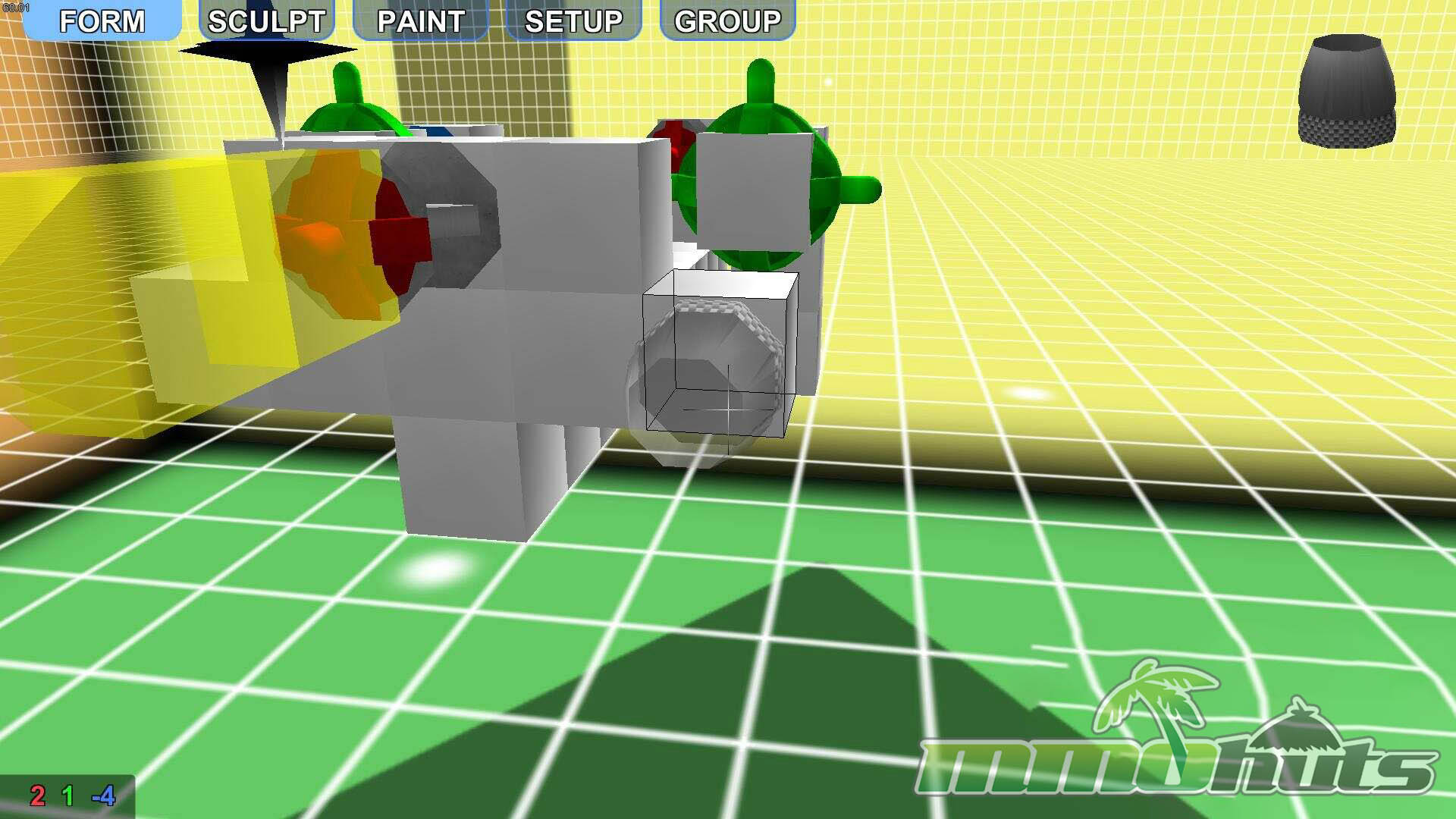
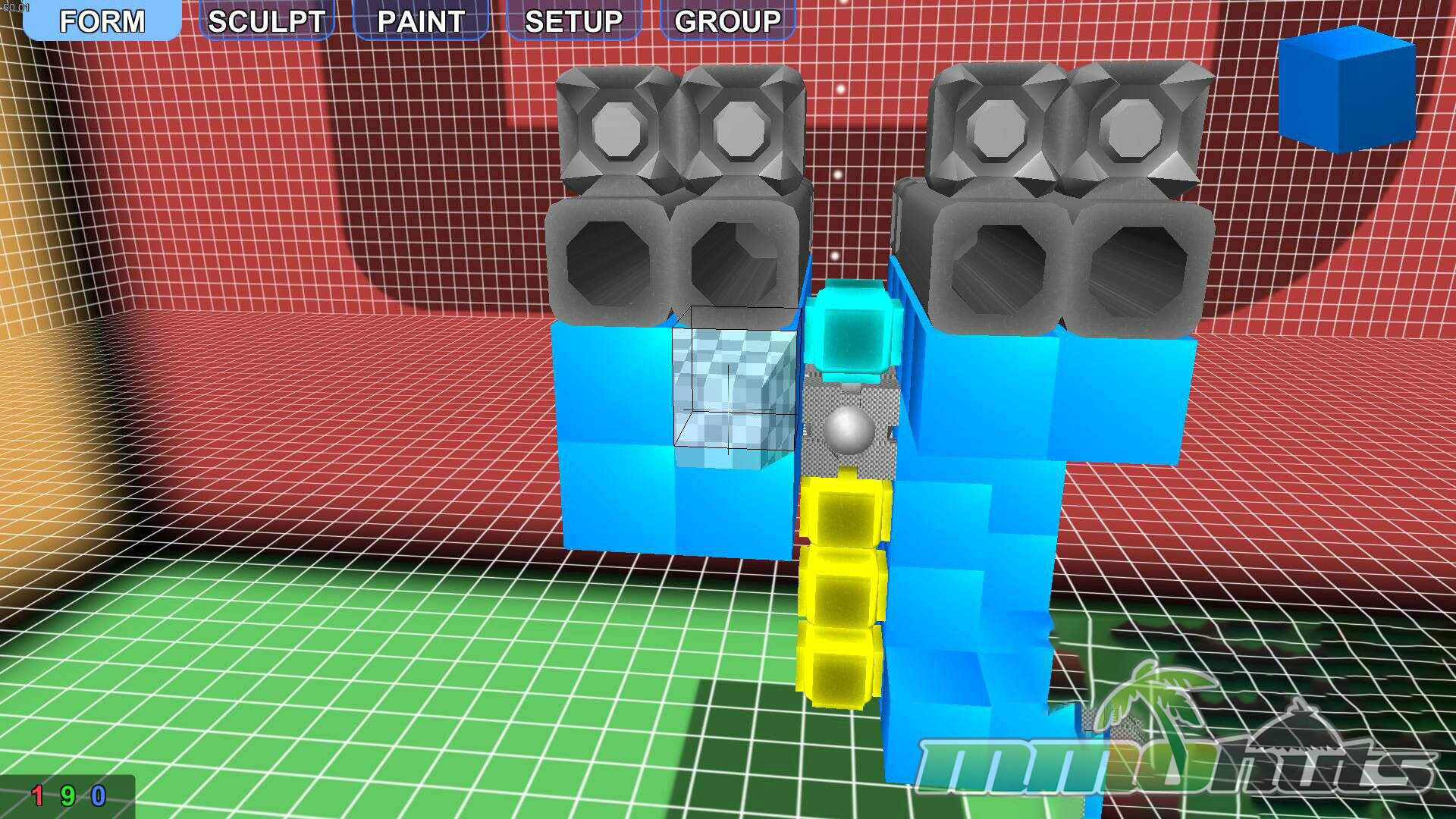
The core idea is straightforward, place parts, connect them, and make something that works. The friction comes from understanding what each component is for, and how systems interact once physics and movement are involved. Without a guided, hands-on tutorial that introduces parts step-by-step, new players are often left to figure things out through trial and error.
In practice, that means time spent rebuilding and retesting instead of refining designs with confidence. Community-made videos can help, but relying on external guides is a rough substitute for an in-game teaching flow, especially when some resources are unclear or poorly explained. If you enjoy learning systems by tinkering, the process can still be satisfying, but it is not welcoming for players who want to jump in and immediately build something complex.
More like a mechanical construction set than a voxel sandbox
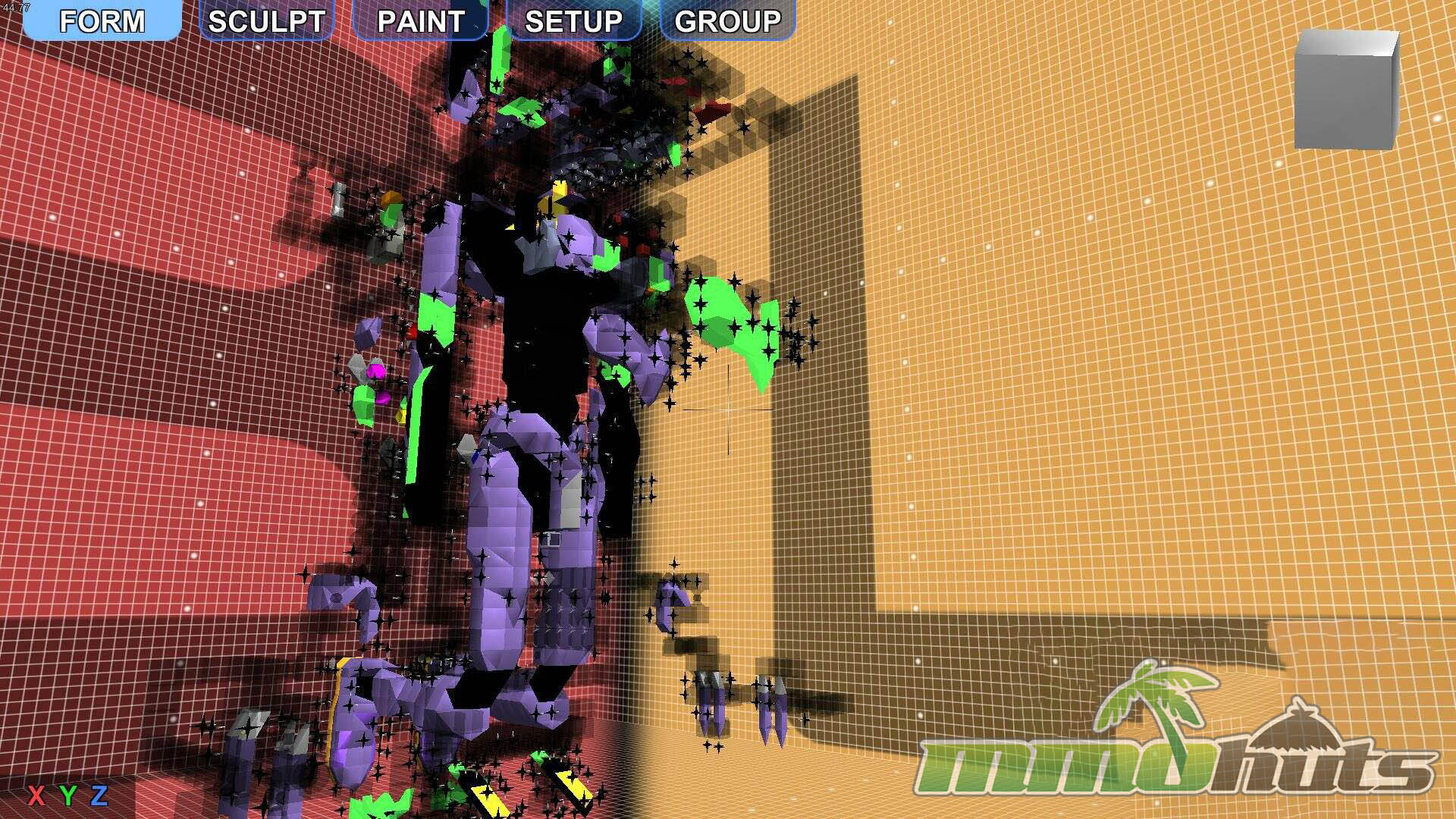
MachineCraft moves away from the classic blocky survival-crafting formula and focuses on smooth 3D building with mechanical complexity. Rotors, shafts, and articulated parts allow for designs that feel closer to a digital engineering kit than a simple stacking-block game. You can keep things minimal, like a basic hover cube, or aim for towering walkers and weapon platforms that look like they belong in a mecha lineup.
The best moments come when a build finally behaves the way you intended, when steering is stable, thrust is balanced, and weapon recoil does not flip the whole machine. Cleanup and iteration are quick compared to physical construction toys, so it is easy to keep refining a concept until it becomes reliable.
Testing is split between solo experimentation and multiplayer chaos. Fighting an AI bot is a useful baseline for weapon tuning, but the real fun is usually player-made machines clashing in sandbox maps. The drawback is that this depends heavily on finding active rooms, and with a low population, that can be difficult. It is also worth noting that creating custom worlds is not immediately available; it needs to be unlocked through progress in Challenge mode.
Challenge Mode as both content and progression
Challenge mode provides structured goals, which is a good counterbalance to the game’s open sandbox. Stages ask you to solve practical problems, such as moving oversized objects or completing courses under constraints. Limiting parts or forcing a specific approach pushes you to learn efficiency, stability, and control, not just raw firepower.
The difficulty can swing from satisfying to aggravating, particularly when a small design flaw causes repeated failures. Still, the mode does a decent job of giving builders a reason to iterate, and progression unlocks additional content, including Expert mode and the ability to build custom worlds.
The Final Verdict – Fair
MachineCraft is an inventive sandbox with a lot of room for creativity, and it stands out as a free-to-play project that does not revolve around an in-game cash shop. The building tools and functional parts can support a surprising range of designs, and the challenge stages provide a solid short-term structure.
Its biggest issues are accessibility and longevity. The lack of a proper tutorial makes the early hours harder than they need to be, and the very low playerbase undermines the multiplayer side that could otherwise keep experiments fresh. If you are happy building and testing mostly on your own, it is worth trying for the construction system alone. If you want consistent PvP and a busy community, a more populated alternative may fit better.
MachineCraft System Requirements
Minimum Requirements:
Operating System: Windows XP
CPU: Intel Core2 Duo
RAM: 2 GB RAM
Video Card: Intel HD 4000
Direct X: DirectX 9.0c
Hard Disk Space: 200 MB available space
Recommended Requirements:
Operating System: Windows 7
CPU: Intel Core i5
RAM: 4 GB RAM or more
Video Card: GTX 750, R7 260
Direct X: DirectX 11
Hard Disk Space: 300 MB or more available space
MachineCraft Music & Soundtrack
Coming Soon!
MachineCraft Additional Information
Developer: G2Crew
Publisher: G2Crew
Distributor: Steam
Game Engine: Unity
Early Access: March 25, 2016
Release Date: March 25, 2016
Development History / Background:
MachineCraft is a free-to-play 3D crafting game developed and published by independent game development company G2Crew. It launched on Steam as an Early Access title on March 25, 2016. The team also offers a premium version that includes cosmetic perks, aimed at players who want to support the project while keeping gameplay features available to everyone.