
LYN: The Lightbringer was a mobile RPG focused on collecting heroes and building squads for story missions, PvP, and cooperative raid fights. It combined a stage-based campaign with semi-automated combat, letting players step in to trigger skills while the party handled movement and basic attacks.
 | Publisher: Nexon Type: Mobile RPG Release Date (Global): March 14, 2019 Shut Down: December 29, 2020 Pros: +Responsive real-time PvP matches. +Co-op raids that encourage coordination. +Soft, relaxing visual presentation. Cons: -Raid participation tied to specific schedules. -Energy (fatigue) limits longer play sessions. |
LYN: The Lightbringer Overview
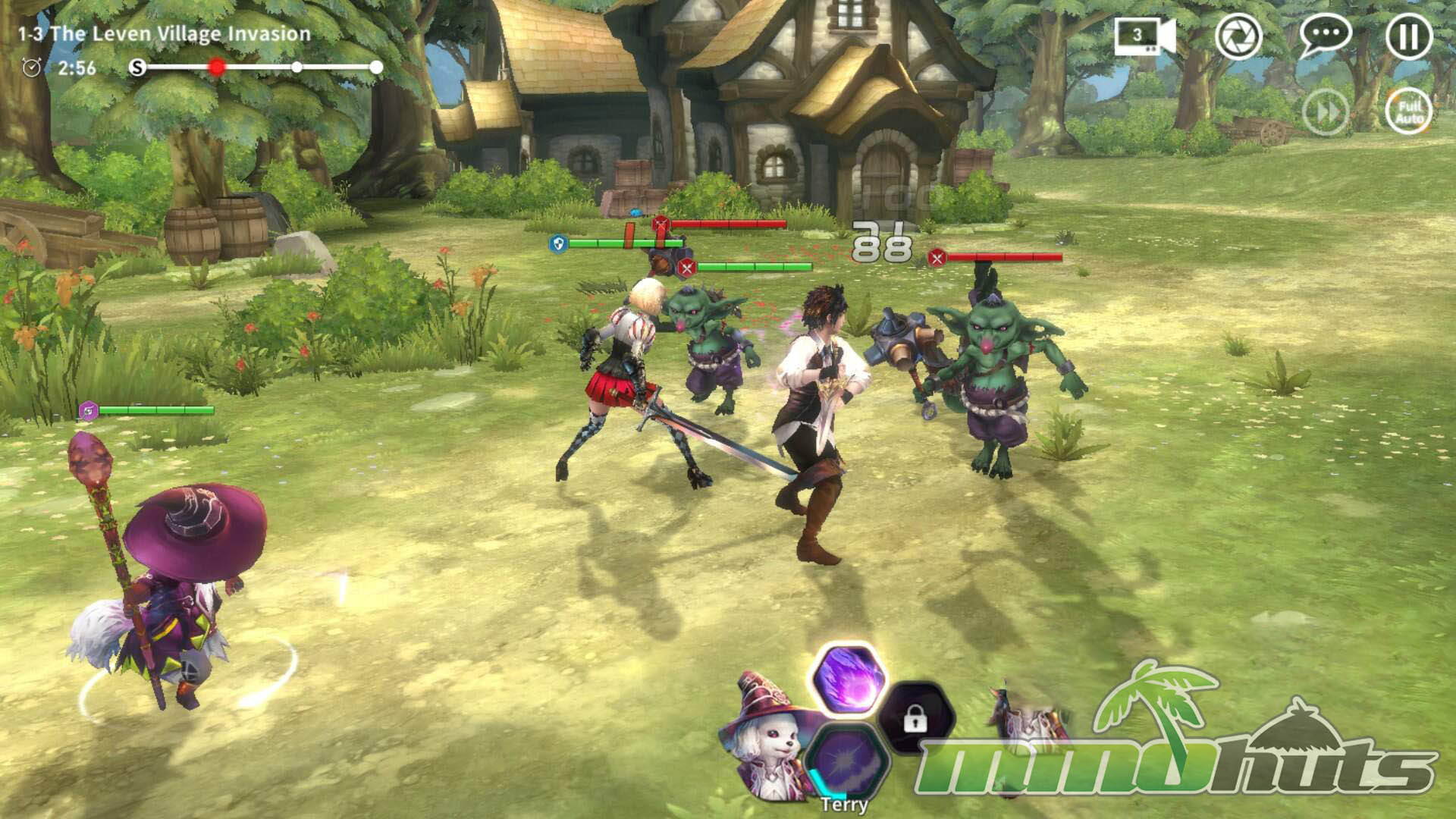
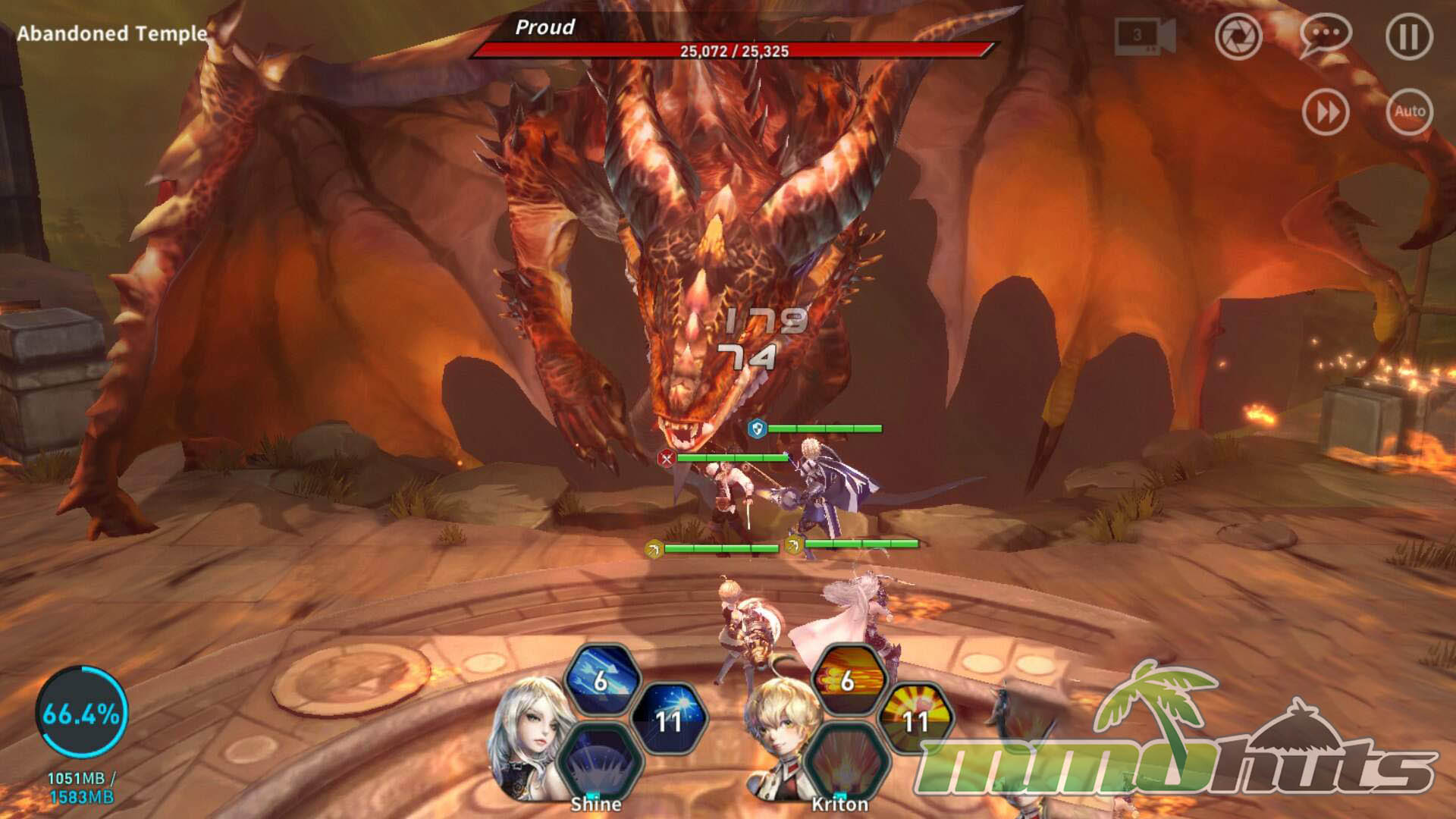
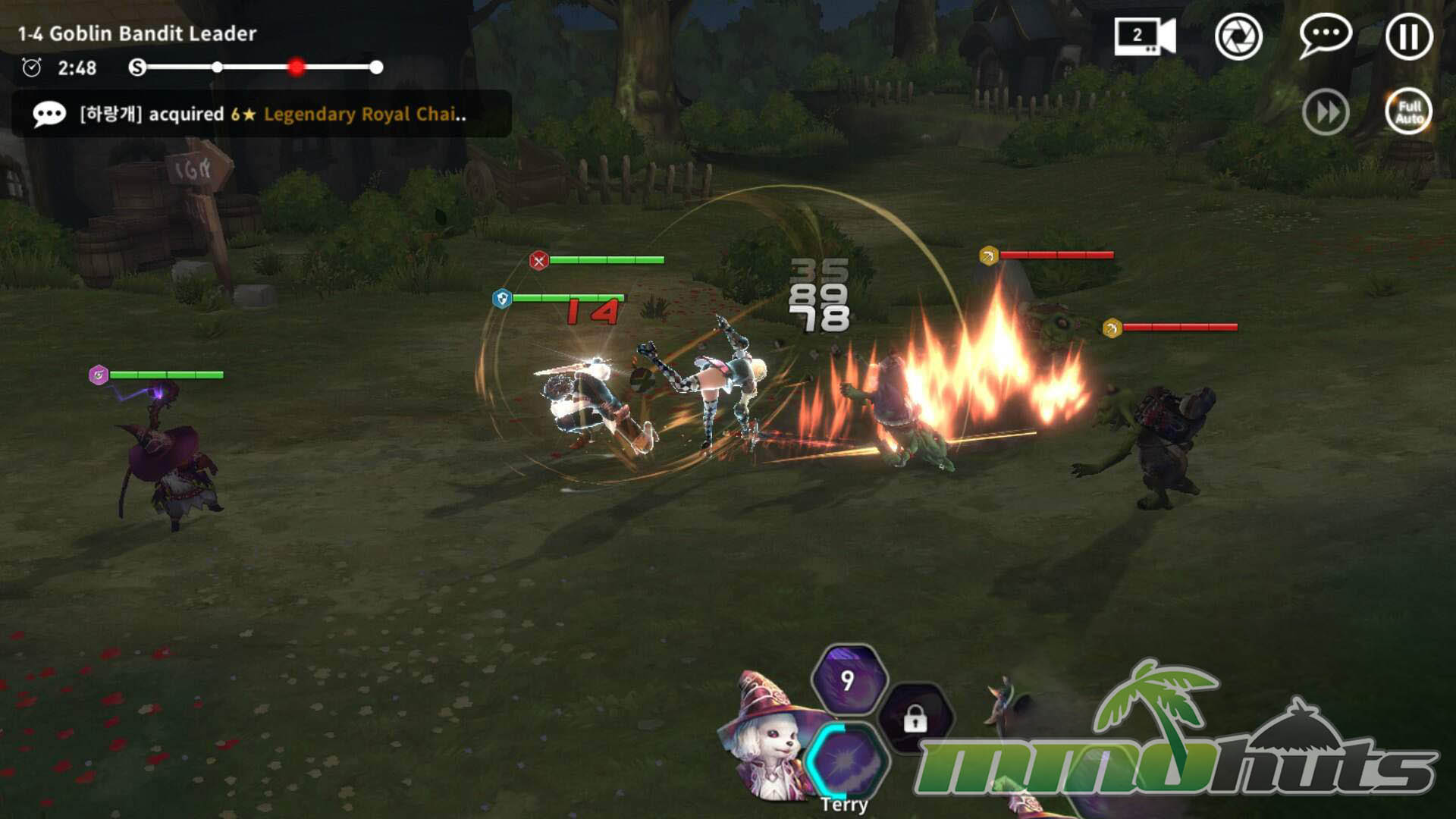
LYN: The Lightbringer was a stage-driven hero collection RPG for mobile devices. Progression largely followed a straightforward, chapter-by-chapter campaign, with battles that played out in real time. Your team would automatically move and perform basic attacks, while you could activate abilities manually, or switch to Semi Auto and Full Auto to have the game trigger some or all skills for you. Each hero brought three active skills to a fight, typically two regular cooldown abilities plus an ultimate that filled over time and delivered the big momentum swing when used at the right moment.
Outside the main story, the game leaned into multiplayer and competitive modes. Players could queue into real-time PvP formats and take part in guild-focused activities, including guild battles and raids, alongside three-player cooperative raid content. Team building centered on picking up to five heroes and assigning them to front, middle, or back lines. Those rows were not just cosmetic, they tied into configurable buffs that emphasized attack, defense, or HP, encouraging you to tune formations to the content you were tackling.
Like many hero collectors, LYN relied on gacha summoning to acquire characters, placing it in the same general lane as games such as Epic Seven and Fate/Grand Order. Upgrading heroes was multi-layered: they gained levels through play, could be evolved to higher star tiers after reaching max level (using crystals), and could be enhanced by fusing duplicates (also consuming crystals) to improve stats and skills. The game also supported combining heroes of the same star rating to roll a random hero of a higher grade, and dismantling unwanted units to feed skill growth for heroes you actually used. Crystals and other upgrade resources were earned through challenge content and daily objectives, keeping the routine loop of login, missions, and optimization at the center of progression.
LYN: The Lightbringer Key Features:
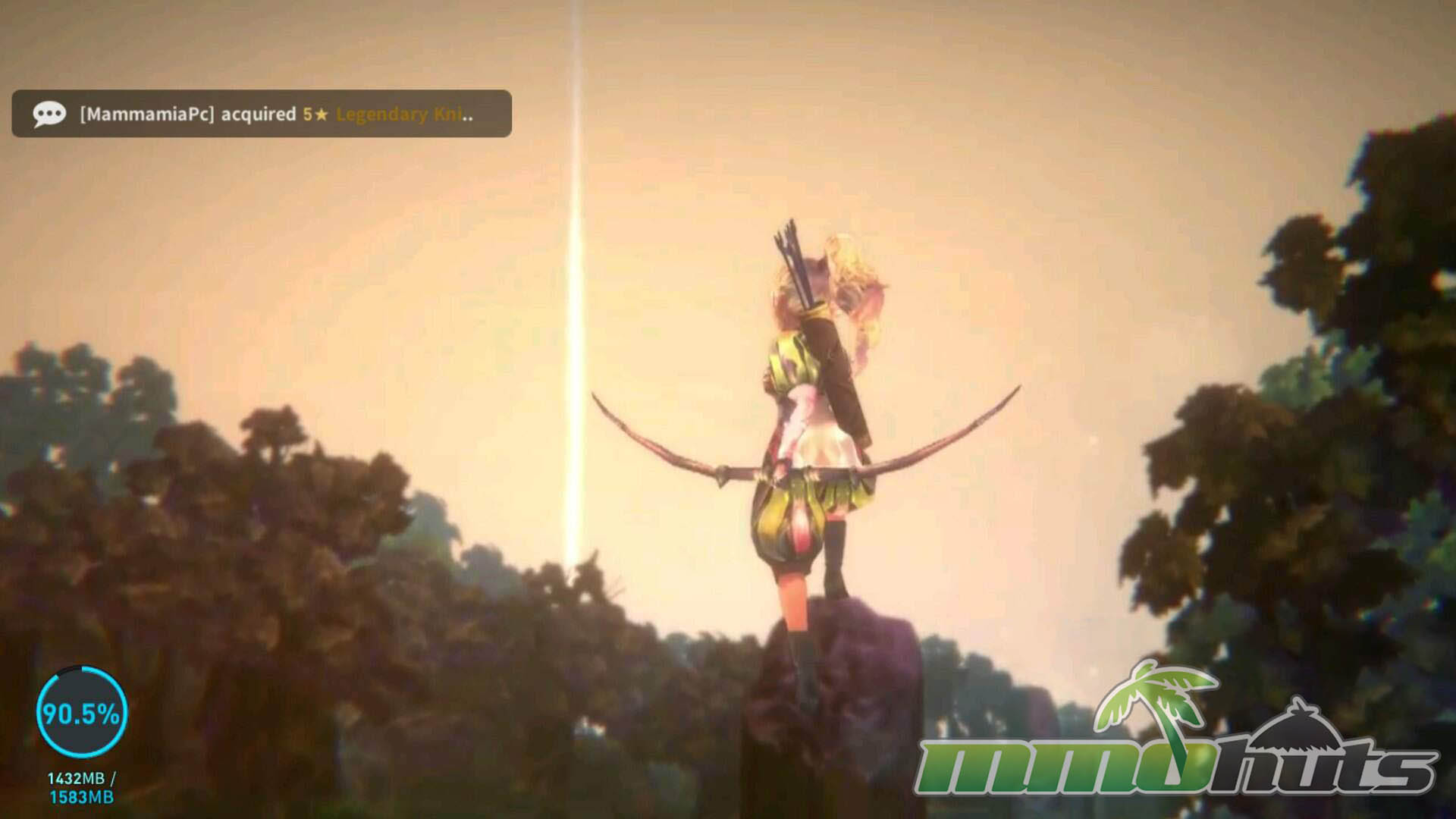
- 100+ Collectable Heroes – recruit a large roster of characters with distinct themes and personal lore, then strengthen them using battle EXP, materials, and by recycling extra heroes through dismantling.
- Guilds – join or create a guild to unlock additional benefits, earn rewards, access guild skills, and participate in guild battles and raid activities.
- Team Formation – organize squads across front, mid, and rear positions, and tailor line-based buffs that emphasize offense, durability, or maximum health.
- Varied Game Modes – alternate between story stages and multiple competitive and cooperative options, including real-time PvP, guild battles, and three-player raid encounters.
- Autoplay – combat is built around automatic movement and basic attacks, with Semi Auto and Full Auto settings that can take over ability usage to different degrees.
LYN: The Lightbringer Screenshots

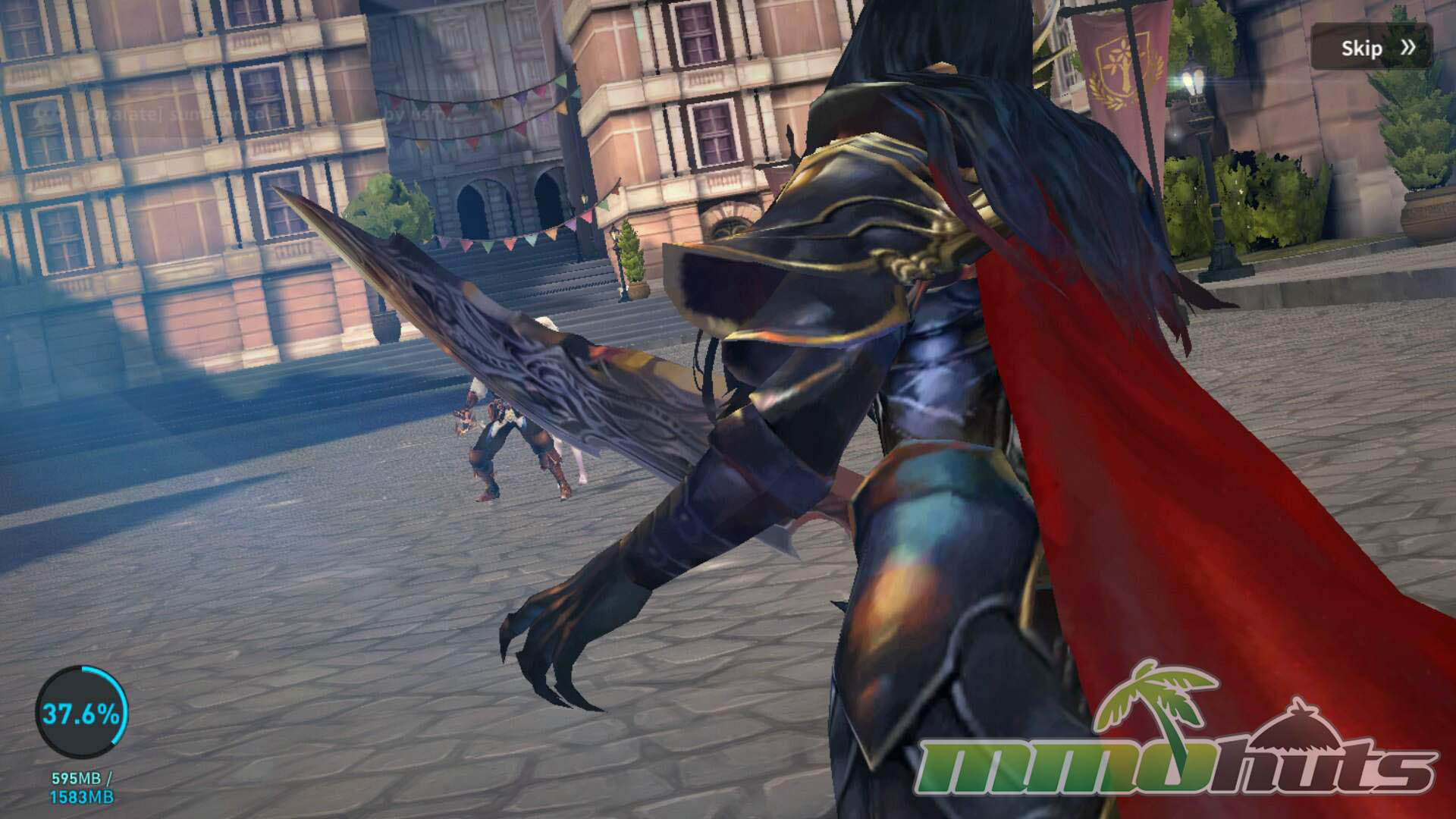
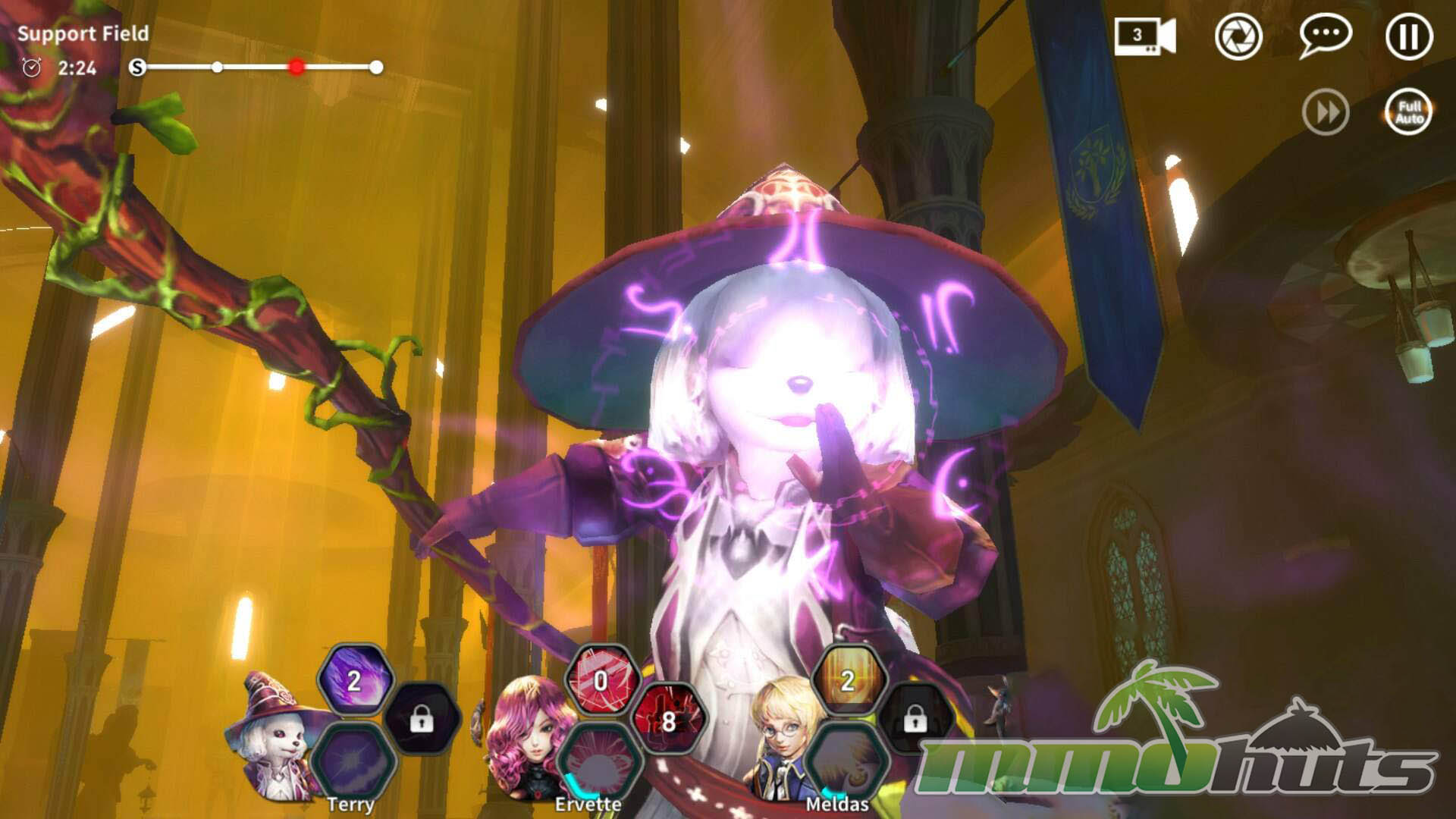
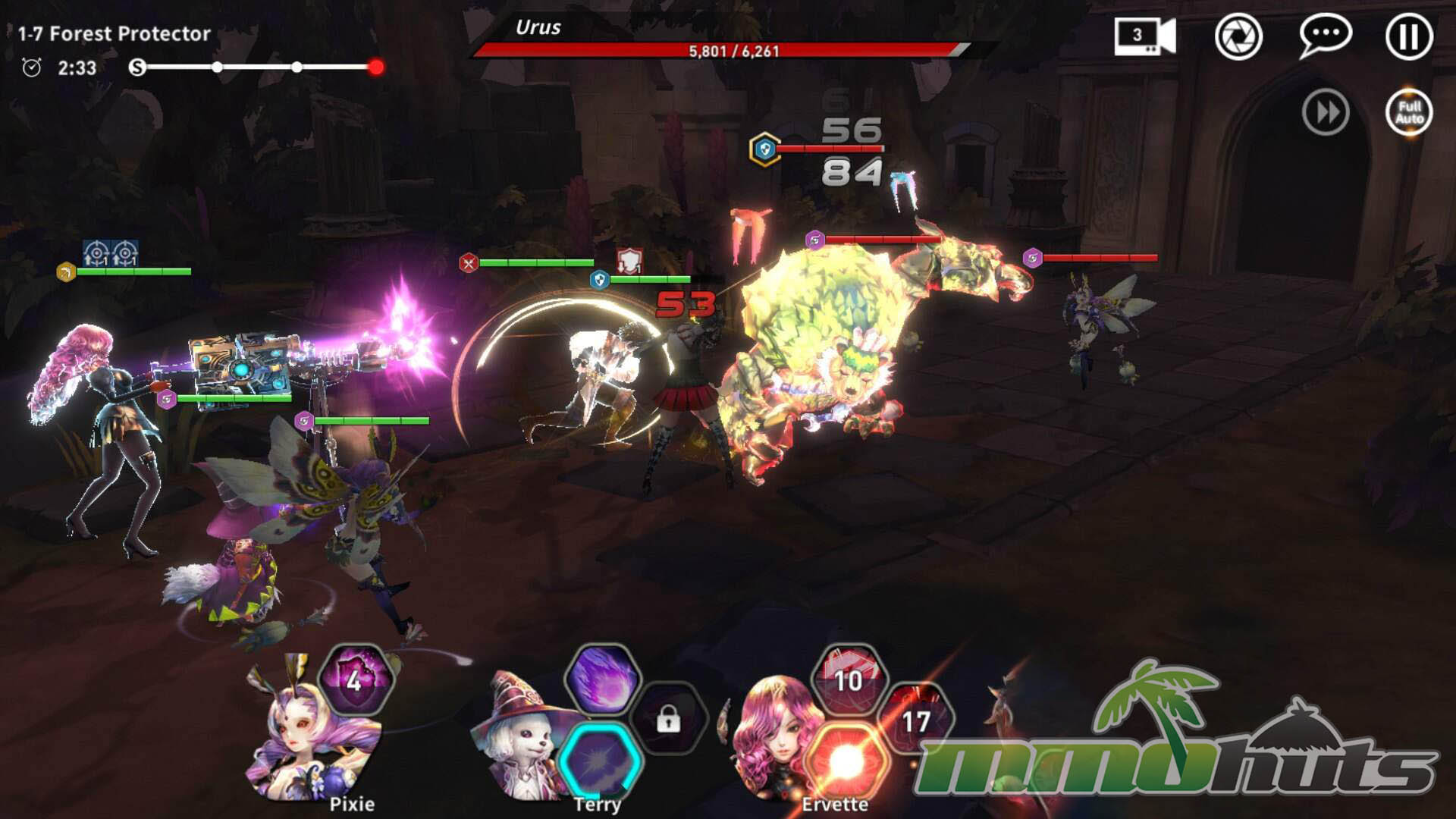
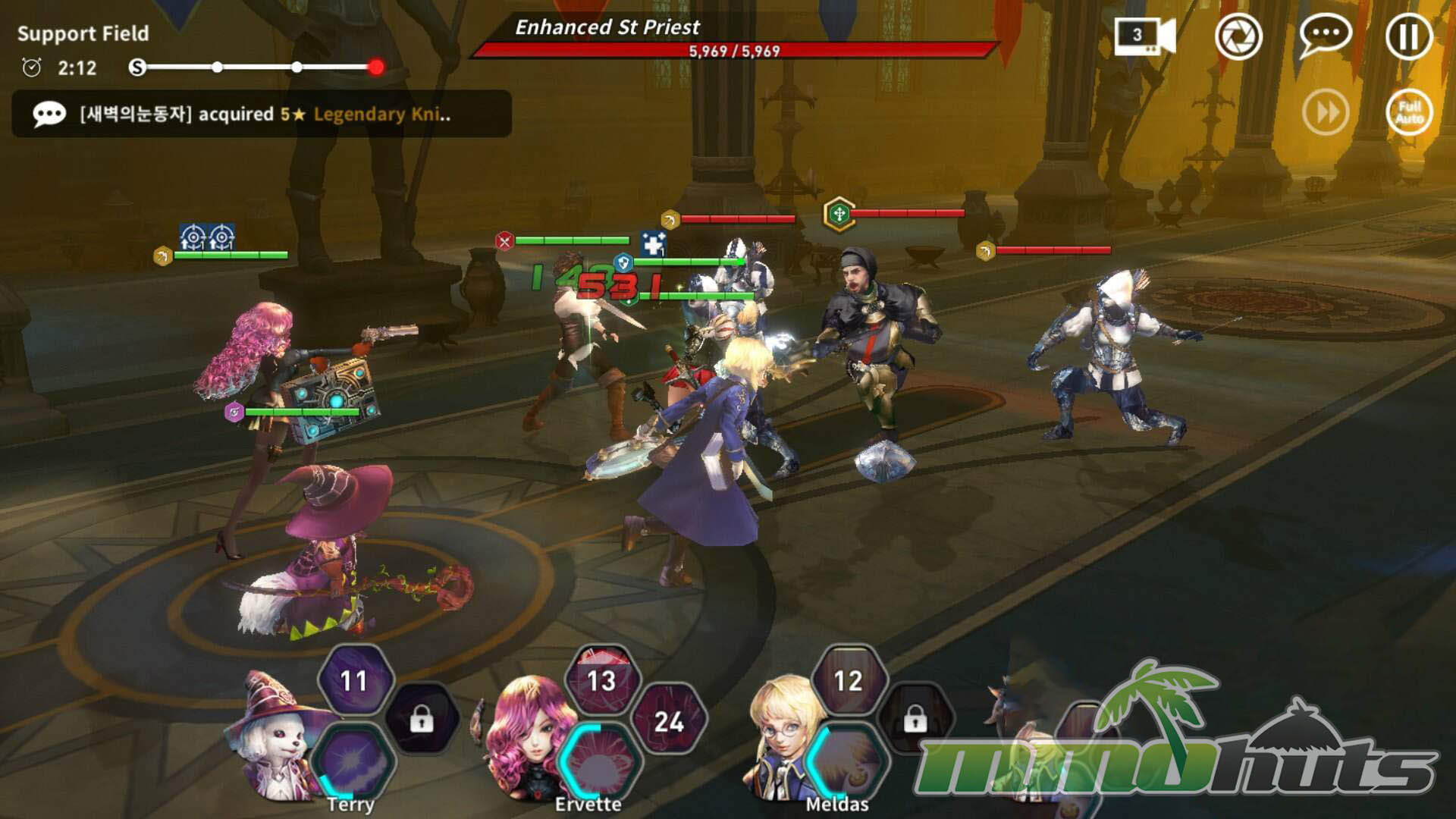
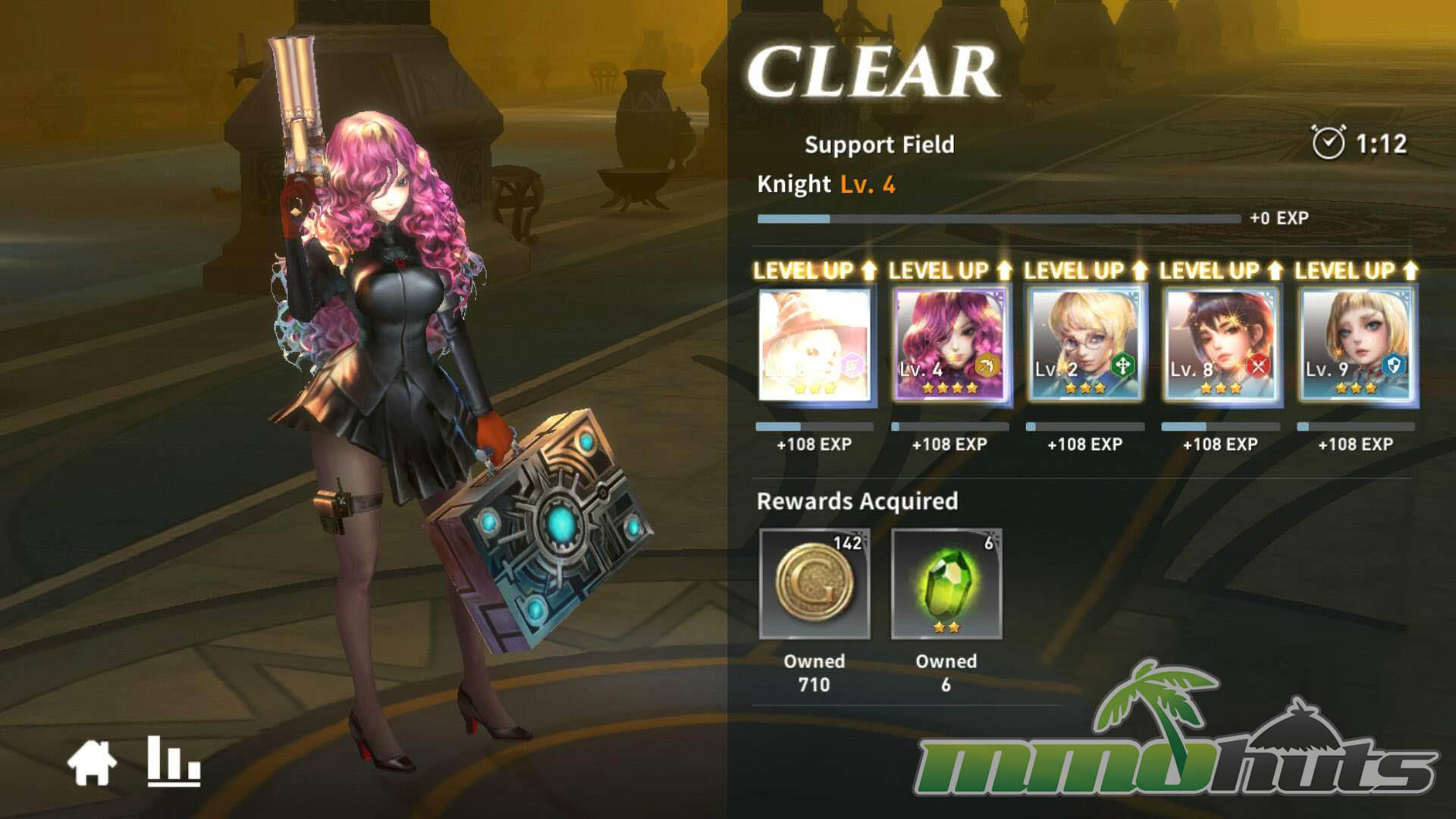
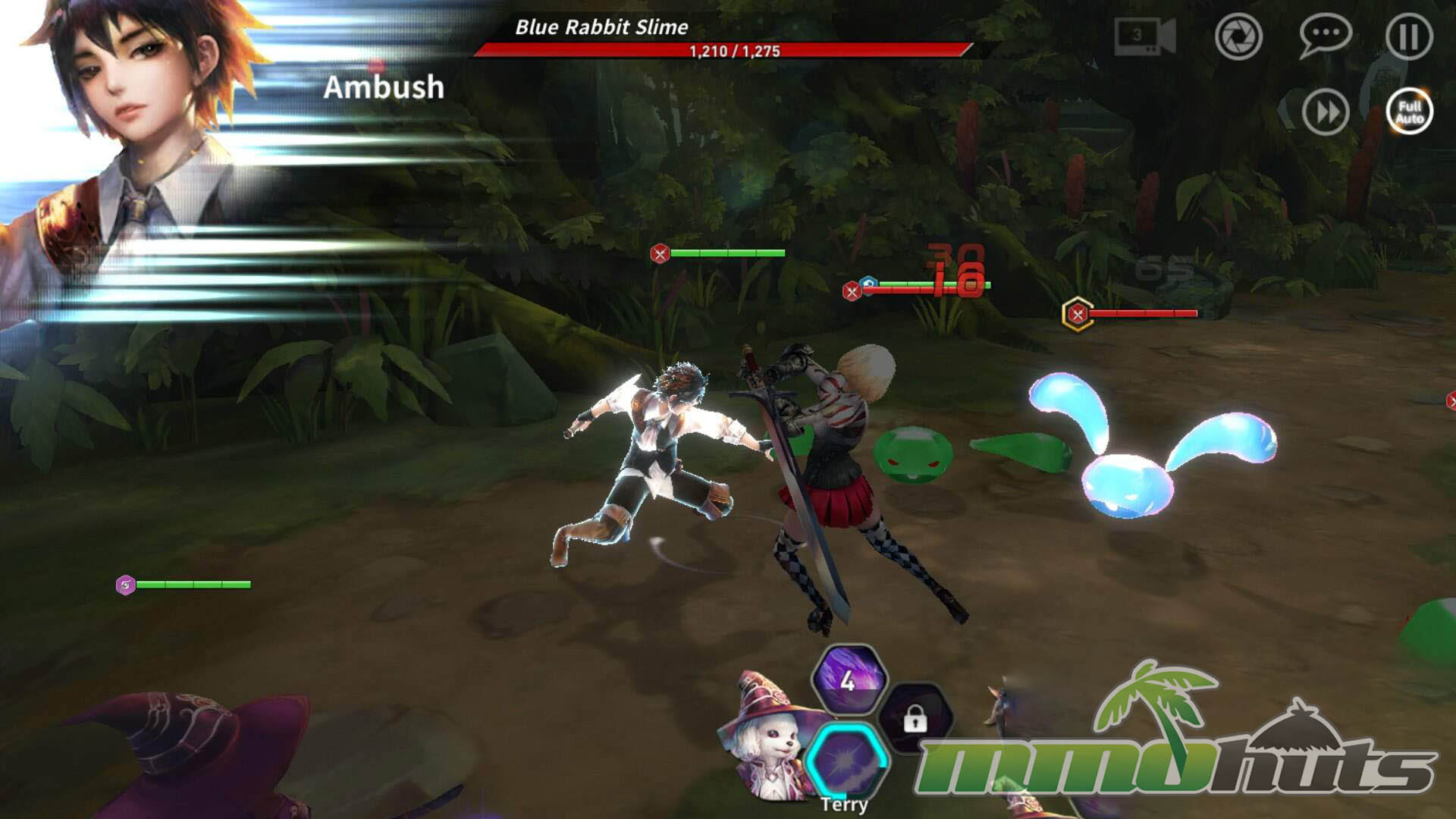
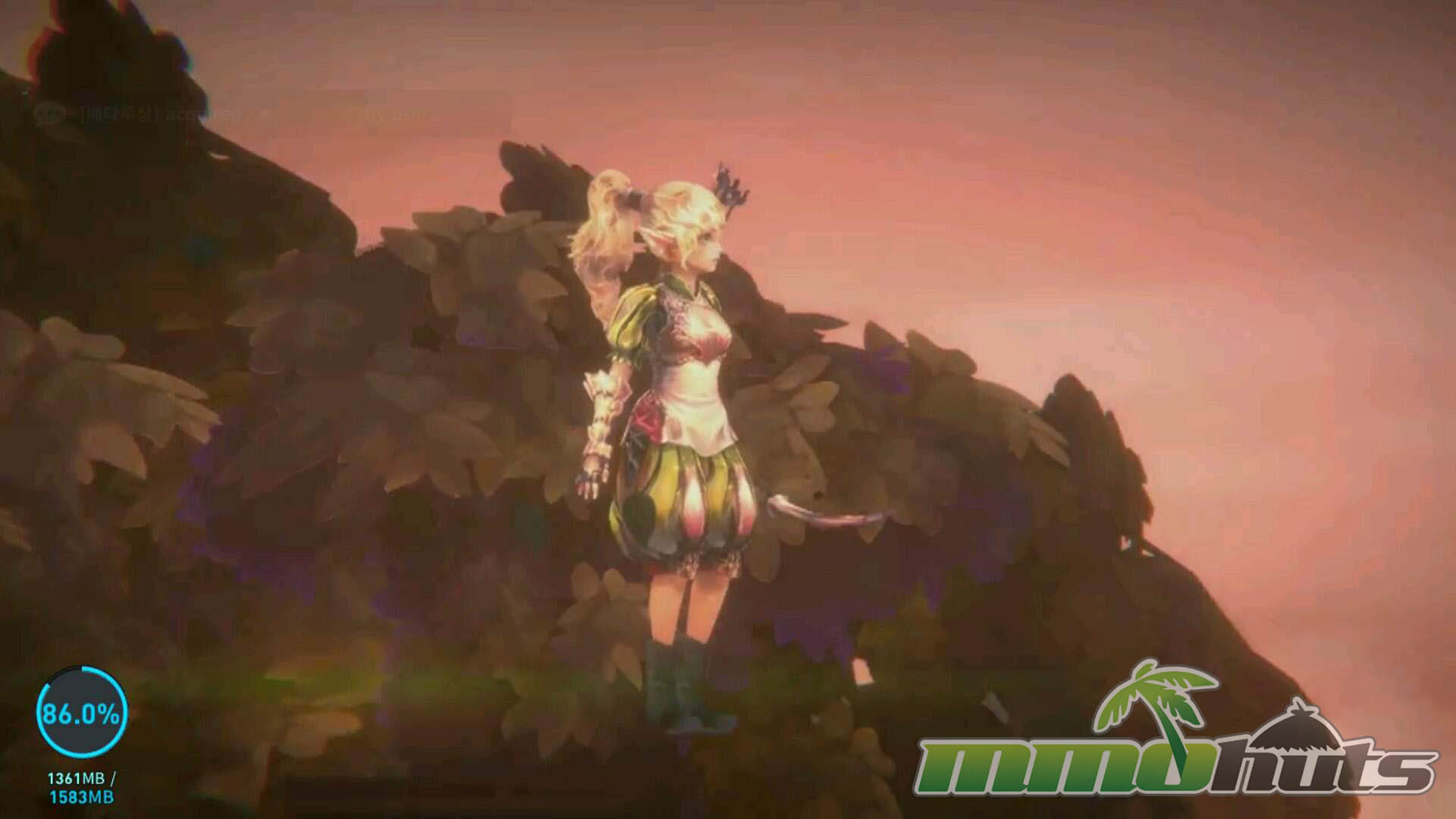
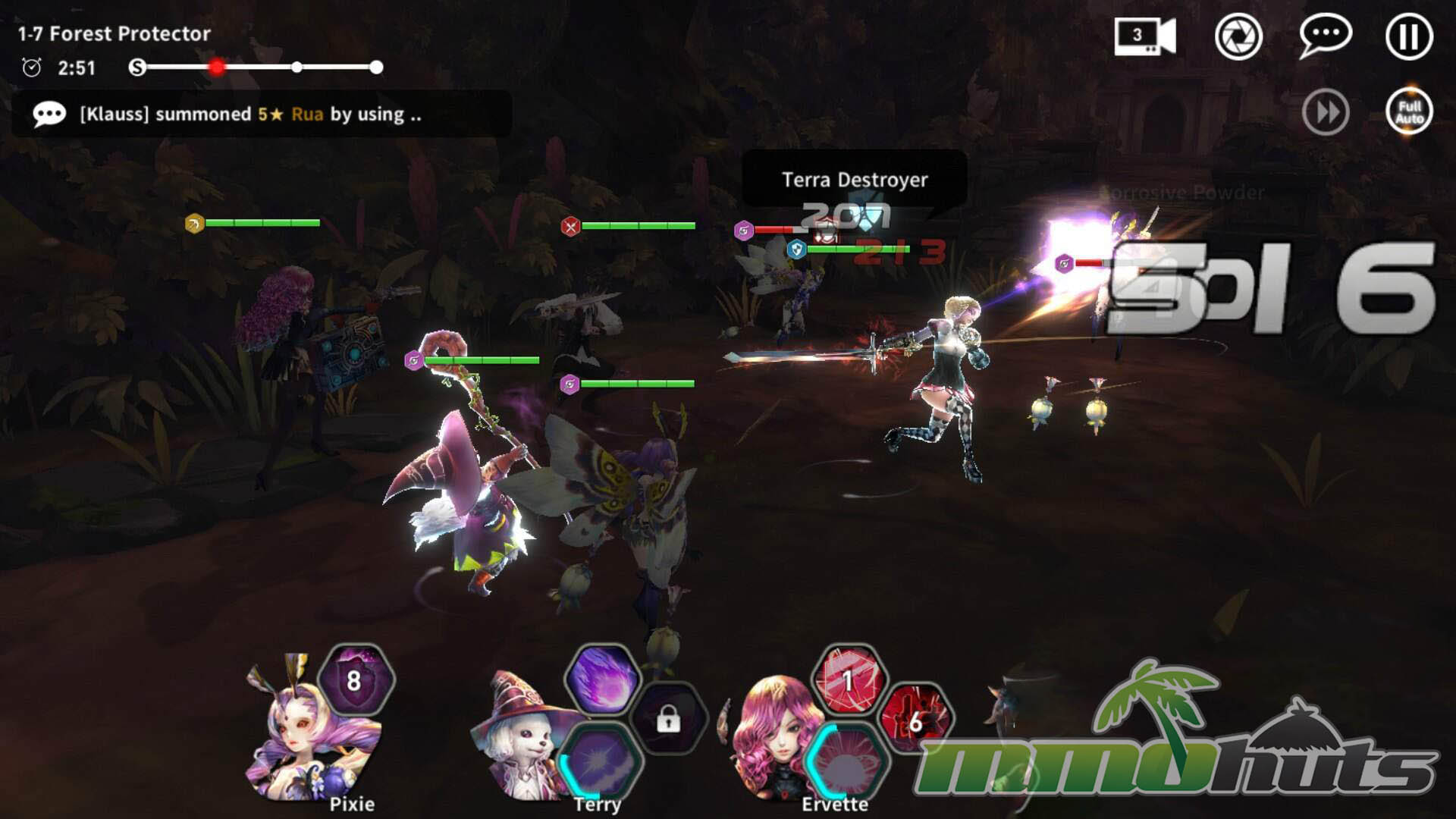
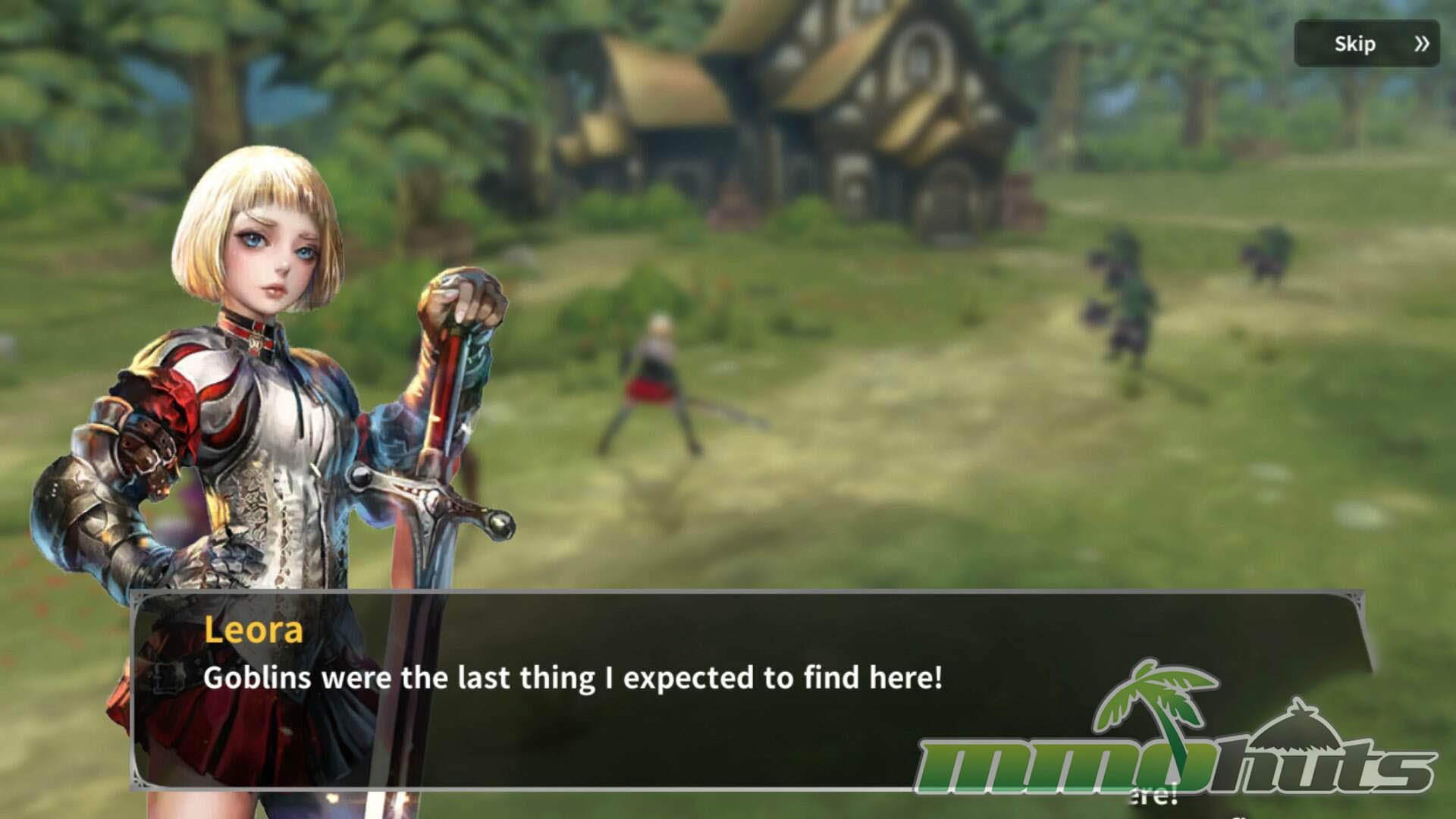
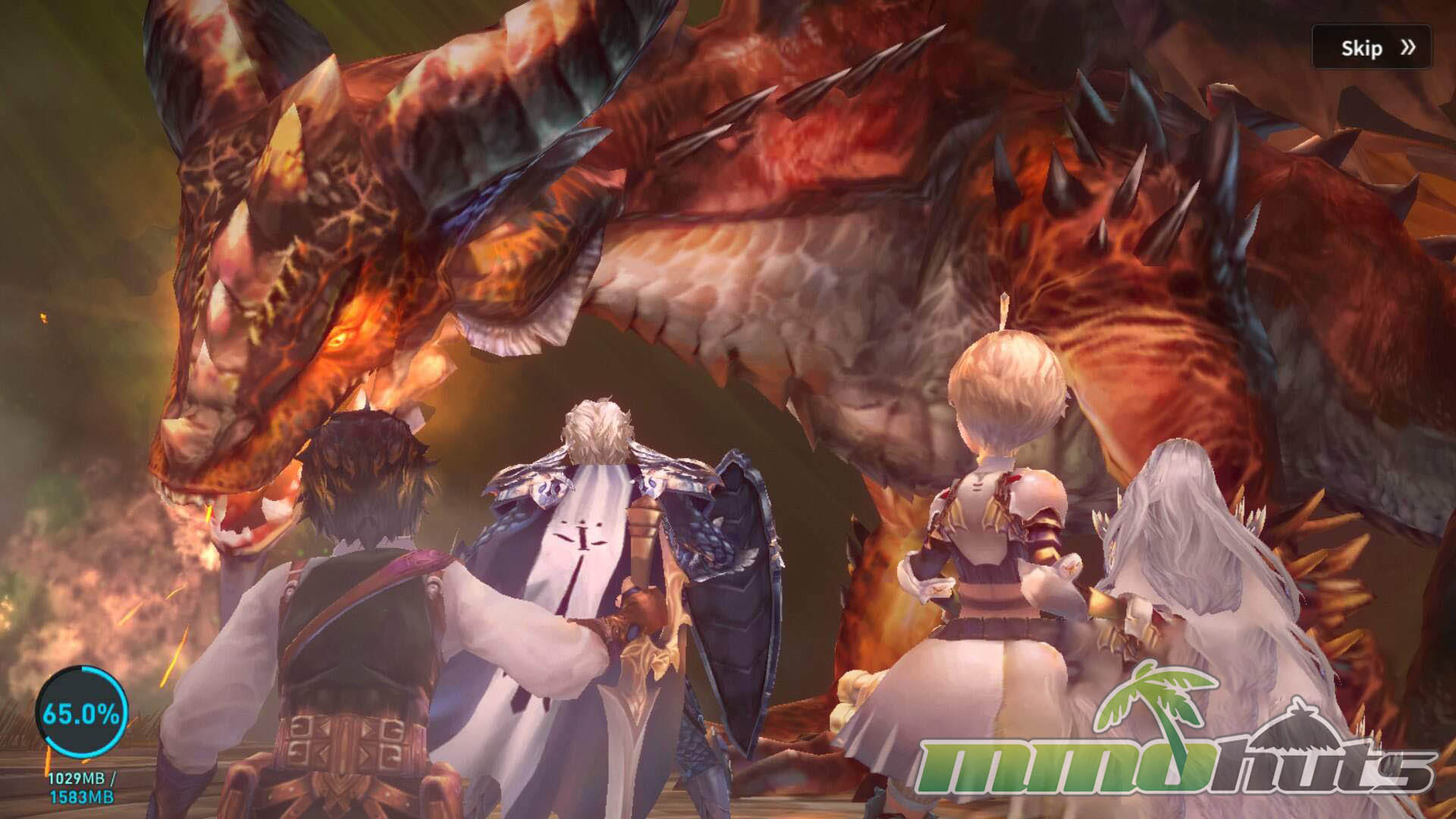
LYN: The Lightbringer Featured Video

LYN: The Lightbringer Review
At its best, LYN: The Lightbringer delivered a comfortable, low-friction take on the hero collector formula. The combat system was approachable because it handled the busywork automatically, but it still gave players meaningful decisions through timing ultimates, choosing when to intervene with key cooldowns, and building squads that made sense for the encounter. That balance made routine farming manageable while leaving room for hands-on play in tougher stages and PvP.
The game’s strongest hook was its roster and presentation. The art direction leaned toward calm, storybook fantasy rather than heavy spectacle, which helped the game stand out among flashier mobile RPGs. Character variety was also a major driver, not just in visuals but in how teams came together, as different line placements and buff choices could change how a party performed. Experimenting with formations, deciding who belongs up front, and adjusting buffs for survivability or damage created a steady stream of small optimization choices.
Progression followed familiar gacha rhythms. Leveling, evolving to higher star tiers, and improving heroes through duplicates gave long-term goals, but it also meant power growth was closely tied to resource availability and summon luck. Systems like combining heroes to roll higher-star outcomes and dismantling extras helped reduce waste, yet the overall economy still encouraged careful planning around crystals and other limited materials.
Multiplayer modes added a welcome change of pace. Real-time PvP gave the game a competitive edge compared to purely asynchronous arena systems, and guild features provided a reason to stay socially invested. The cooperative raids were a highlight when you could actually participate, since coordinating roles and timing abilities felt more engaging than solo autoplay loops. The main drawback was accessibility, with raids only appearing at certain times, which could make the mode feel inconvenient depending on your schedule. The fatigue system also put a ceiling on longer sessions, reinforcing short daily play patterns rather than extended grinding.
Overall, LYN: The Lightbringer was well-suited for players who enjoy collecting characters, tuning teams, and dipping into PvP and co-op without needing constant manual control. Its art style and streamlined combat made it easy to settle into, while its progression and scheduling constraints reflected the trade-offs common to mobile gacha RPGs.
LYN: The Lightbringer Online Links
LYN: The Lightbringer Official Website
LYN: The Lightbringer Official Facebook
LYN: The Lightbringer Reddit
LYN: The Lightbringer Android
LYN: The Lightbringer iOS
LYN: The Lightbringer System Requirements
Minimum Requirements:
Operating System: Android 4.4 or later, or iOS 9.0 and later.
LYN: The Lightbringer Music & Soundtrack
While LYN: The Lightbringer did not position its soundtrack as a headline feature, the overall audio design fit the game’s gentle fantasy tone. Music and effects supported the calm visual style, keeping battles readable and menus pleasant to navigate without overwhelming the experience.
LYN: The Lightbringer Additional Information
Developer: Nexon
Publisher: Nexon
Release Date (Australia, Malaysia, Philippines): January 24, 2019
Release Date (Global): March 14, 2019
Shut Down: December 29, 2020
Development History / Background:
LYN: The Lightbringer was developed and published by Nexon. The project also involved illustrator Jeong Juno, known for serving as the art director of the 2003 MMORPG Lineage II, and that influence is easy to see in the game’s character-forward fantasy aesthetic. Service for the game ended with its shutdown on December 29, 2020.