Lord of Vermilion Arena is a 3D fantasy-themed MOBA that folds collectible card game ideas into the standard lane-pushing formula. Instead of picking from a traditional roster alone, you bring a hand-picked set of summonable creatures, then spend mana during 7v7 battles to call them in and swing fights around objectives.
 | Publisher: Square Enix Type: CCG MOBA Release Date: June 4, 2015 Shut Down Date: June 30, 2016 Pros: +A distinctive MOBA and card-collection hybrid. +More than one map to play on. +Large card pool to chase and experiment with. +Includes a solo Story Mode. Cons: -Hard to find comprehensive details today. -A Western launch was never confirmed. -High-value cards risk creating pay-to-win style balance concerns. |
Lord of Vermilion Arena Overview
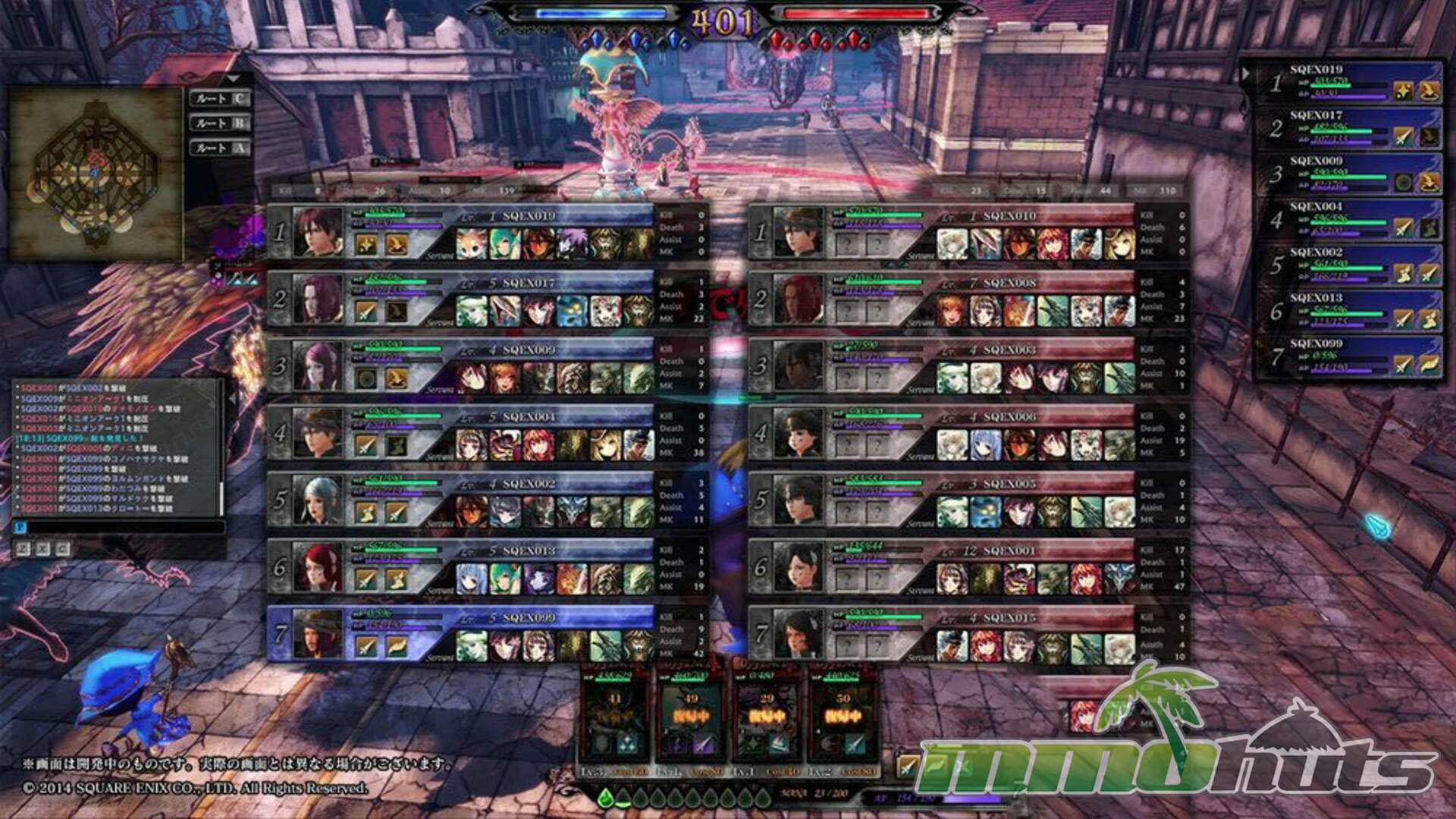
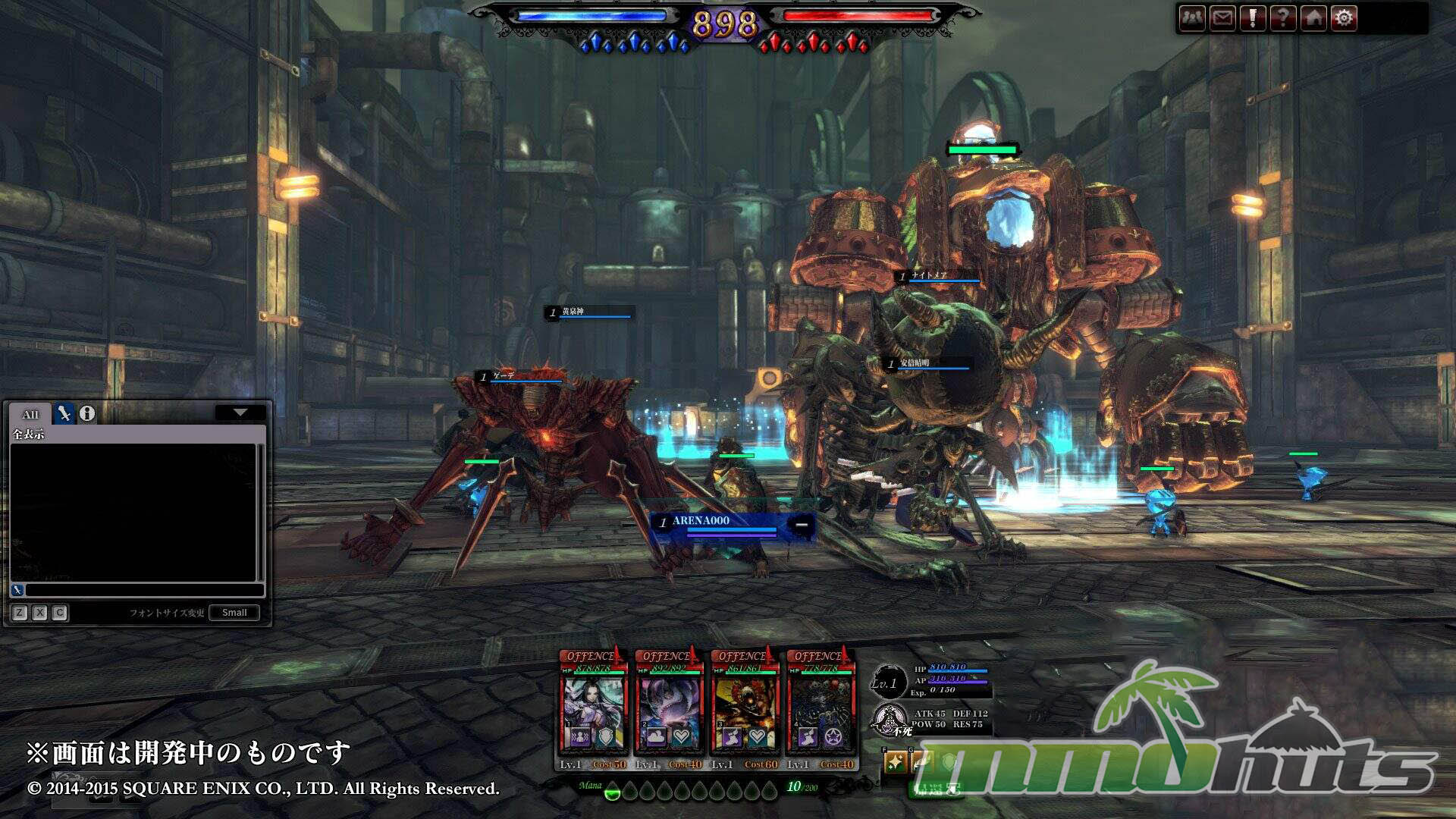
Drawing from Square Enix’s Lord of Vermilion arcade legacy, Lord of Vermilion Arena approaches the MOBA format with a deck-building layer at its core. Before queueing up, players assemble a personal collection of cards and choose six summons to take into a match, which gives the pre-game phase a strategy-game feel rather than a simple character pick.
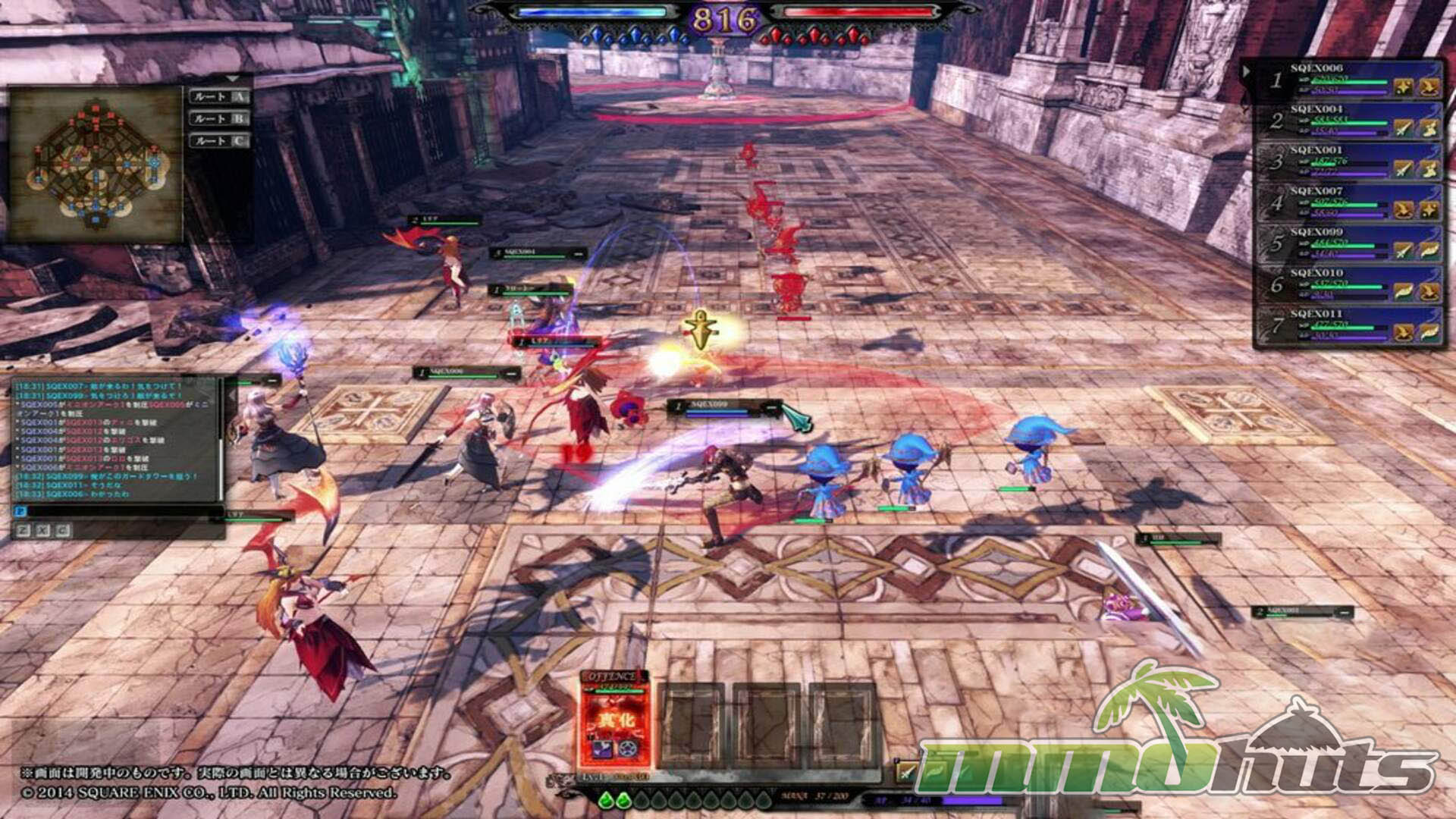
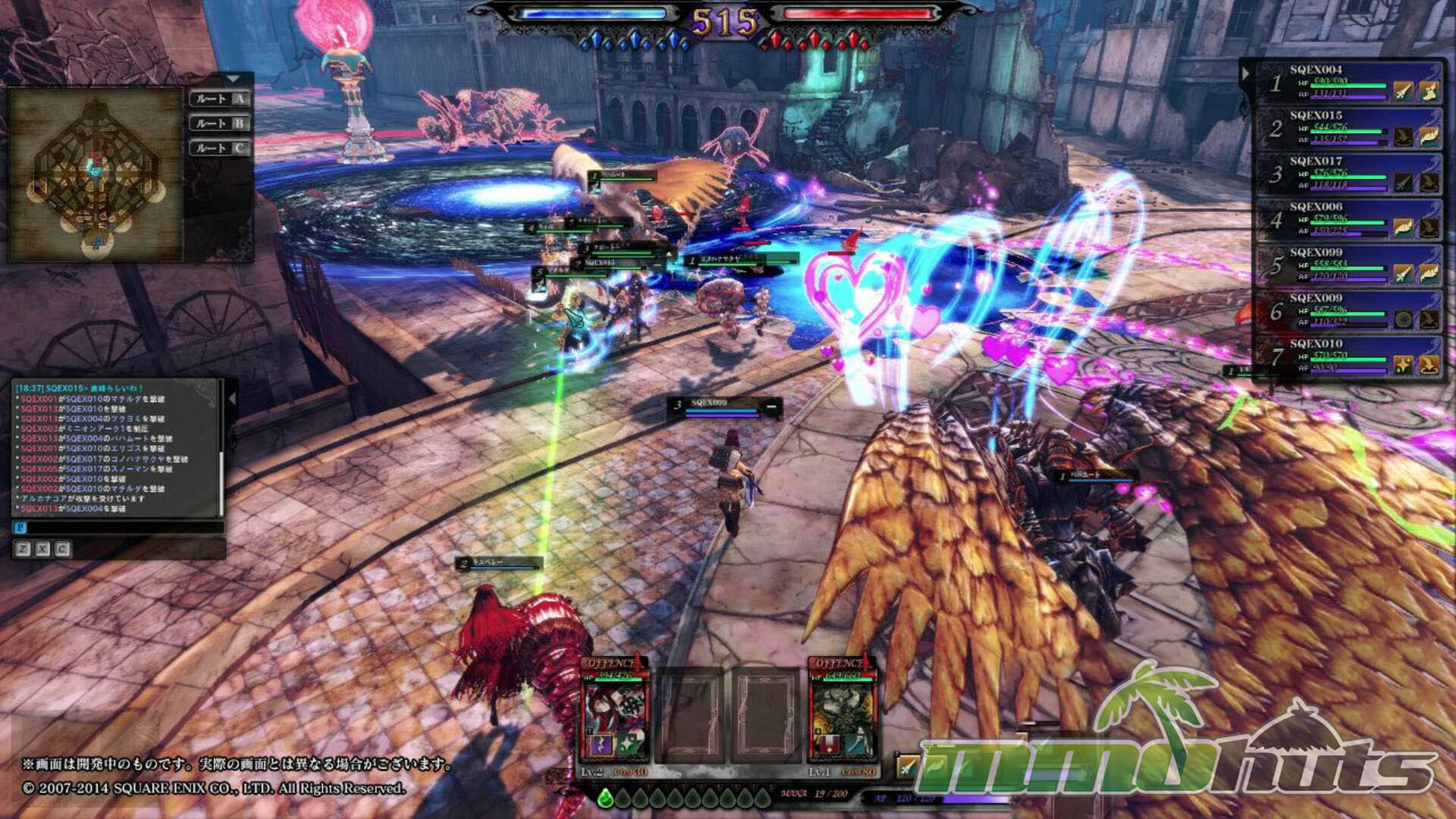
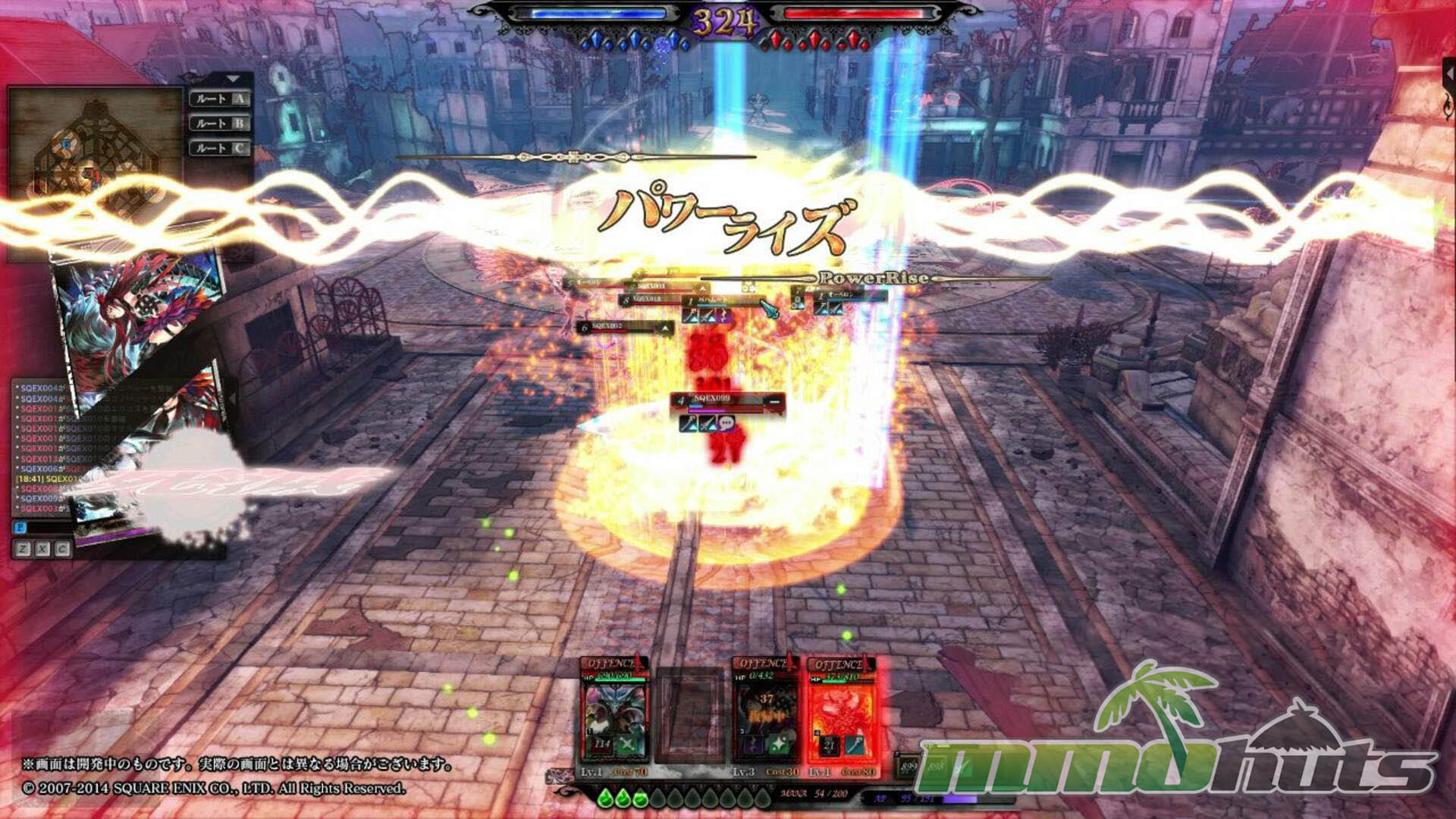
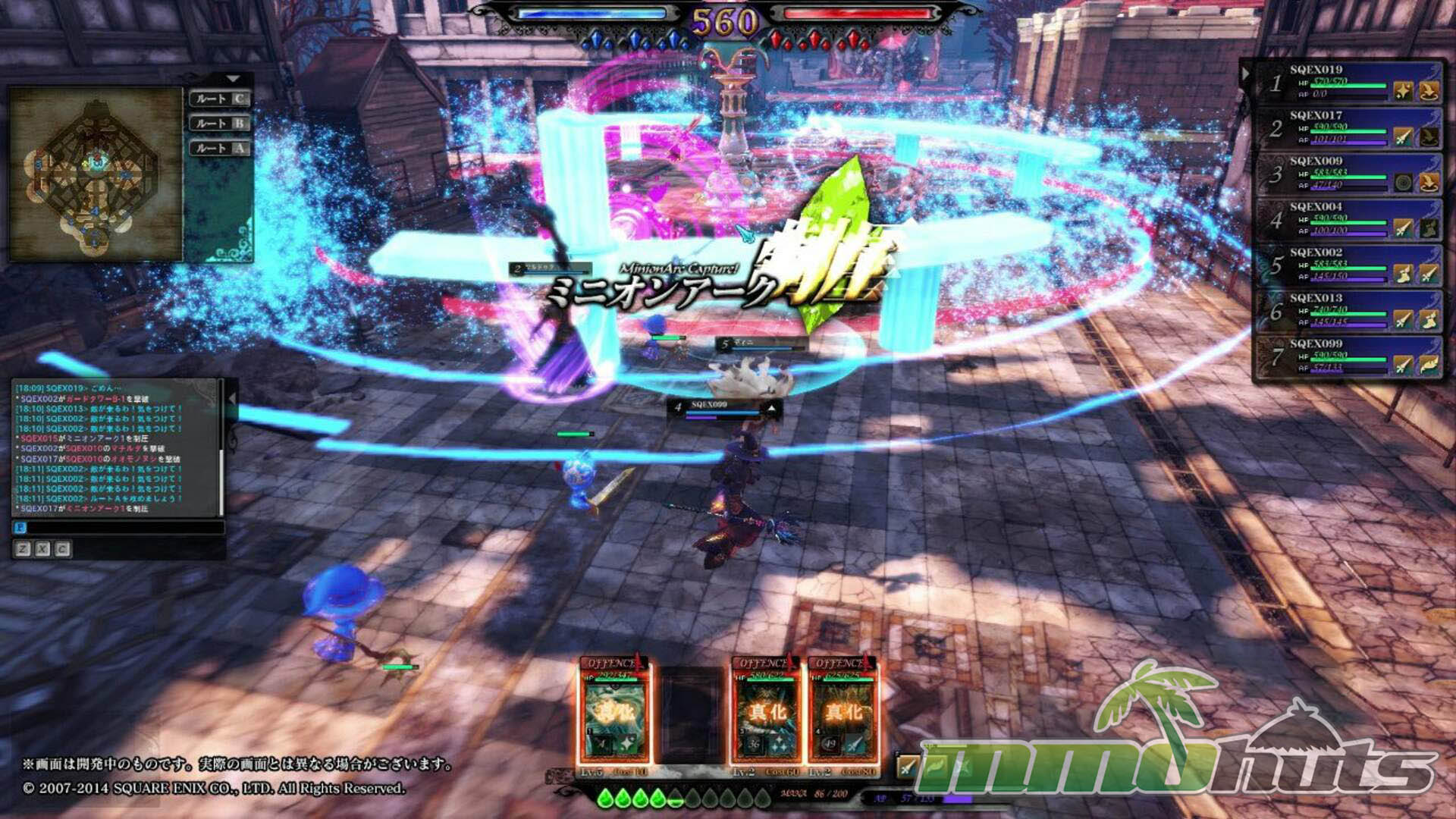
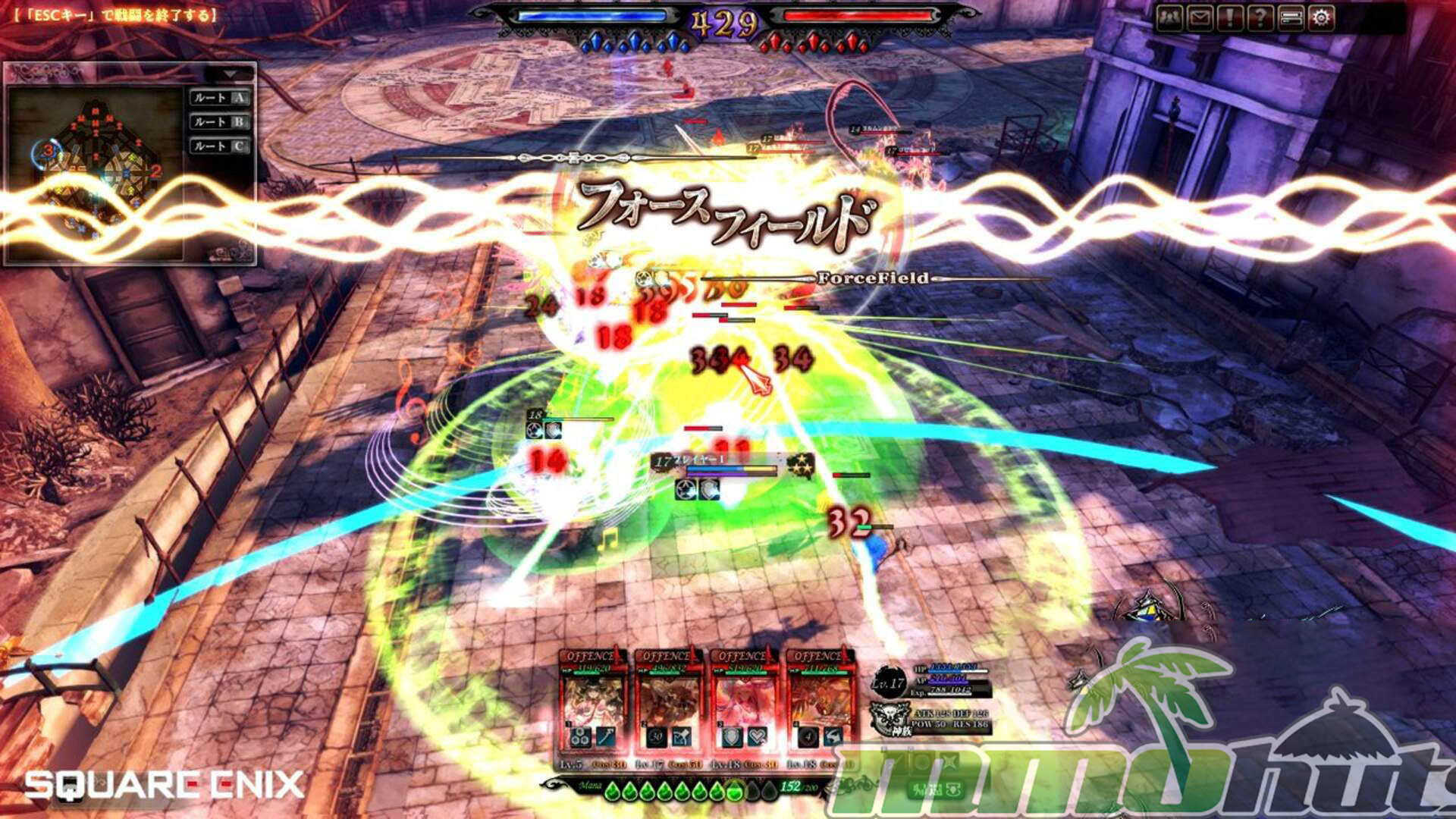
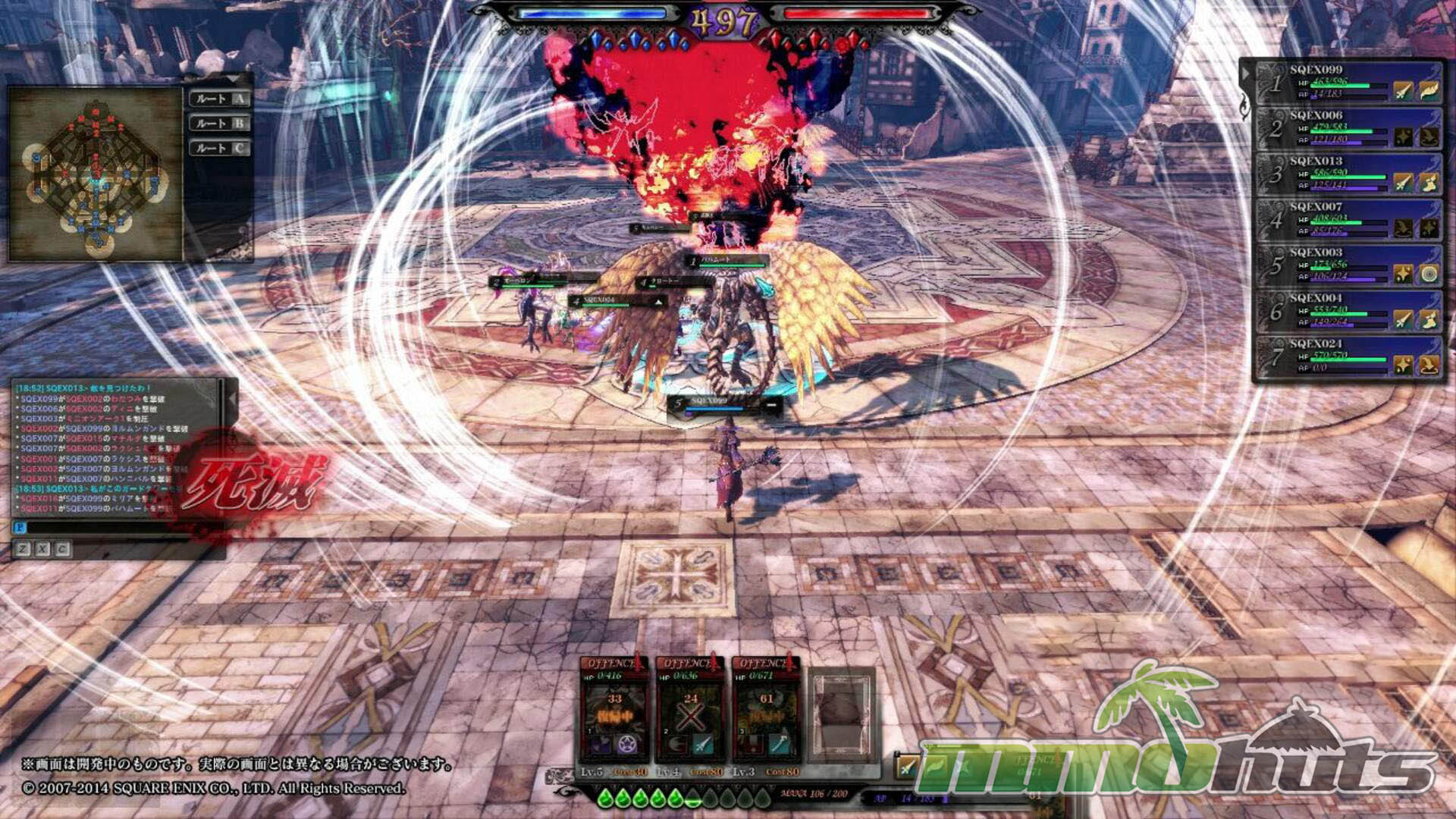
On the battlefield, the structure is familiar: teams clash across a three-lane map, pushing waves and pressuring towers with the goal of breaking through enemy defenses. What sets the flow apart is how minions enter play. Instead of relying only on fixed lane creeps, each player can spend mana to call in creatures of different power levels and costs. That mana economy is fueled by successful play, such as taking down enemy minions and structures, which creates a loop of earning resources, summoning stronger support, and using that advantage to secure objectives.
Lord of Vermilion Arena Key Features:
- Hybrid core design – blends classic MOBA lane combat with collectible card game (CCG) style summoning and deck choices.
- Variety in play spaces – multiple maps and modes are supported, with a dedicated Story Mode included.
- Crossover-friendly identity – the franchise is known for collaborations, opening the door to recognizable anime and game guest characters.
- Deck construction focus – build lineups from different monster tribes and create new cards by combining duplicates or older pulls.
- Open access approach – the Japanese Open Beta allowed registration from outside Japan, without an IP block.
Lord of Vermilion Arena Screenshots


Lord of Vermilion Arena Featured Video

Lord of Vermilion Arena Review
Lord of Vermilion Arena is easiest to appreciate as an experiment, a MOBA built around the idea that your “build” is not only items and levels, but also a curated set of summons that can change how a match unfolds. That concept gives the game a distinct identity, particularly for players who enjoy planning lineups, collecting options, and adapting their deck to a team composition rather than relying purely on mechanical outplays.
In a typical match, the 7v7 format creates a busier battlefield than the more common 5v5 setup. Team fights can escalate quickly, and the added player count makes coordination and awareness more important. When the game clicks, the pace feels energetic, with summoned minions acting like temporary power spikes that can reinforce a push, swing a skirmish, or help control space around objectives. Because mana is earned through successful lane and objective play, strong fundamentals still matter, you cannot simply summon your way out of poor positioning forever.
The collectible side is where the experience becomes more divisive. Having a deep card pool is exciting and encourages experimentation, but it also introduces the usual concerns tied to card-driven power. If certain expensive or hard-to-obtain cards offer significant advantages, competitive balance can feel less transparent than in MOBAs where every player has equal access to the same roster. Even if the match-to-match tactics remain skillful, the perception of pay-to-win can be enough to discourage players who want a strictly even starting line.
Presentation-wise, the fantasy aesthetic and franchise heritage are appealing, especially for fans of Japanese character designs and Square Enix’s broader style. The inclusion of a Story Mode is also a notable bonus for anyone who prefers learning systems in a lower-pressure environment or wants content outside pure PvP queues.
Ultimately, Lord of Vermilion Arena stands out for its ambition and its unusual blend of genres. It is the kind of title that would have benefited from a larger long-term audience and clearer regional support, but with the game shut down, it remains primarily a point of interest for MOBA historians and players curious about how far the format can stretch when deck-building becomes part of the core loop.
Lord of Vermilion Arena Links
Lord of Vermilion Arena Official Site
Lord of Vermilion Arena Reddit [Community]
Lord of Vermilion Arena System Requirements
Minimum Requirements:
Operating System: Windows Vista SP2
CPU: Intel Core 2 Duo 2.6 GHz / AMD Athlon 64 x2 Dual Core 3400+
Video Card: Nvidia GeForce 400 / ATI Radeon 5000 series
RAM: 4 GB
Hard Disk Space: 8 GB
Recommended Requirements:
Operating System: Windows Vista / 7 / 8 / 8.1 / 10
CPU: Intel Core i5 2.66 GHz / AMD Phenom II X4 970
Video Card: Nvidia GeForce 500 series / Radeon 7000 or better
RAM: 4 GB or better
Hard Disk Space: 8 GB or more
Lord of Vermilion Arena Music & Soundtrack
Coming soon…
Lord of Vermilion Arena Additional Information
Developer: Square Enix
Publisher: Square Enix
Game Engine: Custom In-House Engine
Release Date: TBA
Open Beta Date: June 4, 2015 (Japan)
Closed Beta Date: April 21, 2015 – April 27, 2015 (Japan)
Shut Down Date: June 30, 2016
Development History / Background:
Lord of Vermilion Arena was positioned as Square Enix’s first step into the MOBA space, built on the foundation of its established Lord of Vermilion arcade property. In the original arcade release, players collected physical cards and used scanning hardware at arcades to bring those units into battles against other players, a loop that helped the series carve out a dedicated audience in Japan.
The first Lord of Vermilion launched on June 17, 2008 and was followed by multiple sequels, including Lord of Vermilion II (October 27, 2009), Lord of Vermilion Re:2 (July 26, 2011), and Lord of Vermilion III (August 22, 2013), reflecting the series’ ongoing popularity in its home market.
A hallmark of the broader Lord of Vermilion brand is its history of featuring characters from outside franchises. Over time, it has included collaborations spanning properties such as Final Fantasy, Magic: The Gathering, The King of Fighters, and others, which helped it stand out from more self-contained fantasy universes.
The game was shut down on June 30, 2016.