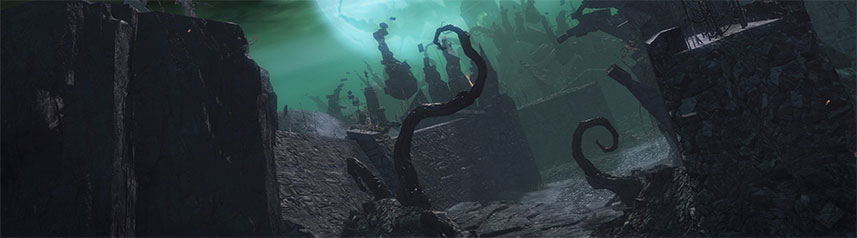
Legend of Ares is a re-released 3D fantasy MMORPG built around faction conflict and constant PvP. You pick one of four classic archetype classes, pledge yourself to either the Alliance or the Empire, then spend most of your time preparing for and participating in battles that range from small duels to large guild fights where territory changes hands.
 | Publisher: Reforgix Playerbase: Low Type: Fantasy MMORPG Release Date: May 12, 2006 Shut Down Date: September 30, 2018 Relaunched: May 2, 2024 Pros: +Four distinct class roles. +Hands-on, ability-driven fighting. +Random drops keep farming interesting. Cons: -Power can be influenced by spending. -Aging visuals and old-school interface. -Leveling pace can feel sluggish. |

Legend of Ares Overview
Legend of Ares is a 3D free-to-play fantasy MMORPG created by MGame and later brought back for modern players through Reforgix / RedFox Games. The title first reached global audiences via the NetGame portal and, like many mid-2000s online worlds, went through multiple closures and revivals over the years. At its heart, the game is structured around a never-ending war inspired by the opposing forces of Ares and Athena, expressed in-game through two rival factions competing for control of the world.
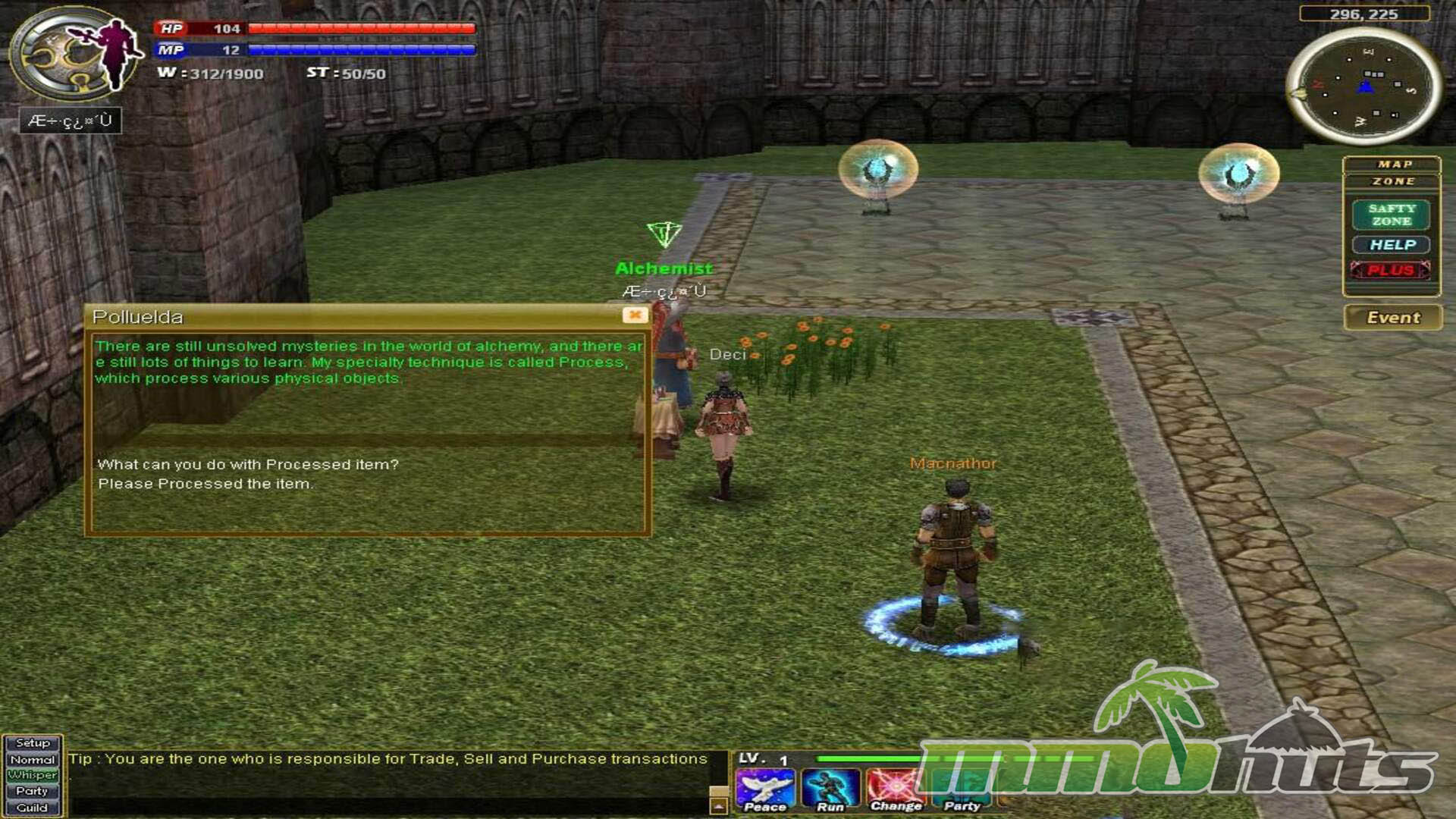
Character creation is straightforward and deliberately old-school. Players choose between four classes, Gladiator, Paladin, Archer, and Sorcerer, then align with one of the two sides, the Holy Empire or the Religious Alliance. From there, the game’s content loop leans heavily toward player conflict. While there are monsters to hunt and areas to explore, the main attraction is the PvP framework, including both individual matchups and organized, guild-scale confrontations where ownership of strategic territory is on the line.
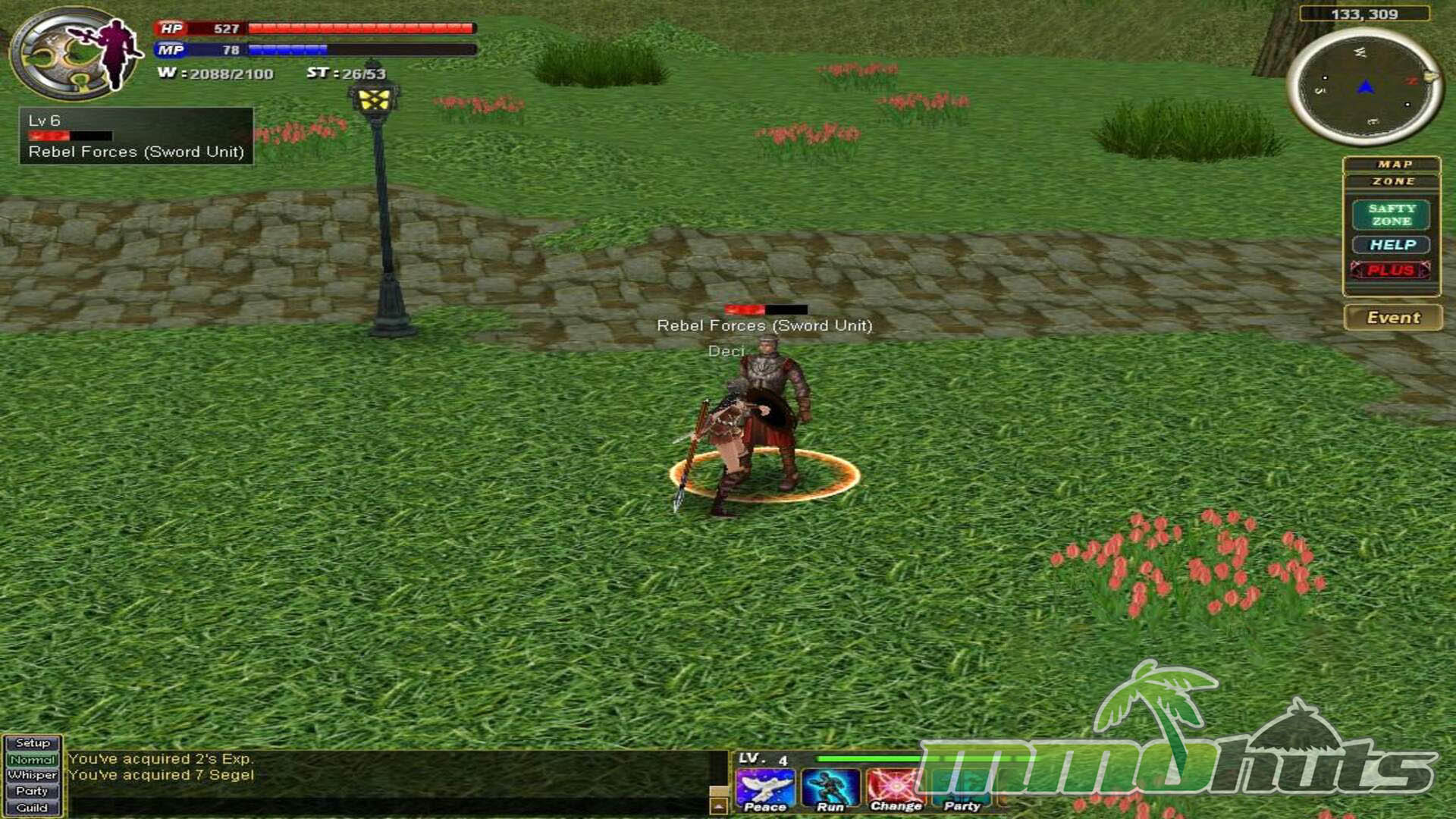
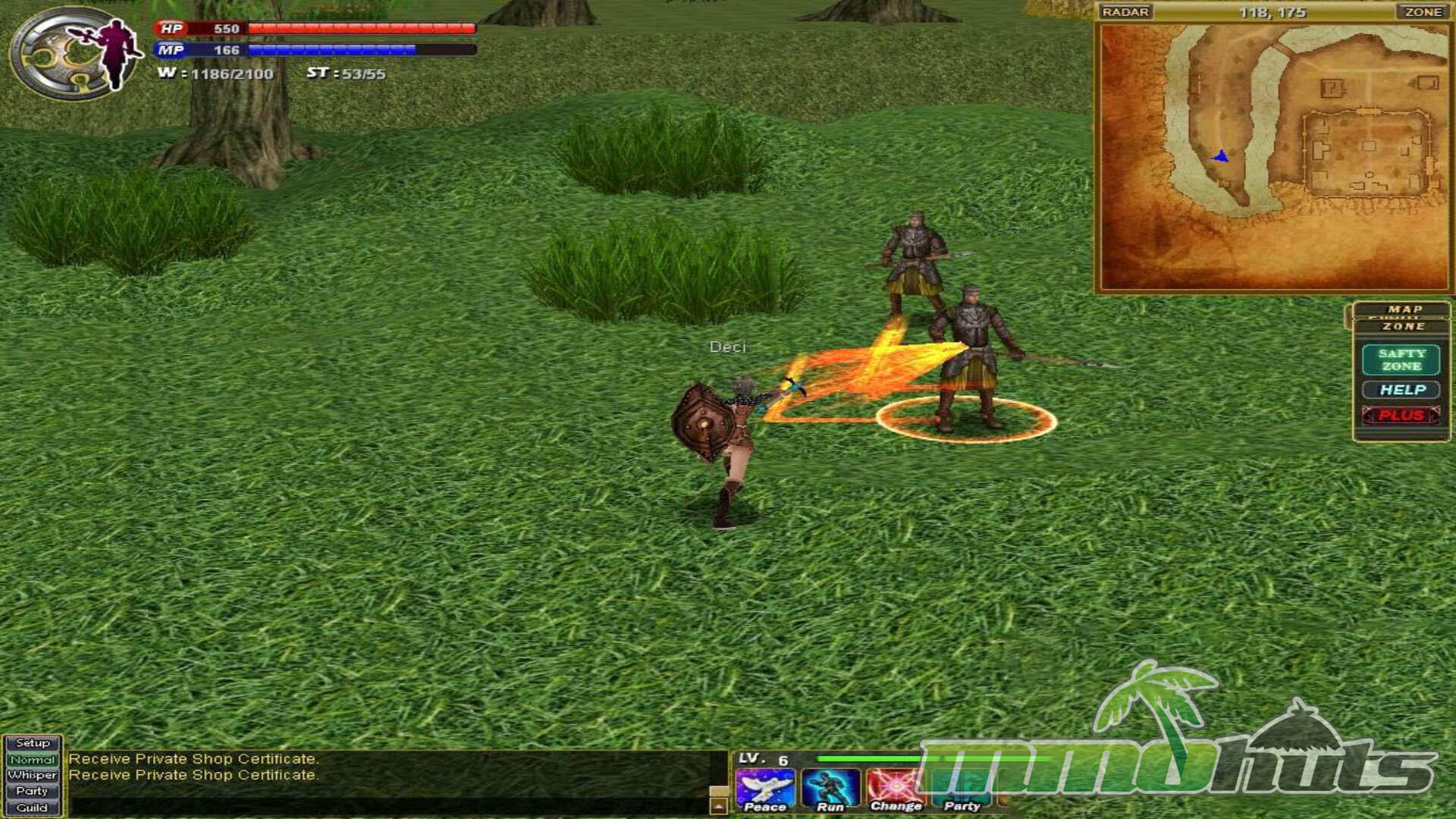
Combat also reflects its era. Rather than relying on modern conveniences like automated rotations or heavy aim-assist systems, Legend of Ares asks players to actively click and trigger skills, managing cooldowns and positioning in a more manual way. That approach can feel clunky compared to contemporary MMORPGs, but it also gives fights a deliberate cadence that suits its PvP-first identity.
Legend of Ares Key Features:
- PvP-Oriented Gameplay – choose a side in a divided world and focus on competitive content designed for both lone players and coordinated groups.
- Action-Based Combat – manual attacks and ability use keep battles more involved than many auto-combat driven MMOs.
- Four Playable Classes – select from Gladiator, Paladin, Archer, or Sorcerer, each tied to familiar gear types and learnable skills.
- Legend of Ares Reborn – a revived version that aims to preserve the original feel while improving translations and adding small updates.
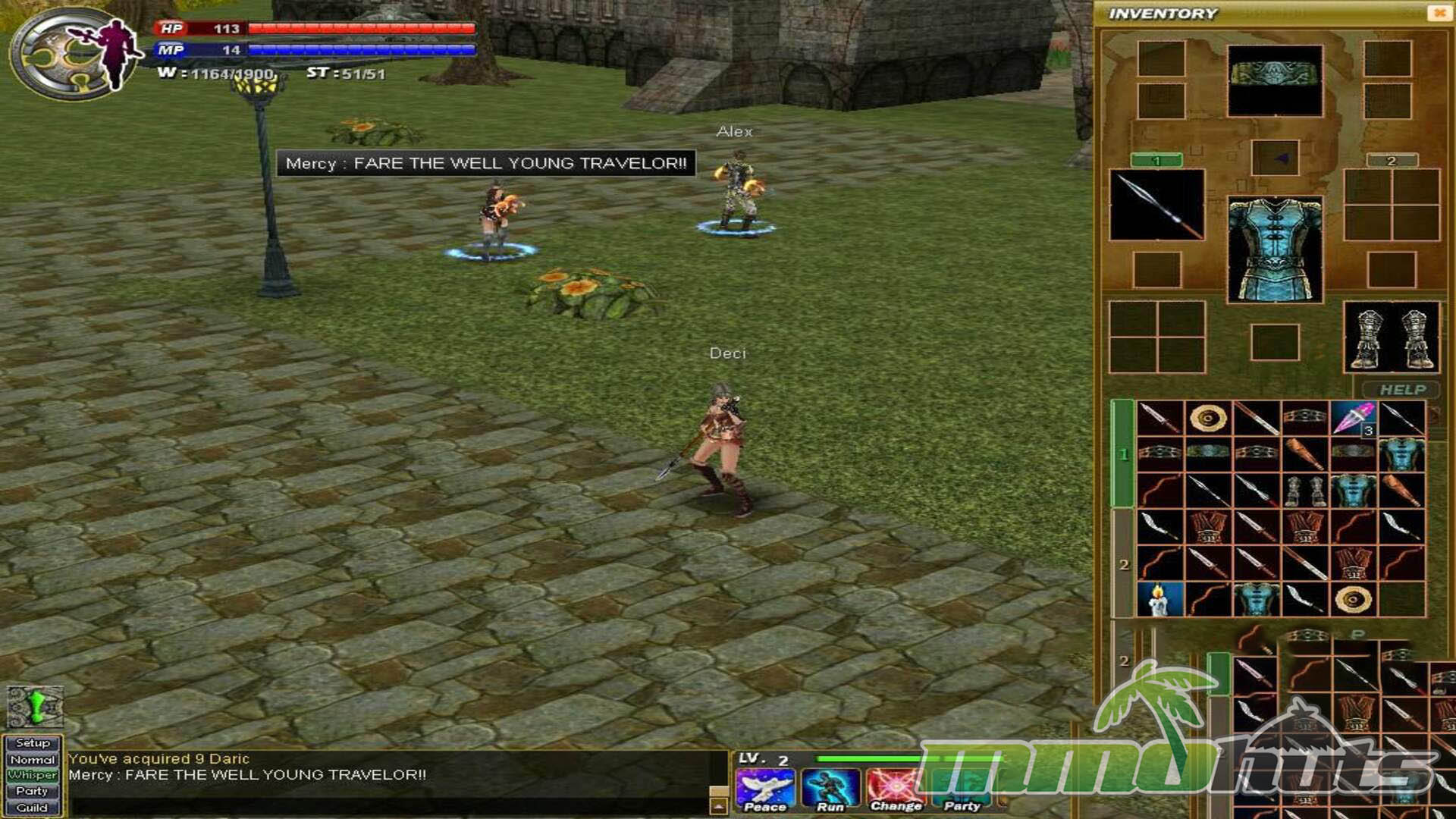
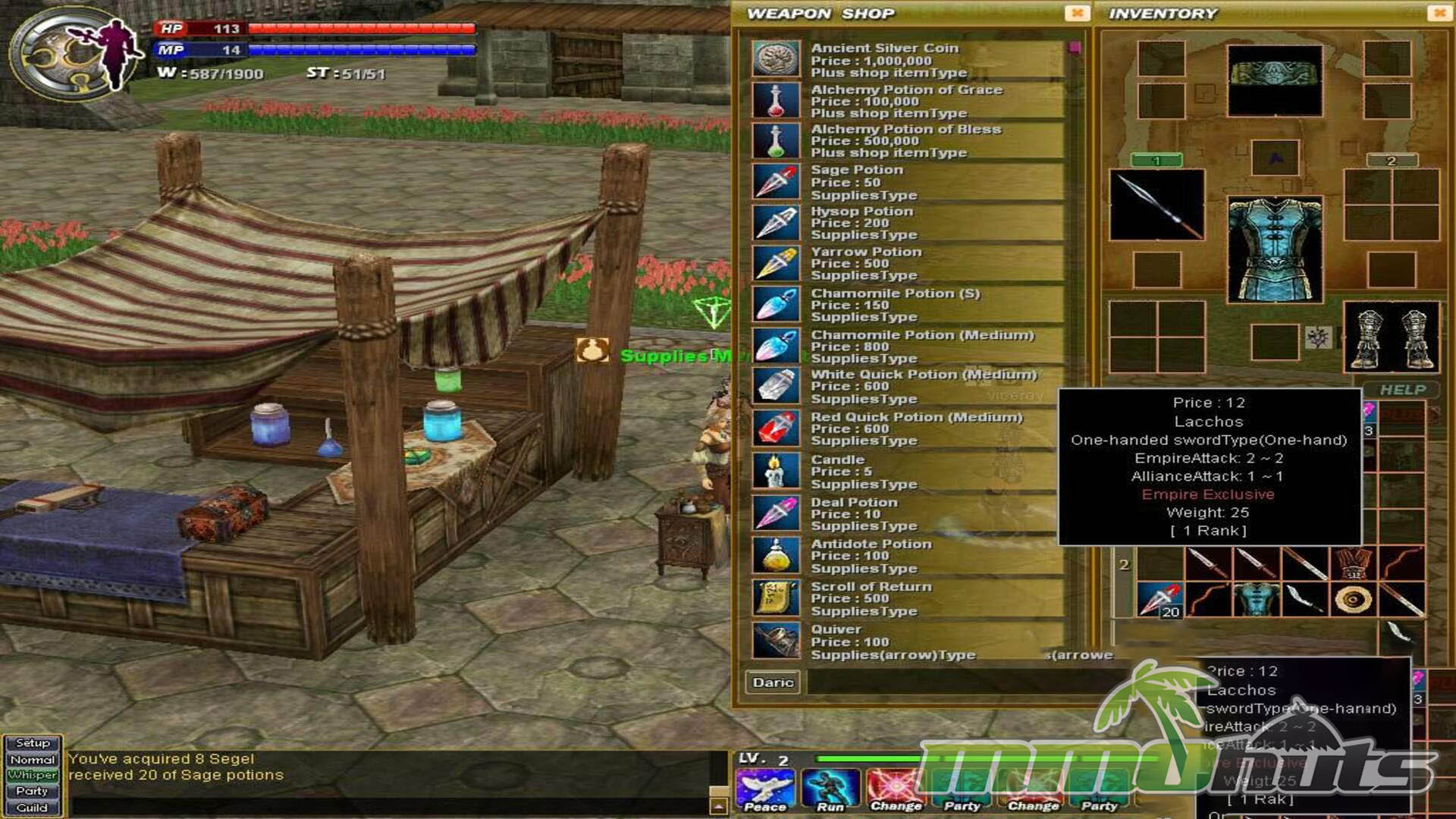
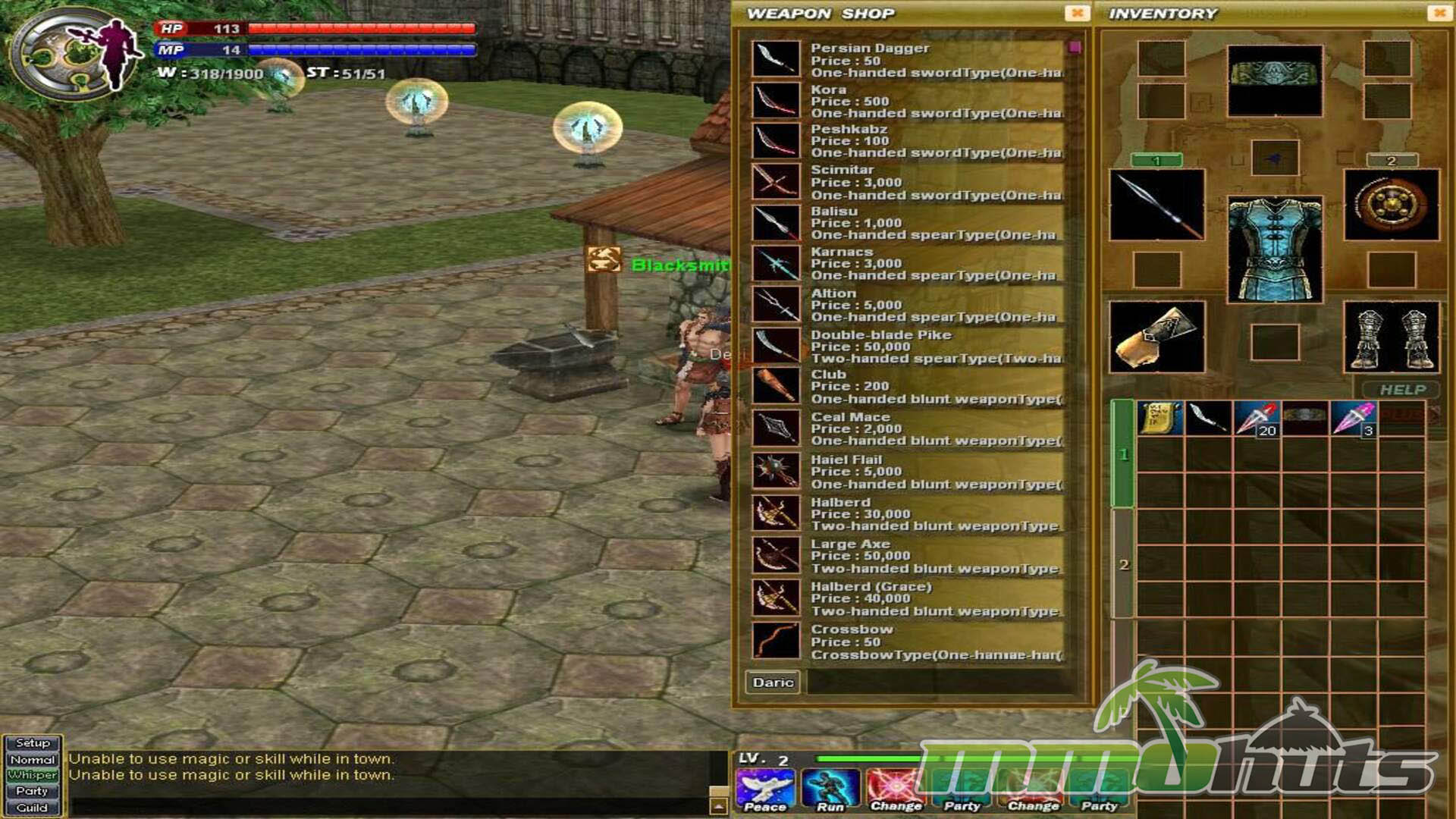
- Player-Owned Shops – set up personal storefronts and sell items directly to others, supporting a largely player-led marketplace.
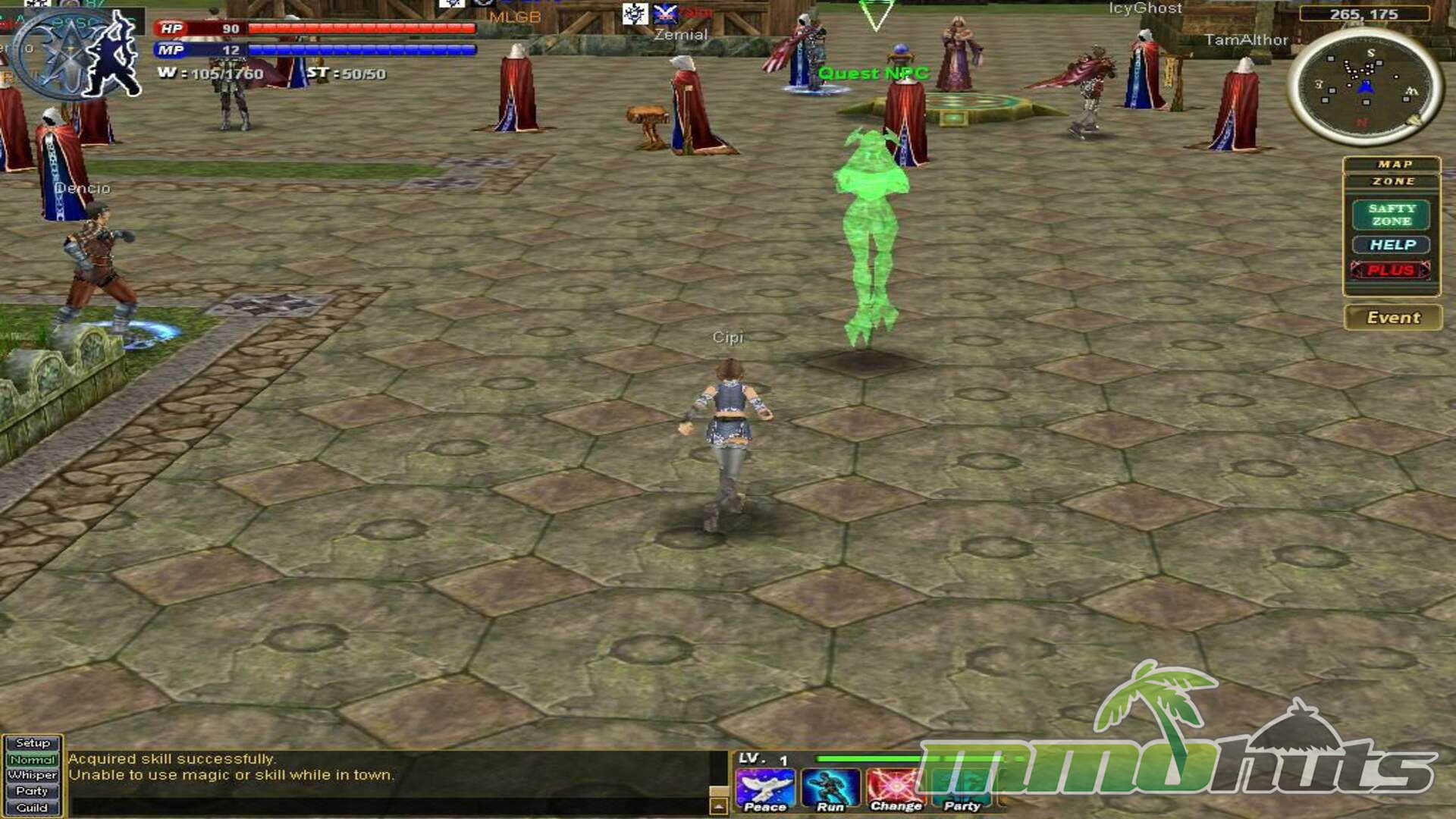
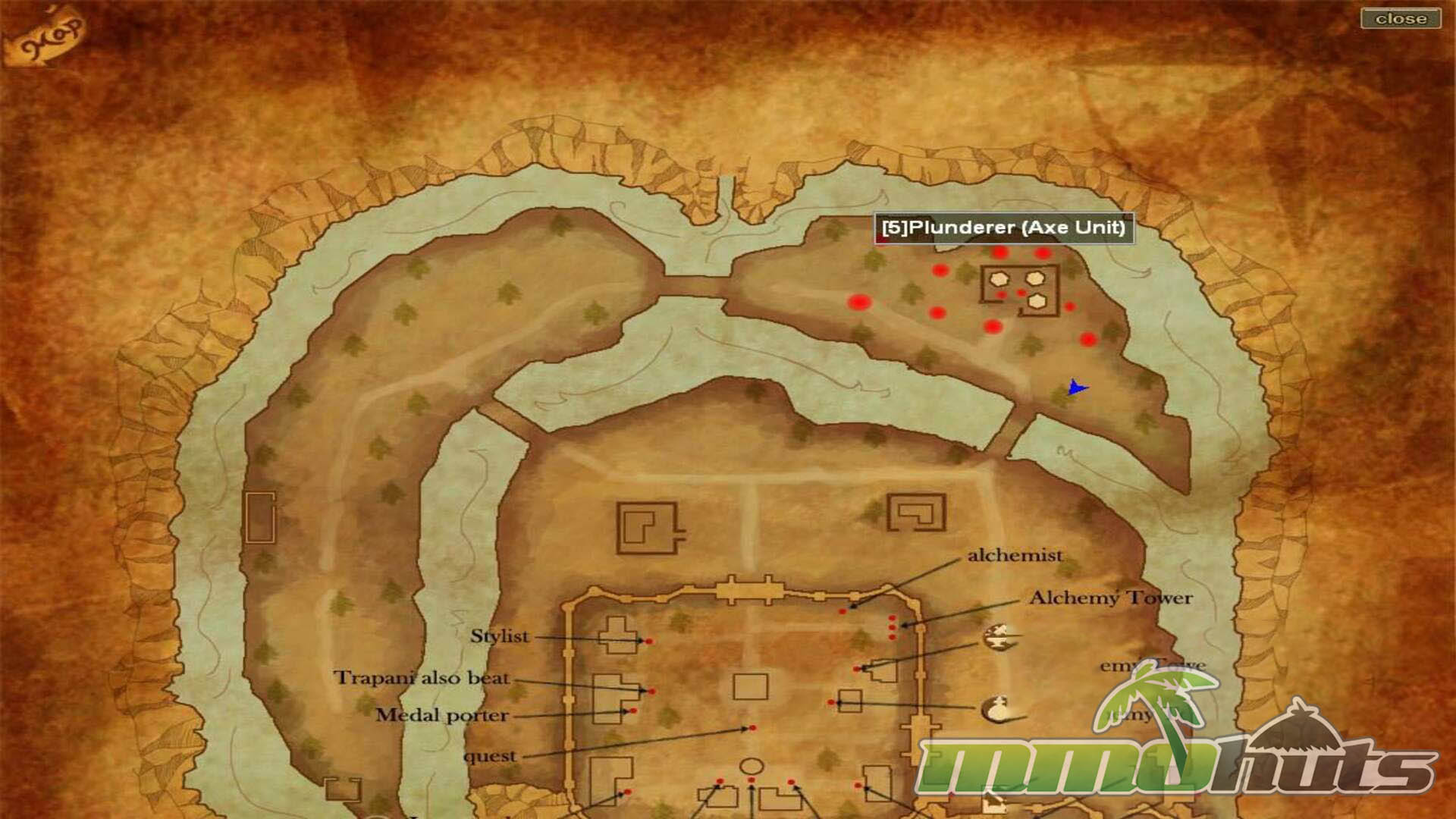
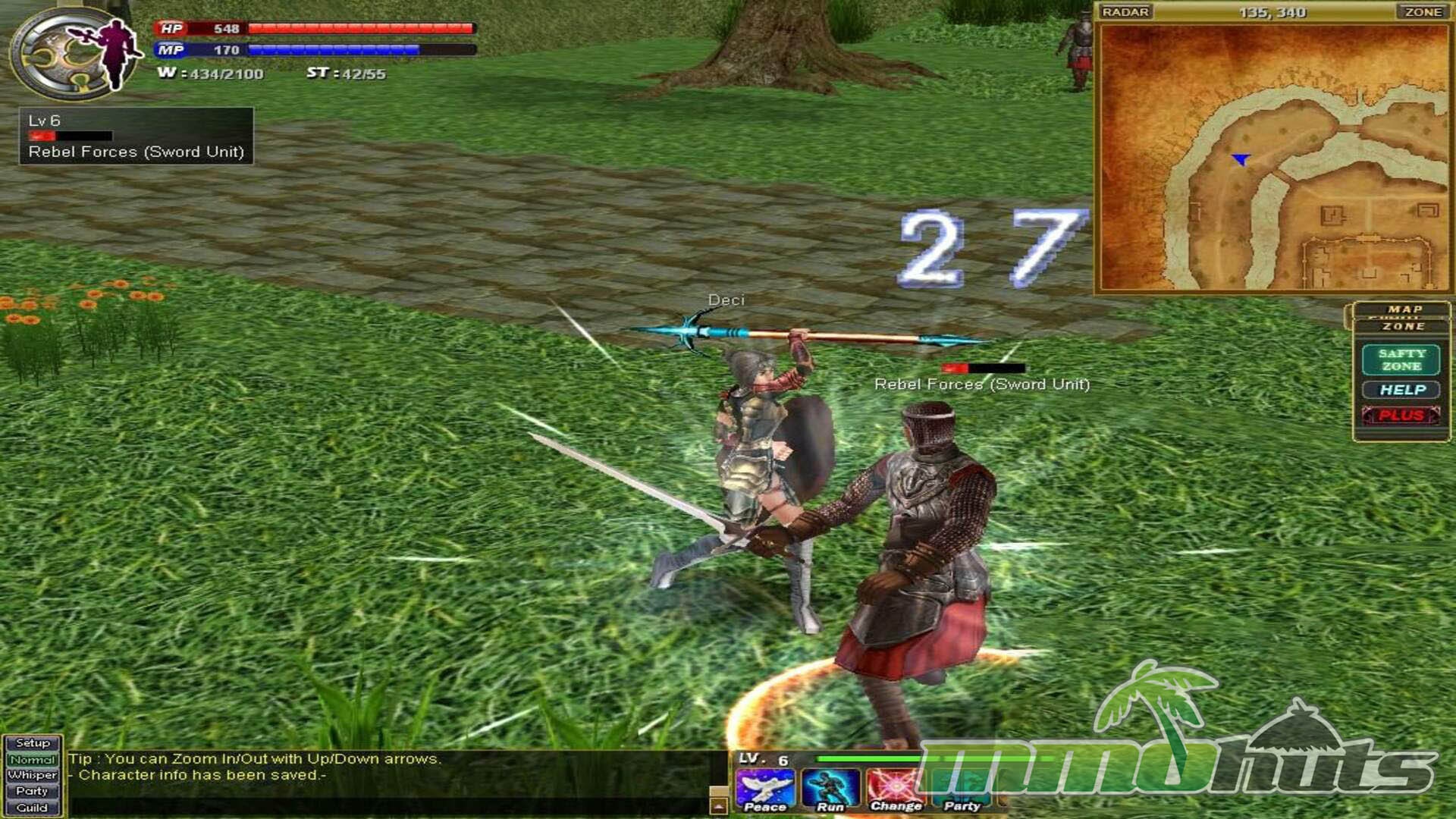
Legend of Ares Screenshots

Legend of Ares Featured Video

Legend of Ares Review
Legend of Ares returns as a very specific kind of MMORPG, one that prioritizes faction rivalry and competitive play over story delivery or modern convenience. Relaunched in 2024 by Reforgix after a long and complicated history, it plays like a snapshot of the genre’s mid-2000s design, complete with its strengths (clear PvP goals, simple class roles, social pressure to join guilds) and its weaknesses (stiff presentation, heavy grind, and monetization that can affect power). For players who miss that era’s uncompromising PvP focus, it can still be engaging, but it demands patience and a tolerance for dated systems.
An Older MMO, Brought Back Again
Originally developed by MGame, Legend of Ares presents a fantasy world defined by a constant two-sided conflict between the Holy Empire and the Religious Alliance. The premise is less about a carefully paced campaign and more about providing a reason for players to clash across contested zones and scheduled events. The relaunch does not try to reinvent the foundation, instead it largely preserves the original structure while aiming for cleaner localization and some usability improvements.
That decision is both the game’s selling point and its biggest limitation. If you come in expecting the smooth onboarding, refined UI, and broad PvE endgame loops found in newer MMORPGs, the experience can feel harsh. On the other hand, if your goal is to jump into an MMO where PvP is not an optional side activity, the design makes its priorities clear quickly.
Factions and Classes: Straightforward Choices
The faction selection mainly functions as a way to separate the playerbase into opposing teams for world conflict and organized battles. The sides do not meaningfully change how your character plays, so most players pick based on where friends and guilds are located. That makes the choice practical, but it also means faction identity is driven more by community rivalries than by mechanical differences.
Class selection carries more weight, but it is still built around classic, easily understood roles:
- Gladiator: A close-range damage dealer that thrives when it can stay on target and overwhelm opponents quickly.
- Paladin: A sturdier front-liner with defensive utility, often valued in group fights for staying power and control.
- Archer: A ranged physical attacker that leans on spacing, kiting, and picking fights carefully.
- Sorcerer: A fragile caster capable of high damage and strong pressure, especially when protected by teammates.
The overall class framework is readable and functional, but players looking for deep buildcrafting may find it limited. Progression and skill development tend to funnel you toward expected patterns rather than encouraging radically different setups within the same class.
Combat Feel and PvP Focus
Legend of Ares uses an active, click-to-attack style where you are responsible for targeting, triggering abilities, and maintaining your tempo. In PvE, this can feel repetitive during long grinding sessions, but in PvP it creates a more hands-on rhythm than auto-combat systems. The downside is that the game’s age shows in animation quality and responsiveness, and fights can feel less fluid than what modern action MMORPG players are used to.
Where the game still earns its identity is in how much of the content points back to PvP. It supports multiple ways to fight other players, and the structure encourages joining a guild to access the most meaningful conflicts. Typical PvP activities include:
- Contested-area skirmishes: roaming clashes that depend heavily on who is online, which can be inconsistent with a low population.
- Guild-scale turf battles: organized fights where ownership and control matter, pushing groups to coordinate and show up at set times.
- Duels and smaller instanced matchups: a more controlled format for players who want direct competition without the chaos of open zones.
When the population cooperates, the best moments come from these organized battles, where positioning, timing, and group composition matter. When the population is thin, the world can feel empty and the PvP promise becomes harder to realize.
Leveling, Loot, and the Player Economy
Progression is firmly rooted in older MMO pacing. Expect a long leveling journey with substantial mob grinding, and do not expect quests to carry you forward at the speed of newer theme-park MMORPGs. Some players enjoy this as a relaxing, incremental climb, while others will find it slow and repetitive.
Randomized loot is one of the game’s more compelling hooks because it keeps farming sessions from feeling completely predictable. The excitement of a good drop is real, but the system also pushes players into long stretches of repetition when looking for specific upgrades. That grind becomes even more noticeable if you are trying to gear for PvP, where small stat advantages can have outsized impact.
The player-owned shop system supports a direct, player-driven marketplace. In practice, its health depends on how many people are actively trading. With a low playerbase, markets can stagnate, and it becomes harder for new or casual players to reliably buy, sell, and progress through trade rather than pure farming.
Cash Shop Pressure and Competitive Fairness
As with many free-to-play MMORPGs from this lineage, monetization can affect the competitive environment. Items that accelerate progress or improve power create a noticeable advantage in PvP, especially in a game where gear gaps already matter. That can undermine the sense that outcomes are determined primarily by skill, coordination, and matchup knowledge.
For players who approach Legend of Ares as a nostalgic PvP sandbox, this may be an accepted compromise. For players who want a tightly balanced competitive ladder, it is an obstacle that is difficult to ignore, since the core appeal of the game is fighting other players.
What the Relaunch Gets Right, and What It Does Not Fix
The 2024 relaunch is best viewed as preservation with light cleanup rather than a full modernization. The game remains visually dated, its interface and flow can feel old-fashioned, and its moment-to-moment feel is unmistakably from a previous era of MMORPG design. The upside is that it keeps the original identity intact, which is likely what returning players want. The downside is that it does not do much to lower the barrier for newcomers who have only experienced newer MMO standards.
Final Verdict – Fair
Legend of Ares is a PvP-centric MMORPG that knows exactly what it is: a revived mid-2000s faction war game with manual combat, slow progression, and an economy shaped by player shops. It can still deliver tense guild fights and satisfying rivalry-driven moments, but its age and pay-to-win concerns make it hard to recommend broadly. It is best suited to veterans and niche PvP fans who are comfortable with older mechanics and a smaller community.
Legend of Ares System Requirements
Minimum Requirements:
Operating System: Windows 98/ME/2000/XP
CPU: 700 MHz Pentium 3
Video Card: GeForce 2 MX
RAM: 128 MB
Hard Disk Space: 1.5 GB
Minimum Requirements:
Operating System: Windows 98/ME/2000/XP
CPU: 1.4 GHz Pentium 4
Video Card: GeForce 3
RAM: 256 MB
Hard Disk Space: 1.5 GB
Legend of Ares Music & Soundtrack
Coming Soon…
Legend of Ares Additional Information
Developer: MGame
Publisher: RedFox Games, NetGame
Original Global Launch: May 12, 2006
Closure Date: May 2009
Re-Launch Open Beta Date: July 25, 2016
Shut Down Date: September 30, 2018
Development History / Background:
Legend of Ares was developed by MGame and first published in the West by NetGame in 2006. As the global audience declined, that initial service ended in May 2009. The Korean service continued on its own timeline, and years later an international return was announced under RedFox Games in 2016.
RedFox Games has also handled other online titles such as Twelve Sky 2, Drift City, Rumble Fighter, and RF Online, and the company positioned the 2016 comeback as an open beta launch on July 25, 2016. The intent was to move toward a stable, ongoing service if that beta period proved successful.
Legend of Ares later shut down on Play RedFox Games on September 30, 2018.
The game has since been relaunched by Reforgix.