Knights & Dragons is a free-to-play mobile RPG that blends medieval fantasy with Western, mythology-inspired art. It plays out through largely automated, turn-based encounters built around an elemental rock-paper-scissors system, while the long-term hook comes from collecting armor sets, rings, amulets, and pets, upgrading a personal kingdom, and taking part in competitive Arena fights and guild events like wars and boss raids.
 | Publisher: GREE Playerbase: High Type: Mobile RPG Release Date: December 13, 2012 Pros: +Distinct mythic fantasy art direction. +Element matchup system adds planning. +Huge pool of pets and gear to chase. +Guild wars add a social, competitive layer. Cons: -Presentation and pacing feel dated today. -Noticeable pay-to-win pressure at higher levels. -Combat plays itself most of the time. |


Knights & Dragons Overview
Knights & Dragons is a 3D online social RPG published by GREE, a Japan-based mobile publisher also known for titles like War of Nations and Kingdom Age. You step into the role of a Knight Commander tasked with pushing back the Dark Prince and the monsters under his control. Between battles, you expand a personal kingdom hub, recruit and manage up to six elemental knights, and steadily upgrade your roster through crafting, fusion, and loot.
Most of the moment-to-moment action is handled through automated, turn-based fights, but team preparation matters, especially because elemental matchups heavily influence damage dealt and taken. As you open up new areas and dungeons, you will chase crafting materials for stronger armor sets, collect pets that provide combat support, and eventually dip into the multiplayer side through Arena battles and guild activities. If you enjoy long-term collection and incremental progression, this is the core loop the game leans on.
Knights & Dragons Features:
- Many Places to Explore – Clear enemy lairs near your kingdom, each with its own encounters, bosses, and rewards to farm.
- Build Your Own Kingdom – Place buildings, develop your home base, and grow your resource output over time.
- Mythological Artwork – A Western medieval look with myth-inspired designs that give the armor and monsters a distinctive style.
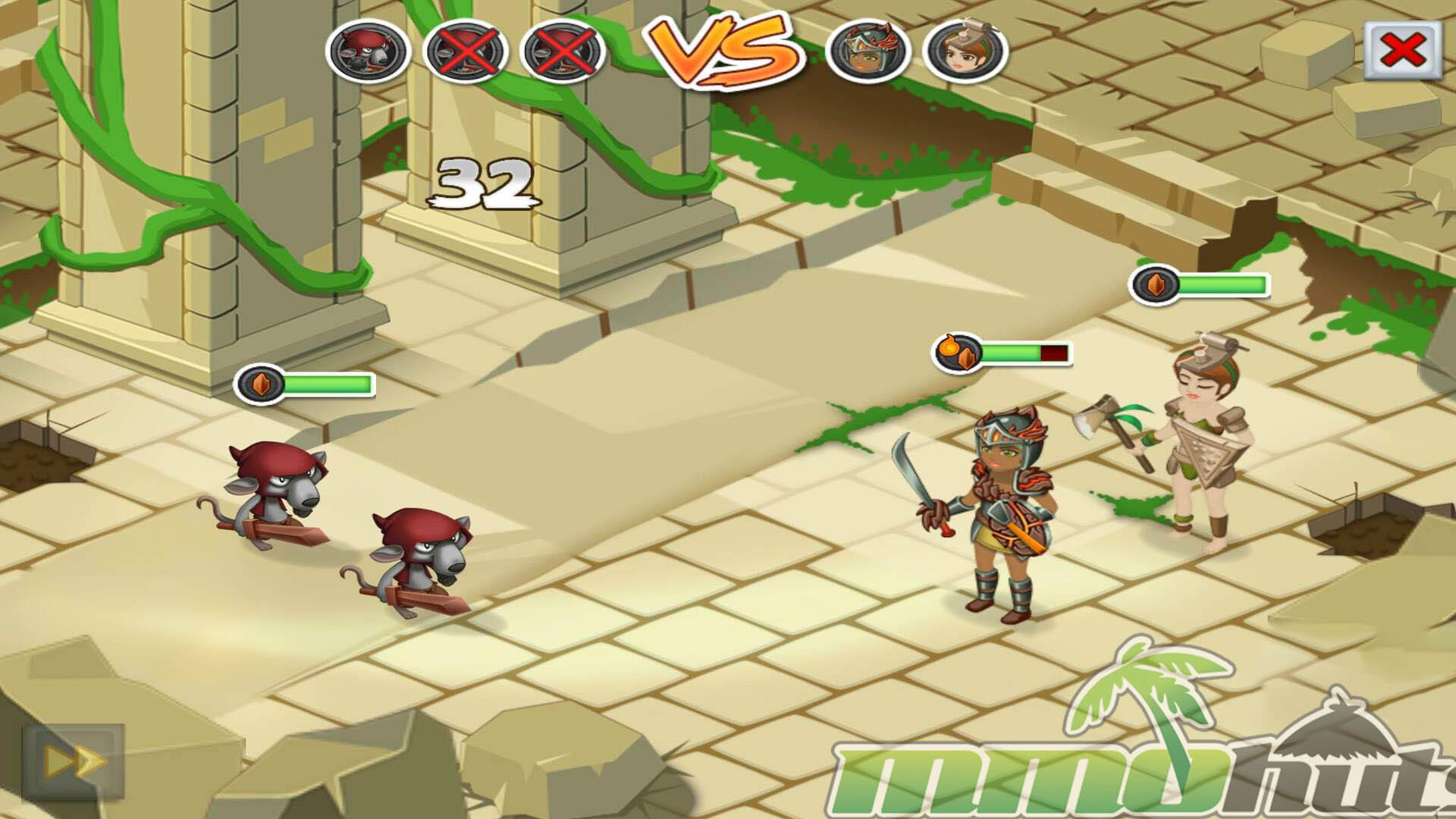
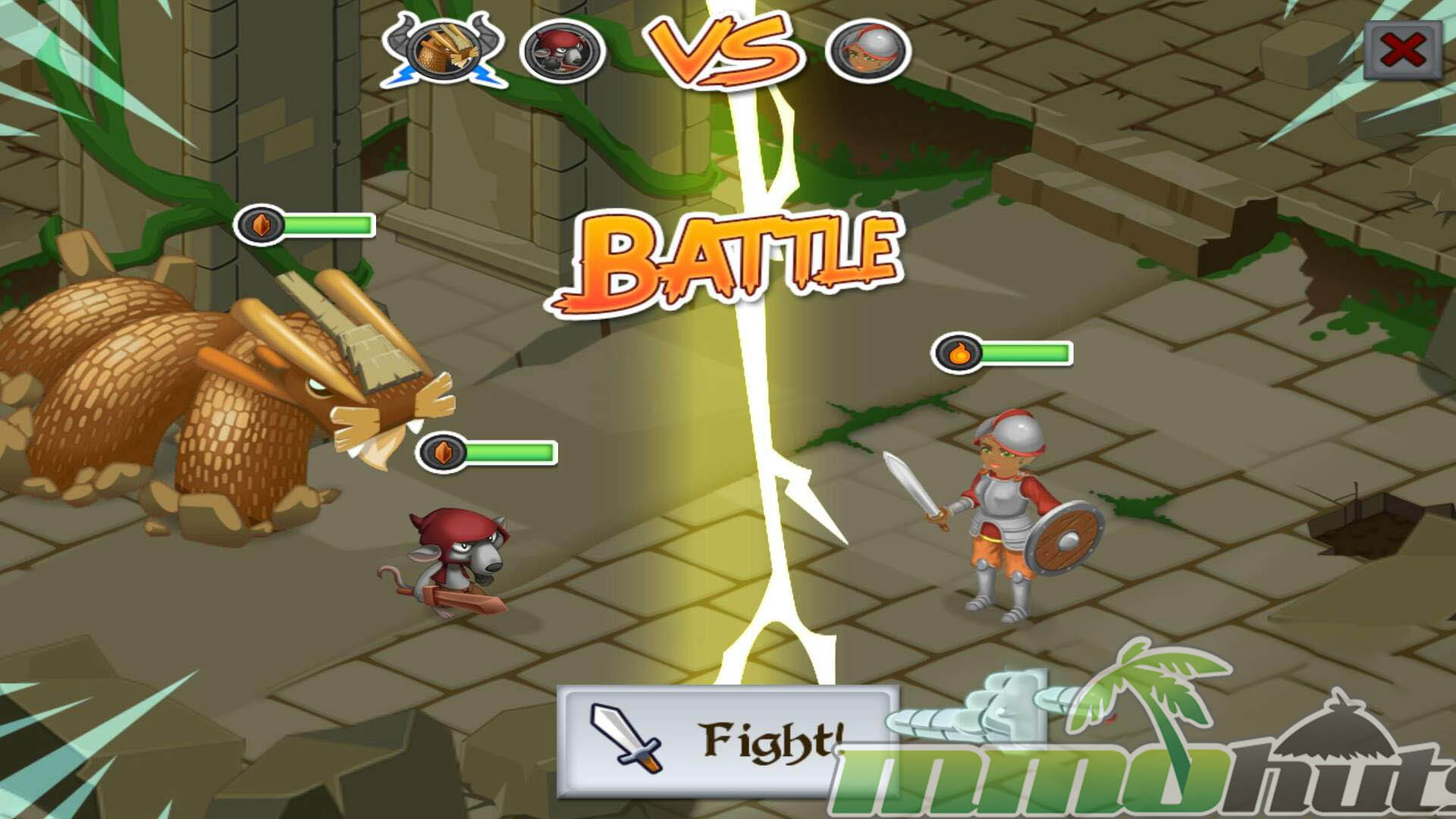
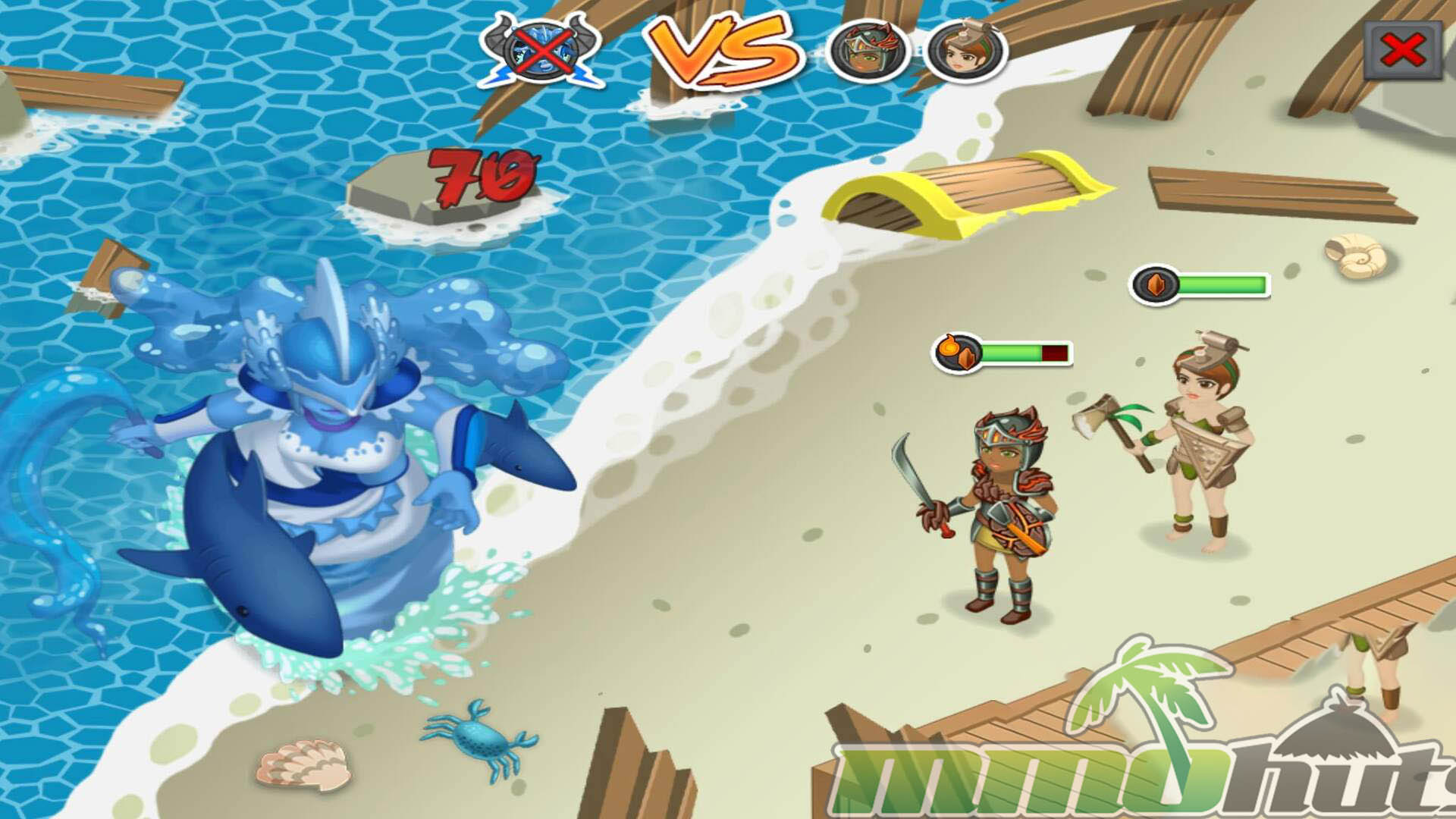
- Turn-Based Combat – Battles run automatically, but skills, party setup, and element advantages still shape outcomes.
- Collect Hundreds of Pets and Equipment – Craft and collect a large range of gear, plus elemental pets that join you in fights.
- PVP and Guilds – Fight other players in the Arena and coordinate with guildmates in competitive guild battles.
Knights & Dragons Screenshots


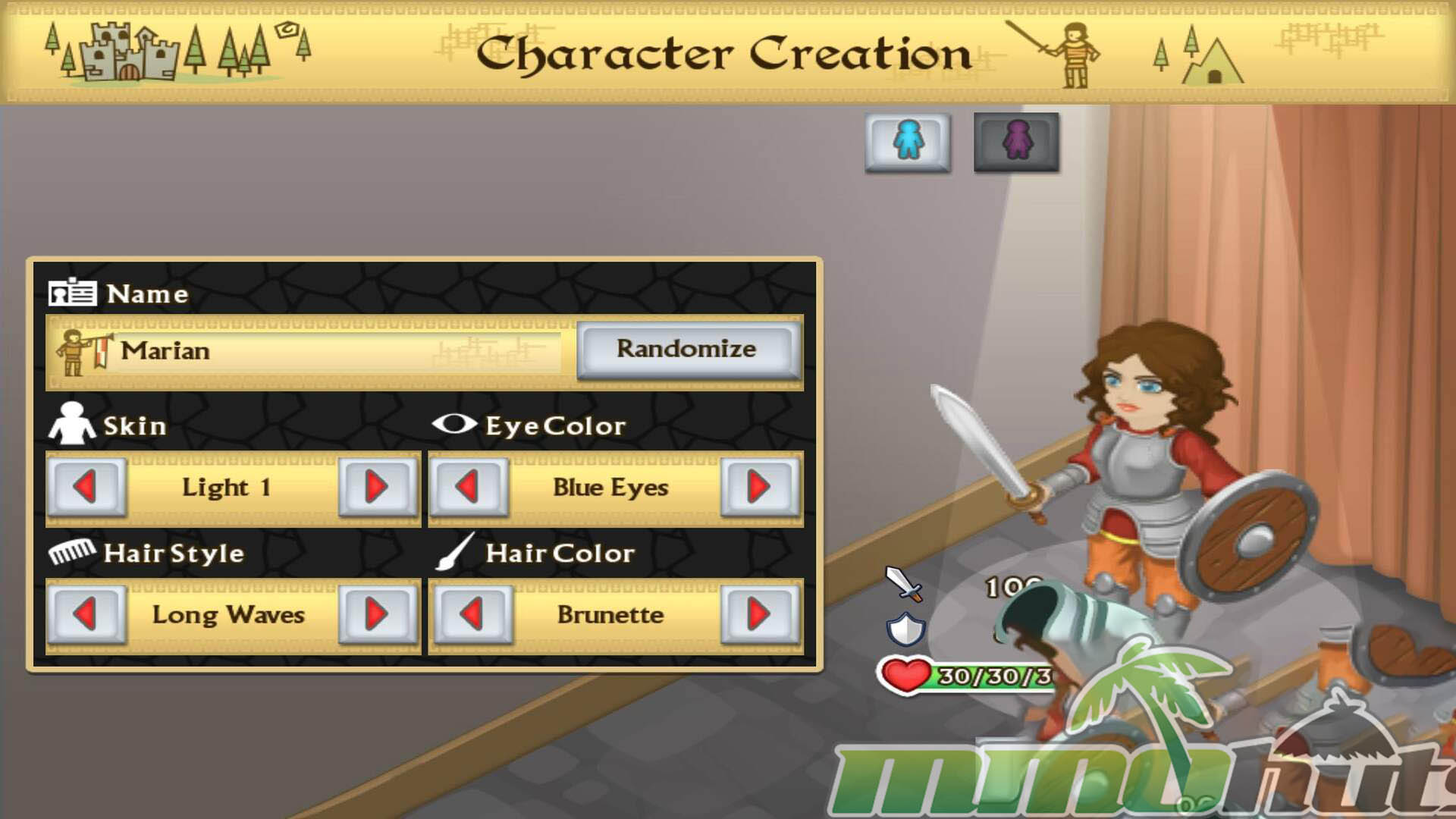
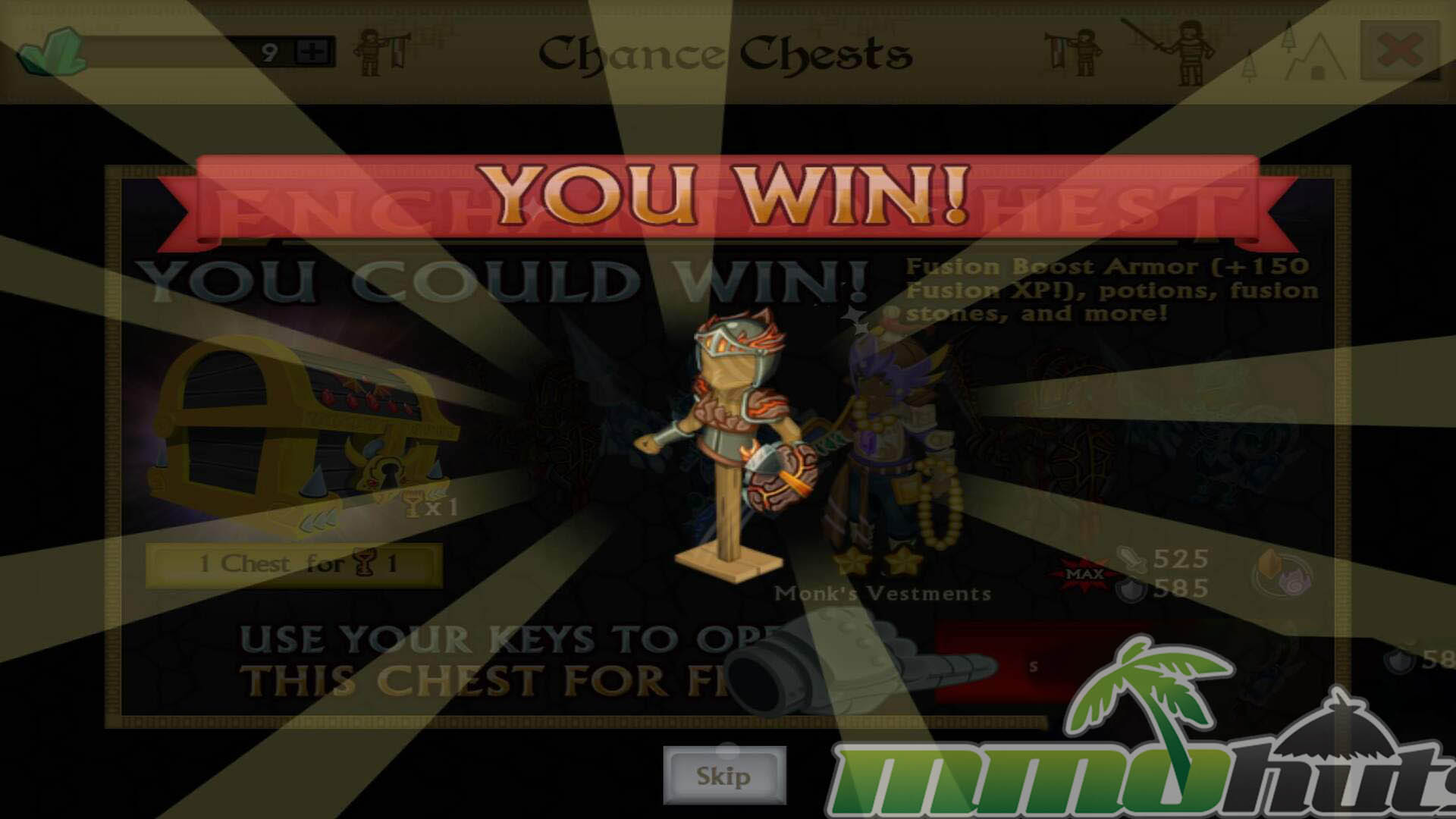
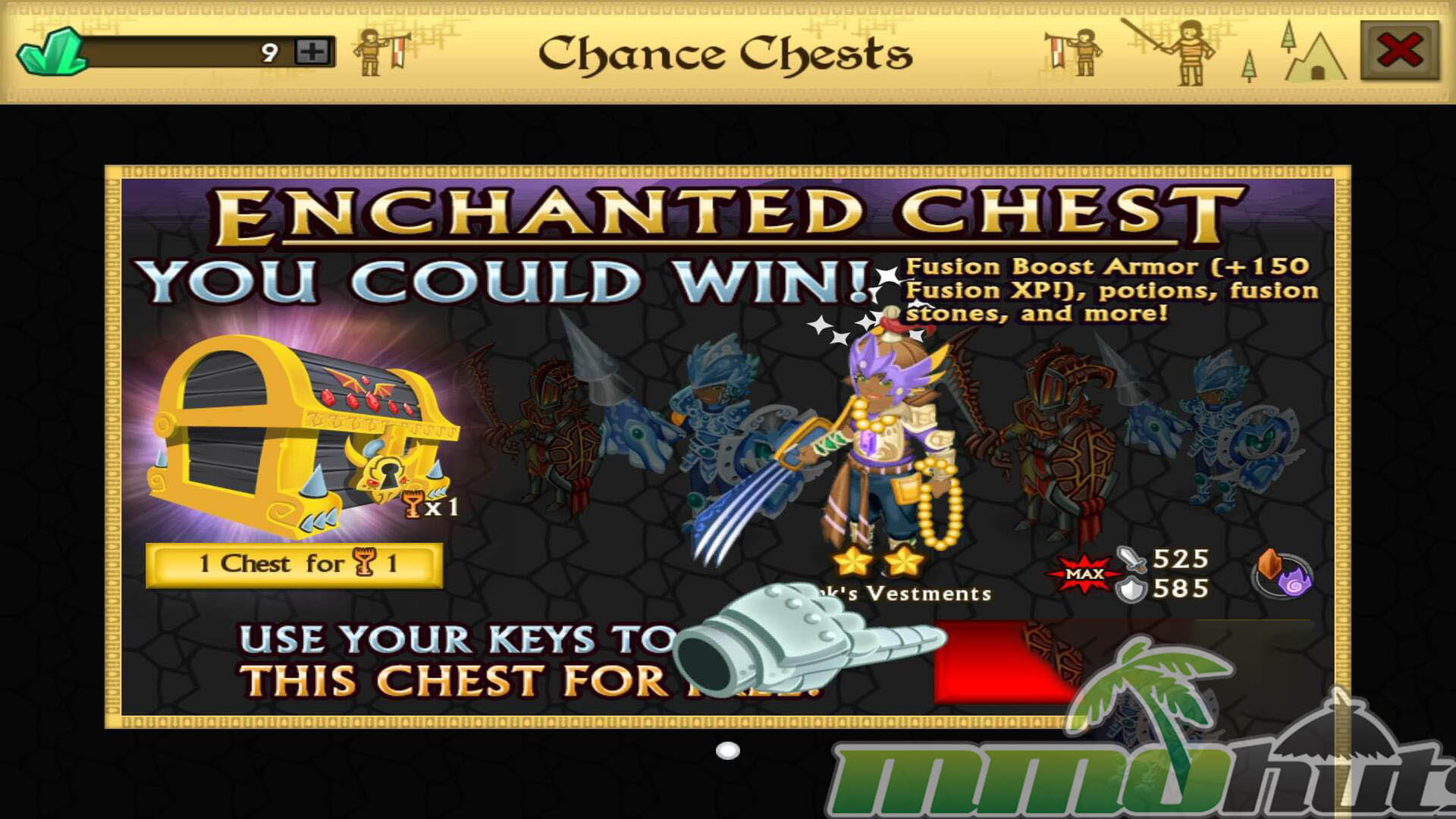
Knights & Dragons Featured Video

Knights & Dragons Review
Knights & Dragons is a free-to-play online RPG developed by IUGO and published by GREE. It is an early-era mobile live-service title, and that heritage shows in both its strengths and its rough edges. The visuals and interface feel like a product of 2012, yet the game still holds attention thanks to a surprisingly important element system, a steady flow of gear goals, and multiplayer features that reward regular participation.
At its best, Knights & Dragons functions as a collection and optimization game. You are constantly weighing element matchups, deciding which armor to craft next, and tuning a three-knight lineup for whatever dungeon, Arena bracket, or guild event you are focusing on. At its worst, it can feel like a waiting room for timers and currency systems, especially once progression slows and premium shortcuts become more tempting.
Building a Home Base That Supports Progression
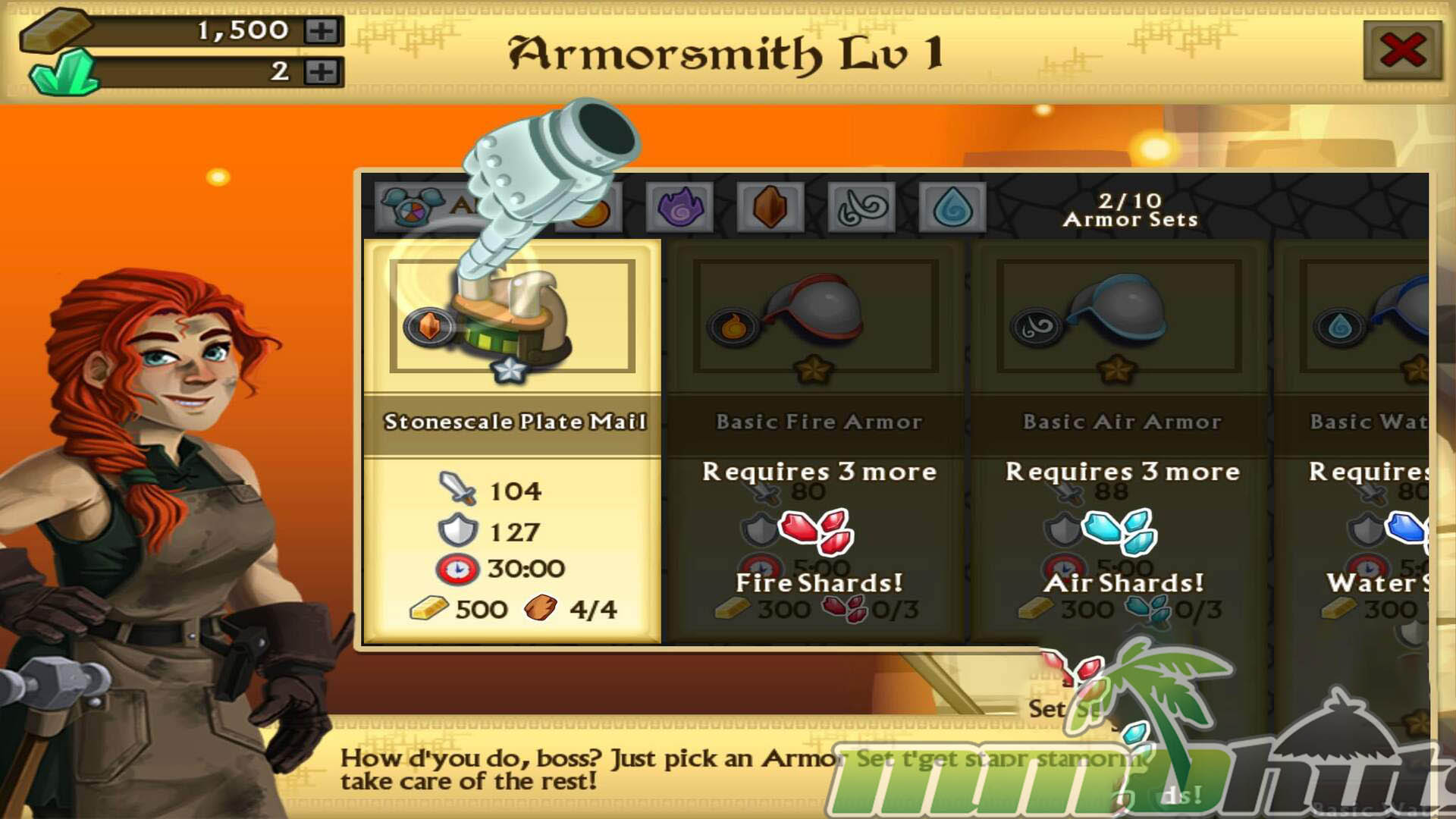
Your kingdom acts as the central hub, and it is where you place buildings that produce gold and provide key services, such as crafting through Armorsmiths. Layout customization exists, but the practical side is straightforward. Most structures primarily exist to generate gold over time, with manual collection and storage limits that encourage frequent check-ins. Upgrades increase output, but there is not much strategic depth beyond expanding and keeping production rolling.
Because Knights & Dragons is not a city raiding game, defensive planning does not carry the same weight you would see in a base-building strategy title. The kingdom system is better viewed as a progression supplement, a way to fund upgrades and crafting rather than a competitive feature in its own right.
Quest Chains and Unlocking the World
The game feeds you content through an ongoing quest structure, introduced via a cast of recurring NPCs who frame objectives with light story context. Quests commonly ask you to craft specific equipment, defeat enemies in a particular area, or clear a difficulty tier. Rewards typically include gold, experience, and crafting materials, and the chain-based format makes the early and mid-game feel guided, with new tasks opening as you finish the previous ones.
Crafting is a major pillar of progression. You gather materials from stages and bosses, then commit them to an armor recipe with a real-time wait that can range from short to lengthy. Stronger dungeons tend to provide better materials, which keeps the loop moving forward: push to a tougher area, earn improved drops, then craft or upgrade gear to push further.
Exploration unfolds as you clear enemy hideouts around your kingdom, gradually revealing new locations. Each hideout features five difficulty tiers (Normal, Mighty, Valor, Honor, and Epic). Clearing higher tiers is important because advancing the map requires beating the prior hideout on Epic. This structure creates a predictable cadence: complete a zone across difficulties, earn materials tied to that zone’s element theme, and repeat stages as needed to farm what you are missing.
Element Matchups Are the Real Strategy Layer
Knights & Dragons revolves around six elements: Fire, Water, Spirit, Earth, Air, and the rare Starmetal. You can maintain up to six knights, and each one is tied to an element through their equipment. Armor, rings, and amulets also carry elements, and standard rules restrict knights to gear that matches their element.
The twist is dual-element armor. When a knight equips armor with two elements, it effectively broadens build options, letting that knight access accessories from the secondary element and function with both types in combat. Over time, this becomes the most interesting part of team-building, especially when you are trying to cover multiple matchups with only three active party slots.
Element advantages follow a clear cycle: Fire beats Spirit, Spirit beats Earth, Earth beats Air, Air beats Water, and Water beats Fire (Fire>Spirit>Earth>Air>Water>Fire). Starmetal sits apart as a rare element that is strong against every element, including itself. The impact is not subtle. Having the favorable element means dealing 50% more damage, while being at a disadvantage means taking 50% more damage. Dual-element interactions add nuance, including cases where advantages stack or cancel out, and cases where non-adjacent elements do not influence each other. It is easy to learn, but it stays relevant, which is why preparation often matters more than the automated battle flow.
Combat: Mostly Hands-Off, but Not Entirely Mindless
Fights are turn-based and largely automated, which will either be a comfort or a deal-breaker depending on what you want from an RPG. A party can include up to three knights, and stages typically run through multiple waves with a boss at the end. Rather than each unit acting independently, the frontline knight trades attacks until defeated, then the next steps in. This makes lineup order and element selection more important than tactical inputs during the fight.
You do have some interaction through an activatable skill that can swing a battle with a burst of damage. Pets also contribute, adding minor damage and offering abilities that can increase rewards like experience or gold. One notable design choice is that health does not automatically restore after battles. Instead, you either wait for recovery or spend premium currency on health potions, which functions similarly to an energy gate while feeling more directly tied to your party’s readiness.
Arena Competition and Guild-Driven Events
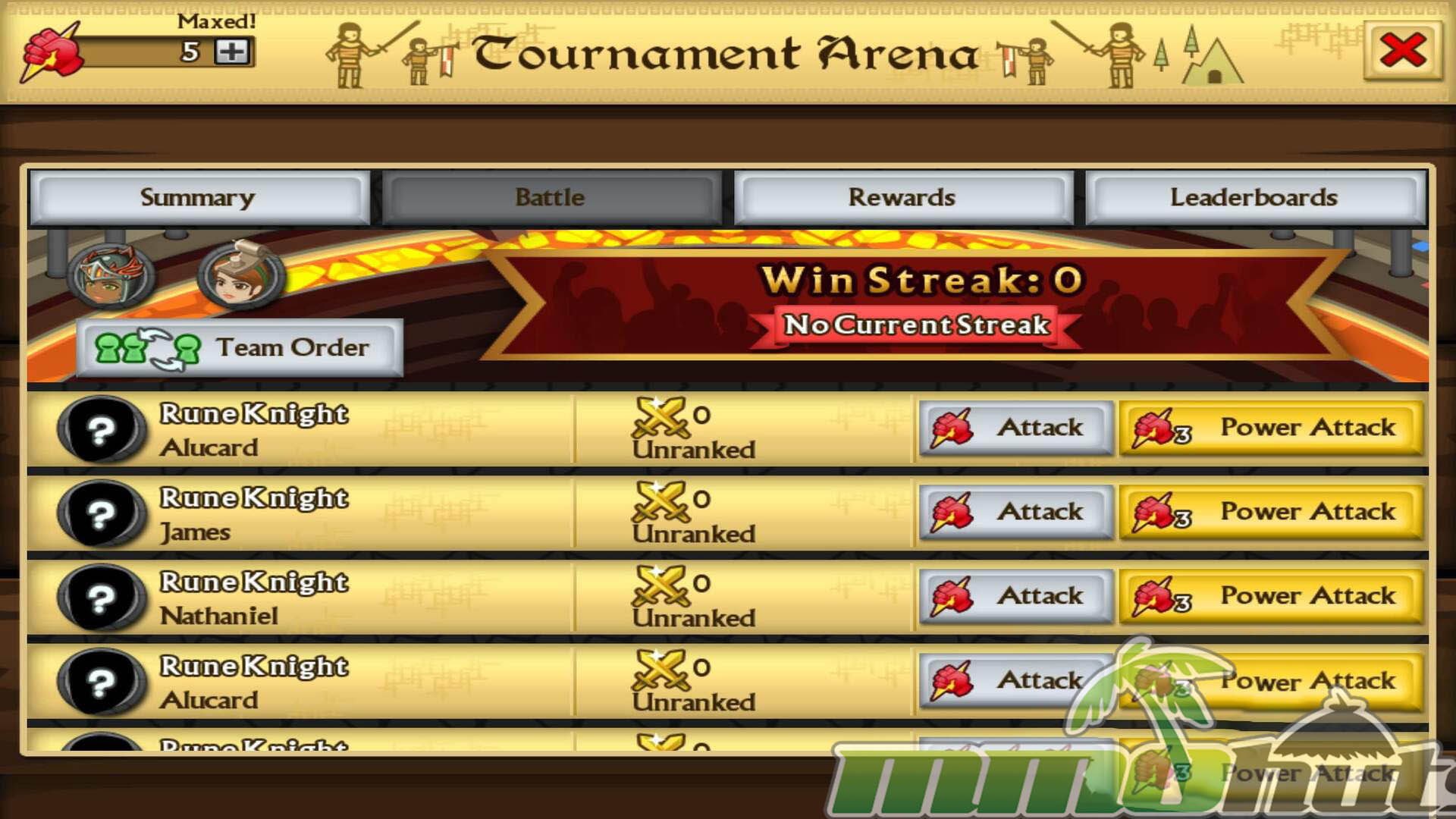
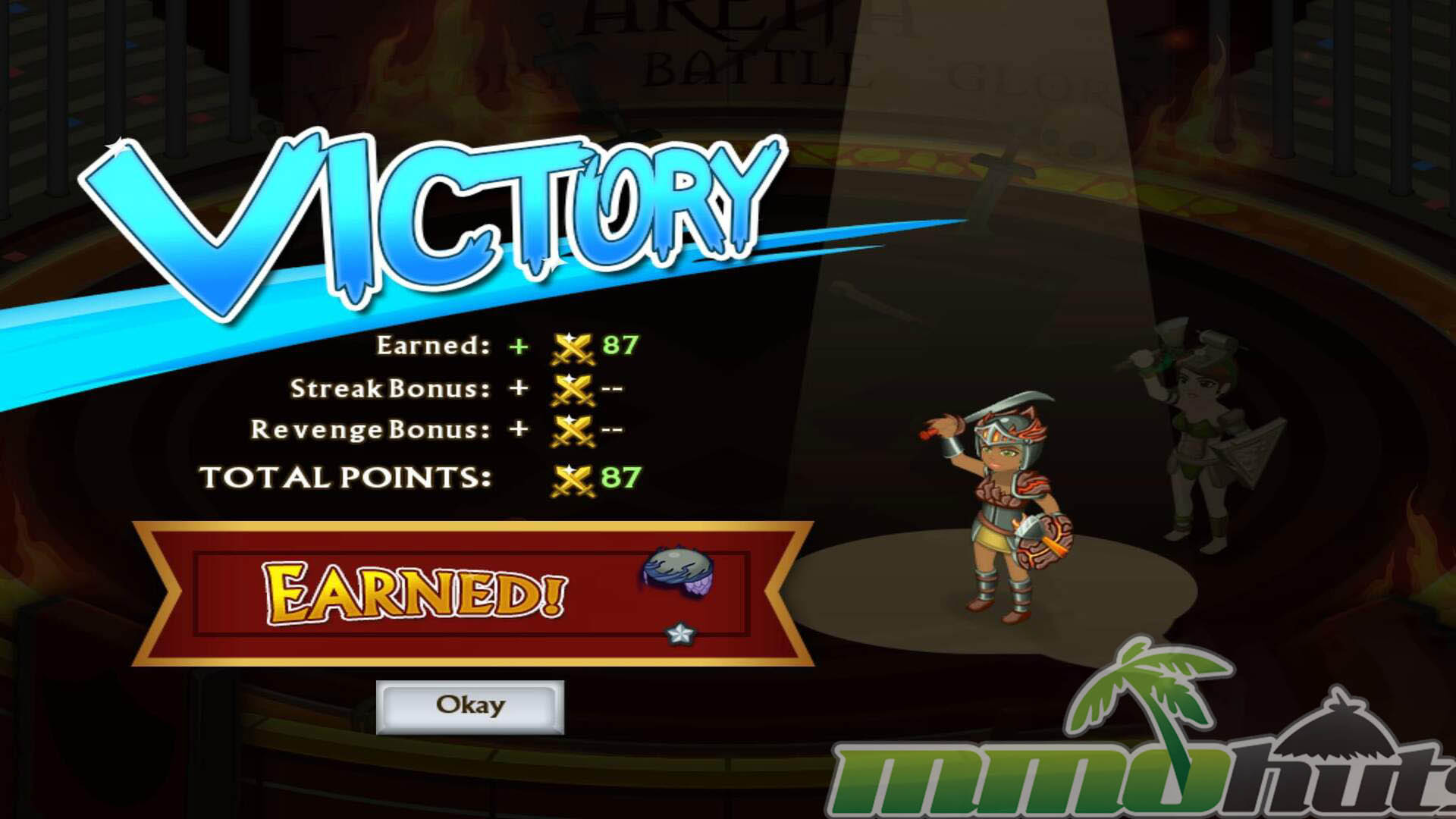
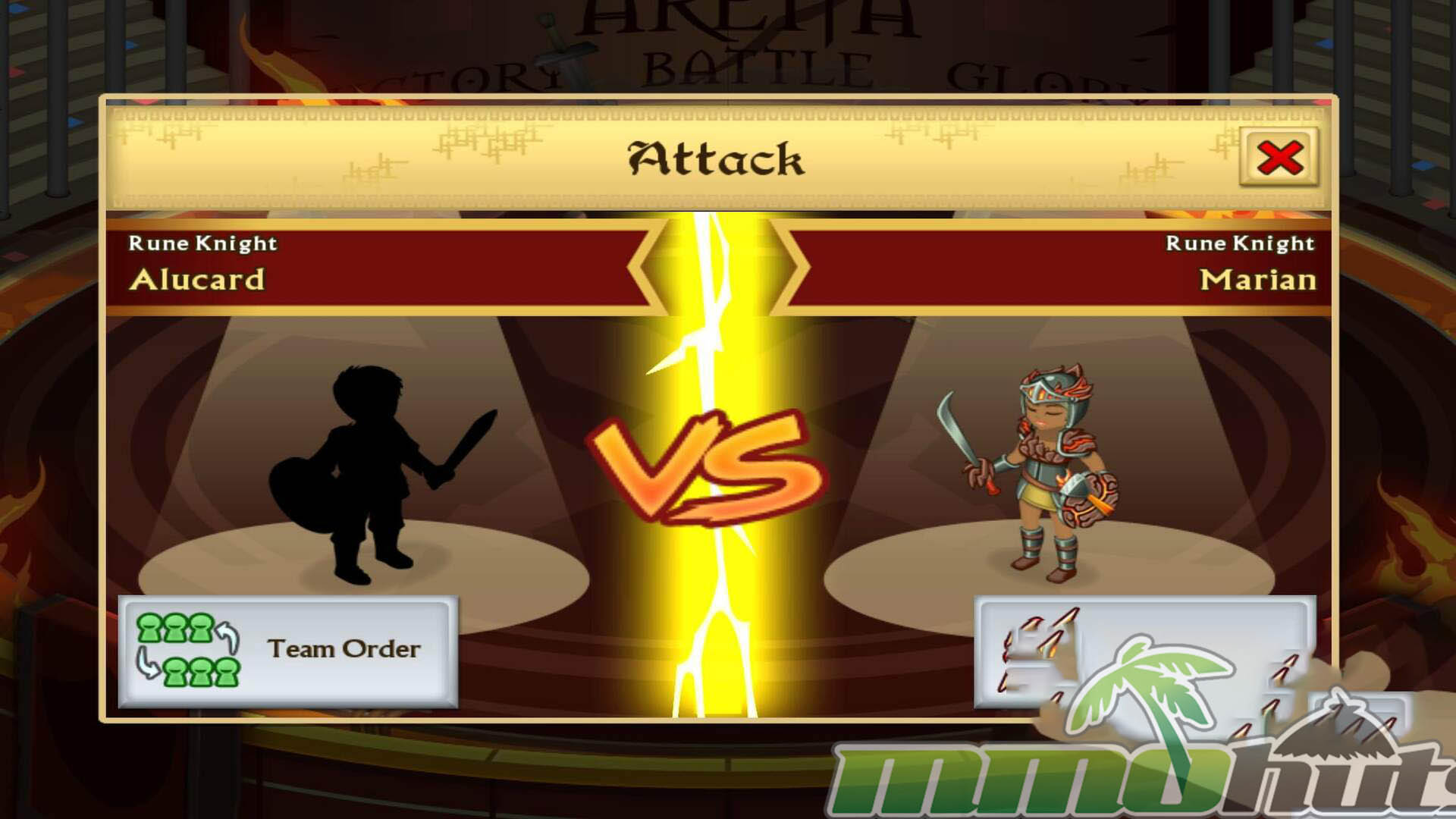
The game’s multiplayer features are where it feels most “alive.” Arena battles pit your three-knight team against other players in asynchronous, automated fights, with glory and rewards tied to wins and streaks. It is not a test of reflexes, but it can be a meaningful test of preparation, roster depth, and whether you can field the right elements and gear for the opponents you are drawing.
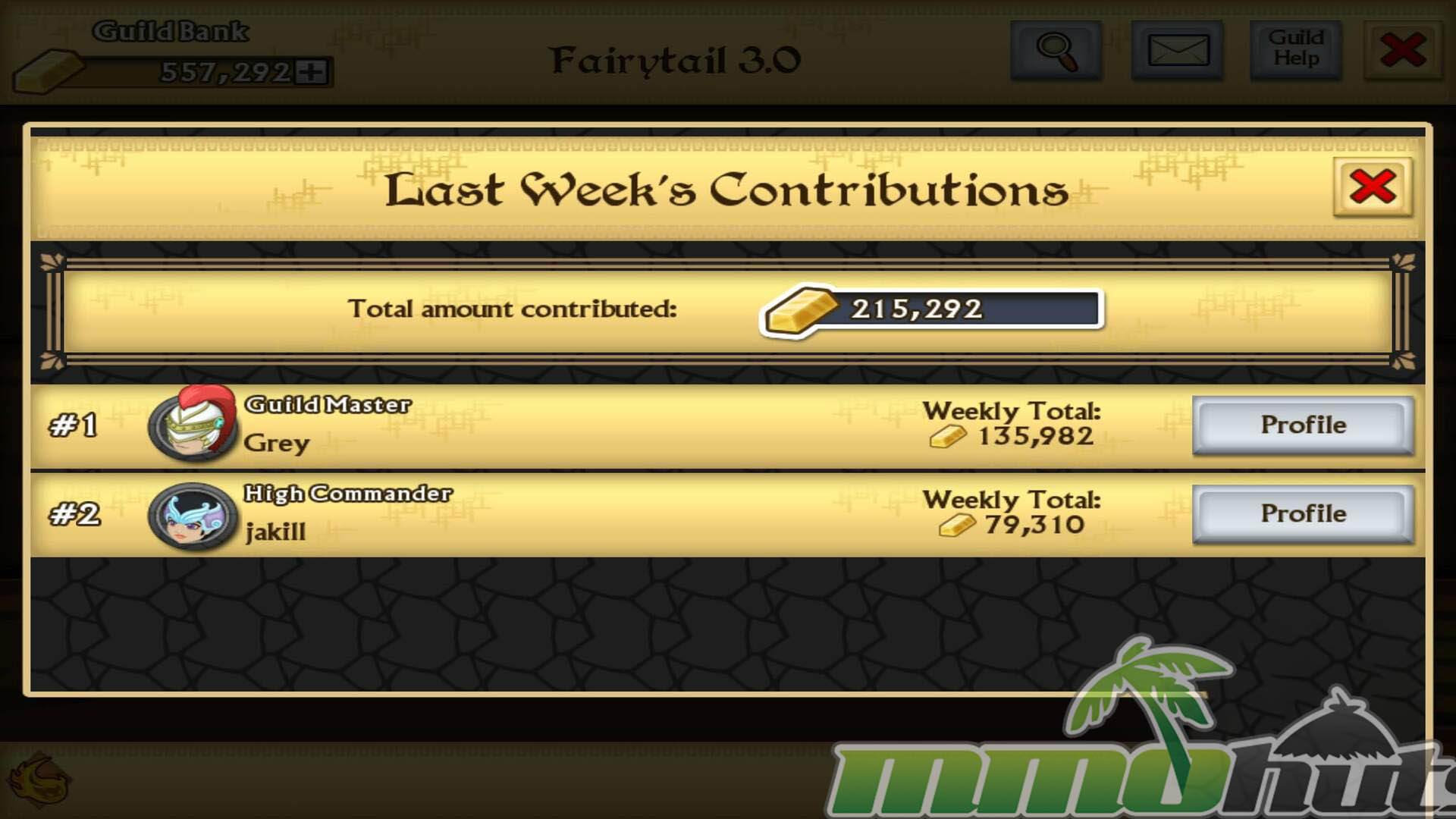
Guilds add the most social value. Being in an active guild provides chat, coordination, and access to guild wars, which run in timed windows where members attack opponents or target the opposing castle to accumulate points. Because the action is asynchronous, the excitement comes from participation and planning rather than real-time teamwork, but it still creates a strong sense of group competition. Boss raids appear periodically as well, using a separate Boss Raid energy system and offering strong rewards for players who engage consistently.
Cash Shop/In-App Purchases (IAP)
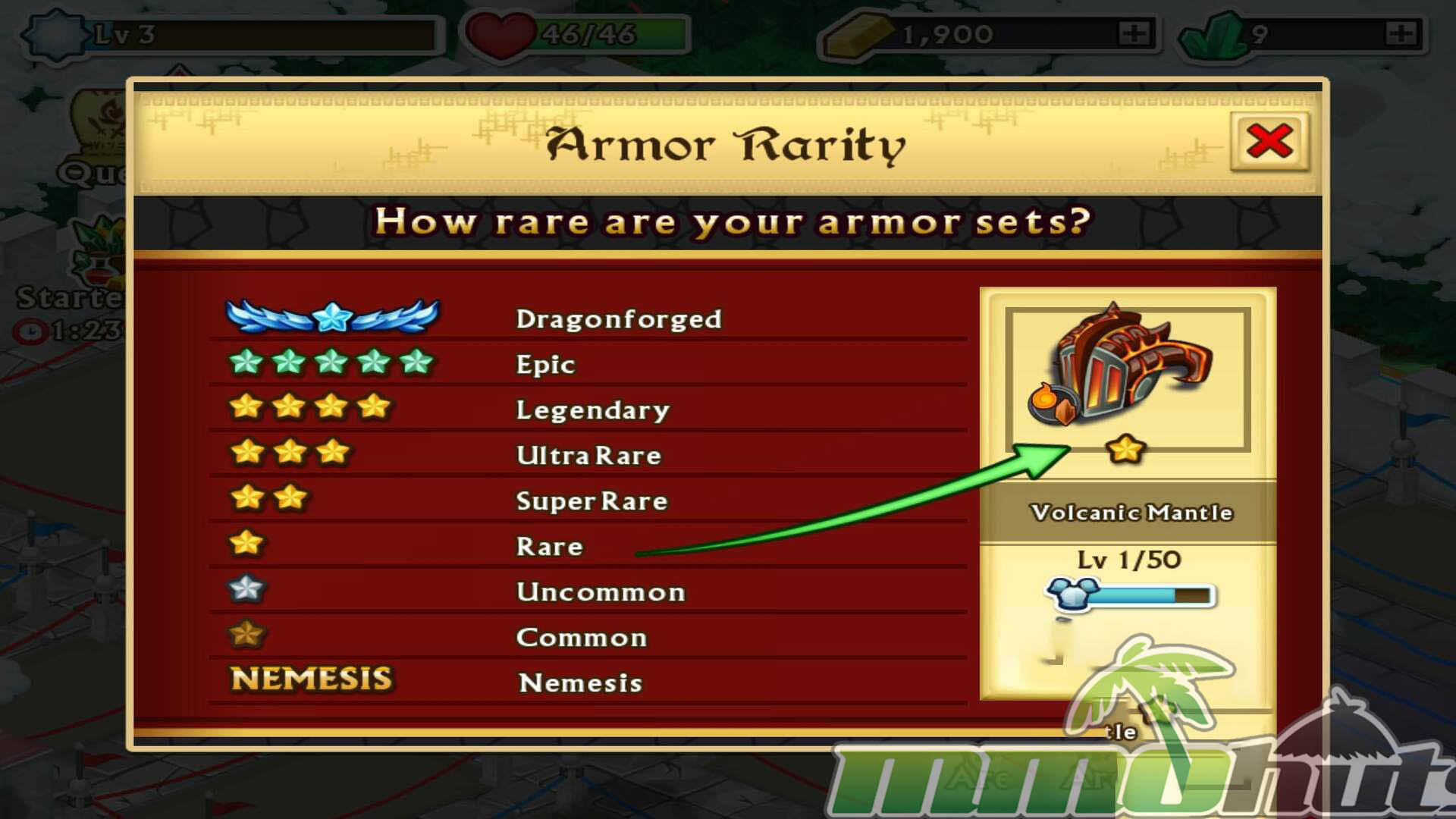
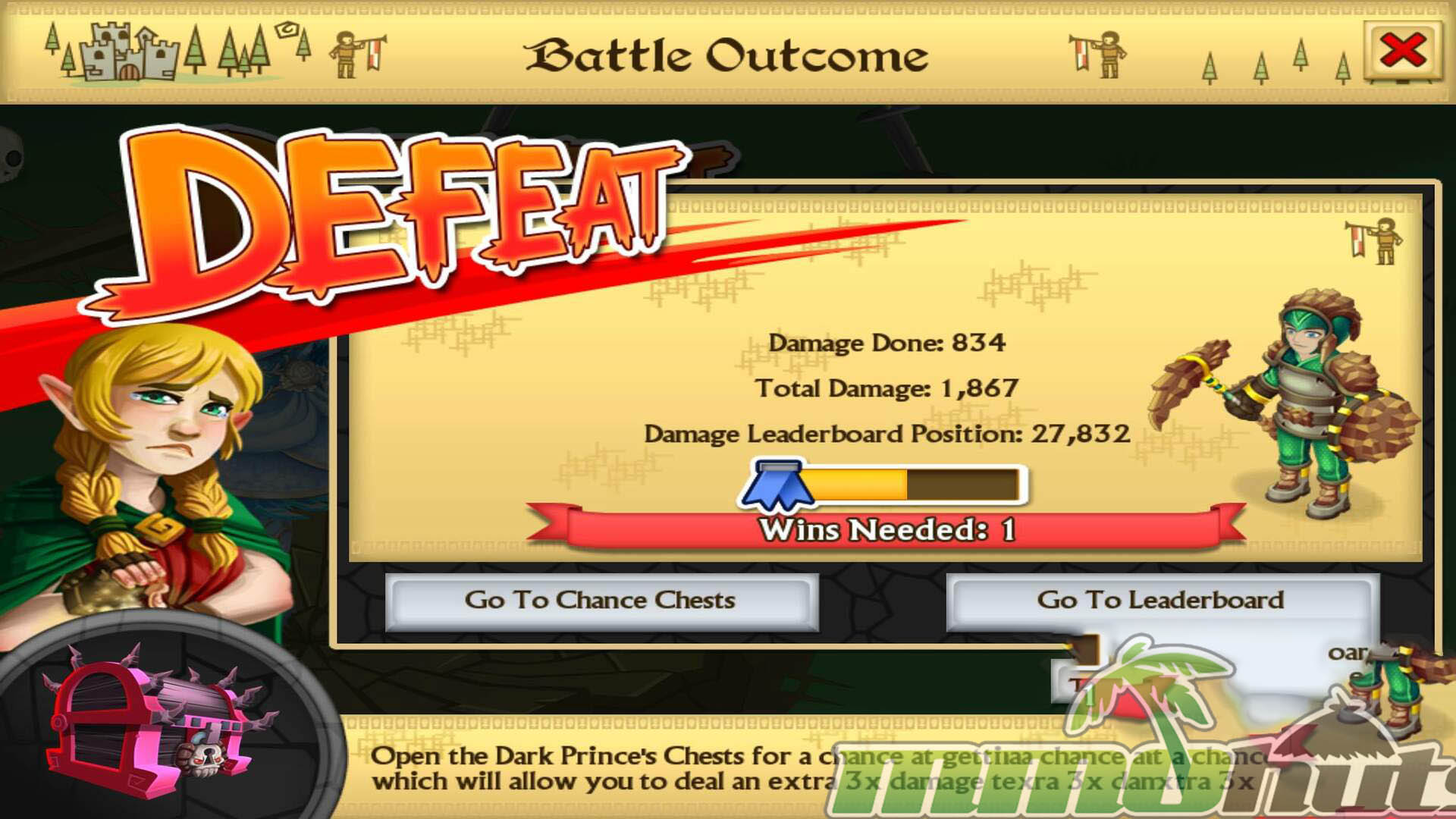
Knights & Dragons uses a familiar mobile monetization approach centered on Gems. Gems can be spent on chests that provide random equipment (armor, rings, and amulets) and, depending on the chest, may also include crafting materials or other items. The results vary by star ranking, and the system leans into chance, with the appeal being access to rare and powerful gear if luck is on your side.
Premium currency also interacts with convenience and performance. Gems can refill health, revive fallen knights, refill Boss Raid energy, and even purchase gold. While it is possible to progress without paying, premium spending can translate into meaningful advantages in gearing speed, PvP effectiveness, and event performance. Free keys do appear at times, but they are tied to low-tier rewards, so they function more as a small bonus than a true alternative to Gem chests.
Final Verdict – Good
Knights & Dragons is an influential early mobile RPG that still works as a steady collection-and-progression game, even if its visuals, interface, and automated combat now feel behind the times. Its elemental advantage system gives battles a strategic backbone, and the constant pursuit of new armor sets, pets, and upgrades provides long-term goals. Players looking for hands-on combat or modern presentation may bounce off quickly, but for a casual audience that enjoys optimization, guild events, and incremental power growth, it remains a solid option with some clear pay-to-win pressure.
Knights & Dragons Links
Knights & Dragons Official Site
Knights & Dragons Google Play
Knights & Dragons iOS
Knights & Dragons Wikia
Knights & Dragons System Requirements
Minimum Requirements:
Android 4.0 and up / iOS 6.0 or later
Knights & Dragons Music & Soundtrack
Knights & Dragons Additional Information
Developer: IUGO
Publisher: GREE
Platforms: Android, iOS
Release Date: December 13, 2012
Knights & Dragons was developed by IUGO and published by GREE. It launched worldwide on December 13, 2012 and arrived as one of GREE’s earlier mobile releases. The title sits within GREE’s broader catalog of mobile games, and IUGO is also known for work on Walking Dead: Road to Survival. Over time, Knights & Dragons built a sizable audience and remained visible on mobile storefront charts across multiple regions for years, supported by its event-driven structure, gear collection chase, and guild-focused competition.