Kingdom Wars is a free-to-play 3D MMORTS that blends persistent-world city management with instanced RTS battles, including real-time sieges, plus light RPG-style progression layered on top of a medieval fantasy setting.
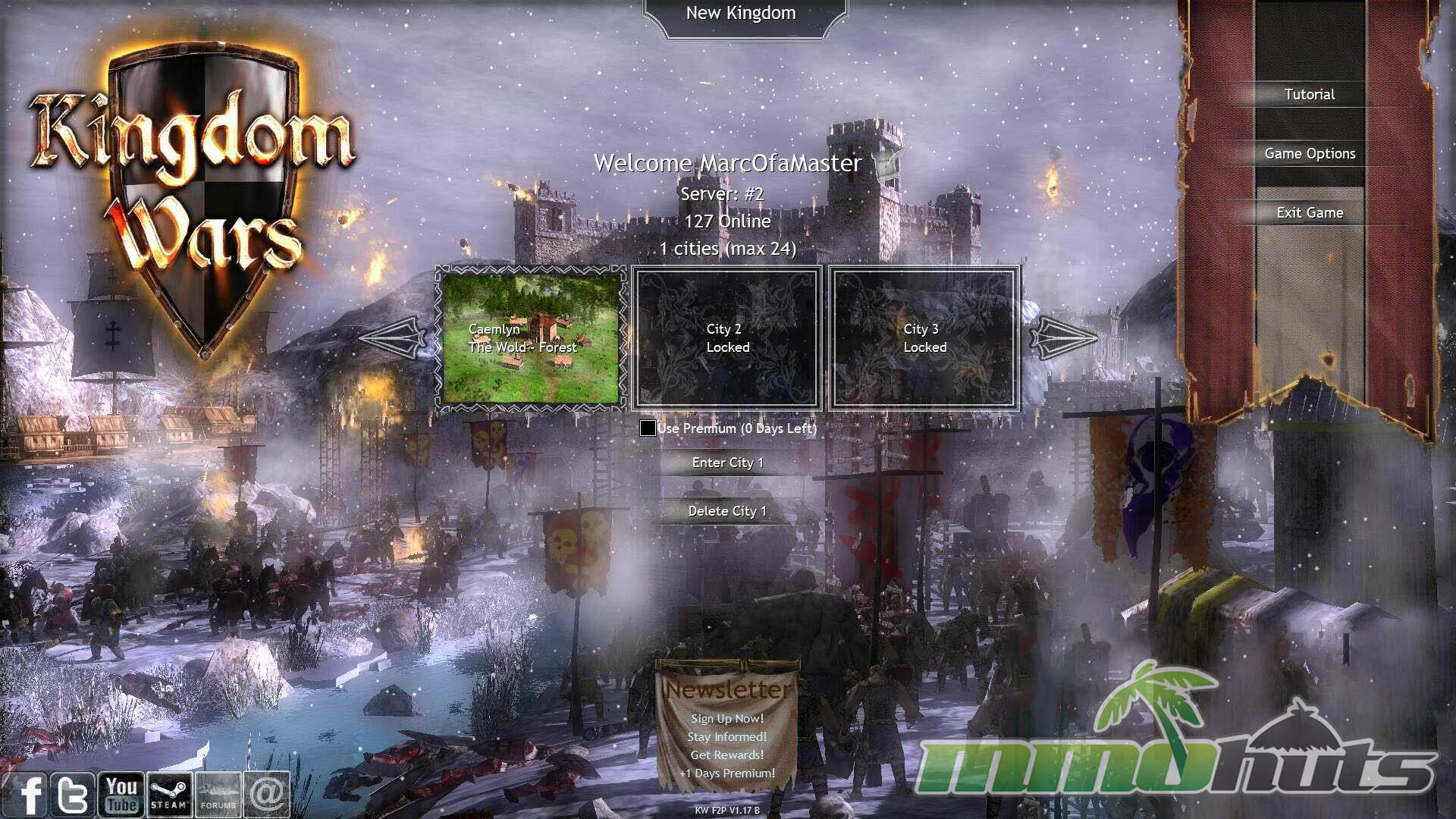 | Publisher: Reverie World Studios Playerbase: Low Type: MMORTS Release Date: September 6, 2011 PvP: Instanced RTS and Siege Battles Pros: +Strong visuals and atmospheric audio for an RTS. +A storyline that gives the questing structure some purpose. +Tactical battles with a clear focus on sieges. +Includes a single player campaign. Cons: -Few (or no) keyboard shortcuts for fast unit control. -Progression can feel drawn out between upgrades and quests. -Unreliable pathfinding that disrupts formations and orders. |

Kingdom Wars Overview
In Dawn of Fantasy: Kingdom Wars, you begin with a modest holding and gradually turn it into a fortified settlement, all while sending armies out to fight instanced RTS battles in a shared world. It is an unusual hybrid: part city builder, part real-time tactics, and part RPG progression, with quests and upgrades acting as the glue that pushes you forward. You choose between three familiar fantasy factions (Humans, Elves, and Orcs), then develop an economy, expand your population, and train forces that can defend your territory or pressure other players.
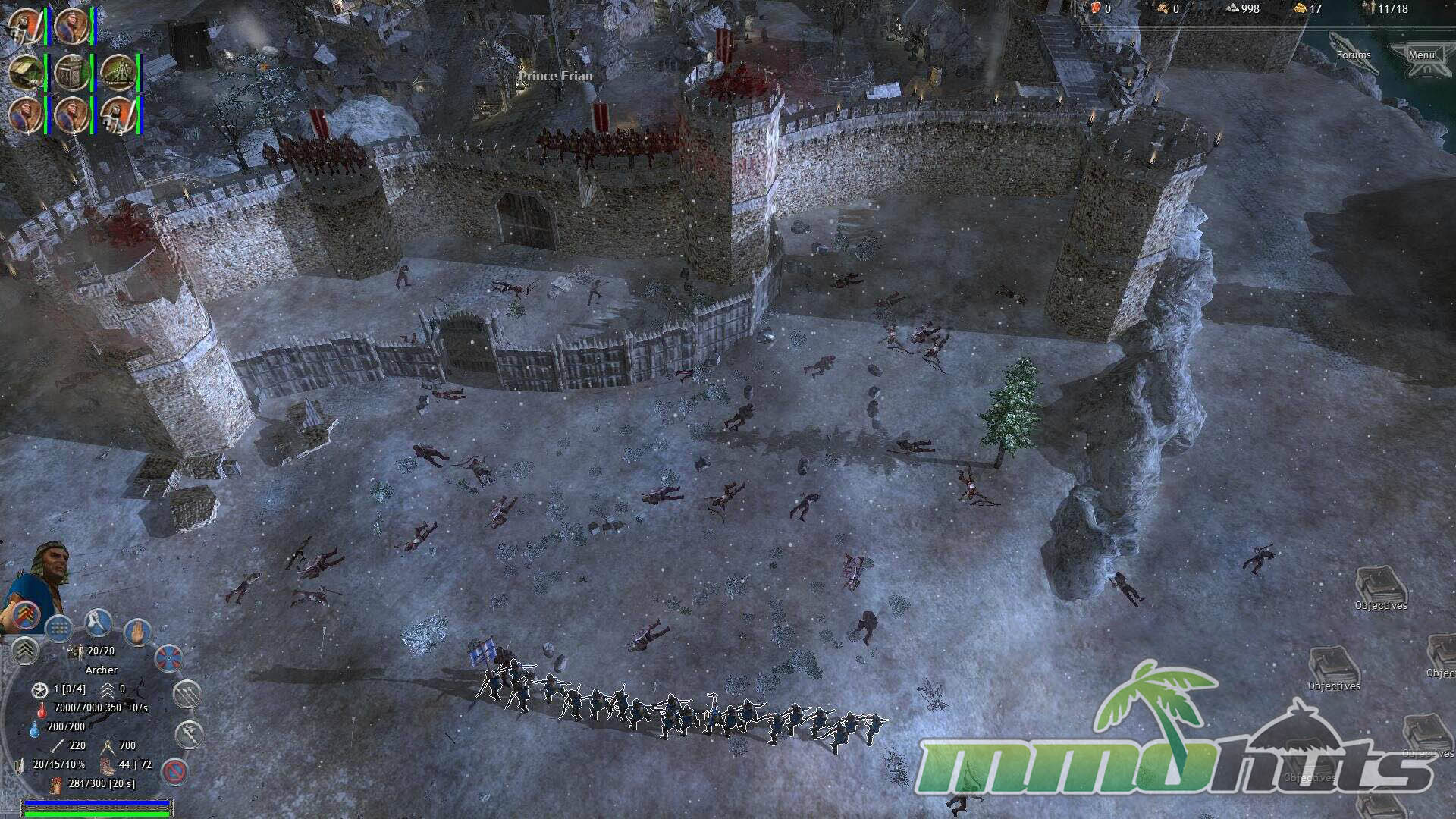
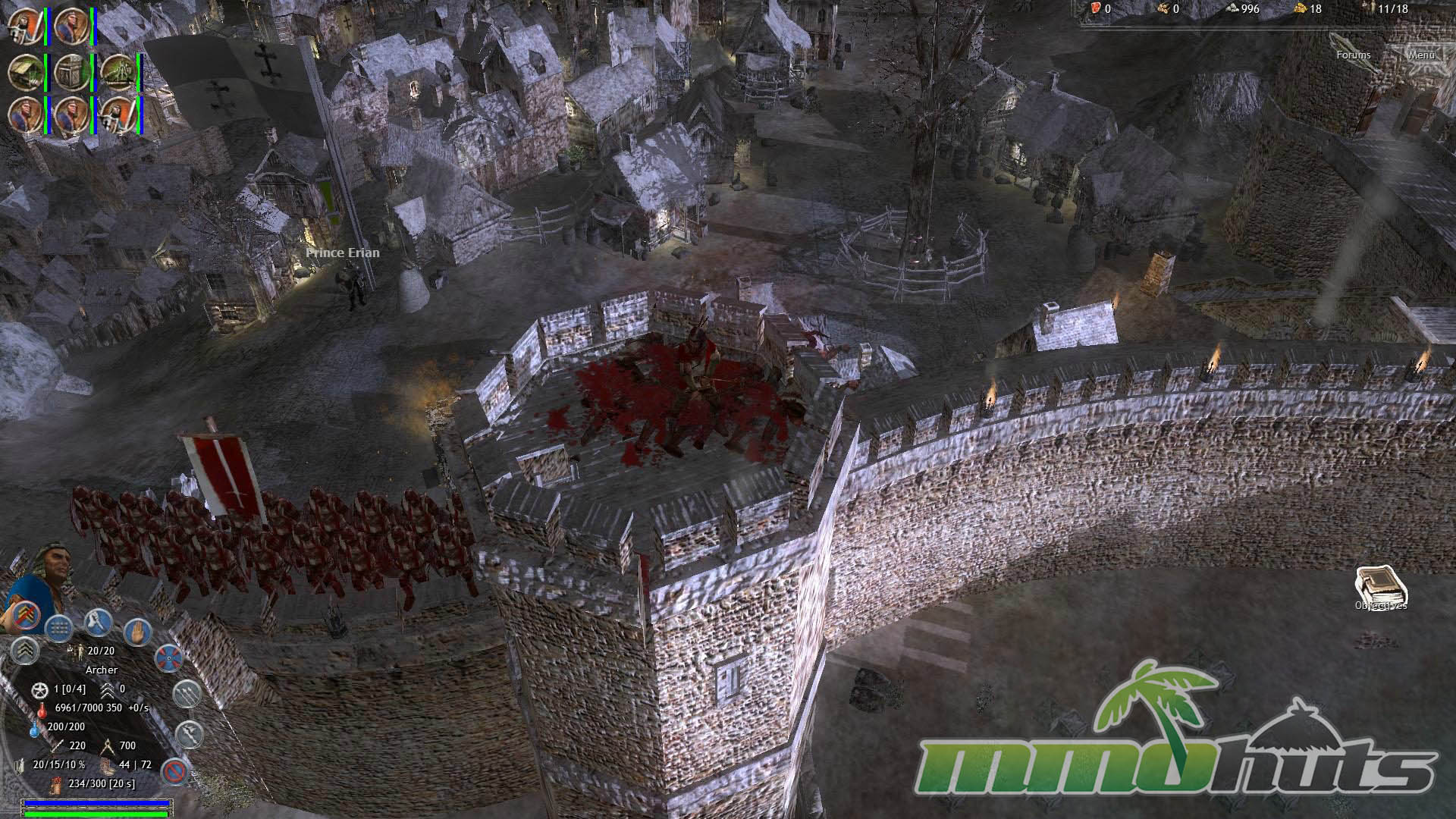
The game leans hard into siege warfare. Instead of only skirmishing in open fields, you can attack enemy cities using classic siege tools, forcing you to think about walls, gates, and positioning rather than simply rushing units into a blob fight. Outside of battles, the world is presented with a fully 3D map and a sense of persistence, including day and night cycles, shifting weather, and changing seasons that can influence both your city’s economy and unit performance in combat. The end result is an RTS experience that tries to make preparation and logistics matter as much as the battle itself.
Kingdom Wars Key Features:
- Strategic Battles and Siege Combat – fight instanced ground engagements against NPCs or players, then escalate into city assaults with real-time siege action inside a persistent medieval fantasy setting.
- Three Distinct Races – play as Humans, Elves, or Orcs, each tied to their own regions, economies, and unit flavors that encourage different approaches to building and war.
- Realistic Weather and Seasons – plan around a living world where day/night, weather, and seasonal shifts can affect resource flow and battlefield effectiveness.
- Fully-3D World Map – navigate a stylized 3D world map that visually reflects time and climate changes as you move armies and manage your domain.
Kingdom Wars Screenshots
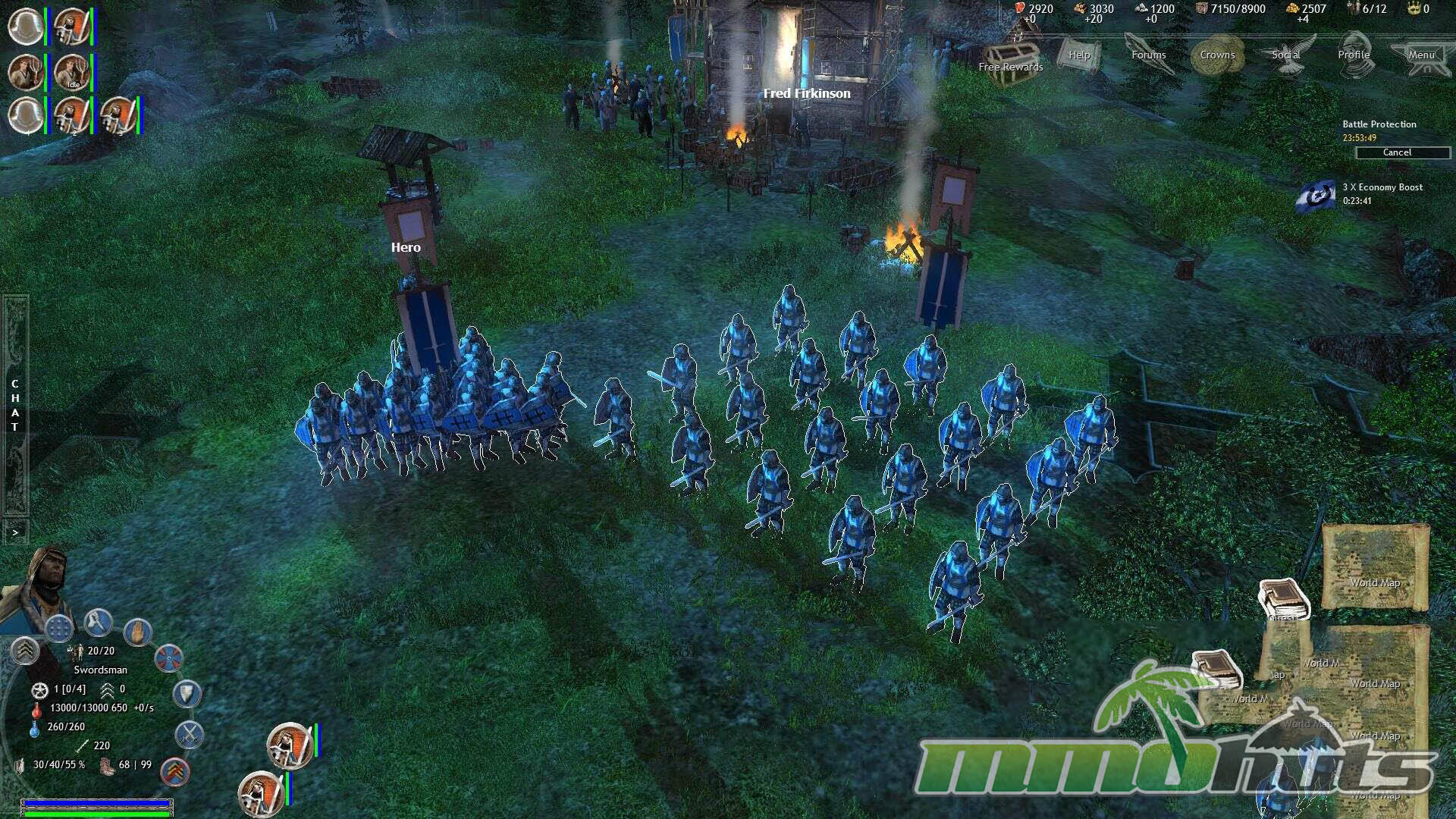
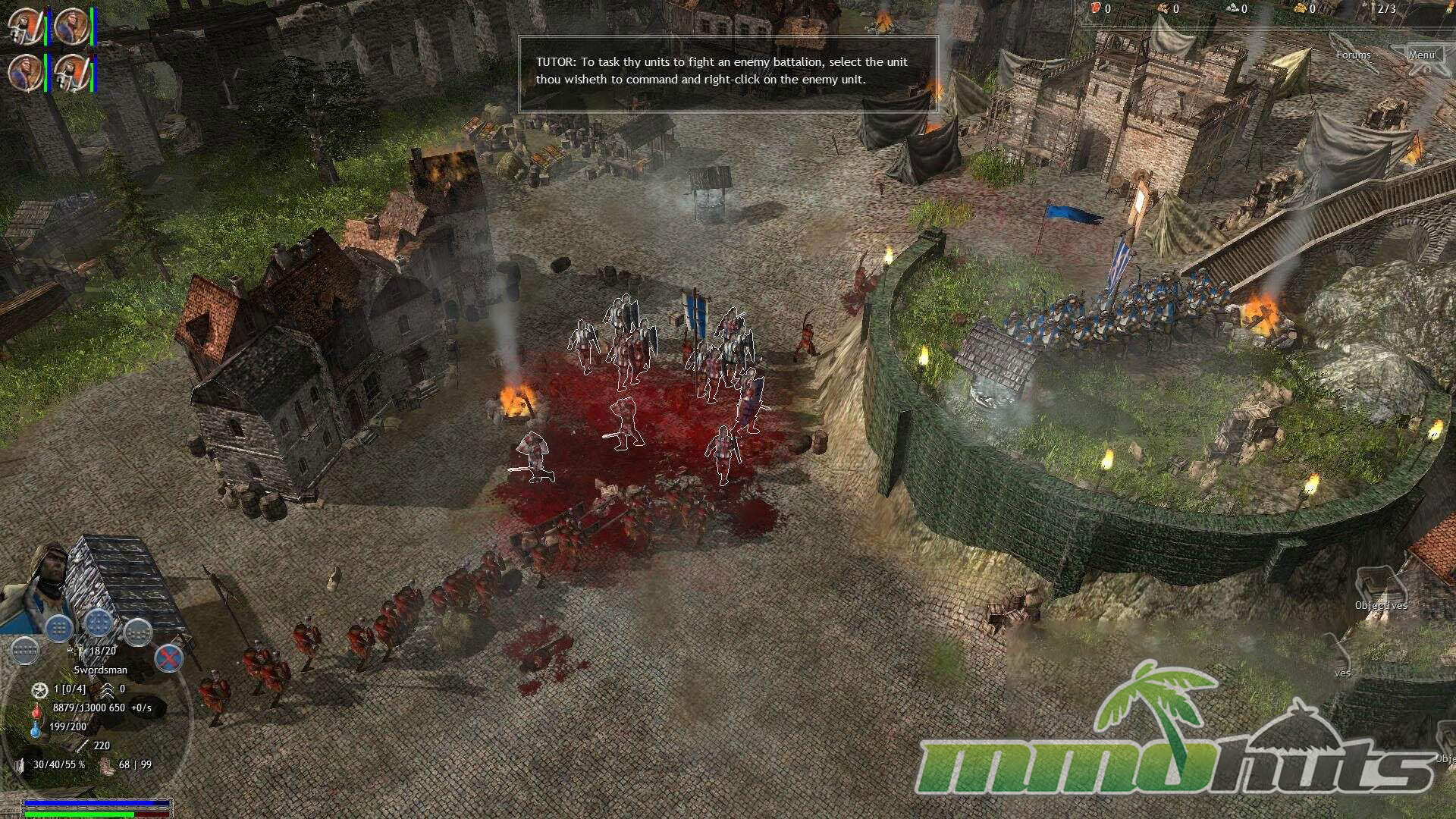
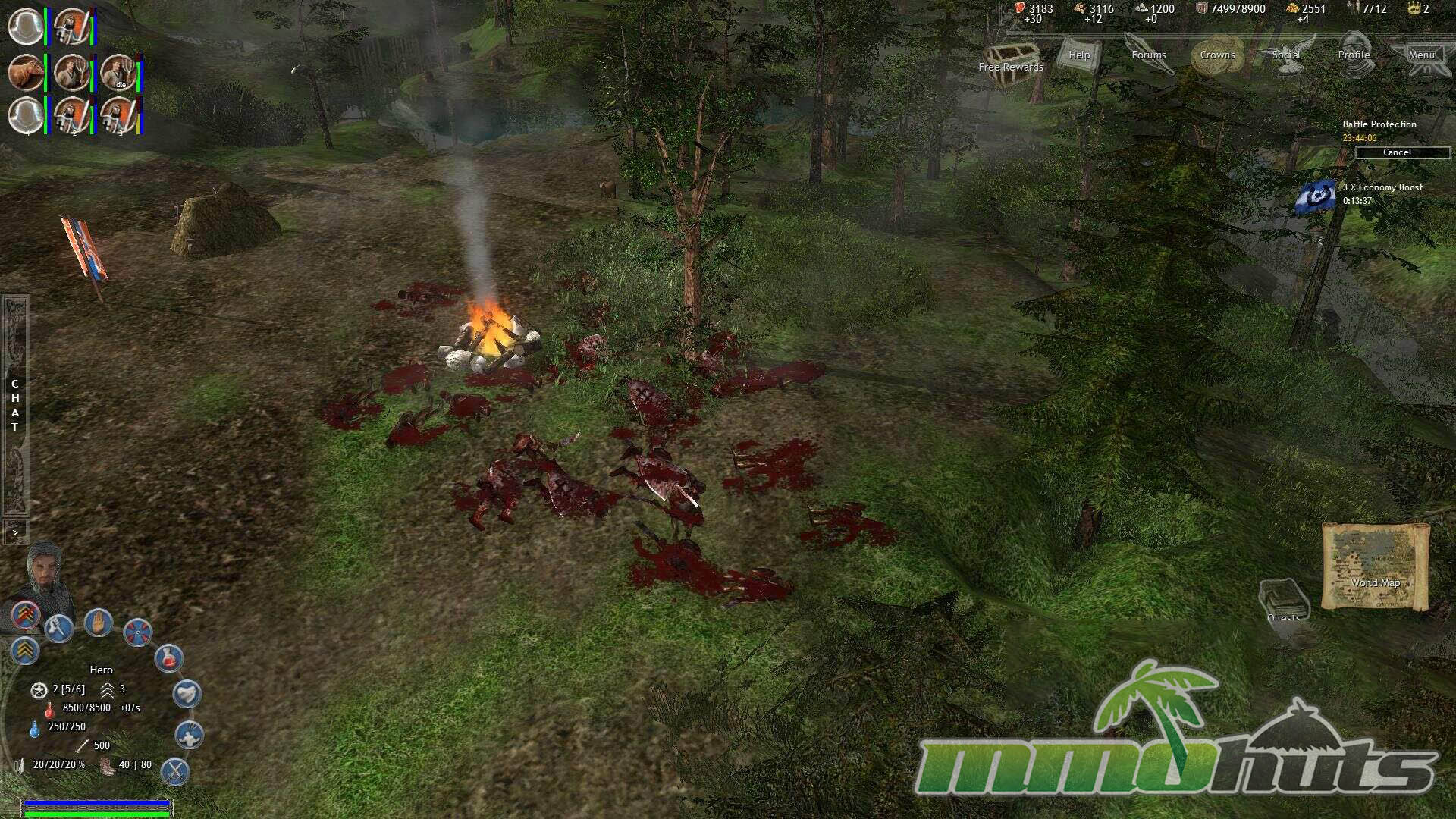
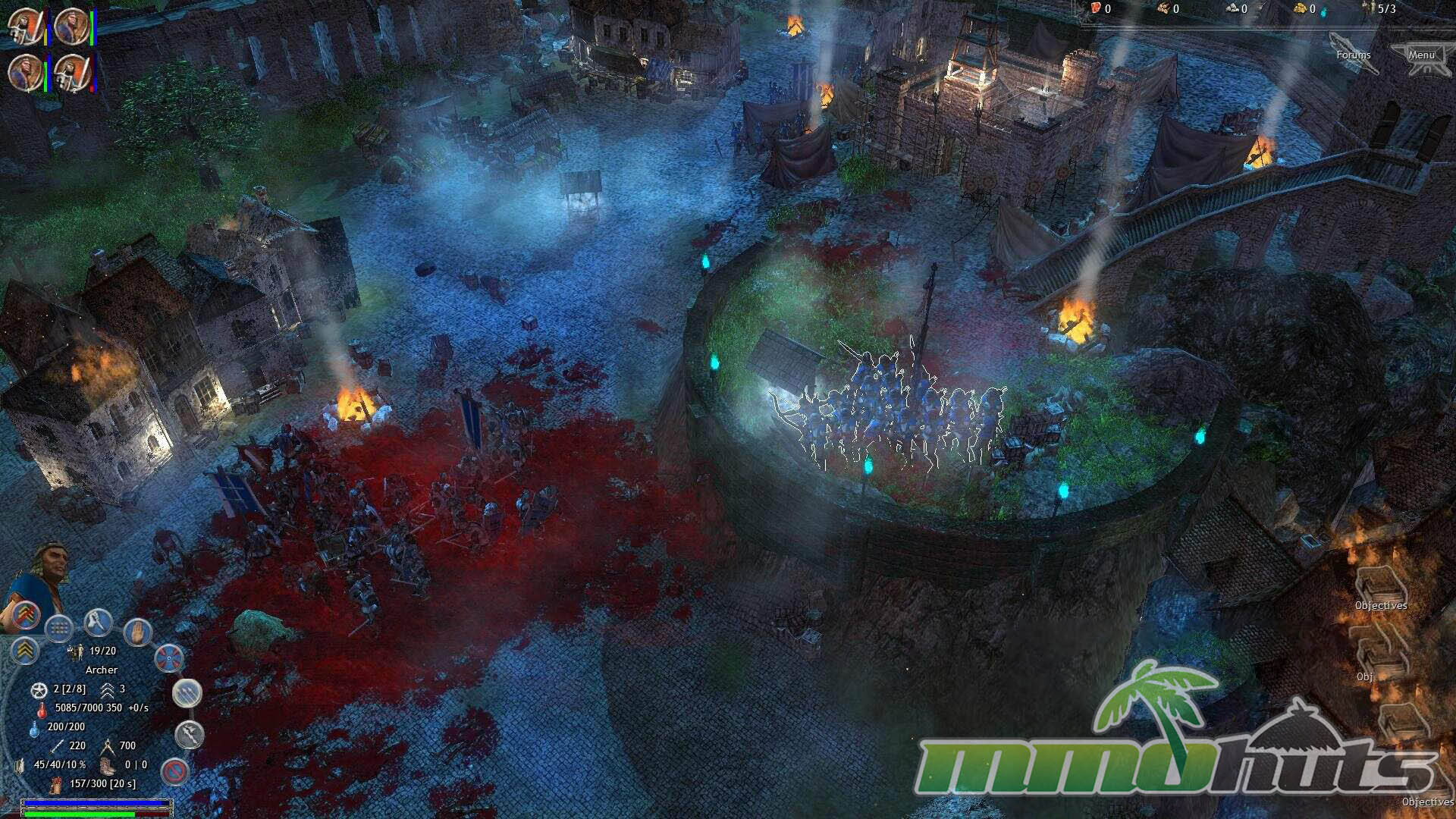
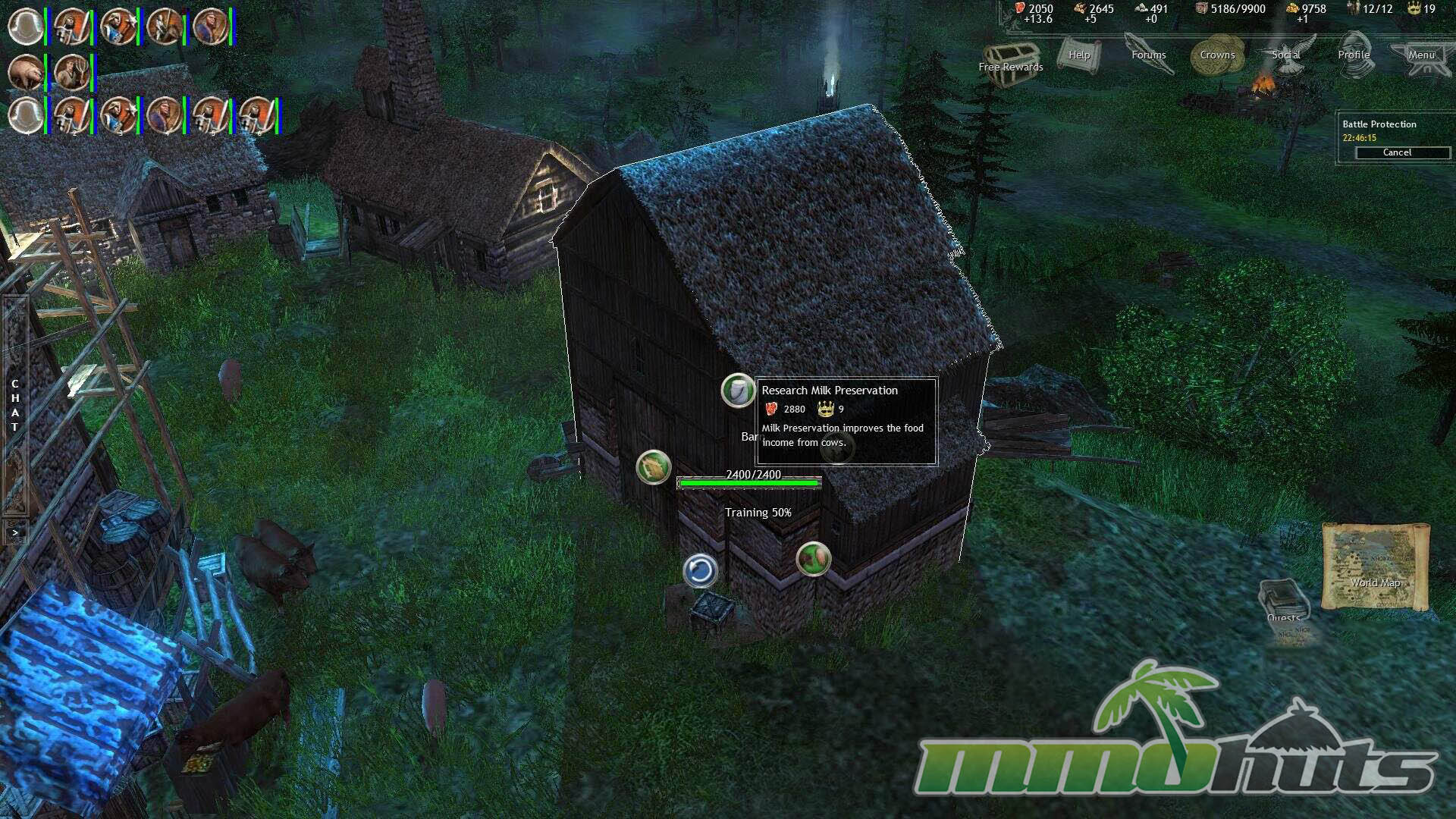
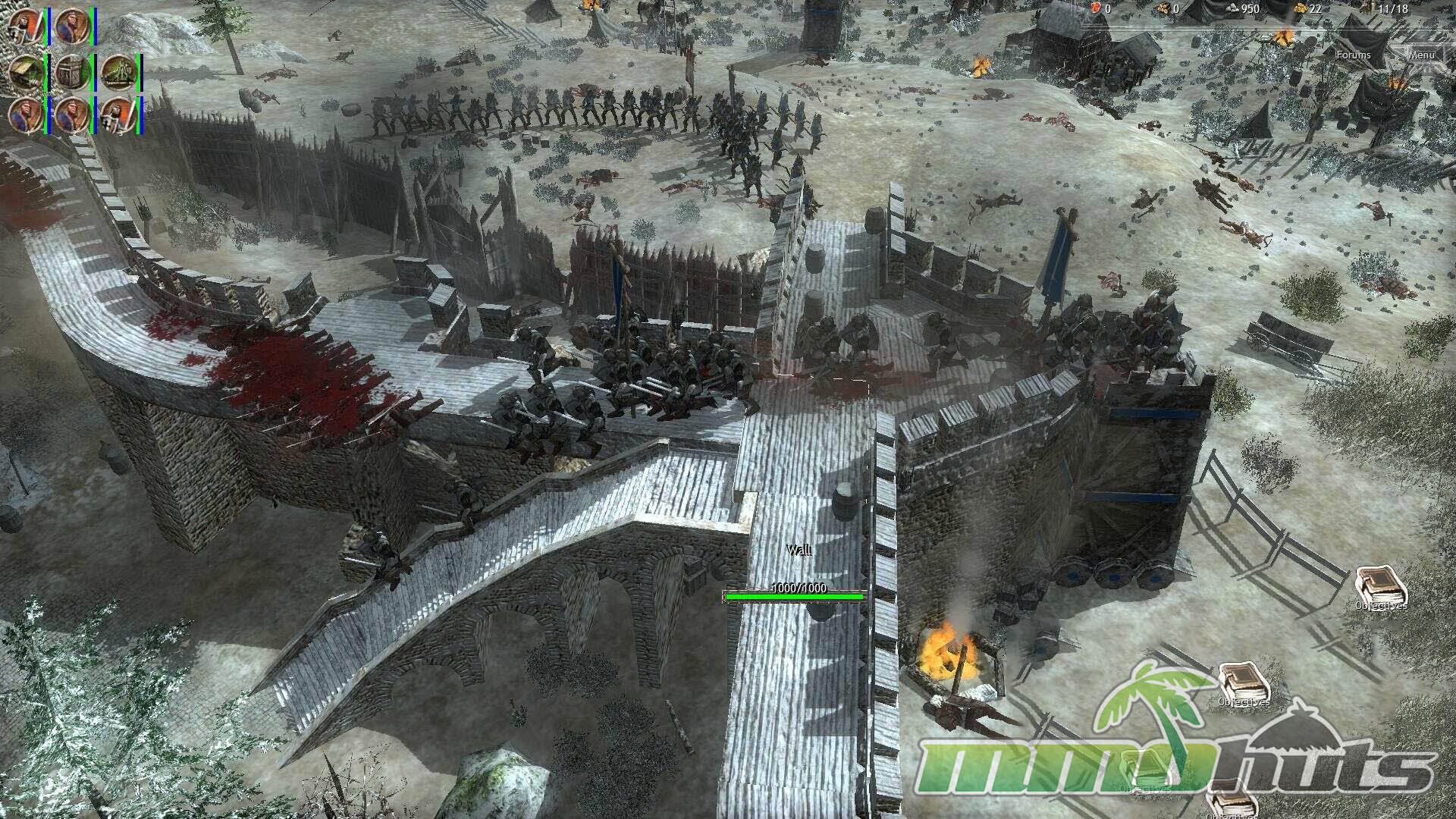
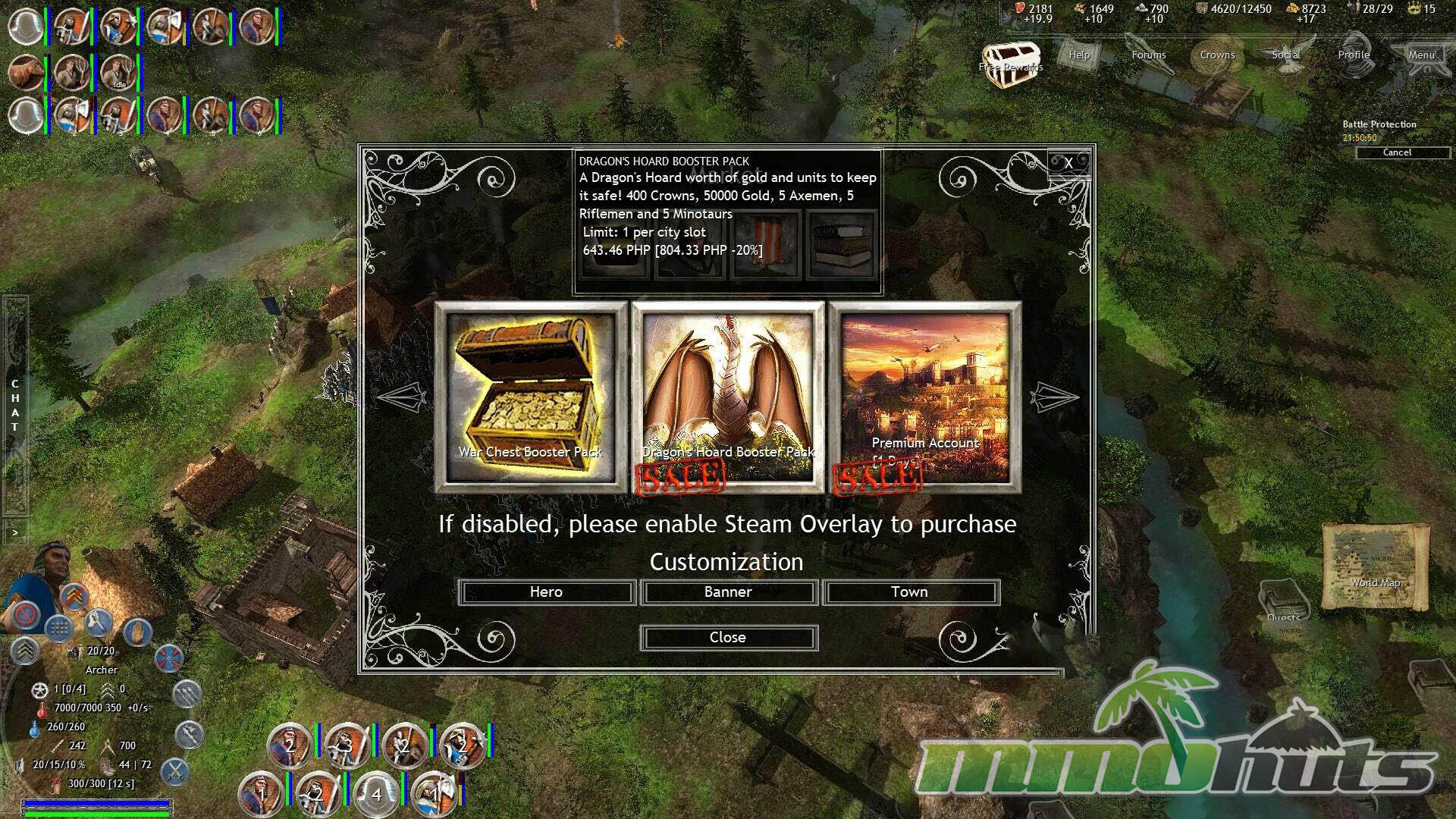
Kingdom Wars Featured Video

Kingdom Wars Races
Elves – focused on magic and deadly ranged options, with resources generated from within their structures.
Orcs – aggressive and numbers-driven, designed to bully opponents with raw force, and able to raise palisade fortresses while pushing across the map.
Humans – an adaptable, well-rounded faction that tends to demand more hands-on control; they gather and mine resources directly from the surrounding land.
Kingdom Wars Review
Kingdom Wars (also known as Dawn of Fantasy: Kingdom Wars) drops you into Mythador, a medieval high-fantasy world where Humans, Elves, and Orcs are locked in an ongoing struggle for territory and influence. The framing is straightforward: pick a race, establish your estate, and grow it into a defensible city while responding to threats and requests through quests. What makes it stand out is the attempt to connect long-term city development to instanced RTS battles, so your strategic decisions outside combat feed directly into what you can field on the battlefield.
On presentation, the game holds up better than you might expect for its era. The art direction sells the medieval tone, and the soundscape does a good job of reinforcing that “grand campaign” feeling strategy fans often associate with the genre. The world map presentation is also a highlight, since it is fully 3D and changes with time and conditions, which helps the setting feel less static than many lobby-driven RTS experiences.
Getting Started Without Guesswork
This is not the sort of RTS where you want to click past onboarding and hope for the best. Kingdom Wars uses a detailed tutorial split into multiple sections, and it covers more than just combat basics. The city layer has its own rules and pacing, and understanding how buildings, population, and upgrades interlock saves a lot of early frustration. The tutorial remains accessible from the main menu, which is useful because it is easy to forget specific steps once you start juggling quests, production, and army movement.
It is also where you first notice the game’s writing style, which leans into old-fashioned “medieval” phrasing. Whether you find that immersive or unintentionally funny will vary, but it is consistent, and it at least gives the UI prompts a distinctive voice.
Founding a City With Meaningful Early Choices
City creation is more involved than simply placing a town center and building outward. After choosing a race, you also choose a region to settle in, and those environments matter. Different regions provide different advantages, influencing how efficiently you collect resources, how markets behave, the costs tied to training, and even how units perform. In practical terms, where you build nudges you toward particular army compositions and economic priorities.
You also select two masteries that further define your specialization. These are effectively long-term commitments that reinforce whether your city leans toward combat power, resource development, or construction efficiency, depending on what is available to your chosen race. It is a solid idea because it gives your city an identity early, though it also means new players can accidentally lock themselves into a direction that does not match their preferred playstyle. Another important consideration is that you begin with a single city slot, and expanding beyond that requires spending.
Managing the Settlement Layer
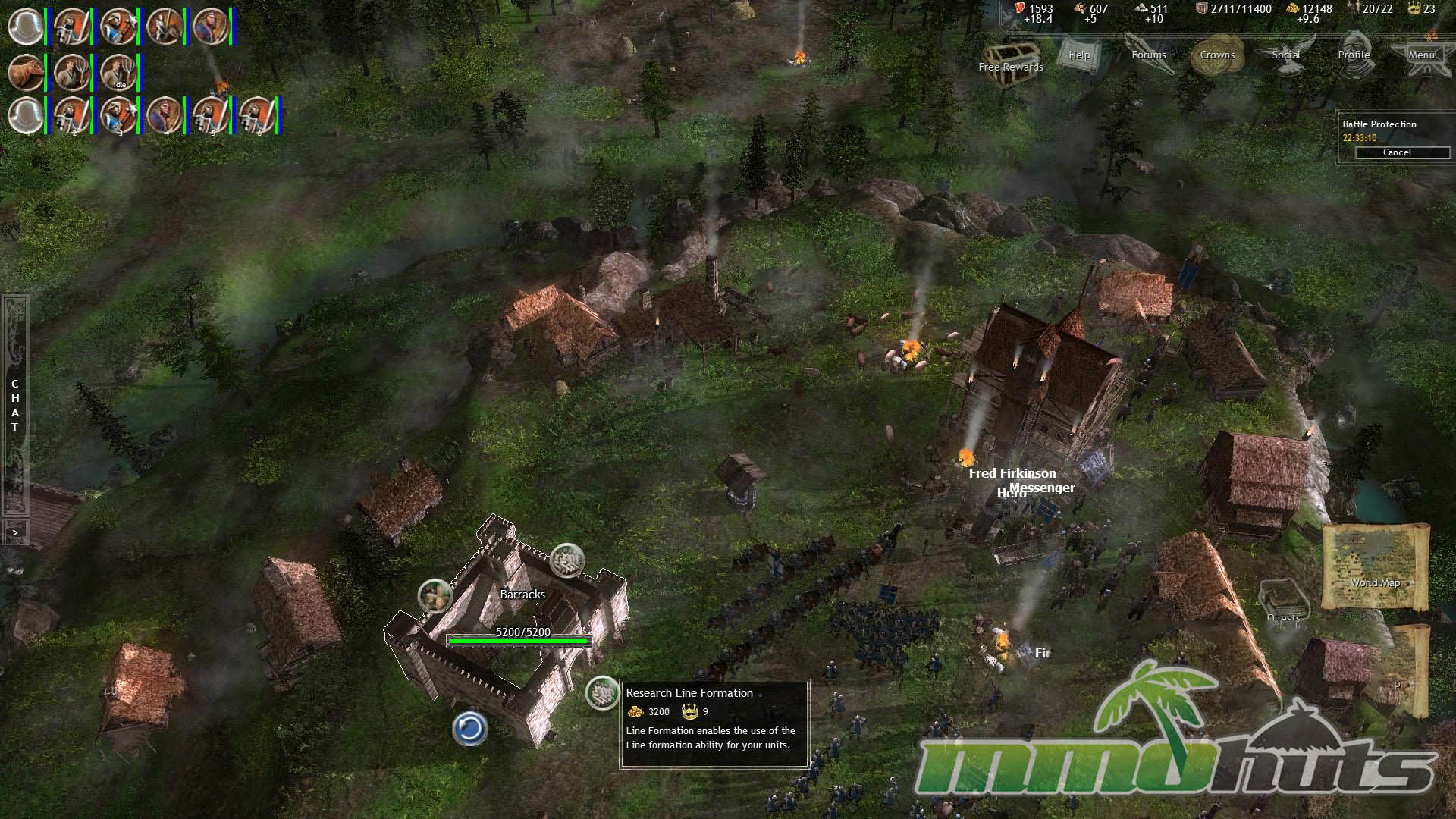
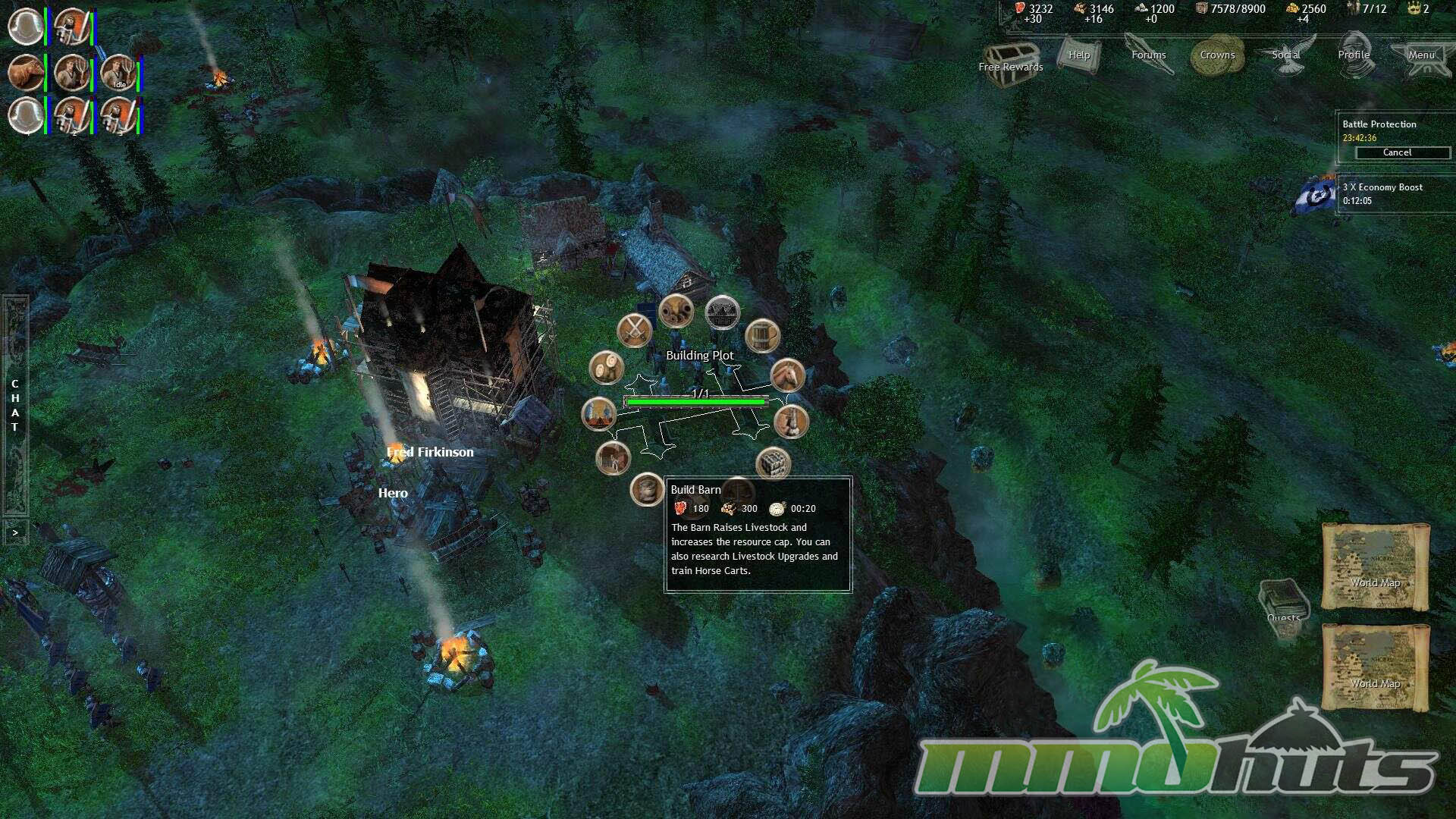
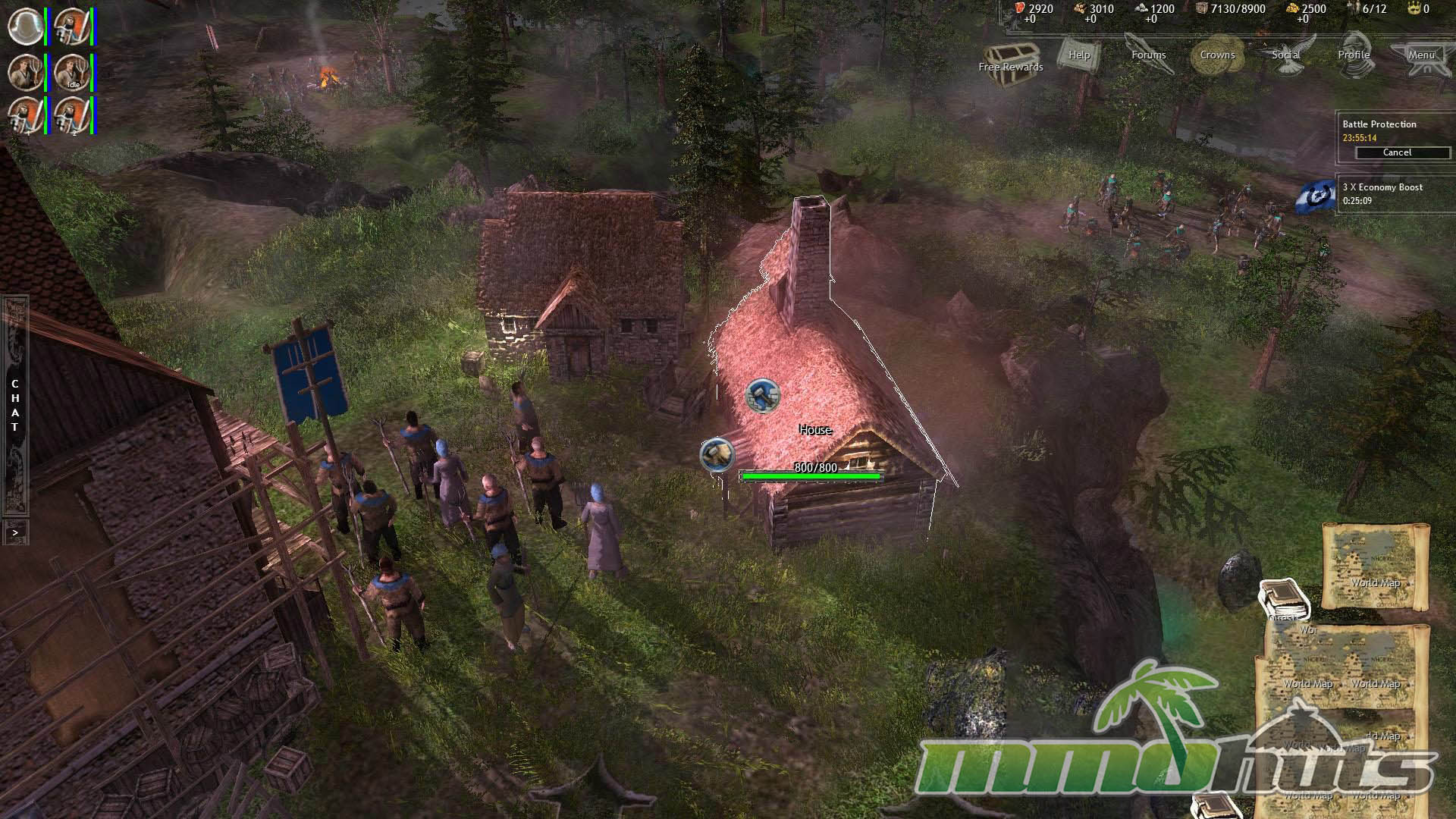
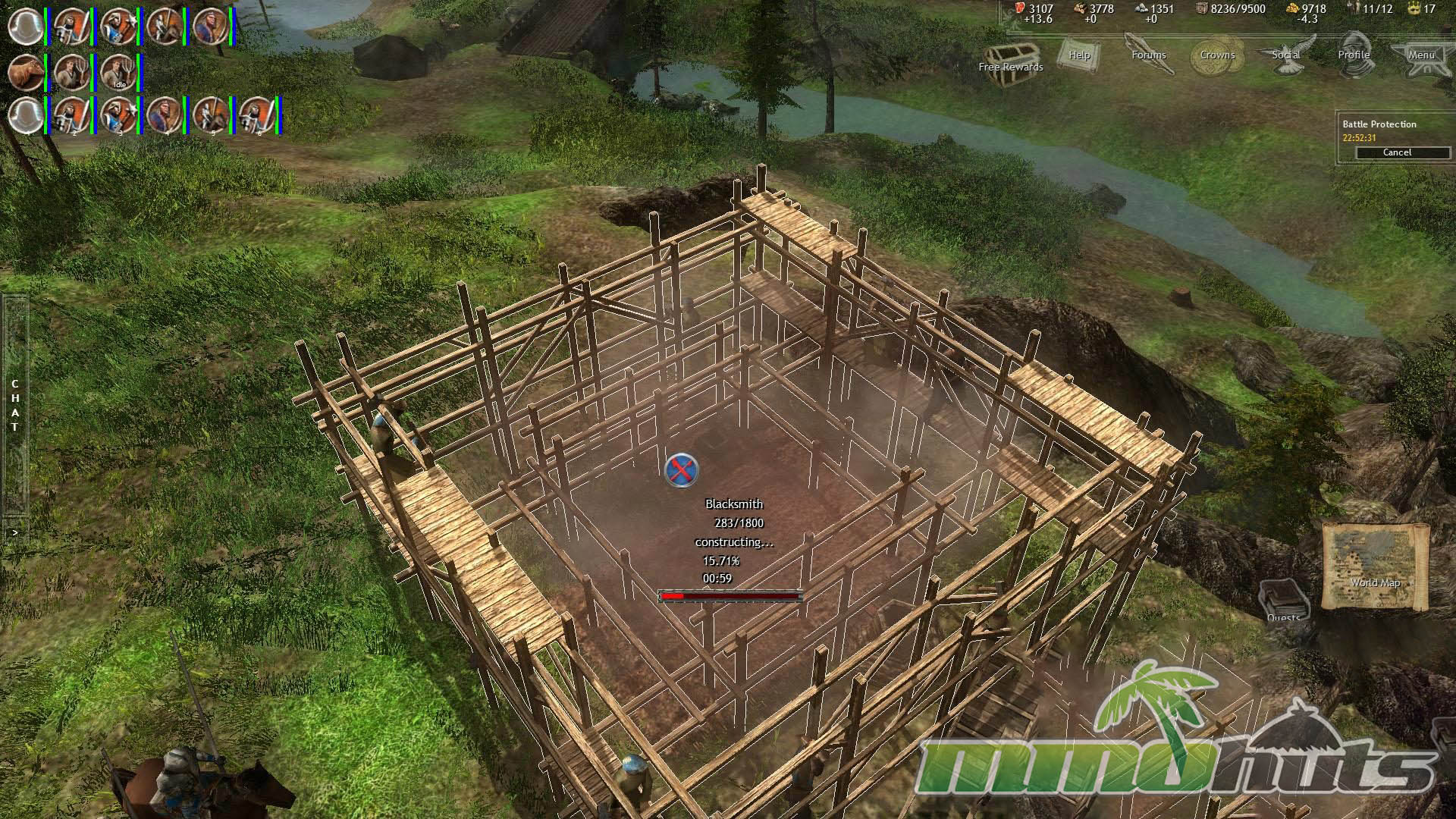
The structure of the strategy layer will feel familiar to players who enjoy large-scale war games where city strength underpins military strength. You begin with a Stronghold that functions like a central hub, then build housing, production, and defenses to support a larger population and bigger armies. Because the world is persistent, construction and resource generation continue even when you are offline, so your city steadily advances as long as your planning is sound.
What is interesting is how hands-off the maintenance can be once your foundation is set. You are not constantly micromanaging individual workers; instead, the main tasks become expanding population capacity, upgrading key buildings, and keeping your economy from stalling. It is a more deliberate, “prepare and grow” pace than many match-based RTS titles, which makes sense given the MMO framing.
Questing, Heroes, and the Core Combat Loop
You start with a basic hero and an initial unit, and heroes operate in a familiar RTS-hero role. They provide abilities that support allied troops (heals, buffs, and similar tools), and they also serve as the interaction point for picking up quests from NPCs. Those quests are important because they pay out resources and Crowns (also referred to as Wealth or Influence), which are needed for meaningful upgrades on both the city and military side.
Quest objectives are typically combat-focused, sending you after common threats (bandits, goblins, ogres) and political trouble (such as unrest and rebellious nobles). They also act as a guided track through early progression, introducing systems while drip-feeding units and upgrades. The downside is that the game’s advancement cadence can feel slow, since so much forward momentum is tied to completing these tasks rather than simply building and fighting at your own pace.
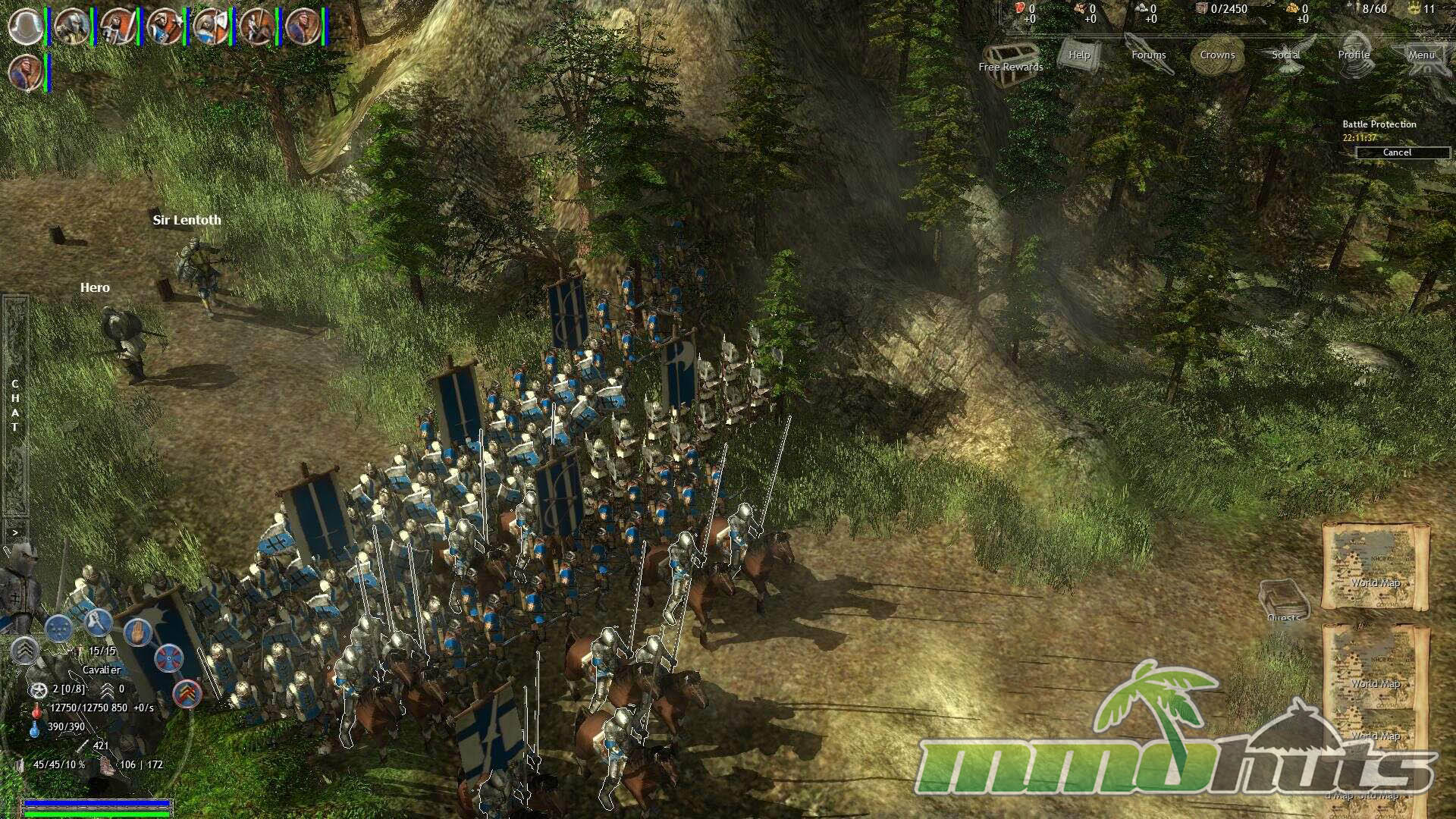
Battles emphasize battalions rather than single soldiers, and the matchups push you toward combined-arms thinking. Unit categories carry clear counters and vulnerabilities, and each faction has equivalents that fill similar battlefield roles. As your troops fight, they gain experience, level up, and earn stat points you can allocate, which adds a light RPG layer to what would otherwise be standard RTS unit production.
There are also situational abilities and formations that reward timing and positioning. Used well, they let you adapt mid-fight, stabilize a line, or punish an exposed enemy unit. Unfortunately, two practical issues get in the way of that tactical promise. First, the lack of keyboard shortcuts for unit commands makes fast control harder than it should be, especially when multiple unit types need different actions in quick succession. Second, pathfinding and obedience can be inconsistent. Units sometimes wander, break formation, or chase targets you did not prioritize, which can sabotage careful setups and make battles feel less precise than their design suggests.
The game includes corpse looting as a resource mechanic, with peasants doing the actual scavenging. It is a grim but distinctive touch, and it creates an incentive to bring non-combat utility along with your army. There are also race-specific limitations to what can be looted, which adds a small but memorable layer of faction identity.
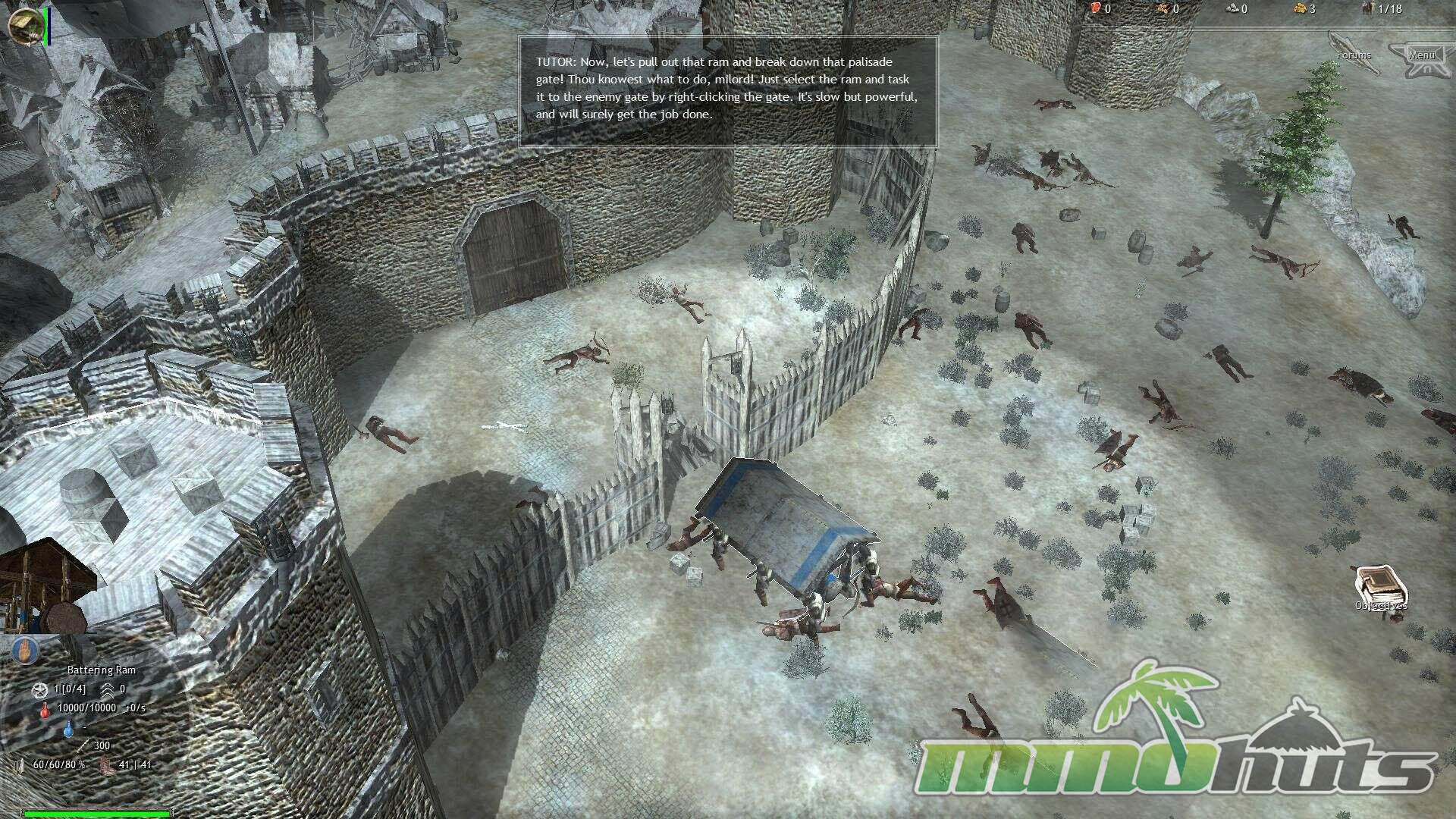
Siege warfare is where Kingdom Wars most clearly separates itself from typical RTS matchmaking. You can attack player cities and use siege engines (battering rams, trebuchets, belfrys) to crack defenses and fight through walls and gates. The flow will be familiar to anyone who enjoys wall assaults: create a breach, secure entry points, then flood the interior once you control the fortifications. When everything is working, sieges deliver the game’s best moments, because they turn your long-term city planning into a tangible, high-stakes battle.
PVP Modes and Matchmaking
Player versus player is split into two formats: Normal battles and Siege battles. Accessing them is tied to the world map, where you assemble an army, march it out from your city, and then queue from there. Matchmaking aims to pair you with opponents near your army rating (by default within 10%), and there is an optional “Be Brave” setting that expands the search up to 50% stronger opponents for players who want tougher fights.
Army rating factors in not only your troops but also the strength of your town walls, reinforcing the game’s central theme that your city is part of your power. Rewards are paid in Crowns for participation, with the winner taking the full battle value and the loser receiving half, plus the winner gets time to loot after the fight.
Monetization and Premium Options
Kingdom Wars positions itself as avoiding a strict pay-to-win approach, and its cash shop is generally framed around convenience and optional power. Players can purchase elite units and dragons, which can provide an edge in some situations, but the game does not present them as an automatic “win button.” Premium status is also available and increases rewards from quests, battles, and tributes, which primarily accelerates progression rather than rewriting the core rules.
Closing Thoughts – Great
Kingdom Wars is not as polished as the best-known strategy franchises, and it can feel uneven in the details, particularly with unit control and pathfinding. It also asks for patience, since progression is deliberately paced and often gated by questing and upgrade requirements. Still, the underlying concept is compelling: a persistent-world RTS where your city matters, your army develops over time, and sieges provide a satisfying payoff for preparation.
For RTS fans who can tolerate a few rough edges and prefer tactical assaults over rapid-fire competitive micro, it offers a surprisingly deep experience, with siege battles as the clear highlight.
Kingdom Wars Links
Dawn of Fantasy: Kingdom Wars Official Site
Dawn of Fantasy: Kingdom Wars Steam Page
Dawn of Fantasy: Kingdom Wars Wikipedia
Dawn of Fantasy: Kingdom Wars Wikia [Database/Guides]
Kingdom Wars System Requirements
Minimum Requirements:
Operating System: Windows Vista
CPU: Dual Core 2.4 GHz
RAM: 3 GB RAM
Video Card: NVIDIA GeForce GT 530 / ATI Radeon HD 6570
Direct X: DirectX 9.0
Hard Disk Space: 7.5 GB available space
Recommended Requirements:
Operating System: Windows 7
CPU: Quad Core 2.4 GHz
RAM: 6 GB RAM or more
Video Card: NVIDIA GeForce GTX 550 Ti / Radeon HD 6790
Direct X: DirectX 9.0
Hard Disk Space: 10 GB or more available space
Kingdom Wars Music & Soundtrack
Coming Soon!
Kingdom Wars Additional Information
Developer: Reverie World Studios (formerly Reverie Entertainment)
Publisher: 505 Games
Distributor: Steam
Designer: Christopher Theriault
Producer: Konstantin Fomenko
Technical Director: John Lockwood
Composer: Joel Steudler
Game Engine: Mithrill
Closed Beta: June 21, 2010
Open Beta: August 11, 2011
Official Launch Date: September 6, 2011
Development History / Background:
Dawn of Fantasy: Kingdom Wars is a free-to-play 3D MMORTS developed by Reverie World Studios (formerly Reverie Entertainment) and published by 505 Games. The game is exclusively available through the Steam gaming platform and was one of the first games to be voted into Steam by the public via the Steam Greenlight feature. The game runs on the Mithrill game engine developed by Reverie’s John Lockwood, the game’s Technical Director. The game also features an original musical score composed by Joel Steudler.