Khan: Absolute Power
 (No Ratings Yet)
Khan: Absolute Power is a classic-era MMORPG with a loose 13th Century backdrop inspired by Genghis Khan’s conquests, built around old-school questing, party play, and guild conflict in a world that leans more toward fantasy MMO conventions than strict history.
 | Publisher: Blaze Gamers Playerbase: Low Type: Mirinae Release Date: 2003 Pros: +Large-scale siege battles. +A broad skill list to build around. +Massive item mix-and-match potential (1000+ combinations). Cons: -Runs as a private server release. -Plenty of bugs and rough edges. -Windows 10 issues reported. -Very dated presentation and UI. |

Khan: Absolute Power Overview
Khan: Absolute Power is an MMORPG set after Genghis Khan’s 13th Century campaigns, framing your adventure around a realm that has resisted conquest. In practice, this version is best understood as a private server adaptation of Khan Online that later arrived on Steam via the Greenlight program. You select from six playable classes (including options like Necromancer and Cleric) and fall into familiar group roles such as damage, tanking, and support, with party synergy being a major part of efficient leveling.
From there, the loop is straightforward and very much rooted in early MMO design: team up with other players, take on quests, and build reputation so you can access better trades, items, and character improvements. Guild play is a central pillar, with organized PvP and siege-focused warfare acting as the main endgame draw for the community that still sticks with it.
Khan: Absolute Power Key Features:
- Six Classes – pick from six different archetypes, each designed to contribute a clear role in groups.
- Rankings – an internal ranking structure that affects how characters are evaluated and placed within missions.
- Party System – grouping is strongly encouraged for leveling momentum and reputation building.
- Siege Wars – guild-versus-guild PvP that leans on siege tools and coordinated pushes.
- Events – recurring events that hand out special rewards and keep veterans logging in.
Khan: Absolute Power Screenshots
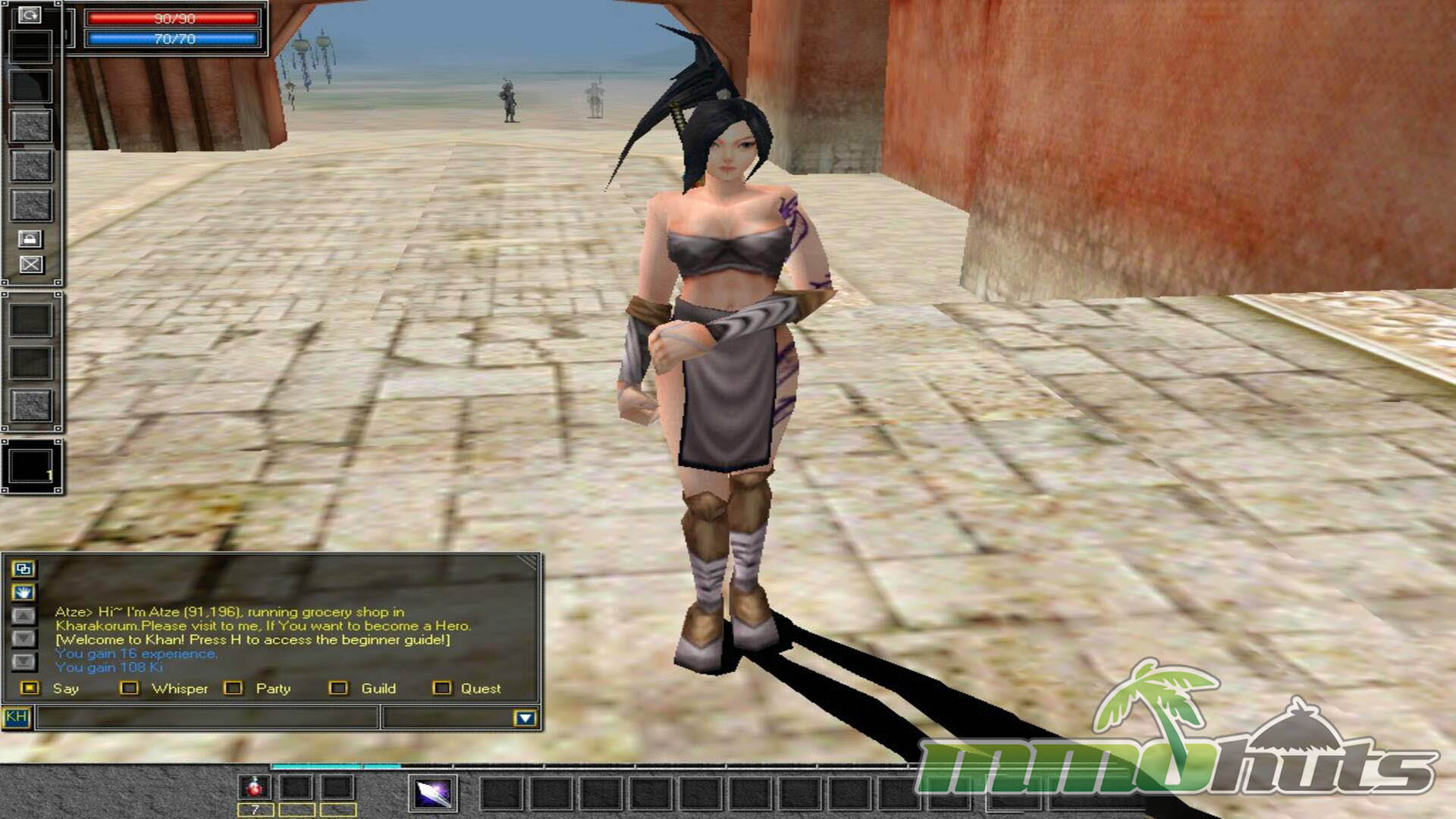
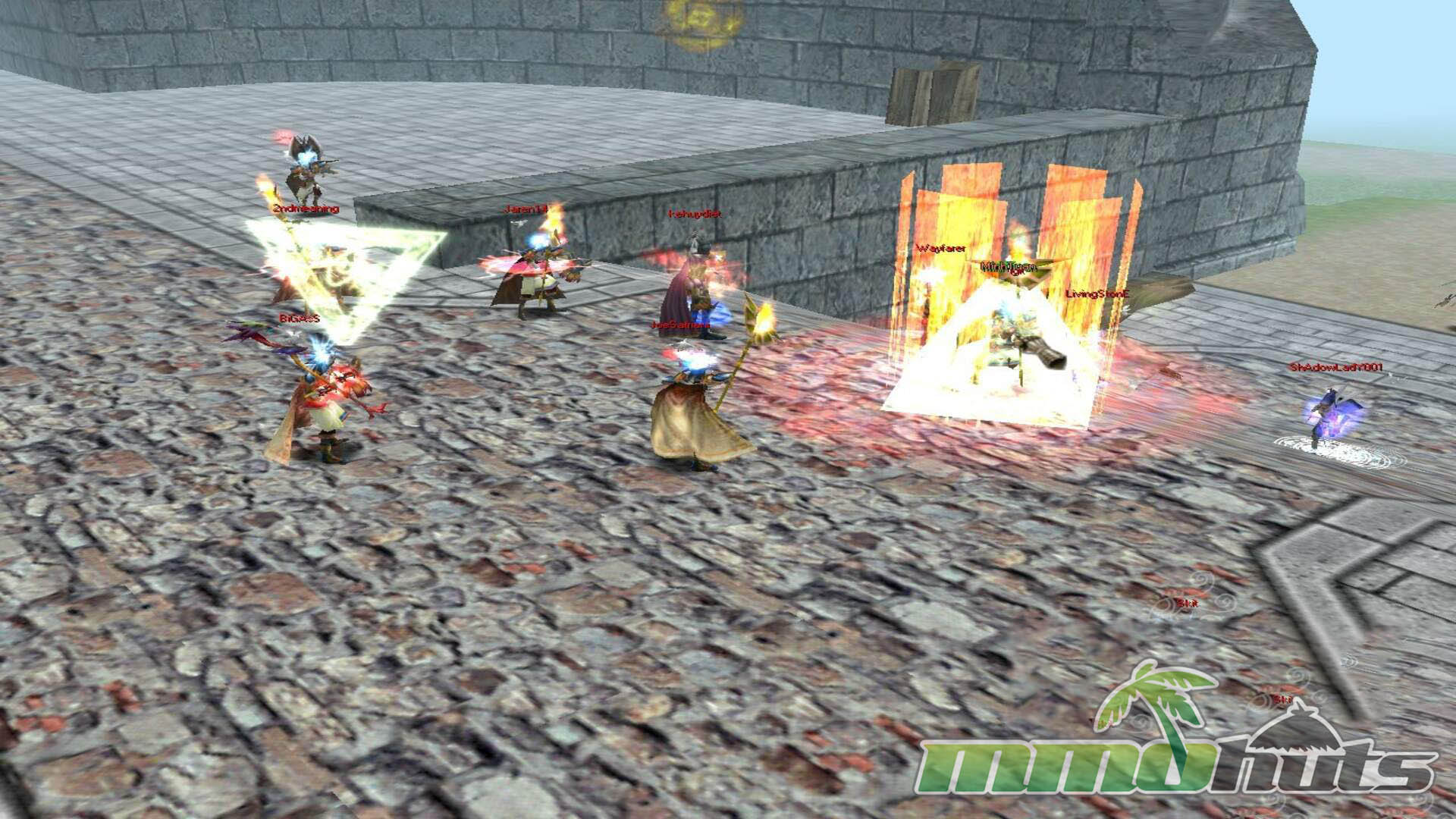
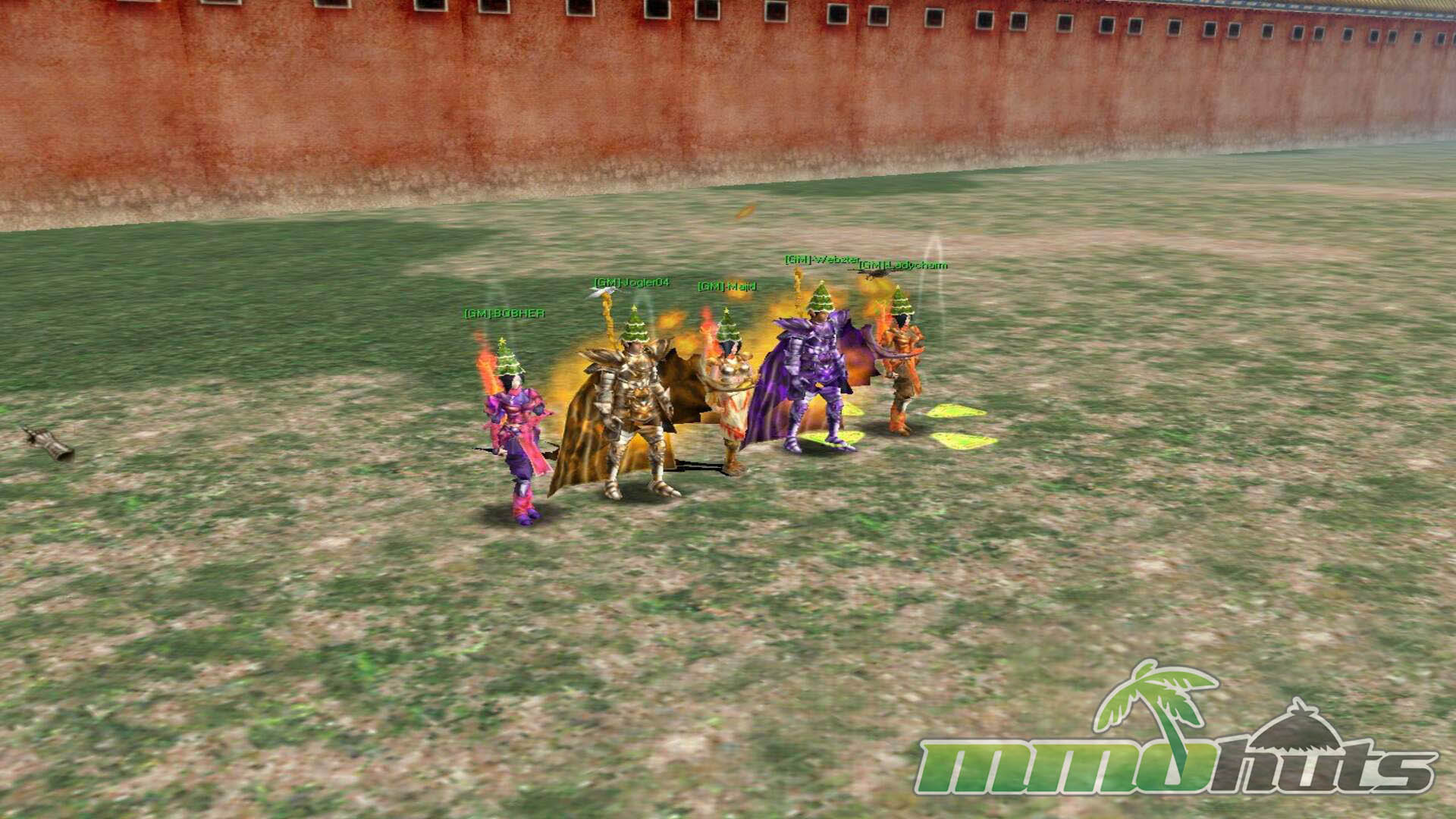
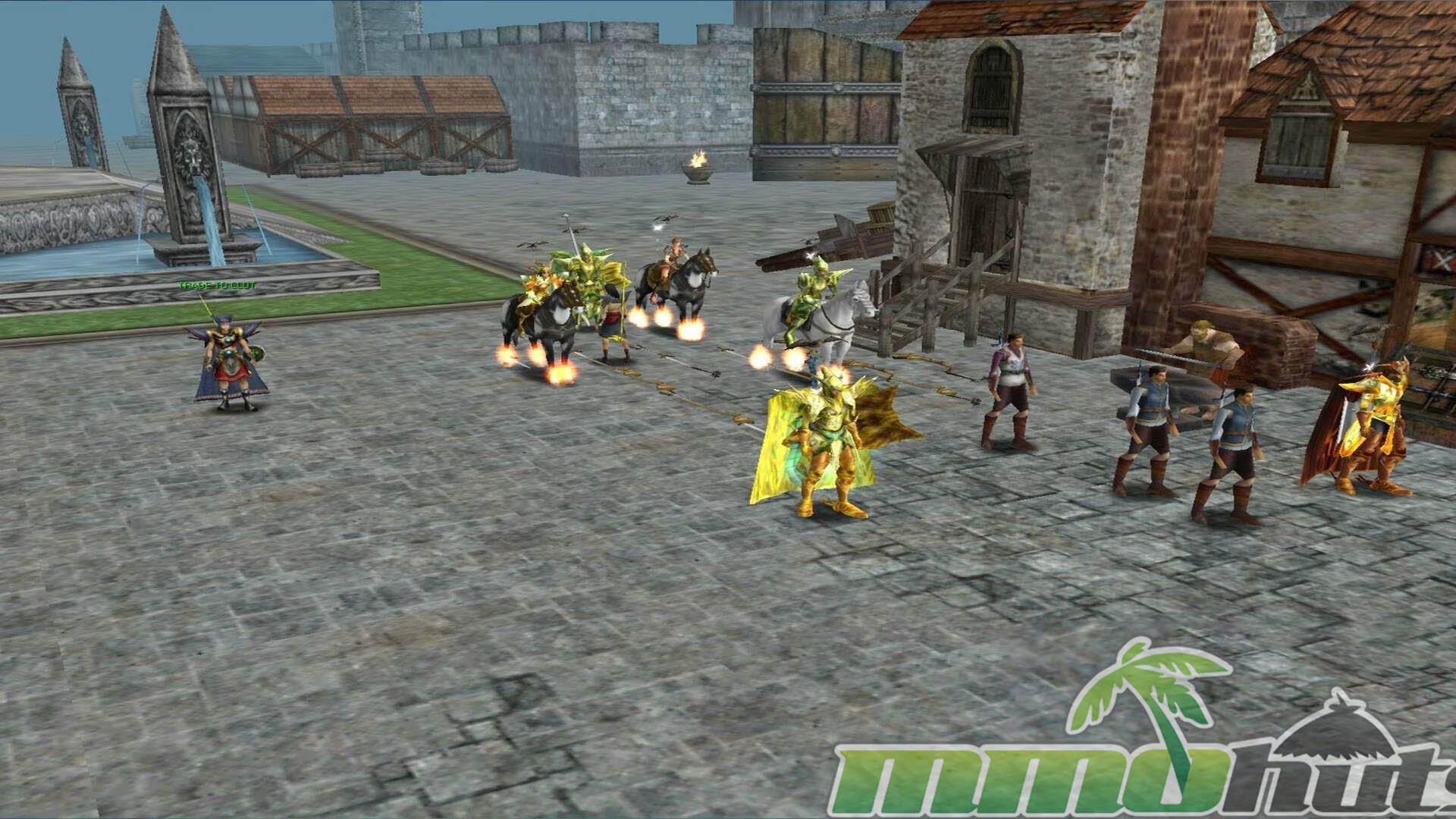
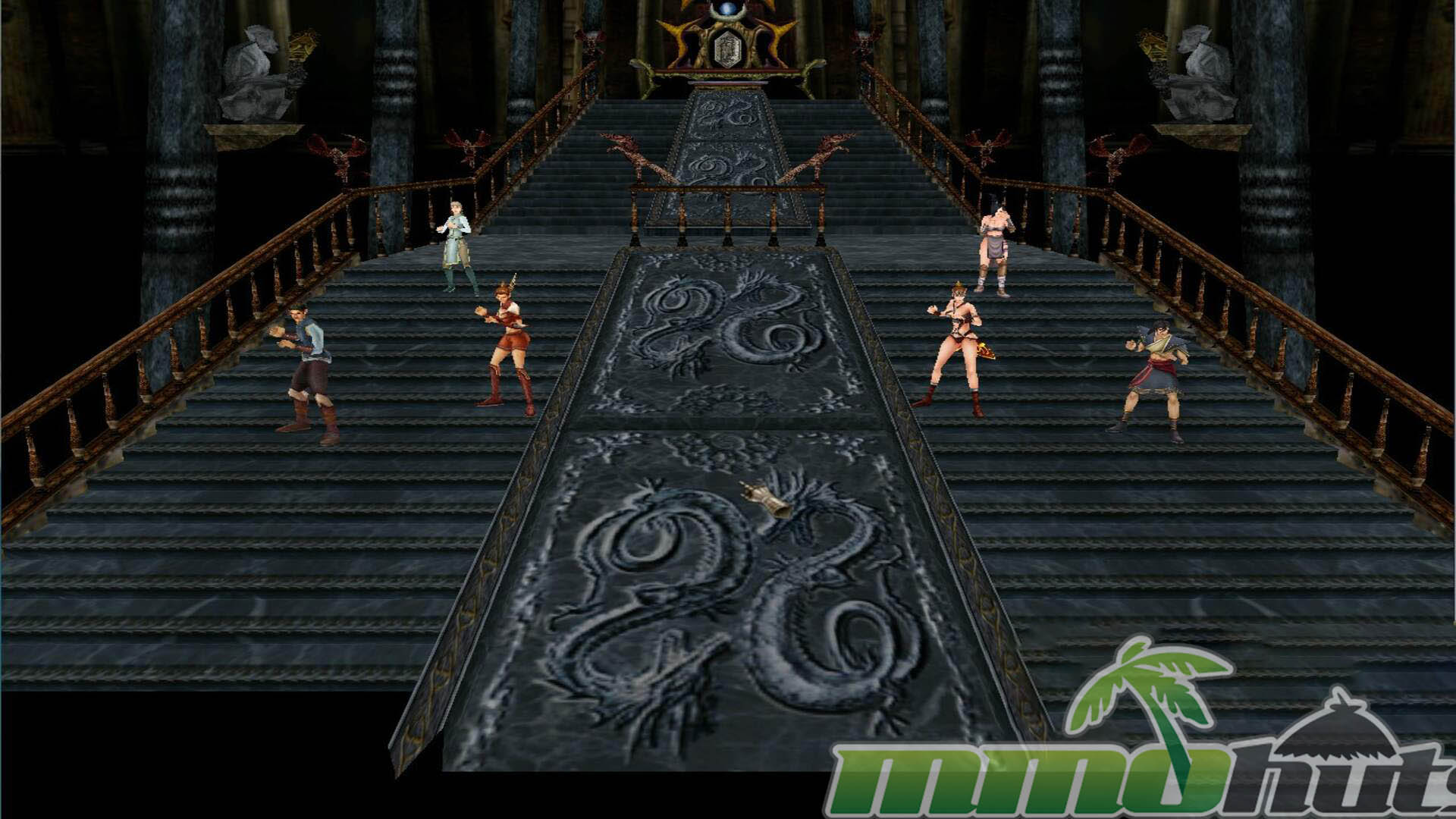
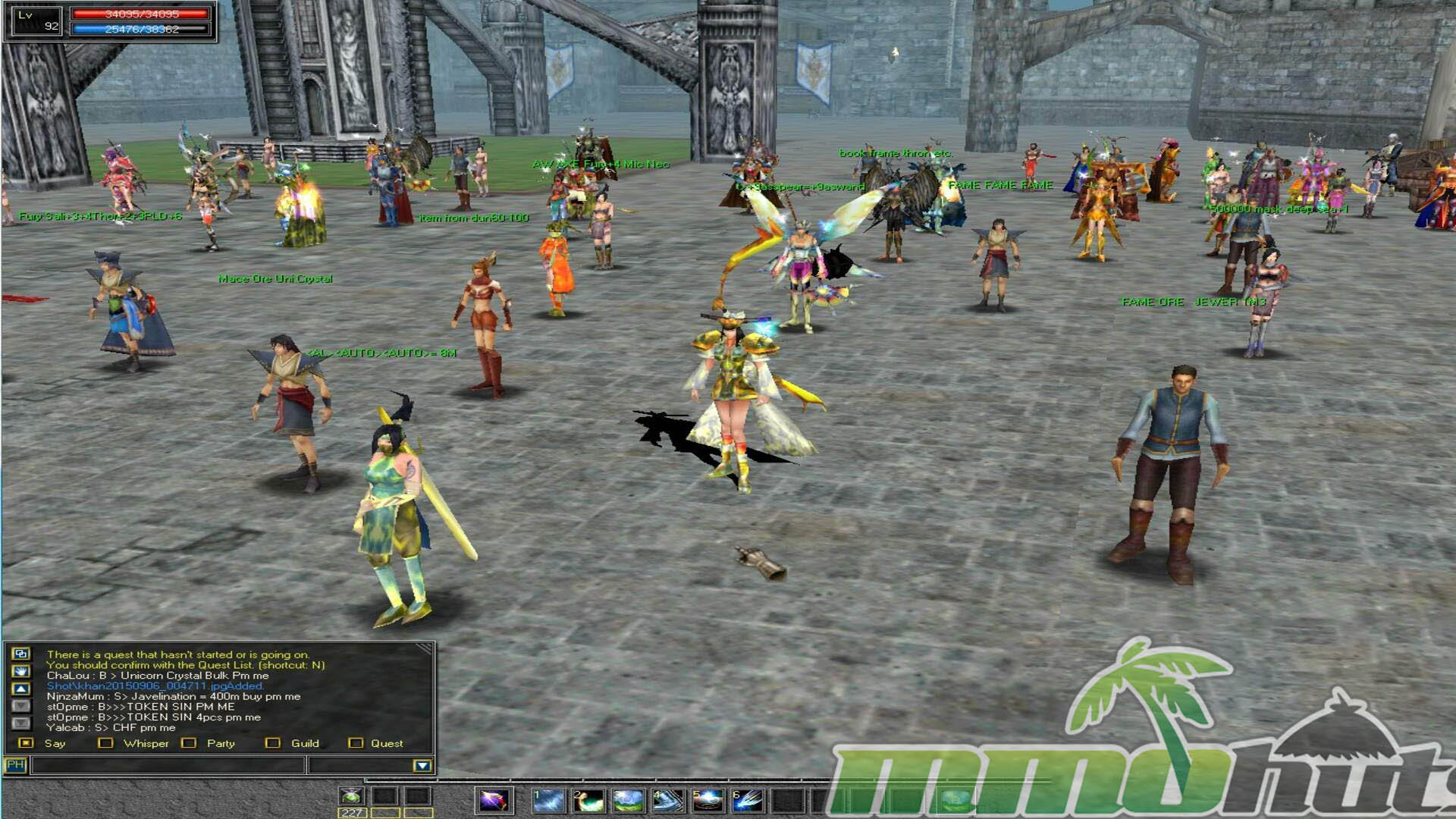


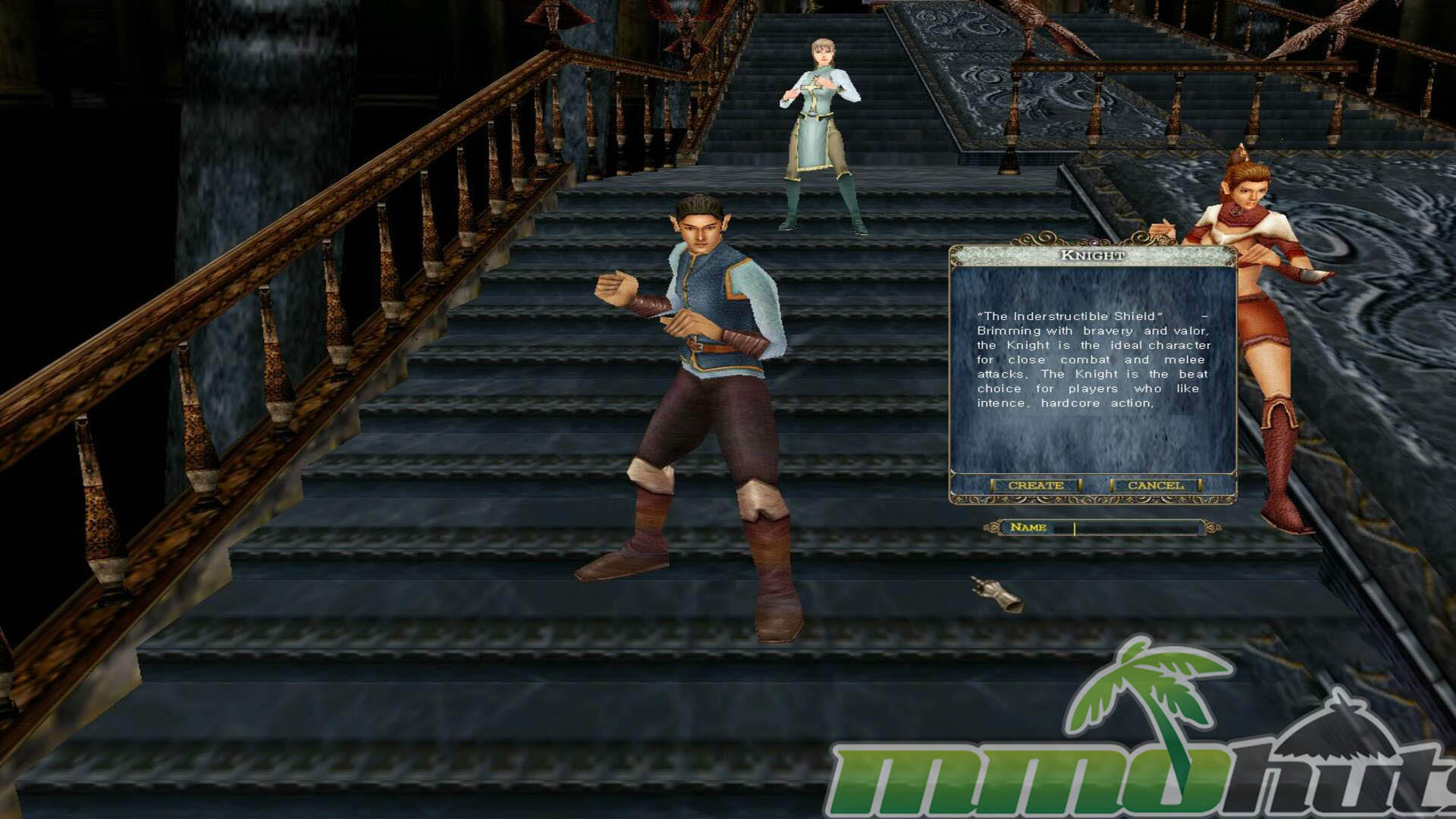
Khan: Absolute Power Video

Khan: Absolute Power Review
Khan: Absolute Power is a 3D MMORPG from South Korea’s Mirinae, originally released in 2003 and later appearing on Steam in 2016. The pitch is easy to appreciate if you miss the early 2000s MMO era: slower pacing, heavier grind, and a stronger reliance on party composition and community. The problem is that time has not been gentle here, and the game’s rough technical state and dated usability make it hard to recommend to anyone not specifically hunting for an old-school curiosity.
First steps, class choice, and early expectations
The first impression comes from character creation, which is simple even by older standards. You can choose from a small roster of classes, and while the options are limited, there is at least some flavor in the lineup, with picks like Necromancer sitting alongside more traditional support roles such as Cleric. Once you are in-game, the onboarding is brief and the title quickly shifts into a practical routine of quests, mobs, and incremental gear upgrades.
New players should be ready for a learning curve that is not about combat complexity so much as wrestling with older design. Quest directions can be vague, menus can be hard to read at a glance, and the overall flow assumes you are comfortable experimenting, asking other players, or simply grinding through unclear objectives.
Graphics / UI
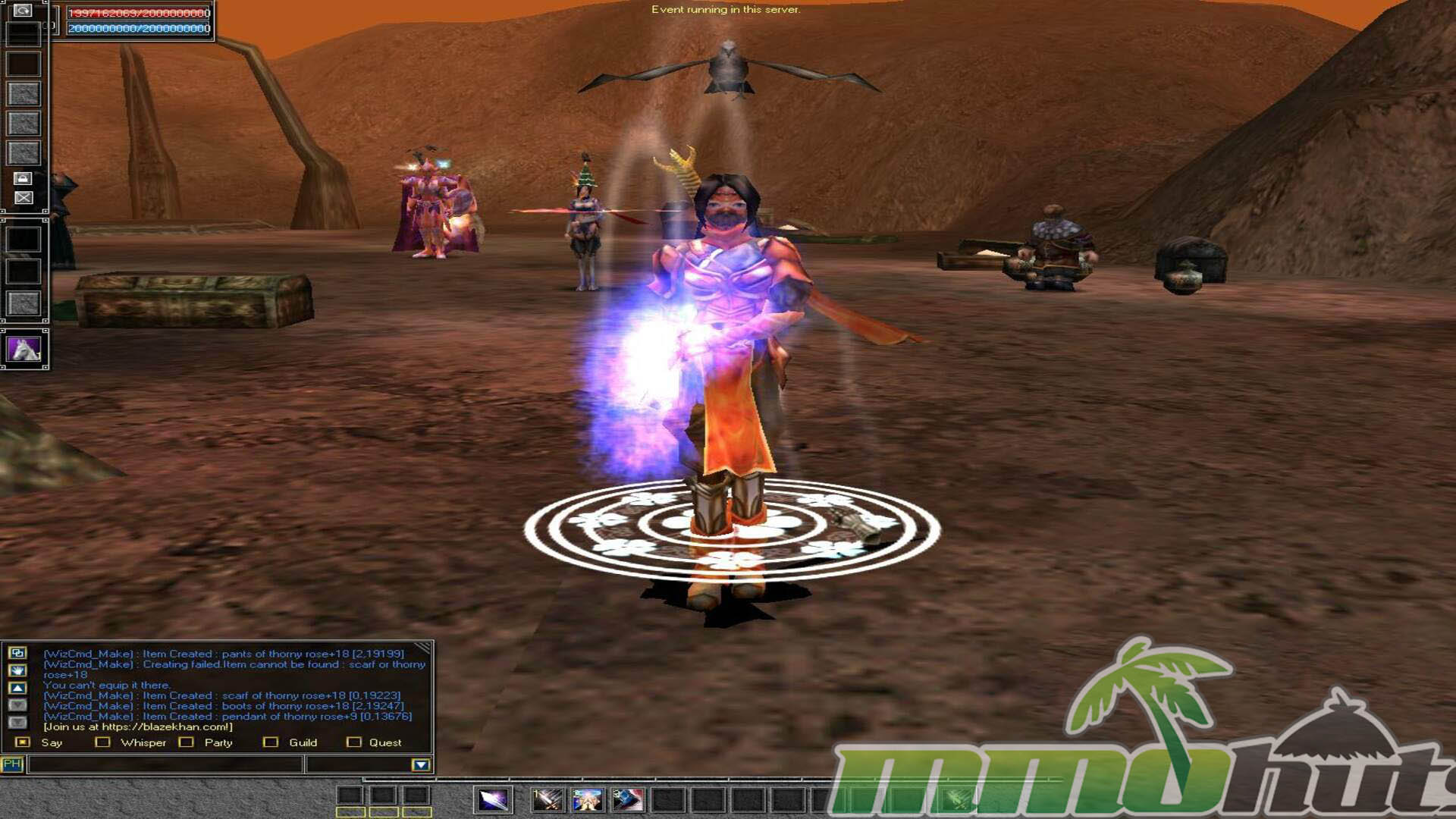
Visually, Khan: Absolute Power looks like what it is, an MMO built in the early 2000s. Environments and character models are basic, animations are stiff, and the presentation lacks the clarity and polish most modern players expect. Some fans will enjoy the time-capsule feel, but anyone coming from contemporary MMORPGs will likely find it harsh on the eyes.
The interface is an even bigger hurdle than the graphics. Information is packed into older-style windows and icon bars, and the layout can feel busy without being especially readable. Because the UI is not very flexible, the burden is on the player to adapt, which adds friction to everything from managing skills to comparing gear.
Progression
Progression is built around classic MMO fundamentals: accept quests, defeat enemies, collect drops, and slowly improve your character’s stats and equipment. The issue is pacing. Leveling can feel more labor-intensive than satisfying, largely because much of the content funnels you toward repeated combat and frequent back-and-forth with limited narrative framing.
Where the game does show a bit more depth is in its skill selection. There are many abilities to work with, and building a character is not just about swapping gear, it is also about deciding what to invest in as you climb. Unfortunately, the same UI problems that impact general play also make it harder than it should be to understand and manage those choices.
Old-school point-and-click combat
Khan: Absolute Power uses a traditional point-and-click combat model. It gets the job done, but it is slow and can feel unresponsive, especially if you are used to action-oriented MMOs or even more modern tab-target systems with smoother feedback. Enemy behavior can also be inconsistent, which sometimes turns routine fights into minor frustrations when targeting or engagement behaves unexpectedly.
PvP is where the game’s design makes more sense. Guild clashes and castle siege-style battles give players a reason to coordinate, bring complementary roles, and care about positioning and group play. When the community is active and organized, these moments can be the most memorable part of the experience, even if the engine and visuals limit how epic they can feel in practice.
Who this is really for
As a playable snapshot of an earlier MMO generation, Khan: Absolute Power has a certain historical charm. It offers a grind-forward progression model, a role-based class setup, and large-group conflict as a key motivator. At the same time, the game’s age shows everywhere, and the combination of bugs, interface friction, and dated presentation makes it difficult to suggest for players looking for a smooth daily MMO.
If you specifically want a retro MMORPG with a dedicated niche community and you are comfortable troubleshooting quirks, there is enjoyment to be found, particularly around guild play and sieges. For everyone else, there are older MMOs that preserve similar pacing while offering more refinement and stability.
Final Verdict – Fair
Khan: Absolute Power has a few bright spots, especially its class roles, skill variety, and the promise of siege warfare. Still, the overall package feels stuck in the past in ways that go beyond aesthetics, and the rough technical experience will be a deal-breaker for many. It can be worth a look for genre historians and nostalgic MMO players, but it is a hard sell as a long-term main game today.
Khan: Absolute Power Online Links
Khan: Absolute Power Official Site
Khan: Absolute Power Steam Page
Khan: Absolute Power Steam Greenlight
Khan: Absolute Power System Requirements
Minimum Requirements:
Operating System: Windows 98/ME/2000/XP
CPU: 32 bit
Video Card: VGA 3D 32 MB
RAM: 1 GB
Hard Disk Space: 1 GB
Recommended Requirements:
Operating System: Windows 7, Windows 8.1, Windows 10 (64-bit versions only)
CPU: 64 bit
Video Card: VGA 3D 128 MB or Higher
RAM: 2 GB
Hard Disk Space: 2 GB
Khan: Absolute Power Music & Soundtrack
Coming Soon…
Khan: Absolute Power Additional Information
Developer: Mirinae Entertainment
Publisher: Blaze Gamers
Steam Greenlight: September 06, 2015
Release Date: December 06, 2005
Steam Release Date: March 19, 2016
Development History / Background:
Khan: Absolute Power was created by Mirinae Entertainment and first published by Netgames under the name Khan Online, with a Western release that did not last long. After the official service ended, Blaze Gamers operated a private server version and rebranded it as Khan: Absolute Power without permission from the rights holders. The project later appeared on Steam Greenlight on September 06, 2015, was approved on February 26, 2016, and then launched on Steam on March 19, 2016.