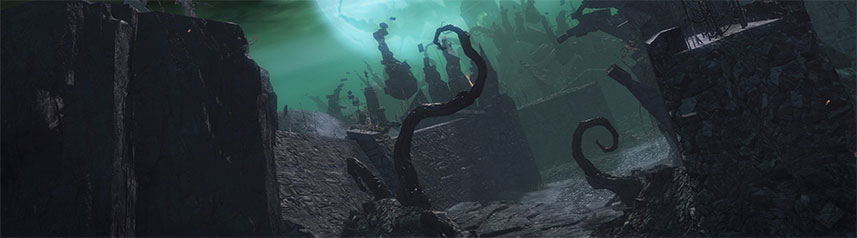
Huxley: The Dystopia aimed to blend MMO structure with first-person shooter combat, placing players into a bleak sci-fi conflict where two factions fought over Lunarite, a newly discovered energy resource. You chose to fight as a human Sapien or as an Alternative, a mutated offshoot of humanity, then used hub cities and a match lobby to jump into large-scale PvP.
 | Publisher: Webzen Games Inc. Type: Shooter MMORPG Release Date: May 3, 2010 Closure Date: December 30, 2010 PvP: Arenas/Battlegrounds. Pros: +Distinct factions with their own identity. +Social hub cities for grouping and queueing. +Body weak points that rewarded precision. Cons: -Shut down quickly after launch. -Extended development meant it felt dated on arrival. |
Huxley: The Dystopia Overview
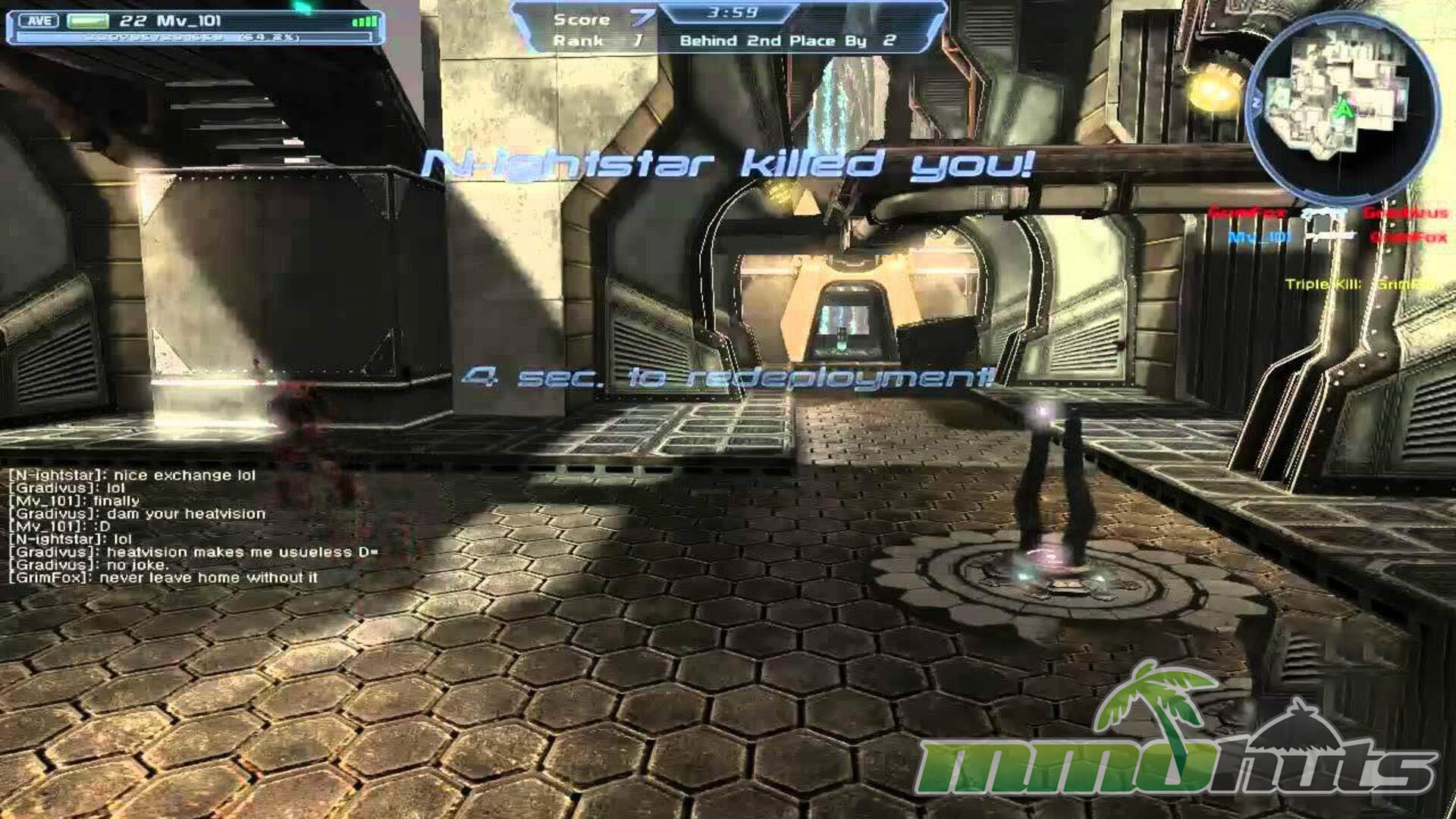
Huxley: The Dystopia was built as a persistent online shooter with MMO framing, meaning you spent time in shared spaces with other players, then used a lobby-driven system to queue into instanced firefights. The core idea was straightforward, deliver the immediacy of an FPS while still giving players the familiar MMO beats like faction identity, progression, and a world context that tried to connect matches together.
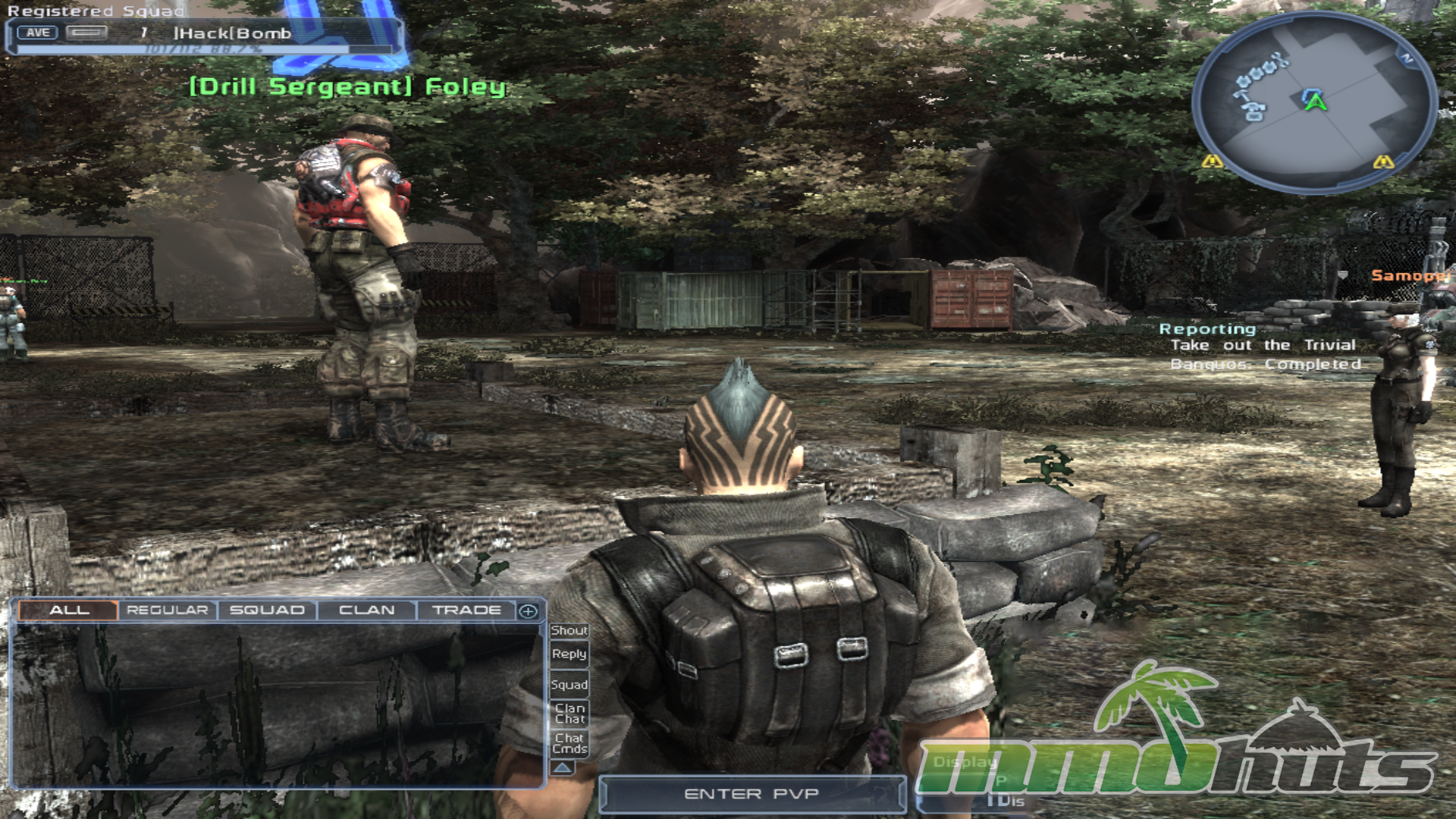
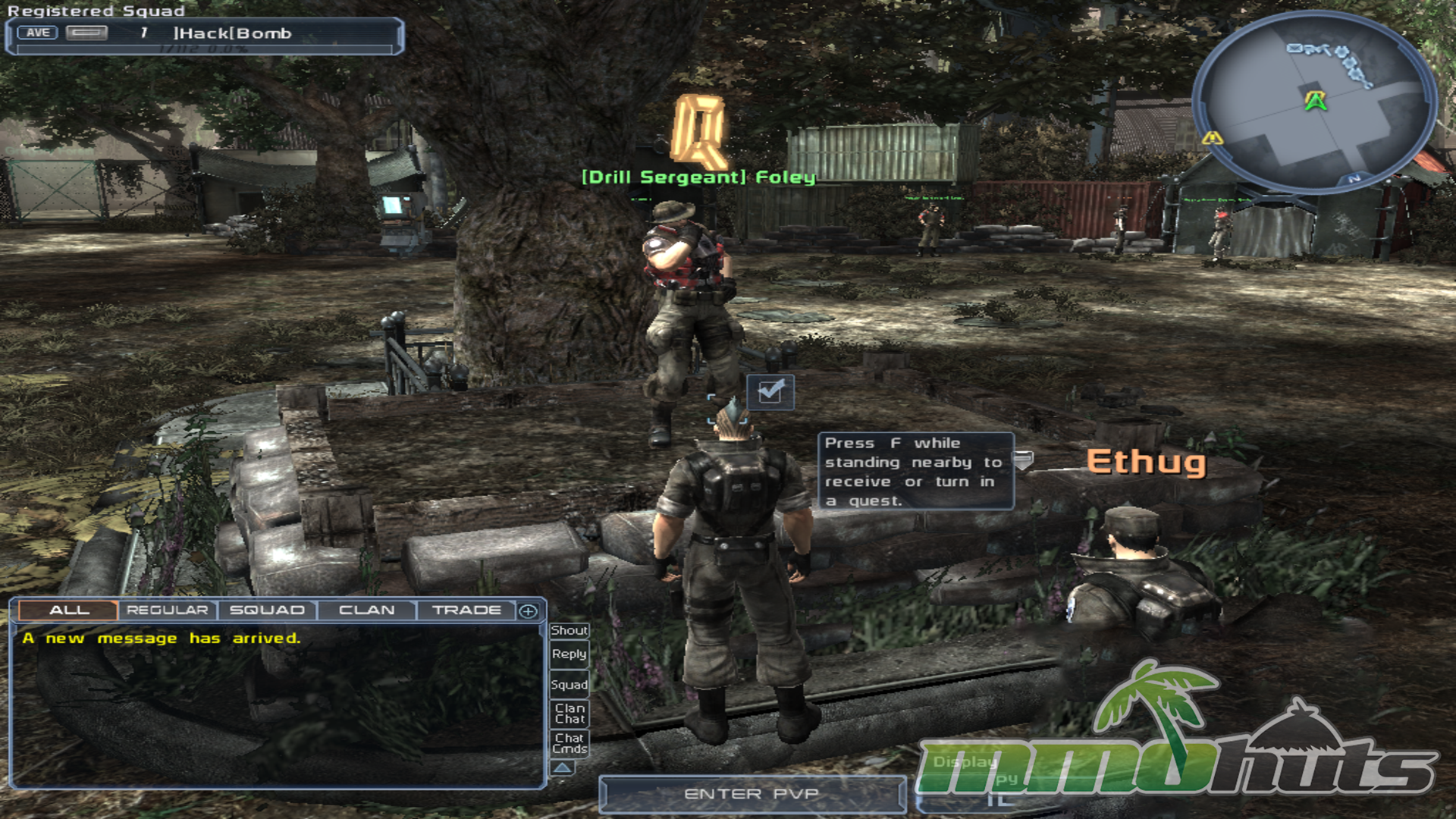
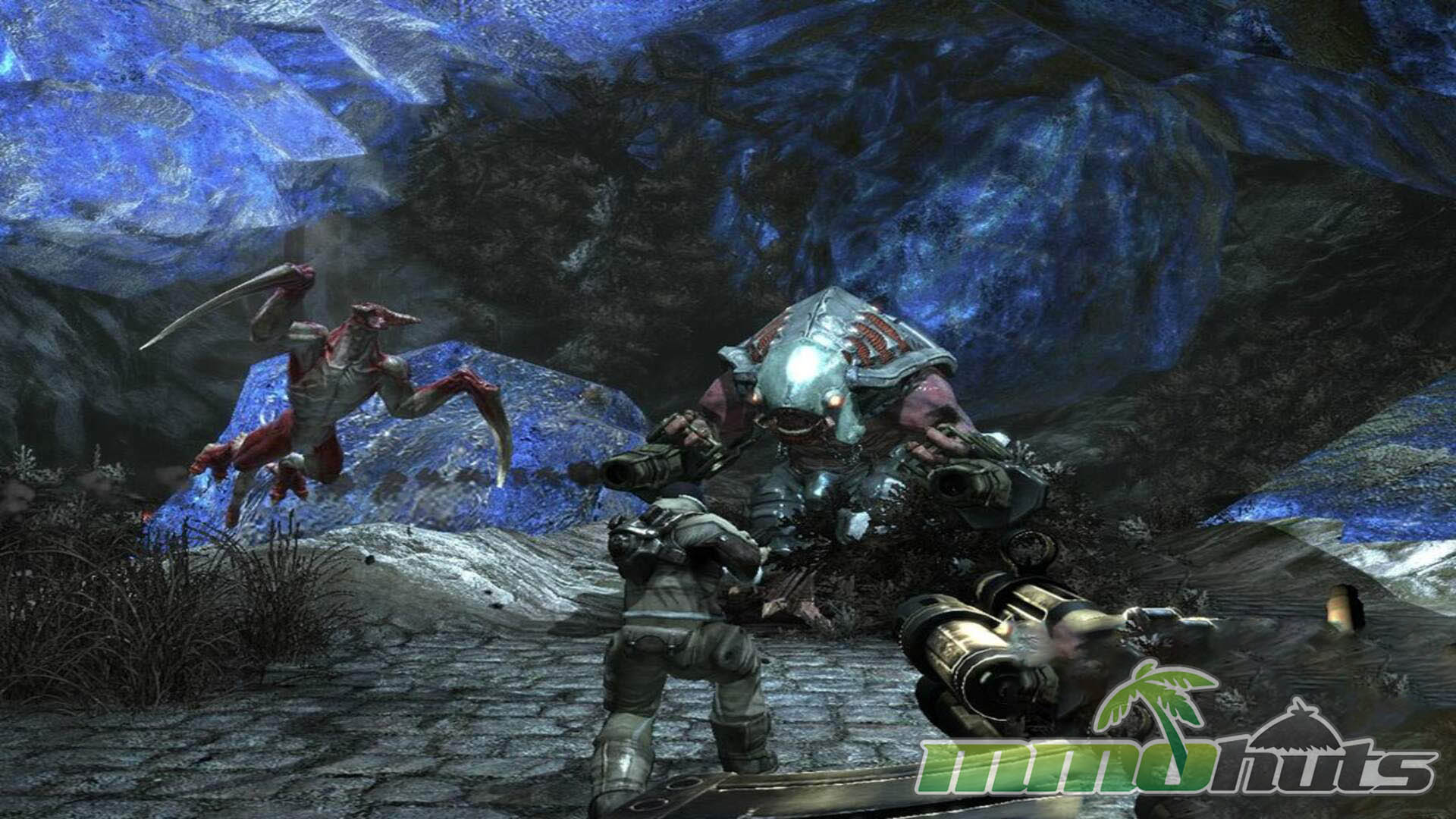
At the center of its setting was a resource war. The Sapiens represented baseline humanity, while the Alternatives were mutant humans shaped by the same harsh future, and the two sides clashed over access to Lunarite, a powerful new energy source. That faction split also extended to the social side of the game, with faction-specific cities acting as gathering points where players could meet, show off gear, and coordinate before jumping into combat.
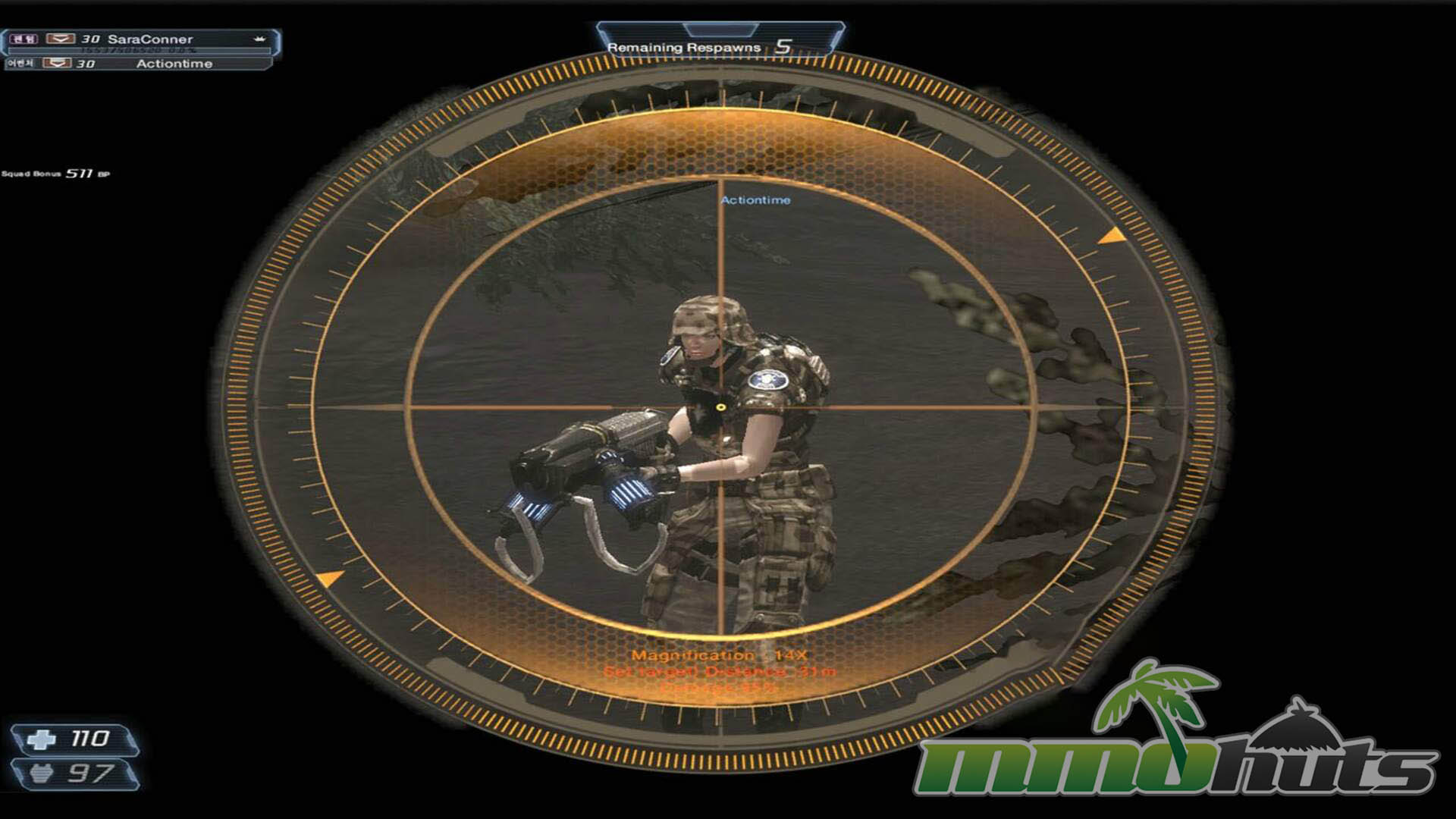
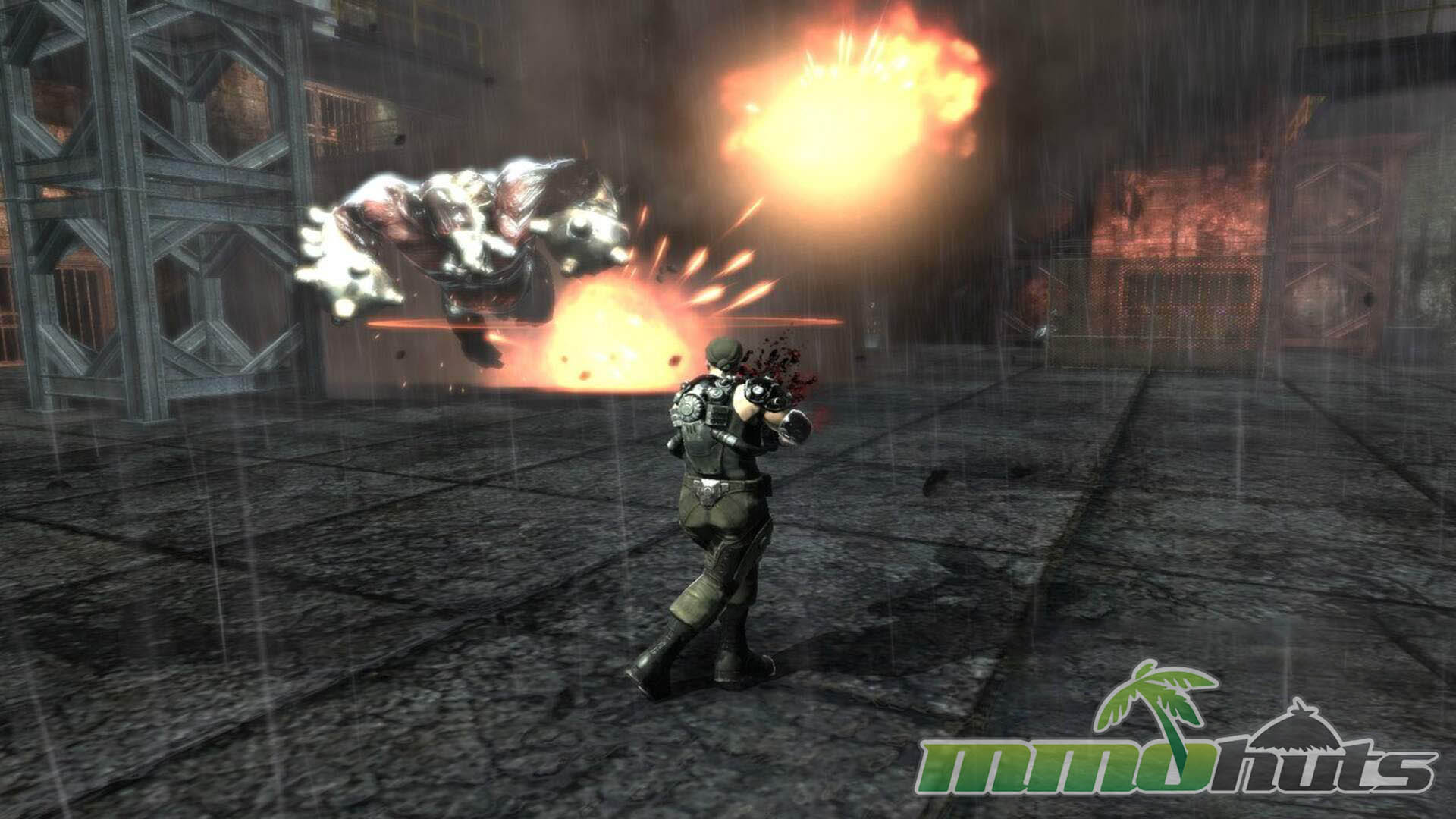
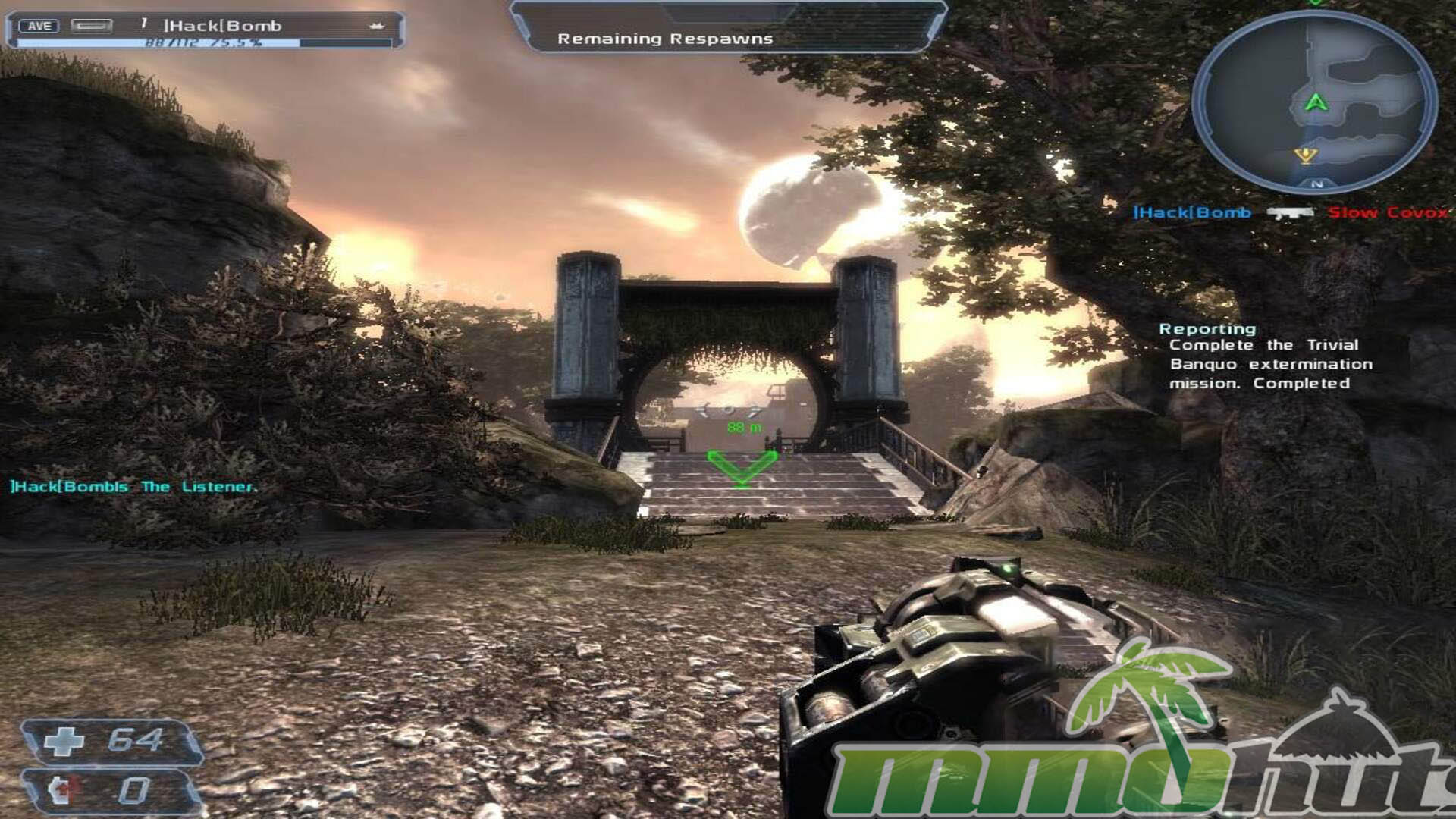
Class design followed a simple heavy-to-light spectrum. Enforcer played the heavy role, Avenger filled the middle ground, and Phantom served as the light class, each with their own equipment style and abilities intended to define how they contributed in a fight. Instead of leaning purely on twitch shooting, the game also pushed players to think about target selection and accuracy, including mechanics like weak points on enemy bodies to reward careful aim.
Most of the action ultimately lived in PvP, with battles supporting up to 64 players depending on mode and match size. The result was a game that felt closer to a competitive shooter with MMO dressing than a traditional quest-first MMORPG, but the hub-and-lobby loop gave it a distinct identity for its era.
Huxley: The Dystopia Key Features:
- Two Playable Races – Choose the Sapien faction or fight for the mutant Alternatives in a struggle for territory and resources.
- Three Playable Classes – Enforcer, Avenger, and Phantom provide heavy, medium, and light playstyles with their own tools.
- Skirmishes and Battlefields – Use the lobby to join different match types and sizes, with fights supporting up to 64 players.
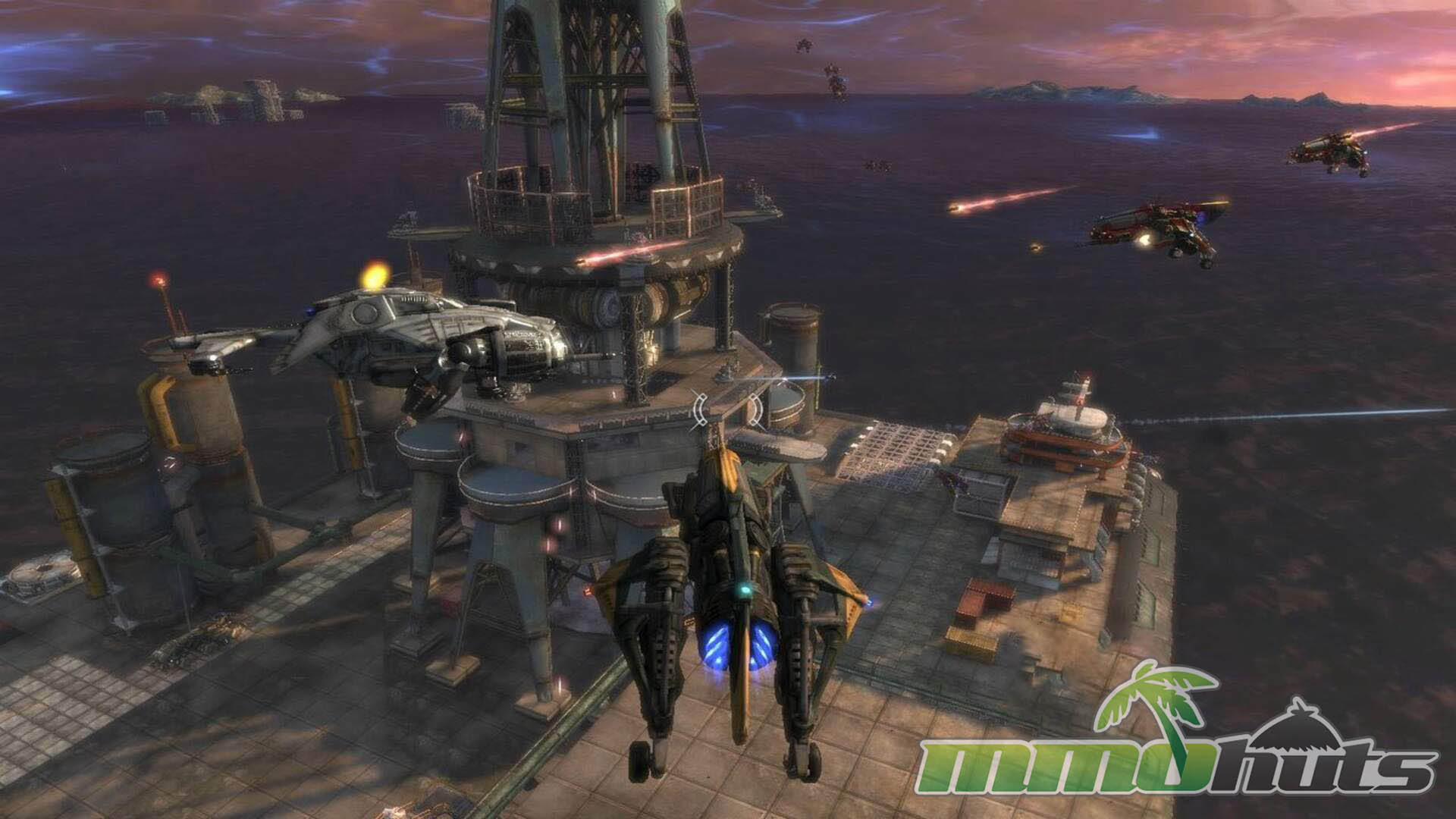
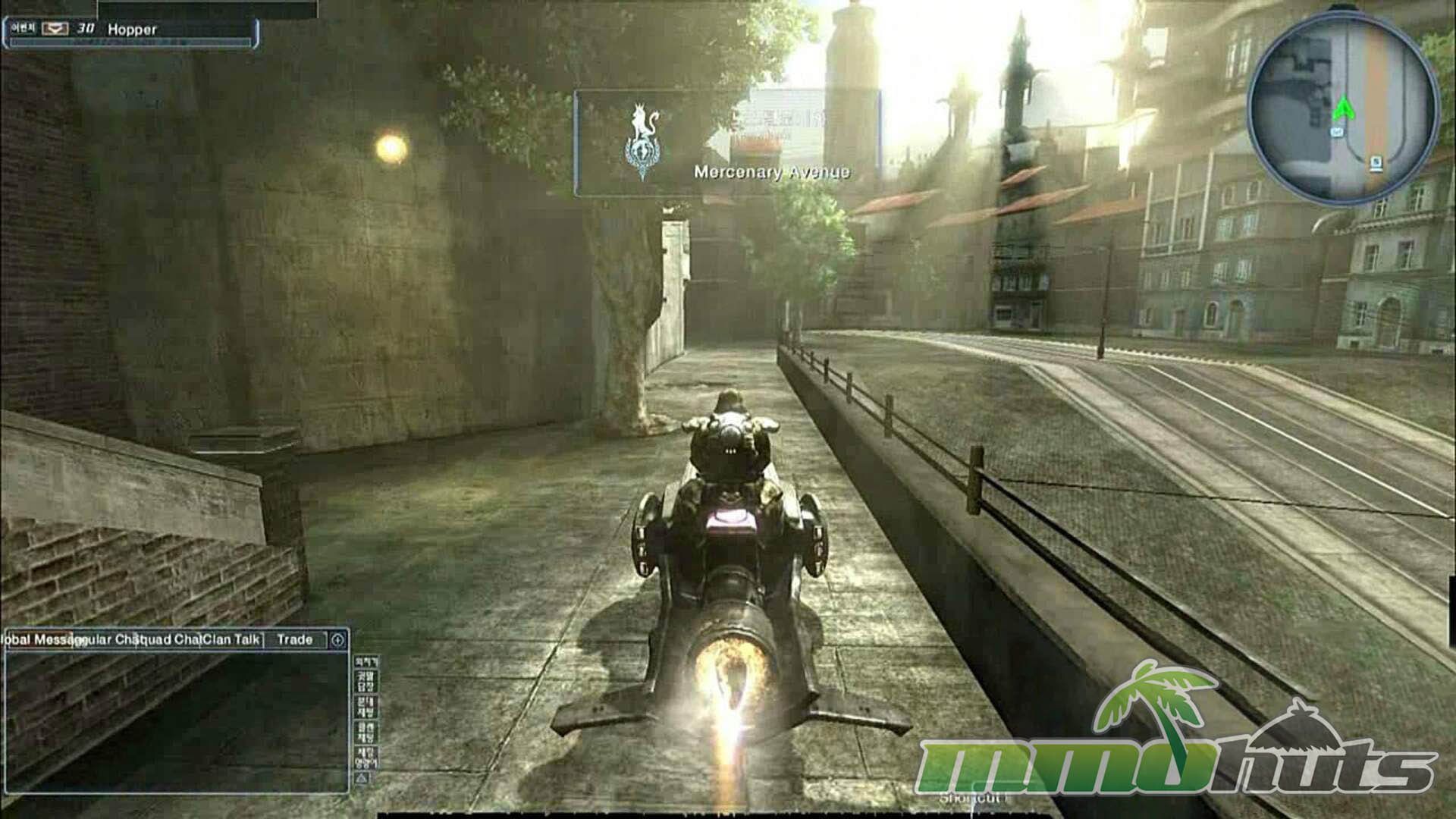
- Multiple Vehicles – Ride a hoverbike around the city as a flashy perk, or rely on the game’s transit options to move about.
- Faction-based Hub Cities – spend downtime in large faction hubs, then group up and queue into PvP from there.
Huxley: The Dystopia Screenshots

Huxley: The Dystopia Featured Video

Huxley: The Dystopia Online Links
Huxley: The Dystopia Official Website
Huxley: The Dystopia Wikipedia
Huxley: The Dystopia Wikia (Database / Guides)
Huxley: The Dystopia Music & Soundtrack
Coming soon!
Huxley: The Dystopia Additional Information
Developer: Webzen Games Inc.
Publisher: Webzen Games Inc., NHN
Game Engine: Unreal Engine 3
Composer: Kevin Riepl
Release Date (Closed Beta): July 2009
Release Date (Open Beta): May 3, 2010
Closure Date: December 30, 2010
Development History / Background:
Huxley: The Dystopia was developed and published by Webzen Games Inc., a South Korean company known for operating multiple online titles and founded in 2000. The project was first revealed in 2007, but its North American closed beta did not arrive until 2009, leaving a noticeable gap between announcement and hands-on availability.
One of the game’s most discussed business milestones was a major 2007 publishing deal that granted The9 rights to run the title in China for $35 million USD, which was described at the time as the largest export transaction for a Korean-developed game. In North America, the service path was also somewhat uneven, launching through the ijji portal before later moving under Webzen’s own publishing umbrella.
Despite its ambitions, the game’s lifespan was brief, and its closure came with little in the way of clear, prominent messaging to players. Adding to the oddity, Huxley: The Dystopia continued to appear on Webzen’s website as though it were still a forthcoming project, even listing a release window as “within 2007,” long after the game had already come and gone.