Heroes of the Storm is Blizzard’s colorful 3D hero brawler that pulls champions from across the company’s biggest worlds. It plays like a streamlined MOBA built around tight 5v5 team fights, fast match times, and map-specific objectives, letting you jump into an arena as icons from Starcraft, Diablo, and Warcraft.
 | Publisher: Blizzard Entertainment Playerbase: High Type: MOBA Release Date: June 2, 2015 Pros: +Big roster of familiar Blizzard heroes. +Battleground objectives keep matches varied. +Approachable ruleset for newcomers. Cons: -The simplified format can feel limiting. -Rejoining disconnected matches is slow. |

Heroes of the Storm Overview
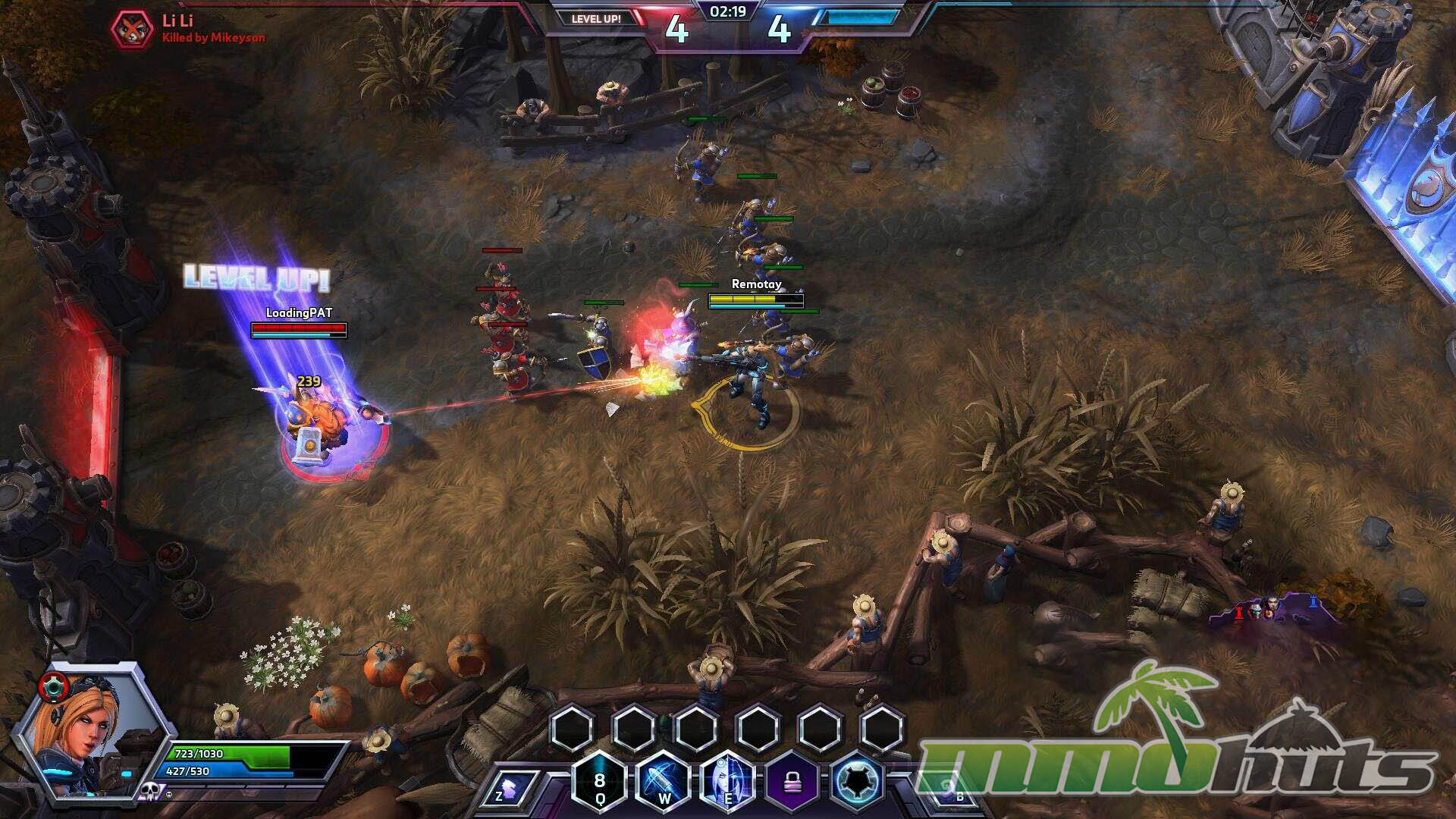
Heroes of the Storm is Blizzard Entertainment’s entry into the MOBA space, although Blizzard positions it as a “Hero Brawler” to emphasize its faster pace and team-first design. Matches are still classic 5v5 lane-based battles, but the formula is reshaped with shared team experience, no item shop, and battlegrounds that revolve around objectives rather than pure lane control. The biggest draw is the crossover roster, featuring characters from Starcraft, Diablo, Warcraft, Overwatch, and a few wildcard picks.
Heroes of the Storm Key Features:
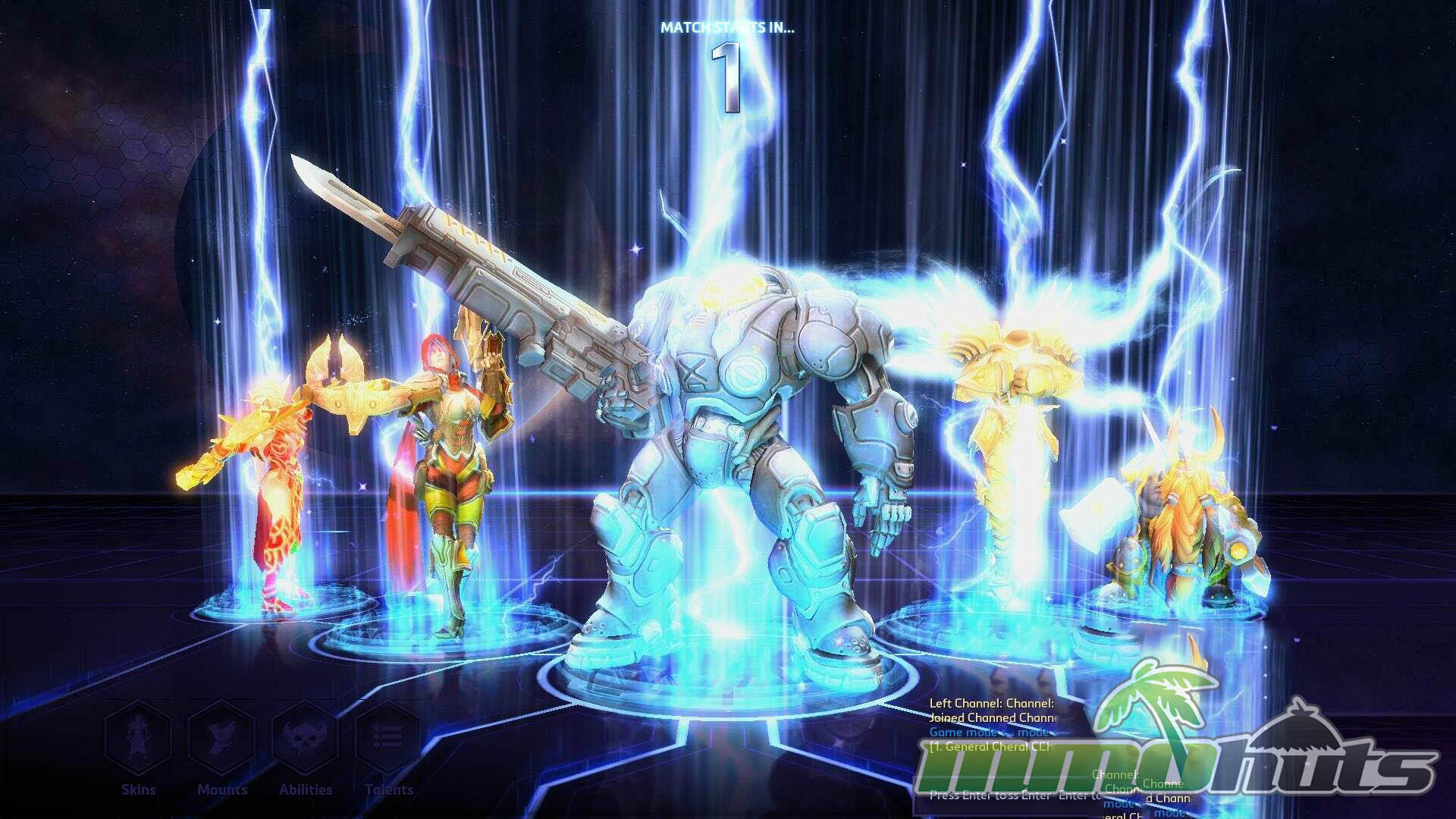
- Blizzard It Up – Battle with a wide roster of heroes spanning Blizzard universes (Starcraft, Diablo, Warcraft, Overwatch, and more).
- Let’s Share Exp – Levels are team-wide, experience is pooled so everyone stays the same level.
- What is Farm? – No last-hitting and no item builds, your choices come from talents during the match.
- Unique Maps – Each battleground has its own win-condition style objectives that change how teams rotate and fight.
- Start with Nearly Everything – You begin with your core kit available (ultimate comes later), then improve skills through talent tiers.
- Shorter Matches – Most games are brisk and brawl-heavy, commonly landing in the 10 to 20 minute range.
Heroes of the Storm Screenshots
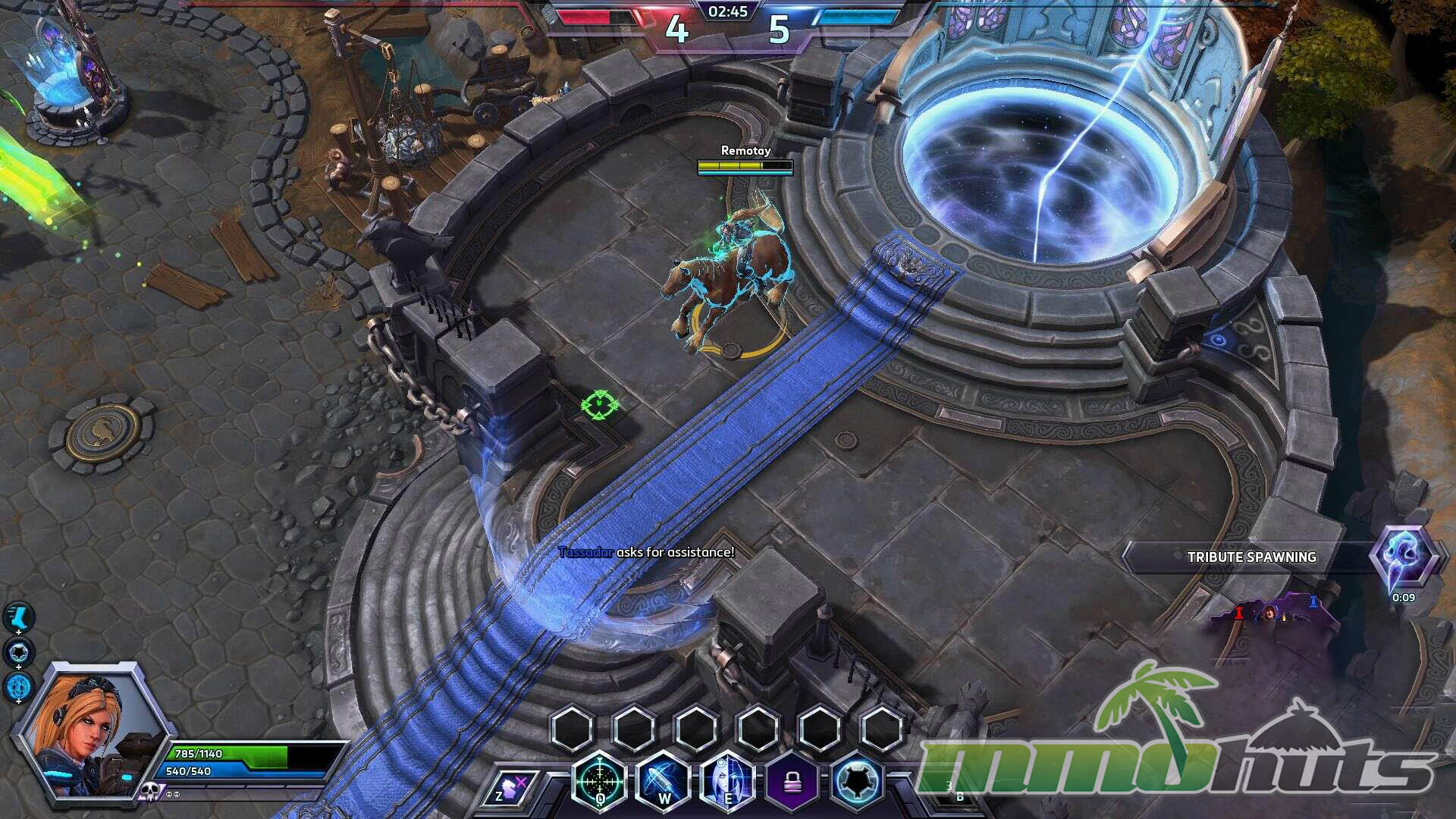

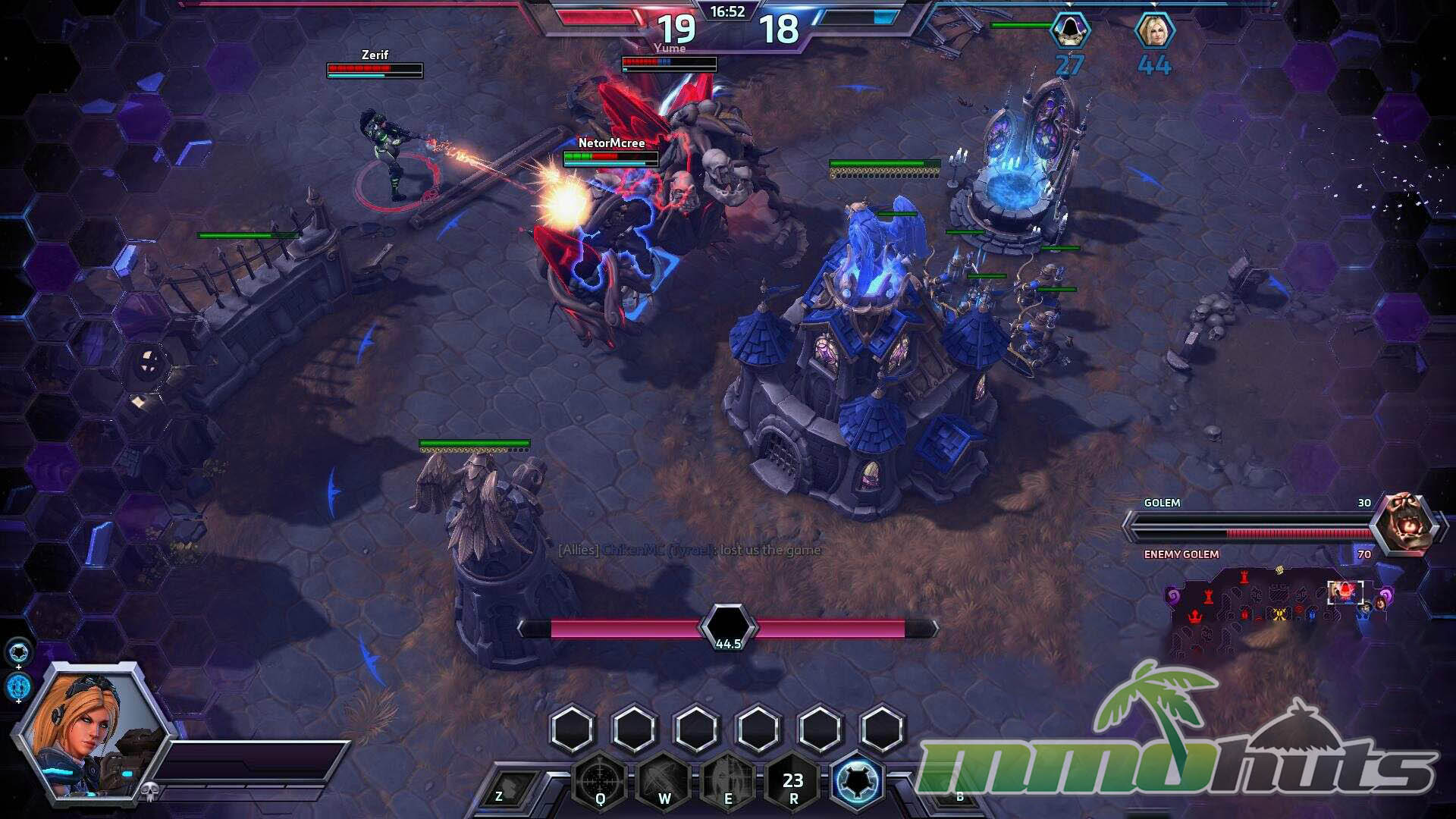

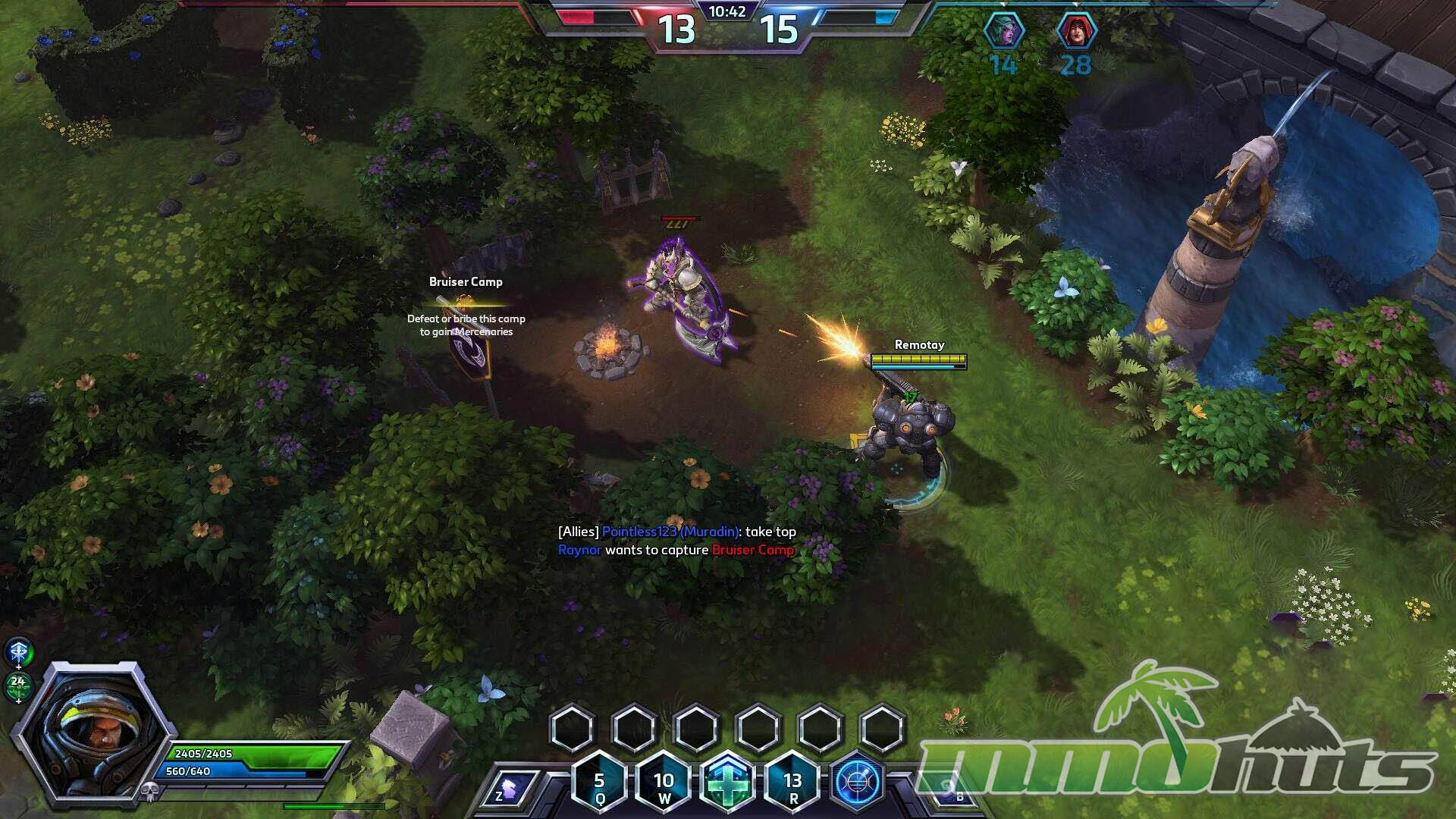
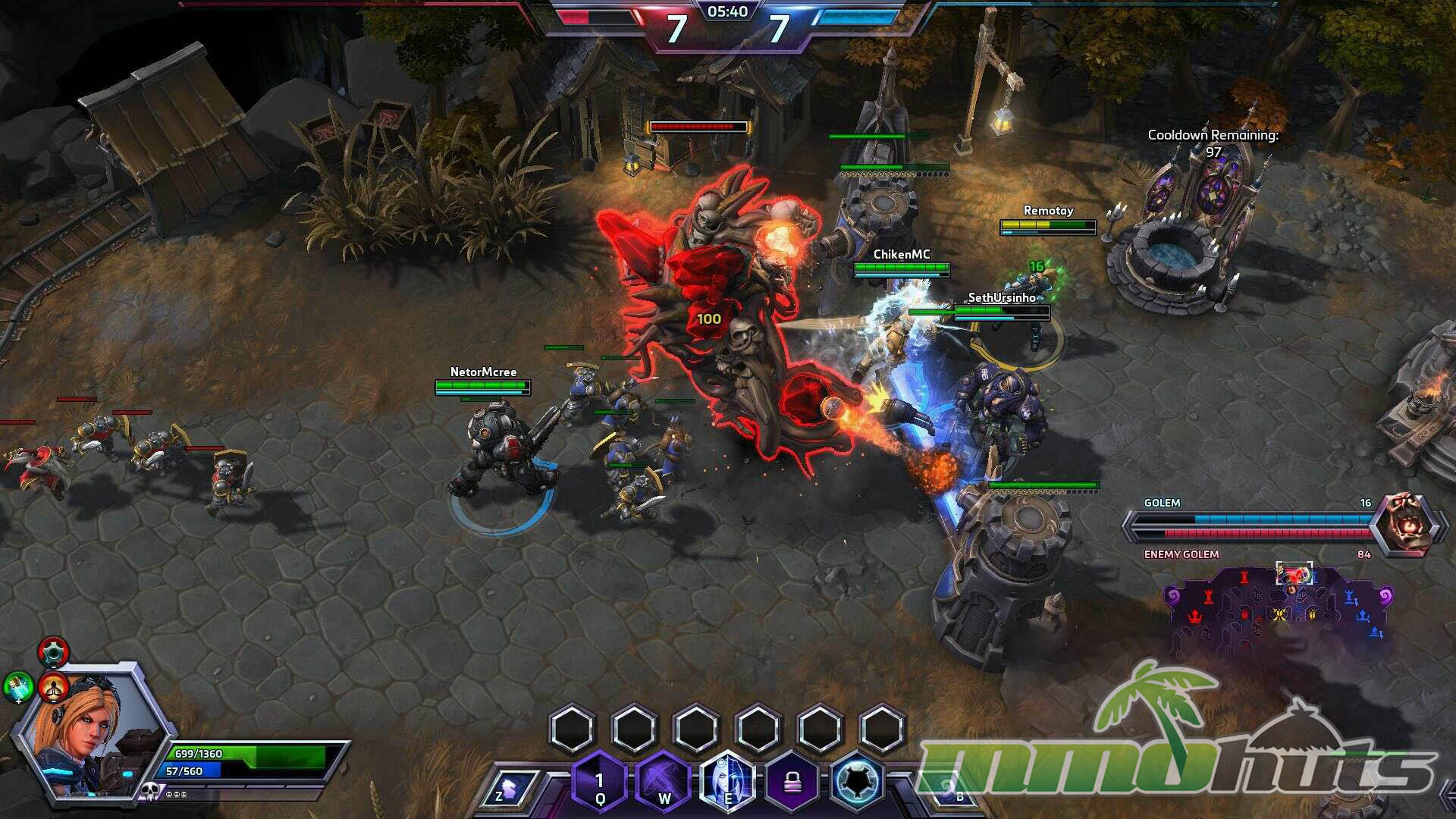

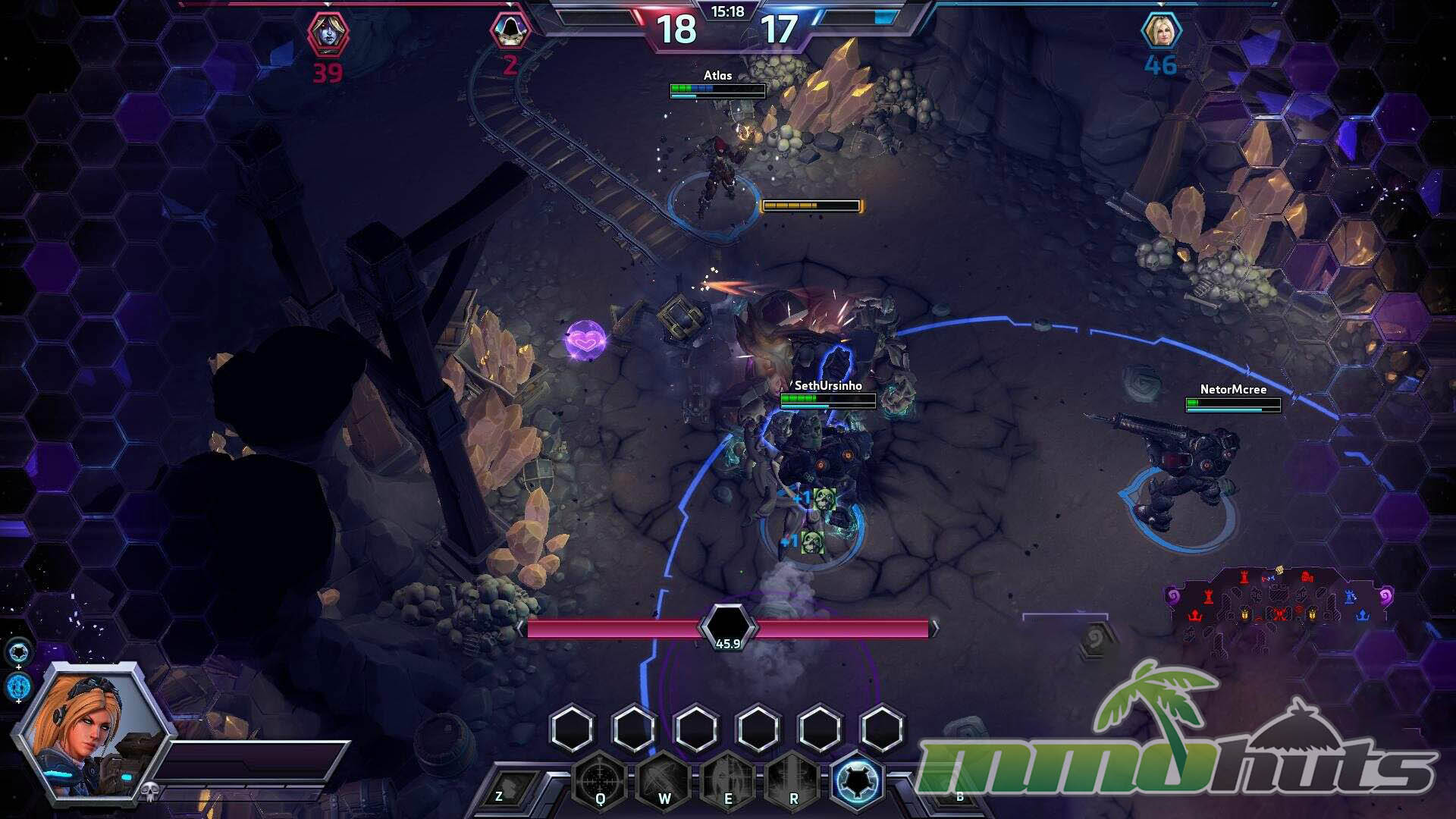
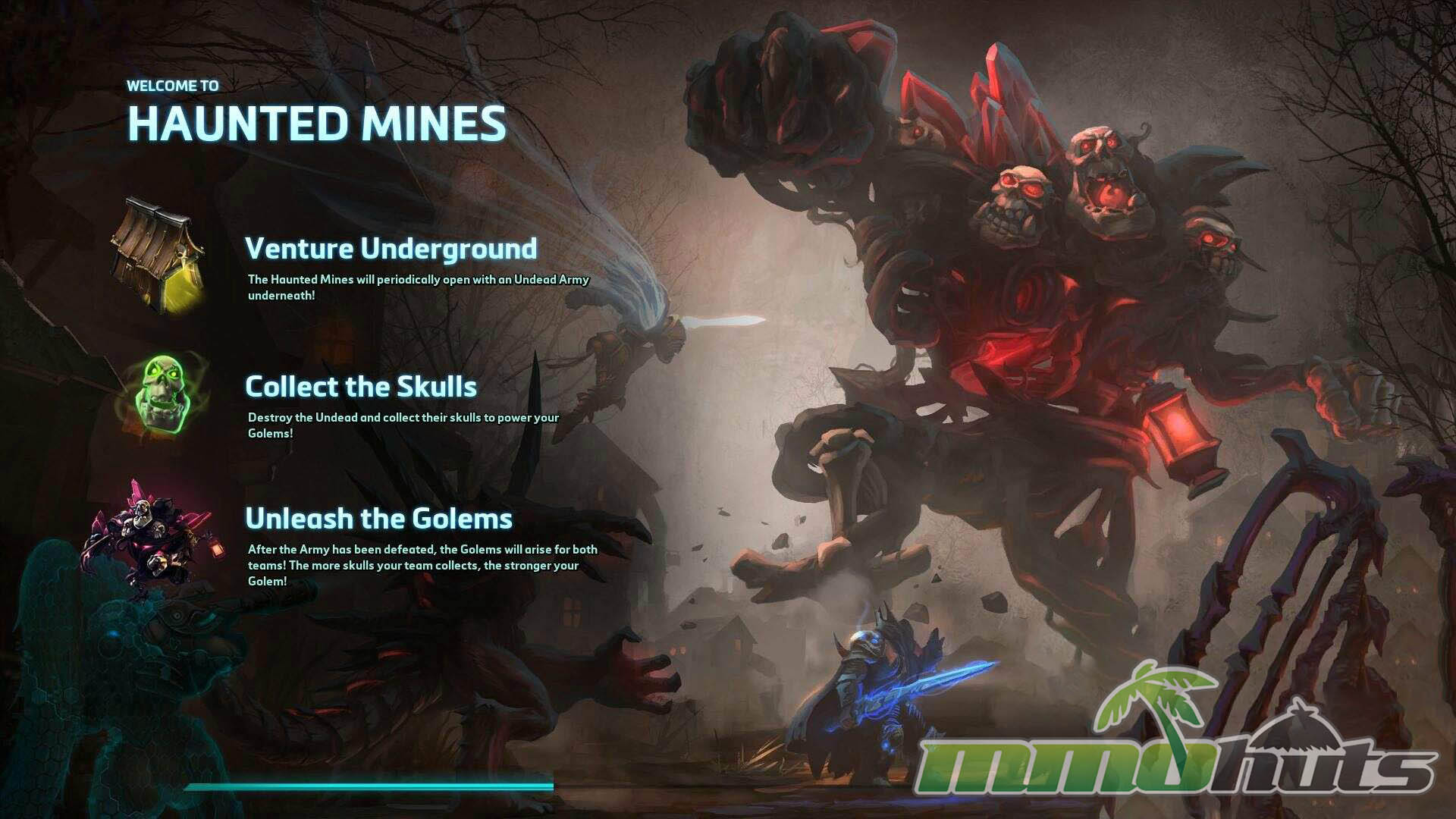

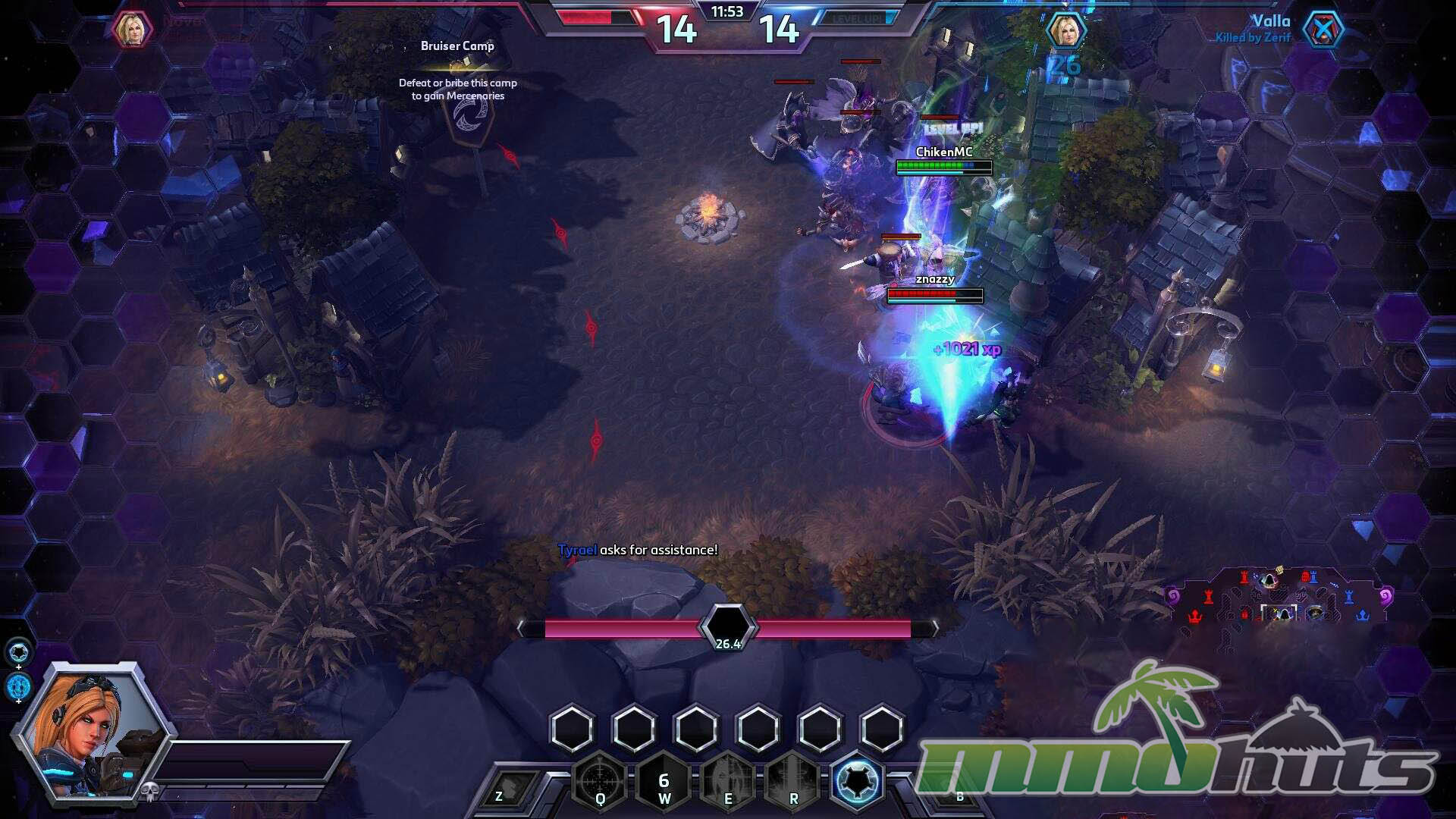

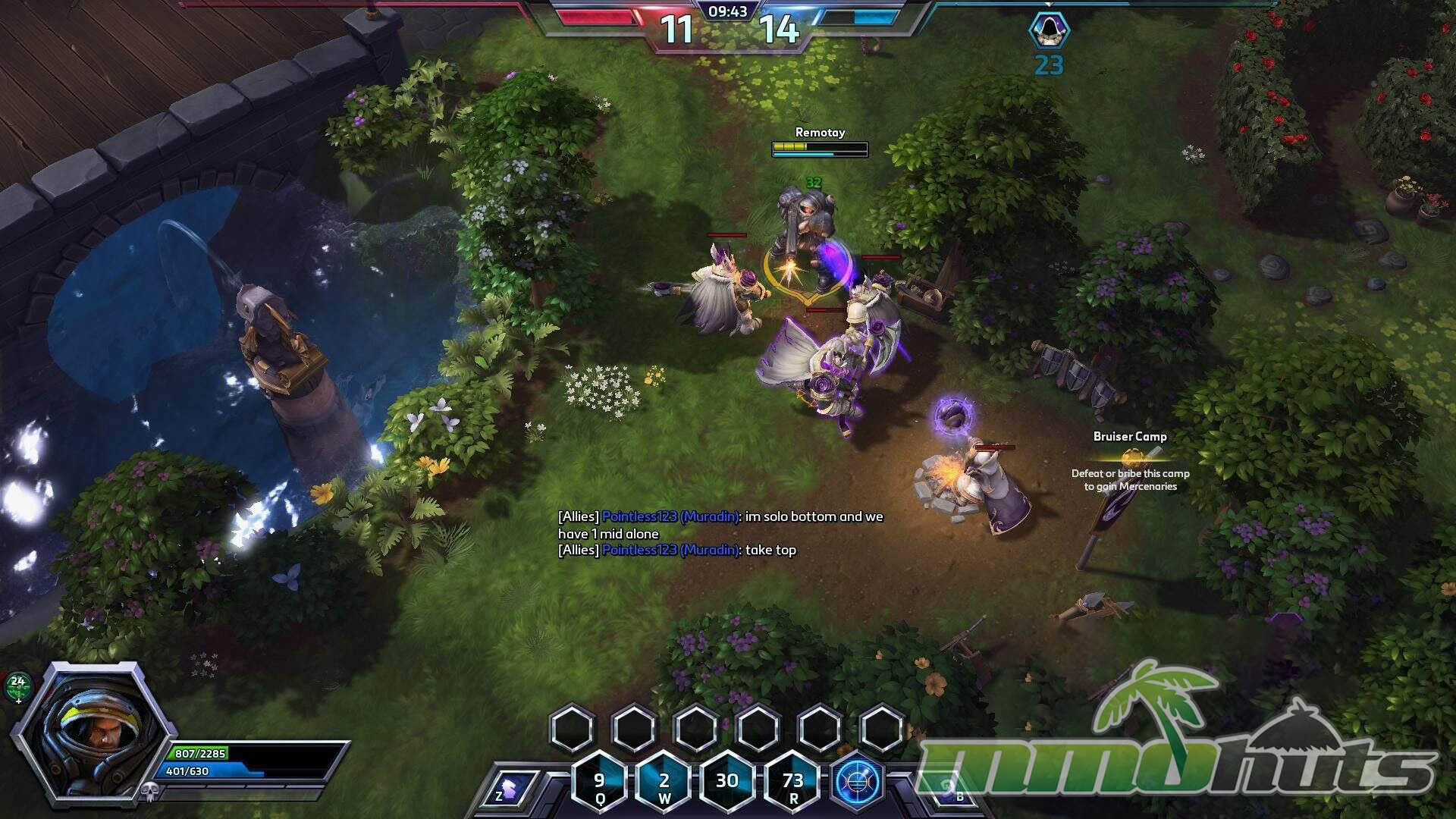
Heroes of the Storm Featured Video

Heroes of the Storm Heroes
Starcraft Heroes: Tychus / Zagara / Kerrigan / Tassadar / Raynor / Valla / Abathur / Sgt. Hammer / Nova / Zeratul / Probius / Lt. Morales / Artanis / Dehaka / Alarak / Stukov
Diablo Heroes: Azmodan / Tyrael / Nazeebo / Diablo / Sonya / Johanna / The Butcher / Leoric / Xul / Kharazim / Auriel / Cassia / Li-Ming / Imperius
Warcraft Heroes: Thrall / Jaina Proudmoore / Anub’arak / Brightwing / Muradin / Chen / Li Li / Murky / Rehgar / Arthas / Illidan / Gazlowe / Malfurion / Falstad / E.T.C. / Uther / Tyrande / Stitches / Sylvanas / Medivh / Varian / Rexxar / Cho / Gall / Chromie / Greymane / Ragnaros / Samuro / Zul’jin / Valeera / Lunara / Hogger / Yrel
Overwatch Heroes: Lucio / Zarya / D.Va / Genji / Tracer / Hanzo / Junkrat
Other Blizzard: The Lost Vikings / Qhira
For an updated list of Heroes of the Storm Heroes see here.
Heroes of the Storm Review
Heroes of the Storm, previously known during development as Blizzard DotA and Blizzard All-Stars, is a free-to-play 3D MOBA by Blizzard Entertainment. It delivers polished presentation, readable combat effects, and a celebratory “Blizzard crossover” vibe where legendary characters share the same battlefield. After appearing publicly as early as BlizzCon 2010 and going through years of iteration, it officially launched on June 2nd, 2015 for Microsoft Windows and OS X, following a closed beta on January 13th, 2015 and an open beta on May 19th, 2015.
What stands out immediately is the intent behind the design. HotS trims away several traditional MOBA layers (notably itemization, gold, and last-hitting) and replaces them with map mechanics and a stronger emphasis on coordinated rotations. Combined with mounts and battleground-specific objectives, the end result feels distinct rather than a simple clone, even if the genre foundations are familiar.
First Steps and Learning the Basics
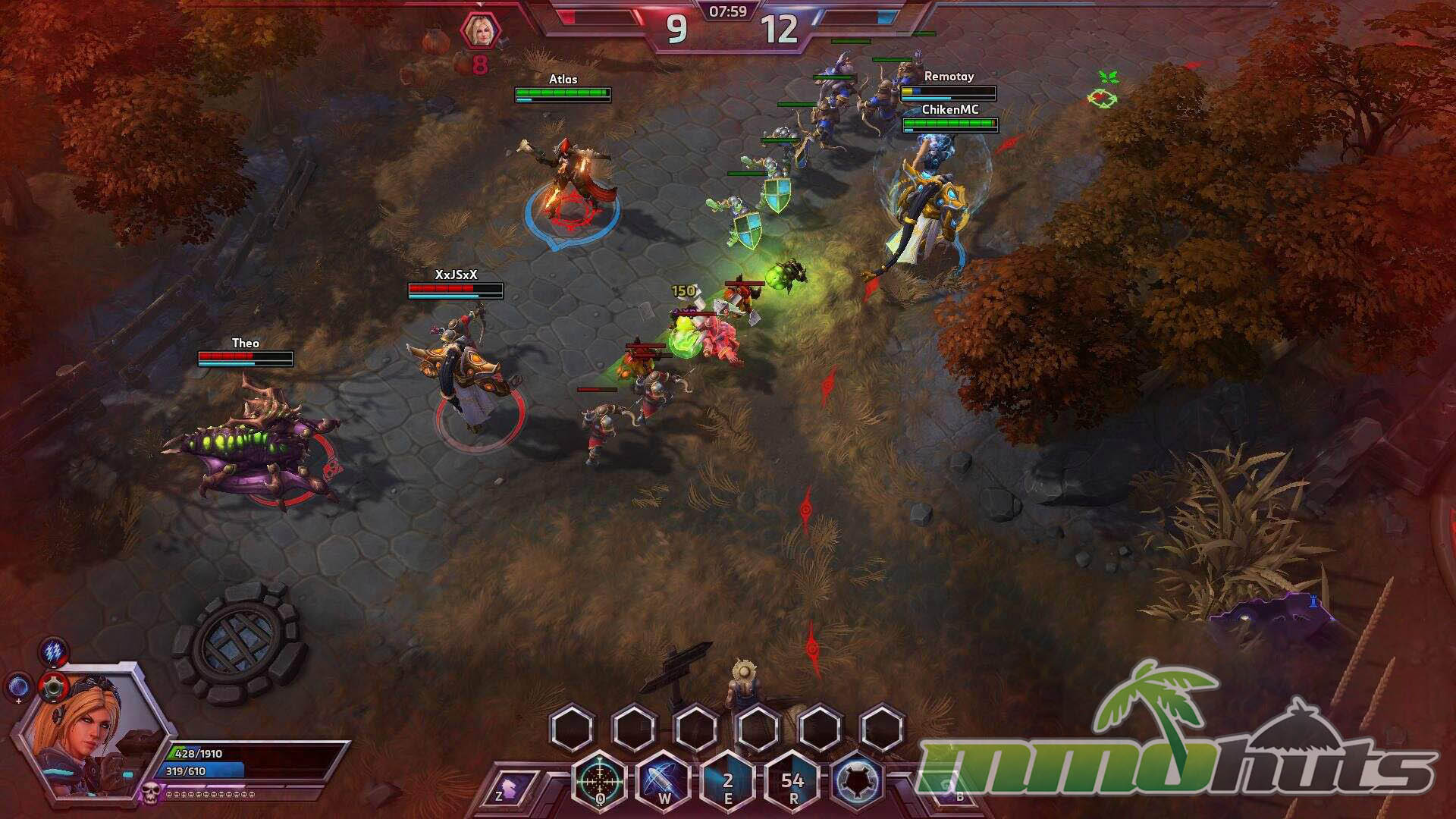
Your first session pushes you toward a tutorial (with the option to skip), and it does a good job explaining the genre in plain terms. It walks through movement, camera behavior, ability usage, and the primary win condition, destroying the enemy Core. The teaching style is light, and it uses recognizable faces to keep it entertaining, with Jim Raynor as the playable hero and Uther guiding the lesson.
More importantly, the tutorial clarifies the biggest HotS differences: you do not buy items, you do not need to last hit for gold, and your team shares experience so everyone levels together. After finishing, there are additional optional tutorials that focus on specific concepts. They are not required, but they can be a practical way to pick up extra currency while learning.

Understanding the Hero Roles
Once you reach the main menus, the roster becomes the main attraction. Heroes are grouped by role, and while the exact play patterns vary, the categories help new players understand what a team needs. HotS traditionally frames these as warriors, assassins, supports, and specialists, and each lane fight tends to revolve around how those roles combine.
Warriors are the front line. They initiate fights, absorb pressure, and create openings with crowd control. Diablo is a clear example of the “go in first” mentality, with tools that shove, stun, and displace enemies so your team can follow up. If you like dictating where the fight happens, this role usually delivers.
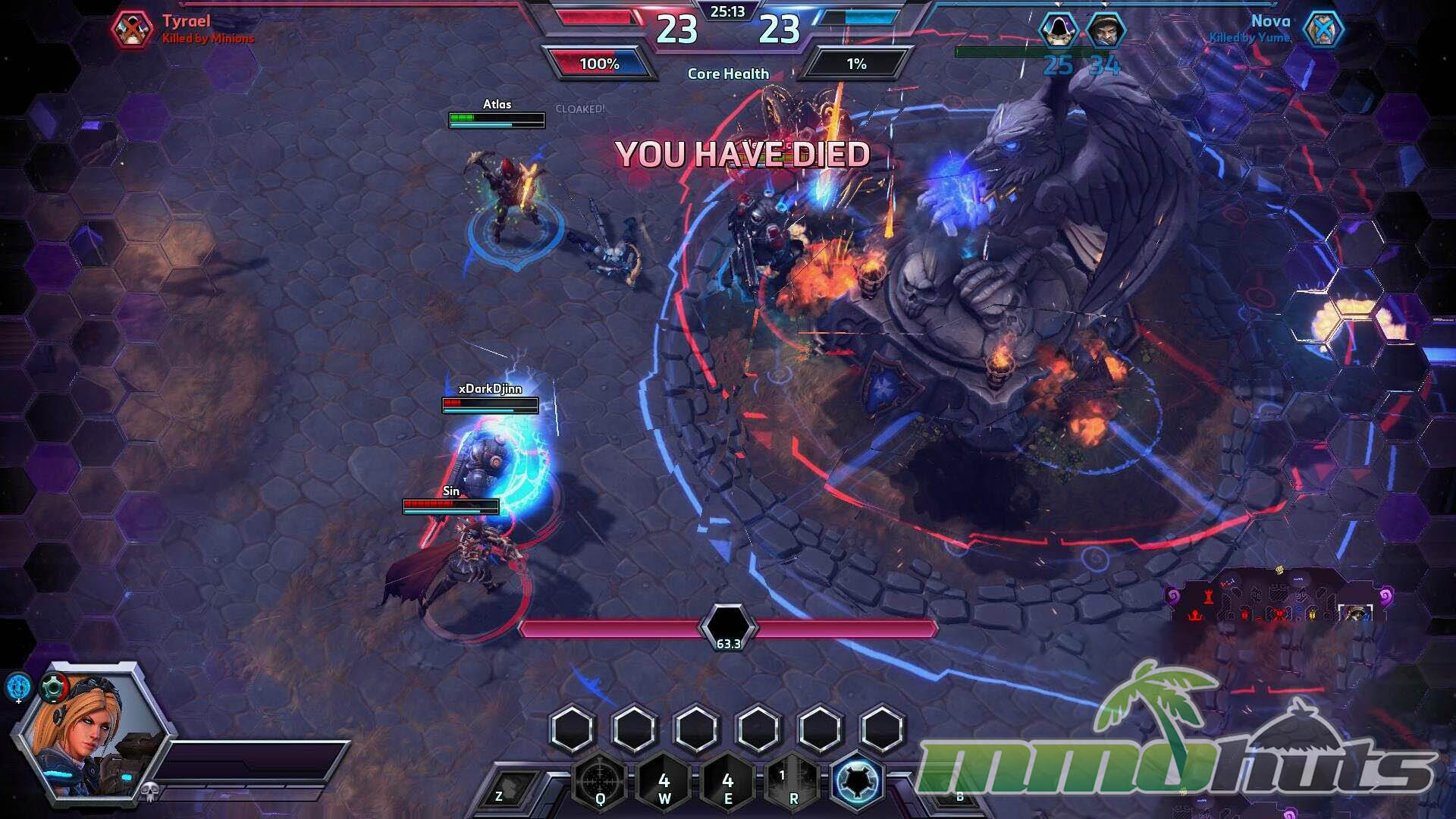
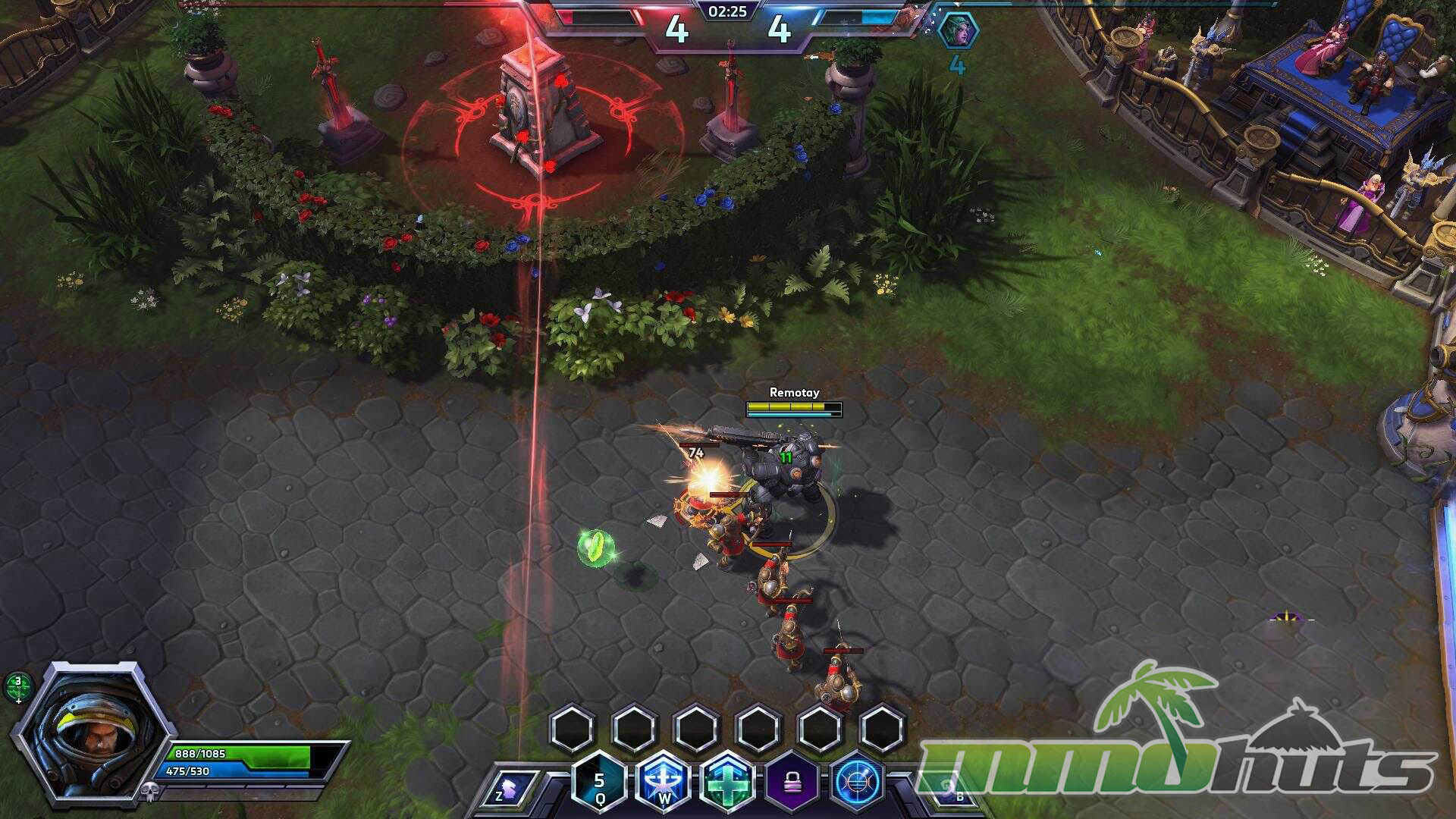
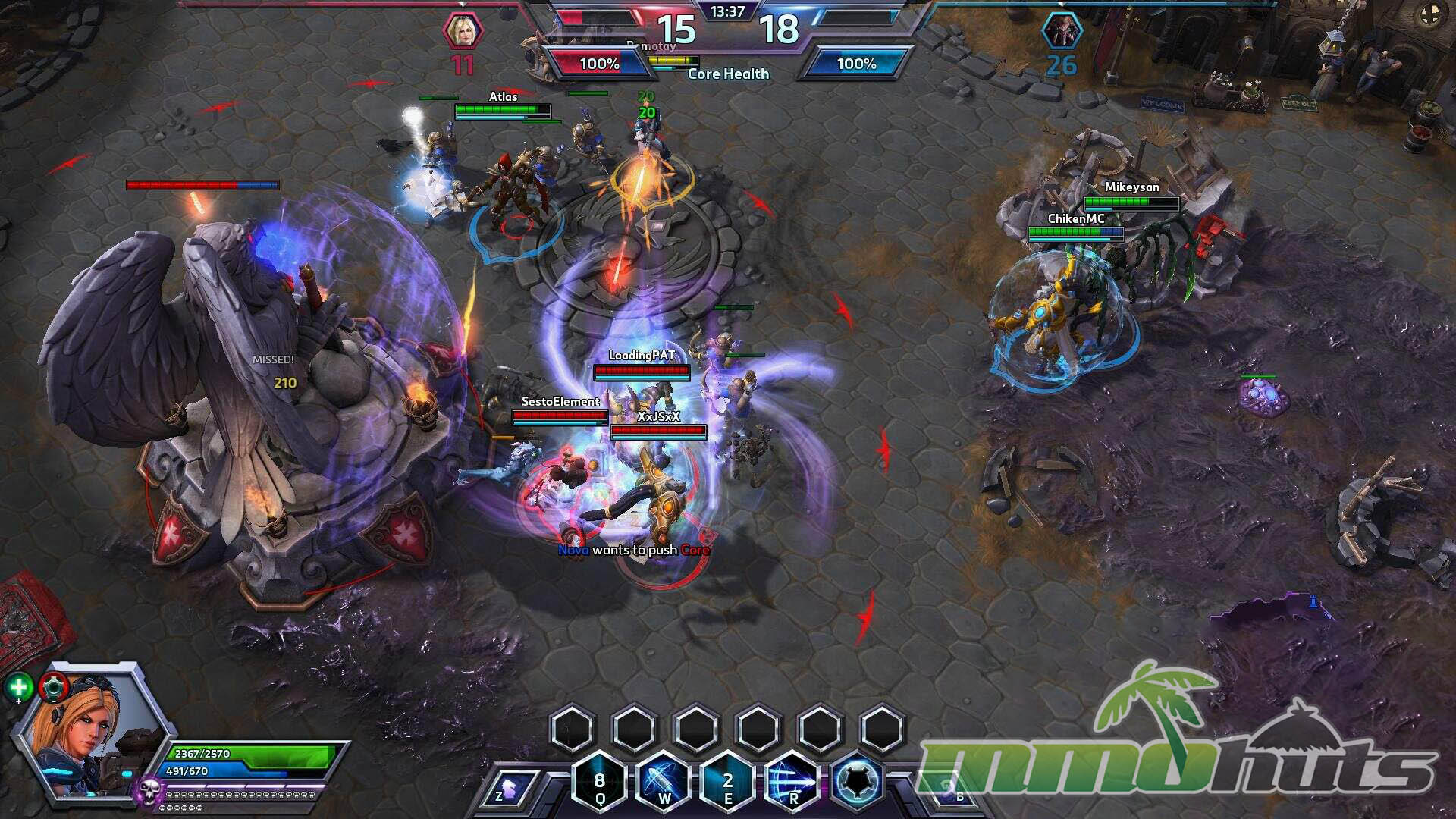
Assassins are built to secure kills and swing fights through damage. Their power comes with risk, since they are often easier to punish when caught out of position. Nova highlights the “pick” style, using stealth to scout and set up burst damage at the right moment. Played well, assassins turn small mistakes into decisive advantages.
Supports keep a team functional in extended skirmishes, offering heals, cleanses, buffs, and control. They are not helpless, but their value typically comes from enabling others rather than topping the damage chart. Li Li is an approachable support with straightforward healing and utility, making her a comfortable choice for learning how to position safely while still contributing.
Specialists are the oddballs, and that is meant as a compliment. They often bend the rules, focusing on macro pressure, structures, summons, or unusual forms of utility. Abathur is a great example of a hero that plays more like a strategic layer than a standard brawler, setting traps, providing map-wide assistance, and creating unique win angles through his heroic choices. If you want something less conventional than “lane, fight, repeat,” specialists are often where the experimentation lives.
Across the roster, HotS generally avoids making heroes feel interchangeable. Even within the same role, kits tend to push you toward different decisions in fights and different priorities on the map.
Progression, Cosmetics, and the In-Game Store
Like most free-to-play MOBAs, Heroes of the Storm uses a mix of earned currency and paid options. Heroes can be purchased with gold gained from playing matches, leveling, and completing daily missions. The catch is that gold income is slow, and a single hero can cost up to 10,000 gold, so building a large personal roster through play alone can take time. Players who prefer to unlock quickly can buy heroes with real money, typically priced around five to ten dollars, with newer releases tending toward the higher end.
Cosmetics are a major part of the store. Skins range from simple palette and model changes to premium versions that can significantly alter the theme of a hero, including presentation touches like animations, sound, and voice work. Prices commonly land in the five to fifteen dollar range, though some skins are earned through hero leveling milestones rather than purchases.
Stimpaks act as temporary boosters, offered in seven and thirty day options, and they increase both experience and gold gains (100% bonus experience and 150% bonus gold). New players should note that a seven day stimpak is granted at level ten, so it can be sensible to wait before spending.
Mounts are another distinctive HotS feature. Instead of relying only on movement speed items (which do not exist here), mounting provides a consistent way to rotate faster between lanes and objectives. Mounting takes a moment and breaks when you use abilities, so timing matters. Beyond function, mounts are also a cosmetic outlet, with premium options commonly priced in the ten to twenty dollar range. There is also a gold-purchasable golden pig mount for 20,000 gold. These do not provide gameplay advantages, but they do add personality.
Overall, the monetization follows familiar MOBA expectations: you can earn everything important through play, but the grind can push impatient players toward spending.
Talents: The Game’s Main Form of Builds
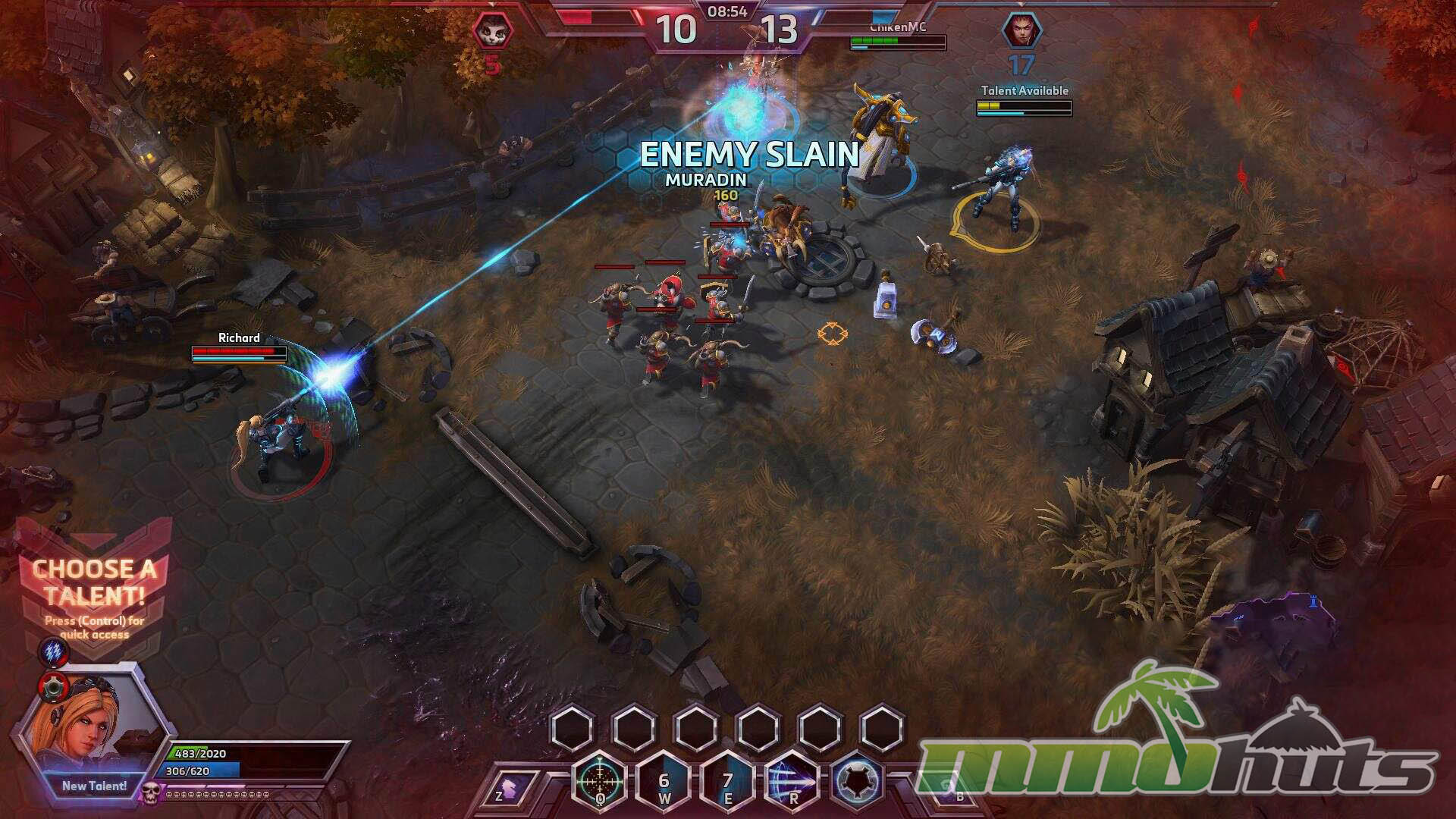
Removing item builds does not mean removing choice. HotS replaces shop-based power spikes with a talent system that asks you to shape your hero as the match unfolds. At set levels (1,4,7,10,13,16, and 20) you choose a talent, ranging from passive boosts to major ability upgrades and playstyle-defining options.
In practice, talents create meaningful variety. Two players on the same hero can approach fights differently based on whether they prioritize survivability, burst, sustained damage, or utility. The level 10 choice, where you select your heroic (ultimate) ability, is often the most dramatic turning point, but later tiers can also redefine what your hero is best at. It is a clean system that keeps decision-making inside the match without asking players to memorize an item shop.

Modes for Casual Play and Competitive Climb
HotS offers multiple ways to play depending on how serious you want to be. Cooperative modes let you learn against AI, Quick Match is the most common “jump in and play” option, and Custom games allow organized matches with friends. For players looking for ranked competition, Hero League serves as the structured ladder, but it has entry requirements: you must be level 30 and own 10 heroes, excluding the current free rotation.
This spread of modes supports both experimentation and progression. Quick Match is especially useful for learning heroes and maps, though it can be less predictable in team composition, which is part of the tradeoff for fast queues.

The Heart of the Match: Lanes, Rotations, and the Core
At a high level, the objective is simple: break through defenses and destroy the enemy Core. The interesting part is how HotS pushes teams to fight over tempo rather than gold leads. With shared experience, the entire team hits talent tiers together, and the match often hinges on coordinated rotations, smart objective timing, and choosing when to take fights.
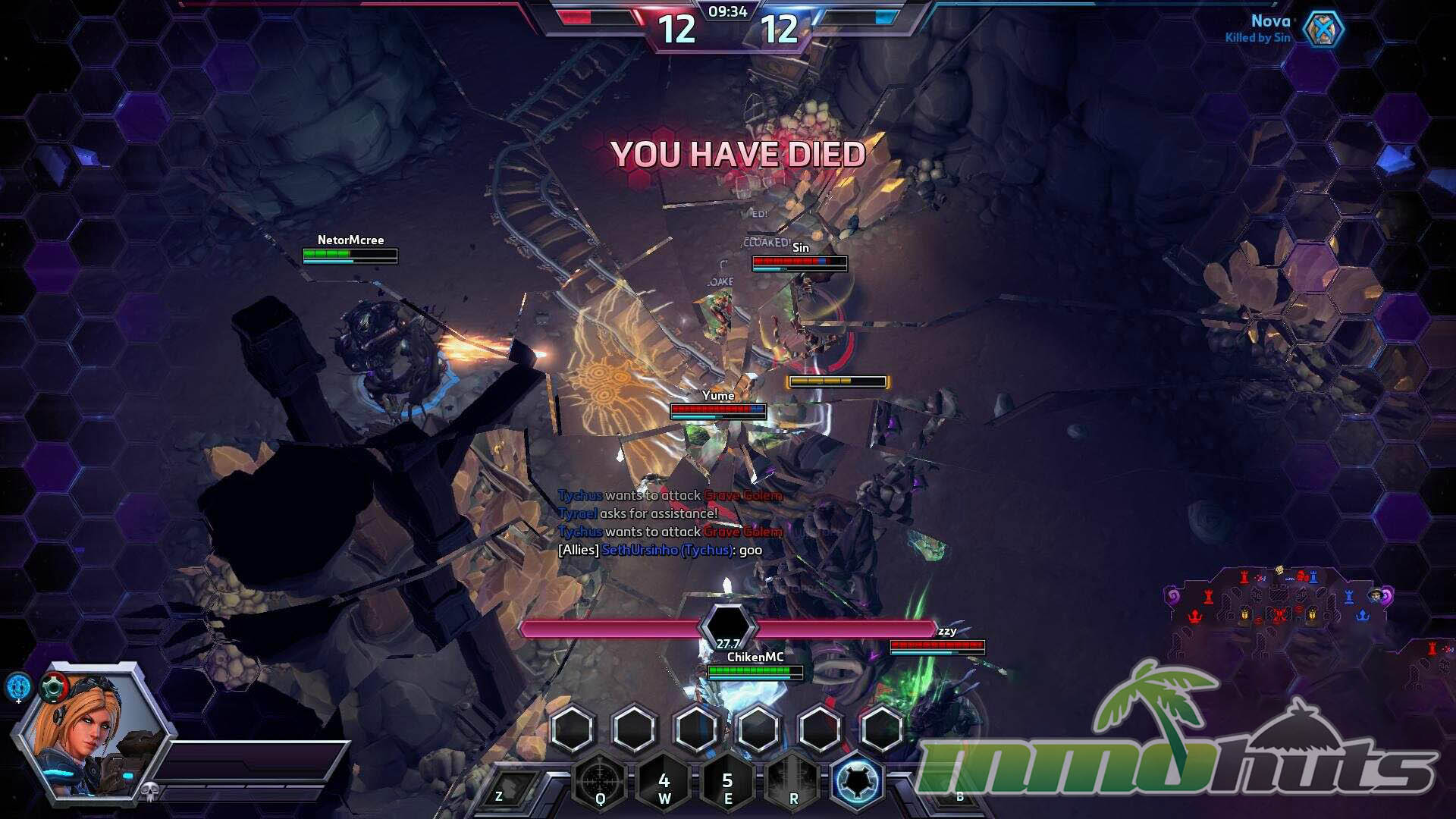
Experience comes from the usual sources, minion waves, hero kills, mercenary camps, and structures. Early on, teams spread into lanes and establish vision control. Since there is no last-hit pressure, lane play is less about individual farming precision and more about keeping soak, managing waves, and knowing when you can safely leave lane to help elsewhere. A brief trip back to base at the wrong time can cost a tower, or it can leave a teammate stranded, because the game punishes gaps in map coverage.
Hero choice changes how you handle these moments. A tanky initiator like Diablo is excellent for setting up ganks and controlling fights, while a burst mage like Jaina can punish overextensions quickly. The overall pace encourages frequent skirmishes, but the better teams tend to pick their fights around experience advantages and talent spikes rather than brawling nonstop.
Objectives Make or Break Games
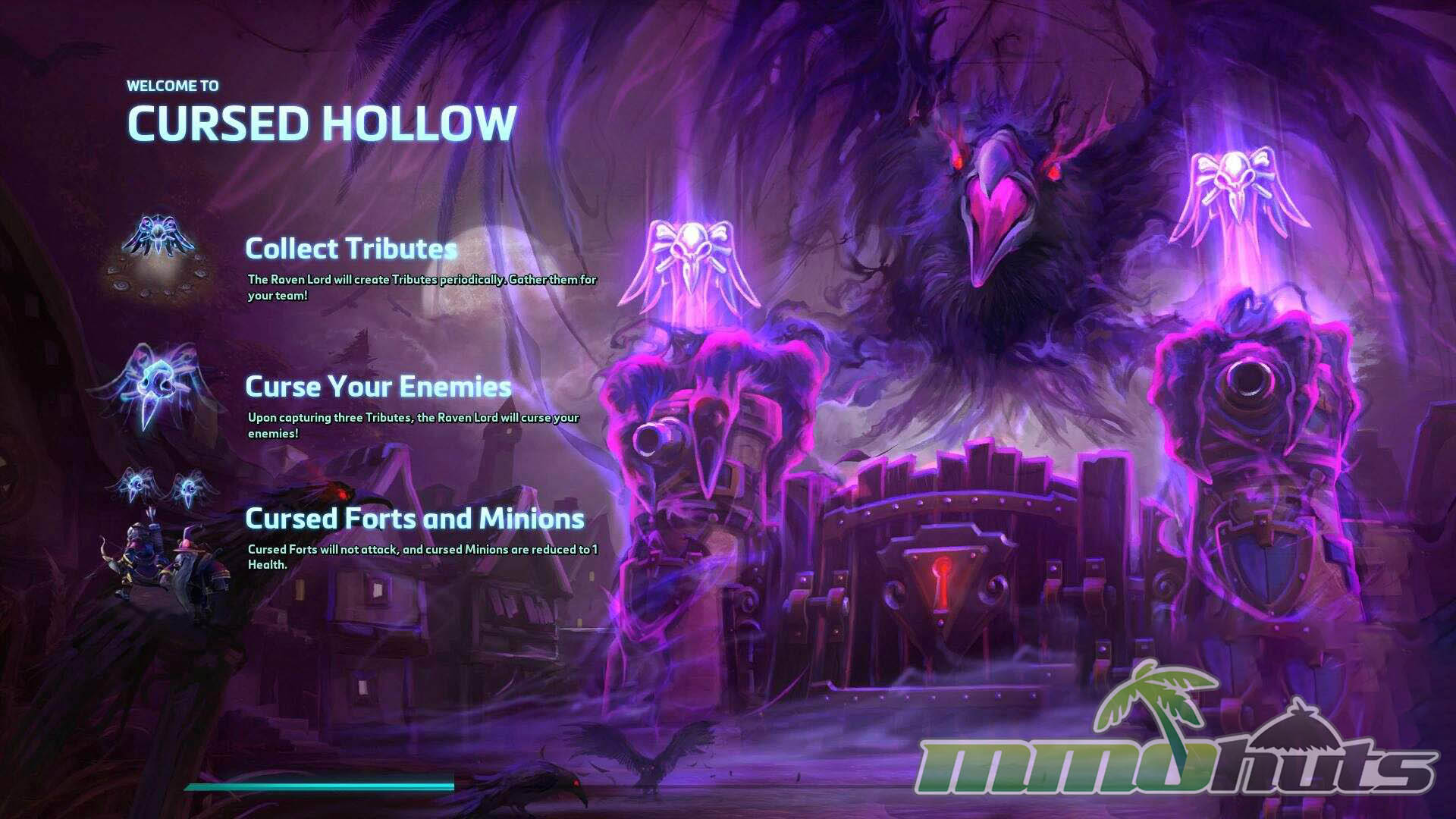
HotS is built around battleground objectives, and they are not minor side quests. Completing them can swing the entire match, sometimes ending games outright if the defending team is out of position. This is where the “Hero Brawler” label makes sense, because teams are repeatedly pulled into coordinated fights over neutral events.
Blackheart’s Bay is a strong example of how dramatic these mechanics can be. Teams collect Doubloons from chests and camps, then pay Blackheart to bombard enemy structures with cannon fire that deals heavy damage. If you fall behind on turn-ins or lose repeated fights around the objective, the structural damage can snowball into a lost Core before you ever feel “outplayed” in a traditional laning sense.
Because of this, HotS rewards teams that move together. Mercenary camps, objective triggers, and rotations are much safer and more effective when coordinated, and lone-wolf play is often punished quickly.
Strengths and Weak Spots
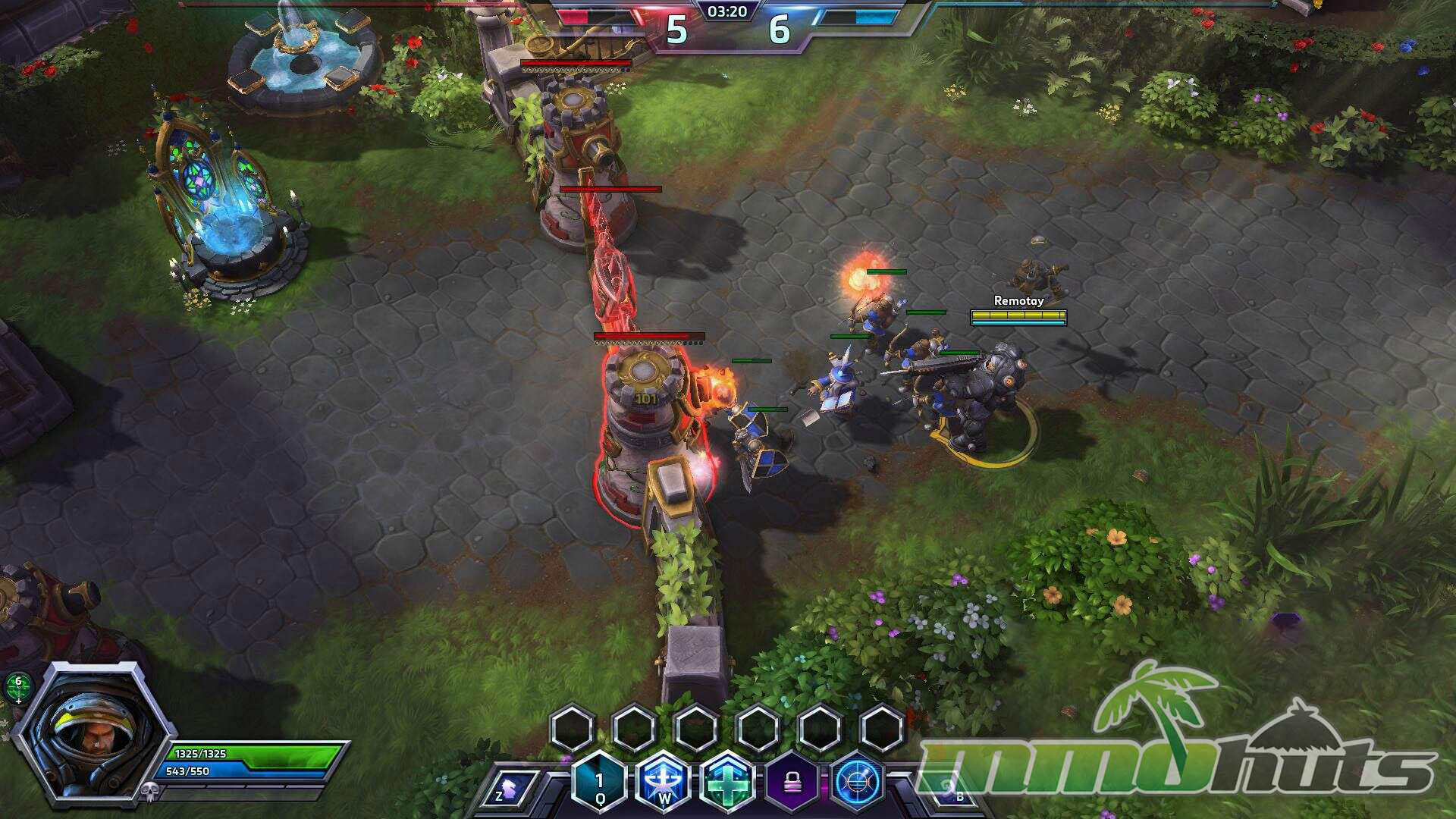
Heroes of the Storm succeeds at accessibility without feeling careless. It is easy to understand what you should be doing, and the lack of item shopping and last-hitting reduces early frustration for new MOBA players. Matches are also conveniently short, often sitting around ten to fifteen minutes, and the rotating battleground objectives help keep sessions from feeling repetitive. On top of that, Blizzard’s art direction and character work make the roster instantly readable and fun to watch in motion, especially if you already know these franchises.
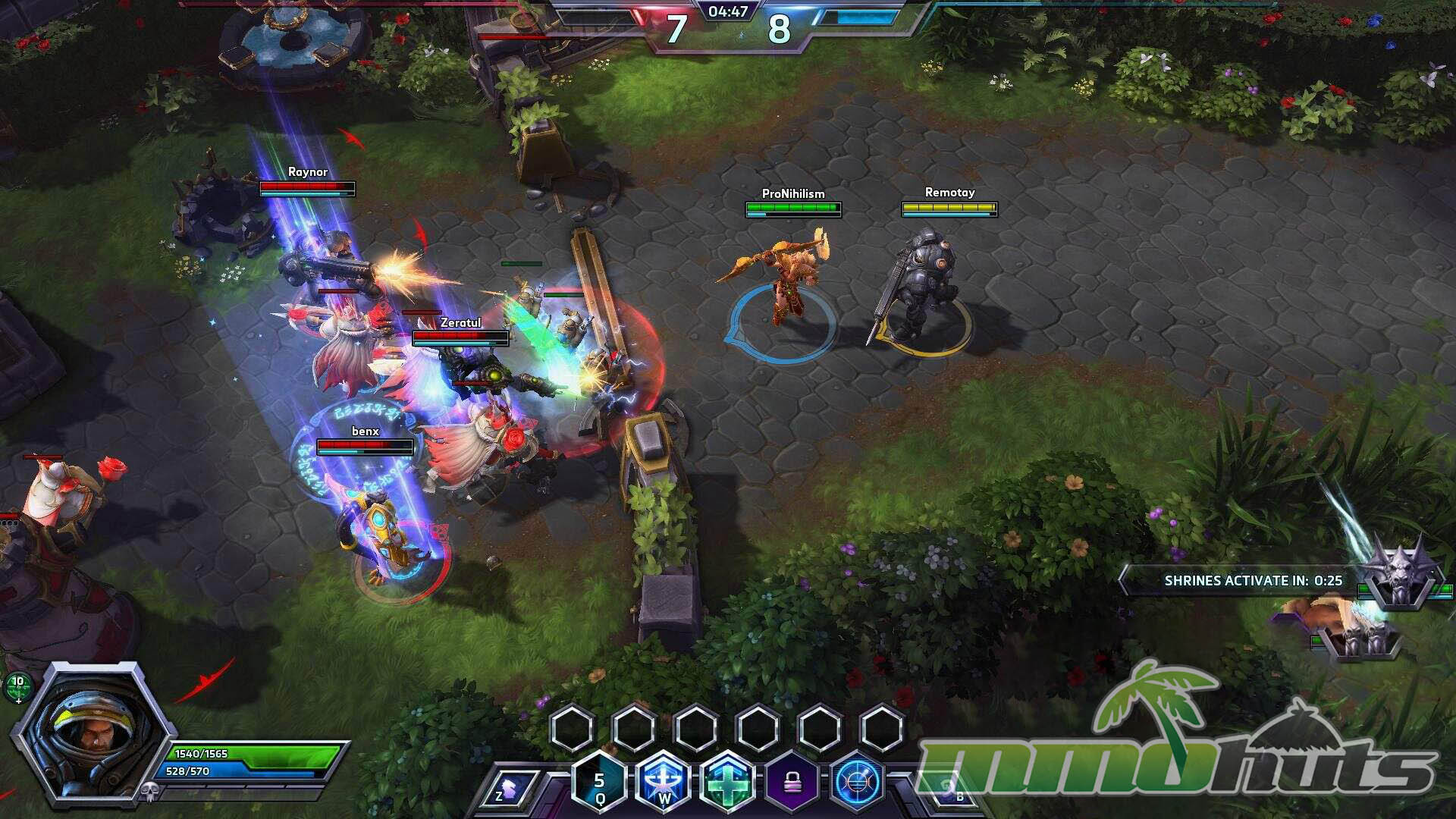
The downsides largely come from the same design choices. The simplified framework can feel restrictive for players who enjoy deeper economy management and itemization decisions. There is still a real skill curve, it just shows up in different places: knowing how your hero functions, understanding each map’s flow, and timing objectives properly. The heavy team emphasis also means individual brilliance has limits. One struggling teammate can have an outsized impact, because the shared experience system and objective-focused fights amplify mistakes. Finally, gold gain is slow enough that expanding your hero pool can feel like a long-term project.
Final Verdict – Excellent
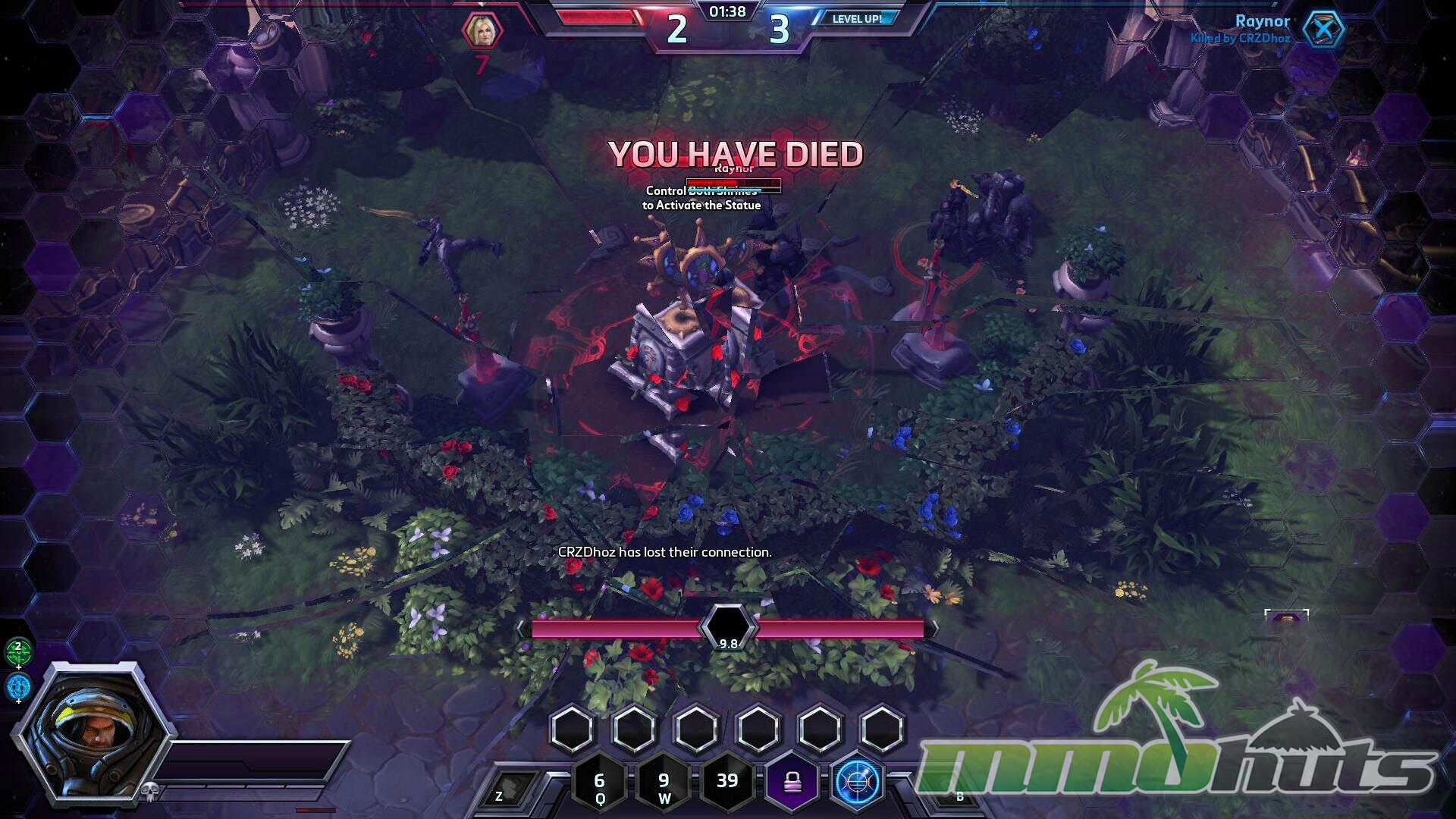
Heroes of the Storm offers a faster, more team-driven take on the MOBA formula, trading item builds and farming minutiae for talents, battleground objectives, and frequent coordinated fights. The crossover roster, strong presentation, and varied maps make it an enjoyable alternative to more traditional MOBAs. Players who want complex economic layers may find it too streamlined, but anyone looking for approachable, objective-focused 5v5 action should give HotS a fair shot, especially with friends.
Heroes of the Storm Links
Heroes of the Storm Official Site
Heroes of the Storm Wikipedia
Heroes of the Storm Gamepedia (Guides / Database)
Heroes of the Storm Subreddit
Heroes of the Storm System Requirements
Minimum Requirements:
Operating System: Windows XP / Vista / 7 / 8
CPU: Intel Dual Core / AMD X2 5600+
Video Card: Nvidia GeForce 7600 GT / ATI Radeon 2600 XT
RAM: 2 GB
Hard Disk Space: 10 GB
Recommended Requirements:
Operating System: Windows XP / Vista / 7 / 8 (64 bit OS recommended)
CPU: Intel Core i5 / AMD FX Series
Video Card: Nvidia GeForce GTX 650 / ATI Radeon HD 7790
RAM: 4 GB
Hard Disk Space: 10 GB
Heroes of the Storm Music & Soundtrack
Heroes of the Storm Additional Information
Developer: Blizzard Entertainment
Composer(s): Glenn Stafford & Jason Hayes
Other Platforms: Mac OS X
Game Engine: Proprietary game Engine
Closed Beta Date: January 13, 2015
Open Beta Date: May 19, 2015
Development History / Background:
Heroes of the Storm was created by Blizzard Entertainment and began life as “Blizzard DotA,” originally envisioned as a StarCraft II custom map concept. As MOBAs grew into one of the industry’s dominant competitive genres (alongside titles like League of Legends and DotA 2), Blizzard shifted the project into a standalone game. Over time it carried multiple names, including Blizzard All-Stars, before settling on Heroes of the Storm. After nearly five years of active development and testing, the closed beta arrived on January 13, 2015, setting the stage for launch later that year. Even ahead of open beta, interest was substantial, with 9 million players registered for beta access, underscoring the demand for a Blizzard-made take on the genre.