Guns and Robots is a free-to-play third person shooter centered on building your own combat bot, then taking it into short, competitive matches. The hook is the garage-first design, you assemble a robot from interchangeable parts and modules, then test your creation in arena battles across a small set of maps and modes.
 | Publisher: Masthead Studios, Ltd. Playerbase: Low Type: Third Person Shooter Release Date: August 4, 2014 Pros: +Deep robot building and loadout tinkering. +Colorful 3D presentation that fits the tone. +Fast, bite-sized matches. Cons: -Movement and handling can feel stiff. -Monetization can skew fairness. -Weapon balance is inconsistent. |

Guns and Robots Overview
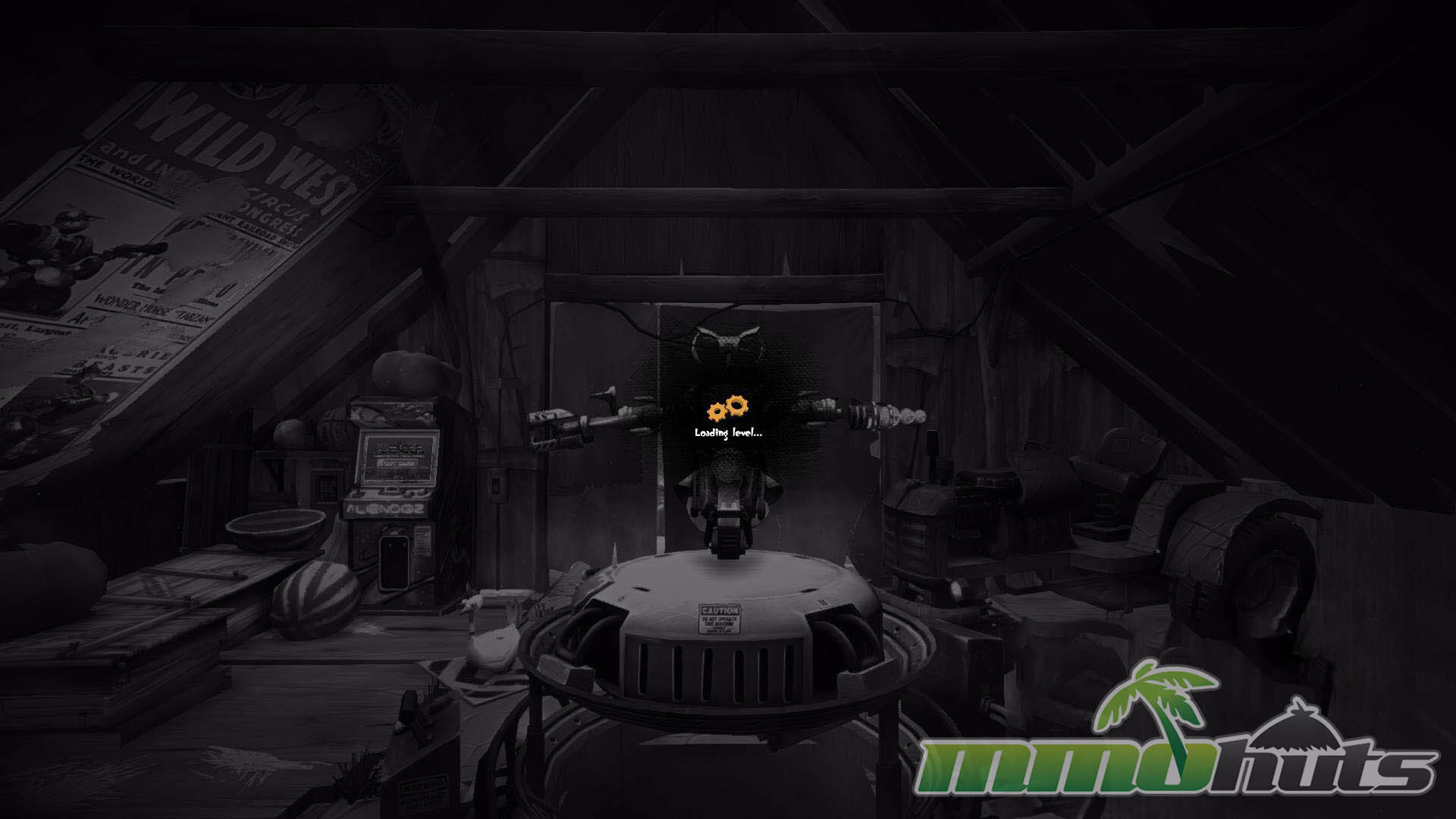
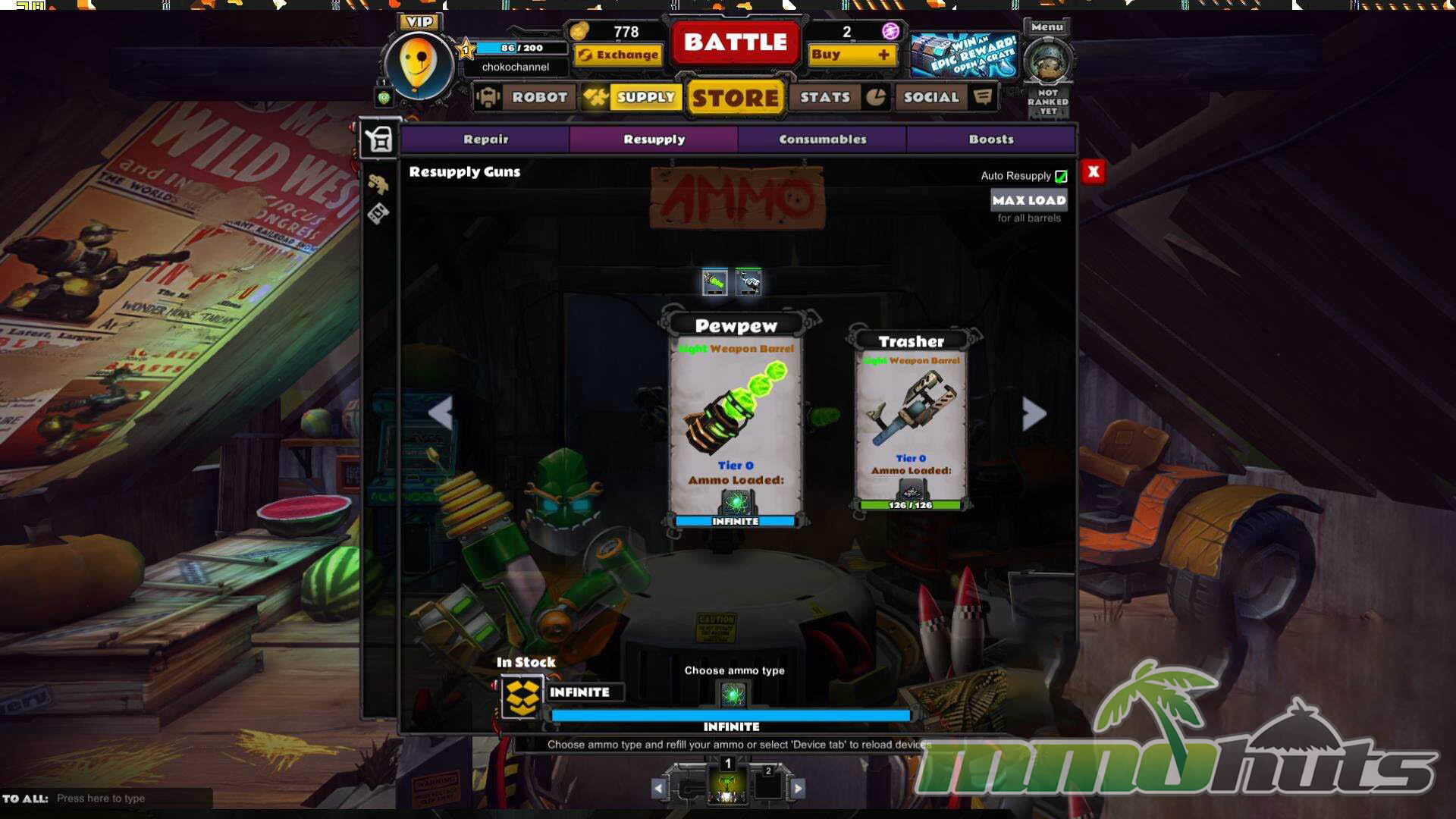
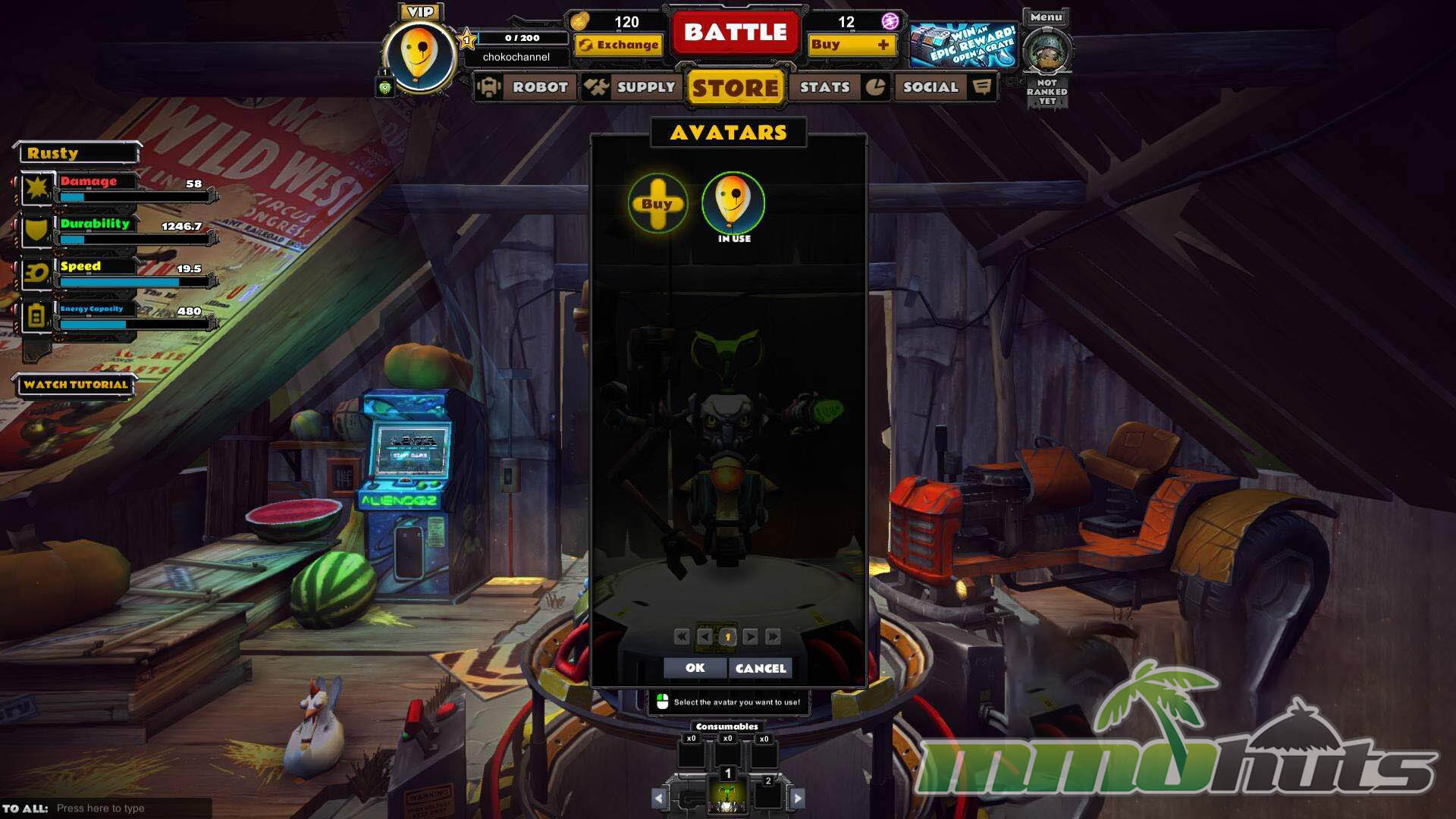
Masthead Studios delivers Guns and Robots as a free-to-play shooter where your “class” is essentially whatever you build. Before you ever fire a shot, most of the game happens in the Garage, a workshop-style hub where you mix and match robot parts and attach modules to shape how your machine moves, survives, and deals damage. It is a simple idea with a lot of room for experimentation, especially for players who enjoy tweaking loadouts as much as playing matches.
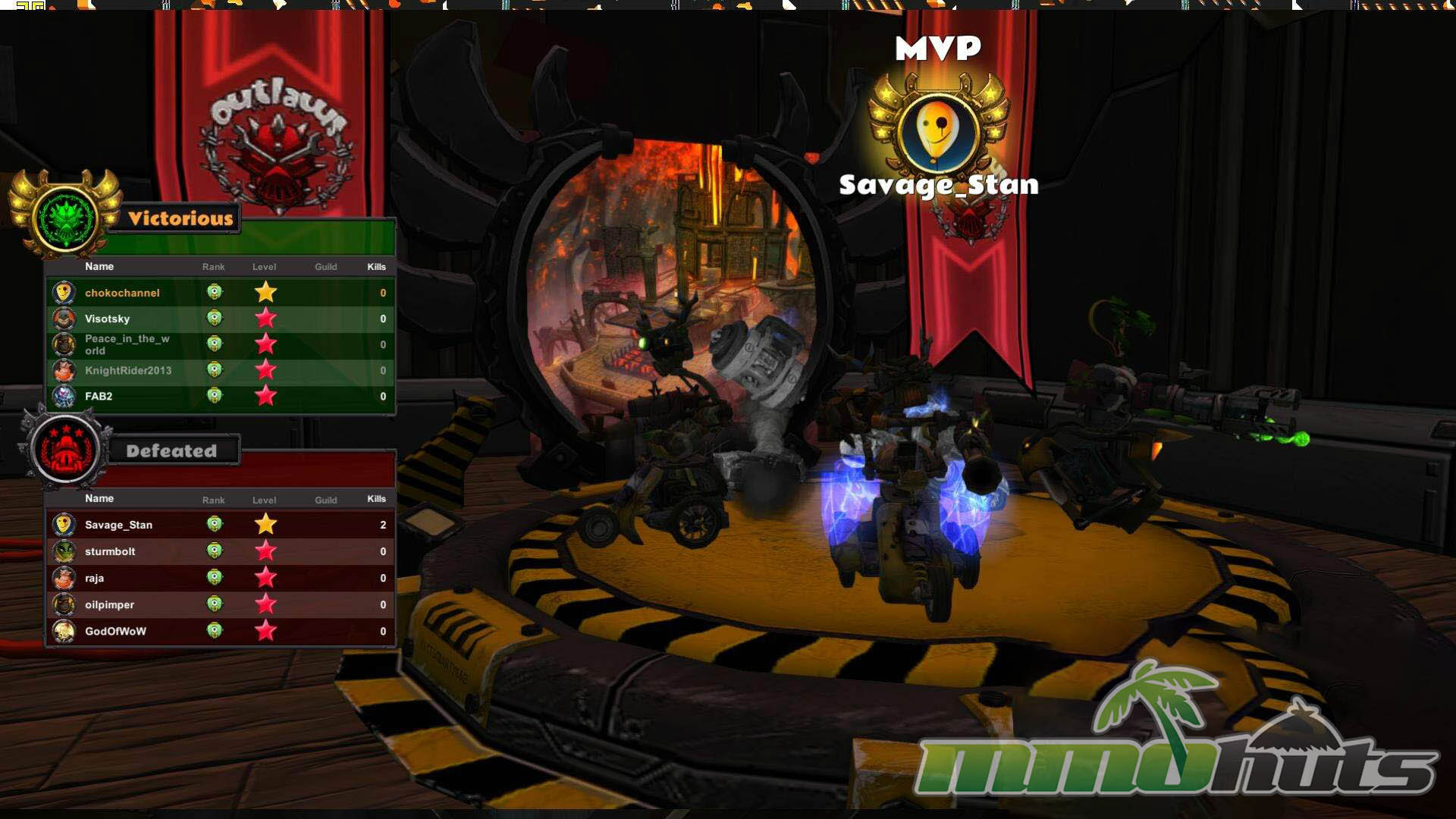
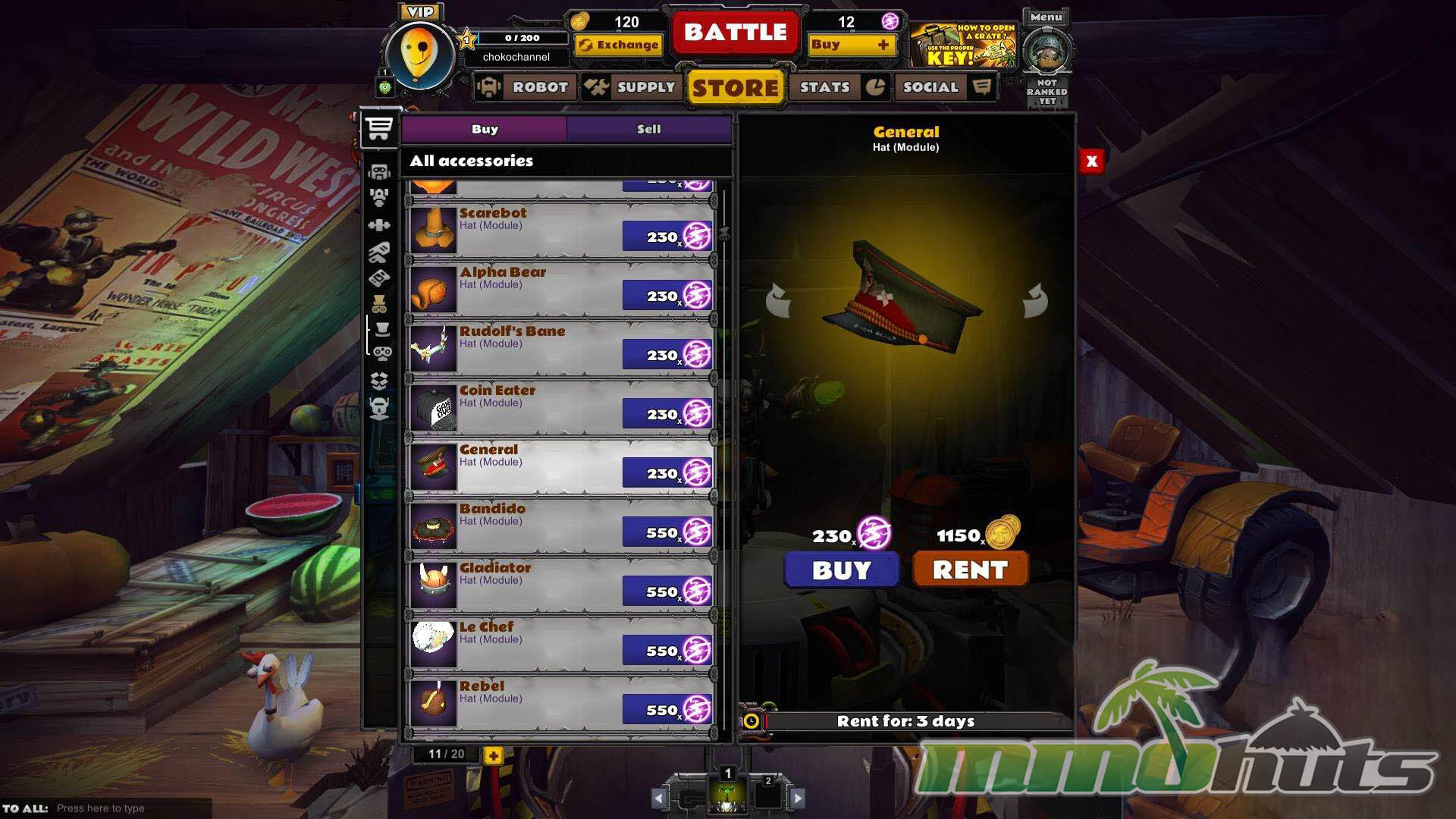
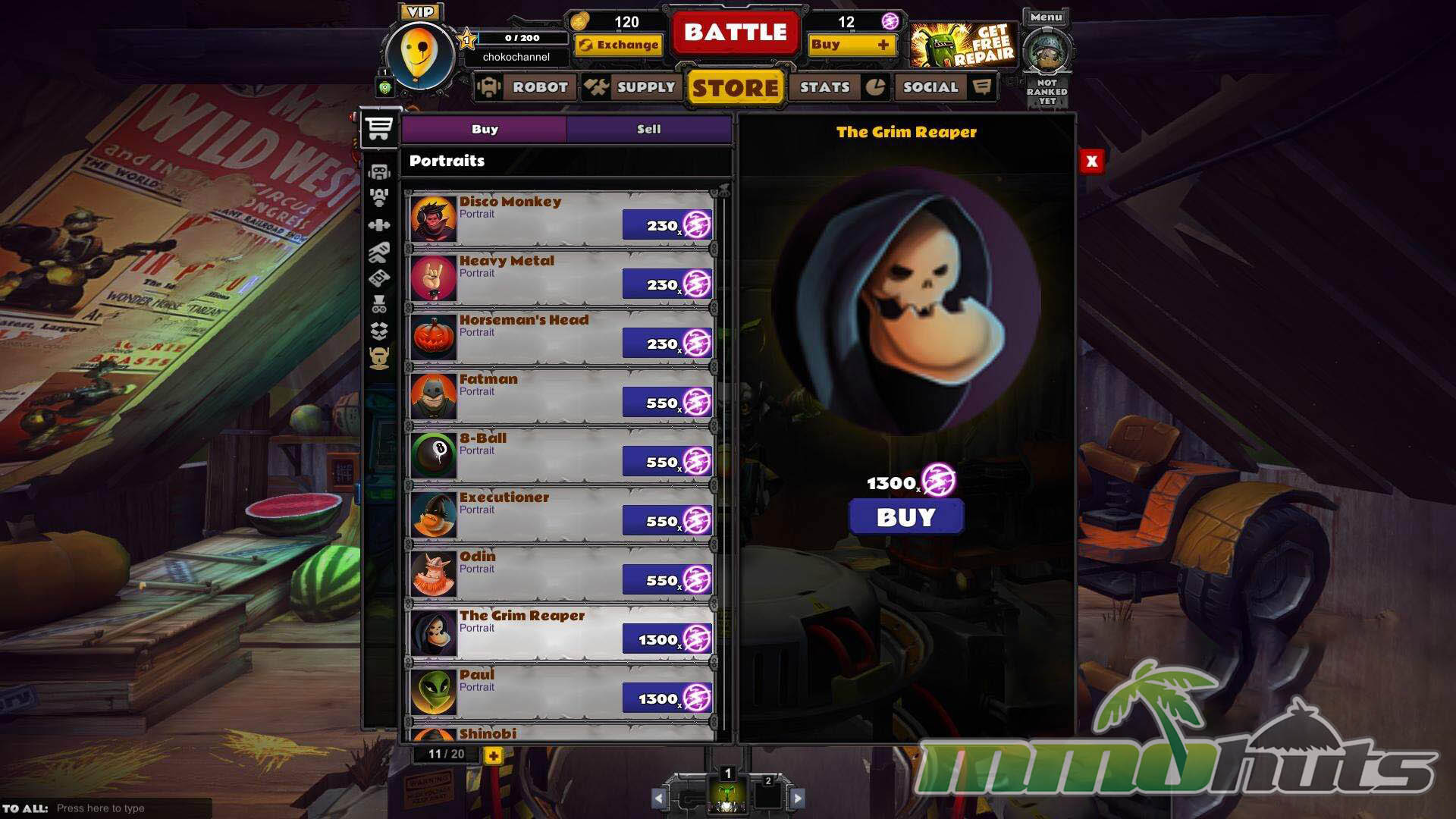
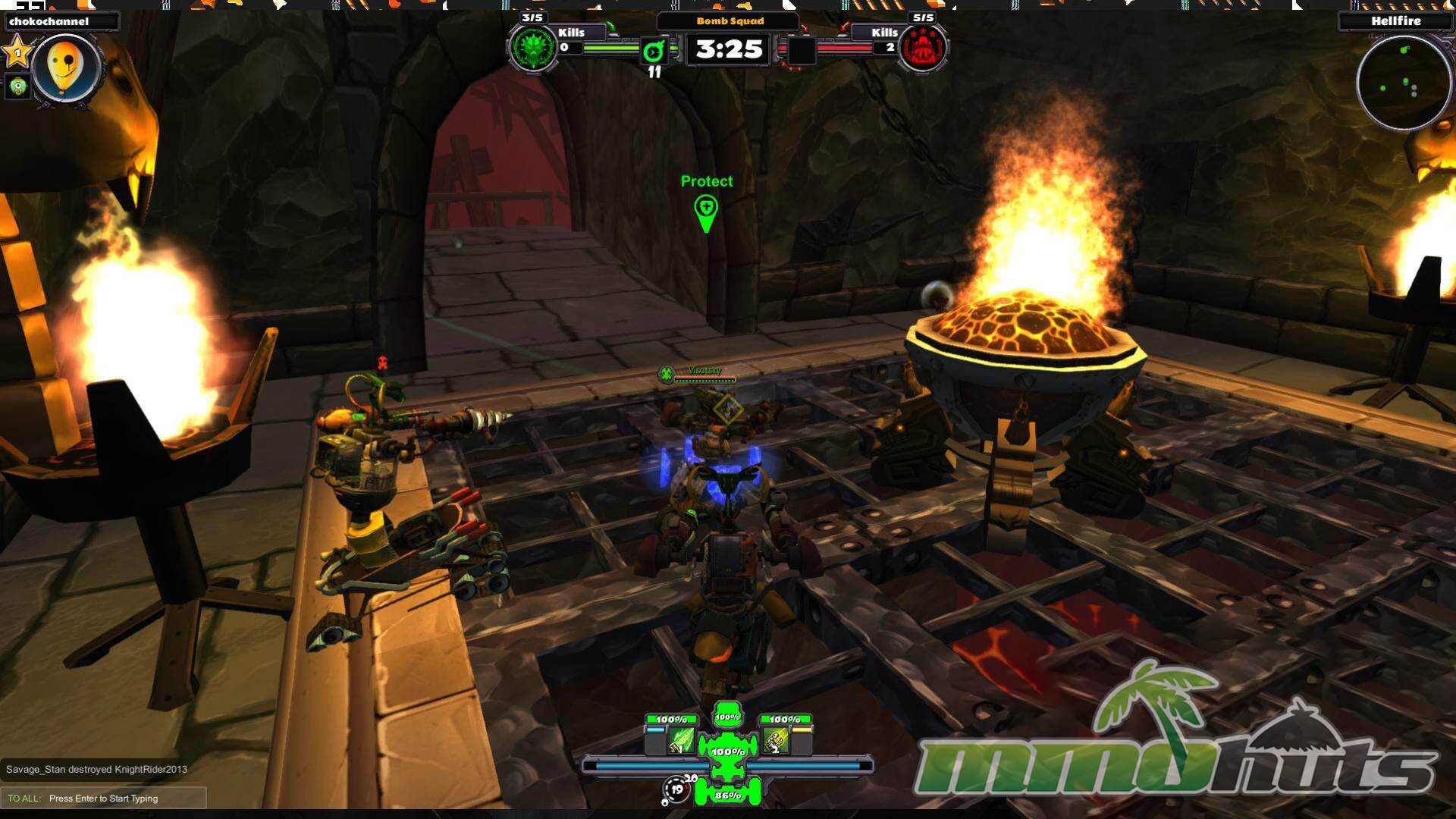
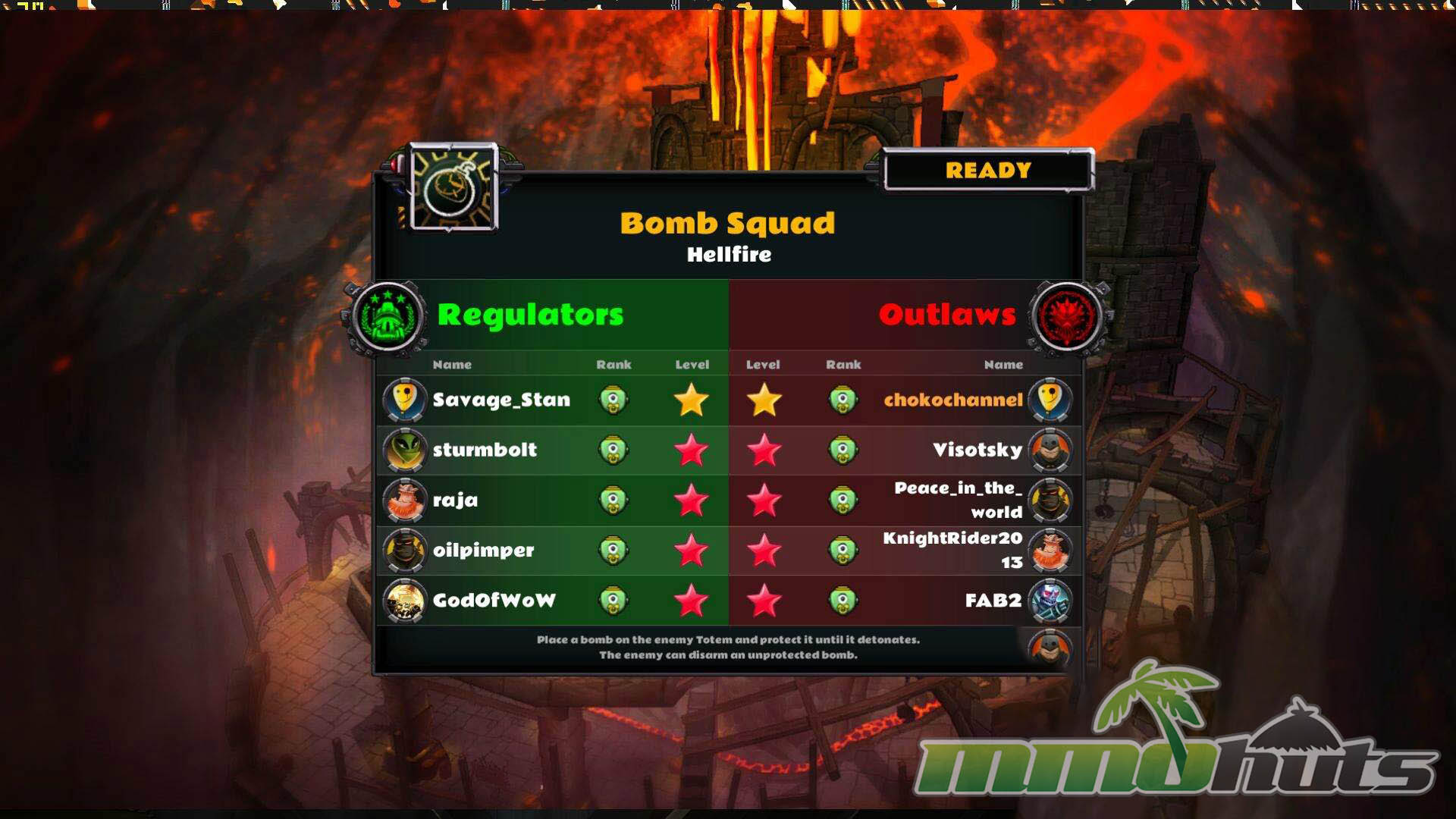
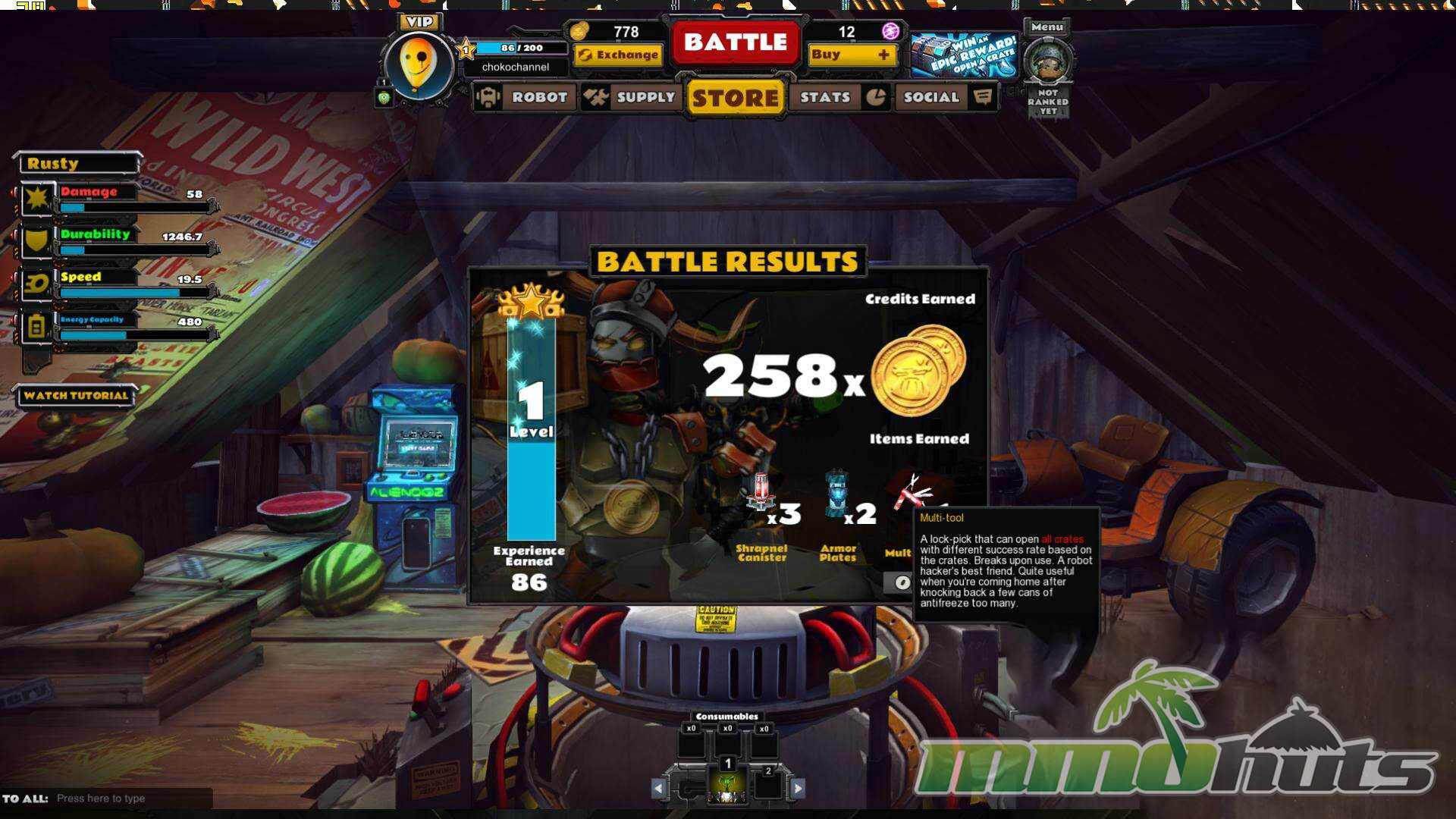
Combat takes place in the Arena, featuring 5v5 battles on three maps. Matches are designed to be quick and decisive, and the lack of respawns means positioning and timing matter more than constant rushing. Between games, progression is tied to loot drops in the form of Crates, which you can open with a chance-based system. The game also includes an Achievements system that awards items or currency, plus a Guild system for players who want a social layer beyond matchmaking. For direct upgrades, the Shop sells parts and modules using standard in-game Credits and the premium currency, Sparks.
Guns and Robots Key Features:
- Detailed robot building – assemble a custom fighter from parts and modules, then refine it into a build that suits your preferred range, mobility, and durability.
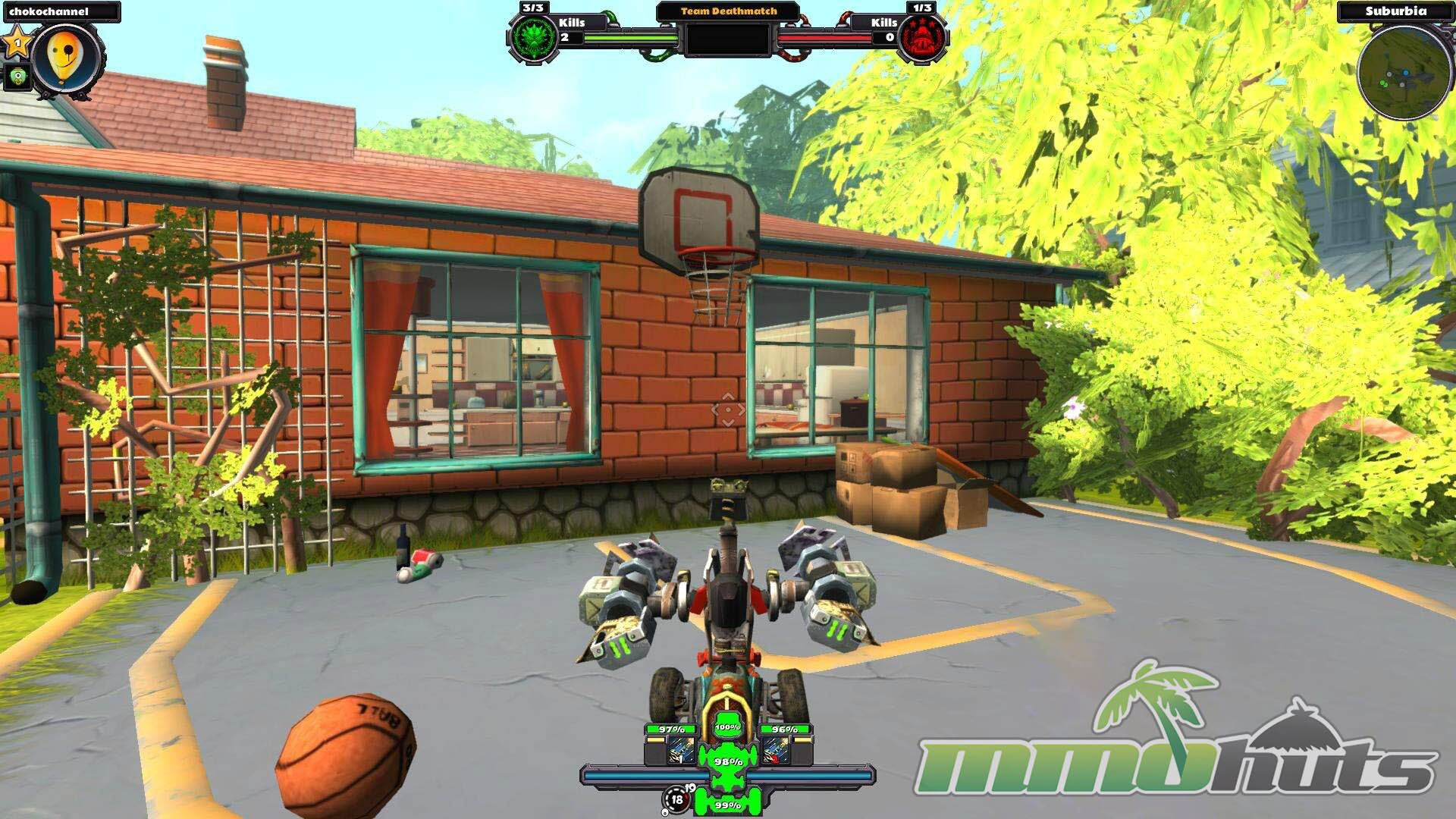
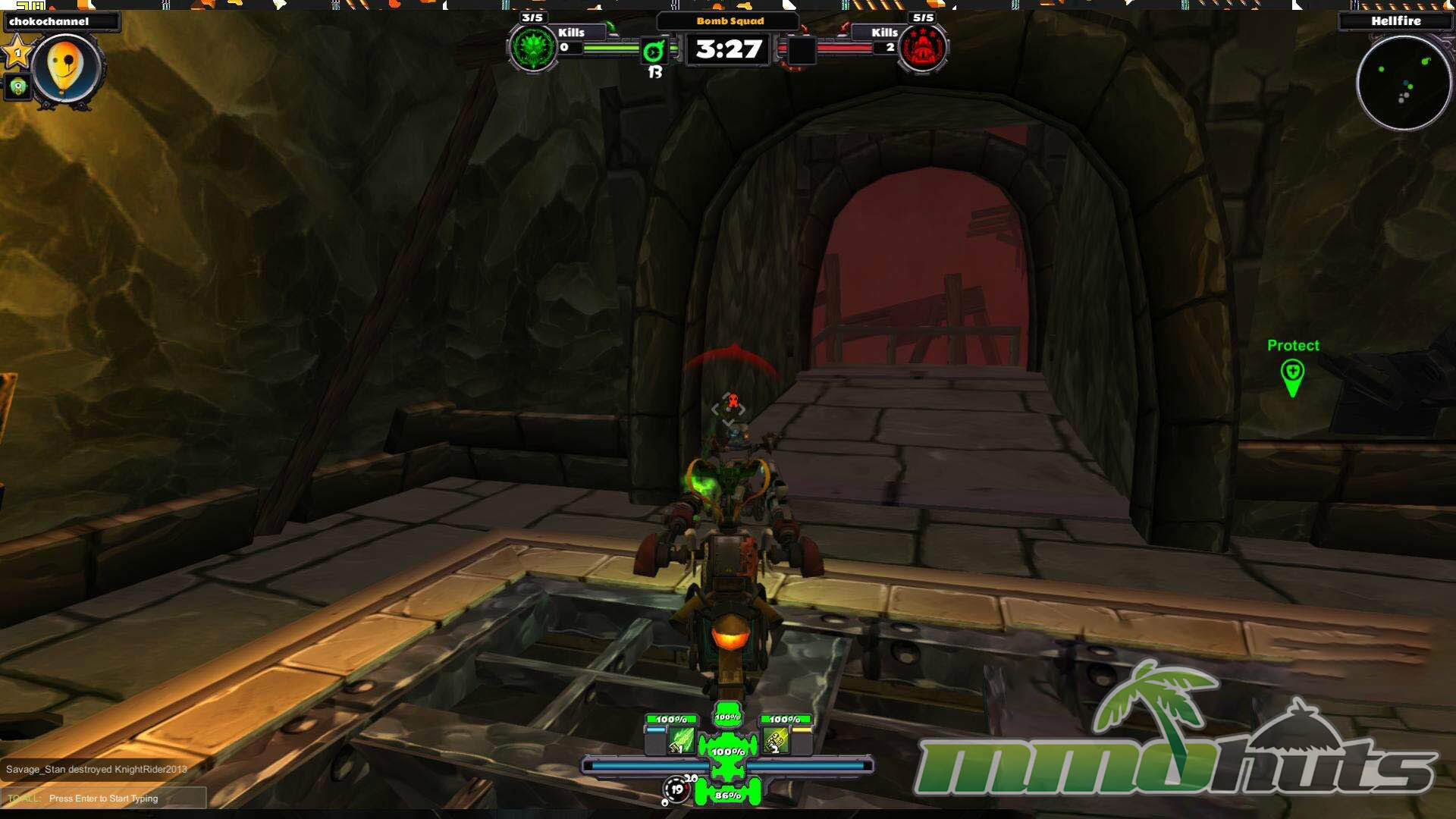
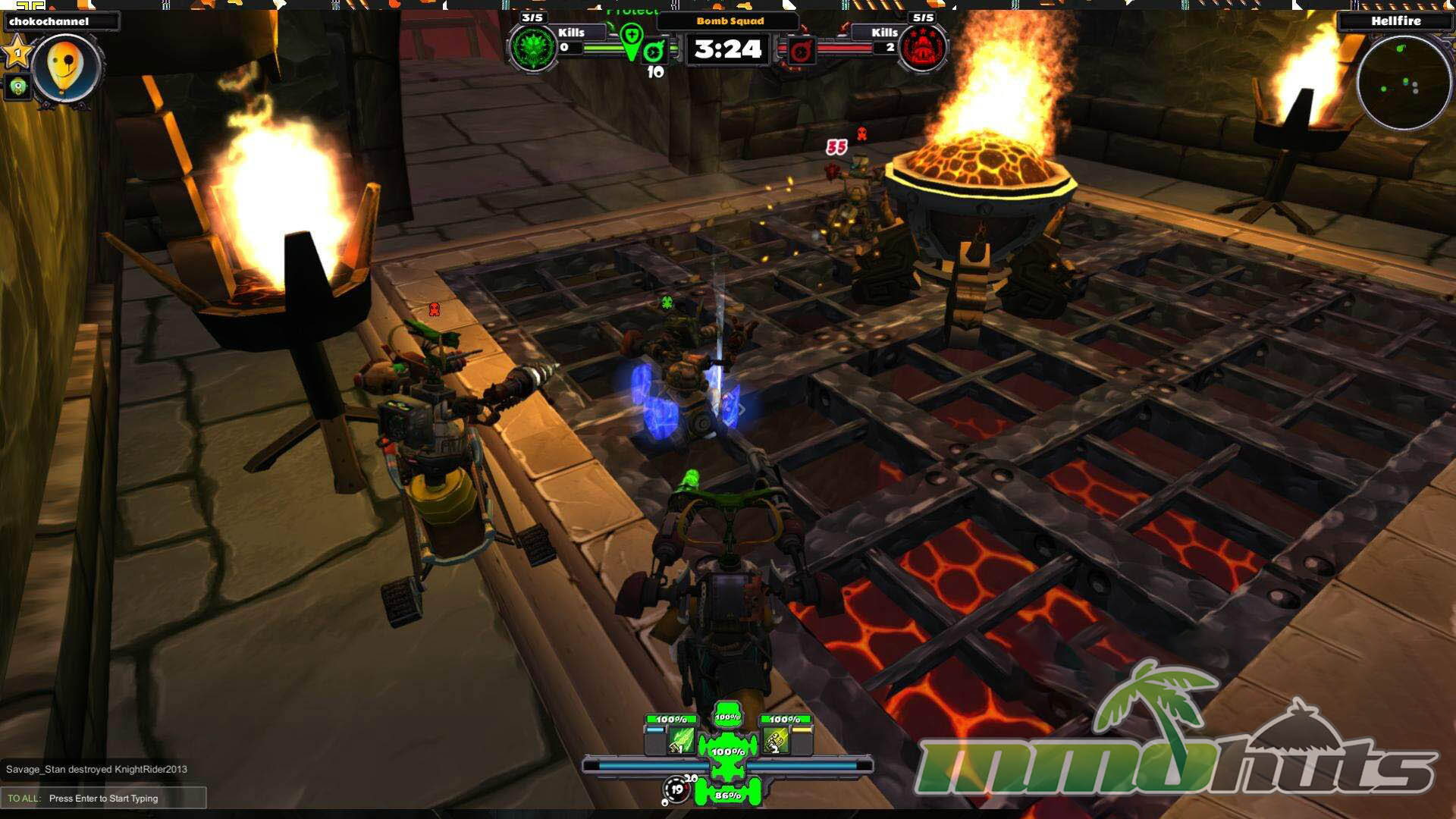
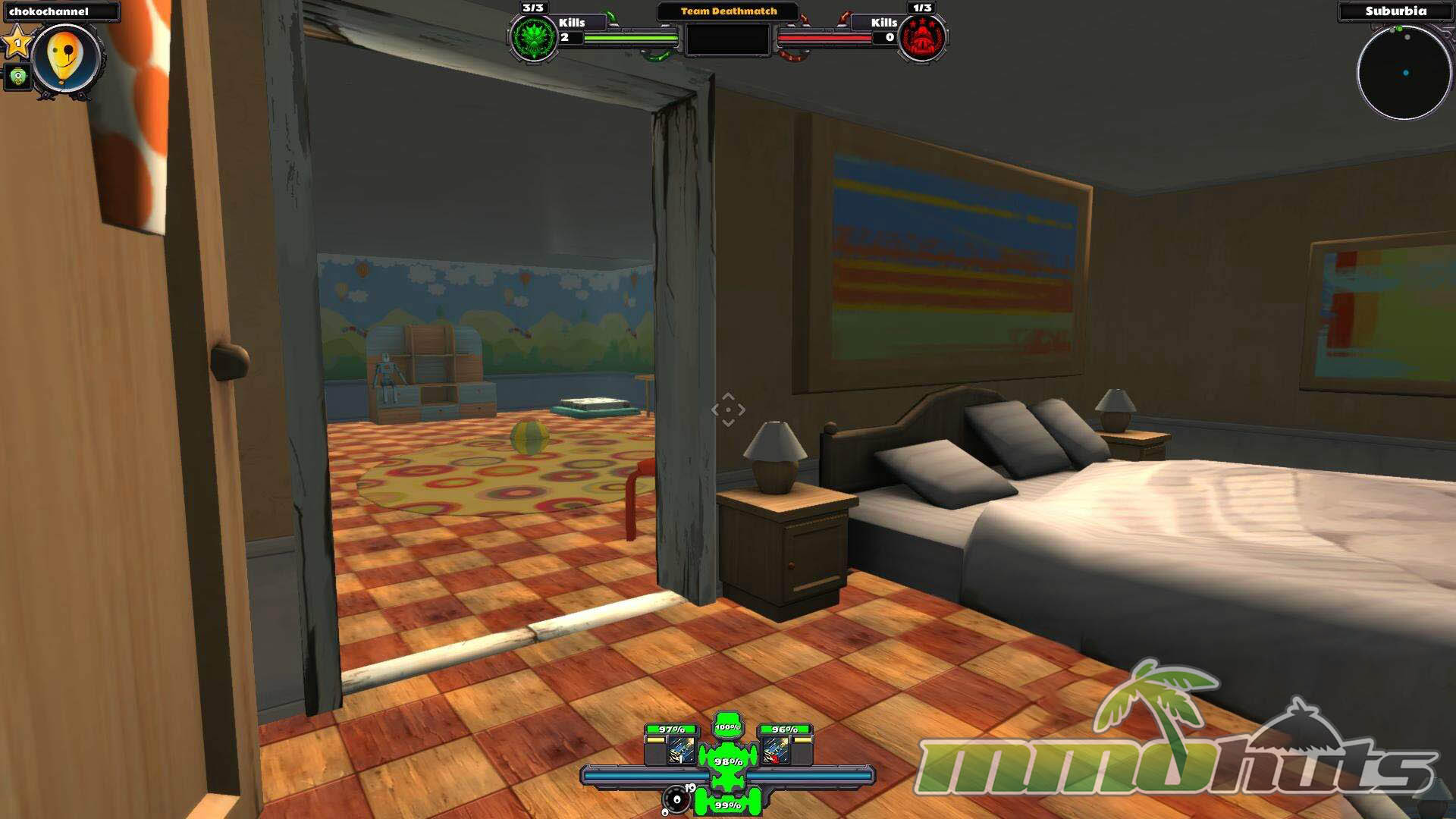
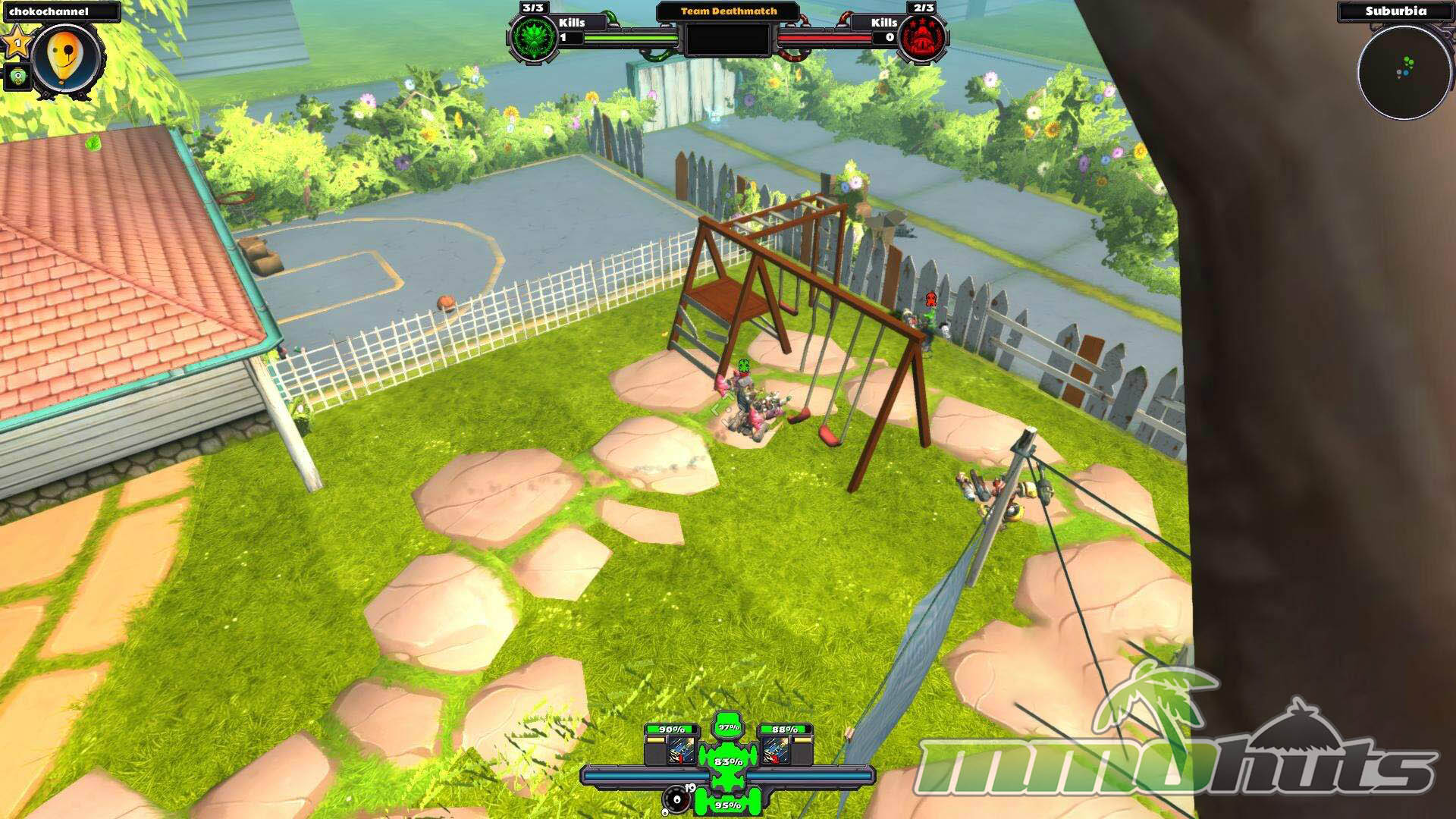
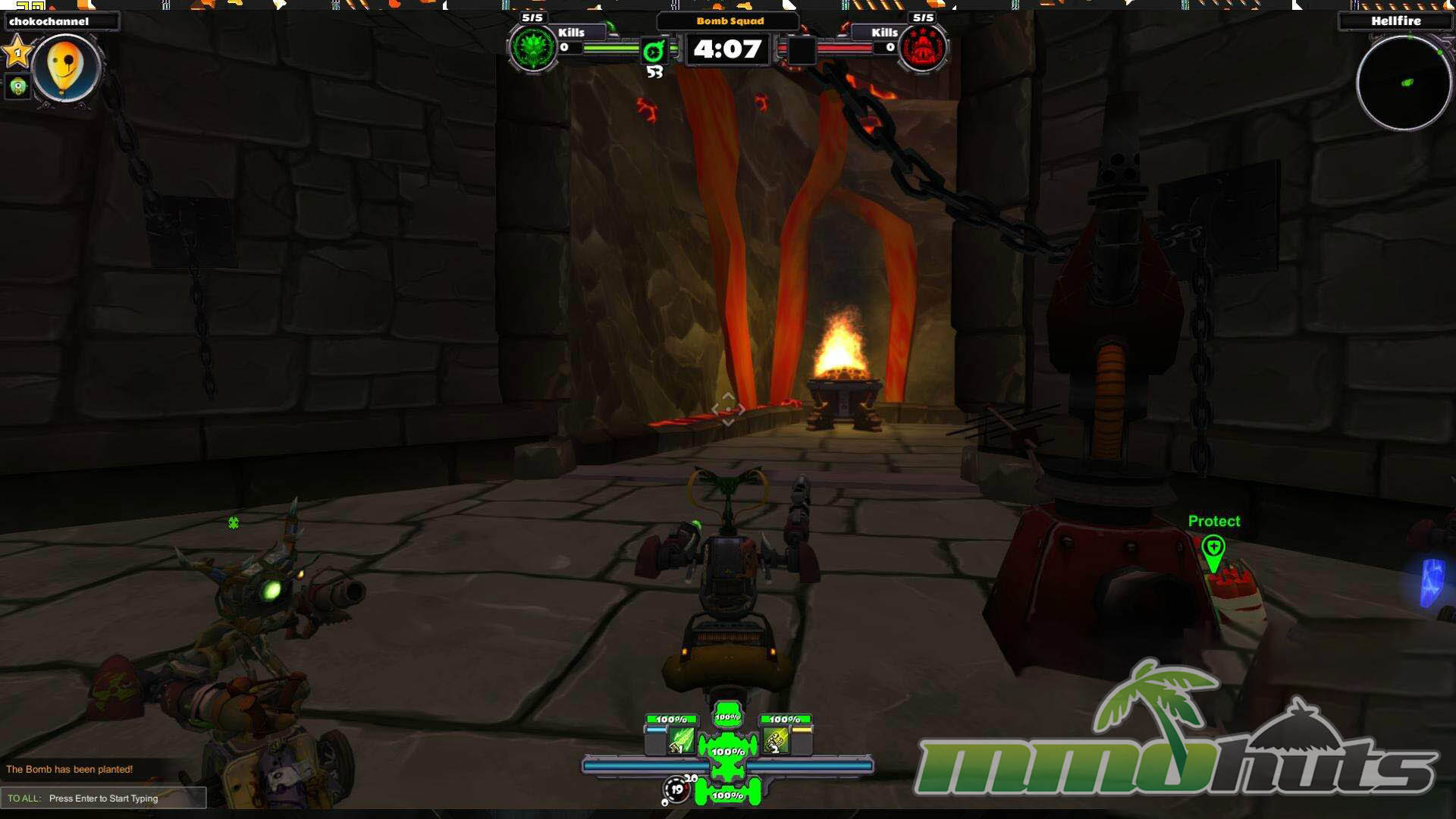
- Bright 3D visuals – vibrant, cartoon-styled arenas keep the action readable, even when effects and projectiles fill the screen.
- Short match format – most games wrap up in about five minutes, making it easy to play in quick sessions.
- Parts shop and currencies – pick up modules and components through the Shop using Credits or Sparks.
- Multiple objectives and battlegrounds – rotate between three maps and three game modes to keep the pacing from feeling too repetitive.
Guns and Robots Screenshots

Guns and Robots Featured Video

Guns and Robots Review
Guns and Robots is at its best when you treat it as a sandbox for experimenting with builds. The core gunplay is straightforward, but the way your robot is assembled can dramatically change how a match feels. Instead of picking a fixed character, you are effectively designing one, and that makes even the small map pool more interesting than it might first appear. A good build can lean into mobility and burst damage, a sturdier setup can focus on staying power, and hybrid options can be tuned for specific modes or team needs.
The match structure pushes careful play. With 5v5 fights and no respawning, every engagement carries weight, and teamwork tends to matter more than raw mechanical skill alone. When a team coordinates pushes and focuses targets, the combat feels surprisingly tense for such short rounds. On the other hand, when teams are disorganized, matches can end quickly and feel one-sided, especially if a few players bring particularly strong setups.
Customization is also the game’s main progression driver, and it is easy to lose time in the Garage swapping components, comparing stats, and trying to build around a preferred weapon style. That said, the loot and economy systems can be a mixed experience. Crates add an element of chance that not everyone will enjoy, and the presence of premium currency (Sparks) can create the impression that the best options are not always earned purely through play. For competitive players, this is where the game’s long-term appeal can take a hit.
Moment-to-moment controls are serviceable, but they can feel awkward at times, particularly when trying to make precise adjustments in a firefight. The overall feel is not as smooth as the best shooters in the genre, and that roughness becomes more noticeable in a game where a single mistake can decide a round. Balance is another sticking point, because some weapon and module combinations can dominate depending on the matchups, and that can reduce the variety that the customization system promises.
Visually, Guns and Robots holds up well for its style. The colorful arenas and exaggerated robot designs fit the lighthearted presentation, and the clarity of the environments generally supports the fast pace. For players looking for a free-to-play shooter with short sessions and a heavy focus on tinkering, it can still be an enjoyable niche pick. Those who prioritize competitive fairness and tight, modern shooter movement may find the rough edges harder to overlook.
Guns and Robots Links
Guns and Robots Home Page
Guns and Robots Steam Page
Guns and Robots Wikipedia
Guns and Robots Wikia
Guns and Robots Gamepedia
Guns and Robots Requirements
Minimum Requirements for PC:
Operating System: Windows XP
CPU: Intel Core 2 Duo or better
RAM: 2 GB RAM
Video Card: GeForce 6800 / ATI X1800 with 256 MB RAM & compatible with DirectX9.0c
Hard Disk Space: 1 GB available space
Recommended Requirements for PC:
Operating System: Windows XP / Vista / 7 / 8 – 64-bit
CPU: Intel Core i5-3330
RAM: 4 GB RAM
Video Card: GeForce GTX660 / Radeon HD 7850 2GB, DirectX 9.0c
Hard Disk Space: 1 GB available space
Guns and Robots Music & Soundtrack
Guns and Robots Additional Information
Developer(s): Masthead Studios, Ltd.
Publisher(s): Masthead Studios, Ltd.
Game Engine: Unity
Closed Beta Release Date: October 2012
Open Beta Release Date: January 2013
Full Release Date: August 4, 2014
Development History / Background:
Guns and Robots is developed and published by Masthead Studios. It entered closed beta testing in October 2012, following an initial concept that the developers have stated began in 2011. After several months in closed beta, the game moved into open beta in January 2013. It ultimately launched as a free-to-play third person shooter on August 4, 2014, and was built using the Unity engine.