Ghost Recon Phantoms is a free-to-play, 3D MMO-style tactical third-person shooter built around small-squad coordination and careful positioning. You play as a “Ghost” operative equipped with a mix of contemporary firearms and near-future tech, then queue into objective-focused matches where using cover, timing pushes, and supporting your team matters far more than pure run-and-gun aim.
 | Publisher: Ubisoft Playerbase: Low Type: Shooter Release Date: August 15, 2012 (NA/EU) Shut Down Date: December 1, 2016 Pros: +Large selection of weapons, mods, and gadgets. +Cover mechanics that reward smart positioning. +Team-oriented, tactical firefights. Cons: -Long queues at times. -Harder for new players to acclimate. -Monetization can feel pay-to-win. |
Ghost Recon Phantoms Overview
Ghost Recon Phantoms is a Tom Clancy themed, free-to-play tactical shooter that takes the Ghost Recon formula into a lobby-based multiplayer format. Players pick one of three roles, Assault, Recon, and Specialist, and each role levels on its own track, encouraging you to develop a few different playstyles rather than locking into a single kit forever. Matches emphasize moving as a unit, rotating between cover points, and leveraging class abilities at the right moment instead of chasing nonstop eliminations.
Movement is snappy for a cover shooter, letting you vault over obstacles to reposition quickly, but the safest way to survive is still to work cover angles and advance with teammates. As you play, you earn in-game credits and unlock a wide spread of weapons and equipment that blend modern military hardware with sci-fi leaning tools. Ghost Recon Phantoms shut down on December 1, 2016
Ghost Recon Phantoms Key Features:
- Tactical Team-Based Combat – staying near allies is rewarded through role-based squad bonuses and coordinated ability usage.
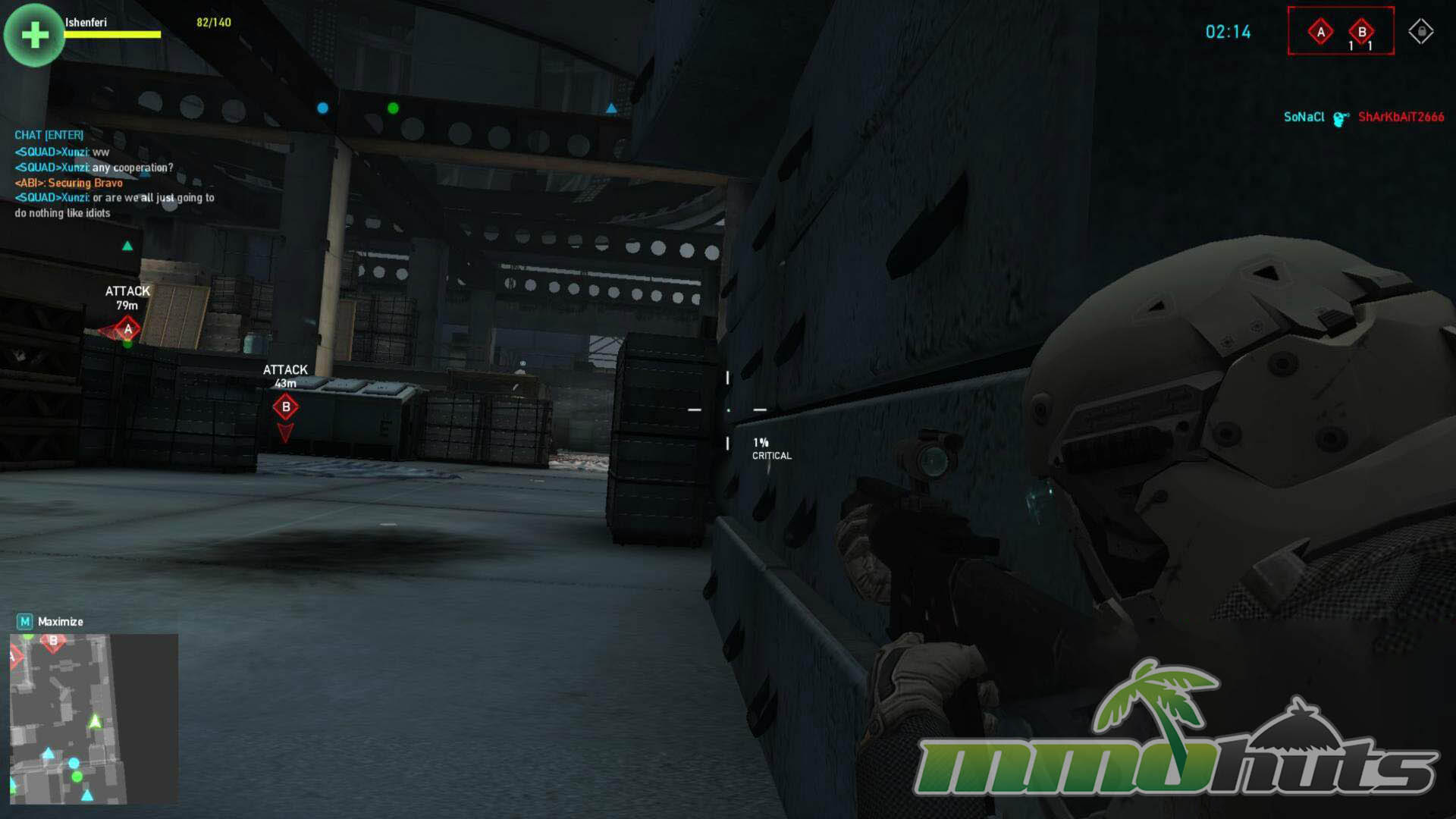
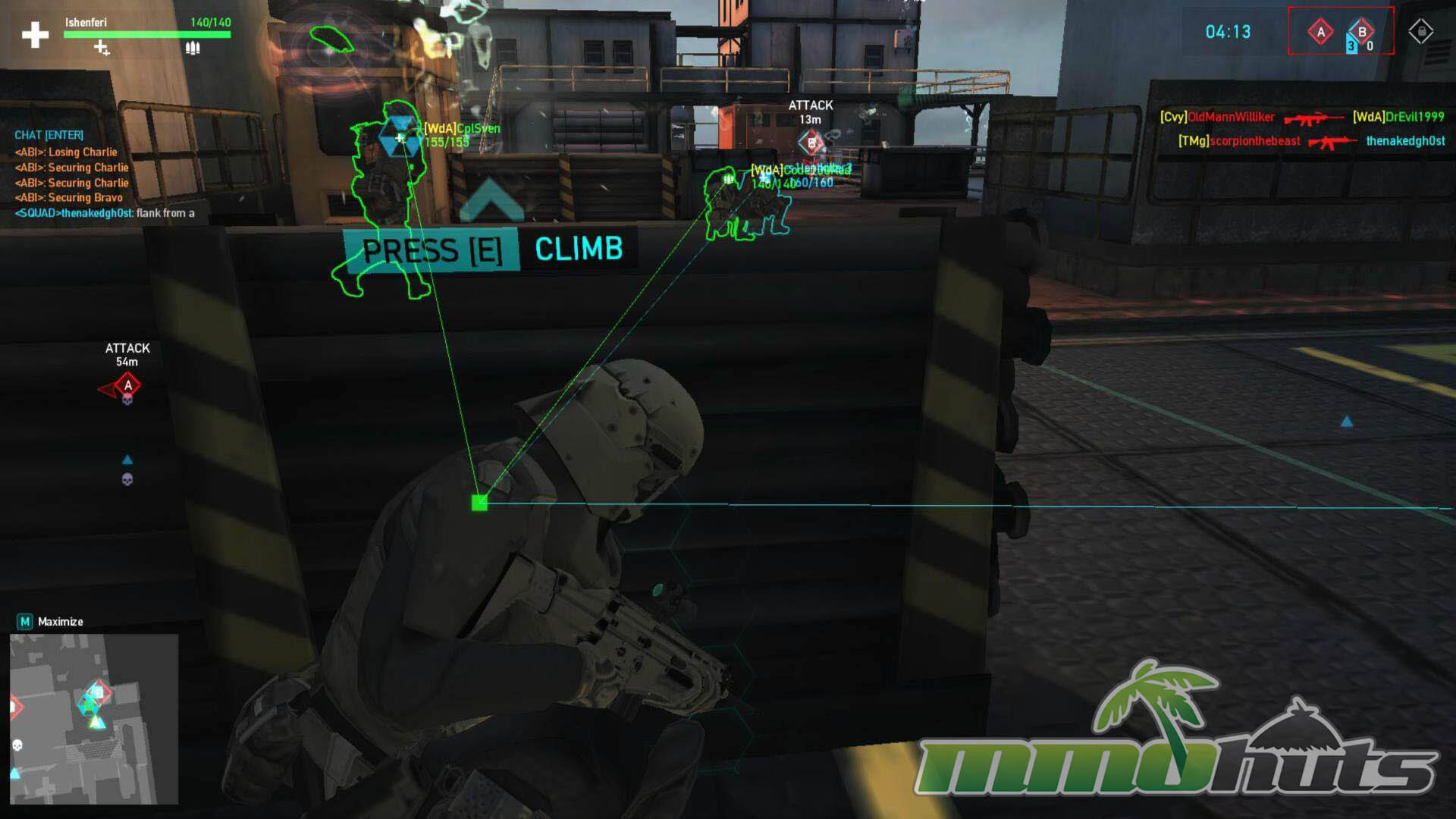
- Use The Environment – vault, slide into cover, and fight from protected positions, with cover granting temporary stat advantages when used properly.
- Multiple Maps and Game Modes – large-scale 16 vs 16 battles across multiple arenas and objective rule sets.
- Vast Arsenal of Weapons and Equipment – earn currency from matches to pick up firearms, gear, and futuristic tools as your loadouts expand.
- Built-in Squad Communication System – integrated voice chat helps teams call targets and coordinate pushes without extra setup.
Ghost Recon Phantoms Screenshots
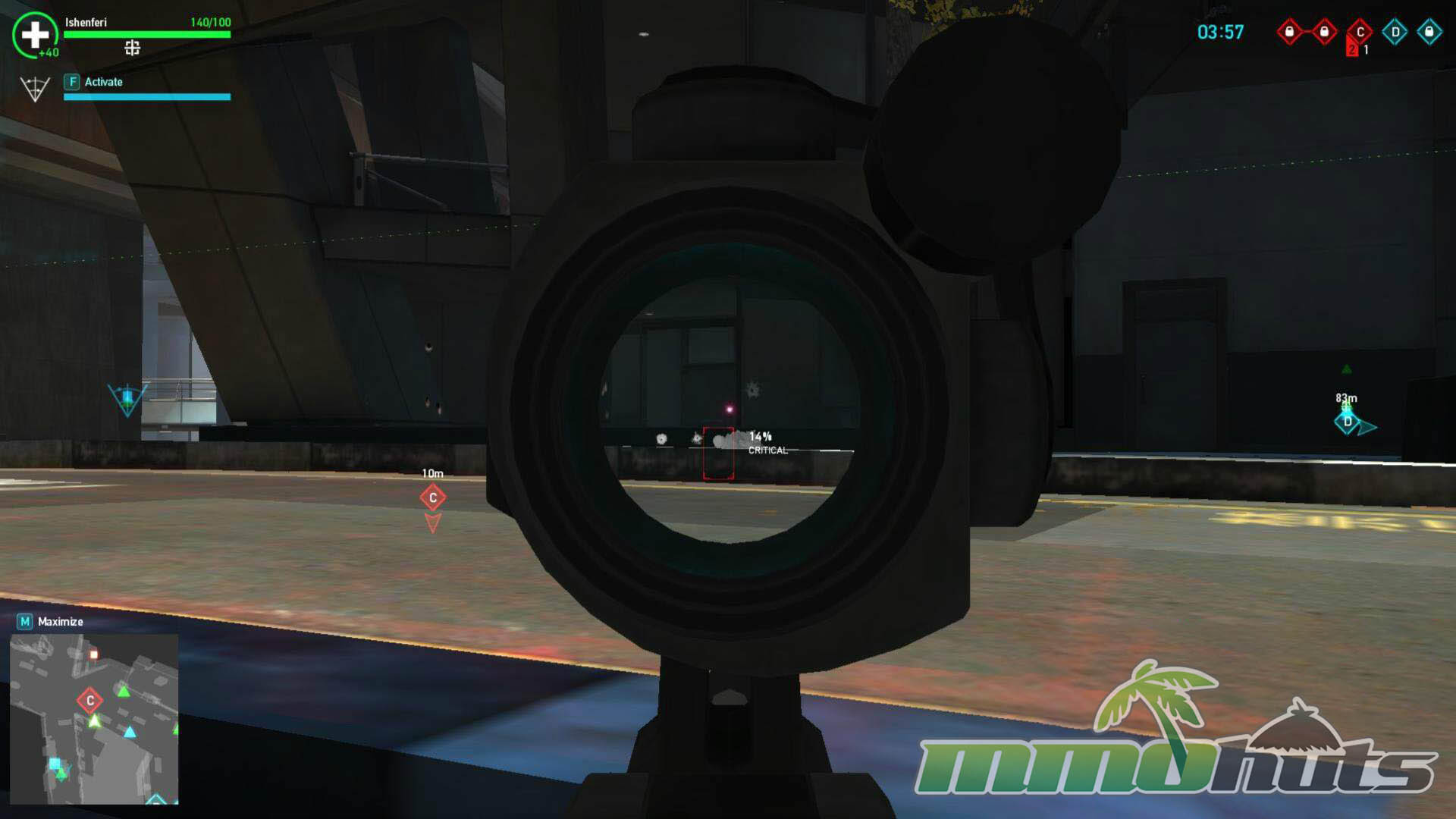
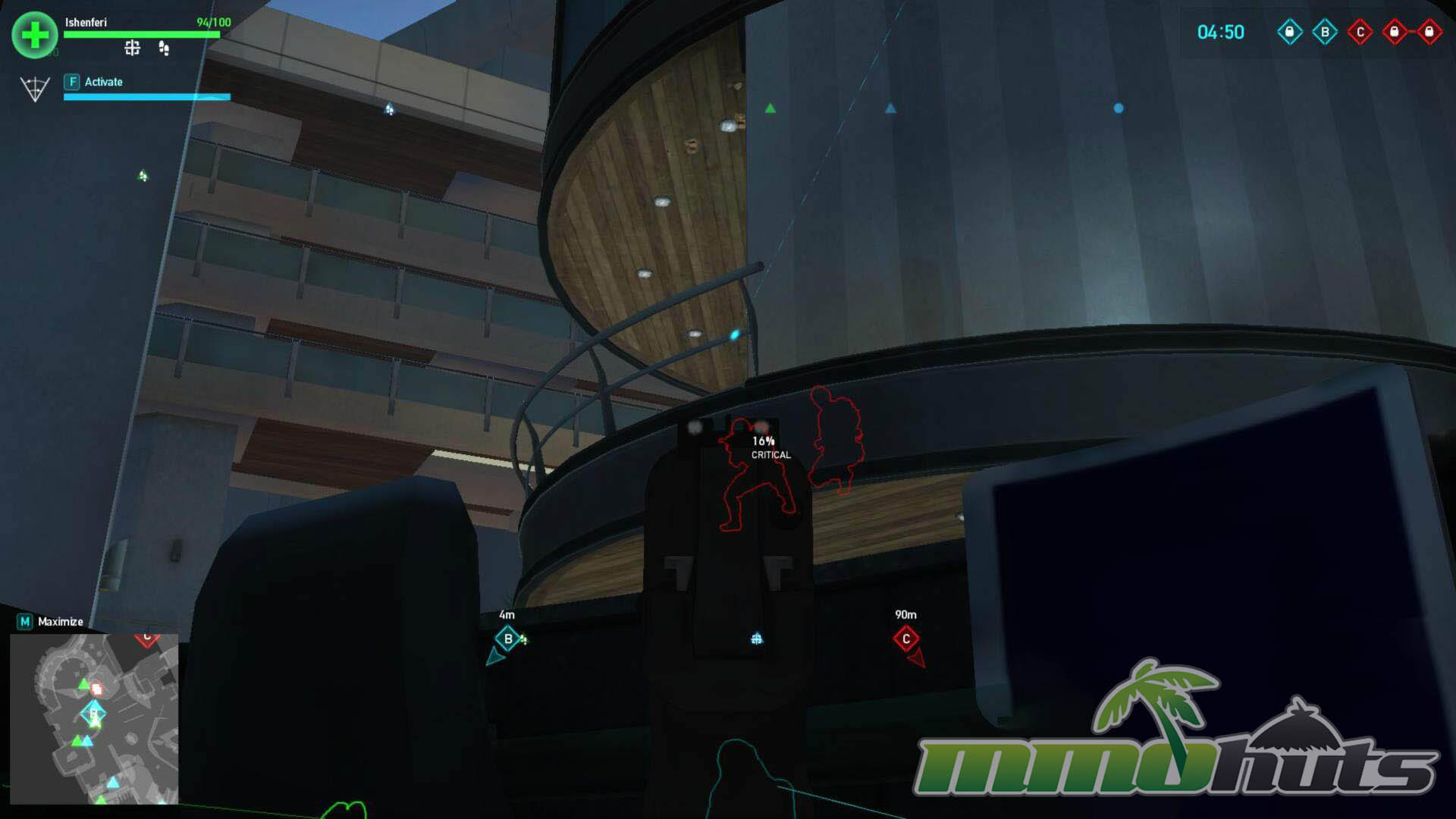
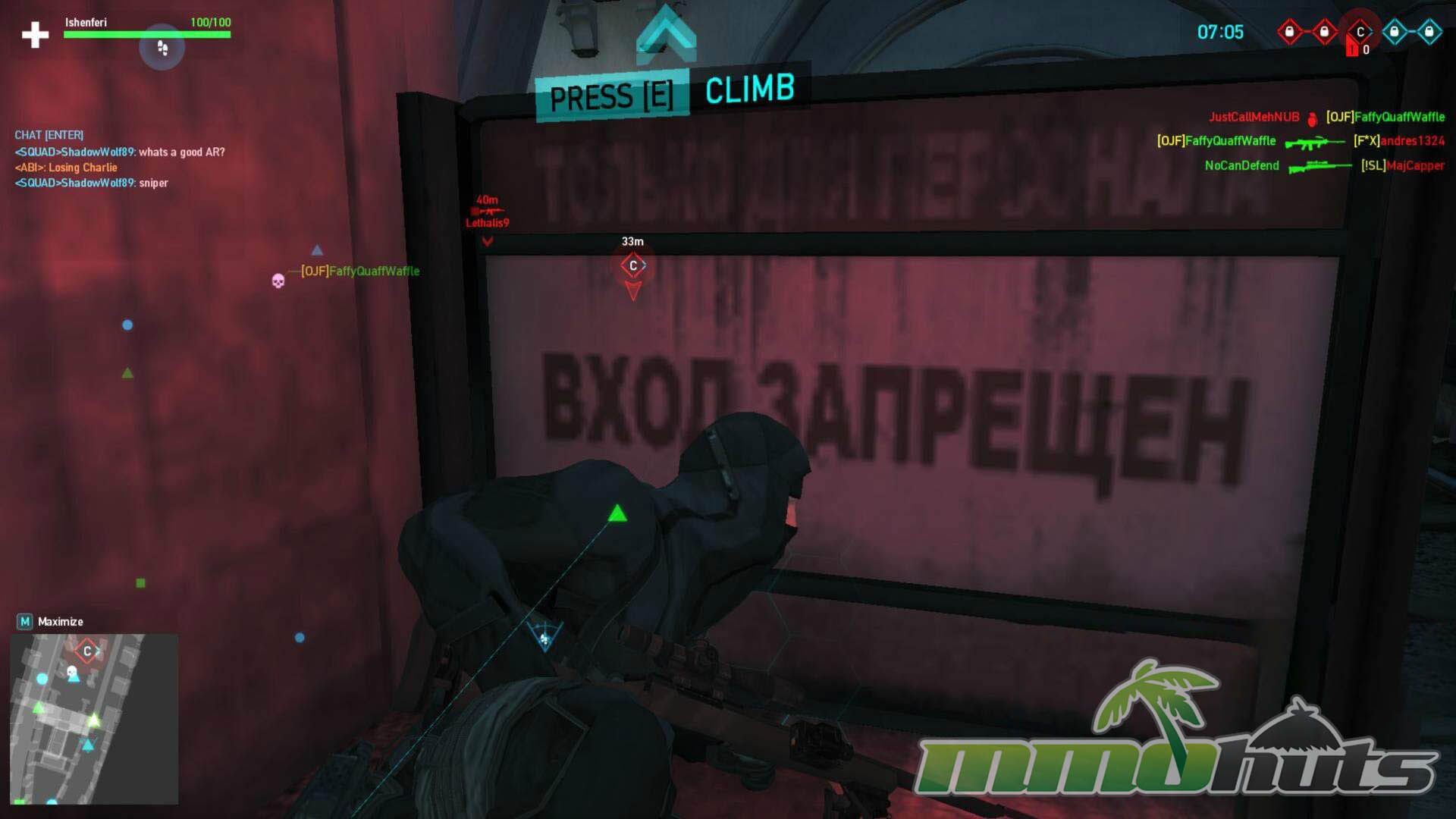
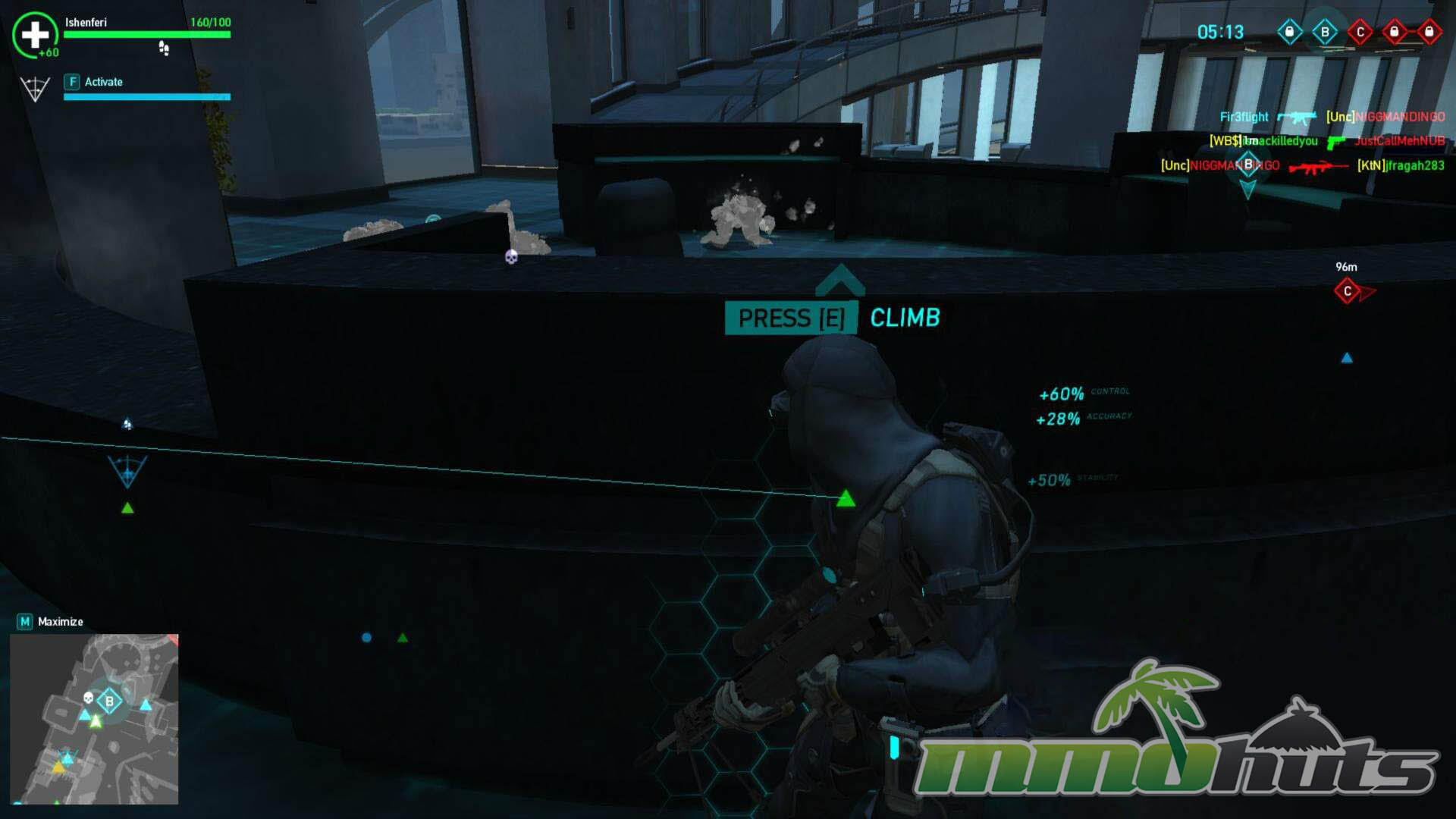
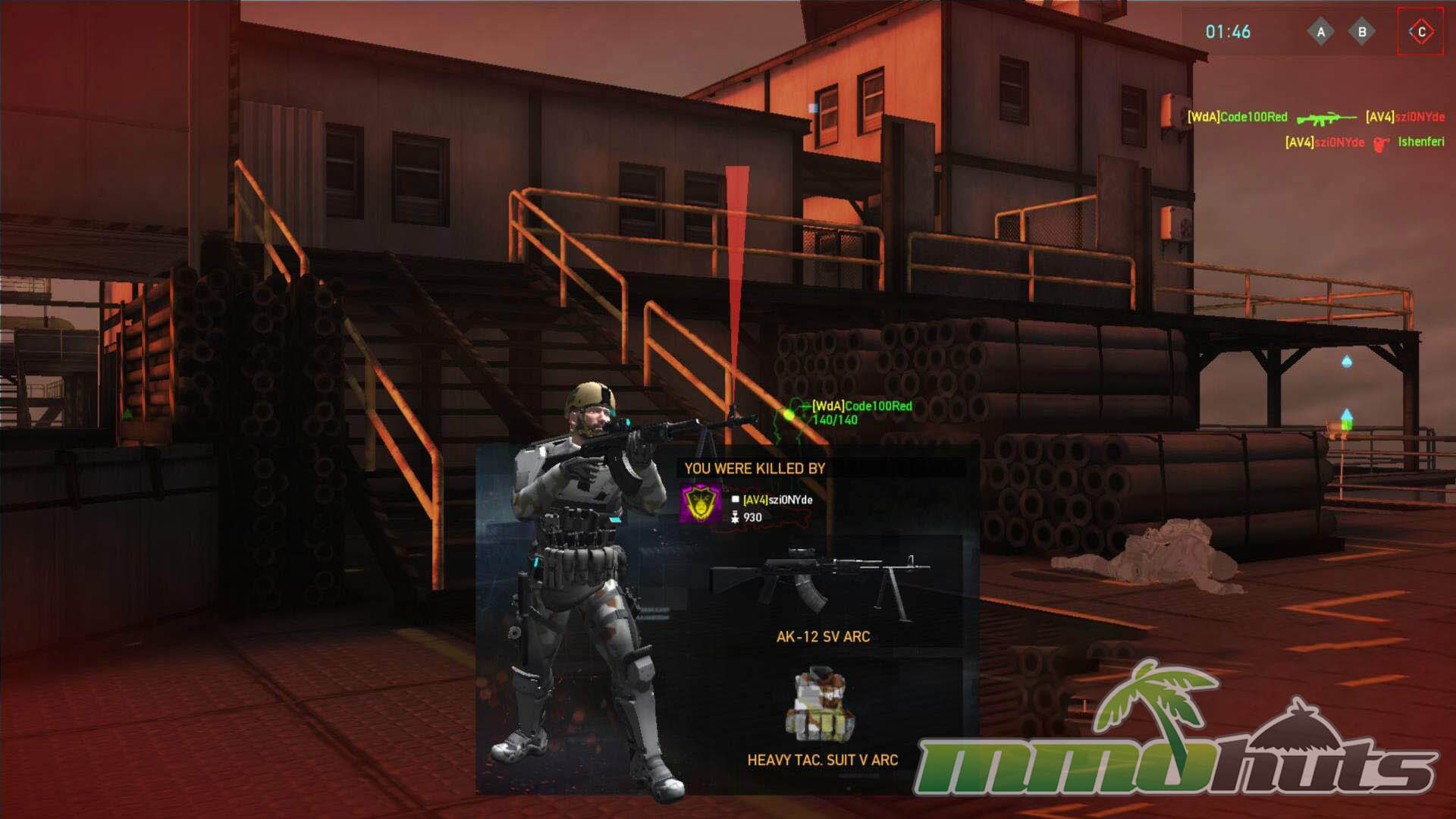
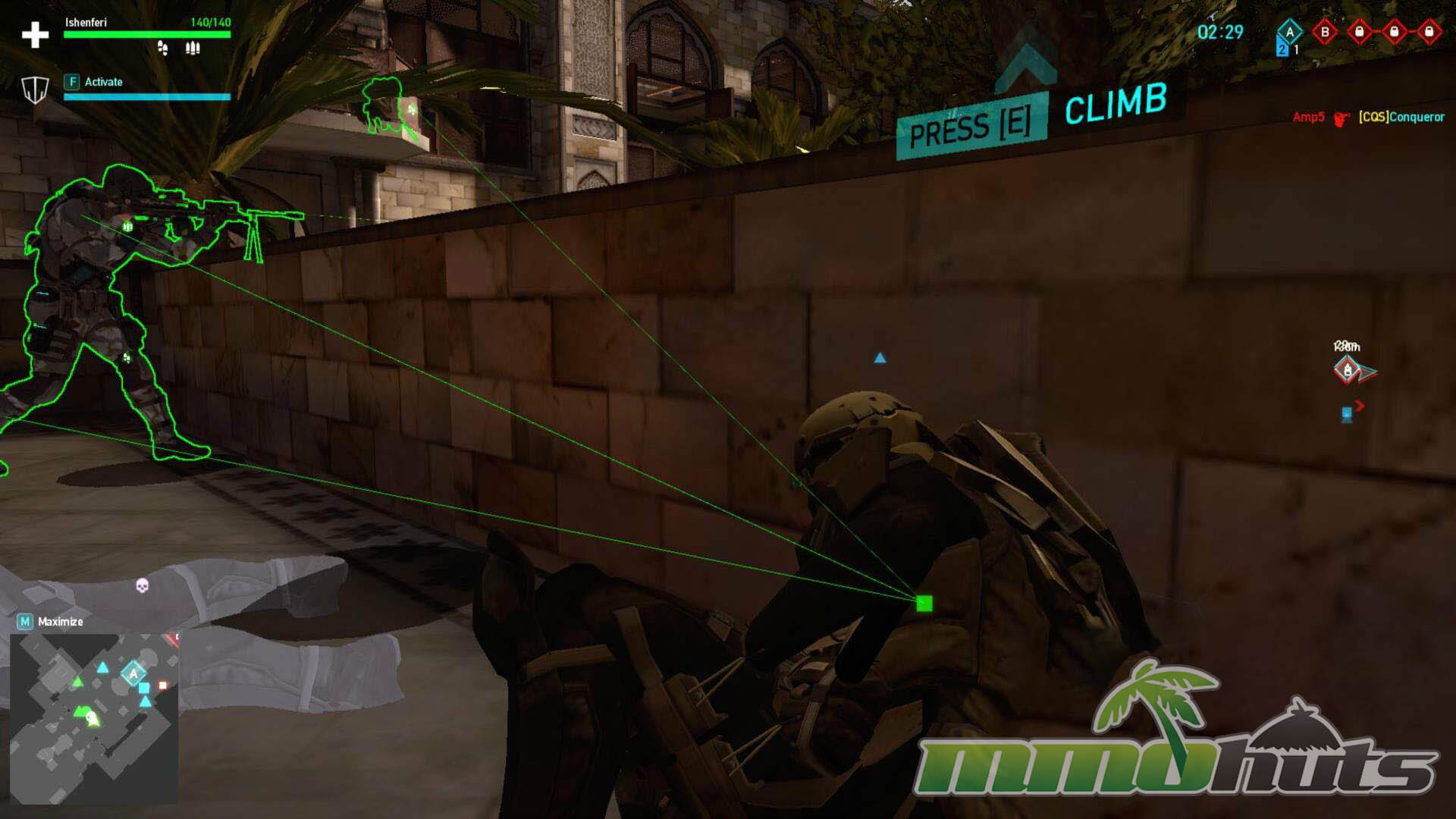
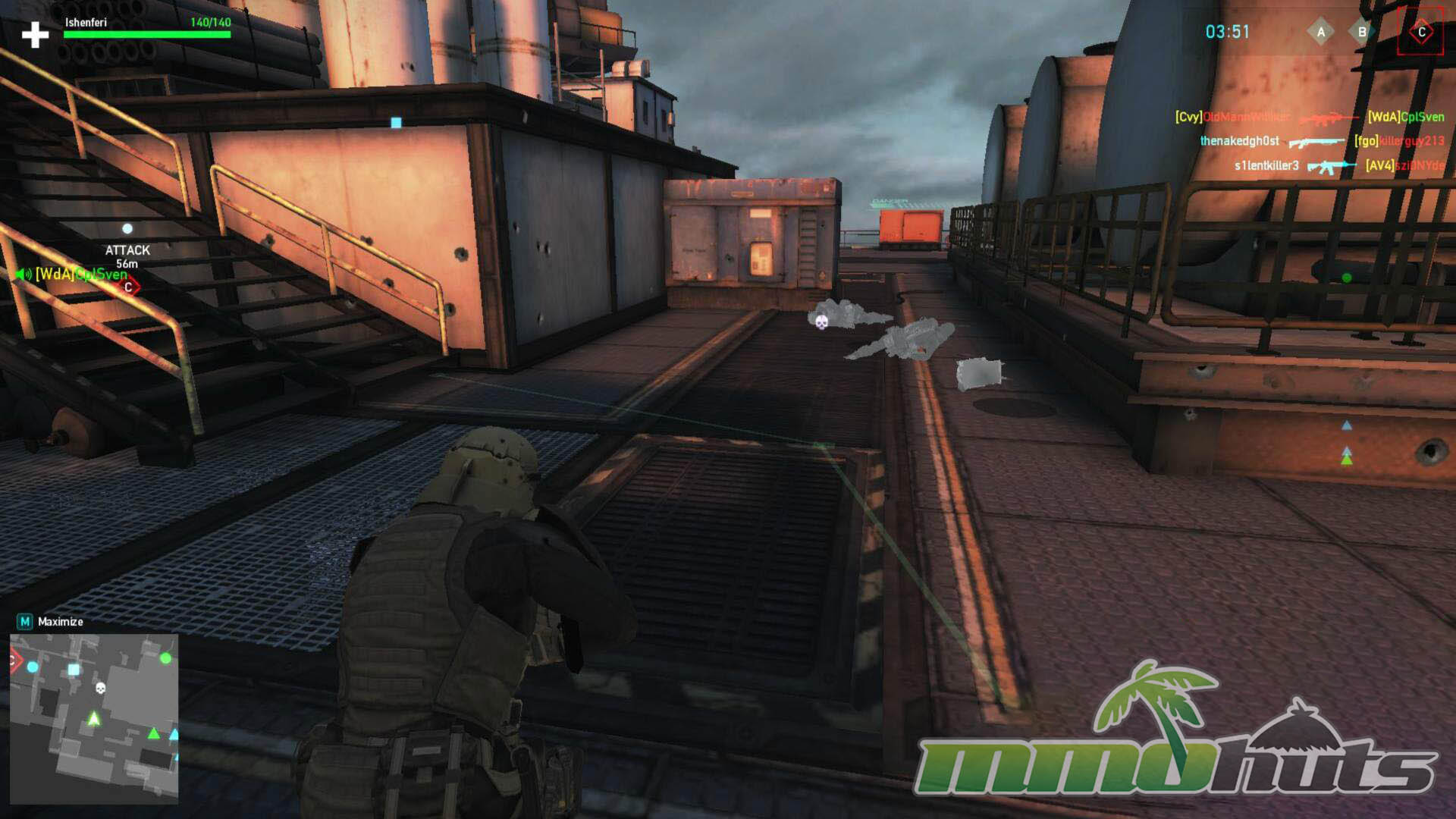

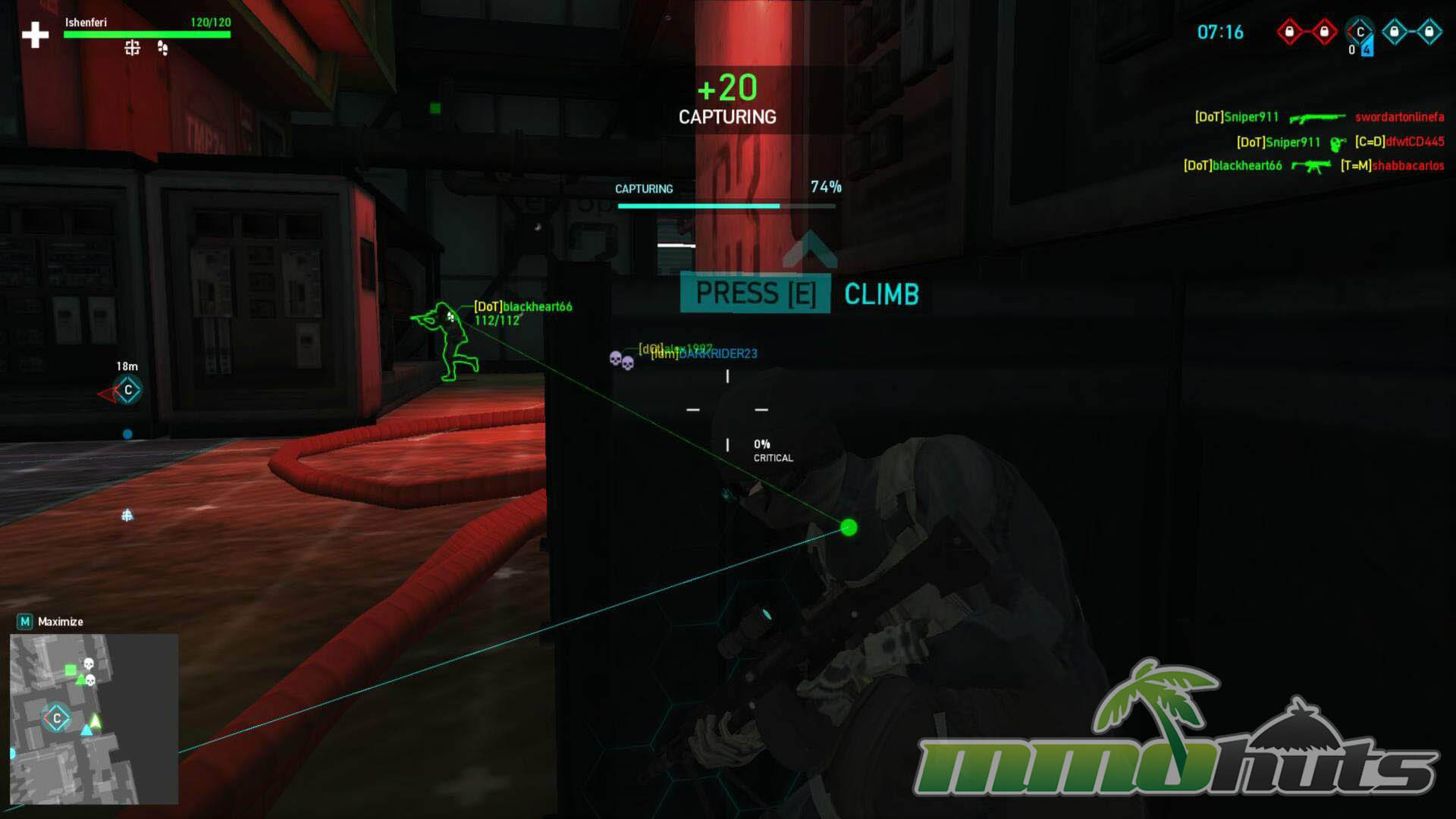
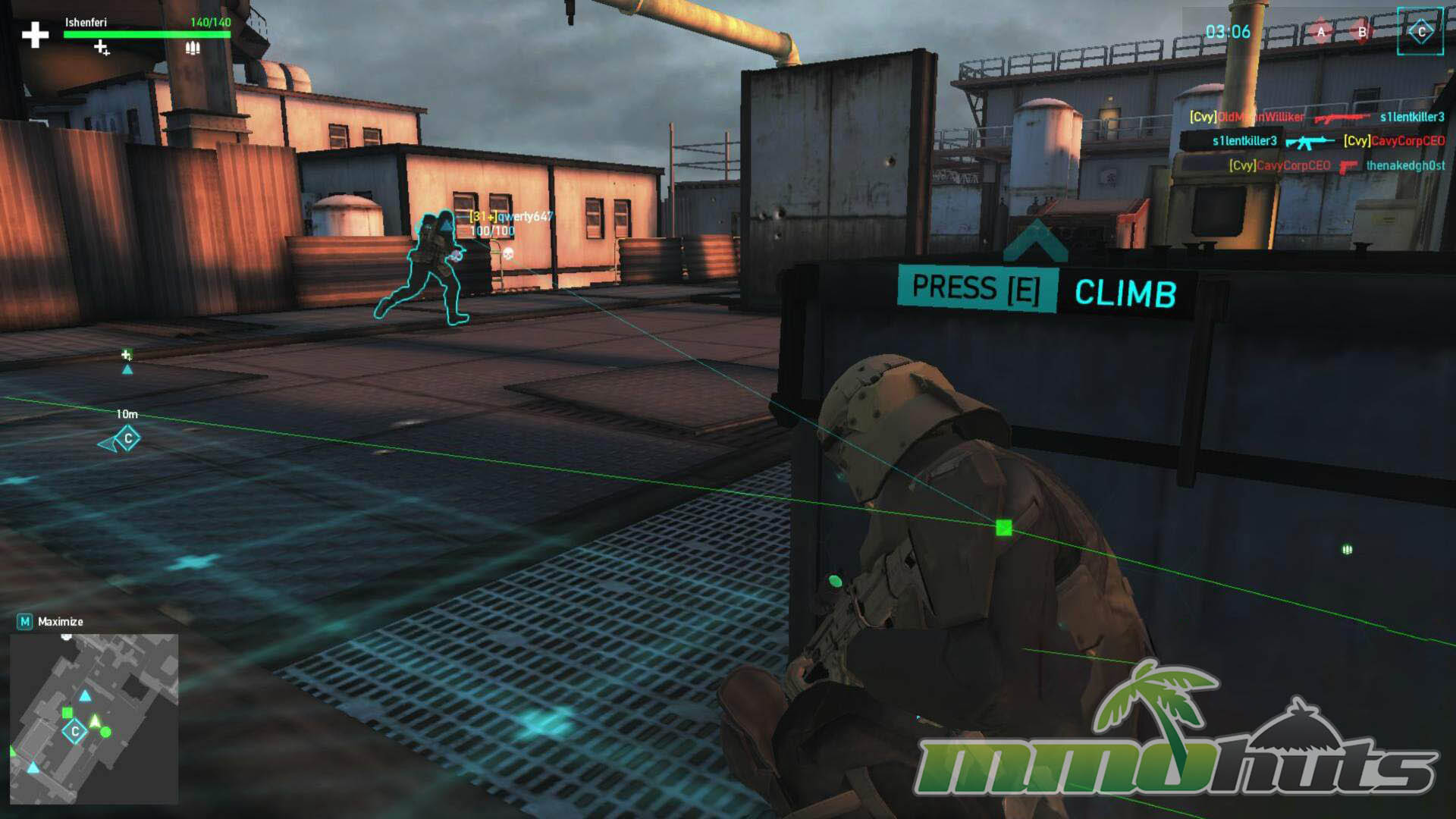
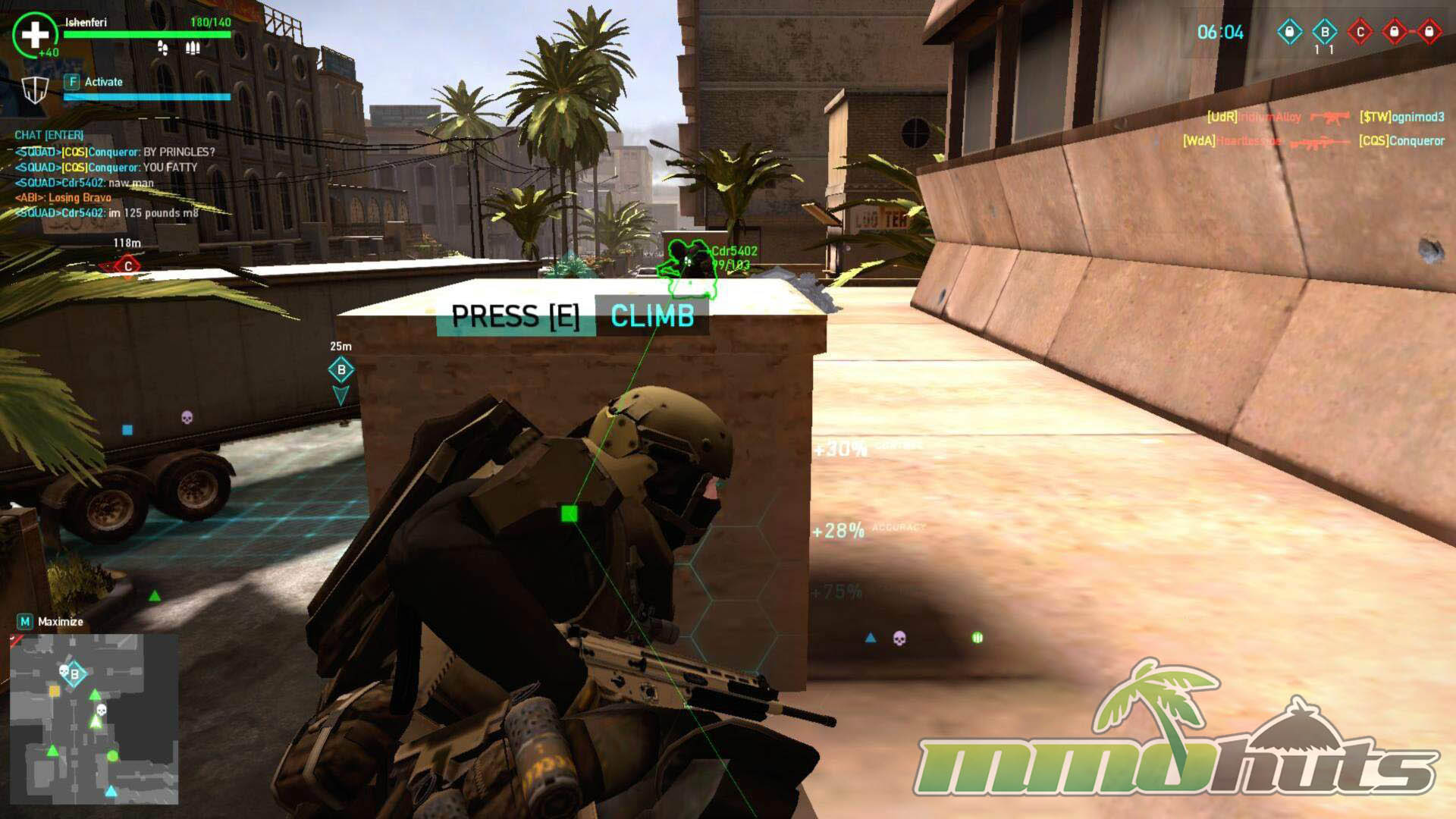
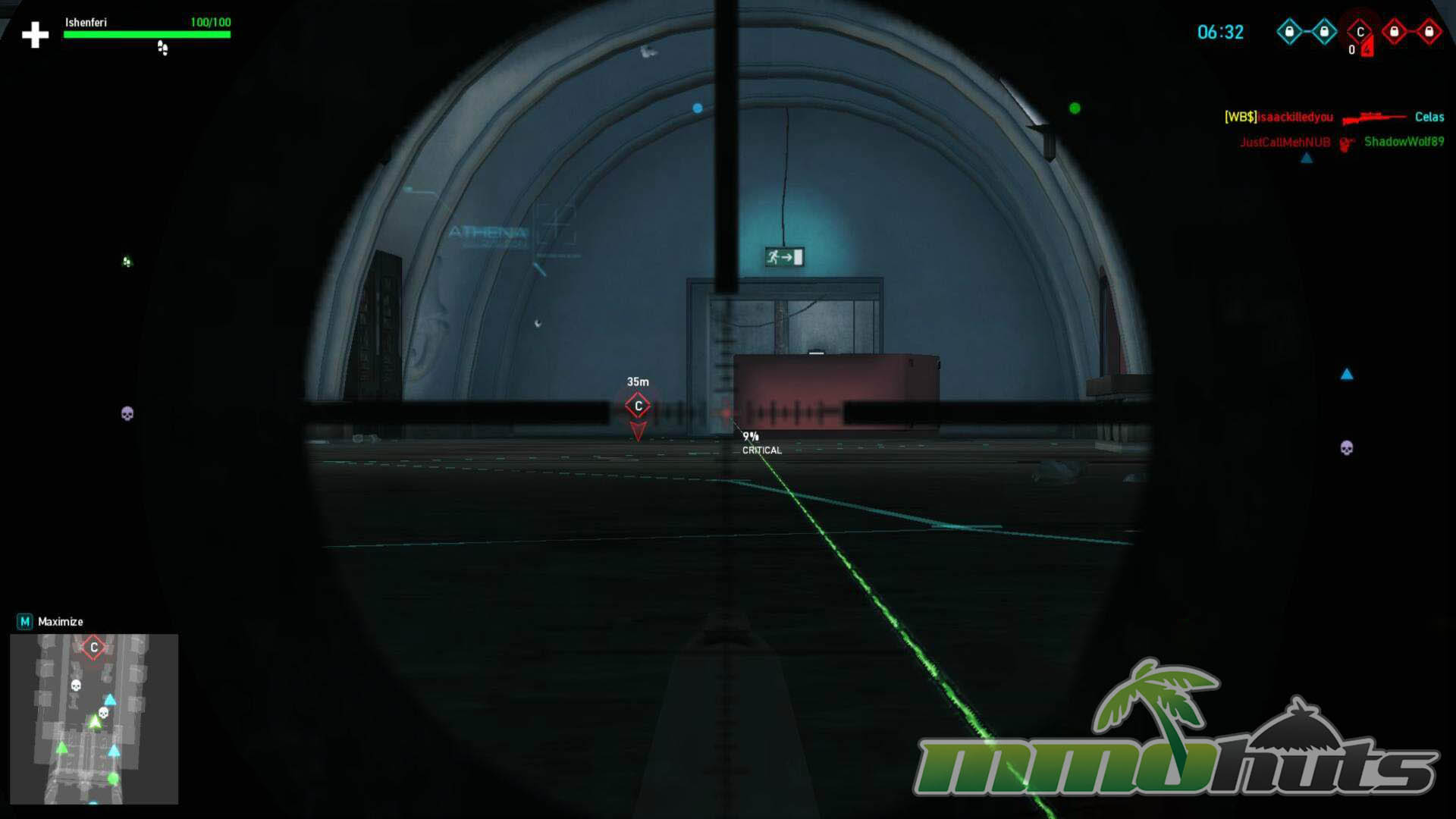
Ghost Recon Phantoms Featured Video
![Ghost Recon Online: Class Overview [North America]](https://i.ytimg.com/vi/0c0kxKd-xqY/0.jpg)
Ghost Recon Phantoms Classes
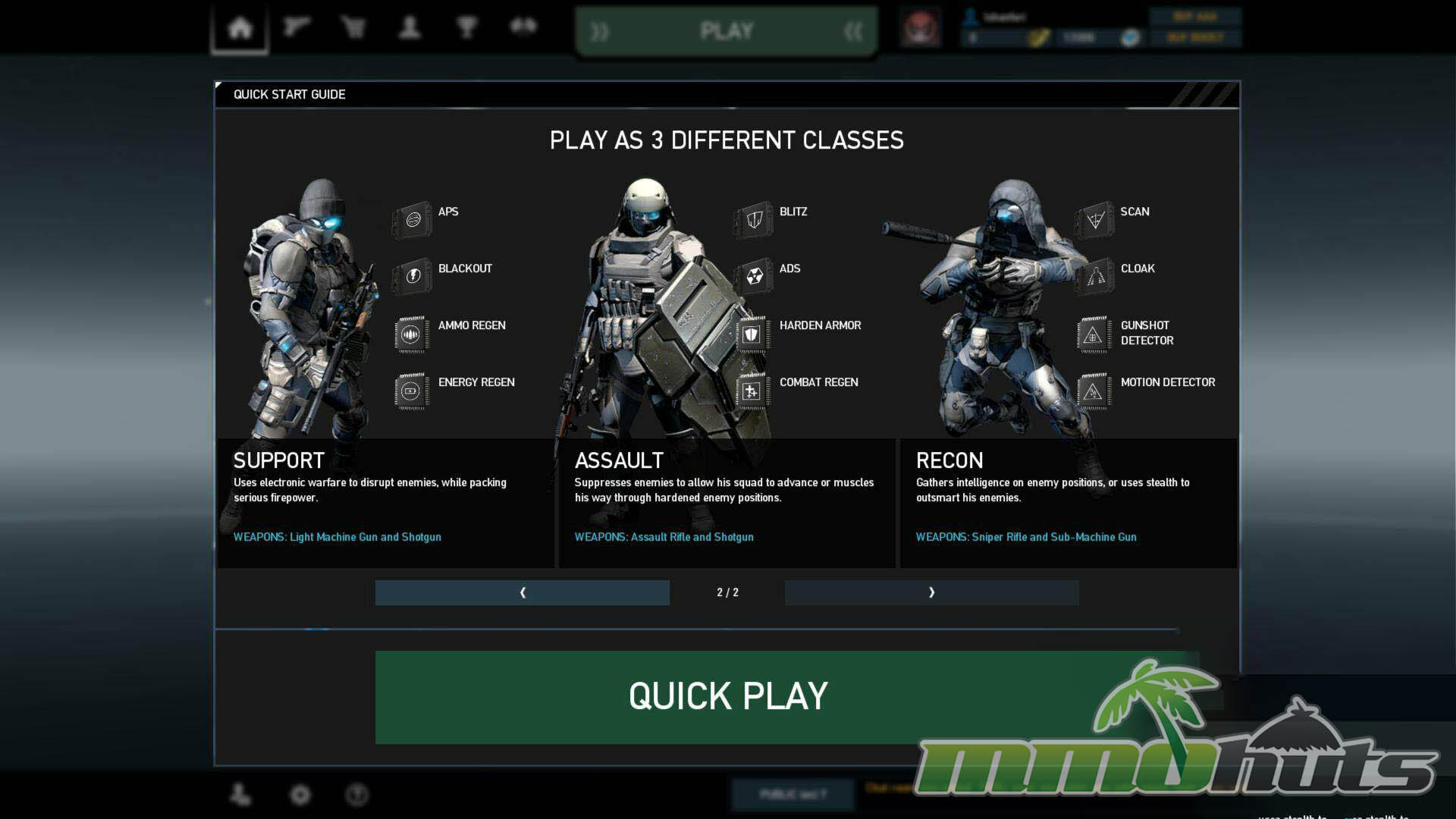
- Assault – the team’s point player, built for taking space and challenging entrenched opponents with assault rifles or shotguns. Their active abilities are Blitz and ADS, while their passive abilities are Armor Harden and Combat Regeneration.
- Recon – a precision and information role that thrives on spotting, stealth, and picking fights on favorable terms using sniper rifles and SMGs. Their active abilities are Scan and Cloak, while their passive abilities are Gunshot Detector and Motion Detector.
- Support – a firepower-focused role that pressures lanes and holds angles with LMGs and shotguns, fitting both aggressive pushes and defensive anchors. Their active abilities are APS and Blackout, while their passive abilities are Ammo Resupply and Device Recharge.
Ghost Recon Phantoms Review
Ghost Recon Phantoms (often shortened to GRP) is a free-to-play, third-person tactical shooter that frames its multiplayer battles around elite Ghost operatives and near-future gear. Combat plays out on structured, corridor-like maps with clear lanes and cover clusters, taking you through a variety of locations that range from industrial zones to more polished urban interiors. Visually, it holds up well for its era: character silhouettes are readable, weapons have satisfying detail, and animations communicate movement and cover transitions clearly. Sound design is one of its stronger pillars, with punchy weapon reports and layered firefight ambience that sell the tension, backed by music that leans into a military-tech thriller mood.
Roles That Shape the Squad
Your first meaningful decision is which class to bring into a match: Assault, Recon, or Specialist. Early on, the game gates options until you level, which means many players start by learning the fundamentals through Recon before branching out. Each class has a clear battlefield job, Assault is best at initiating and contesting objectives, Recon excels at intel and ranged picks, and the third role provides utility and sustained pressure. Importantly, progression is separate per class, so time invested into one does not automatically carry the others to the same level, and that can be either motivating or a grind depending on what you enjoy.
The onboarding is light. Instead of a robust training sequence, the game relies on tooltips and quick prompts, then pushes you into live matches quickly. Shooter veterans will adapt without too much friction, but brand-new players can feel overwhelmed by positioning rules, ability timing, and how punishing exposure is in a cover-centric game.
Cover-First Gunfights
Moment to moment controls are familiar: keyboard movement, mouse aiming, and standard firing behavior. The key difference is how strongly the design nudges you toward deliberate, team-supported advances. Cover is not just protection, it is a core system, with incentives that make smart positioning feel powerful. Likewise, class buffs reward tight formations, and many engagements are decided by which side stacks abilities and angles more cleanly.
That emphasis is also the main trade-off. If you prefer constant forward momentum, GRP can feel methodical, and at times slow. Successful teams often win by controlling sightlines, rotating as a group, and refusing risky peeks. Lone-wolf flanks can work, but they are situational, and usually require strong map knowledge and timing, not just good aim.
Objectives in Different Wrappers
Ghost Recon Phantoms offers three named modes: Conquest, Onslaught, and Holdout. In practice, they are variations on capturing and defending points with different pacing and win conditions. Onslaught centers on taking control of multiple points, with victory determined by full capture within the timer or by holding more points when time runs out. Conquest shifts the focus to an attack-and-defend structure where teams swap roles across rounds, and the match is decided in a best-of-three format. Holdout is a tighter spin on that idea, built around a single objective point.
The benefit of this approach is clarity, everyone understands what to do quickly. The downside is that if you are looking for radically different match types, the mode list can feel like a narrow slice of the same core loop.
When Matchmaking Can’t Protect You
The game uses matchmaking to assemble lobbies, with a more protected early bracket for levels 1 through 10. That portion tends to create fairer fights and gives newcomers a chance to learn the rhythm. The difficulty spike comes after level 10, when the pool opens up and players can be placed against much higher levels, up to the cap of 70.
In a healthy population, that would be less painful because the system could form tighter ranges. With a low playerbase, it often becomes a “whoever is available” scenario, which leads to uneven matches where gear, experience, and class mastery create a noticeable gap.
Loadouts, Upgrades, and the Monetization Problem
Progression revolves around earning Recon Points (RP) from matches and spending them on weapons, attachments, and protective equipment. The arsenal is one of the game’s highlights, with plenty of firearm categories and meaningful customization, including optics, sights, and cosmetic patterns. Building a kit that fits your class and preferred engagement range is satisfying, and it is a big part of the long-term appeal.
The friction comes from the premium currency layer. Players can buy stronger gear sooner with Ghost Points, which pushes the experience toward pay-to-win territory. While the same items can be earned via RP, the time required can be significant, and that grind becomes more frustrating when you are regularly facing players who reached high-end loadouts through spending or long-time accumulation. Combined with the general difficulty of fair matchmaking at low population, the economy can amplify the feeling of being outgunned.
The Final Verdict – Fair
Ghost Recon Phantoms delivers a tactical, cover-driven shooter with strong presentation and a satisfying foundation for coordinated team play. Its best moments happen when squads communicate, stack abilities intelligently, and take objectives with disciplined pushes. Unfortunately, persistent matchmaking issues and an economy that can reward spending more than play undermine that foundation. For players seeking a fair, consistently populated free-to-play shooter experience, alternatives in the genre often provide a smoother competitive environment.
Ghost Recon Phantoms Links
Ghost Recon Phantoms Official Site
Ghost Recon Phantoms Wikipedia
Ghost Recon Phantoms Steam Page
Ghost Recon Phantoms System Requirements
Minimum Requirements:
Operating System: Windows Vista / 7 / 8/ 10
CPU: Pentium Dual-Core E2140 1.6 GHz / Athlon 64 X2 3800+ 2 Ghz
Video Card: GeForce 8600 GT / Radeon HD2600 XT
RAM: 3 GB
Hard Disk Space: 6 GB
Recommended Requirements:
Operating System: Windows Vista / 7 / 8/ 10 (64 bit Recommended)
CPU: COre2 Duo E6850 3 GHz / Phenom II X2 545 3 GHz
Video Card: GeForce GTX 260 / Radeon HD4870
RAM: 4 GB
Hard Disk Space: 6 GB
Ghost Recon Phantoms Music & Soundtrack
Coming Soon!
Ghost Recon Phantoms Additional Information
Developer: Ubisoft Singapore
Publisher: Ubisoft
Distributor: Steam
Game Engine: YETI
Closed Beta: March 5, 2012
Open Beta: August 15, 2012
Official Launch Date: April 10, 2014
Shut Down Date: December 1, 2016
Development History / Background:
Originally released during beta under the name Ghost Recon Online, Ghost Recon Phantoms was Ubisoft’s first free-to-play title tied to the long-running Ghost Recon brand. Development was handled by Ubisoft Singapore and the game ran on Ubisoft’s in-house YETI engine, with distribution centered on Steam. Although it had been expected to enter closed testing earlier, the closed beta ultimately began on March 5, 2012, followed by an open beta on August 15, 2012. The full launch arrived later on April 10, 2014, and the game remained available through Steam until it shut down on December 1, 2016.