
Game of Dice is a free-to-play mobile board strategy title built around quick, competitive matches where three players race around a board, claim properties, and try to bankrupt the opposition. It borrows the broad shape of classic property-trading board games, then layers in character abilities, collectible cards, and flashy anime presentation to keep each session feeling lively, even when you are grinding for upgrades.
 | Publisher: Joycity Games Playerbase: High Type: Mobile Strategy Game Release Date: October 14, 2015 Pros: +Striking anime-inspired visuals and smooth animations. +Strong music and sound effects that add energy to matches. +Simple ruleset that is easy to learn quickly. Cons: -Matches can start to feel samey over time. -Monetization can create a pay-to-win advantage. |


Game of Dice Overview
Game of Dice is a popular free-to-play, real-time PvP board game MMO developed by Joycity, known for the Freestyle Street Basketball series and other mobile projects. The core loop is straightforward: roll, move, buy cities, and collect taxes, but the game pushes beyond a simple Monopoly-style template by adding character stats, skill cards, special dice, and a risk-reward betting layer. The result is a light strategy game that can be played in short bursts, yet still supports long-term progression through collecting and upgrading your loadout.
Matches are played against other users online, and your performance is influenced as much by your pre-game setup (character, dice, and deck) as it is by on-board decisions. Between sessions you will be opening rewards, enhancing your favorite pieces, and trying to climb the rankings, which gives it the “MMO” flavor despite being built around discrete board game rounds.
Game of Dice Key Features:
- High Quality Anime-Style Graphics – Polished character art, colorful boards, and satisfying animations that make it feel more premium than many mobile competitors.
- Real-time PVP Gameplay – Live matches against other players, with quick decisions, reactions, and an emote system for basic communication.
- Collectible, Customizable Cards, and Characters – Build a deck and pick a character and dice that shape your strengths, weaknesses, and overall approach.
- Catchy Music and Sound Design – Upbeat audio work that keeps the pace moving, even when you are repeating the same modes for progression.
Game of Dice Screenshots





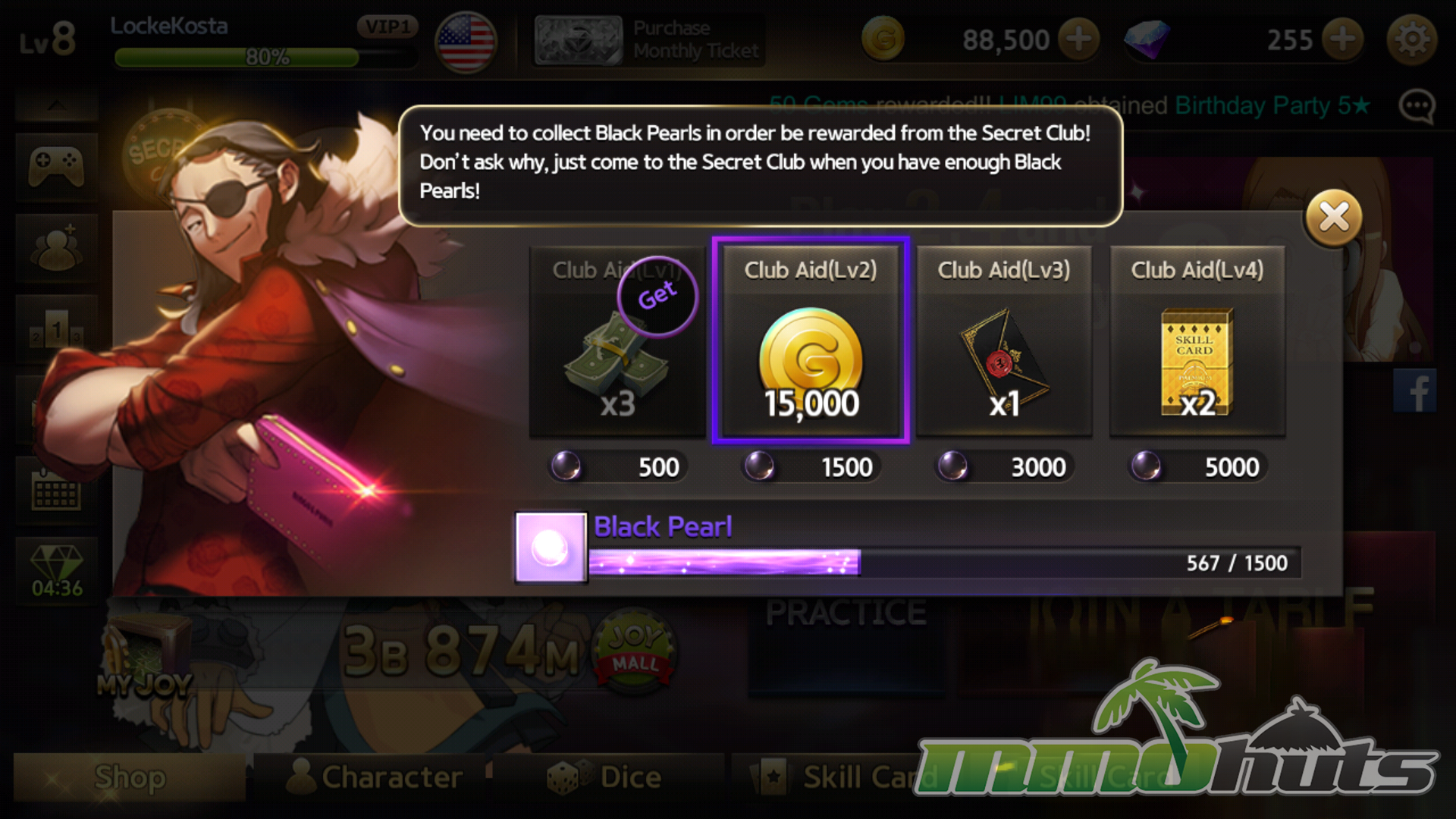
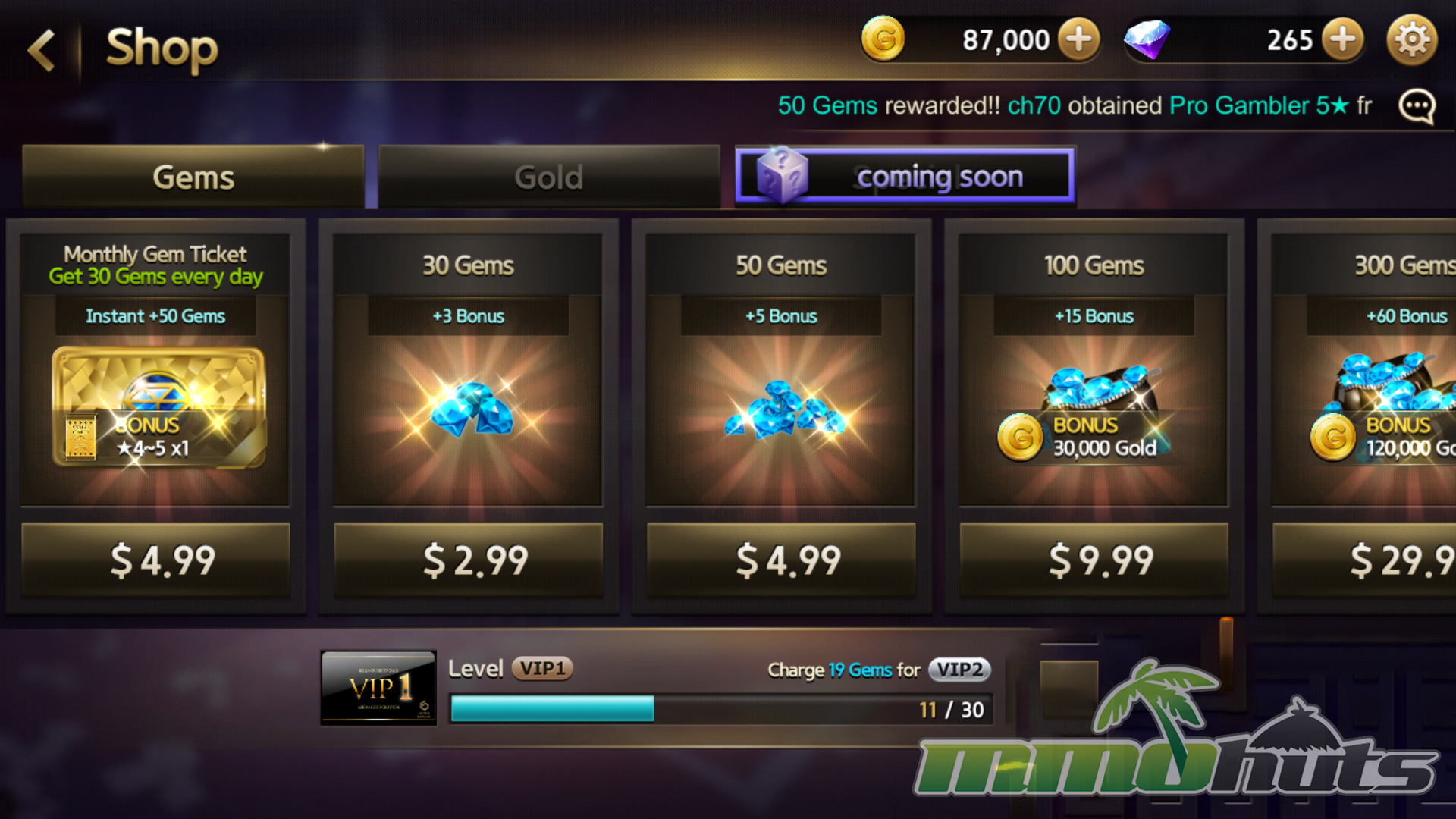
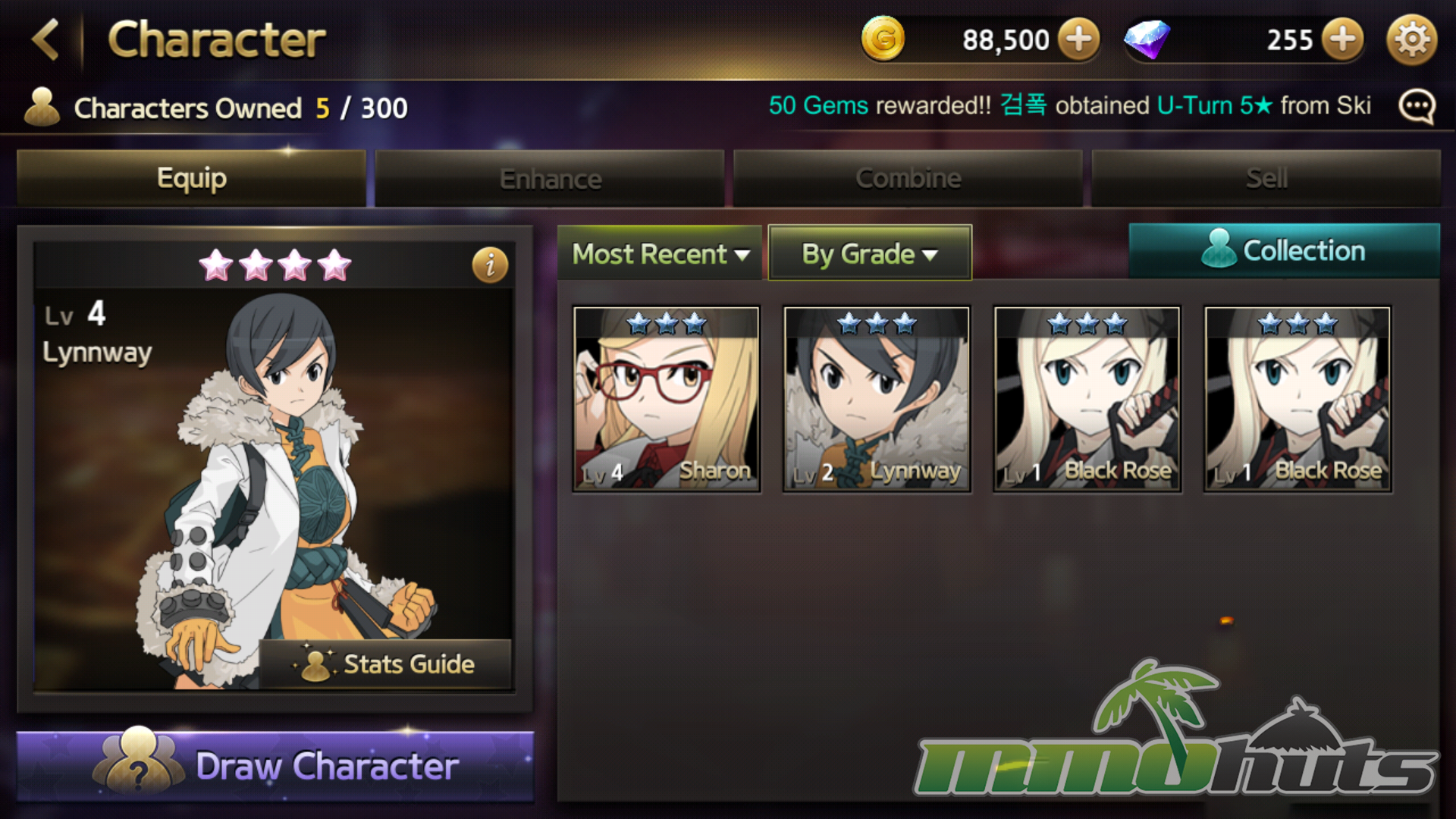
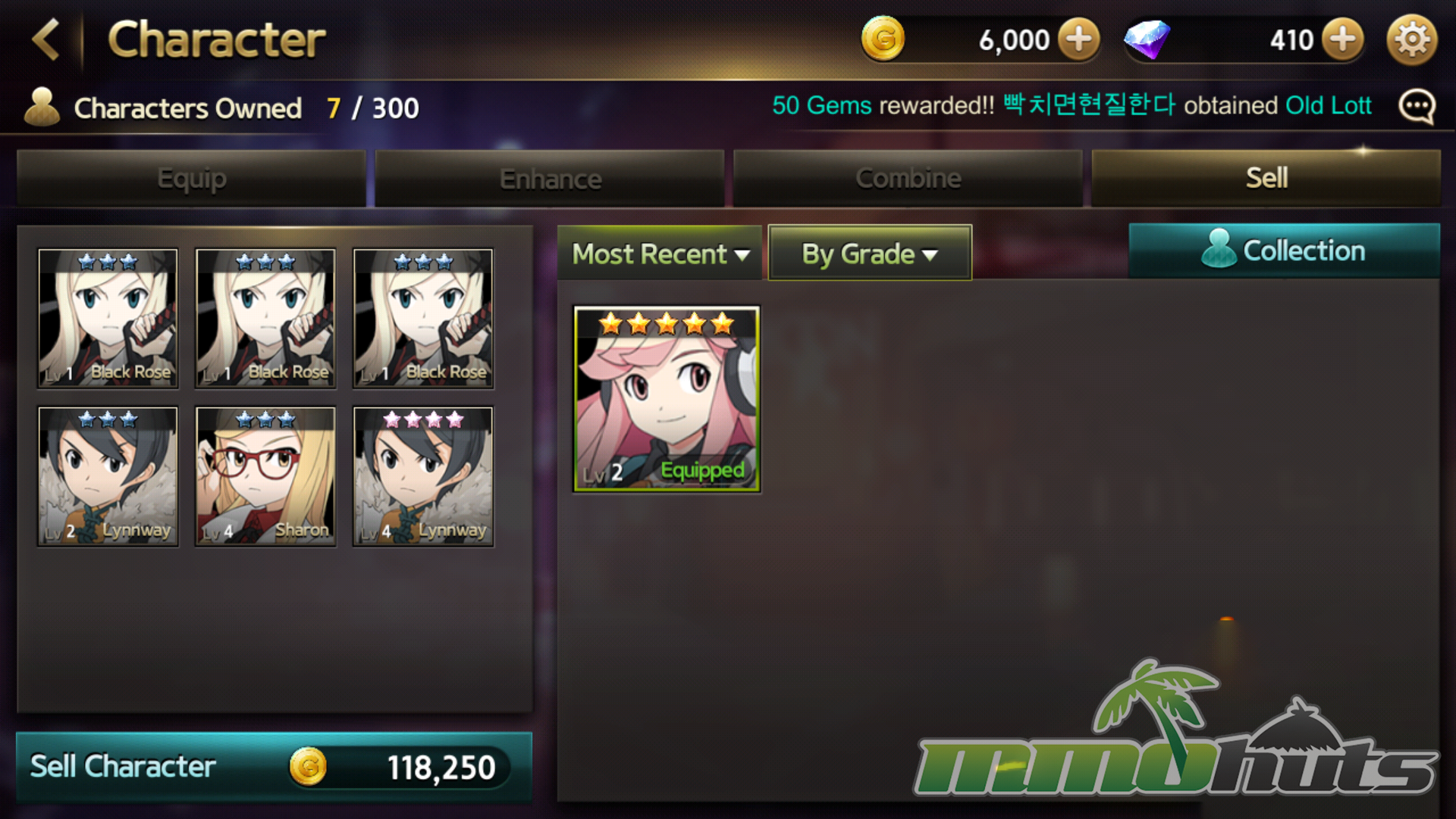
Game of Dice Featured Video

Game of Dice Review
Game of Dice is a free-to-play mobile MMO on Android and iOS from Joycity Games. At its heart it is a session-based competitive board game, you queue into matches, play to eliminate other players financially, then take your winnings and rewards back into the upgrade and collection meta. It is easy to understand in minutes, but the deeper systems, especially cards, characters, and dice, heavily influence how fair any given match feels.
Visually, it stands out. After the initial install there is additional downloading, and the game uses that downtime to show off its anime-styled presentation. The art direction is consistent across menus, characters, and in-match effects, and the overall production value is one of the game’s strongest hooks.
That said, the real question is whether the mechanics stay engaging once the novelty fades, and whether free players can compete without feeling permanently behind.
Monopoly DNA With Faster, Meaner Matches
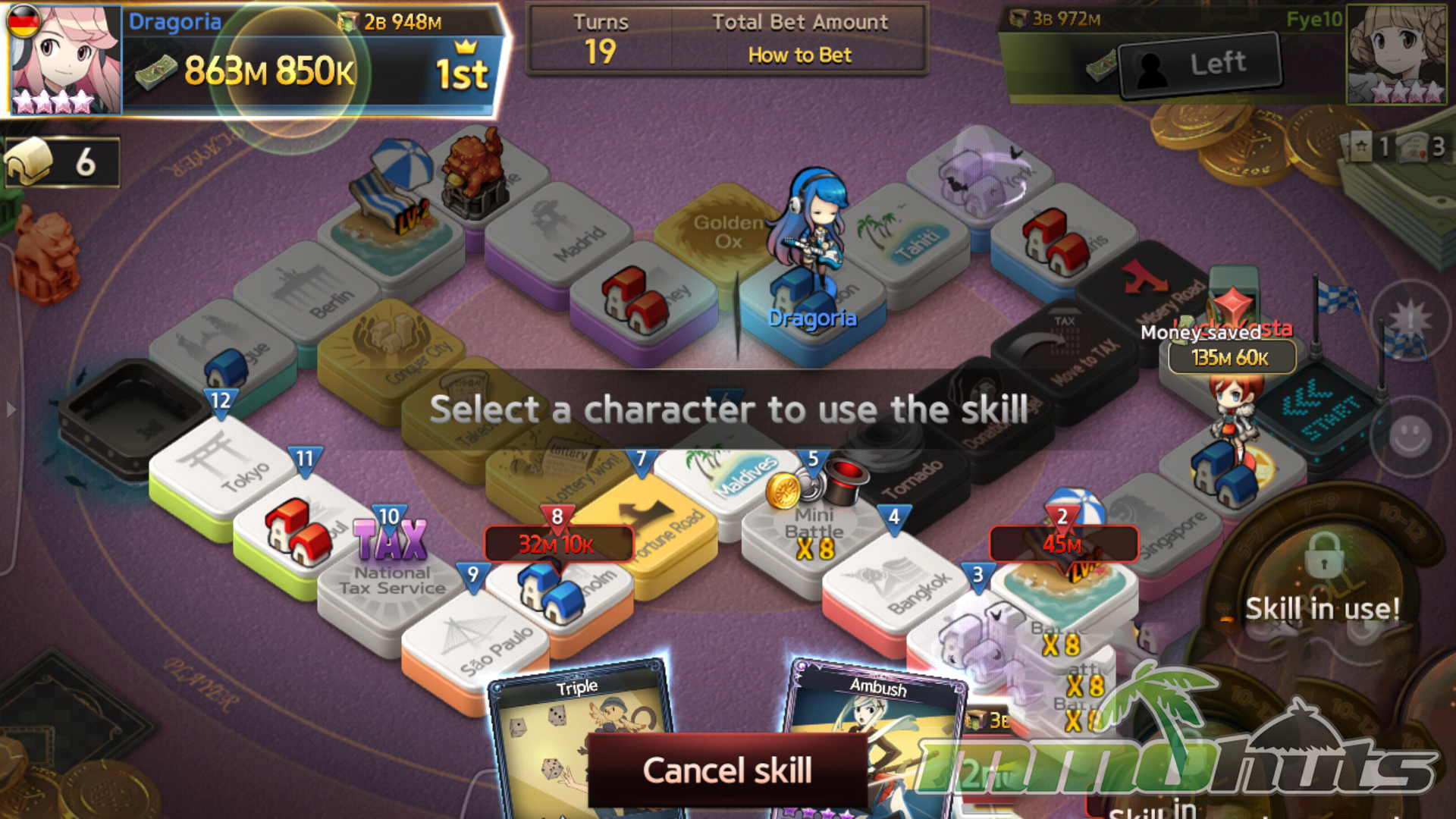
Anyone who has played Monopoly will recognize the foundation immediately. Three players move around a looped board filled with color-grouped cities, vacation spots, and random event spaces. Landing on an unowned city lets you claim it, and ownership is shown with buildings in your color.
Progression on the board is tied to laps. As you circle the board and effectively “pass Go,” your owned cities upgrade until they reach level 4. Taxes scale with both the city’s value and its building level, so an early lead can snowball quickly. Complete a full color set and you trigger a monopoly effect, doubling the taxes for that group, which is often the tipping point that forces opponents into desperate plays.
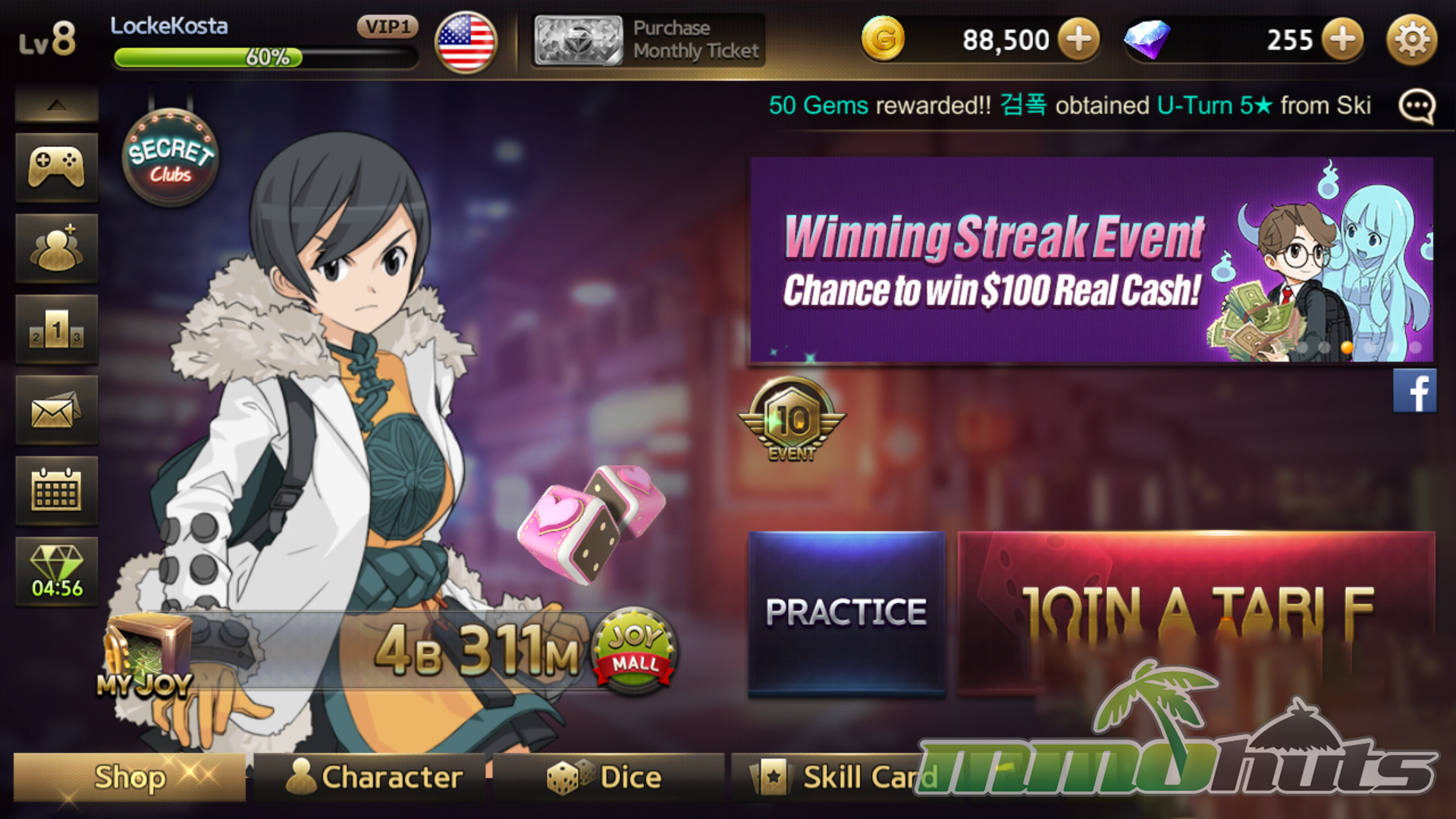
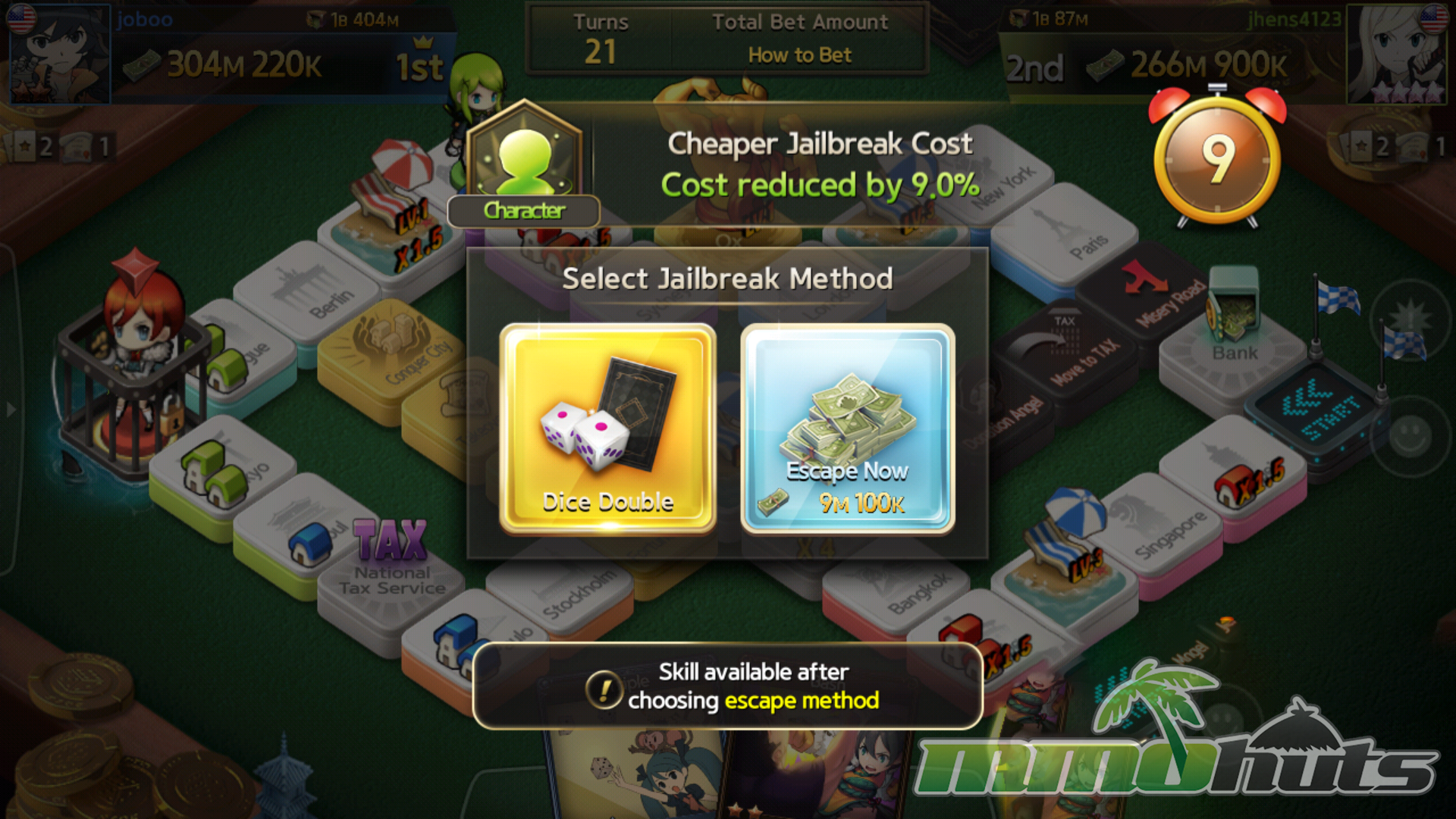
Each match is funded by Joy, the game’s primary bankroll currency. When you hit zero, you are out, unless you choose to buy back in once and attempt a comeback. That option creates tense moments, because you are risking more of your overall bankroll to stay alive, rather than simply taking the loss and re-queuing.
Vacation spots function similarly to railroads. Owning more increases the toll when opponents land there, but they do not upgrade like cities and do not gain a monopoly multiplier, so they can feel like a side investment unless you manage to secure most of them.
Dice Control and the Importance of Landing Exactly Where You Need
The first major twist is that rolling is not entirely random. You can “charge” the roll to influence the likely range of your result. It is not a guarantee, but it adds a layer of timing and decision-making that matters, especially when you are aiming to hit a key city, avoid a dangerous tax square, or reach a chance space at the right moment. When you succeed, the game calls it out with a “Dice Control” notification, which is both feedback and a bit of psychological pressure on the table.
On top of that, matches include Takeover items. These let you seize a city from another player after landing on it and paying the toll. Because Takeovers are limited, using them well is a major skill check. Burning one to break up a cheap monopoly might save you temporarily, but holding it for a late-game swing on a high-value city can decide the entire match.
Skill Cards: Where the Meta Starts to Show
Before queuing, you assemble a deck and choose three cards to begin with, while the rest cycle in over time (one random card every four turns). In practice, this is where loadouts begin to separate newer players from veterans.
Cards are graded by rarity, from 2 stars up to 5 stars. Higher rarity generally means stronger effects, better consistency, or more game-changing utility, so match outcomes can tilt based on collection quality rather than on-board decisions alone. You can merge duplicates in an attempt to improve your collection, but progression through merging tends to be slow.
The most direct path to stronger cards is through draws, and the game encourages premium pulls via gems, its paid currency. To its credit, the early experience includes a few useful starter cards that remain relevant for a long time, so you are not completely helpless, but you will notice the ceiling quickly when facing optimized decks.
Characters and Dice: Power Before the Match Even Starts
A match in Game of Dice often feels partially decided in the lobby. Characters, like cards, have rarities from 2 to 5 stars, and you can enhance them using gold to improve their stats. Those stats influence meaningful match variables, such as how much Joy you start with and how reliably you can pull off Dice Control.
The stat differences can be dramatic. High-rarity characters can outpace lower-rarity ones even after upgrades, and that gap becomes more noticeable as you climb into tougher tables.
Dice add another layer. Different dice types come with bonuses, rarities, and upgrade paths, and they are also visually prominent during rolls. In a competitive sense they are another stat stick, in a social sense they are a badge of progression, or spending, depending on how they were acquired.
Currencies and What They Actually Do
Game of Dice revolves around three currencies, each with a specific role:
- Joy – the main bankroll used for table entry, ranking comparisons, and certain purchases, including converting into other resources or buying premium tickets.
- Gold – a secondary currency earned through missions and routine play, primarily spent on enhancing characters and dice, plus standard rolls for new pieces and fragments.
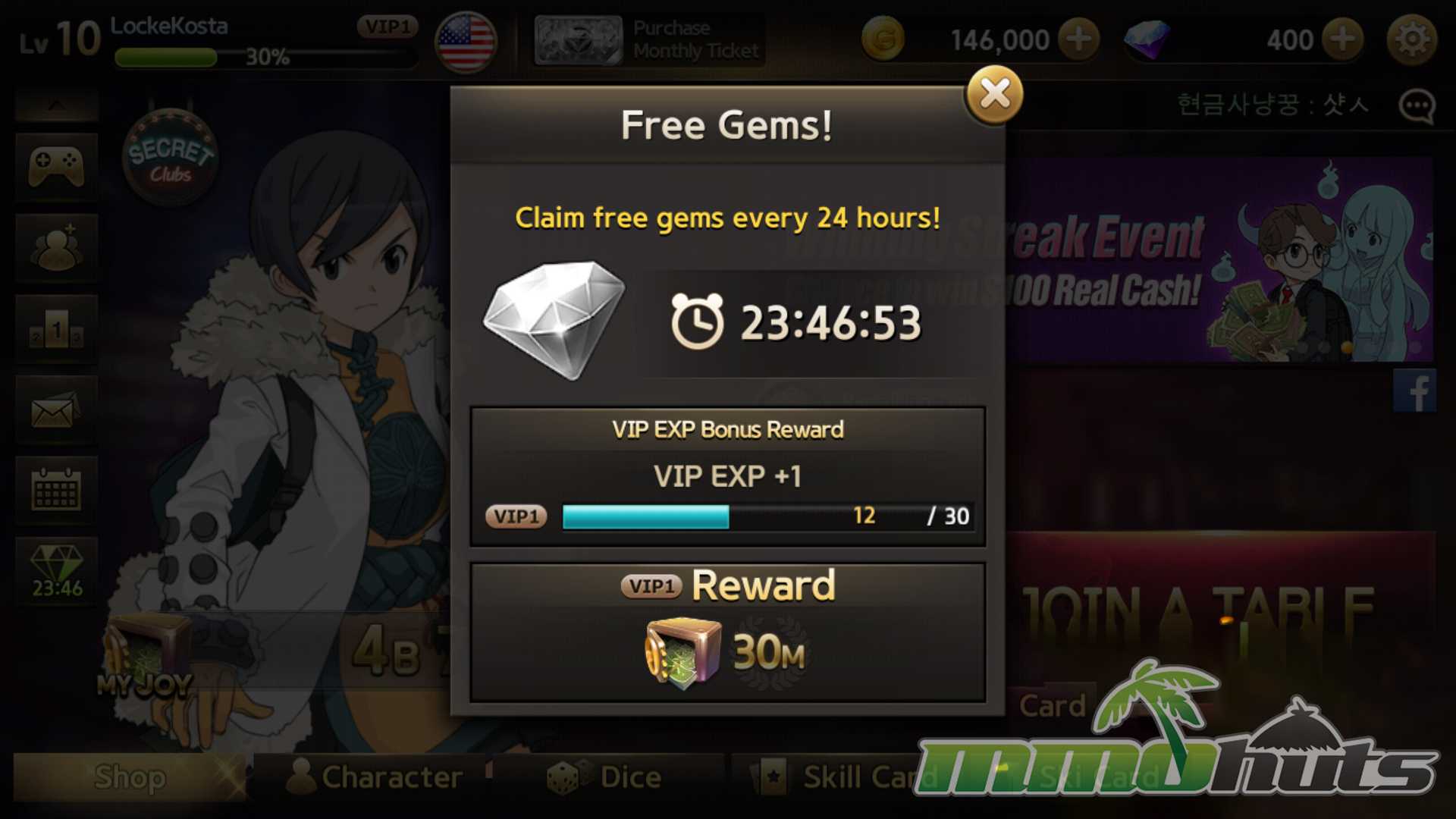
- Gems – the premium currency bought with real money, used to access the most efficient versions of many systems (including better draws and faster progression).
It is possible to earn all three through play via leveling and objectives, which helps reduce the gap somewhat. Still, the overall economy is designed so that paying players can accelerate collection and power, and the imbalance is difficult to ignore once you reach opponents with stacked inventories.
Betting Mechanics and the Game’s Risk-Reward Hook
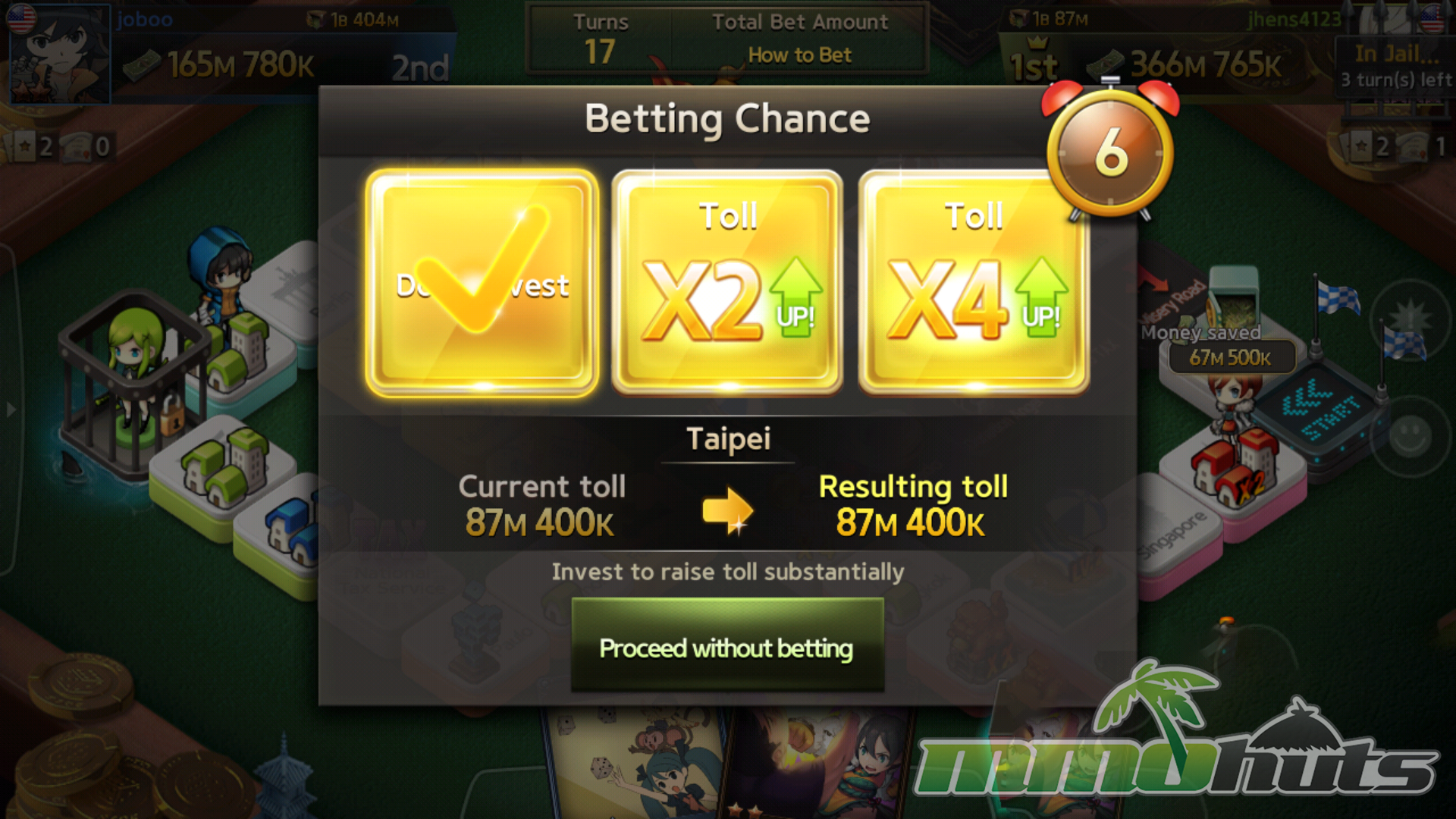
One of the most distinctive systems is the betting mechanic. When you land on a city you own, you can wager Joy to increase the tax multiplier on that property. Bets from all players contribute to a pot, and the winner takes it. This creates real tension because you are not just playing the board, you are also managing your willingness to gamble your bankroll for a larger payout.
The stakes can escalate quickly, and decisions are timed, so you often have to commit without perfect information. If you completely wipe out your bankroll, the game still provides 1B Joy to re-enter at a Rookie table, and there is no stamina system limiting play. That combination makes it easy to keep playing, for better or worse.
Social Features: Friends, Guilds, and the Best Mode (2v2)
Social systems follow the standard mobile playbook. Friends can exchange small daily gifts, in this case 10 GP every 24 hours. Accumulated GP can be traded for gift boxes with a range of rewards, from Joy to more desirable items like premium character cards.
Guilds exist, but their functionality is limited. The main interaction is a daily check-in that generates gold based on participation, plus a short message board. If you are looking for deep guild progression or cooperative goals, it is not really here.
Team matches are where the game’s strategy becomes more interesting. In 2v2, partners can coordinate city ownership for faster monopolies, support each other’s bets, and chain card effects to disrupt opponents. The downside is communication, since you are restricted to preset emotes, so the mode is far more effective with a real friend than with a random teammate.
How Pay-to-Win Is It?
There is a clear pay-to-win element, but it is not absolute. Luck plays a genuine role, and wild swings can happen from early chance spaces and high-impact events. It is possible, even as a free player, to win games against stronger accounts when the board and draws break your way.
Over time, however, the advantage of spending becomes hard to dismiss. Paying players can more consistently access stronger characters, cards, and dice, and they can maintain the resource flow needed to use Boost Items more regularly. Boost Items can provide meaningful early momentum, such as starting with extra advantages that translate into faster property control. They can be purchased with gold, but gold is demanded by so many systems that sustaining heavy Boost usage match after match is far more realistic for spenders.
The Final Verdict – Good
Game of Dice succeeds as a stylish, quick-to-play competitive board game with strong presentation and a surprisingly engaging set of layered mechanics. The moment-to-moment decisions around Takeovers, dice timing, and betting can produce memorable matches, and 2v2 play in particular shows how much strategy the systems can support.
Its biggest problem is balance perception. Collection power matters, and players who invest money can stack the odds in their favor through better loadouts and more consistent access to helpful items. Combined with the reality that long-time players have had years to build inventories, newcomers, especially those staying fully free-to-play, should expect some frustrating stretches.
Ultimately, it is best recommended to players who enjoy Monopoly-like fundamentals, do not mind a significant luck component, and value high-quality anime visuals and audio enough to stick with the grind.
Game of Dice Links
Game of Dice Official Site
Game of Dice Google Page
Game of Dice iOS
Game of Dice Facebook [Database/Guides]
Game of Dice Official Forum
Game of Dice System Requirements
Minimum Requirements:
Android 3.1 and up / iOS 7.1 or later
Game of Dice Music & Soundtrack
Coming Soon!
Game of Dice Additional Information
Developer: Joycity Games
Publisher: Joycity Games
Platforms: Android, iOS
Release Date: October 14, 2015
Development History / Background:
Game of Dice was developed by JoyCity Games, the same studio behind the Freestyle Street Basketball series and a variety of other mobile games. The board game MMO hit 1,000,000+ downloads on Android and iOS in less than two months after it was released. It’s one of Joycity’s most popular titles to date.