Fortnite is a free to play 3D co-op survival and Battle Royale title with a vibrant, cartoon-inspired look. In its original form, players collect materials and craft defenses by day, then work together to hold off waves of monsters at night. The game also includes a standalone, free 100 player Battle Royale mode, which quickly eclipsed the co-op mode in popularity and became the main way most people experience Fortnite today.
 | Publisher: Epic Games Playerbase: Very High Type: Co-op Survival / Battle Royale Release Date: July 25, 2017 Pros: +Stylized visuals that stand out. +High production quality and polish. +Available on multiple platforms with cross platform play. Cons: -Co-op base game feels noticeably rougher than the Battle Royale mode. -Gameplay loops can feel repetitive over time. |

Fortnite Overview
Fortnite began life as Epic Games’ attempt at a cooperative sandbox survival experience, often described as what you might get if you mixed elements of Minecraft with the frantic wave combat of Left 4 Dead. Players head out during the daytime to harvest resources, search for loot, and construct elaborate forts filled with traps and defensive structures, then work together at night to keep encroaching hordes of zombie-like creatures at bay.
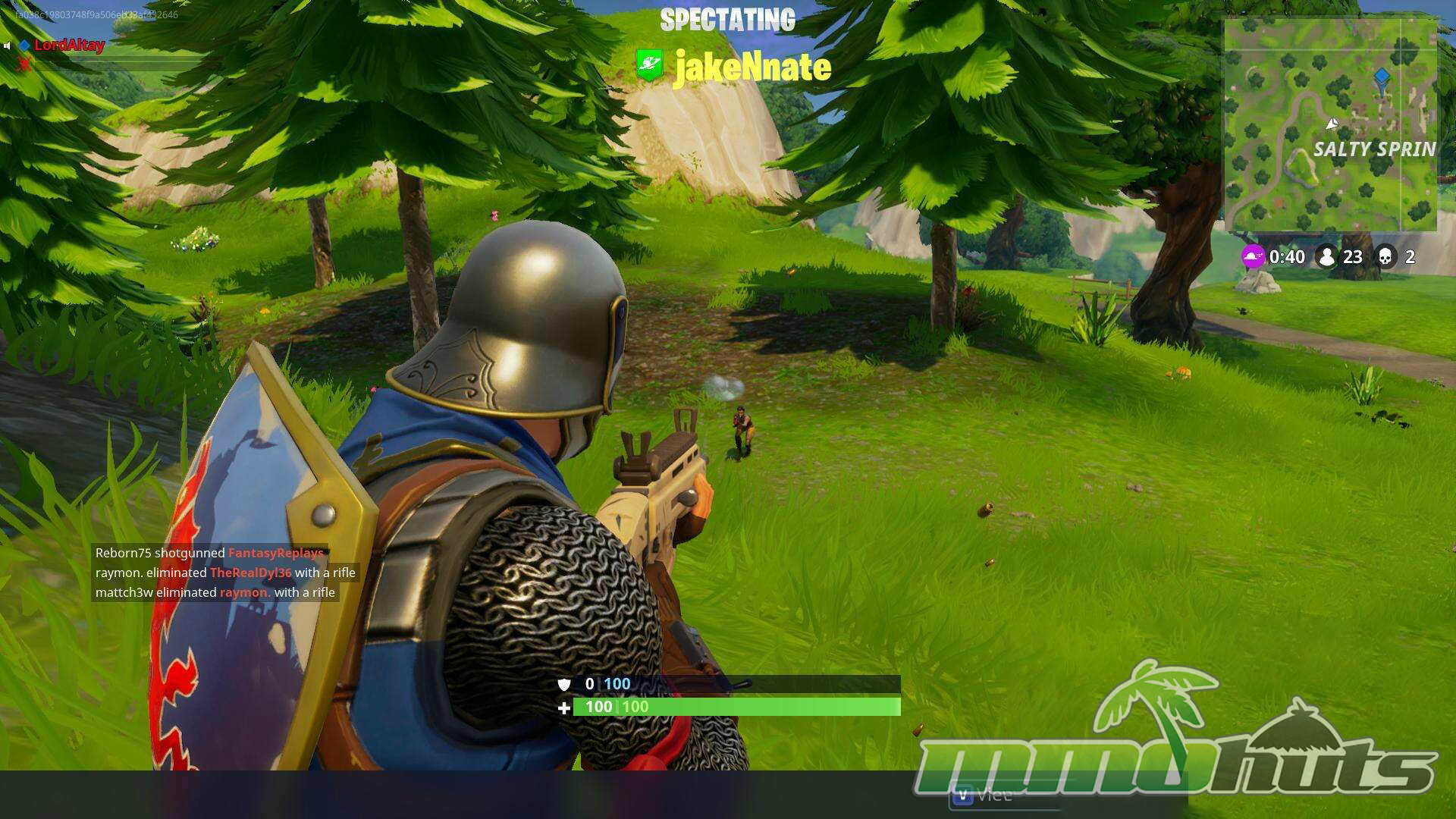
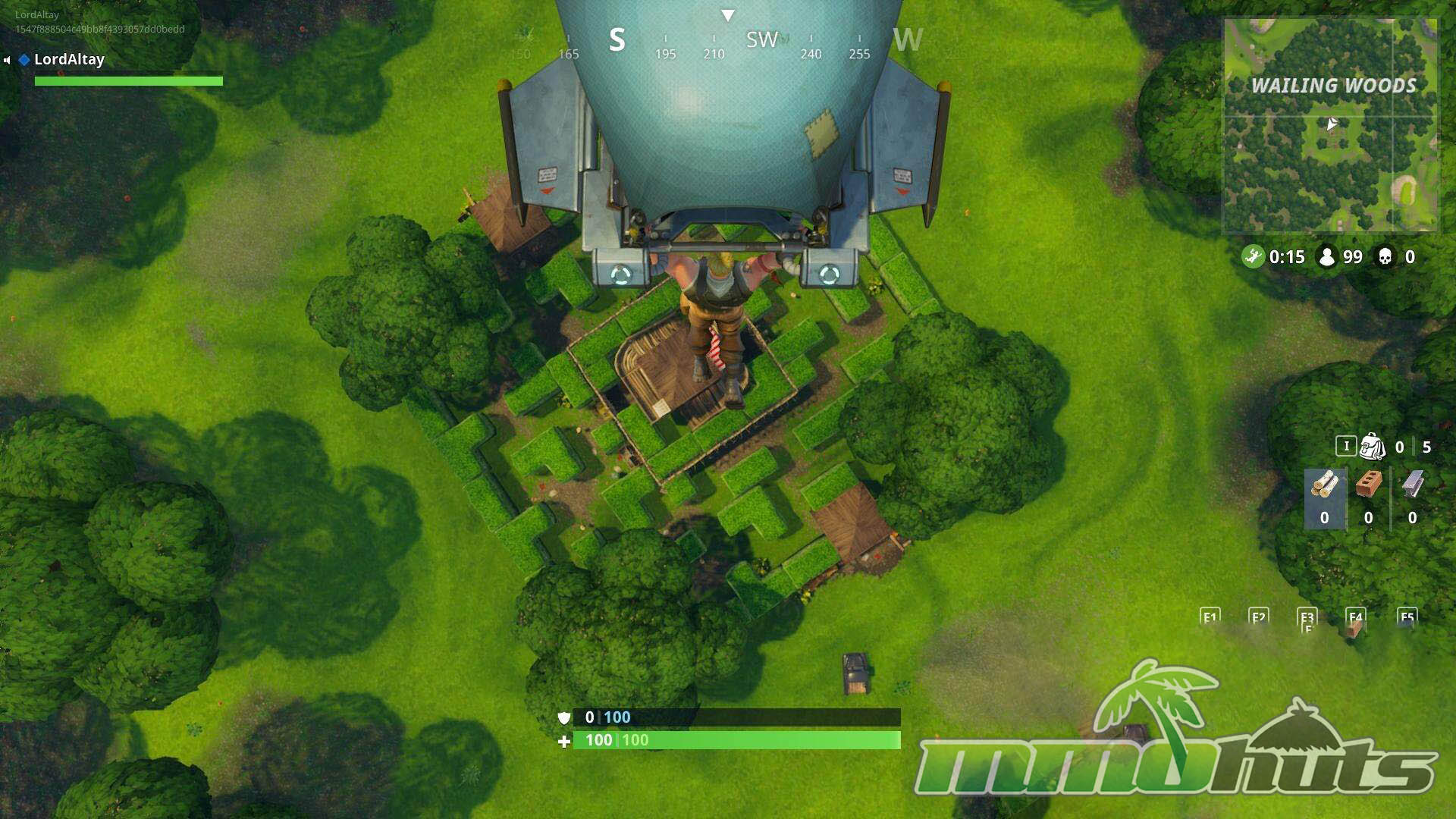
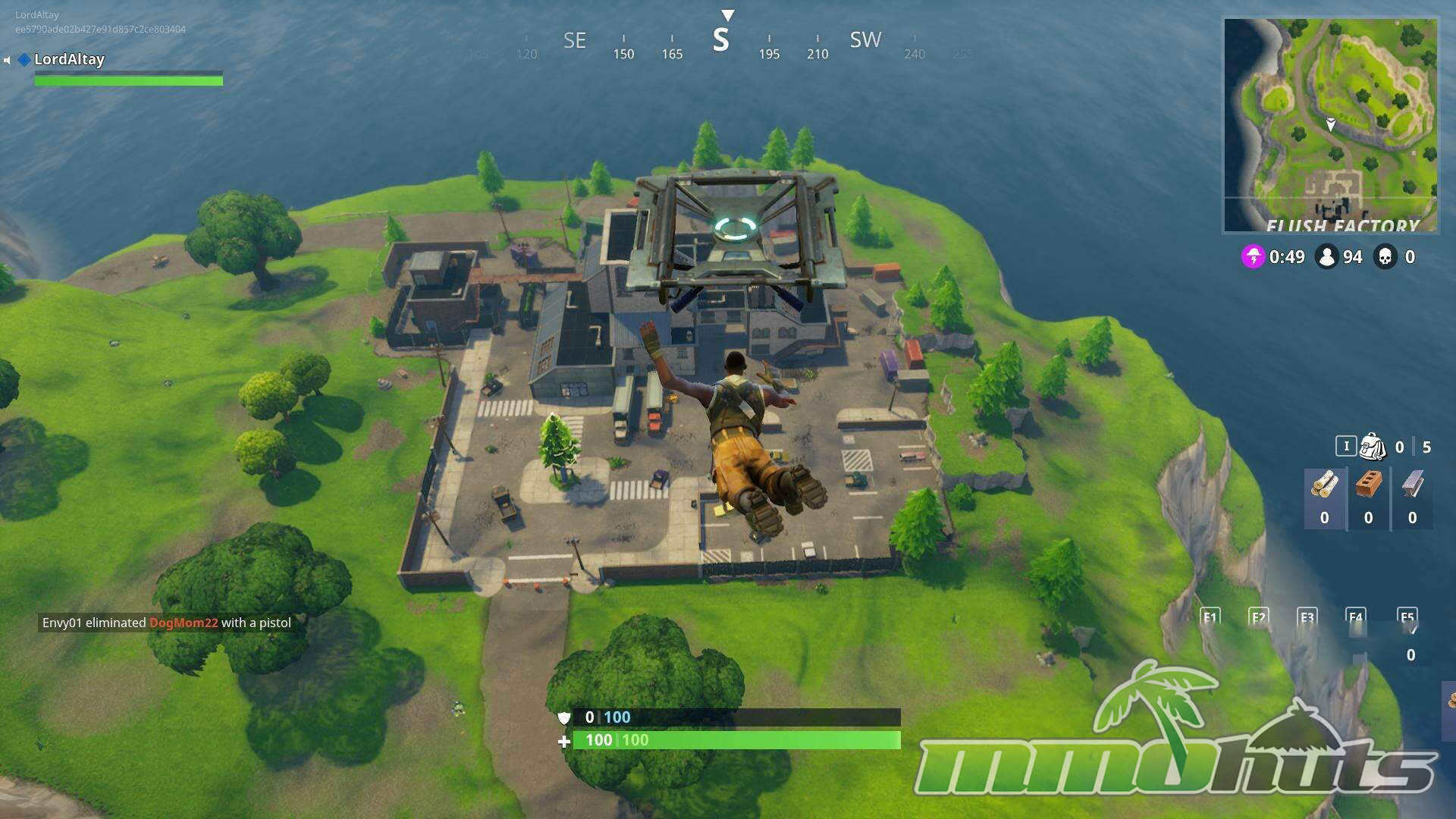
The direction of the game shifted dramatically after the explosive rise of PlayerUnknown’s Battlegrounds. Epic responded by introducing a separate, free to play Battle Royale mode, which almost instantly became the main attraction and turned Fortnite into one of the largest games in the Western market within a matter of months. In this 100 player last person standing mode, everyone drops onto a large map, scrambles for weapons and items, and fights within an ever shrinking safe zone until a single player or squad remains.
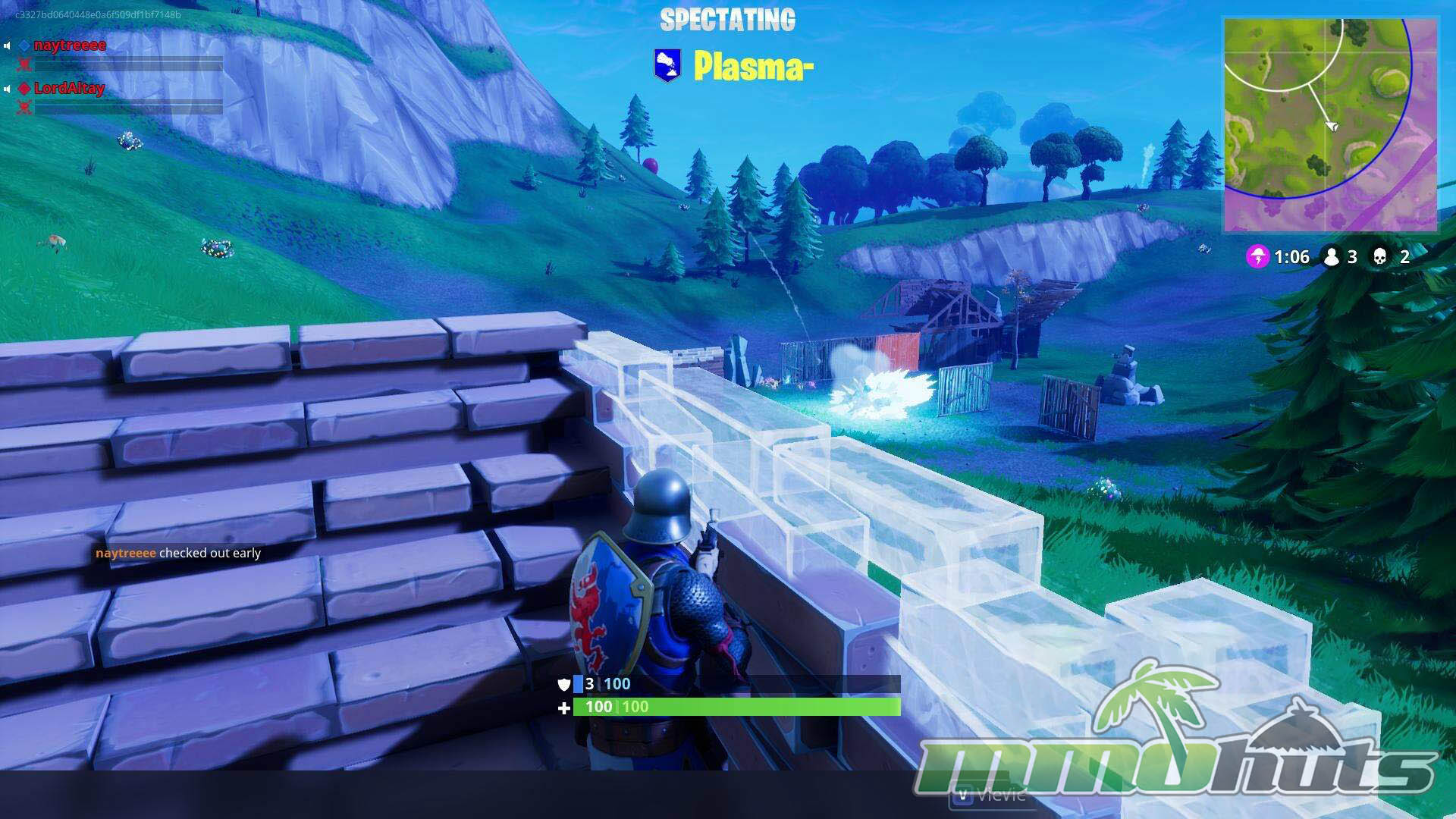
What truly sets Fortnite apart from other Battle Royale titles is its building system. The same mechanics used to create defenses in the co-op mode let players rapidly throw up walls, ramps, and forts in the middle of firefights. Skillful use of materials and quick construction can decide the outcome of duels, adding an extra tactical layer beyond pure shooting accuracy.
Fortnite Key Features:
- Battle Royale – A free to play 100 player Battle Royale mode with fast, arcade style combat combined with light resource gathering and on the fly base building.
- Unique Building Mechanics – Collect wood, stone, and metal, then transform them into forts, ramps, barricades, and other structures to gain positional advantages during fights.
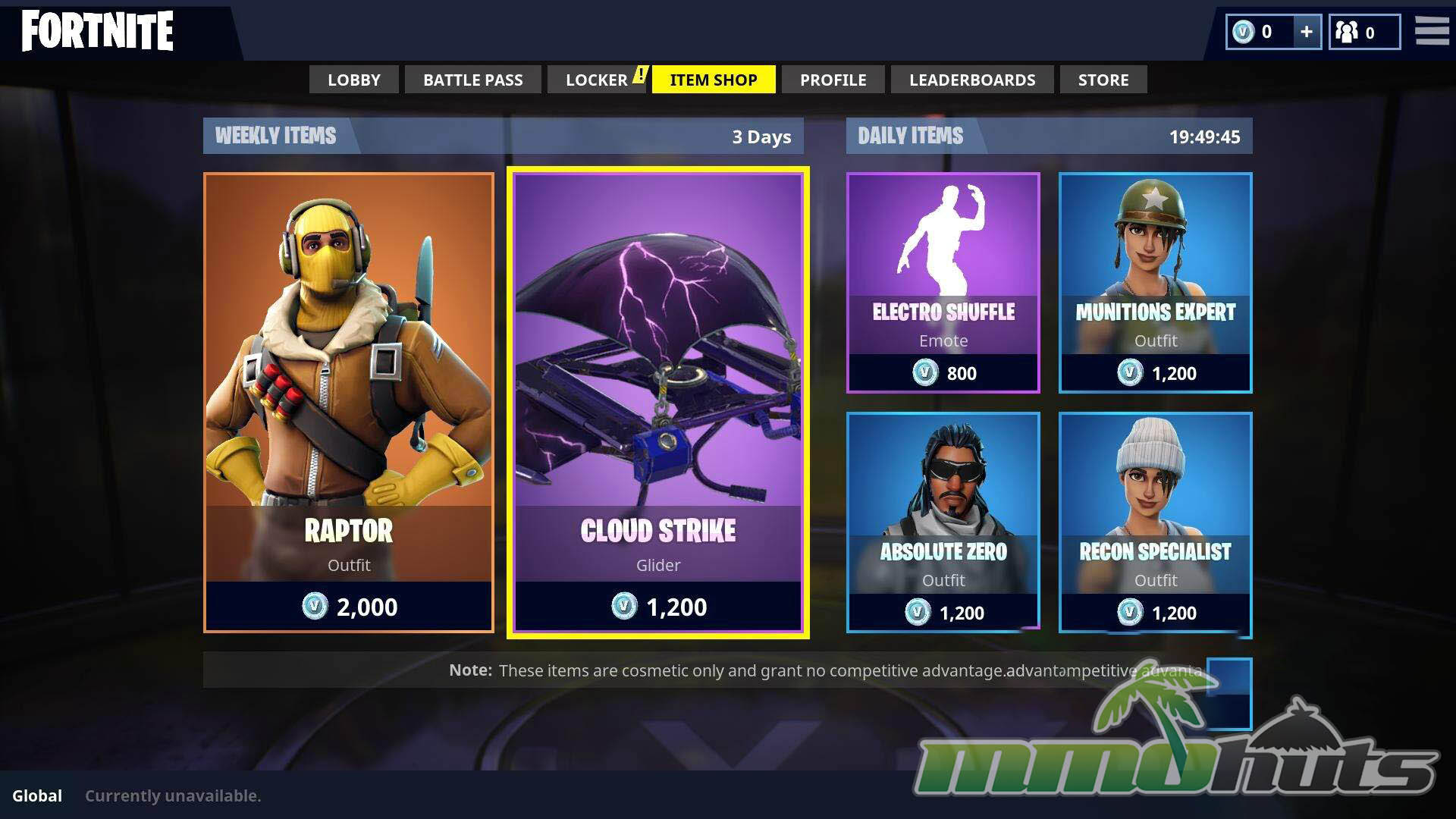
- No Loot Boxes – Cosmetic items are sold directly, so players can choose and buy the looks they want instead of relying on randomized loot boxes.
- Production Value – Bright, distinct art direction, smooth performance, and responsive controls contribute to a very polished overall presentation.
- Just Survive PvE Game Mode – Team based co-op where players join forces to last against waves of enemies, combining shooting, building, and crafting into a single survival focused experience.
Fortnite Screenshots
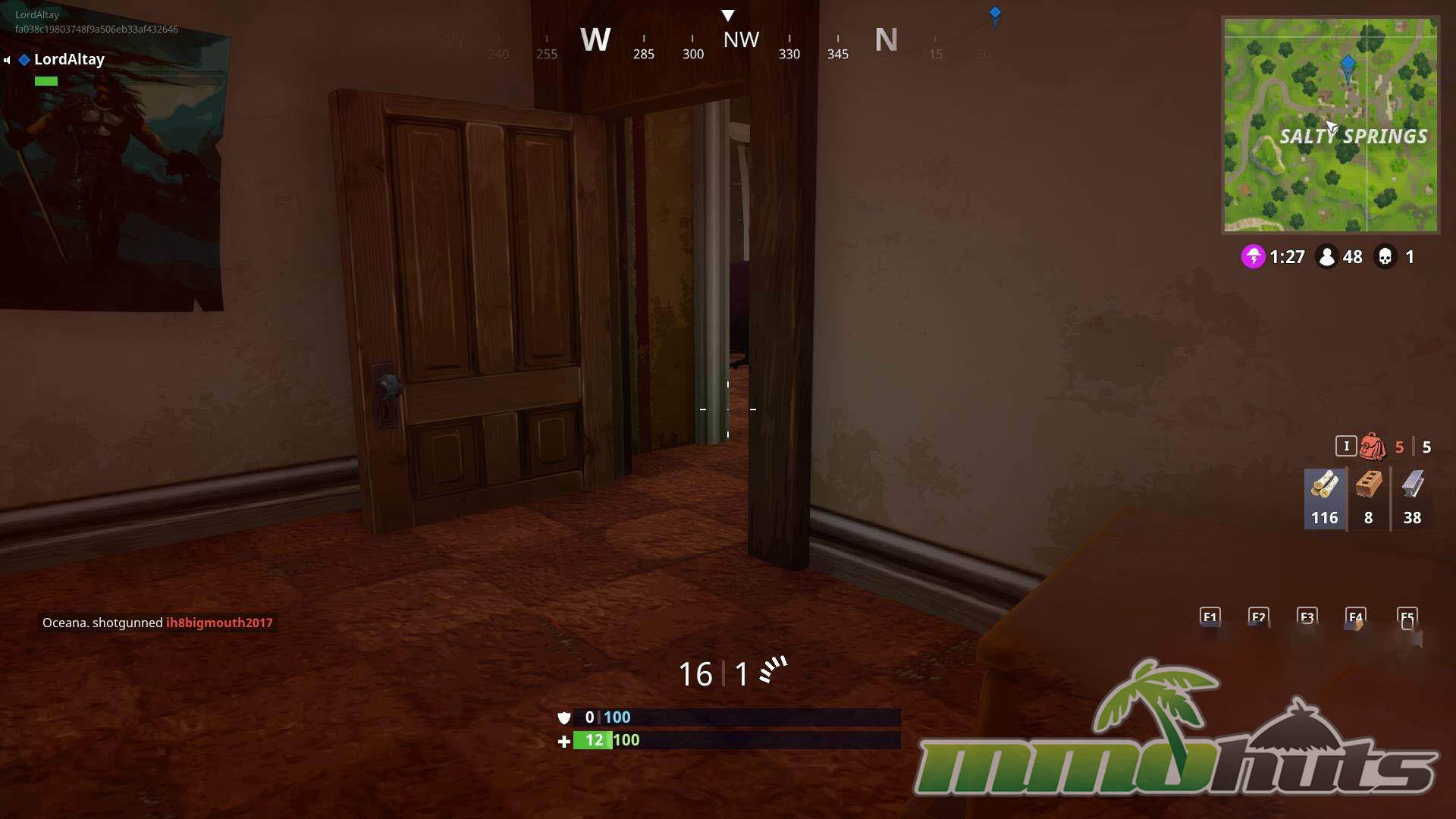
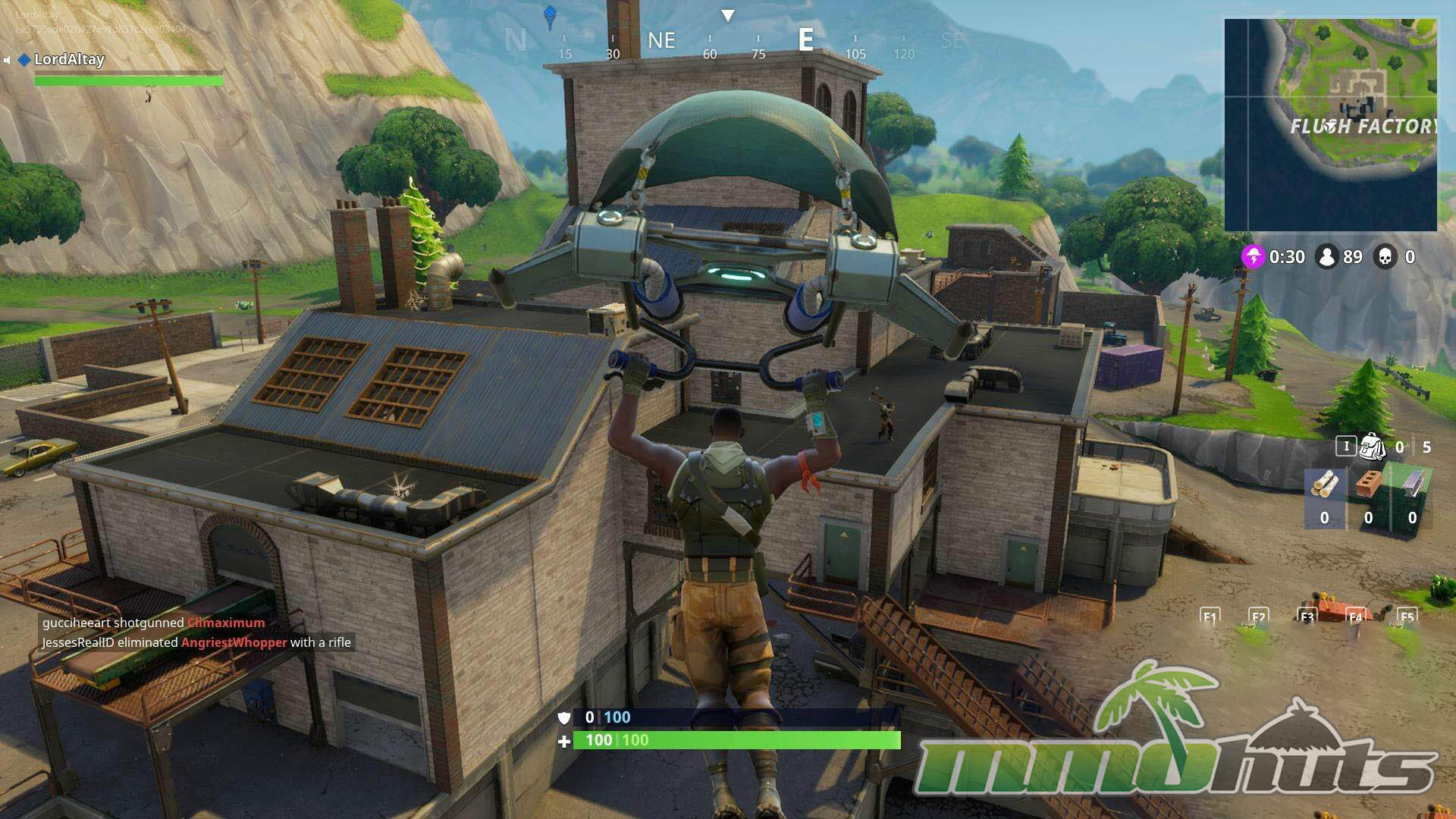
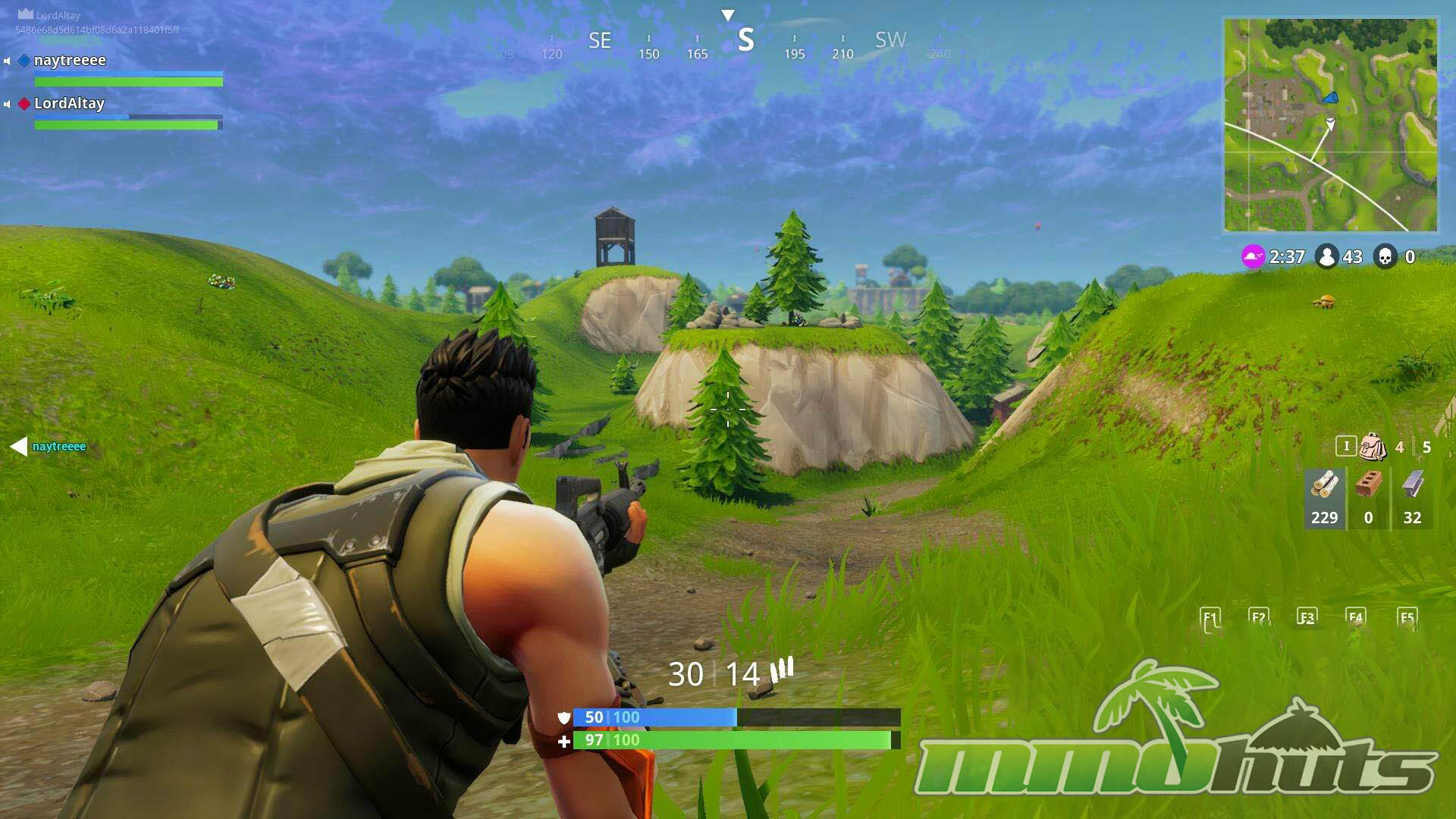
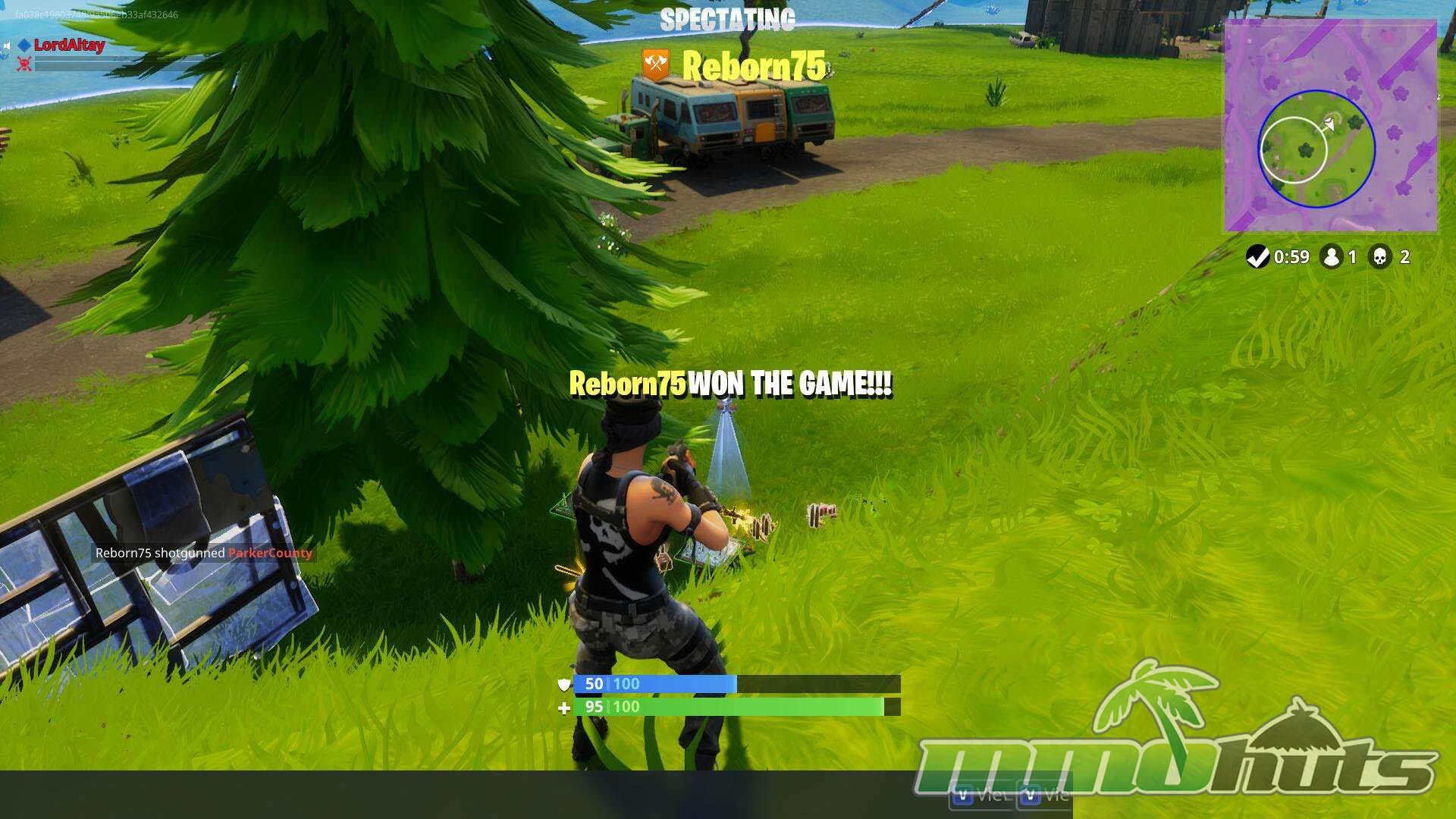

Fortnite Featured Video

Fortnite Review
Fortnite is essentially two games sharing the same universe and core mechanics. On one side you have the original co-op survival experience, centered on building elaborate defenses and surviving waves of monsters with friends. On the other, there is the free to play Battle Royale mode that took over the gaming landscape and became the title’s defining feature for most players.
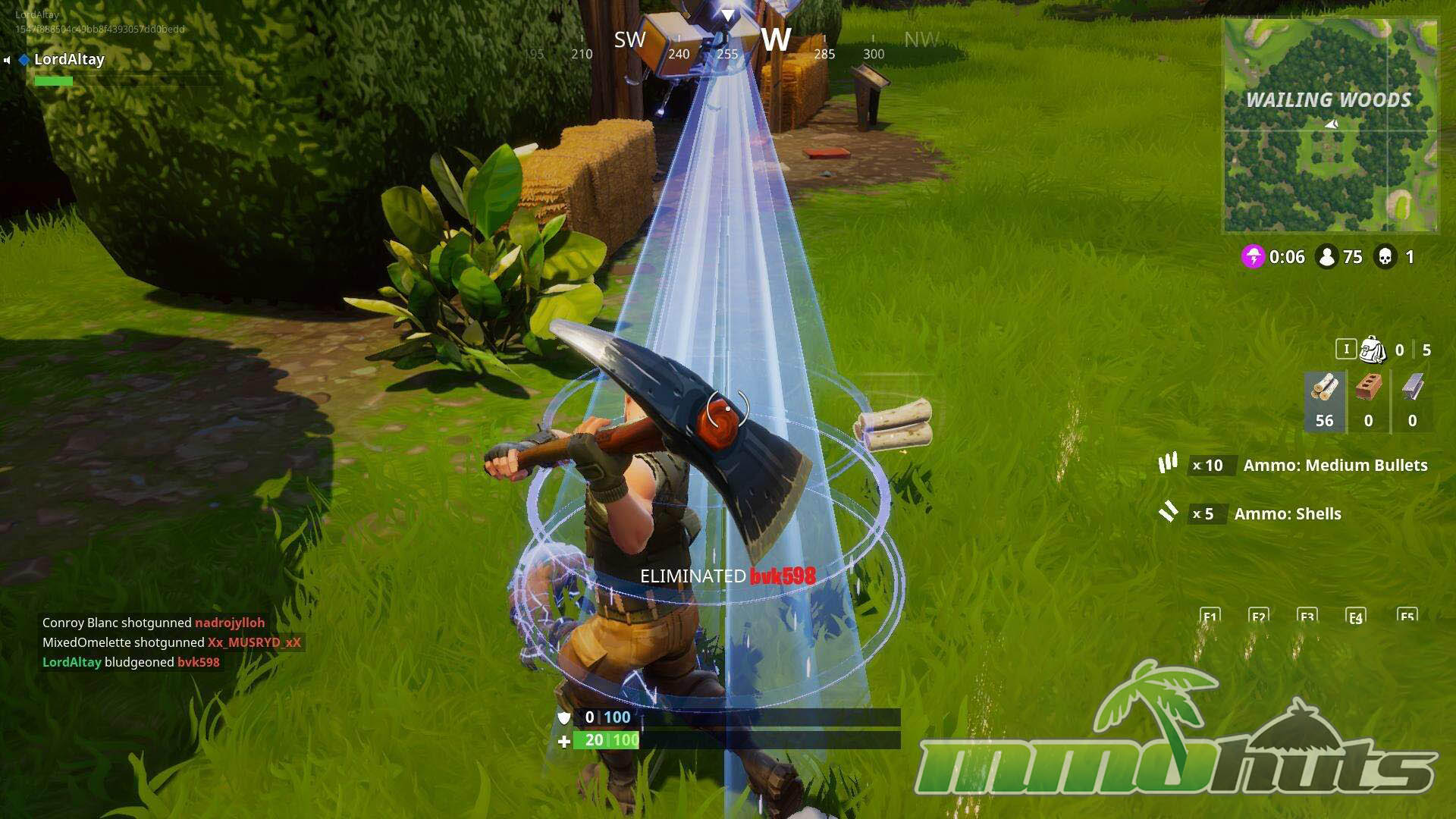
The core gameplay across both modes revolves around three pillars: shooting, building, and scavenging. Gunplay feels snappy and accessible, with a focus on movement and positioning rather than heavy recoil patterns or ultra realistic ballistics. What elevates Fortnite beyond a standard third person shooter, however, is how seamlessly construction is woven into combat. Being able to instantly place walls to block shots, ramps to gain height, or full forts to anchor a fight means that creative play and quick thinking often matter as much as mechanical aim.
In the co-op PvE mode, that building emphasis turns into a more methodical loop. Players spread out to gather resources and blueprints, then return to fortify objectives before the next wave of enemies hits. Coordinating with teammates to design choke points, trap corridors, and sniper nests can be genuinely satisfying, especially when a well planned base holds up against a tough assault. Over time, though, the structure of missions can start to feel familiar, since you are often repeating similar tasks and fighting comparable enemy types across multiple maps.
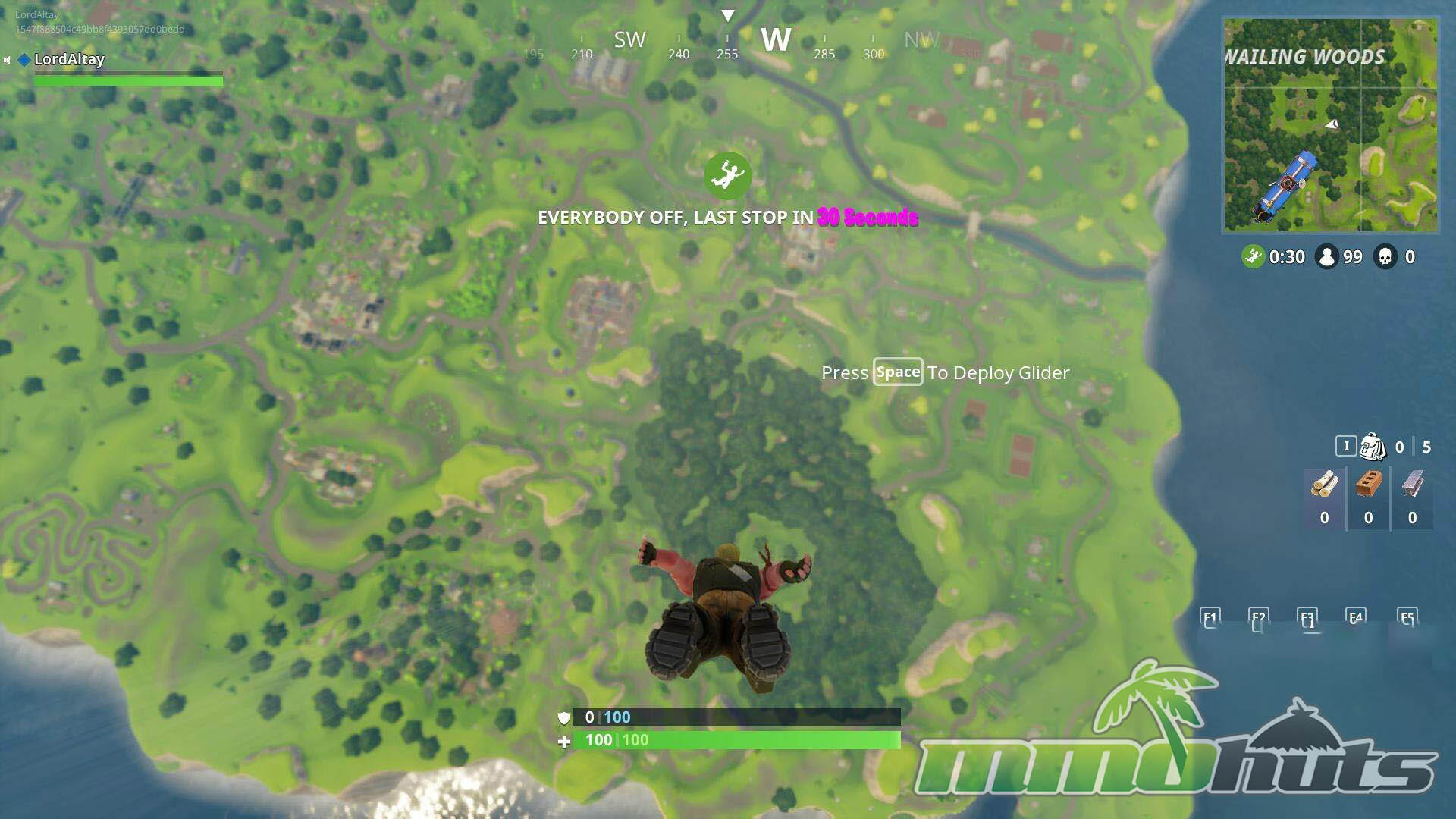
The Battle Royale mode trades that slower planning phase for constant tension. Each match starts with a drop from the sky, a frantic search for weapons, and a race to stay inside a shrinking safe zone. The building system changes how firefights play out compared to other Battle Royale titles: high ground is created in seconds, impromptu towers appear in the middle of open fields, and defensive walls spring up whenever shots are fired. This leads to dynamic encounters where players who master editing and construction can outplay opponents even with worse gear.
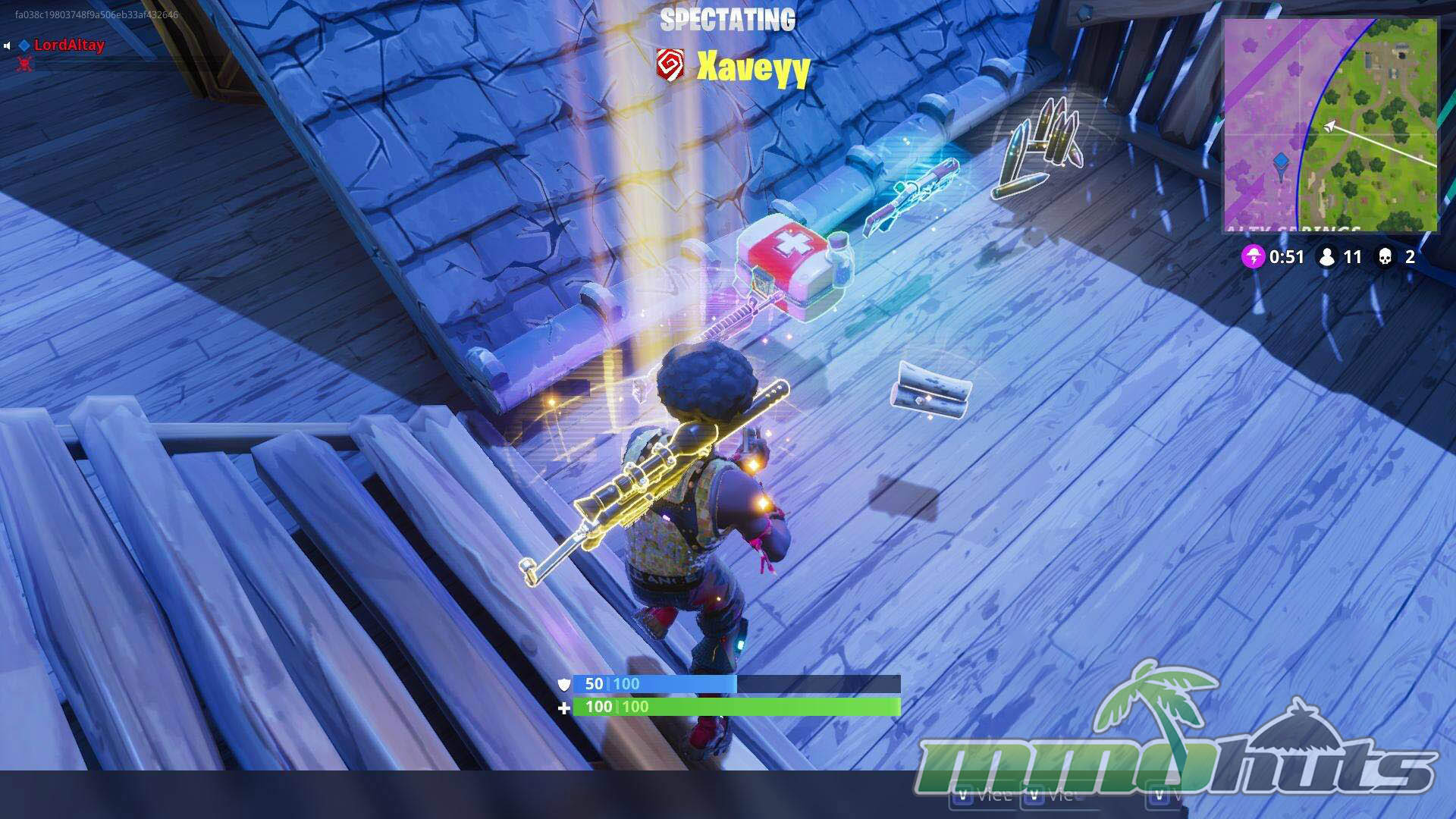
Presentation is one of Fortnite’s strongest aspects. The game opts for a colorful, stylized look instead of gritty realism, which not only stands out visually but also keeps the tone light even during chaotic battles. Animations, sound effects, and user interface elements are all clean and readable, making it easy to track what is happening on screen. The multiplatform support, along with crossplay, helps keep the playerbase populated and makes it simple to join friends regardless of hardware.
Where Fortnite stumbles is in how uneven the two halves of the game can feel. The Battle Royale mode received the bulk of attention and refinement, and it shows in its pacing, variety, and overall polish. By comparison, the co-op survival portion can come across as rougher and more repetitive, especially for players who dive in after spending time in Battle Royale. Despite that imbalance, Fortnite remains a highly accessible and fast paced action title, particularly appealing to those who enjoy experimenting with building mechanics in the middle of intense firefights.
Fortnite Links
Fortnite Official Site
Fortnite Wikipedia
Fortnite Wiki (Database / Guides)
Fortnite Facebook
Fortnite System Requirements
Minimum Requirements:
Operating System: Windows 7 / 8 / 10 (64 Bit) / Mac OSX Sierra
CPU: Core i3 2.4 GHz
Video Card: Intel HD 4000 Integrated Card
RAM: 4 GB
Hard Disk Space: 15 GB
Recommended Requirements:
Operating System: Windows 7 / 8 / 10 (64 Bit) / Mac OSX Sierra
CPU: Core i5 2.8 GHz
Video Card: Nvidia GTX 660 / AMD Radeon HD 7870 equivalent DX11 GPU
RAM: 8 GB
Hard Disk Space: 15 GB
Fortnite Music & Soundtrack
Coming Soon!
Fortnite Additional Information
Developer: Epic Games & People Can Fly (Epic Games Poland)
Game Engine: Unreal Engine 4
Platforms: Windows, Mac OS, PlayStation 4, Xbox One
Designer(s): Darren Sugg
Composer: Rom Di Prisco
Release Date: July 25, 2017 (Early Access)
Development History / Background:
Fortnite was created by Epic Games Inc, an American studio headquartered in Cary, North Carolina. It is built on Epic’s own Unreal Engine 4 and holds the distinction of being the first game the company released using that engine. Fortnite was initially revealed to the public on December 10, 2011. On April 8, 2014, Epic announced that the game would follow a free to play model and at that time targeted a 2015 release window. An early alpha version ran for a limited period between December 2 – December 19, 2013, giving players a first look at the co-op survival concept. The title later entered paid early access on July 25, 2017, and soon after shifted focus toward its free to play Battle Royale mode, which went on to attract over 40 million players across console and PC. A free open beta for the original cooperative survival component is scheduled to begin in 2018.