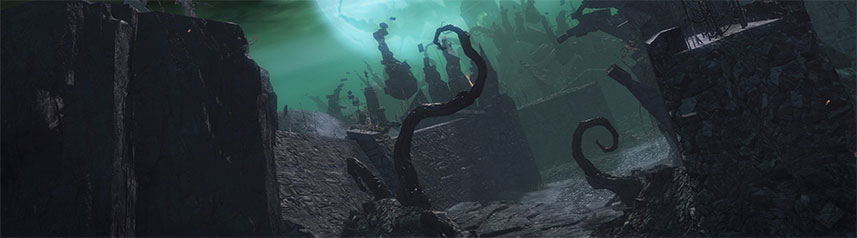
Forge of Gods blends collectible card game progression with grid-based tactical battles, framing your deck-building around an unusual hook, harvesting the souls of defeated foes to help shape and empower your own would-be deities. Matches are designed to be quick, with a steady loop of collecting cards, upgrading heroes, and experimenting with evolutions and fusions.
 | Publisher: Panoramik, Inc. Playerbase: Shut Down Type: TCG Strategy Release Date: May 6, 2016 Pros: +Huge card library with 1,000+ collectibles. +Plenty of PvE and progression to work through. +Deep evolution and fusion options. Cons: -Pay-to-win pressure. -Mobile-first design that does not fully suit PC. -Sluggish, occasionally laggy interface. |
Forge of Gods Overview
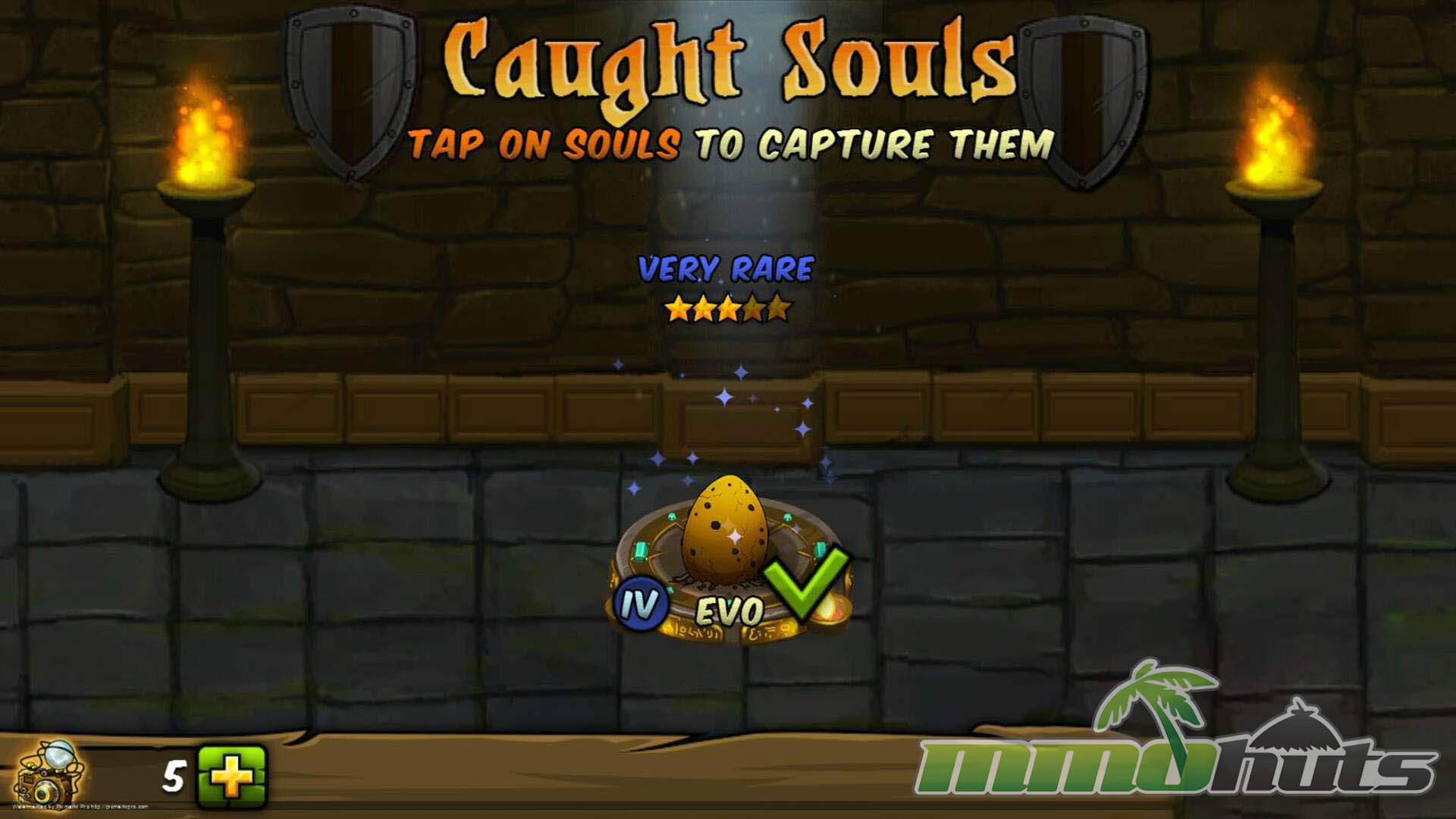
Forge of Gods is a TCG strategy title developed and published by Panoramik, Inc., released across PC and mobile platforms. At its core, you build a roster of heroes (represented as cards) and strengthen them by collecting and using the souls of enemies you defeat, a thematic way of describing the game’s upgrade, fusion, and evolution systems.
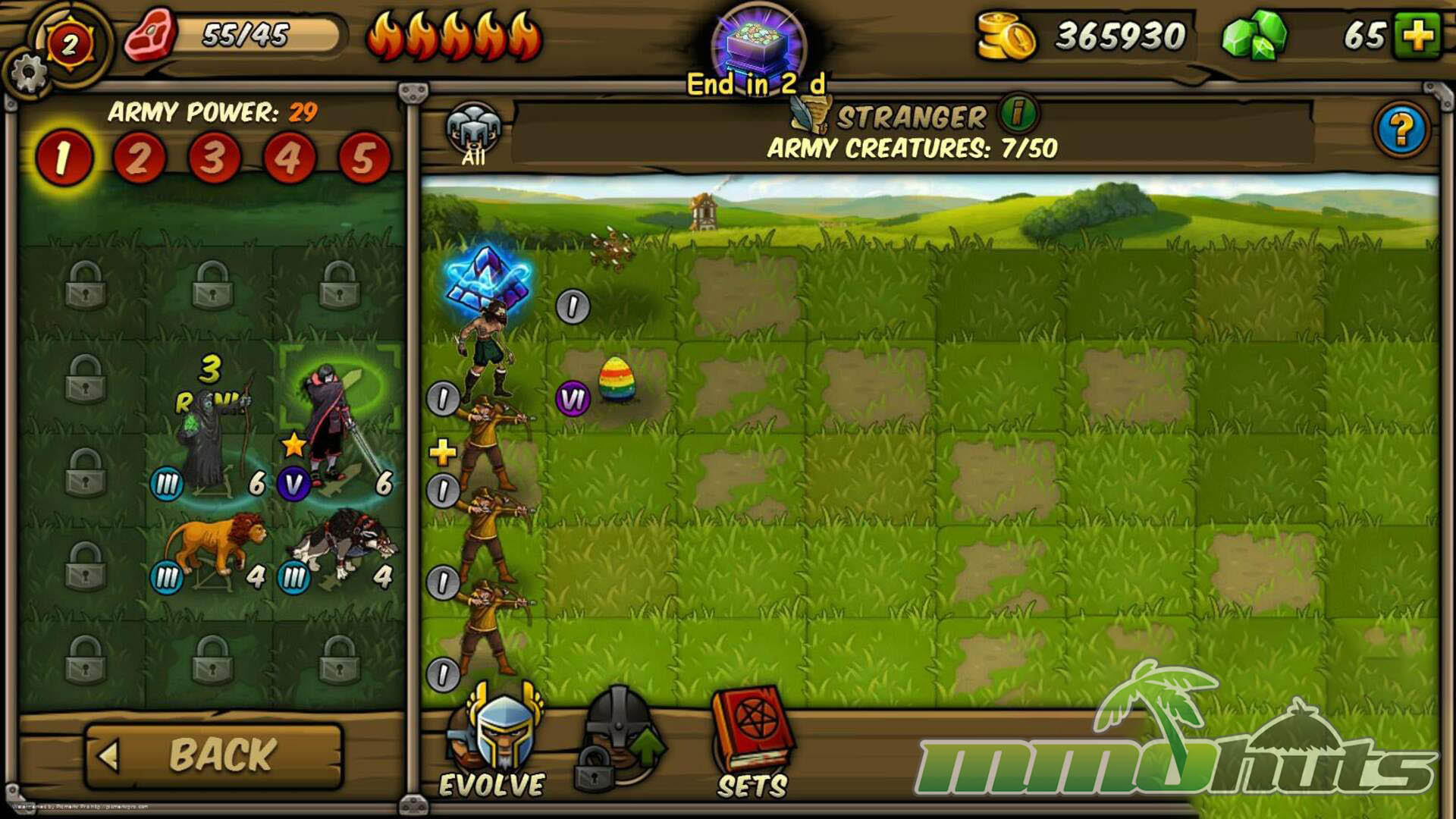
Combat plays out on a grid where your squad advances from the left side toward the right, and positioning matters as much as raw stats. The battlefield is populated by four broad unit roles, Attackers, Defenders, Ranged, and Stouts, and effective teams typically mix these archetypes to cover weaknesses and create favorable matchups. Units also bring passive aura effects that can bolster allies, making lineup order and placement important for squeezing value out of a deck.
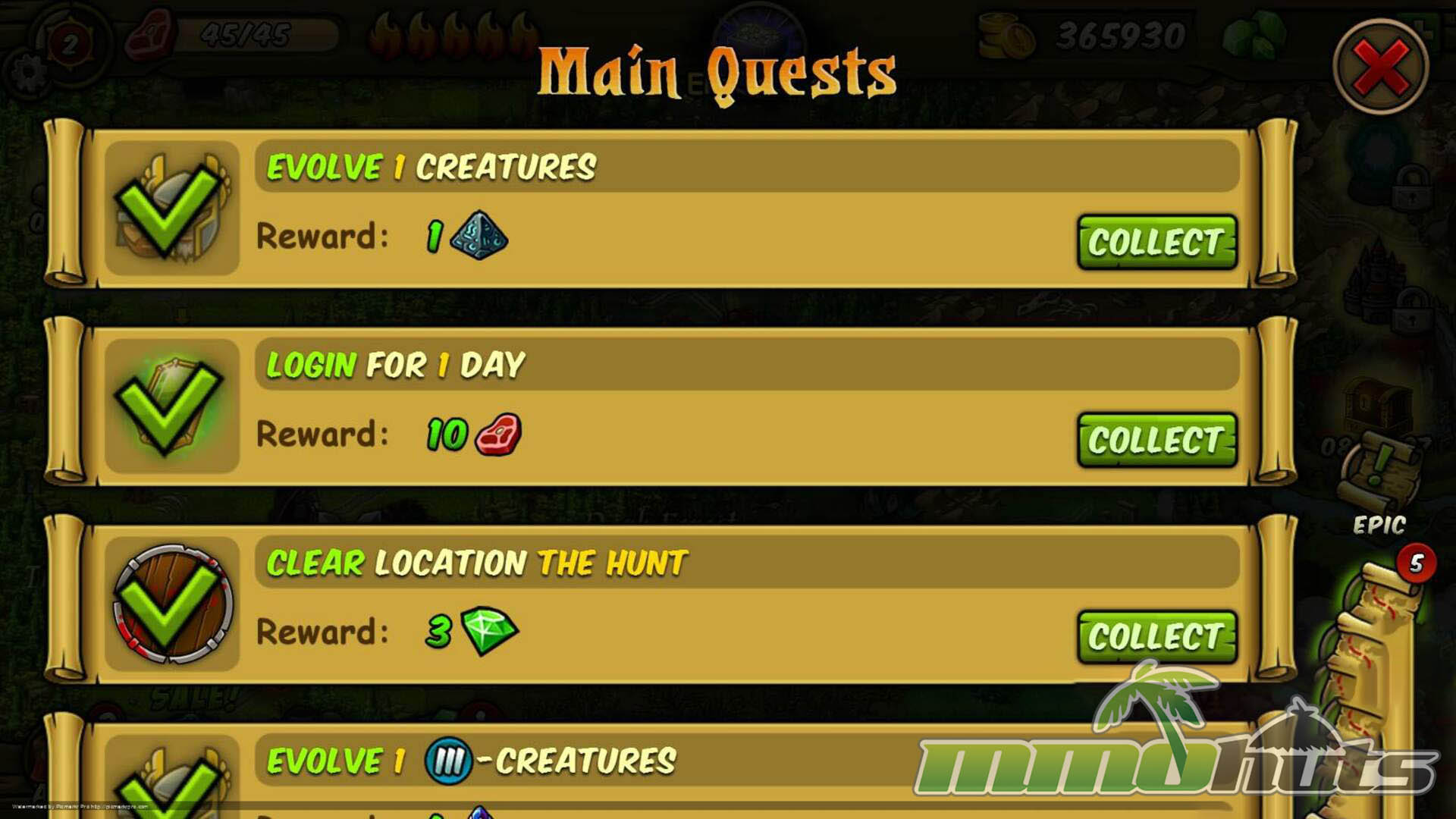
Outside of battles, Forge of Gods leans into long-term progression. You can improve heroes by leveling them up, increasing rarity through evolution paths, and combining cards via fusion mechanics. The game also includes social and meta features such as guilds (with ranks, chat, and guild wars), a friend system, Achievements, and a castle-style hub where much of the management takes place.
Forge of Gods Key Features:
- Massive Card Collection – a catalog of over a thousand cards encourages constant collecting and experimentation with different lineups.
- Guild Play – guilds provide a structured social layer, including chat, leadership roles, and competitive guild wars.
- Competitive Ladder – ranked PvP lets players test team compositions and tactics in a ladder-based environment.
- Progression via Evolution and Fusion – multiple upgrade routes allow cards to be enhanced and combined to raise power and rarity.
- Four Battlefield Roles – Attackers, Defenders, Ranged, and Stouts create a simple but meaningful foundation for team-building and positioning.
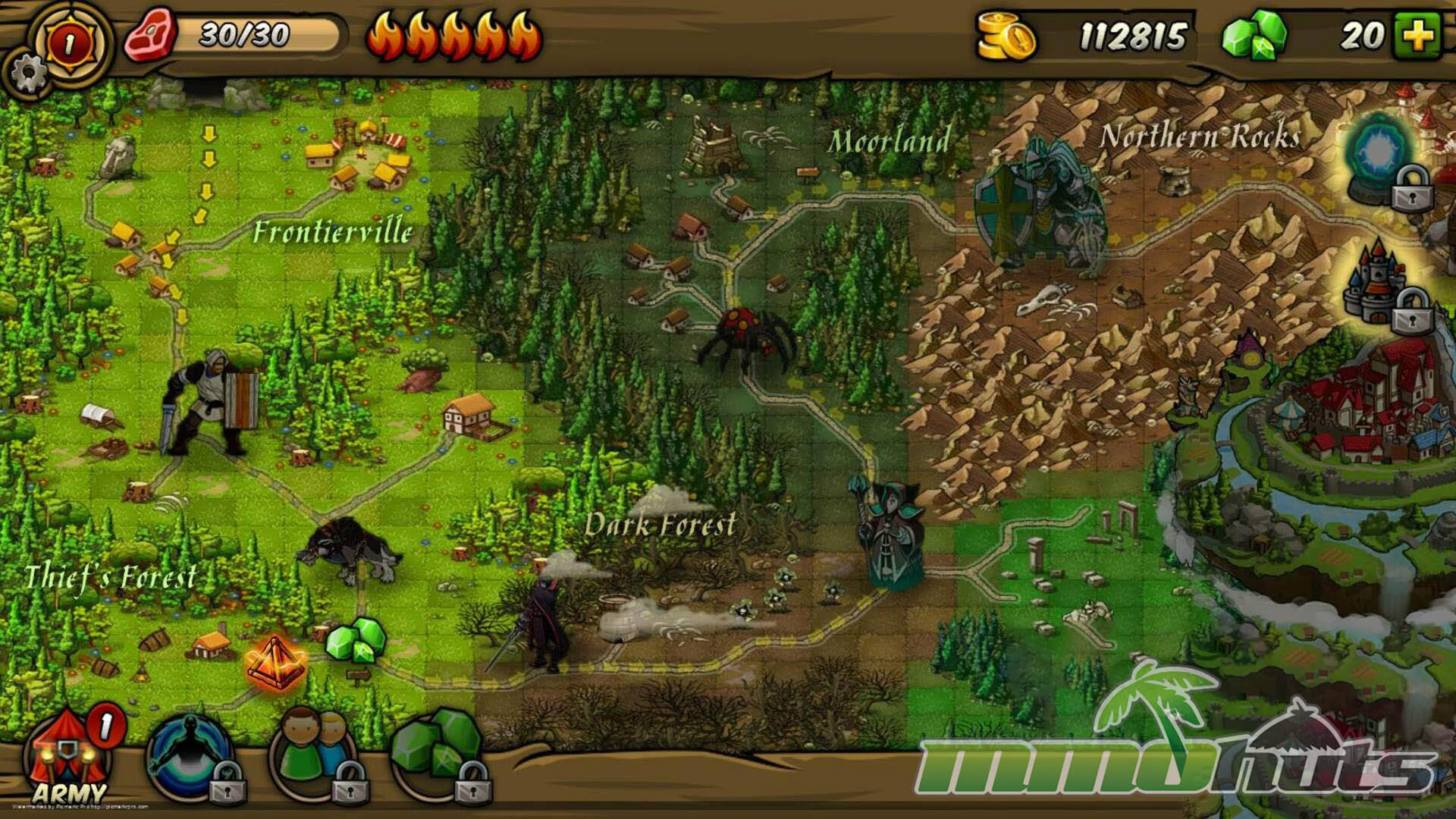
Forge of Gods Screenshots
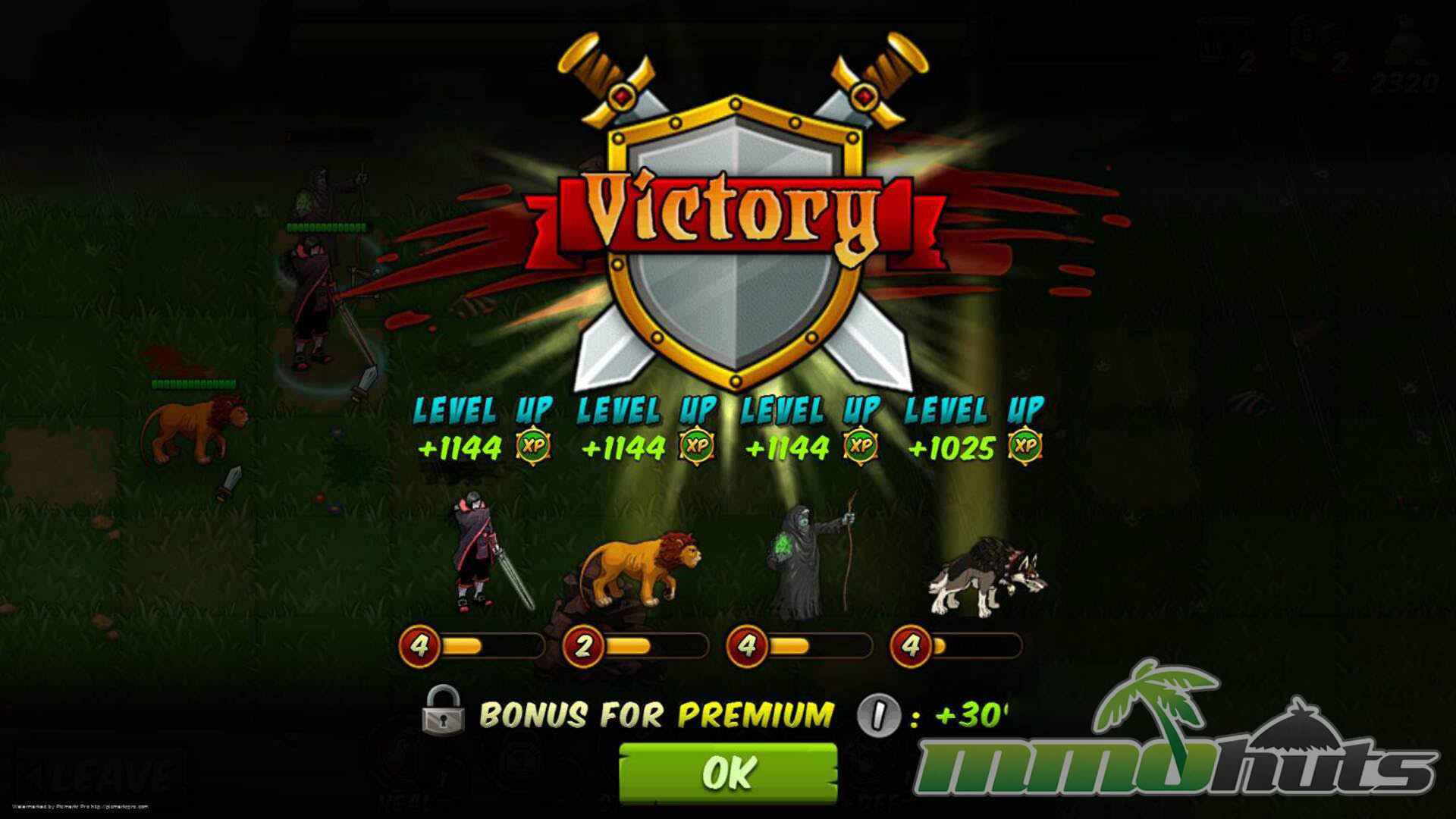
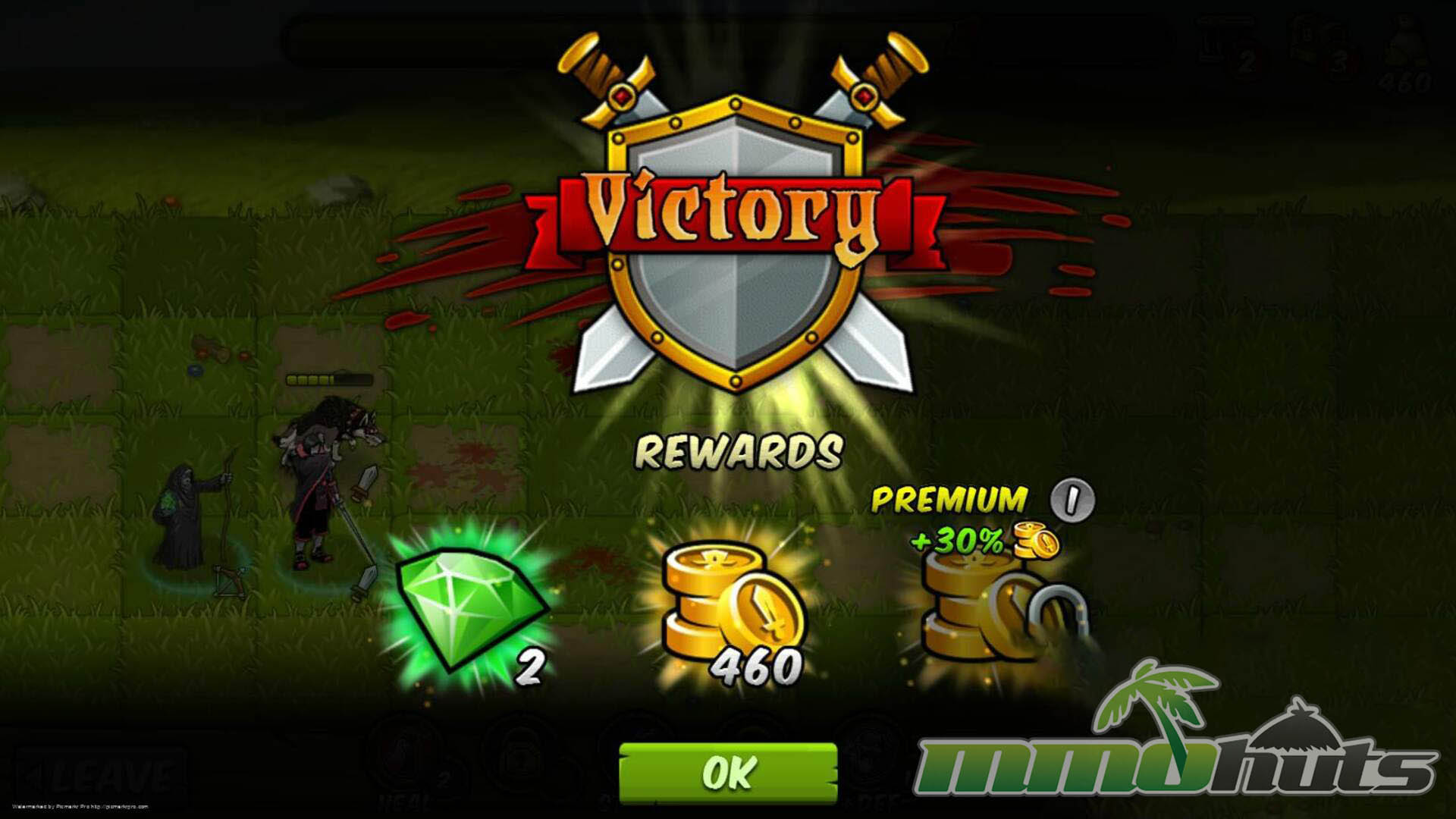


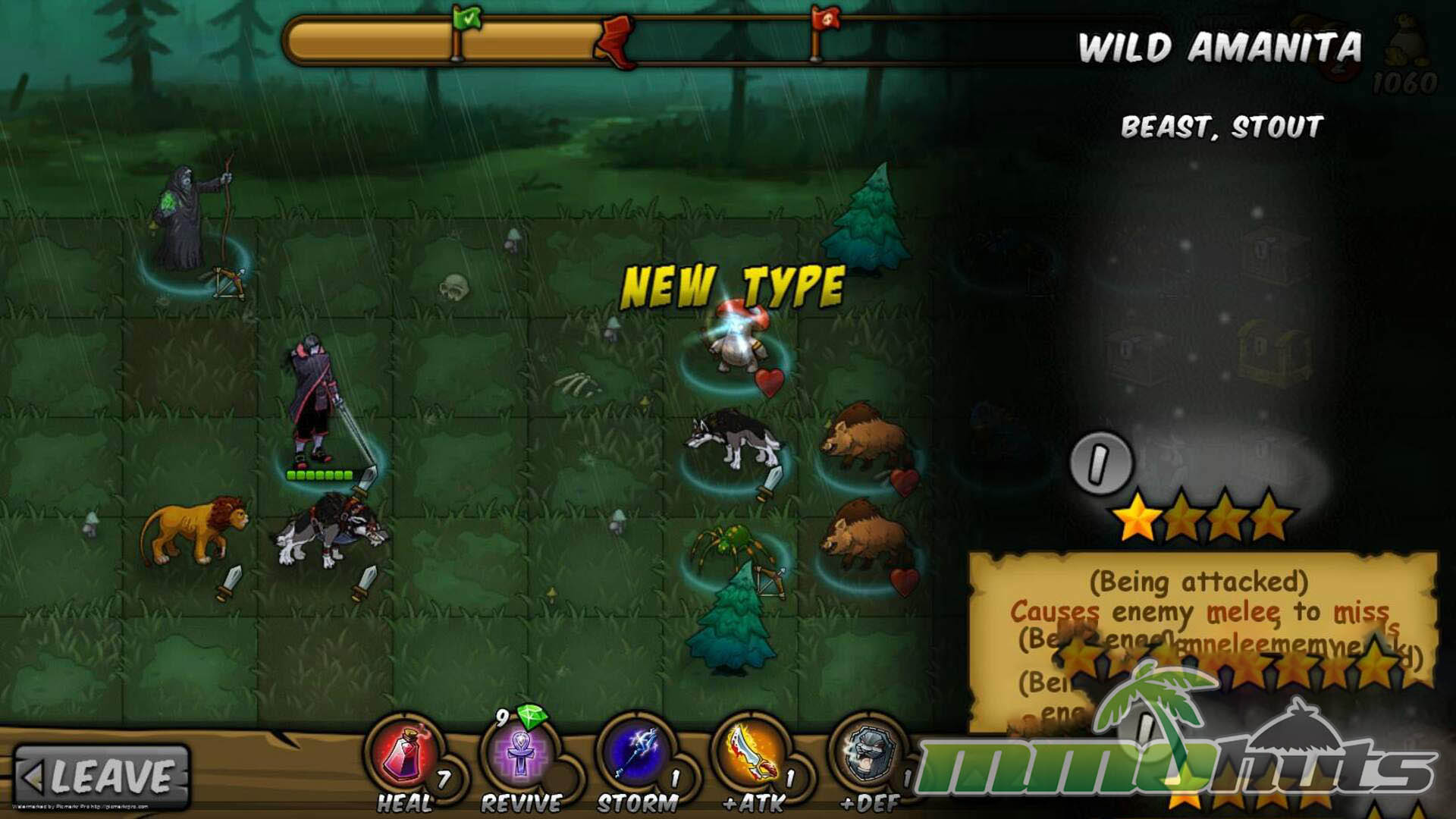
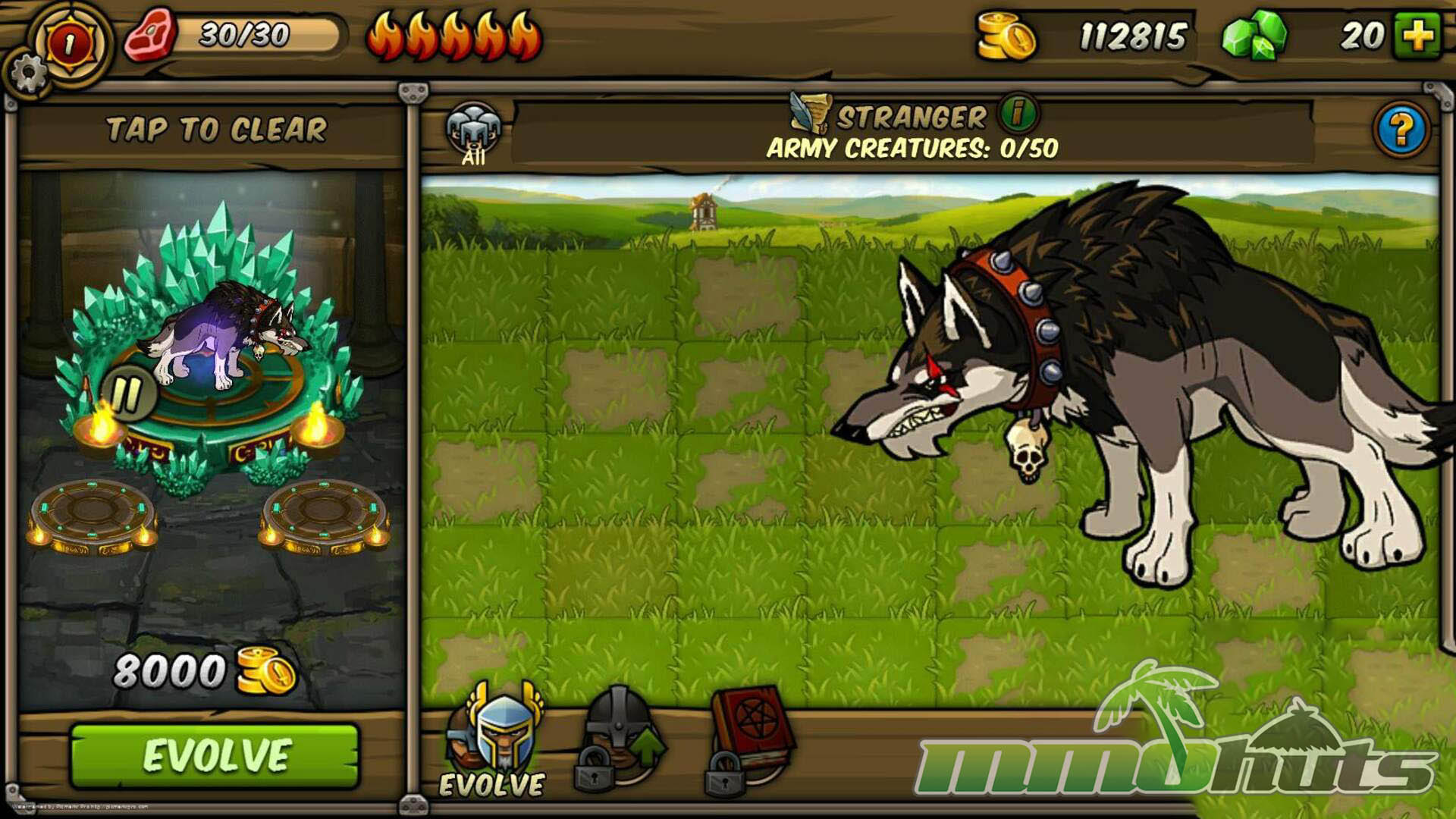
Forge of Gods Featured Video

Forge of Gods Review
Forge of Gods aims for a fast, accessible take on tactical card battling, and at its best it succeeds, especially in the early and midgame when new cards arrive frequently and small roster upgrades noticeably change what your team can do. The grid format gives the battles a more “board game” feel than many card battlers, and the four-role setup is easy to understand while still supporting meaningful decisions about placement and synergy.
The strongest element is the sense of collection and crafting. With a large pool of cards and an emphasis on evolving and fusing, there is a steady incentive to revisit earlier content, grind out resources, and refine your lineup. The aura mechanics also add a layer of planning that goes beyond simply fielding your highest numbers, you can get extra mileage out of a team by stacking supportive passives and arranging units to maximize coverage.
Where the experience tends to falter is in its business model and platform fit. Progression can feel heavily influenced by monetization, and competitive modes can amplify that pressure, particularly when facing opponents whose collections and upgrades outpace what most players can reasonably earn through normal play. On PC, the presentation also carries the telltale signs of a mobile-first design, with interface interactions that can feel slow or awkward, and occasional lag that makes management and navigation less pleasant than it should be.
For players who enjoy the loop of collecting, upgrading, and testing formations in short matches, Forge of Gods had a lot to offer, especially as a long-form progression game. However, the pay-to-win concerns and the uneven PC experience made it harder to recommend broadly, even before the game’s shutdown.
Forge of Gods Links
Forge of Gods Official Site
Forge of Gods Steam Page
Forge of Gods Steam Greenlight Page
Forge of Gods Google Play Link
Forge of Gods Wikia
Forge of Gods Facebook Page
Forge of Gods System Requirements
Minimum Requirements (Windows):
Operating System: Windows 7
RAM: 2 GB RAM
Hard Disk Space: 450 MB
Recommended Requirements (Android):
Operating System: 2.3.3 and up
Forge of Gods Music & Soundtrack
Coming Soon!
Forge of Gods Additional Information
Developer(s): Panoramik, Inc.
Publisher(s): Panoramik, Inc.
Language(s): English, French, German, Spanish, Russian
Steam Release Date: May 6, 2016
Steam Greenlight Post Date: March 14, 2016
Android Google Play Release Date: May 20, 2014
Shut Down: March 18, 2019
Development History / Background:
Forge of Gods is a TCG strategy game created and published by Panoramik, Inc. The project debuted on Android in May 2014, and it received numerous updates during its mobile lifecycle. In March 2016 it appeared on Steam Greenlight, and after being approved by the community it launched on PC through Steam on May 6, 2016. Online services later ended, and the game was shut down on March 18, 2019.