Explore a bright fantasy world split between island adventures and open-water voyages in Florensia. You will spend your time tackling long quest chains, hunting unusual monsters, and building up a character that eventually branches into a more focused role. Its signature twist is that land and sea play differently, so progression is not just about levels, it is also about learning two styles of combat and upgrading the ship that carries you between them.
 | Publisher: Netts Corporation Playerbase: Medium Type: Fantasy RPG Release Date: October 15, 2008 Pros: +Vibrant art direction and locations. +Meaningful class branching at higher levels. +Distinct land and sea combat modes Cons: -Combat pacing can feel monotonous. -Getting around, especially at sea, is very slow. -Quest objectives often lack variety. |

Florensia Overview
Florensia is a fantasy MMORPG built around two connected playgrounds, the islands you explore on foot and the sea routes you travel by ship. On land you fight with your class skills in the familiar MMO loop of pulling enemies, managing cooldowns, and turning in quests. At sea the rules shift, your vessel becomes your “character,” and your options revolve around cannons, ammunition, positioning, and the limitations of sailing itself. The result is a game that tries to keep the leveling journey from feeling one-note by giving you a second combat kit tied to ocean travel.
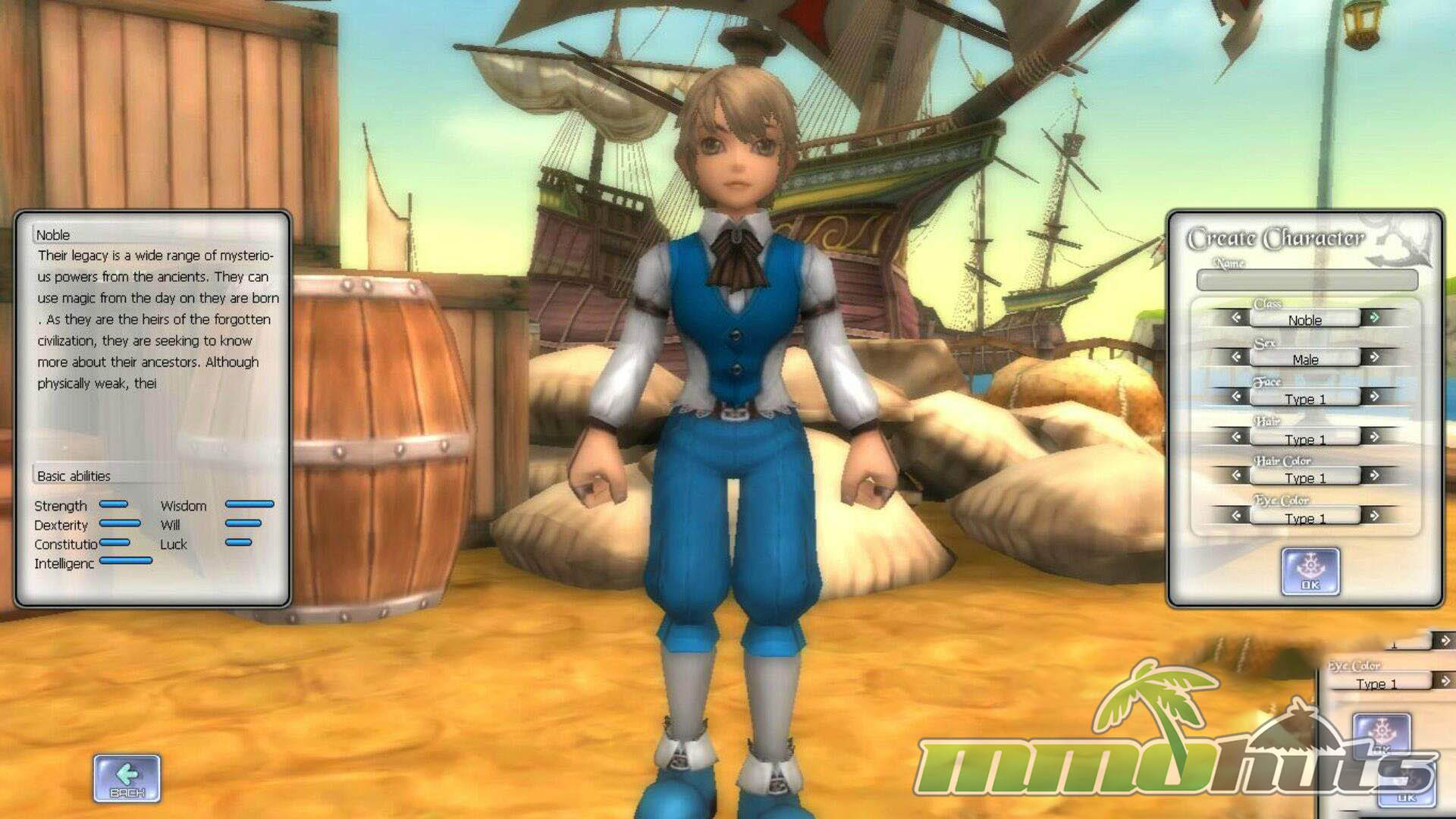
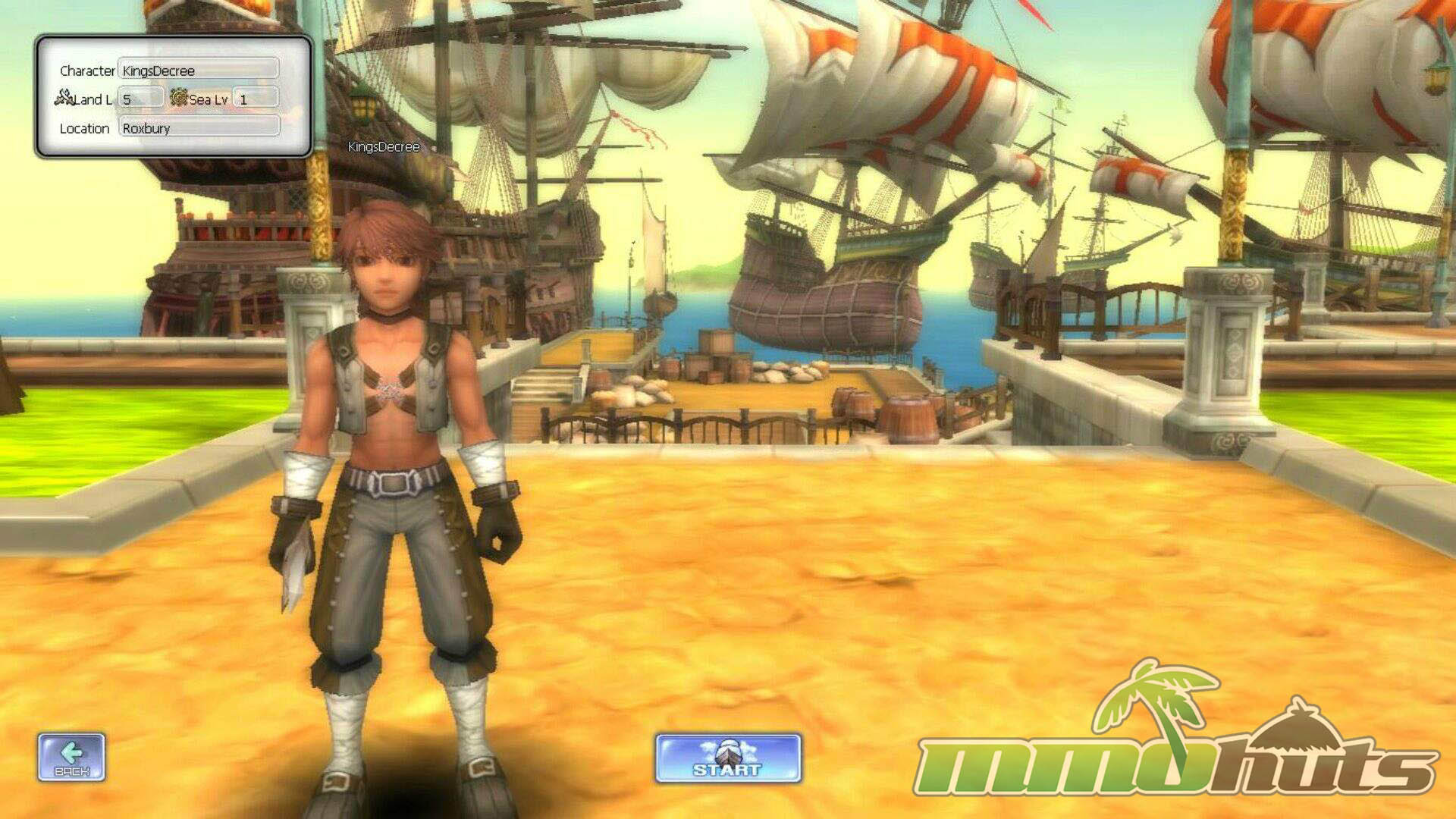
Character creation begins with four base classes: Mercenary, Noble, Saint, and Explorer. Each has a clear identity from the start, and at level forty you choose one of two specializations, which pushes your build toward a more defined role. Progression also includes ship growth, since you can obtain (or purchase) ship parts to improve your vessel and better handle sea encounters. Between these systems you will find a large number of quests, many with extensive dialogue, that send you through a world packed with distinct enemy models and varied scenery.
Florensia Key Features:
- Dual Combat – Two separate battle styles for land and ocean, each with its own tools and expectations.
- Class Specialization – Start with four core roles, then choose a branching path at level forty to refine your playstyle.
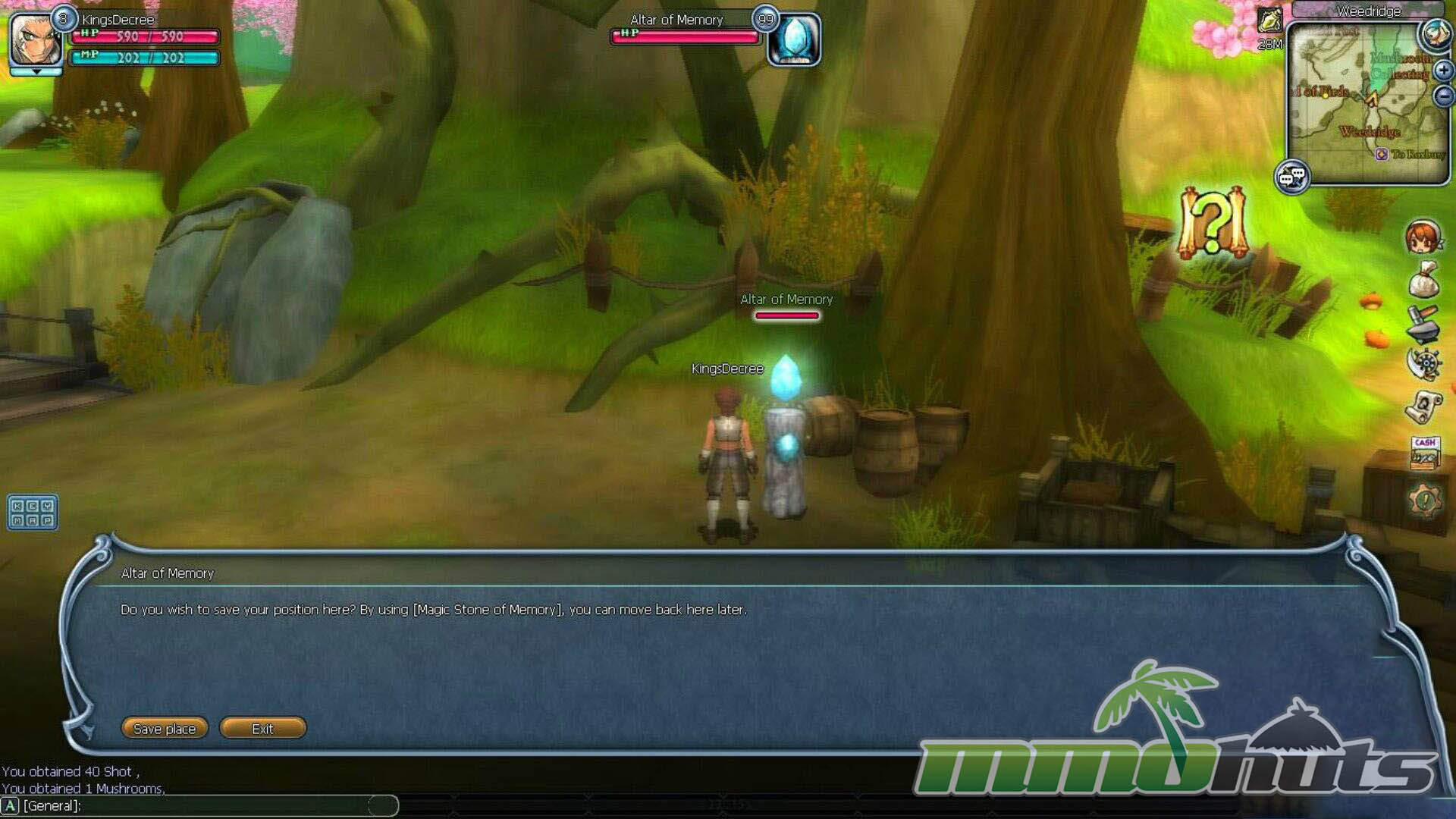
- Colorful Environments – A wide range of bright zones and towns that keep exploration visually engaging.
- Unique Monsters – A strong variety of enemy designs, backed by NPCs that lean heavily on quest text and dialogue.
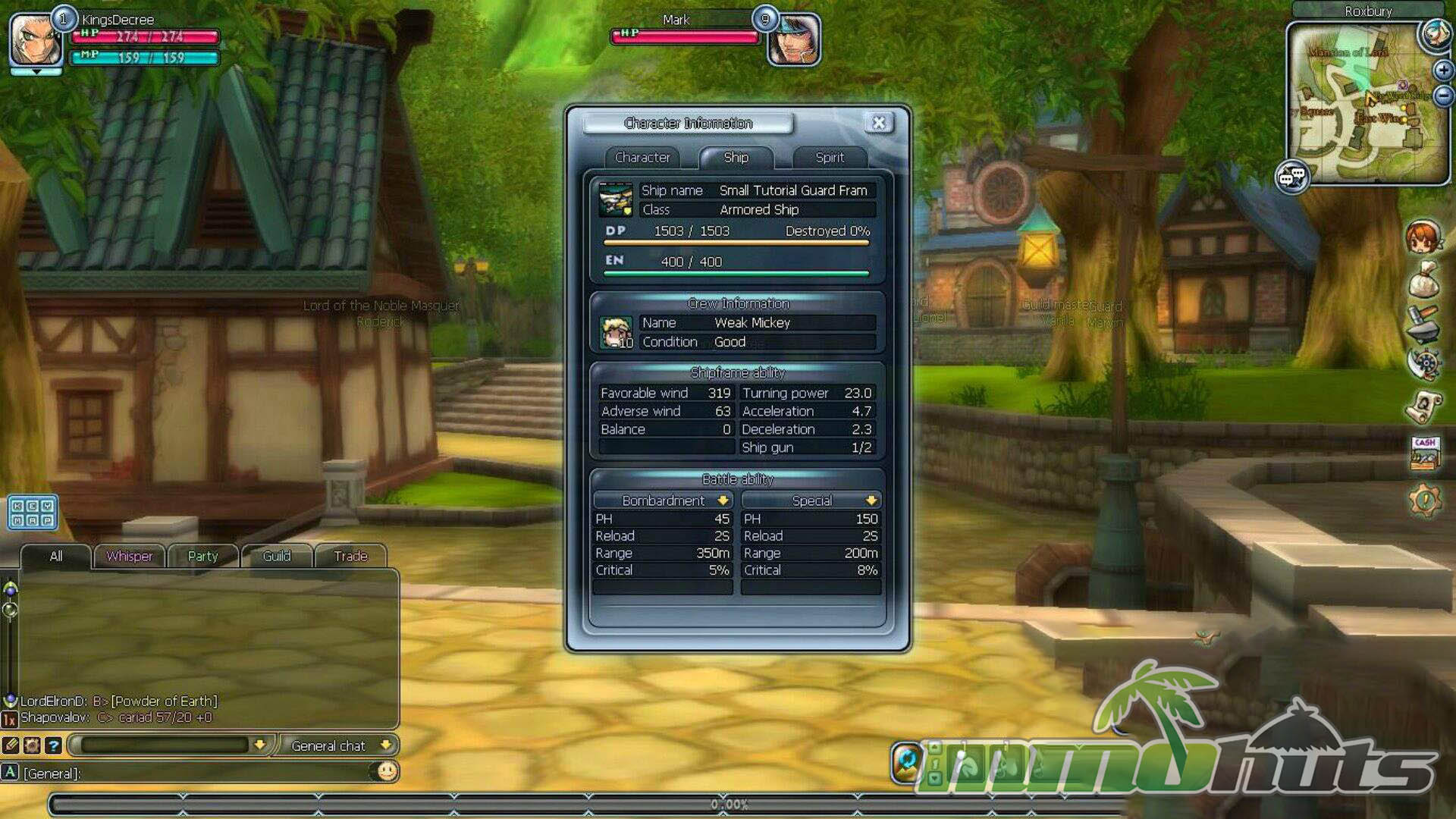
- Ship Customization – Upgrade your ship through parts and ammunition so it can better survive and deal damage on the water.
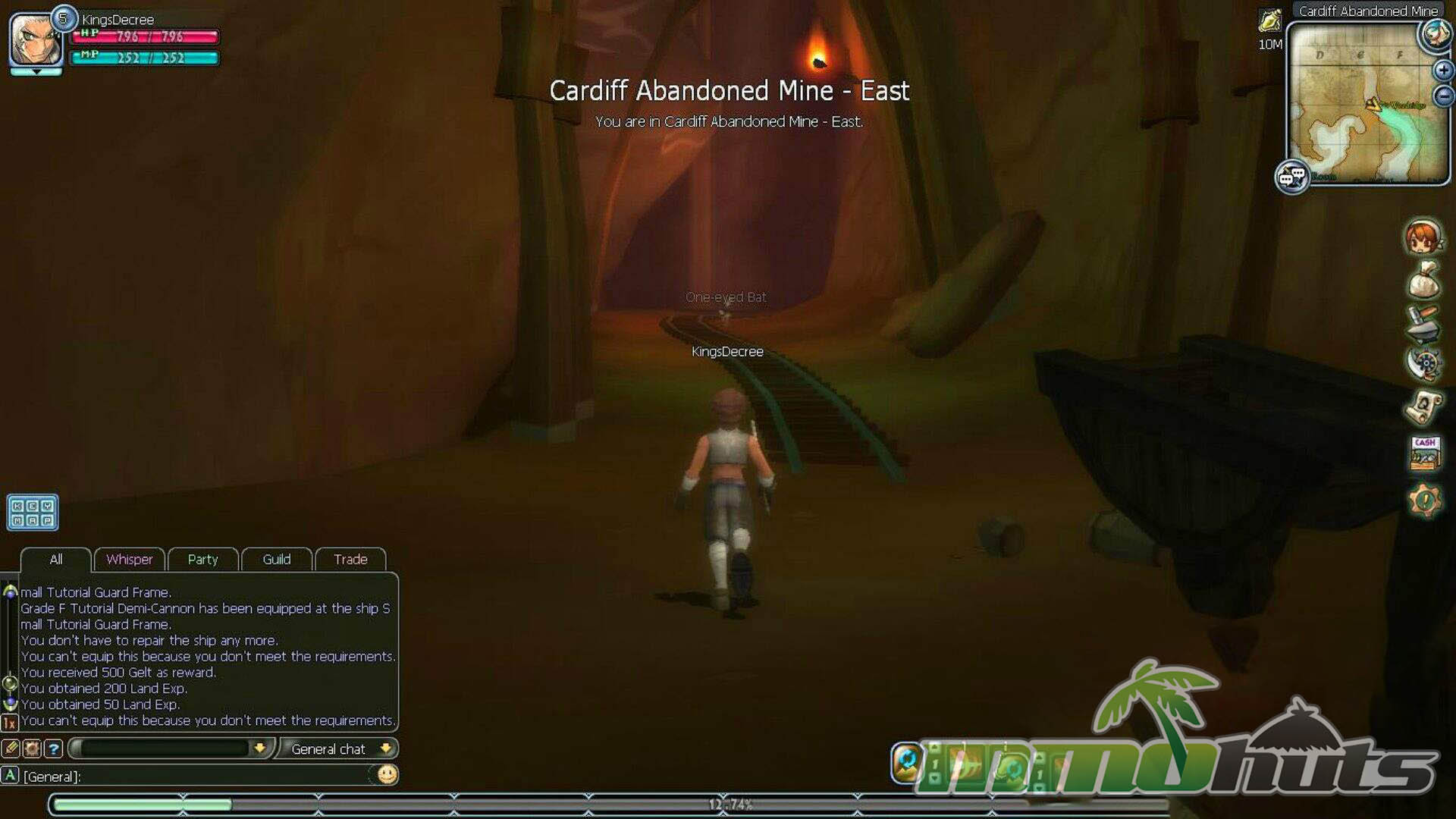
Florensia Screenshots



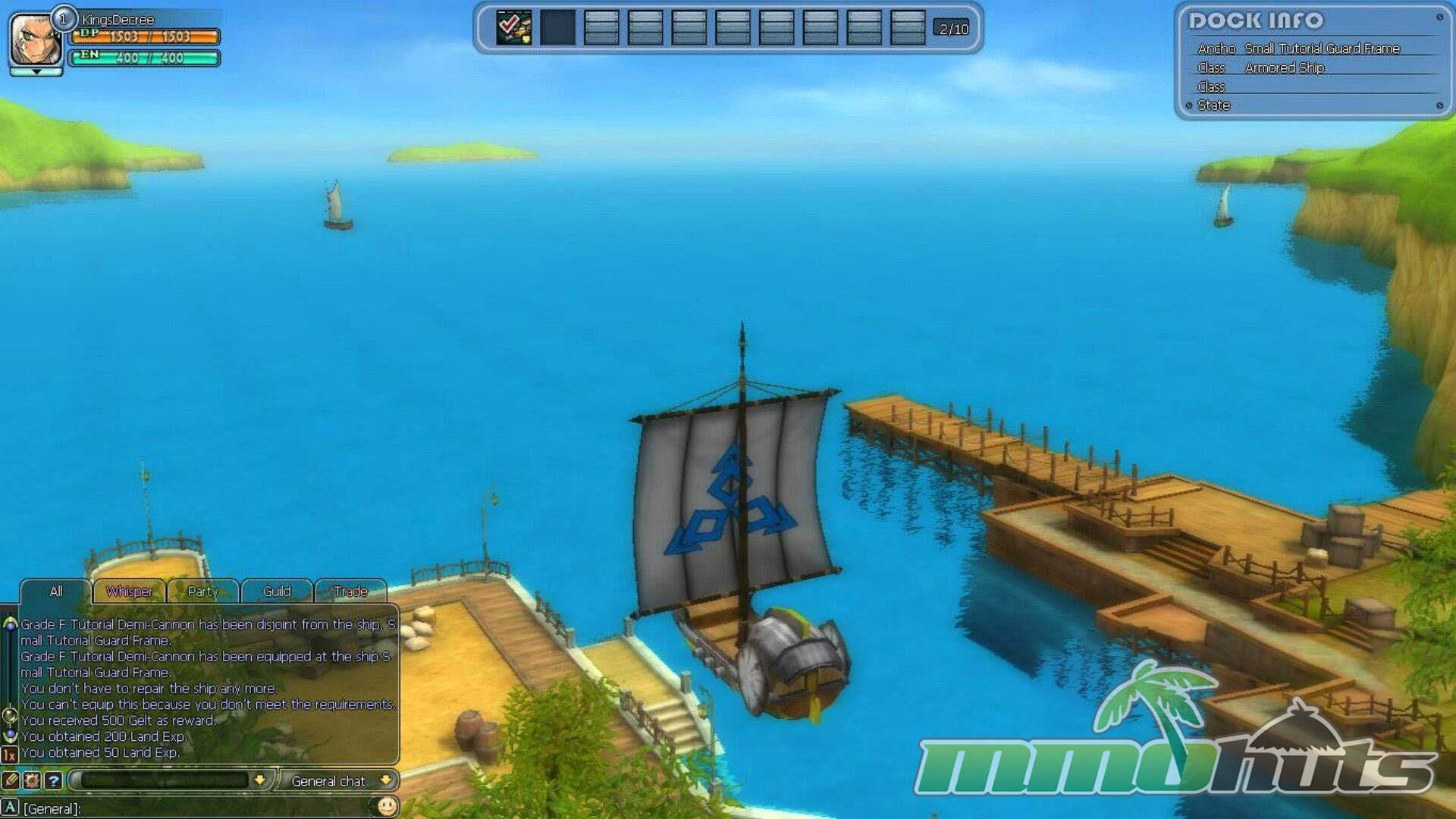
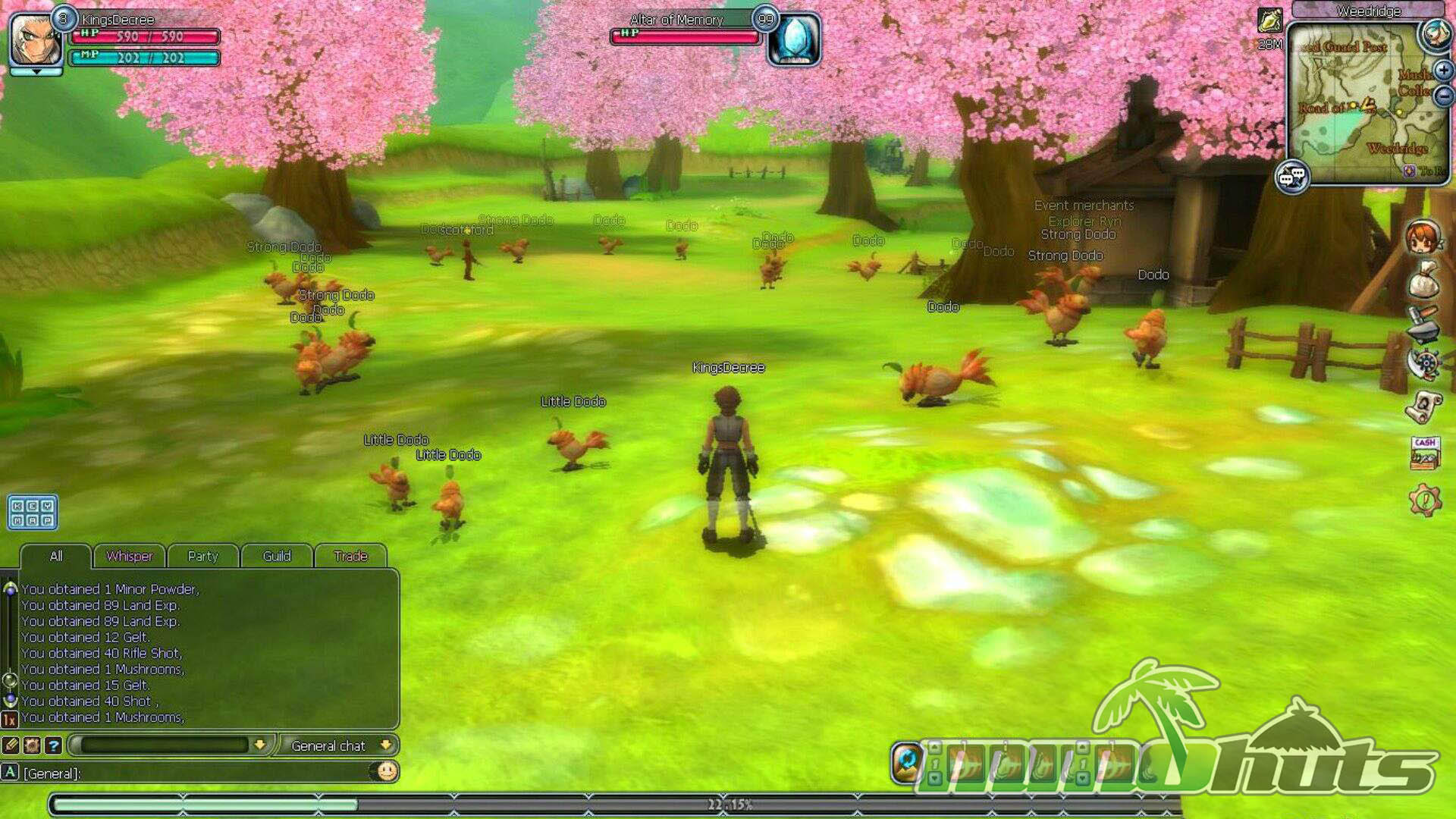
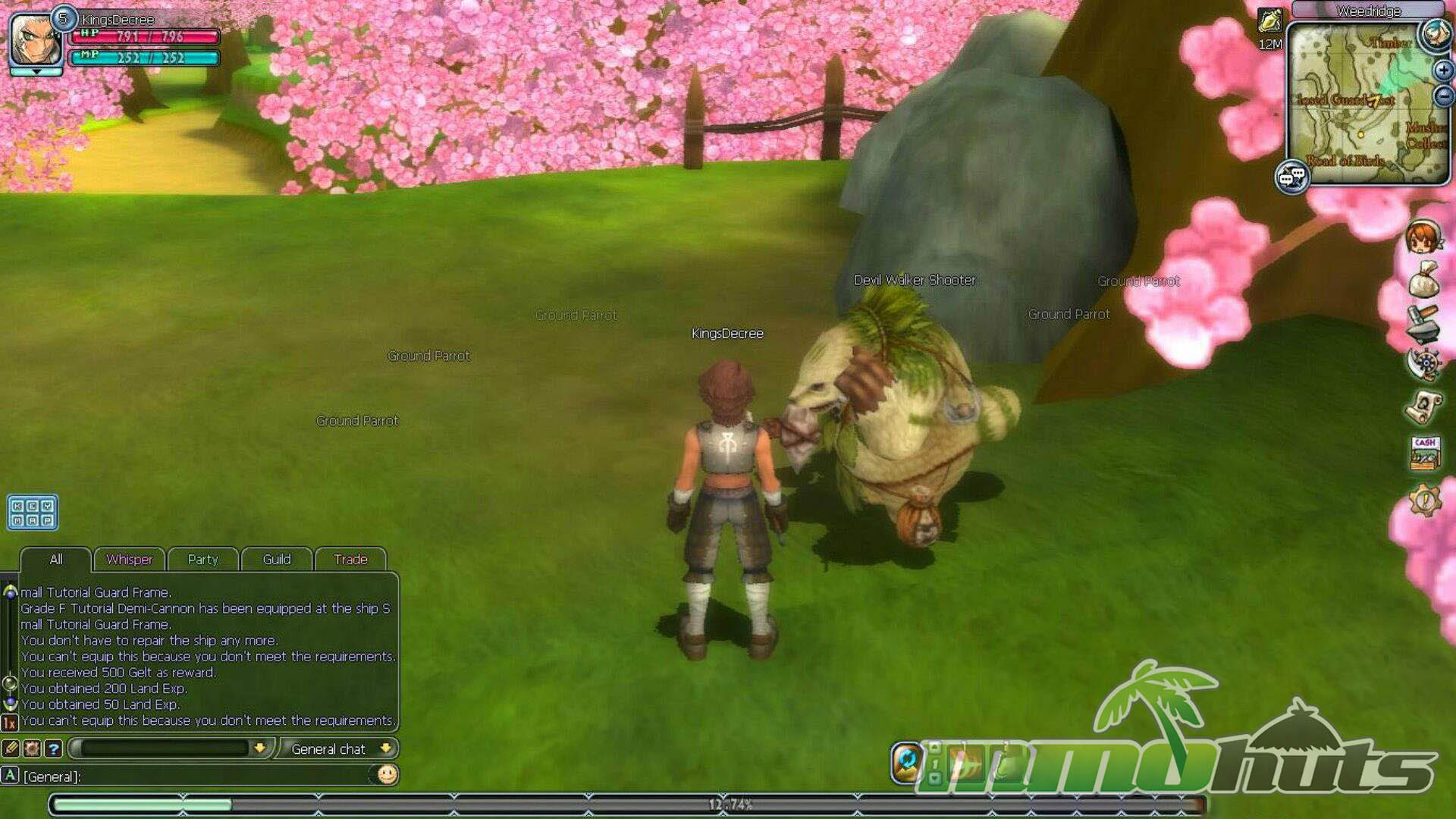
Florensia Featured Video

Florensia Classes
Saint- The support-oriented caster, focused on keeping allies alive and stable during fights. Saints typically play from safer positions and contribute through healing and utility magic. At level 40 they can advance into a Shaman (leaning into darker magic) or a Priest (continuing the white-magic healer path).
Noble- A high-damage spellcaster built around strong offensive magic with fragile defenses. Nobles are designed to end fights through raw power rather than durability. At level 40 they can specialize as a Court Magician, emphasizing area-of-effect damage, or a Magic Knight, geared toward single-target takedowns.
Explorer- A ranged fighter that relies on firearms and distance to stay safe, since their defenses are limited. Explorers can equip swords, but their strengths are clearly in guns and ranged pressure. At level 40 they branch into an Excavator or a Sniper to further define their combat focus.
Mercenary- The frontline brawler and typical tank archetype, expected to absorb hits and keep enemies occupied. Mercenaries wear strong armor and excel in close combat, though magic can still be a problem. At level 40 they can become a Gladiator (two-handed sword style) or a Guardian Swordsmen with a shield-centered approach.
Florensia Review
Florensia aims for a classic MMORPG routine with an ocean-going hook, you level through quests and grinding on land, then head out on the water for ship battles and sailing-based progression. It is an older design with older pacing, but it also has a distinct charm: bright zones, a memorable sea theme, and a class system that becomes more interesting once specialization opens up.
Four archetypes, then a real choice later
The early game gives you four clear roles, and they are easy to understand from the moment you pick them. Mercenary, Noble, Saint, and Explorer map closely to familiar MMO expectations, which makes the learning curve gentle. When you reach level 40, the specialization choice is the point where your character starts to feel more personal, because the branch you pick nudges you toward a different toolkit and party identity.
Explorer is a good example of how straightforward the setup is. You are primarily a gun user with ranged pressure, and your later choice between Excavator and Sniper helps separate your version of the class from someone else’s. That clarity is convenient, but it also means there is not much mystery in how the classes develop, you generally know the role you are signing up for.
Combat works, but the tempo is the real obstacle
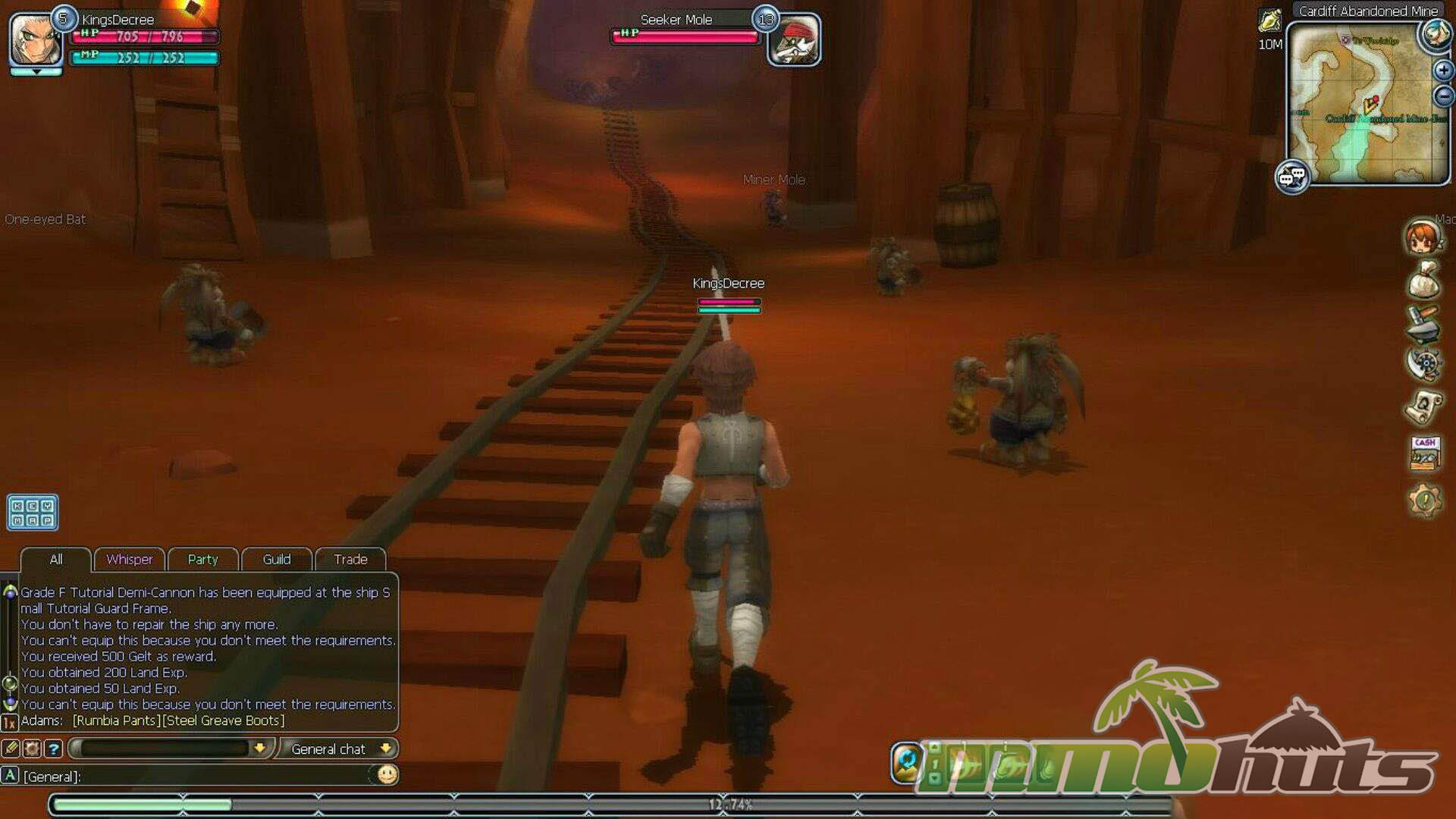
Moment-to-moment fighting is serviceable, yet the game’s pacing often makes it feel more repetitive than it needs to. Enemies tend to be clustered in predictable spots, and the attack rhythm is slow enough that long kill requirements become a test of patience. Skill animations are not especially snappy, and because you spend so much time repeating similar encounters, the slower cadence becomes more noticeable the longer you play.
Questing reinforces this issue. Many objectives are built around defeating large numbers of the same monsters, and some tasks ask you to farm item drops that are not guaranteed. With combat already running at a deliberate pace, those drop-based quests can stretch out longer than their rewards justify.
Progression depth helps offset the grind
Where Florensia does better is in how many skills you eventually have access to. There are multiple skill trees and plenty of options to develop over time, which makes later levels feel more involved than the early game. The downside is that the beginning can feel restrictive, because you do not always get the steady stream of upgrades that modern players expect, but once your toolkit expands the system becomes easier to appreciate.
Gear provides incremental stat bumps and a bit of visual variety, though equipment rarely changes the feel of combat in a dramatic way. Movement and general controls are mostly standard, using WASD or mouse clicking, but the character can feel awkward in tight spaces, and directional movement does not always respond as cleanly as you would want. That same stiffness can carry over when you transition to ship handling.
Sailing is the headline feature, and it is also the slowest
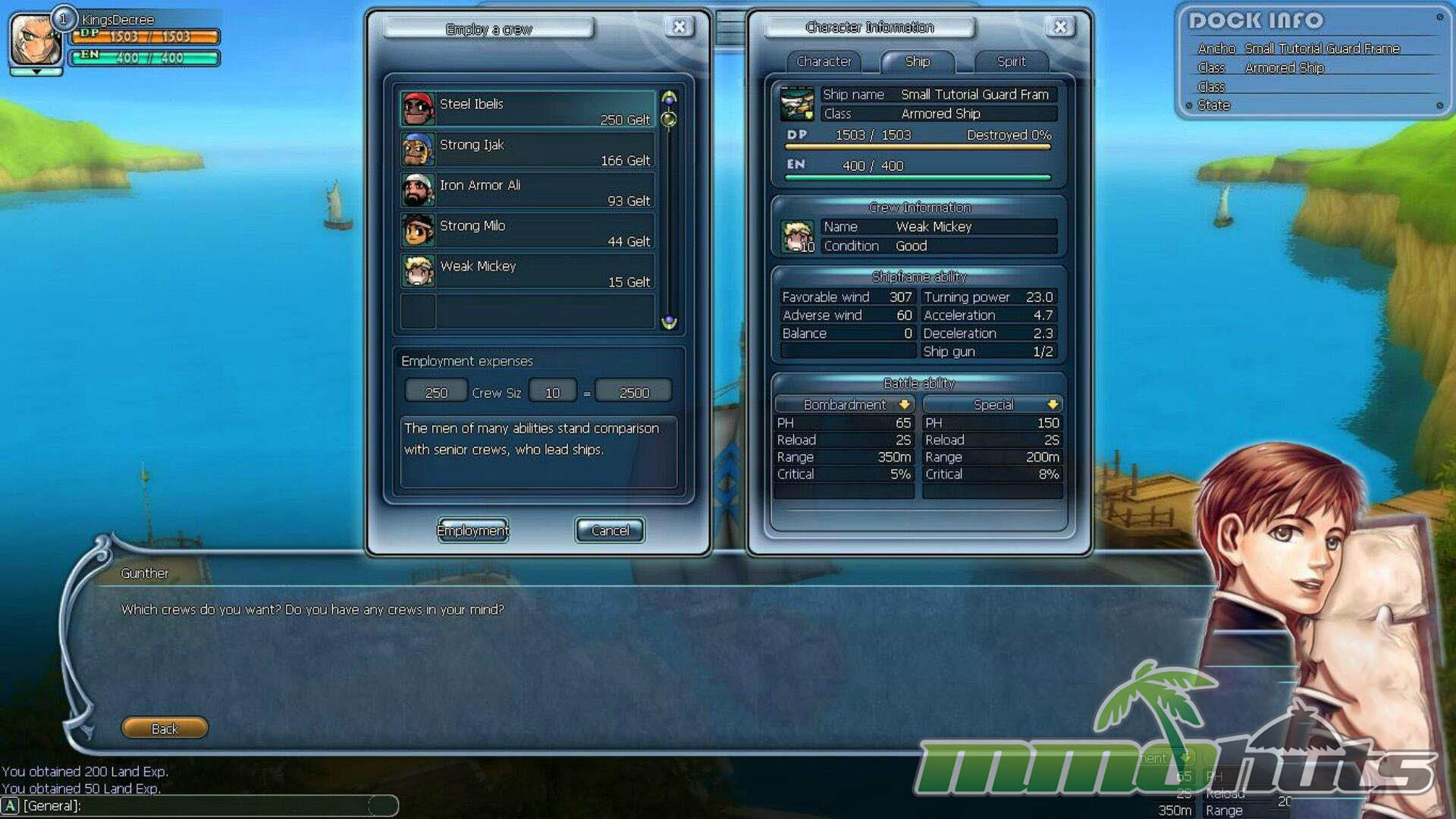
Your ship starts simple, assembled from early parts, then improved through additional components and ammunition. Before you head out, you also need crew to operate it. Once you are on the water, movement is heavily influenced by wind direction, and that is where the system can become frustrating. Travel speed is extremely low, and if the wind is not cooperating, reaching your destination can take longer than the gameplay around the destination itself.
Sea combat has more tactical promise than sea travel. Positioning matters because your ship has angles where you can attack and angles where you cannot, which encourages circling and trying to stay out of an opponent’s effective arcs. You also have a few different attack patterns, such as close-range gunfire and cannon-based options, so fights can feel like a small maneuvering duel. Even so, the novelty wears off over time, and once you understand the pattern, many encounters begin to blend together.
Art and audio do a lot of heavy lifting
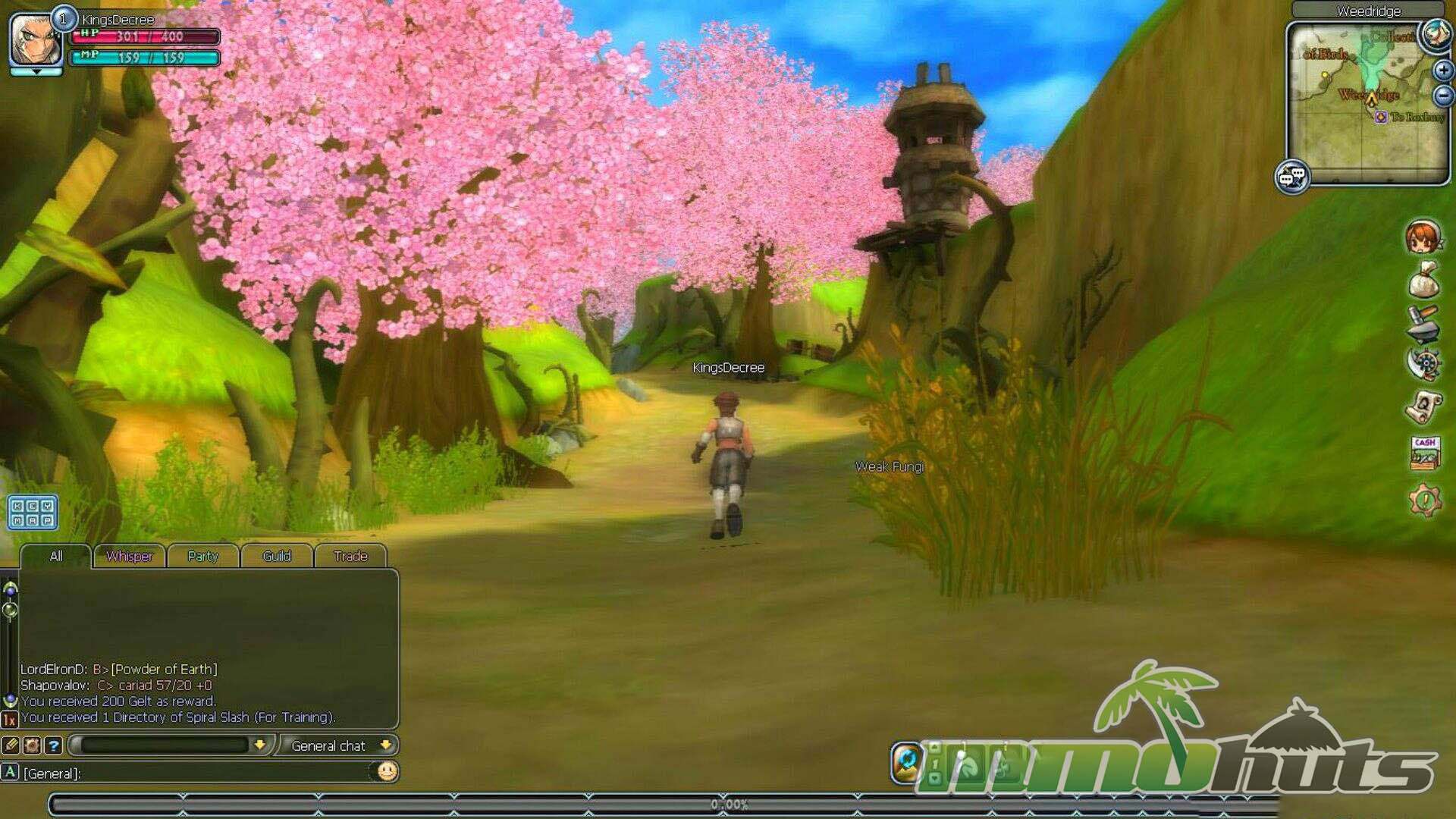
The game’s strongest quality is its presentation. Zones are colorful and pleasant to move through, ranging from forests and caves to ports and open ocean stretches that sell the “island fantasy” mood. The world also benefits from enemy designs that stand out more than you might expect from a grind-focused MMO.
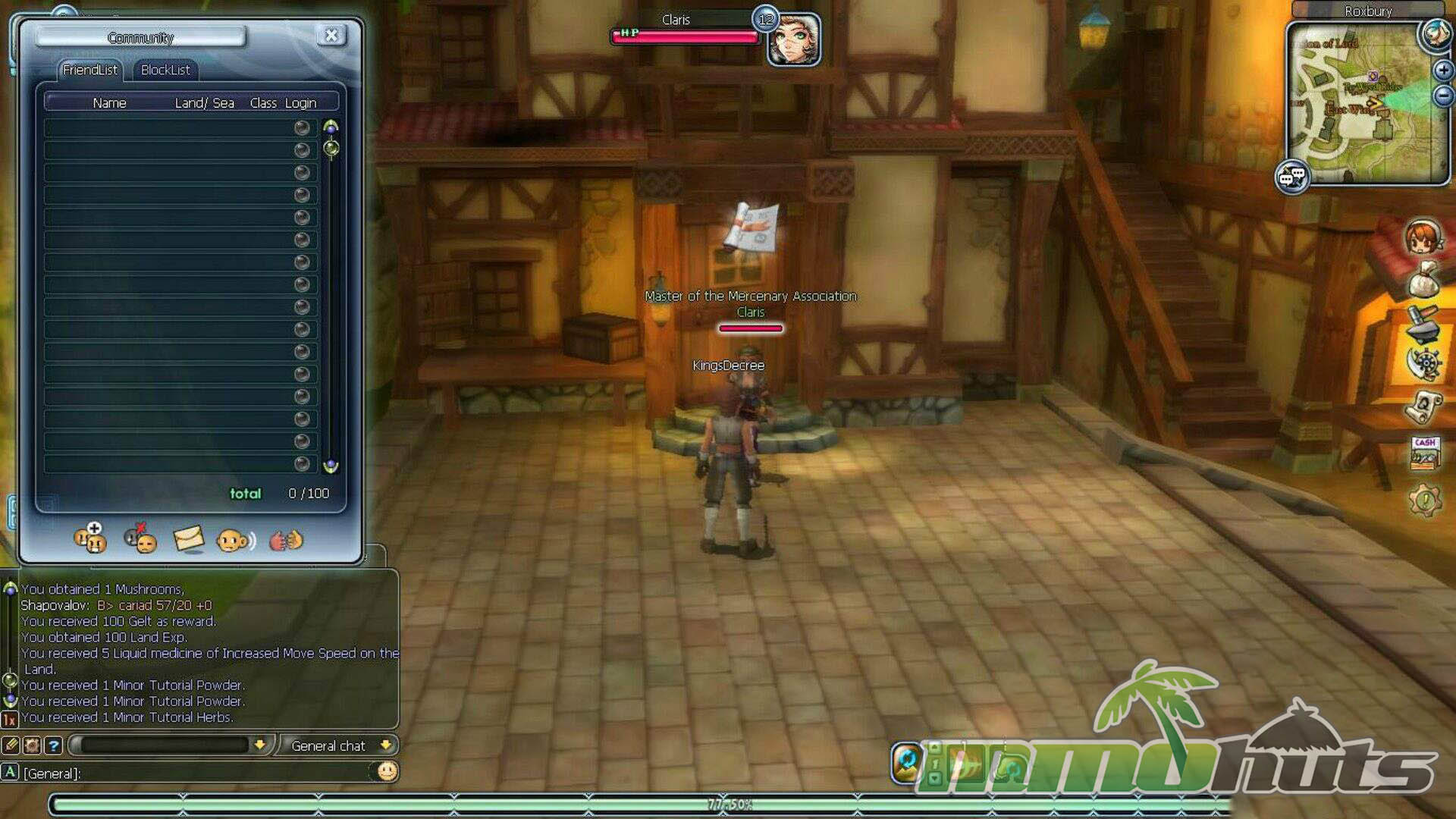
Quest dialogue is plentiful, which helps the world feel more inhabited, even if the writing can read oddly at times, likely due to translation quirks and repeated phrasing. The soundtrack supports the tone well, using lighter, melodic tracks for towns and calmer areas, then shifting toward more tense background audio in dangerous zones.
Final Verdict: Good
Florensia is a traditional MMORPG at heart, built around familiar class roles, long quest chains, and steady character growth, then differentiated by its land-and-sea split. The specialization system and large skill selection give players room to shape a build, and the game’s bright environments make the journey enjoyable to look at. Its biggest drawbacks are the slow pace of combat and travel, plus questing that often relies on repetitive objectives. For players who can tolerate old-school pacing and want an MMO with a nautical twist, Florensia remains a solid, above-average option.
Florensia System Requirements
Minimum Requirements:
CPU: Pentium3 1.3GHz
RAM: 512 MB
Free Space: 4GB
Operating Space: Windows 2000/XP
Graphic Card: DirectX 9+
.NET: Microsoft .NET framework 2.0+
Recommended Requirements:
CPU: Pentium4 2.4GHz
RAM: 1 GB
Free Space: 4GB
Operating Space: Windows XP/Vista/7
Graphic Card: DirectX 9+
.NET: Microsoft .NET framework 2.0+
Florensia Music & Soundtrack
Florensia Additional Information
Developer: Netts Corporation
Publisher: Netts Corporation, AHA Entertainment
Game Engine: Gamebryo
Release Date: October 15, 2008
Development History / Background:
Florensia was developed by Netts Corporation and later operated with publishing support from AHA Entertainment. By February 2010, the game had surpassed a million and a half players. The game’s service history has also been turbulent, on August 6, 2014 it went offline for a short time due to a dispute between AHA Entertainment and Aeria Games, which led to the servers being shut down. Roughly two weeks later it returned, but the downtime issues continued, and it later went offline again until January 22, 2015. After the cancellation of accounts, all characters were lost.