Fate/Grand Order is a free-to-play mobile RPG built around summoning and collecting legendary Heroic Spirits (Servants) to fight across history and repair timeline distortions. Set within the wider Fate/Stay Night universe, it leans heavily into fan-favorite characters and reinterpretations of myth and folklore, letting you form teams with iconic faces like Arturia Pendragon, EMIYA, Gilgamesh, and Jeanne d’Arc while progressing through a long, story-led campaign.
 | Publisher: Delightworks, TYPE-MOON Playerbase: High Type: Mobile RPG Release Date: June 25, 2017 (NA/EU) Pros: +High-quality anime-style presentation. +Massive roster of collectible Servants. +Strong production values and polish. Cons: -Expensive gacha pulls. -Multiplayer support is limited to asynchronous systems |



Fate/Grand Order Overview
Fate/Grand Order is a free-to-play mobile RPG with asynchronous multiplayer elements, set in the Fate Universe (often called the Nasuverse) that spans novels, anime, and multiple game series. You play as a Master, building a party of up to six Servants (resources permitting) and pushing through a campaign centered on time travel and the repair of historical “Singularities” that threaten humanity’s future. Each Servant represents a Heroic Spirit drawn from legend or history, with their own class, stats, skills, and signature Noble Phantasm.
Combat is strongly shaped by class interactions, so learning matchups and planning around them matters even in routine fights. The core class lineup includes Saber, Lancer, Archer, Rider, Assassin, Berserker, Caster, and the rarer Ruler class. While the game does not feature real-time co-op, it does encourage social play through the support system, allowing you to borrow a friend’s chosen leader Servant to round out your team for a mission.
Fate/Grand Order Key Features:
- Summon Heroic Spirits – recruit heroes and villains from myth and history, strengthen them through leveling and bond progression, then unleash their Noble Phantasms in battle. Many Servants are voiced by well-known Japanese voice actors.
- Ascend Your Servants – raise a Servant’s cap through ascension, unlocking additional growth and refreshed character art as they progress.
- Collect Craft Essences – gather equipable cards that grant stats and special effects, letting you tailor builds to farming, survival, or burst damage.
- Strategic Card Battle System – build teams around card types and roles, then leverage draw order and synergies to handle different enemy compositions.
- Frequent Events – tackle rotating events with unique missions and side stories, including scenarios written by Fate/Stay Night’s original creator.
Fate/Grand Order Screenshots
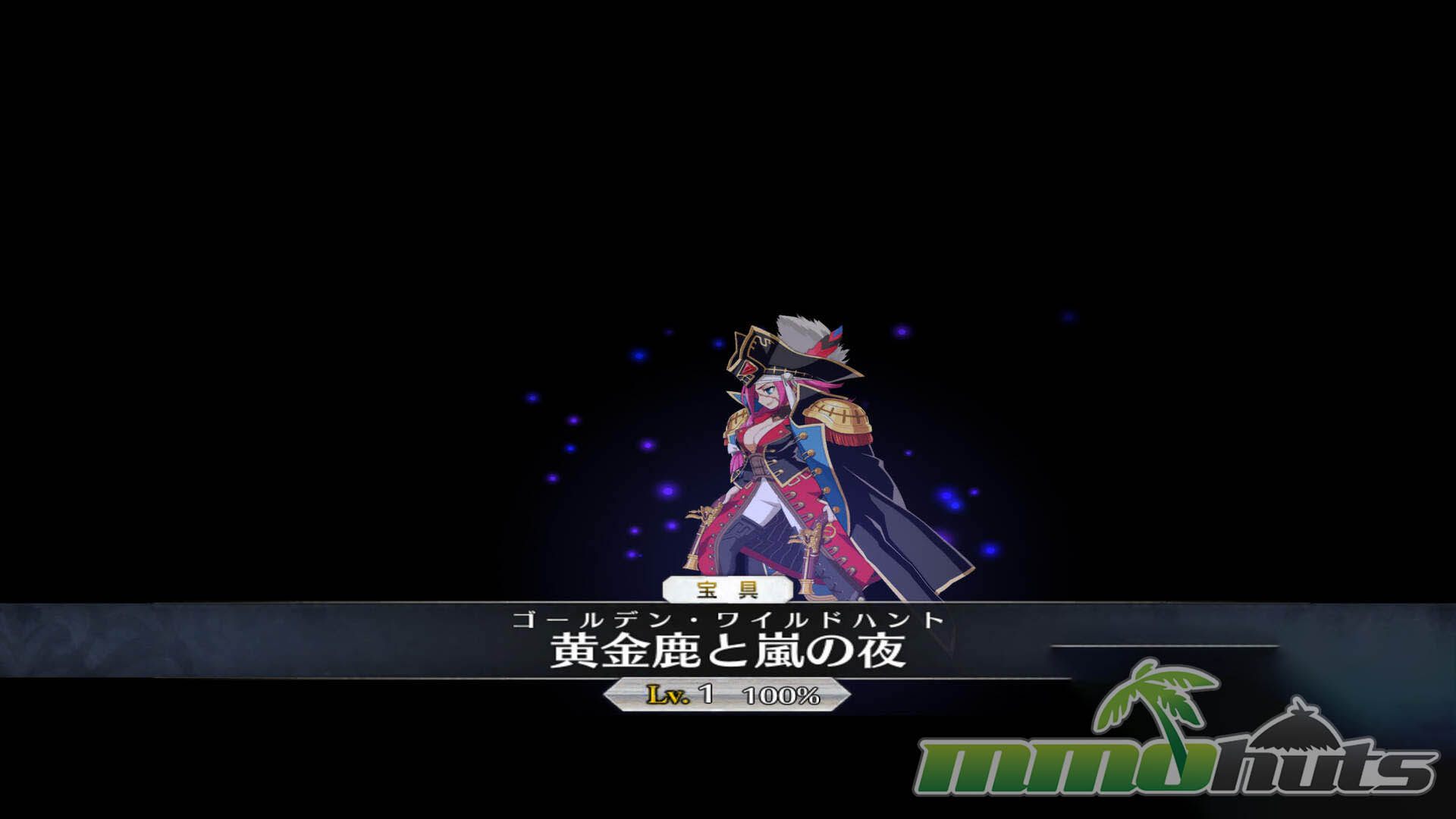


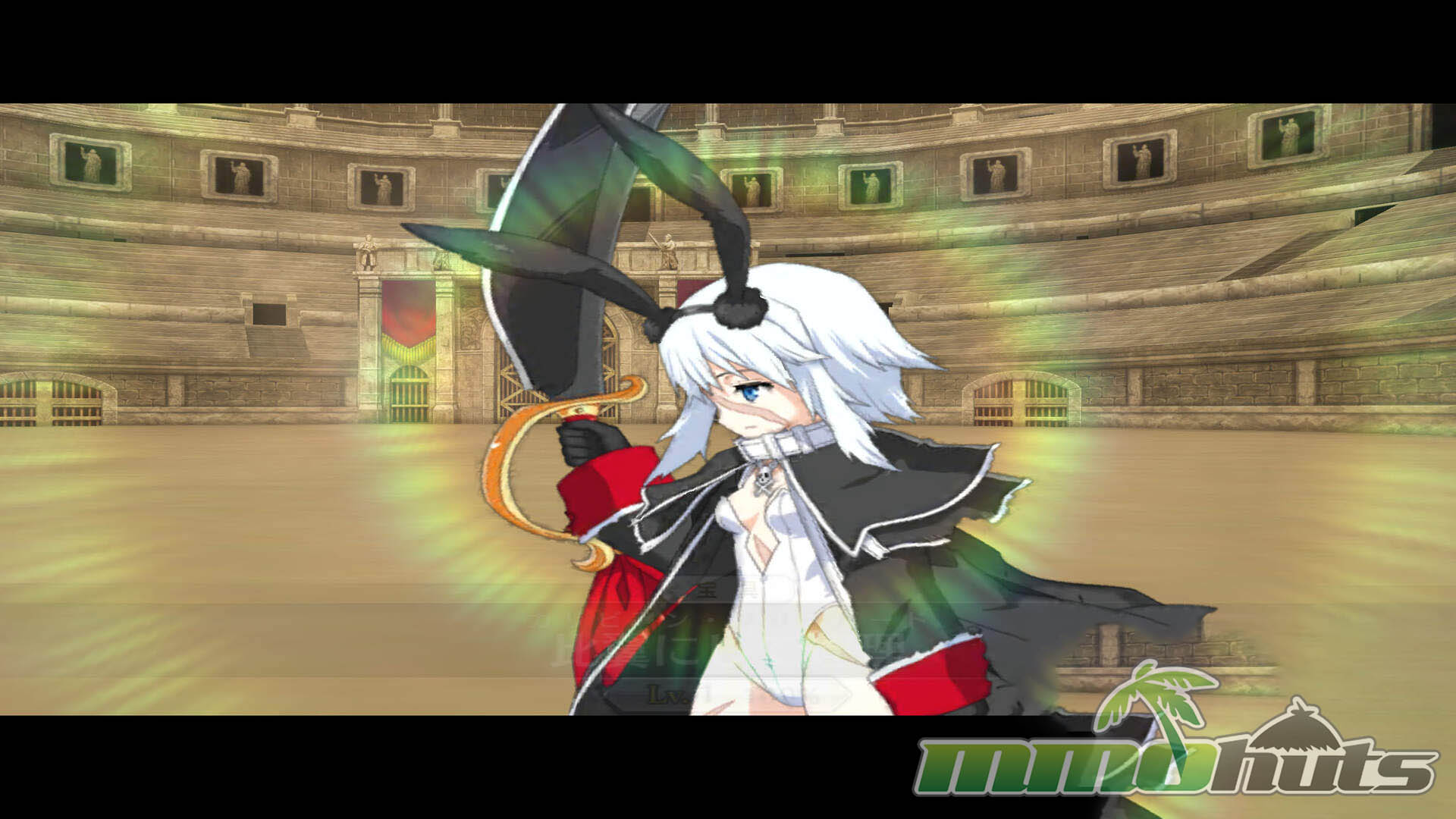
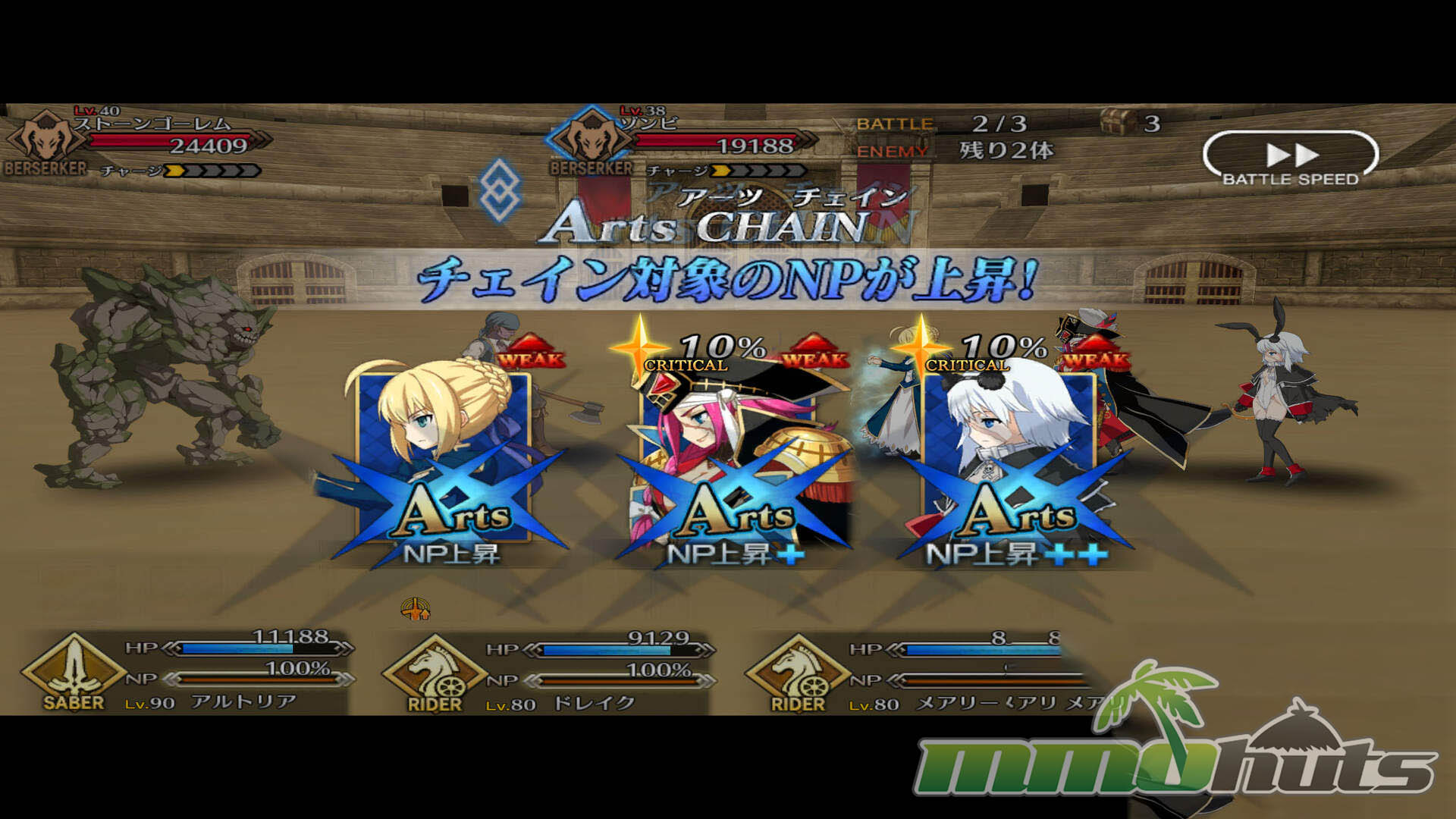
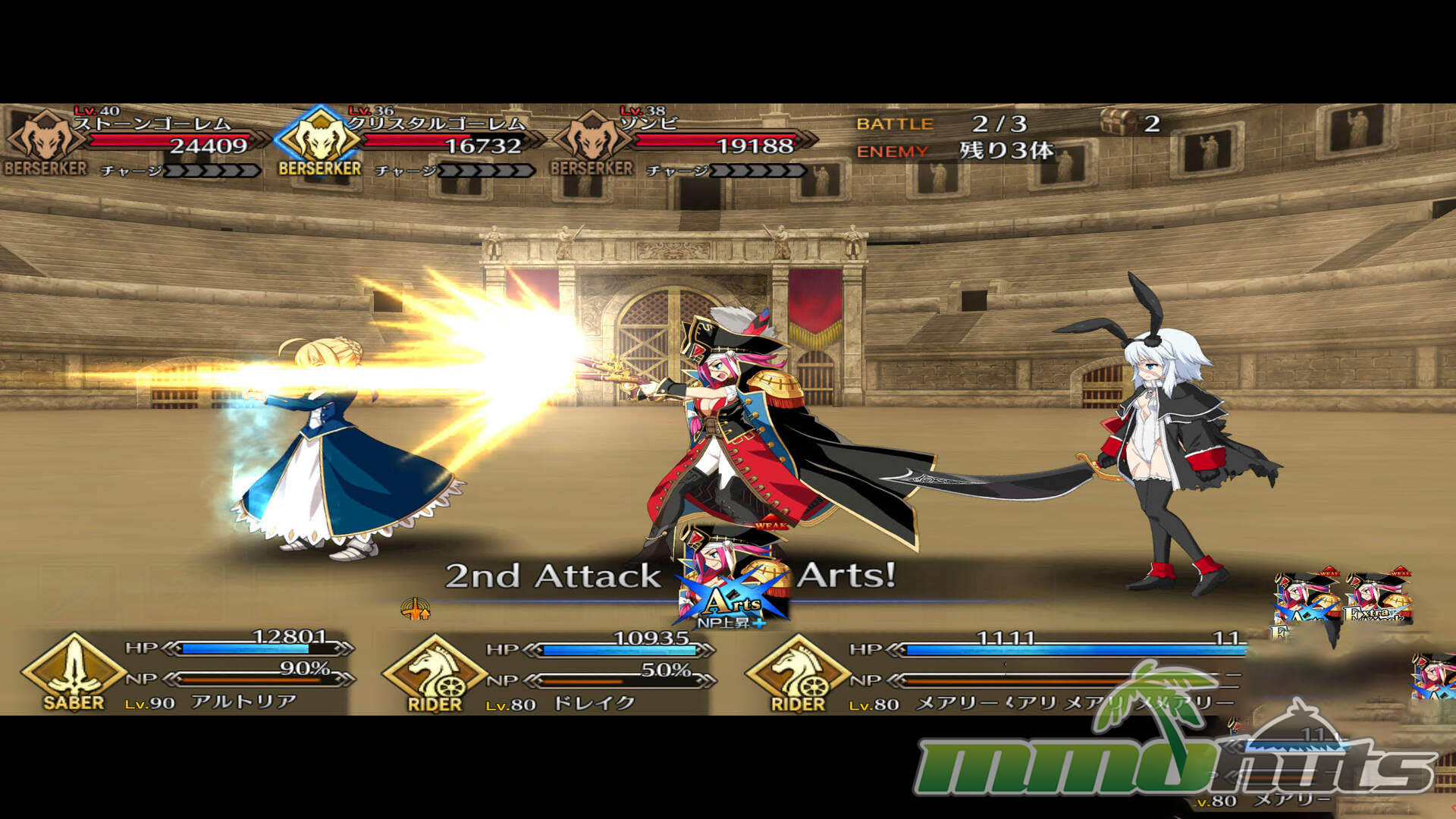

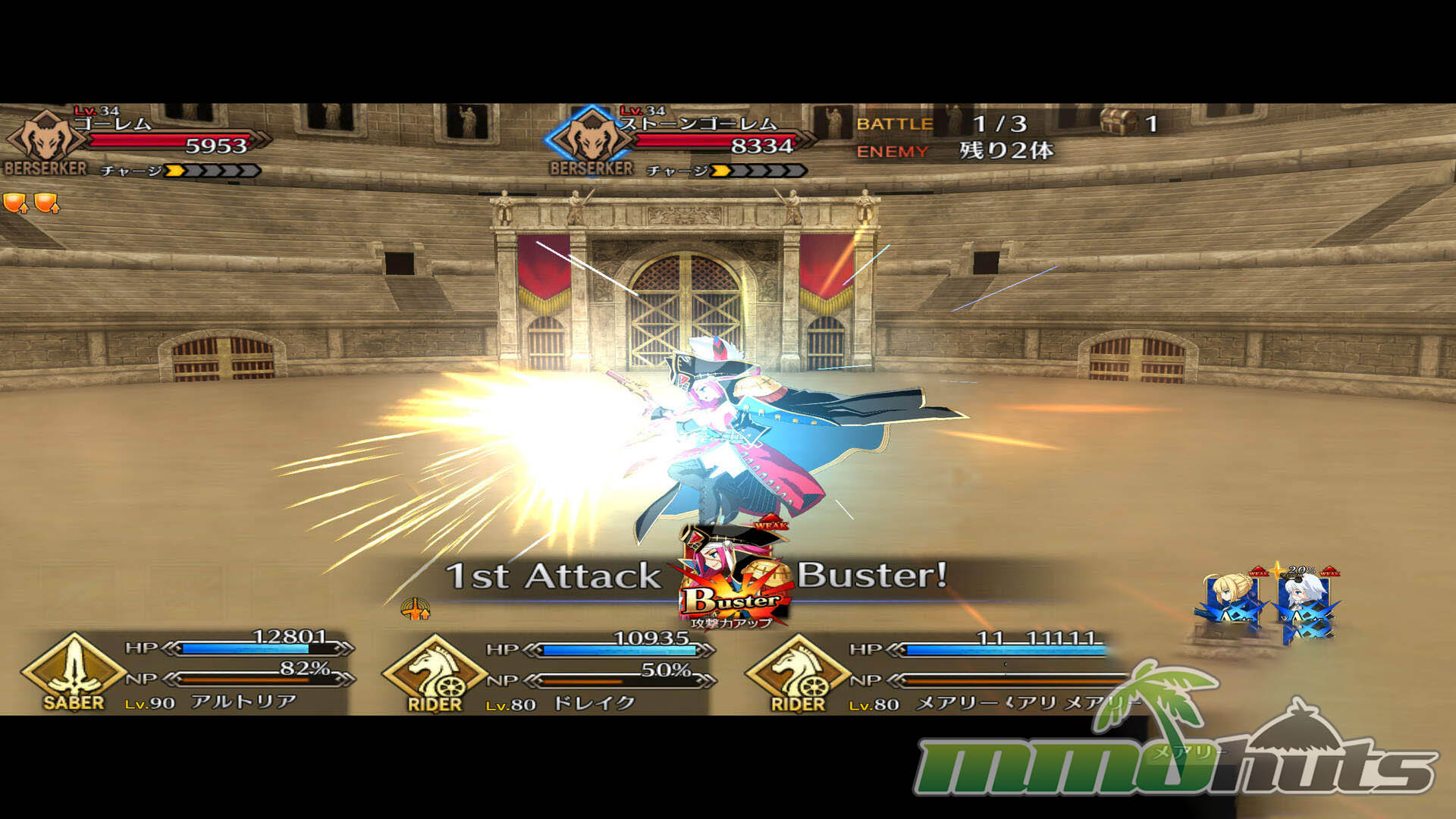
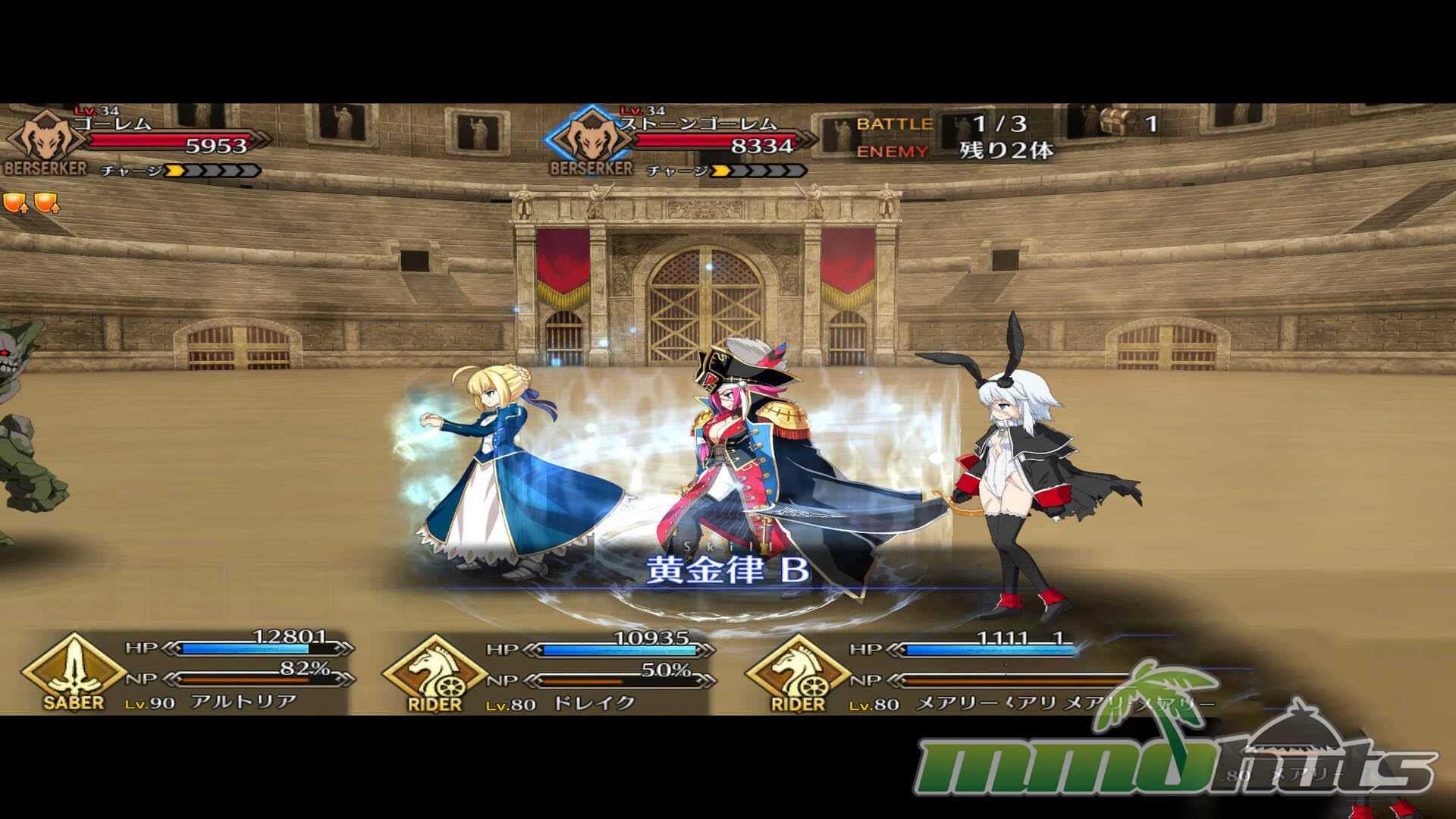

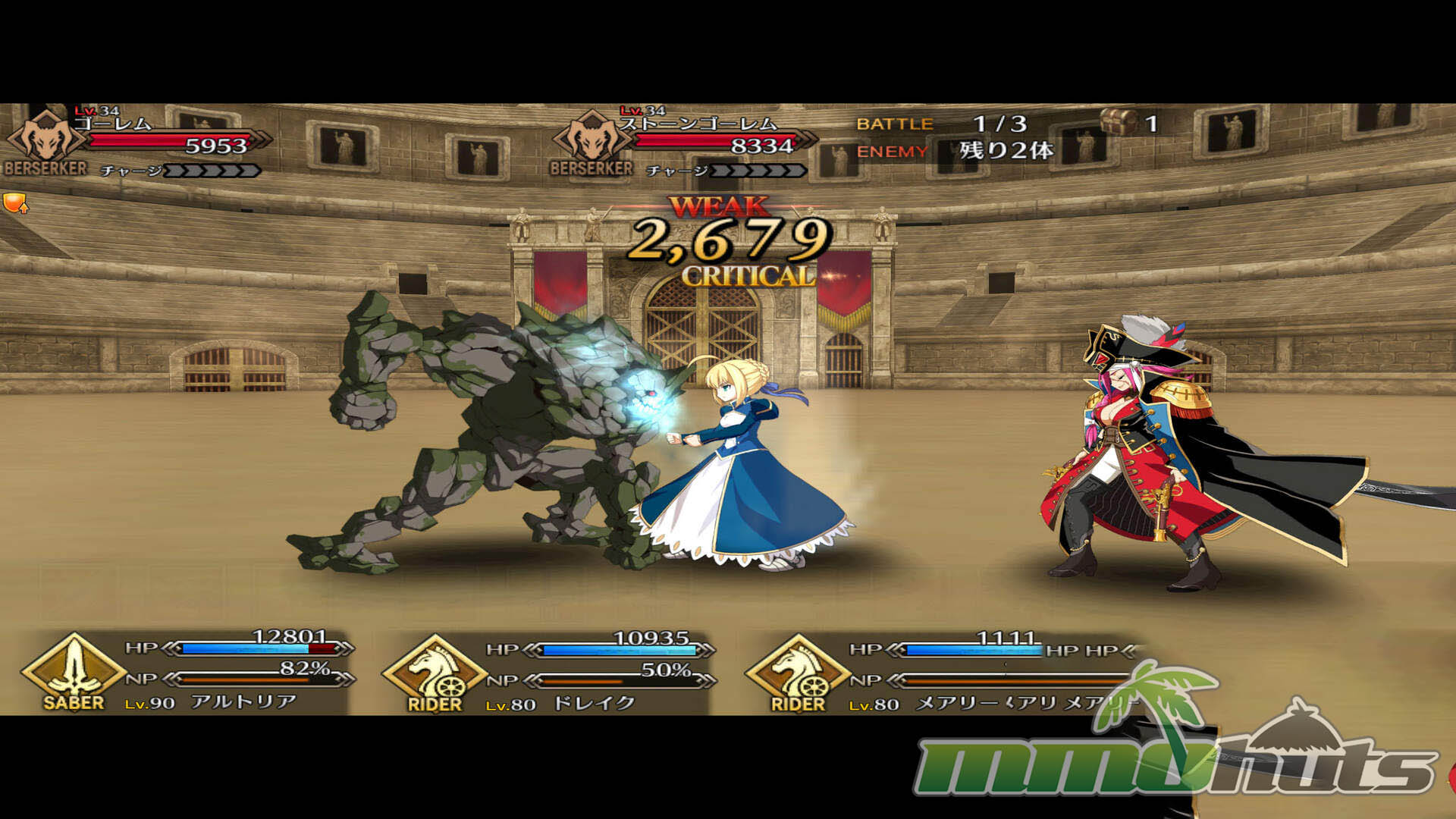
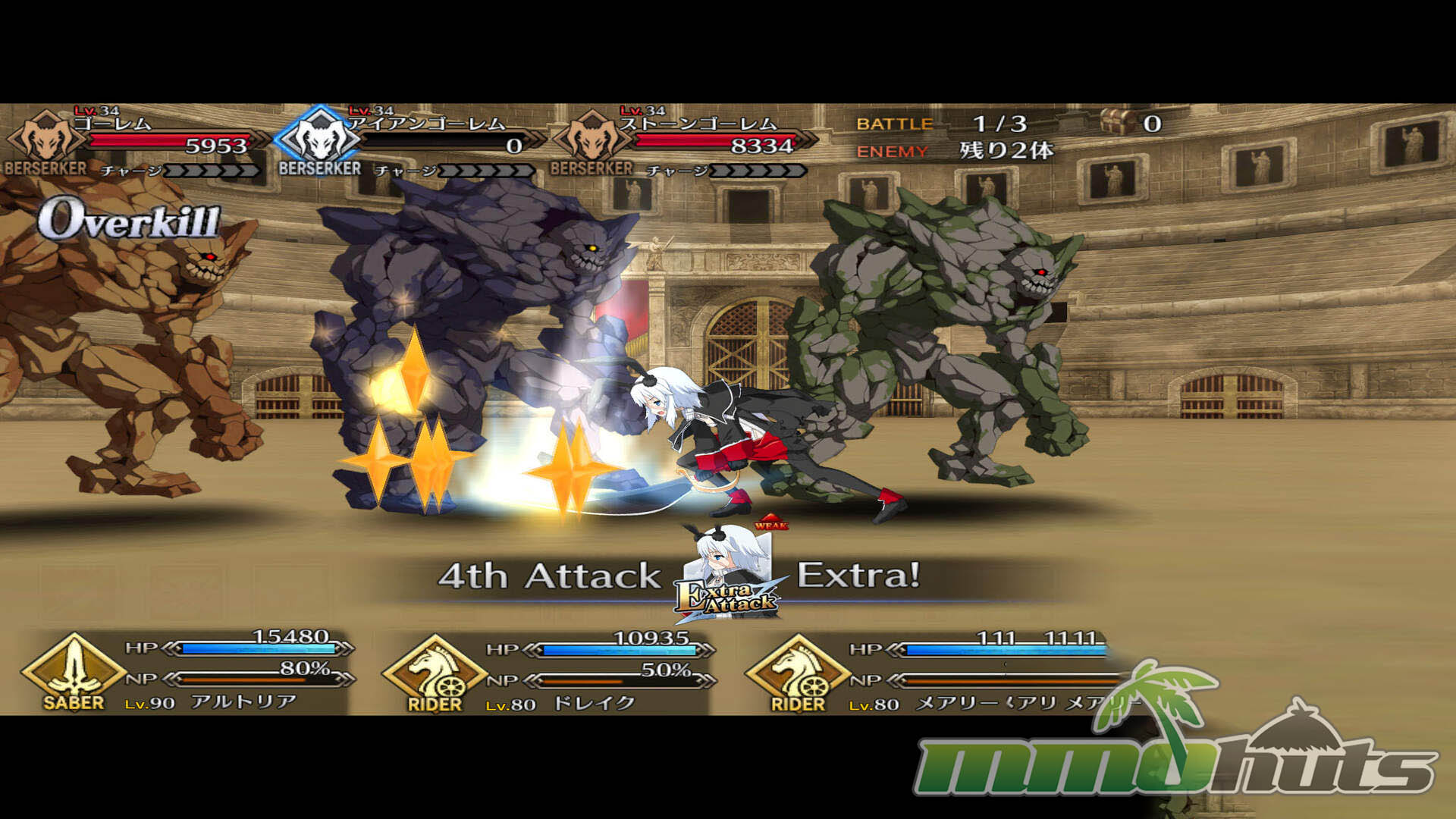
Fate/Grand Order Featured Video

Fate/Grand Order Review
Fate/Grand Order (often shortened to F/GO) is one of the most recognizable names in mobile RPGs, especially among fans of Fate. The Japanese version launched in 2015 and quickly became a major success, with the English release arriving in June 2017. At its heart, it is a single-player focused, story-forward RPG where your job is to stabilize humanity’s future by repairing points in time that have gone off course. You do that by summoning Servants, legendary figures reimagined through the Fate lens, and building teams to overcome increasingly demanding encounters.
Getting Started, Onboarding, and Combat Basics
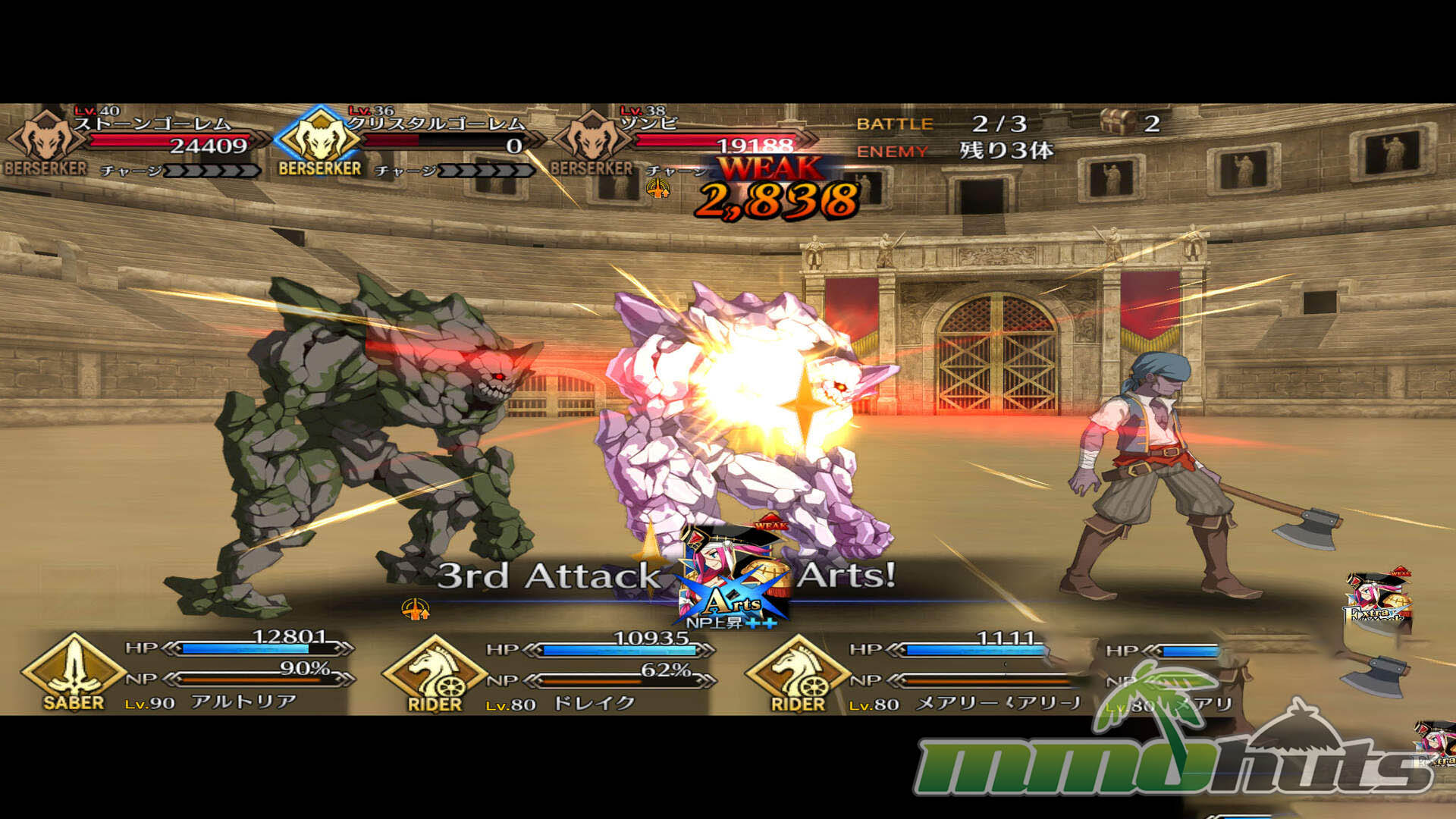
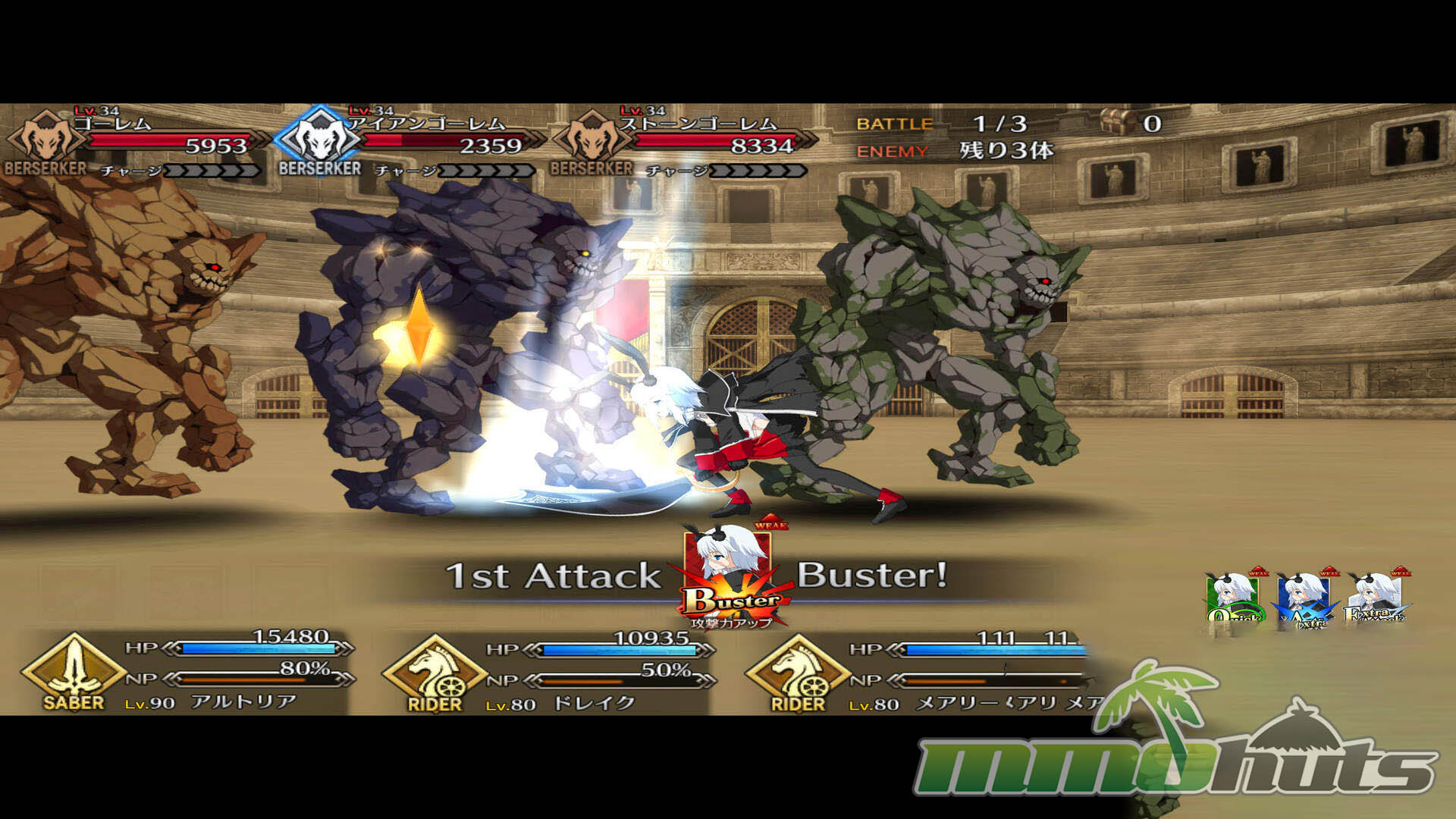
The opening hours waste little time getting you into fights, introducing the setting in short bursts while the tutorial explains the battle loop. F/GO battles are turn-based and revolve around a frontline of three Servants, with reserves backing them up. Each turn, you select three command cards from a pool based on your active Servants, and those cards determine attack type and resource gain.
Cards fall into three categories: Buster, Quick, and Arts. Buster emphasizes raw damage, Quick generates critical stars that later increase the chance of critical hits, and Arts fuels Noble Phantasm gauge gain. Noble Phantasms (NPs) are each Servant’s signature ultimate, typically tied to their legend, and they are often the deciding factor in harder fights. Building NP gauge efficiently, then timing NPs around buffs, debuffs, and enemy breakpoints becomes the real strategy once the tutorial training wheels come off.
Because you draw from the combined card sets of the three active Servants, turn planning is about more than just picking the highest numbers. Playing three cards of the same type grants a chain bonus, so there are moments where holding back for a better chain next turn is worth it. In practice, the system stays approachable, but it has enough nuance to reward players who enjoy optimizing rotations and team composition.
Outside of Servant skills, the Master also brings tools to the battlefield. Mystic Codes act like an extra mini kit (three abilities tied to the outfit you equip) and provide utility such as healing, damage boosts, or defensive options. These abilities have long cooldowns, so they are best treated as limited tactical resources rather than something you spam each fight.
In addition, Command Spells provide emergency buttons: you can instantly fill a Servant’s NP gauge, restore a Servant’s HP, or spend all three to revive the entire party after a defeat with NP gauges restored. This system helps smooth out difficulty spikes, particularly early on, and gives free-to-play players a way to recover from bad luck or under-leveled rosters.

Story and Setting
F/GO’s narrative frames you as a newly recruited Master candidate at the Chaldea Security Organization, a group dedicated to ensuring humanity’s survival by observing and intervening in the timeline. The premise uses a mix of Fate’s established summoning rules and original worldbuilding. Chaldea monitors the state of humanity through CHALDEAS (a model of the planet’s soul), observed through SHIVA, and uses Rayshifting technology to send personnel into problematic points in time.
Once anomalies are detected, you are dispatched to resolve them, typically by defeating hostile forces and rival Servants while uncovering what caused a given Singularity. The early chapters can feel like they are laying track, but as the story develops it becomes more character-driven and confident, especially if you enjoy Fate’s style of mixing historical figures with dramatic reinterpretations.
Navigation, Progression, and the Summoning Economy
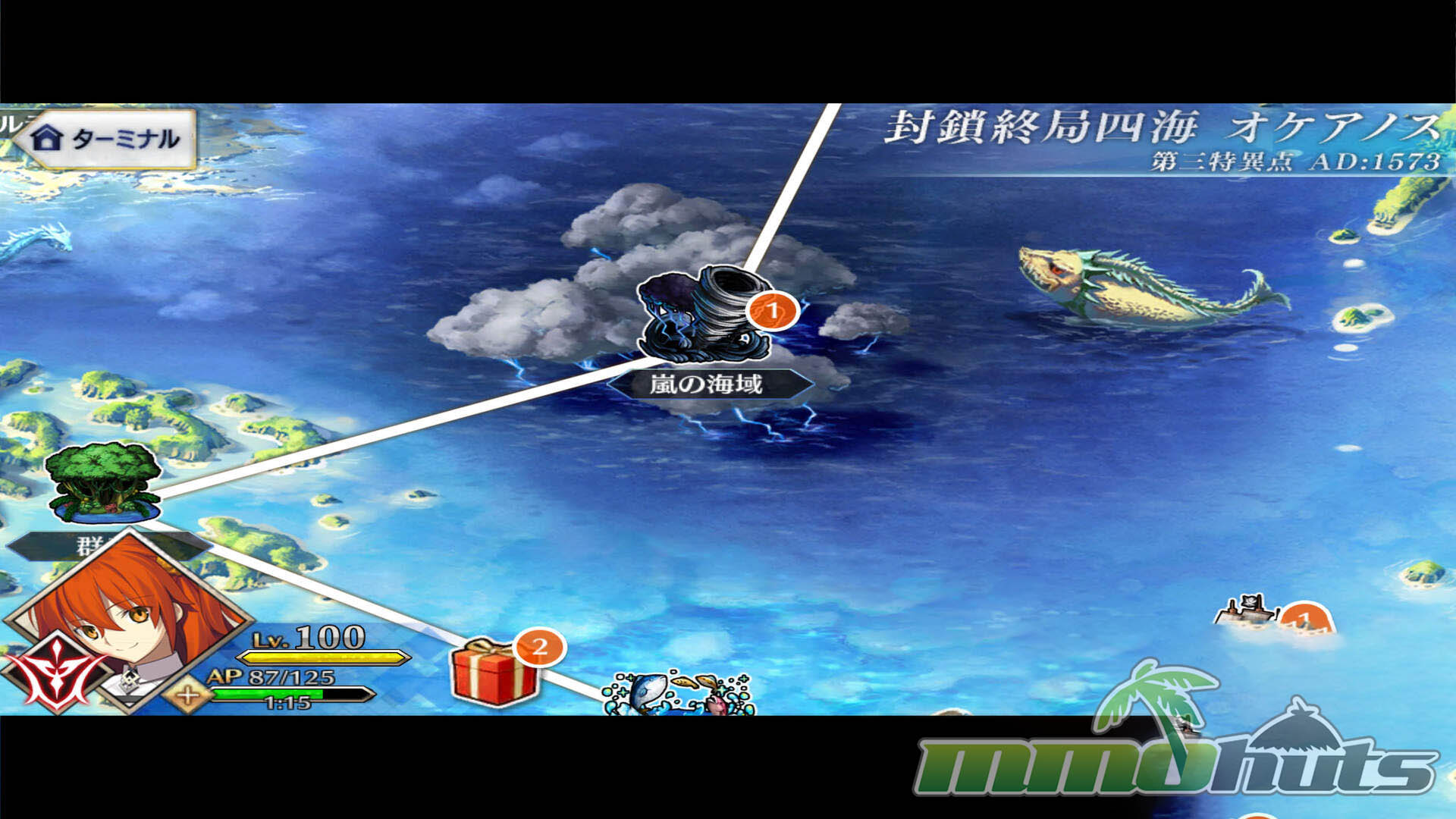
Structurally, progression is organized around Singularities, each broken into quest nodes that lead into battles and story scenes. Menus are fairly clean for a mobile RPG, and most of what you do falls into a predictable rhythm: push main story, run daily resource quests, and participate in limited-time events when they are available.
Summoning is the centerpiece of roster growth, and it comes in two broad forms: Saint Quartz (SQ) summons and Friend Point (FP) summons. Both can produce Servants and Craft Essences, but SQ is the premium currency, while FP is earned through play and social interaction. The initial onboarding guarantees a higher-rarity Servant early on, which helps new accounts feel functional, but after that the system becomes standard gacha odds, and chasing specific characters can be costly.
One interesting side effect of the English release following Japan’s schedule is that players can plan their resources well in advance. If you are disciplined, you can save free Saint Quartz over time and focus your attempts on a specific banner when a must-have Servant arrives. This does not remove the randomness, but it does make long-term planning feel meaningful.
Closing Thoughts
Fate/Grand Order is best understood as both a traditional turn-based RPG and a broad “Fate crossover” celebration. It pulls in characters and references from across the franchise, but it also works as a standalone mobile RPG if you are new to Fate and simply enjoy building teams of distinct units with unique identities.
The game’s biggest friction points are typical of the genre. Farming materials for ascension and skill upgrades can become repetitive, and event grinds can be demanding if you want to clear everything. That said, the support system (borrowing a friend’s leader Servant) can dramatically reduce difficulty walls, and it makes the experience less punishing for players who are unlucky with gacha pulls.
If you like character collection, party-building, and a story that grows into its ambitions over time, F/GO remains easy to recommend, especially for players already interested in the Nasuverse.
Final Verdict – Great
Fate/Grand Order does not reinvent the mobile RPG formula, but it executes its core ideas with a level of craft that is hard to ignore. The grind can be substantial, and the top-end drop rates are notoriously stingy (1% for a 5-star, 4% for a 4-star). Even so, combat stays satisfying thanks to its card-chain tactics and team synergies, and most players can progress without feeling constantly forced to spend. Between the strong cast, the breadth of Servants, the polished presentation, and the fun of seeing famous figures reinterpreted through Fate’s lens, F/GO earns its reputation.
Fate/Grand Order Links
Fate/Grand Order Official Website
Fate/Grand Order Wiki
Fate/Grand Order Reddit
Fate/Grand Order iTunes Download
Fate/Grand Order Android Download
Fate/Grand Order System Requirements
Minimum Requirements:
Operating System: iOS 6.0 / Android 4.1
Device: iPhone 5, iPad 3rd Generation, iPad mini 2nd Generation, iPod touch 6th Generation, iPhone 4s, Android Smart Phone With 2GB RAM minimum.
Hard Disk Space: 77.8 MB
Fate/Grand Order Music & Soundtrack
Coming Soon!
Fate/Grand Order Additional Information
Developer: Delightworks, TYPE-MOON
Release Date (JP): July 29th, 2015
Release Date (NA/EU): June 25th, 2017
Development History / Background:
Fate/Grand Order was developed by Delightworks and TYPE-MOON and includes original writing from the original creator of Fate/Stay Night. The project originally used the Fate/Apocrypha scenario, which had instead been turned into a book due to delays. The game currently has over 5 million downloads.