
Faeria
Faeria is a tactical collectible card game that plays out on a small, hex-based battlefield you actively build as the match unfolds, blending classic CCG decision-making with positioning and territory control.
 | Publisher: Abrakam SA Playerbase: Low Type: Strategy Card Game Release Date: March 08, 2017 Pros: +A board that you shape mid-match, creating new tactical angles. +Smart, flexible mana economy that rewards planning. +Clever puzzle quests that teach combos and timing. +Approachable ruleset with meaningful depth. +Daily free Pandora (arena) attempts. Cons: -Smaller overall card pool compared to genre giants. -Presentation is fairly restrained, with limited card flair. |

Faeria Overview
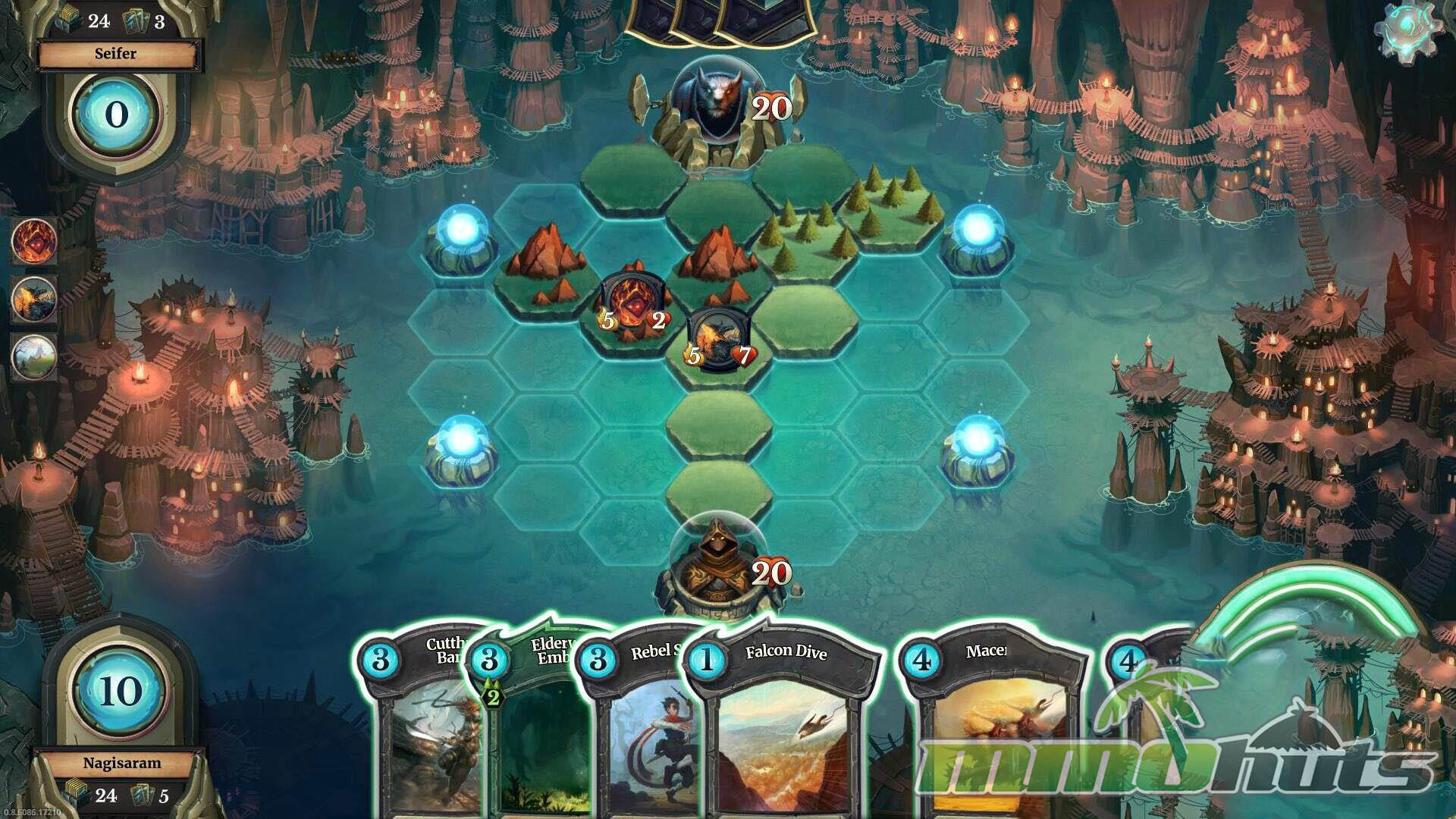
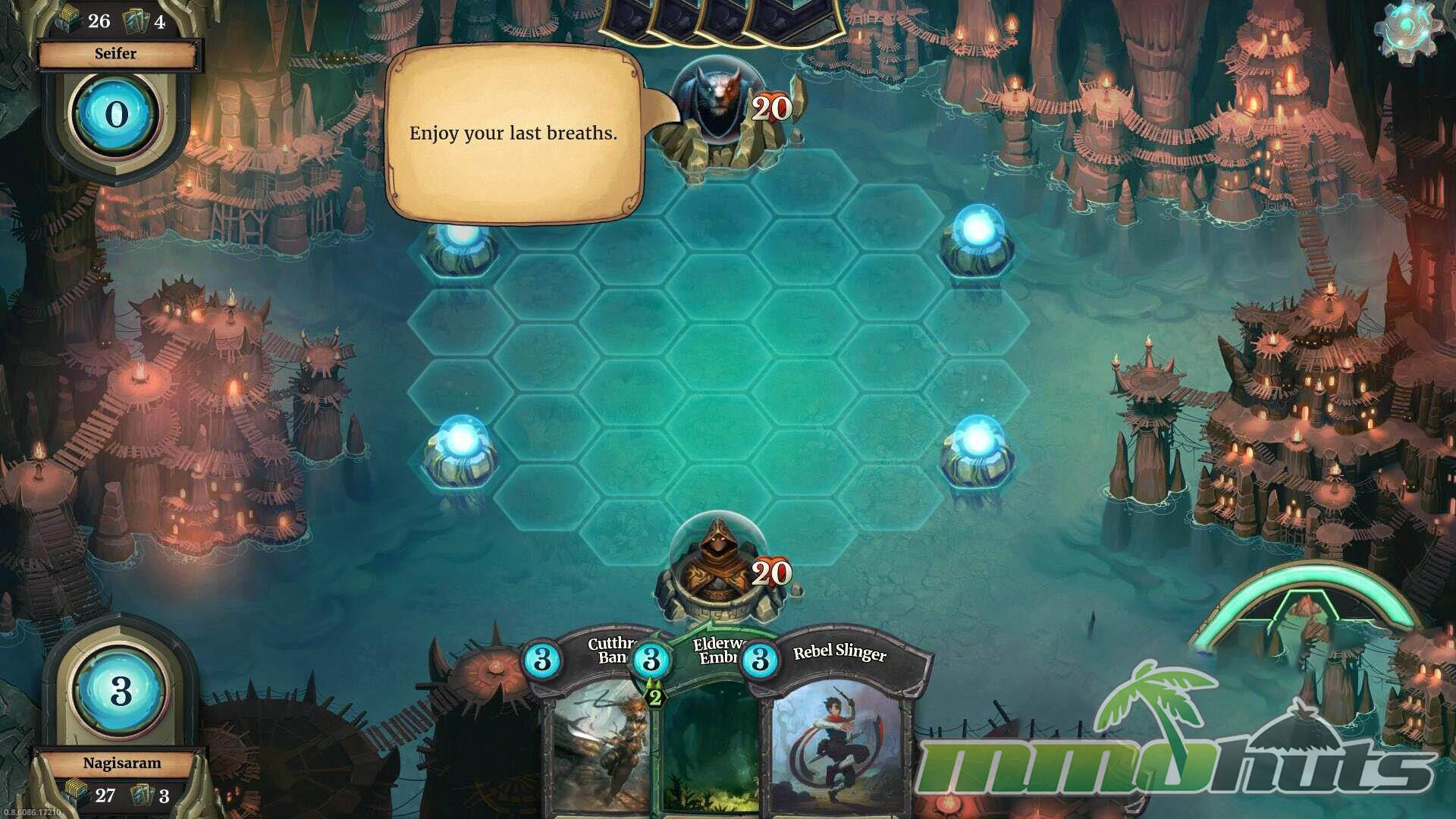
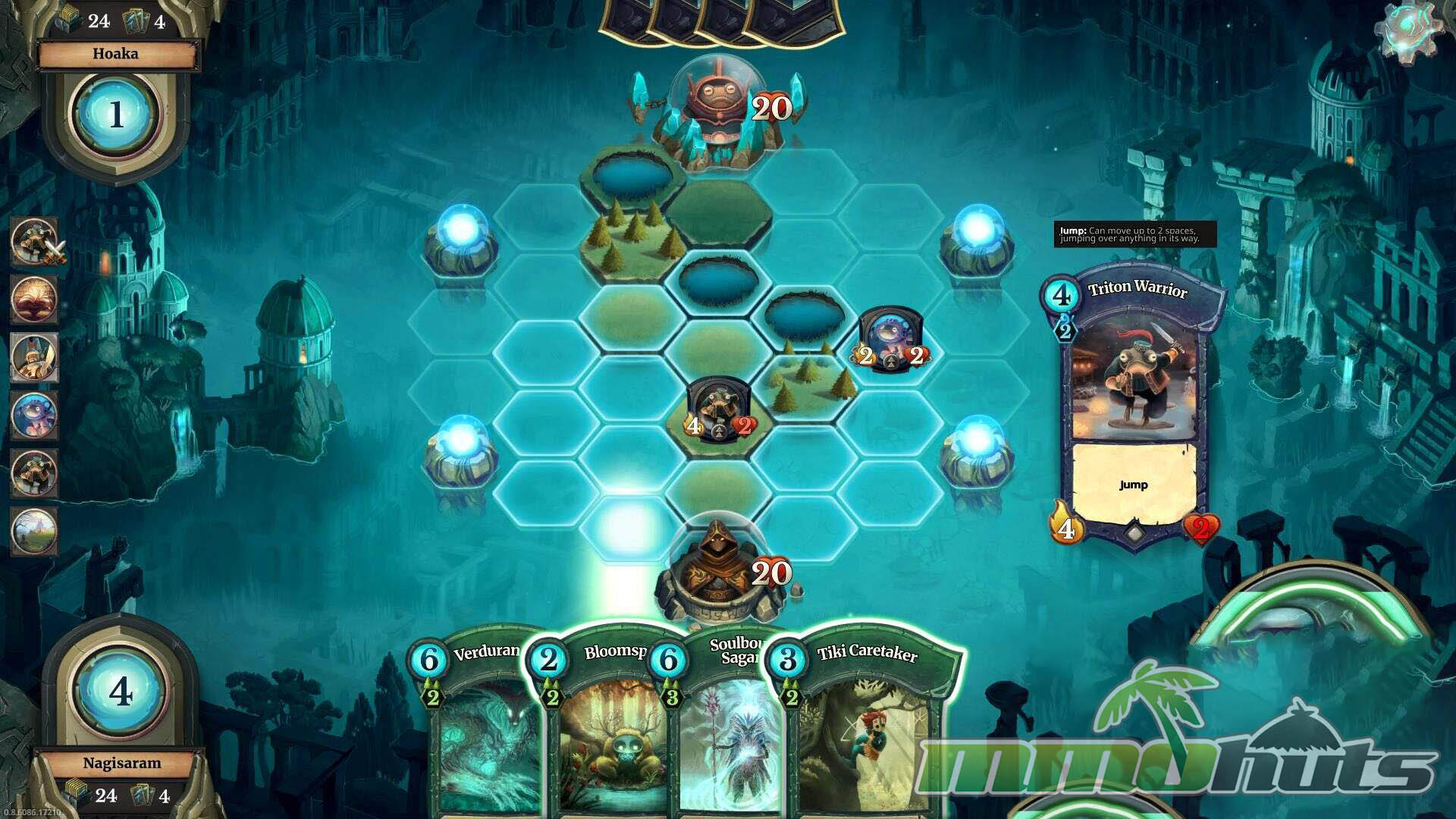
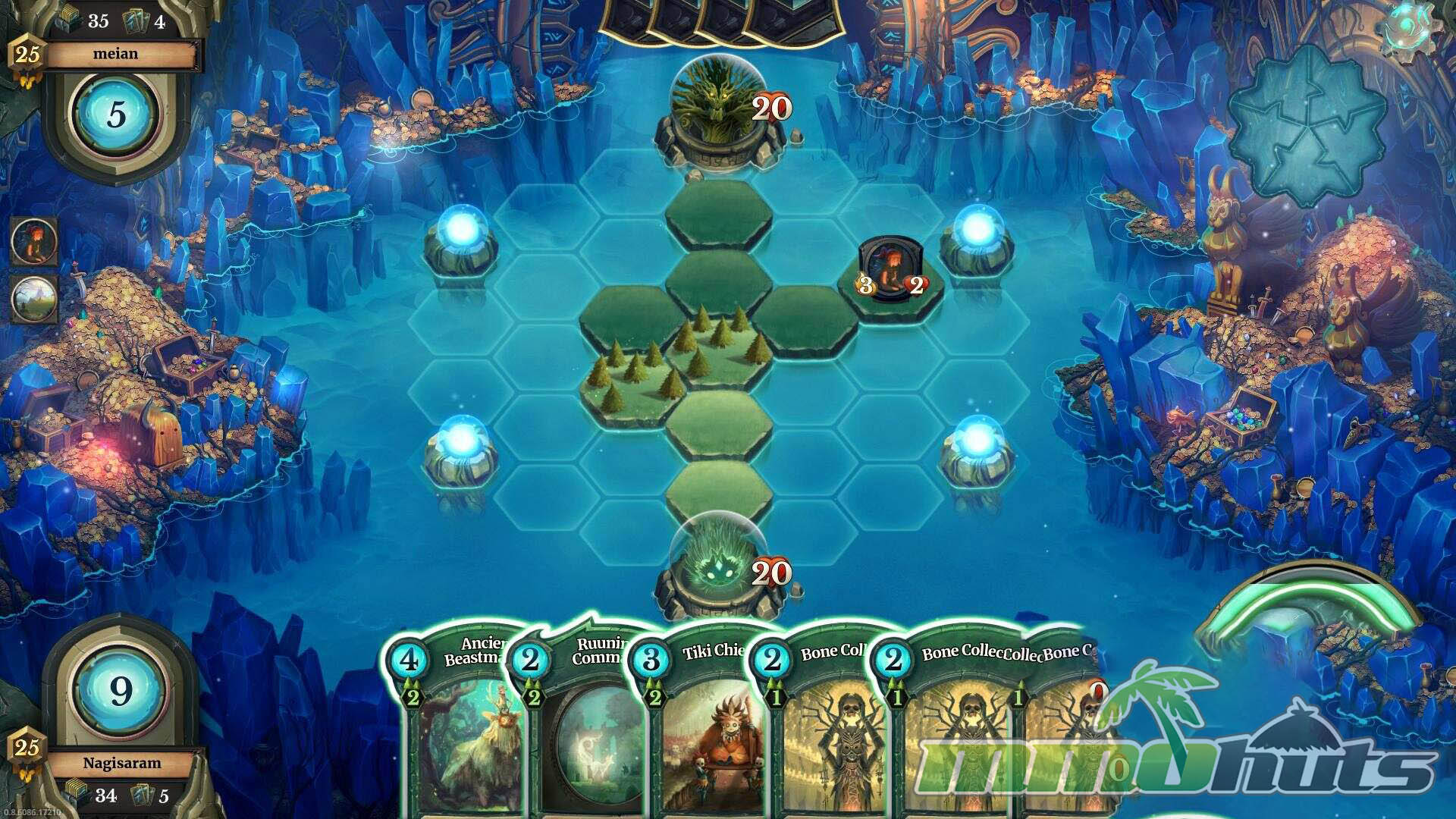
Faeria delivers strategic card battles with a twist: the battlefield is not a static board, it is something both players construct turn by turn. Alongside summoning creatures and casting spells, you place land tiles that expand the arena and determine where certain cards can be played. This single idea changes the feel of every match, because spacing, chokepoints, and access to key lanes matter almost as much as what is in your hand.
Turns are intentionally fluid. You are not boxed into rigid phases, so you can move units, attack, deploy land, draw, and summon in whatever sequence suits your plan. The game’s Faeria resource system supports long-term setup as well as fast aggression; you can spend what you earn immediately or stockpile it to power a big multi-card swing turn. Deckbuilding is also notably open-ended, letting you mix cards without being locked into one or two elements, which encourages experimentation and hybrid strategies.
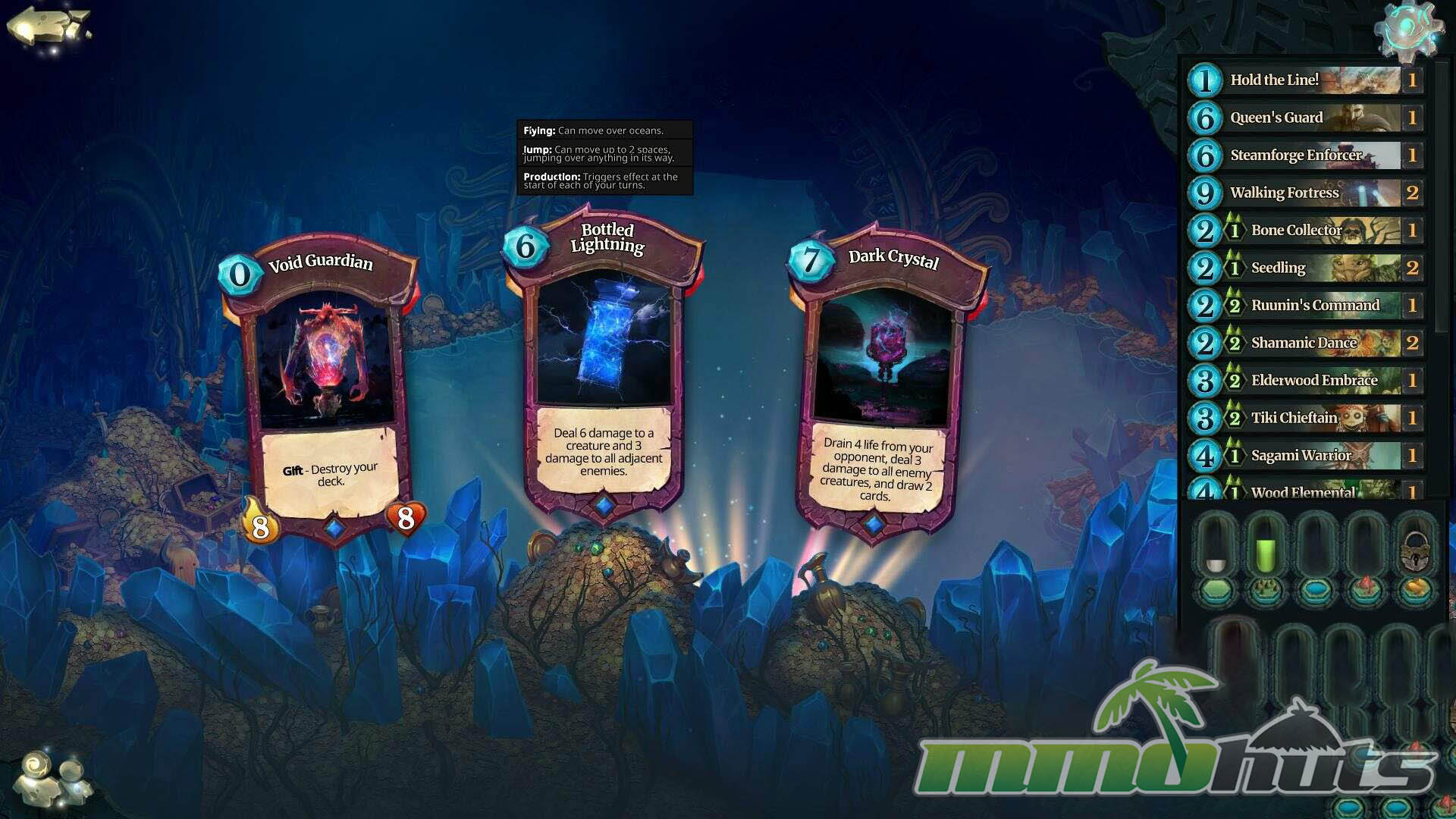
Beyond standard multiplayer, Faeria includes solo content that doubles as a training ground, plus a draft-style Pandora mode where you assemble a deck from random selections and try to string together wins for better rewards.
Faeria Key Features:
- Dynamic Playing Board – place land tiles during the match to create the arena your units fight across, shaping routes and engagement ranges.
- Unique Resource System – gain Faeria each turn, spend it right away or bank it to enable explosive multi-play turns later.
- Build Your Own Decks – create lists around your preferred tactics without strict element lock-ins, from focused builds to multi-element toolboxes.
- Monthly Tournaments – compete in recurring tournament events to earn rare rewards and meaningful bragging rights.
- Fun Puzzle Quests – solve bite-sized challenges built around finding a winning line in a single decisive turn.
Faeria Screenshots

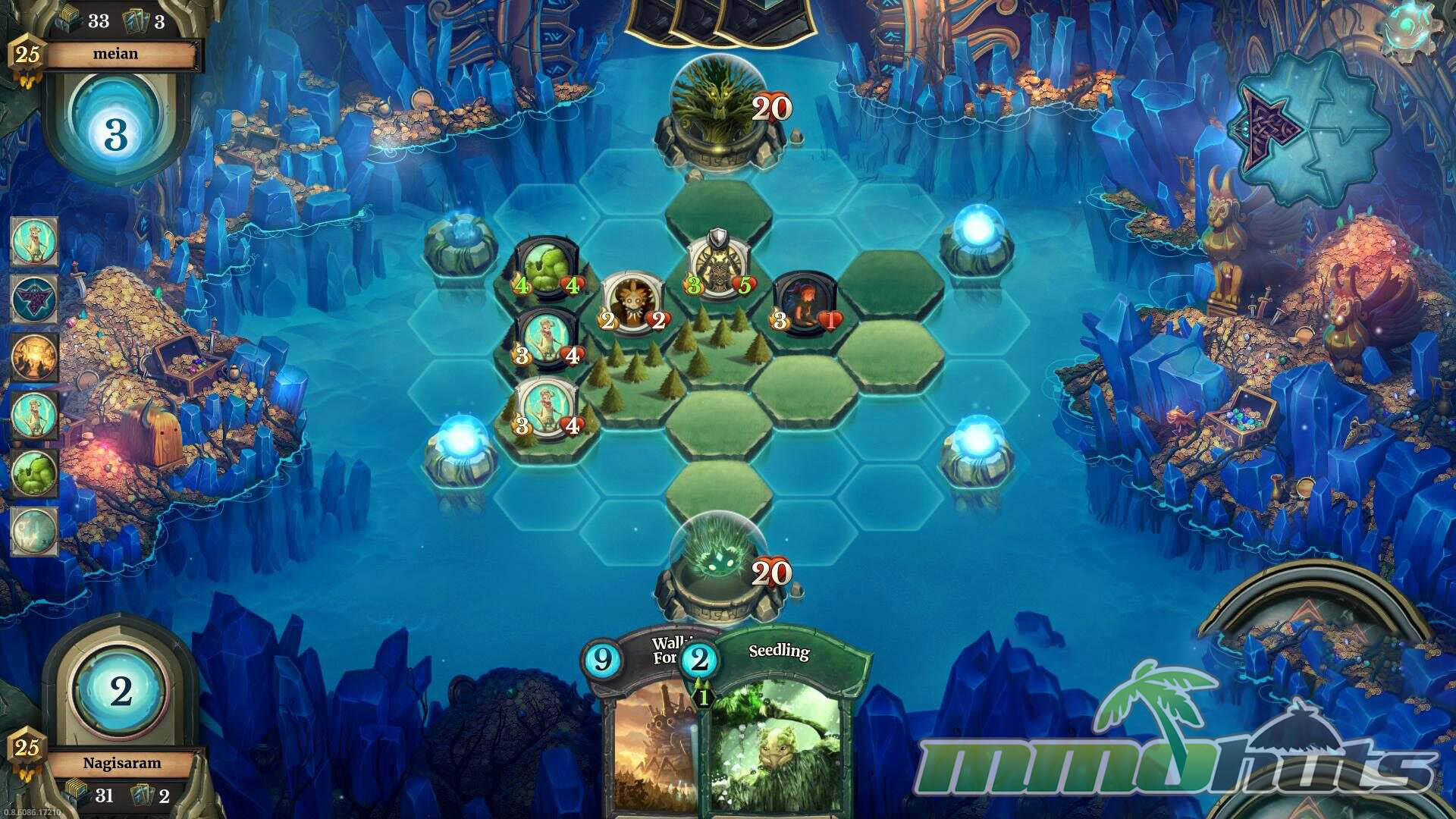
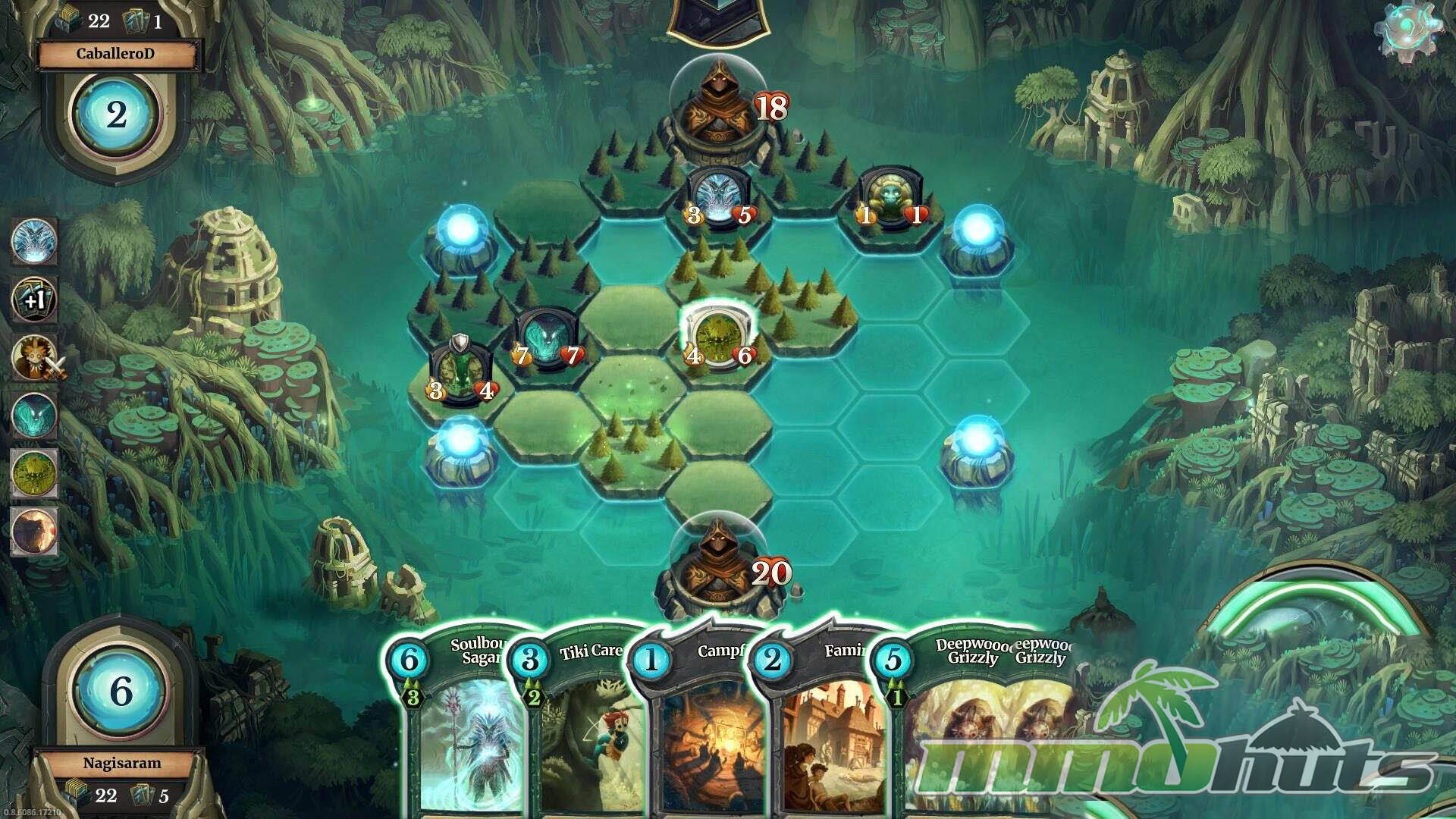
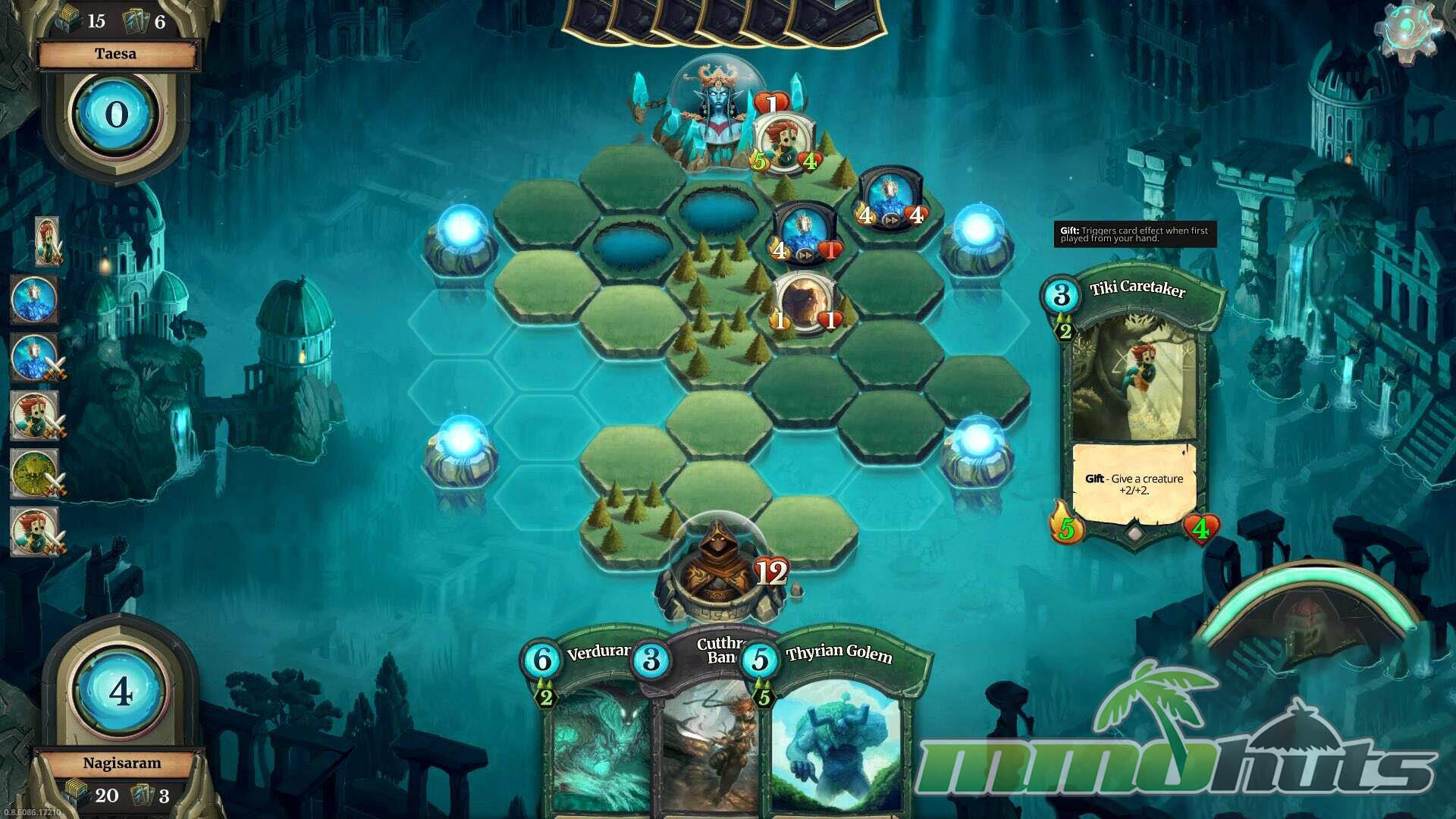

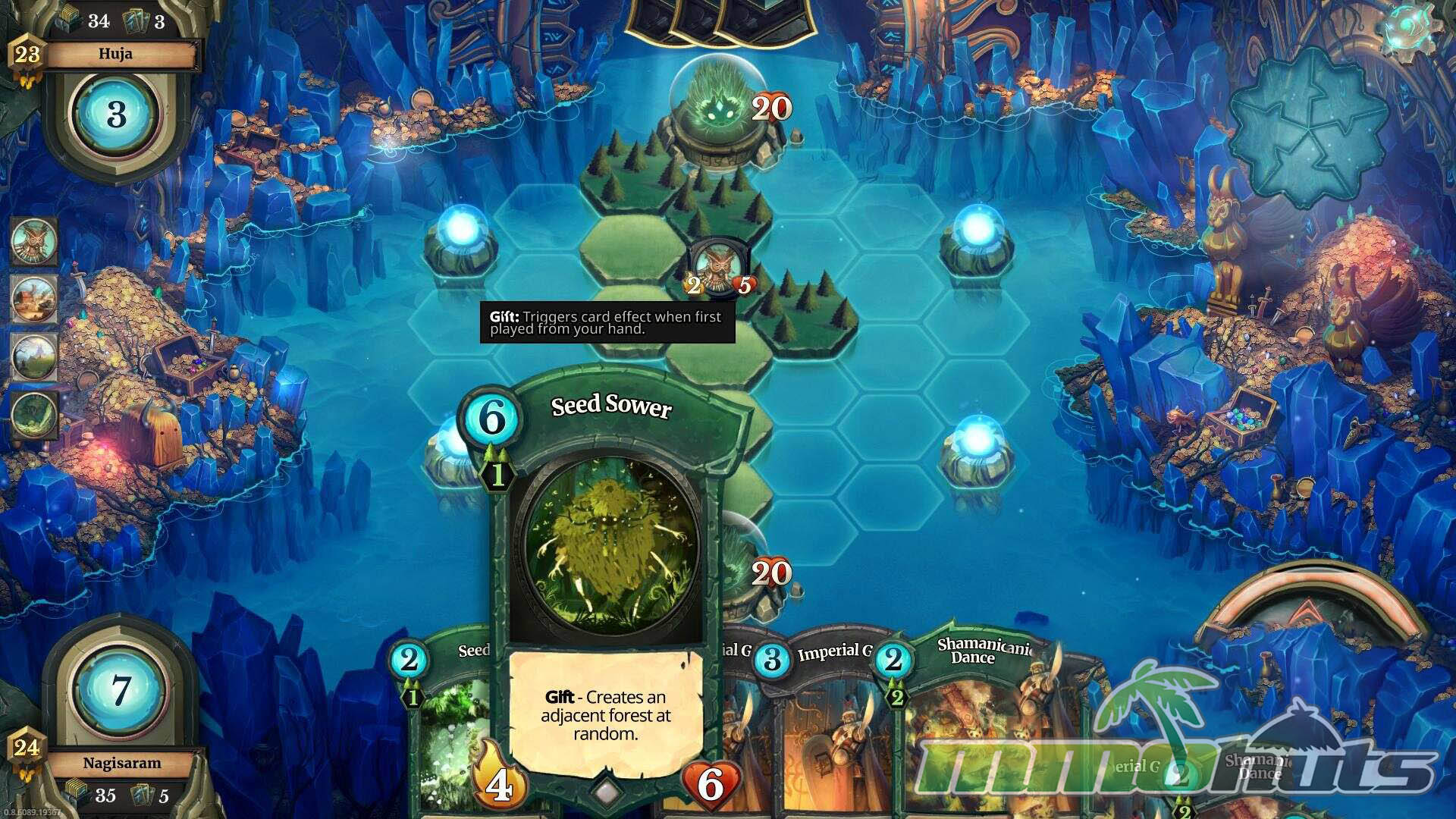



Faeria Featured Video

Faeria Review
Faeria presents itself with bright, storybook fantasy visuals and a clean interface that keeps the focus on positioning and readable board states. The art direction leans charming rather than gritty, and the soundtrack aims for sweeping fantasy ambience. Effects are functional and clear, although the overall presentation is less showy than many modern digital card games, which can make big plays feel slightly understated.
Getting Started
Before you can freely explore menus and modes, the game funnels you through a short sequence of tutorial missions. These lessons do a solid job introducing the key difference between Faeria and more traditional CCGs: land placement. The pacing escalates quickly, moving from basic concepts to a more complete boss-style battle within a handful of missions. Players already familiar with digital card games will likely adjust fast, but newcomers to the genre may wish the onboarding spent a little more time reinforcing positioning and tile economy. The opening also feels more like a mechanics primer than a narrative hook, since the game does not lean heavily on story to carry the early hours.
The Board Is Part of Your Deck
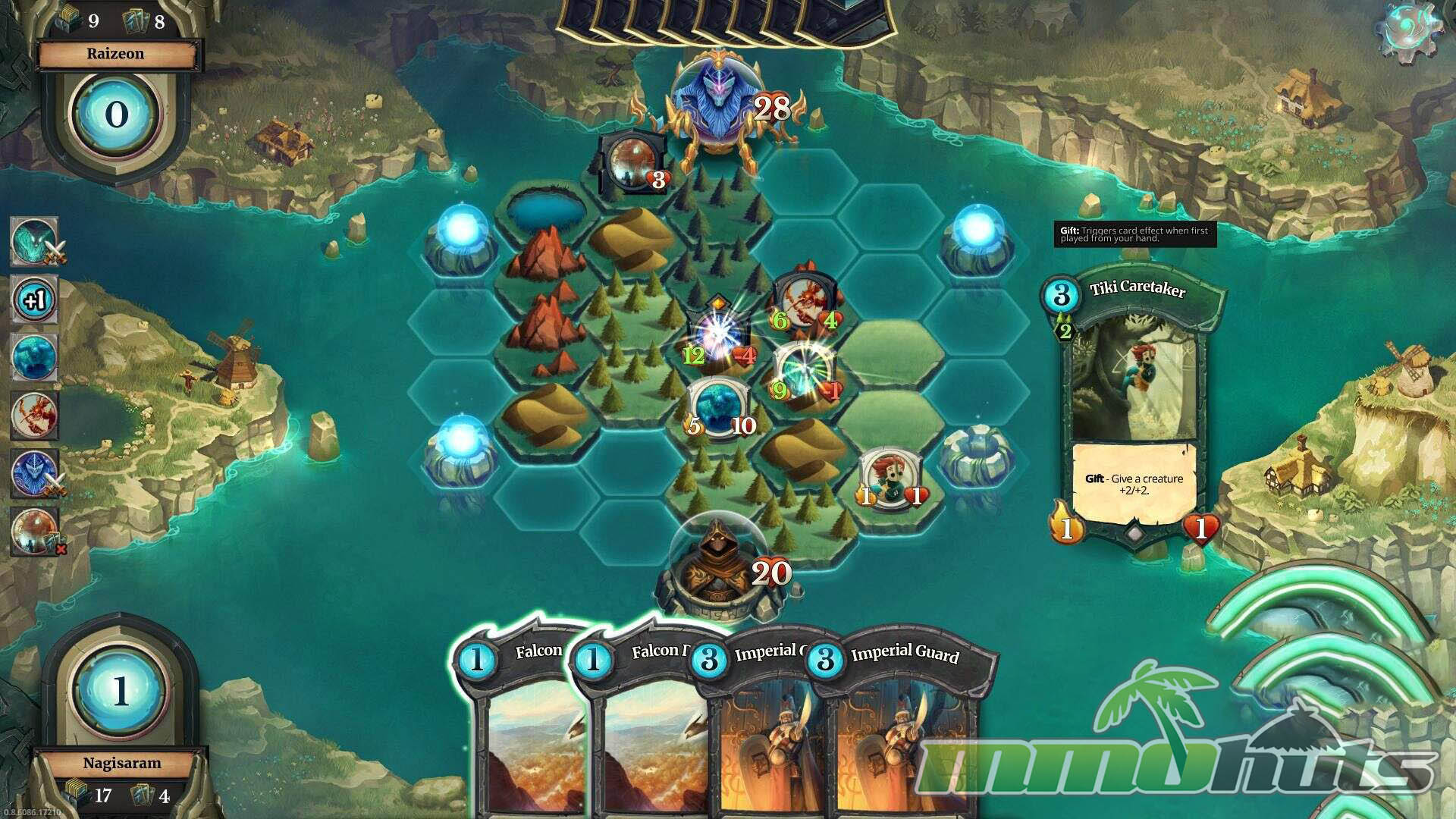
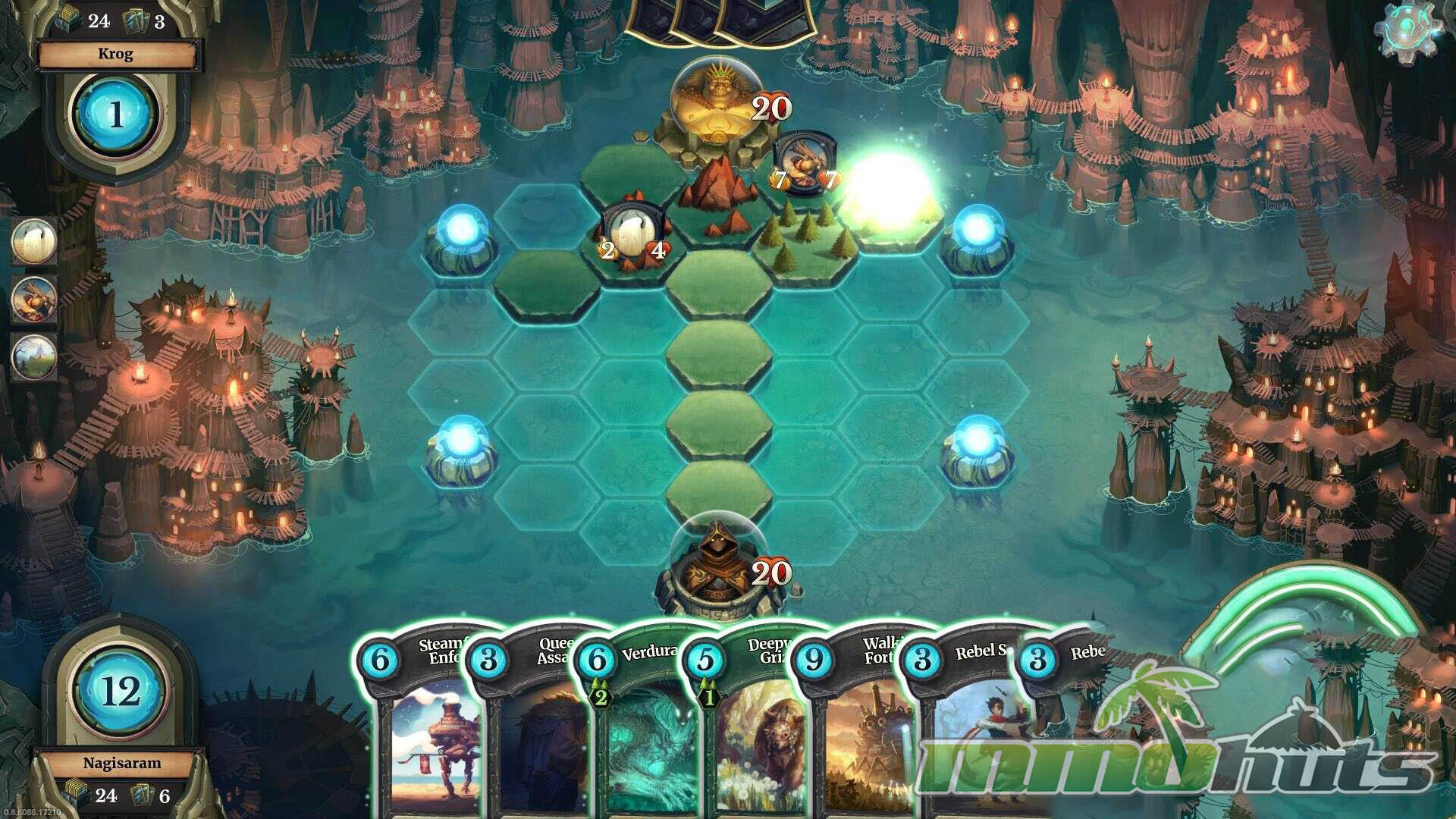
The defining mechanic is how you create the play space while you play. Each turn you can expand the battlefield by placing up to two neutral land tiles or one elemental land tile. Those elemental tiles come in four types (Forests, Mountains, Lakes, and Deserts) and serve a dual purpose. They are both terrain you can fight over and a requirement for playing many cards, functioning somewhat like a spatial version of color requirements in games such as Magic: The Gathering.
This makes “where” you build as important as “what” you draw. Extending land aggressively can enable early pressure, open attack angles, or allow you to contest enemy territory sooner, but it can also expose you to counterplay if you overextend. On turns where land placement is not ideal, you can instead choose to draw a card or gain extra Faeria, which adds a meaningful layer of tempo management.

Faeria and the Flow of Turns
Summons and spells cost Faeria in addition to any land requirements. Instead of a typical “refill each turn” mana bar, Faeria is earned incrementally and can be saved without an upper cap. That design pushes players to think in terms of timing windows. You can telegraph a future power turn by banking resources, but your opponent can also see the setup coming and try to disrupt your positioning or force trades before the payoff arrives.
Once units hit the board, combat plays closer to a light tactics game than a pure lane-based card battler. Creatures have movement, and the fight is about controlling spaces, setting up favorable trades, and threatening the enemy’s orb while protecting your own. Because actions can be taken in flexible order during your turn, sequencing becomes a real skill, especially when movement and summoning locations interact.

Small Decks, Sharper Decisions
Faeria’s deck size is notably compact at 30 cards, which is smaller than what many players expect from collectible card games. The upside is consistency, you will see key pieces more often and can build around specific synergies with confidence. The tradeoff is that every slot matters. There is less space for “just in case” inclusions, and you often have to commit to a clear game plan rather than packing multiple backup packages.
That tension is amplified by the resource system. Banking Faeria can enable devastating turns, but it also risks falling behind to aggressive, low-curve strategies that pressure you before your savings translate into board control. On the deckbuilding side, the game is refreshingly permissive, you are not forced into narrow element pairings, so multi-element lists are viable if you can manage the land requirements on the board.
Modes: Solo, PvP, and Pandora Draft
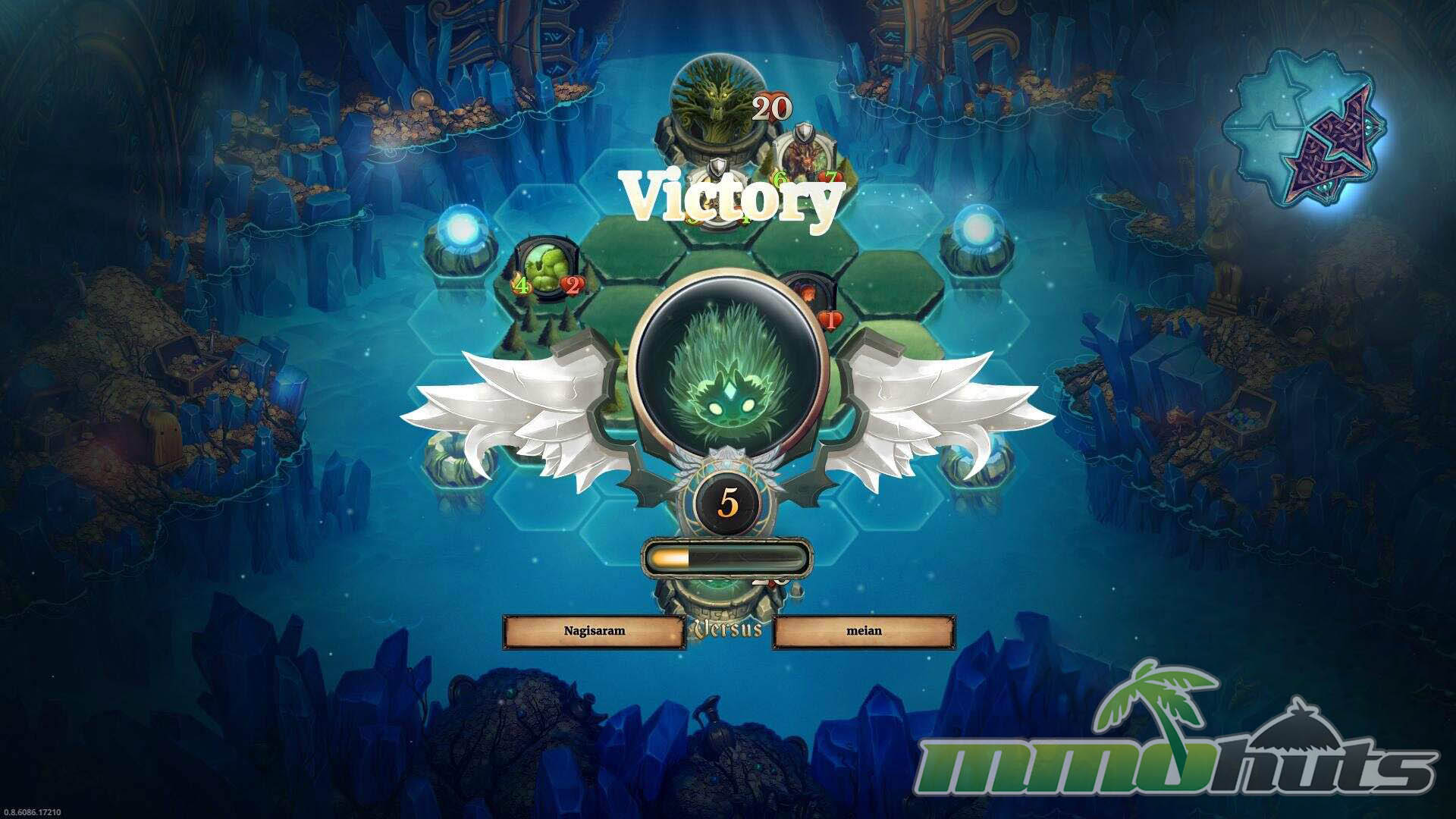
The game is split into three main modes: Solo, Battle, and Pandora. Solo mode offers AI encounters along with quests and puzzle-style challenges that award currency, cards, and occasional packs. The puzzle content is especially valuable, because it teaches players to look for lethal patterns and efficient sequencing without asking them to commit to a full match.
Battle mode covers standard multiplayer play, with Casual for lower-stakes games and Ranked for tougher opponents and improved rewards. Pandora is the draft-like format, similar in spirit to arena modes in other digital CCGs. Entry requires a fee (either earned currency or real money), after which you build a 30-card deck from random selections and then play until you reach three losses. Wins increase the quality of your payout, making it a strong test of fundamentals and improvisation.
Store and Monetization
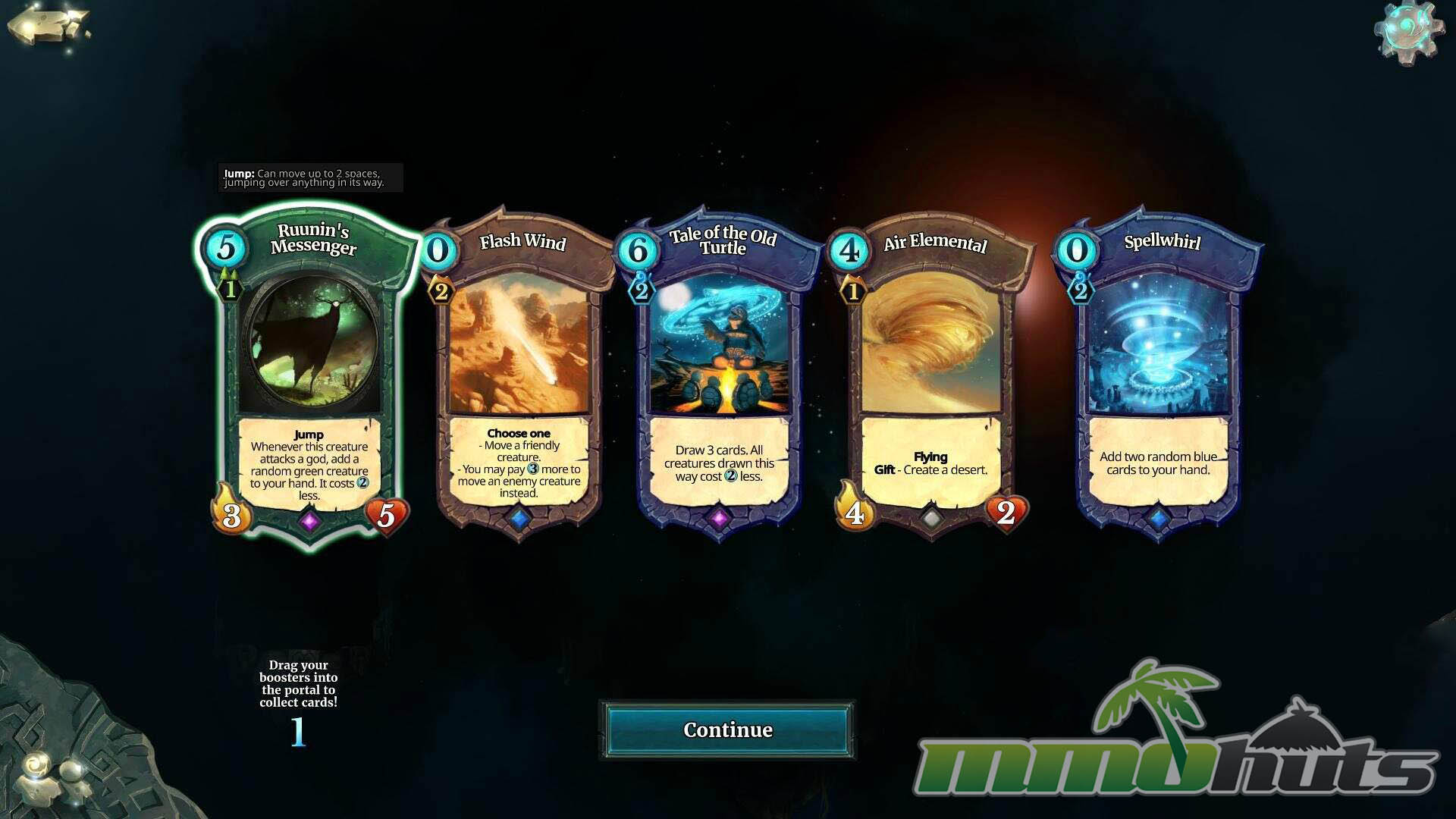
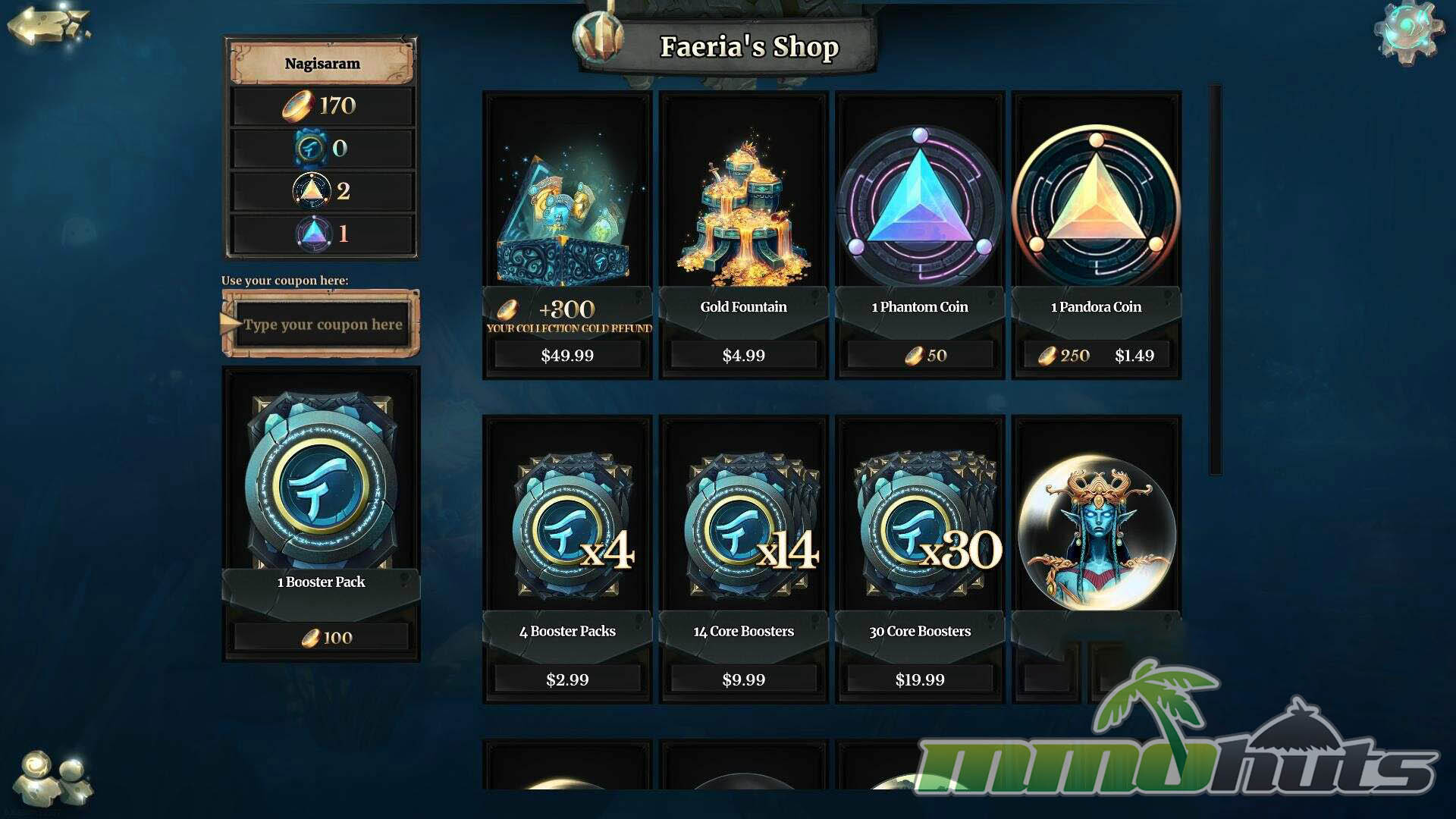
Faeria’s shop is centered on familiar CCG staples such as booster packs, Pandora coins, and cosmetic profile items like avatars. As with most card games, purchasing packs can accelerate collection growth, which can translate into stronger options when building competitive decks. However, match outcomes still hinge heavily on play quality, board construction, and tactical planning, especially because positioning mistakes are punished quickly. Even so, players should expect the usual reality of the genre, occasionally you will face opponents with deeper collections and more refined lists.

Final Verdict – Great
Faeria succeeds by meaningfully rethinking what a digital CCG match can be. The land-placement battlefield adds a spatial layer that creates new kinds of decisions, and the bankable Faeria economy supports both careful setup and sudden momentum shifts. Combined with flexible turn structure and open deckbuilding, it offers a distinctive alternative to more conventional card battlers.
Its smaller card pool and modest animation work may not satisfy players who prioritize constant set churn or flashy presentation, but the core gameplay remains strong. For strategy fans who enjoy reading the board as much as reading the hand, Faeria is an easy recommendation, especially for players looking for a card game with genuine tactical movement and terrain control.
Faeria System Requirements
Minimum Requirements (Windows):
Operating System: Windows 7, 8, 8.1 & 10
CPU: 2.2GHz Dual Core
Video Card: 1Gb VRAM
Direct X: Version 9.0
RAM: 4 GB
Hard Disk Space: 3 GB available space
Minimum Requirements (MAC OS X):
OS: OSX 10+
Processor: 2.2GHz Dual CoreMemory: 4 GB
Graphics: OpenGL 2.0 compatible, 1 GB VRAM
Hard Disk Space: 3 GB available space
Faeria Music & Soundtrack
Coming Soon!
Faeria Additional Information
Developer(s): Abrakam SA
Publisher(s): Abrakam SA
Distributor: Steam
Closed Beta: September 25, 2013
Early Access: March 1, 2016
Release Date: March 08, 2017
Development History / Background:
Faeria is a 2D tactics-style collectible card game developed and published by Abrakam SA, a Belgian video game company. Work on the project began independently in 2010, with early funding supported by a Kickstarter campaign that brought in $94,000. The game later entered closed beta on September 25, 2013, running for roughly eight months. Development continued into Steam Early Access on March 1, 2016, where the systems and content were refined ahead of the full launch. Faeria officially released on March 08, 2017.