
Defend a fantasy world being consumed by Corruption in Eternal Fate, a free-to-play 3D MMORPG that let you adventure across platforms. Build up a roster of summonable Heroes, team up through guild play, and push through bite-sized, randomly assembled maps in both PvE and small-scale PvP.
 | Publisher: Escalation Studios, Inc. Playerbase: Low Type: MMORPG Release Date: September 19, 2014 (Open Beta for iOS/Android) and November 5, 2015 (PC/Mac) Shut Down: June 14, 2016 PvP: 1v1, 2v2 Pros: +Plays across iOS/Android and desktop with the same account. +Plenty of Heroes to summon and build around. +Monetization feels restrained rather than pay-to-win. Cons: -Desktop controls and feel are awkward compared to mobile. -Hero presentation lacks personality and visual variety. -Runs out of surprises quickly, leading to repetition. |
Eternal Fate Overview
Eternal Fate is a 3D fantasy MMORPG developed and published by Escalation Studios. At its core it plays like a light action RPG, you pick a Hero, drop into a compact map, and fight through enemies toward a simple objective. The hook is the collectible Hero system, with summons that pull characters of different classes, elemental affinities, and rarities, giving you a reason to keep tinkering with builds and teams.
Where Eternal Fate stood out in its time was convenience. It was designed to be played on mobile, but it also offered PC and Mac versions, and you could hop between devices using Facebook Connect. In practice, that makes it easy to do quick runs on a phone and then continue on desktop, even if the interface and control style clearly started life on a touchscreen.
Eternal Fate Key Features:
- Cross-Platform – keep the same progress and jump between PC/Mac and mobile sessions when it suits you.
- PvE and PvP – run maps solo or with guildmates, then test builds in 1v1 or 2v2 arenas.
- Get Summoning – spend crystals to obtain Heroes with different elements, roles, and rarity tiers.
- In-Game Events –limited-time activities and leaderboards provide extra rewards for regular play.
- Some Skill Involved – despite streamlined controls, positioning and kiting matter on tougher runs.
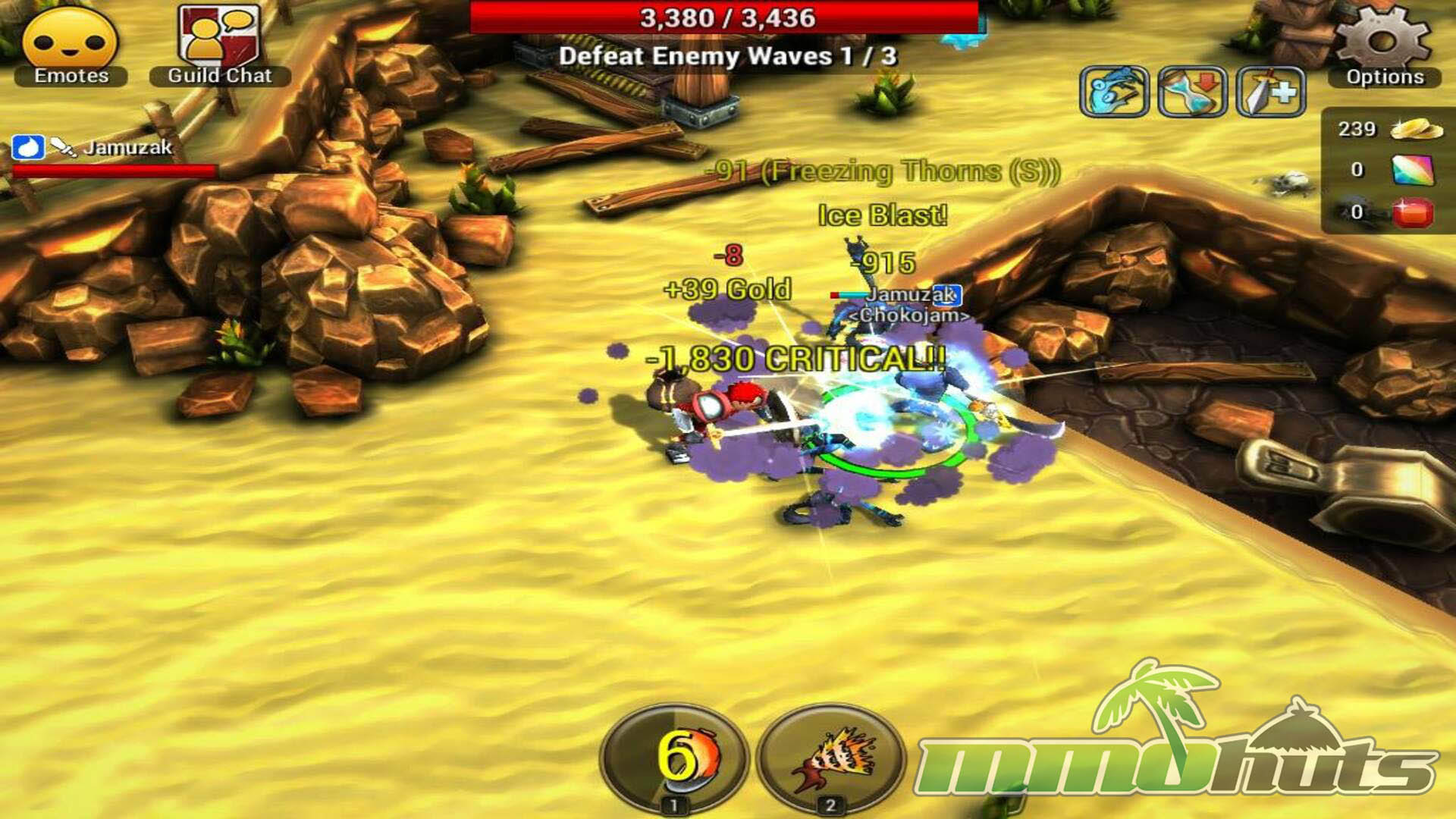
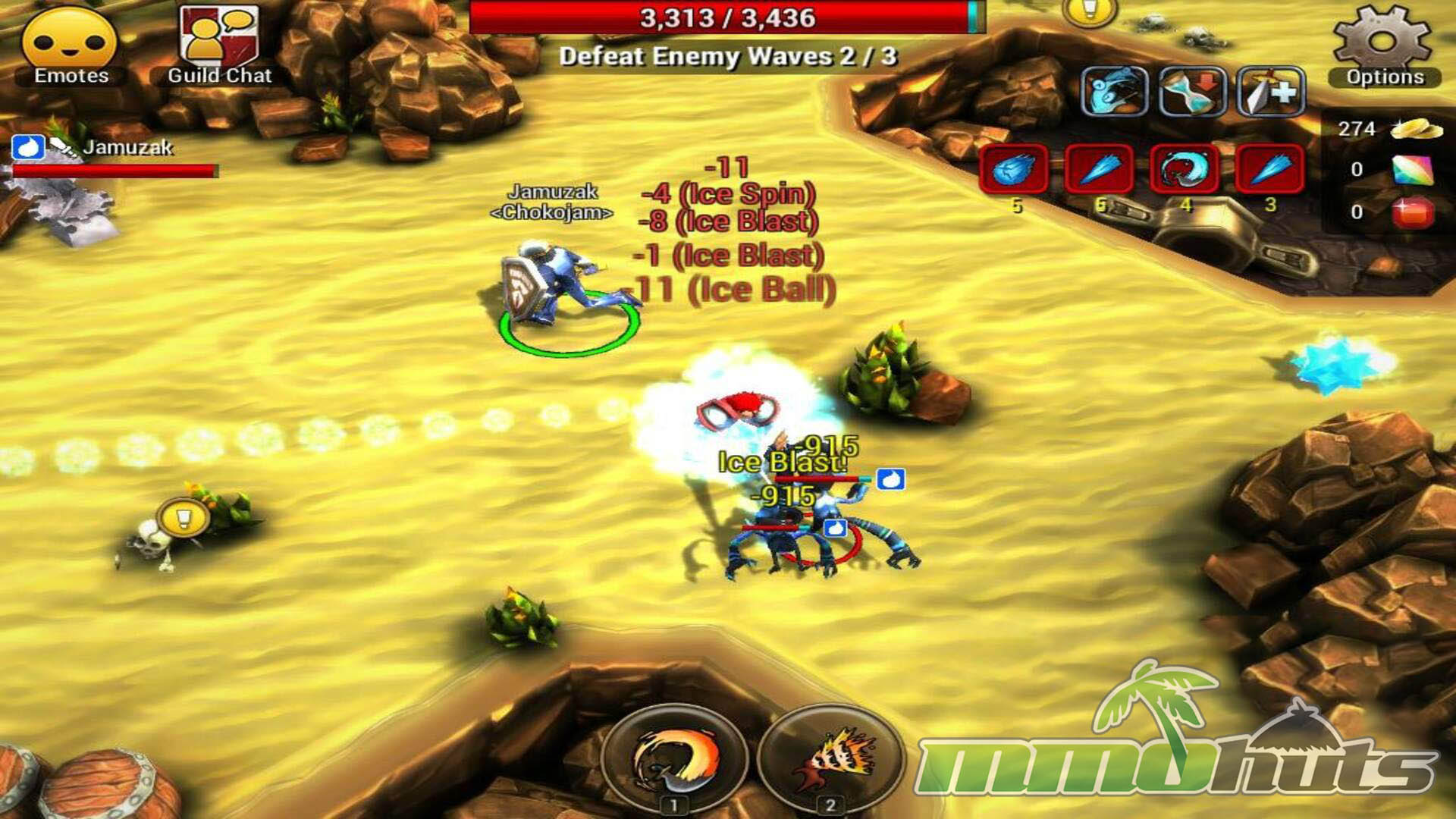
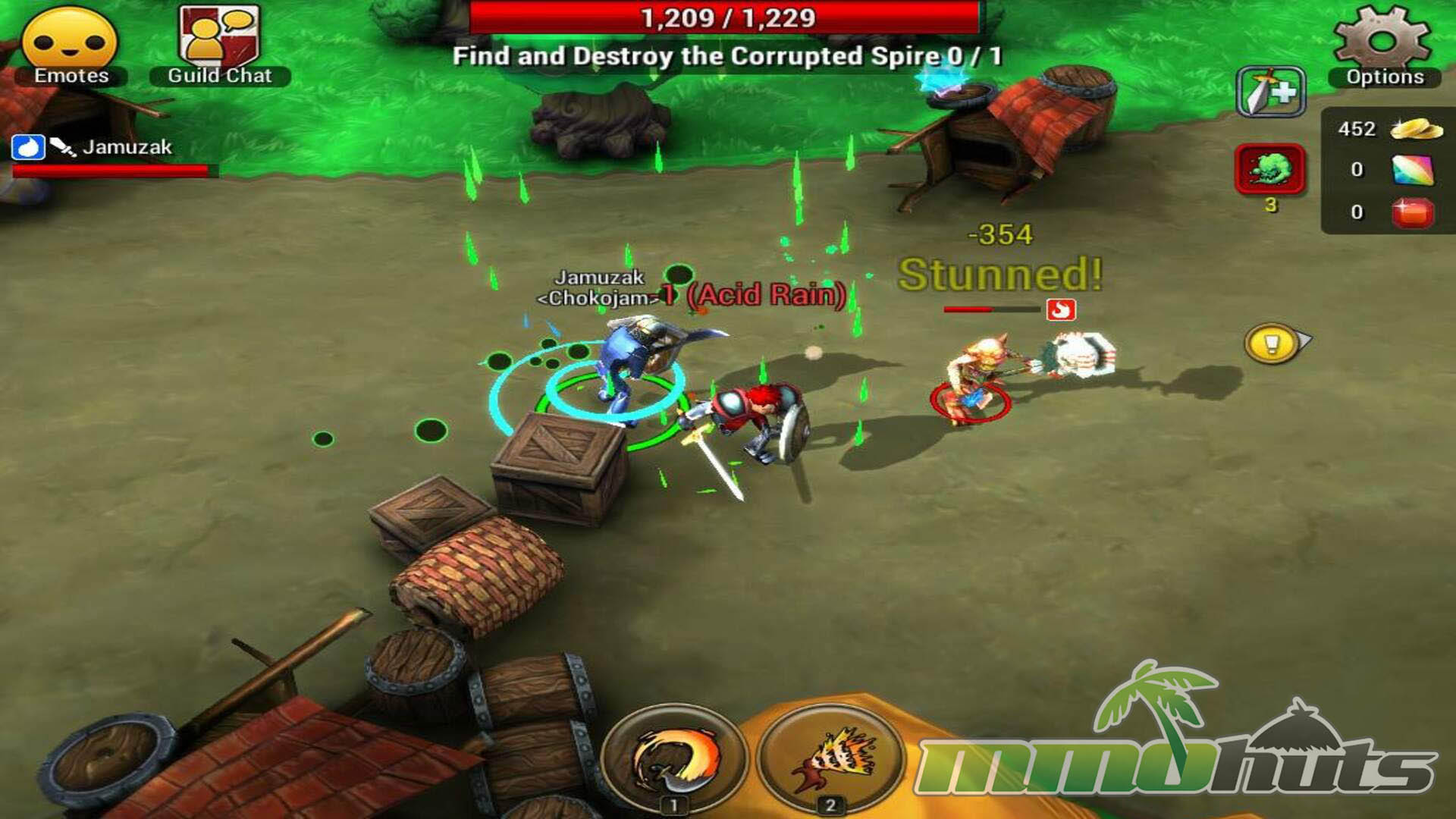
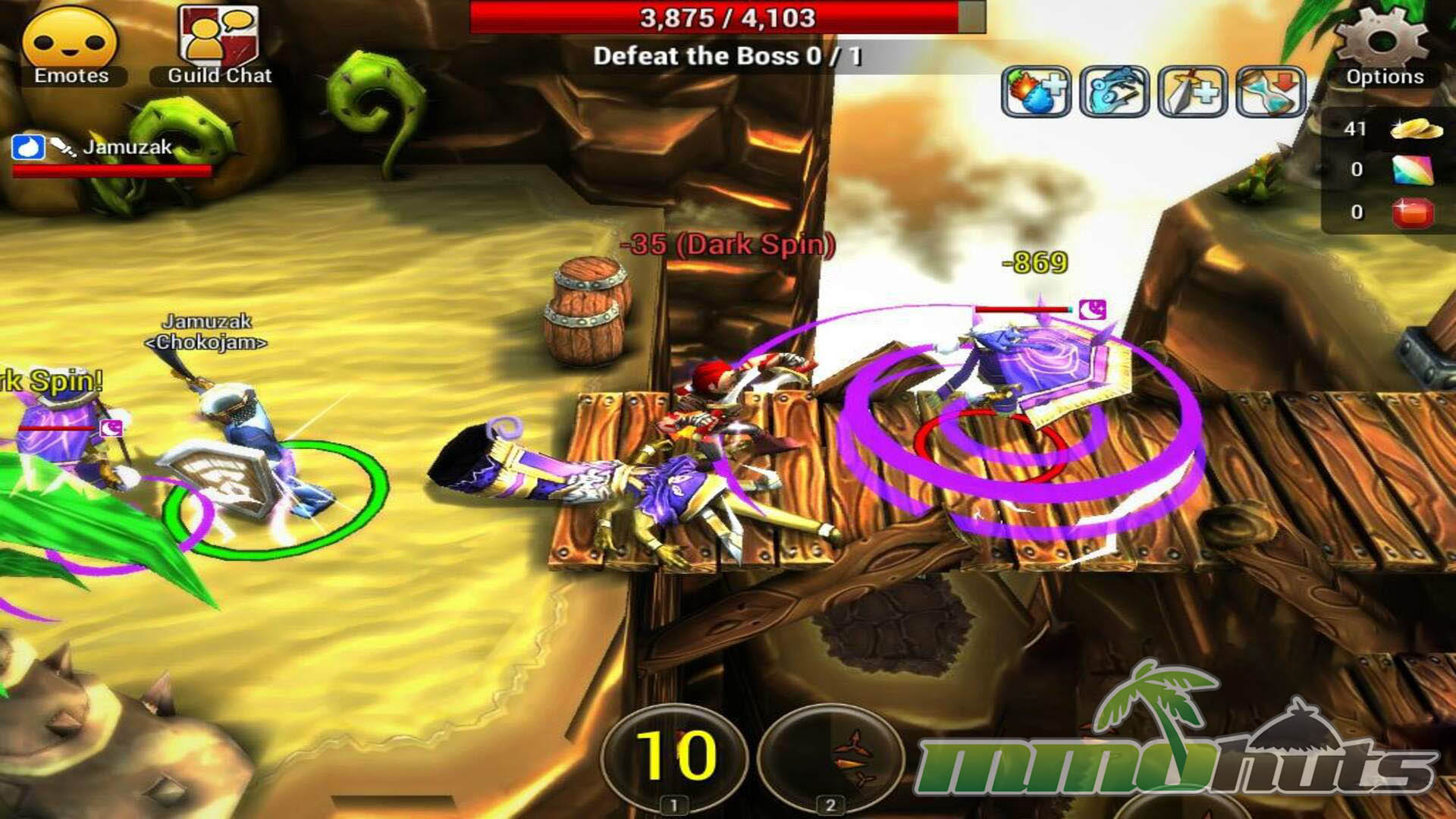
Eternal Fate Screenshots
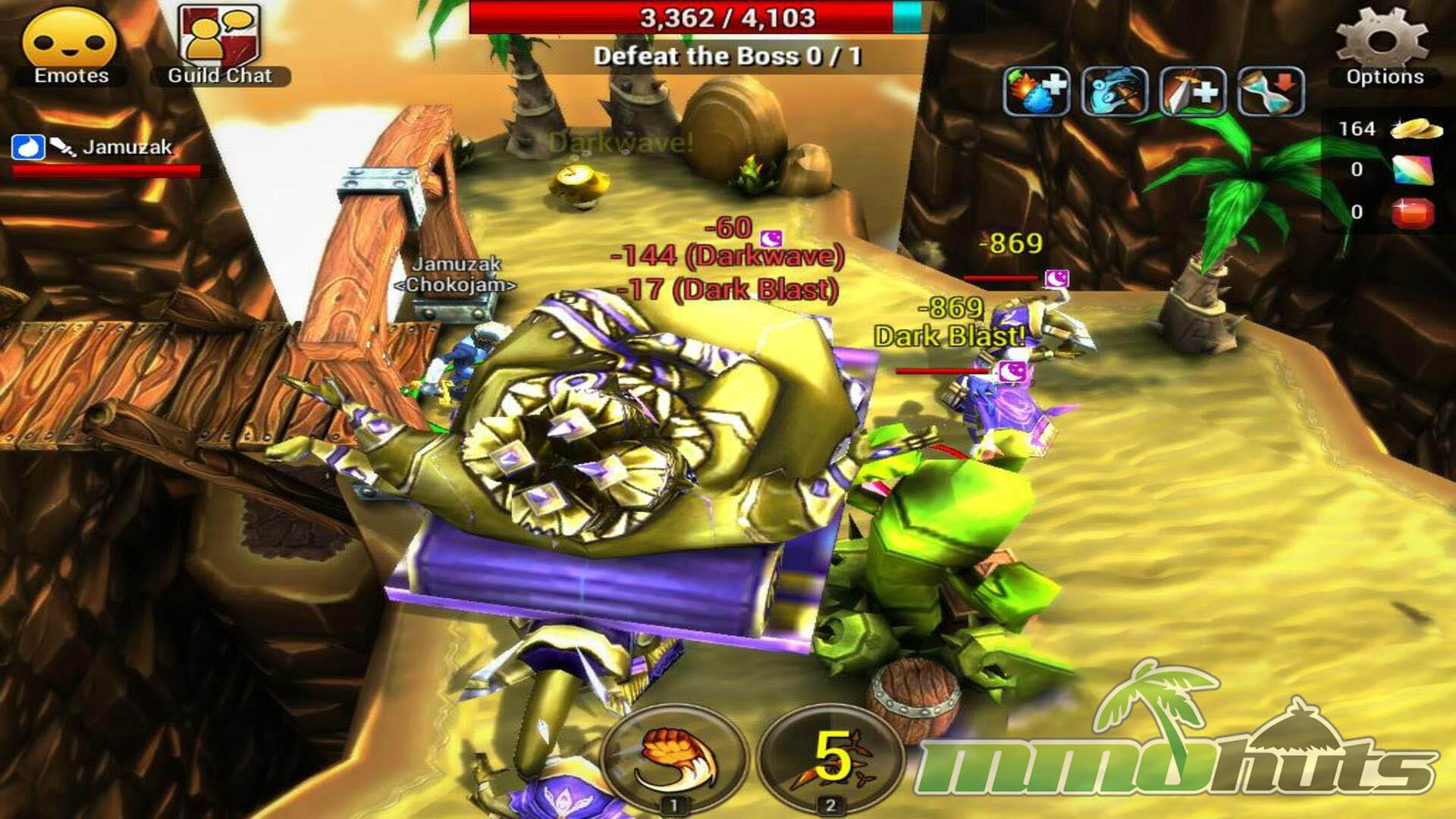

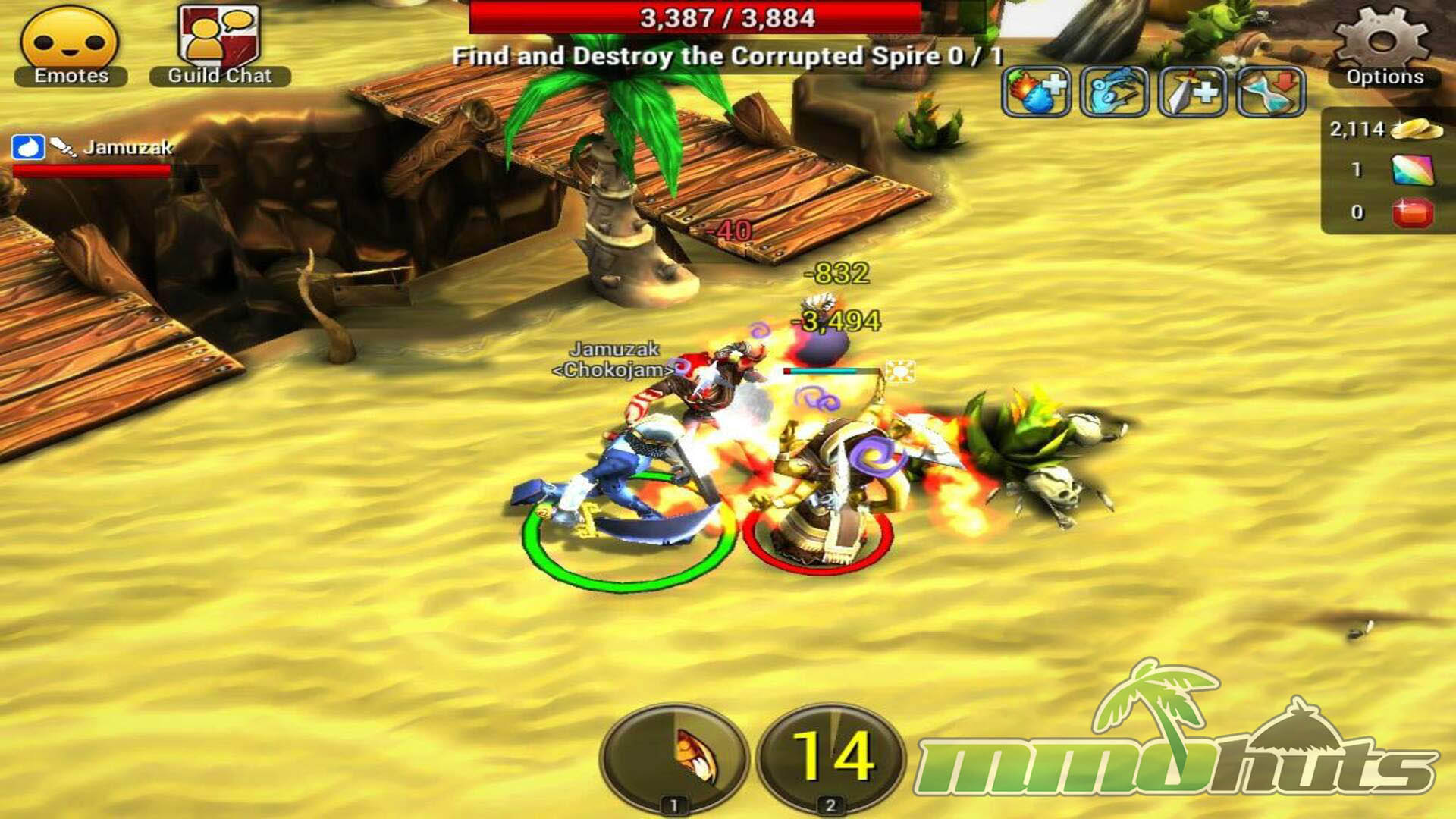
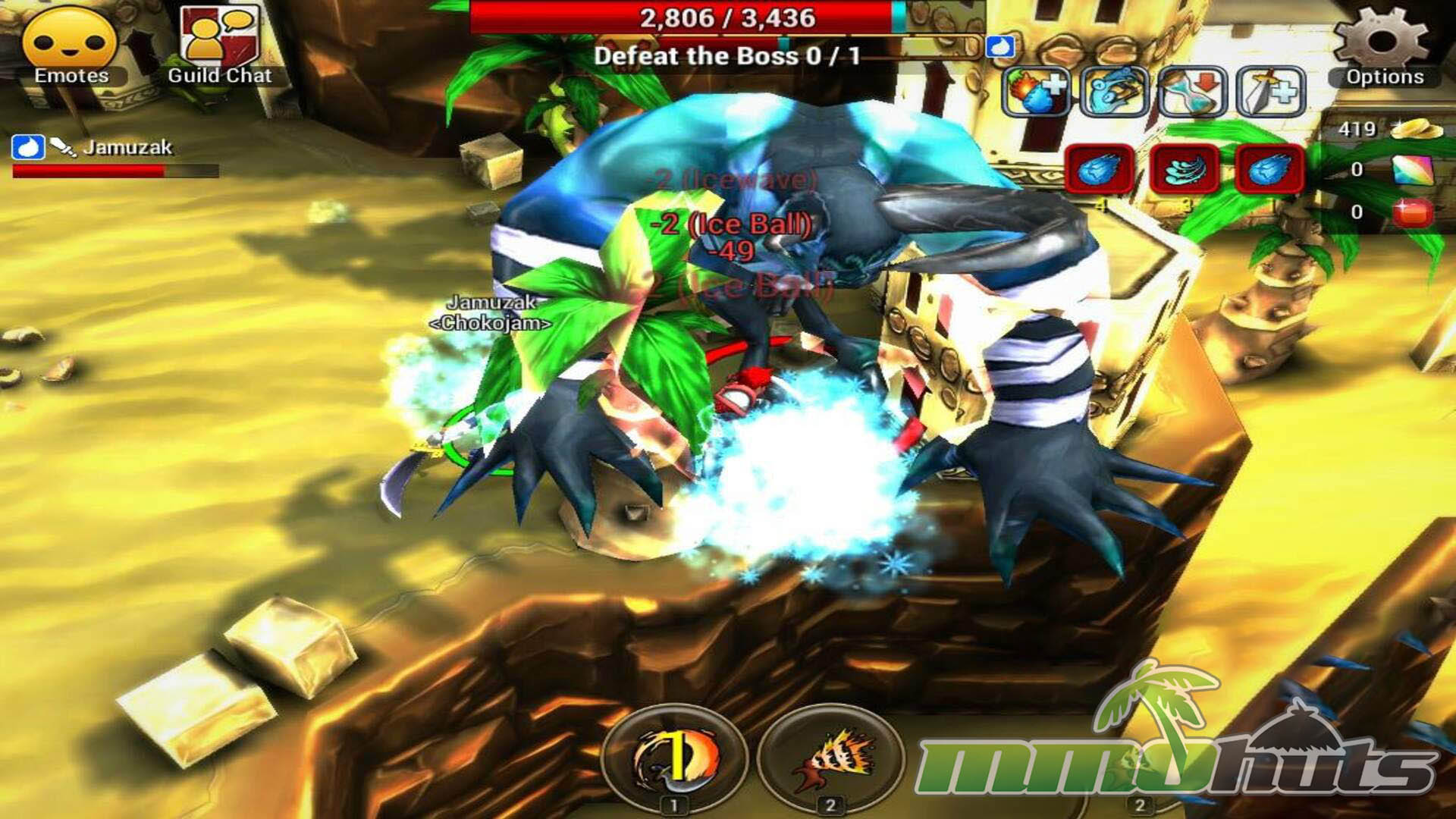

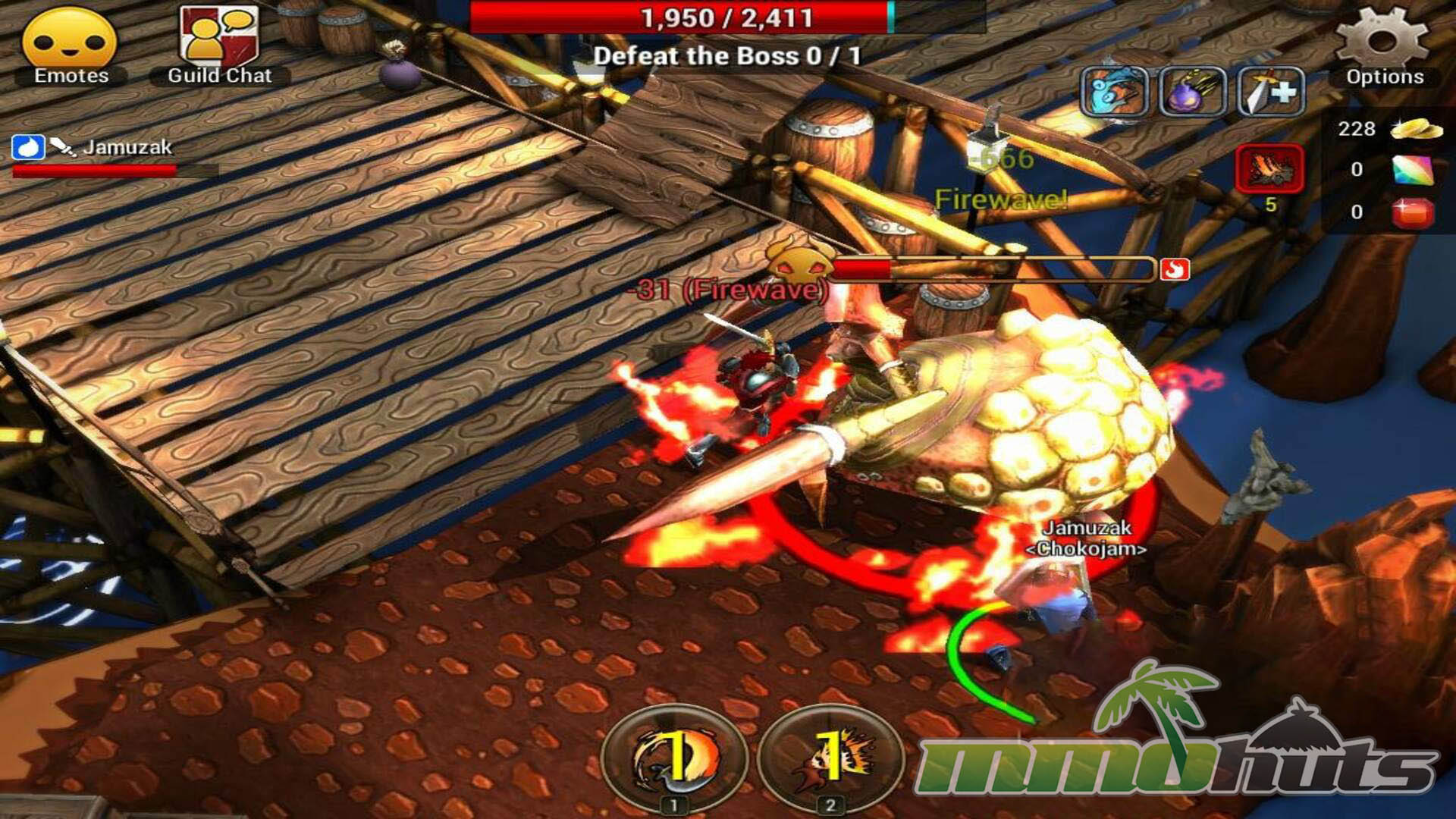

Eternal Fate Video

Eternal Fate Review
Eternal Fate is best understood as a mobile-first action MMORPG that later arrived on Steam. The moment-to-moment combat can be entertaining, especially when difficulty ramps up enough to reward movement and timing. The problem is that the PC and Mac versions inherit a touchscreen-oriented interface, and the result is a game that often feels more cramped and fiddly on desktop than it should.
Getting Started and First Impressions
The game originally appeared in 2014 for mobile beta testing and later launched on PC/Mac in November 2015, which explains why onboarding is quick and the early tutorial is straightforward. Installation and setup are painless, and within minutes you are slashing through the first encounters.
On desktop, controls are the first major friction point. Movement and targeting can feel imprecise, and it is possible to end up just outside of attack range while still “swinging,” especially around larger enemies where character models and click targets get in the way. A keyboard-focused approach tends to feel more reliable than trying to drive everything through mouse clicks, but even then the overall input scheme never fully shakes the sense that it was built for a phone.
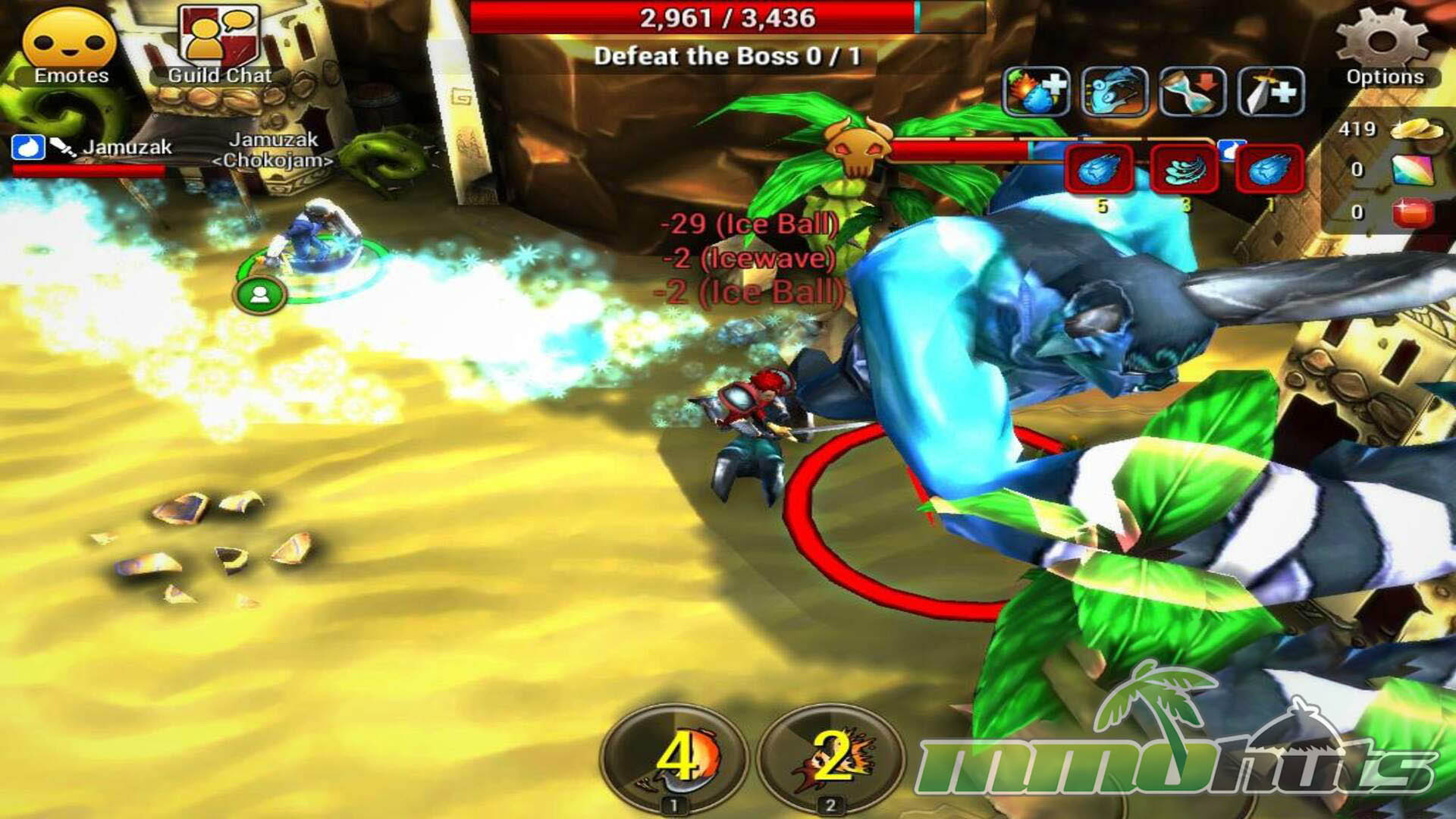
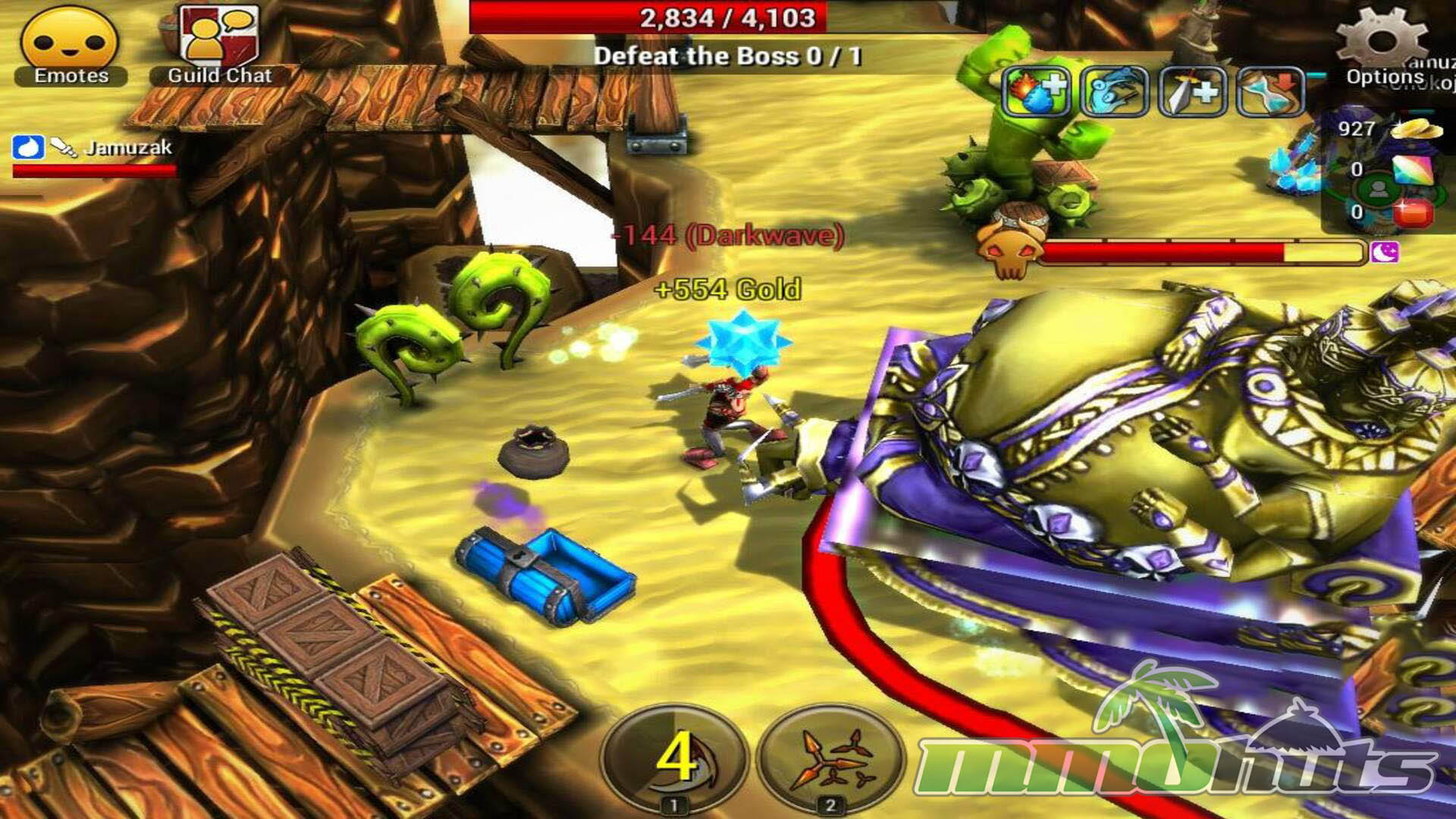
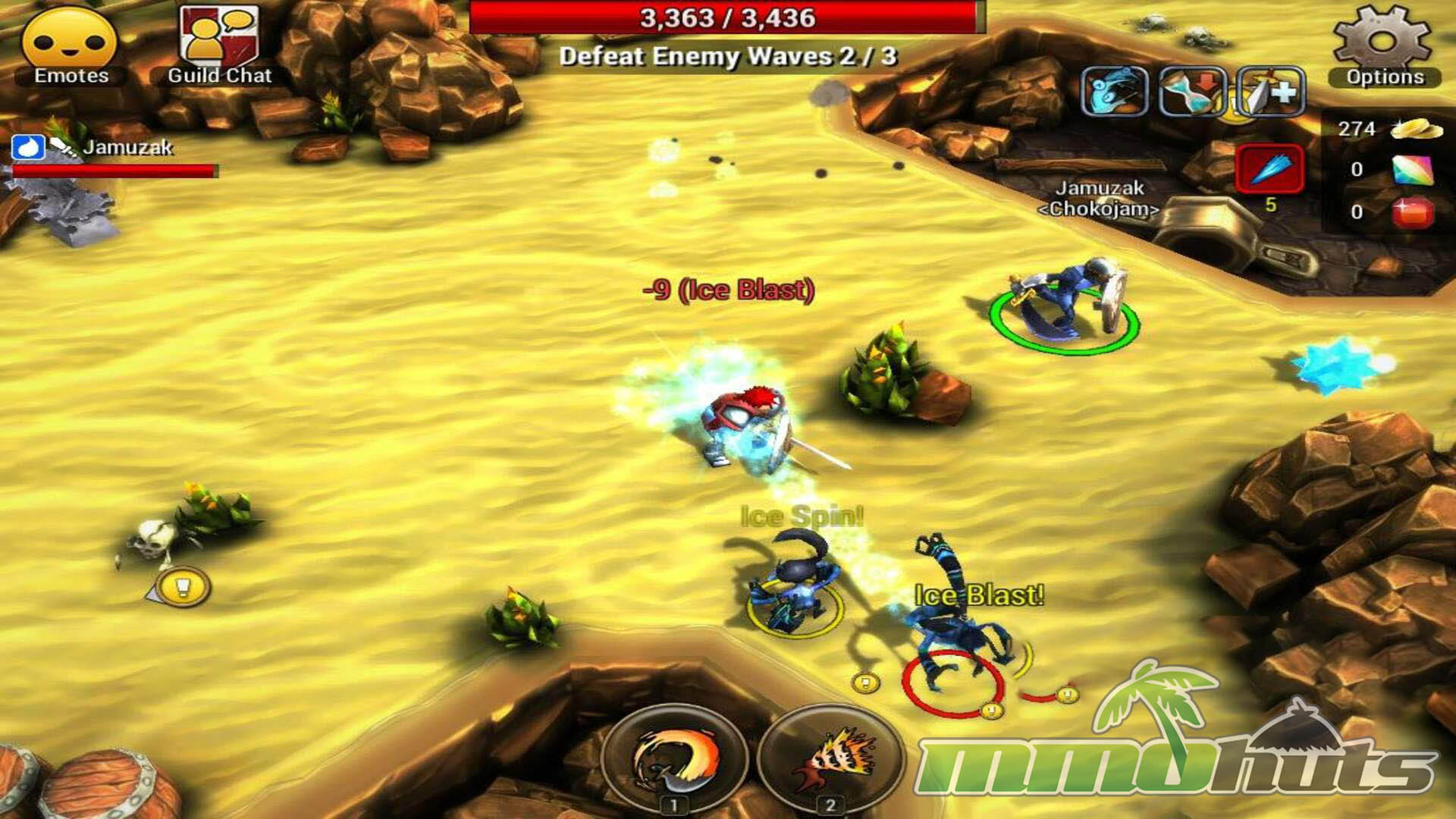
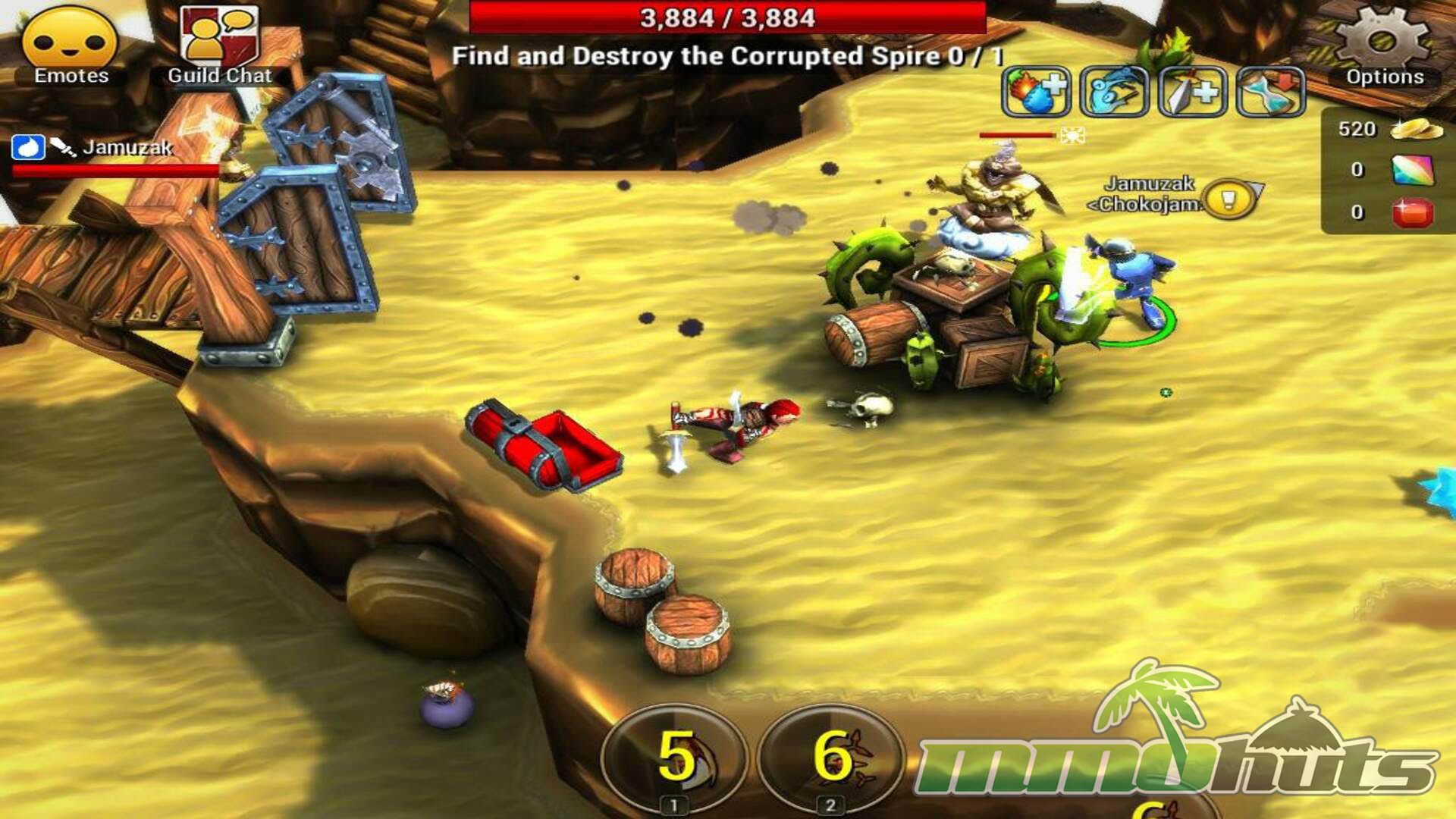
In terms of presentation, Eternal Fate uses clean, simplified 3D visuals that read well on smaller screens. Environments and enemies are serviceable rather than striking, and the gameplay loop is intentionally compact: enter a randomly generated map, cut through mobs, and finish an objective at the end. While the game advertises a large number of levels, the practical variety is thinner than that number suggests, with repeated tiles and similar-feeling goals across many runs.
Difficulty options help. On higher settings, dodging and spacing become more important, and the game feels closer to an action RPG than a pure idle grinder. Rewards come in the form of Gold and summoning materials, which feeds the collection loop. Daily quests add structure, and co-op with friends or guildmates is where the formula is at its best. Even so, the content cadence is repetitive, and after a longer session the maps can start blending together.
Hero Summoning is the Main Draw
If there is one system Eternal Fate gets right, it is the satisfaction of pulling new Heroes. Heroes serve as your playable characters, spanning familiar archetypes such as casters and stealthier damage dealers. Summons are driven by crystals, and rarity odds improve with higher-quality crystals. Standard rainbow crystals can produce Heroes of any element (Fire, Earth, Light, and more), while element-specific crystals narrow the result to a particular affinity.
Summoning also includes a waiting timer before the Hero is delivered, with Rubies used to skip time and to improve the odds of receiving something rarer. Mechanically, the system works, but it adds extra layers that can feel unnecessary, especially since Gold already exists as a primary currency. The timer and premium bypass are typical of mobile design, and they can be a distraction if you are approaching the game as a PC MMO.
The bigger issue is not the summoning itself, but the payoff. Heroes may have backstories and unique skill kits, yet visually many of them do not stand apart. Limited variation in faces, body types, and silhouettes makes even high-rarity pulls feel less special than they should. In a collection-driven MMORPG, that lack of personality undercuts the long-term motivation to “catch them all.”
Progression, Loadouts, and Team Synergy
Eternal Fate builds its progression around strengthening Heroes through equipment, leveling, and team composition. A key mechanic is that your main Hero can be supported by three additional Heroes, which boost stats, provide affinity bonuses, and can contribute passive effects. Elemental pairing matters, and mixing opposing affinities reduces elemental strength, so there is a real incentive to think about synergy rather than simply slotting the highest numbers.
Leveling sits in the Train tab, with Gold used to raise Heroes from Level 1 upward. Because summoning produces plenty of low-rarity duplicates, the economy nudges you toward selling unwanted pulls for Gold and focusing resources on a smaller core roster. If you acquire duplicates of the same Hero, you can merge them to Evolve, indicated by a plus symbol, although the game does not always make it easy to distinguish similar-looking Heroes at a glance.
Loadouts are a genuinely useful quality-of-life feature. Being able to save multiple setups makes it easier to swap elements or roles for a particular map or PvP matchup, and additional slots can be purchased with Rubies for players who want more flexibility.
Interface and Usability Problems
At a glance, the interface appears clean and readable, but extended play reveals a lot of rough edges. The Settings menu is surprisingly bare, offering little meaningful customization. Audio options are simple toggles rather than sliders, and control remapping is not handled in a way that helps desktop users.
The chat window is another example of mobile-first design. On a phone, larger text and a bulky panel make sense, but on PC it can feel oversized and awkwardly placed. Several informational features are also hard to revisit. Hero backstories, for example, are easy to miss, and the game does not provide an obvious way to browse them later, which is unfortunate given how much the game wants you to care about collecting.
Social tools are similarly limited. Communicating with players outside of your existing Facebook connections or guild structure is more difficult than it should be in an MMORPG. Even basic “look at this player’s setup” functionality is missing, which weakens the competitive side of the game. The overall result is a UI that looks polished in screenshots, but does not support smooth play on desktop.
Guild Play, PvP Modes, and Events
Co-op is where Eternal Fate feels most like a multiplayer game rather than a solo grind. Running maps alongside a friend or guildmate adds energy to the otherwise repetitive structure, and guild play is relatively easy to organize once everyone is in the same community.
The drawback is the reliance on Facebook for connecting with others. Without convenient username searching or broader social discovery tools, it is harder to build a network organically. Guild administration does not fully solve that problem either, since inviting and coordinating often funnels back into Facebook Connect.
PvP comes in 1v1 and 2v2 variants. The 1v1 matchmaking claims to consider loadouts, but in practice the pairing can be uneven, producing occasional matches that end quickly due to power gaps. The 2v2 mode is an interesting idea, but it loses impact when you cannot reliably queue with a specific friend and instead get matched with a random partner.
Events appear from time to time and reward players for clearing maps and placing on event leaderboards. They provide extra incentives to play, but they do not significantly change what you do moment-to-moment, so they may not be enough to keep players engaged if they are already tiring of the core loop.
Final Verdict – Fair
Eternal Fate has a fun foundation, quick action combat, a satisfying summoning loop, and the convenience of cross-platform play. Unfortunately, it never fully adapts to PC and Mac, with clumsy controls, a restrictive interface, and a Hero roster that lacks the visual flair needed to make collecting feel truly rewarding. For players approaching it as a lightweight mobile MMORPG it can be enjoyable in short bursts, but as a desktop experience it lands as fair rather than standout.
Eternal Fate Links
Eternal Fate Official Site
Eternal Fate Google Play
Eternal Fate iTunes Store
Eternal Fate Facebook
Eternal Fate Steam
Eternal Fate System Requirements
Minimum Requirements (Windows ):
Operating System: Windows XP
CPU: 2+ GHz
RAM: 512 MB RAM
Video Card: Intel Integrated
Hard Disk Space: 500 MB
Minimum Requirements (Mac ):
Operating System: OS X 10.6
CPU: 2+ GHz
RAM: 512 MB RAM
Hard Disk Space: 500 MB
Eternal Fate is also available for Android and iOS devices.
Eternal Fate Music & Soundtrack
Coming Soon!
Eternal Fate Additional Information
Developer(s): Escalation Studios, Inc.
Publisher(s): Escalation Studios, Inc.
Other Platforms: iOS, Android, Mac
iOS/Android Release Date: September 19, 2014
PC/Mac Release Date: November 5, 2015
Steam Release Date: November 05, 2015
Shut Down: June 14, 2016
Development History / Background:
Escalation Studios, Inc. first released Eternal Fate in 2014 for beta testing, aiming for a mobile MMORPG built around action-driven combat. The game later reached a full release on iOS and Android in early 2015. In July 2015, support for Apple’s Metal engine was introduced, improving 3D performance and visuals on compatible devices. Escalation Studios then brought Eternal Fate to Mac and PC in November 2015, before the game ultimately shut down across all platforms on June 14, 2016.