Edengrad
 (No Ratings Yet)
Edengrad presents itself as a post-apocalyptic survival MMO built around progression through practical skill lines (from trades like carpentry and masonry to civic roles), then using those skills to craft gear and construct settlements with other players in a hostile world.
 | Publisher: Huckleberry Games S.A. Type: Survival MMO Release Date: April 04, 2017 Abandoned: November 19, 2018 Pros: +Multiple skill paths to specialize in. +A fully craft-driven economy where items are player-made. +Group play supports building towns and expanding territory. Cons: -Little reliable information and long-term support details. |
Edengrad Overview
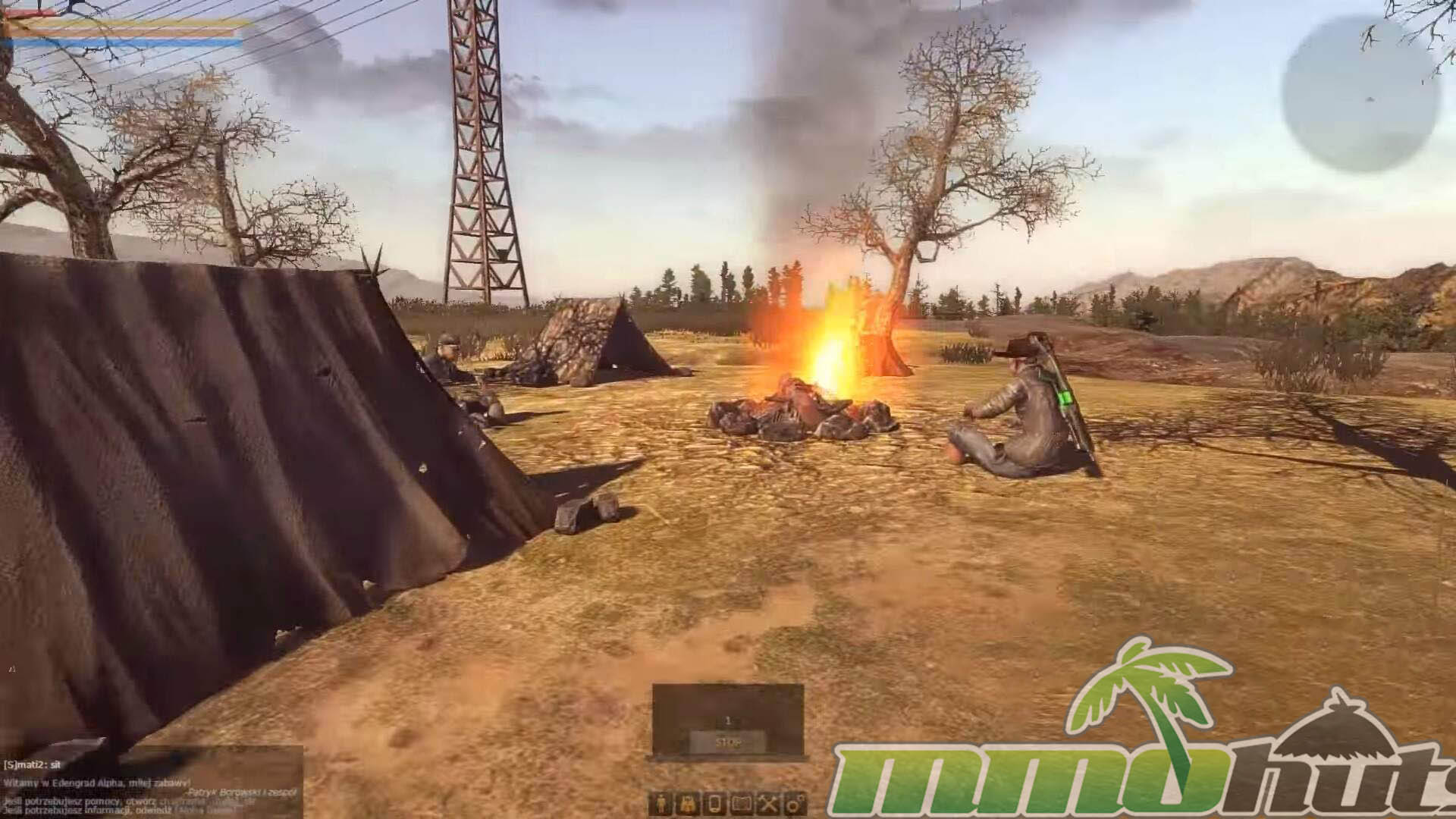
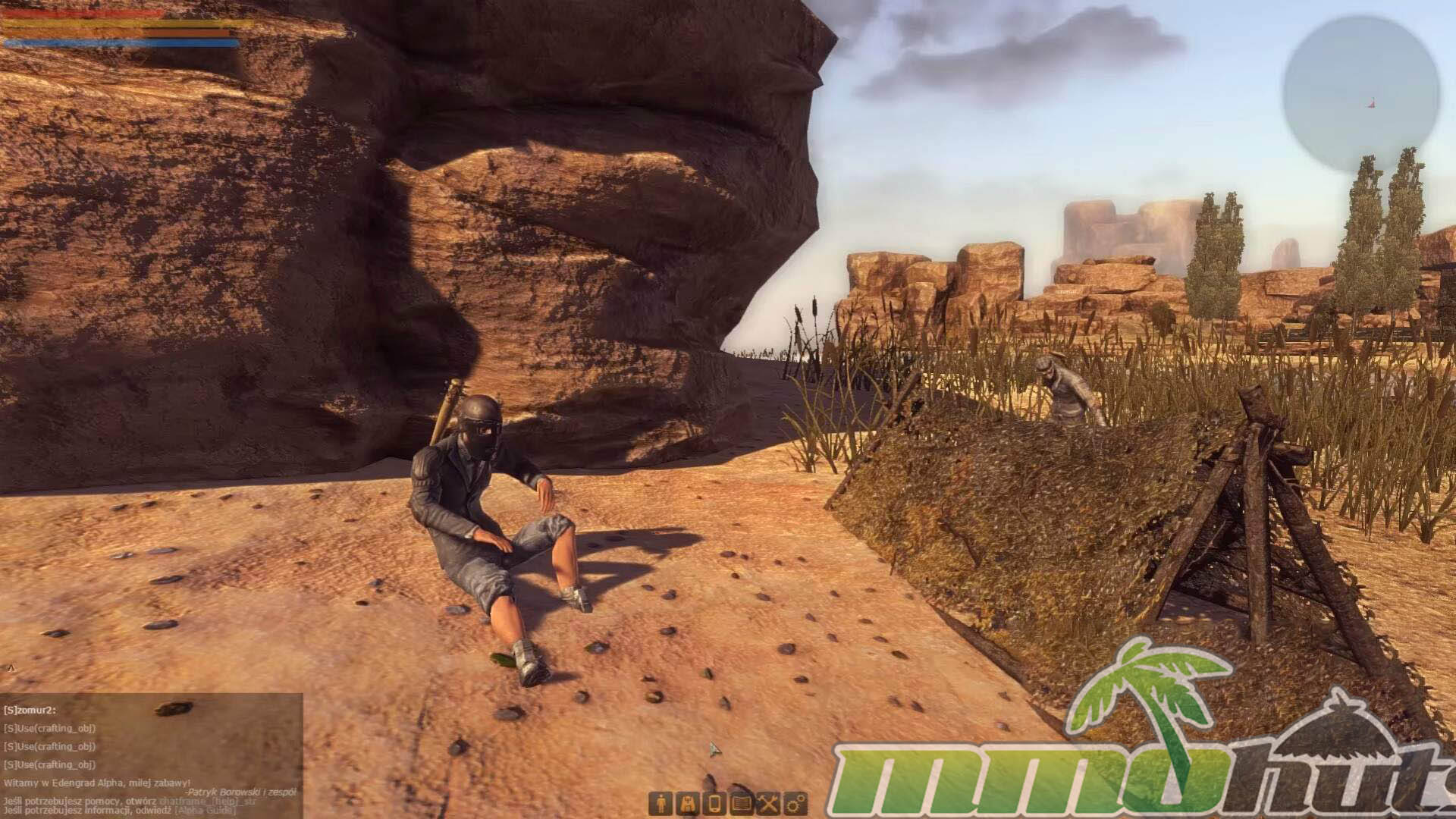
Set after civilization’s collapse, Edengrad drops you into an unforgiving sandbox where the remaining survivors are defined by what they can build, craft, and defend. You start by shaping a character through basic customization, then quickly move into the game’s central loop: gather resources, unlock skills, and turn raw materials into the tools and structures needed to stay alive.
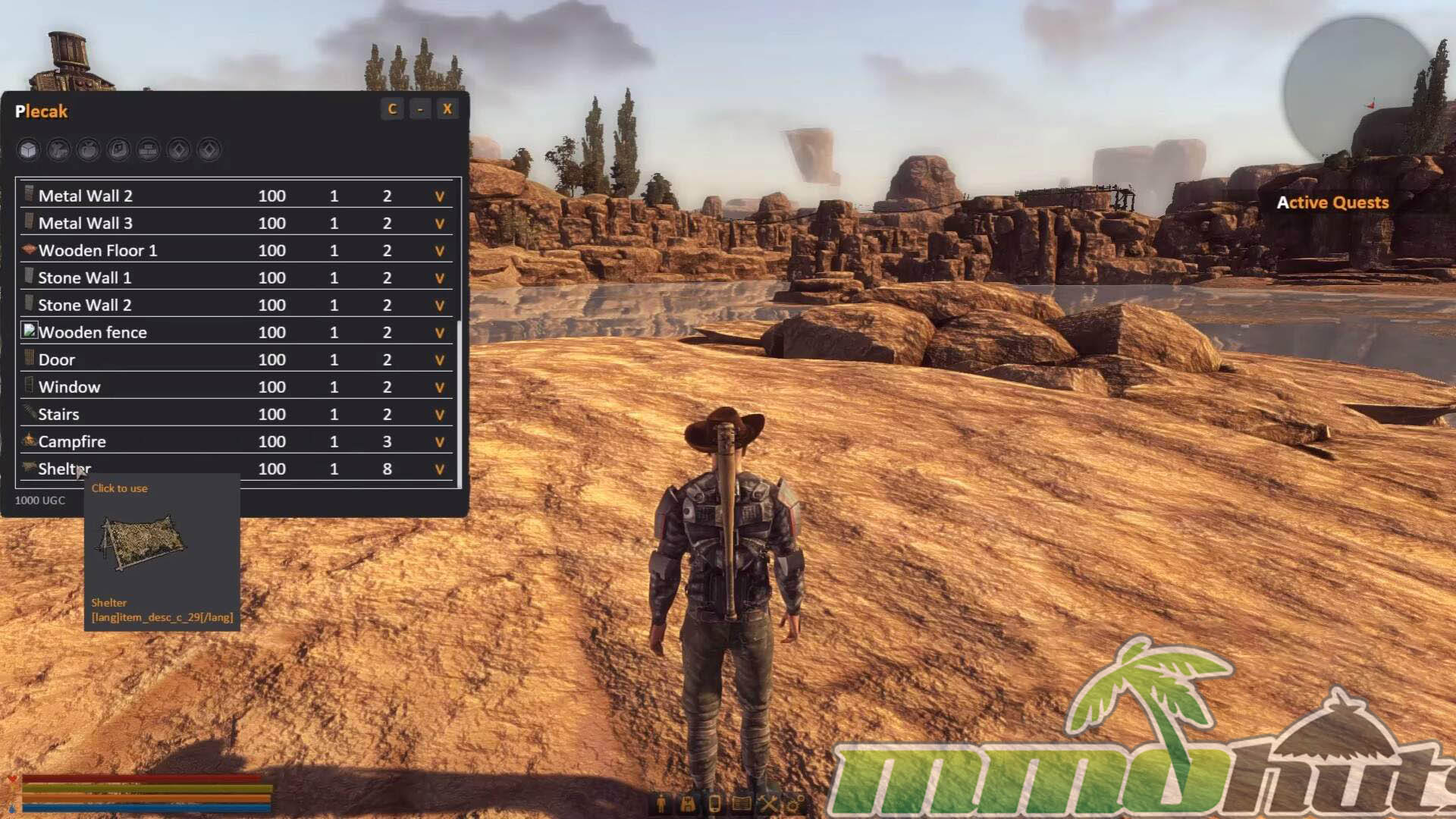
A defining promise of Edengrad is that equipment and objects are not simply looted as finished products, they are produced through crafting. That focus extends from everyday survival necessities such as containers and fences to weapons and larger construction projects. The game also leans heavily on character development through multiple skill trees, encouraging players to commit to roles that support a community, whether that is a builder, a combatant, or a player focused on leadership-oriented perks.
Survival management is part of the baseline challenge, food and water matter, and neglecting those needs comes with penalties. On top of that, the world is positioned as a harsh PvP environment where cooperation is valuable but conflict is expected, especially once settlements begin competing for space and resources. Exploration feeds this cycle, with different regions (including forests, caves, and old ruins) providing materials and threats, all under a shifting day and night rhythm. Wildlife and hostile creatures both play a role, with peaceful animals offering hunting opportunities and mutant-like enemies serving as a constant reminder that the wasteland is not empty.
What Edengrad Emphasizes:
- Character Creation – build a survivor by selecting gender, face details, and outfit pieces.
- Craft Everything – items and construction rely on crafting rather than a loot-first structure.
- Various Skill Trees – progress through distinct disciplines such as masonry, mayorship, or firearms-related specialization.
- Build Cities – coordinate with other players to found settlements, expand them, and contest territory.
- Different Biomes – scavenge across varied areas, including wooded zones and underground spaces.
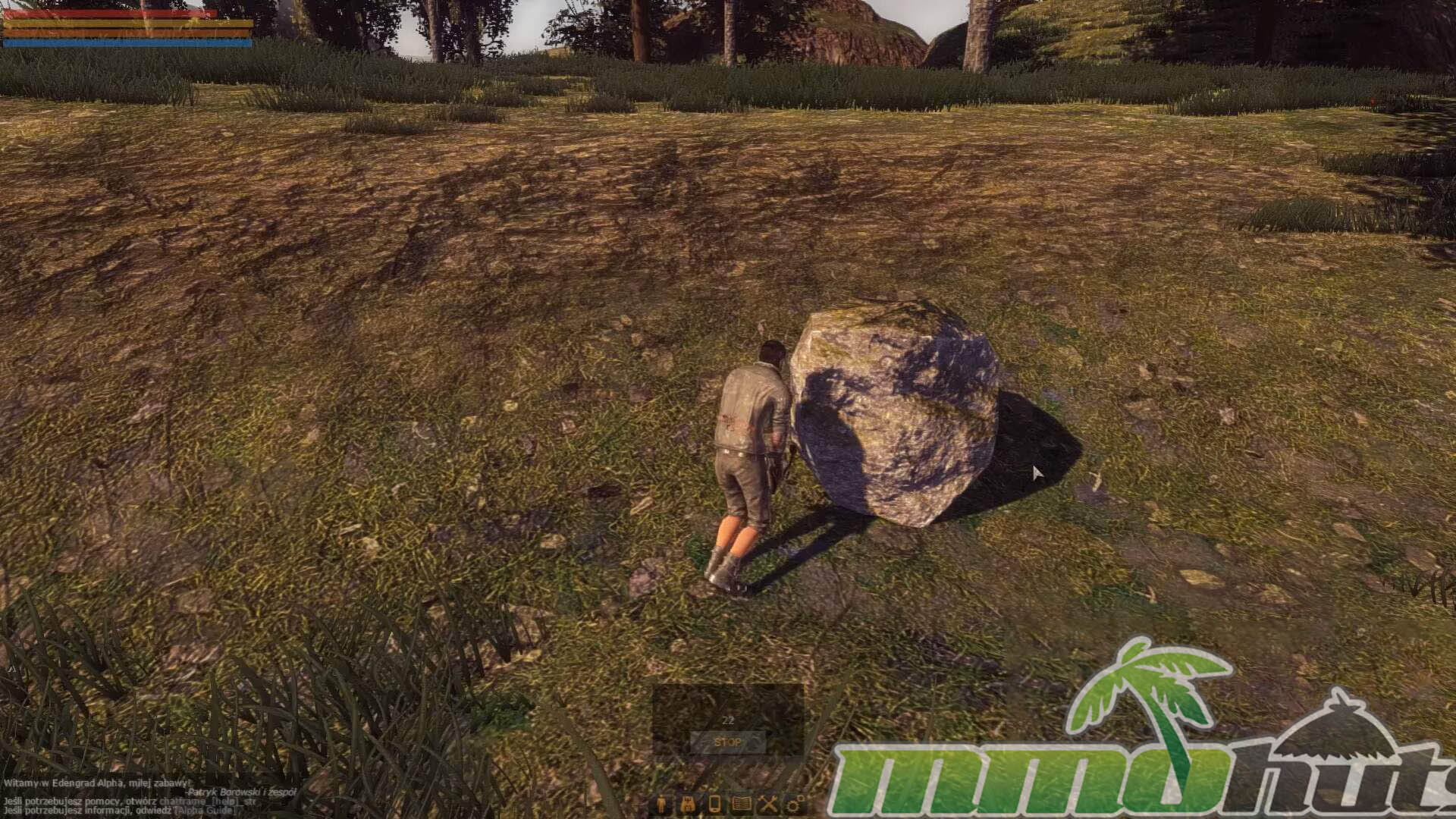
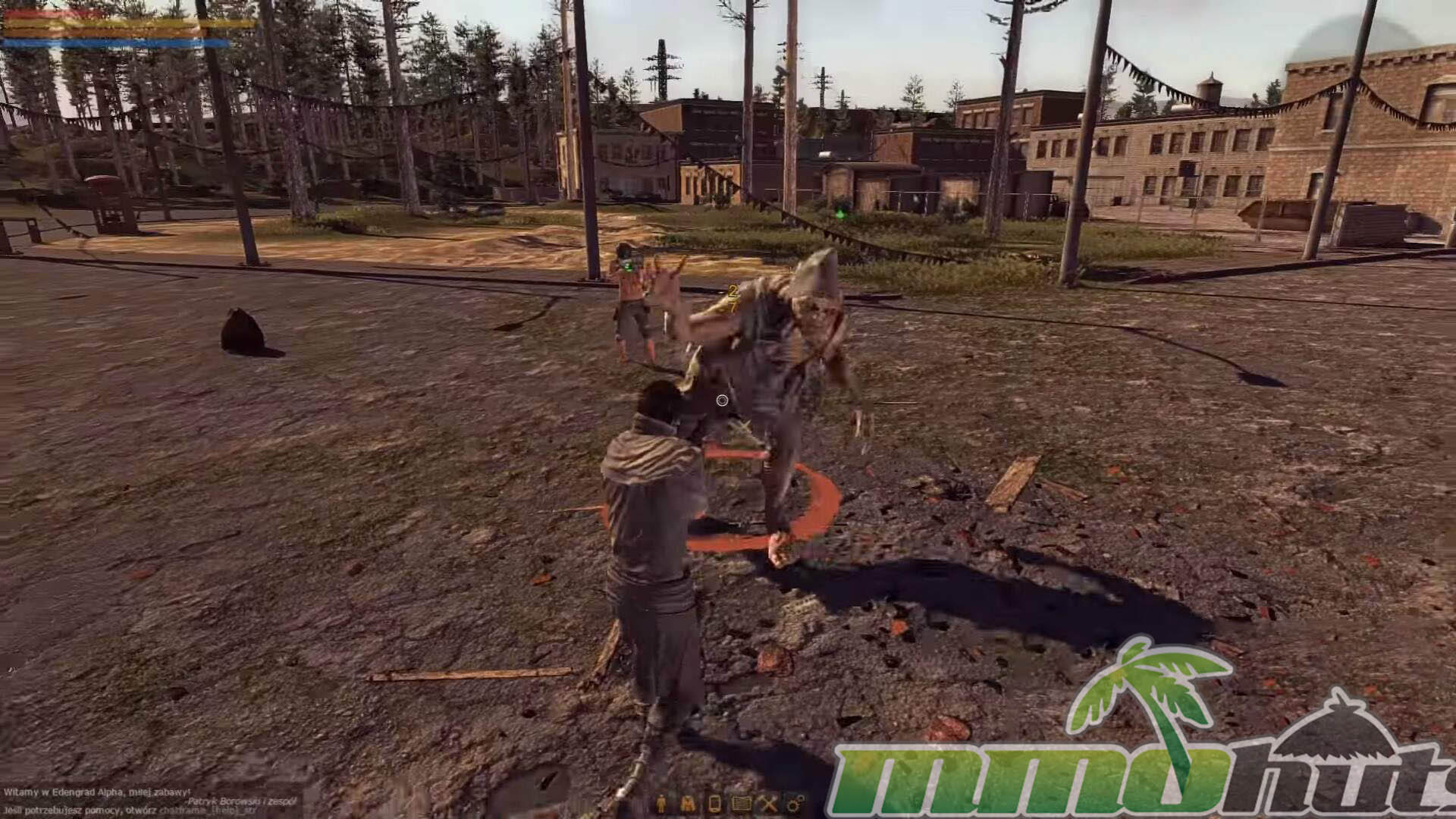
Edengrad Screenshots
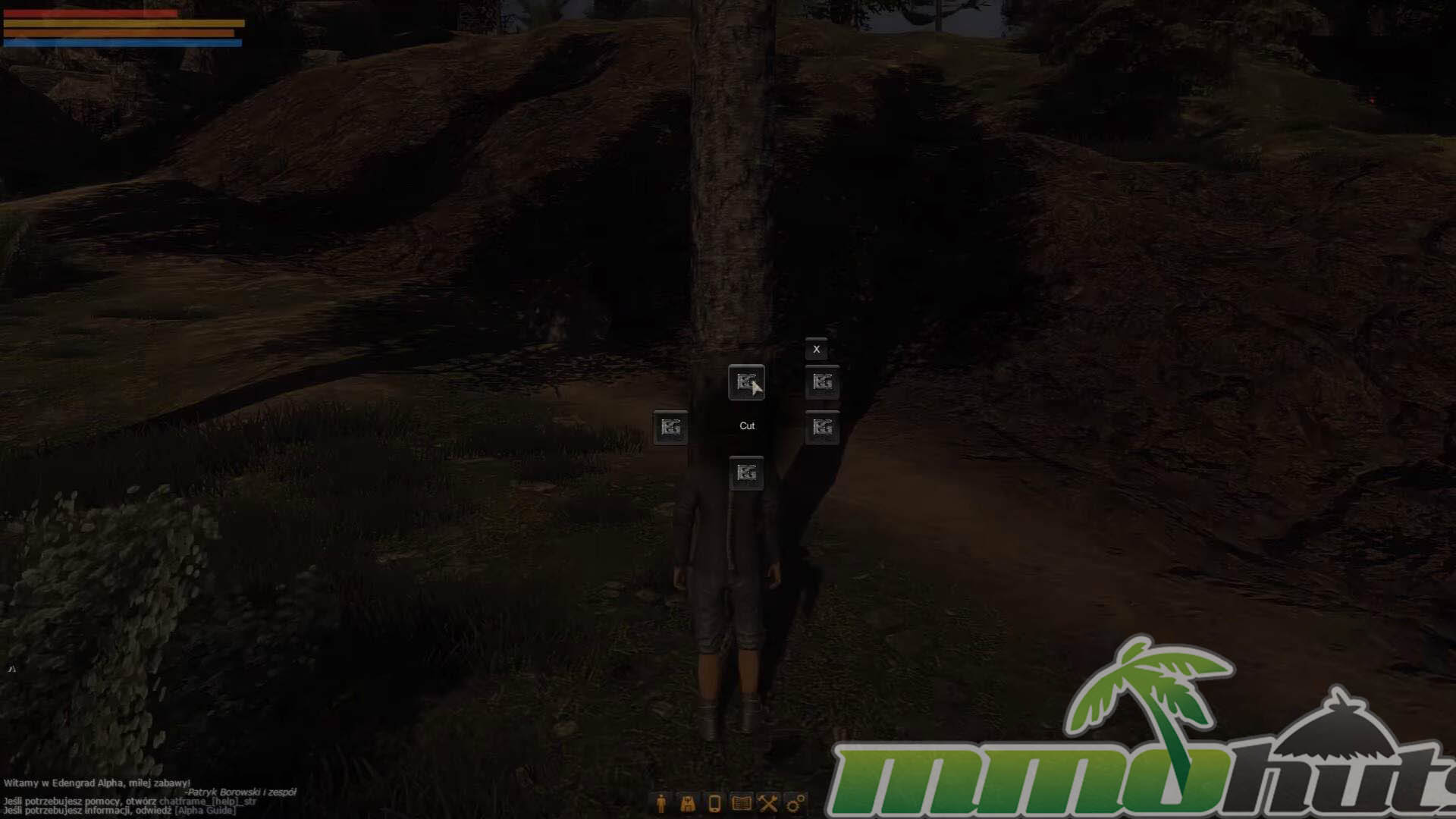
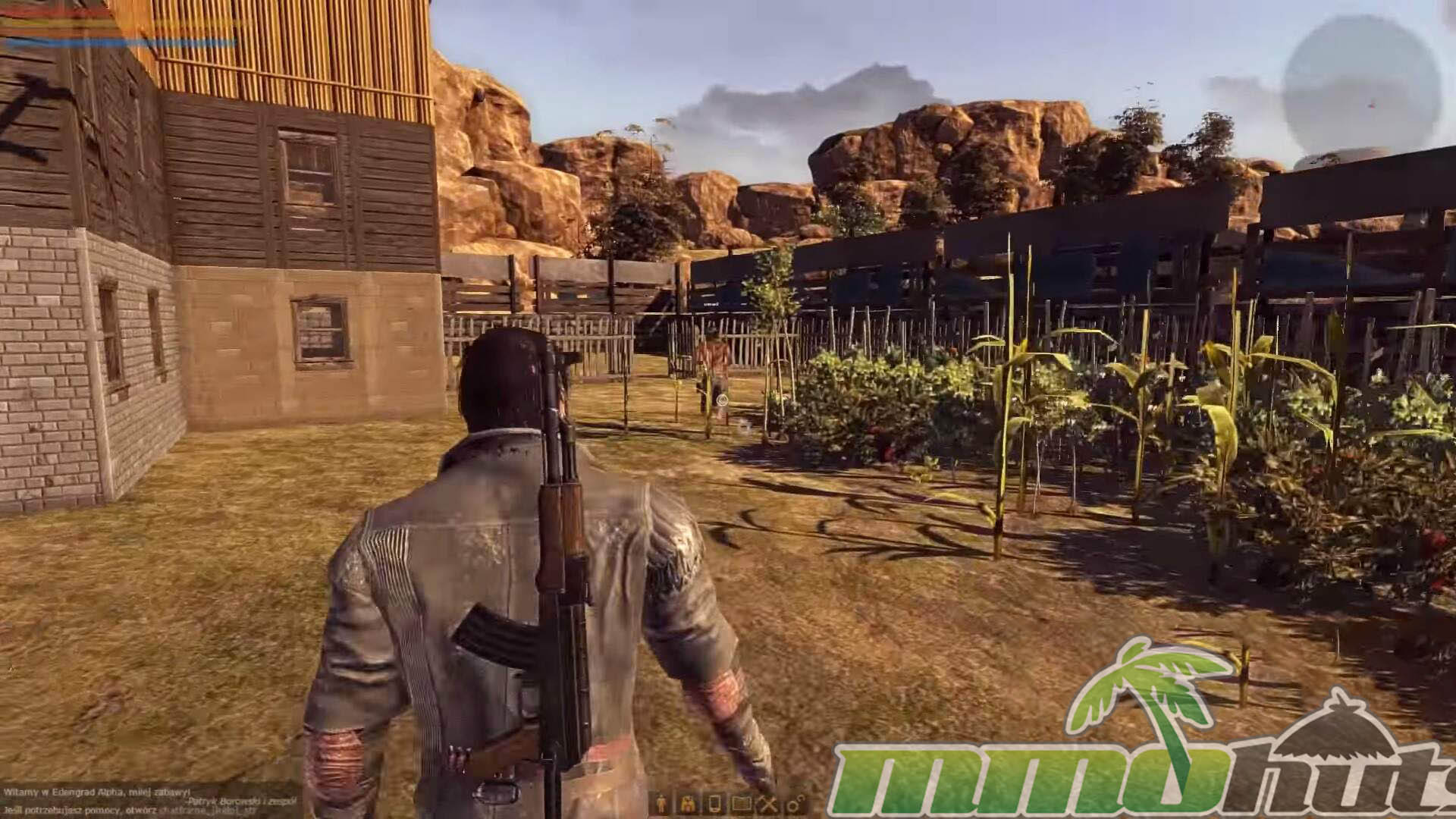
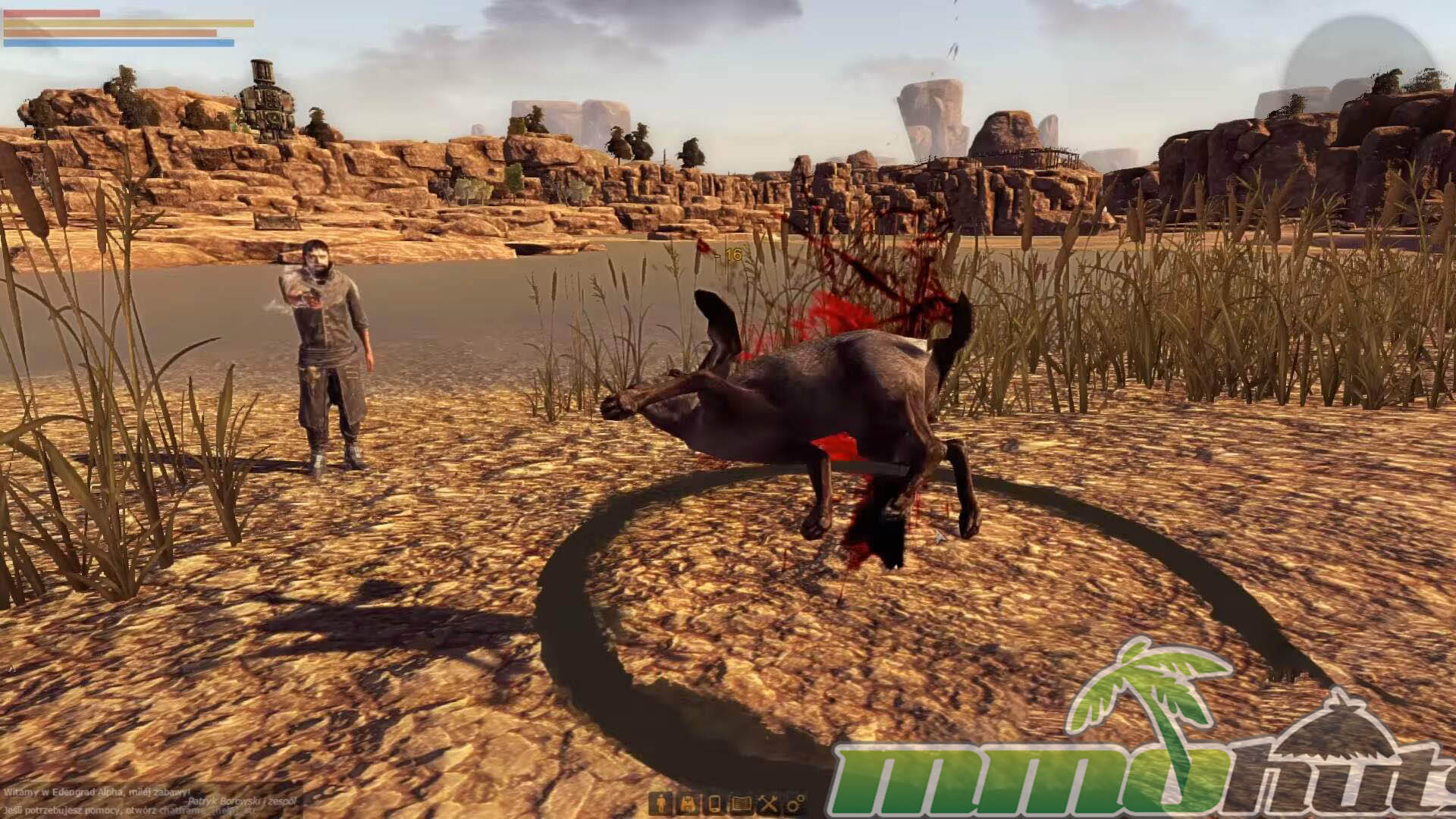
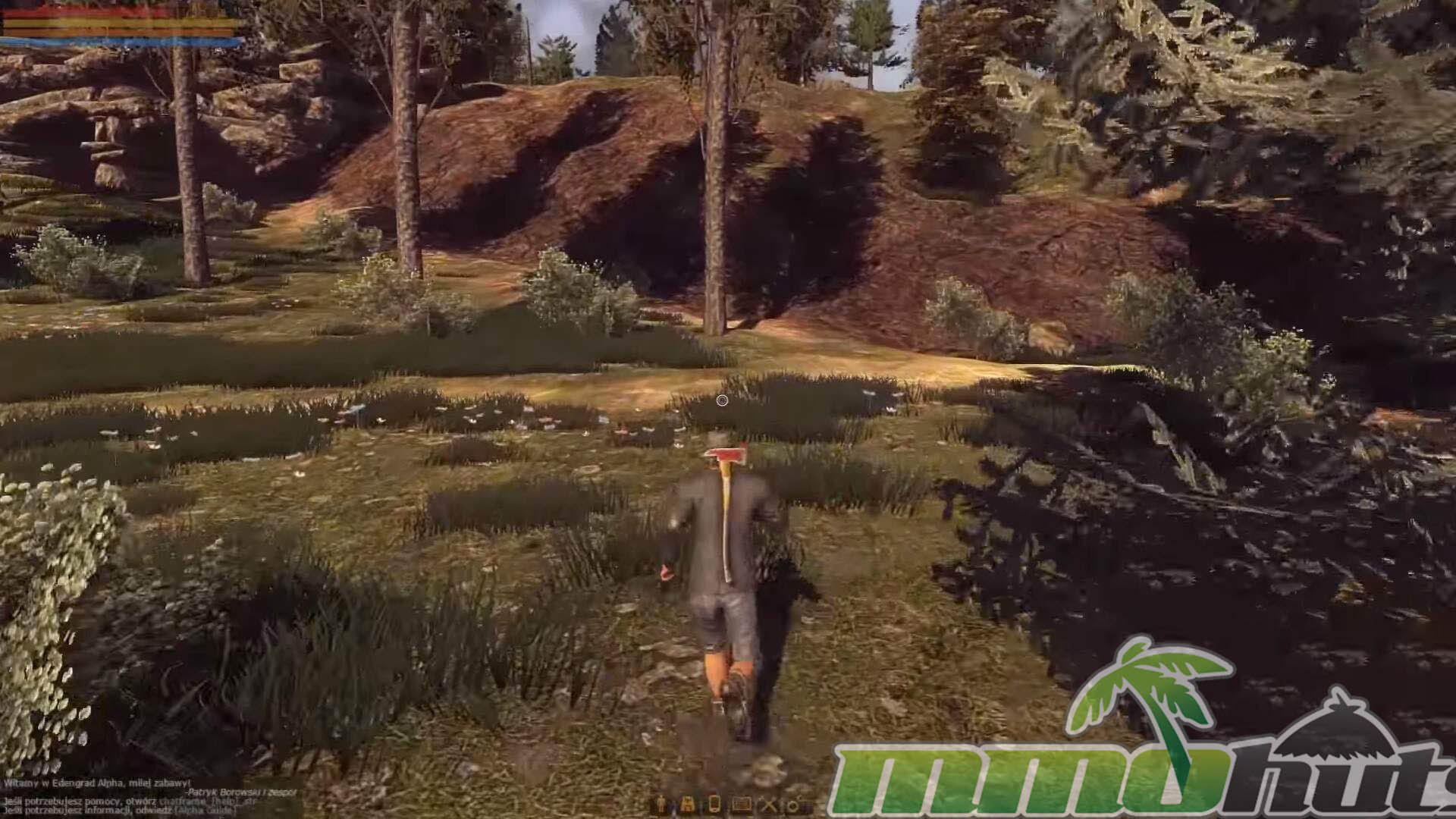

Edengrad Featured Video

Edengrad Review
At a high level, Edengrad aims for the familiar survival MMO formula of needs management, crafting, and emergent PvP, then tries to separate itself with broader skill specialization and the idea that player communities can grow from camps into functioning towns. The emphasis on trade skills and structured roles suggests a game designed to reward organized groups, particularly players who enjoy cooperating to create defensible infrastructure rather than treating building as a secondary activity.
The core appeal, at least on paper, is the sense of self-sufficiency. A craft-first approach can make progression feel earned, because every upgrade tends to require planning, resource acquisition, and time. In MMO-style survival sandboxes, that loop works best when the world provides layered risk, hostile creatures, environmental exposure, and the possibility of player raids, and Edengrad clearly positions itself in that space with its brutal PvP framing.
That said, it is difficult to evaluate the game like a fully realized, continuously supported MMO because its development status limits what can be reasonably recommended to new players today. With the project abandoned, the long-term trajectory, stability expectations, and player population outlook are all major question marks. For readers who are primarily researching the concept, Edengrad is an example of a survival MMO that tried to combine crafting dependency with community-scale construction, but for players looking for an actively maintained experience, the lack of ongoing updates is the defining issue.
Edengrad Links
Edengrad Official Site
Edengrad Steam Page
Edengrad Steam Greenlight Page
Edengrad Kickstarter Page
Edengrad System Requirements
Minimum Requirements:
Operating System: Windows 7
CPU: Intel Core i3 or AMD Athlon II X4 with at least 2.3 GHz
Video Card: GeForce GTX 600, Radeon HD4850 – at least 1GB GPU memory
RAM: 4 GB
Hard Disk Space: 5 GB
Recommended Requirements:
Operating System: Windows 7
CPU: Intel Core i5 or AMD Phenom II X4 with at least 2.5 GHz
Video Card: GeForce GTX 750, Radeon HD 6950 – at least 2GB GPU memory
RAM: 8 GB
Hard Disk Space: 5 GB
Edengrad is also available for the Mac OS X.
Edengrad Music & Soundtrack
No soundtrack details are currently documented here, and official updates have been scarce, so it is hard to provide reliable information beyond what appears in the available media.
Edengrad Additional Information
Developer(s): Huckleberry Games S.A.
Publisher(s): Huckleberry Games S.A.
Language(s): English, Russian, Polish
Steam Greenlight Post Date: June 10, 2015
Steam Greenlight Award Date: July 2015
Kickstarter Start Date: May 18, 2016
Early Access: April 04, 2017
Abandoned: November 19, 2018
Development History / Background:
Edengrad is a post-apocalyptic survival MMO developed and published by Huckleberry Games S.A. Its public timeline began with a Steam Greenlight submission on June 10, 2015 and a Greenlight award in July 2015. The team later ran a Kickstarter starting May 18, 2016, then launched into Steam Early Access on April 04, 2017. Development was marked as abandoned on November 19, 2018, and while a Steam notice suggested a return (stating: “We’re back soon”), no meaningful follow-up appeared afterward. As a result, Edengrad is frequently cited as a cautionary example of a crowdfunding project that failed to deliver sustained support.