Dying Light is a buy-to-play, first-person survival horror game that drops you into a sprawling, zombie-ridden city and asks you to survive through scavenging, crafting, and smart movement. Its signature hook is parkour, letting you sprint across rooftops and vault over hazards to stay alive, especially when the infected become far more aggressive after dark.
 | Publisher: Warner Bros. Interactive Entertainment Playerbase: Medium Type: Survival Horror Release Date: January 27, 2015 PvP: Zombie vs Human Mode, In-game PvP Competitions Pros: +Impressive visuals and lighting. +Large, dense open world that rewards exploration. +Satisfying melee action with real tension. +Day/night cycle meaningfully changes how you play. +Storyline with stronger character focus than many genre peers. Cons: -Buy-to-play pricing barrier. -Familiar zombie survival beats at times. -Demanding PC requirements. |

Dying Light Overview
Dying Light places you inside Harran, a quarantined city in crisis where the infected are only part of the problem. You play as Kyle Crane, an operative sent in under cover, forced to balance his mission with the day-to-day reality of keeping himself and other survivors alive. Developed by Techland (best known for the Dead Island series), the game mixes open-world scavenging with first-person melee combat and agile free-running that turns the city into a vertical playground.
A key part of the experience is how the clock changes everything. Daytime is dangerous but manageable, a time to loot buildings, complete jobs for survivor factions, and craft gear. Night flips the rules, visibility drops, threats escalate, and the hunt feels far more personal as stronger infected roam the streets and rooftops. Between those extremes, Dying Light builds a steady survival loop around gathering materials, improving your tools, and shaping your character’s skills to match how you like to approach encounters.
Dying Light Key Features:
- Expansive Open World – roam Harran as a detailed urban sandbox, packed with routes, rooftops, and risky supply runs.
- Parkour-Style Action – vault, climb, and traverse the skyline to escape trouble or gain an advantage in fights.
- Brutal and Intense Combat – rely on melee weapons and crafted tools, from basic improvised gear to more elaborate elemental upgrades.
- Day/Night Cycles – the city’s threat level ramps up after dark, shifting the game from scavenging to survival horror.
- Customize Your Hero – build your character around agility, survival utility, or raw combat strength depending on your habits.
- Cooperative Mode – team up with others to tackle missions, then measure yourselves through optional competitive objectives.
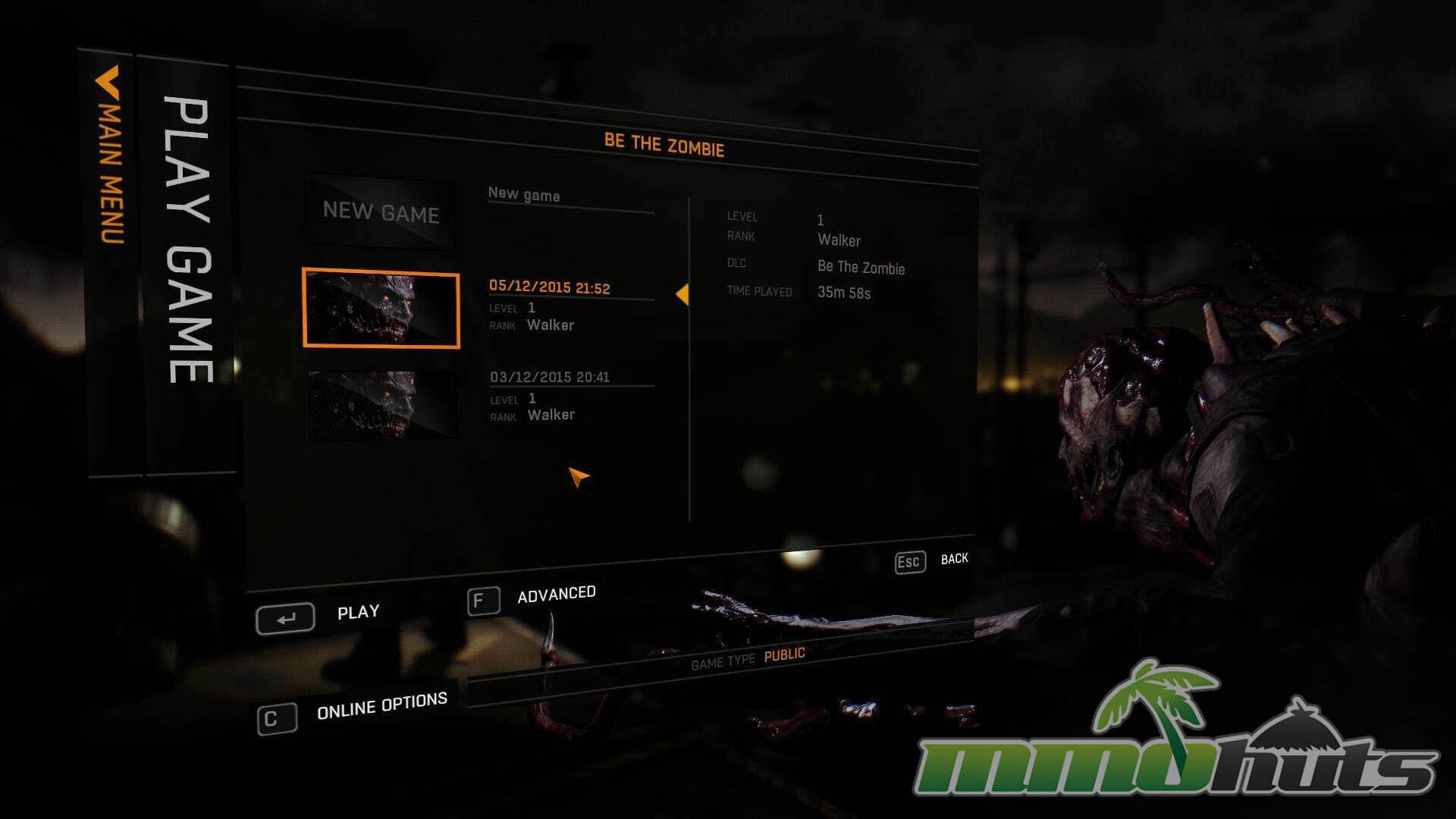
- Be The Zombie – jump into a night hunter role and invade other players’ sessions to turn their nighttime run into a nightmare.
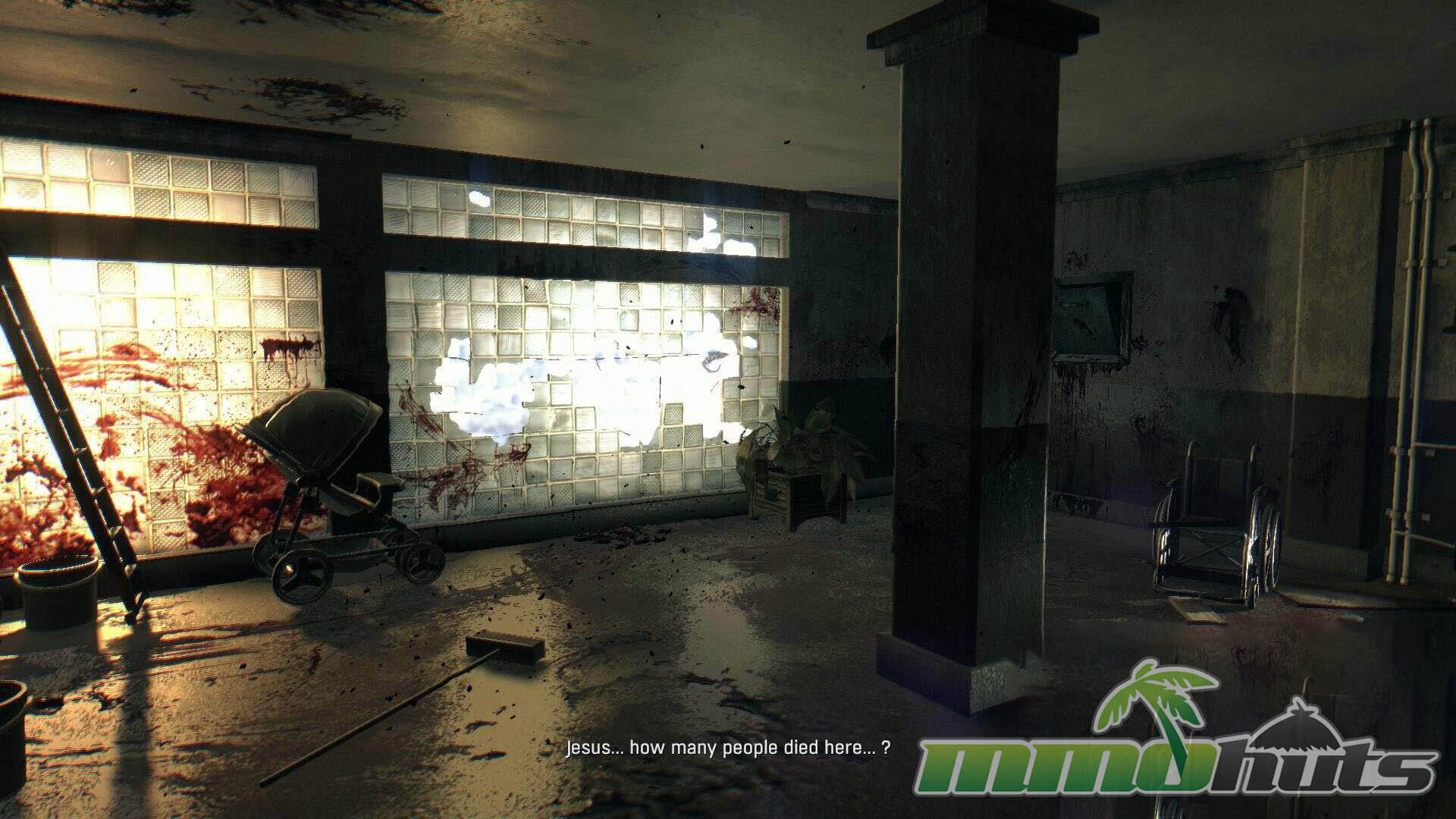
Dying Light Screenshots
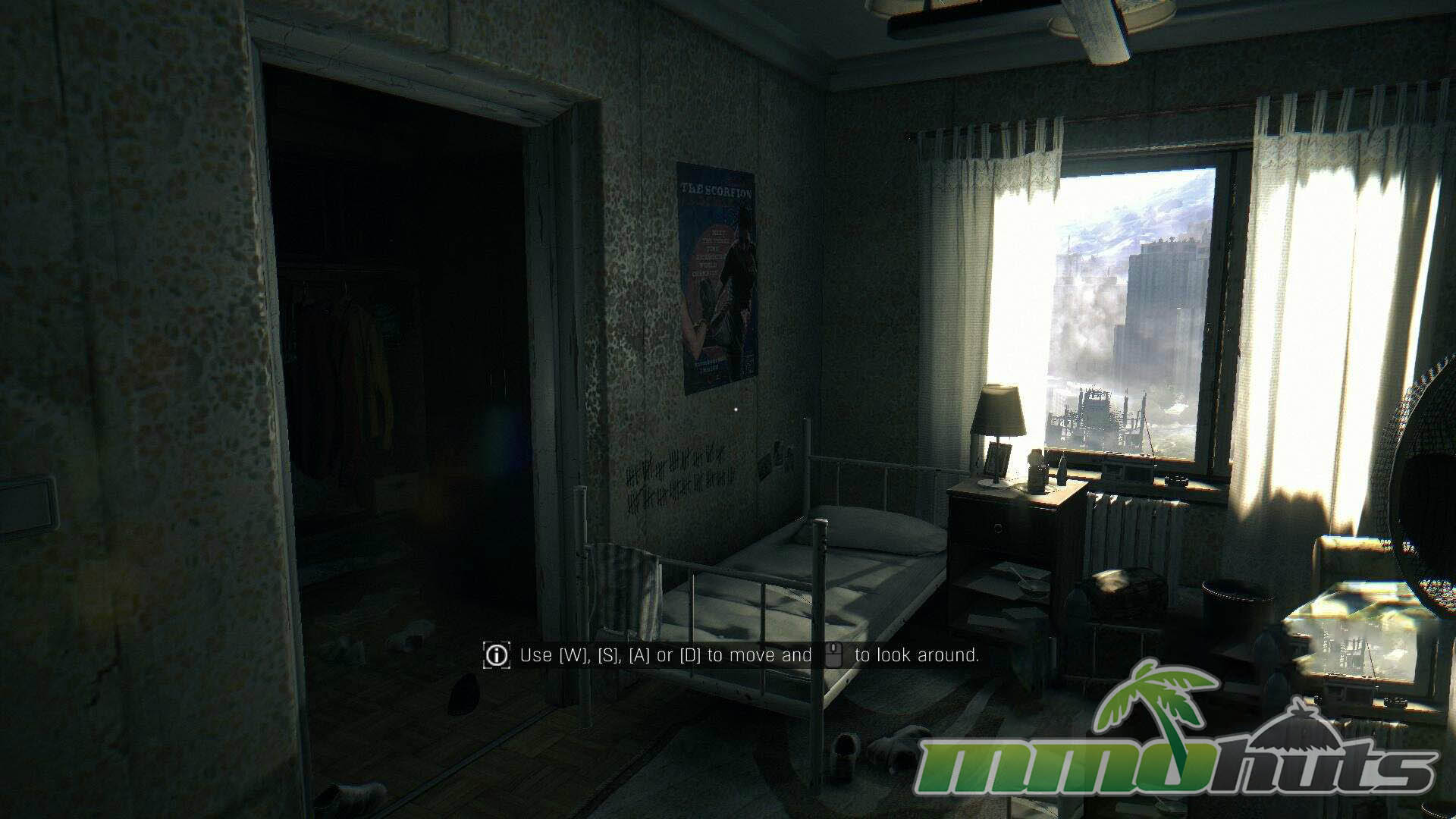
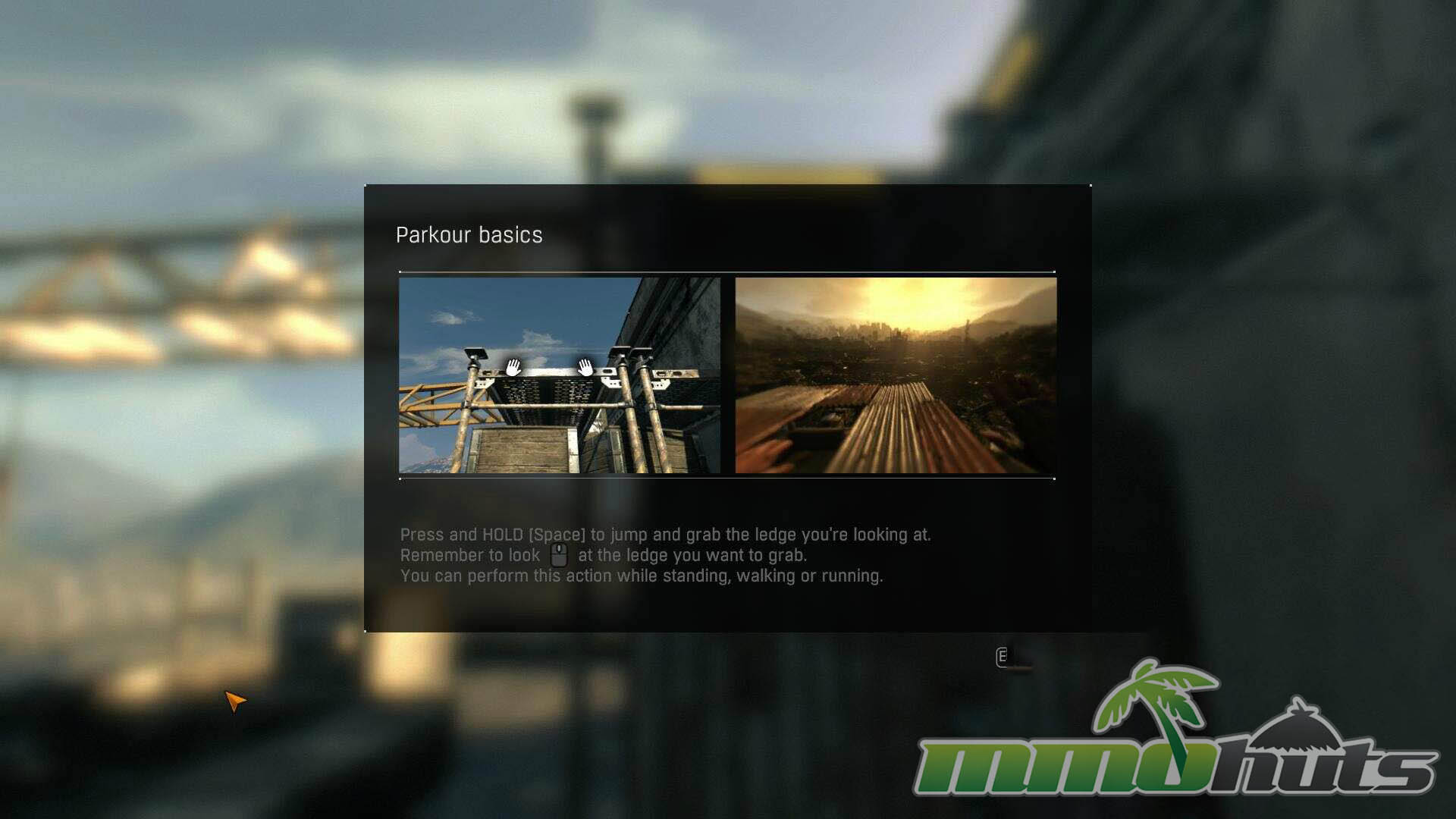


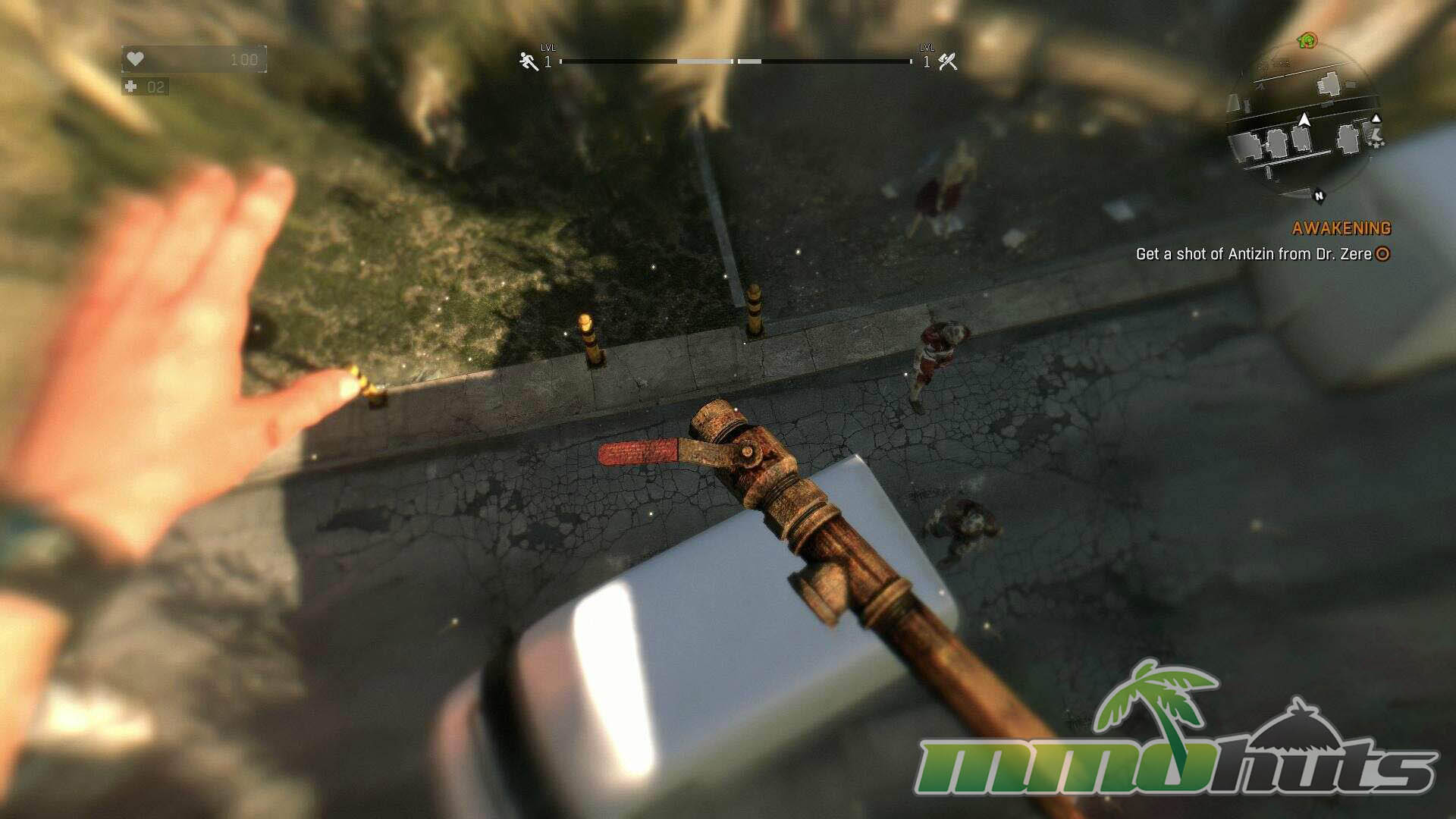
Dying Light Featured Video

Dying Light Review
Dying Light is a buy-to-play 3D, first-person survival experience set in a large open-world city built for movement. You step into the shoes of Kyle Crane, a covert agent sent into quarantined Harran to track a target and recover sensitive information, while the outbreak and the city’s politics constantly complicate that goal. Coming from Techland, the studio behind the Dead Island games, it carries familiar DNA, but it also feels like a clear evolution in presentation, traversal, and pacing.
From a production standpoint, the game leans hard into immersion. The city is densely detailed and designed to be read at a sprint, with rooftop paths, interior loot spots, and street-level danger all competing for your attention. Character work and audio design do a lot of heavy lifting too, with convincing voice acting and sound cues that make even routine scavenging feel tense, particularly when you start pushing your luck as daylight fades.

A Rough Arrival
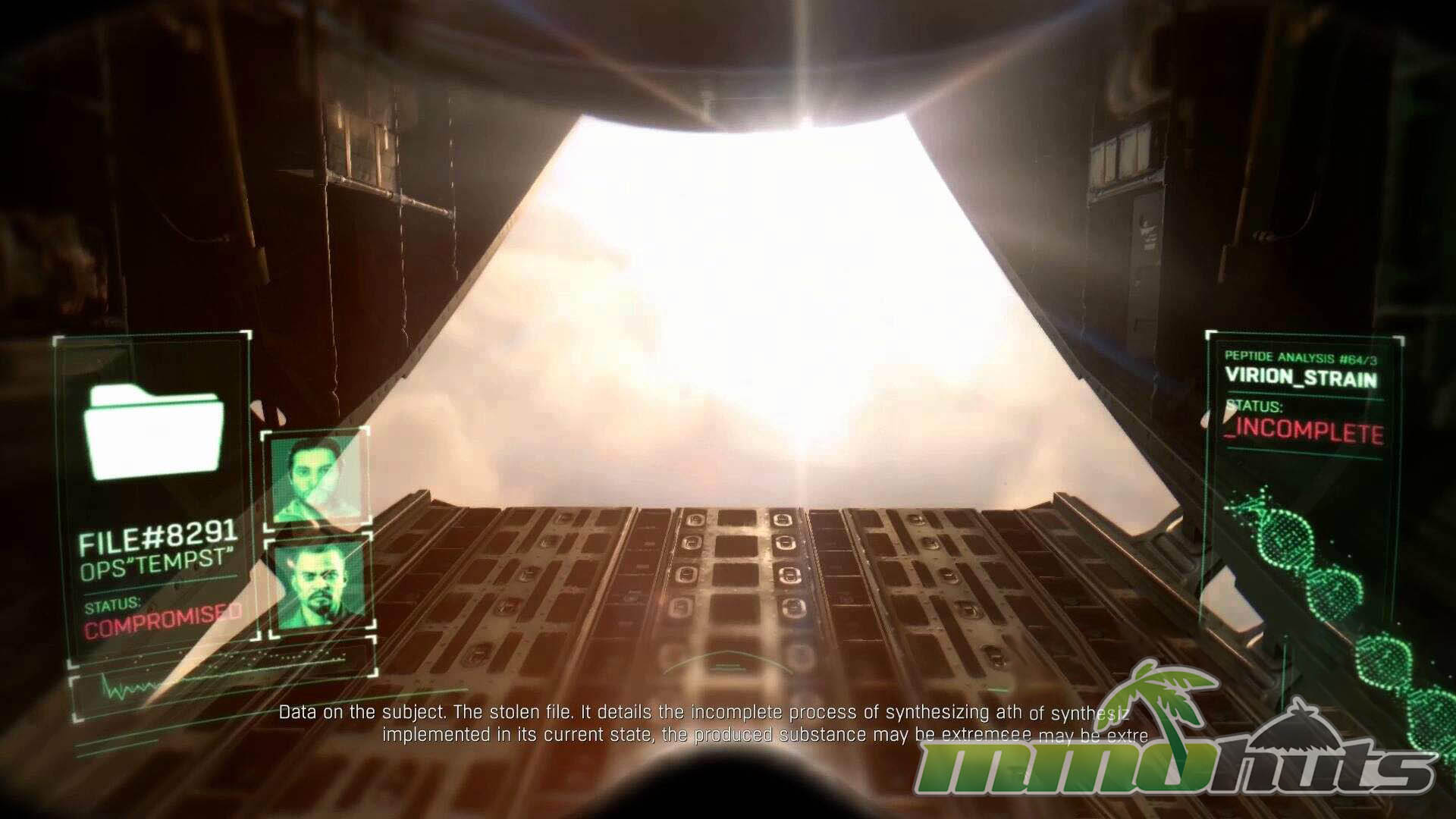
The opening establishes the tone quickly: Crane is inserted into Harran and almost immediately learns that the quarantine zone is hostile in more ways than one. After a nasty first encounter and an early brush with infection, he’s pulled into the survivor community and begins operating out of a multi-story safe area known as The Tower. From there, the game eases you in with a tutorial-style prologue that covers the essentials, movement fundamentals, basic crafting, and the simple truth that the fastest route is often the safest route.
It is a lengthy on-ramp, but it serves a purpose. Dying Light expects you to use the environment as a tool, not just as scenery, and the early lessons make it clear that awareness and positioning matter as much as weapon choice.
Work, Loot, Survive, Repeat
Structurally, Dying Light shares a lot with action RPGs and earlier Techland titles. Progress comes from completing tasks for other survivors, gathering supplies, and pushing farther into risky zones for better rewards. You will spend plenty of time hunting for medicine, ammunition, crafting materials, and mission items, with optional jobs that add variety and keep the city feeling active.
Where it distinguishes itself is the parkour layer. Harran is built vertically, and the free-running system lets you chain climbs, vaults, rooftop jumps, and zip lines to avoid being surrounded. Against typical shambling infected, elevation is your biggest advantage, since many threats are slow and easily outmaneuvered. That sense of safety does not last forever though, because not every infected plays by the same rules.
Enemy variety adds needed friction to the loop. Some infected behave like classic walkers, others are faster and more aggressive, and certain heavy variants demand respect simply because they can punish mistakes hard. It is a setup that feels familiar to fans of the genre, but it works well in an open-world context where you can choose to fight, flee, or improvise a route through danger.
When the Sun Sets, the City Changes
The day and night cycle is not cosmetic, it is one of the game’s strongest systems. In daylight, you can plan routes, clear small clusters of infected, and loot with a measured pace. At night, visibility and confidence both drop. Your flashlight becomes a double-edged tool, helping you see while also making you feel exposed, and the city’s most dangerous infected become a constant pressure.
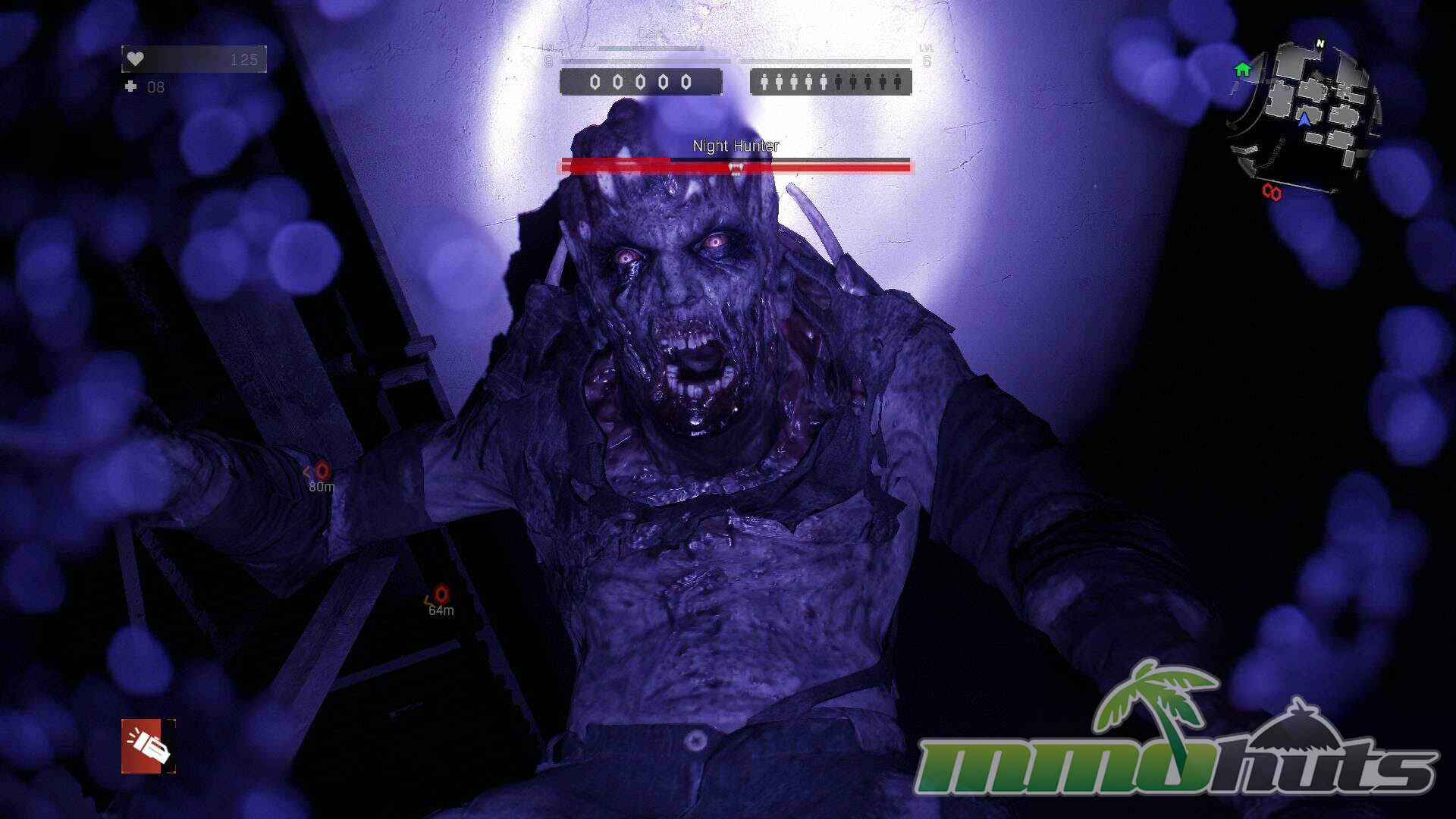
The standout threat is the volatile, a faster and more lethal infected that can pursue you across rooftops and punish sloppy movement. The obvious solution is to sprint for a safe zone, but in practice, patience and caution can be more reliable than brute speed. Nights are where Dying Light leans hardest into horror, because even familiar streets feel threatening when you know you are no longer the fastest thing out there.
Night also ties into the game’s invasion-style PvP through “Be the Zombie Mode.” If your session is open and invasions are enabled, another player can enter as a Night Hunter and effectively transform the mood into a tense, asymmetric showdown. The settings give you control over when this can happen, including options that allow invasions more broadly by forcing the world state into nighttime.
Crafting That Encourages Experimentation
Crafting is central to Dying Light’s rhythm. You collect blueprints and components while exploring, then turn those parts into practical survival tools such as lockpicks and medkits, as well as more specialized weapon modifications that add extra bite to melee combat. The best part of the system is how it supports improvisation, you rarely feel locked into one solution when you are willing to scavenge and build.
Weapon durability is the main friction point. Gear breaks quickly, and while that keeps scavenging meaningful, it can also make favorite weapons feel disposable. Repairs help, but they are limited, which pushes you to carry backups and rotate equipment often. In practice, that constant turnover becomes part of the survival fantasy, but it can still feel harsh when you lose a strong weapon after only a few messy encounters.
Three Skill Tracks, One Playstyle
Progression is split into three categories: Survival, Agility, and Power. The game rewards what you actually do, which makes growth feel natural. Completing survivor-focused tasks builds Survival, movement and free-running feed Agility, and direct combat improves Power. Each track unlocks new abilities that reinforce that style of play, whether you want better crafting utility, more advanced traversal options, or stronger combat performance.
The balance between the tracks is not perfectly even. Power tends to rise more slowly because it relies on actively fighting, while the other two often grow alongside routine play. That can be a positive if you prefer to avoid unnecessary battles, but it also means combat-focused builds may take more deliberate effort. Over time, the system does a good job of reflecting your habits, and it supports both cautious rooftop runners and players who prefer to clear streets with blunt force.

Co-op and Competitive Moments
Co-op is one of Dying Light’s strongest features. Up to four players can tackle missions together, including story content, which changes the feel of the game dramatically. The city becomes less oppressive when you have backup, and coordinated teams can handle difficult objectives and nighttime escapes far more consistently than solo players.
There are also light competitive elements, such as timed objectives that challenge players in the same session to out-perform one another in kills or looting. These events are optional, but they add variety without turning the game into a full-time competitive experience.
When invasions are enabled, the Night Hunter encounters become a high-energy PvP mode with clear roles: survivors must destroy a set number of hives while the invading player tries to stop them. The Night Hunter can feel intimidating, especially to new players, but coordinated survivor teams have the tools to respond. In smaller groups, the balance can swing sharply, which makes these invasions exciting but sometimes uneven depending on party size and experience.
Extra Purchases and Post-Launch Content
Beyond the base purchase, additional content is available through DLC bundles on Steam, including extra missions and maps, as well as season passes that bundle current and future additions. For most players, the core game provides a substantial amount to do, and it is worth exhausting the main experience before spending more. Cosmetic items are also available, but they are strictly about appearance and do not change gameplay.
If you are the kind of player who wants every last activity and has already cleared the map, the extra packs can make sense. Otherwise, Dying Light’s baseline loop, exploration, and co-op content are strong enough to stand on their own for a long while.

The Final Verdict – Excellent
Dying Light succeeds because it takes familiar zombie survival ingredients and builds a more dynamic game around movement and atmosphere. The parkour system makes traversal consistently enjoyable, melee combat has weight and urgency, and the day and night cycle meaningfully changes how you plan every outing. Harran is also a standout setting, detailed enough to feel lived-in, and structured in a way that makes exploration feel practical rather than decorative.
It is not without flaws. The buy-to-play model and high system demands can be barriers, and some genre elements will feel recognizable if you have played a lot of zombie games. Still, for players who want an open-world survival horror game with strong co-op, a satisfying crafting loop, and nighttime that genuinely changes the mood, Dying Light remains an easy recommendation.
Dying Light Links
Dying Light Official Site
Dying Light Steam Page
Dying Light Wikipedia
Dying Light Wikia [Database/Guides]
Dying Light System Requirements
Minimum Requirements:
Operating System: Windows Vista
CPU: Dual Core 2.4 GHz
RAM: 3 GB RAM
Video Card: NVIDIA GeForce GT 530 / ATI Radeon HD 6570
Direct X: DirectX 9.0
Hard Disk Space: 7.5 GB available space
Recommended Requirements:
Operating System: Windows 7
CPU: Quad Core 2.4 GHz
RAM: 6 GB RAM or more
Video Card: NVIDIA GeForce GTX 550 Ti / Radeon HD 6790
Direct X: DirectX 9.0
Hard Disk Space: 10 GB or more available space
Dying Light Music & Soundtrack
Coming Soon!
Dying Light Additional Information
Developer: Techland
Publisher: Warner Bros. Interactive Entertainment
Distributor: Steam
Director: Adrian Ciszewski
Composer: Pawel Blaszczak
Storywriter: Dan Jolley
Game Engine: Chrome Engine 6
Official Release Date (NA): January 27, 2015
Official Release Date (Global): February 27, 2015
Development History / Background:
Dying Light is a buy-to-play, open-world 3D survival horror title developed by Techland and published by Warner Bros. Interactive Entertainment. It launched officially in North America on January 27, 2015, followed by a global release on February 27, 2015, with no beta or early access period. Techland, a Polish studio recognized for creating the Dead Island franchise, positioned Dying Light as a more movement-driven take on the zombie survival formula.
The project was first announced on May 23, 2013, with a trailer shown shortly after during the 2013 Electronic Entertainment Expo. Originally targeted for a 2014 release window, the game was delayed to February 2015 to refine several elements. Techland also brought in Dan Jolley (known for work with DC Comics) to handle story duties, and Pawel Blaszczak, a composer associated with Dead Island, The Witcher, and Call of Juarez, to create the music. An expansion titled Dying Light: The Following is planned for release.