Duelyst is a stylish, pixel art, turn-based strategy card game where you command a Bloodborn General on a grid-based battlefield. It blends collectible card game deckbuilding with tactical positioning, letting you summon units, cast spells, and outmaneuver opponents in quick, decisive duels that feel like a cross between Hearthstone’s card flow and Hero Academy’s board tactics.
 | Publisher: CounterPlay Games Playerbase: Medium Type: Turn-Based Strategy Release Date: December 17, 2014 Shutdown Date: February 27, 2020 Pros: +Stunning pixel art and effects. +Deep tactical, grid-based card battles. +Matches move at a brisk pace. Cons: -Progression can feel pay-influenced. -A key draft-style mode is currency-gated. |
Duelyst Overview
Duelyst is a turn-based strategy game developed and published by CounterPlay Games. At its core, it is a duel between Bloodborn Generals representing rival factions, fought on a small grid where positioning matters just as much as what is in your deck. You choose one of six heroes, build around that faction’s card pool, then take turns spending mana to deploy minions and cast spells while trying to bring the enemy General to zero health.
What makes Duelyst stand out is how it merges two skill sets that are often separate in the genre. You still need the classic CCG fundamentals, such as curve, tempo, and resource management, but you also have to think like a tactics player, blocking lanes, controlling space, and setting up flanks. Between ranked play and puzzle-like challenges, the game consistently nudges you to learn matchups and refine sequencing rather than relying purely on raw card power.
Duelyst Key Features:
- Pixel Graphics- Hand-crafted sprites and combat animations give every unit a distinctive presence on the board.
- Tons of Cards to Collect- A large library of cards encourages experimentation with multiple archetypes and strategies.
- Half a Dozen Classes- Six factions provide markedly different play patterns, from control and combo to swarm and midrange.
- Challenge Mode- Puzzle scenarios teach mechanics and reward precise, efficient play.
- Ranked Ladder- Competitive matchmaking rewards strong fundamentals, matchup knowledge, and clean execution.
Duelyst Screenshots
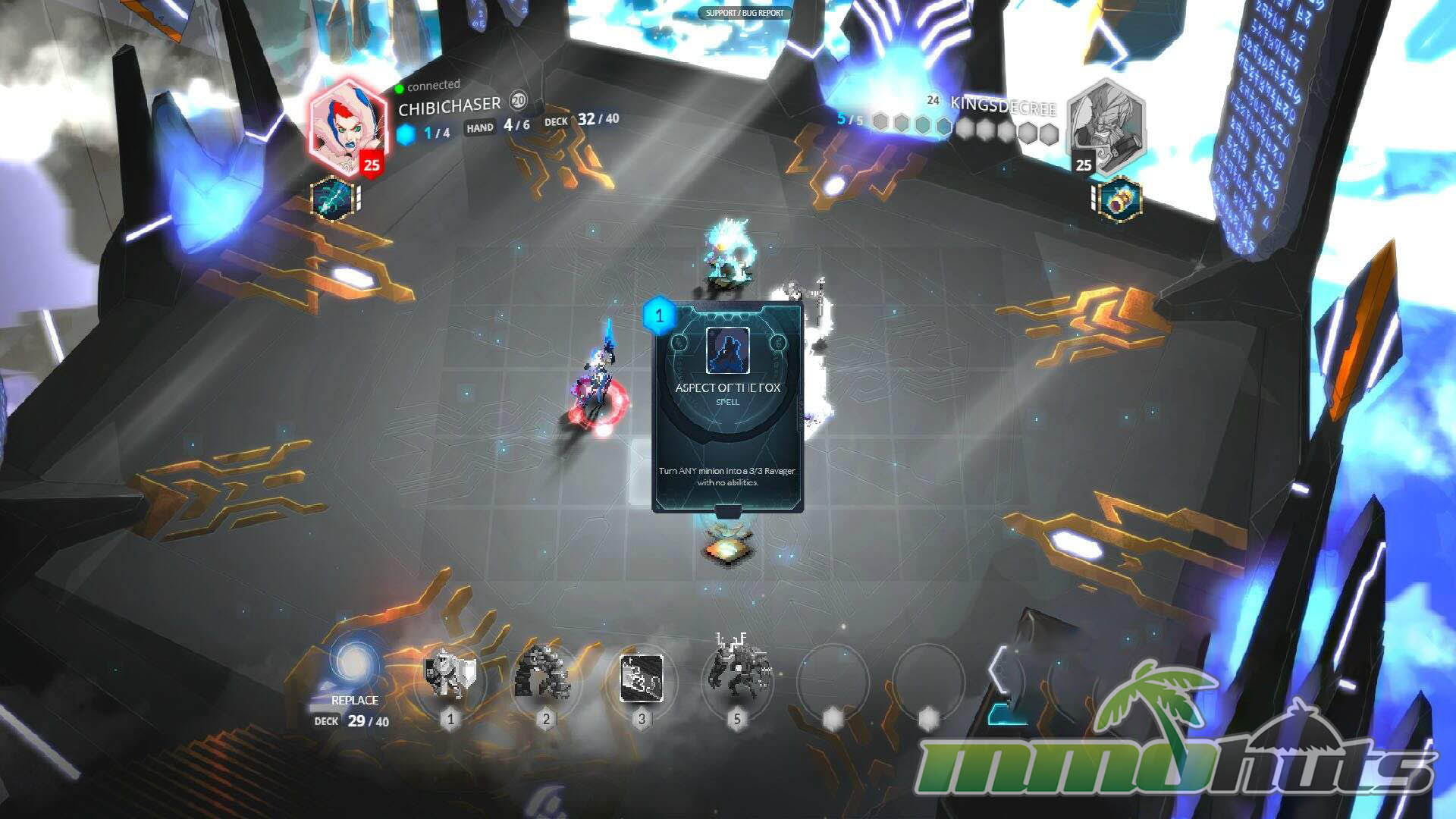


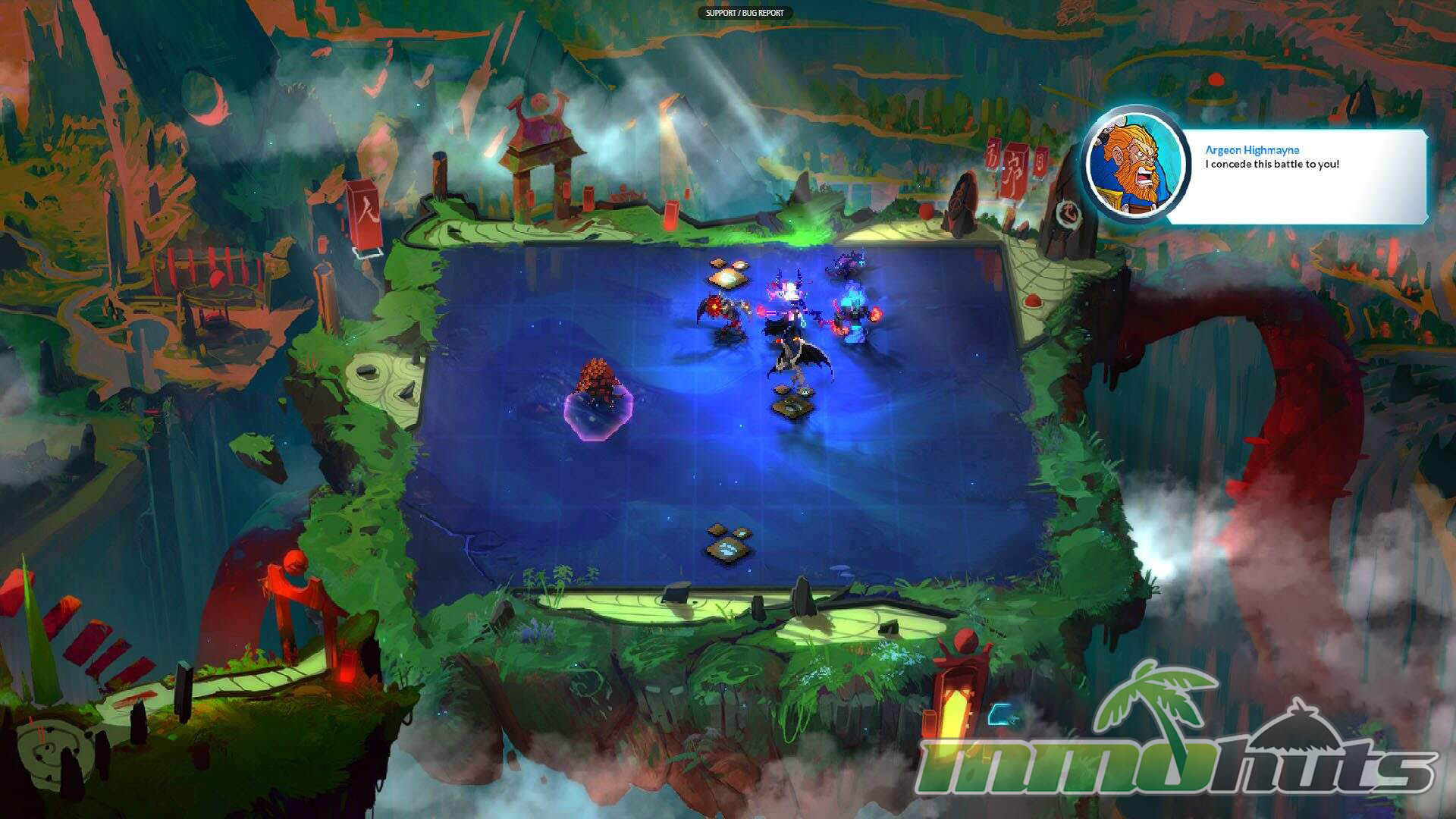
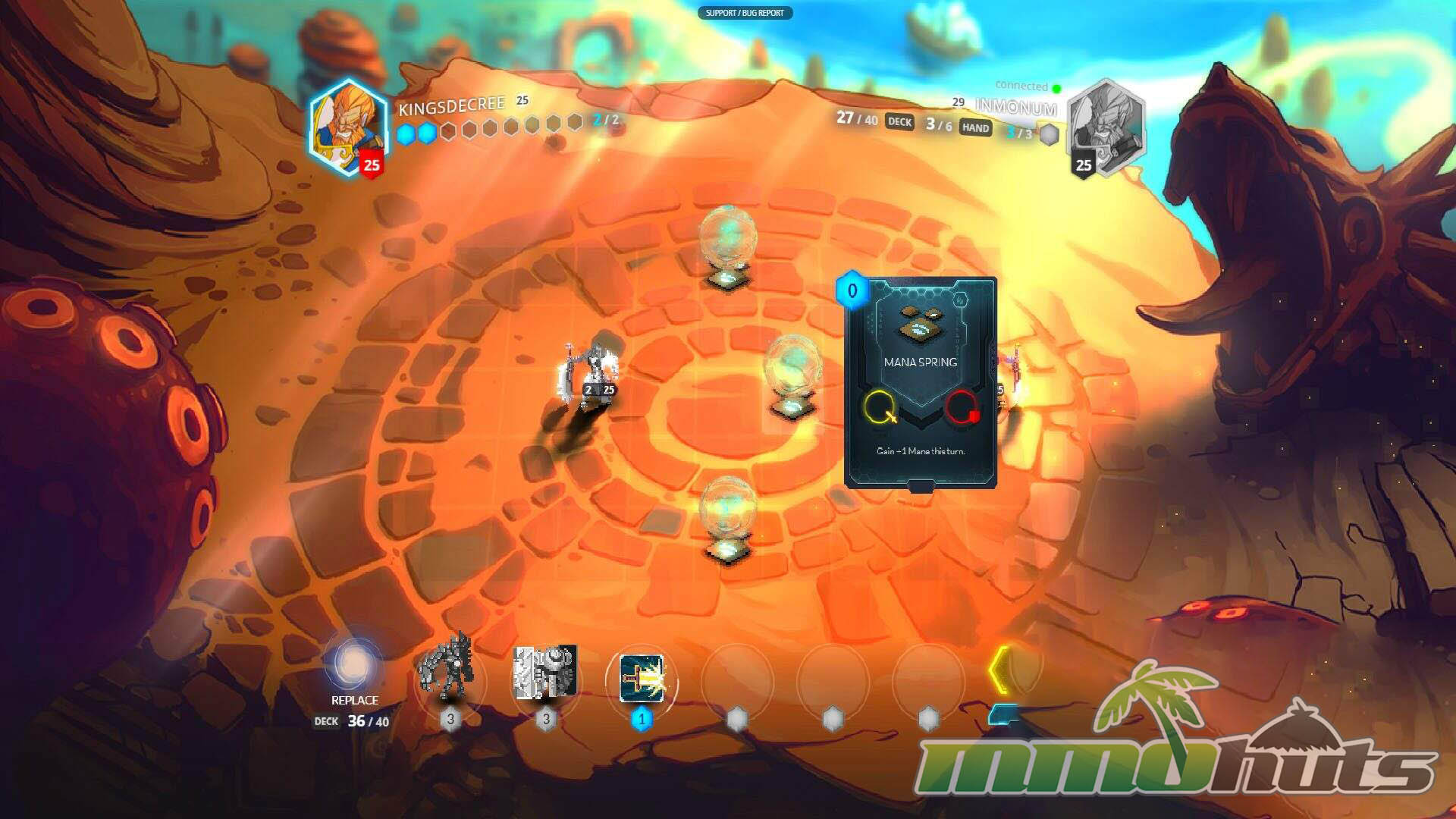
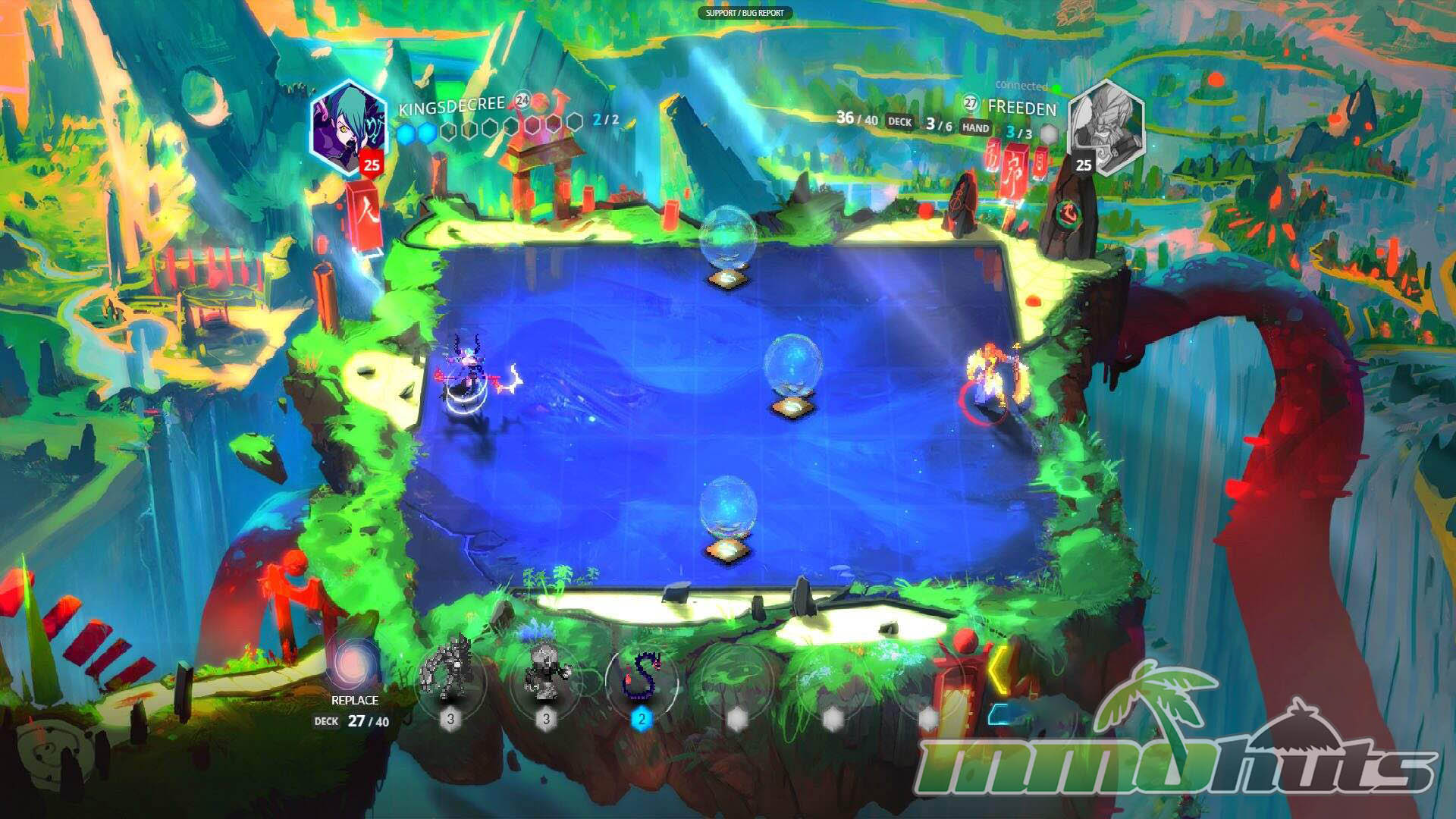
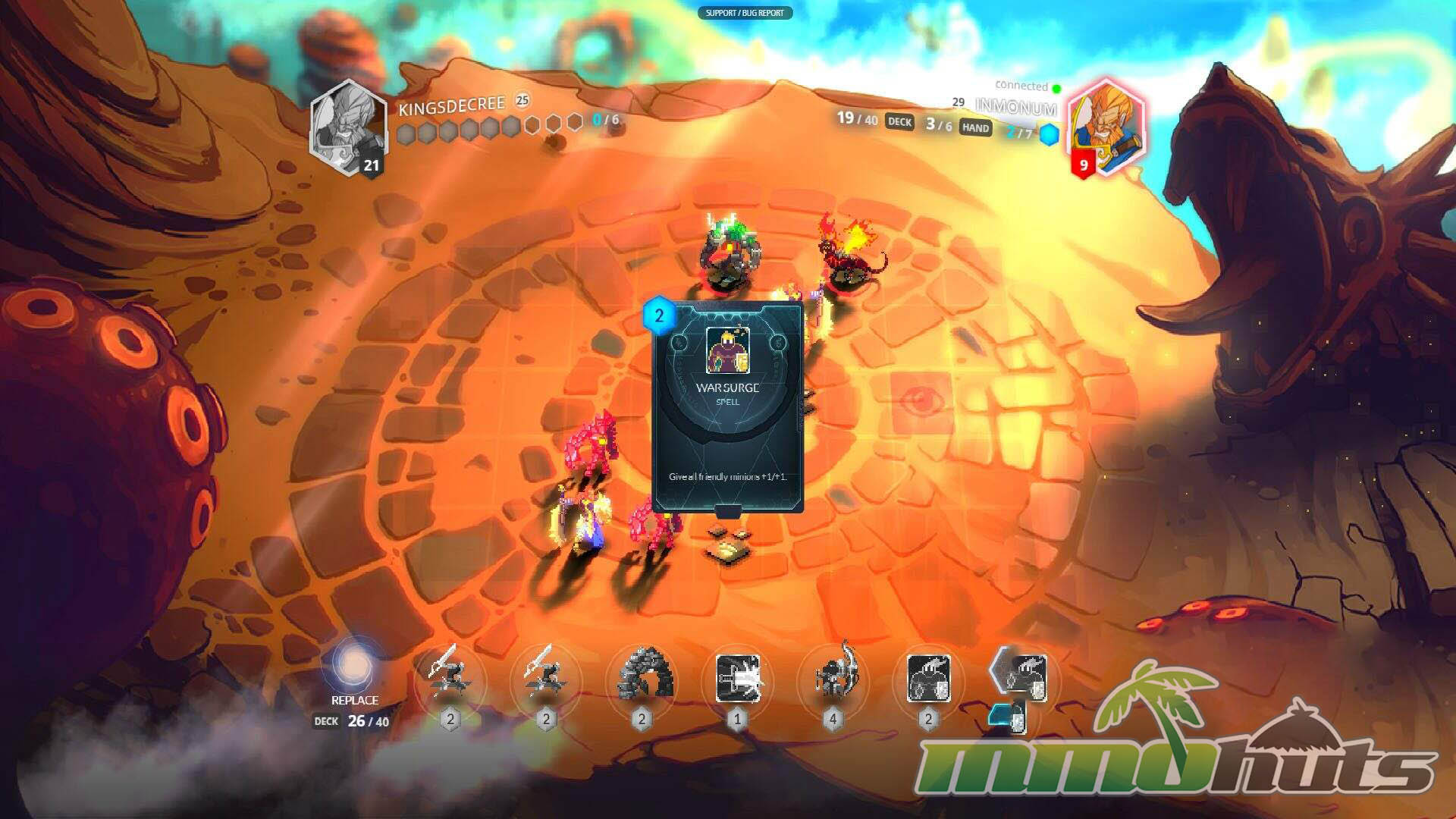
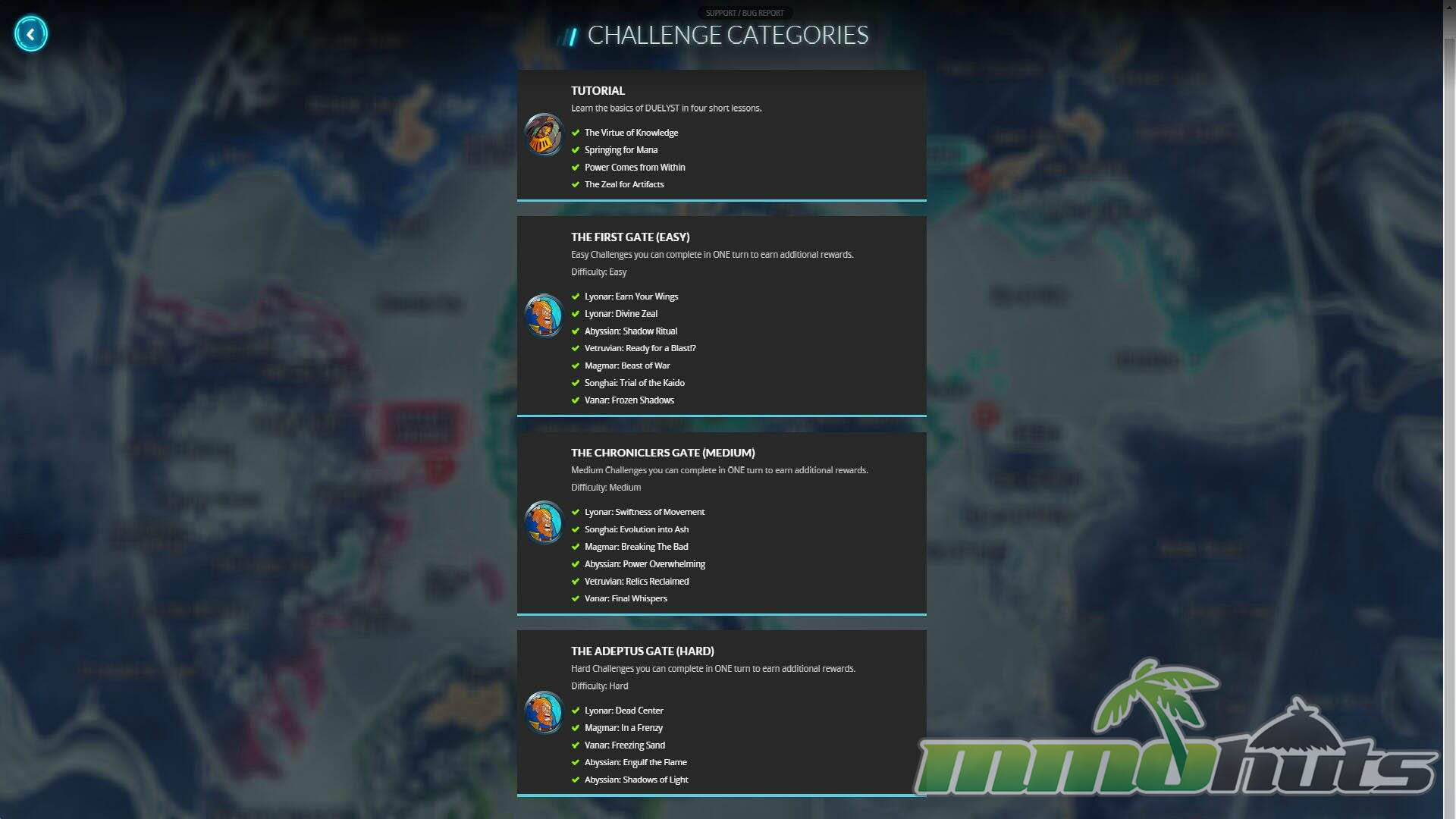
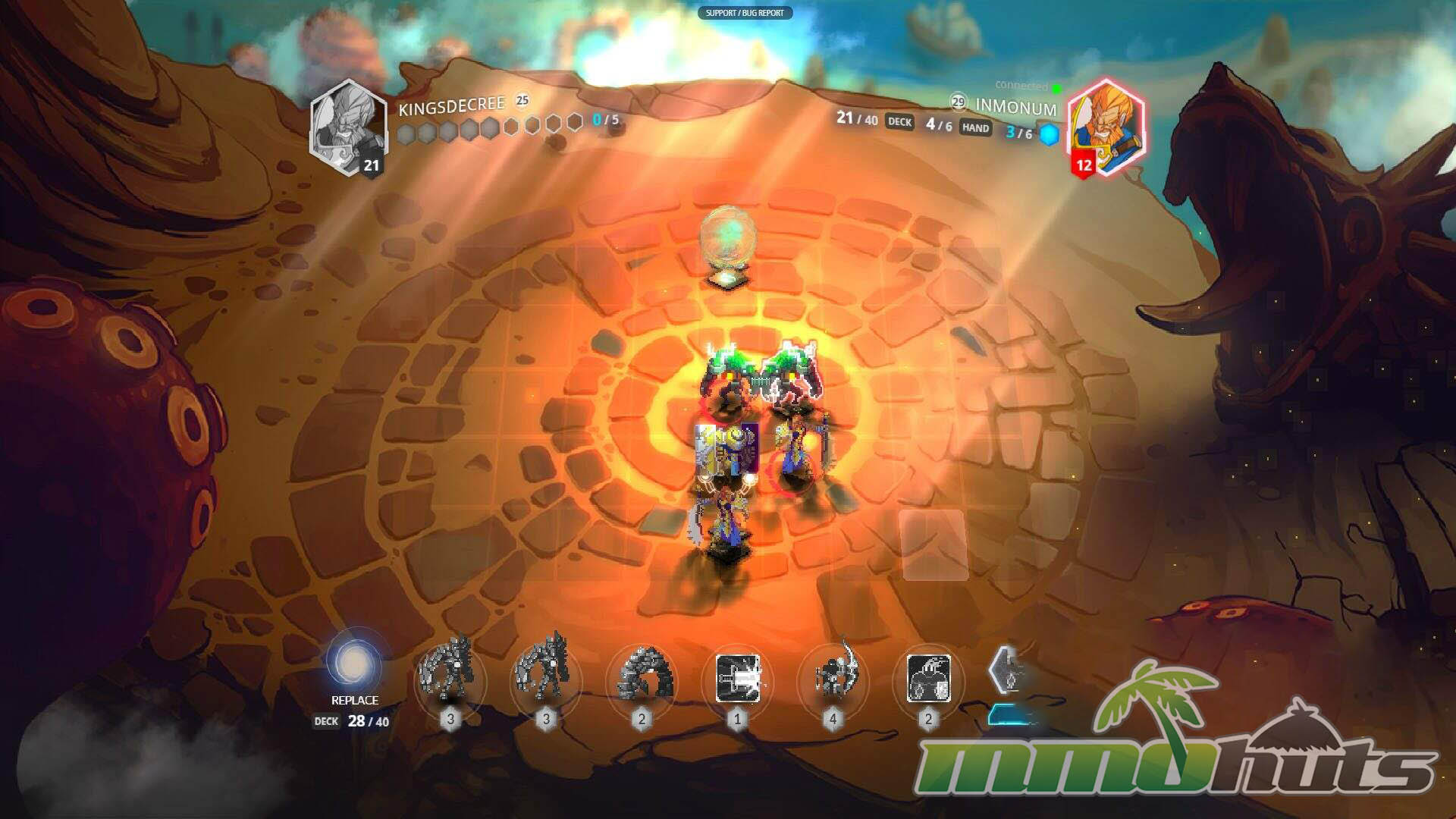
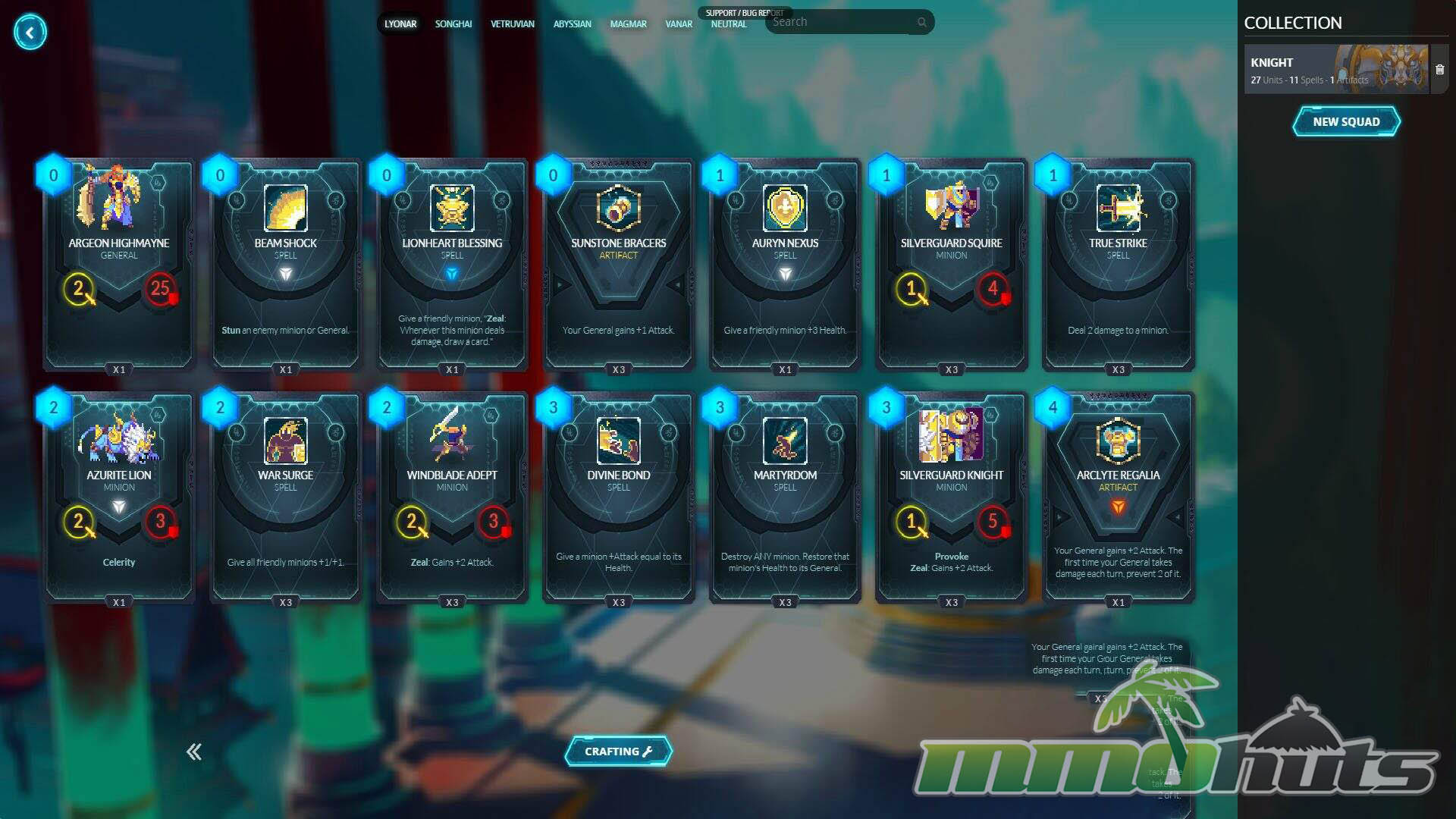


Duelyst Featured Video

Duelyst Classes
Vanar- Built around control and disruption, Vanar uses walls and terrain-like effects to restrict movement and reshape the board. Tools involving frost, infiltrate-style positioning payoffs, and transformation effects let Vanar punish predictable lines. Success typically comes from planning ahead and turning the grid into a trap.
Lyonar- Lyonar plays like an aggressive, disciplined frontline faction that thrives on formation. Many cards reward keeping allies close to the General, granting buffs and pushing efficient trades. Lyonar also has tools that hinder enemy movement and attacks, enabling a straightforward, pressure-heavy approach that snowballs when you keep the opponent boxed in.
Songhai- Songhai leans into mobility, burst turns, and tricky removal. Backstab threats and displacement spells create sudden swings, and the faction often feels the most combo-oriented. It rewards careful hand management and sequencing, because the most explosive turns tend to require multiple low-cost cards fired off in the right order.
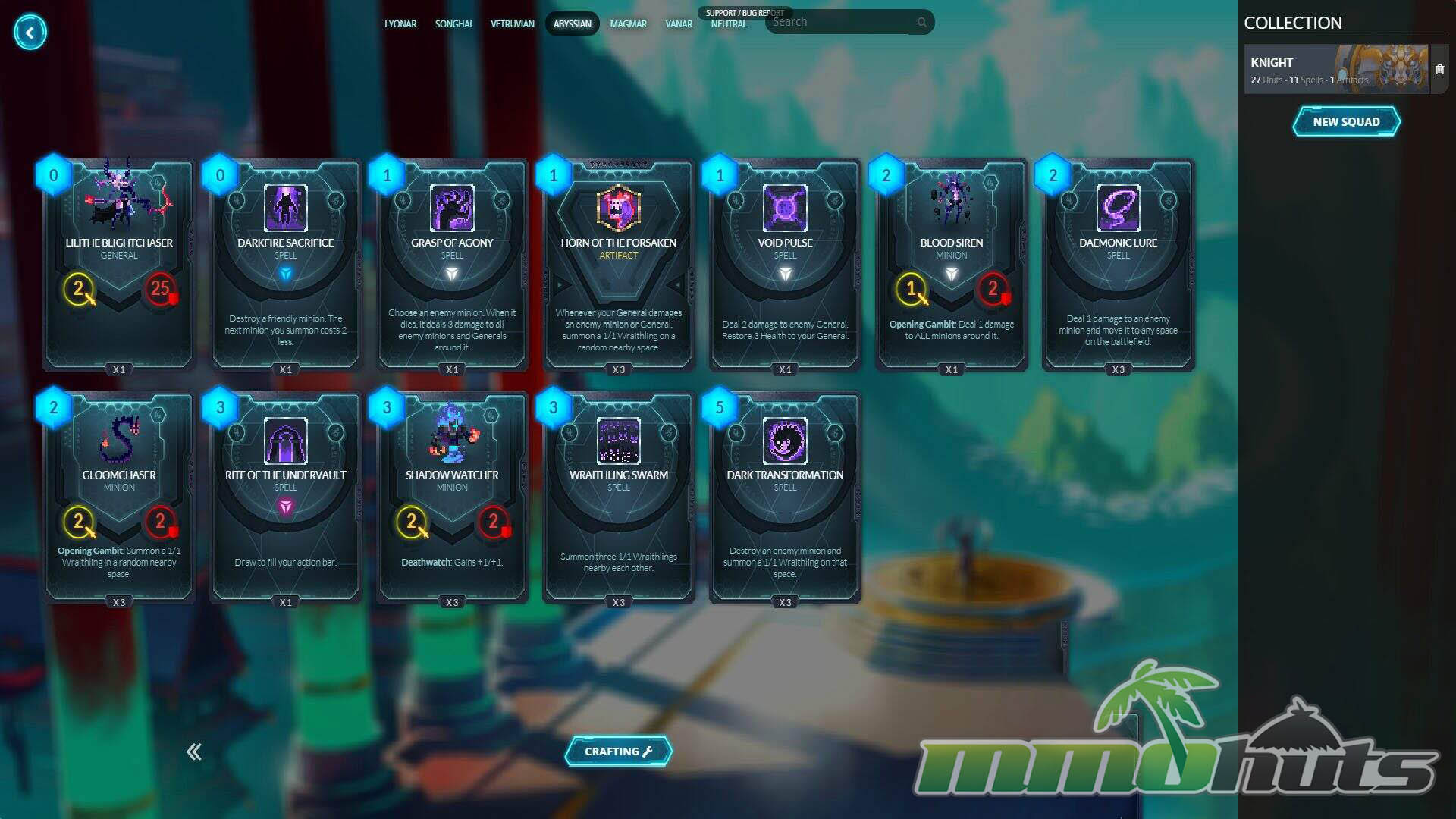
Abyssian- Abyssian is comfortable sacrificing pieces to gain long-term advantage. Swarms of inexpensive summons can fuel death-trigger synergies, turning a board full of disposable bodies into buffs and value for the survivors. The faction is powerful when piloted patiently, because timing your trades and setting up deathwatch payoffs is usually the difference between a fizzled turn and a crushing one.
Vetruvian- Vetruvian often wins by establishing persistent pressure across the map. Obelysks that generate ongoing threats force opponents to answer the board repeatedly, while ranged units and backline support can make approaching your side of the grid costly. Vetruvian excels when it dictates where fights happen.
Magmar- Magmar is about raw force and durable threats. It tends to field some of the most imposing units, and it can keep applying pressure even after trades thanks to resilient bodies and recurring value. The gameplan is relatively direct, but it is effective, once Magmar starts sticking threats, opponents can run out of clean answers quickly.
Duelyst Review
Duelyst aims for something many card battlers promise but rarely deliver, a game with collectible depth that also demands tactical, on-board decision making every single turn. In practice, it succeeds more often than not. Even years after release, the core match flow feels distinct because movement, spacing, and initiative are as important as deck construction.
Artwork and presentation that carry the experience
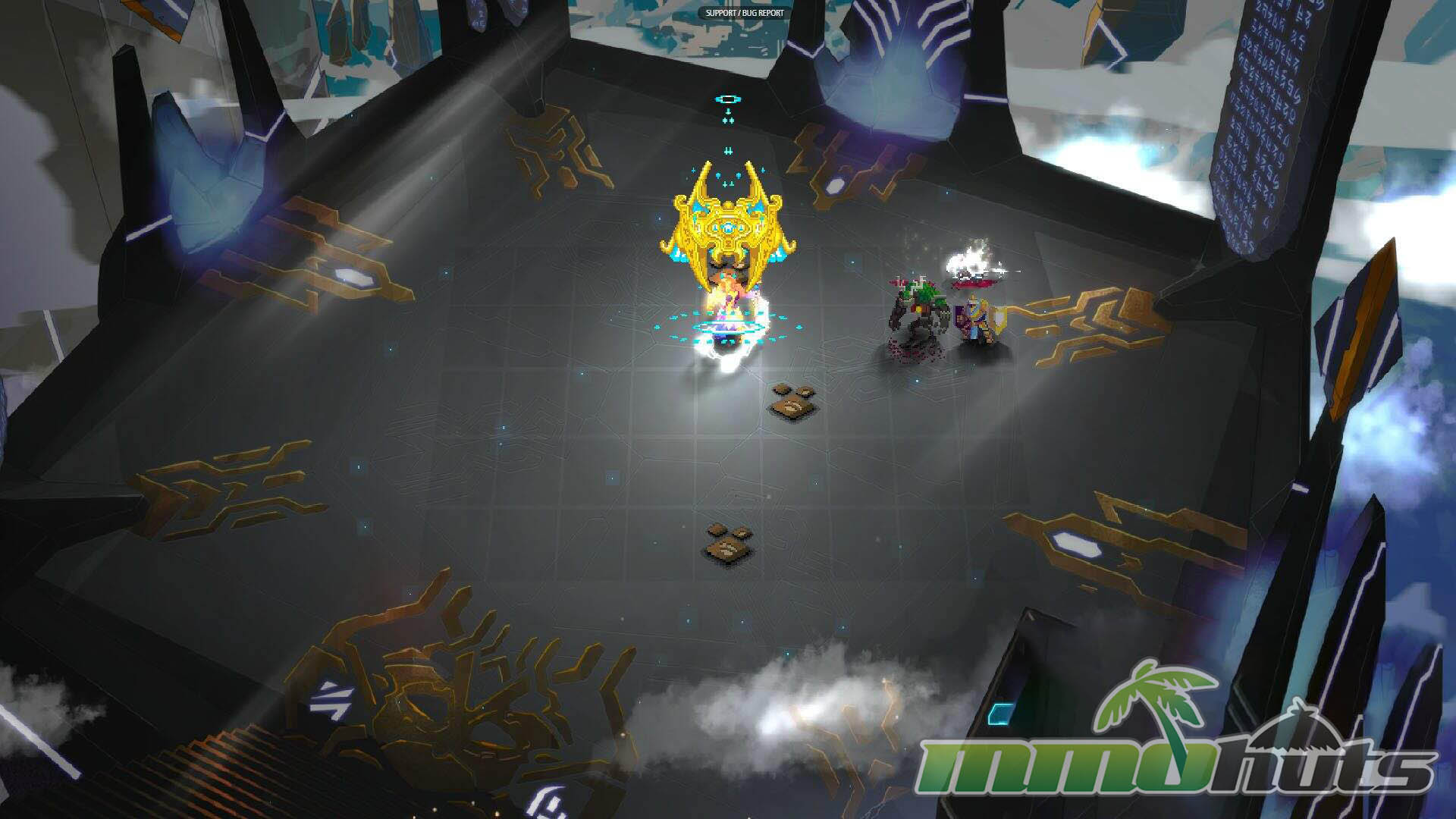
Duelyst’s pixel art is not just “nice for an indie”, it is a defining feature of the game’s identity. Units read clearly on the grid, animations are expressive without being noisy, and the faction themes come through in silhouettes and effects. Heavy units land with weight, fragile assassins move with speed, and swarms look appropriately chaotic. It is the kind of visual clarity that helps strategy games, because you can parse the board state at a glance.
The surrounding presentation uses a different style for portraits, UI, and backgrounds, leaning into painterly, watercolor-like scenes. The contrast can feel unusual at first, but it generally works because the battlefield remains clean and readable, and the extra detail outside the grid helps sell the setting without cluttering the match itself.
Easy to learn, tactical enough to stay interesting
The fundamentals are approachable if you have played digital CCGs. You draw cards, spend increasing mana each turn, and deploy units and spells. The twist is that units are placed on a grid, typically near your General or other allies, which makes board development a spatial problem rather than a purely numerical one.
Your General is not a passive “avatar”, it is a fighting piece with 25 health and a base attack value, and it can be healed, buffed, and used to trade. That one decision gives Duelyst a different feel from games where the hero is mostly a life total. You are constantly weighing whether stepping forward to secure a trade is worth opening a lane, and whether retreating to play safe gives up too much tempo.
Faction identity also shows up in how Generals and faction mechanics shape your decisions. Lyonar’s formation-based buffs, for example, reward tight positioning and disciplined pushes, while other factions encourage flanks, traps, or sacrifice-based setups. Matchups can feel dramatically different because the grid changes what “pressure” and “defense” mean from one faction to another.
Cards that encourage creative lines
Duelyst’s card pool supports more than the usual cycle of “play minion, remove minion”. Many effects are inherently positional, such as walls that block movement, teleports that flip engagements, line-based attacks, rooting and taunting tools, and various mobility tricks. The result is a game where a single card can create multiple lines depending on where pieces are standing.
The challenge content is especially good at communicating that idea. Puzzle-style scenarios are designed to teach faction mechanics and highlight sequencing, showing how a turn can be built from several smaller interactions. Songhai is a strong example of this design philosophy, because the faction’s burst potential often comes from chaining movement, buffs, and resets into a single decisive swing. When it works, it feels surgical, but it also exposes the risk of combo play, you can empty your hand and be vulnerable if the opponent survives.
Beyond puzzles, Duelyst offers a practice environment for testing interactions without consequence and a ranked ladder for competitive play. It also includes a draft-like mode (Gauntlet) where you assemble a deck from random selections and try to string together wins for better rewards. The format is fun for variety, although the currency requirement to enter can make it feel less accessible than it should be for players who want to draft frequently.
Monetization and collection pressure
Like many collectible card games, Duelyst ties progression to building out your collection. You start with basic options and expand through packs purchased with earned currency or real money. That structure is familiar, but it also creates the genre’s most common friction point, players with deeper collections can access more efficient tools and more specialized win conditions.
In competitive play, that gap can be discouraging. Losing to a powerful rare effect does not always mean you were outplayed, sometimes it simply means your collection is not yet equipped to answer what you are seeing on ladder. It is not a pure “pay to win” switch, but it can feel close enough to influence whether new players stick with ranked.
Final Verdict – Excellent
Duelyst delivers a rare combination: a collectible card game with genuinely meaningful board tactics and a presentation that makes every match look like a moving piece of pixel art. The faction variety supports different strategic mindsets, and the grid ensures that even familiar card concepts play out in fresh ways. Its biggest drawbacks come from the typical CCG economy pressures and the way certain modes are gated by currency, but as a strategy experience, Duelyst remains one of the most distinctive entries in the genre.
Duelyst Links
Duelyst Official Site
Duelyst Kickstarter Page
Duelyst Gamepedia [Database/Guides]
Duelyst Subreddit
Duelyst System Requirements
Minimum Requirements:
Operating System: XP / Vista / 7 / 8
CPU: Intel Pentium 4 or AMD Equivalent
Video Card: Any Graphics Card (Integrated works well too)
RAM: 512 MB
Hard Disk Space: 100 MB (Cache)
Duelyst is a browser based MMO and will run smoothly on practically any PC. The game was tested and works well on Internet Explorer, Opera, Firefox and Chrome. Any modern web-browser should run the game smoothly.
Duelyst Music & Soundtrack
Coming Soon…
Duelyst Additional Information
Developer:CounterPlay Games
Publisher:CounterPlay Games
Team Lead: Keith Lee – Keith Lee was the Lead Producer for Diablo III at Blizzard Entertainment and the Lead Game Programmer at Insomniac Games.
Lead Artist: Glauber Kotaki – Glauber Kotaki served as Lead Artist for Rogue Legacy and worked as an animator on Chasm and Deep Dungeons of Doom. With more than a decade in 2D art, he has remained active in the indie scene and has published writing through outlets such as Gamasutra.
Lead Environment Artist: Anton Fadeev – Anton Fadeev contributed his illustration, web design, and marketing background to help shape Duelyst’s world. Outside of Duelyst, he has also been involved with an unannounced science fiction project.
Music Composer: Ben MacDougall – Ben MacDougall has composed for a range of projects and media, and has also taught on bespoke composition for radio at Harvard University. In 2012, he received the Jo Horowitz Award in Composition for Screen at the RCM in London. He is the official composer for Bremont and hosts a weekly radio show for the BBC.
Game Engine: In-house
Closed Alpha: December 17, 2014
Closed Beta: Early to mid 2015
Steam Greelight: April 6, 2014
Shutdown Date: February 27, 2020
Development History / Background:
Duelyst began life as a physical board game concept before transitioning into a full online release, largely driven by encouragement from friends who wanted a version that was easier to share and play. CounterPlay Games’ Kickstarter campaign gained momentum immediately, raising over $10,000 on day one, climbing to nearly $20,000 the next day, and securing Steam Greenlight shortly after. The project reached its funding goal within a week, kicking off formal development, and ultimately surpassed $135,000 over the course of the month-long campaign. Duelyst shut down on February 27, 2020.