Dragon Quest X
 (No Ratings Yet)
Dragon Quest X is a subscription-based MMORPG that takes the colorful, anime-flavored identity of the Dragon Quest series and reshapes it into an online adventure. It blends familiar MMO exploration and party play with a JRPG-leaning combat rhythm, then wraps everything in a long-form storyline focused on stopping Nelgel, the Lord of Hell.
 | Publisher: Square Enix Playerbase: Medium Type: 3D MMORPG Release Date: August 2, 2012 Pros: +Playable non-human races add variety. +One character can swap jobs (classes) whenever you return to town. +Supports cross-platform play. +Includes a free-to-play option up to level 20. Cons: -Areas can feel compact compared to larger MMOs. -Not very friendly for English-only players. -Requires an upfront purchase plus a monthly subscription. |

Dragon Quest X Overview
Dragon Quest X: Awakening of the Five Tribes online stands out as the series’ tenth main entry and the only one built as a full MMORPG. The opening begins with a largely solo prologue where you play as a human, setting the tone with a dramatic inciting event when Nelgel, the Lord of Hell, attacks your village. From there, the game pivots into its online structure, with your spirit leaving your original body and continuing the journey through a new avatar created for the MMO world.
Character creation offers six distinct races, Human, Dwarf, Elf, Ogre, Puklipo, and Weddie, and you can start with one of six jobs, Warrior, Mage, Martial Artist, Minstrel, Priest, and Thief. A major convenience is that you are not locked in, you can return to town and switch jobs whenever you want, letting a single character cover multiple roles as you learn the game or adapt to group needs.
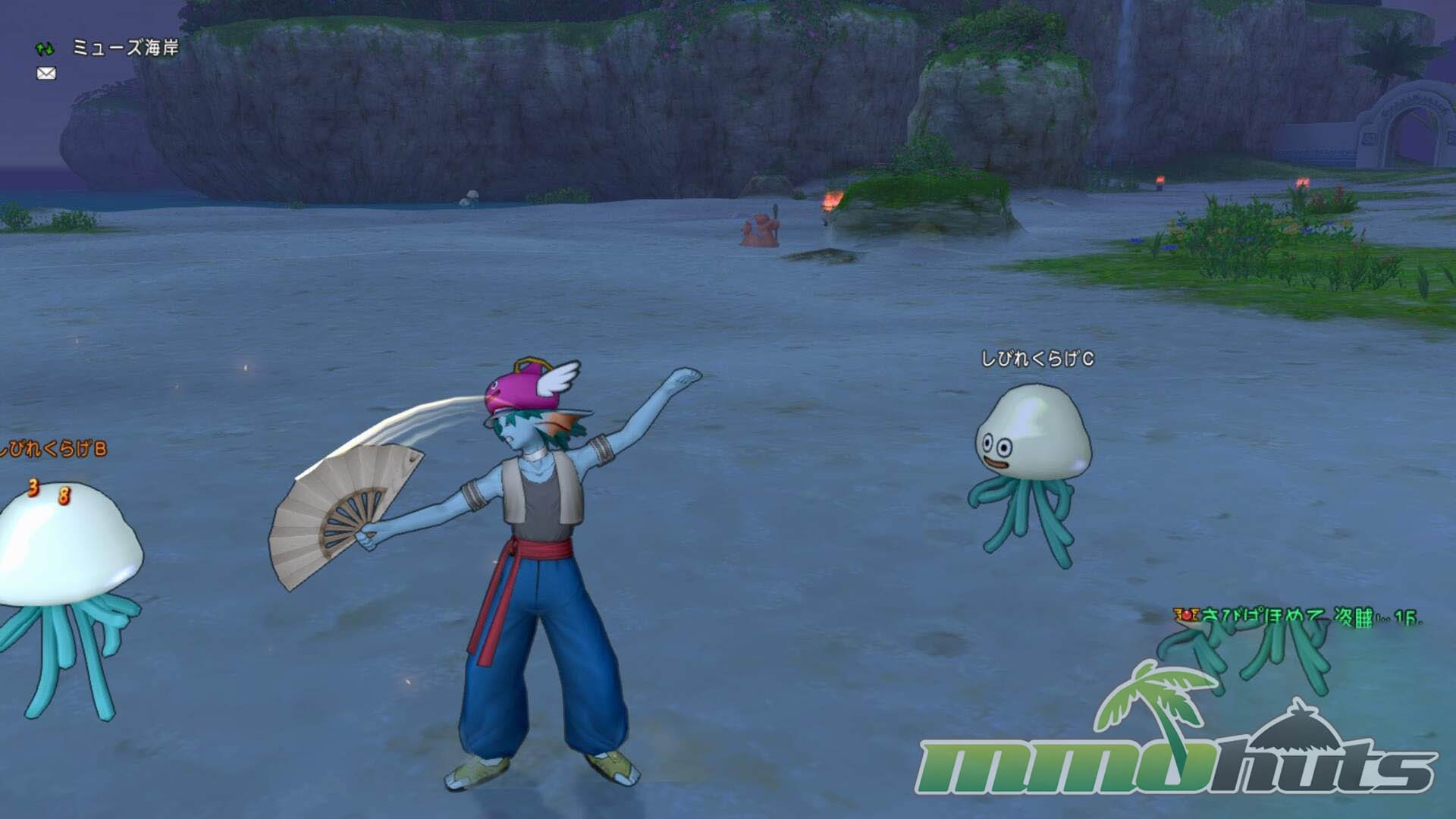
Combat aims for a middle ground between MMO action flow and classic JRPG pacing. Abilities operate on a timed turn system reminiscent of active time battle, so you wait for actions to come up, and if you hold off, you can build up multiple turns to spend in sequence. Outside of fighting, Dragon Quest X leans into lifestyle features too, particularly housing, where you can select plot sizes and home styles, then decorate the interior to match your taste. Progression is anchored by a cinematic main scenario that pushes you toward confronting Nelgel and restoring the world’s balance.
Dragon Quest X Key Features:
- Distinct visual identity – the world uses Akira Toriyama’s unmistakable character and creature designs.
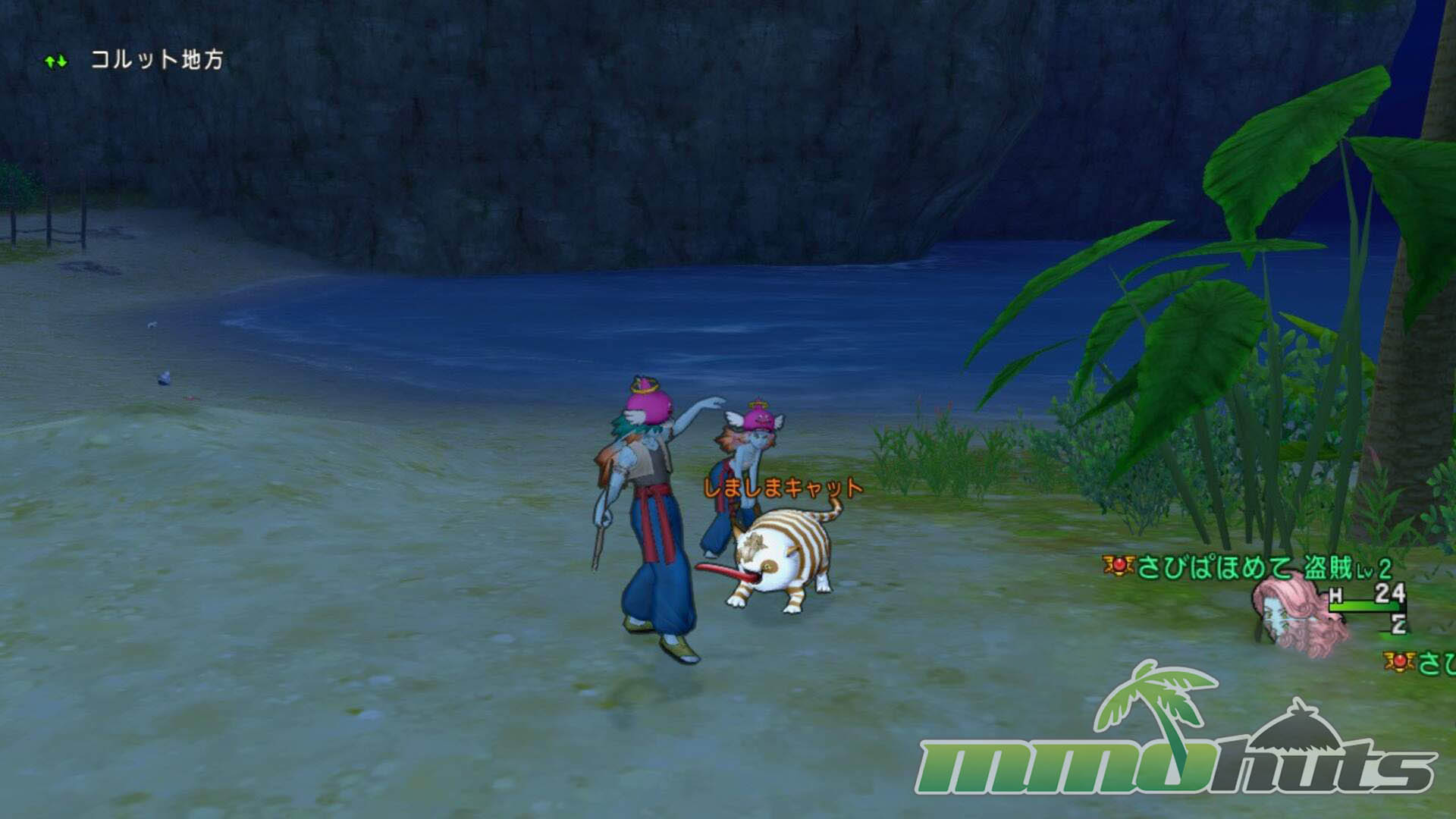
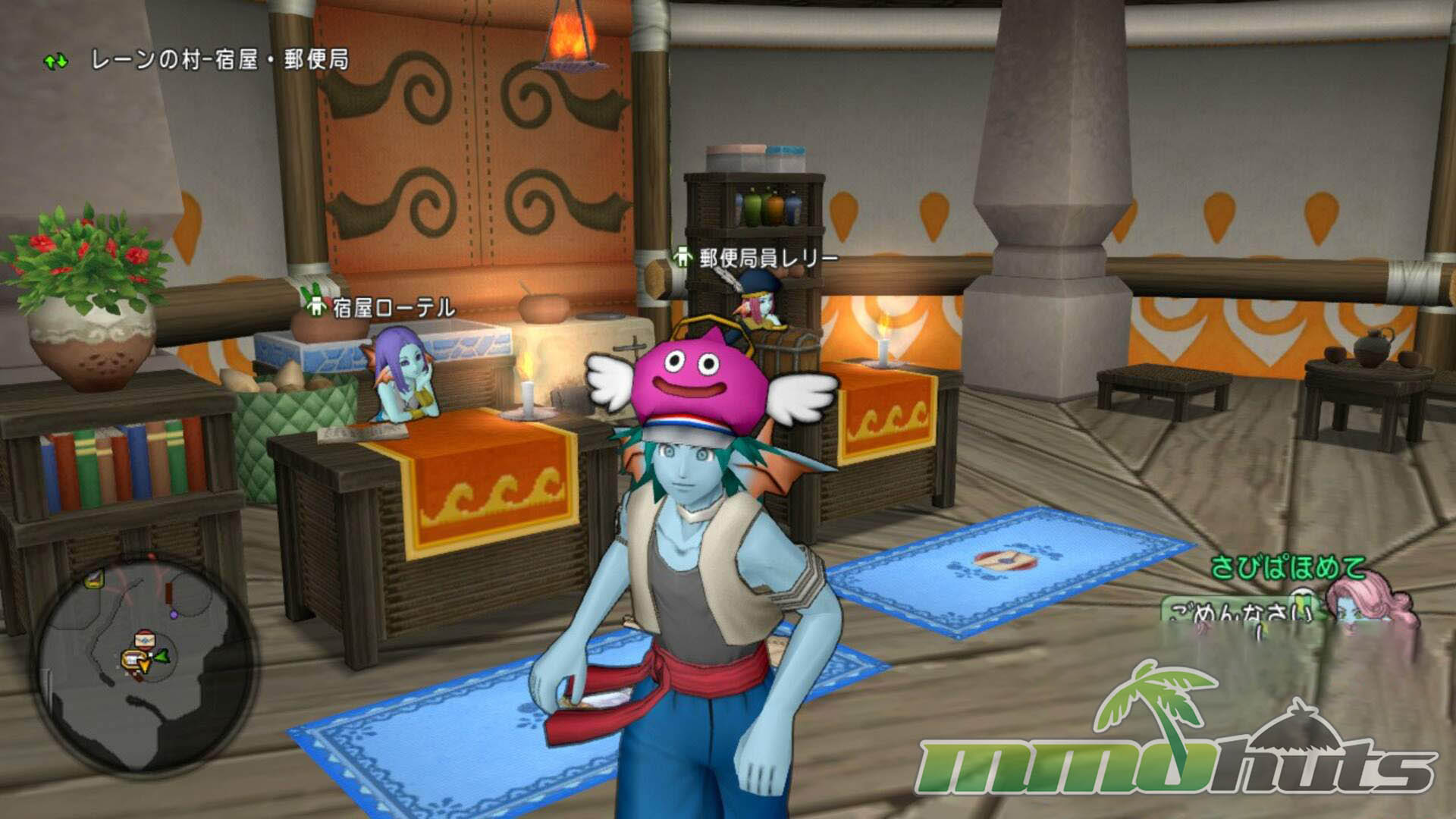
- Six playable races – choose from six races with noticeably different looks, including several that are clearly not human.
- JRPG-leaning battle flow – encounters mix MMO ability use with an active time battle style turn cadence.
- Flexible job swapping– you can rotate through all six jobs on a single character by heading back to town to change roles.
- Deep housing options – pick a property size and house model, then customize furnishings and interior layout.
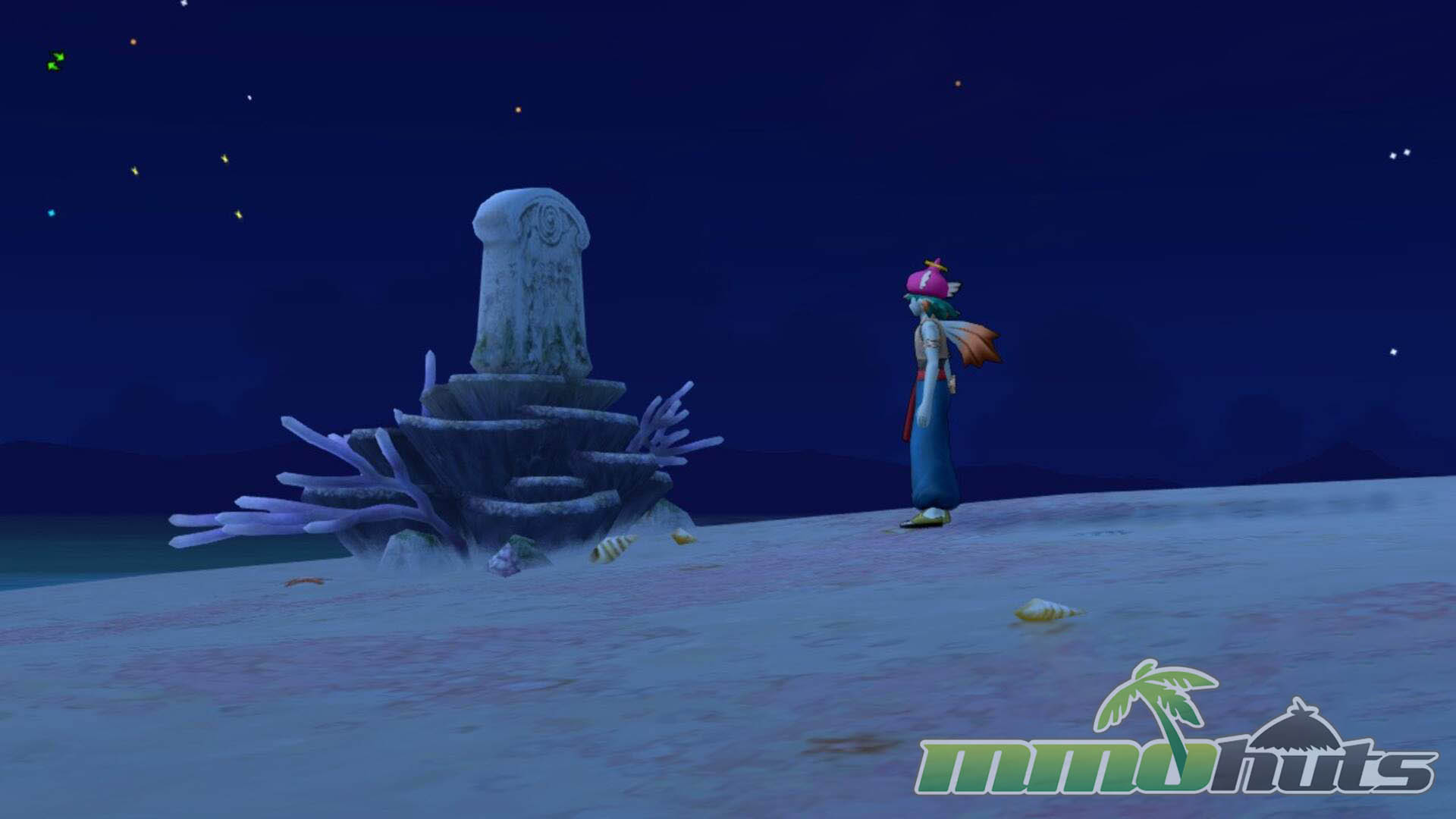
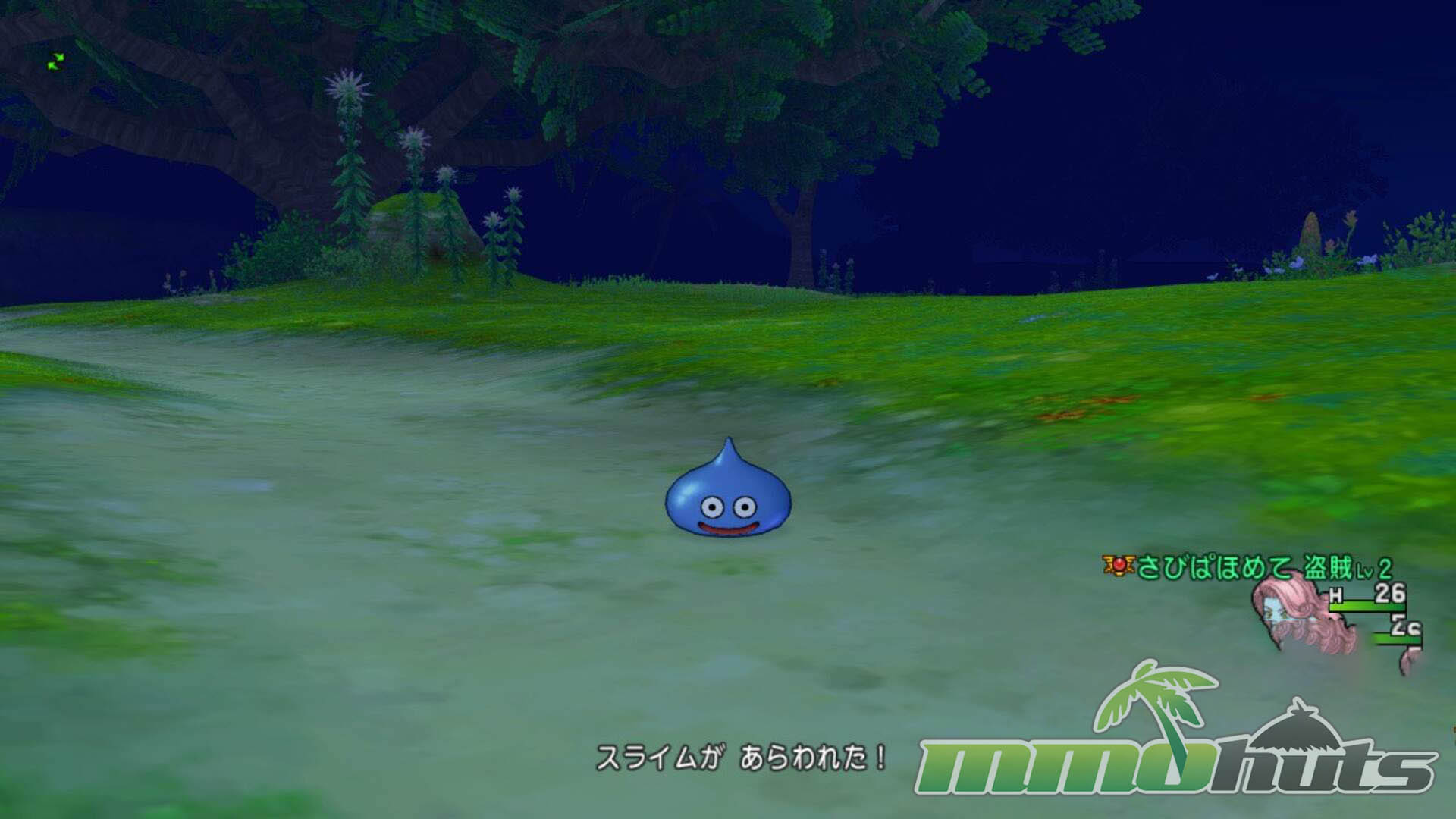
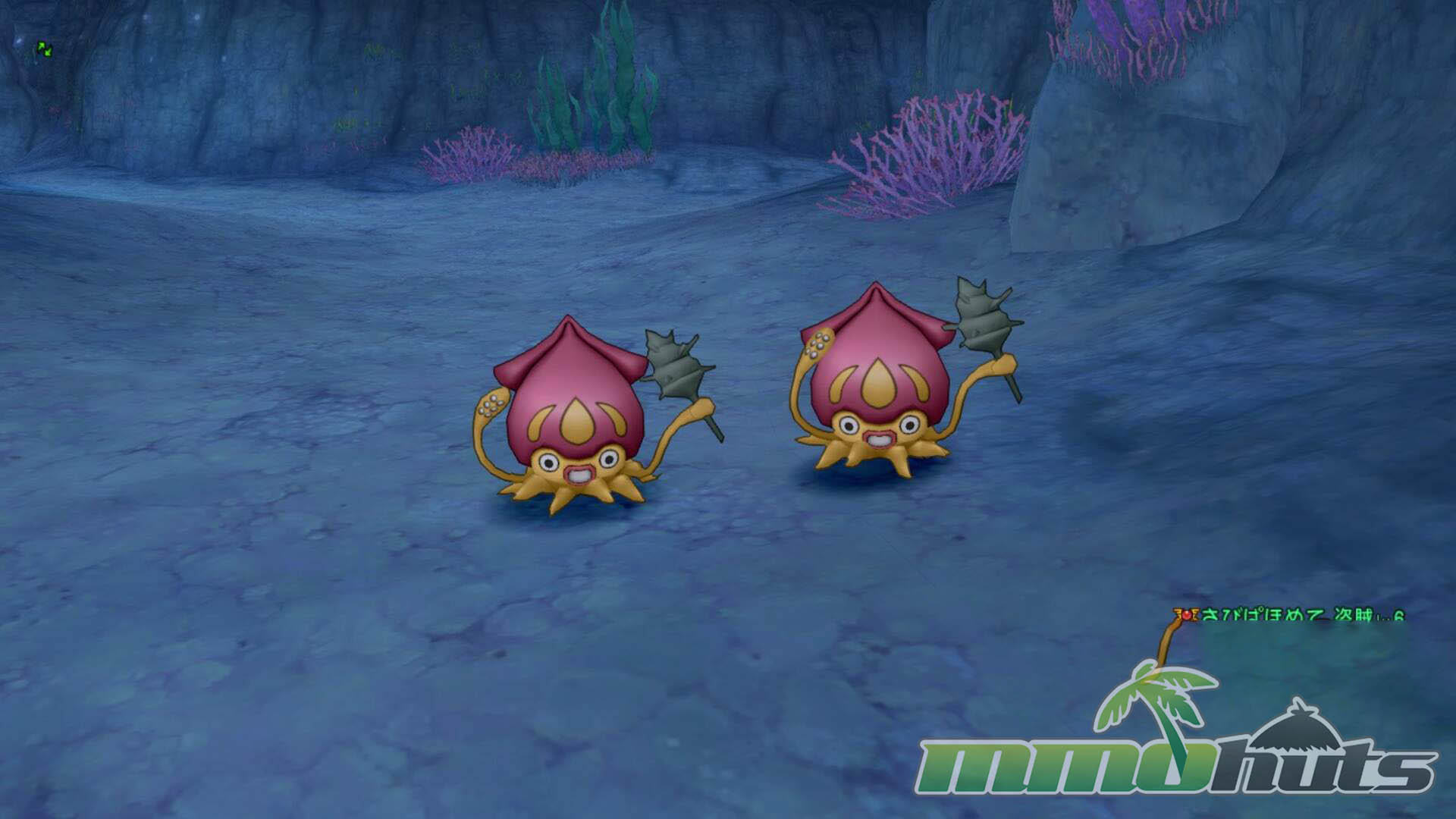
Dragon Quest X Screenshots






Dragon Quest X Featured Video

Dragon Quest X Review
Dragon Quest X feels like Square Enix’s attempt to translate the comfort-food loop of Dragon Quest into an MMO format without losing the series’ gentle pacing and charm. The result is an online RPG that is easy to understand moment-to-moment, but still has enough systems, job growth, party synergy, and side activities to keep long-term players occupied. If you already like Dragon Quest’s tone, it is one of the more faithful “series-to-MMO” adaptations, even if it comes with some real barriers for non-Japanese audiences.
Early hours and onboarding
The single-player opening does a good job of establishing stakes and giving you a controlled environment to learn movement, menus, and the cadence of combat. Once the game shifts into the MMO portion, the structure becomes more familiar, questing between towns and surrounding zones, joining parties for tougher content, and steadily expanding your toolkit. The transition also clarifies the game’s identity: it is not trying to be a high-speed action MMO, it is closer to a traditional RPG that happens to be online.
Combat: measured, readable, and party-friendly
The active time battle influence is the defining twist. Instead of constant button-mashing, you are watching timers and positioning, then committing to actions when your turn is ready. Letting turns accumulate can be satisfying, especially when you want to chain buffs, healing, and damage in a deliberate sequence. In groups, this rhythm encourages coordination, because your choices are clearer and more intentional than in many faster MMOs. Players who enjoy planning and role clarity will likely appreciate it, while those who want pure action responsiveness may find it restrained.
Jobs and role experimentation
The job system is one of the game’s best quality-of-life decisions. Being able to change between Warrior, Mage, Martial Artist, Minstrel, Priest, and Thief without rerolling makes the game feel accommodating. It also reduces the fear of “picking wrong” early on. You can level a support job for group play, then switch to a damage-focused job for solo questing, which keeps progression from feeling boxed in. It also adds replay value because revisiting content with a different role changes the pacing and priorities of each encounter.
World design and pacing
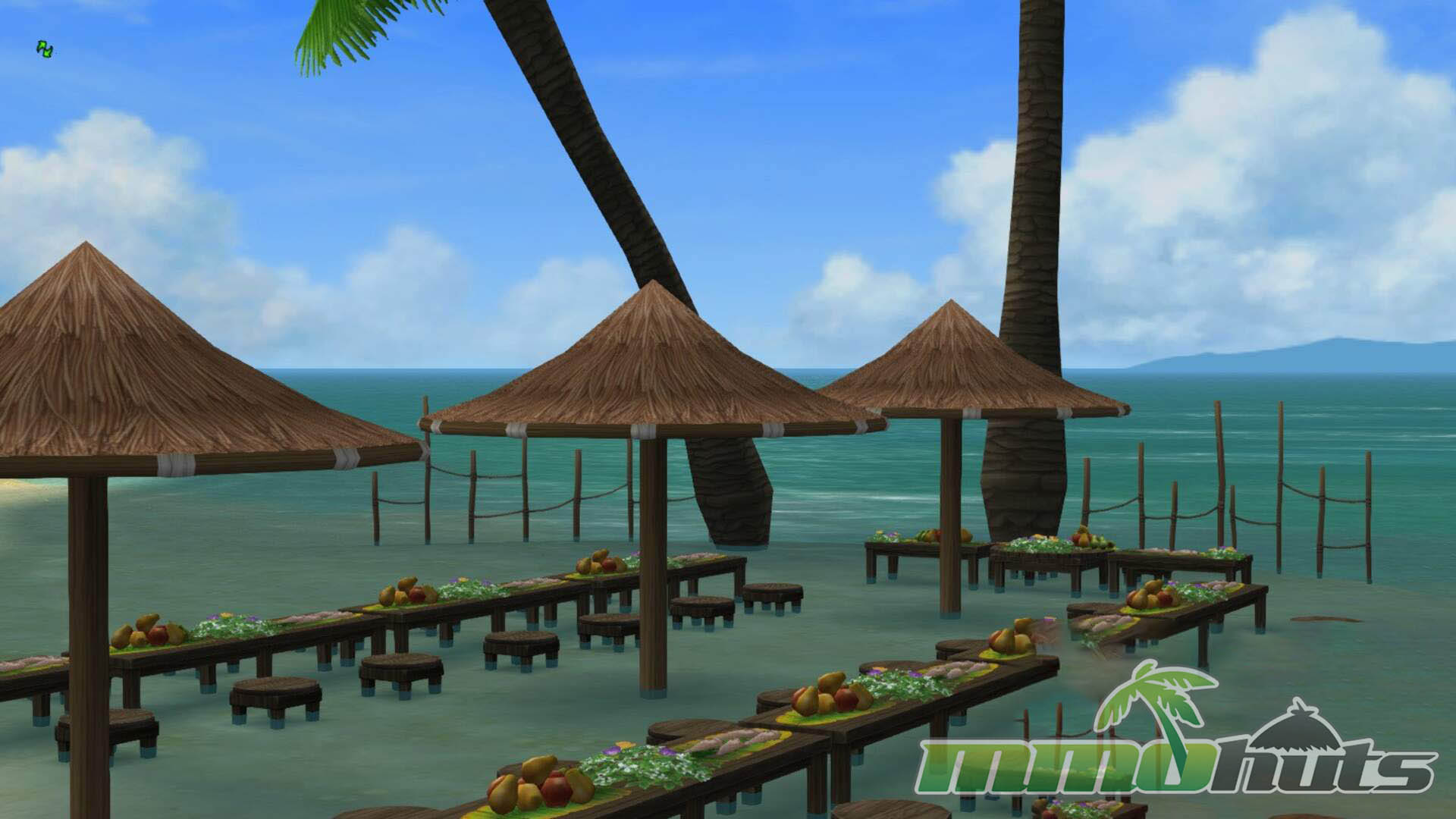
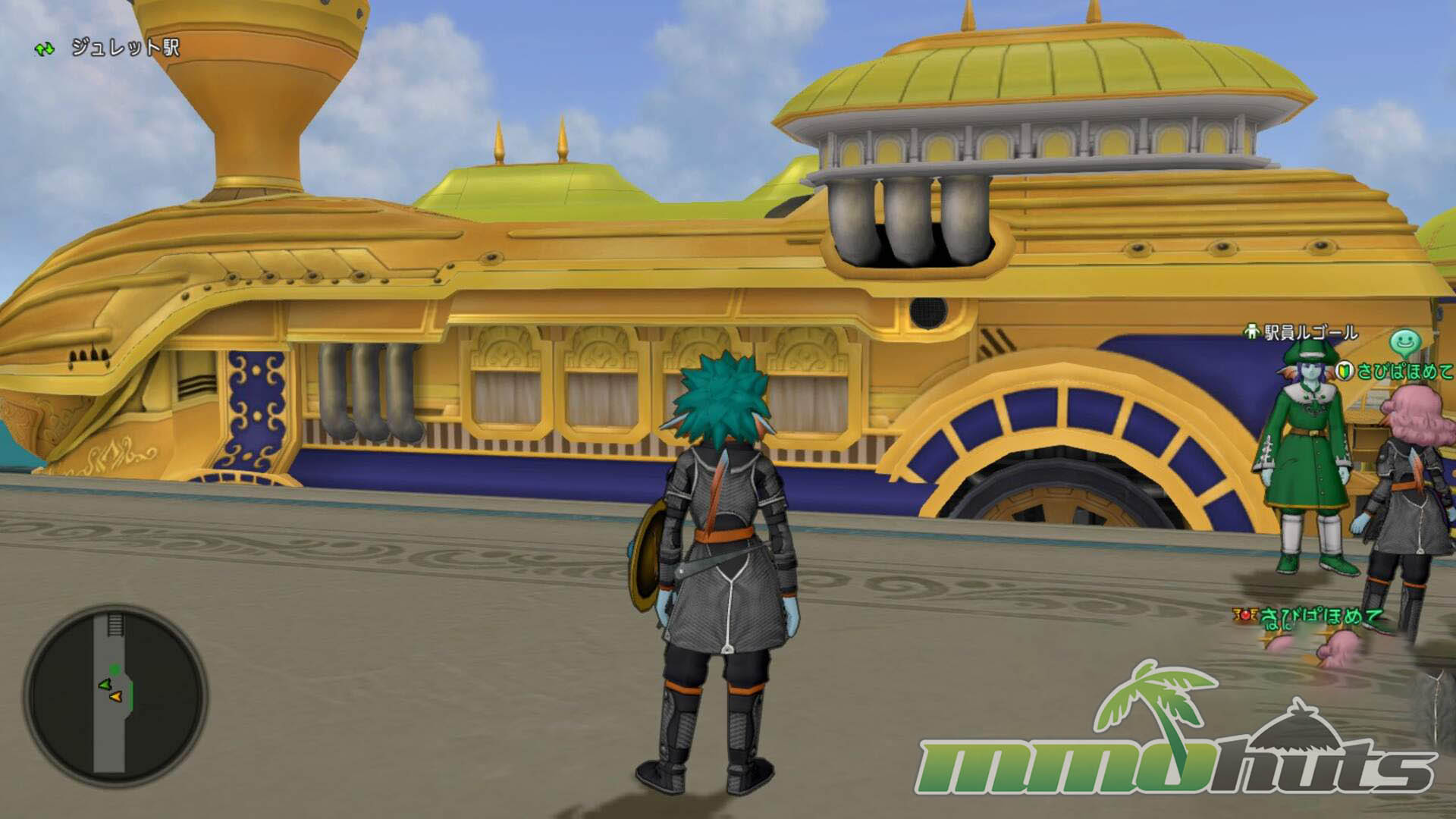
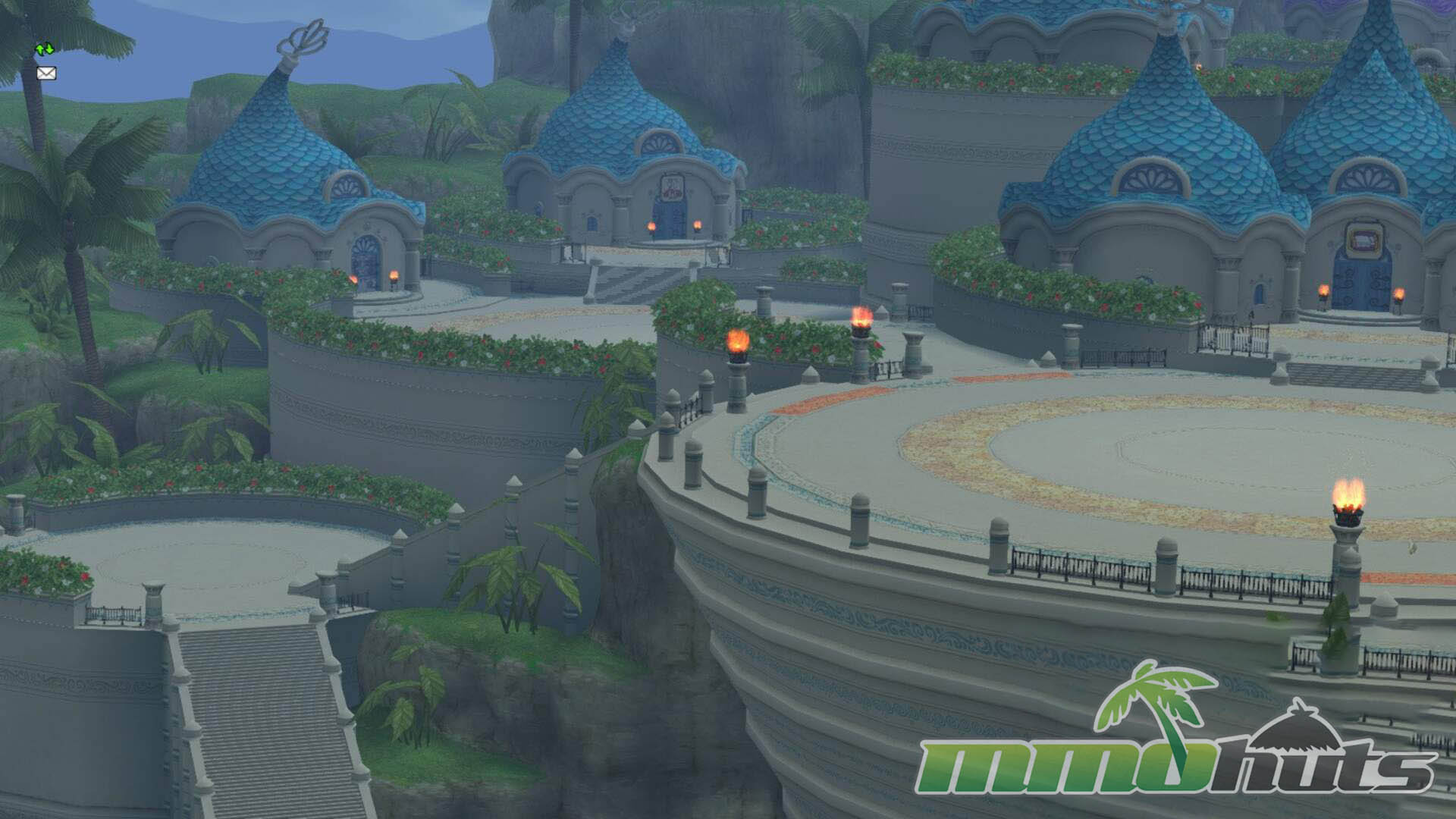
Areas tend to be on the smaller side compared to sprawling open-world MMORPGs, which can be a positive or a negative depending on preference. On one hand, travel and objectives are efficient and easy to follow. On the other, players expecting massive regions packed with landmarks may find the geography less grand. Where Dragon Quest X makes up ground is tone and presentation: towns and NPCs carry that classic Dragon Quest warmth, and the art direction keeps environments readable and inviting.
Housing and non-combat play
The housing system is a strong complement to the main progression. Choosing plot sizes, house styles, and decorating interiors gives players a long-term personalization goal that is not purely about combat power. For an MMO that leans into comfort and routine, this is exactly the kind of feature that supports community play and downtime between quests.
Accessibility and business model concerns
The biggest downside for many players is practical rather than mechanical. Dragon Quest X is not particularly accessible for English-speaking users, and getting comfortable with its interface and services can be a hurdle if you do not read Japanese. On top of that, it is not a “pick up and play forever” free MMO: the game involves both a box purchase and a monthly subscription, with free play only available up to level 20. Those realities narrow the audience, even though the core game is welcoming once you are actually inside.
Overall, Dragon Quest X is best suited to players who enjoy classic JRPG structure, appreciate deliberate combat pacing, and like experimenting with multiple roles on one character. If you are looking for a Dragon Quest experience you can share with others, it is a compelling take on the formula, provided you can clear the language and payment hurdles.
Dragon Quest X Links
Dragon Quest X Official Website
Dragon Quest X Amazon Page
Dragon Quest X Rakuten Page
Dragon Quest X Official Twitter
Dragon Quest X Developer’s Website
Dragon Quest X System Requirements
Minimum Requirements:
Operating System: Windows Vista, 7, 8, or 10
CPU: Intel Core 2 Duo 1.6GHz
Video Card: NVIDIA Geforce 7600 GT VRAM 256MB, ATI Radeon HD 2600 Pro VRAM 256MB, or Intel HD Graphics 2000 VRAM 256MB
RAM: 2 GB
Hard Disk Space: 16 GB
Dragon Quest X Music & Soundtrack
The music and overall audio direction will be added here in a future update. Dragon Quest is known for strong musical themes, and Dragon Quest X follows that tradition with a soundtrack that supports exploration, towns, and boss encounters while keeping the series’ adventurous tone intact.
Dragon Quest X Additional Information
Developer(s): Square Enix, Armor Project, NTT DoCoMo (Android and iOS versions), Ubitus (Android and iOS versions)
Publisher(s): Square Enix (Japan), Shanda Games (China)
Wii Beta start date (Japan): February 23, 2012
Version 1 Wii release date (Japan): August 2, 2012
Version 1 Wii U release date (Japan): March 20, 2013
Version 1 Windows release date (Japan): September 26, 2013
Version 1 Android release date (Japan): December 16, 2013
Version 1 iOS release date (Japan): December 16, 2013
Version 1 3DS release date (Japan): September 4, 2014
Version 2 Wii release date (Japan): December 5, 2013
Version 2 Wii U release date (Japan): December 5, 2013
Version 2 Windows release date (Japan): December 5, 2013
Version 3 Wii release date (Japan): April 30, 2015
Version 3 Wii U release date (Japan): April 30, 2015
Version 3 Windows release date (Japan): April 30, 2015
Closed Beta start date (China): August 24, 2016
Development History / Background:
Dragon Quest X was initially revealed at a press event in January 2009, where designer Yuji Horii suggested it was already around the halfway point. In April 2011, Horii indicated development was targeting completion by the end of that year, and the project received a full public showcase during a Ustream broadcast on September 5th, 2011. Beta sign-ups began in November 2011, followed by the Wii beta on February 23, 2012, and testers received physical materials including a disc, USB memory, and a manual. The official release arrived on August 2, 2012, launching first on Nintendo Wii. Later releases expanded to Wii U, Windows, Android, iOS, and Nintendo 3DS. On December 5, 2013, the game received the expansion “The Sleeping Hero and the Guided Allies” (Version 2). Another expansion, “Legend of the Ancient Dragon,” launched on April 30, 2015. A third expansion was also announced, with plans to introduce a seventh race, Dragon.