Dota 2 is a team-based fantasy MOBA that grew out of the legendary Warcraft 3 custom map scene. Now running in its own client on Steam, it delivers five‑versus‑five battles, a huge hero pool, and a sizable competitive ecosystem built around precise execution and strategic depth.
 | Publisher: Valve Playerbase: High Type: MOBA Release Date: Jul 9, 2013 Pros: +More than 108 distinct heroes to learn and master. +Thriving professional and eSports scene. +Extensive cosmetic options including skins, HUDs, announcers, and voice packs. +Generally tight balance across heroes and items. +Robust support for custom lobbies and arcade game modes. Cons: -Extremely challenging for new players, with a steep learning curve. -In‑game community can be unwelcoming or toxic. -Major balance patches and content updates can feel infrequent. |

Dota 2 Overview
Dota 2 takes the original Defense of the Ancients concept and rebuilds it as a full standalone game, with updated visuals, a dedicated matchmaking system, and a vast selection of playable heroes and modes. Every match pits two teams of five against each other on a three‑lane map, where the goal is to push through enemy defenses and destroy the opposing Ancient. Compared to many other modern MOBAs, it is known for punishing mistakes heavily, rewarding deep game knowledge, and demanding a high level of mechanical skill.
The project is overseen by IceFrog, the same designer who maintained and expanded the original Dota mod. Valve’s engine and standalone client allow for improved performance, reconnection support, and a modern interface while preserving the core mechanics, pacing, and high stakes that defined its Warcraft 3 predecessor.
Dota 2 Key Features:
- Complete Hero Roster Unlocked – every hero is available from the moment you start playing, with no grinding or purchases required to expand your selection.
- High‑Impact Deaths – dying causes you to lose gold, which can heavily influence momentum and make early advantages snowball if teams do not respond carefully.
- Extensive Cosmetic Customization – equip cosmetics for individual hero slots, including weapons, armor pieces, back items, taunts, HUD skins, and more, without affecting gameplay balance.
- Arcade and Custom Games – build or play community‑made modes like Pudge Wars, tower defense maps, racing games, Battleships, and many other creative variants through the in‑client Arcade.
- Competitive, Skill‑Driven Play – success depends on decision making, coordination, and execution, supporting ranked ladders, regional tournaments, and a global eSports circuit.
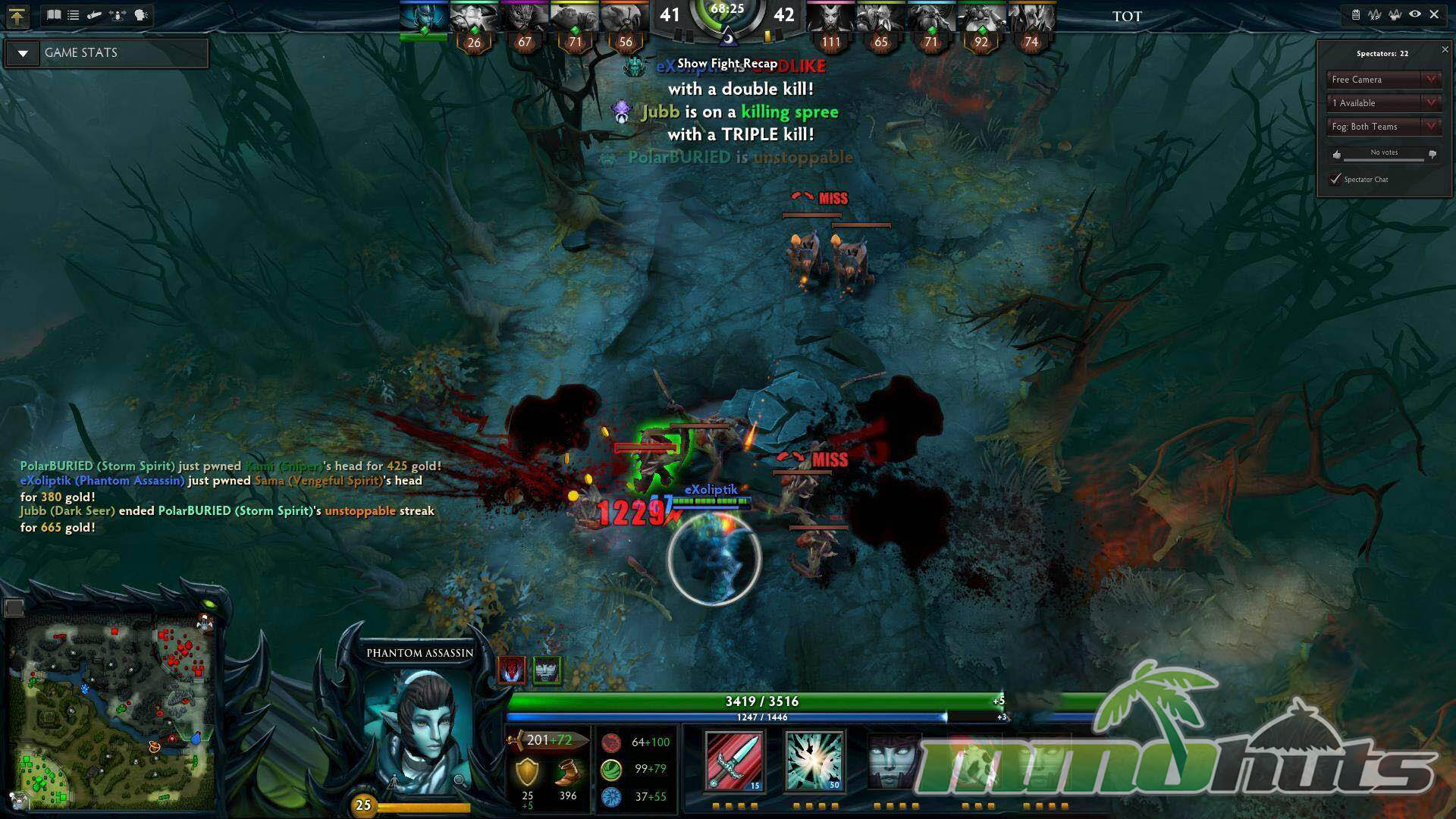
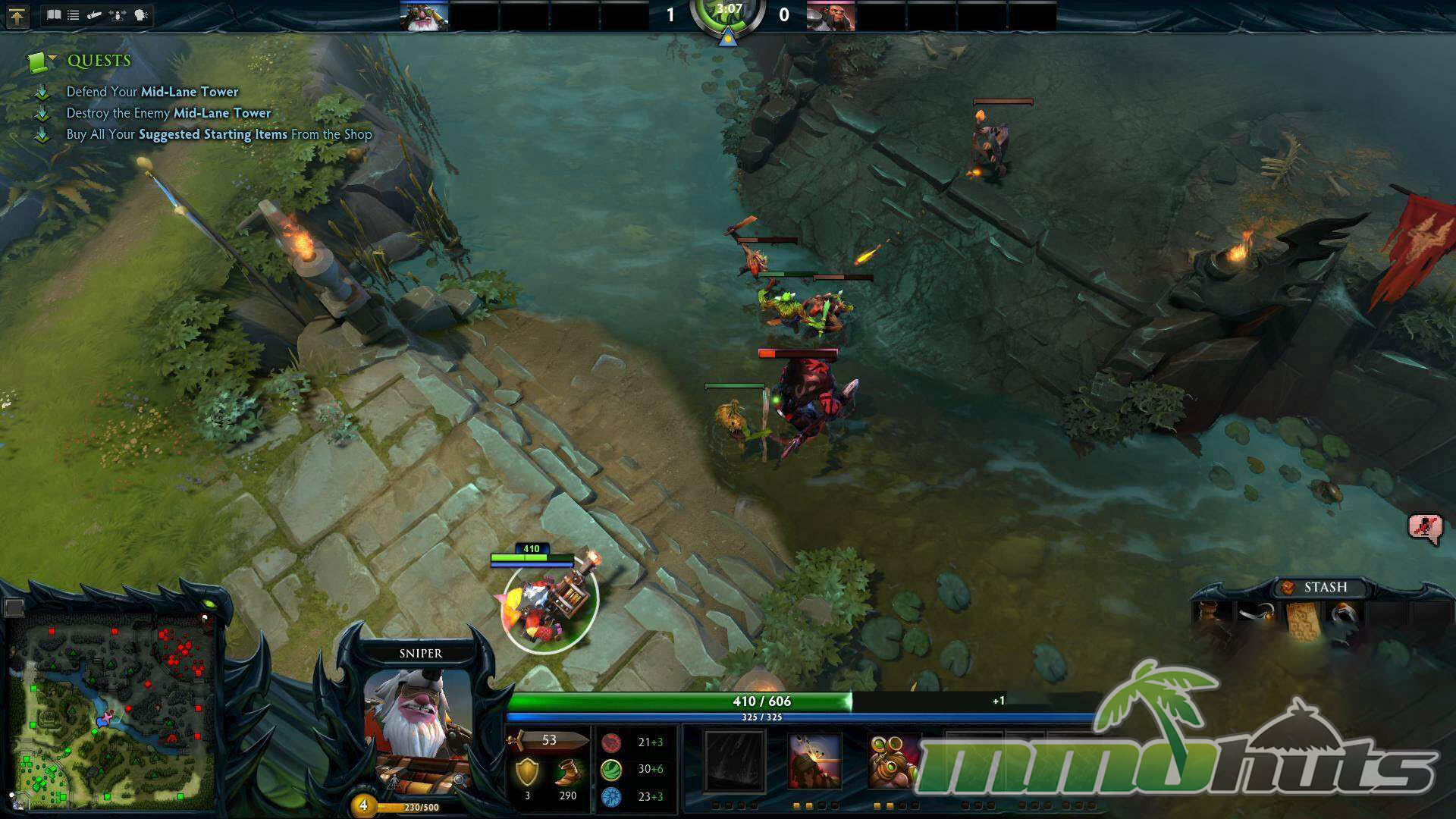
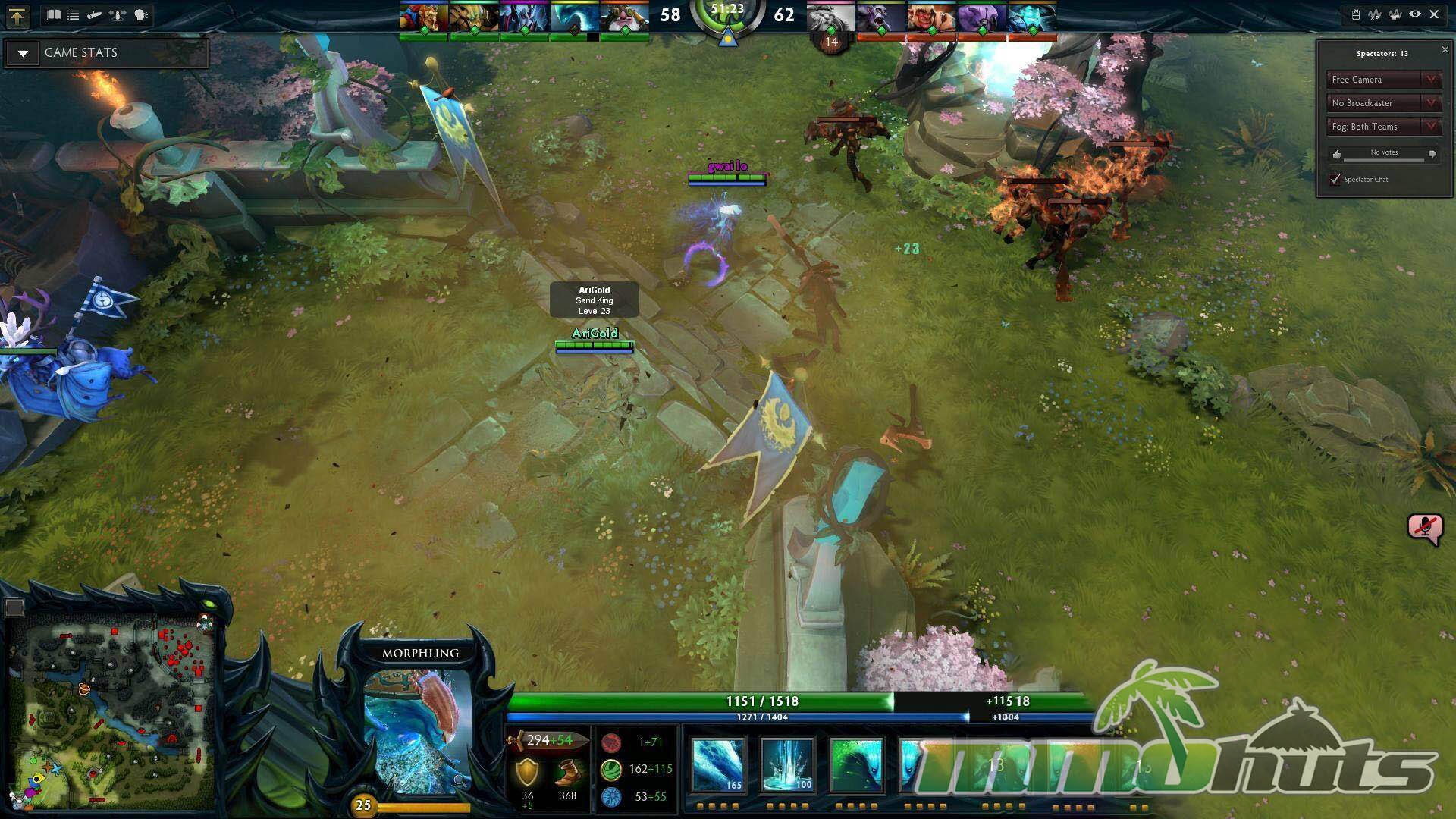
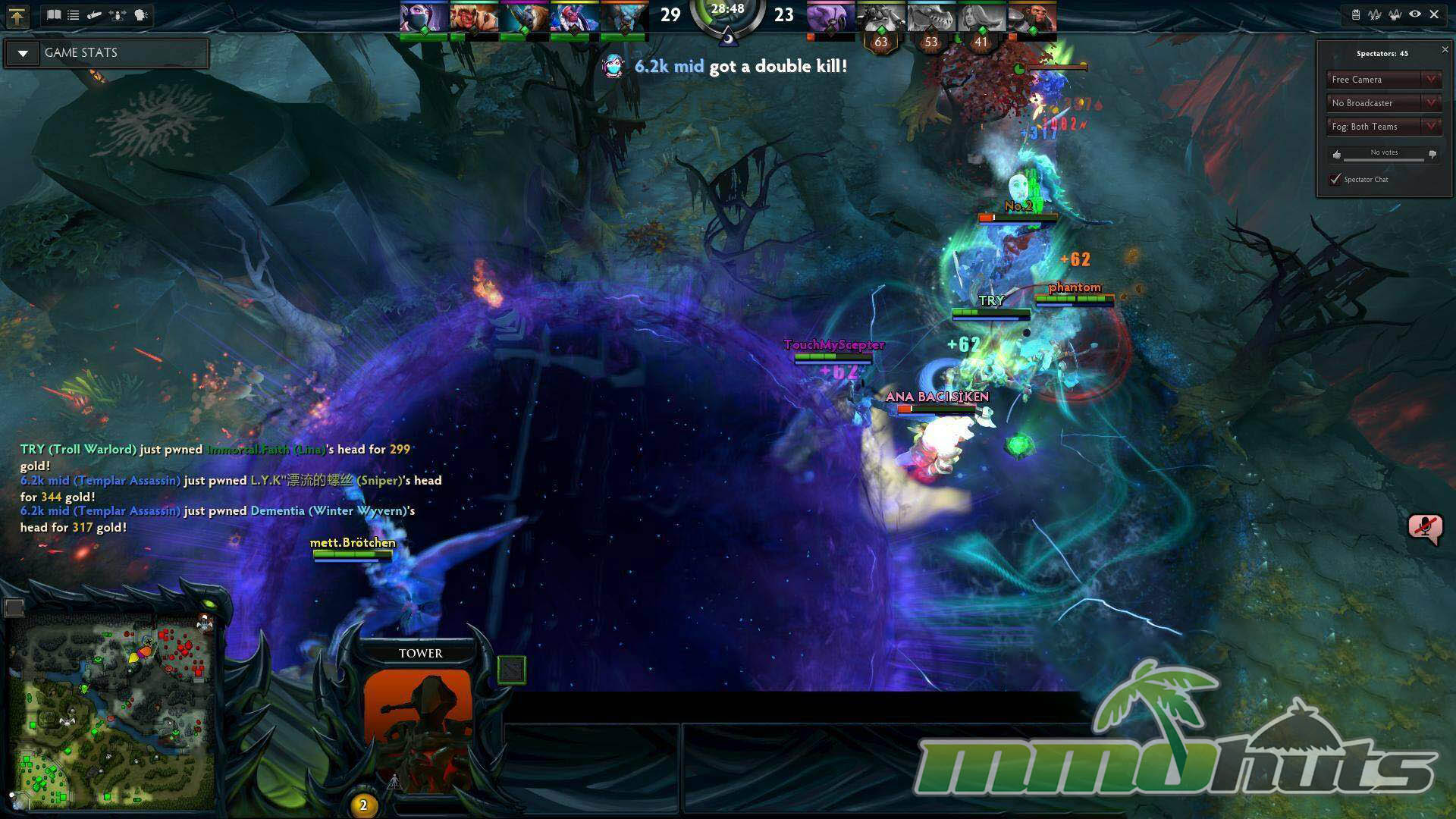
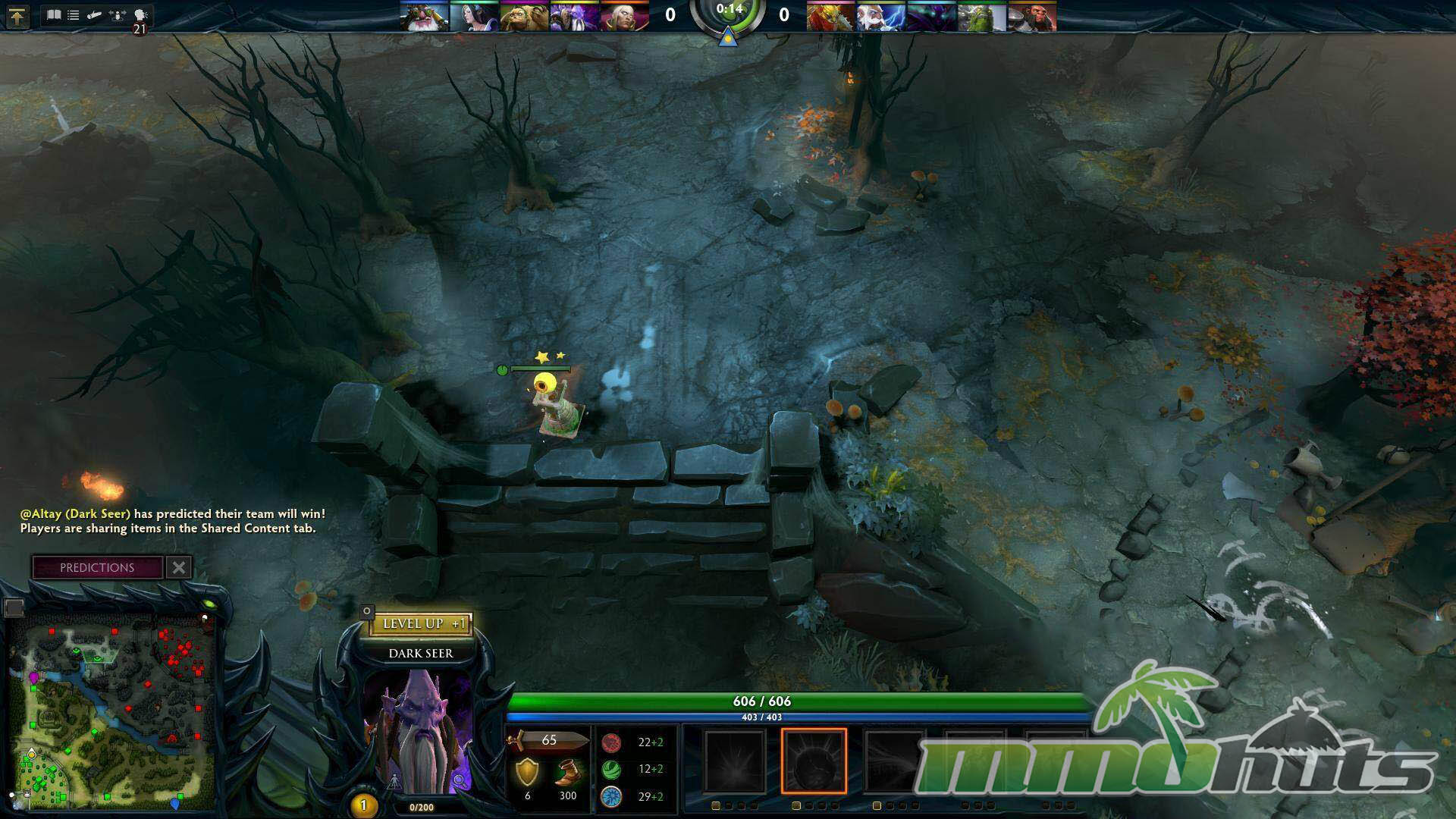
Dota 2 Screenshots
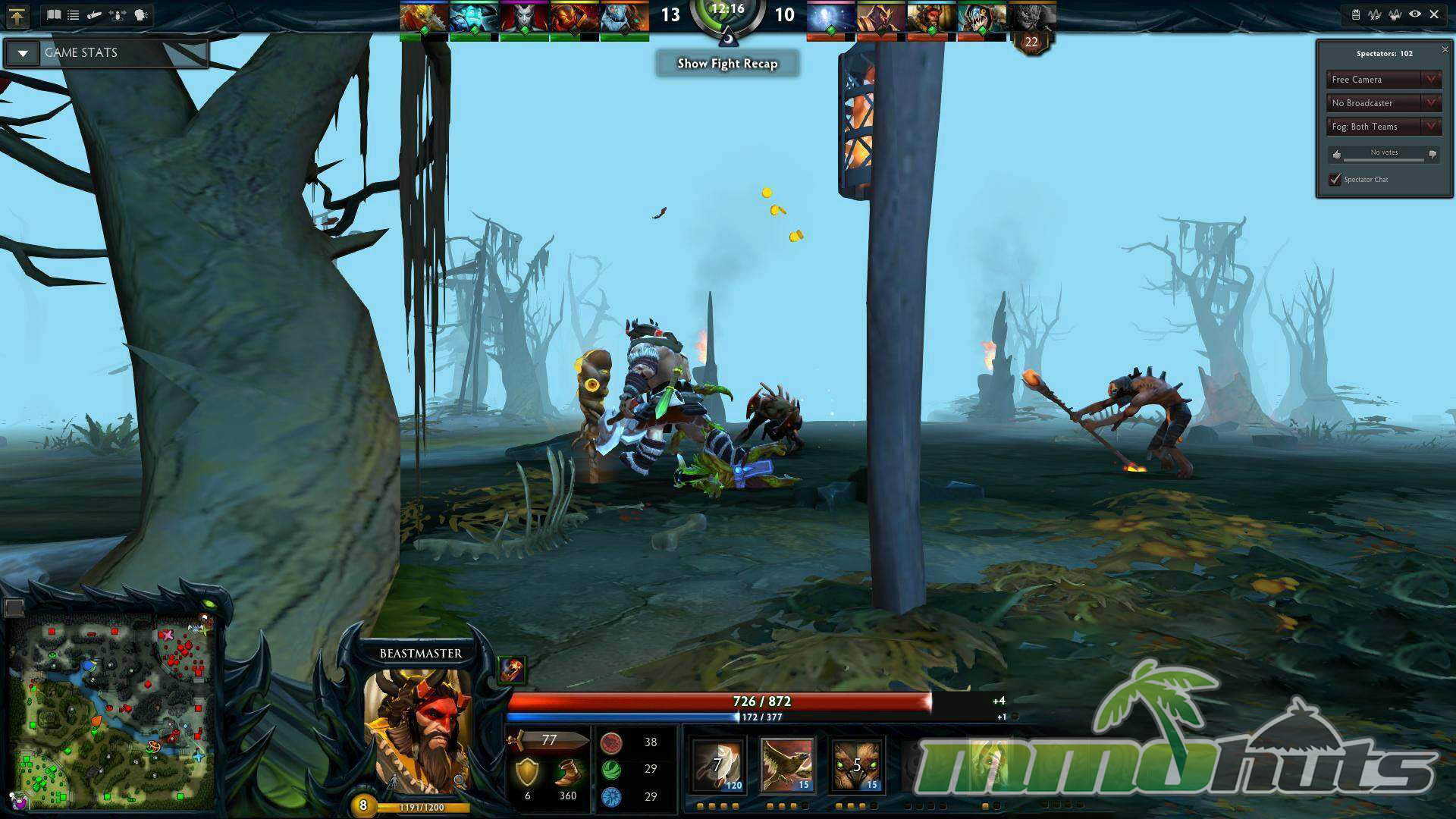
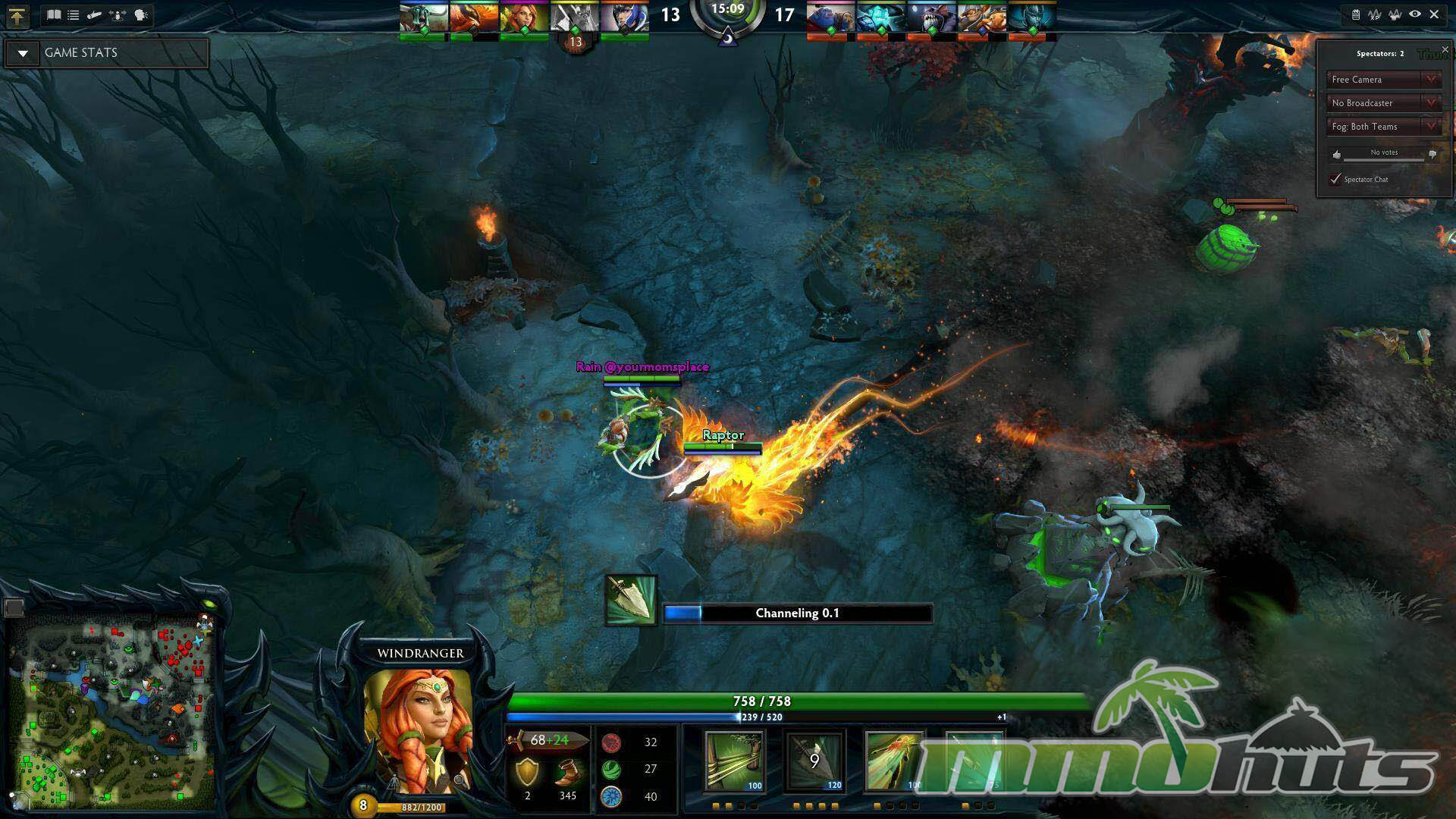
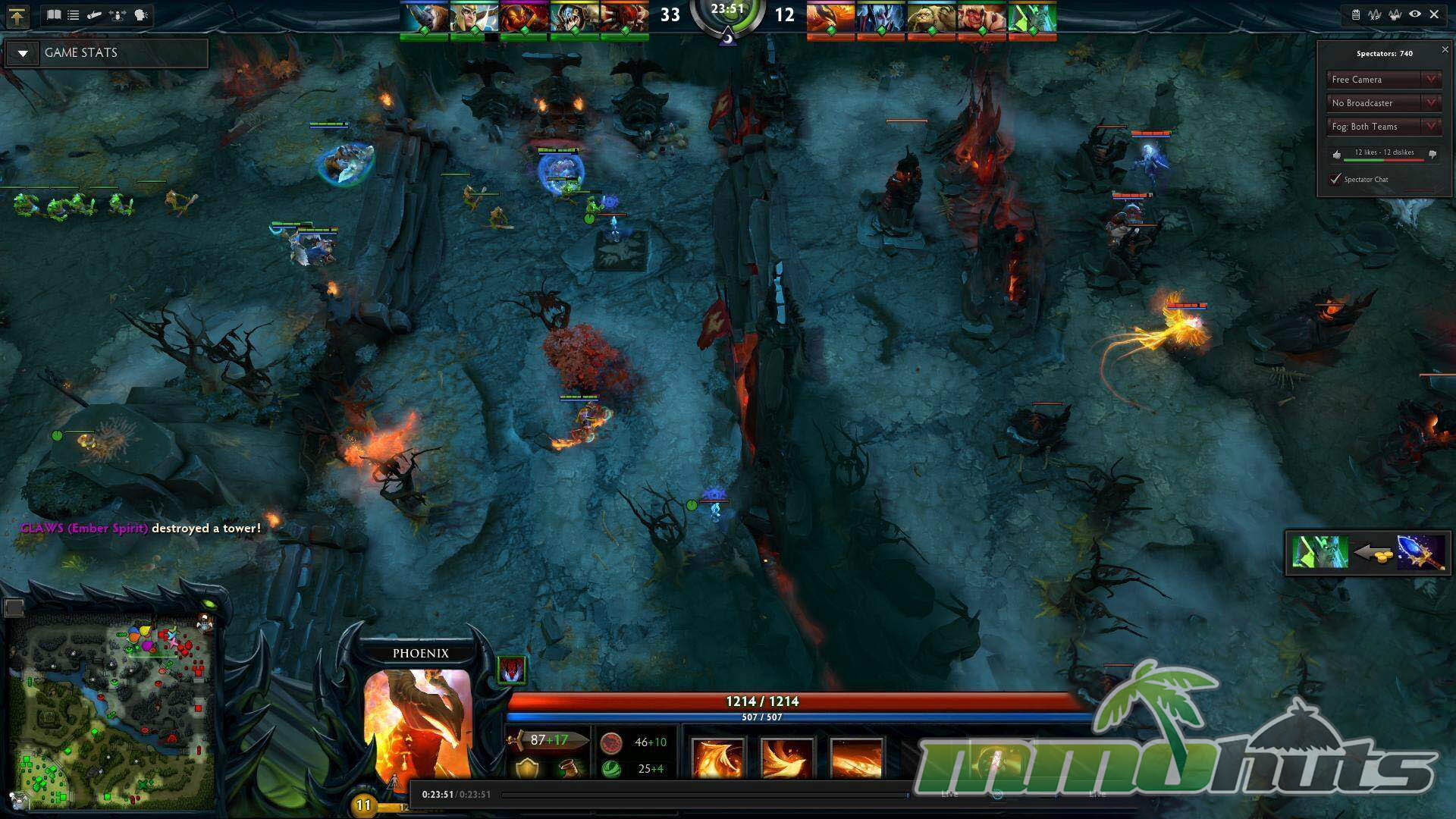
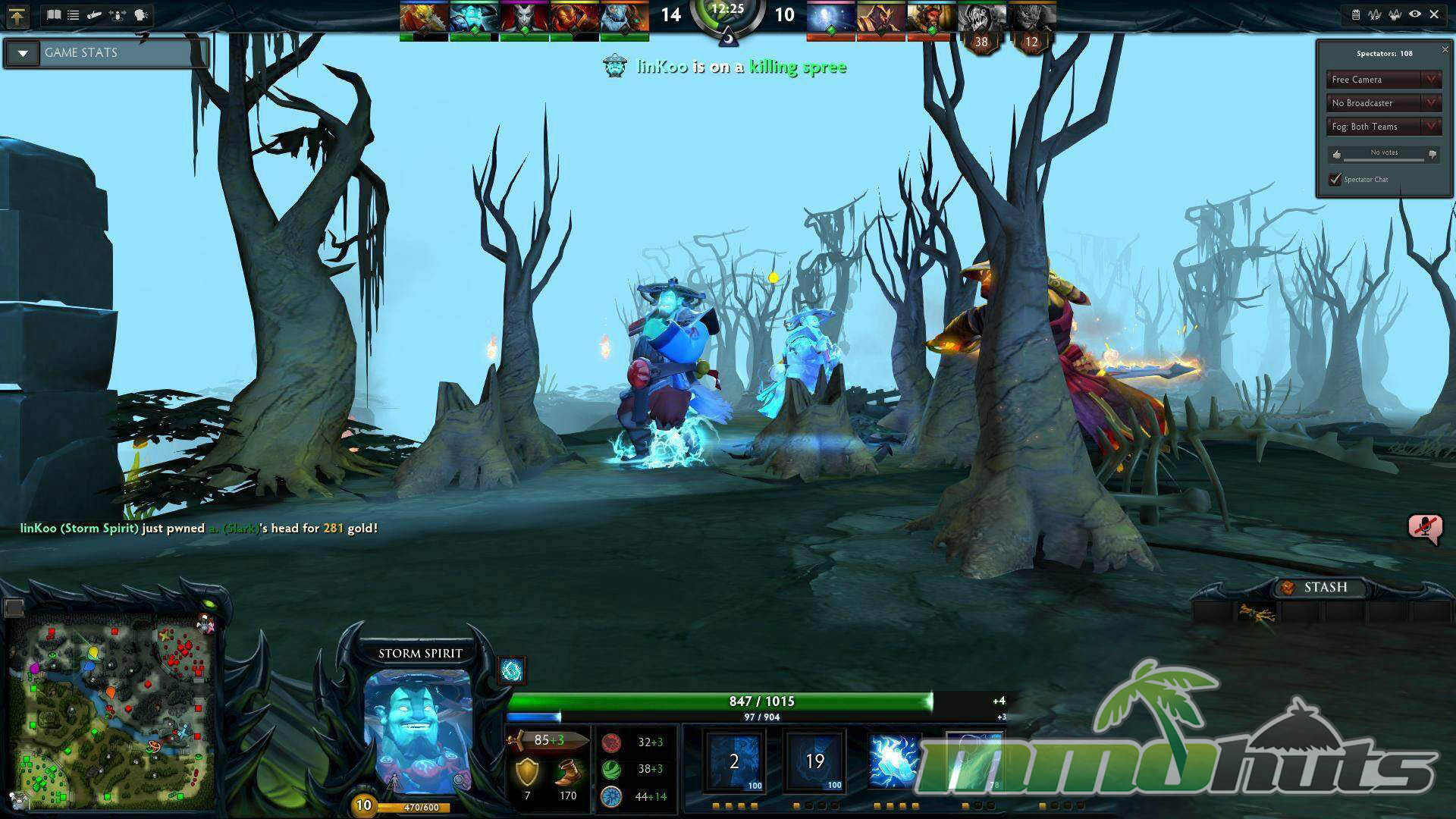
Dota 2 Featured Video

Dota 2 Review
Dota 2 is one of the most demanding, intricate online games available, but it is also one of the most rewarding for players who stick with it. Valve has taken the framework of the original Warcraft 3 mod and built a full ecosystem around it, including tutorials, ranked play, custom games, and a massive tournament infrastructure. This review looks at how Dota 2 plays today, how it feels to learn, and what keeps millions of players coming back.
Core Gameplay and Match Flow
Every standard Dota 2 match is a five‑versus‑five battle on a mirrored three‑lane map. One side defends the Radiant base, the other protects the Dire. Each player selects a single hero, and once the horn sounds, teams spread out across lanes, neutral jungle camps, and the river to gain experience and gold. Levels unlock and upgrade abilities, while gold is spent on items purchased from shops around the map.
What sets Dota 2 apart is how everything ties into a sharp risk versus reward loop. Pushing a lane aggressively can open up a tower kill and more map control, but it also exposes you to enemy ganks and costly deaths. Choosing to farm safely might feel comfortable, yet it often means giving the enemy space to take objectives. Dying does not just cost you time; you give the enemy gold, lose some of your own, and may leave your team outnumbered for key fights. Small decisions in laning, ward placement, creep pulling, or item timing often decide the outcome long before the final base siege.
Matches tend to be slower paced in the early game and more explosive later. The first 10 to 15 minutes are often about securing lanes and building a resource lead, while midgame revolves around smoke ganks, tower pushes, and contesting Roshan, the powerful neutral boss that provides the Aegis of the Immortal. Late game teamfights become chaotic, with multiple buybacks, big ultimate abilities, and item actives deciding fights in seconds. Even a team behind by a large margin can sometimes turn the game around with a well‑executed defense or a single mistake from the leading side.
Hero Roster and Roles
Dota 2 offers well over 108 heroes, each with unique skills and playstyles. They loosely fit into roles such as carries, supports, offlaners, mids, and utility initiators, though many heroes can flex between different positions depending on draft and item builds. For example, some intelligence spellcasters can transition into damage dealers, while certain strength heroes act as durable frontliners or initiators.
Because every hero is unlocked by default, new players can experiment freely. However, the depth of the roster can be overwhelming at first. Learning how individual heroes function is only the first step; the real challenge lies in understanding how lineups interact. Heroes with strong initiation pair with heavy area‑of‑effect damage, defensive supports protect fragile cores, and some picks excel at split pushing or sieging structures. Drafting and counter‑picking become mini‑games before the actual match even begins.
Balance is generally strong for a game with this many options. While certain heroes inevitably rise to the top in specific patches, Valve actively tweaks skills, talents, and items to keep the meta rotating. At any given moment, you can usually find success on a wide range of heroes if you understand your role and how to play around your team’s strategy.
Learning Curve and New Player Experience
Dota 2 is notorious for its harsh onboarding. There are dozens of mechanics the game expects you to learn: creep equilibrium, denies, rune control, stack and pull timings, smoke usage, ward vision, and power spike timings for different heroes and items. The UI offers some guidance, and Valve has added tutorials, hero‑specific tips, and a new player mode over the years, but the sheer volume of information is still intimidating.
The flip side is that progress is very tangible. As you start to understand simple concepts like last‑hitting, positioning, or when to leave your lane to help another, you will see your performance improve. Games that once felt completely out of your control start to feel manageable, and eventually you begin to recognize win conditions and how to play toward them. The satisfaction of finally mastering a complicated hero, pulling off a complex teamfight combo, or carrying a difficult game is significant precisely because the game asks so much of you.
For players willing to study guides, watch streams, or queue with friends who already understand the game, the learning curve becomes more manageable. However, if you prefer to figure things out entirely alone and dislike losing a lot while learning, Dota 2 can feel punishing in the early hours.
Combat, Abilities, and Items
Combat in Dota 2 is slower and heavier than in some other MOBAs, which gives fights a deliberate, tactical feel. Turn rates, cast animations, and projectile speeds all matter. Landing a key stun or disable can decide a battle, but so can small moves like repositioning slightly to dodge a skillshot or blocking an enemy hero’s path with your body.
Itemization is central to how your hero functions. Even the same hero can fill very different roles based on the items they buy. Mobility tools like Blink Dagger or Force Staff change how you start fights. Defensive items such as Black King Bar or Eul’s Scepter of Divinity help you survive spells and control effects. Damage items, aura items, and utility actives all open different play patterns. Understanding which items are core for your hero in a given matchup, and when to pivot to more defensive or team‑oriented options, is a key skill.
Roshan and neutral objectives add another strategic layer. Securing Roshan grants the Aegis, allowing one hero to revive after death, often enabling high‑risk tower sieges or deep dives. Later in the game, Roshan can drop additional items like Cheese or Refresher Shard, further tilting fights. Teams constantly evaluate when to commit to Roshan, when to contest, and when to trade other objectives instead.
Graphics, Sound, and Presentation
Visually, Dota 2 maintains a stylized, fantasy aesthetic that favors clear silhouettes and readable effects over excessive realism. The map is detailed without feeling cluttered, and every hero is designed so that their outline is recognizable even from a distance, which is vital in large teamfights. Particle effects and spell animations have been refined over the years to communicate information clearly without overwhelming the screen.
The soundtrack and sound design are a standout element. Music swells at major moments, but much of the game’s personality comes from the hero voice lines, announcer packs, and ambient sounds. Audio cues provide crucial information, such as item activations, spell casts, or Roshan’s status. Cosmetic voice and HUD packs let you change the overall mood of the match while retaining clarity and function.
Performance is generally good even on aging hardware, particularly if you lower some graphical settings. Valve has continued optimizing the engine, which keeps the game accessible to players with modest PCs while still looking sharp on modern machines.
Modes, Custom Games, and Content
The primary mode is All Pick, where both teams draft heroes from the full roster with some restrictions to prevent mirrors or instant counter‑picks. Other modes include Captains Mode, used in competitive play, where designated captains ban and pick heroes in a structured order, as well as Single Draft, Random Draft, and Turbo for shorter, faster games with accelerated gold and experience gain.
Beyond the core modes, the Arcade section hosts thousands of custom games. Players can join or create unique experiences, from classic custom modes like Pudge Wars and tower defenses to entirely new genres built by the community. For many players, these modes serve as a break from ranked play or as a more casual entry point into Dota 2’s controls and heroes.
Valve also runs rotating seasonal events that introduce limited‑time game types, alternate map skins, or thematic challenges. While the frequency of large events can vary, these periods usually coincide with major tournaments or battle pass releases and provide additional goals and cosmetic rewards.
Progression, Monetization, and Cosmetics
Dota 2 uses a free‑to‑play model that avoids paywalls for gameplay content. All heroes are available without purchase, and new heroes are added as free updates. Monetization revolves almost entirely around cosmetics, event passes, and optional tool bundles.
Cosmetics include hero sets, individual equipment pieces, couriers, loading screens, wards, terrain skins, and announcer or voice packs. Many of these can be obtained through treasure chests, event rewards, Steam Market trades, or direct purchases. None of these items alter hero stats or abilities; they only change appearances or non‑combat audio‑visual elements.
Battle passes linked to major tournaments, most notably The International, add progression tracks with quests, levels, and exclusive cosmetics. A portion of battle pass revenue typically contributes to tournament prize pools, which has historically helped Dota 2 host some of the largest prize pools in eSports. While some players criticize the occasional lull between large content drops, the core monetization remains fair to competitive players, since spending money does not grant gameplay power.
Community, eSports, and Longevity
Dota 2’s community is vast and split across many regions, languages, and skill tiers. Matchmaking usually finds games relatively quickly, especially in popular regions and during peak hours. However, the social experience can be inconsistent. Frustration, blame, and hostile chat are quite common in public matches, especially at lower and mid skill levels where players are still learning. Muting options, commend systems, and reporting help, but they do not fully solve the issue.
On the positive side, there is a strong ecosystem of guides, streamers, analysts, and community tools. In‑client hero builds, community‑written guides, and external resources like wikis and coaching communities make it easier to deepen your understanding. Watching professional matches, whether from regional leagues or The International, also provides insight into high‑level strategies and can be very entertaining in its own right.
As an eSport, Dota 2 remains a marquee title. The International and various Valve‑sponsored or third‑party events draw large audiences, with production values that rival traditional sports broadcasts. Constant meta shifts keep the professional scene evolving, and standout plays or upsets often ripple back into public matchmaking as players copy new strategies.
Final Verdict
Dota 2 is not an easy game to recommend to everyone, but for players who enjoy deep strategy, high mechanical skill, and long‑term mastery, it stands among the most compelling competitive games available. The combination of a massive hero pool, impactful items, and complex objectives means that no two matches play out exactly the same. Its steep learning curve, occasional balance swings, slower update periods, and sometimes hostile community are real drawbacks, and new players should expect a difficult adjustment period.
However, the game’s fair free‑to‑play model, thriving tournament scene, and extensive cosmetic ecosystem make it a long‑term hobby for many. If you are willing to invest time into learning its systems and can handle some rough matches along the way, Dota 2 offers depth and replay value that can last for years.
Dota 2 Links
Dota 2 Official Site
Dota 2 Wikipedia
Dota 2 Gamepedia [Database / Guides]
Dota 2 Wiki Teamliquid [Database / Guides]
Dota 2 Subreddit
Dota 2 System Requirements
Minimum PC Requirements:
Operating System: XP / Vista / 7 / 8
CPU: Intel Dual Core 2.8 GHz / 2.8 GHz AMD CPU
Video Card: GeForce 8600 GT / HD 2600
RAM: 4 GB
Hard Disk Space: 8 GB
Recommended PC Requirements:
Operating System: XP / Vista / 7 / 8
CPU: Intel Dual Core 2.8 GHz / 2.8 GHz AMD CPU
Video Card: GeForce 9600 GT/ Radeon HD 3600
RAM: 4 GB
Hard Disk Space: 8 GB
Mac OS X Requirements:
Operating System: OS X Lion 10.7 or newer
CPU: Dual Core Intel CPU
Video Card: Nvidia 320M / Radeon 7000 or better
RAM: 4 GB
Hard Disk Space: 8 GB
Linux / SteamOS Requirements:
Operating System: Ubuntu 12.04 or newer
CPU: Intel Dual Core 2.8 GHz
Video Card: GeForce 8600 / 9600 GT or Radeon 2600 / 3600
RAM: 4 GB
Hard Disk Space: 8 GB
Dota 2 has been built to run on a wide spectrum of hardware, from older desktops to modern gaming rigs. As long as your computer meets these modest specifications, you should be able to play comfortably, especially if you are willing to tweak graphical settings or disable some visual effects on very low‑end systems.
Dota 2 Music & Soundtrack
Dota 2 Additional Information
Developer: Valve
Engine: Source
Other Platforms: Mac OX C / Linux
Designer(s): IceFrog
Composer(s): Chet Faliszek, Ted Kosmatka, and Marc Laidlaw
Release Dates:
First Reveal: August 17, 2011
Closed Beta: September 13, 2011
Full Release: July 9, 2013
Foreign Release:
Japan: 2005 (Nexon)
South Korea: 2011 (Nexon)
China: 2009 (Perfect World)
Vietnam: 2006 (Published as Phi Doi by VTCGame)
China: 2007 (Perfect World)
Development History / Background:
Dota 2 is Valve’s official continuation of the Defense of the Ancients concept that originally began as a Warcraft 3 custom scenario. In 2009, Valve brought on IceFrog, the lead developer who had been maintaining and refining the Dota mod after Eul and Guinsoo moved on, and tasked him with directing a full‑scale standalone version. IceFrog did not originate the first version of Dota, but his long‑term stewardship and balance work were instrumental in turning the mod into one of the most influential competitive games of its era.
The goal for Dota 2 was to replicate the core mechanics and feel of the Warcraft 3 map while taking advantage of a dedicated engine and Steam integration. A standalone client allowed for features that were impossible or limited in the original, such as reconnecting to dropped games, persistent matchmaking, enhanced visuals, and a modern user interface. IceFrog hinted at his collaboration with Valve in a 2009 blog post, but details remained secret until Valve formally announced Dota 2 on October 13, 2010. The game entered closed beta in 2011, gradually expanded its playerbase, and eventually launched as a full free‑to‑play release on July 9, 2013. Since then, Valve has continued to support Dota 2 with regular balance patches, new heroes, and large events, though the schedule between major updates can vary and might not be fully reflected here.