Dogma: Eternal Night was a planned horror-focused MMORPG aimed at an adult audience, built around the idea of living in a modern city that never sees daylight. Players were meant to navigate a perpetual night as humans, vampires, and other supernatural figures, with social manipulation and constant danger playing a big role in day to day survival.
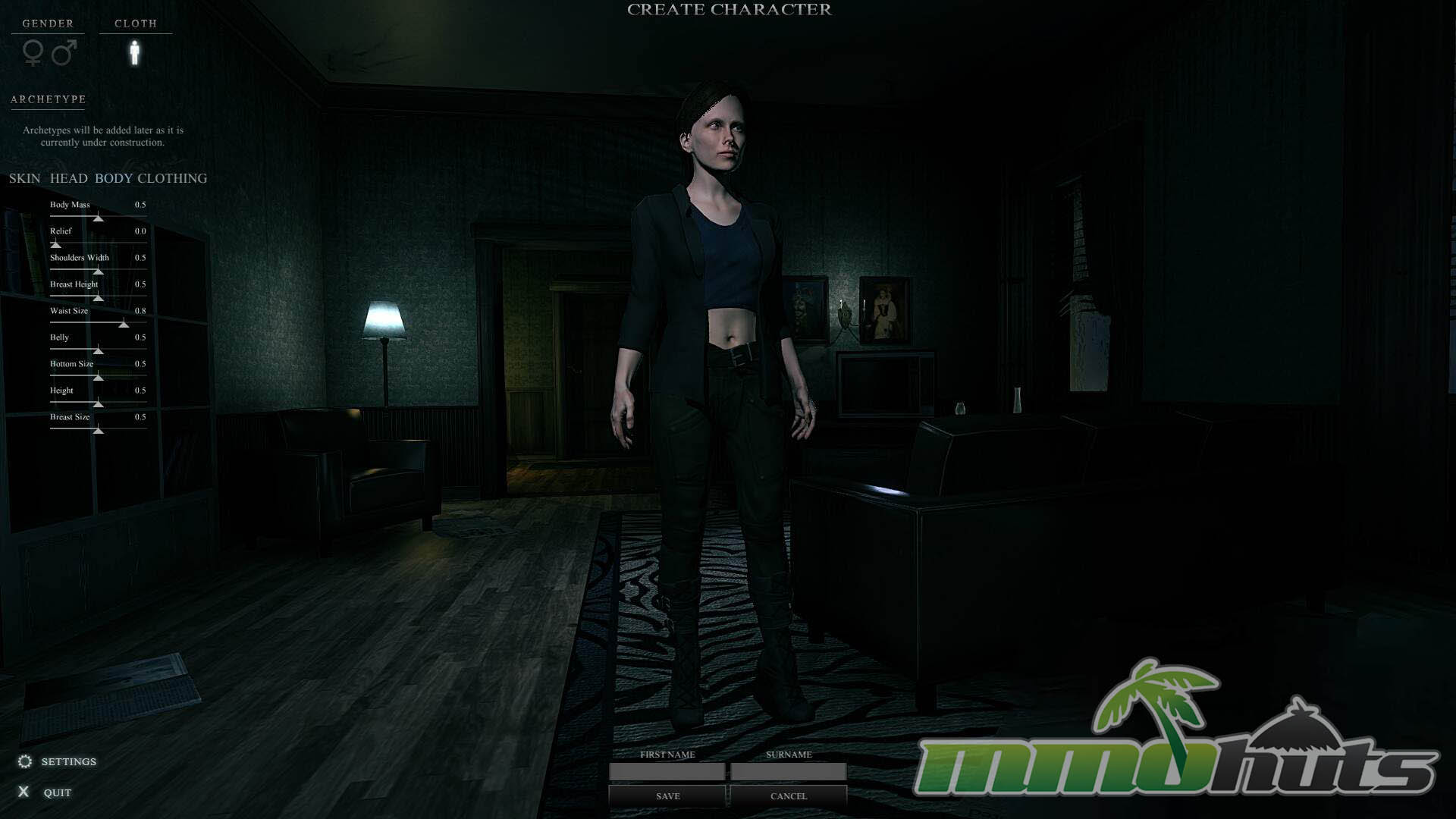 | Publisher: Prelude Games Factory Type: MMORPG Abandoned: October 23, 2017 PvP: Open World Pros: +Memorable gothic presentation. +Designed with mature themes in mind. +High-stakes permadeath concept. Cons: -Very little concrete gameplay shown. -Project ended abruptly with no real follow-through. -Kickstarter scam. |
Dogma: Eternal Night Overview
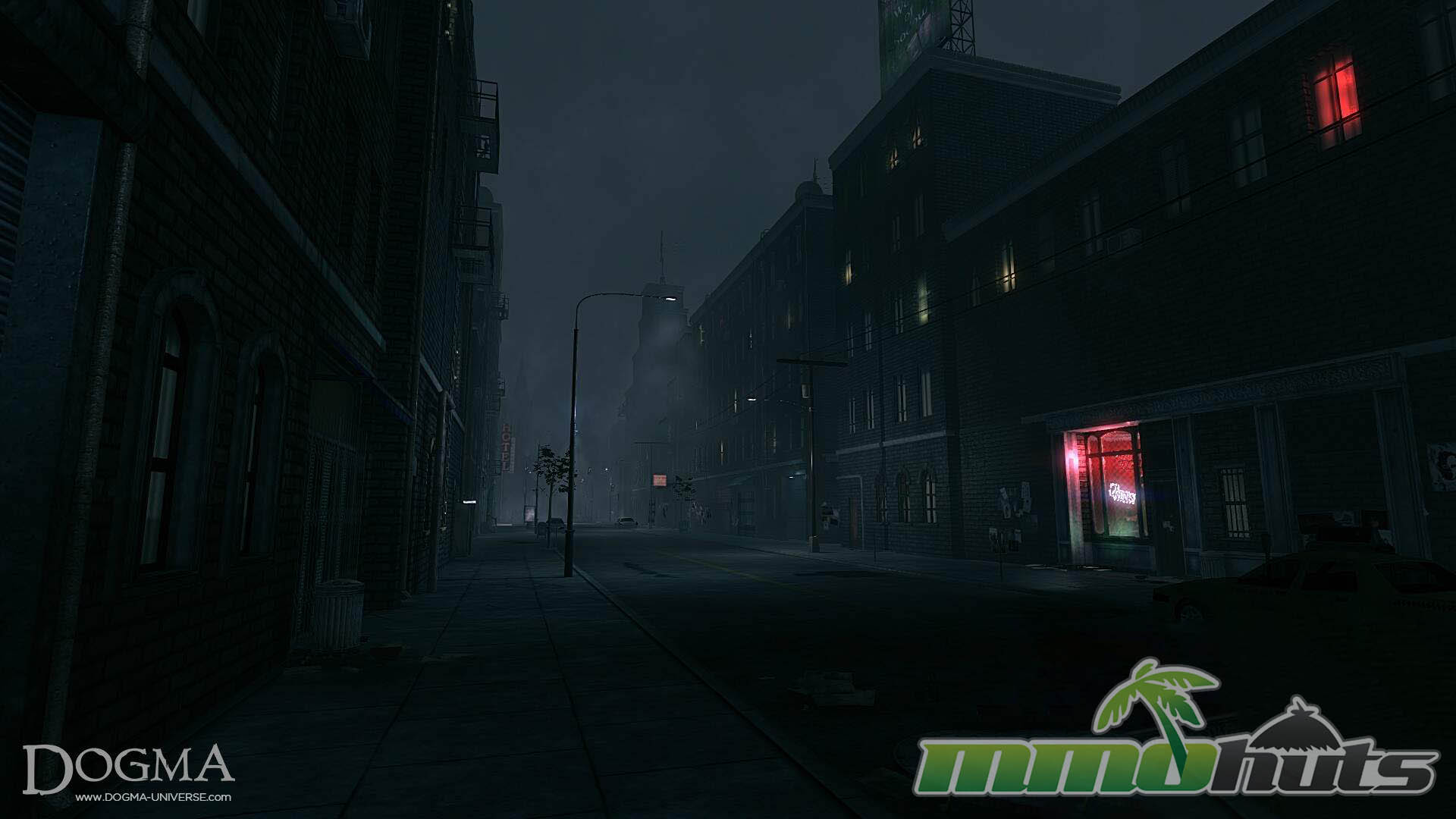
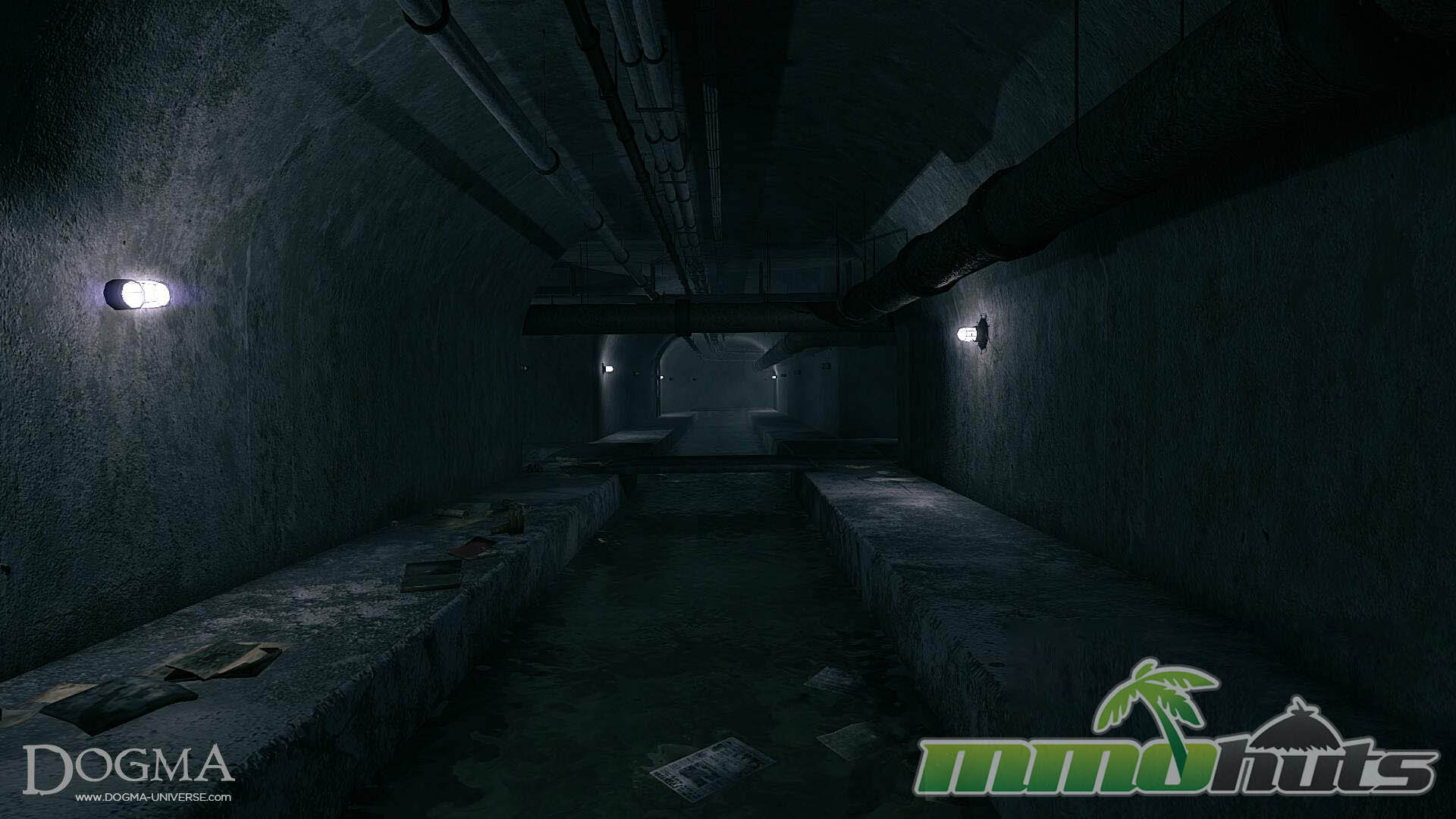
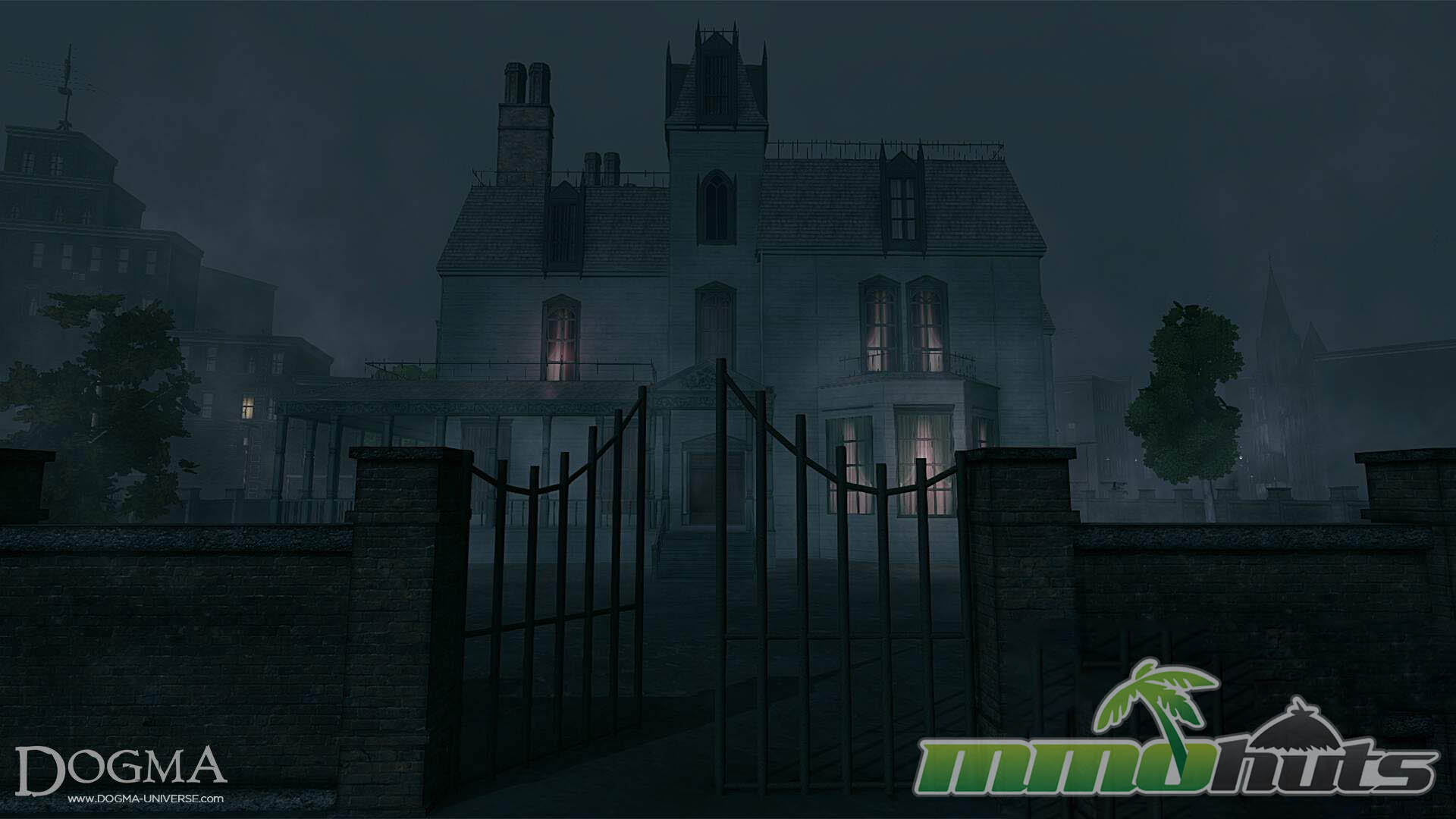
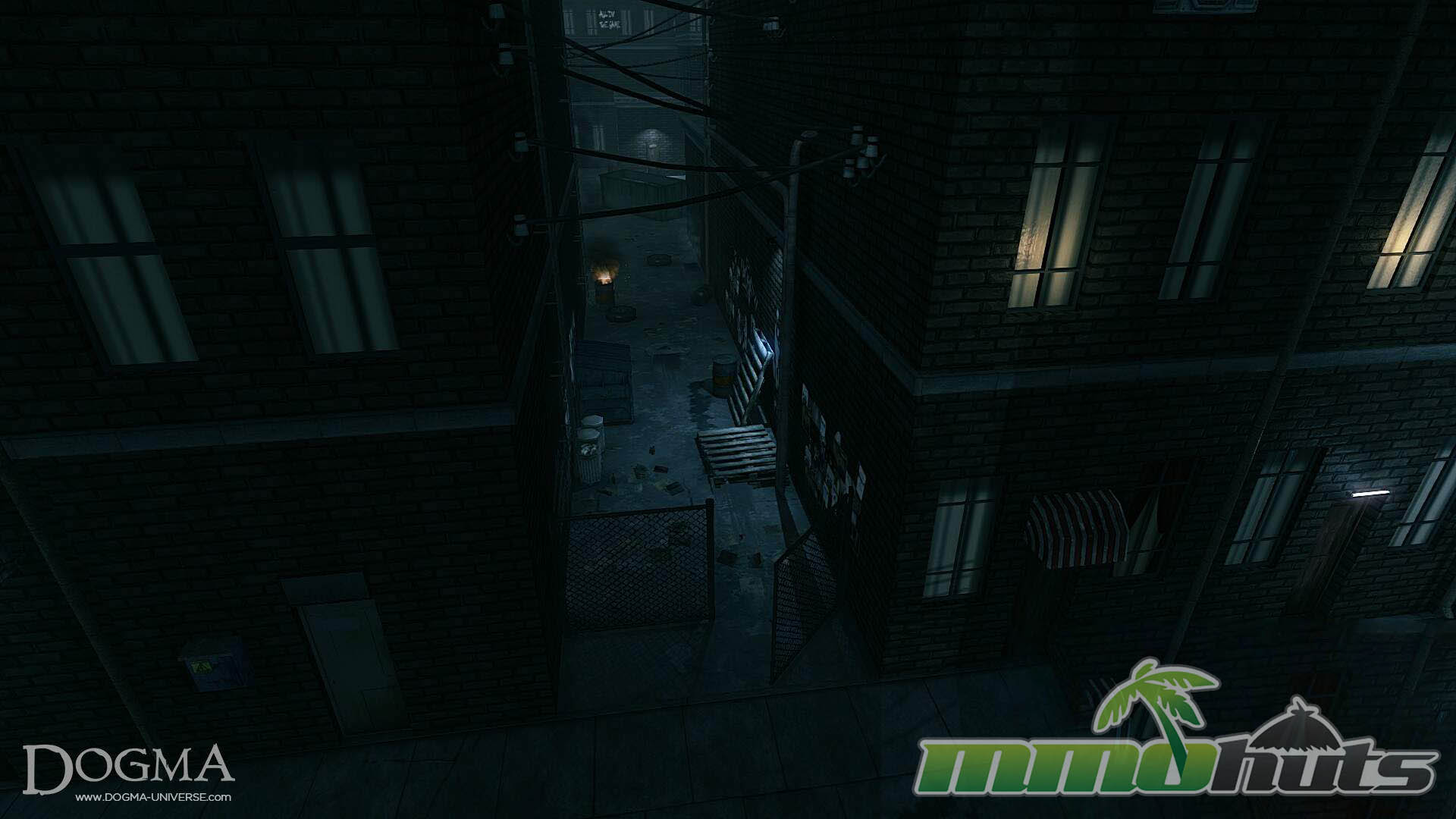
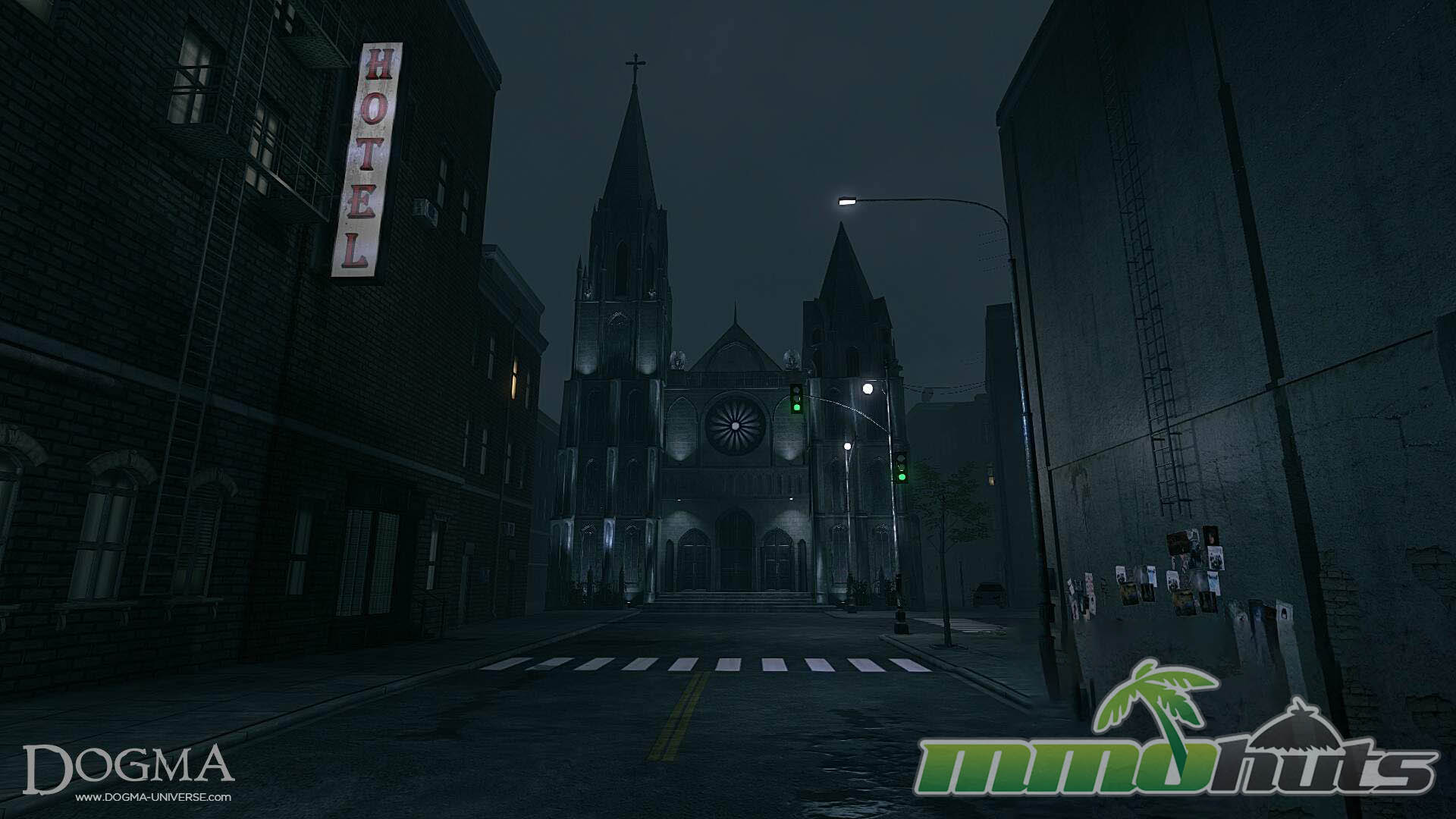
Dogma: Eternal Night was envisioned as a gothic horror MMORPG in which players would blend into society while secretly existing as vampires or other mythical beings. The premise started characters as ordinary humans, then asked them to decide whether to stay mortal or embrace a supernatural transformation. The setting was a contemporary city inspired by Los Angeles, presented as a place where darkness is permanent and the streets are defined by paranoia, predation, and uneasy alliances.
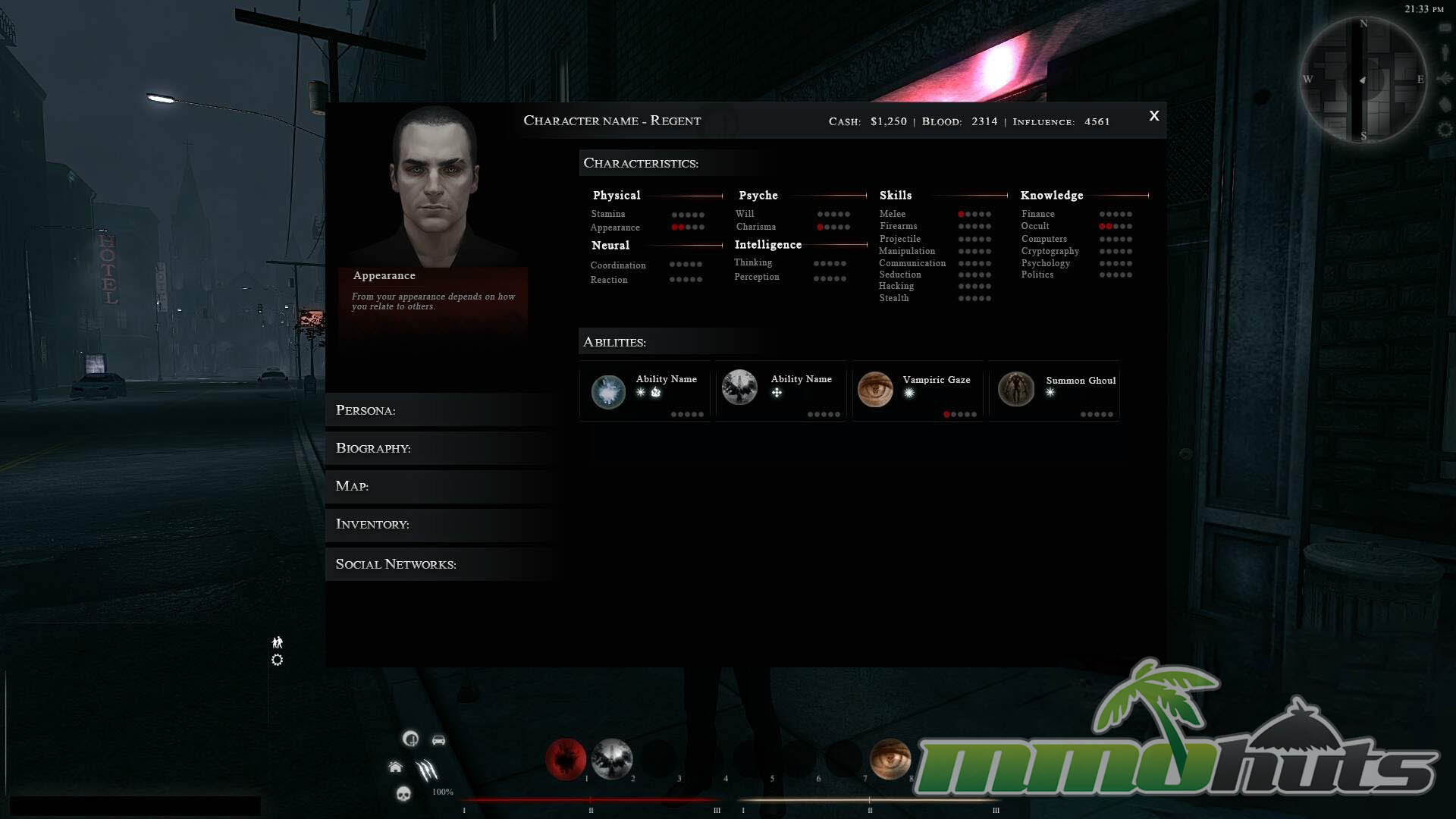
Instead of traditional classes, progression was planned around distributing attribute points, letting players shape their own role through stats and equipment choices. Combat was positioned to support both modern firearms (like rifles) and more old-school melee fighting, giving players flexibility in how they approached confrontations. On top of that, the entire city was intended to be open PvP, meaning conflicts could erupt at any time and in any neighborhood.
A major pillar was territorial control. Districts could be dominated by player groups, with the ability to tax activity and run operations in controlled areas, effectively turning parts of the city into player-managed power bases. Social spaces like nightclubs were also framed as key meeting points, places to recruit allies, manipulate rivals, or set up betrayals. The most punishing mechanic discussed was permanent character loss, designed to discourage reckless behavior and make repeated deaths carry lasting consequences.
Dogma: Eternal Night Key Features:
- Horror Theme – survive in an endless night filled with hidden powers, conspiracies, and supernatural predators.
- Player Housing –own a personal Haven to rest, recover, and customize with décor.
- Territory Control –fight for districts, then leverage control through taxes and local operations.
- Permanent Death –too many deaths could result in irreversible character loss.
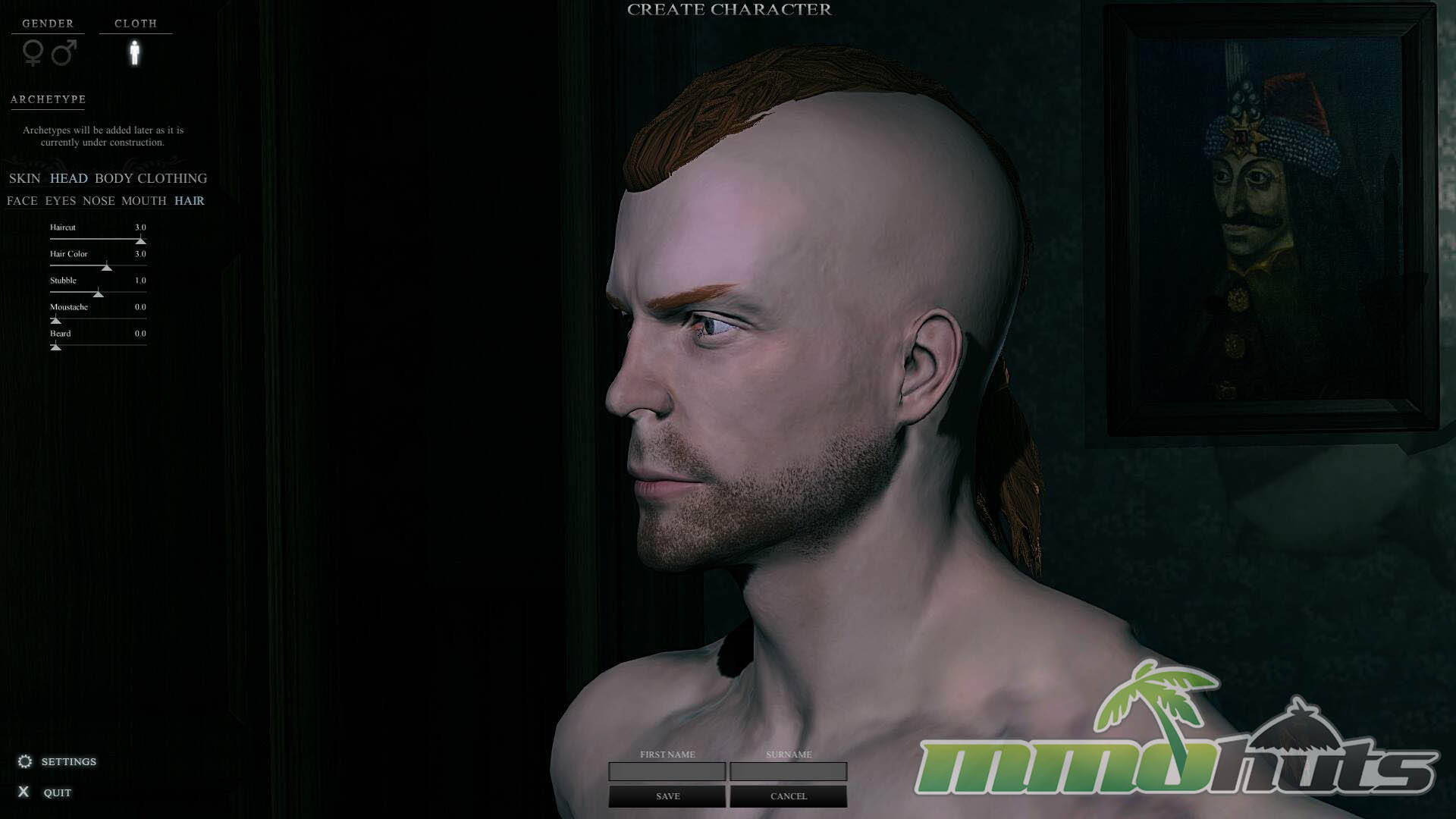
- No Classes –build your character by investing attribute points rather than picking a fixed role.
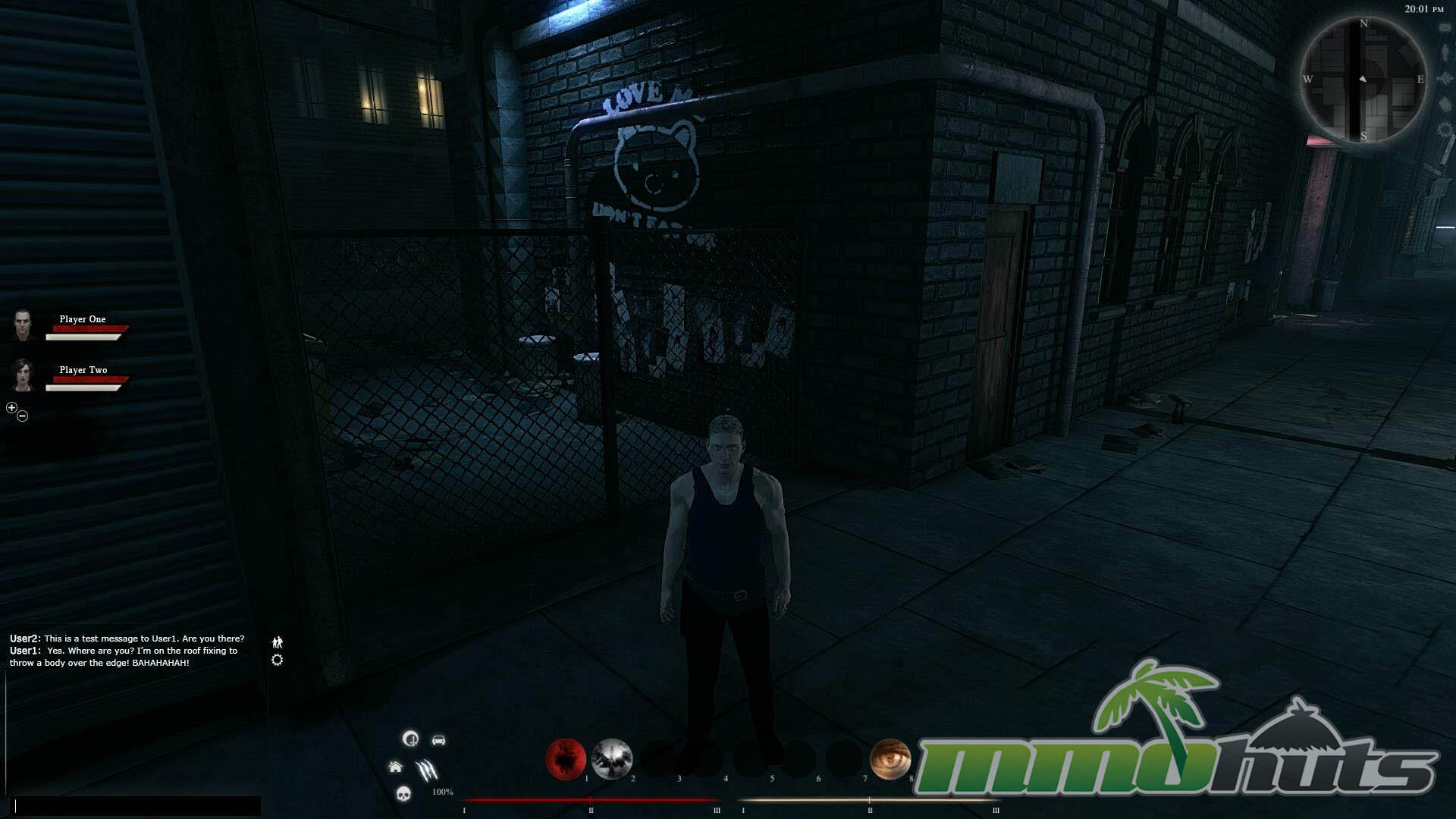
Dogma: Eternal Night Screenshots

Dogma: Eternal Night Featured Video

Dogma: Eternal Night Review
Although Dogma: Eternal Night never reached a playable, publicly established release, the concept is still worth examining because it aimed for a very specific niche. It pitched an adult-oriented MMORPG that leaned into social power, political control, and the danger of open-world PvP, rather than focusing purely on dungeon loops and theme-park questing. The setting, a modern city locked in perpetual darkness, would have been a strong foundation for roleplay, faction drama, and emergent conflict.
The lack of classes was another interesting direction on paper. Attribute-based growth can encourage experimentation and help players create unusual hybrids, but it also demands careful balancing. In PvP-heavy games, open-ended builds often lead to a narrow set of optimal stat spreads unless the underlying systems are robust. Dogma: Eternal Night sounded like it wanted players to craft identities through choices and consequences, but there was never enough verified detail to judge whether its progression would have supported that goal long-term.
Territory control and taxation implied a game loop driven by organization and leadership, with powerful groups shaping the city’s economy and safety. That structure can produce compelling player stories, but it also carries familiar risks. Without strong checks, dominant groups can lock down content and discourage newcomers. The proposed nightclub social layer was a smart thematic fit, suggesting that conversation, manipulation, and reputation could matter as much as raw combat strength.
Permanent death was the boldest promise. In an MMO, permadeath can create real tension and make victories feel meaningful, yet it can also push many players away if the rules are unclear or if deaths feel unavoidable in open PvP. For permadeath to work, players typically need reliable ways to mitigate risk, gather information, and recover from setbacks. The concept hinted at that high-stakes atmosphere, but the project ended before those safeguards (if any were planned) could be demonstrated.
Ultimately, Dogma: Eternal Night is best understood as an ambitious pitch with a distinctive tone. Its strongest ideas, a modern gothic setting, social scheming, and player-controlled districts, could have supported a memorable sandbox. However, the project’s abandonment and the limited, inconsistent public information surrounding it leave it as a cautionary entry in the MMO space rather than a fully formed experience.
Dogma: Eternal Night System Requirements
Minimum Requirements:
Operating System: XP / Vista / 7 / 8 / 10
CPU: 2.0+ GHz processor
Video Card: NVIDIA GeForce GTX 275 (or equivalent)
RAM: 2 GB
Hard Disk Space: 15 GB
Dogma: Eternal Night Music & Soundtrack
Coming Soon…
Dogma: Eternal Night Additional Information
Developer: Prelude Games Factory
Publisher: Prelude Games Factory
CEO/Programmer: Denis “AiryKai” Petrov
3D Modeler(s): Semen “Vinsent” Zemlyanukhin, Peter “mb” Baryshnikov
Concept Artist(s): Julia “Yu” Litvinova, Alina “Tabermori” Zhuravskaya
Community Manager: Bryan “Regent” Meehan
Game Engine: Unity 5
Languages: English, Russian
Abandoned Date: October 23, 2017
Development History / Background:
Dogma: Eternal Night was in development at independent studio Prelude Games Factory, with work on the project stated to have started in 2014 under the slogan “for the fans, by the fans.” The team built the game using the Unity 5 engine and at one point suggested an alpha target window during 2016. Development later went quiet, and the final update was shared through social media on October 23, 2017, after which the project was effectively abandoned. The Kickstarter campaign collected roughly $27,366 from backers, and the project is widely viewed as a case of supporters being misled.