Depth is a 3D asymmetric PvP title built around a simple, effective fantasy, divers descend for treasure while sharks patrol the depths looking for an easy meal. One side relies on tools, teamwork, and positioning, the other side thrives on ambushes, mobility, and panic.
 | Publisher: Digital Confectioners Playerbase: Small Type: MMO Action Release Date: November 03, 2014 Pros: +Fresh diver-versus-shark matchups. +Six shark species that feel meaningfully different. +Tense, quick fights with lots of clutch moments. Cons: -Visuals can look dated. -Non-popular modes can be hard to find matches for. -A few arenas are so dark that readability suffers. |

Depth Overview
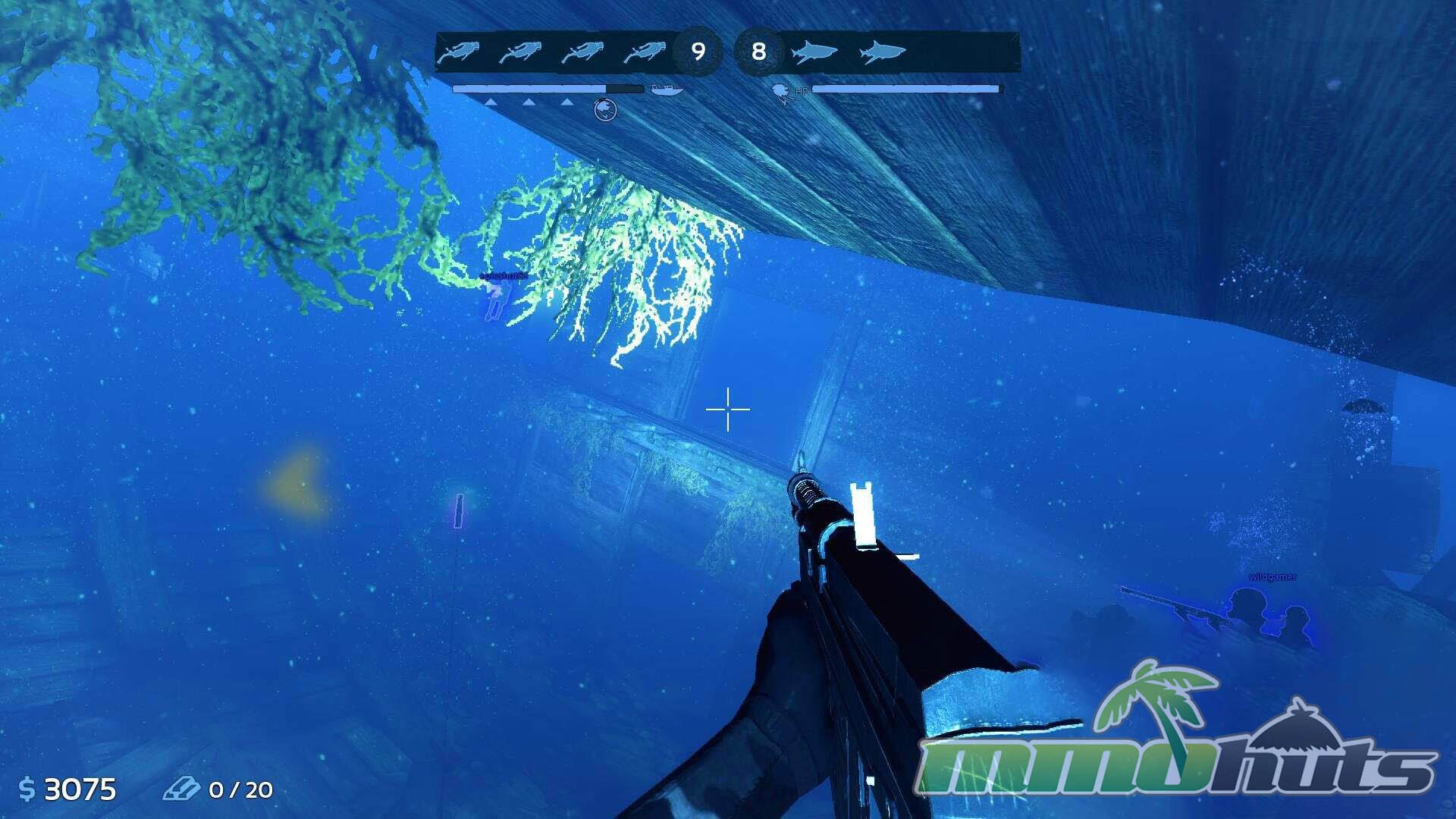
Depth leans into classic underwater horror and turns it into a competitive multiplayer format. Matches revolve around a small squad of armed divers pushing through claustrophobic shipwrecks, ruins, and caves while one or two sharks stalk them through the gloom. As a diver, you are constantly balancing greed and survival, searching for safes and valuables while keeping your team and your objective protected. As a shark, your job is to control the tempo of the match, isolate targets, and punish any diver who strays too far from the group.
The diver side plays like a shooter with a strong emphasis on awareness and coordination. You bring weapons and support tools suited to underwater fights, and you win by staying alive long enough to complete objectives and extract with the loot. The shark side is more about timing and angles, using speed, darkness, and surprise to create quick kills before the divers can focus you down. With visibility often limited by murky water and low lighting, Depth makes the environment part of the mind game for both teams.
Depth Key Features:
- Be a Diver – head below the surface to locate safes and haul valuables while relying on equipment such as pistols, harpoons, and flares to stay alive.
- Be a Shark – stalk and strike, picking from six shark species and using evolution unlocks to sharpen your hunting kit as the match progresses.
- Explore Underwater Maps – battle across 13 arenas, from wrecked cargo ships and galleons to caves and ancient ruins.
- Asymmetric Gameplay – approach every fight differently depending on your role, divers win through cooperation and tools, sharks win through pressure and ambush.
- Dynamic Lighting – use shadows, murk, and shifting light to hide, bait, or set up surprise angles on your opponents.
Depth Screenshots





Depth Featured Video

Depth Review
Asymmetric PvP often lives or dies on whether both sides feel powerful in their own way. Depth succeeds largely because it gives each team a distinct fantasy. Divers feel like a vulnerable expedition, armed but never truly comfortable, while sharks feel like the ocean itself is on their side. The standard setup is four divers versus two sharks, and that imbalance is where most of the tension comes from. Divers have firepower and numbers, sharks have speed, stealth options, and the ability to turn a small mistake into a sudden death.
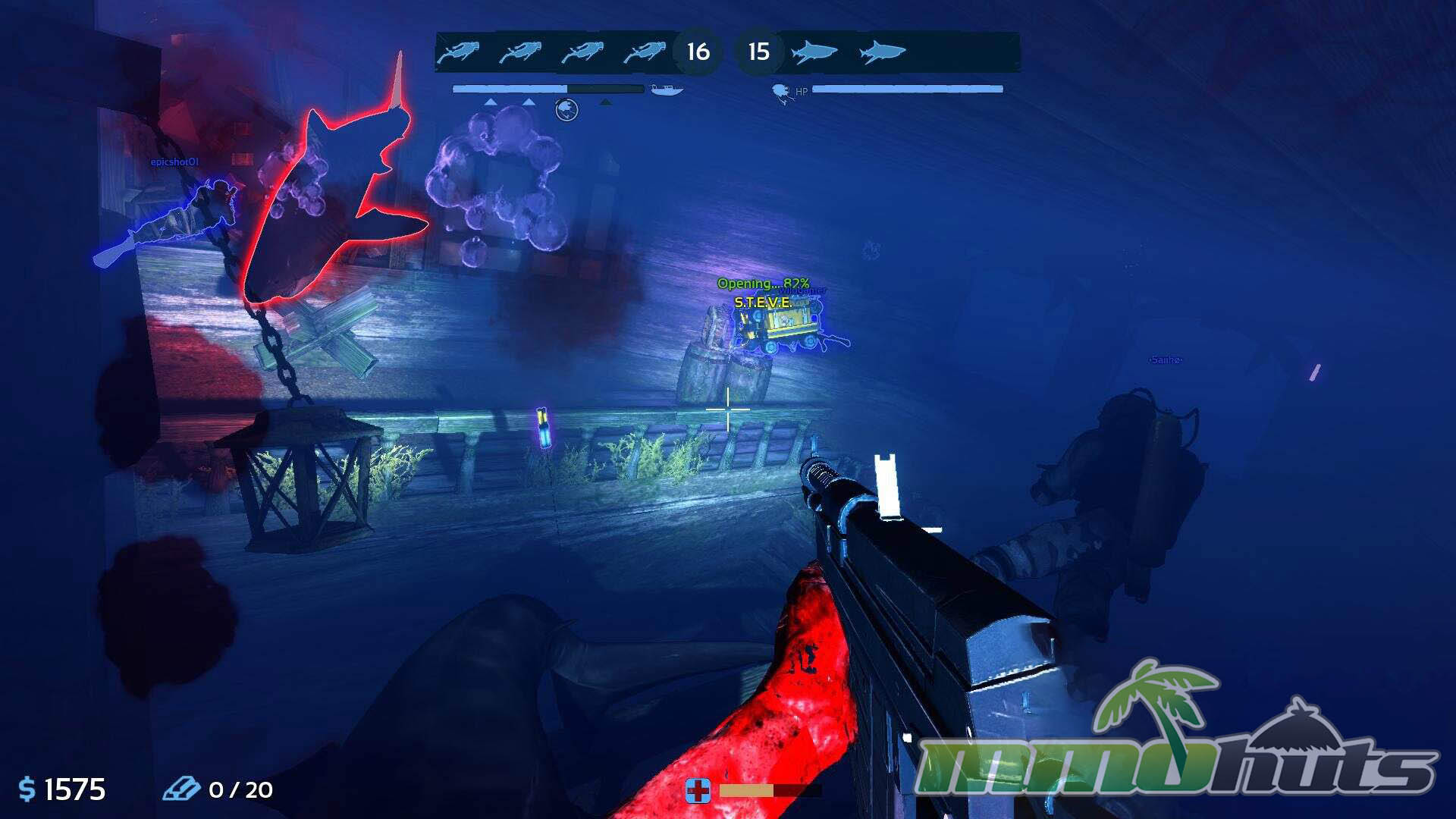
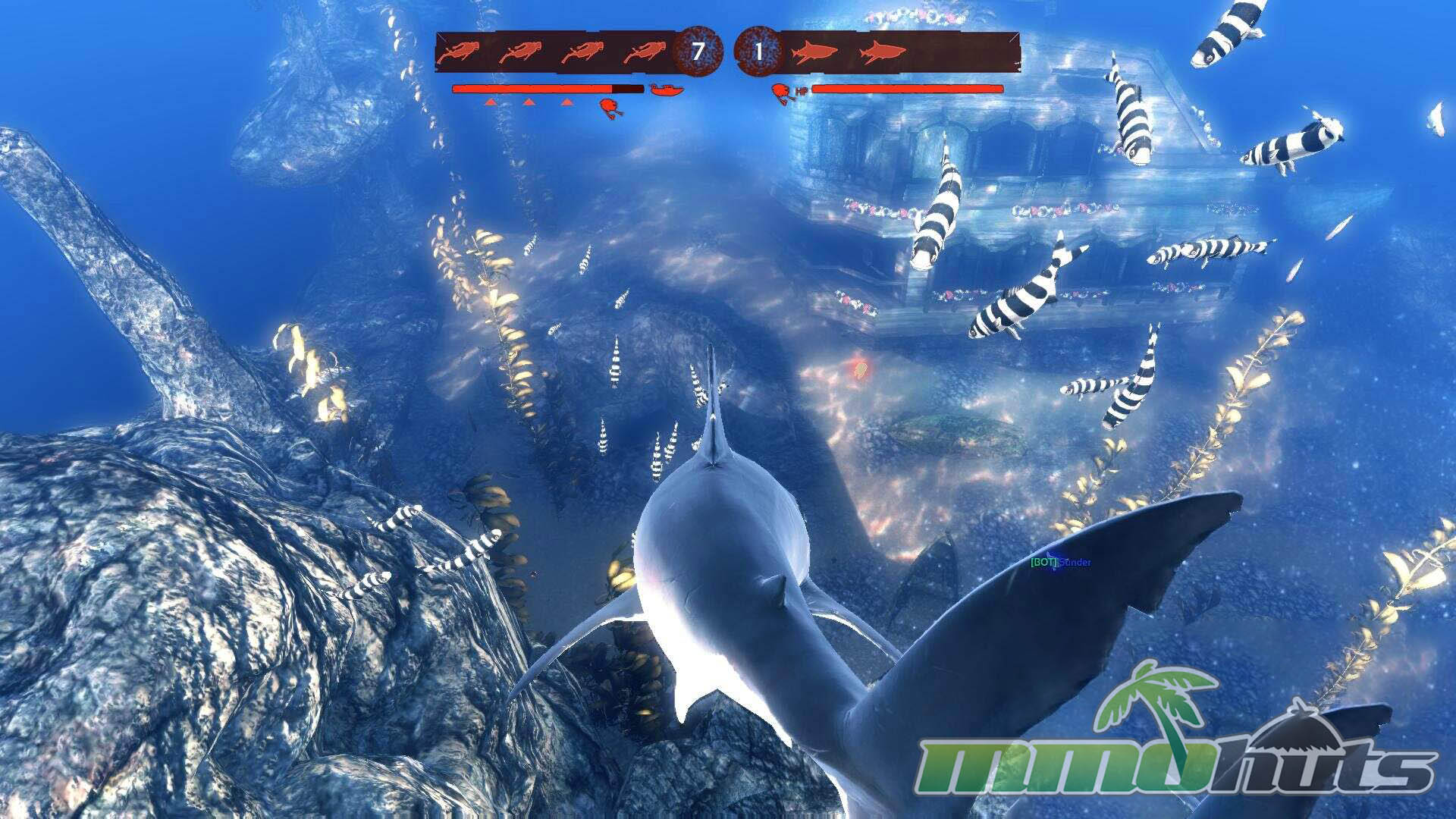
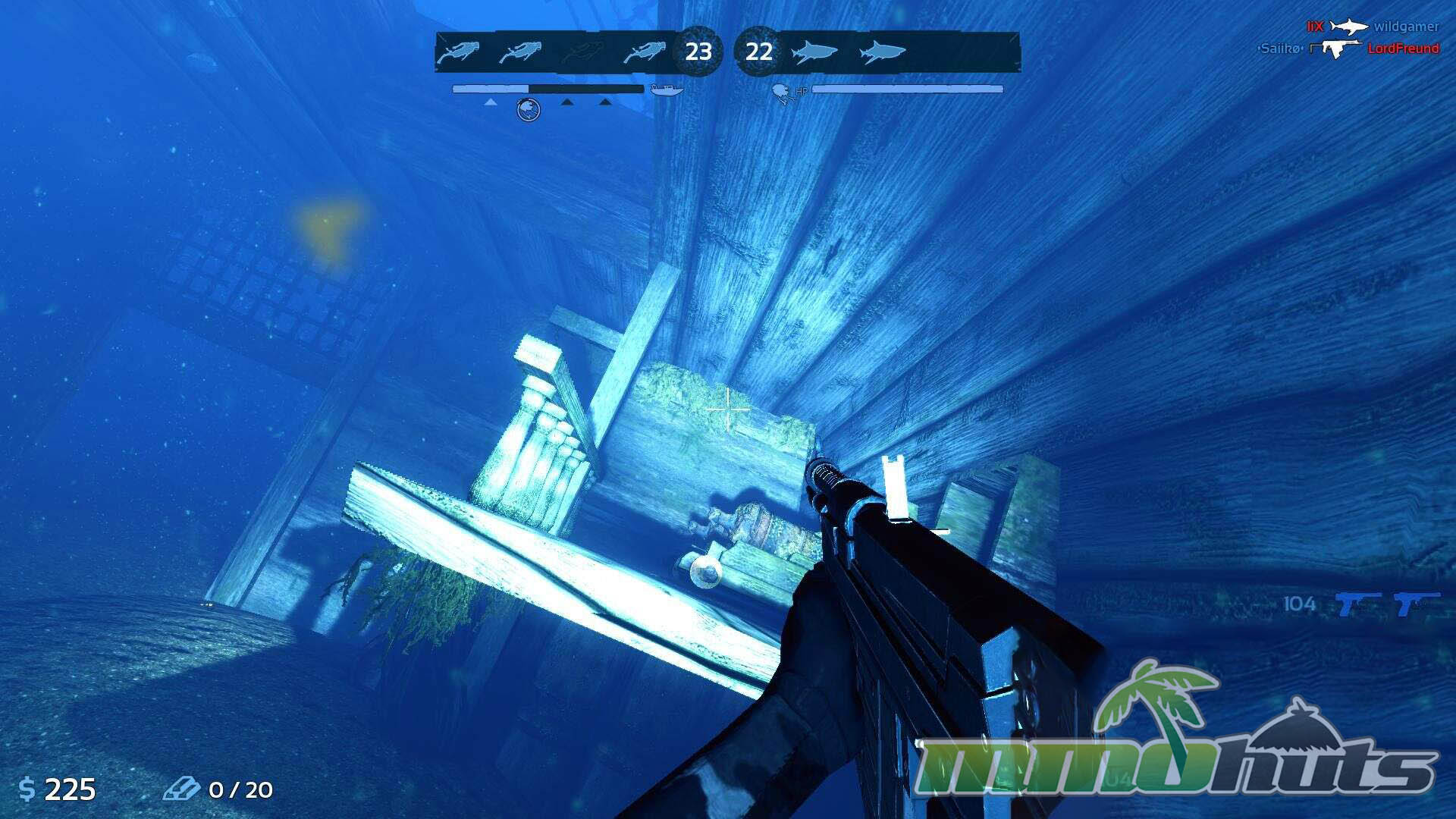
The maps do a lot of the heavy lifting. Sunken vessels, ruined structures, and narrow passages create frequent choke points and blind corners, which makes every rotation a calculated risk. Depth runs on Unreal Engine 3, and while the tech shows its age in places, the art direction still supports the premise. Some textures and models can feel dated, but the darker, murkier presentation also fits the theme. Audio aims for an underwater vibe with muted ambience, though combat sounds can come across louder and clearer than you might expect underwater, likely a choice made to keep fights readable and satisfying.
Learning the Basics
Depth includes a hands-on tutorial that covers both roles in one run. You start with the diver fundamentals, moving, using tools, and understanding the objective, then transition into shark movement and hunting mechanics. For a game where situational awareness matters, being able to practice the core loop without immediately jumping into live matches is valuable. Controls will feel familiar if you have experience with shooters, and the game also supports additional practice against bots if you want more time before queuing.
Why S.T.E.V.E. Matters
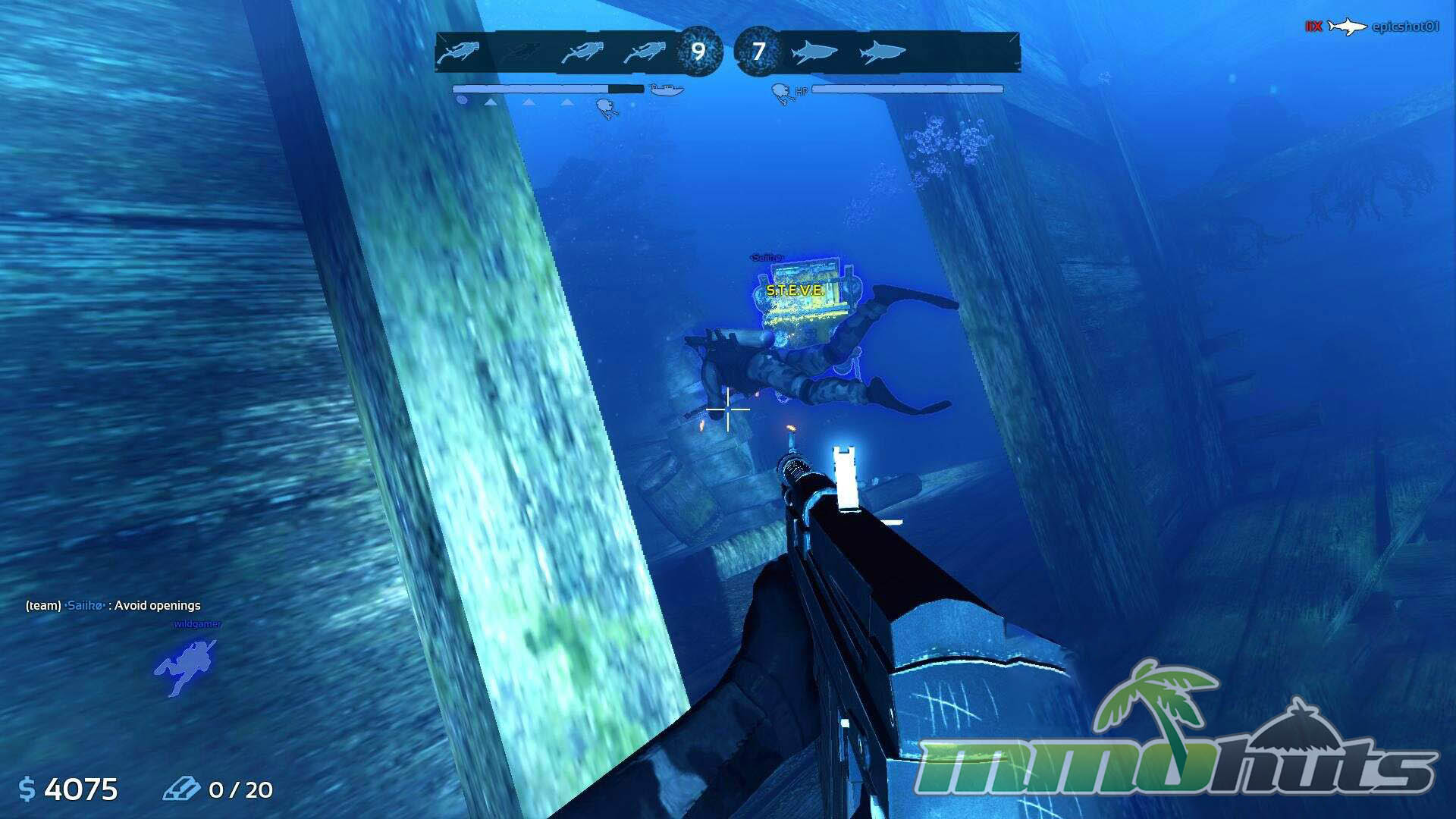
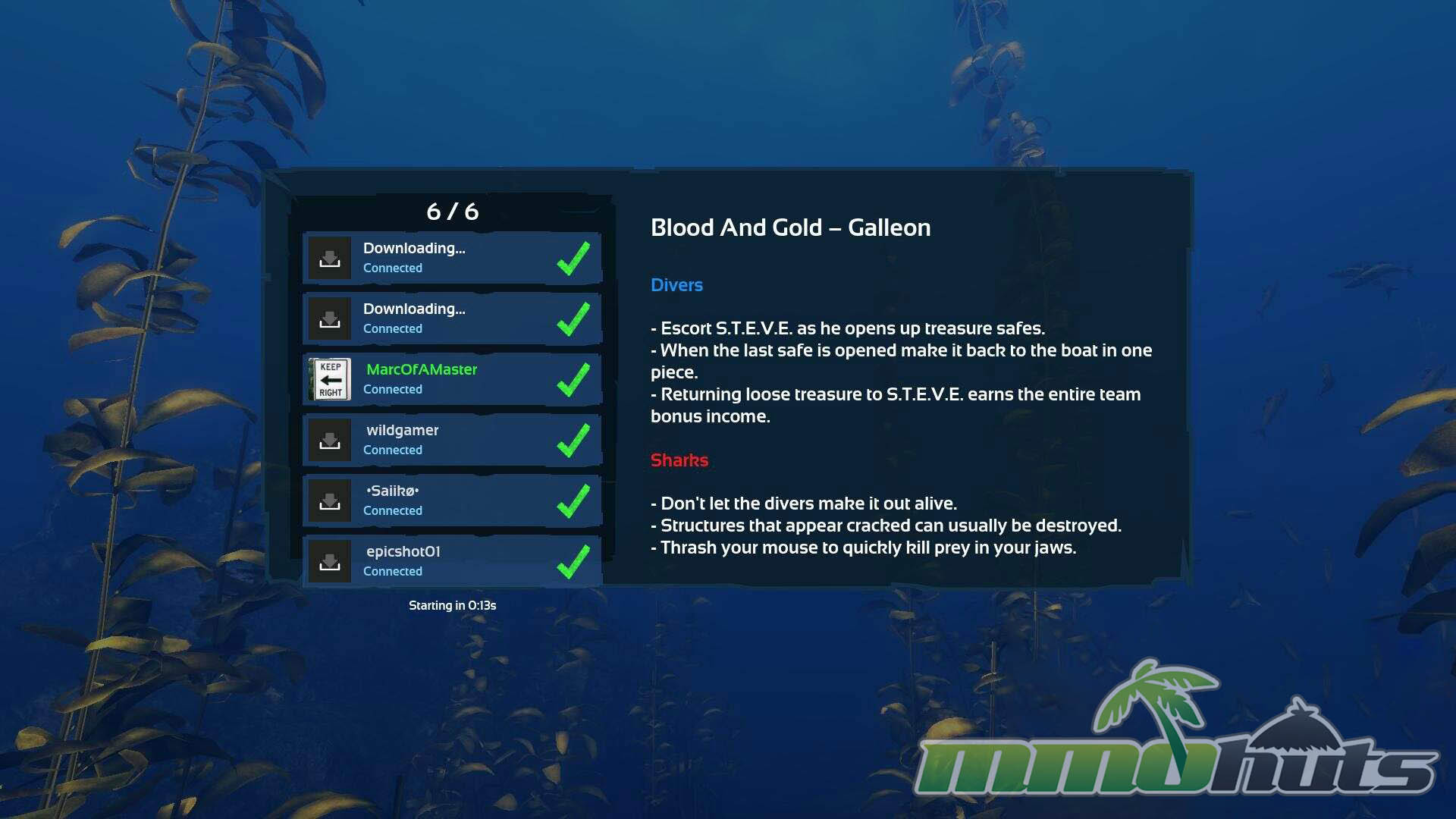
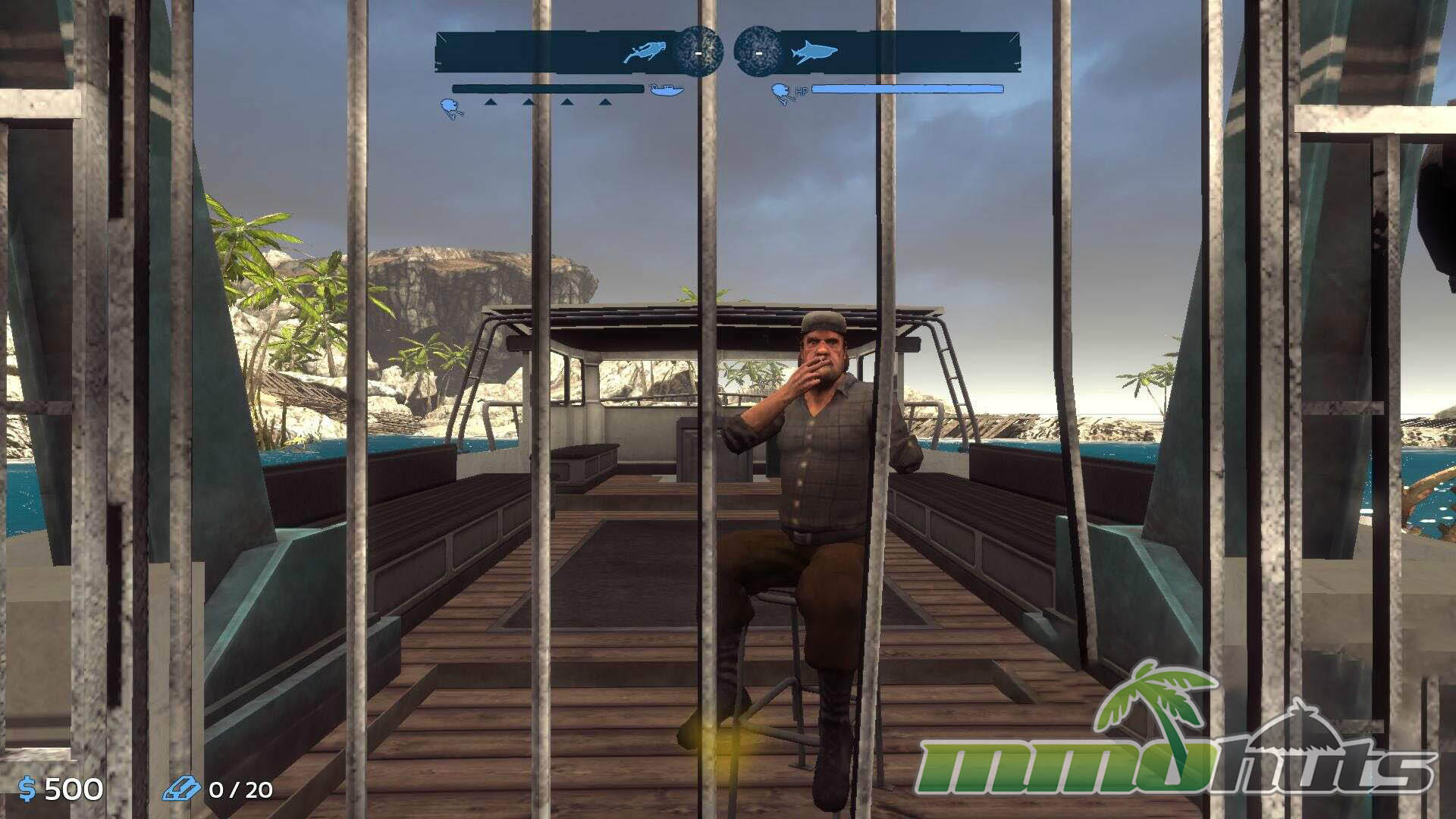
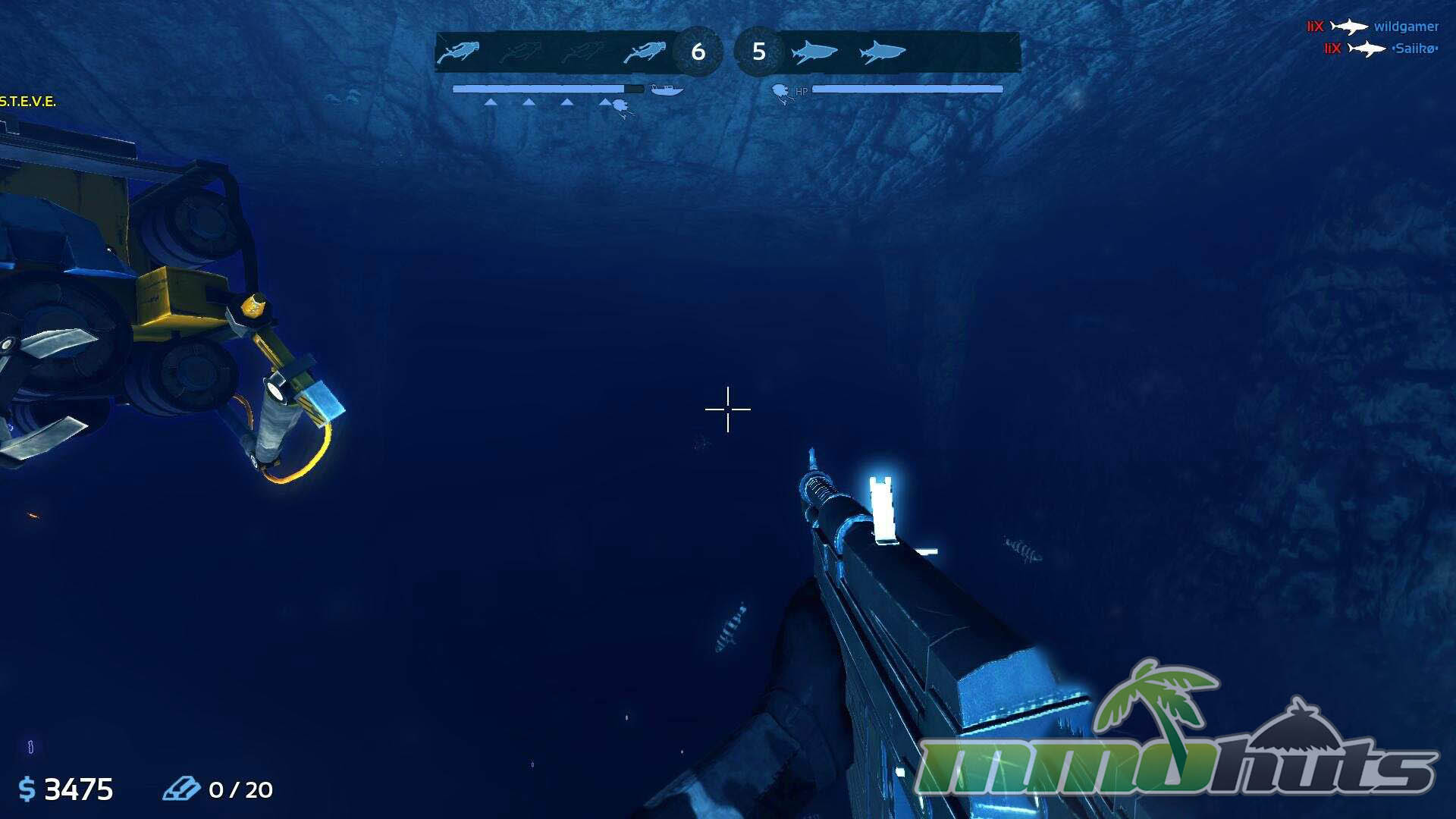
Blood and Gold is the primary mode and the one most players gravitate toward. Divers escort and defend S.T.E.V.E., their robotic scavenger, as it cracks open safes and gathers treasure, then they try to get it back to the extraction point intact. The mode creates constant pressure because the divers are almost always committed to a route, and sharks can plan ambushes around that predictable momentum.
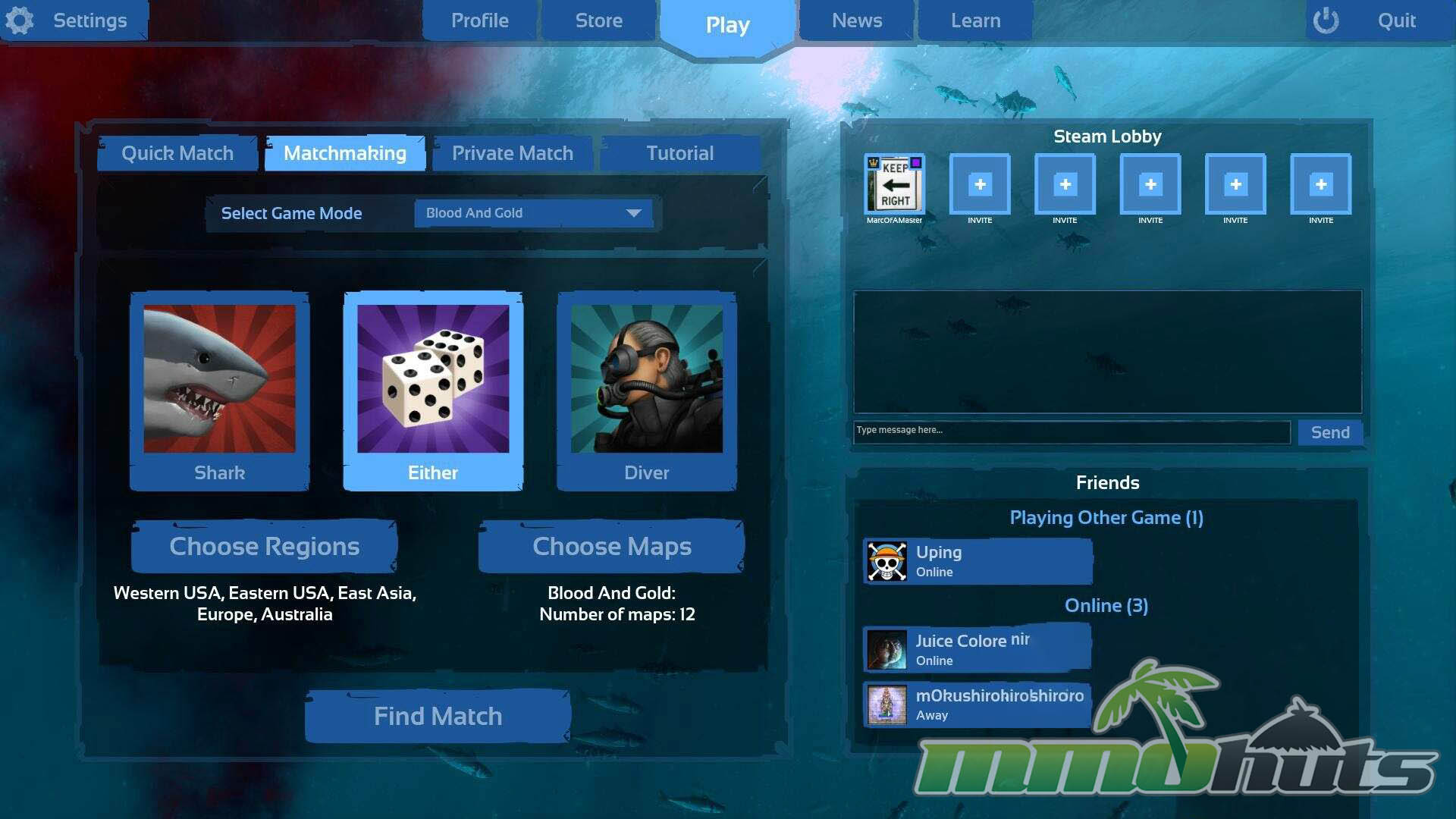
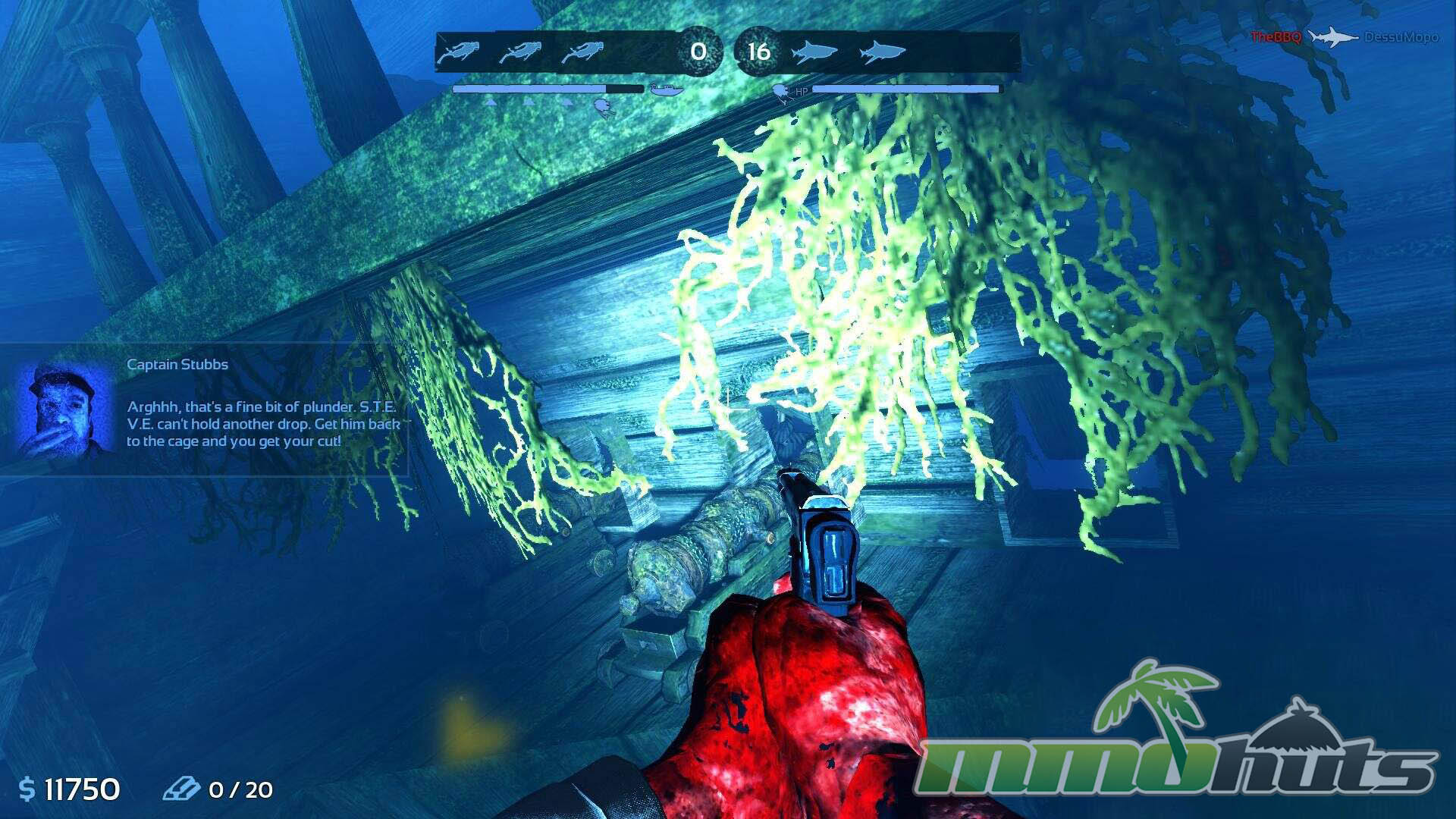
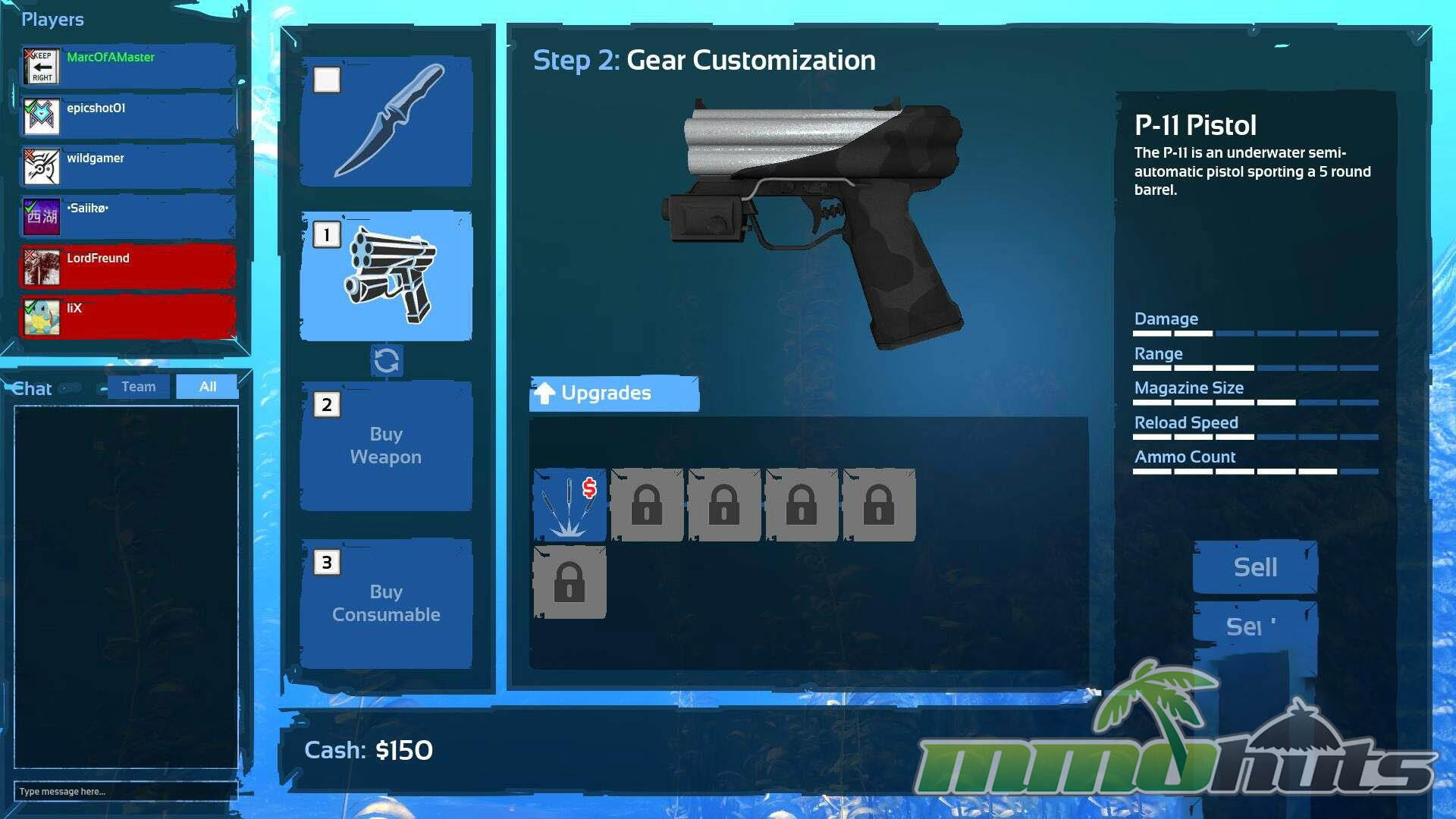
Both teams share a ticket system, 30 respawns per side, which gives matches room to breathe without removing the stakes of dying. Divers play in first-person, and their loadouts revolve around underwater firearms and utility, including spearguns, flares, mines, and healing. You begin with a basic kit, a welder for repairs (critical when S.T.E.V.E. takes damage), and $500 to start building your setup. As the match progresses you earn more cash, letting you buy stronger gear or improve what you already have. Progression also unlocks additional equipment options over time through experience earned on either team. Cosmetic customization exists, but it does not change performance.
Even with good gear, divers are fragile compared to the threats they face, and their visibility is generally worse than a shark’s. Depth rewards squads that move as a unit, cover angles, and react quickly when someone gets grabbed. Lone-wolf behavior tends to end the same way, with a sudden lunge from the darkness and one diver missing from the formation.
Sharks, Species, and Pressure
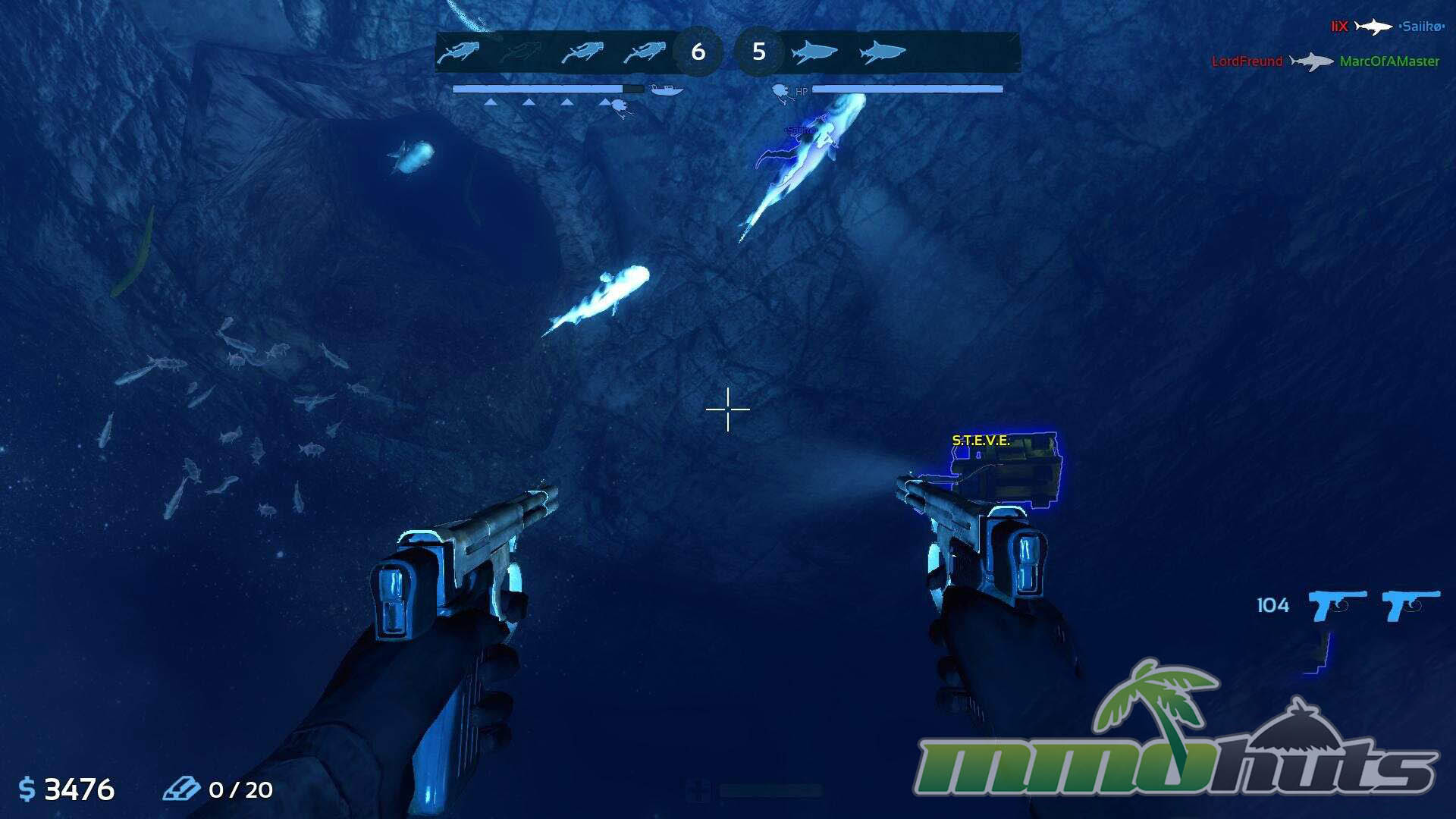
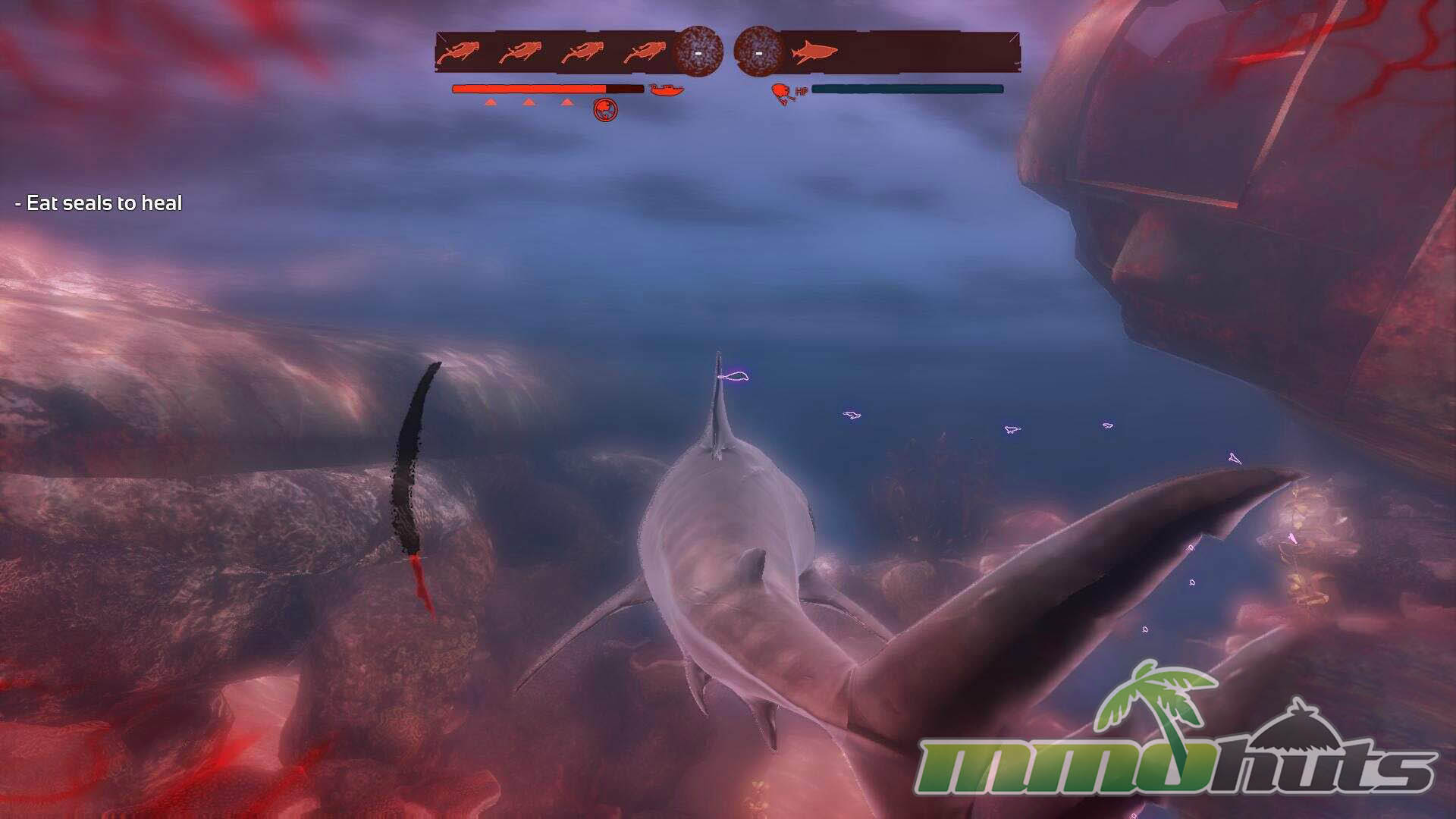
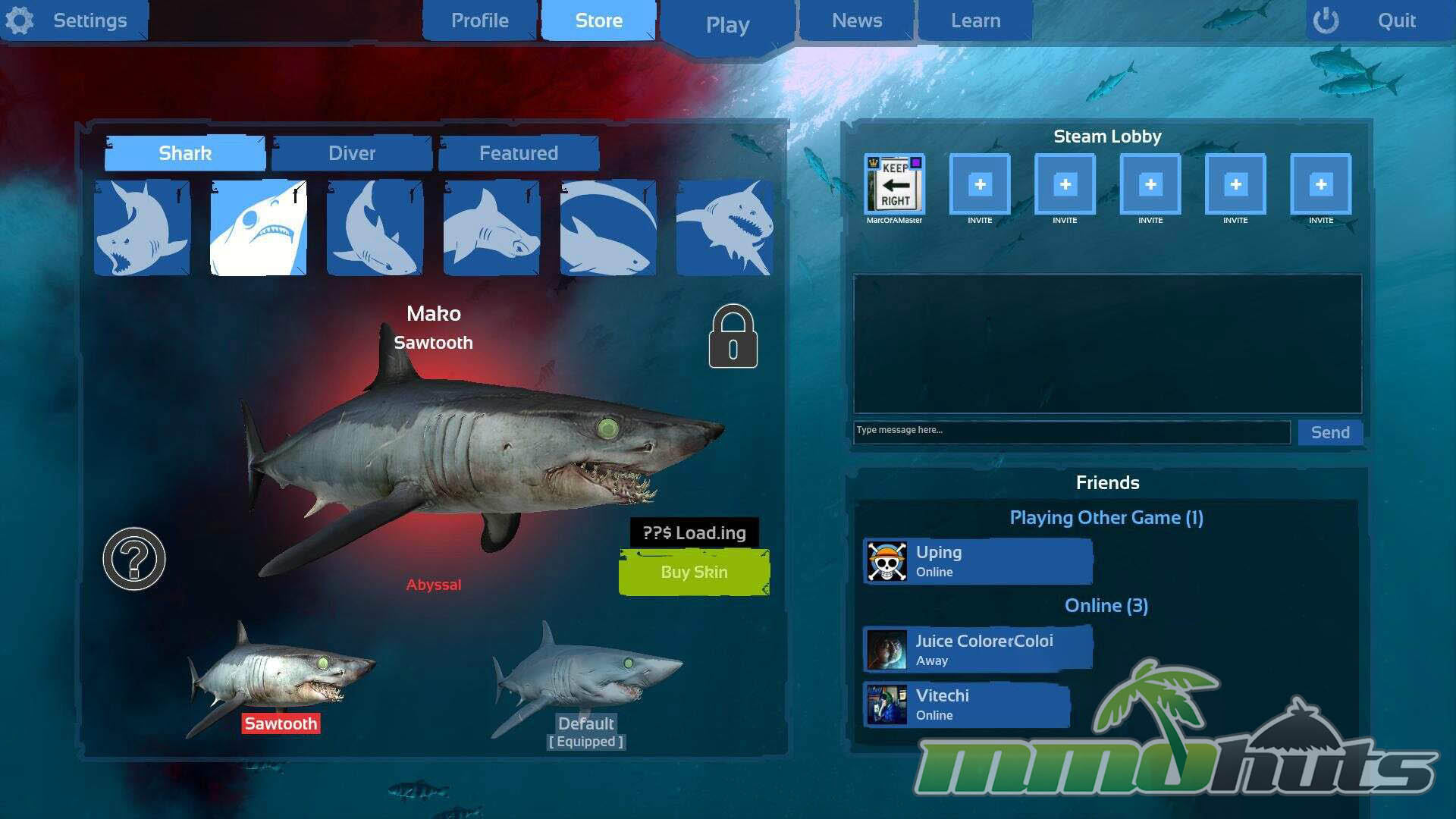
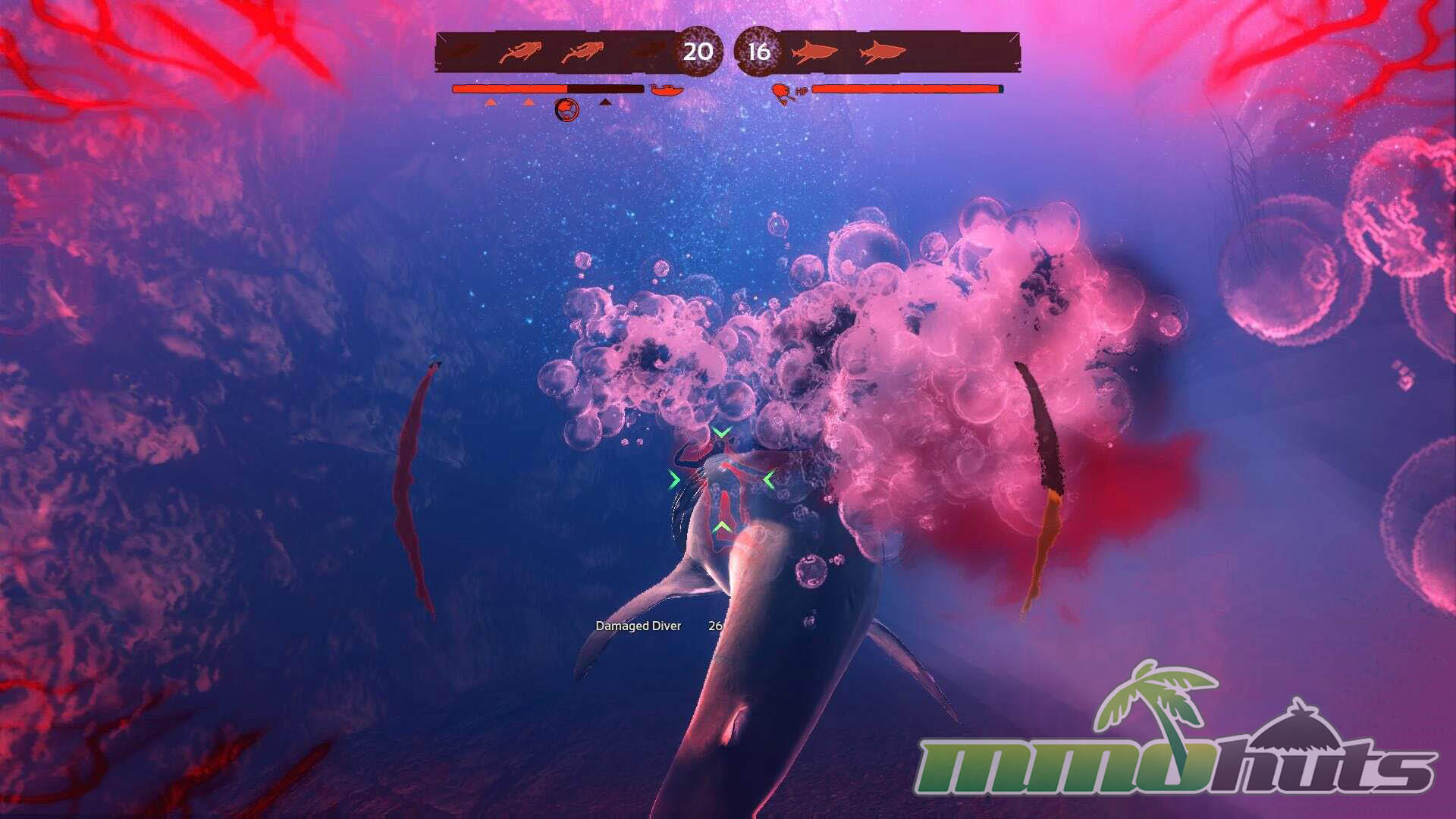
On the shark side you choose between six species, Great White, Tiger, Mako, Hammerhead, Thresher, and Bull. They are not just skins, each has its own strengths, weaknesses, and a set of abilities that push you toward certain play patterns. A Great White can trade speed for durability and raw damage, while a Mako focuses on mobility and quick engagements. Species abilities include tools like damage mitigation and stealth, giving sharks ways to set up attacks or survive the aftermath.
Sharks use a third-person camera, which helps with awareness in tight environments and makes it easier to track multiple divers. Instead of cash, sharks earn evolution points by killing divers, then spend those points on upgrades to become more lethal. Those evolutions also unlock through leveling, mirroring the diver progression structure.
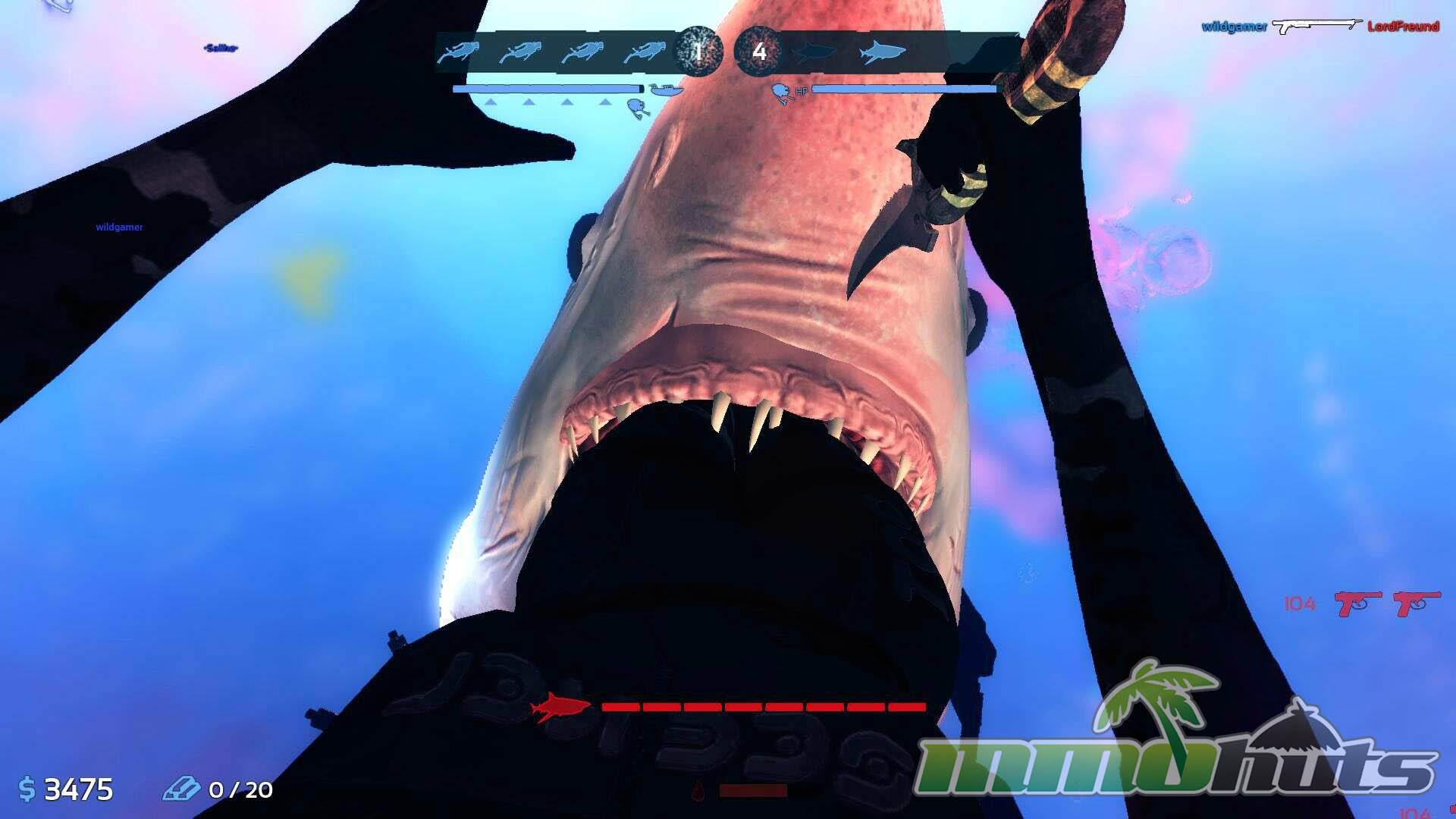
Shark gameplay is more demanding than it looks from the outside. You are outnumbered, you cannot safely commit to long fights, and you have no ranged options to soften a group before diving in. Success usually comes from coordinated timing with your teammate, striking together so the divers cannot instantly focus both sharks down. Once you grab a diver, the victim can still fight back with a knife, and you need to finish quickly by thrashing (rapid side-to-side mouse movement) or risk taking too much damage during the escape. The best shark teams treat every attack like a hit-and-run, secure the down, then vanish before the firing line forms.
Other Modes and Match Availability
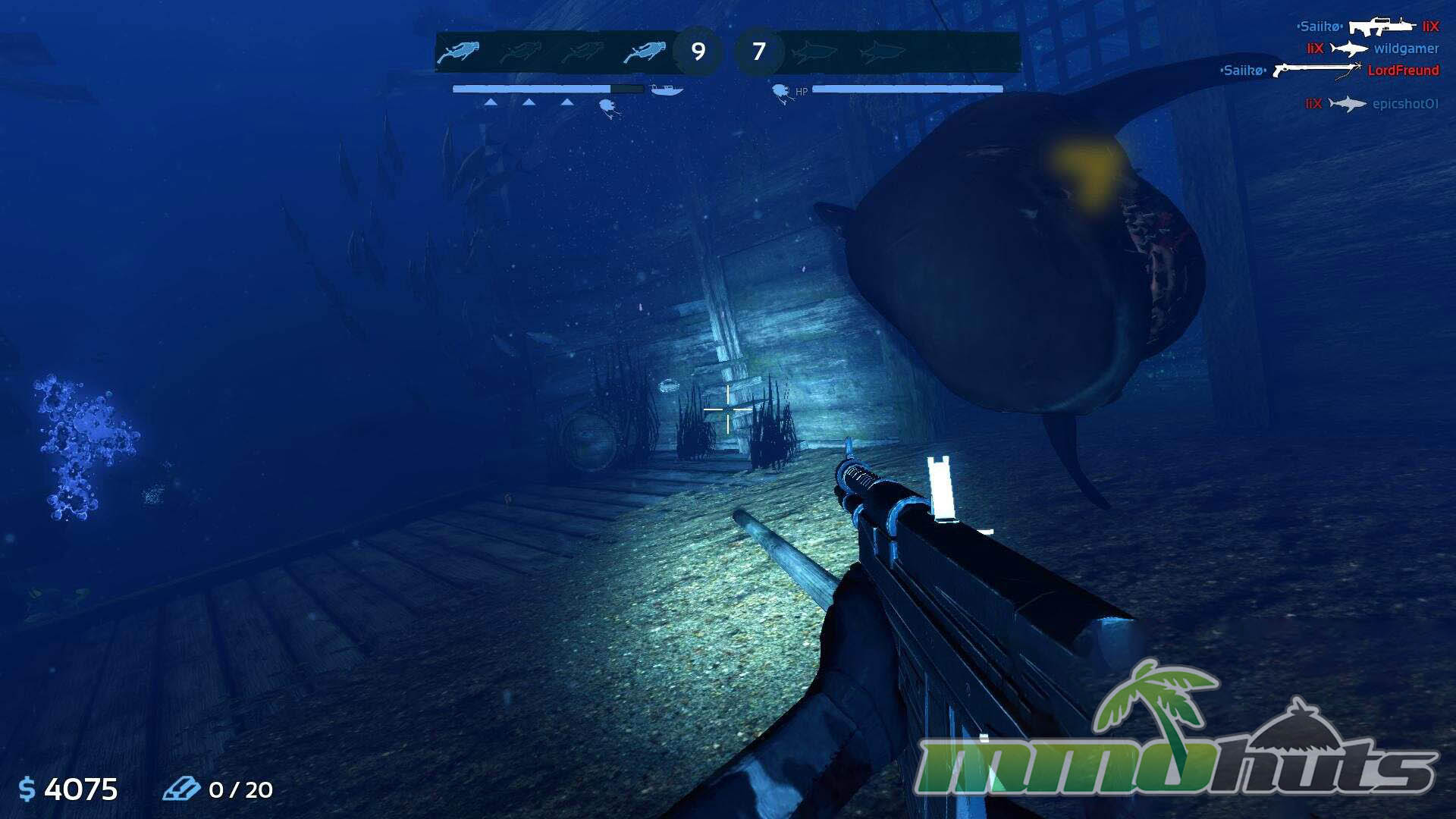
Beyond Blood and Gold, Depth includes Megalodon Hunt and Hide and Seek. Megalodon Hunt is a rotating-power mode where one player becomes the Megalodon, a massive prehistoric shark, and tries to rack up kills until a diver brings it down and takes its place. Hide and Seek is a conversion-style mode, one shark hunts divers, and eliminated divers join the shark team. Both modes put a twist on the core mechanics and can be fun as a change of pace, but they tend to be less populated, which can make consistent matchmaking difficult compared to the main mode.

Store and Monetization
Depth’s in-game store keeps things straightforward. Purchases are cosmetic only, so you are not buying power, temporary advantages, or convenience items that affect balance. For a buy-to-play multiplayer game, that approach is about as unobtrusive as it gets, and it keeps the competitive side of the experience from feeling pay-influenced.
Final Verdict – Good
Depth stands out because the asymmetry is easy to understand but still produces memorable moments. It is tense, fast, and often surprisingly tactical, especially when both sides coordinate and the map’s lighting turns every corridor into a potential trap. Progression-based unlocks can create a gap between new players and veterans in terms of available equipment or evolutions, which is the main long-term balance concern, but the core loop remains strong. If you want an asymmetric PvP game that feels different from the usual monster-versus-hunters template and you do not mind a smaller community, Depth is a solid pick for quick, high-stakes matches.
Depth System Requirements
Minimum Requirements:
Operating System: Windows Vista
CPU: Intel 2.4 GHz or AMD Athlon 2.6 GHz (dual-core required)
Video Card: ATI Radeon 4870/5770/6770 or Nvidia GeForce GTX 260/460/550 T
RAM: 3 GB
Hard Disk Space: 4 GB
Recommended Requirements:
Operating System: Windows 7 or better
CPU: Intel Core i5-2300 or AMD Phenom II X4 940 or better
Video Card: ATI Radeon 7870/R9 270 or Nvidia GeForce GTX 660 Ti/76
RAM: 4 GB
Hard Disk Space: 4 GB
Depth Music & Soundtrack
Coming Soon!
Depth Additional Information
Developer(s): Digital Confectioners
Publisher(s): Digital Confectioners
Game Engine: Unreal Engine 3
Language(s): English, French, Italian, German, Spanish, Portuguese-Brazil, Polish, Russian, Turkish, Japanese, Korean, Simplified Chinese
Public Beta: October 26, 2014
Release Date: November 3, 2014
Development History / Background:
Depth is developed and published by Digital Confectioners, a game studio based in New Zealand. The team is also known for Tiny Brains and Thanatophobia. The title appeared in public beta on October 26, 2014, then launched fully on Steam on November 3, 2014.