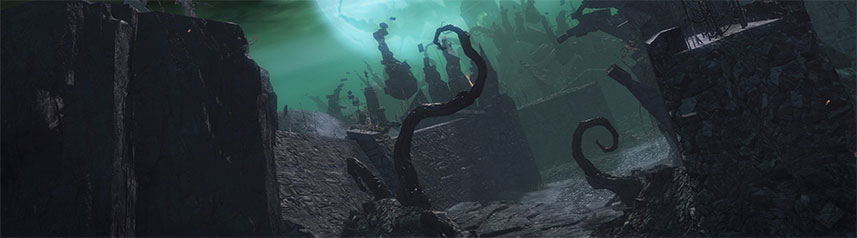
Deadbreed is a free-to-play 3D MOBA that leans hard into dark fantasy and medieval horror, casting players as undead “Breeds” battling for a chance to earn resurrection. Its hook is not just the grim atmosphere, but the way it mixes standard lane-pushing with RPG-like progression, multiple map resources, and end-lane boss encounters that replace the usual “destroy the core” finale.
 | Publisher: Deadbreed AB Playerbase: Low Type: MOBA Release Date: April 15, 2016 Pros: +Flexible builds that let you redefine a hero’s role. +Distinct two-lane arenas capped with boss-style end fights. +Deep itemization, including strong, moddable Artifacts. Cons: -Hard match timer can cut games short. -Movement and combat feedback can feel heavy. -Hero/Breed availability relies on rotation and unlocks. -Only three 3v3, two-lane maps. -Cash shop presence feels aggressive. |

Deadbreed Overview
Set in a bleak underworld where the dead bargain for another life, Deadbreed pits teams of Breeds against each other in compact 3v3 battles across eerie two-lane maps. You can align with the Night, fight for the Day, or play a Half-breed trapped between both sides, but the bigger decision is how you want to function in the match. Rather than locking heroes into a single class identity, each Breed can be shaped into a tank, damage dealer, mage, support, or a hybrid approach depending on what you buy and equip.
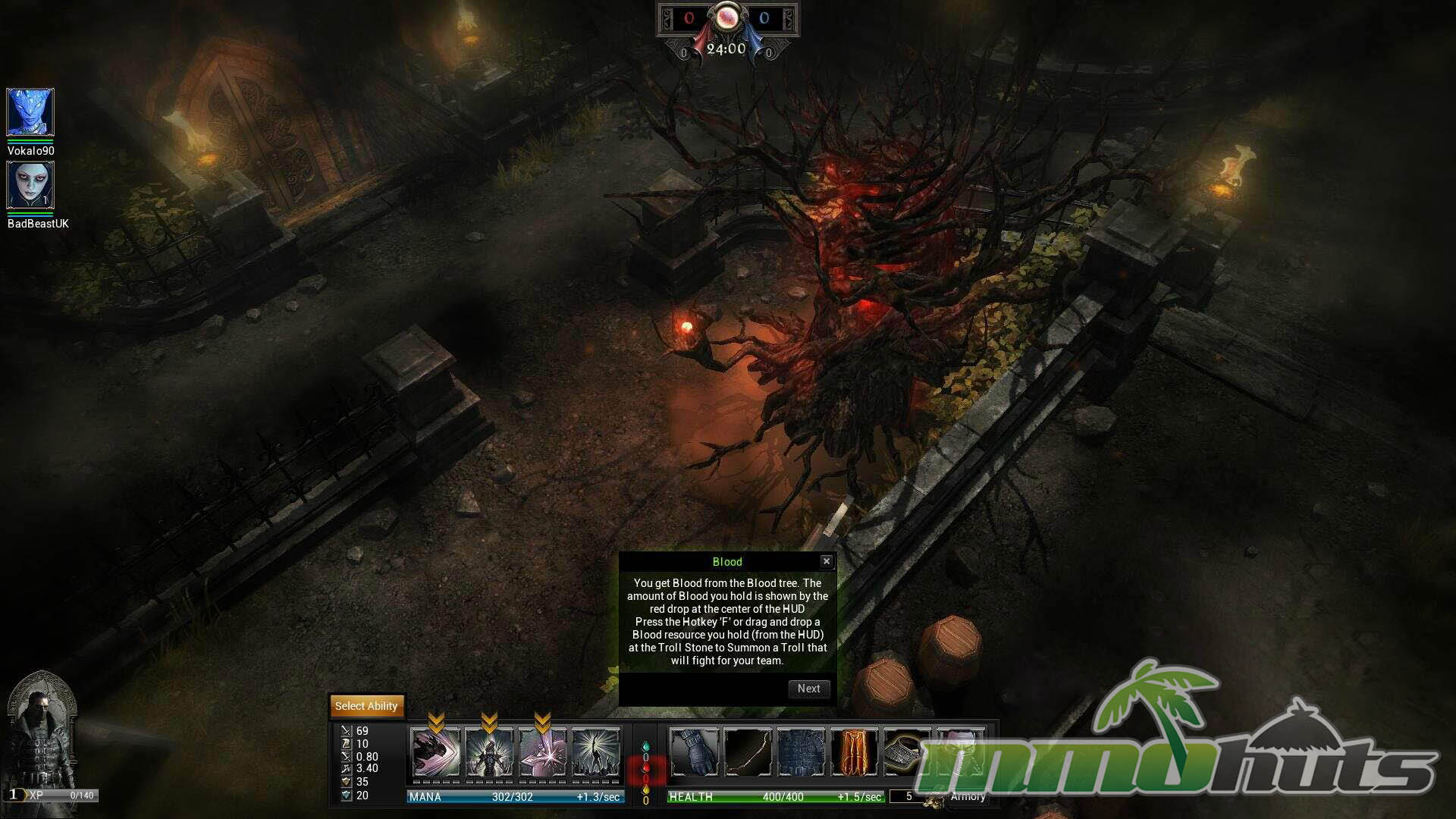
Matches focus on lane pressure with towers, waves of minions, and constant skirmishing, but the win condition is different from many genre staples. Instead of simply smashing a base, you ultimately need to push to the far end and defeat the enemy team’s Sentinel before the clock expires. Along the way, Deadbreed layers in extra objectives and resource systems. Beyond gold, players gather various map resources, including Spirit from fallen enemies and Blood from the Blood Tree, then spend them to empower skills, trigger map elements, or call in dangerous summoned allies. Add in upgradable gear and customizable Artifacts, and the game aims to reward adaptation, not just memorized builds.
Deadbreed Key Features:
- Customization that matters – adjust both a Hero’s look and their battlefield performance, with Breeds growing stronger as you continue to use them.
- Role flexibility – decide your job each match, and even pivot mid-game by changing equipment to answer the enemy team’s plan.
- Time-boxed matches – a strict timer pushes faster conclusions than many traditional MOBAs.
- Several resource economies – harvest different orb types to enhance abilities, enable traps and interactions, or summon powerful creatures to assist your side.
- Maps with extra layers – arenas include PvE spaces, summon mechanics, and end-of-lane boss encounters that define the match’s climax.
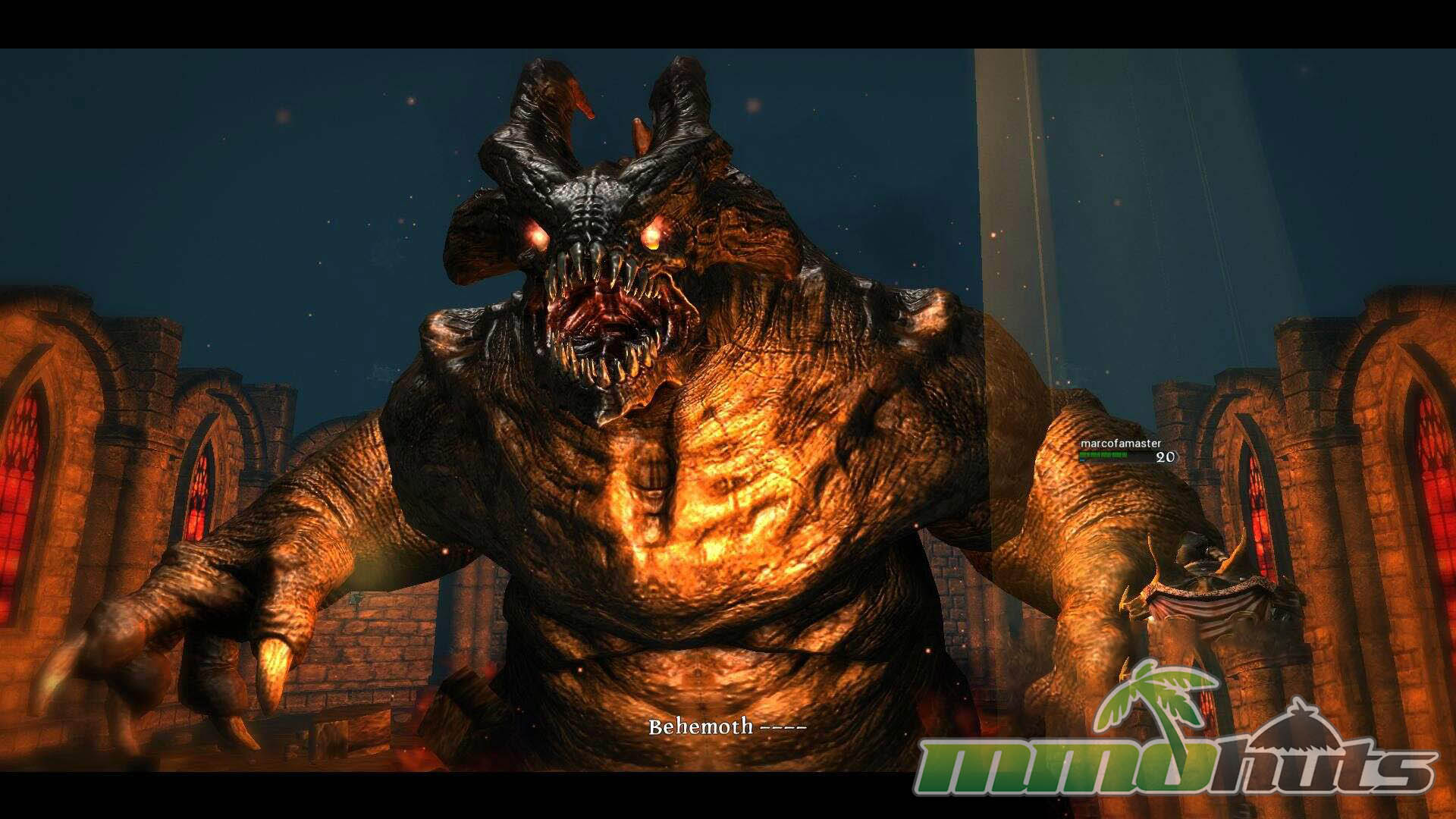
- Sentinel end bosses – select from three underworld deities that act as the final obstacle standing between your team and victory.
Deadbreed Screenshots


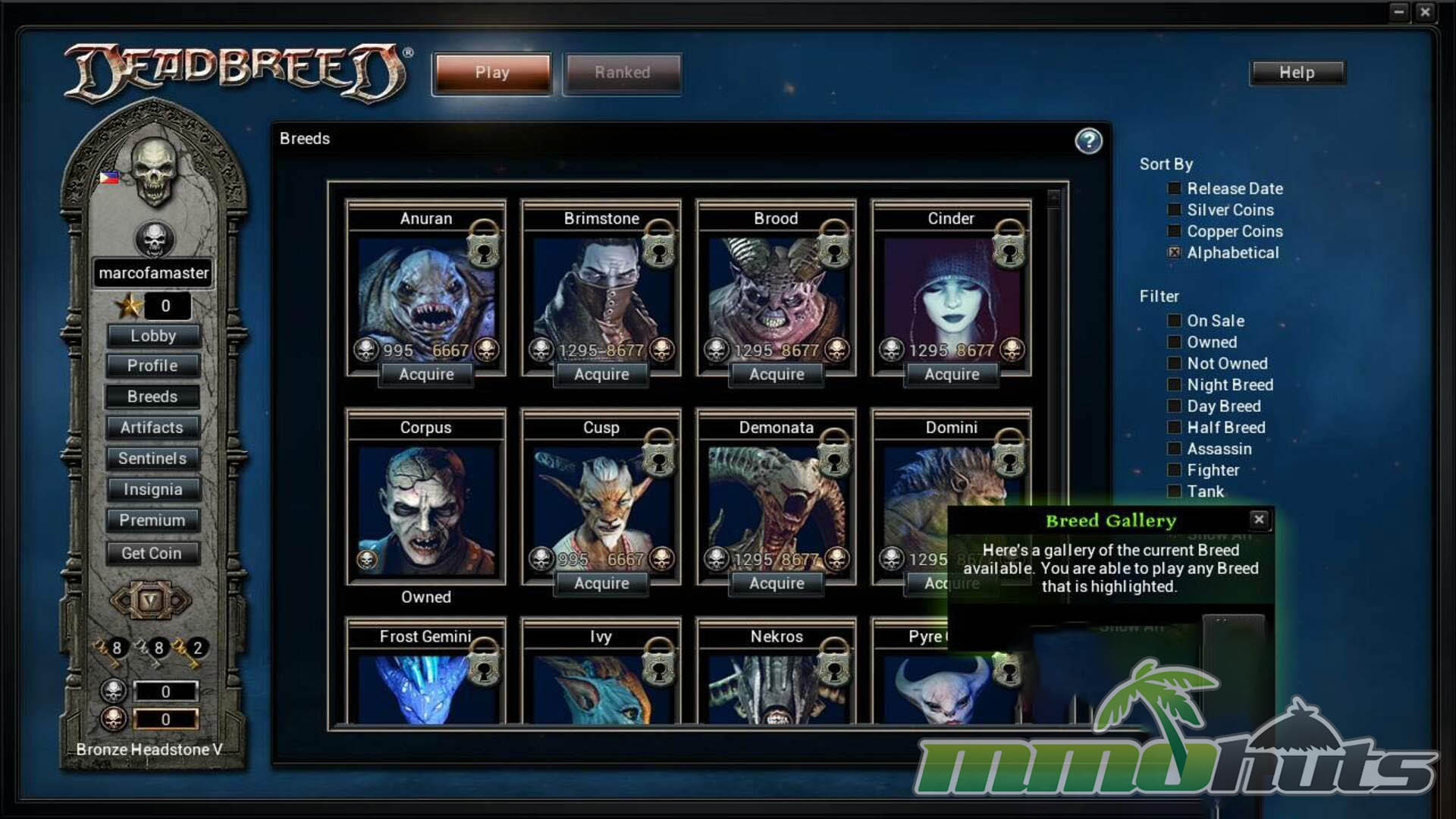
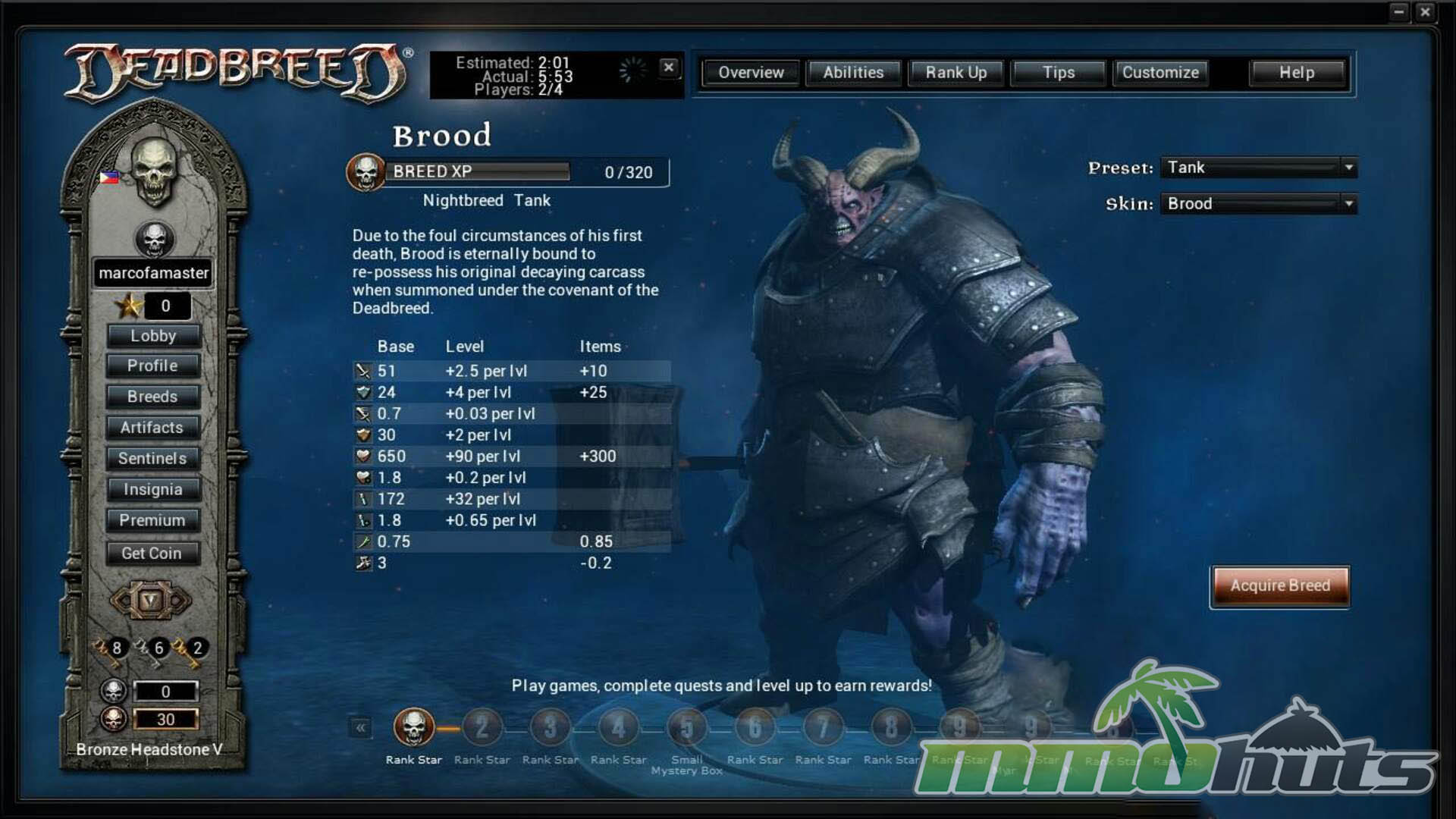
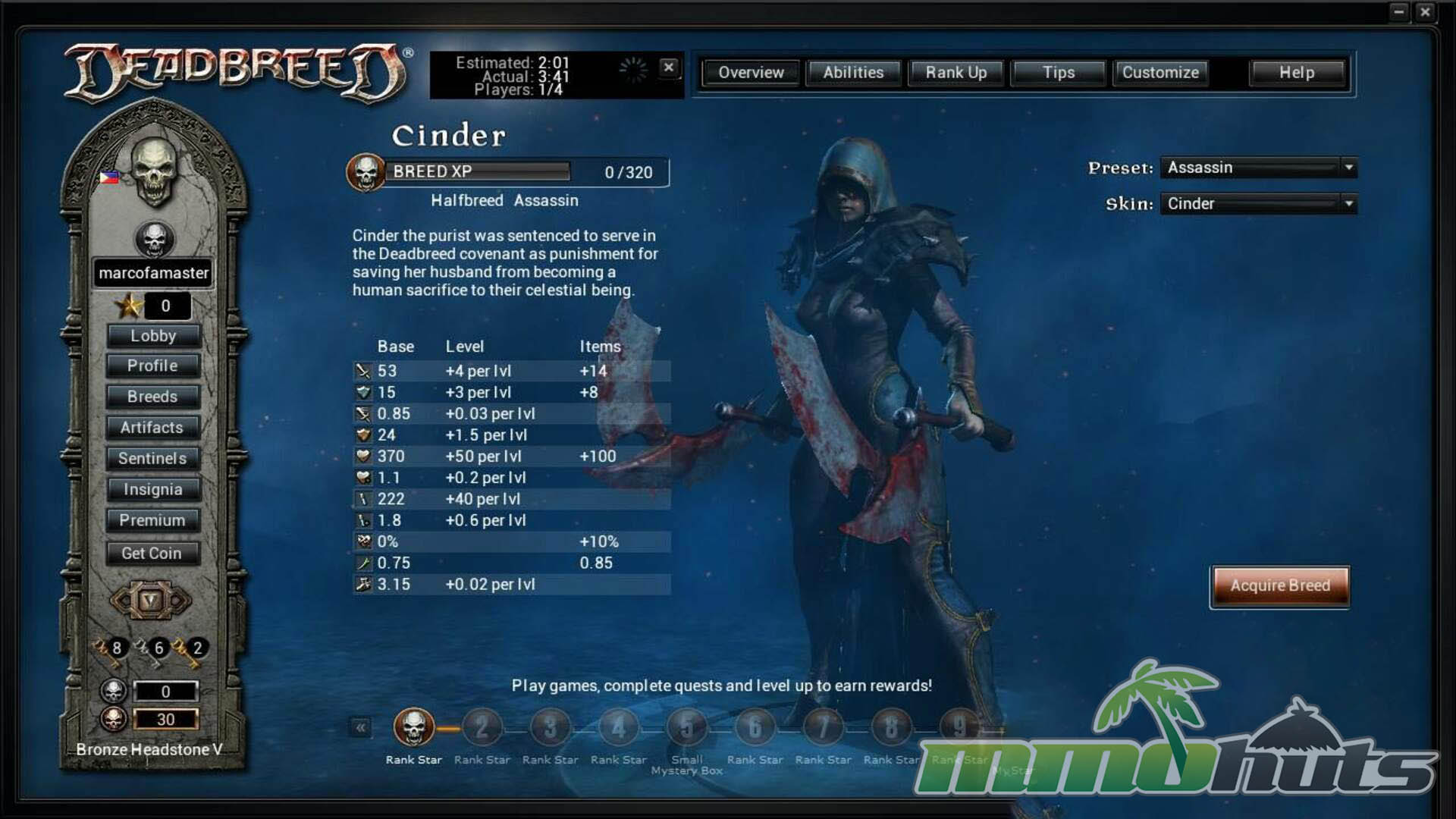
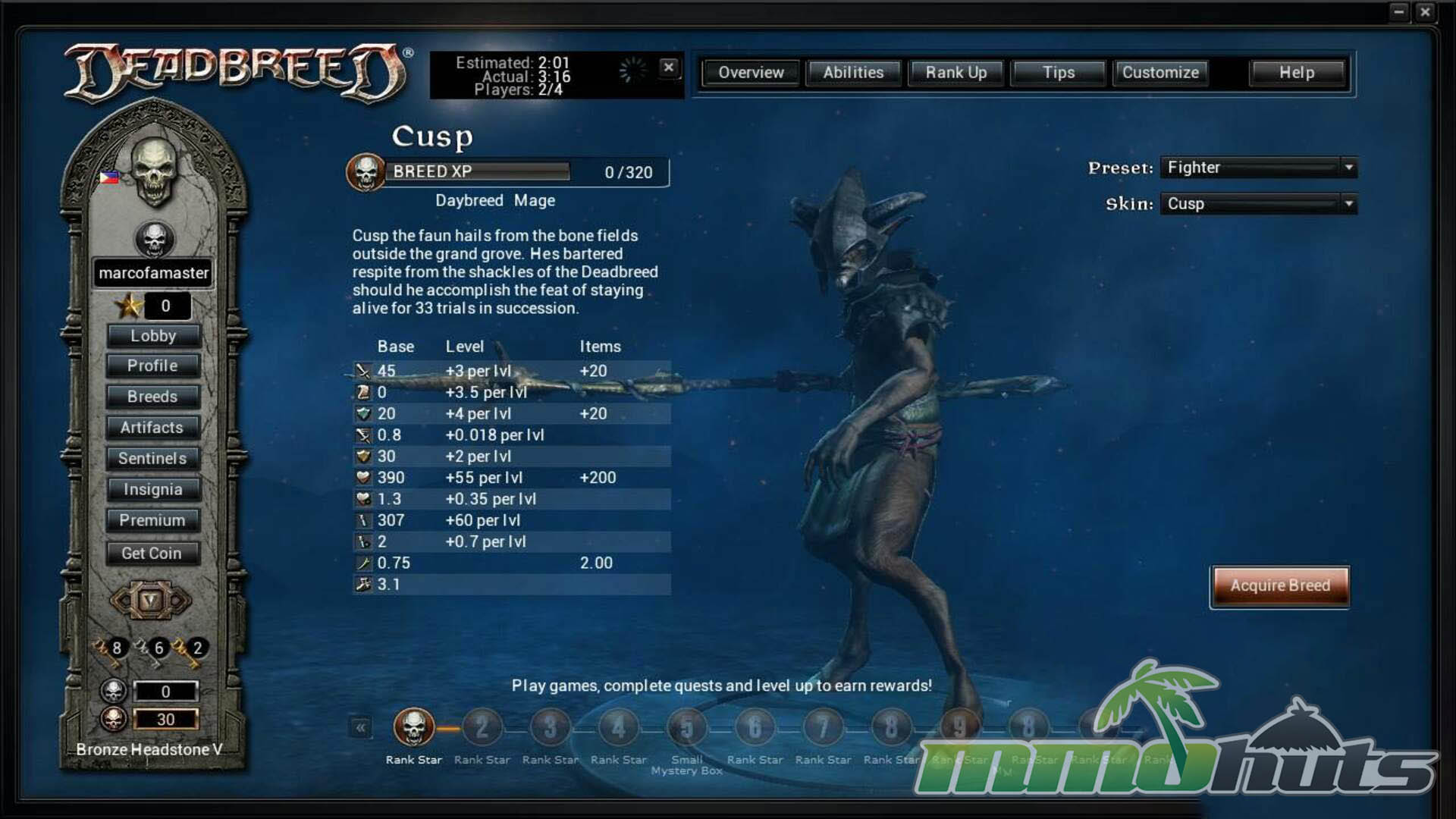

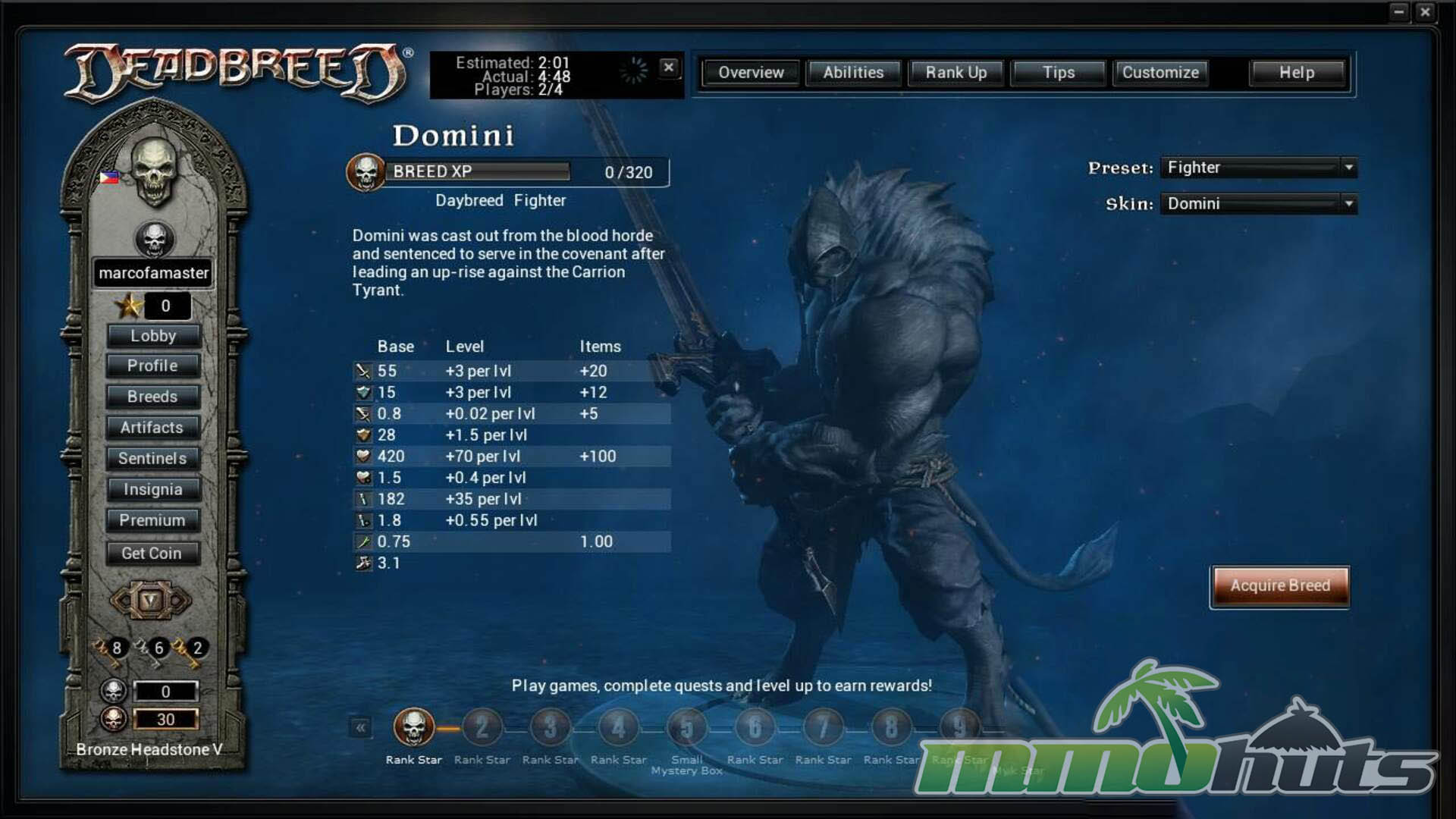
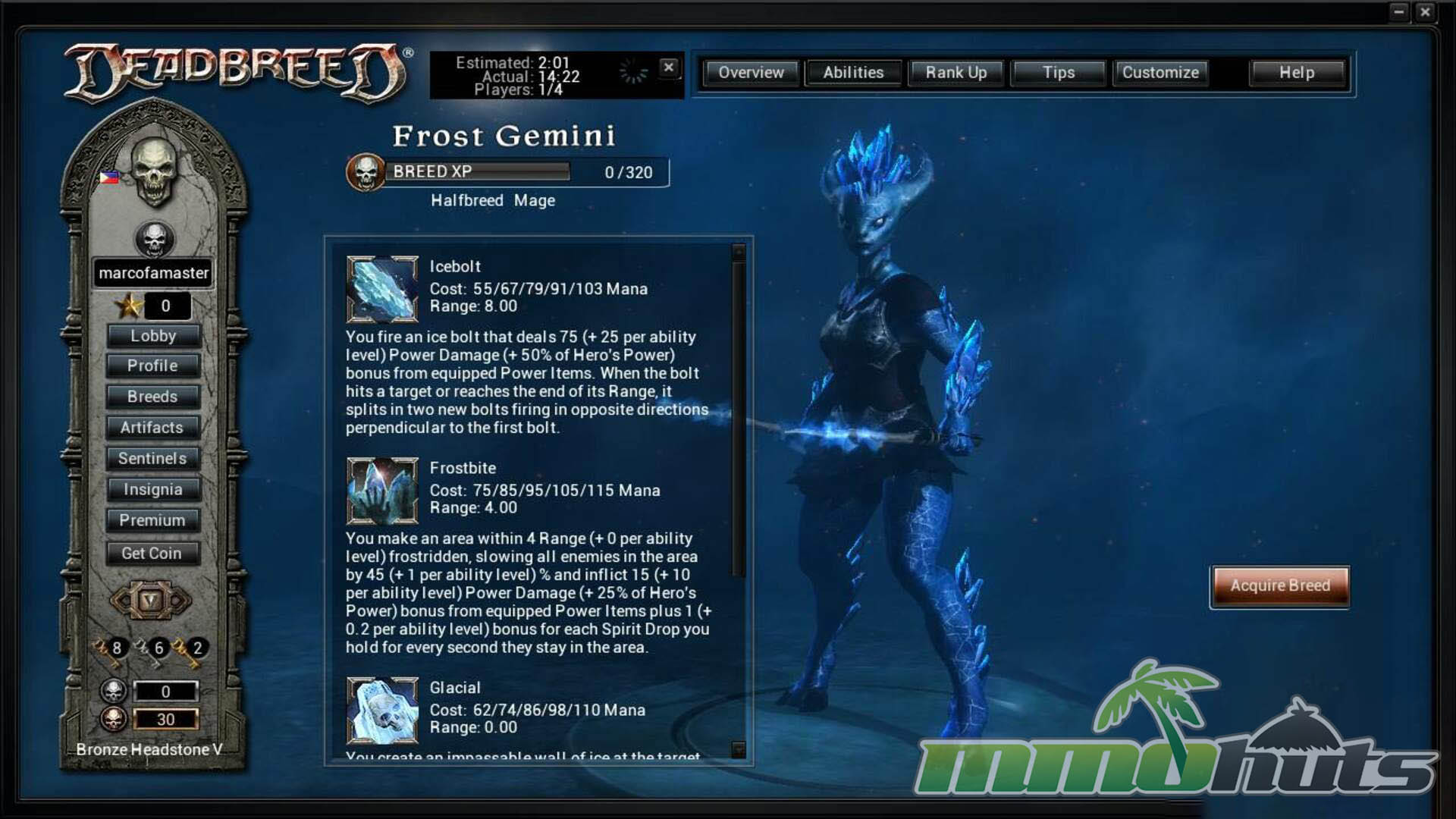
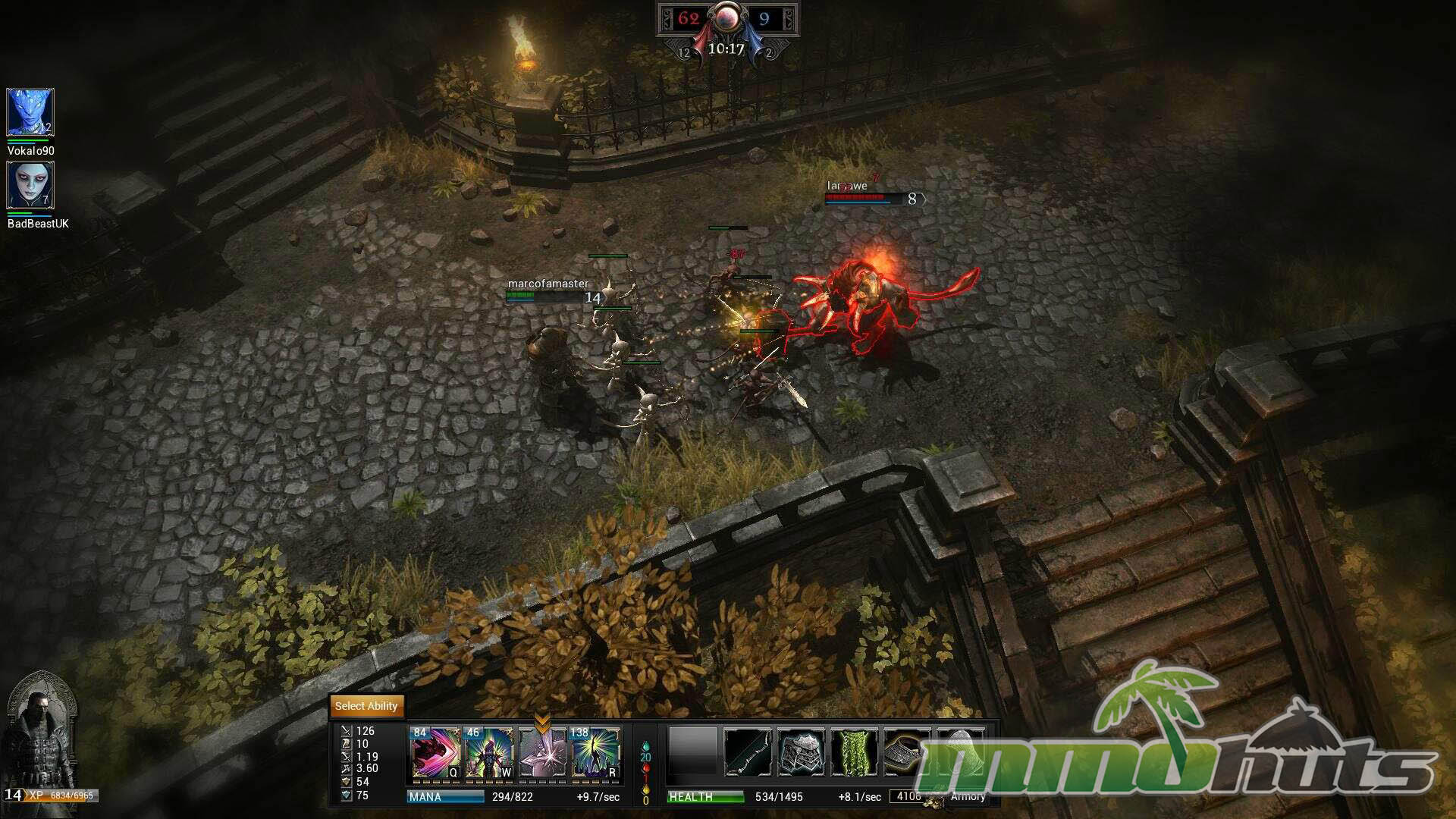
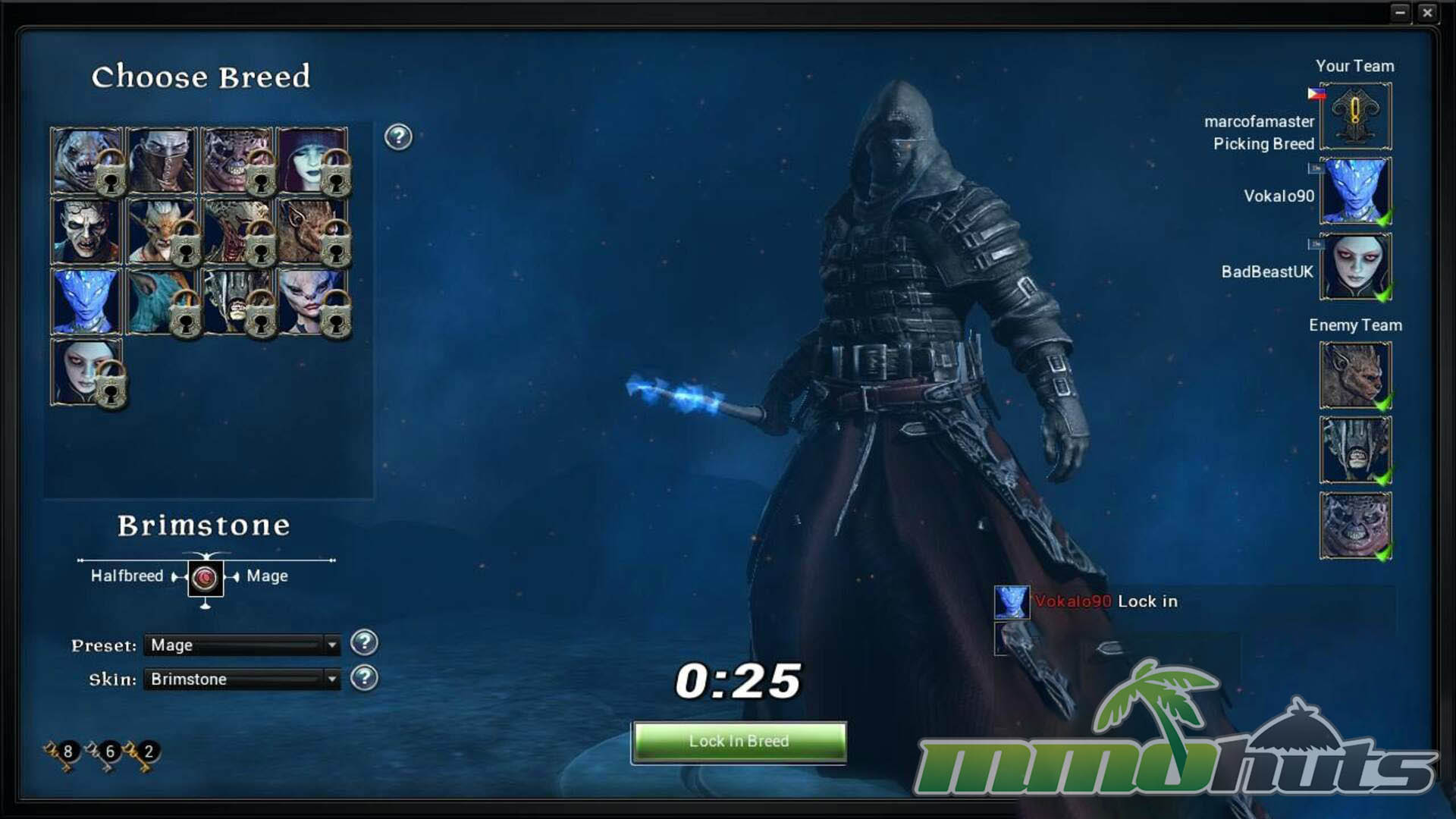
Deadbreed Featured Video

Deadbreed Review
Deadbreed positions itself as a grim, Diablo-like spin on the MOBA formula, with undead champions fighting for the right to return to life. The arenas sell the theme well, with locations that range from foggy burial grounds to hellish, lava-lit environments. Visually it lands in that familiar dark-fantasy space, although the overall fidelity and some of the animation work feel a step behind genre leaders. Skill effects communicate what is happening, but the pacing can come across as weighty rather than snappy. Audio is serviceable and on-theme, with ambience doing most of the heavy lifting to keep the underworld mood intact.
First steps in the lobby
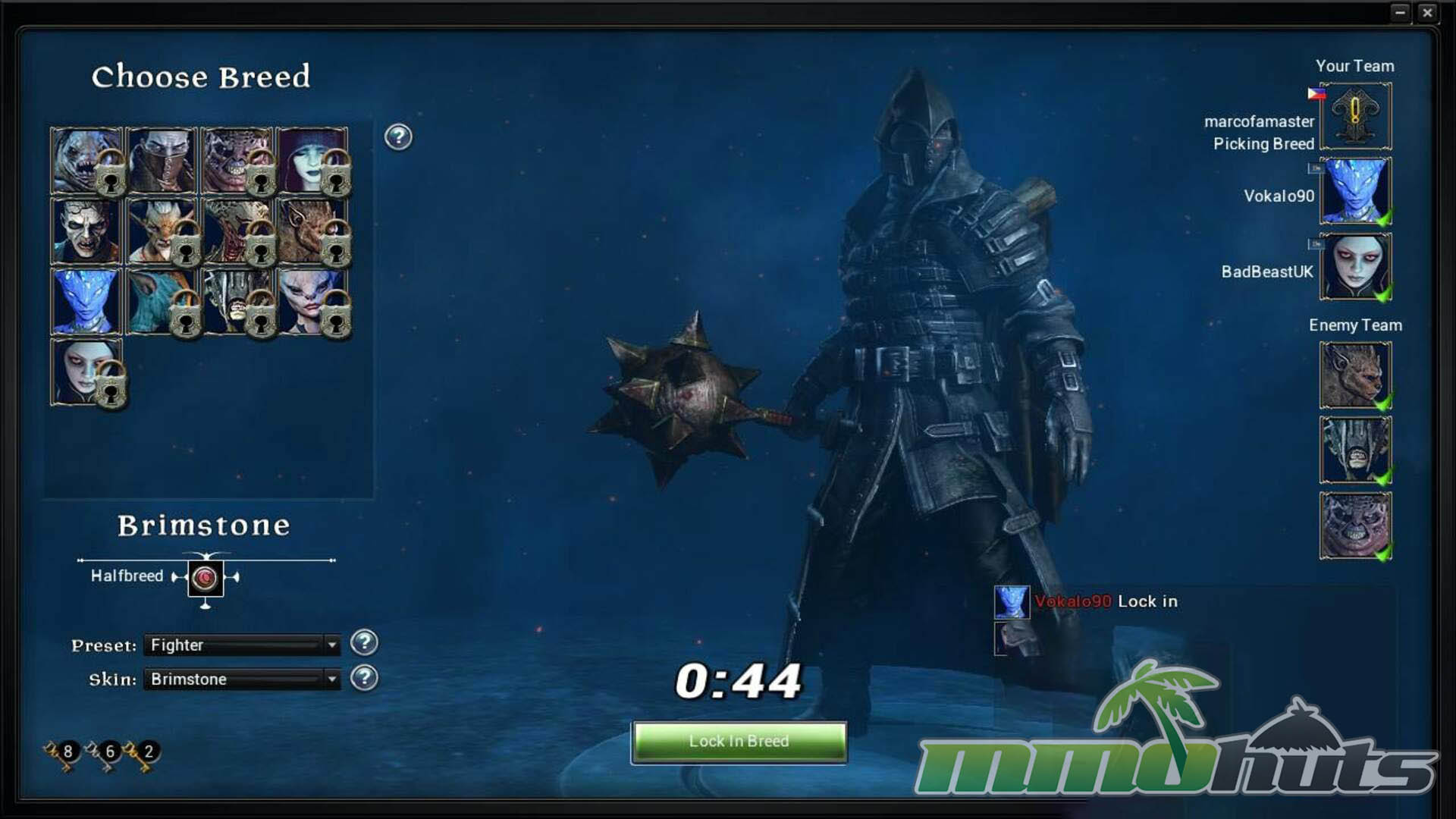
New players are offered a short tutorial that uses pop-ups and voice-over guidance to explain the lobby, menus, and the initial onboarding flow. It is worth noting up front that Breeds are not simply “pick and play.” They rotate, and they also need to be unlocked before you can take them into real matches. The tutorial concludes with a practice game versus AI, giving you a safe place to learn the basics before dealing with real opponents.
Even experienced MOBA players will benefit from at least skimming the tutorial, because Deadbreed’s resource systems are central to how matches play out. In addition to gold, you will be gathering various orb types scattered around each map, with different names depending on the environment, plus Spirit orbs earned through combat. These resources are not just side collectibles, they feed into ability empowerment and summoning options that can swing fights when used at the right time.
Breeds and build identity
Once you are in an actual match, the foundation is recognizable: two teams of three push lanes, manage minion waves, and contest towers while trying to gain enough momentum to reach the enemy’s end of the map. Where Deadbreed tries to stand apart is in how it treats hero roles. Breeds have different stat leanings and kits, so some naturally gravitate toward certain jobs, but the item system encourages experimentation. A character that looks like a straightforward bruiser can be built into ranged damage or even a caster style if you commit your purchases that way. The result is a game where reading the match and adjusting your loadout matters, not just locking into a predetermined “correct” lane assignment.
The Sentinel finale
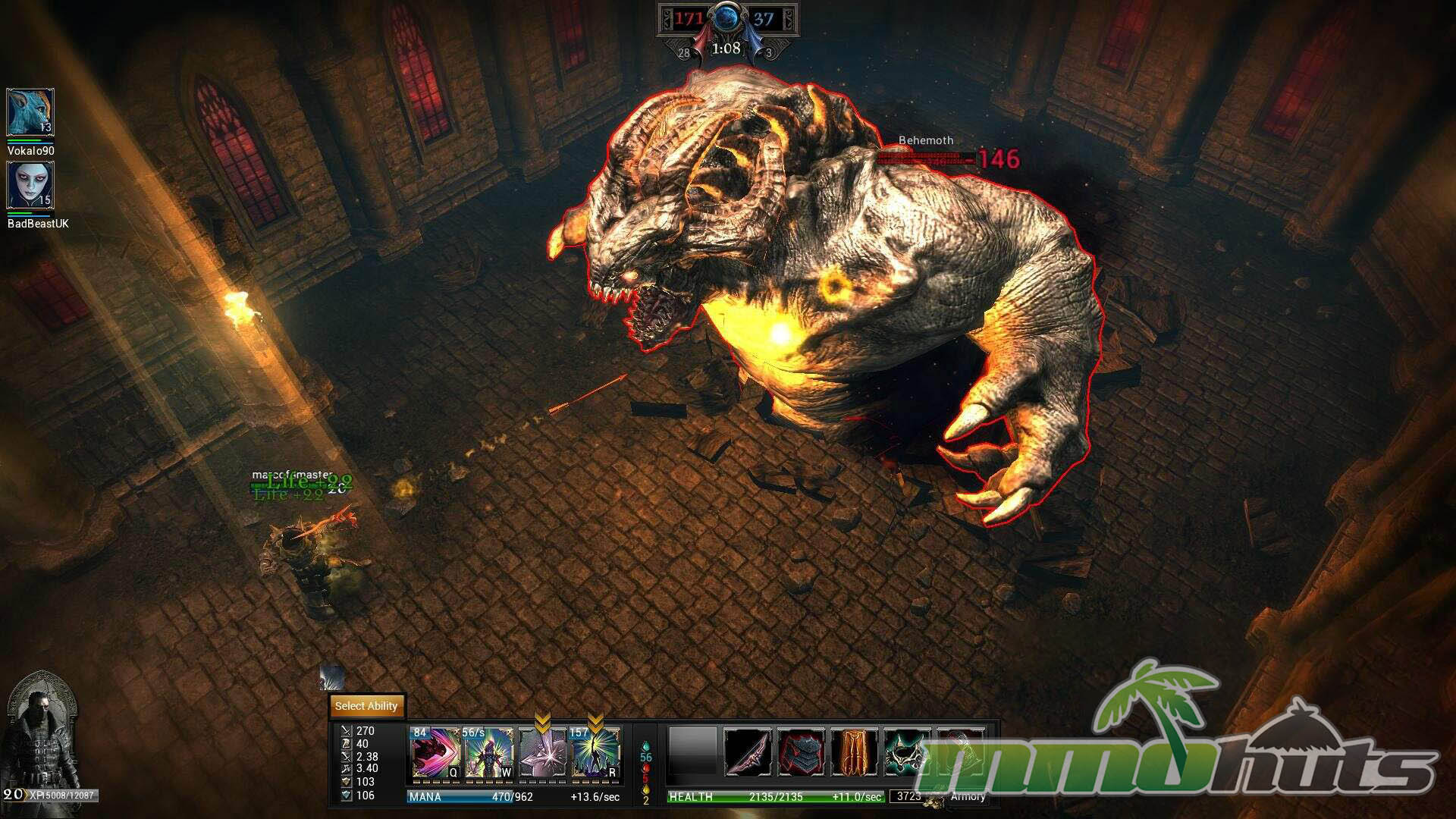
Instead of ending the game by destroying a base structure, Deadbreed asks teams to defeat a Sentinel, a towering underworld deity stationed at the far end of each map. At the start of a match, your team selects one of three Sentinels (framed as paying devotion), and each option comes with its own strengths and weaknesses.
A more unusual twist is that Sentinel stats can shift based on prior performance with that choice. Winning strengthens the Sentinel for future games, while losing weakens it. In theory, this creates a longer-term meta decision, but in practice it can lead to lopsided endgame encounters where one team reaches a noticeably tougher boss. Since the match timer is always looming, the Sentinel phase often becomes a frantic race where coordination is far more valuable than individual heroics.
The 25-minute limit
Deadbreed’s strict 25-minute match cap is one of its most defining, and most divisive, design calls. It undeniably keeps sessions short and discourages the drawn-out stalemates that can plague the genre. At the same time, it can also cut off matches right as builds and team strategies start to mature. For players who enjoy longer macro play and late-game decision making, the timer can feel like an artificial ceiling that forces an early conclusion.
When the clock hits zero without a Sentinel kill, the game shifts the outcome to a points-based resolution, which changes how you value objectives during the mid-game.
Winning on points and side objectives
If neither team finishes the Sentinel in time, the winner is decided by points. Points are earned through core actions like taking down enemy Breeds and towers, but also through map interactions such as activating summoning stones with collected resources. Deadbreed also includes a capture-and-destroy flag objective, adding a bursty, objective-focused distraction that can pull players away from lane pressure at critical moments.
Each map also contains a PvE dungeon area that functions similarly to a jungle space in other MOBAs, offering extra gold and experience for teams willing to take the risk. These additional layers make matches feel busier than the standard two-lane setup suggests, though they also add complexity that can be difficult to read in the middle of a fight.
Progression and balance concerns
Deadbreed borrows from RPG progression by letting Breeds gain experience and rank over repeated use, improving their base stats. On top of that, Artifacts act as end-game gear where socketing collected resources provides temporary stat boosts during a match. The Artifact system itself is a solid idea, since it adds tactical decisions about when to invest resources and how to tailor your power spikes.
The long-term Breed ranking is more contentious. MOBAs tend to thrive on relatively even starting conditions, where knowledge, execution, and team play decide outcomes. Permanent growth can tilt that balance toward veteran advantage, making the game feel less like a pure competition and more like a grind-backed power curve.
Monetization pressure
The cash shop is difficult to ignore. Breeds and items can be purchased with Copper (earned in-game) or Silver (real money), and the pricing gap heavily favors the paid currency. Progression through Copper can feel slow, especially when savings goals are large and match rewards are capped at 100 Copper coins per game. The ability to buy equipment during matches with Silver also creates the impression of pay-to-accelerate at best, and pay-to-advantage at worst, depending on how competitive you want the environment to be.
Final Verdict – Good
Deadbreed has a compelling theme, some genuinely interesting mechanical twists, and a satisfying “boss at the end of the lane” concept that gives matches a different rhythm than the genre’s biggest names. When you get a full lobby of active players and both teams understand the resource and objective layers, it can be a surprisingly enjoyable take on 3v3 MOBA combat.
Its main problems are structural: limited map variety, controls and animations that can feel slow, a timer that will not appeal to everyone, and monetization choices that are hard to recommend. If you are looking for a dark-fantasy MOBA with unusual objectives and flexible builds, it is worth sampling. If you want a deep, highly competitive ecosystem, established titles like DOTA 2 or League of Legends remain the safer long-term home.
Deadbreed Links
Deadbreed Official Site
Deadbreed Steam Page
Deadbreed Wikia [Database/Guides]
Deadbreed Reddit
Deadbreed System Requirements
Minimum Requirements:
Operating System: Windows Vista 32-bit
CPU: Intel Core 2 Duo, 2.4 GHz | AMD Athlon X2, 2.8 GHz or better
RAM: 2 GB RAM
Video Card: NVIDIA GeForce 8600/9600GT | AMD Radeon HD2600/3600
Direct X: DirectX 9.0
Hard Disk Space: 8 GB available space
Recommended Requirements:
Operating System: Windows 7, 8 64-bit
CPU: Intel Core i5 750, 2.67 GHz | AMD Phenom II X4 965, 3.4GHz or better
RAM: 4 GB RAM or more
Video Card: NVIDIA GeForce GTX 560 | AMD Radeon HD 6950 or better
Direct X: DirectX 12.0
Hard Disk Space: 8 GB or more available space
*Windows XP and below not supported.
Deadbreed Music & Soundtrack
Coming Soon!
Deadbreed Additional Information
Developer: Deadbreed AB
Publisher: Deadbreed AB
Distributor: Steam
Early Access Release Date: June 2015
Official Release Date: April 15, 2016
Development History / Background:
Deadbreed is a free-to-play, dark-fantasy 3D MOBA developed and published by Deadbreed AB, an independent Swedish studio staffed by industry veterans. Development began in November, 2013, and the project first appeared on Steam as a paid Early Access release in June 2014. For its official launch on April 15, 2016, the game transitioned to a free-to-play model supported by microtransactions.