
Dead by Daylight is a 3D survival horror title built around asymmetric 4vs1 PvP. One player becomes the Killer, and the other four must cooperate, improvise, and stay calm long enough to escape the trial.
 | Developer: Behaviour Digital Inc. Playerbase: High Type: B2P Survival Horror Release Date: June 14, 2016 Pros: +Tense 4v1 cat-and-mouse matches. +Procedurally generated maps keep rounds fresh. +Meaningful character progression. +Several distinct Killer playstyles. Cons: –No party matchmaking. -No penalties for quitting. -Perk system can feel uneven |

Dead by Daylight Overview
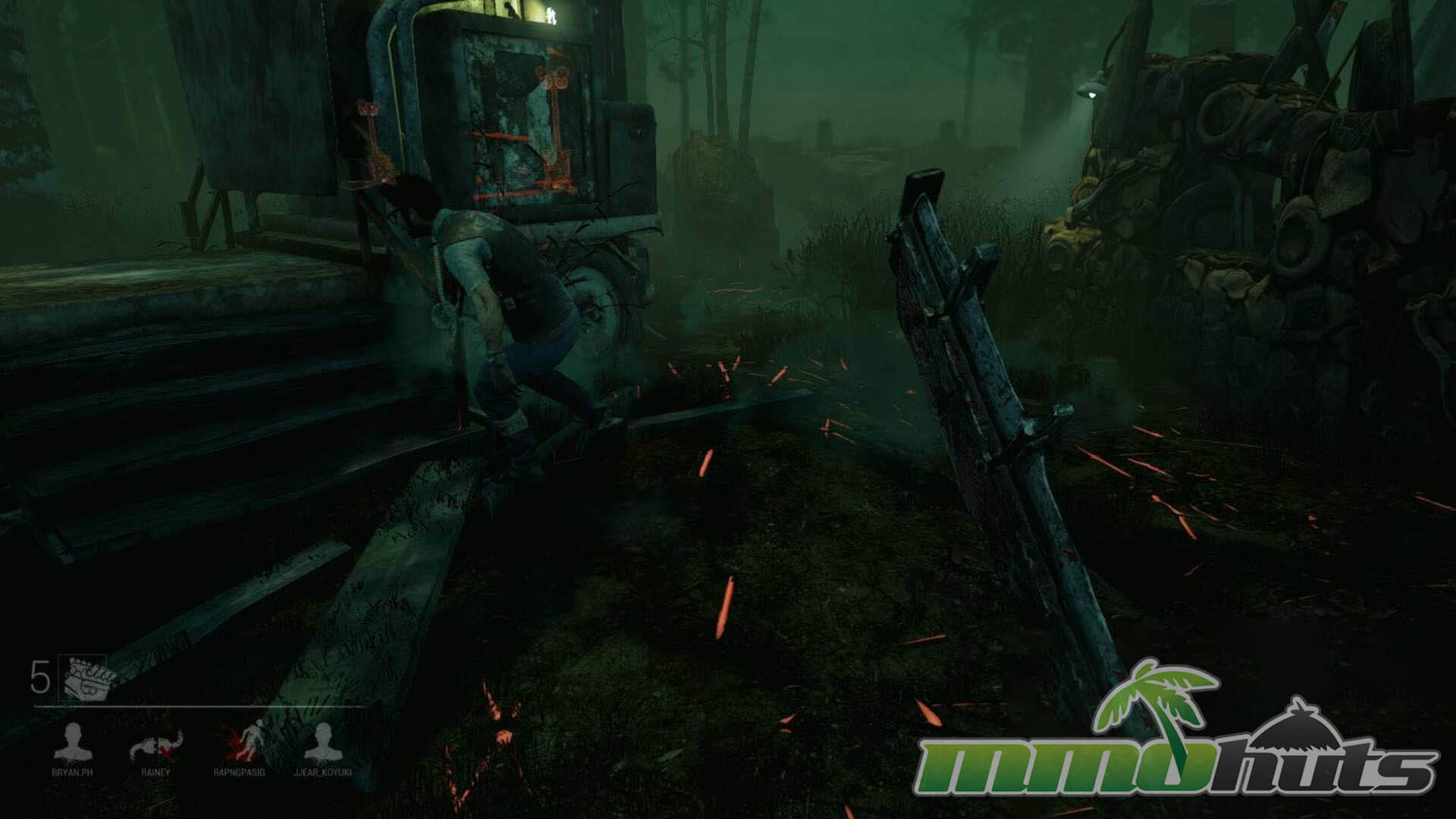
Dead by Daylight captures the rhythm of classic slasher horror, a group of ordinary people tries to survive while a single relentless killer controls the pace of the match. Each round drops four Survivors into a hostile arena, and their objective is straightforward but stressful: work together to power the exit and get out before the Killer can down them and offer them up to The Entity. Survivors see the world in third-person, which helps with awareness and sneaking, while the Killer plays in first-person, leaning on tracking tools and pressure rather than wide visibility.
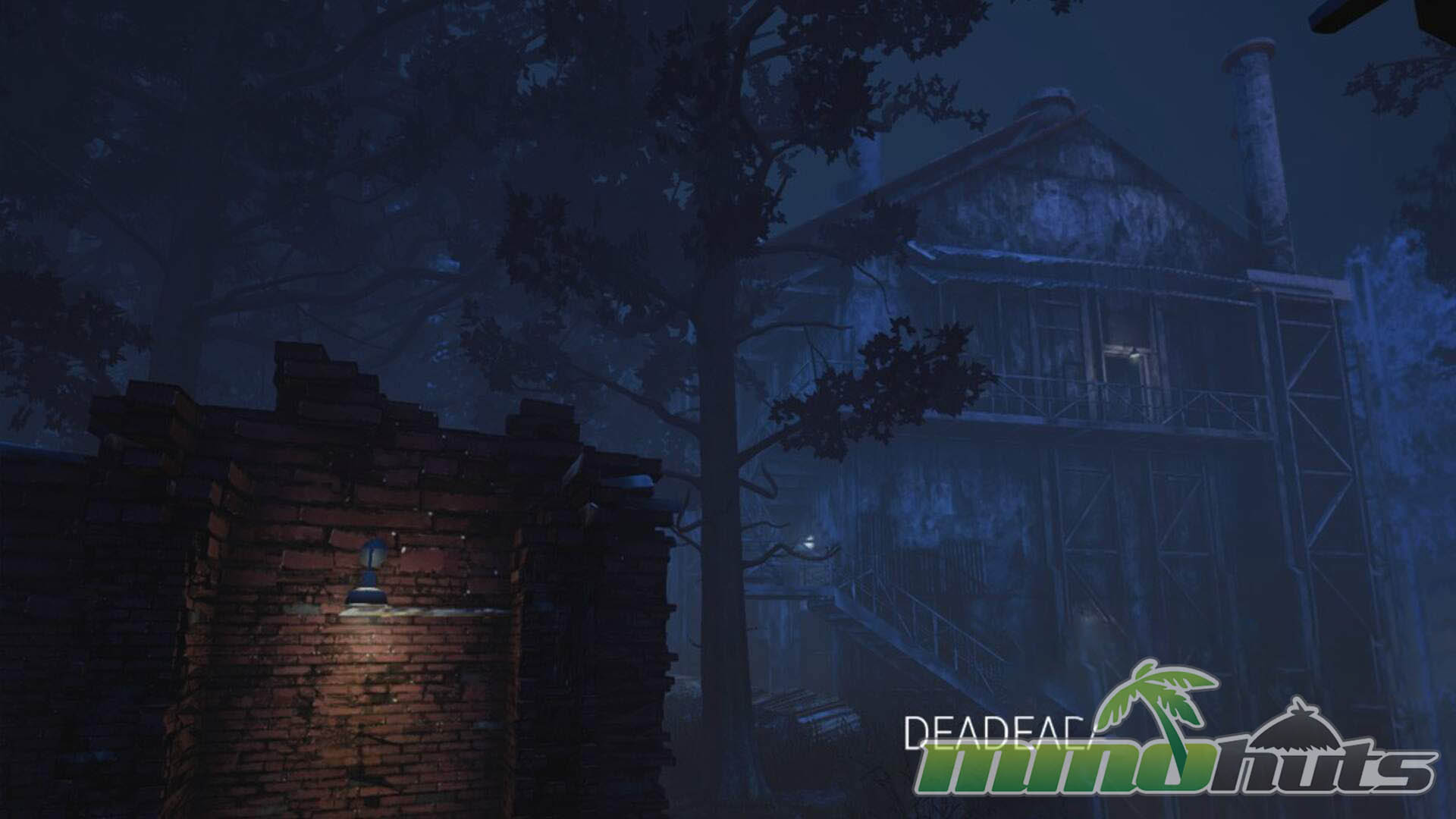
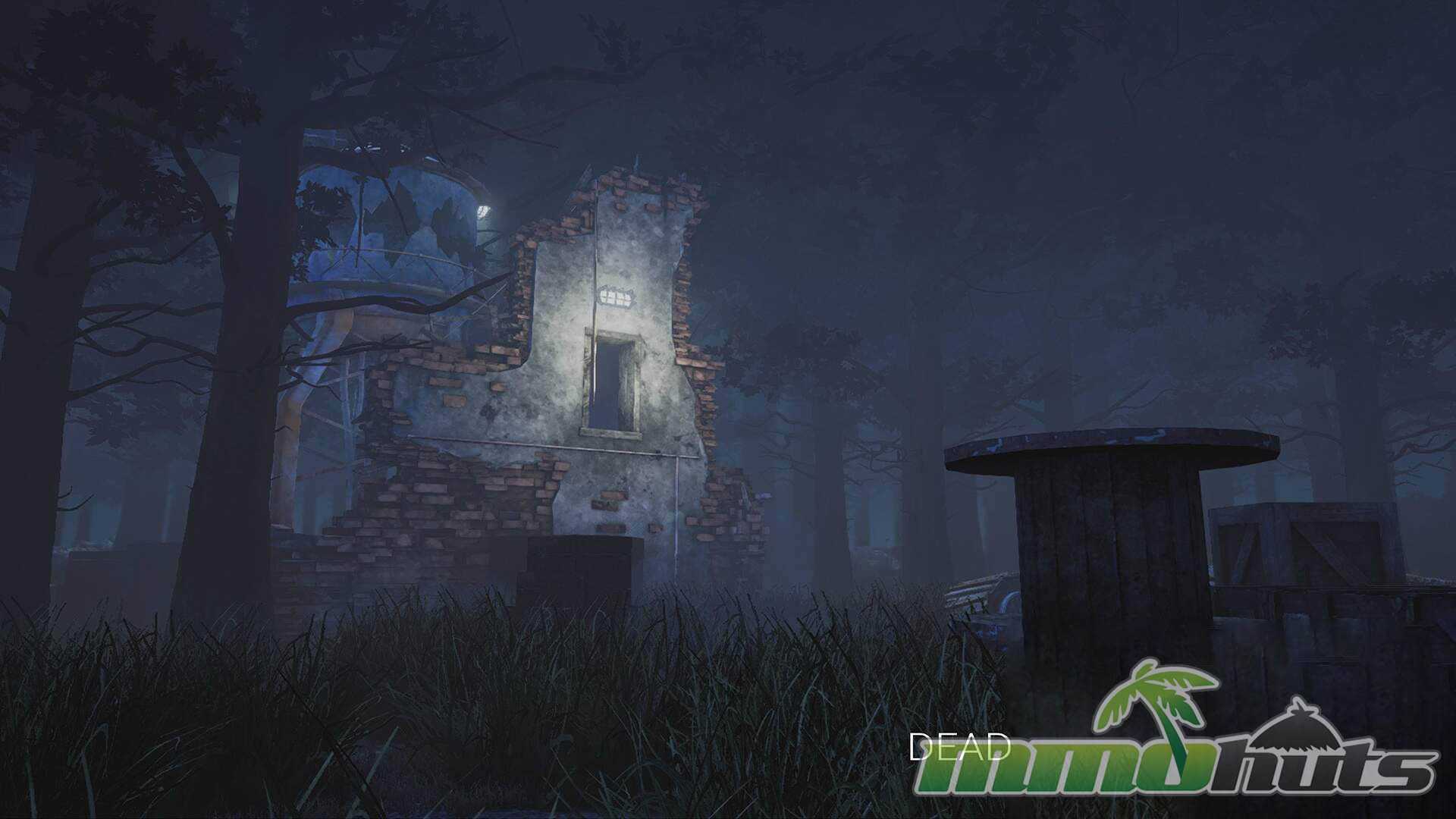
A big part of the tension comes from the maps. Environments are procedurally generated, so even if you recognize the theme of a location, the exact layout, spawns, and routes can shift from match to match. That keeps both sides adapting, because safe loops, hiding spots, and generator placements are rarely identical. As a Survivor, you are constantly weighing risk: move quickly to progress objectives, or slow down and stay hidden using grass, lockers, and environmental cover. As the Killer, the goal is to read behavior, cut off escape paths, and use your power to force mistakes rather than simply chasing forever.
Dead by Daylight Key Features:
- Progression – each character has a substantial progression path that supports different builds and approaches.
- Items –scavenge useful tools during a trial, and bring what you find into later matches.
- First-Person Killer –Killers are locked to first-person, while Survivors get third-person to better plan evasive movement.
- Procedural Levels –map generation changes layouts, keeping routing and memory-based play from becoming too dominant.
- Multiple Killers –play several different horror archetypes, each with their own strengths and pressure tools.
Dead by Daylight Screenshots






Dead by Daylight Video

Dead by Daylight Review
Dead by Daylight is a competitive survival horror experience set in 1956, in the fictional town of Weeks, a place known for an alarming number of disappearances. The structure is simple and effective: one player is the Killer, up to four players are Survivors, and the match becomes a tense contest of information, time, and positioning. Survivors are trying to repair generators to power an exit, while the Killer is trying to incapacitate them and sacrifice them to an ominous force called The Entity.
Visually, the game leans into grim lighting, dirty textures, and unsettling silhouettes. Character models and art direction will feel familiar to players who enjoyed the grounded, readable style of Left 4 Dead 2, with enough grime and contrast to make motion and sound cues stand out. The procedural environments are not just set dressing, they are part of the mind game, because every corner can become a chase route, a hiding spot, or a fatal dead end. The gore is present, but it is the mood that does most of the work.
Audio is where Dead by Daylight makes its strongest impression. The game uses sound like a weapon, footsteps, distant movement, and a rising sense of danger all push Survivors into second-guessing every action. For many matches, the most memorable moments are not the jump scares, but the slow panic that builds when the soundscape tells you the Killer is close, even before you see them.
Staying Alive Under Pressure
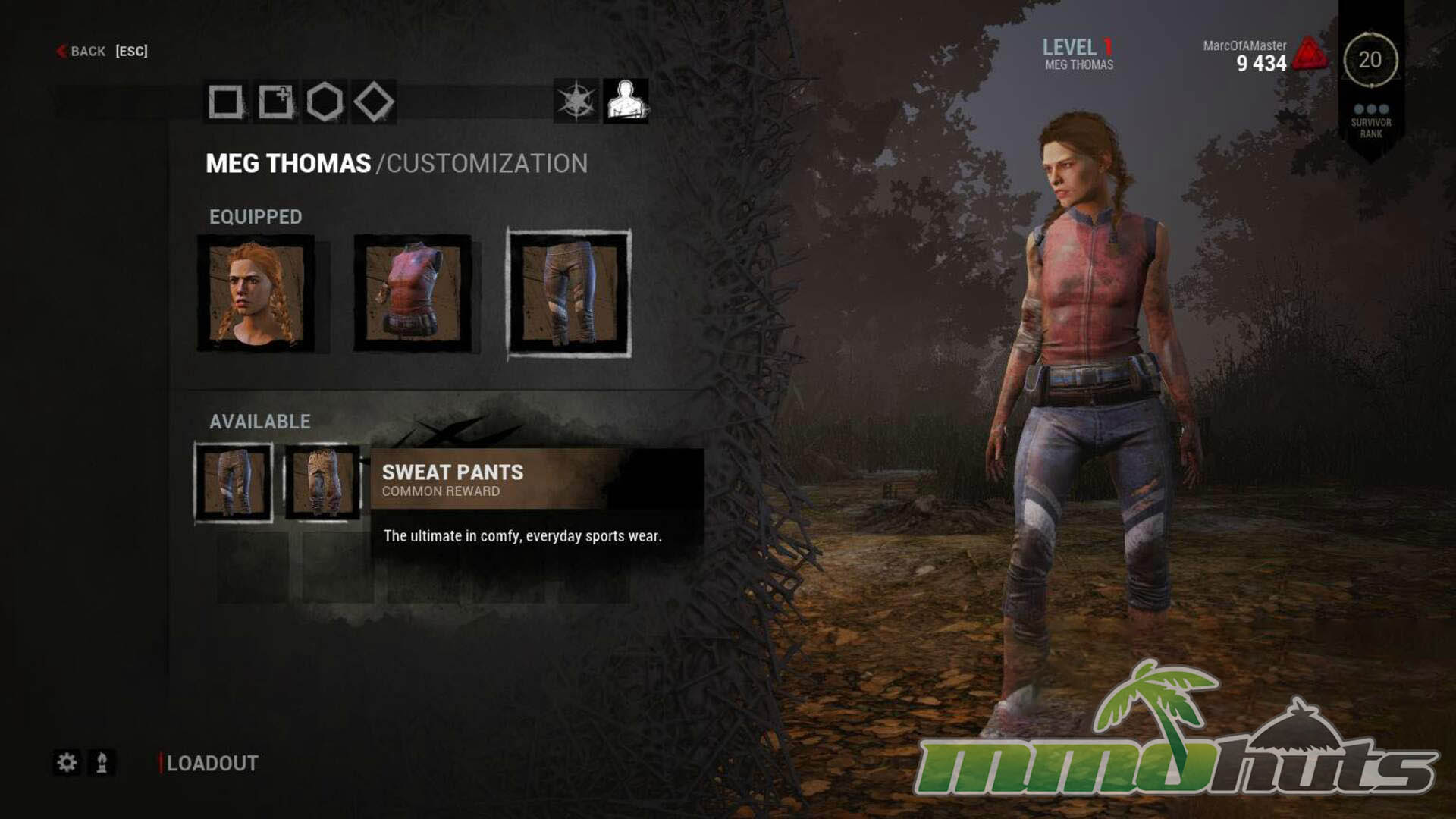
At the start of a session you either queue as the Killer or join as one of four Survivors. Survivors have different strengths that encourage slightly different play patterns: Dwight tends to reward teamwork and coordination; Meg is built around mobility and stealthy movement; Jake is geared toward sabotage; and Claudette brings strong self-sustain options. These differences matter most once you start mixing perks and items, but even early on they help players settle into a role.
The Survivor win condition revolves around repairing a set number of generators and then opening an exit gate. If the team can keep enough people alive, they can leave through one of two exit doors. A hidden hatch can also appear as a last-chance escape when only one Survivor remains, which adds a dramatic endgame twist that can turn a lost match into a narrow escape.
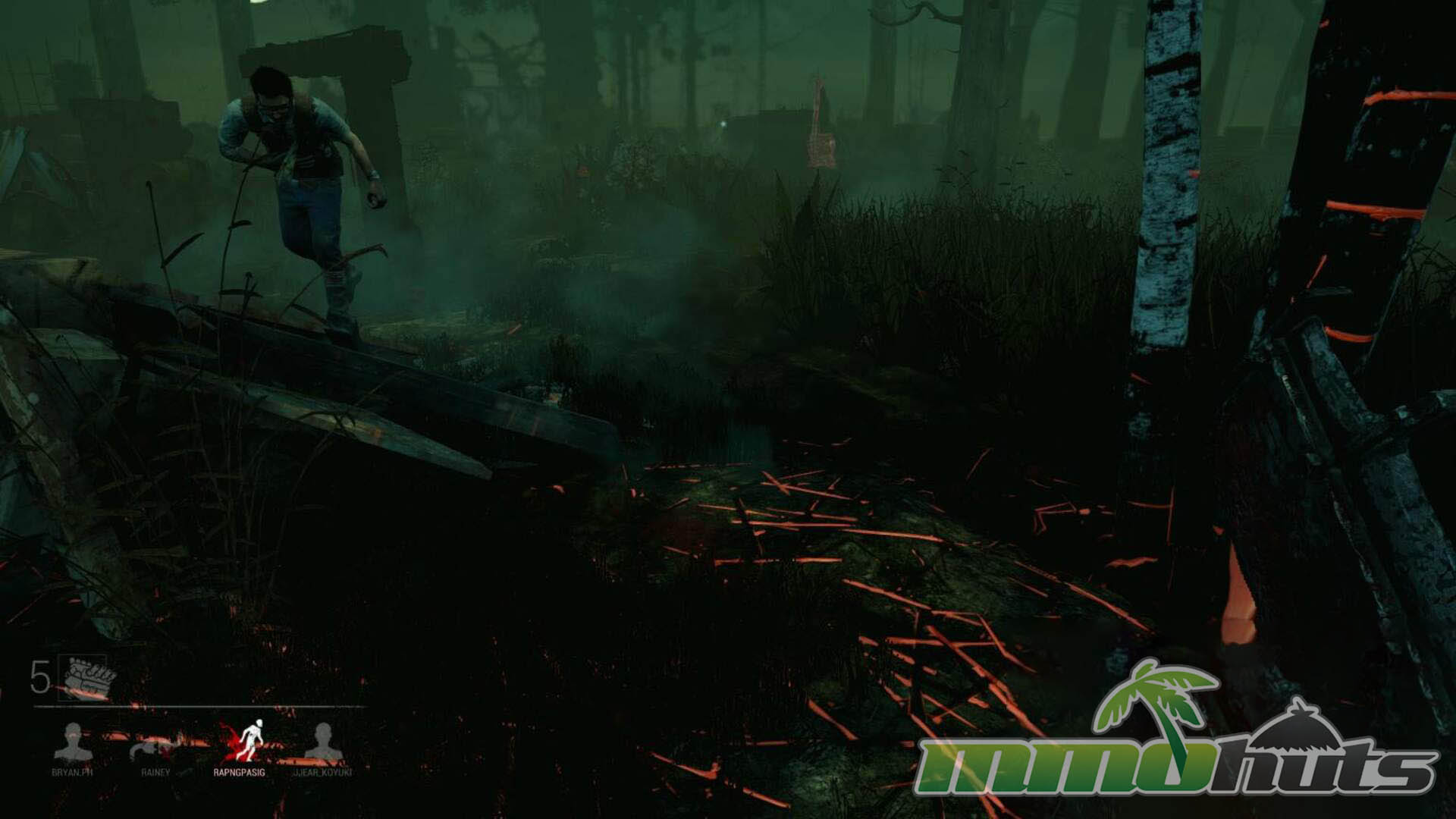
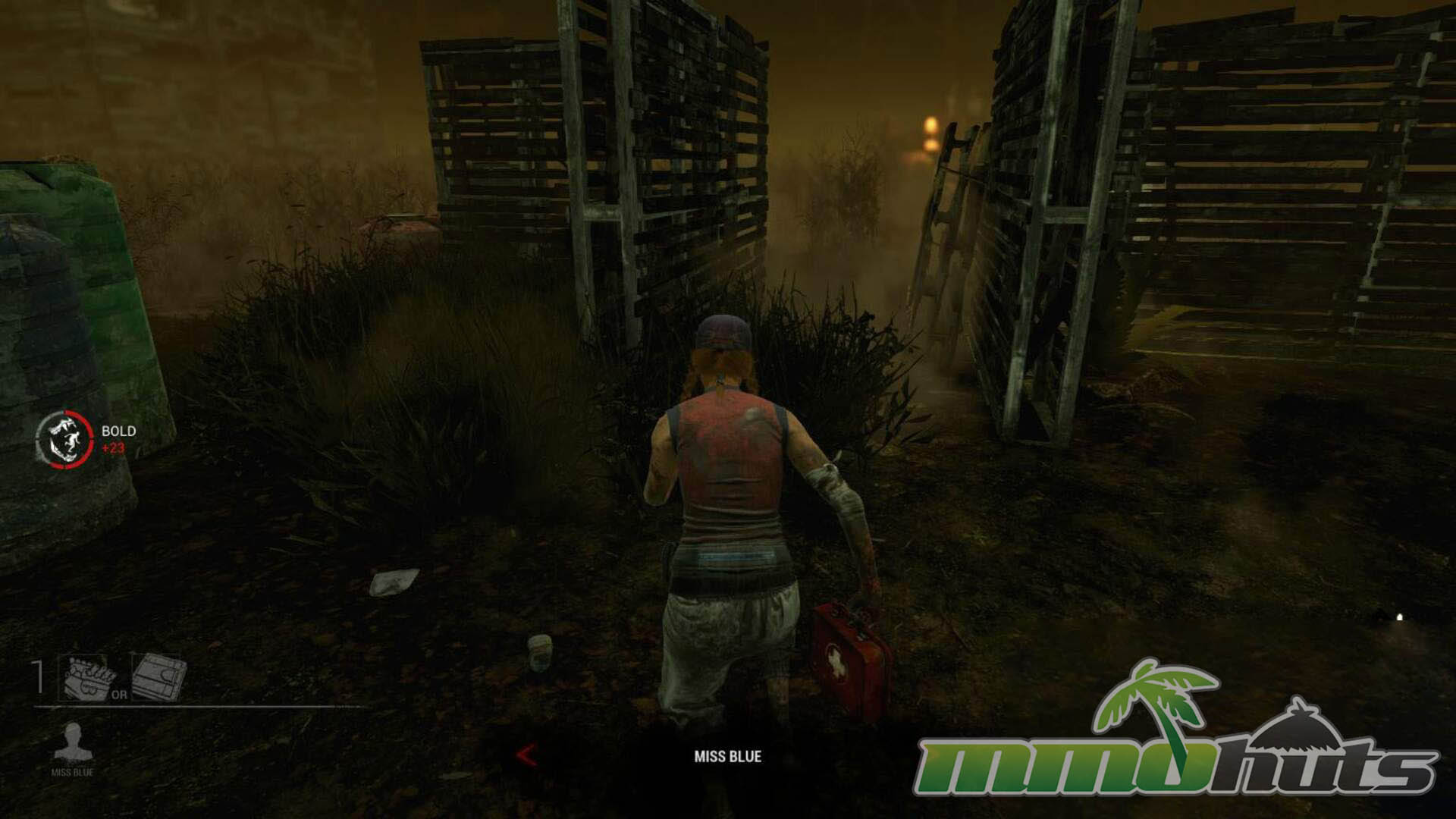
Third-person view gives Survivors the ability to peek, plan routes, and keep track of where the Killer might approach from. Movement tools like vaulting windows and dropping barricades create the game’s signature chases, while hiding options like tall grass and lockers support slower, more tactical play. Lockers are a classic horror-movie trope, and in Dead by Daylight they are genuinely useful, but never fully safe, because a good Killer learns when to check them and when to ignore them.

A Classic Slasher Lineup
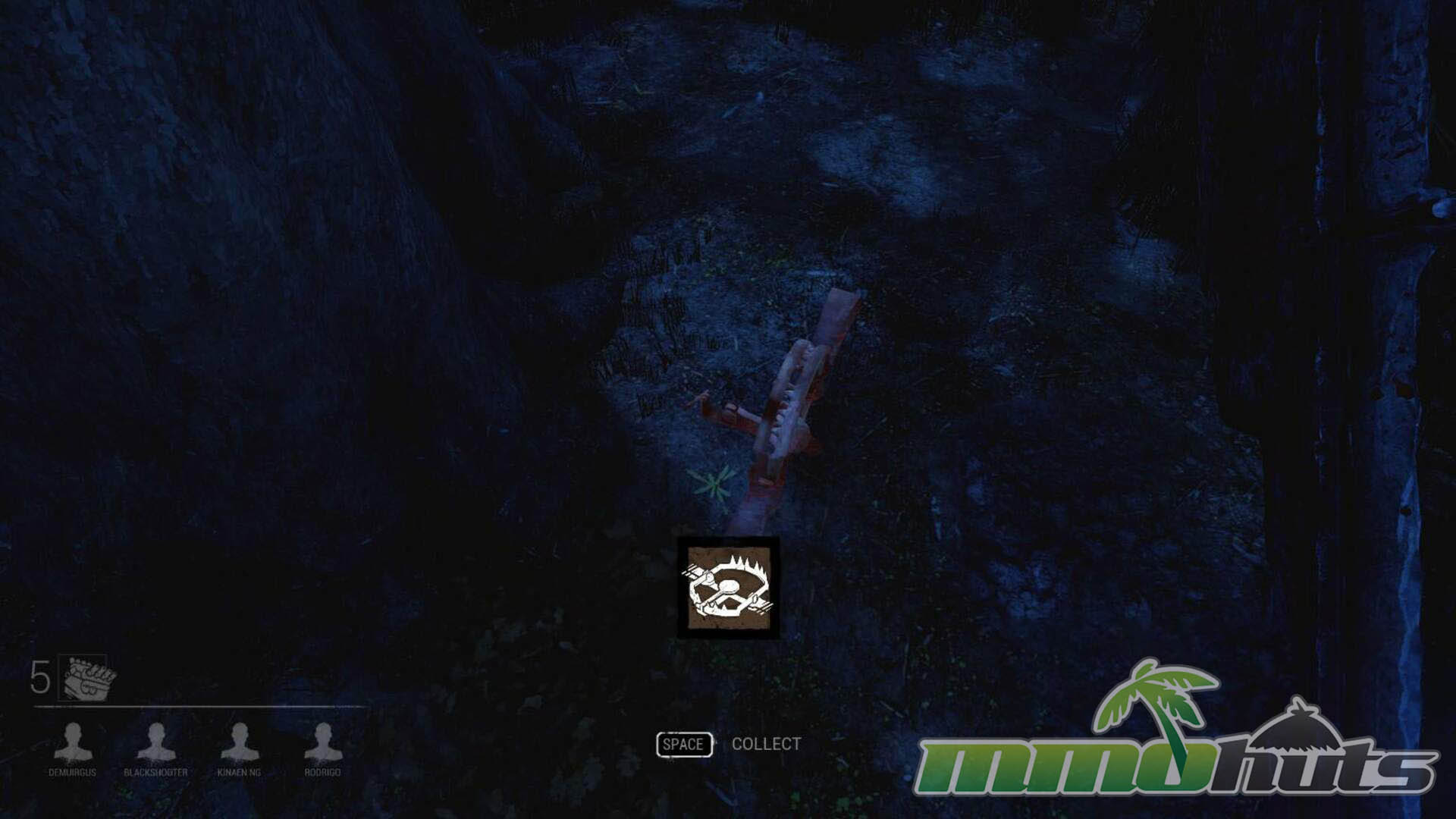
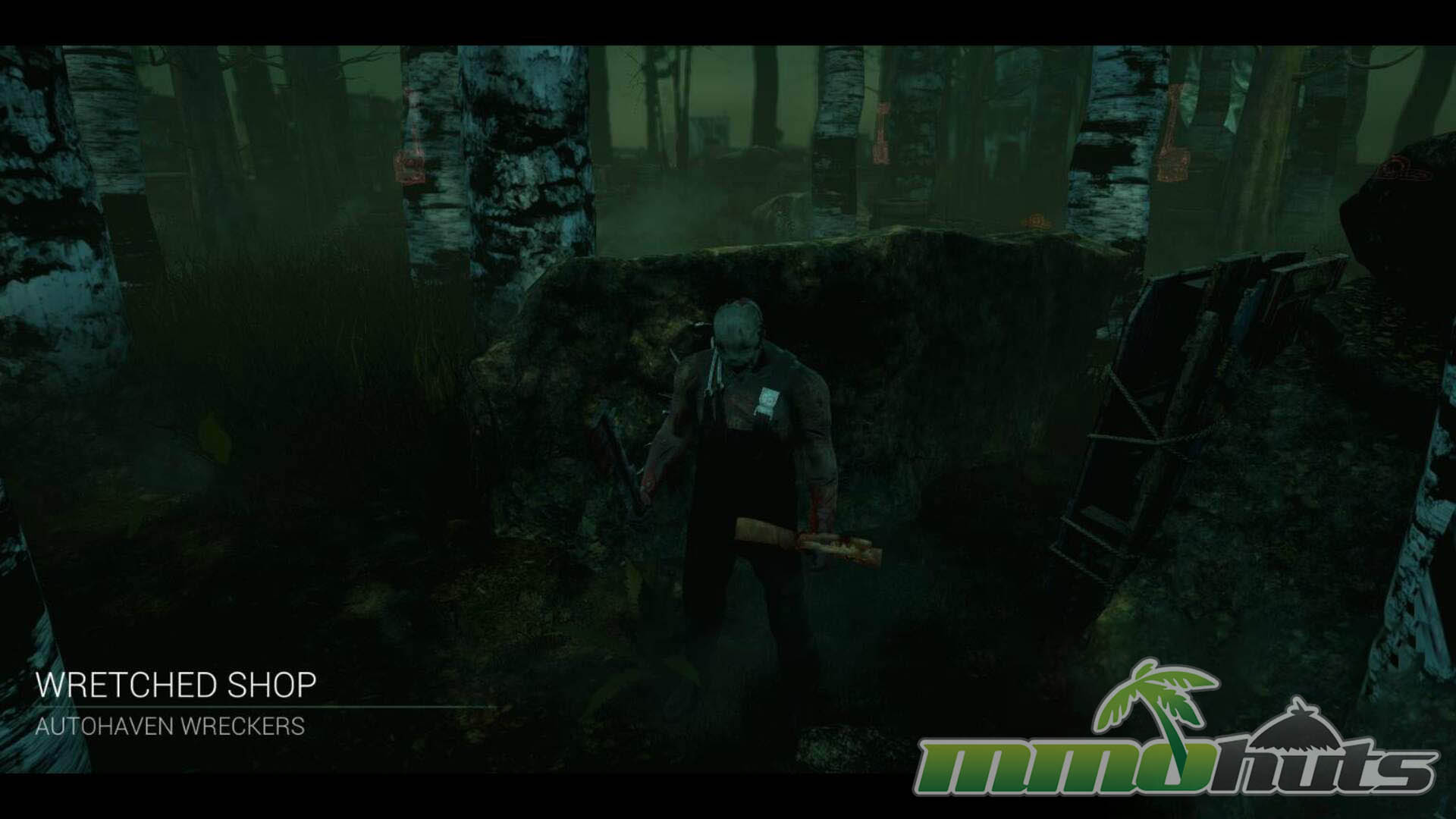
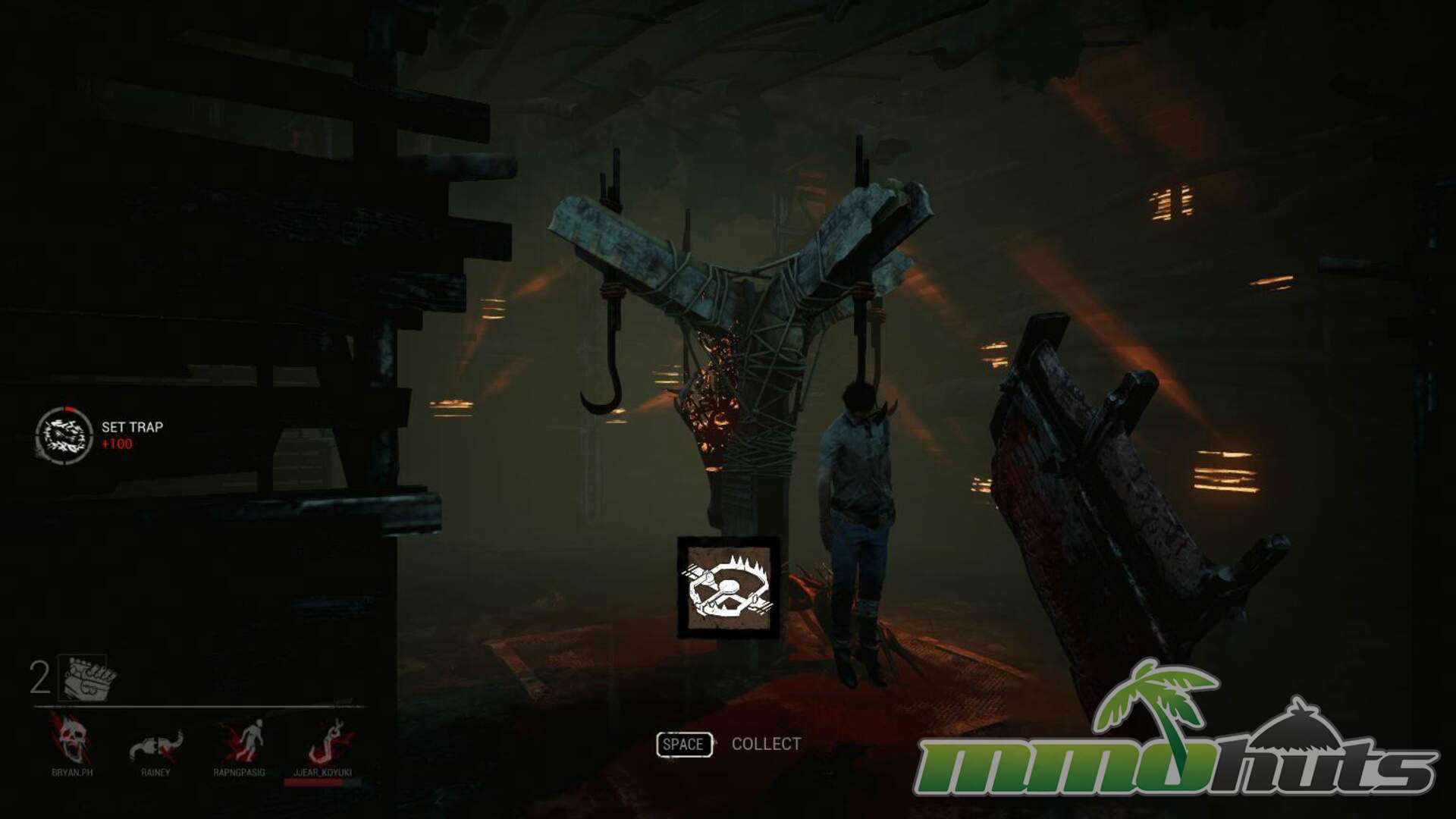
On the Killer side, the early roster offers three distinct archetypes: Chuckles, a masked trap-focused killer with an obvious love for bear traps; Hillbilly, a brutal chainsaw-wielding threat that channels backwoods slasher energy; and Wraith, a supernatural hunter who can turn invisible and excels at tracking wounded targets. Each of these options pressures Survivors in different ways, and learning how to play against them is part of the game’s long-term appeal.
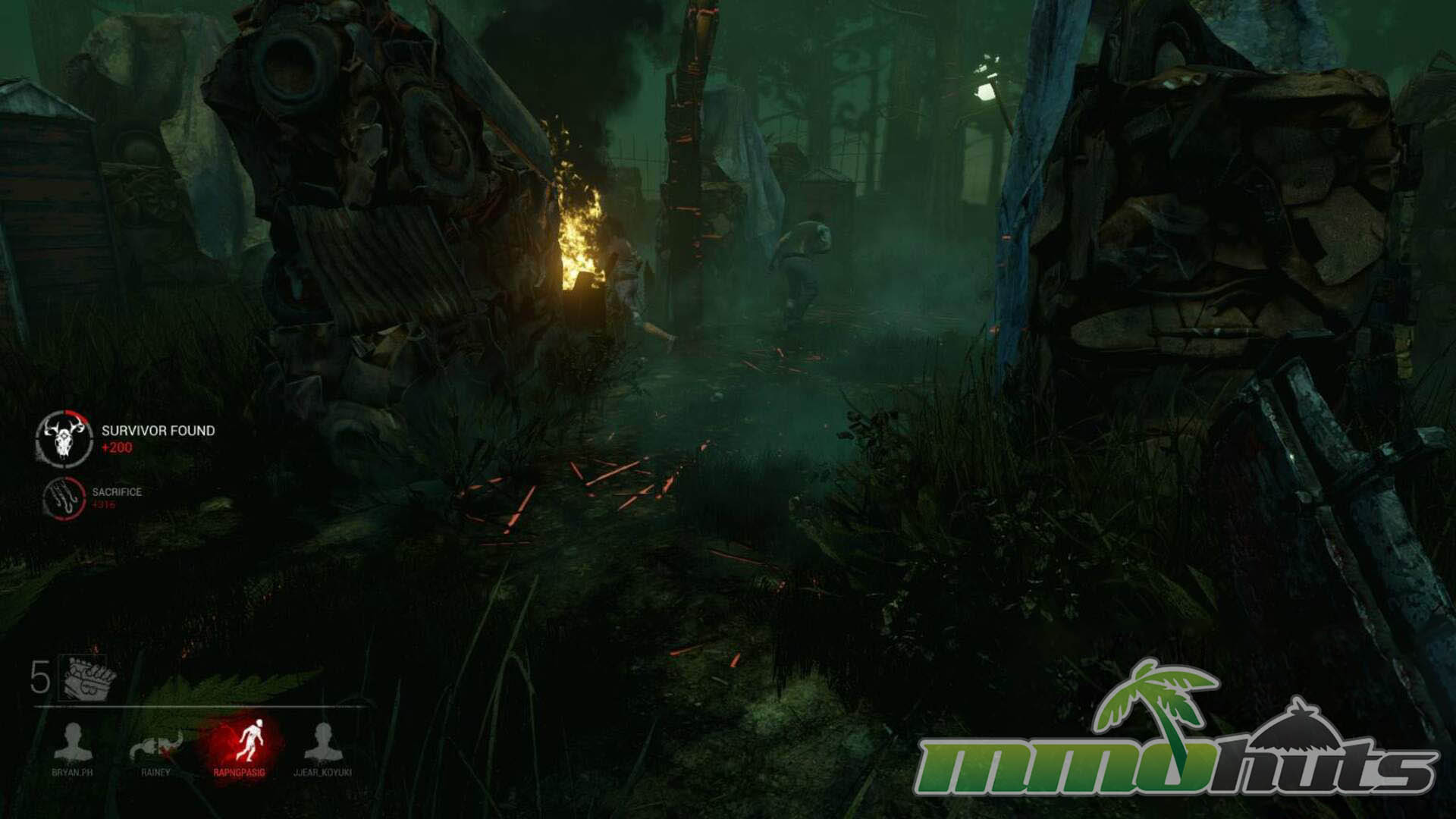
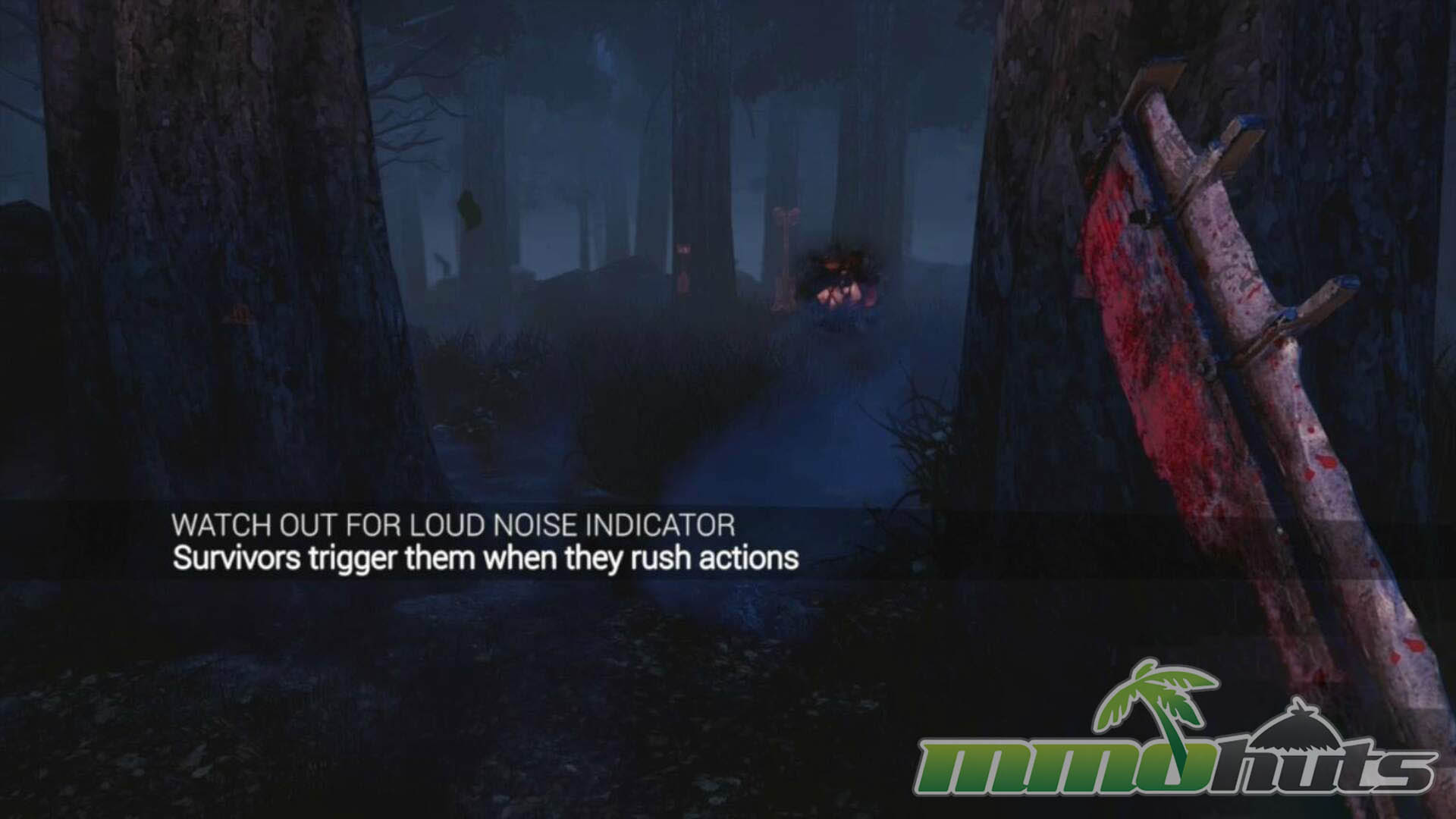
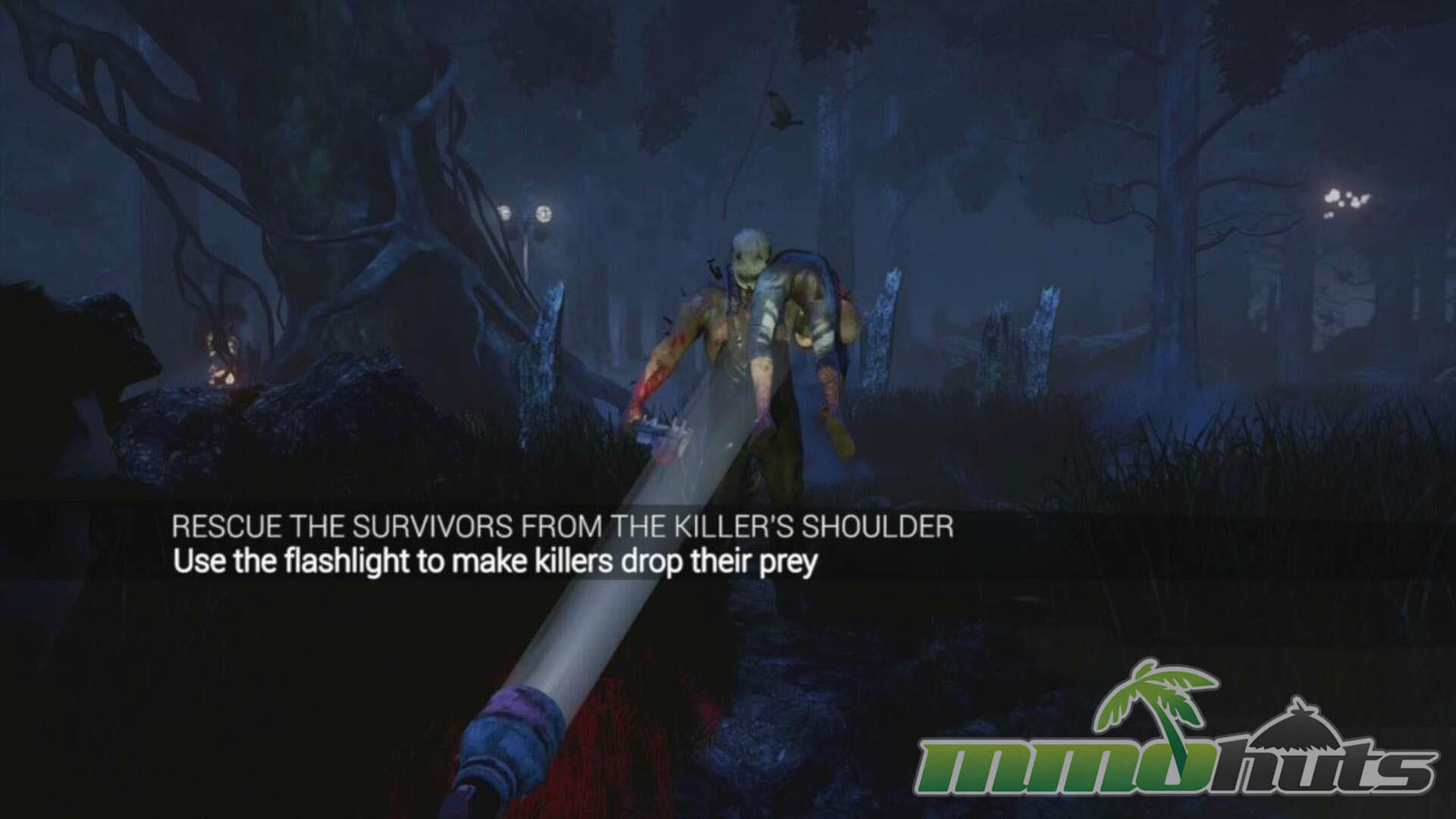
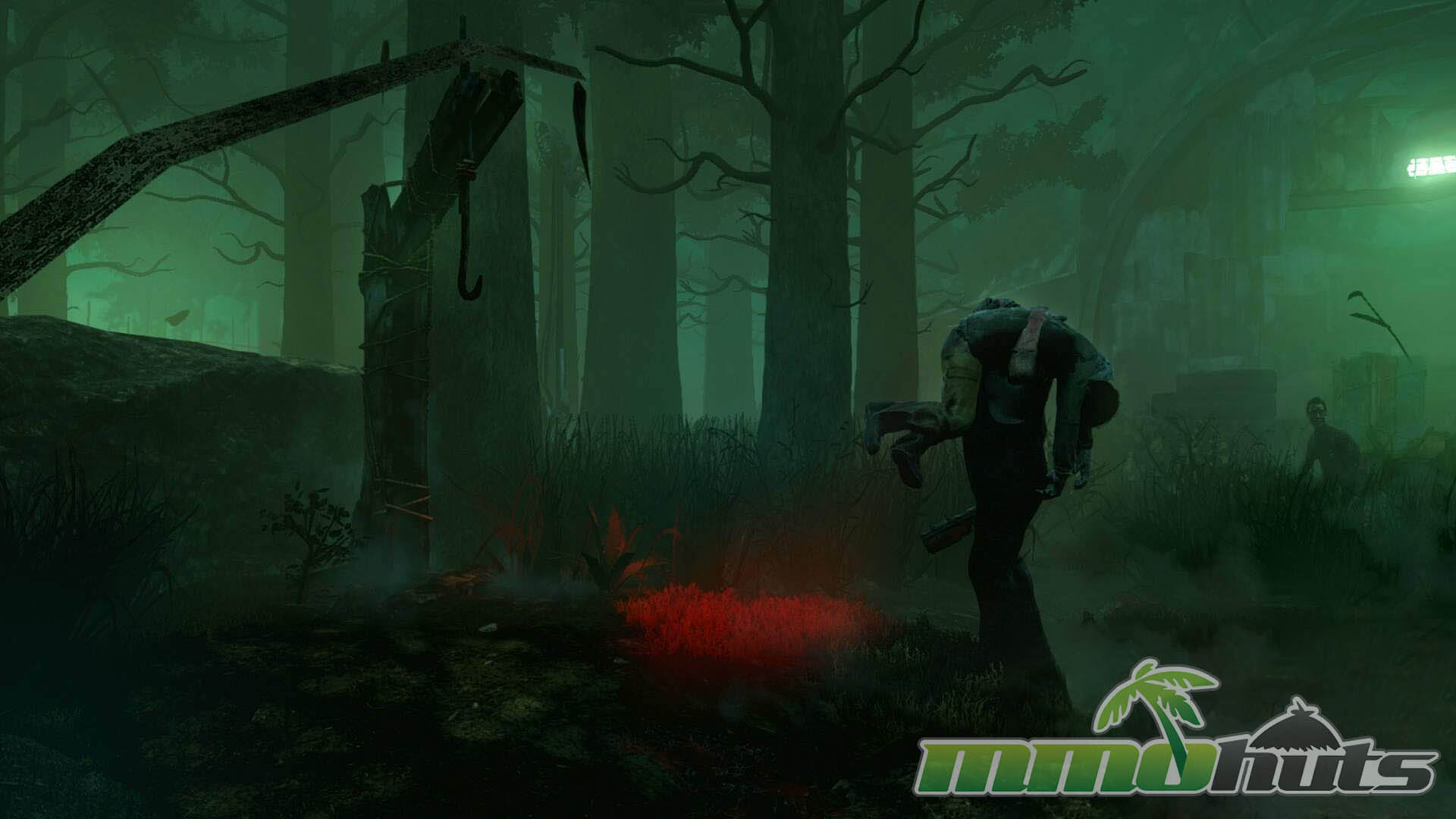
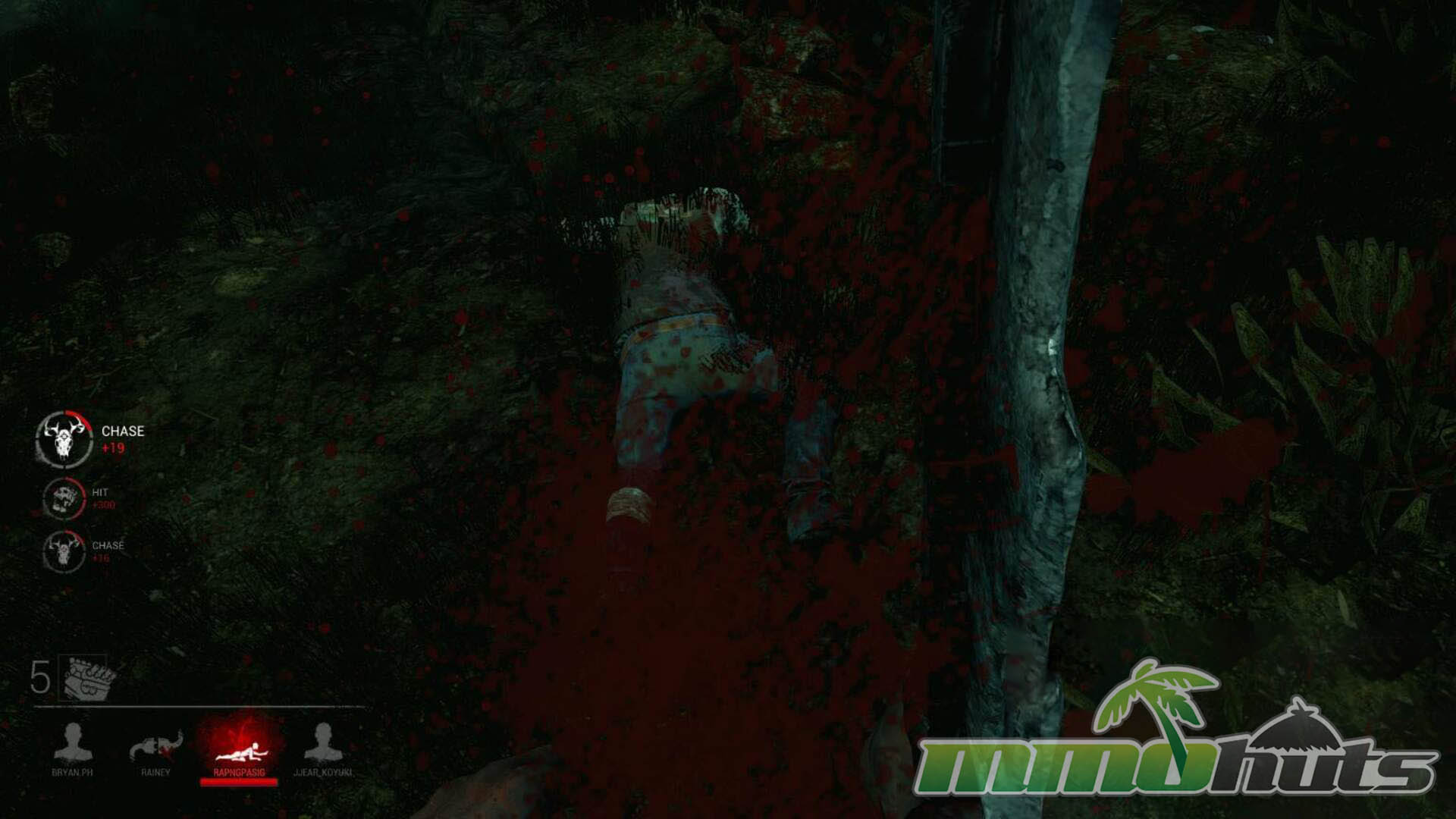
Killers are tasked with stopping repairs, downing Survivors, and hanging them on hooks as sacrifices to The Entity. While the first-person view limits awareness compared to Survivors, Killers are compensated with information and tracking tools. They can keep tabs on key objectives like generators and hook locations, and they can also follow evidence like noise notifications, footprints, and blood trails to maintain pressure.
Killers cannot crouch or sprint in the same way Survivors do, but they move at a pace that makes prolonged straight-line escapes unreliable. They also interact with the environment differently: windows are slower to traverse and barricades often must be broken or routed around. After an attack, there is a brief recovery window, which makes timing and commitment important. On top of chasing, Killers have to manage the match as a whole, patrol objectives, and decide whether to defend a hook, hunt a rescuer, or disrupt repairs elsewhere. Even though hook camping is generally disliked by the community, the game provides other tools to secure hooks, including trap placement and clever positioning.
Progression Through the Bloodweb
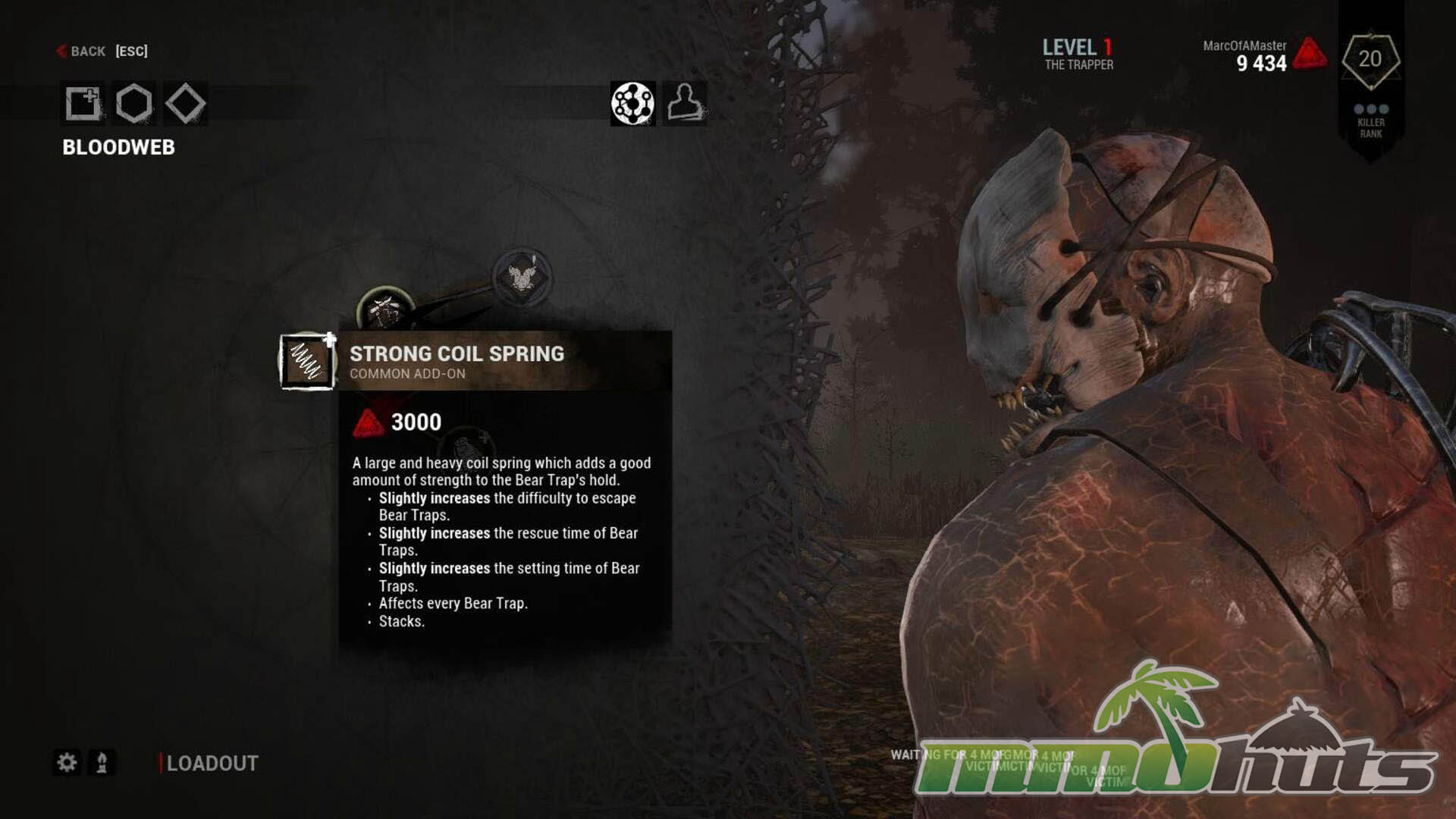
Progression runs through Bloodpoints and the Bloodweb, Dead by Daylight’s node-based upgrade system. Bloodpoints are earned during matches for actions that fit your role, and the biggest payouts generally come from high-impact moments such as escaping as a Survivor or successfully sacrificing Survivors as a Killer. Daily Rituals add another source of Bloodpoints, functioning similarly to daily quests in MMORPGs.
Each character has their own procedurally generated Bloodweb starting at level 1. Buying a node reveals adjacent nodes, with the outer parts of the web typically costing more and offering better rewards. When the web is completed, the character levels up and receives a new one with more options and improved loot. Importantly, Bloodpoints are not locked to the character that earned them, so you can play Survivor for a night and still spend the points leveling a Killer (or the other way around).
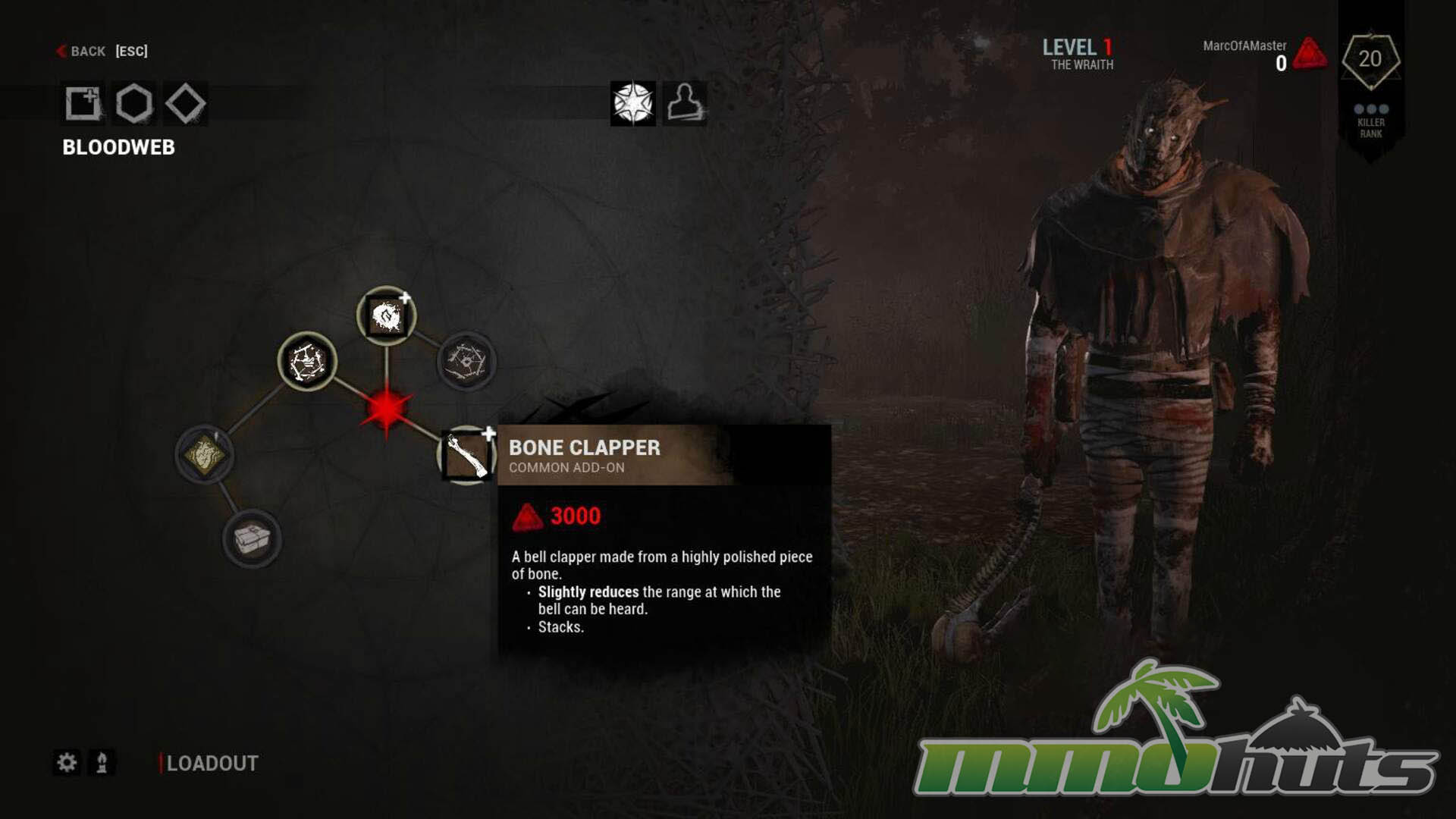
As with many perk-driven PvP games, this system can create lopsided matches. Newer players may run into opponents with perks that dramatically swing the tempo, like Survivors who can heavily interfere with hooks, or Killers who can eliminate Survivors with far less reliance on the usual hook flow. Another frustration is how the scoring can feel out of step with performance. Efficient play and quick match conclusions can sometimes award fewer Bloodpoints than long, drawn-out games, and falling short of score expectations can even cost rank. The end result is an incentive to prolong matches or farm points rather than always playing for a clean, fast win.
Friction Points: Matchmaking and Quitting
Dead by Daylight’s biggest practical issue is how it handles getting players into games, particularly when friends want to play together. Queue times can stretch from a few minutes into extremely long waits, and the experience is made worse by players repeatedly leaving and rejoining lobbies to try to line up with specific people. There is a Kill Your Friends mode that supports private play, but it comes with a major tradeoff: those matches do not grant Bloodpoints and do not advance progression, and you cannot use your earned Bloodweb perks and items there either. That limitation undercuts what should be the game’s most social and consistent way to play.
Even once a match starts, the lack of meaningful penalties for leaving is disruptive. Survivors can drop out mid-trial, stripping the match of tension and making the Killer’s effort feel wasted. Killers can also quit, collapsing the round for everyone involved. Hosting can introduce additional instability, because without dedicated servers, connections are more susceptible to lag spikes and stutters. When the host’s connection is poor, or when players are spread far apart geographically, the smallest hitch can be the difference between a clean vault and a down.
Final Verdict – Good
Dead by Daylight succeeds at what it sets out to do: deliver repeatable, high-tension horror matches where both sides feel pressure in different ways. Survivors get a steady stream of nervous close calls, and Killers get the satisfaction of controlling space and turning small mistakes into a collapse. It is especially enjoyable with friends, both because the mind games are more personal and because coordinated play reduces some of the frustration that comes with random teammates.
That said, the overall package is held back by matchmaking limitations, quit behavior with minimal consequences, and a perk progression system that can create uneven matchups. The foundation is strong and the core loop is genuinely compelling, but it is easiest to recommend if you expect to play primarily with friends, or if you are willing to accept those rough edges as part of the experience.
Dead by Daylight Links
Dead by Daylight Official Site
Dead by Daylight Steam Page
Dead by Daylight Developer Site
Dead by Daylight Requirements
Minimum Requirements:
Operating System: Windows 7/8/8.1 64 bit
CPU: Intel Core i3-4170 or AMD FX-8120
RAM: 8 GB RAM
Video Card: DX11 Compatible GeForce GTX 460 1GB or AMD HD 6850 1GB
Hard Disk Space: 15 GB
Recommended Requirements:
Operating System: Windows 7/8/8.1 64 bit
CPU: Intel Core i3-4170 or AMD FX-8300 or higher
RAM: 8 GB RAM
Video Card: DX11 Compatible GeForce 760 or AMD HD 8800 or higher with 4GB of RAM
Hard Disk Space: 15 GB
Dead by Daylight Music & Soundtrack
Coming Soon!
Dead by Daylight Additional Information
Developer(s): Behaviour Digital Inc.
Publisher(s): Starbreeze Studios
Game Engine: Unreal Engine 4
Closed Beta: May 29, 2016
Release Date: June 14, 2016
Development History / Background:
Dead by Daylight is made by Canadian studio Behaviour Digital Inc. and published by Starbreeze Studios. It ran a closed beta beginning May 29, 2016, and access was limited to players who pre-ordered the deluxe edition. Built on Unreal Engine 4, the game ultimately launched on Steam on June 14, 2016, establishing its core 4v1 horror format that centers on repeatable matches, progression, and procedural map variation.