Cubic Castles is a voxel-based sandbox MMO focused on gathering, crafting, and building personal realms that other players can freely visit. It blends the familiar loop of mining resources and placing blocks with a strong emphasis on player-made platforming challenges and storefronts, so your world can be a parkour gauntlet one day and a bustling shop the next.
 | Publisher: Cosmic Cow LLC Playerbase: Medium Type: Sandbox MMO Release Date: August 13, 2014 Pros: +Active player-driven trading and shops. +Straightforward building and crafting tools. +Lots of unusual blocks and gadgets for platformer-style realms. Cons: -Fixed camera limits movement and precision. -Resource collection can feel grind-heavy. -Interface feels awkward on PC (clearly built with mobile in mind). |



Cubic Castles Overview
Cubic Castles is a block-building MMO from Cosmic Cow LLC where every player gets a personal realm to shape and share. The broader world is packed with themed mines and community spaces, and you can hop between player worlds at will, whether you are sightseeing, shopping, or looking for inspiration for your next build.
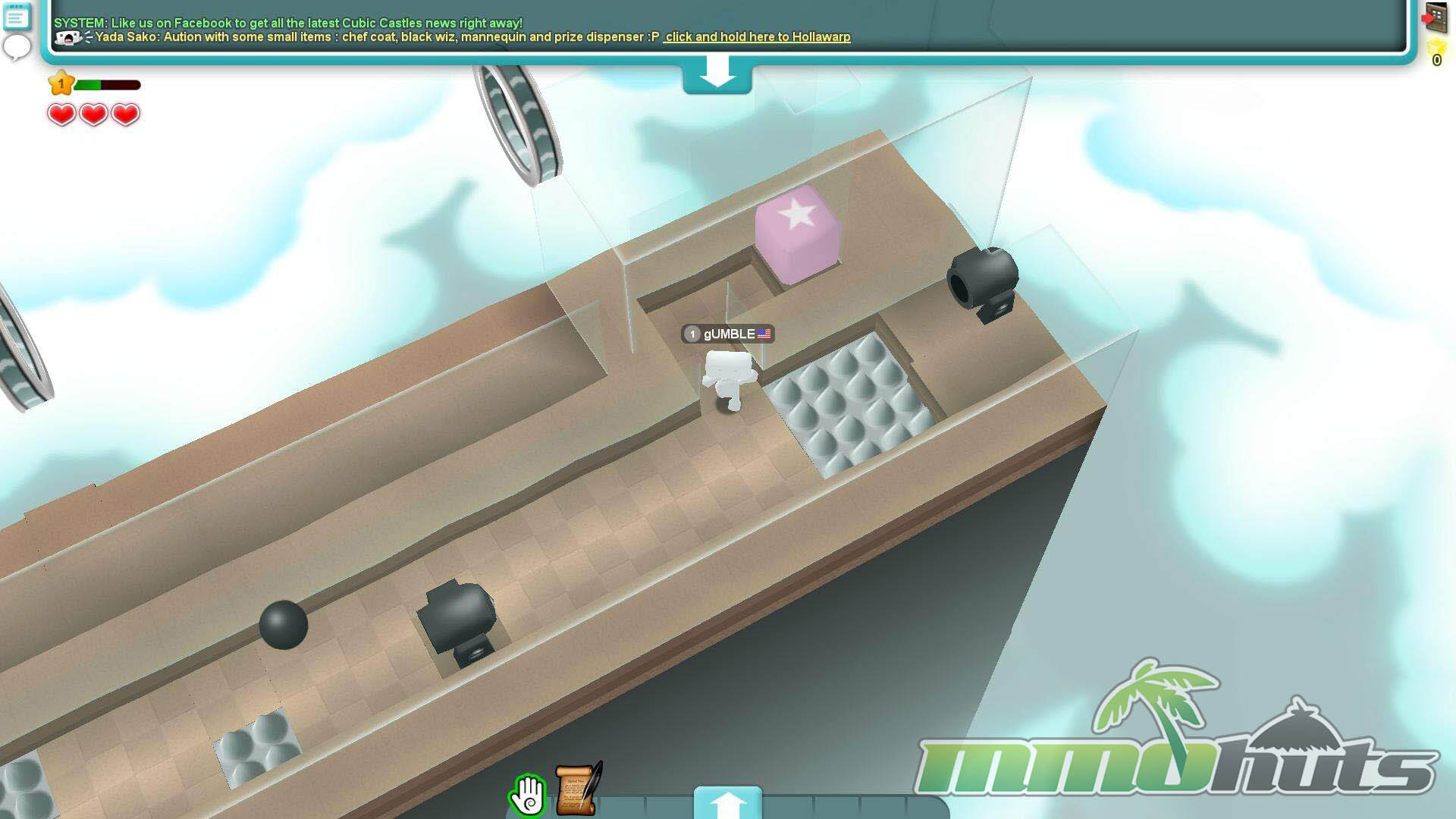
Progress starts with scavenging. You mine blocks and materials from different environments, including forests, deserts, jungles, mountains, and other biomes, then bring those resources home to craft tools, building pieces, and decorative items. From there, the game opens up into its best feature, turning your realm into content for other players. Instead of only building houses and monuments, you can create full-on platformer routes with traps, puzzles, portals, and reward machines, essentially making your own bite-sized obstacle course for visitors.
Cubic Castles also leans heavily into trading. If you prefer commerce over parkour design, you can run a shop world and sell materials or rare finds for currency, then use those profits to buy more blocks, cosmetics, and utility items to expand your realm and its appeal.
Cubic Castle Key Features:
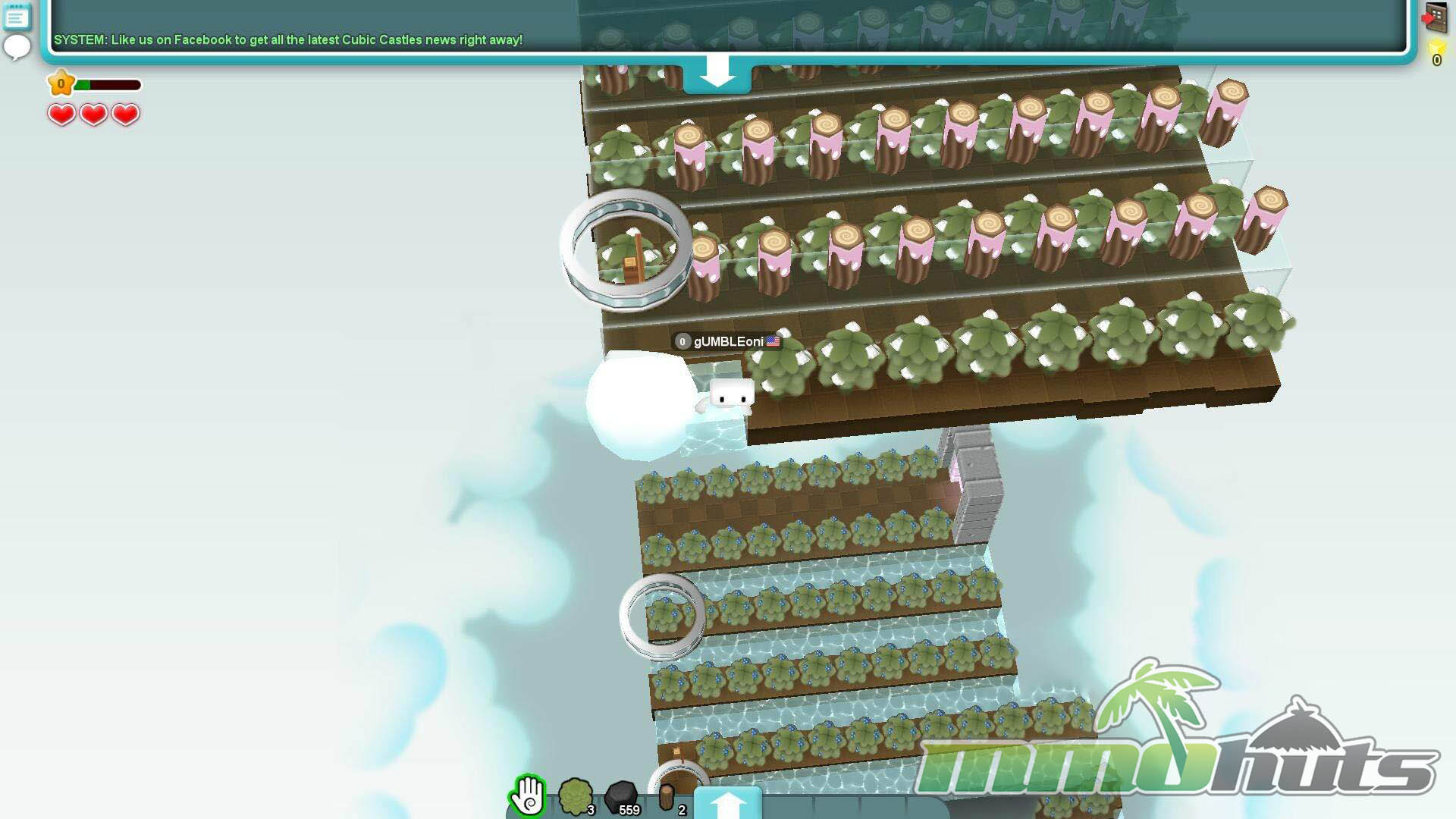
- Build platformer-style realms – use the in-game tools to shape worlds into obstacle courses with portals, prize machines, boost rings, and precision jumps.
- Cross Platform – play on Android and iOS and continue from one device to another.
- Player-made worlds worth exploring – visit everything from puzzle maps to elaborate recreations of famous locations, all created by the community.
- Easy resource gathering – mining is simple, with point-and-click interaction that keeps the loop accessible.
- Open-ended building –create whatever you can imagine in block form, without hard restrictions on what you are allowed to construct.
Cubic Castles Screenshots
Cubic Castles Featured Video

Cubic Castles Review
Cubic Castles sits in an interesting spot among voxel sandboxes. It clearly shares DNA with games like Minecraft, but it aims for a lighter, toybox tone, and it pushes players toward making worlds that function like levels. The overall presentation is bright and cartoony, the basic actions are simple, and the game’s social layer, hopping between realms, browsing shops, and testing obstacle courses, is the real reason to log in.
At the same time, the game’s design makes a few choices that can be hard to ignore on PC. The camera is fixed in a way that often feels more like an older console platformer than a free-form building game, and many menus and interactions feel like they were designed for touchscreens first. The result is a sandbox MMO with a lot of charm and creativity, but also a handful of friction points that become more noticeable the longer you play.
A Universe of Realms
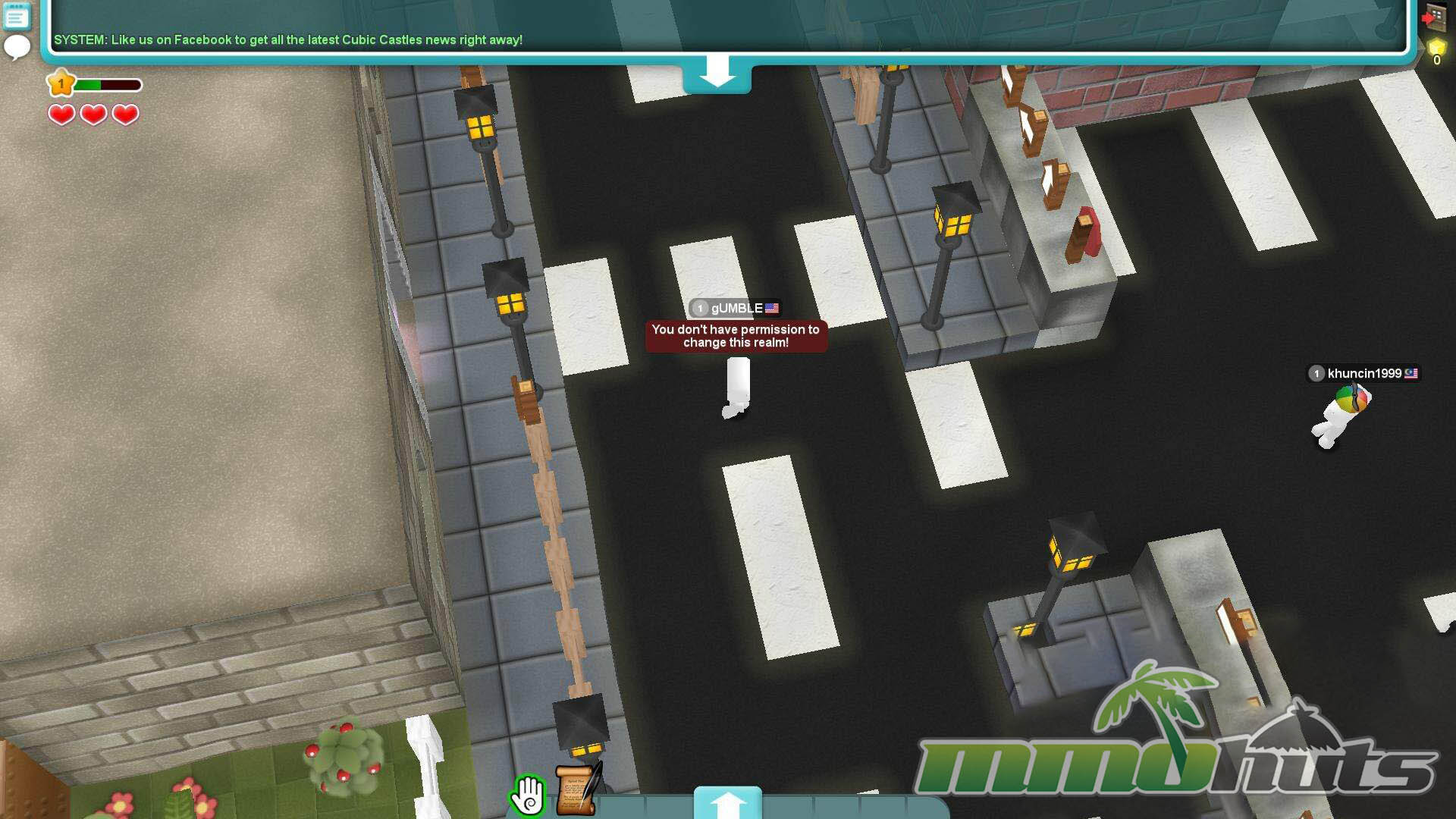
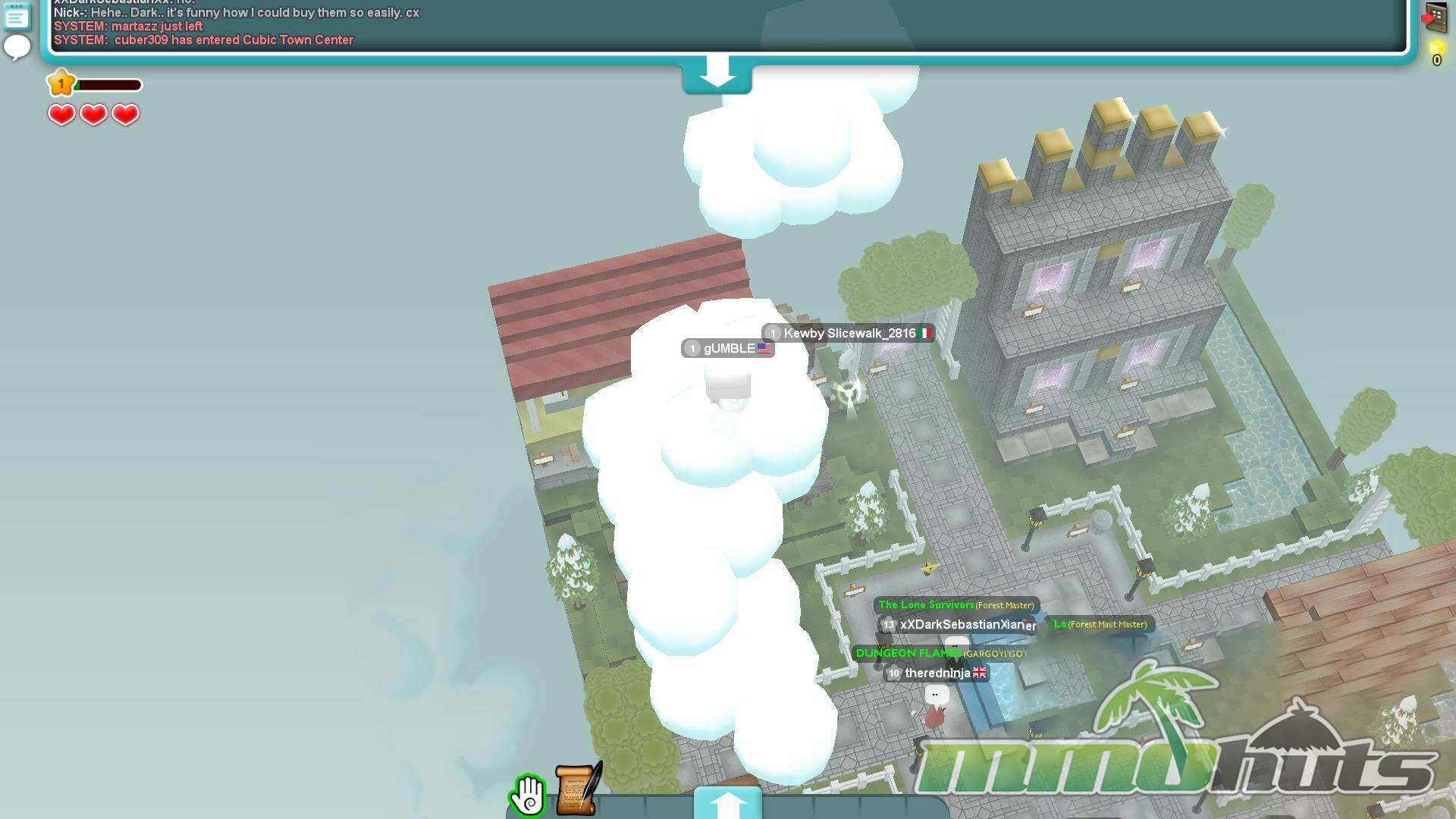
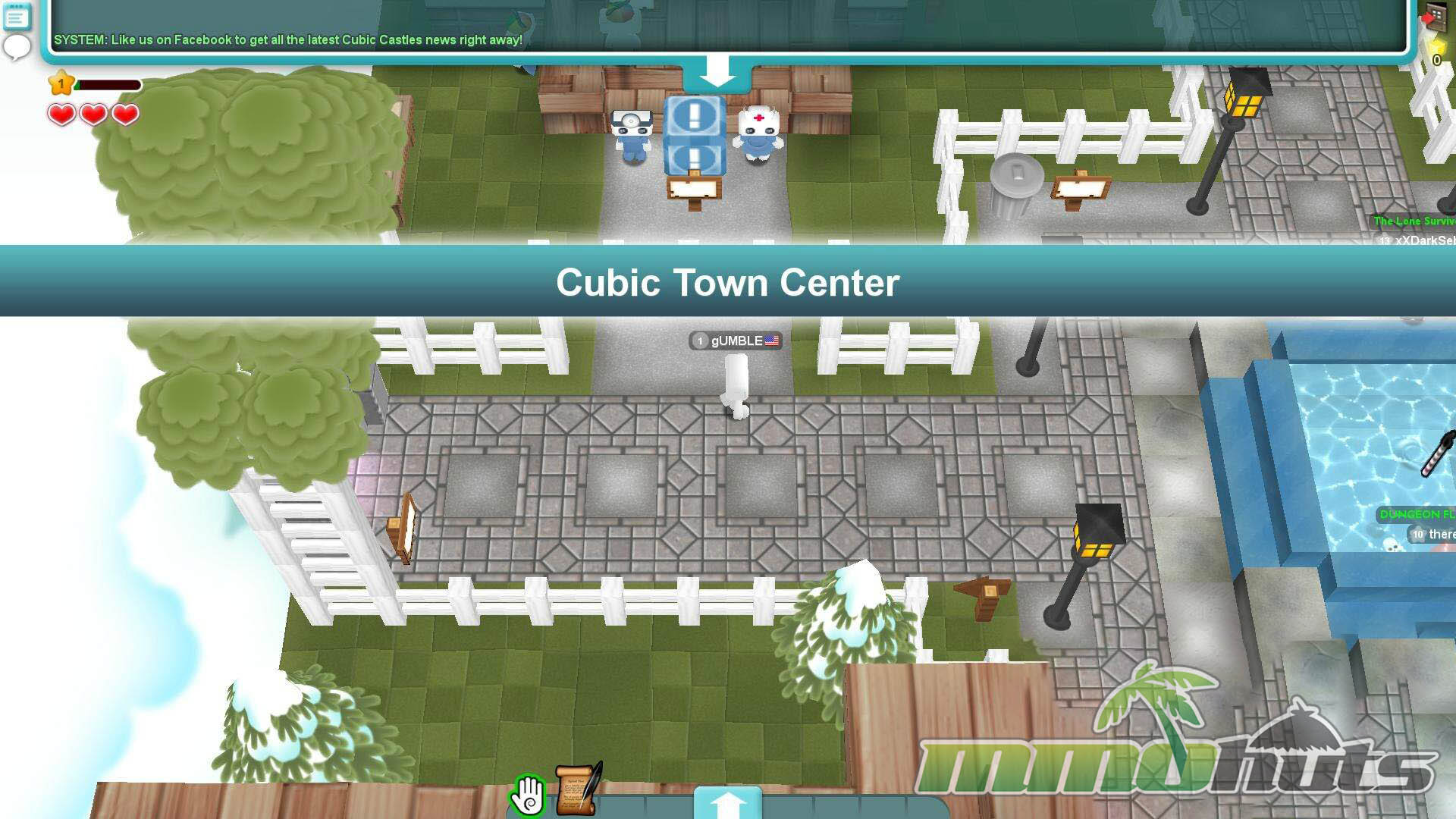
After a brief onboarding sequence, the game drops you into a large hub area that acts as the gateway to everything else. The landscape is dotted with distinct landmarks and entry points that represent mines, features, and, most importantly, player realms. Most worlds are open to visitors, which makes exploration feel immediate, you can go from a quiet starter space to a densely decorated community build in seconds.
A key early item is your deed, which lets you claim and place your own realm. Once that is done, your personal world becomes your base of operations, a place to store items, craft, build, and eventually host other players. From the UI you can open the Sky Map, a giant overview filled with countless worlds and locations, then warp directly to the one you select.
The concept is great, but the map presentation can be overwhelming. Realms and mines are packed tightly together, and finding a specific destination often means dragging around a busy field of icons and trying to spot the right one. When the community is active, the density is part of the charm, it communicates scale, but it also makes navigation feel less convenient than it needs to be.
Early Quests and UI Hurdles
Landing in a new world typically comes with basic tasks meant to nudge you through the game’s systems. These starter quests do their job, they introduce travel, mining, and progression, but they also highlight the game’s weakest area, the interface. Menus can be unresponsive at times, and some options are not where you expect them to be if you are used to PC-first MMOs.
A typical early objective sends you across multiple biomes, essentially rewarding you for visiting different mines and learning how travel works. It is a straightforward way to hand out experience and encourage exploration, but the impact is reduced when you are wrestling with menus or trying to locate a quest log. When everything is working smoothly, the loop feels relaxed and friendly. When it is not, it can feel like the game is getting in its own way.
Leveling and Perks
Progression is handled through levels, and each level-up offers a choice between three perks. These perks range from cosmetic rewards to practical upgrades that open up crafting options or improve quality-of-life. Some are purely for style, hats and outfits are a big part of the game’s playful identity, while others are more impactful, such as unlocking additional recipes or expanding inventory capacity.
Experience comes from nearly everything: completing quests, mining, crafting, and building. That constant drip of XP helps keep the early game moving, and it supports the main appeal of Cubic Castles, which is steadily growing your toolbox so you can build more interesting worlds. The perk system is simple, but it gives enough direction that you can aim for aesthetics, efficiency, or utility depending on what you want to do next.
Mining and the Limits of the Camera
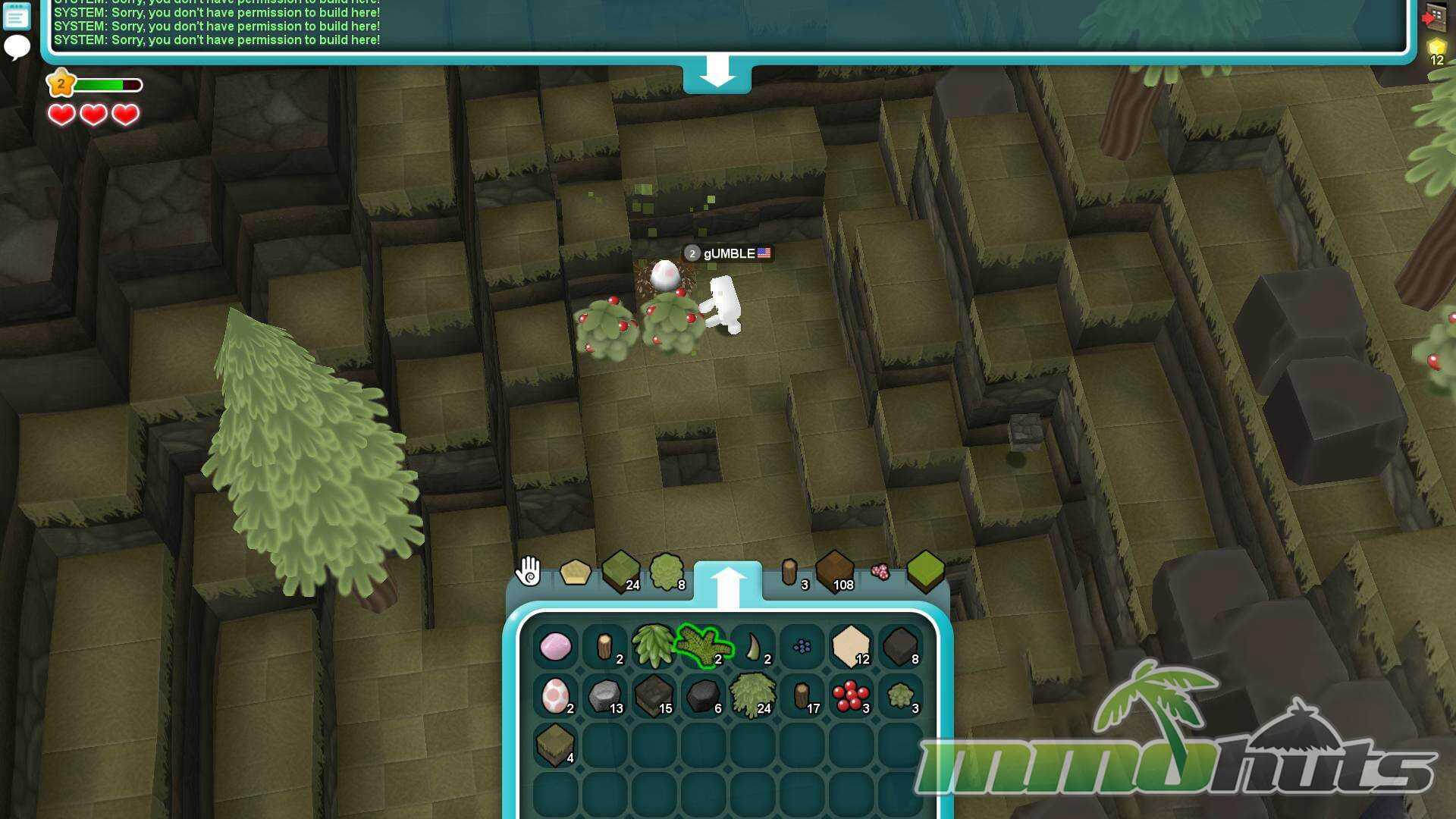
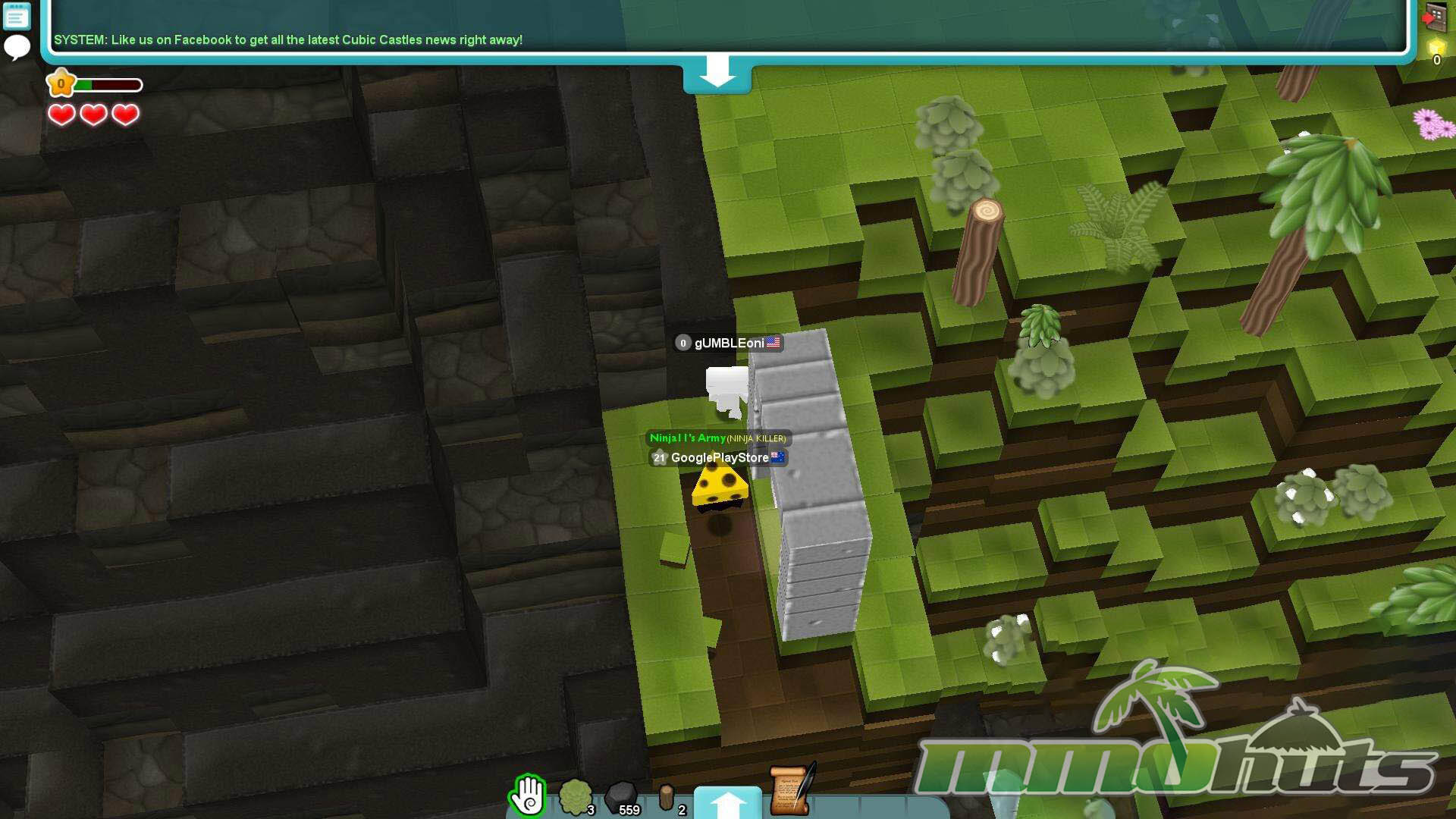
Resource gathering is the backbone of the economy and the crafting system. In a mine, you click blocks to pull them free, stocking up on materials for tools, structures, and realm gadgets. The action is quick and accessible, but it can become repetitive, especially if you are gathering in bulk for larger builds.
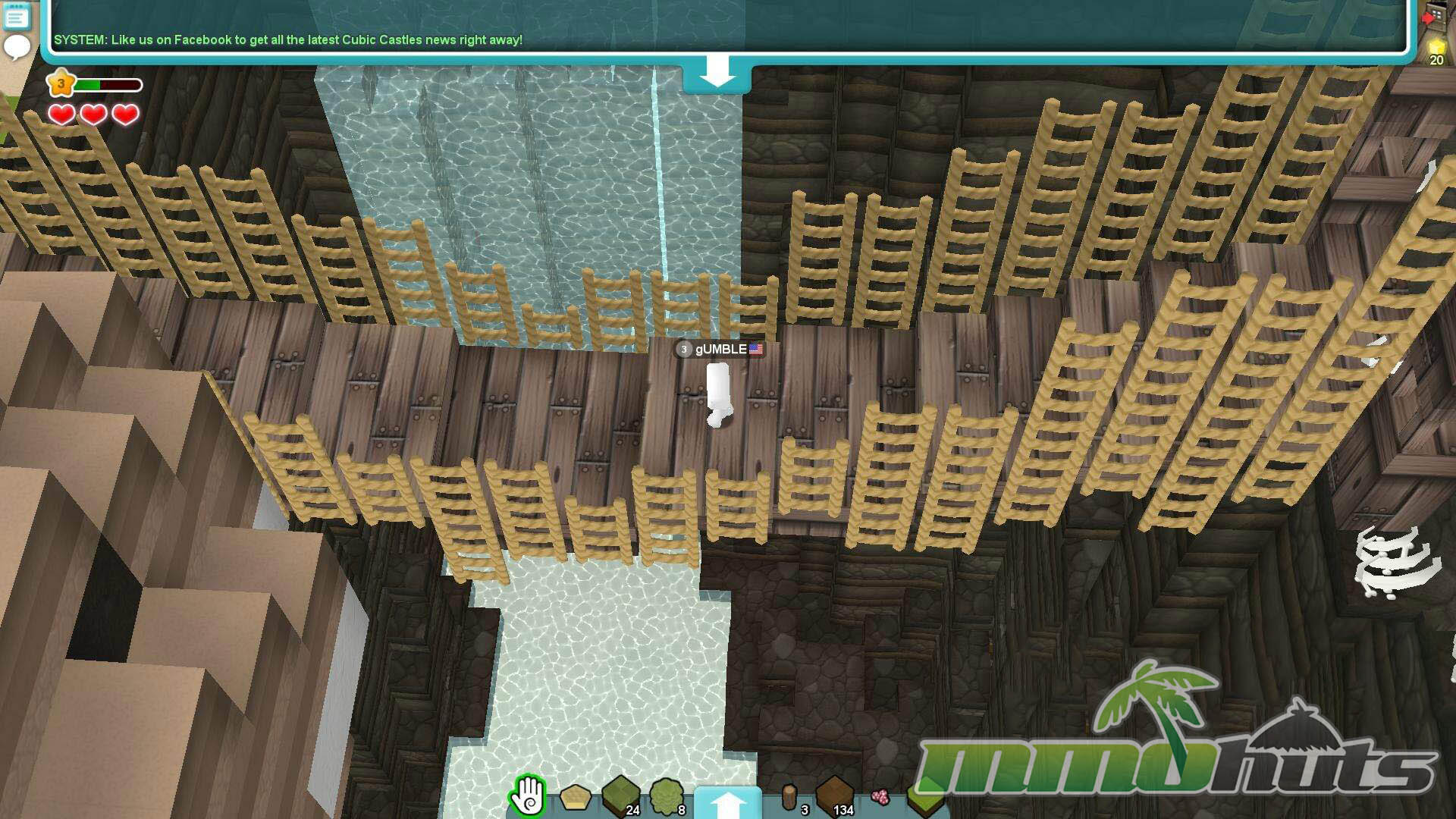
The bigger issue is how the fixed camera affects precision. In many voxel games, tunneling, carving, and digging deep are part of the fun, you reshape the landscape and create your own routes through the terrain. In Cubic Castles, your ability to mine is heavily tied to what the camera can clearly show. Digging inward or downward often becomes awkward once the view is obstructed, and it limits the satisfaction of making dramatic changes to the environment.
Because of that, mining tends to work best when you focus on what is visible, skimming along surfaces and hunting for clearly exposed materials rather than committing to deep excavation. It is still functional, but it is not the most relaxing version of the mining loop you will find in the genre.
Crafting, Recipes, and Trial-and-Error
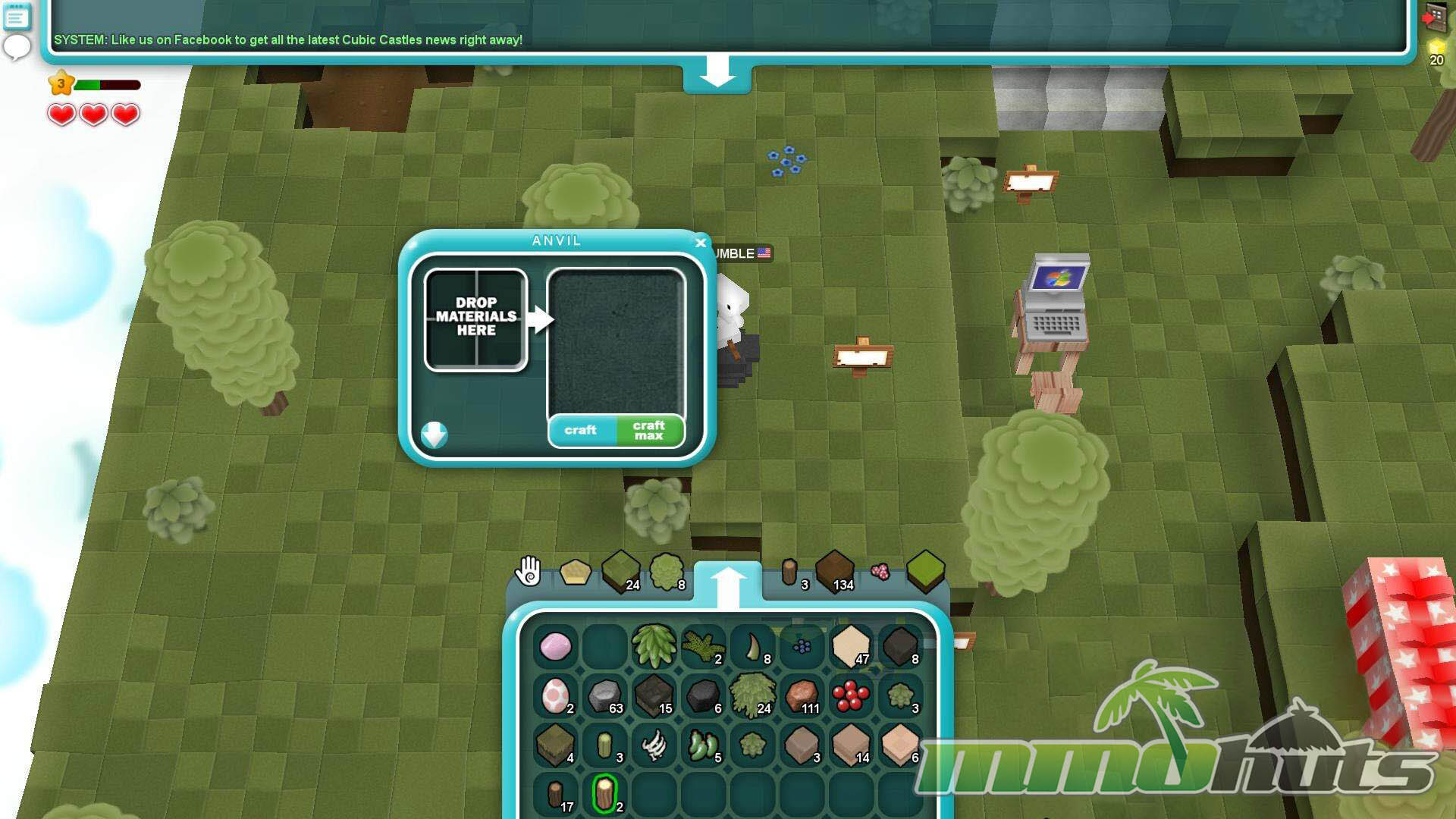
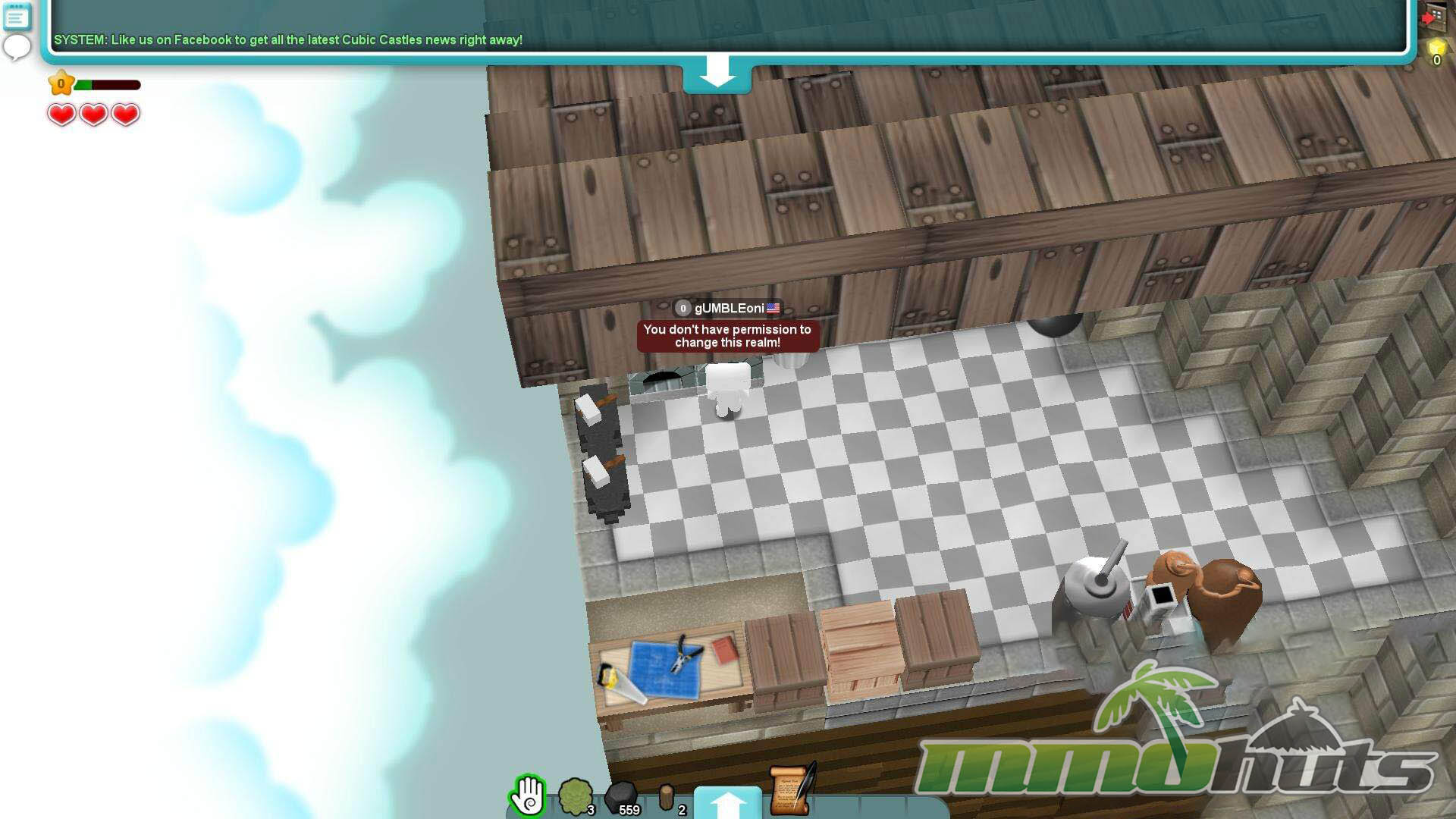
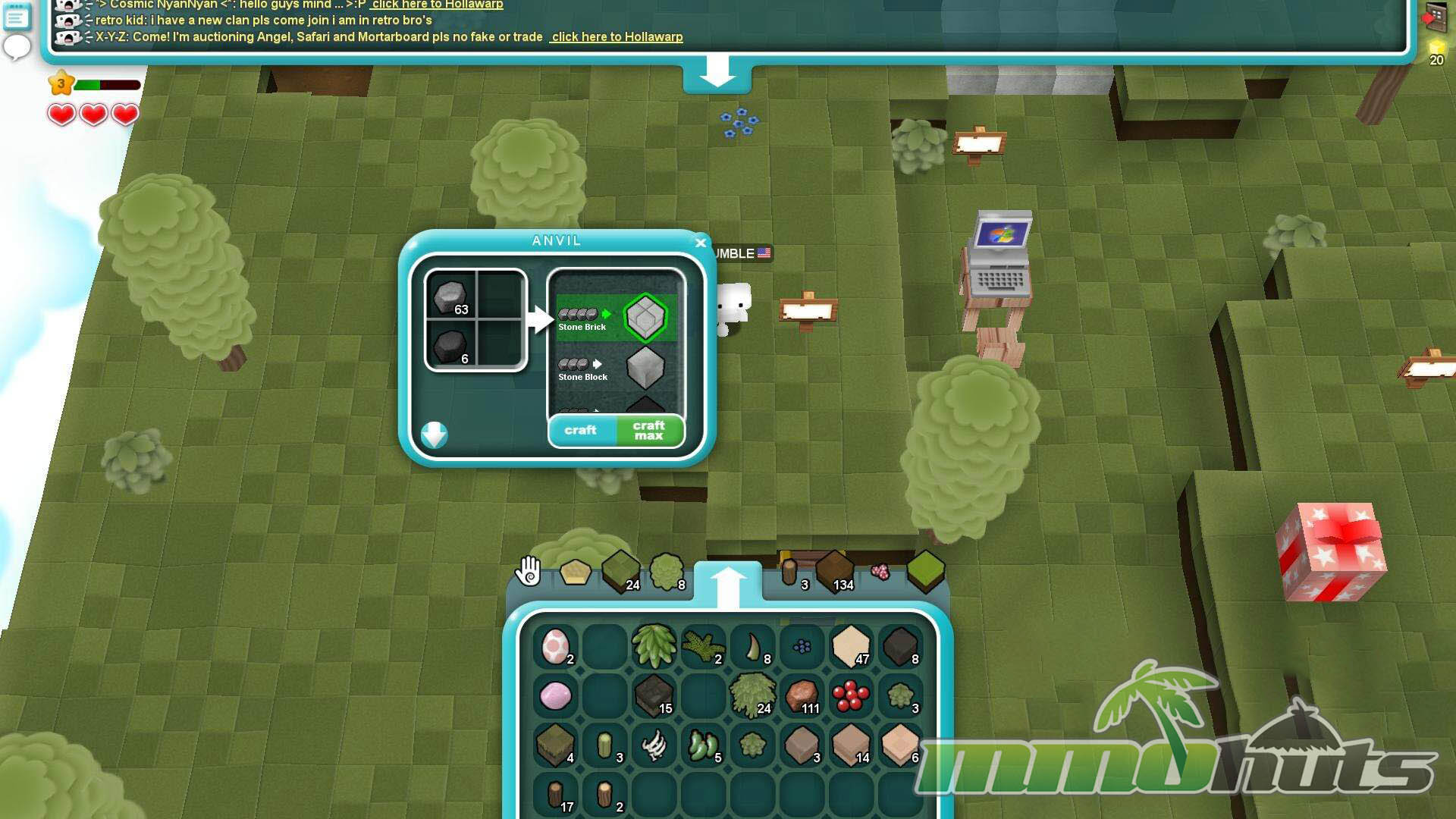
Once you have materials, crafting becomes the next hurdle. Your realm includes an anvil area where you combine resources by dragging and dropping them to attempt recipes. There is also a learning center in Eden that helps reveal combinations, but the overall system still leans toward experimentation and external reference.
The downside is that crafting can feel opaque. Without clear in-game guidance for what you can make and how to get there, progression sometimes turns into guesswork. Many useful tools require multiple steps and intermediate components, so you may end up bouncing between mines and crafting stations repeatedly just to reach a basic goal.
Players who enjoy discovery and community knowledge-sharing may appreciate this approach, but for others it will feel like unnecessary friction. If your main goal is building and designing worlds, the recipe barrier can slow you down more than it should.
Realm Design as the Real Game
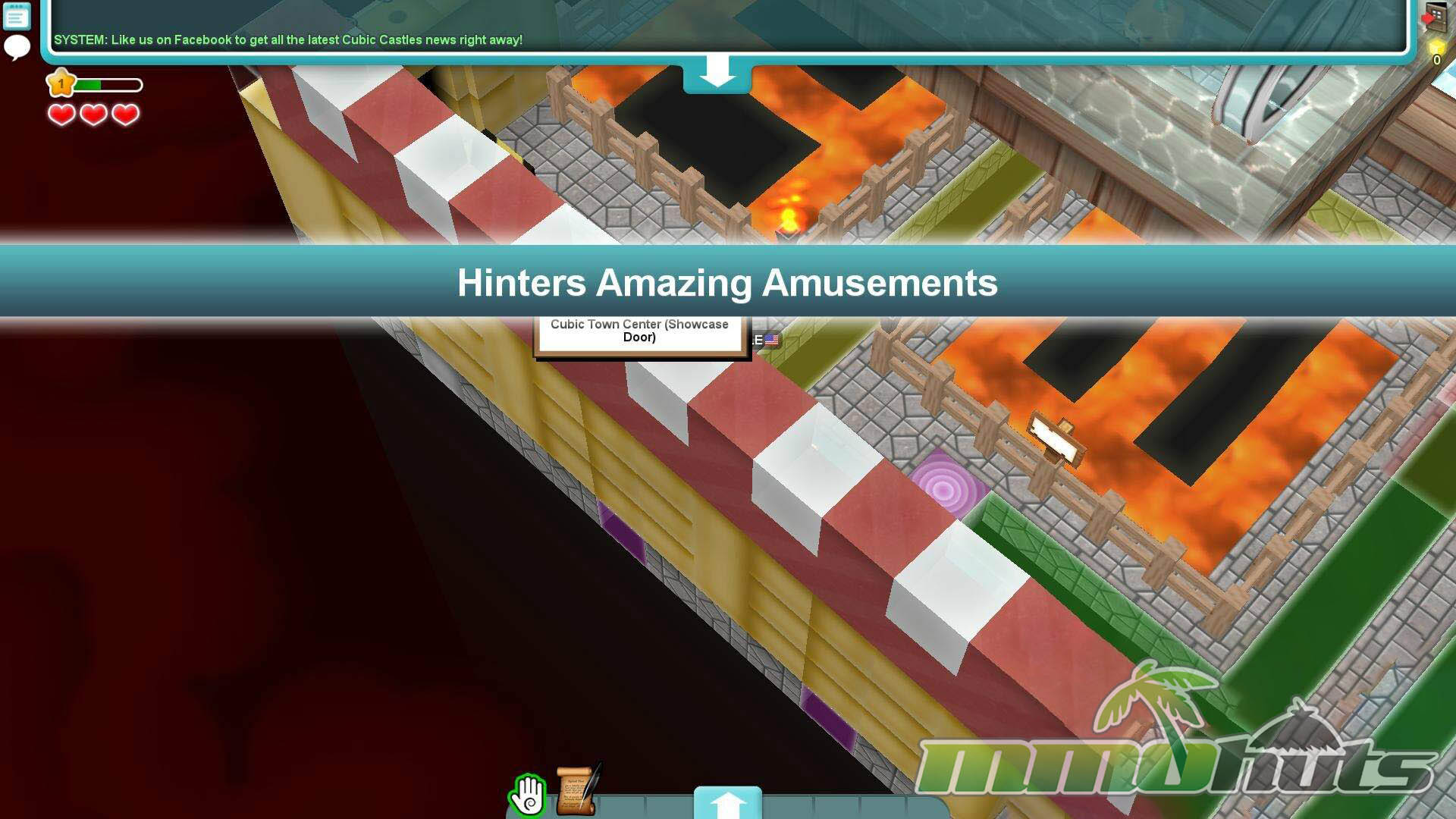
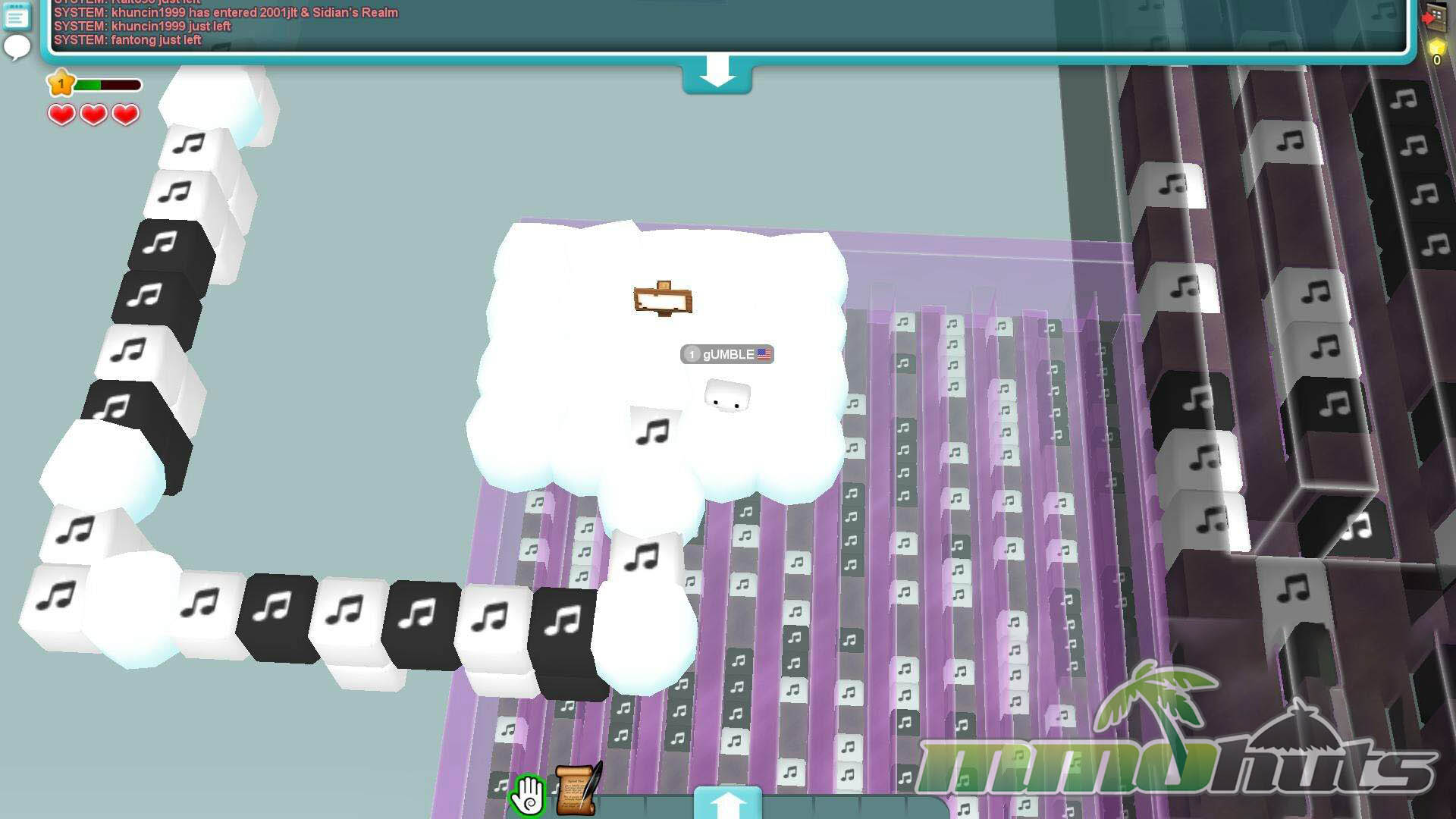
Where Cubic Castles truly shines is in what players do with their realms. The game effectively gives you a toolkit that sits somewhere between a building sandbox and a level editor. Early tasks highlight parkour-oriented design, and the best community worlds demonstrate how far the system can be pushed with clever use of blocks, traps, and interactive elements.
In the hub area, showcased realms offer a quick way to see what is possible. Some worlds are built as puzzle corridors with gated progress, others are obstacle courses that reward careful movement, and many are pure art projects, decorative builds meant to impress visitors. Even with the camera limitations, there is a clear joy in touring worlds that have personality and intent behind them.
The fixed viewpoint can still interfere with the experience, especially in dense builds where trees, decorations, or tall structures block your character and potential landing spots. Even so, the variety of blocks and devices supports a surprising amount of creativity, and it is easy to understand why builders stick with the game long-term.
A Player-Driven Marketplace
The other major pillar of Cubic Castles is its economy. In practice, many realms function as storefronts, with players selling materials, collectibles, and useful blocks for currency. While you can find currency through regular play, trading tends to be the faster path, and it creates a social layer where browsing shops becomes part of exploration.
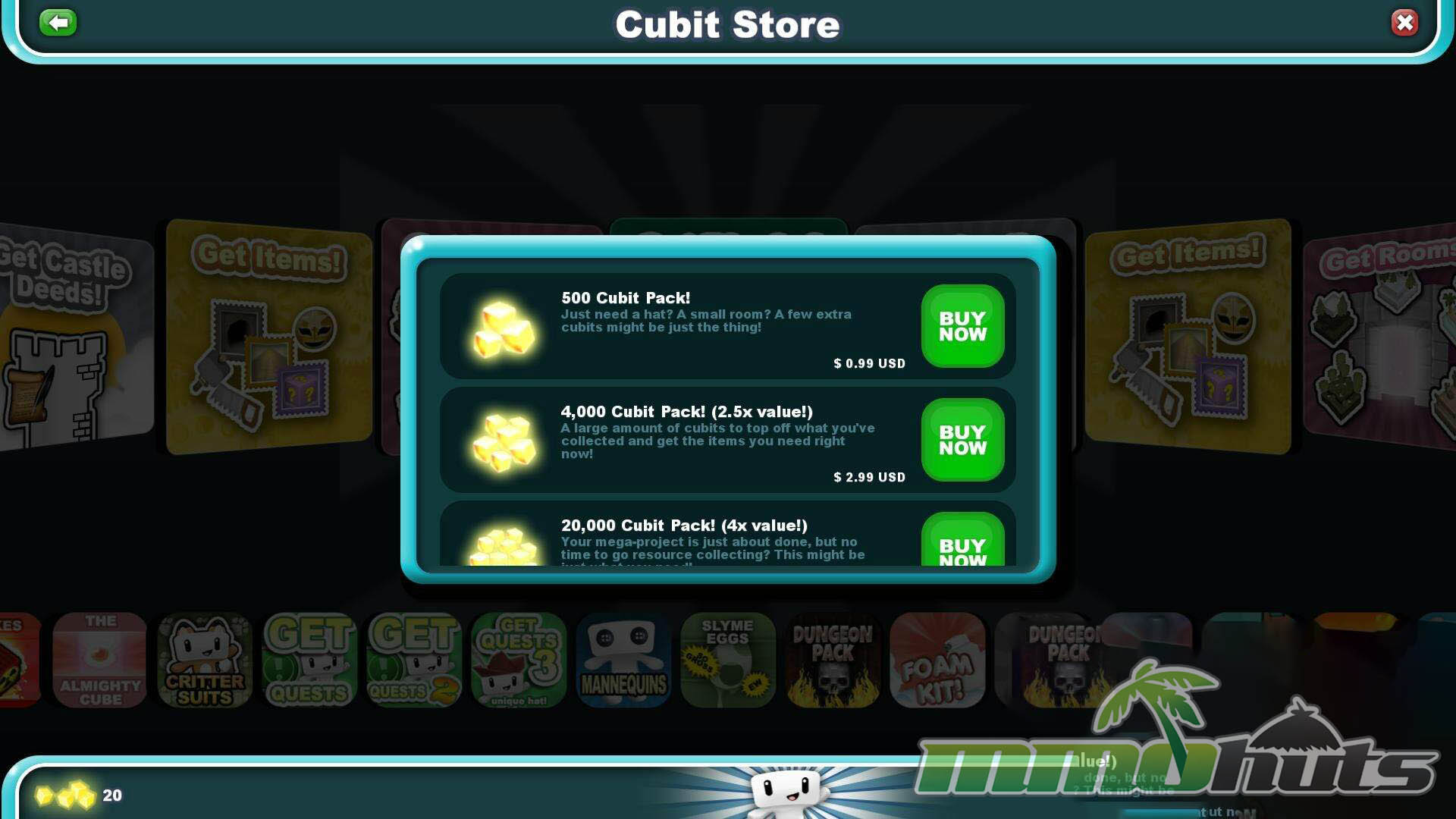
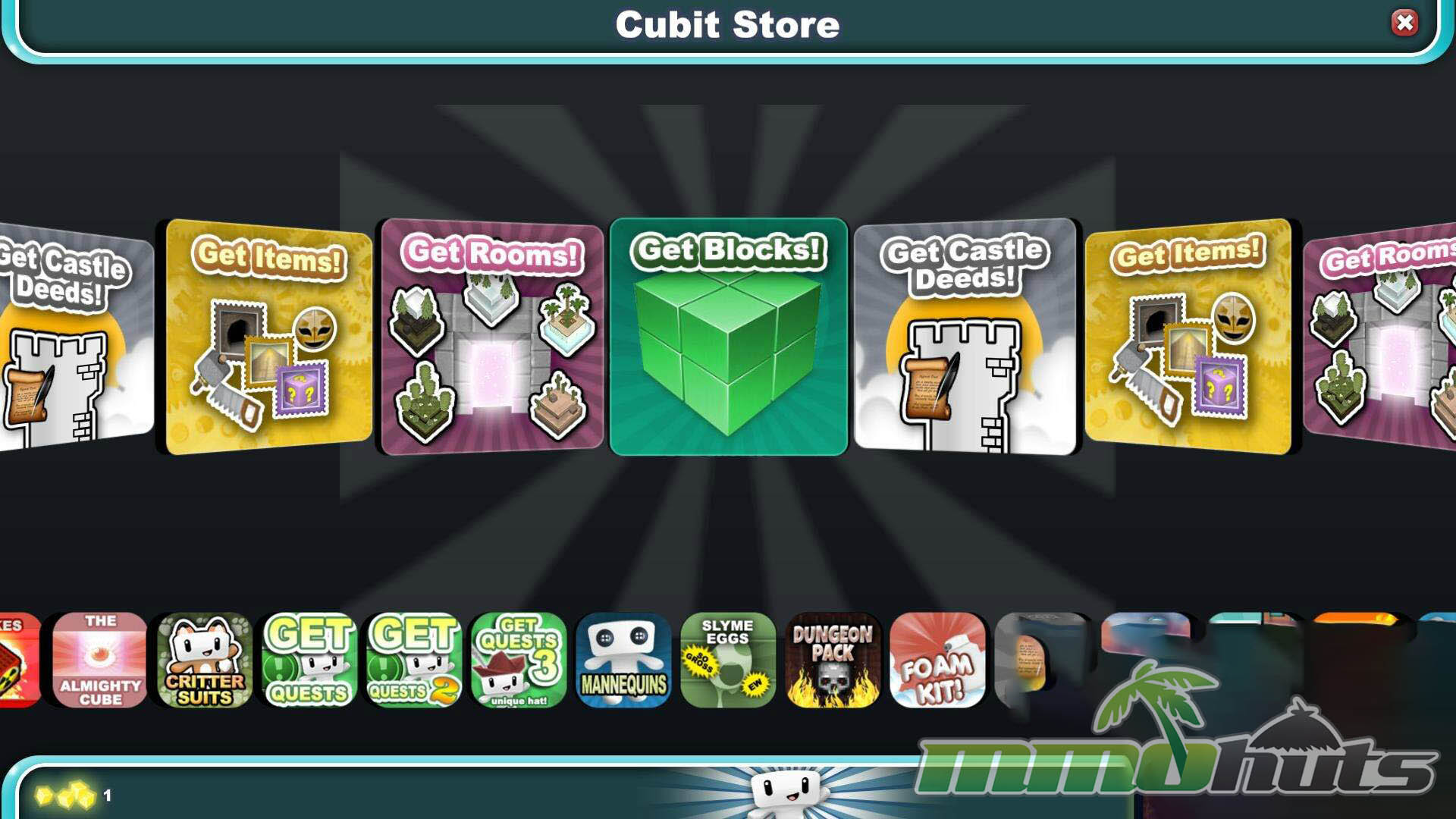
That emphasis on commerce makes sense because the store and trading systems connect directly to self-expression. Currency translates into access, more blocks, more tools, more cosmetics, and more options for building something distinctive. The game does not feel strictly pay-to-win, but it is undeniably store-forward, and the interface can make it harder than it should be to browse comfortably, especially on PC.
If you enjoy the idea of running a shop world, pricing items, and turning scavenged resources into profit, Cubic Castles offers a surprisingly engaging light economy. If you just want to build without thinking about markets, you may still end up interacting with trading simply because it is the most efficient way to expand your options.
Final Verdict – Good
Cubic Castles succeeds most when it is treated as a creative MMO playground, a place to build realms that function as mini-games, puzzle maps, and social spaces. The community-made worlds and the trading scene give it longevity, and its approachable visuals and simple controls make it easy to recommend to younger players or anyone who prefers a gentle sandbox pace.
Its limitations are also consistent: the fixed camera makes both platforming and mining less flexible than they should be, the interface can be clumsy outside of mobile, and the gathering and crafting loops can lean grindy if you are trying to build big projects quickly. If you can accept those rough edges, Cubic Castles offers a charming, player-driven sandbox that rewards creativity and curiosity.
Cubic Castles Links
Cubic Castles Official Site
Cubic Castles Steam Store
Cubic Castles Google Play Store
Cubic Castle iOS Store
Cubic Castles Wikia [Database/Guides]
Cubic Castles System Requirements
Minimum Requirements:
Operating System: Windows 7
CPU: Core 2 Duo or higher. Athlon 64 or higher
Video Card: 1024×768, DirectX 10
RAM: 4 GB
Hard Disk Space: 50 MB
Android: Version 4.0 or higher
iOS: Version 7.0 or higher
Cubic Castles is available for both Android and iOS.
Cubic Castles Music & Soundtrack
Coming Soon!
Cubic Castles Additional Information
Developer(s): Cosmic Cow LLC
Game Engine: C/C++
iOS Release Date: August 07, 2014
Android Release Date: August 07, 2014
Steam Greenlight Posting: May 28, 2014
Steam Greenlit: August 01, 2014
Windows Open Beta: May 30, 2014
Release Date: August 13, 2014
Steam Release: Date: August 13, 2014
Development History / Background:
Cubic Castles was created by California-based studio Cosmic Cow LLC. It is the only game released by Cosmic Cow Games. The project appeared on Steam Greenlight on May 28, 2014 and was greenlit on August 01, 2014, with an open beta beginning May 30, 2014. The mobile versions launched first on August 07, 2014 for Android and iOS, followed by the PC release on August 13, 2014.