Counter-Strike: Global Offensive is an objective-driven MMO tactical shooter and the fourth major entry in the Counter-Strike series. Matches revolve around tight team play, economy management, and map knowledge, with players swapping between Terrorists and Counter-Terrorists across multiple modes and arenas built around clear win conditions.
 | Publisher: Valve Corporation Playerbase: High Type: MMO Shooter Release Date: August 21, 2010 Pros:+Wide range of maps. +Very replayable core loop. +Big selection of weapons and utility. Cons:-Demanding skill curve. -No dedicated single-player campaign. |

Counter-Strike: Global Offensive Overview
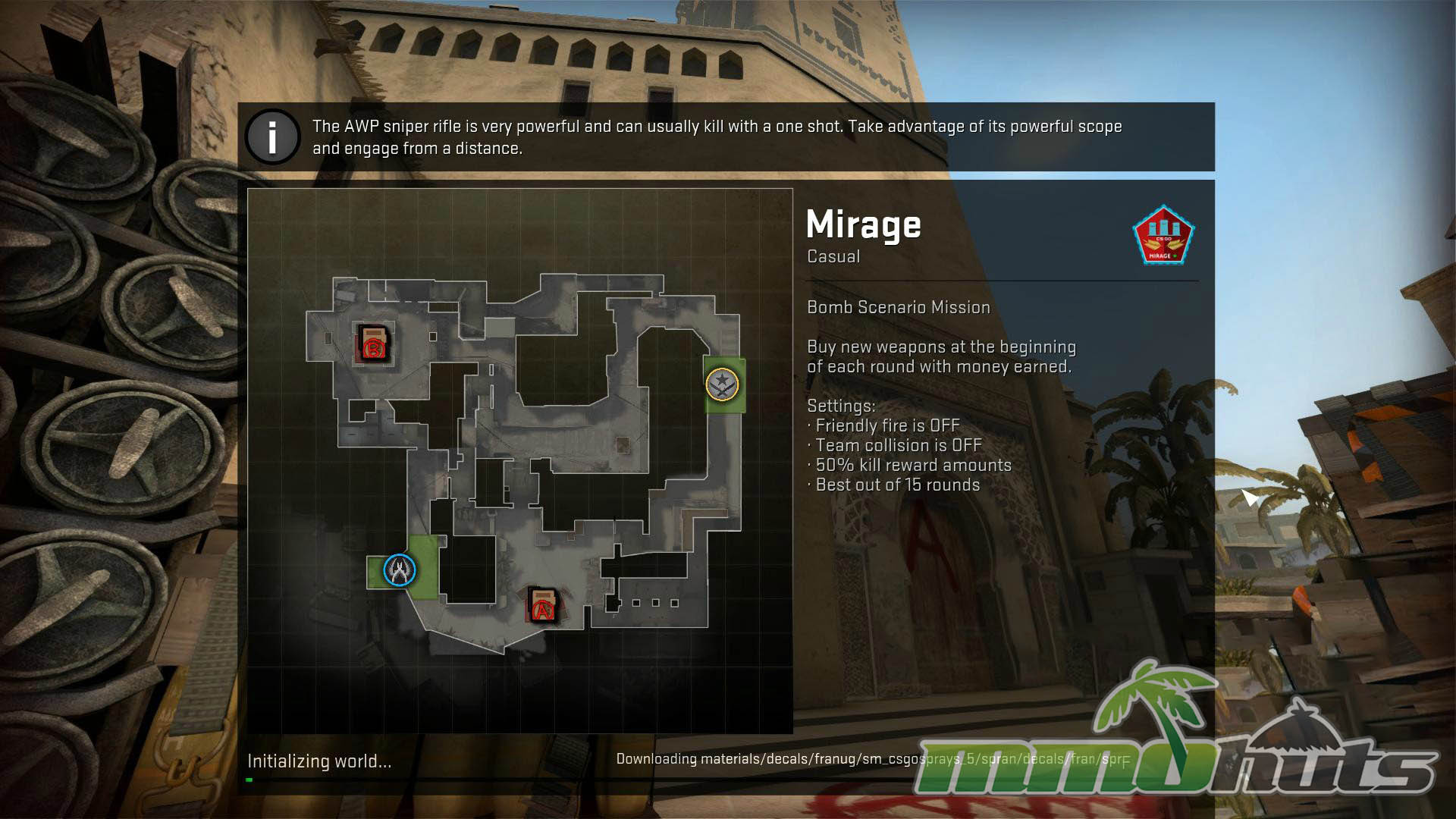
Counter-Strike: Global Offensive is a lobby-based tactical shooter developed by Valve Corporation. In each match you queue into a team, pick a side (Terrorist or Counter-Terrorist), and play rounds that hinge on clean execution rather than raw firepower. The signature ruleset is the bomb scenario, where Terrorists attempt to arm an explosive at a marked site while Counter-Terrorists win by preventing the plant, eliminating the attackers, or defusing once the bomb is down.
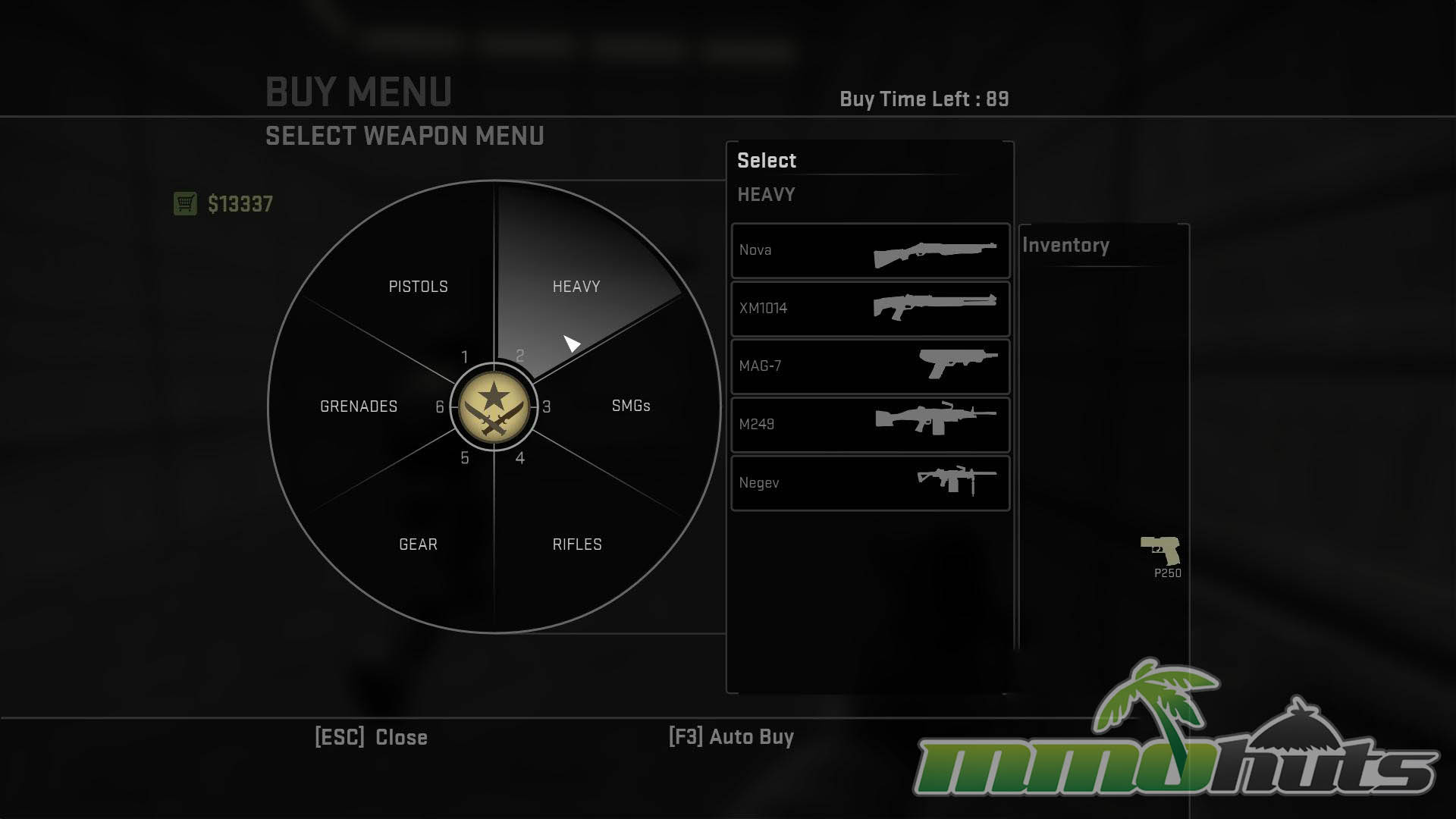
A key part of CS:GO is its round economy. Money carries over from prior rounds and is spent at the start of the next, which creates constant strategic tradeoffs, such as saving for a full buy versus forcing a risky purchase to steal momentum. Beyond the default playlists, the community has long supported an enormous selection of custom servers, maps, and rule variations that can feel like entirely different games. On top of that, weapon finishes and cosmetic drops provide a long-term collection angle, letting players personalize loadouts without affecting the underlying balance.
Counter-Strike: Global Offensive Key Features:
- Ranked, high-stakes matchmaking – two squads coordinate around objectives where small mistakes are punished.
- Deep weapon and utility sandbox – rifles, SMGs, pistols, plus grenades that shape engagements.
- Endless community content for variety – custom maps and modes, including surf and themed creations.
- Large cosmetic pool – earn weapon finishes through play to change visual style.
- Tradable weapon skins – customize your gear and stand out in a match.
Counter-Strike: Global Offensive Screenshots
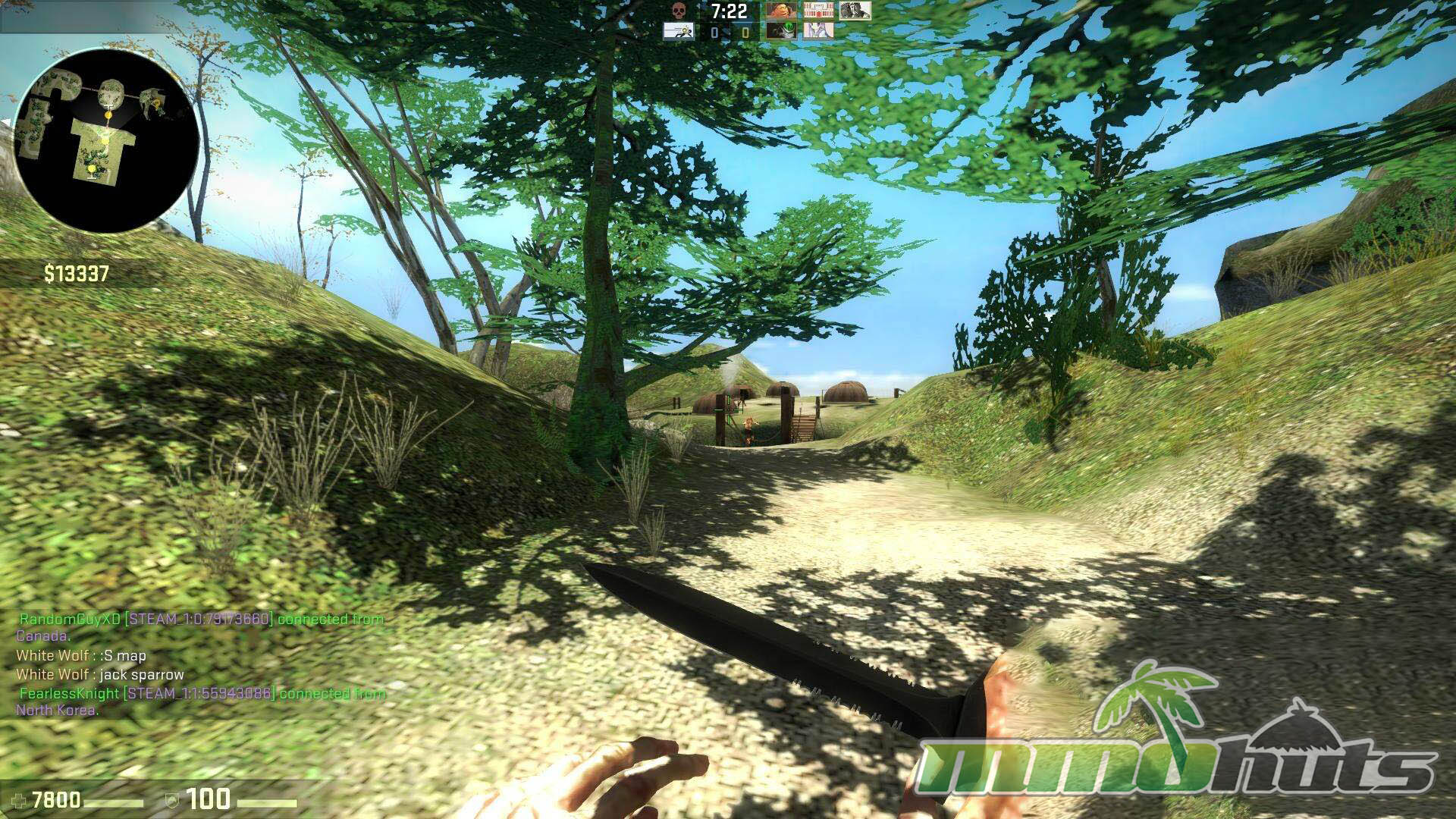
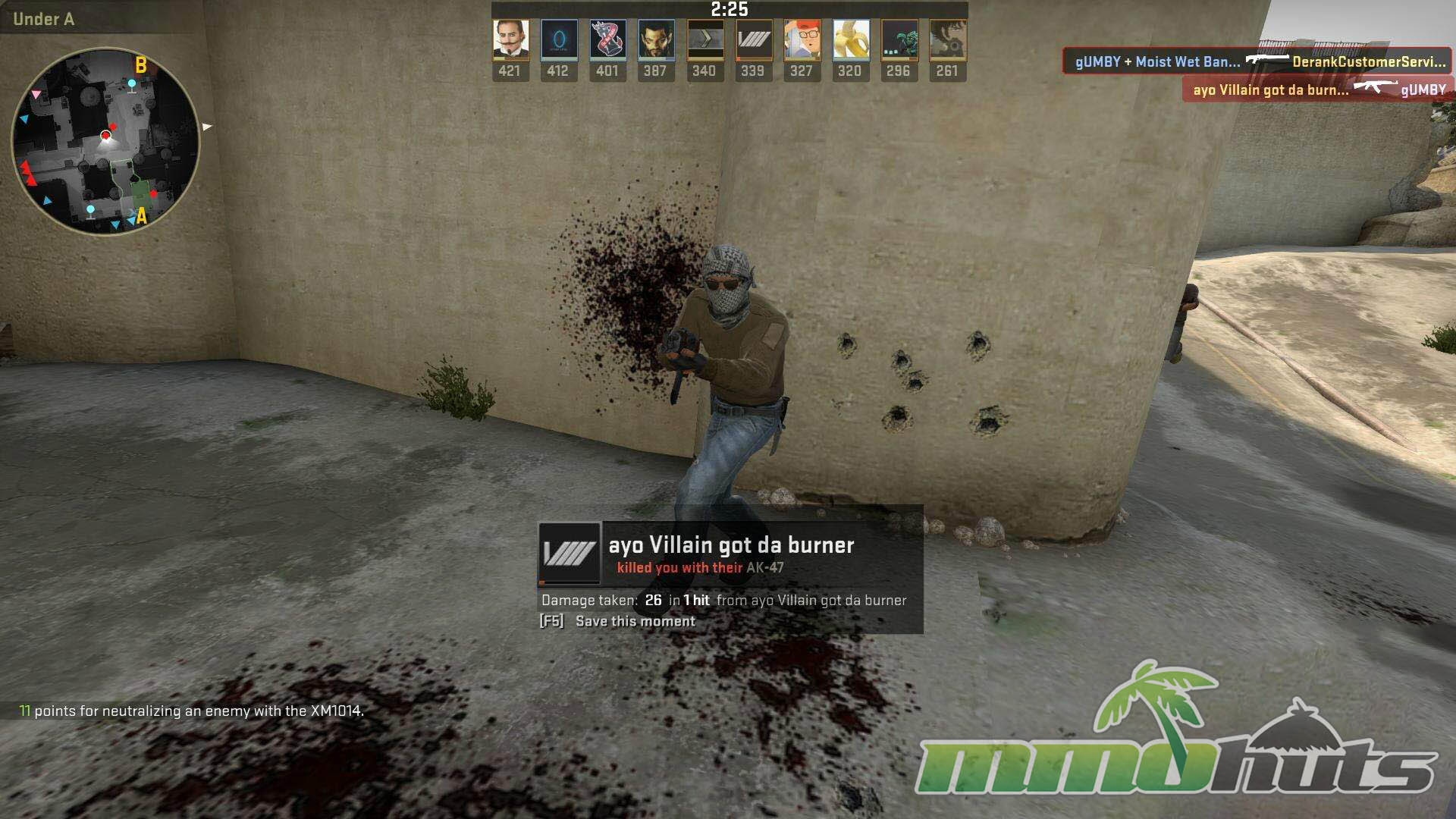
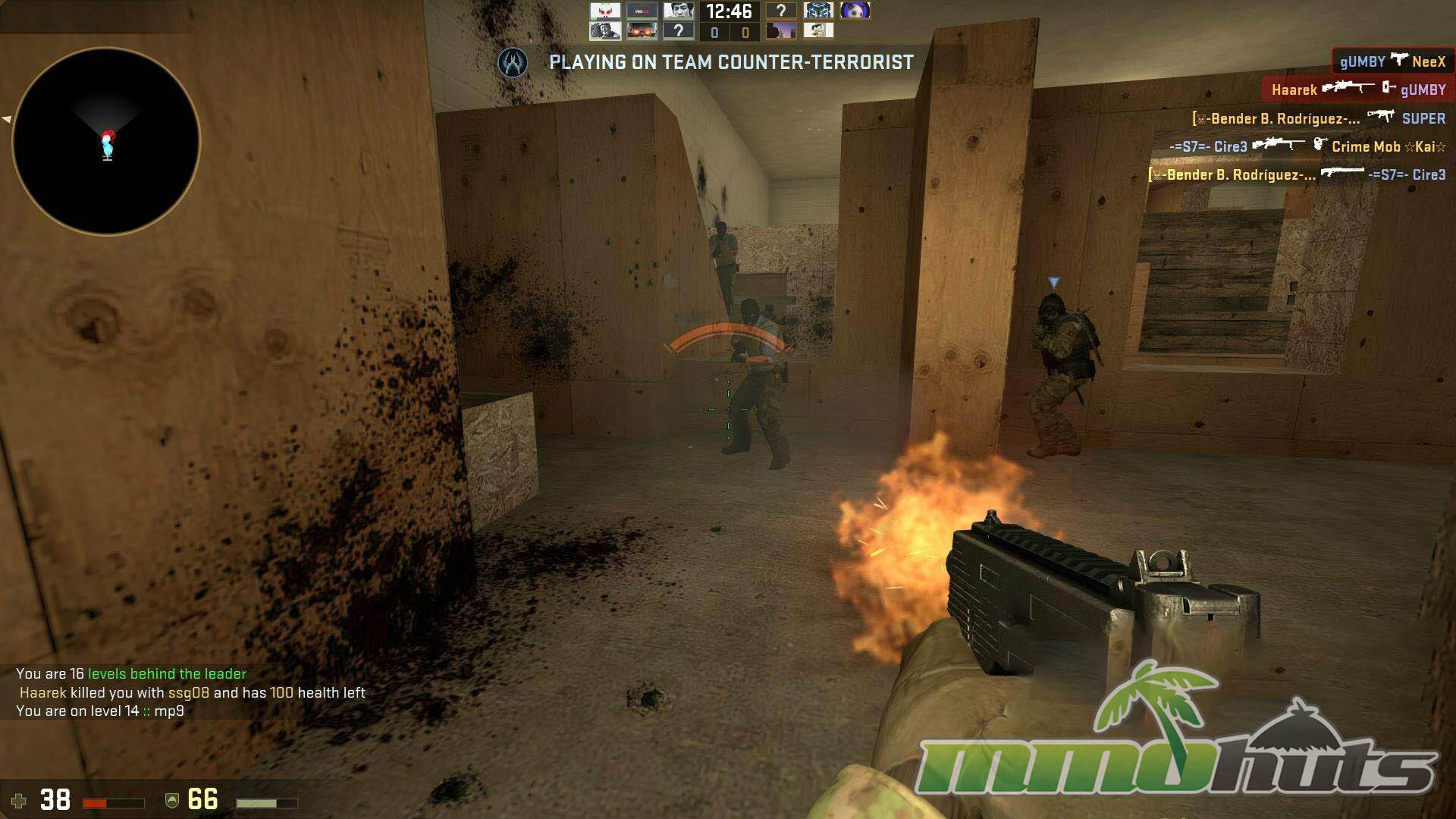
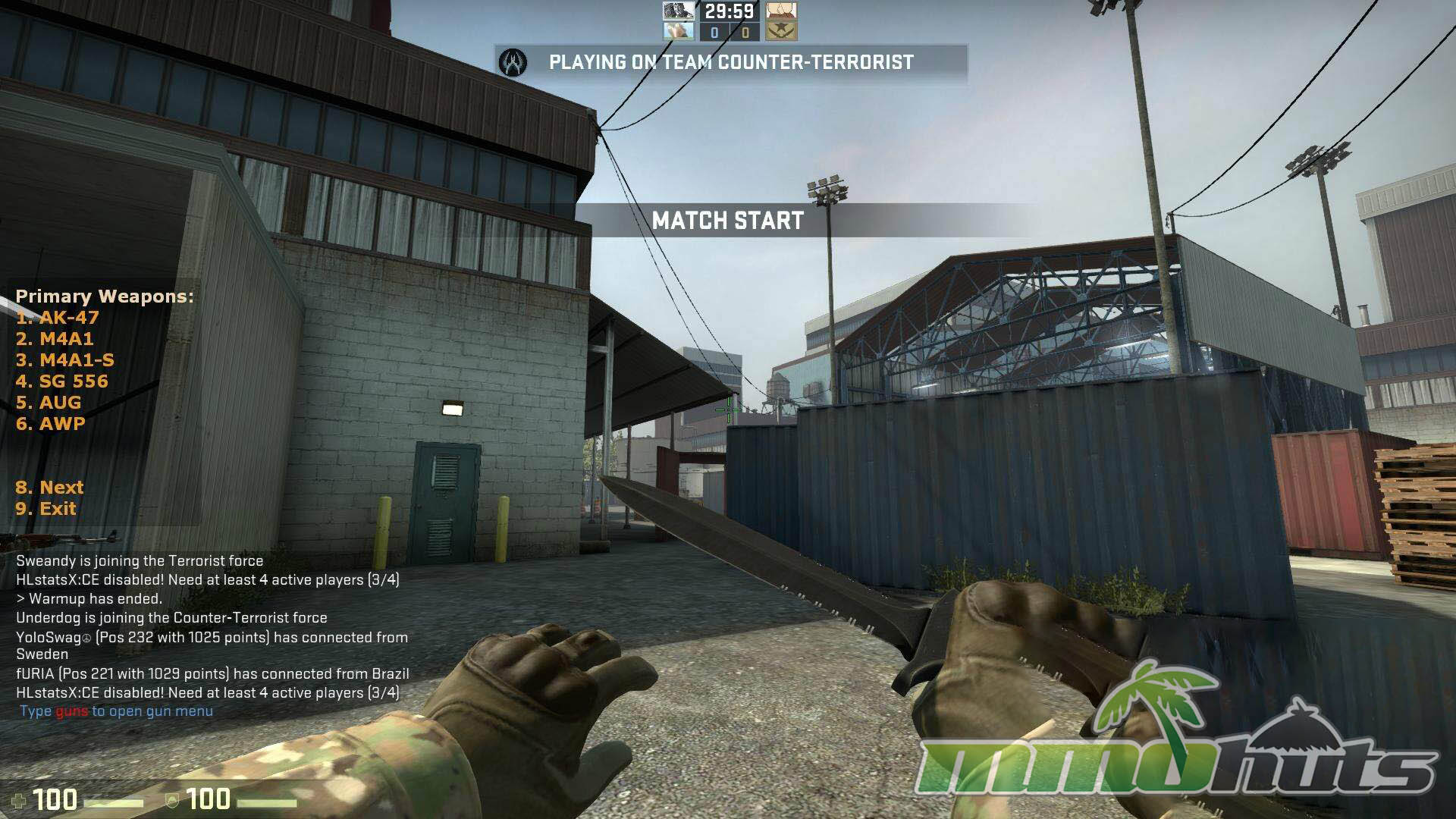
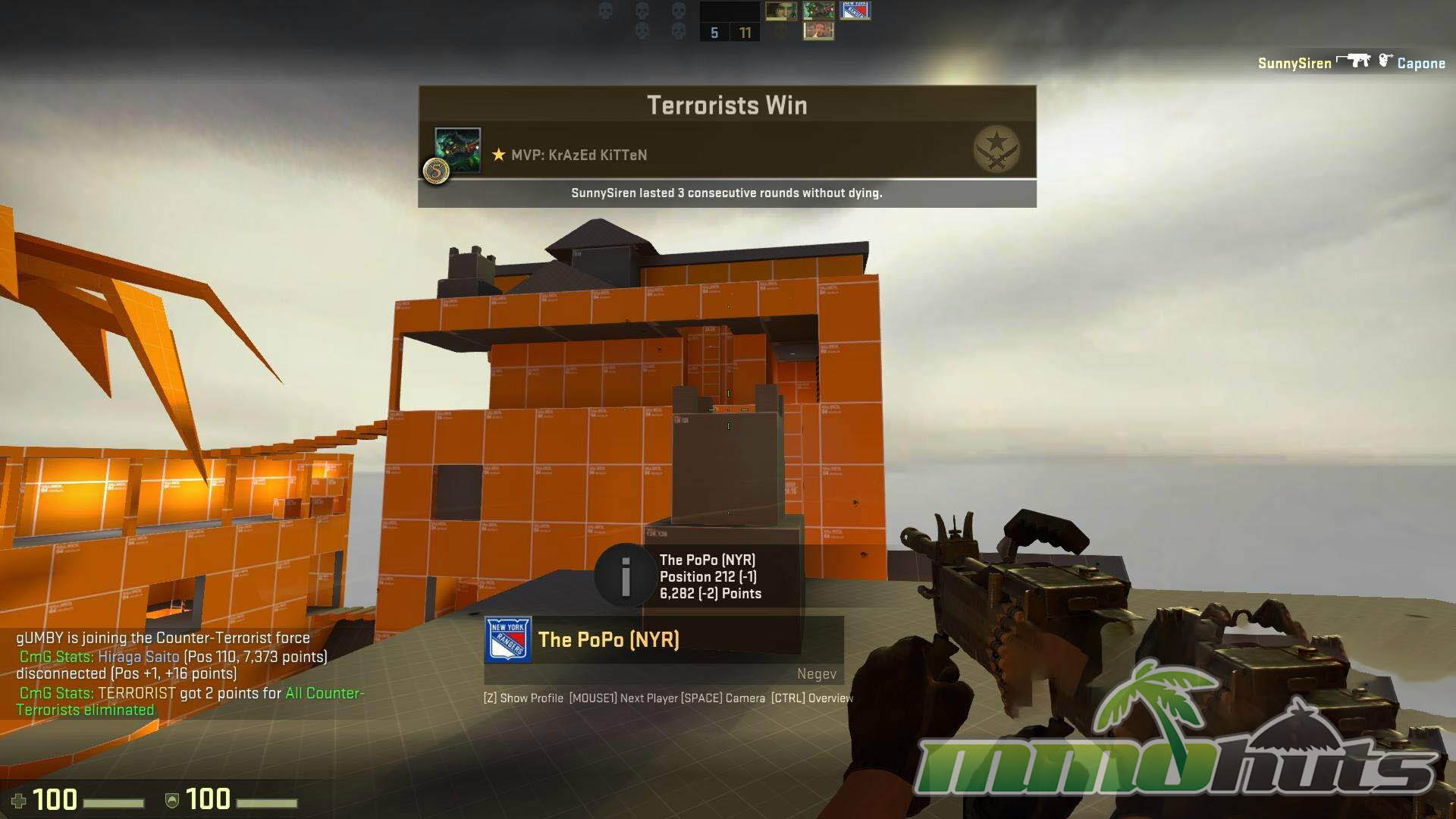
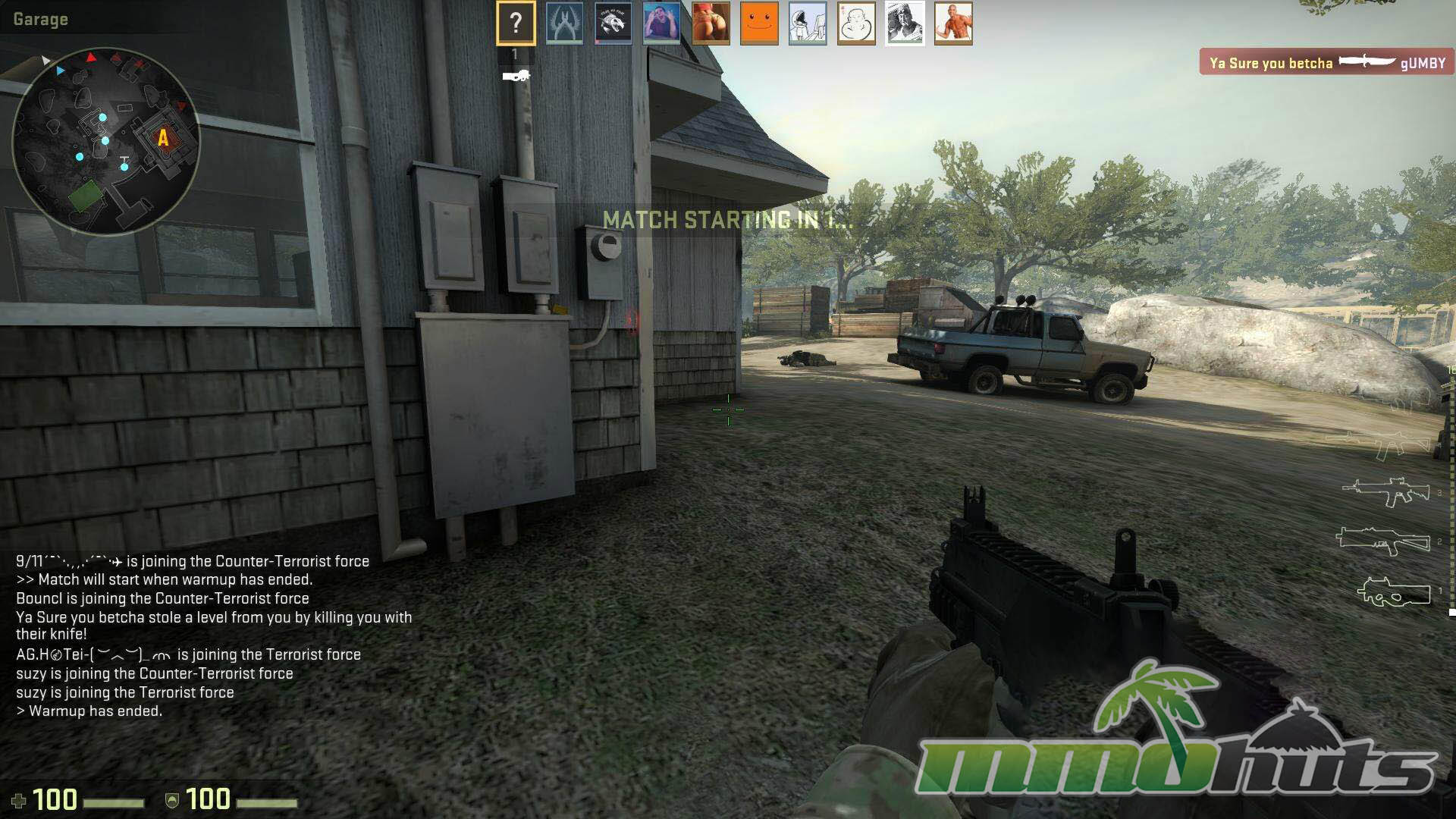
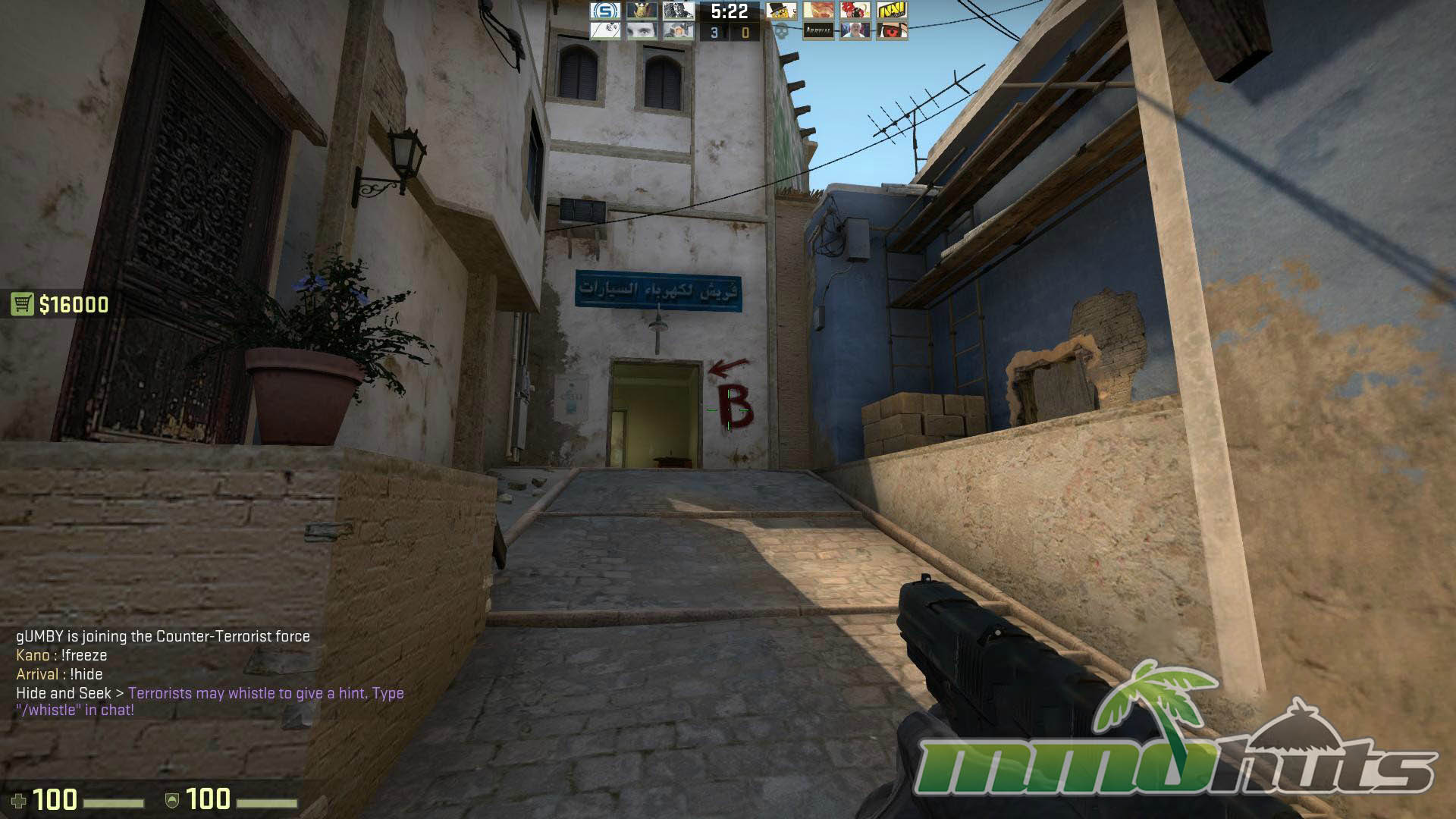
Counter-Strike: Global Offensive Featured Video

Counter-Strike: Global Offensive Review
CS:GO succeeds because it understands what made Counter-Strike timeless, tense rounds, readable rules, and gunfights that reward discipline. It does not try to turn the series into a modern power fantasy. Instead, it refines the same core loop that made older versions so replayable, then layers in contemporary conveniences like matchmaking and a healthier on-ramp for players who did not grow up on 1.6 or Source.
A Familiar Formula, Sharpened
At its heart, CS:GO keeps the fundamentals intact. Rounds are decisive, death is meaningful, and the buy phase matters as much as the first shot. That structure creates a particular kind of tension, you can make the correct decision for your team and still lose the round if your aim, positioning, or timing slips.
The map pool leans on recognizable classics, with layouts that emphasize chokepoints, rotations, and information control. Small changes to angles and routes can have outsized impact on how a map plays competitively, and veterans will notice that CS:GO’s versions aim for cleaner readability and more consistent engagement ranges. Visually, it is clearly more modern than earlier Counter-Strike releases, even if it is not chasing cutting-edge spectacle. The presentation is there to support clarity, not to steal focus from gunplay.
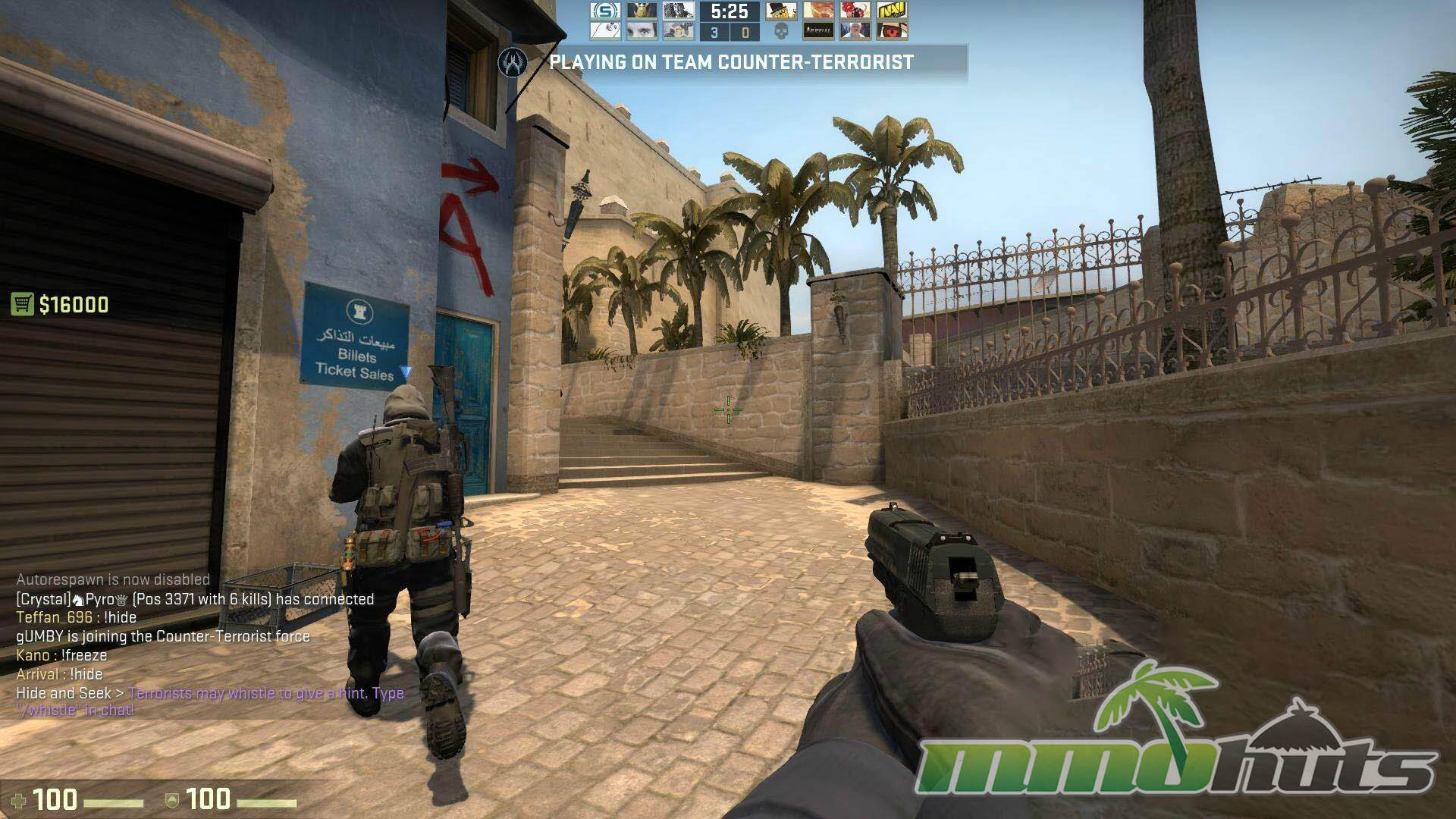
Weapon feel is a major part of the upgrade. Recoil patterns, accuracy penalties, and damage values push players toward deliberate bursts and controlled peeks. Utility is also a bigger deal than many shooters make it, smoke, flashes, and fire can decide a round before anyone commits to a full duel.
Utility Adds Layers to Each Round
CS:GO’s arsenal is more than a list of guns. Grenades and tactical equipment can change the shape of an engagement by denying space, forcing movement, or setting up a clean entry. Incendiaries and Molotovs, in particular, create temporary no-go zones that punish predictable positions and slow down pushes. When used well, they function like a short, brutal timer that forces decisions: back up, take damage, or fight through a narrow path.
Not every addition feels equally essential, but the overall sandbox supports the series’ signature mind games. You are rarely just “shooting better”, you are trying to out-think rotations, bait information, and manage risk with limited resources.

More Ways to Learn Without the Full Pressure
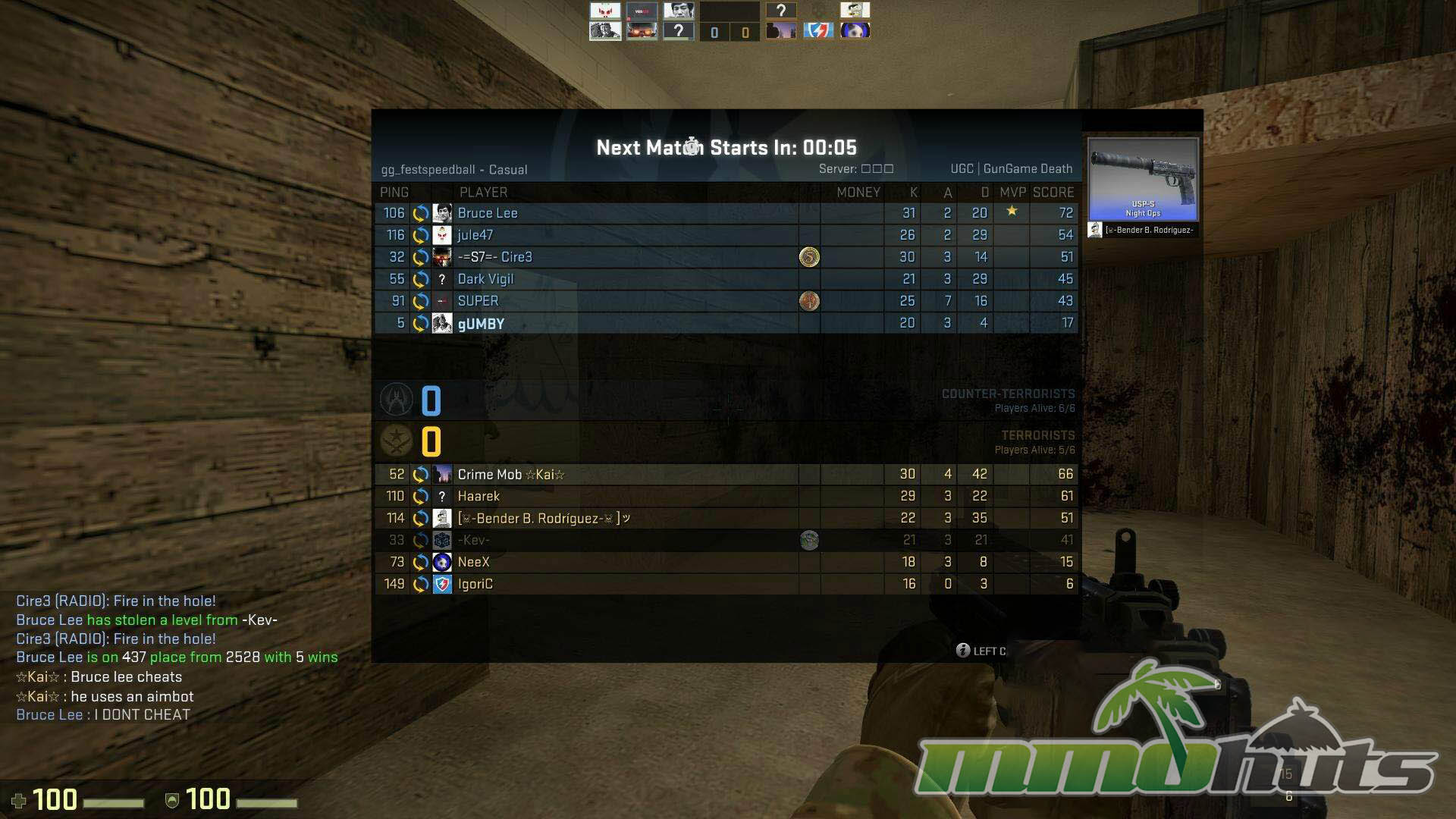
While bomb defusal remains the main attraction, CS:GO includes alternative modes that serve as a gentler entry point. Demolition and Arms Race, for example, are built around constant fighting and quick repetition. They encourage players to handle a wide range of weapons and learn basic timing without the same punishment for early mistakes.
Arms Race plays like a gun progression race with frequent respawns, which makes it ideal for warming up aim and getting comfortable with different recoil behaviors. Demolition keeps more of Counter-Strike’s round structure, but still nudges you through varied loadouts via performance. These modes do not replace competitive play, but they do help players build fundamentals before stepping into higher-stakes matches.
Matchmaking Makes Competitive Play More Accessible
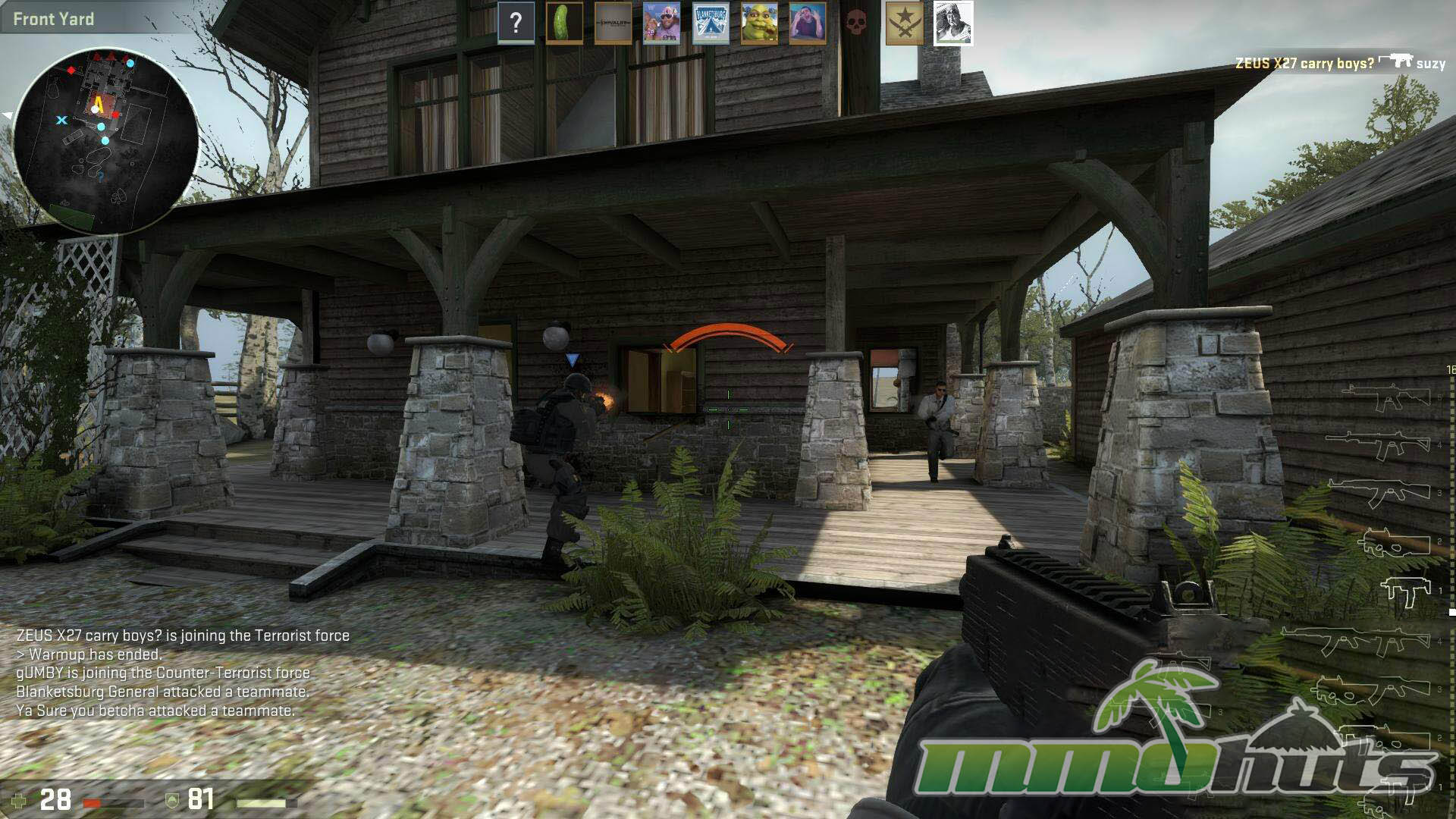
One of the most important quality-of-life improvements is built-in matchmaking. Classic Counter-Strike thrived on organized scrims and community servers, but getting balanced games could be a challenge without a group or the patience to hunt for the right lobby. CS:GO’s matchmaking helps funnel players into games that are closer in skill, which improves the odds of learning rather than being instantly overwhelmed.
It is not perfect, no system is, but the ability to queue and quickly find structured, objective-focused rounds is a big reason the game stays active. It also lowers the barrier to trying serious team play, where coordinated utility and timed pushes matter far more than individual highlights.
Expect to Lose Before You Improve
CS:GO’s biggest obstacle is also part of its appeal. The rules are easy to understand, but the execution takes real time. Crosshair placement, counter-strafing, recoil control, and sound cues are all skills that add up, and the game is not shy about punishing sloppy habits. Many players learn through repetition and review, and the death cam or post-round reflection often makes it obvious what went wrong.
The onboarding is functional but not comprehensive, so most improvement comes from practice and community resources. If you stick with it, the sense of progress is strong because the game is so consistent in how it rewards good decisions.
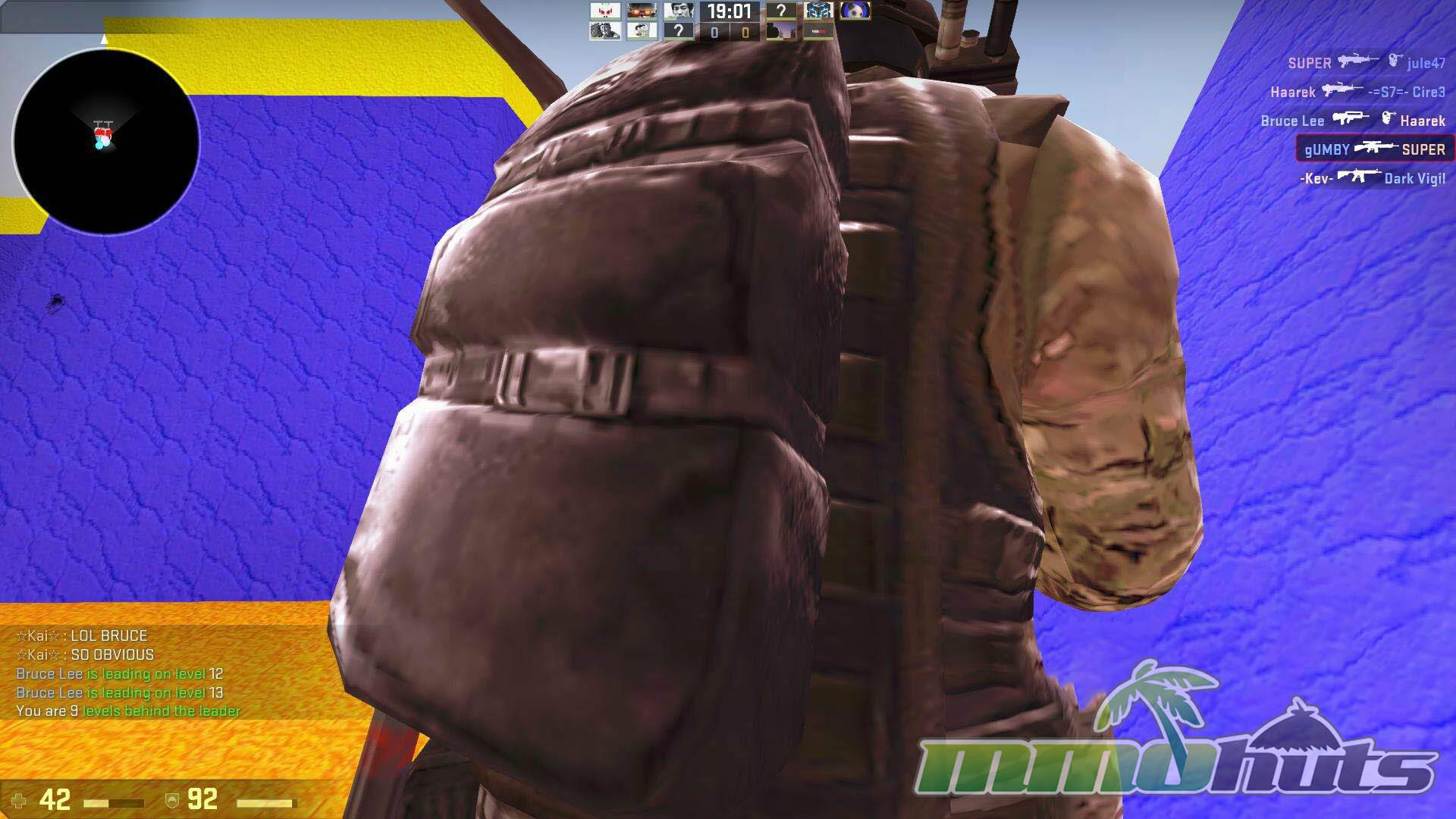
Community Servers Keep It Fresh
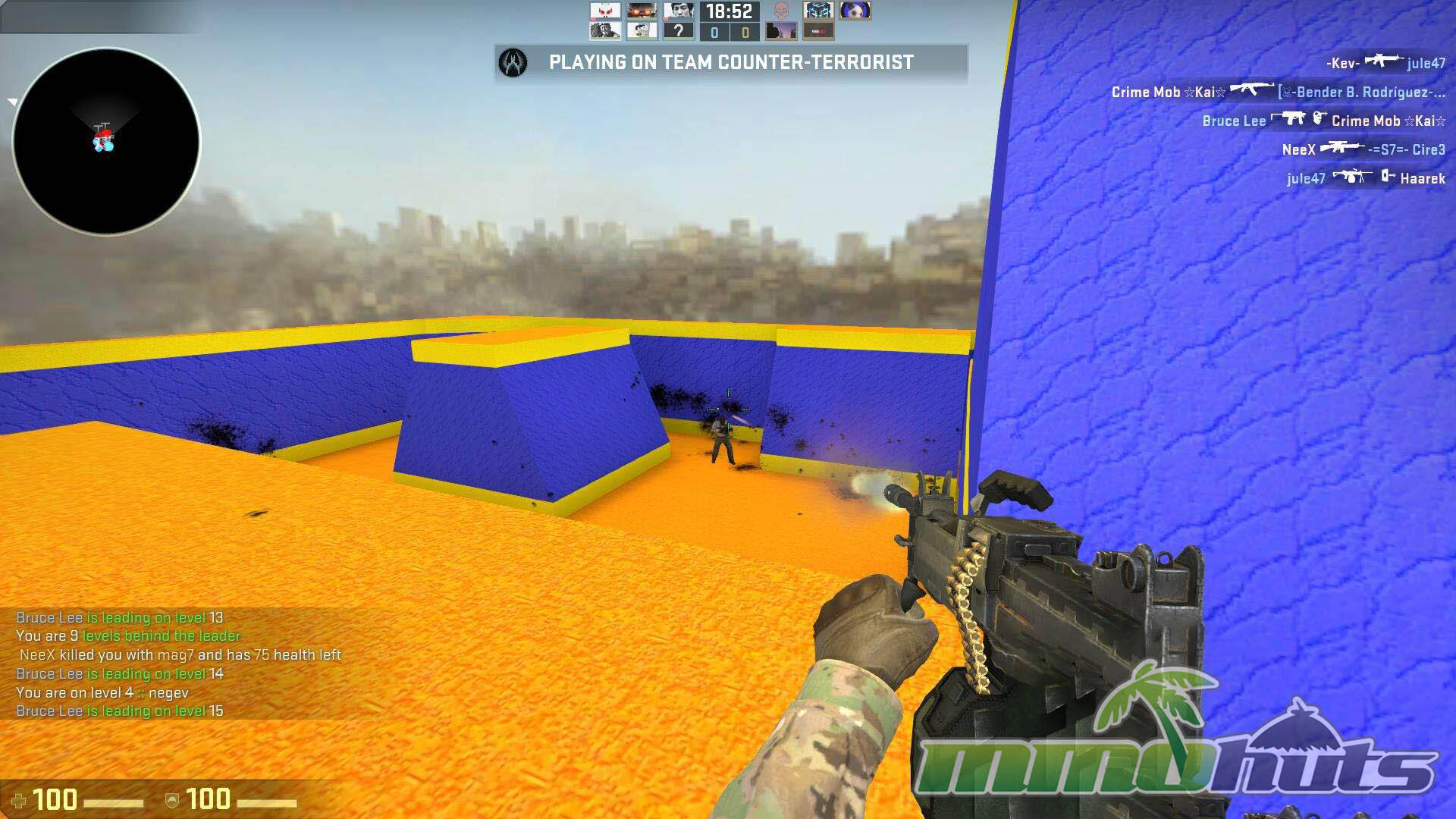
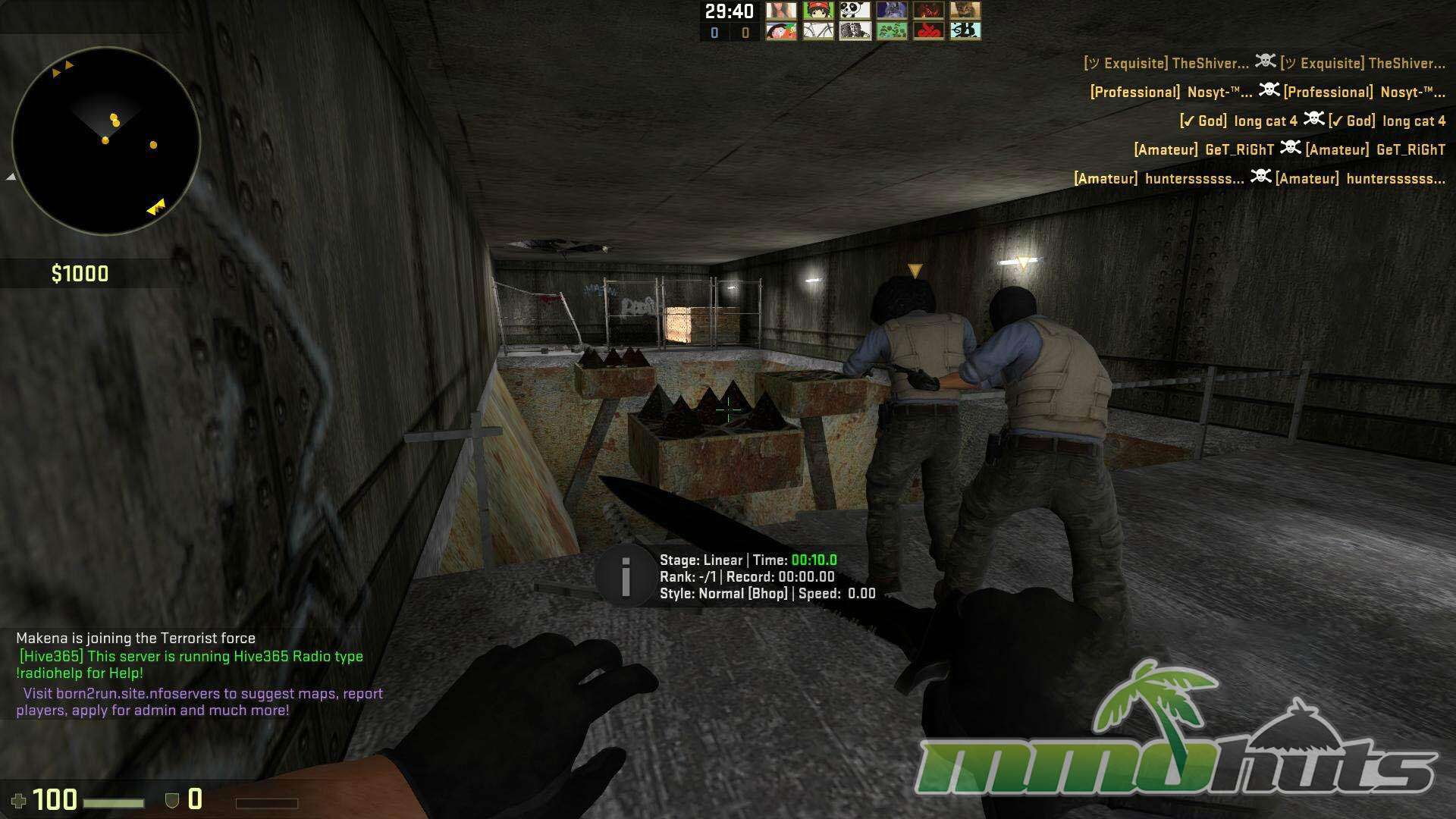
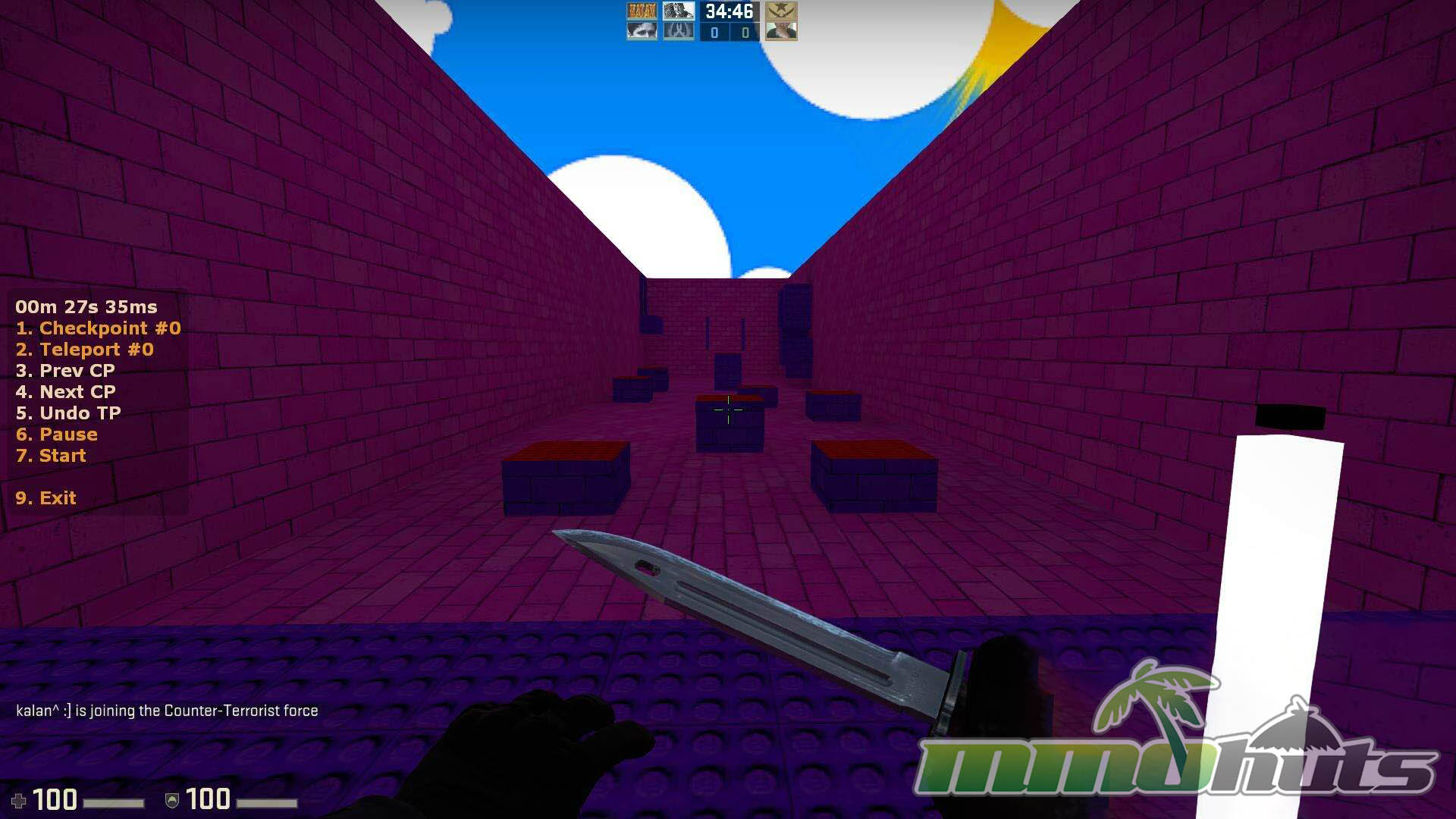
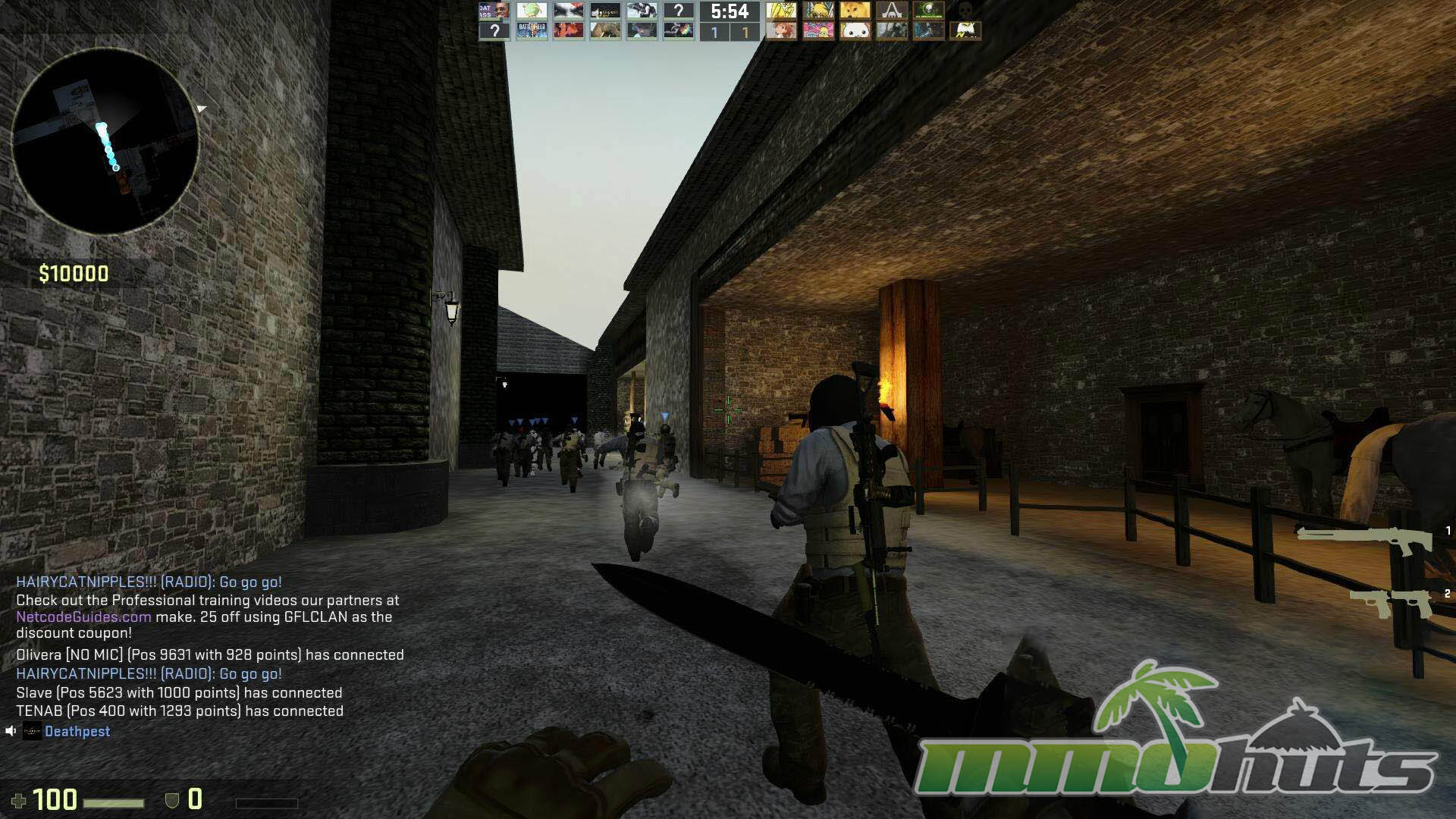
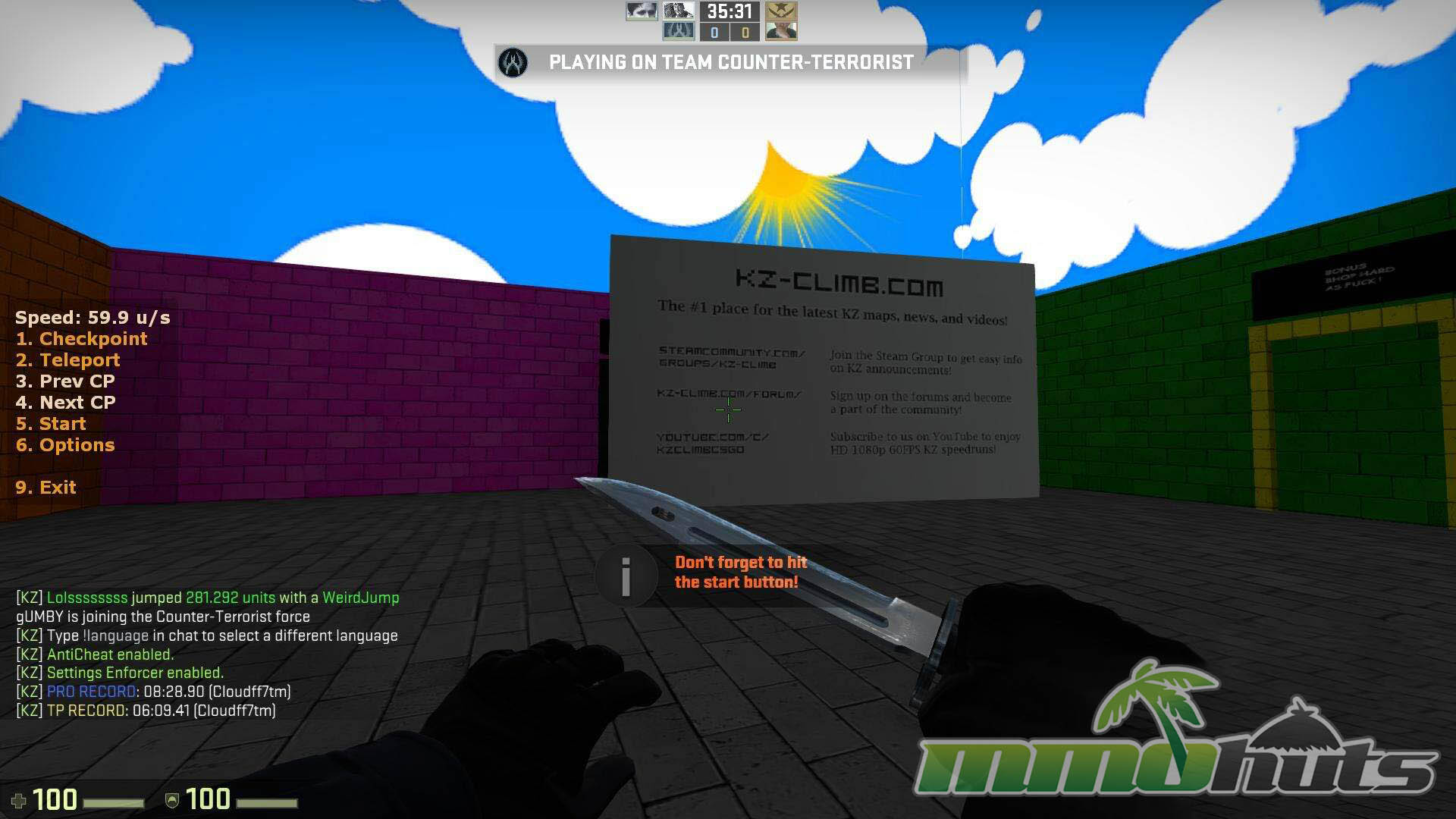
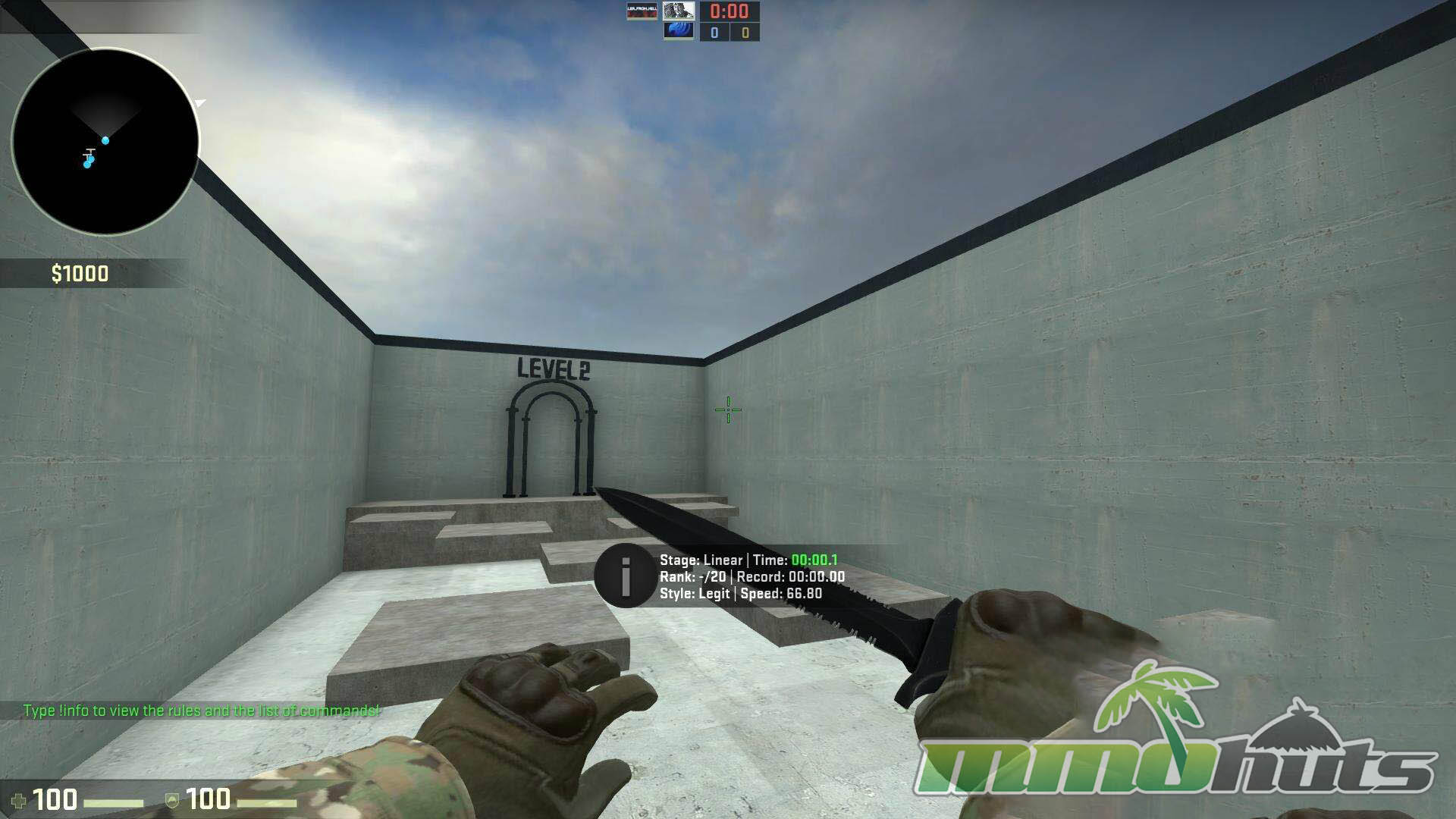
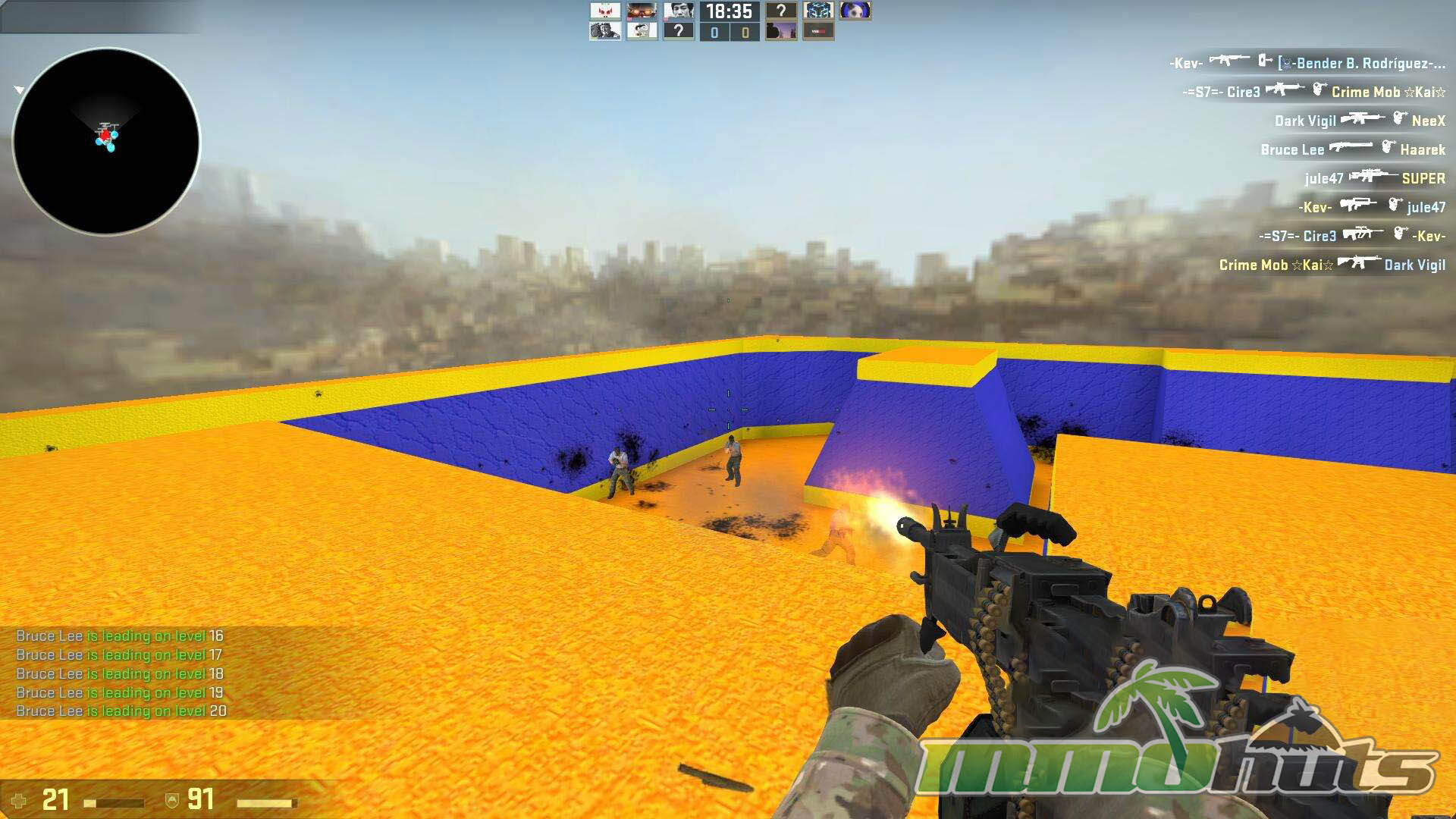
Outside the official playlists, CS:GO’s community content is a major pillar of its longevity. Custom servers host everything from aim training to bizarre challenge maps and social roleplay modes. Surf maps, speedrun-style obstacle courses, and “Zombie Escape” style scenarios offer a different kind of fun than ranked defusal, but they share the same responsive movement and shooting foundation.
This ecosystem also keeps the game from feeling stale. Even if you are not in the mood for competitive intensity, there is usually a community mode that scratches a different itch while still letting you develop mechanical skill.
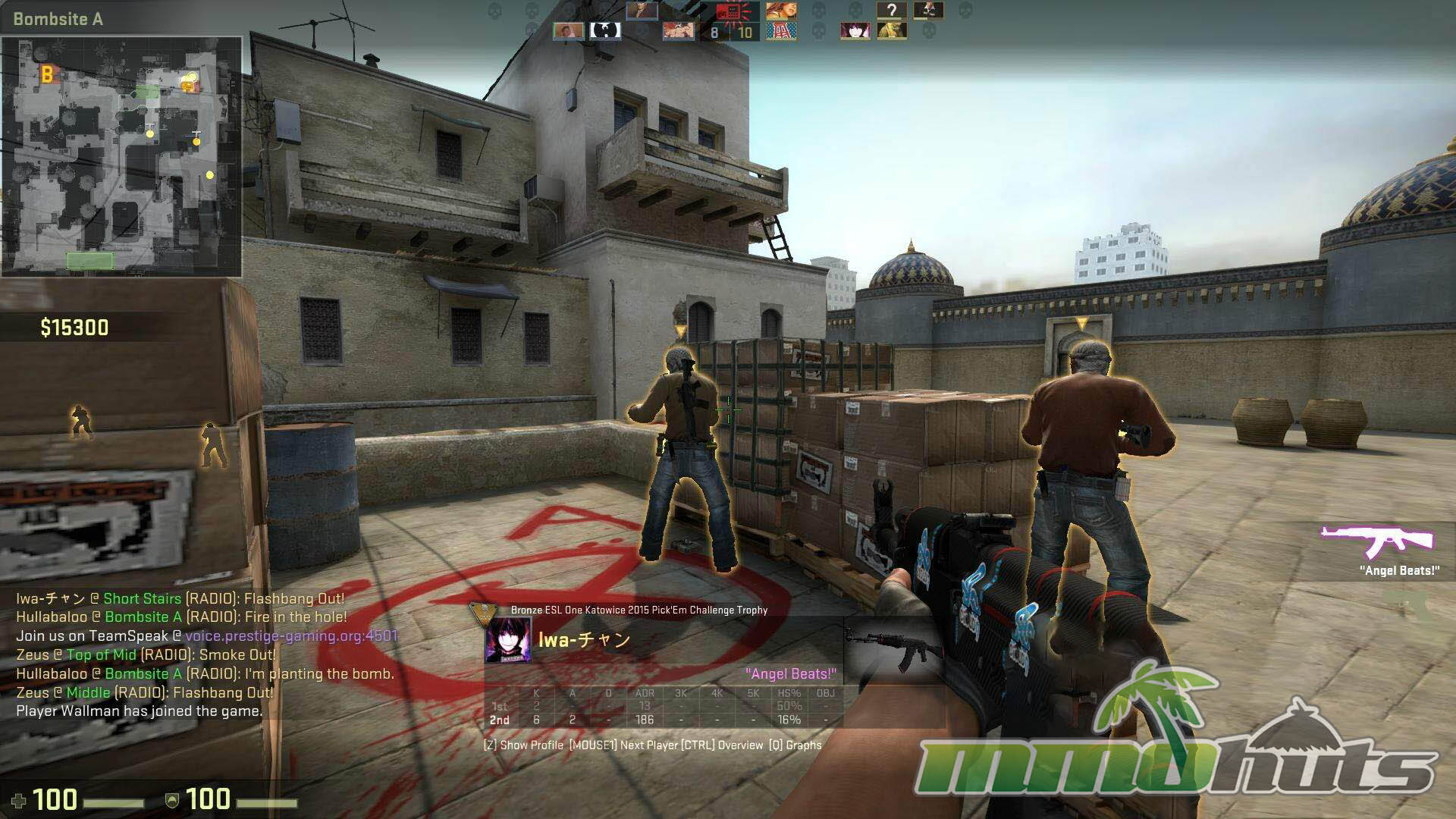
Cosmetics and Collection
Weapon skins are a major part of CS:GO’s identity, even though they do not change gameplay. Skins can drop through play on official and community servers, and the trading economy gives collectors a long-term goal beyond rank. For many players, cosmetics are simply a personal style choice. For others, they are a hobby layered on top of the shooter itself, supported by the Steam Market and player-to-player trading.
Final Verdict – Excellent
Counter-Strike: Global Offensive remains one of the strongest objective-focused shooters available, built around precise gunplay, meaningful rounds, and strategy that emerges naturally from simple rules. It does not reinvent Counter-Strike, it modernizes it, then supports it with matchmaking and a massive community scene. The learning curve is real, and it can be intimidating at first, but for players who enjoy competitive, skill-driven FPS design, CS:GO delivers a level of replayability few games match.
Counter-Strike: Global Offensive Links
Counter-Strike: Global Offensive Official Site
Counter-Strike: Global Offensive Steam Store
Counter-Strike: Global Offensive Wikipedia
Counter-Strike: Global Offensive Wikia [Database/Guides]
Counter-Strike: Global Offensive Reddit
Counter-Strike: Global Offensive Requirements
Minimum Requirements:
Operating System: Windows XP, Vista, 7, or 8
CPU: Core 2 Duo E6600 2.4GHz
RAM: 1 GB RAM
Video Card: GeForce GT 420 or Radeon HD 6450
Hard Disk Space: 7.6 GB GB Free Space
Recommended Requirements:
Operating System: Windows XP, Vista, 7, or 8
CPU: Pentium Dual Core E5700 3GHz
RAM: 2 GB RAM
Video Card: GeForce GT 630 or Radeon HD 6670
Hard Disk Space: 7.6 GB GB Free Space
Counter-Strike: Global Offensive is Linux and Mac OS X compatible.
Counter-Strike: Global Offensive Music
Coming Soon!
Counter-Strike: Global Offensive Additional Information
Developer(s): Valve Entertainment, Hidden Path Entertainment
Publisher(s): Valve Entertainment
Composer(s): Mike Morasky
Game Engine: Source
Announcement Date: August 12, 2011
Closed Beta: November 30, 2011
Linux Release Date: September 2014
Release Date: August 21, 2012
Other Platforms: PS3, Xbox 360, Linux, Mac OS X
Development History / Background:
Counter-Strike: Global Offensive launched under Valve Entertainment on August 21, 2012. The project originally started as a Counter-Strike: Source port aimed at Xbox Live Arcade, with Hidden Path Entertainment involved in that effort. As work progressed, Valve Entertainment expanded the scope into a standalone release and development on CS:GO began in March 2010, with the first public announcement arriving on August 12, 2011. Early plans included cross-platform play between PSN, OS X, PC, and Linux, but the console versions were later sidelined because update schedules across platforms were difficult to keep aligned. CS:GO ultimately released across its supported platforms on August 21, 2012. From March 18, 2015 onward, CS:GO tournaments have awarded more than $3.8 million in prize money.