
BLEACH Brave Souls is a free-to-play mobile action RPG that adapts the Bleach anime and manga into a stage-based, hack-and-slash experience. It uses cel-shaded 3D visuals, lets you build teams from a large roster of familiar characters, and mixes quick missions with real-time 4-player co-op plus an automated PvP mode for weekly rewards.
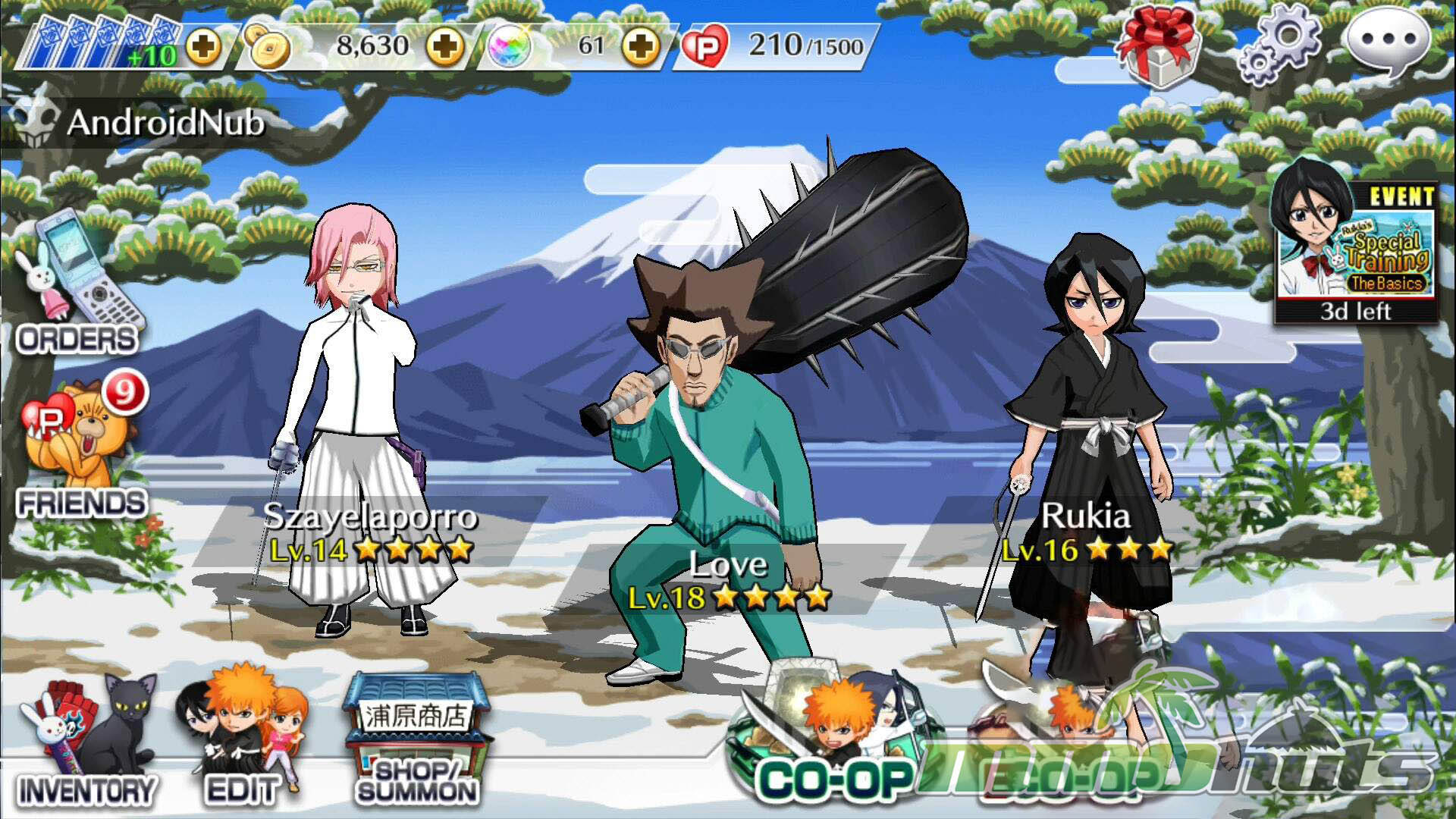 | Publisher: KLab Global Playerbase: Medium Type: Mobile RPG Release Date: January 15, 2016 Pros: +Sharp, anime-styled visuals. +Responsive, satisfying action combat. +Story content closely tied to the source material. +Large roster with lots of team variety. +Real-time 4 player co-op missions. Cons: -Mission structure can become repetitive. -PvP plays itself. -No character evolution system. |


BLEACH Brave Souls Overview
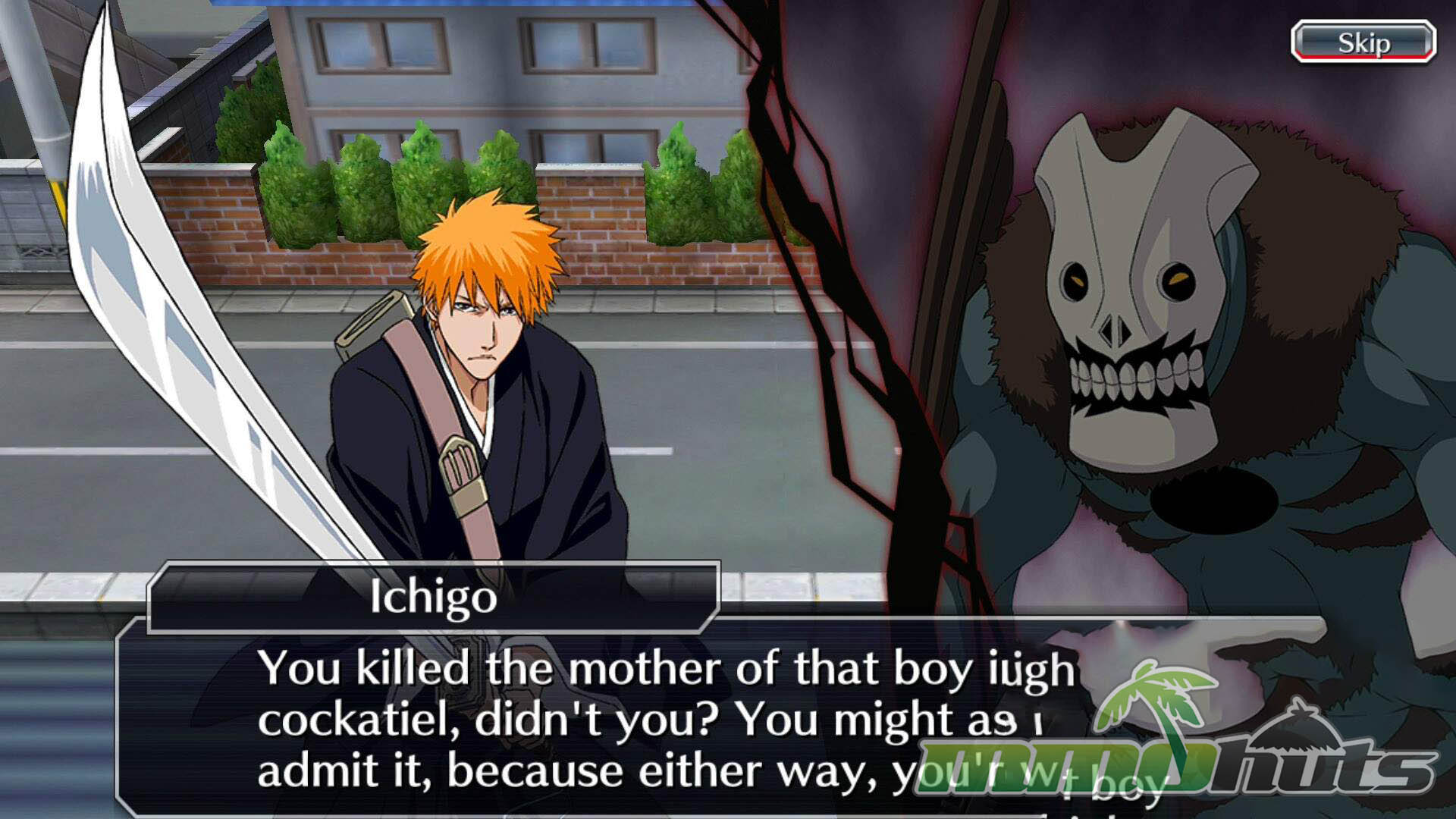
BLEACH Brave Souls is a 3D hack-and-slash action RPG developed and published by KLab Global, known for mobile hits like LoveLive! School idol festival and Glee Forever! It is an officially licensed take on Bleach that aims to capture the series tone, characters, and big moments in a format that works well on phones and tablets. You follow Ichigo’s early journey as he steps into the role of Soul Reaper and clashes with Hollows, while the game steadily expands into a wider cast of allies and rivals drawn from across the franchise.
The core loop is built around short, stage-based missions. You run through compact maps, clear enemy waves, and finish with a boss encounter, then cash out rewards used to strengthen your team. Combat is fast and readable, with basic attacks, skills, and a dodge that helps the action feel closer to an arcade brawler than a traditional menu-driven RPG. Between missions, you can develop characters via upgrades and loadouts, including the Soul Tree, equipment, and linking characters together for extra bonuses.
Outside the main story, Brave Souls leans into its online side with 4-player real-time co-op missions, plus a PvP mode that focuses more on roster strength and team building than direct control. If you enjoy collecting characters, tweaking builds, and replaying missions for materials, it offers a polished Bleach-themed package that is easy to pick up in short sessions.
BLEACH Brave Souls Features:
- Stage-based Levels – Progress through 100+ missions featuring Hollow encounters, boss fights, and story dialogue.
- High Quality Story – A streamlined retelling of key Bleach arcs that balances humor, drama, and character moments.
- 3D Anime Graphics – Cel-shaded character models, flashy effects, and animations that fit the series style.
- Fast-paced Combat – Action-focused battles with a 3-character team, skills, and a swipe dodge for repositioning.
- Many Characters to Collect – Recruit a wide range of recognizable characters, each with their own kits and roles.
- Real-time Co-op & Automated PVP – Join 4-player co-op missions or set a 3 vs 3 team for hands-off PvP matches.
BLEACH Brave Souls Screenshots

BLEACH Brave Souls Featured Video

BLEACH Brave Souls Review
BLEACH Brave Souls is a free-to-play 3D action RPG from KLab Global, a Japanese studio with a long track record in mobile games. It arrived worldwide on January 15, 2016 after launching earlier in Japan in July 2015, where it reached over 7 million downloads. Most importantly, it is not a loose imitation of the brand, it is a properly licensed Bleach game that puts the series front and center, then wraps it in a familiar mobile structure of repeatable missions, upgrade currencies, and character collection.
What makes Brave Souls stand out is not that it reinvents the genre, it largely follows the same playbook as many mobile action RPGs, but it executes the basics cleanly. The controls feel responsive, the presentation is strong for its platform, and the story mode does a good job giving context to fights rather than feeling like disconnected arenas. If you want a mobile game that lets you revisit Bleach highlights while also giving you co-op and a reason to keep building your roster, it delivers a solid package.
Story Missions Built for Quick Play Sessions
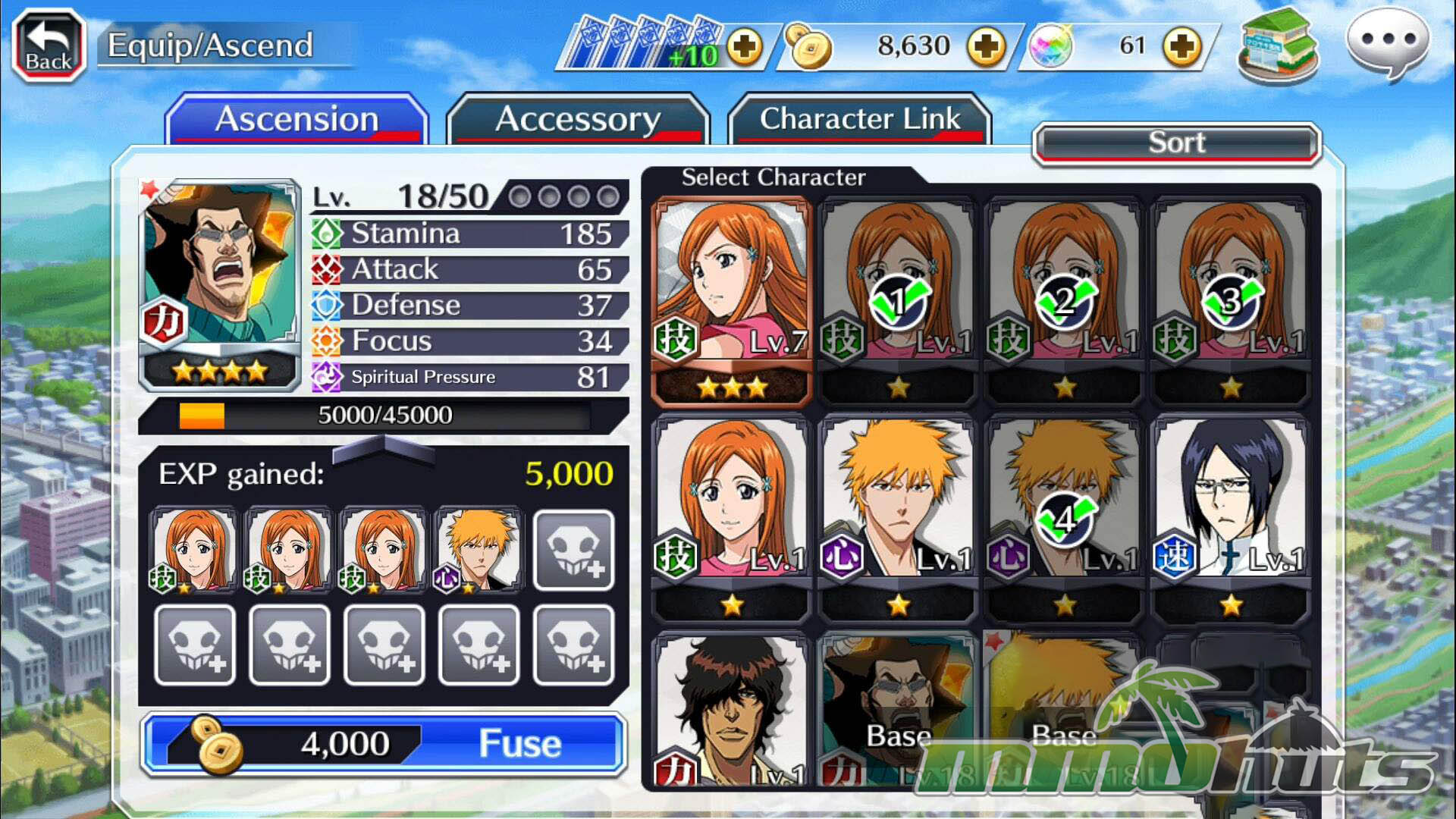
Progression is organized into a large number of short stages, each one mixing combat with dialogue snippets and recreated scenes. Early on, missions are designed to be completed quickly, which fits the mobile format well, and later stages ramp up with tougher enemy waves and more demanding boss fights. The maps are generally straightforward, you move through a linear path, clear groups of Hollows, and then finish with a boss encounter that tests your damage and dodging more than your navigation.
Before starting a stage, you can also bring along another player’s character as an AI helper for the boss portion, which provides a small boost and adds a sense of community even in solo play. Your own team can include three characters, and swapping between them mid-fight is more than a novelty. It allows you to manage health, adjust to enemy attributes, and level multiple characters at once. Rewards feed directly into the upgrade loop, including currency, experience, and materials used for character growth, with occasional drops like accessories or characters depending on the mission.
A Condensed Retelling That Still Feels Like Bleach
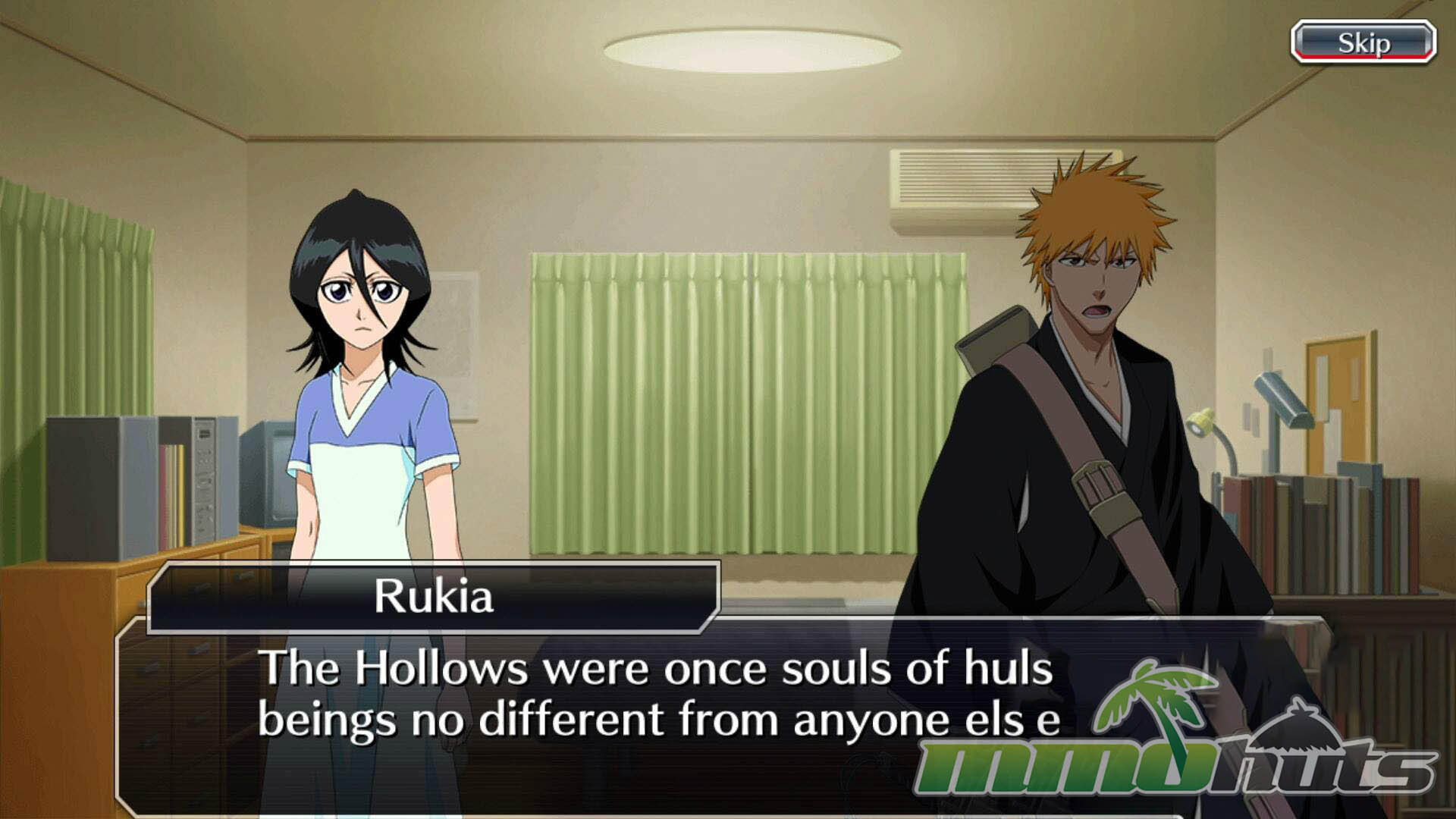
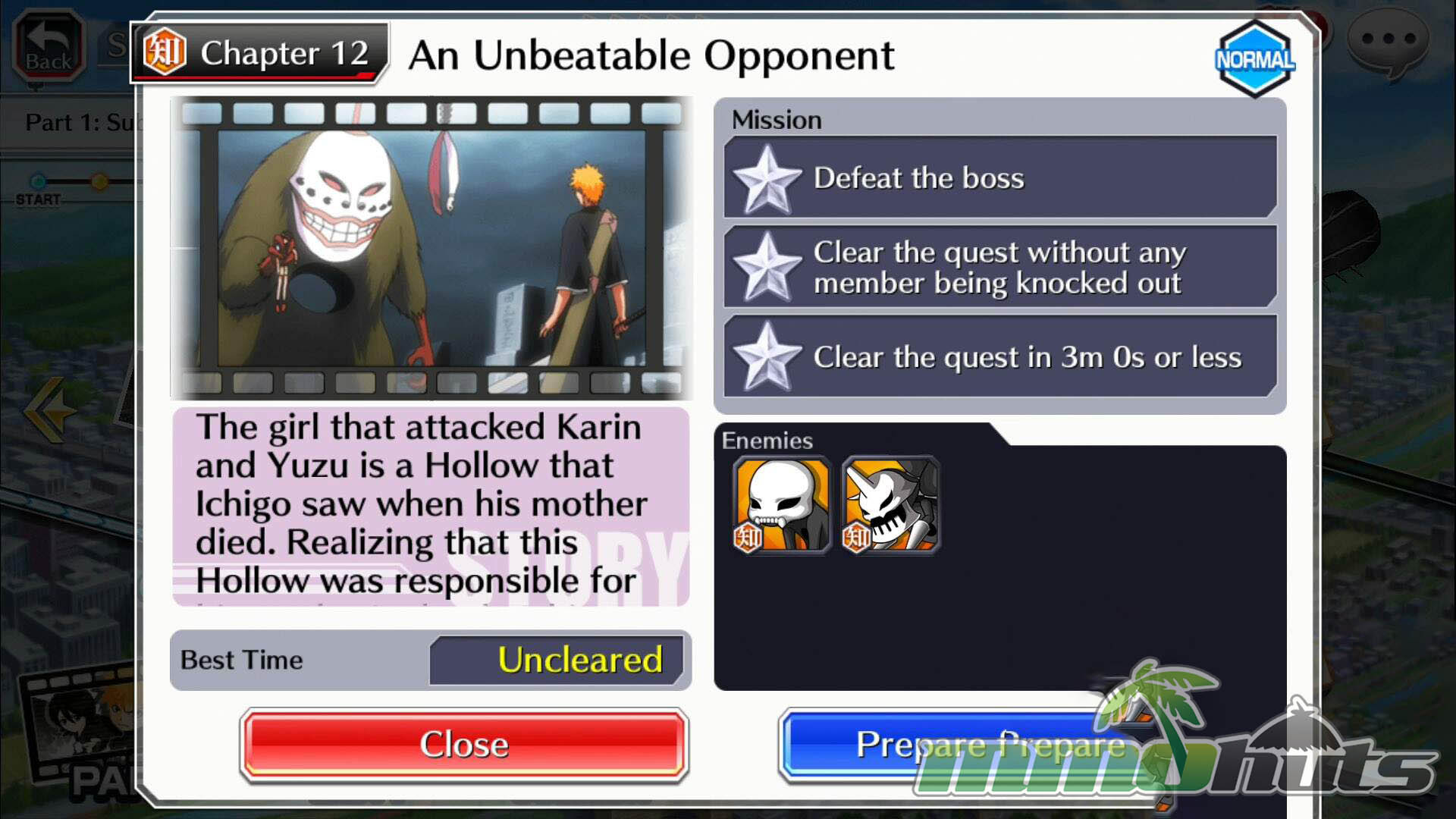
Brave Souls leans heavily into narrative, following Ichigo’s rise as a Soul Reaper and his battles against Hollows, while introducing the Soul Society and many of the series key faces. The game trims filler and compresses events so it can fit a long-running anime into mission chapters, but it generally keeps the tone intact. You still get the mix of comedy, tension, and emotional beats that fans expect, just delivered in a quicker cadence.
For players who never watched the show, the pacing is surprisingly approachable. It moves fast, but it usually provides enough context through dialogue and scene framing to keep you oriented. For long-time fans, the appeal is more about revisiting major moments and seeing them represented with the game’s visual effects and character animations, even if it cannot match the depth of hundreds of episodes.
Fast Combat with a Few Mobile Quirks
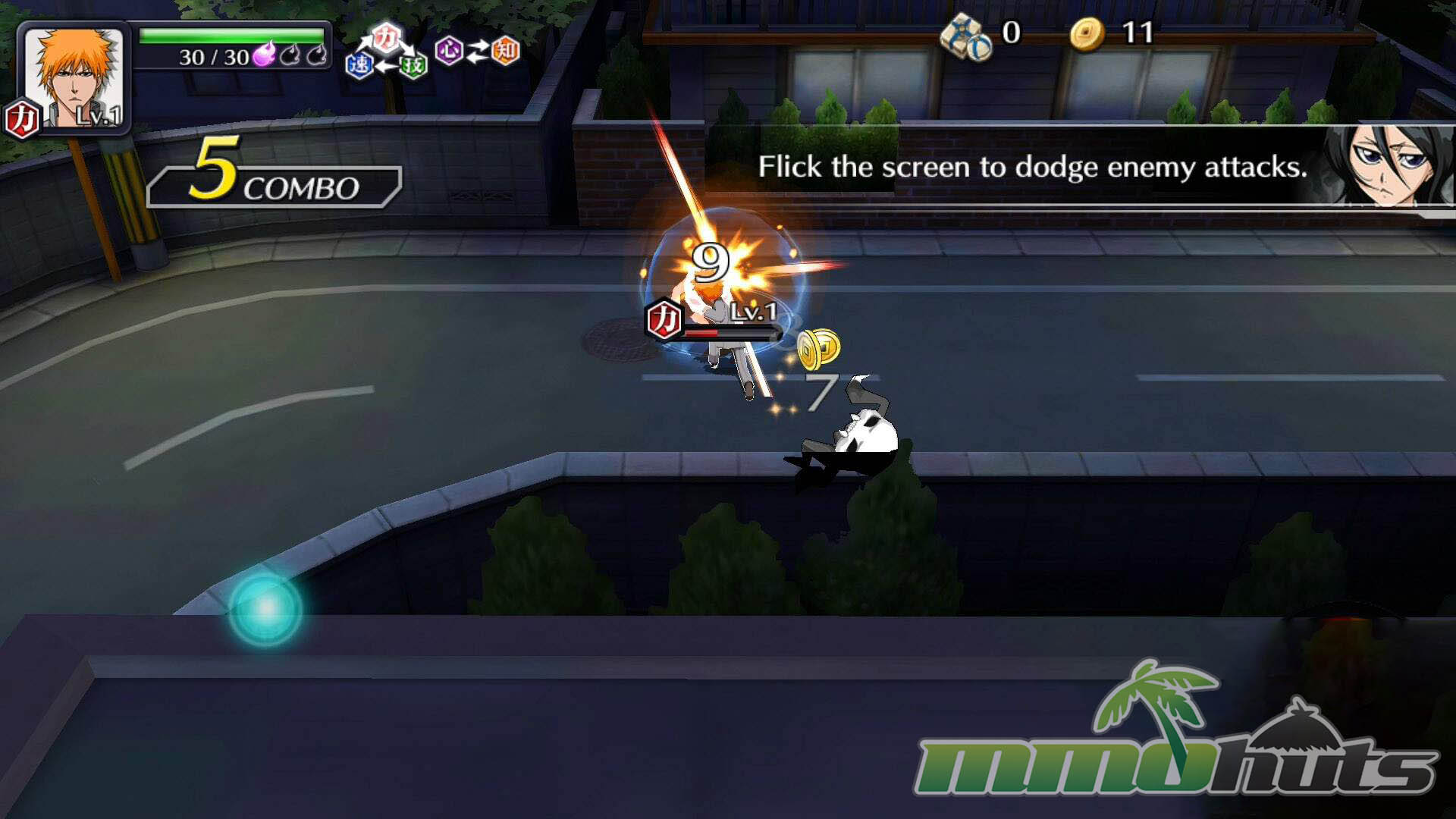
In moment-to-moment play, Brave Souls feels closest to the common mobile action RPG template. You control one character at a time with a virtual joystick and attack buttons, while the other two party members wait as swap options. Attacks are snappy, skills have satisfying impact, and enemy patterns are readable enough that positioning matters, especially in boss fights.
Dodging is handled through a swipe gesture rather than a dedicated button, which can feel slightly awkward depending on how you hold your device. Once you adapt, it becomes manageable, but it is not as immediately intuitive as the standard button dodge seen in many similar games. Each character brings a mix of standard attacks and multiple skills, including a powerful special that is limited in use. The systems are not overly complex, but the animation quality and responsiveness make the fights feel better than many licensed mobile titles.
As expected for the genre, there is also an Auto option for replaying easier content and farming materials. It is convenient for grinding, though it can also highlight how repetitive the stage structure becomes over time.
A Large Roster with Meaningful Build Differences
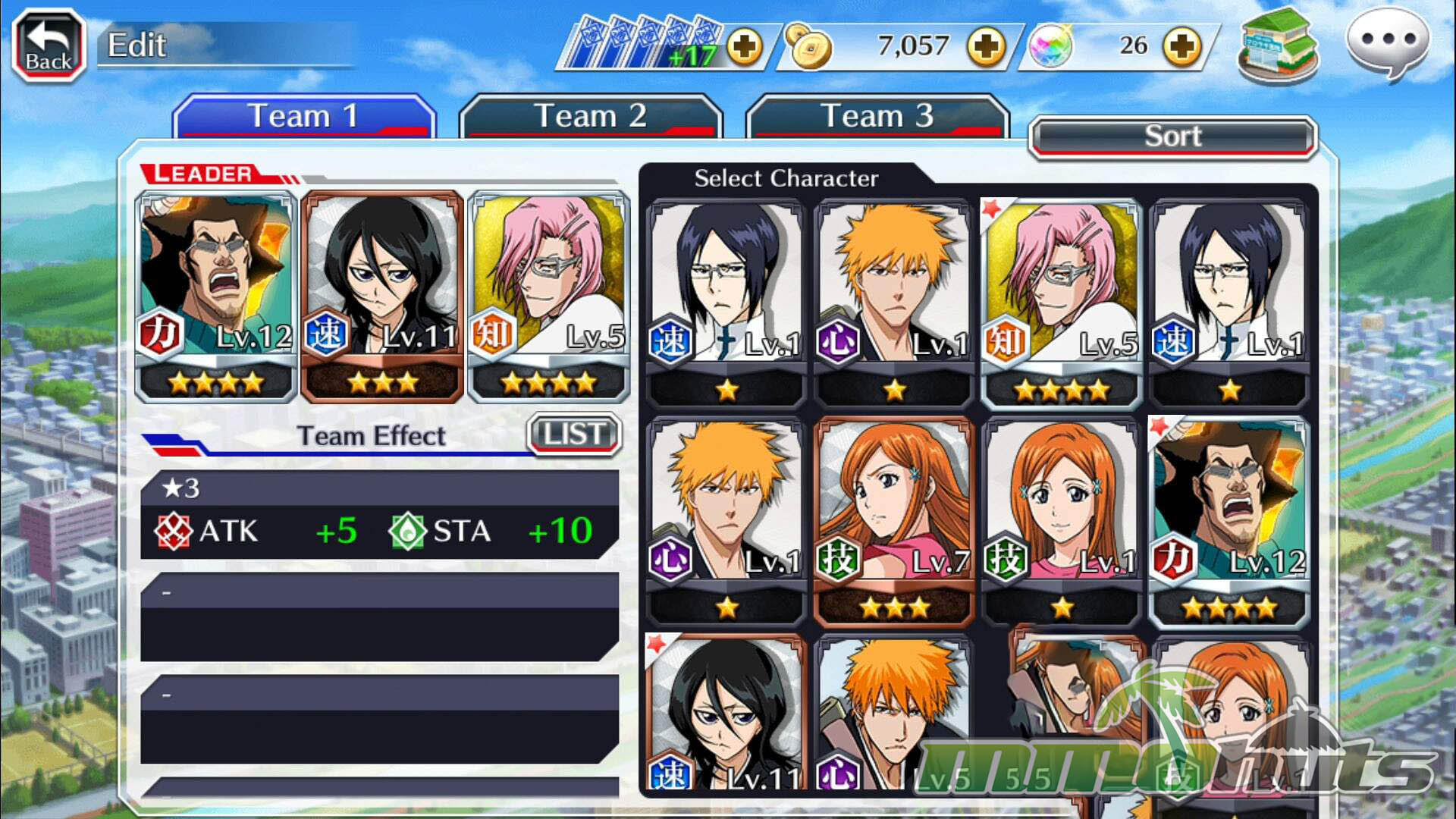
Character collecting is a major long-term hook. The roster includes a wide selection of Bleach characters, and the game is comfortable with “what if” team compositions that would not normally happen in the story. Characters differ by element, role, and moveset, so building multiple options is useful rather than purely cosmetic. With five elements to consider, having coverage across the spectrum helps when missions and bosses favor certain matchups.
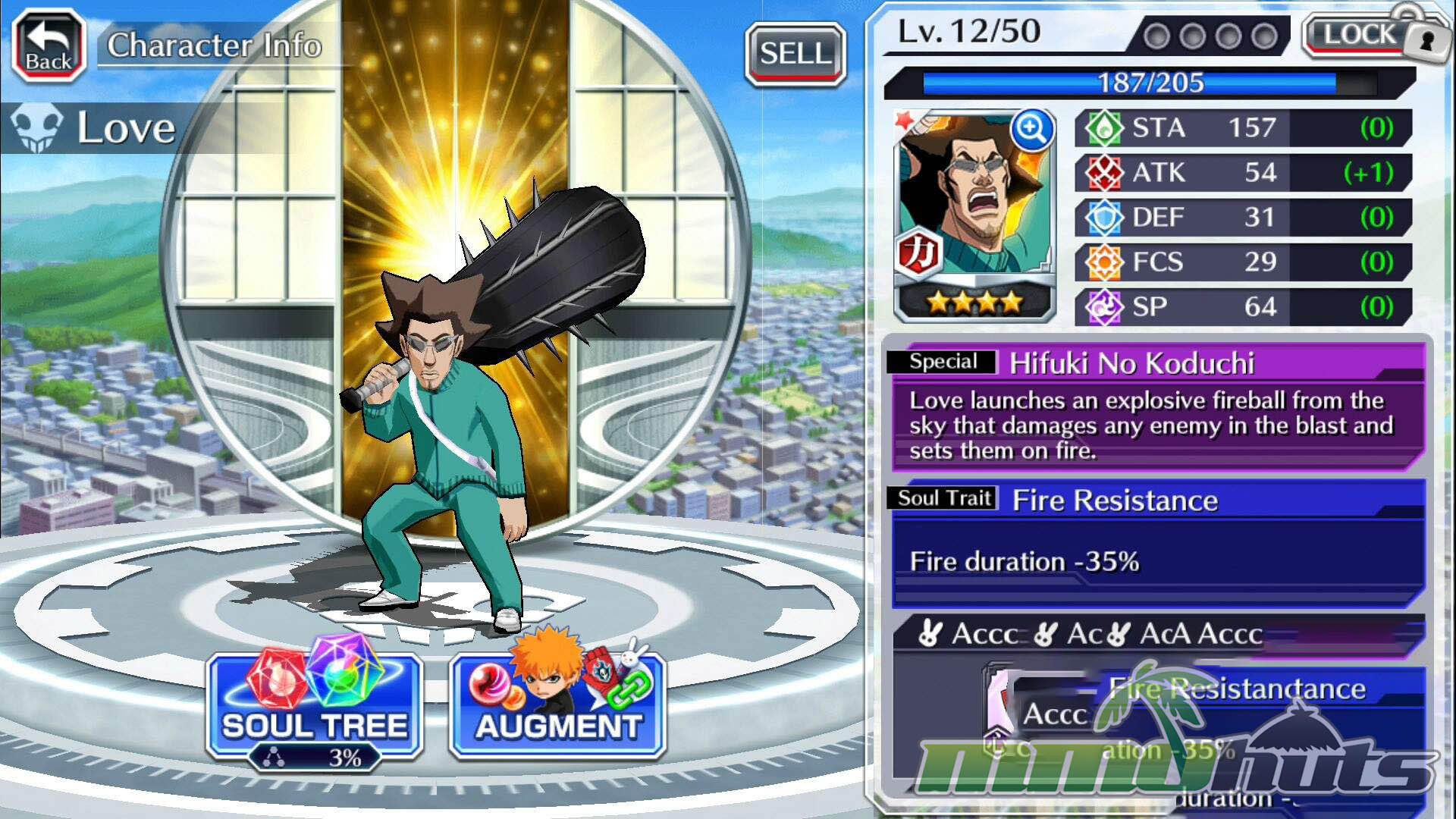
Beyond basic levels and stats, characters have unique skills, passive traits (Soul Traits), and different combat feels, including melee versus ranged styles. The Soul Tree is the main path for customization, letting you invest Crystals earned from play into stat upgrades and branching progress. Accessories and Soul Links add another layer of tuning, rewarding players who enjoy optimizing.
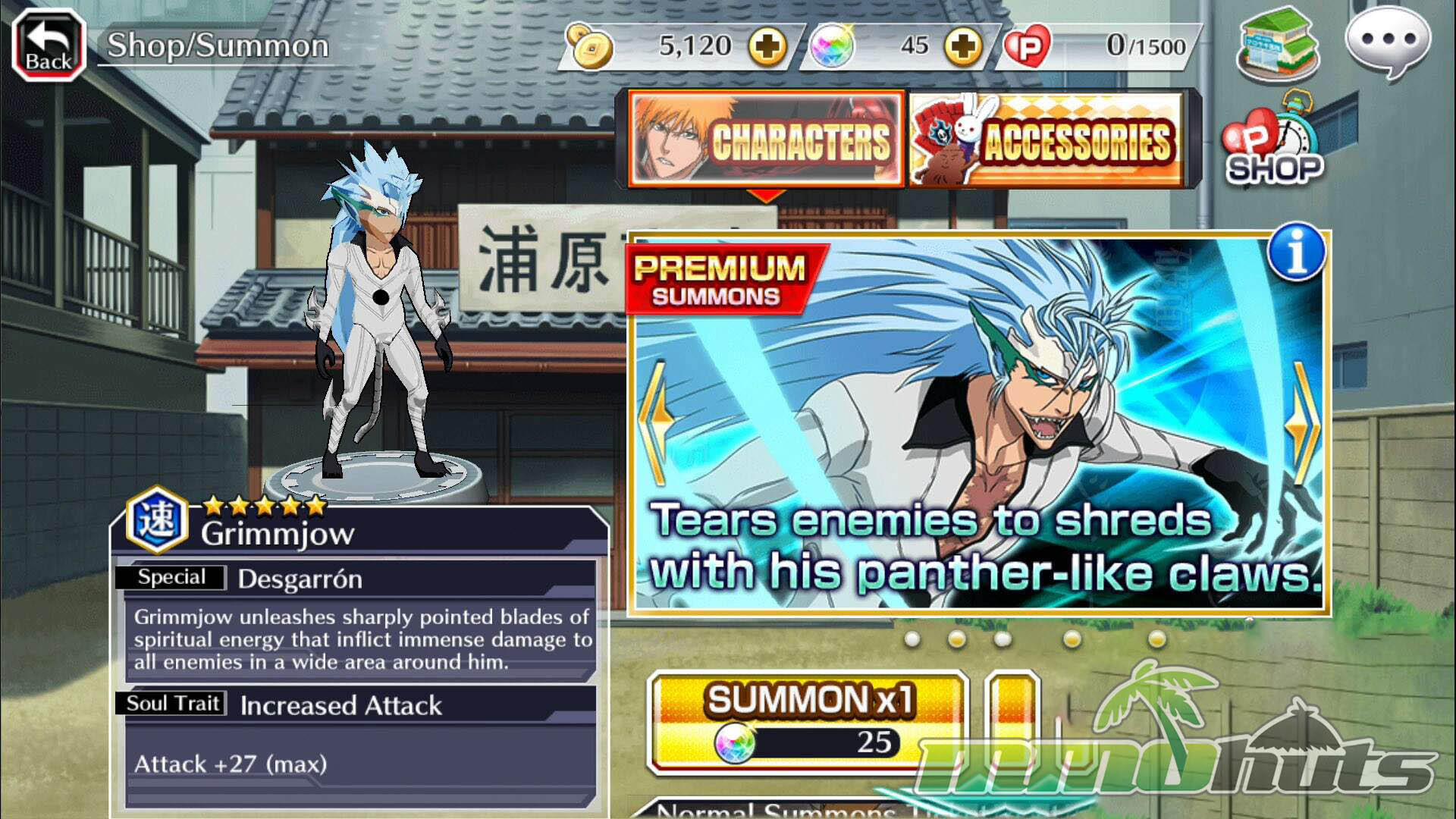
One notable limitation is that characters cannot be evolved into higher star tiers. That means rarity jumps are mostly tied to summons, and the chase for top-end characters is primarily a gacha-driven pursuit. On the plus side, the size of the roster and the differences in kits keep experimentation interesting, especially if you rotate teams rather than relying on a single favorite.
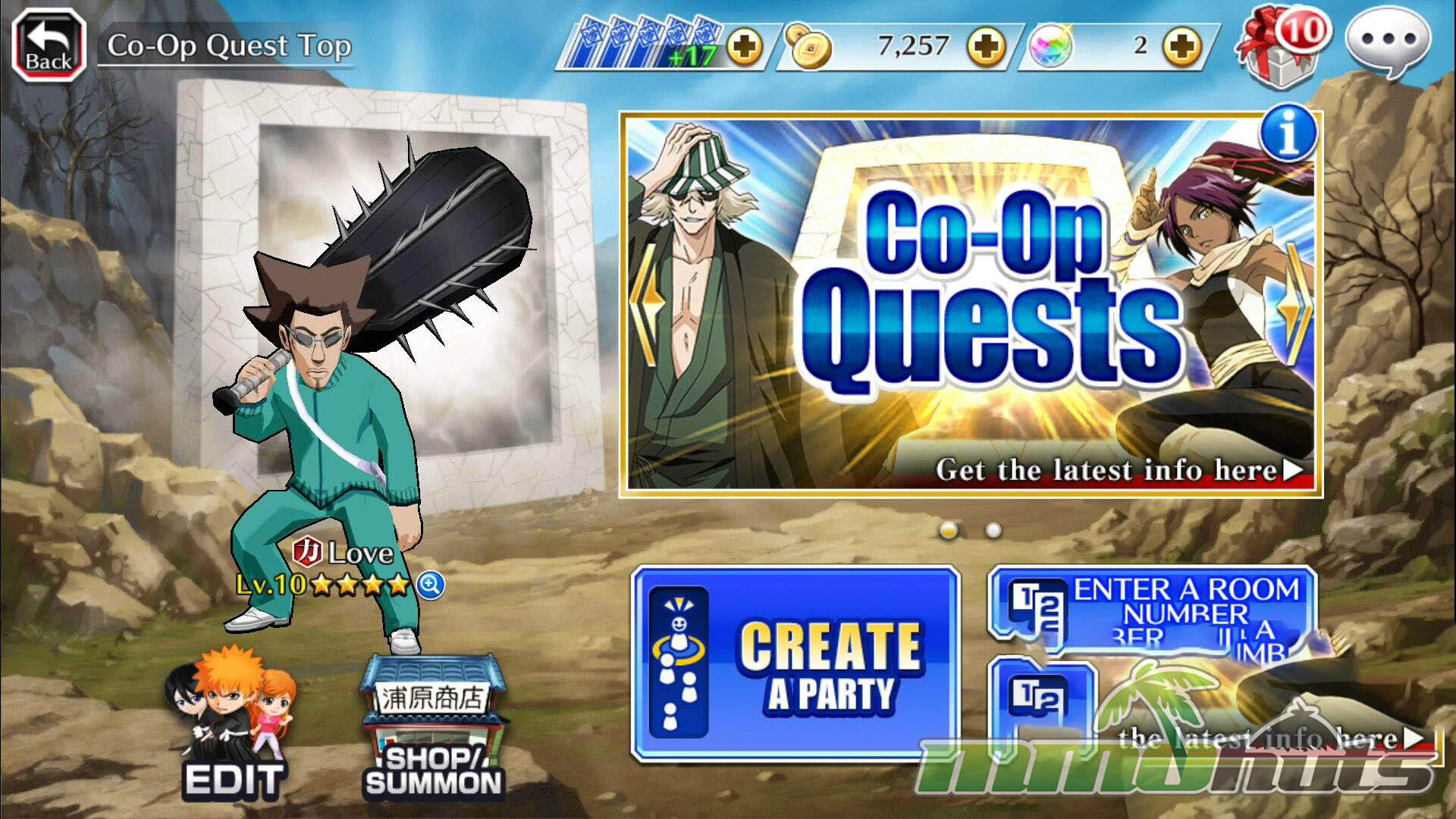
Co-op Missions: The Best Social Mode, but Separate from Story
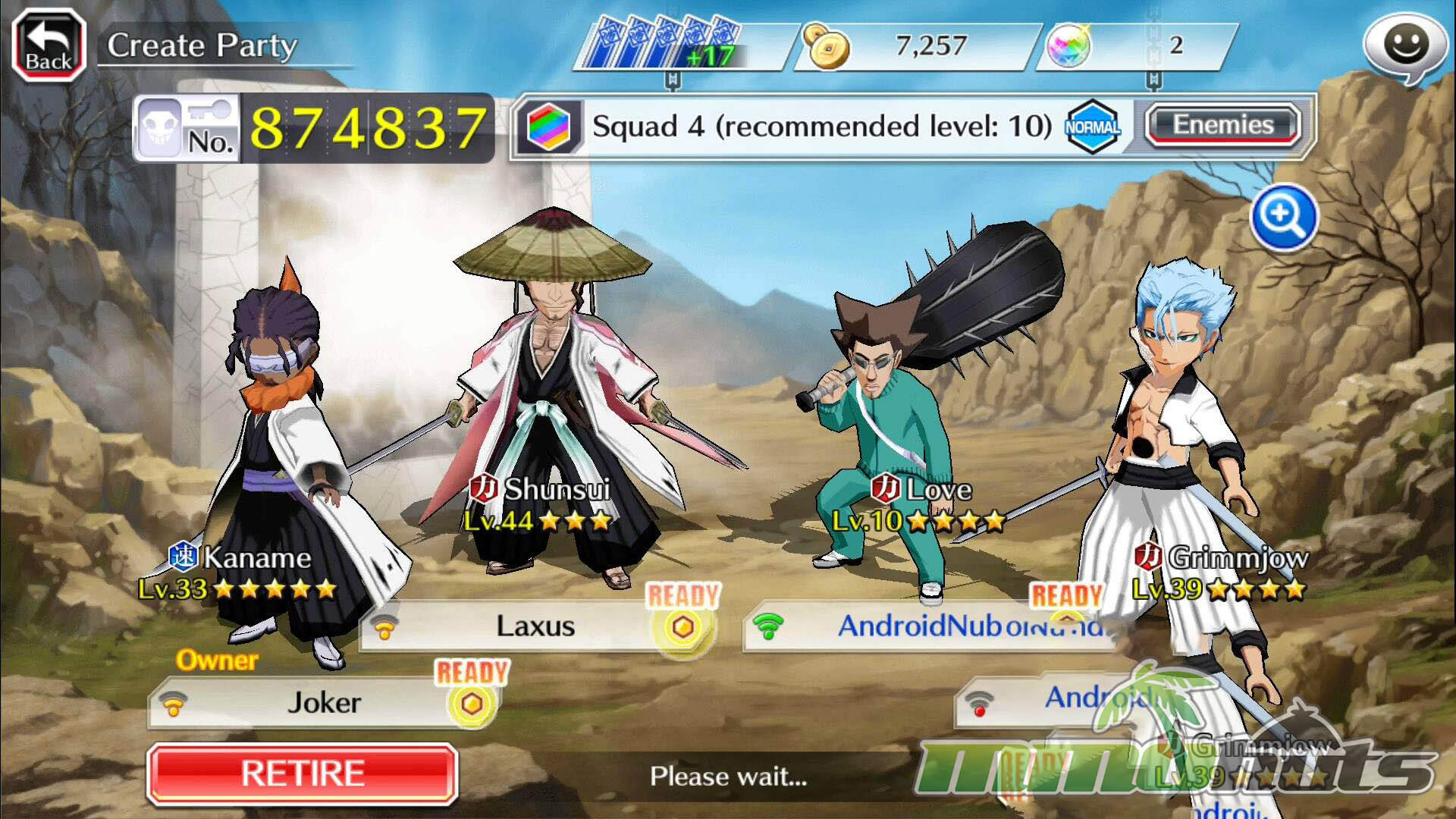
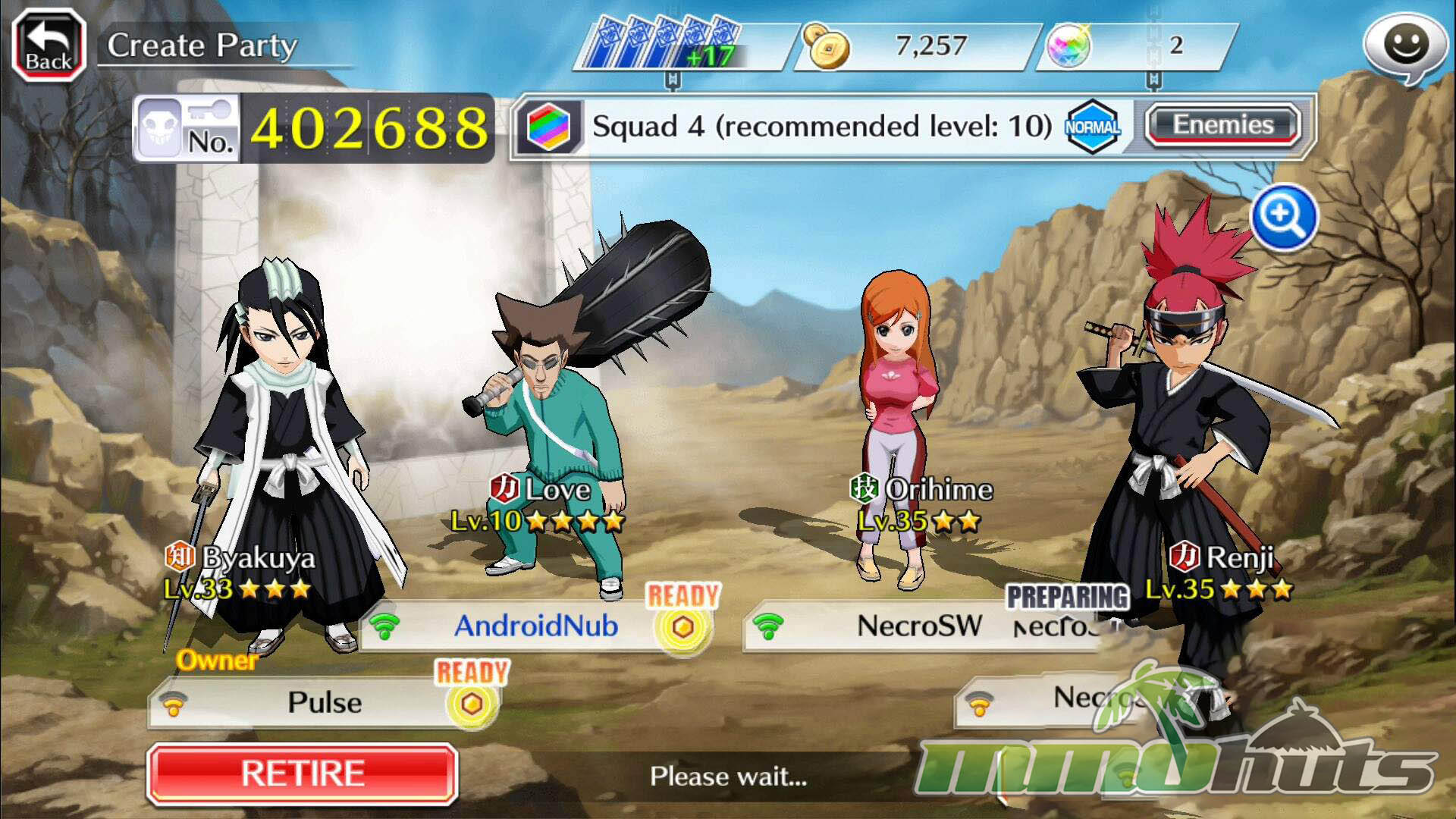
The real-time 4-player co-op is where Brave Souls feels most like a true online action game. Co-op missions are accessed separately from the story, and they are designed as repeatable challenges with their own rewards. Joining a room is straightforward, and once you are in, the screen fills with effects and abilities in a way that captures the series spectacle.
Unlike story missions, you control only one character in co-op, so your pick matters more. The trade-off is that playing alongside three other people offsets the lack of swapping, and it creates a fun rhythm of bursting down waves and coordinating around bosses, even with minimal communication. The main drawback is variety. Because co-op is not integrated into the story and the mission pool is limited, it can eventually turn into a routine for farming upgrade materials rather than a mode you play for new experiences.
PvP as a Spectator Sport
Brave Souls also includes a PvP mode where you challenge other players for ranking-based rewards. The twist is that the matches are automated. You choose an opponent, then watch both teams clash in a chaotic 3 vs 3 fight where everyone is active at the same time.
Even though you are not directly controlling actions, there is still a strategic layer in how you build your party. Team composition, character strength, and overall investment matter, and the results can be entertaining in a hectic, arcade-like way. Still, if you are looking for skill-based competitive play, the hands-off nature of PvP will feel limited. It works best as a supplemental mode for progression and weekly rewards rather than a main reason to log in.
Cash Shop/In-App Purchases (IAP)
The monetization is typical for a hero-collecting mobile RPG. Spirit Orbs, the premium currency, are used primarily for summoning characters and accessories, with additional options to buy energy and gold. Summons can produce 3 to 5 star results, with a guaranteed 4 star when summoning ten at once, which fits the standard incentive structure of gacha systems.
Where Brave Souls earns some goodwill is in how many Spirit Orbs you can obtain through normal play. Story progression, login rewards, events, achievements, and PvP payouts all contribute, and it is possible to build a respectable roster without spending. Paying players do gain advantages through more frequent summons and smoother resource flow, which can translate into stronger teams for difficult stages and better PvP performance. However, the game generally does not hard-stop free players early, it is more about long-term efficiency and access to high-rarity pulls.
Final Verdict – Good
BLEACH Brave Souls follows a familiar mobile action RPG framework, but it delivers it with stronger presentation and better moment-to-moment feel than many licensed competitors. The story mode does a credible job retelling Bleach in a streamlined format, combat is smooth and satisfying once you adjust to the dodge input, and co-op adds a genuinely enjoyable multiplayer option. If you like Bleach, character collectors, or mobile hack-and-slash games, it is an easy recommendation to try.
BLEACH Brave Souls Links
BLEACH Brave Souls Official Site
BLEACH Brave Souls Google Play
BLEACH Brave Souls iOS
BLEACH Brave Souls Reddit
BLEACH Brave Souls Requirements
Minimum Requirements:
Android 4.0 and up / iOS 6.0 or later
BLEACH Brave Souls Music & Soundtrack
BLEACH Brave Souls Additional Information
Developer: KLab Global
Publisher: KLab Global
Platforms: Android, iOS
Release Date: January 15, 2016
BLEACH Brave Souls was developed and published by KLab Inc. (also known as KLab Global and KLab Games), a Japan-based mobile developer recognized for titles like LoveLive! School idol festival and Glee Forever! The game first launched in Japan in July 2015, where it surpassed 7 million downloads, and later released globally on January 15, 2016. Based on Tite Kubo’s Bleach anime and manga, it retells the original storyline in a simplified, mobile-friendly structure while keeping the key characters and major beats intact. KLab Global has also published mobile strategy titles including Lord of Dragons and Age of Empires: World Domination.