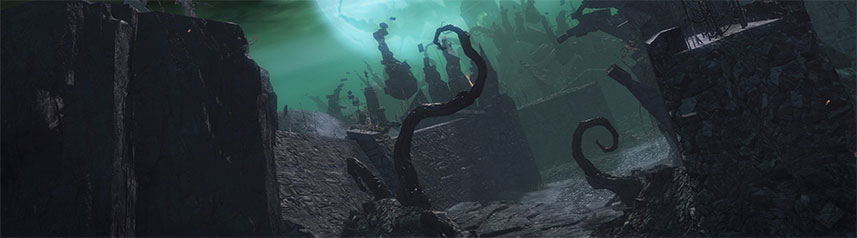
Blade & Soul is a 3D fantasy action MMORPG built around wuxia style martial arts and real-time, combo-focused fighting. Instead of relying purely on cooldown rotations, you are encouraged to react, time counters, and link abilities together to keep pressure on enemies. It pairs that kinetic combat with stylized zones and striking character designs that lean heavily into its signature art direction.
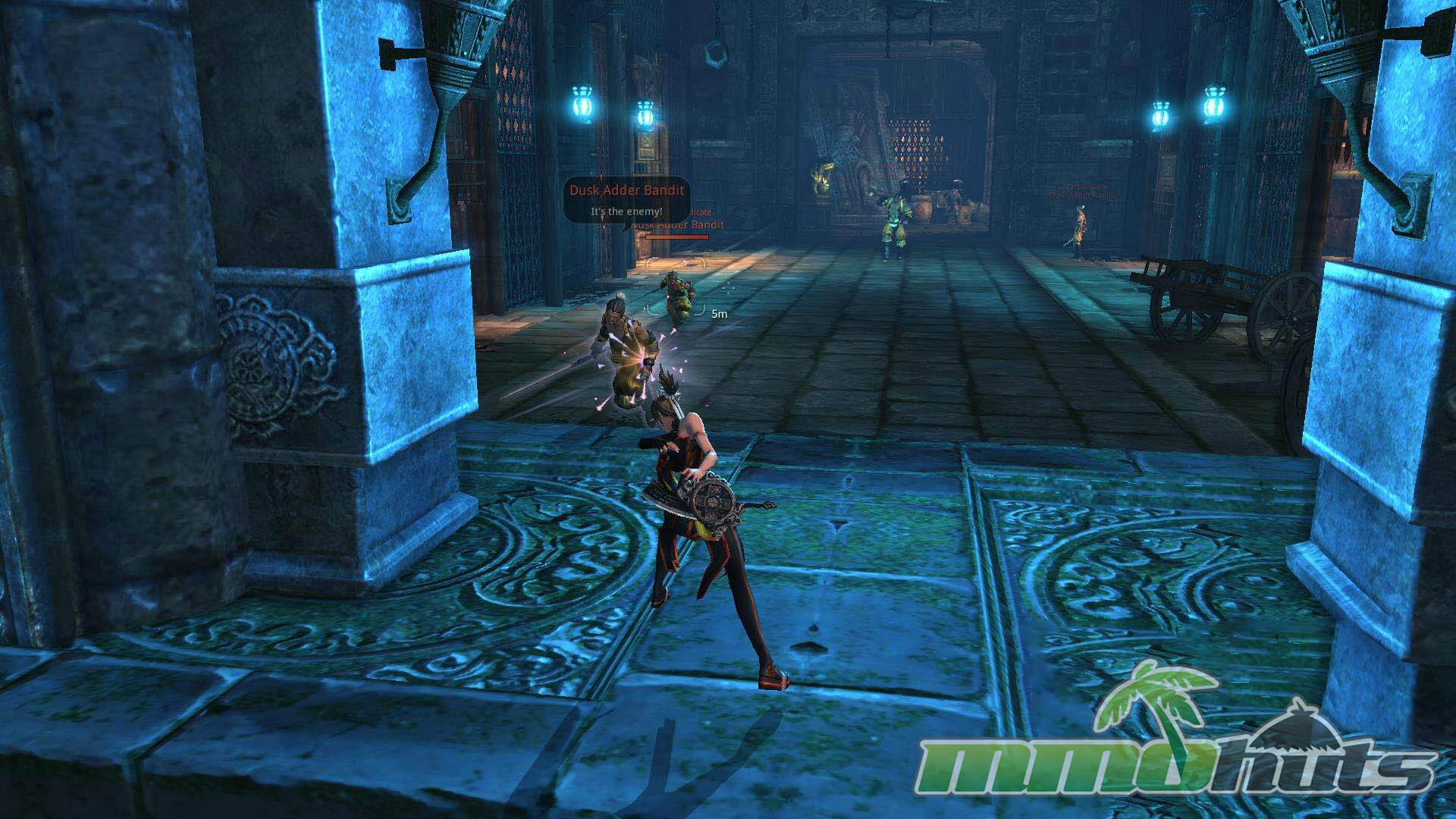 | Publisher: NCsoft Playerbase: High Type: Action MMORPG Release Date: January 19, 2016 (NA/EU) PvP: Open World / Arenas / Battlegrounds Pros: +Fast, combo-driven combat that feels responsive. +Story delivery is steady and easy to follow. +Stylish characters and scenic zones. +Clean UI that is simple to learn. Cons: -Getting around can feel sluggish. -Combat depth creates a tougher learning curve for newcomers. |

Blade & Soul Overview
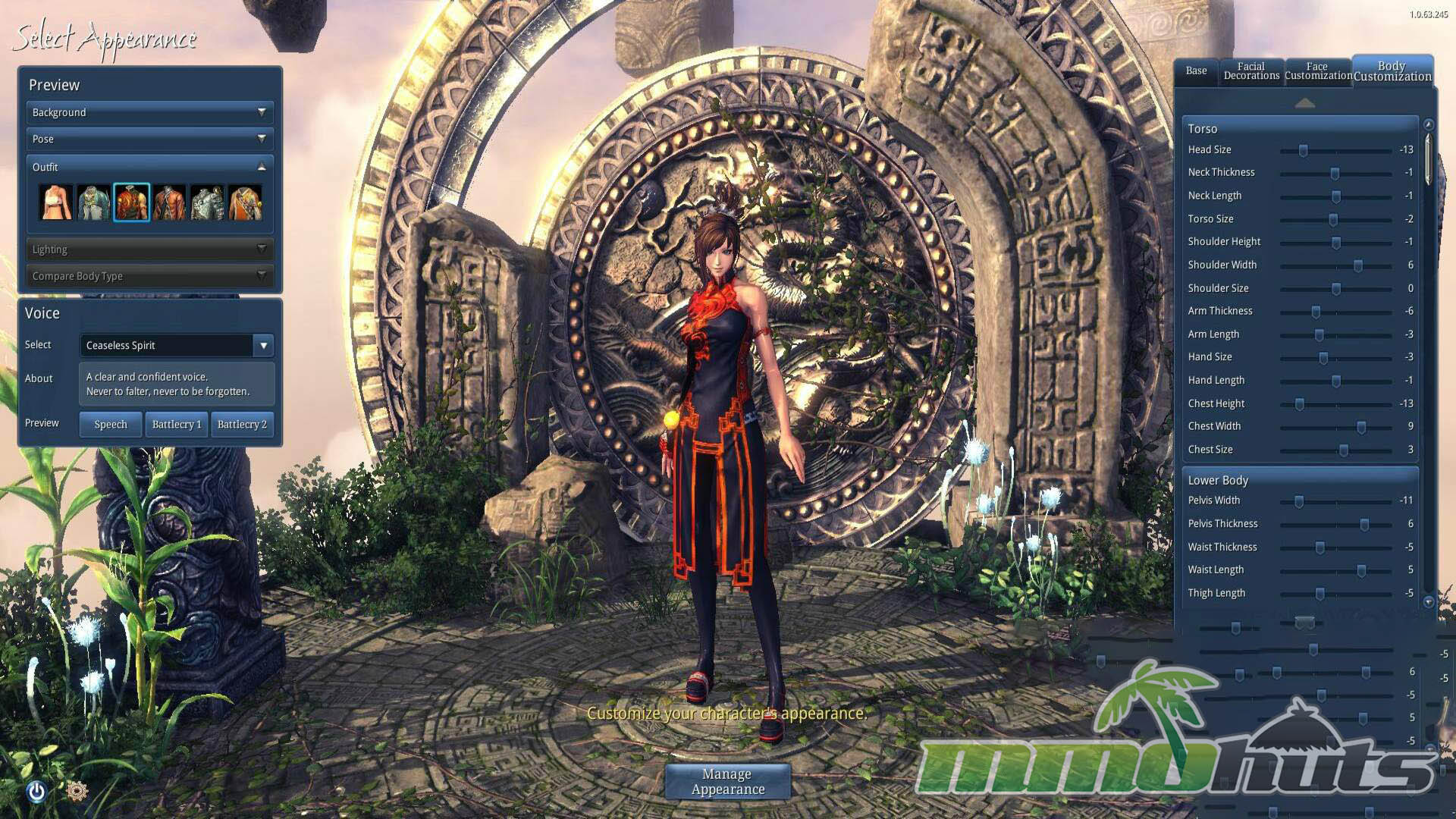
Blade & Soul is a fantasy wuxia MMORPG that puts martial arts combat front and center, with classes inspired by classic archetypes like assassins, sword users, brawlers, and elemental casters. At character creation you pick one of four races (Gon, Jin, Kun, or Lyn) and then choose from seven classes, with race and class availability partially tied together. The creator is one of the game’s big draws, offering presets plus detailed sliders so it is easy to make a unique-looking hero rather than a near-clone of everyone else in town.
Progression is structured like a themepark MMO, with questing and instanced dungeons guiding you from early levels into higher-level play (1-55+). Moment-to-moment gameplay is defined by chaining abilities, using blocks, counters, stuns, and follow-ups to keep enemies locked down or punished for mistakes. It is a blend of traditional MMORPG hotkeys and the rhythm of a fighting game, where good timing matters as much as raw gear. For competitive players, PvP includes structured arena fights (1v1 and 3v3) and faction-based open world conflict, where wearing a faction outfit effectively opts you into fighting rival players.
Blade & Soul Key Features:
- Extensive Customization – pick from four races and seven classes, then fine-tune your look with presets and a deep slider system.
- Arena PvP – step into 1v1 or 3v3 matches where mechanical skill and class mastery decide the outcome.
- Narrative Driven – pursue revenge for the Hongmoon School in a story-focused campaign with voice work and cinematic cutscenes.
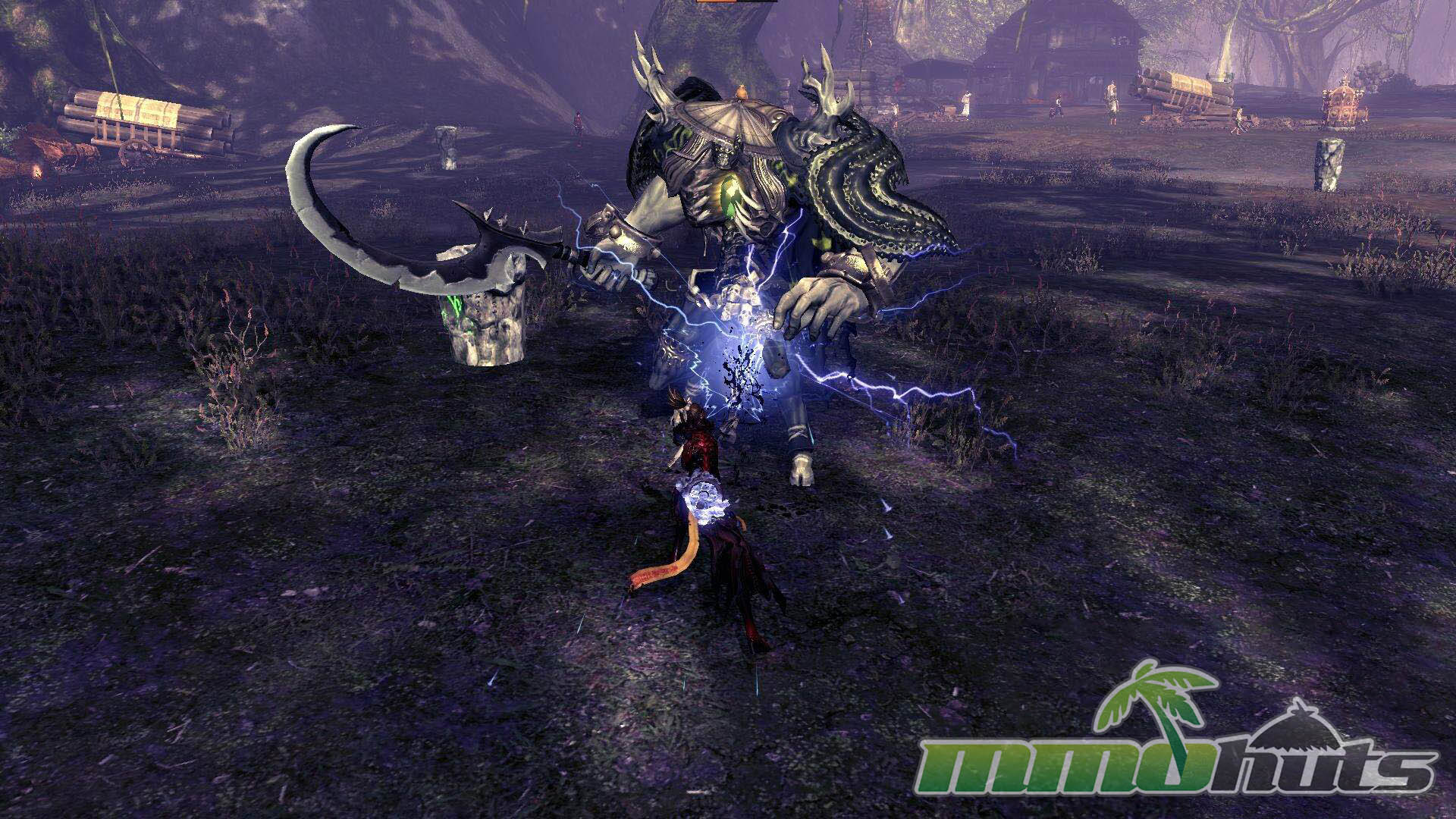
- Engaging Combat – link skills into combos, react with counters, and capitalize on openings for precise burst damage.
- Cosmetic Collection – collect and swap costumes to build a wardrobe of flashy looks while you fight.
Blade & Soul Screenshots

Blade & Soul Featured Video

Blade & Soul Classes and Races
Races:
- Gon – Said to descend from an ancient dragon, the Gon are towering, muscular characters built for brute strength. Class options include Kung Fu Master and Destroyer.
- Jin – The most human-like of the races, the Jin are tied to knowledge and ambition, and are also the most flexible overall. Born of the black tortoise spirit, they can choose Blade Master, Kung Fu Master, and Assassin.
- Kun – A female-only race associated with the Phoenix, the Kun emphasize grace, art, and performance. Class options include Blade Master and Force Master.
- Lyn – Small and animal-like with prominent ears and tails, the Lyn are connected to the spirit world through the Kylin. Available classes include Blade Master, Force Master, and Summoner.
Classes:
- Assassin – Exclusive to the Jin, Assassins fight with short blades and specialize in traps, explosives, and deceptive play.
- Blade Master – Available to Jin and Kun, Blade Masters wield swords with a defensive, reactive style that rewards parries and counterattacks.
- Destroyer – Gon-only, Destroyers swing massive axes and bring high durability, making them natural front-liners with strong splash damage tools.
- Force Master – The game’s primary ranged caster, available to Kun and Lyn. Force Masters trade survivability for distance control and spell damage.
- Sword Master – A Lyn-only counterpart to the Blade Master concept, with lower health and defense but better evasion. Their well-rounded kit and accessible AoE options make them friendly for newer players.
- Kung Fu Master – Available to Gon and Jin, this fist-focused class plays like a technical brawler, with lots of combo routes that feel rewarding once learned.
- Summoner – Lyn-only, Summoners mix ranged attacks with summoned spirit companions, giving them flexible solo and group play options.
Blade & Soul Review
Blade & Soul arrived in North America and Europe several years after establishing itself in Korea, and that delay created an obvious question: could it still stand out in a crowded MMO market that already had multiple action-focused competitors? After spending time with it, the answer comes down to one major point. Blade & Soul’s identity is not “another MMO with action combat,” it is an MMO that is willing to make combat the main attraction, even when that choice makes the learning curve sharper.
A Character Creator Built for Spotlight Chasers
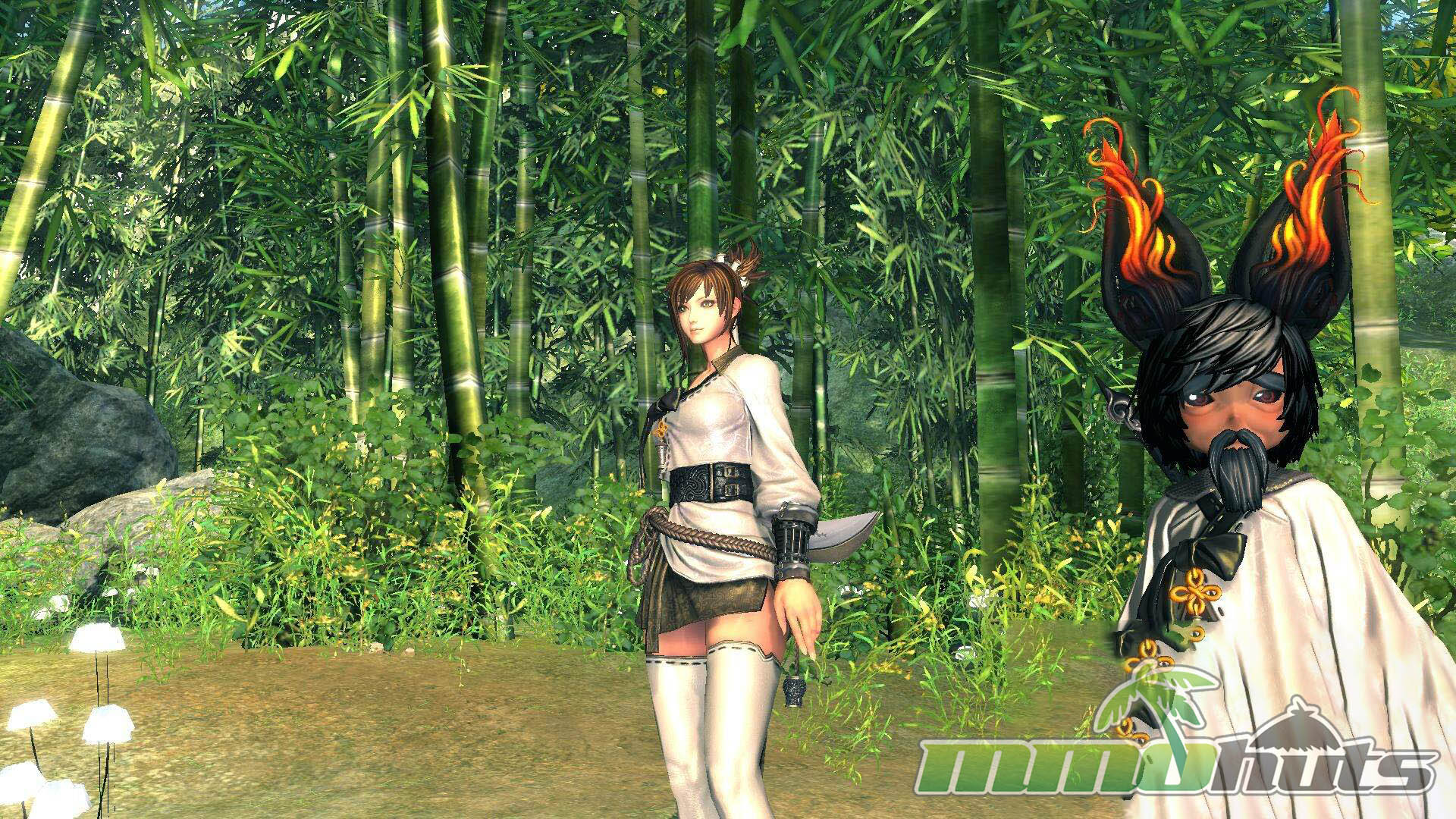
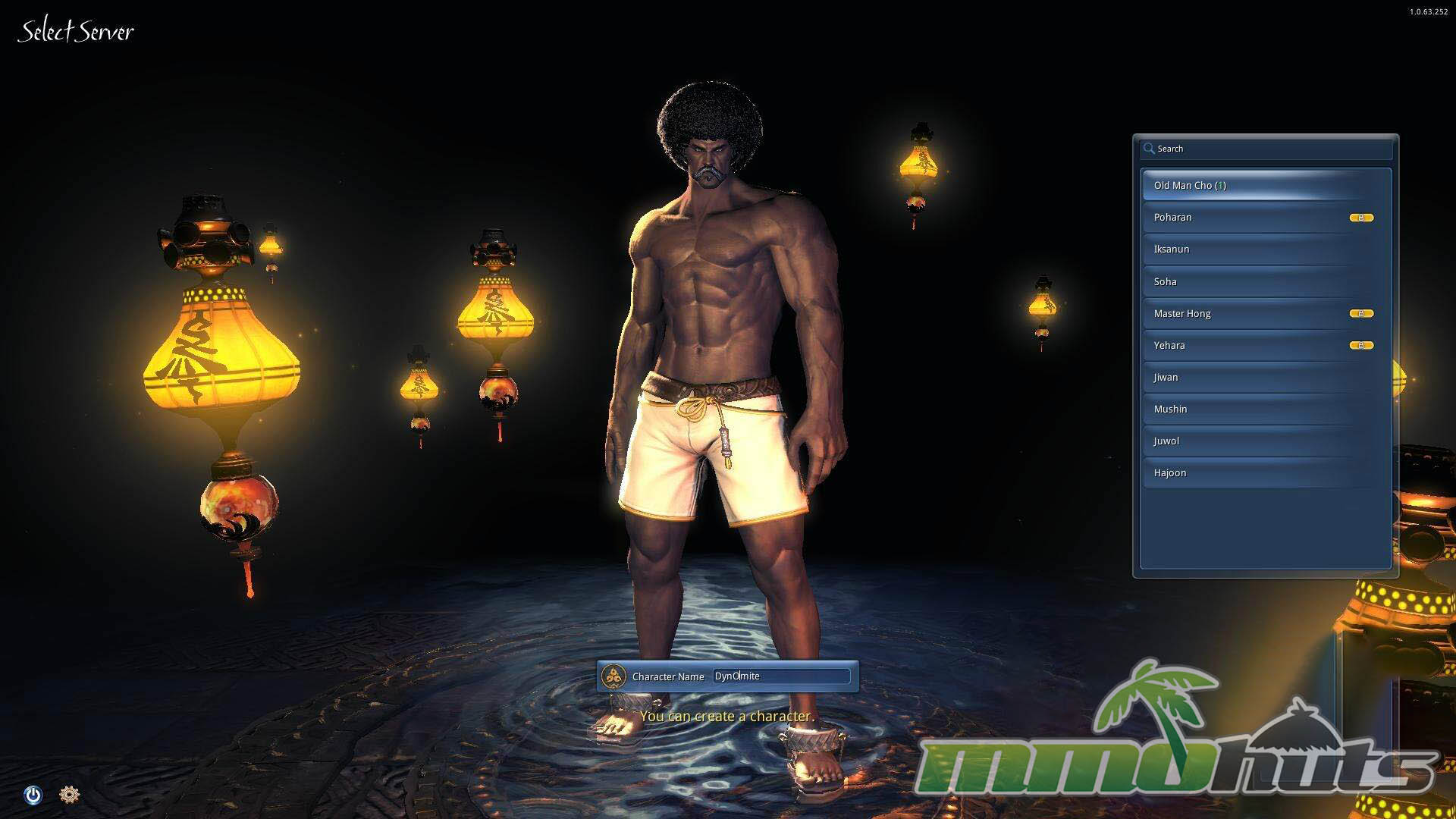
The game’s visual presentation starts with an unusually flexible character creator. You still choose between four distinct races, and class options are restricted by race, but the tools you get for shaping your character are extensive. Between presets and fine-grained sliders, it is easy to create anything from a grounded, athletic martial artist to a highly stylized figure that matches the game’s exaggerated aesthetic. Compared to many MMORPGs that funnel players into similar silhouettes, Blade & Soul gives you room to experiment and, importantly, lets player creativity become part of the social atmosphere in hubs.
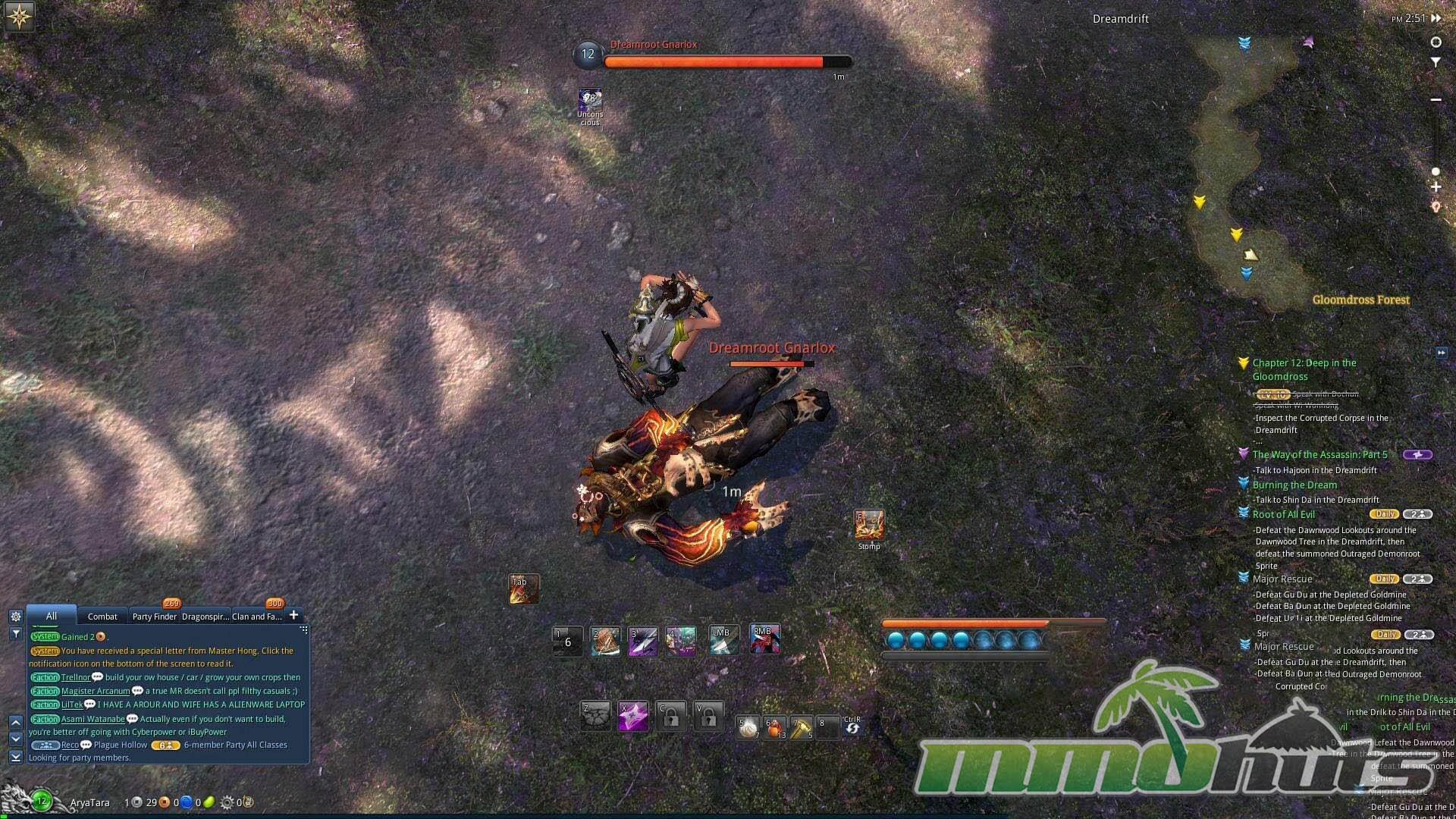
That said, the default proportions and art style will not work for everyone. The models lean into Hyung-Tae Kim’s recognizable look, but some body shapes can appear stretched or doll-like depending on race and slider choices. It is not a technical issue so much as a taste issue, and you will know quickly whether you enjoy the stylization or find it distracting.
Story Presentation That Actually Tries
Blade & Soul opens with a sequence of flashbacks and quickly frames the player’s motivation around the fall of the Hongmoon School and the pursuit of revenge. MMO stories are often treated as optional reading, but here the game regularly uses cutscenes and dramatic framing that feel closer to an anime series than a typical quest chain. Even if you are not invested in every character, the pacing and presentation give the leveling journey a stronger sense of direction than you might expect from the genre.
Voice acting is present, but inconsistent. Some NPCs are voiced while others are not, and the distribution can feel arbitrary, which occasionally pulls you out of scenes. The overall intent is appreciated, but it does not always land with the same impact across the entire campaign.
Combat That Rewards Timing Over Routine
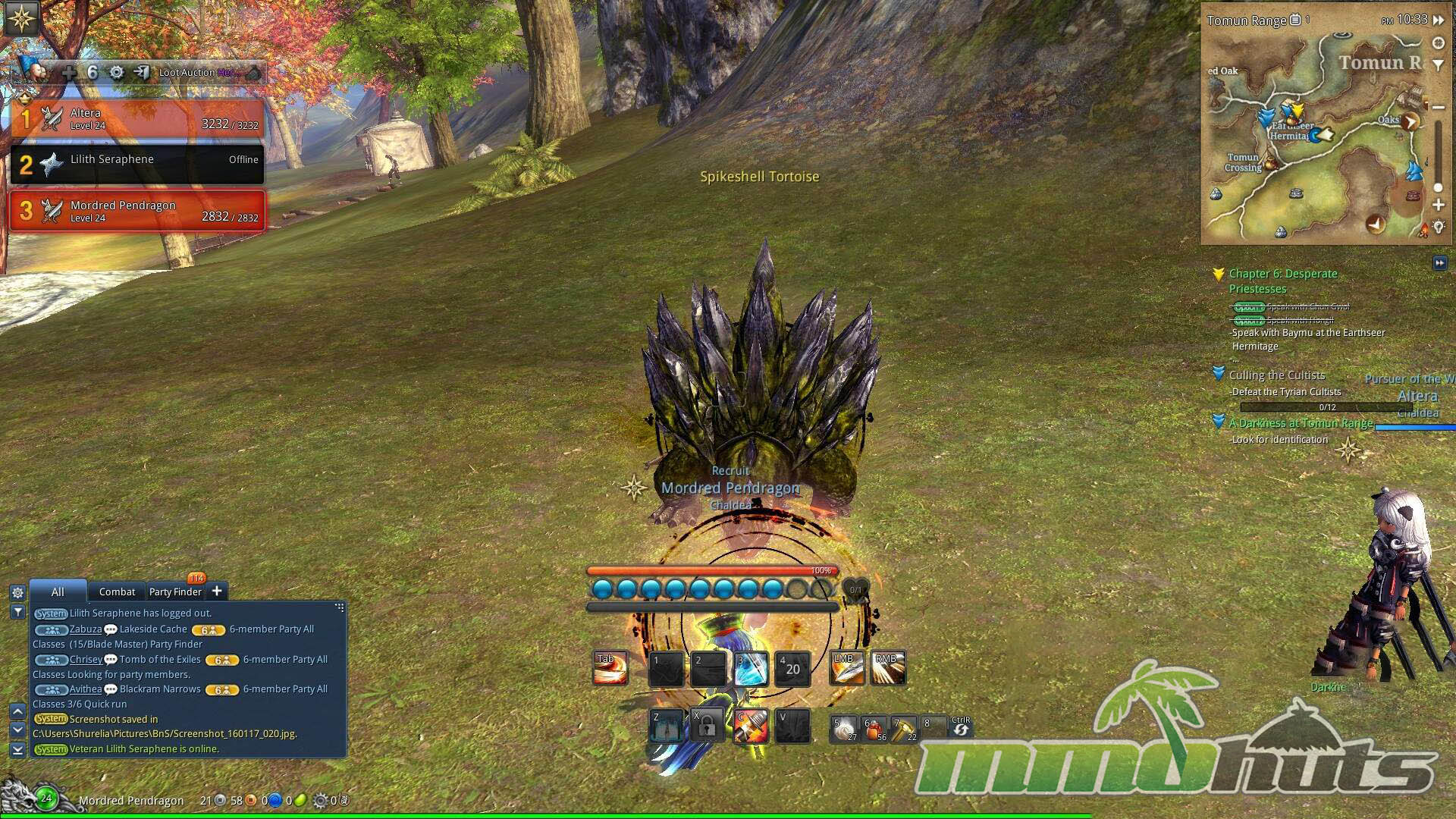
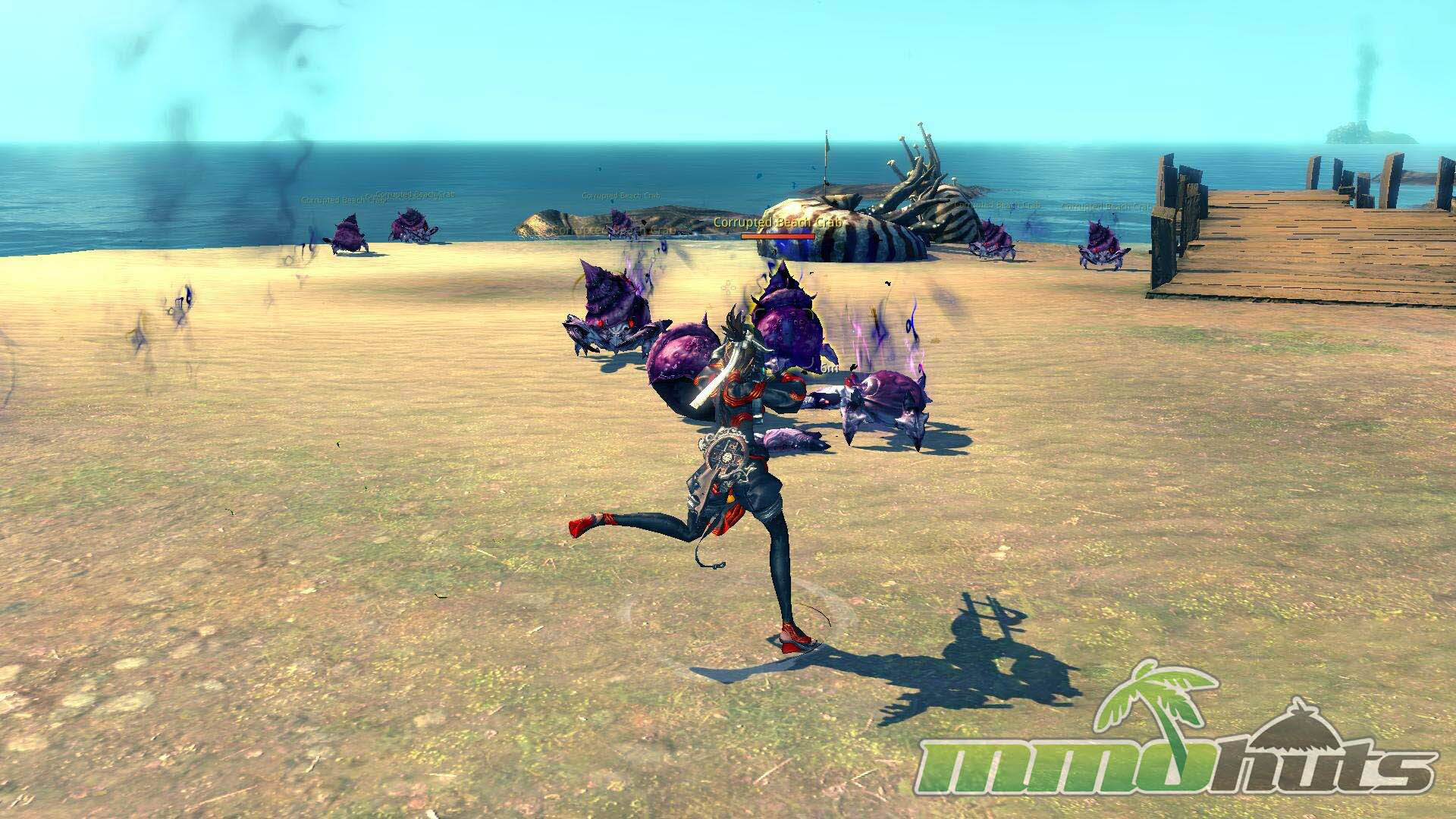
The clearest reason to play Blade & Soul is its fighting system. Abilities are mapped to a compact set of keys (1-4, Z-V, plus mouse buttons), which keeps your hand position stable and encourages quick reactions. Encounters are not about standing still and executing a memorized rotation. Instead, you are frequently watching for openings, using defensive tools, and chaining skills to trigger follow-up attacks. Successfully linking abilities can unlock additional actions (such as those bound to F and Tab), and knowing when to use them is a major part of both PvE efficiency and PvP success.
As an action MMO, it sits in an interesting middle ground. It has the structure of an RPG skill kit, but the tempo and mind games can feel closer to a fighting game, especially in duels. When you take a hit, it often feels like a missed read or a late response rather than unavoidable damage, and that sense of accountability is a big part of the game’s appeal.
Questing and Progression, With Side Systems to Break It Up
Leveling follows familiar themepark patterns: you move zone to zone completing quests, dipping into instanced content, and unlocking systems along the way. The core loop can still feel repetitive at times, particularly in how areas funnel you along linear routes, but Blade & Soul tries to keep the process from becoming pure busywork. World bosses, gear upgrading, and collectible-focused side activities provide detours, and the combat itself does a lot of heavy lifting in keeping routine fights engaging.
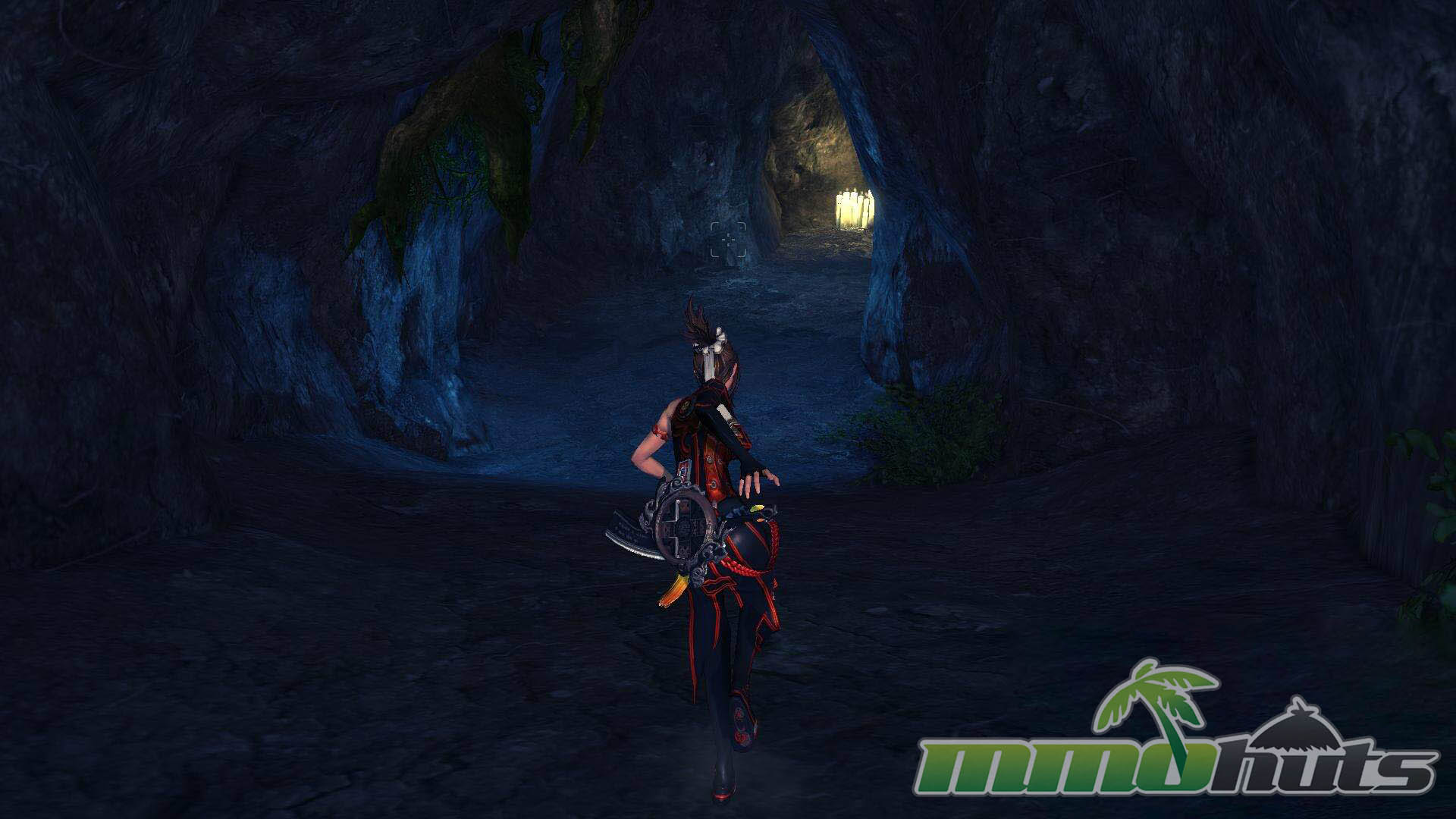
The environment design is generally strong, with zones that have distinct moods and a consistent art style, even if some quest spaces and cave-like routes start to feel reused after a while. It is not an open-world sandbox, it is a guided tour through themed regions, and your enjoyment will depend on how much you value directed progression versus freeform exploration.
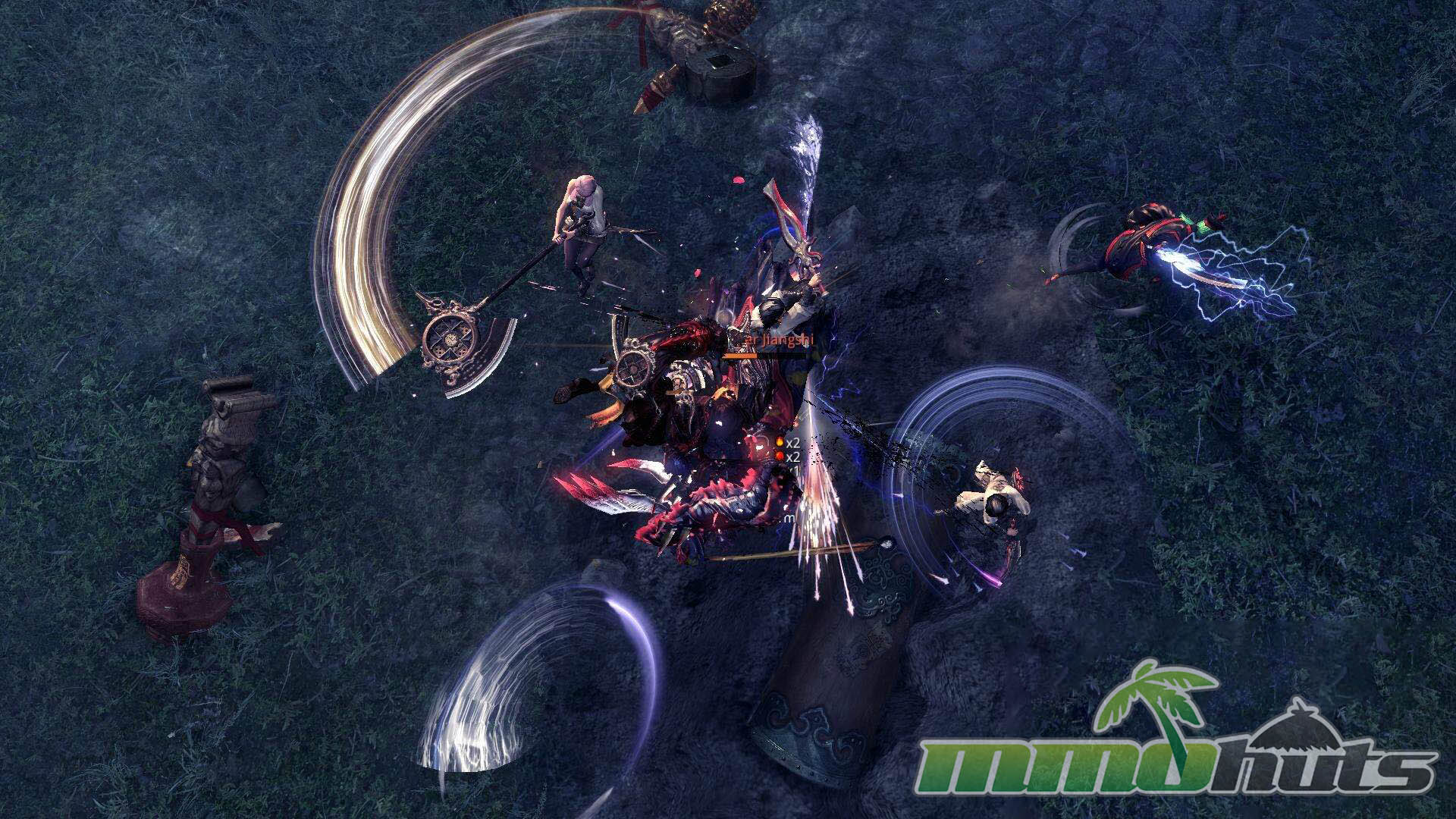
Group play is also notable because it does not lean as heavily on the classic tank-healer-damage formula as many MMORPGs do. Instead, survival and control are more distributed across the party, which pushes coordination: timing crowd control, chaining knockdowns, and setting up team-based combos matter. In practice, it makes dungeons feel more active than the usual “stand behind the tank” routine, especially for players who like communicating and refining execution.
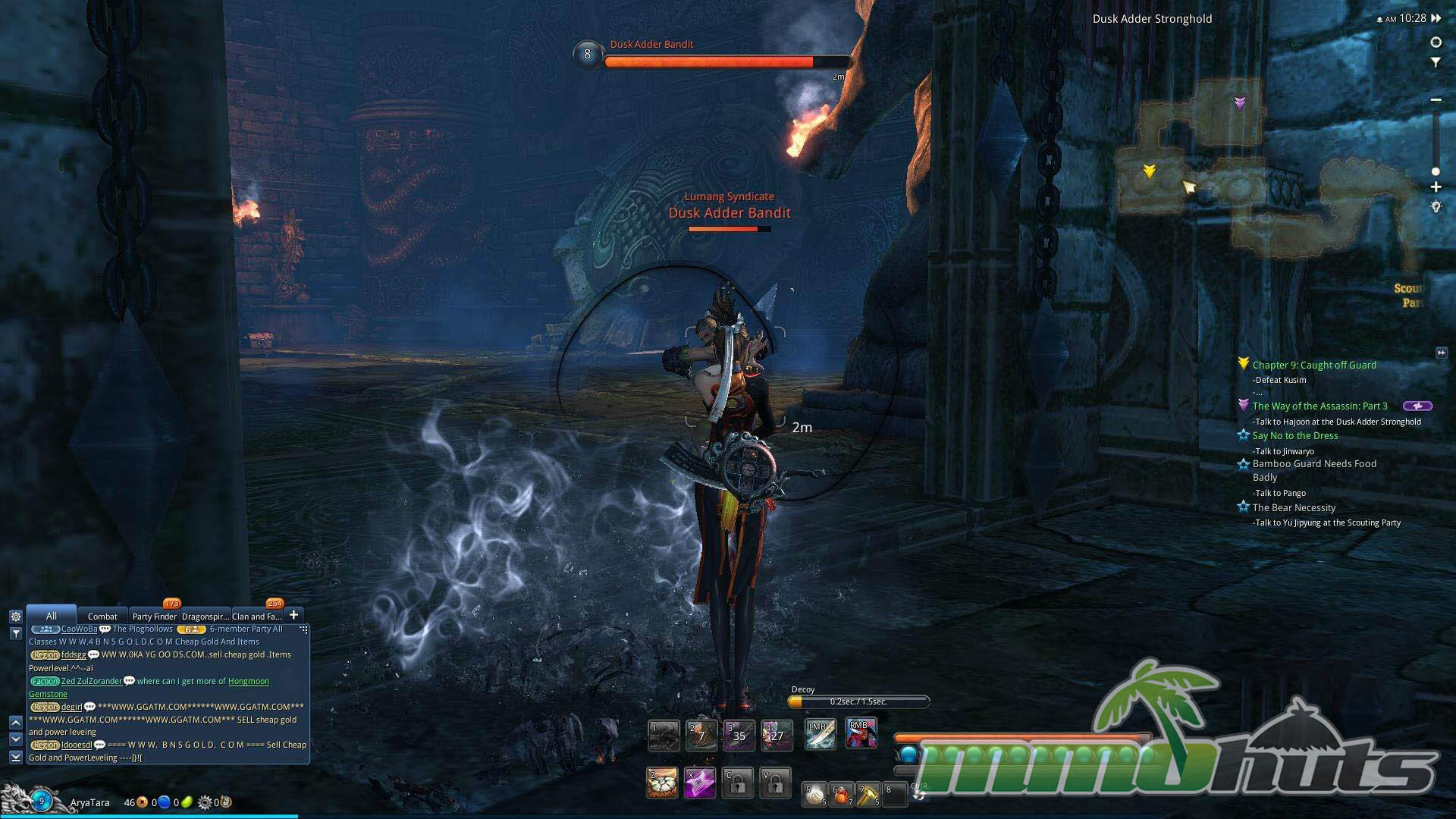
PvP: Factions in the World, Skill Tests in the Arena
Blade & Soul’s PvP comes in two distinct flavors. In the open world, faction outfits act as a clear signal that you are choosing conflict, turning contested areas into skirmish zones where rival players can clash around NPC camps and objectives. It is a simple concept, but effective because it puts PvE and PvP players in the same spaces without forcing everyone into constant danger.
Arena PvP is where the combat system really shows its depth. Matches are built around outplaying opponents through timing, reads, and class knowledge, and gear is not the deciding factor in the way it often is in MMO PvP. The result is a mode that is easy to appreciate as a spectator and satisfying for players who want competition based primarily on execution and decision-making.
Visuals and Interface: Strong Style, Some Rough Edges
The game’s aesthetic is one of its strengths. On higher settings it holds up well, with dramatic landscapes, vibrant color, and a cohesive look that embraces its anime-inspired identity. There are also minor presentation quirks, and some animations and grounding can look a little off in motion, but the overall art direction does more to elevate the experience than these small issues do to harm it.
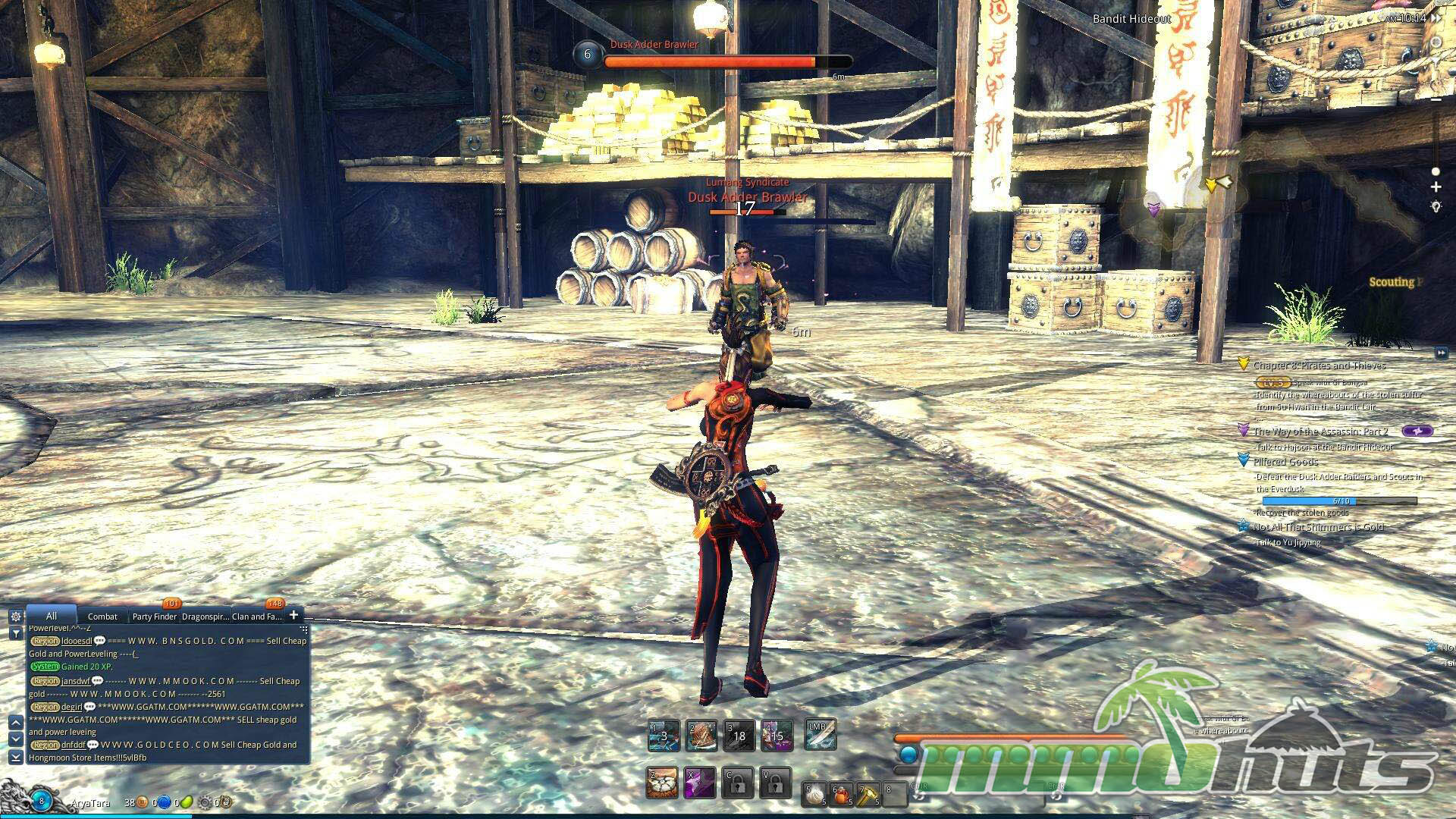
The interface is functional and readable, although the default layout can feel busy. Fortunately, resizing and adjusting elements helps a lot, and the option to reduce UI clutter (such as using Ctrl + X) can make the world feel more immersive when you are not actively managing menus.
Monetization and Premium Tiers
Blade & Soul includes a sizable cash shop using NCsoft’s NCoin alongside in-game earned currency. The offerings cover the usual range: cosmetics, convenience items, and progression-adjacent boosts. Premium membership is also available, and while purchasing it grants immediate access to a base tier, the broader perk structure is split into multiple premium ranks that are earned by accumulating premium points through spending NCoin and Hongmoon Coin.
In practical terms, the bonuses tend to focus on convenience and presentation rather than direct power spikes, but the structure can still feel overly complicated for what is essentially a membership system. If you prefer a straightforward subscription model where the benefits are clear and complete at purchase, Blade & Soul’s layered ranks may feel like unnecessary friction.

Inventory pressure is another recurring point. Limited bag space and item management can push free-to-play users toward convenience purchases, and certain locked items that require keys add to that impression. While there are ways to earn expansions through gameplay and events, the baseline constraints are noticeable during regular play.
Founder’s Packs and Account Value Concerns
The Founder’s Packs range from $24.99 for the Initiate package up to $124.99 for the highest tier, bundling items like Premium Service and other quality-of-life improvements. The catch is that some of the most attractive inclusions, including exclusive cosmetics and conveniences like bag space, apply to a single character rather than your full account. That limitation significantly changes the value proposition, particularly for players who enjoy rerolling or maintaining multiple characters.
Final Verdict – Good
Blade & Soul remains one of the strongest options for players who want an MMO that truly prioritizes martial arts action. Its combo-driven combat, stylish presentation, and competitive PvP modes give it a clear identity, and the story is delivered with more flair than most MMORPG campaigns. The drawbacks are real, namely travel pacing, a demanding combat learning curve, and monetization decisions that sometimes lean too hard on convenience pressure. If you want a wuxia-themed MMORPG where personal execution matters, Blade & Soul is still easy to recommend.
Blade & Soul Links
Blade and Soul Official Site
Blade & Soul Gamepedia (Database / Guides)
Blade & Soul Subreddit
Blade & Soul Wikipedia Page
Blade & Soul System Requirements
Minimum Requirements:
Operating System: Windows XP
CPU: Intel Core 2 DUo E6600 2.4 GHz / AMD Athlon 64 X2 Dual Core 4600+
Video Card: GeForce 8600 GT / ATI Radeon HD 4650
RAM: 2 GB
Hard Disk Space: 15GB
Recommended Requirements:
Operating System: Windows 7 / 8
CPU: Intel Core 2 Quad Q6400 2.13 GHz / AMD Phenom II X4 805 or better
Video Card: GeForce 8800 GT / ATI Radeon HD 4850 or better
RAM: 4 GB
Hard Disk Space: 15GB
Blade & Soul Music & Soundtrack
Blade & Soul Additional Information
Developer: NCSoft (Team Bloodlust)
Executive Producer: James Bae
Art Director: Hyung-Tae Kim
Composer: Taro Iwashiro
Foreign Release:
Korea: June 30, 2012 (Published by NCSoft)
China: November 28, 2013 (Published by Tencent)
Japan: May 20, 2014
Taiwan: November 20, 2014
Russia: TBA
English Beta Testing Schedule:
Weekend 1: Oct 30–Nov 2 [English only]
Weekend 2: Nov 13–16 [English only]
Weekend 3: Nov 24–30 [English, French, German]
Weekend 4: Dec 11–14 [English, French, German]
Weekend 5: Dec 18–21 [English, French, German]
Release Date: January 19, 2016
Development History / Background:
Blade & Soul was created by Team Bloodlist, a development group within Korean publisher and developer NCSoft. It first launched in Korea on June 30, 2012. Discussion around an English release surfaced in 2013, but a formal announcement did not arrive until May 20, 2015. NCSoft then outlined five English beta weekends, starting October 30, 2015, and ending December 21, 2015. The game officially launched for North America and Europe on January 19, 2016.
A prequel was revealed on July 11, 2016, under the title Blade & Soul: Hongmoon Rising. This project is co-developed by Tencent Games and NCSoft, and is intended to explore the Hongmoon Clan and its rise to prominence.