
Blade and Soul Mobile adapts the Blade and Soul universe into a fantasy-themed mobile TCG, focusing on building a compact five-card deck and taking it into quick battles. Players collect hundreds of cards, then push their power higher by improving stats through upgrades and by slotting in gear like weapons, armor, and accessories.
 | Publisher: Tencent Games Type: Mobile TCG Release Date: March 10, 2016 (China only) Shut Down: 2022 Pros: +Huge card pool with lots to chase. +Battles mix auto actions with timed inputs. +Multiple progression layers, including upgrades and gear. Cons: -Hard to research in detail due to scarce coverage. -Never received an announced Western release. |
Blade and Soul Mobile Shut Down in 2022
Blade and Soul Mobile Overview
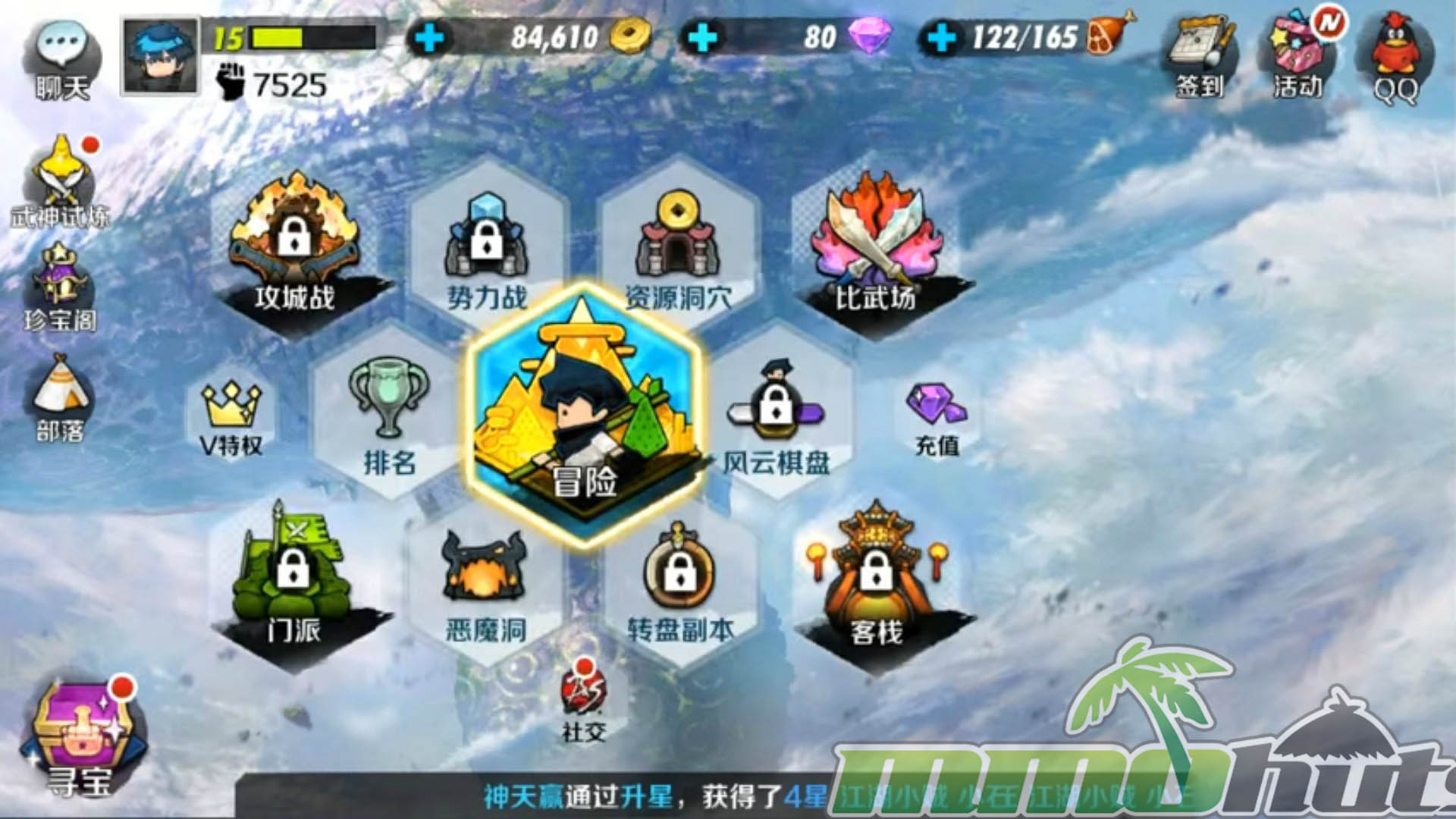
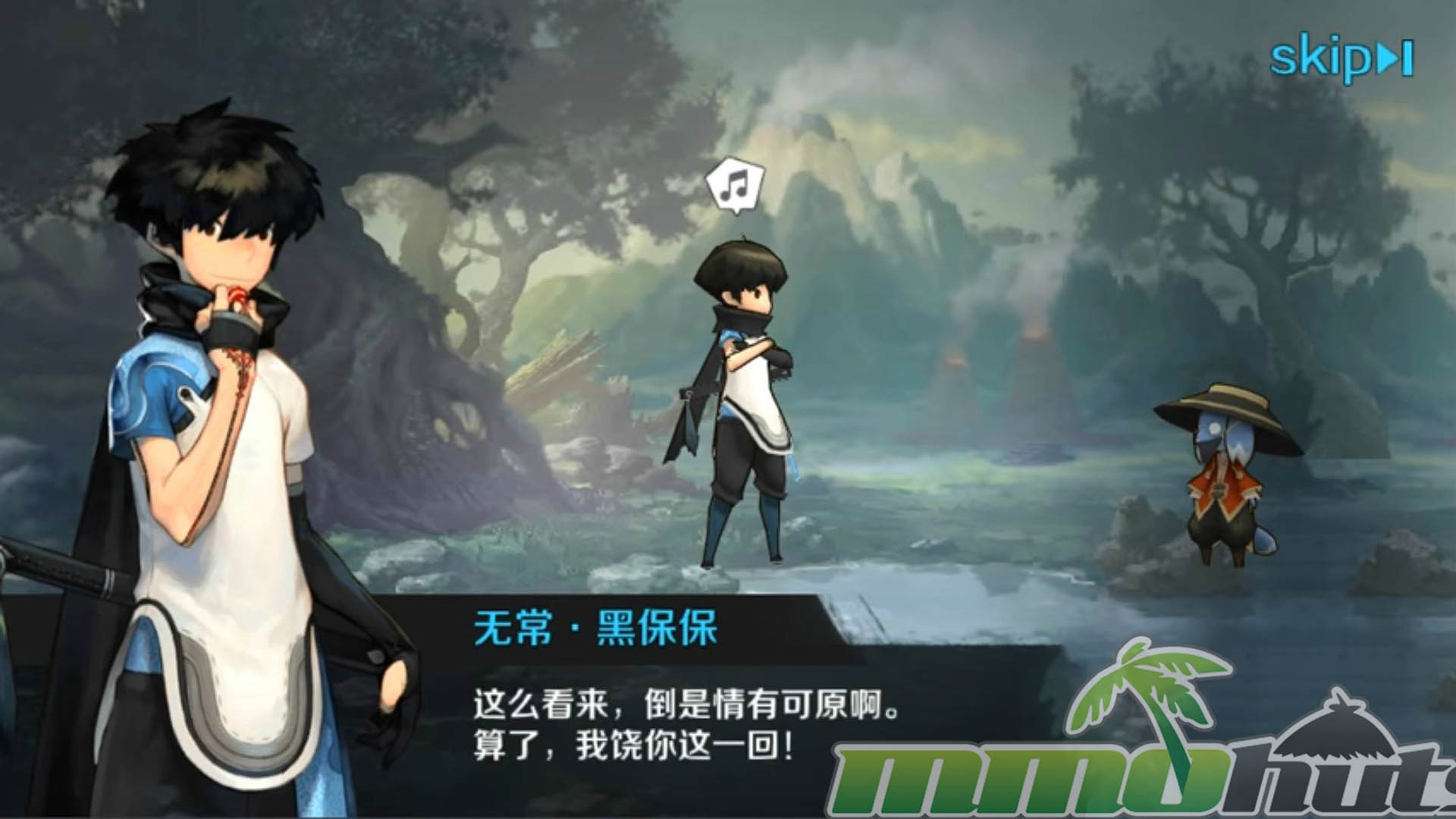
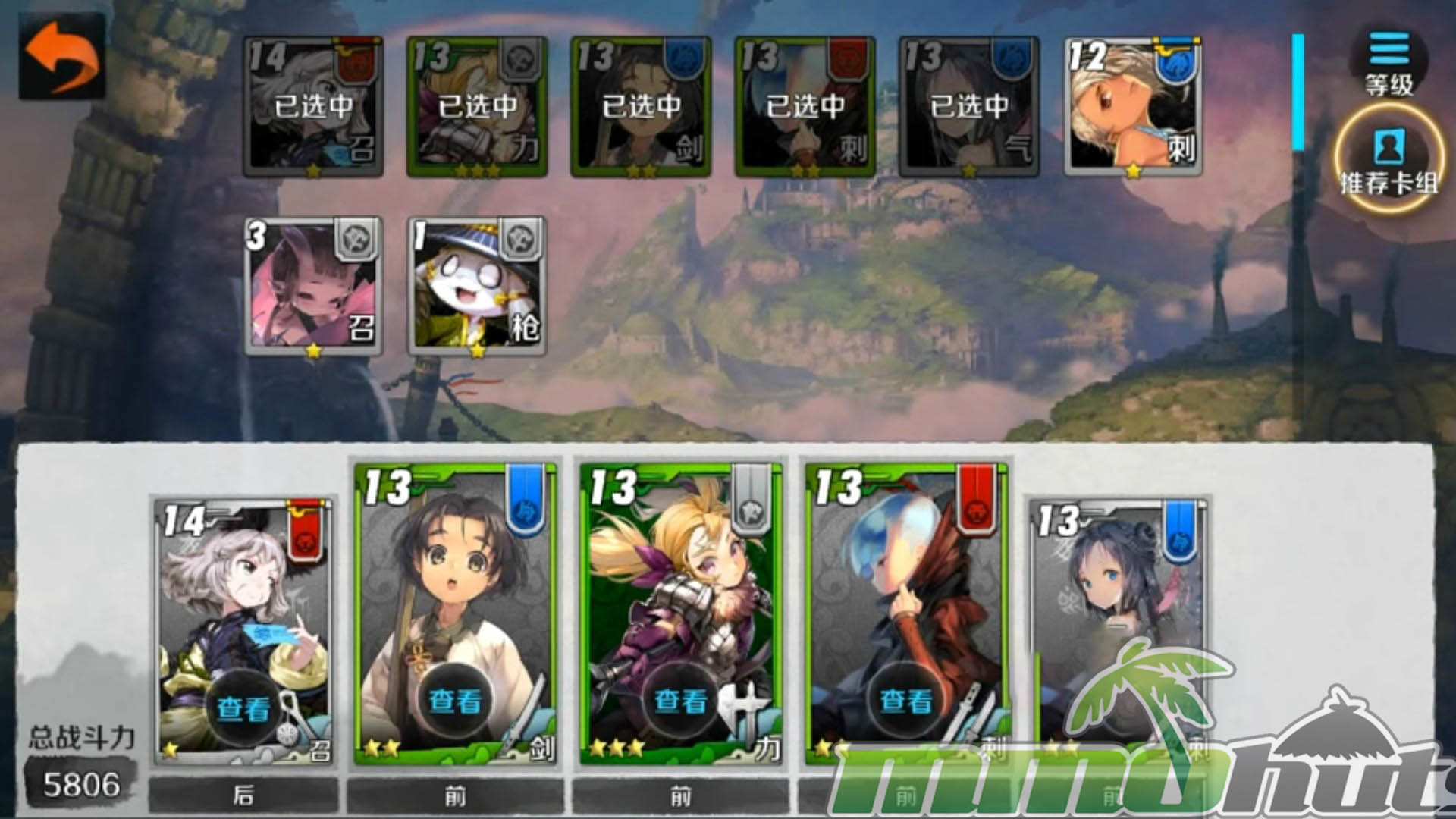
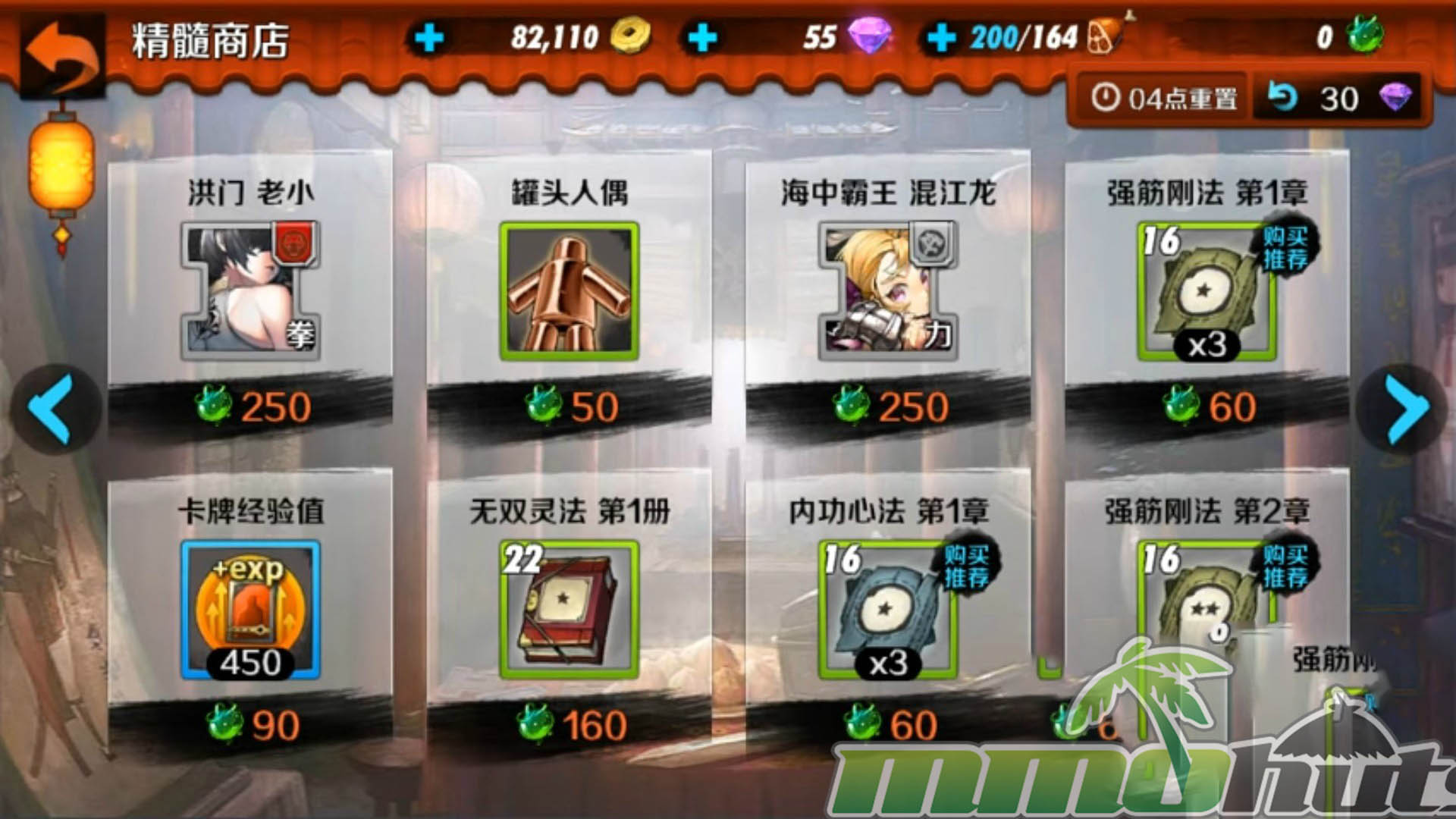
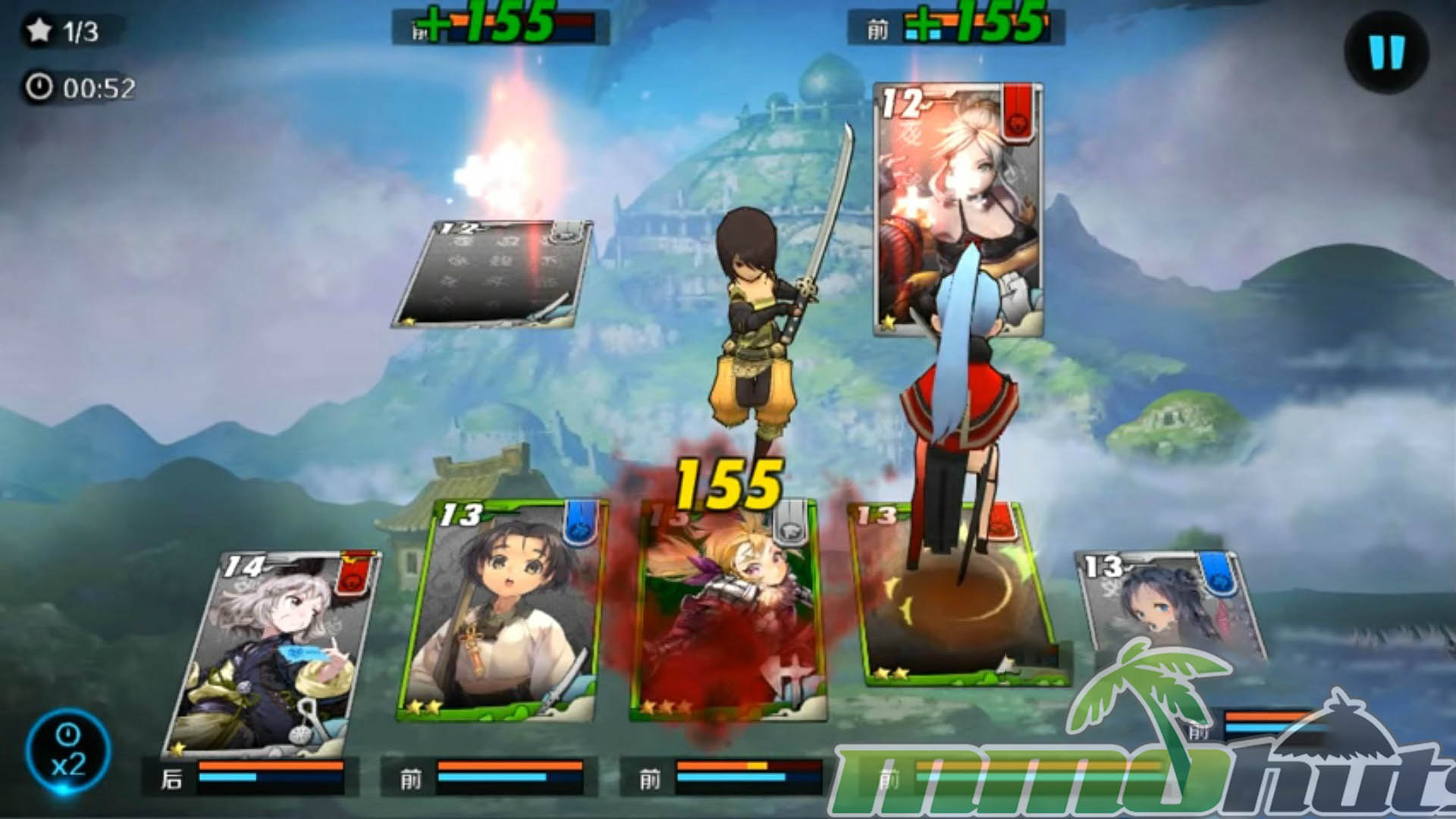
Blade and Soul Mobile is a fantasy trading card game for iOS and Android where combat is driven by a five-card deck. The collection spans hundreds of cards with rarity tiers that run from 1 star up to 7+ stars, including cards based on recognizable faces from the wider Blade and Soul franchise. Between matches, you build power through a familiar set of TCG progression systems, raising card levels, performing higher-end upgrade steps (such as level breaking), and improving performance further through equipment. Weapons, armor, and accessories can be purchased via the in-game store or earned through play as drops. In battle, the game leans into a hybrid pace, your cards handle basic attacks automatically, while you react to on-screen prompts to trigger dodges, combo sequences, and signature skills. Content is split between a solo campaign, PvE challenges like raid boss dungeons, and player versus player battles for those who want to test their deck against others.
Blade and Soul Mobile Key Features:
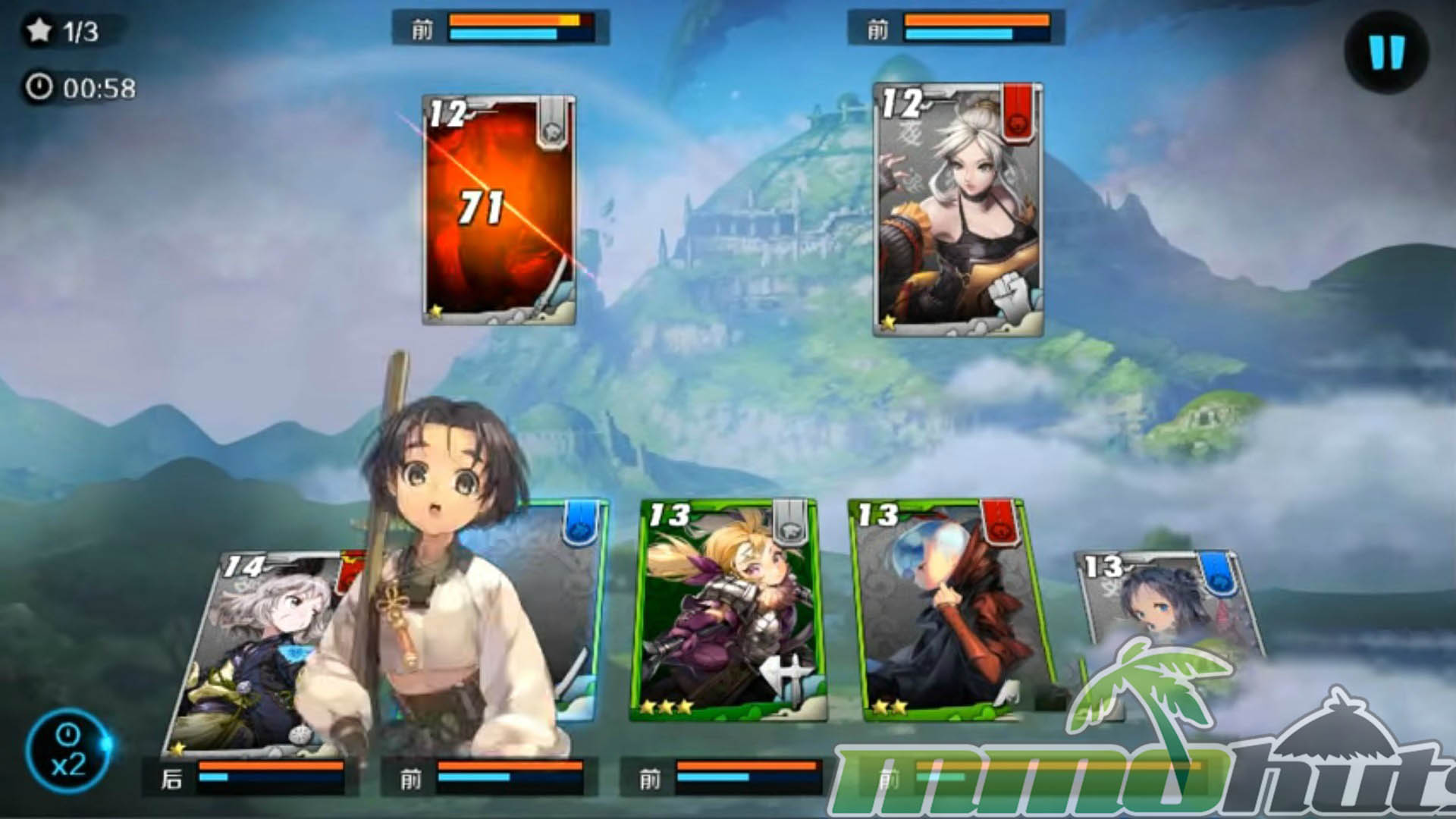
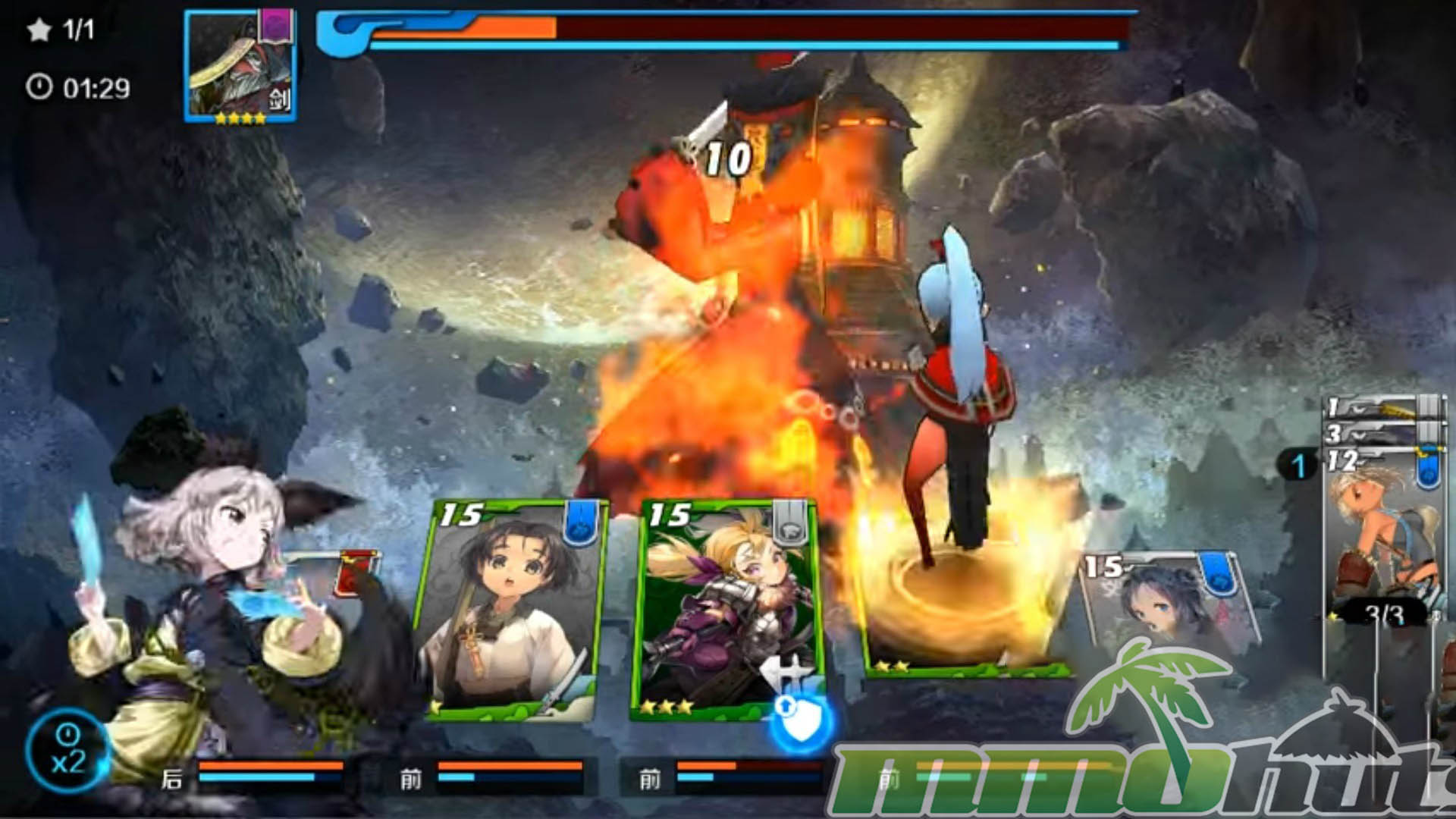
- Cards with 3D Models – character cards are presented with charming visuals and appear as 3D models during fights.
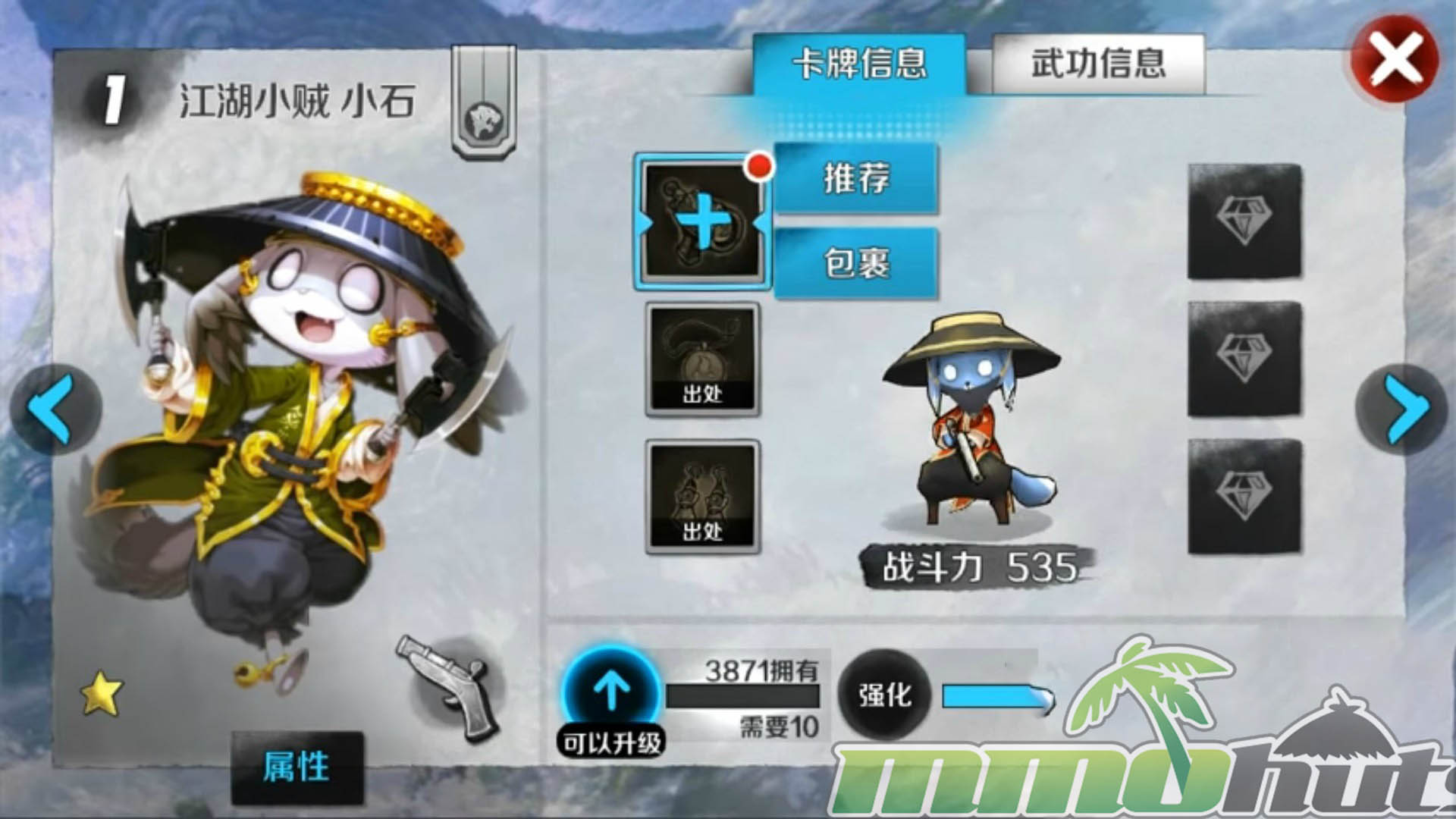
- Card Collection – a large roster of cards to obtain, with varied rarity and artwork.
- Enhance and Equip – strengthen your lineup through upgrades, then add gear to round out stats and roles.
- Hybrid Combat System – combat blends automatic actions with quick reactions, prompting you to tap for combos, evasions, and special moves.
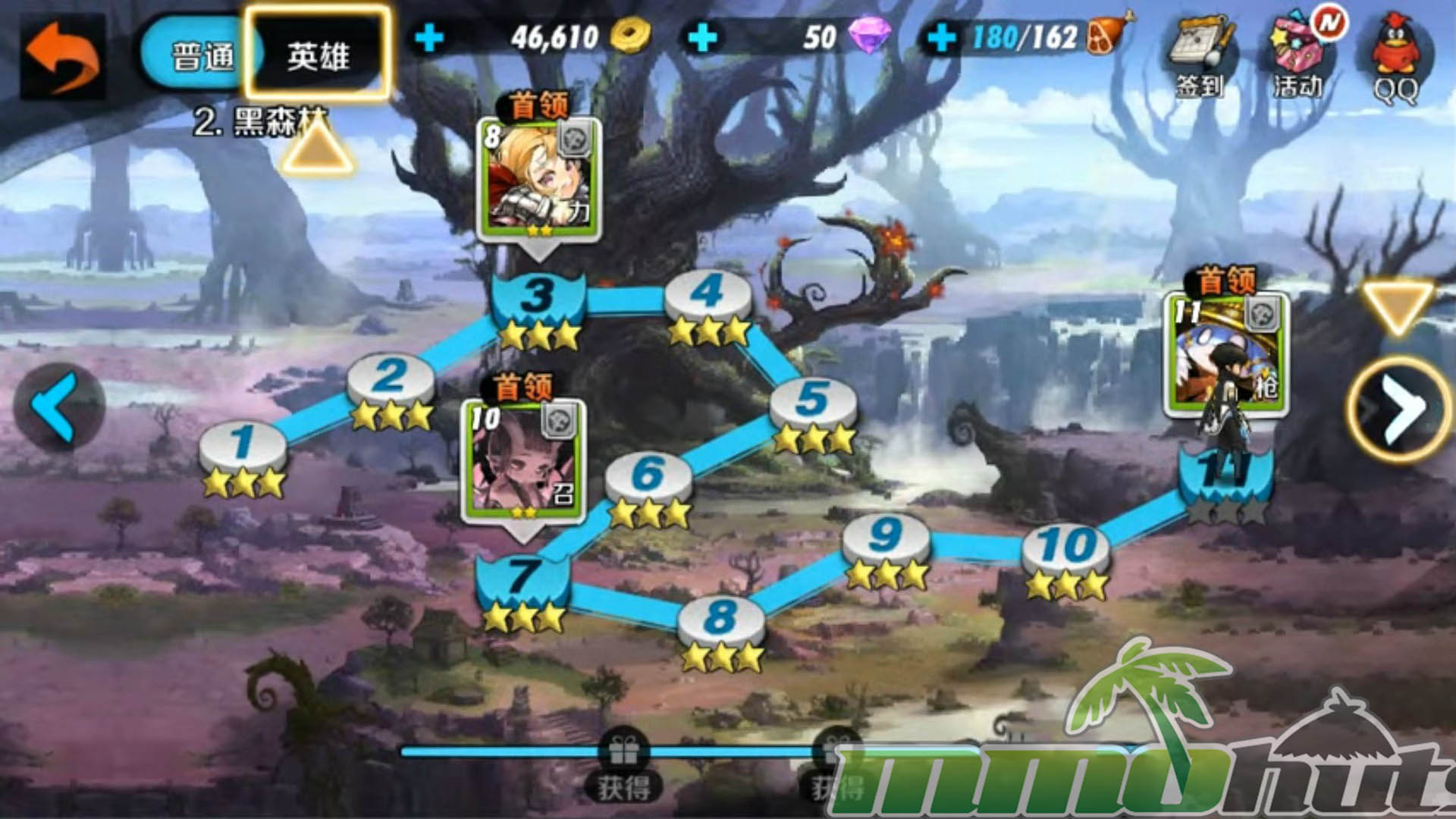
- PvE and PvP – progress through story stages, challenge dungeon bosses, and compete against other players.
Blade and Soul Mobile Screenshots

Blade and Soul Mobile Featured Video

Blade and Soul Mobile Review
Blade and Soul Mobile is best understood as a collectible card battler that tries to capture the franchise’s action flavor without becoming a full real-time action RPG. The core loop is straightforward, you acquire cards, tune a five-card lineup, and take that team into short encounters that ask for occasional timing and decision-making rather than constant manual control.
The most distinctive element is the combat pacing. Basic attacks and general flow are largely automated, but the game repeatedly asks you to respond to pop-up prompts to execute key actions. When it works, the system gives battles a sense of rhythm, you are not just watching numbers climb, but you are also looking for moments to dodge, extend combos, or fire off a stronger ability. It is more involved than a purely idle-style card game, yet still accessible compared to games that demand full manual control.
Collection and progression are clearly the long-term hook. With rarities stretching from 1 star to 7+ stars, there is a wide ladder of power to climb, and the game supports it with multiple upgrade vectors. Leveling and more advanced growth steps (including level breaking) provide the expected stat scaling, while equipment adds another layer of optimization. Gear also helps define how a card performs in practice, letting you lean into survivability, damage, or other stat priorities depending on the content you are pushing.
On the content side, the structure covers the typical pillars. The single-player campaign is the main place to learn systems and steadily ramp difficulty, while raid boss dungeons provide repeatable PvE pressure that rewards stronger builds and better execution. PvP rounds out the package for players who prefer a competitive target, and the five-card format keeps matchups quick enough to fit mobile sessions.
The drawbacks mostly come from its circumstances rather than the design itself. As a China-only release with limited public documentation, it can be difficult to verify details, follow historical changes, or find comprehensive community resources. The lack of a Western launch also means many interested Blade and Soul fans never had an official local option, and with the game shut down in 2022, it now stands as a closed chapter of the franchise’s mobile experiments.
Blade and Soul Mobile Links
Blade and Soul Mobile Official Site [Chinese]
Blade and Soul Mobile Google Play [Chinese]
Blade and Soul Mobile iTunes App Store [Chinese]
Blade and Soul Mobile System Requirements
Minimum Requirements:
Operating System: Android 4.0 / iOS 6.0
Blade and Soul Mobile Music & Soundtrack
The soundtrack and audio direction have limited publicly archived information, especially compared to the PC title. What is clear is that the game aims for a fantasy combat atmosphere, with sound cues that support the timed-input prompts and ability activations typical of its hybrid battle system.
Blade and Soul Mobile Additional Information
Chinese Title: 战斗吧剑灵
Developer(s): NCsoft
Publisher(s): Tencent Games
Platform(s): iOS, Android
Language(s): Chinese
Closed Beta: 2015 (Android)
Chinese Android Release: February 7, 2016
Chinese iOS Release: March 10, 2016
Shut Down: 2022
Development History / Background:
Blade and Soul Mobile was created by NCsoft and published in China by Tencent Games, positioning it as a mobile spin-off tied to the Blade and Soul brand rather than a direct port of the PC MMORPG. Instead of reproducing the original game’s action MMO structure, it reframed the universe into a collectible card format built for shorter sessions and mobile-friendly progression. The title ran Android closed beta testing during 2015, followed by its China releases in early 2016 (Android first, then iOS). Service ended prior to, or by, 2022, and no official Western version was announced during its lifetime.